Essential Reads
The Founding Fathers never saw political parties coming—and that one oversight may be tearing the country apart today. We get into that (and so much more) in this conversation with historian Grady Eades. Get ready to rethink everything you learned in school.
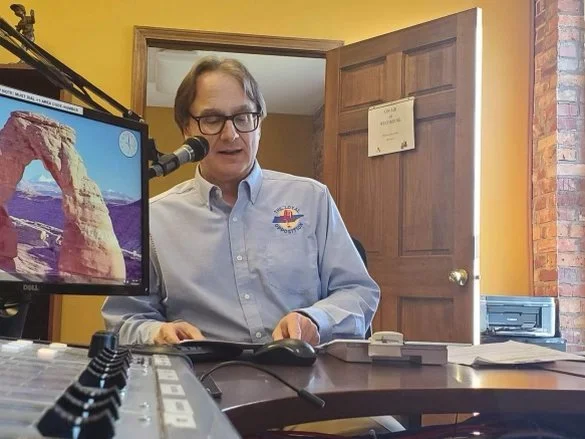
Veteran journalist Pat Embry shares his 50 years of experience inside the evolution of journalism, the use of propaganda, and how to find the truth in a world full of misinformation.
Explore Society & Culture
Government, Democracy, Law & Civic Life
Explore democracy, government, law, civic engagement, political systems, public institutions, and what it means to participate in society.
Explore →Media Literacy, Technology & Modern Culture
Explore media, misinformation, AI, technology, social media, cultural trends, and the forces shaping how we understand modern life.
Explore →Race, Civil Rights & Social Justice
Explore race, racism, civil rights, inequality, privilege, social justice movements, advocacy, and the ongoing work toward equity.
Explore →Gender, Identity & Belonging
Explore gender, sexuality, masculinity, identity, representation, belonging, self-expression, and the experience of being seen.
Explore →Art, Music & Creative Expression
Explore art, music, performance, storytelling, creativity, cultural movements, and the ways we use expression to understand ourselves.
Explore →Education, Learning & Human Development
Explore education, teaching, learning, literacy, childhood development, higher education, and the ways knowledge and experience shape people across the lifespan.
Explore →Military, Veterans & Life After Service
Explore military service, veteran identity, reintegration, purpose, mental health, community, and the realities of life after service.
Explore →Community, Care & Social Change
Explore community, caregiving, service, homelessness, healthcare, social systems, advocacy, and people working to create meaningful change.
Explore →Curated Collection
Race & the Modern Civil Rights Movement
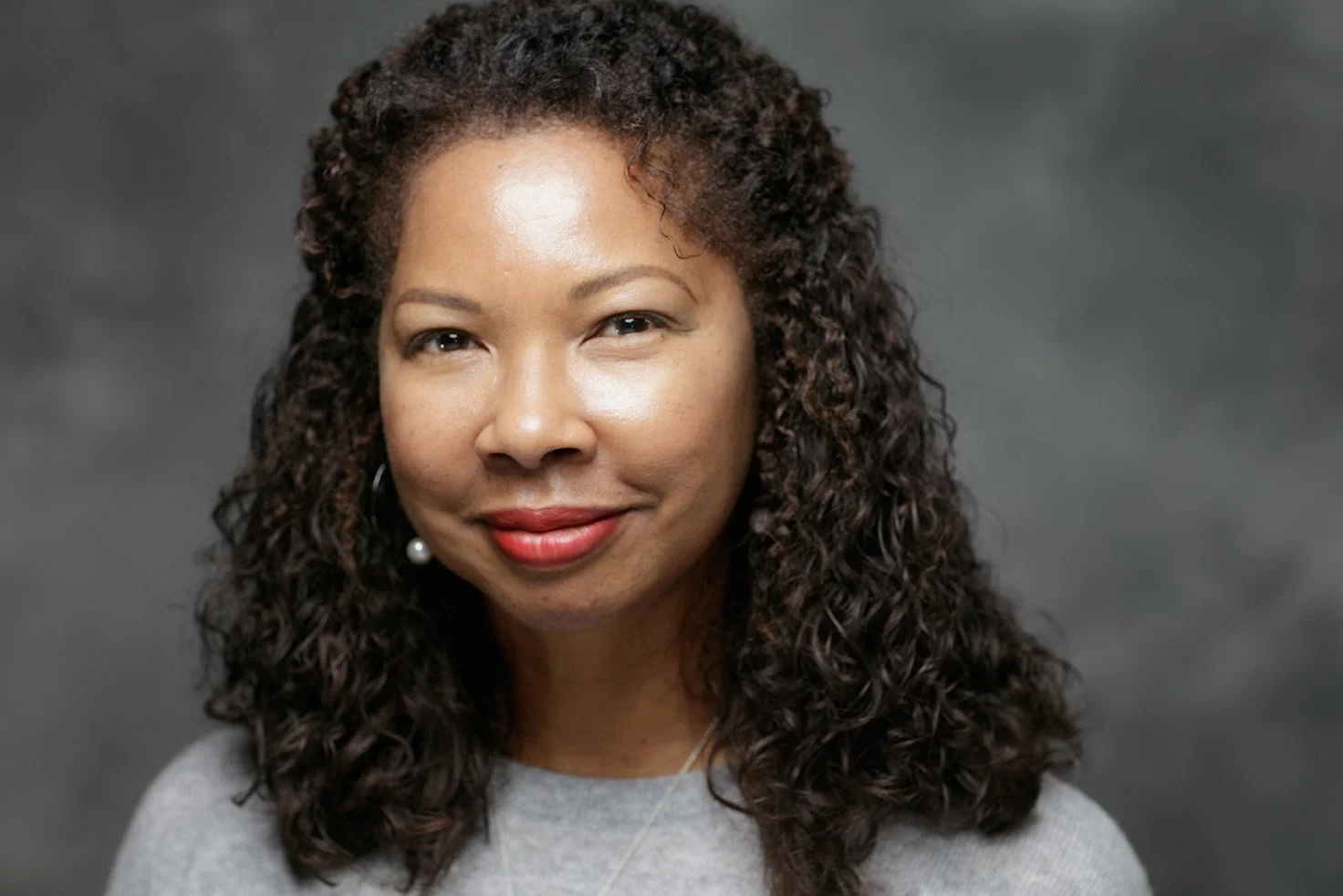
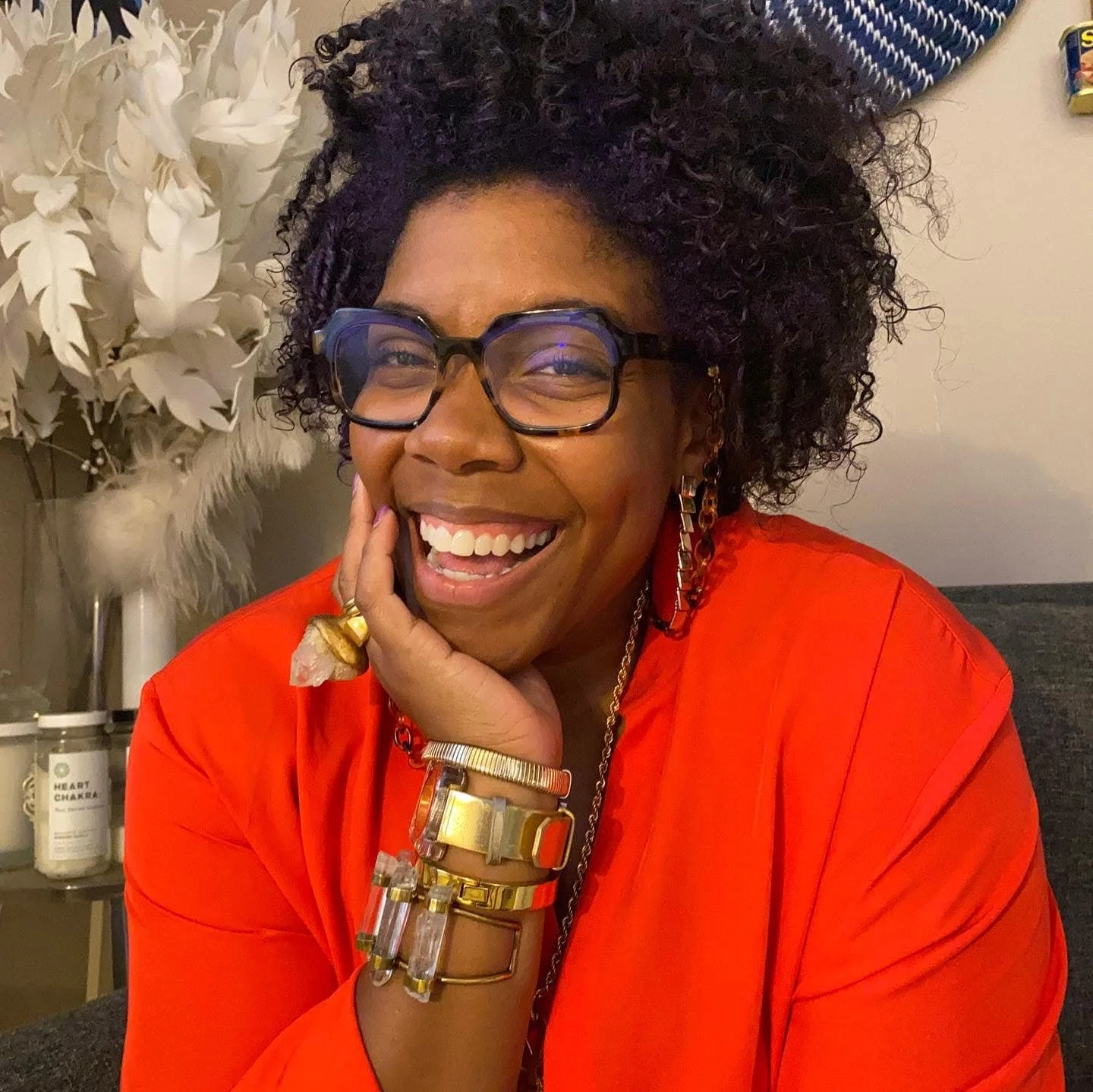
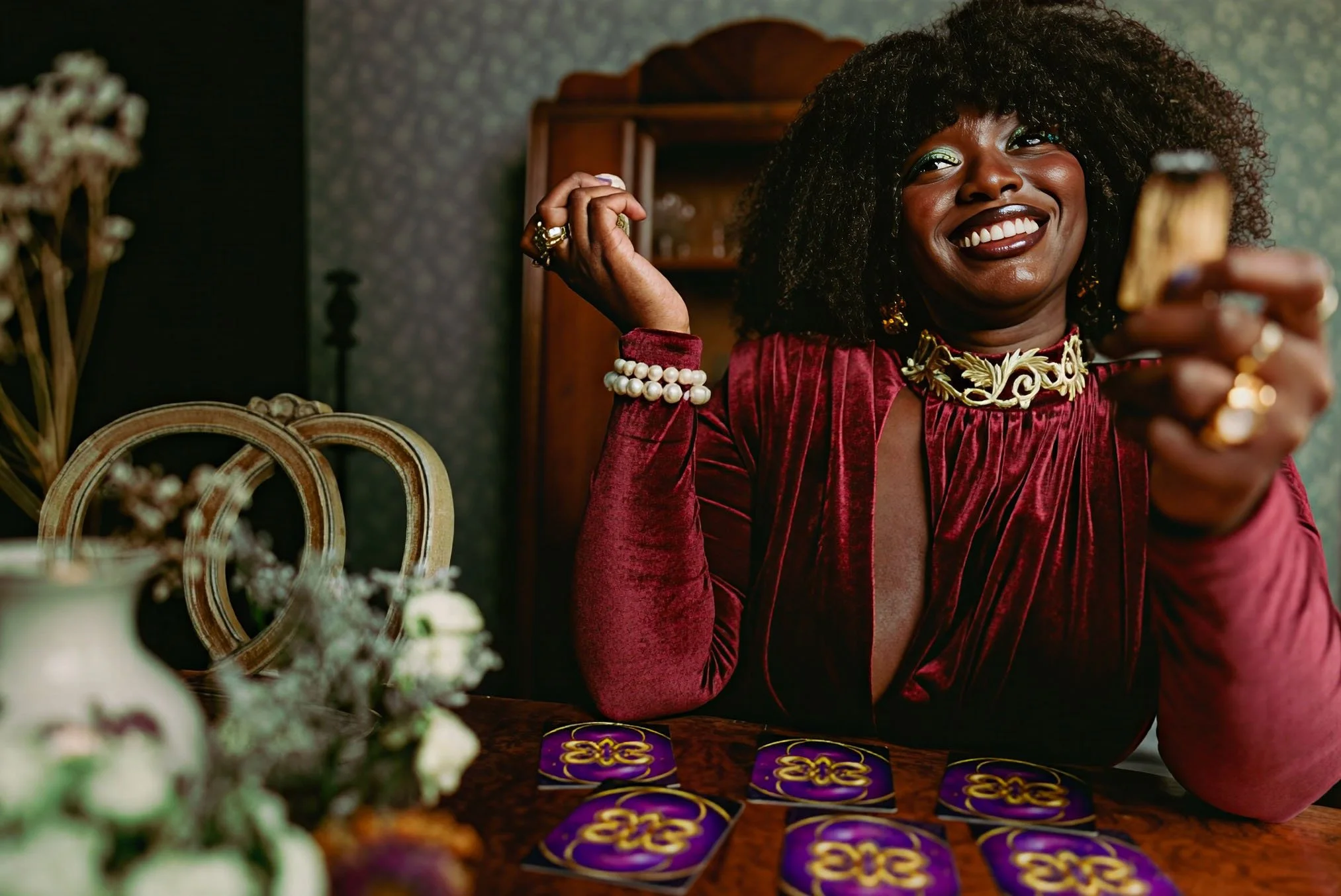
What does it mean to grow up Black in America? Belinda Harvey shares her story of resilience, family, activism, and hope.
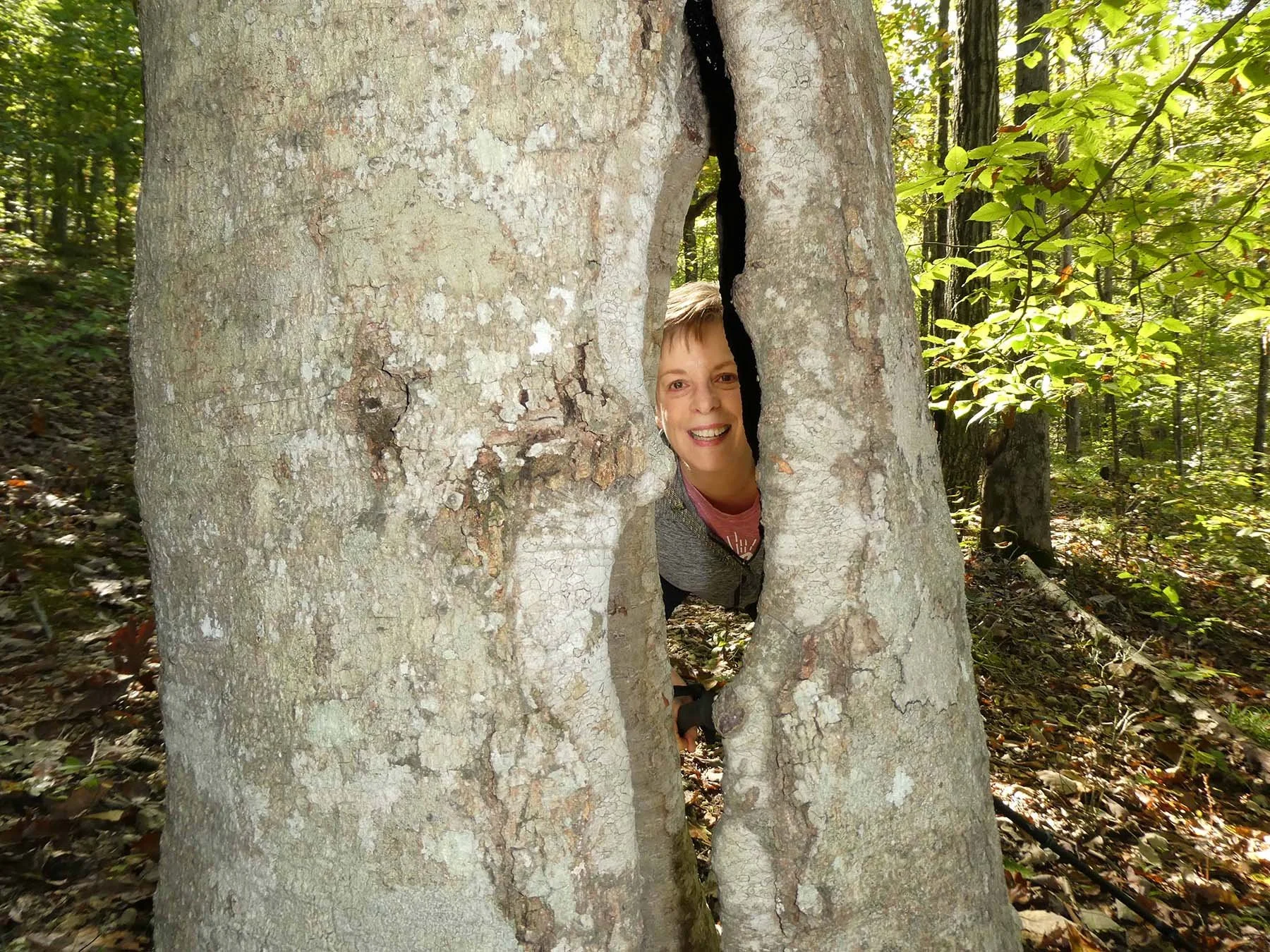
Former police officer Peggy Kingsbury shares how growing up white in the Jim Crow South shaped her understanding of systemic racism in America. We talk about implicit bias, foster care, privilege, criminal justice reform, and the lifelong process of becoming anti-racist.
Kia Jarmon discusses Black philanthropy, the racial wealth gap, collective trauma, systemic inequality, and why healing requires truth, discomfort, and rebellious joy.
The fight for equality didn’t end with the history books. These stories explore racism, privilege, lived experience, activism, and what the ongoing work of civil rights looks like in everyday life.
Curated Collection
Art as a Lens & Outlet for Human Experience
Sometimes art helps us understand what ordinary language can’t quite hold. Explore stories about creativity, identity, expression, and the ways art helps us make sense of ourselves and each other.
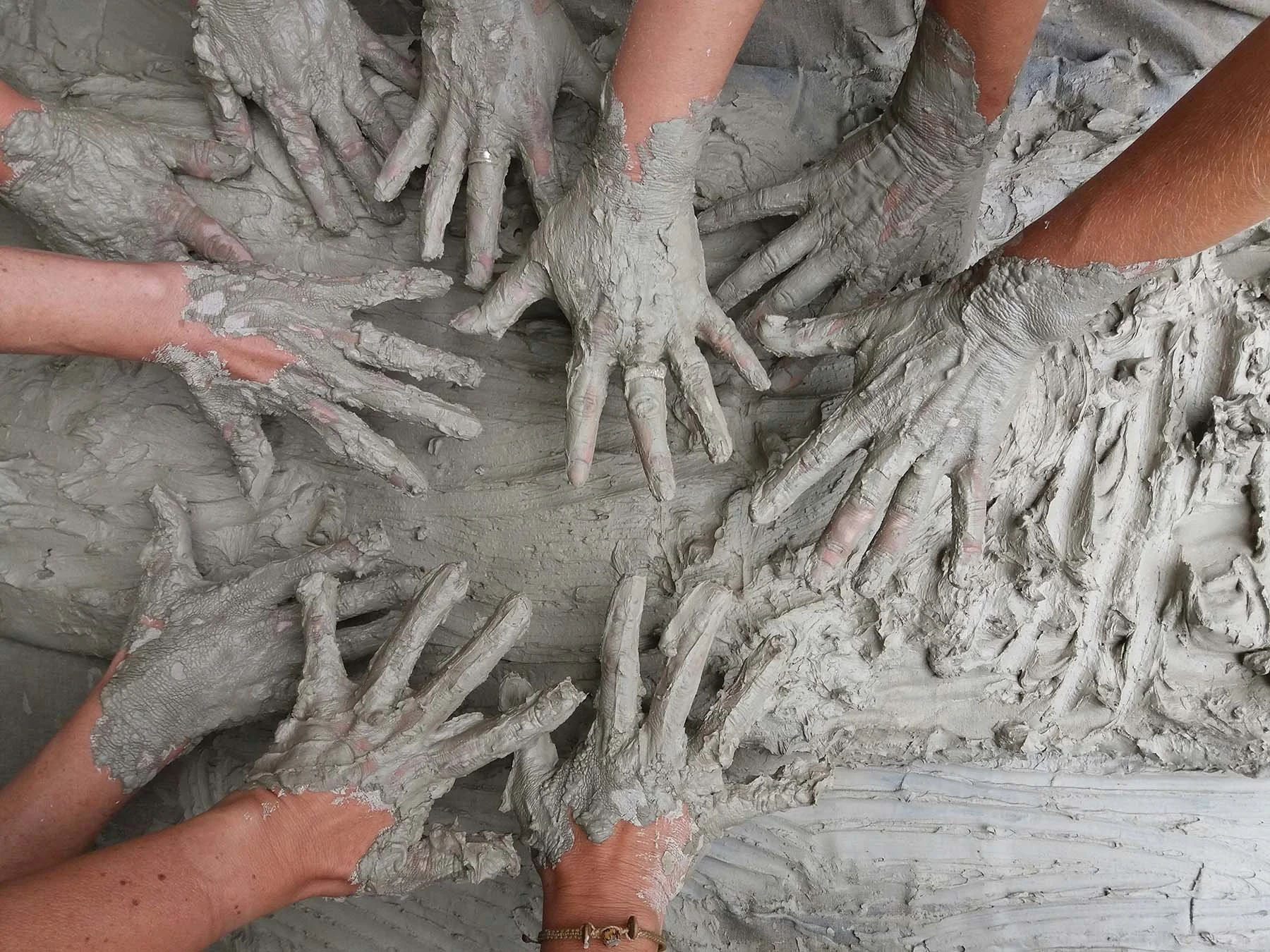
Can art teach us who we are? Sculptor Ben Minnis shares how creativity, nature, and even childhood education can deepen human connection, reveal hidden parts of ourselves, and change the way we experience the world.
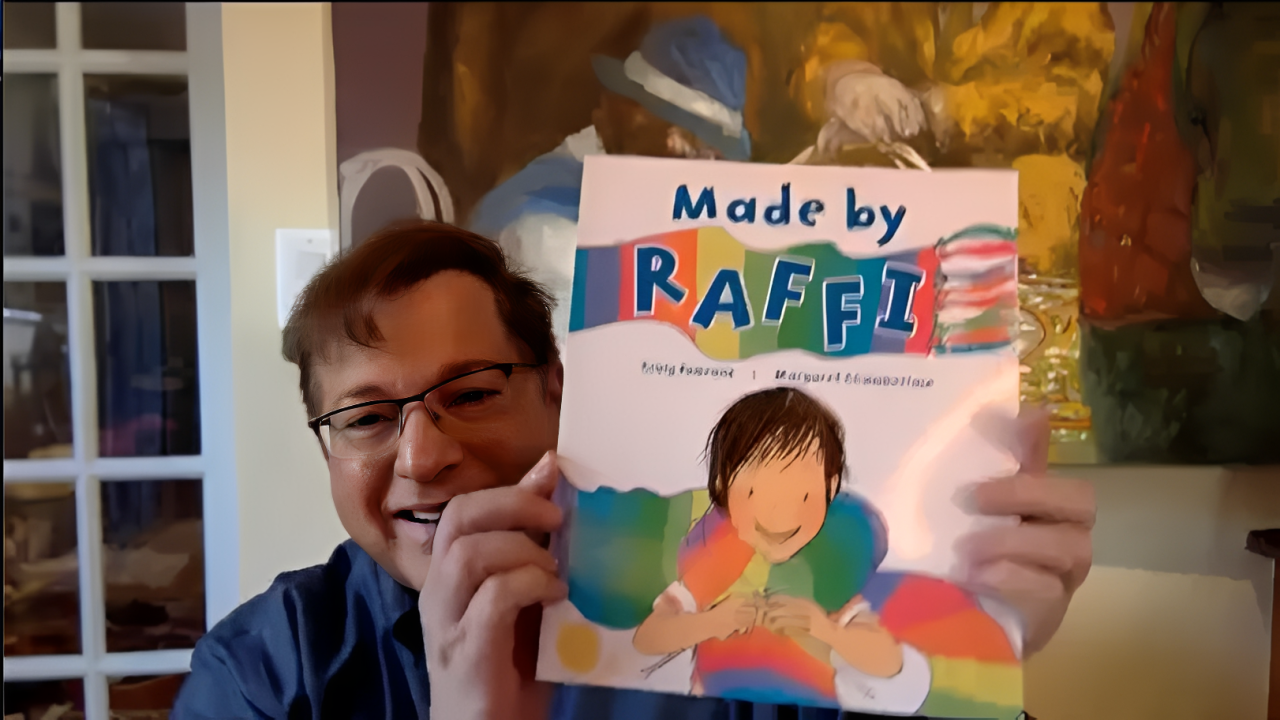
Explore how gender roles and labels shape identity in this conversation with author Craig Pomranz and Brandi Fleck. They discuss masculinity, femininity, stereotypes, and the story behind Made by Raffi, a children's book that encourages self-expression and challenges traditional gender expectations.
Nashville, Tenn. teaching artist, Amanda Cantrell-Roche, explains how embodied storytelling heals personal and collective trauma, fuels social-justice campaigns, and even reshapes the immigration debate.
Curated Collection
Human-Centered Solutions for Modern Challenges
What if the best use of AI is not replacing human thought, creativity, and connection but protecting our time for them? AI consultant Peter Swimm explores ethical AI, automation, creative work, and what technology can never replicate about being human.
Making something with your hands can do more than pass the time. Stephanie Stewart-Howard explains why creativity has always helped people find purpose, connection, and joy.
Marine veteran Oscar La Madrid says many veterans don’t just lose a job after deployment. They lose identity, purpose, and community. He opens up about PTSD, reintegration, and what actually helps people rebuild life after military service.
What if we stopped accepting broken systems as inevitable? Explore creative ideas for technology, community, purpose, and everyday life that put human needs back at the center.
Popular
A childhood obsession with mermaids turned into a career in underwater performance art, freediving, shark encounters, and ocean activism for Hannah Mermaid.
Burnout doesn’t always look like collapse. Sometimes it looks like discipline, productivity, wellness, and trying to be “good enough” all the time. Elizabeth Moore explores hustle culture, chronic stress, perfectionism, and the hidden cost of tying your worth to your output.
Social justice movements aren’t separate from everyday life. They’re shaped by it. Timothy Hughes explores how history, empathy, and daily choices influence real change and what it actually means to show up.
For years, many people believed the law was steadily moving us forward. That assumption is getting harder to defend. A law professor shares what’s changed, what still matters, and how they think about the role of the legal system now.
Worth a Deeper Look

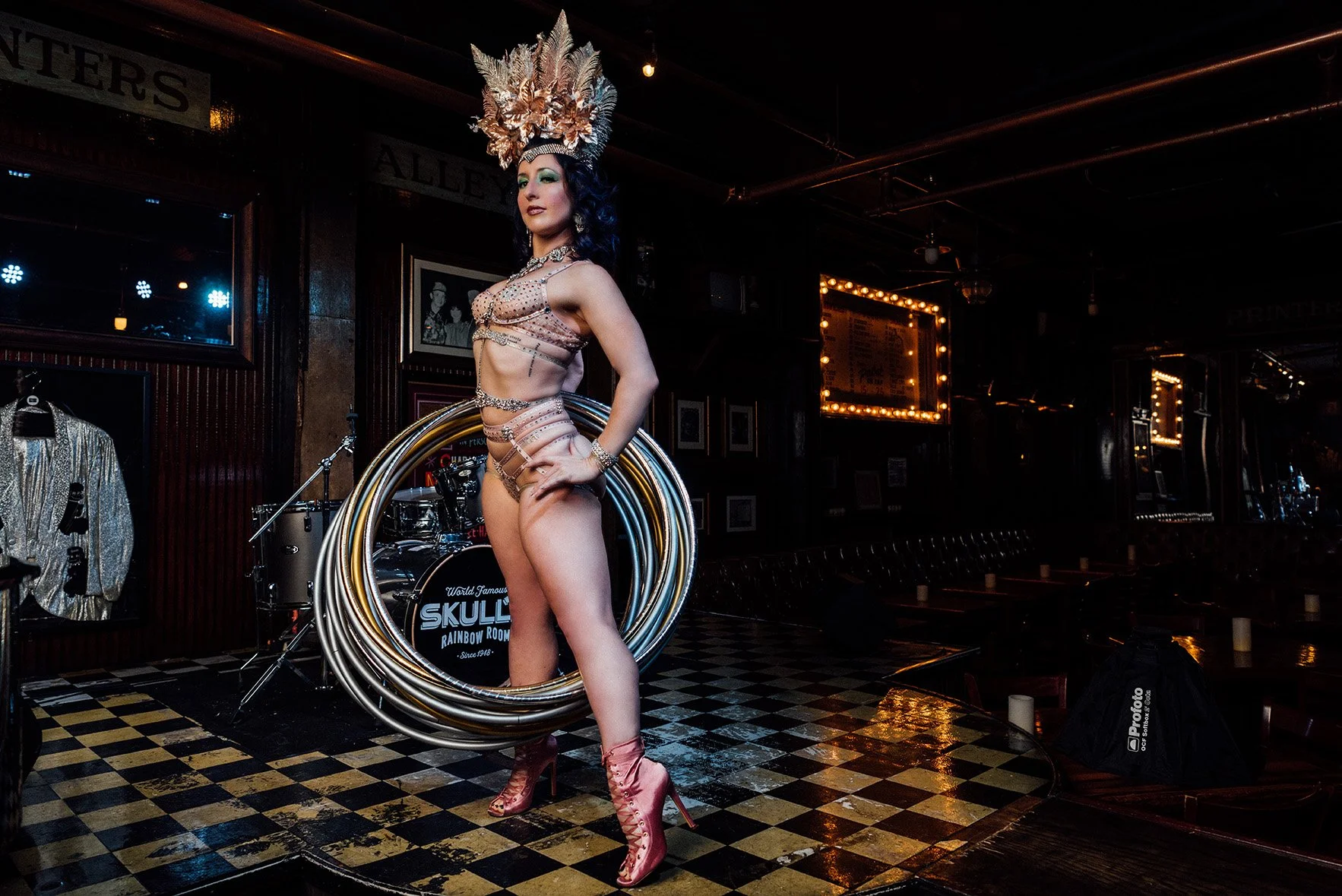
Most people assume burlesque is about performance. Kristen Teffeteller explains why it's really about confidence, body acceptance, creative expression, and having the courage to be fully seen.
Many sex workers aren't looking for advice about their jobs. They're looking for a therapist who can see them as a human being first. Dr. Miro Gudelsky discusses mental health, stigma, relationships, and the unique challenges sex workers face when seeking support.
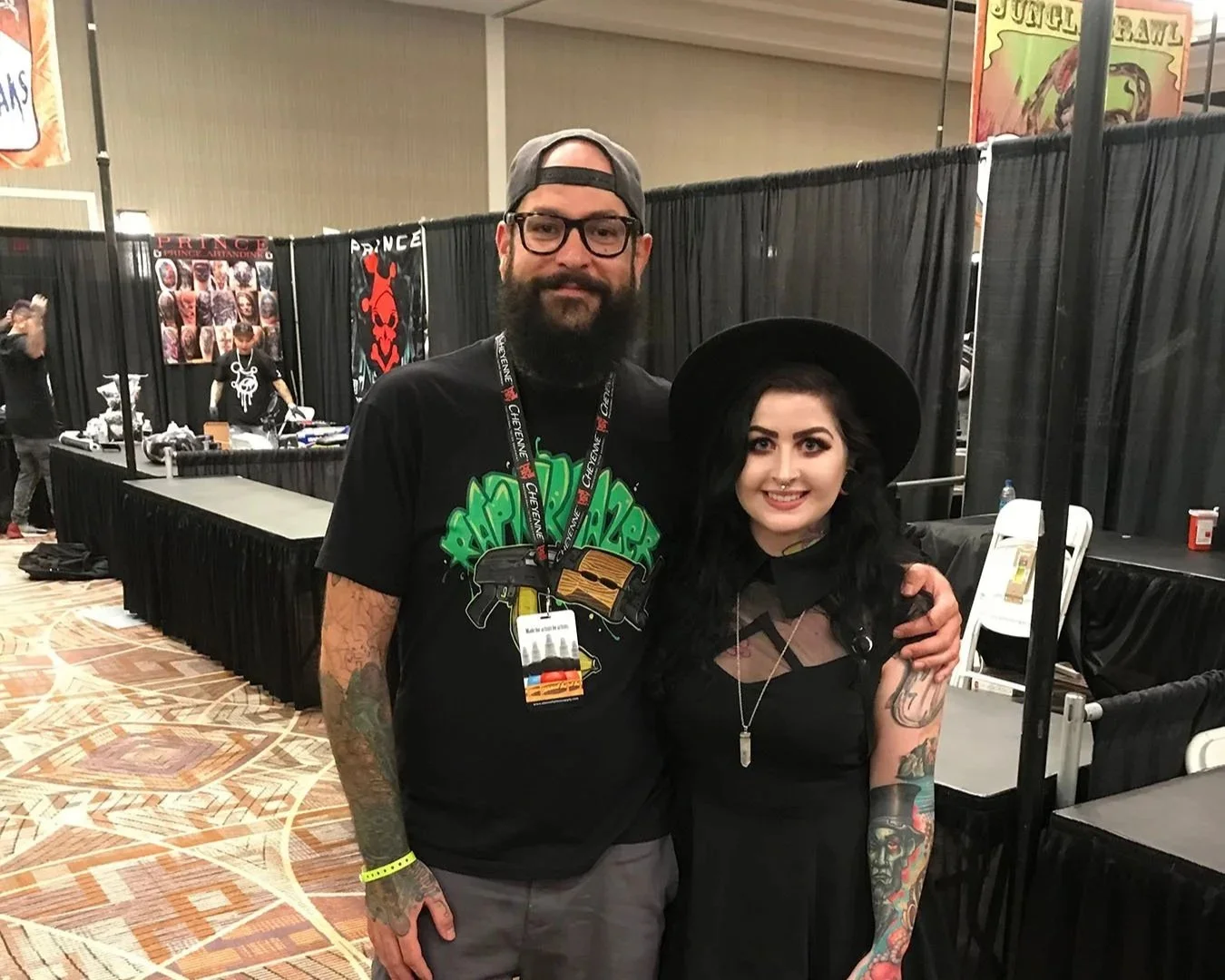
What starts as a conversation about tattoo culture becomes a deeply human story about grief, healing, cancer survival, and connection. Tattoo artists Jeff Barnard and Caitlyn Campbell share how special tattoos transformed not only their clients, but themselves.
What does fame really do to a person?
In this From the Vault episode, musician Carrie Akre reflects on coming up in Seattle’s legendary grunge scene, the creative freedom of the 90s music era, and the unexpected emotional cost of visibility. From the rise of alternative rock to the role intuition plays in creativity, this conversation explores what it means to be seen, heard, and truly understood.
Latest in Society & Culture
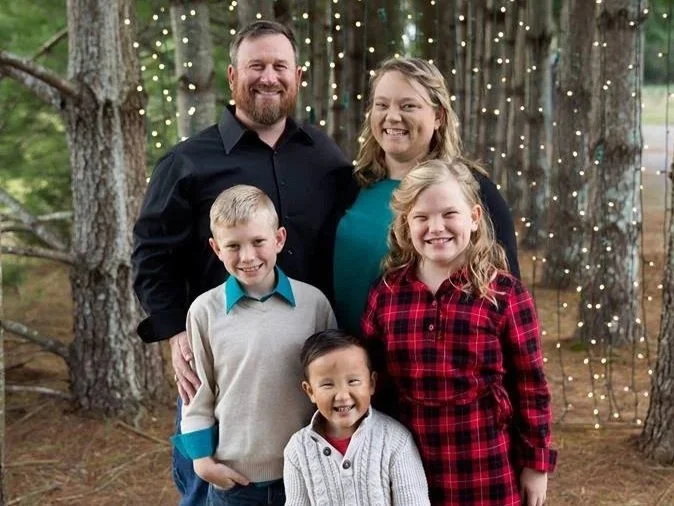
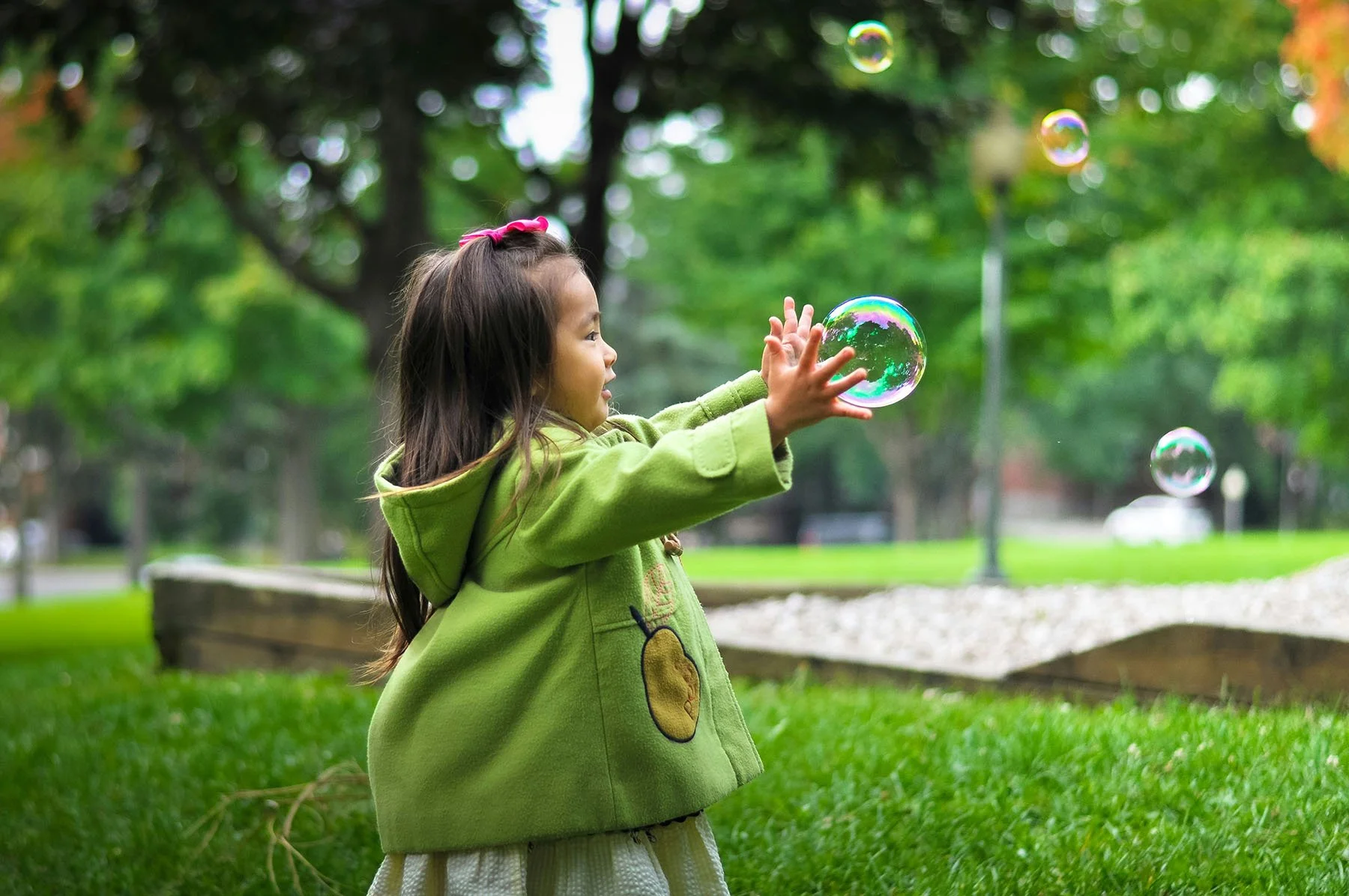
After years of waiting, Scotty and Carrie Hunt finally met the son they'd been praying for. Here's what happened next, from bringing Jordan home from China to helping him adjust to life with his new family.
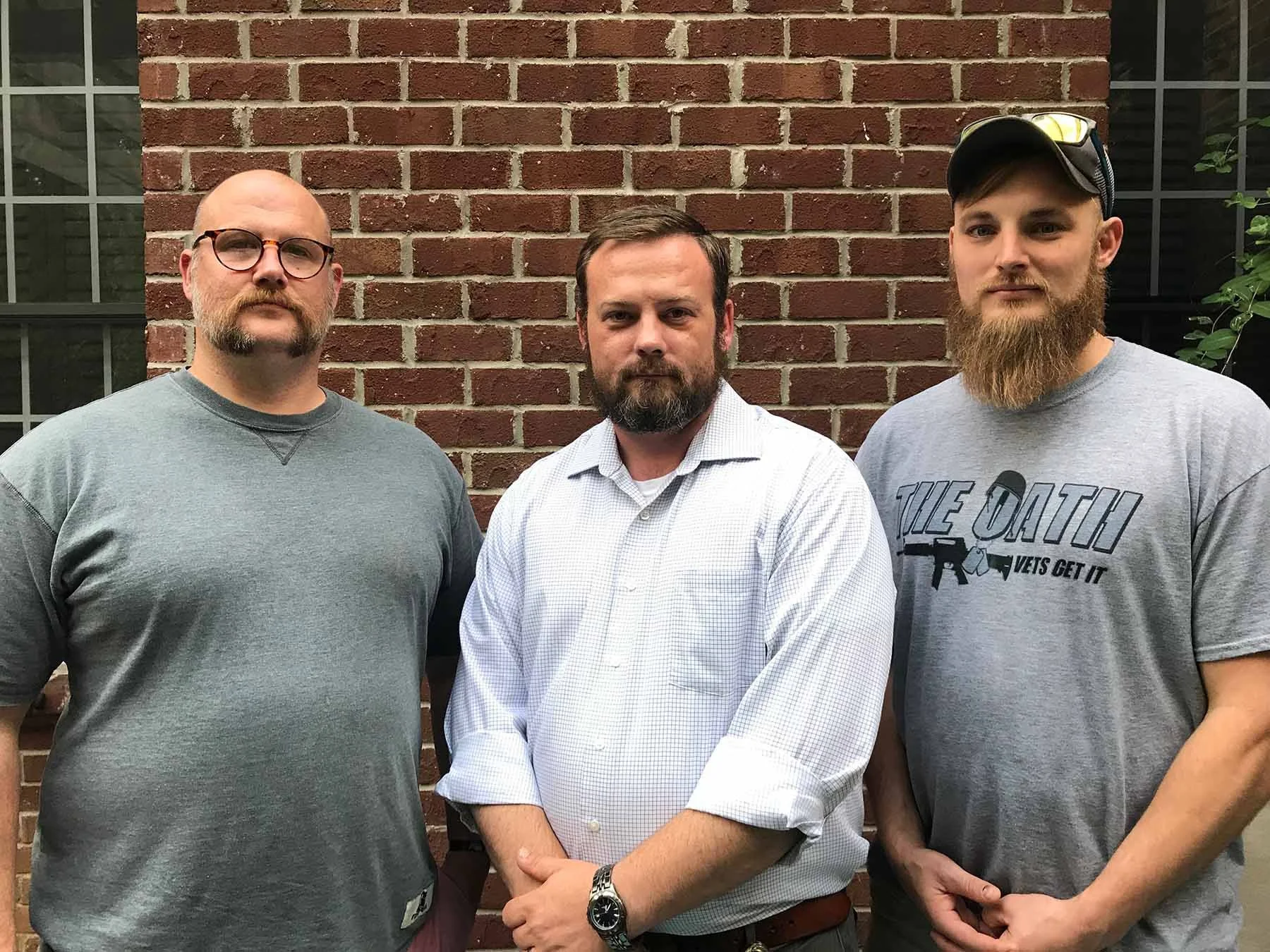
Military service doesn't end when someone takes off the uniform. Three Marine veterans share what life looked like after returning home, including PTSD, survivor's guilt, addiction, and the search for purpose after military service.
Reading fiction does more than entertain. Holly Root explains why stories help us understand other people, explore different lives, and see ourselves in new ways.
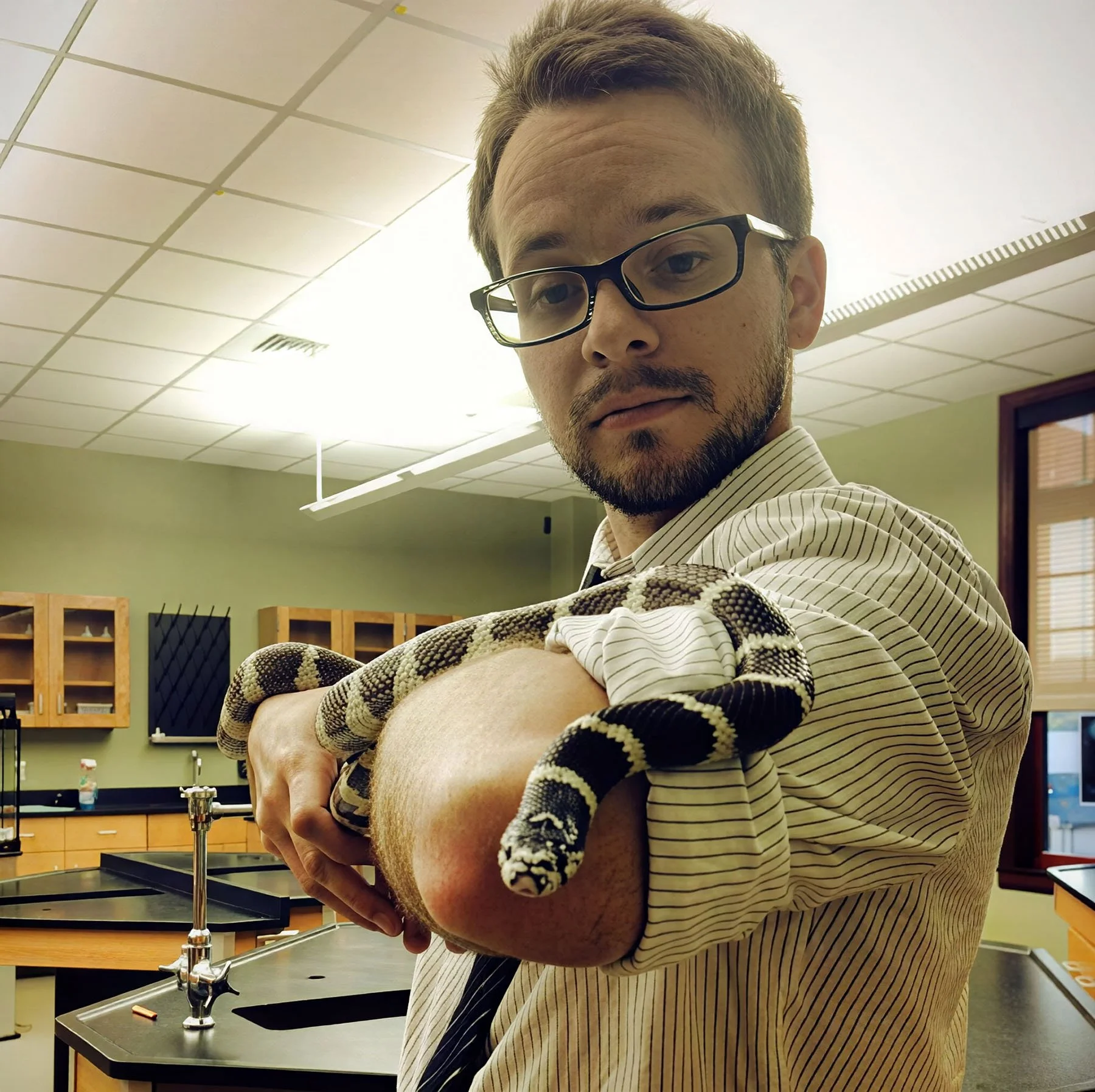
Why are so many passionate teachers leaving the classroom? Former science teacher Trey Cokeroft shares the realities of teacher burnout, low pay, and the lasting impact educators have on students long after graduation.
The first five years of life influence far more than childhood. Preschool teacher Renee Cox explains how early childhood development, emotional regulation, kindness, and trauma can shape who we become as adults.
After years of unimaginable loss, Donna Campbell discovered that healing didn't just change her life. It changed what she chose to live for.
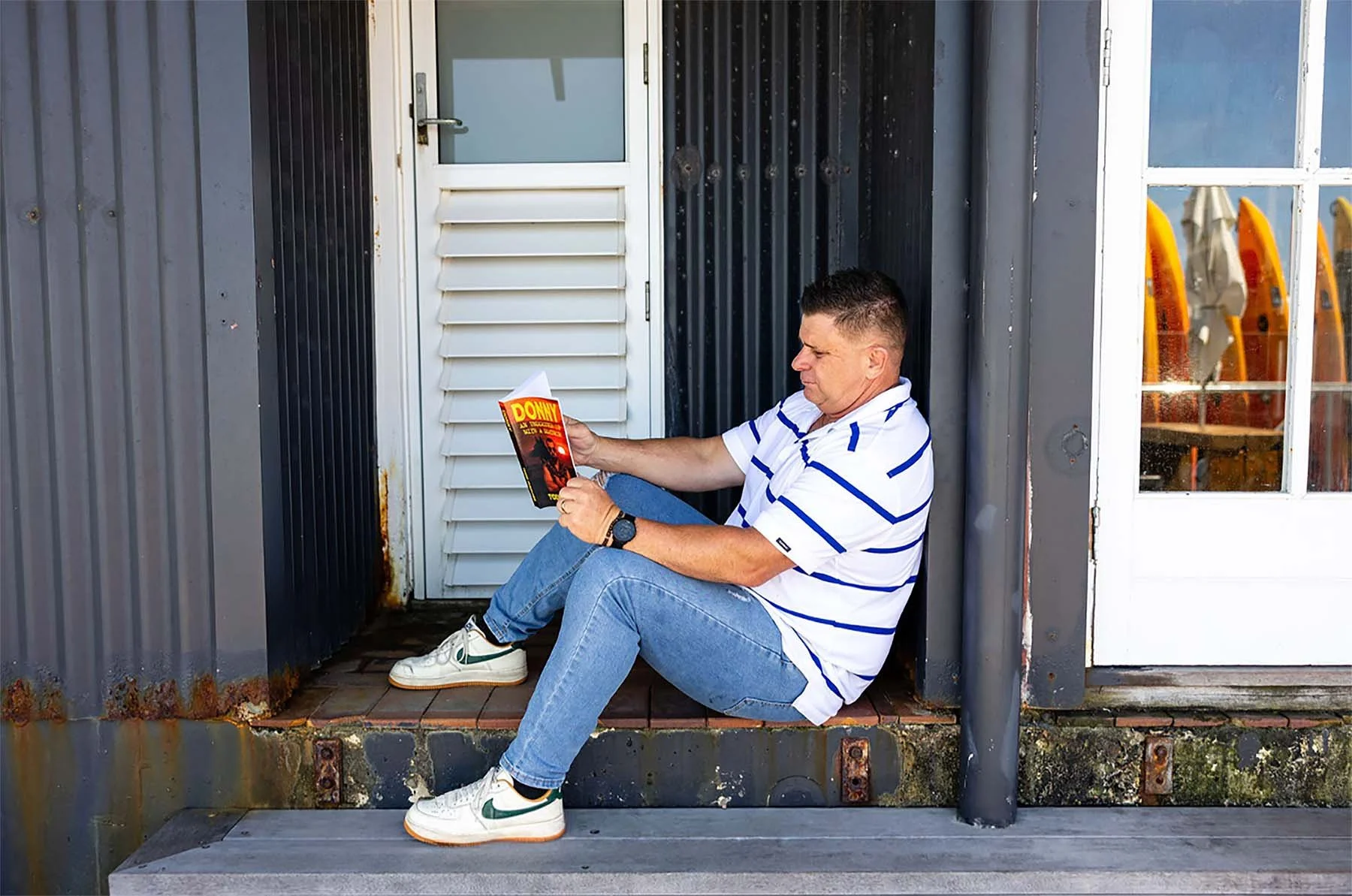
After his girlfriend died by suicide, Todd Maguire disappeared into a new identity as an undercover cop—and into a world of drugs, guns, biker clubs, and extreme risk. He shares how unprocessed grief shaped his years as “Donny,” what happened when he had to become Todd again, and why speaking openly about PTSD finally changed his life.
Can art teach us who we are? Sculptor Ben Minnis shares how creativity, nature, and even childhood education can deepen human connection, reveal hidden parts of ourselves, and change the way we experience the world.
People often think of T-shirts as disposable. Sherry Spivey has spent more than 30 years proving the opposite. Hear how creativity, craftsmanship, and a love of nature have shaped a career built around art that people hold onto for decades.
What if the best use of AI is not replacing human thought, creativity, and connection but protecting our time for them? AI consultant Peter Swimm explores ethical AI, automation, creative work, and what technology can never replicate about being human.
Many conversations about foster care focus on the children. This one also explores the foster parents, the biological families, and the emotional reality of loving a child you may have to let go.
What happens when the work you love starts taking more than it gives? After 12 years in child welfare, Carmen Gosa reached a breaking point. Hear how burnout led her to an unexpected new chapter.
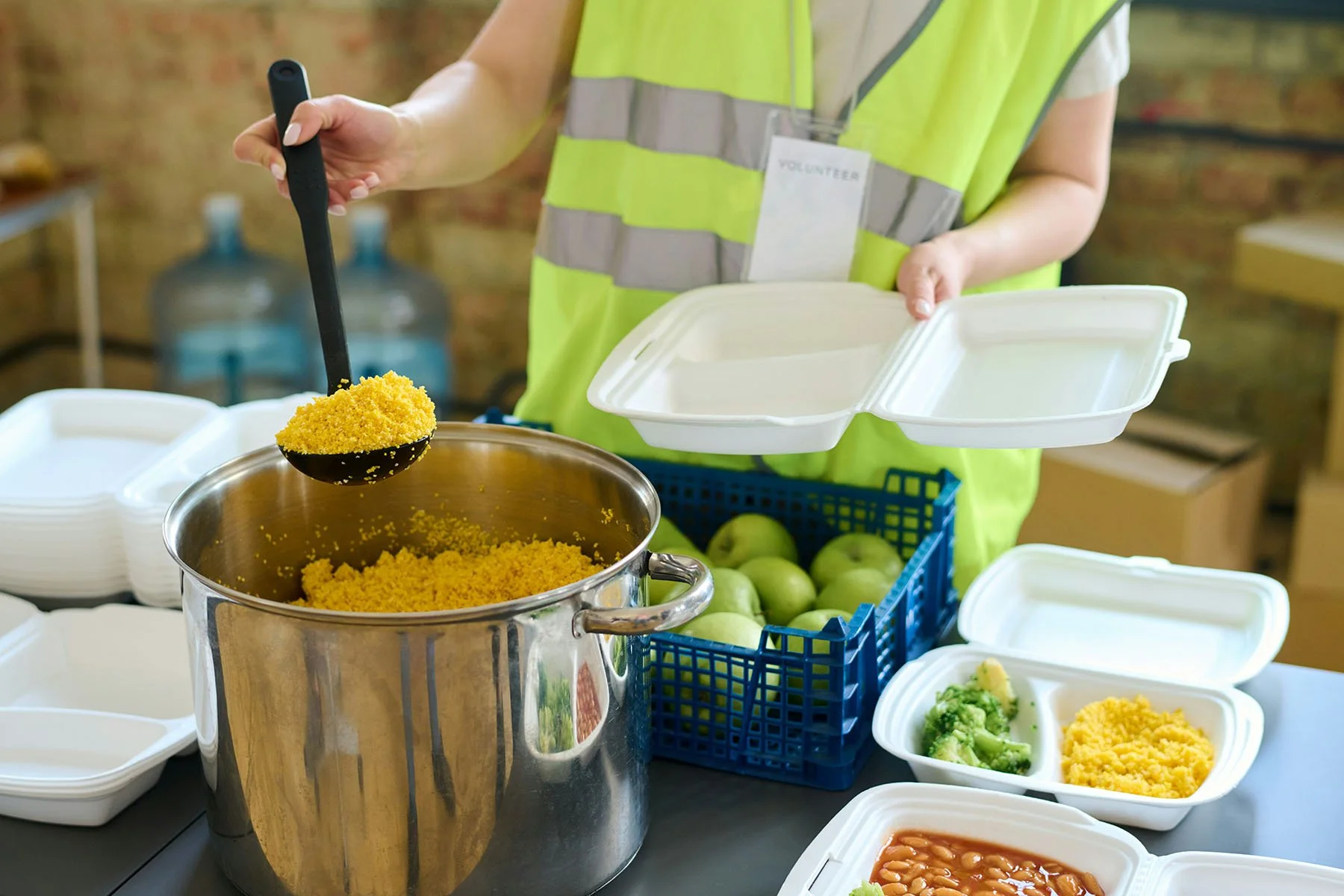
The people Josh Stephenson set out to help ended up changing him too. Discover the lessons he learned serving Nashville's homeless community.
Most people don't learn about hospice until they're in the middle of a crisis. Discover what hospice nurses wish every family knew before the end-of-life journey begins.
Making something with your hands can do more than pass the time. Stephanie Stewart-Howard explains why creativity has always helped people find purpose, connection, and joy.
A workplace interaction resurfaced memories Marcus Barker hadn't thought about in years. He reflects on race, confidence, belonging, and why meaningful conversations about bias matter.
Most people assume burlesque is about performance. Kristen Teffeteller explains why it's really about confidence, body acceptance, creative expression, and having the courage to be fully seen.
As the world shut down, Marine veteran Andy Littlefield continued serving, supporting fellow veterans, and navigating the uncertainty of the COVID-19 pandemic.
One vacation afternoon turned into a fight to save a toddler's life. Years later, Valerie reflects on performing CPR, the emotional aftermath, and how that single moment changed her perspective forever.
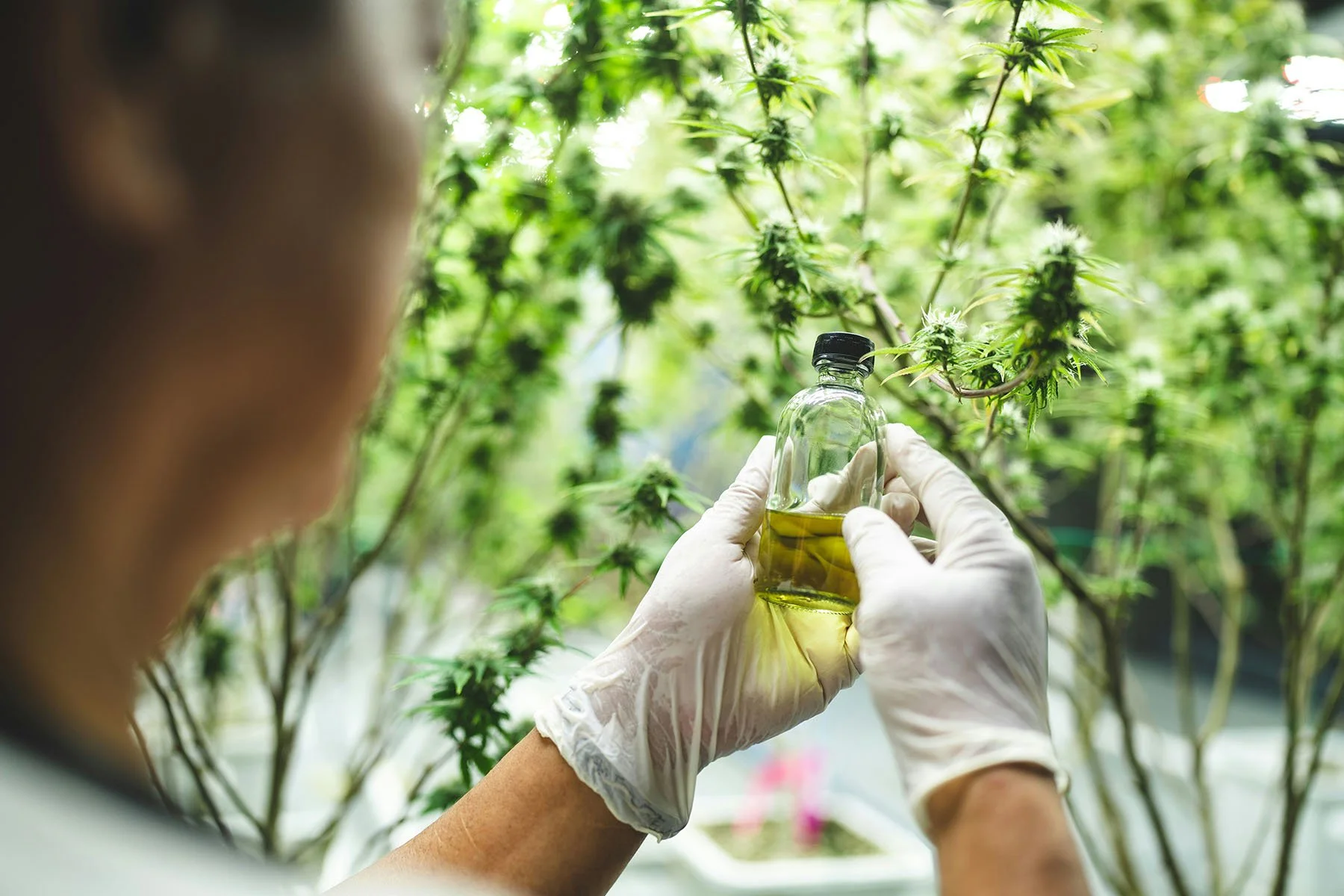
CBD has become one of the most talked-about wellness products, but misinformation is everywhere. Neal Thompson separates CBD myths from facts, explains the science behind how it works, and shares what every consumer should know before buying a product.
What does it mean to grow up Black in America? Belinda Harvey shares her story of resilience, family, activism, and hope.
What happens when people feel truly heard? Susan Ruth shares lessons from hundreds of conversations about storytelling, curiosity, creativity, and human connection.
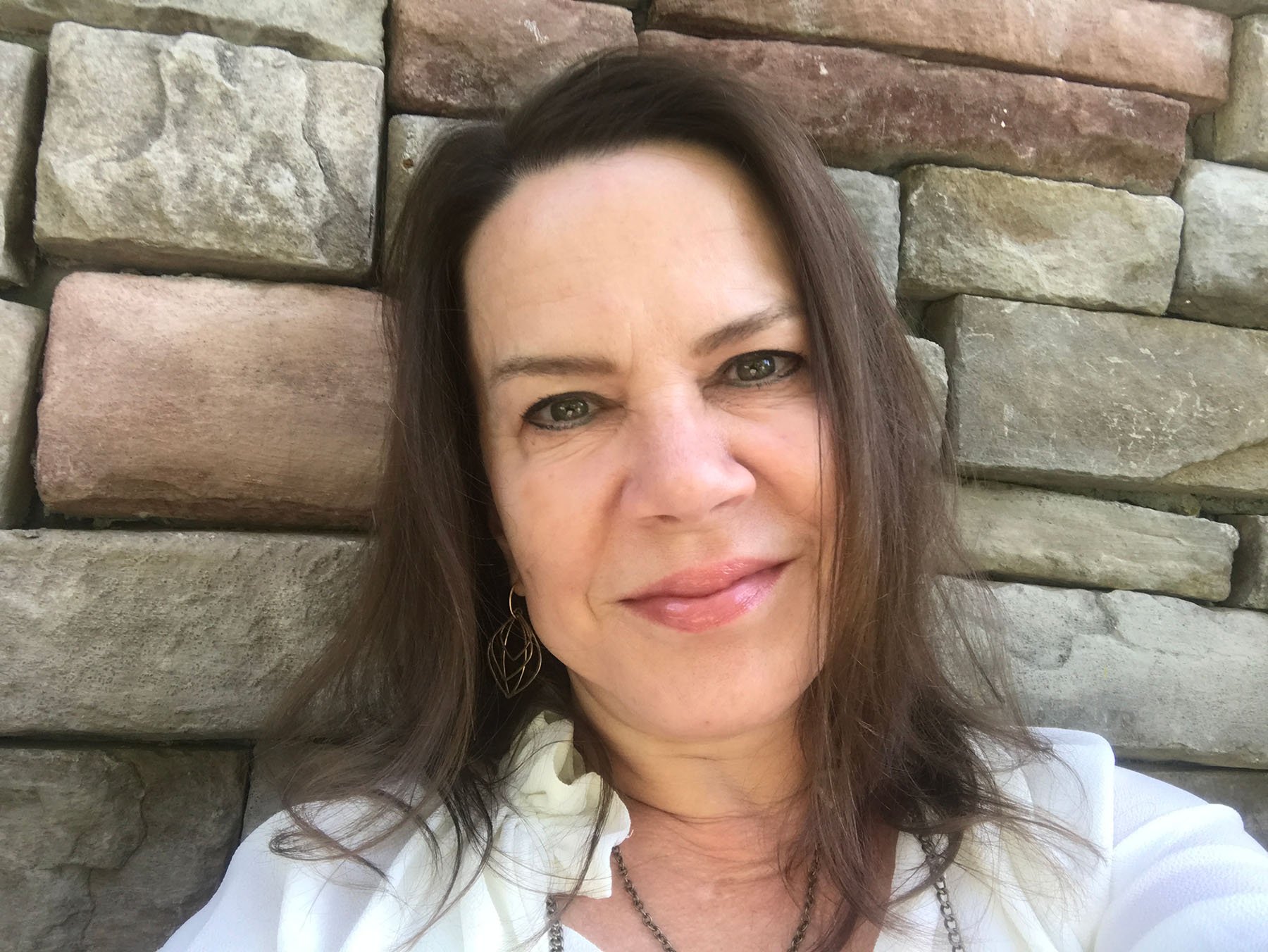
After years of unexplained headaches and brain fog, Lynnette Henderson discovered she had a cerebrospinal fluid (CSF) leak. She shares her diagnosis journey, treatment experiences, and how chronic illness reshaped her identity, relationships, and purpose.
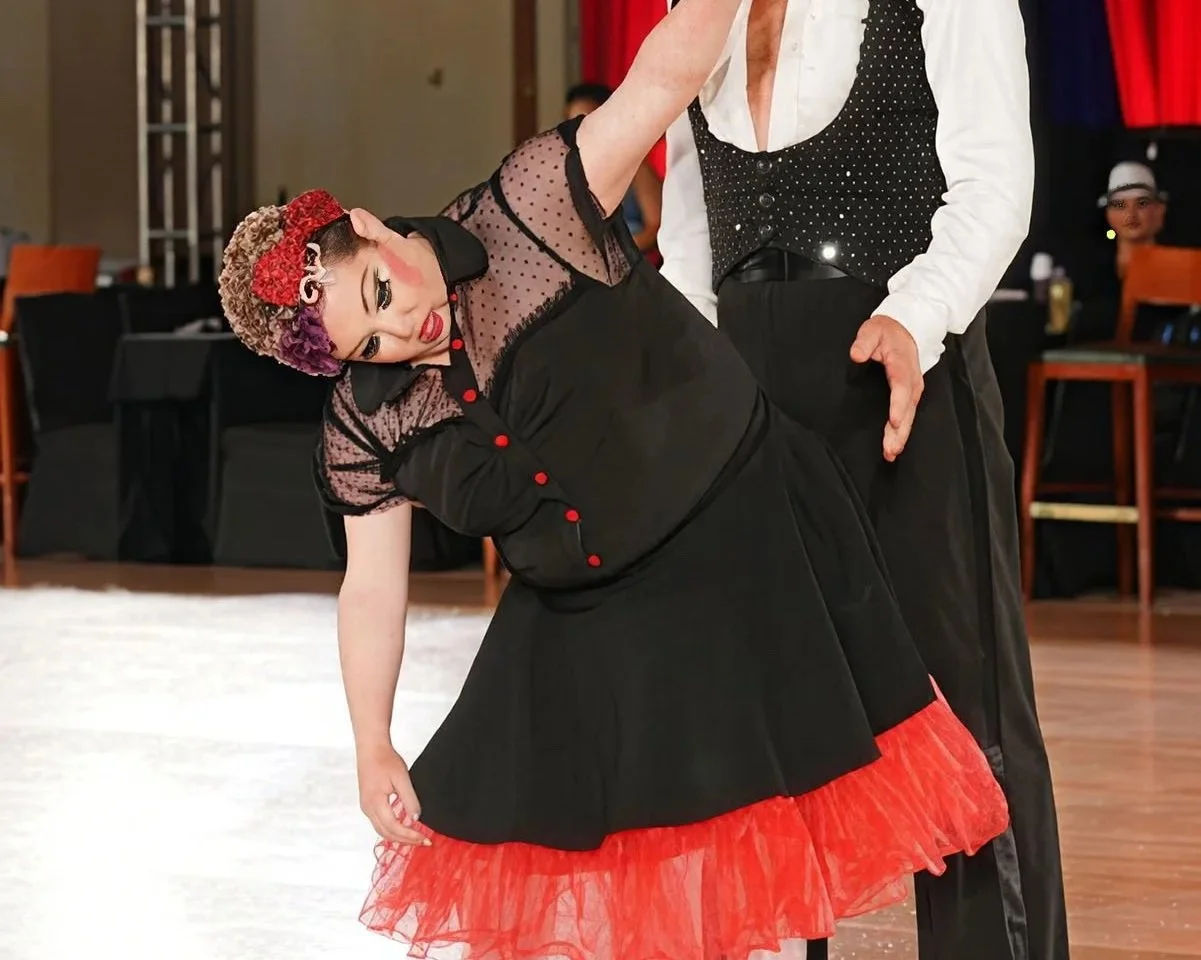
Ballroom dancing helped Brea Cox rebuild confidence, process grief, manage stress, and trust her body again after a type 1 diabetes diagnosis. In this Human Amplified conversation, she shares what dance can teach us about connection, communication, emotional release, and starting something new.
A childhood obsession with mermaids turned into a career in underwater performance art, freediving, shark encounters, and ocean activism for Hannah Mermaid.
Why do famous conspiracy theories feel so real? Dr. Richard Grossman explores chemtrails, contrails, the nocebo effect, propaganda, and how fear can shape our sense of reality.
Why do some men have easy access to anger but struggle to identify other emotions? Mike Hutchinson shares his perspective on masculinity, male mentorship, emotional resilience, and the forces shaping modern manhood.
Many sex workers aren't looking for advice about their jobs. They're looking for a therapist who can see them as a human being first. Dr. Miro Gudelsky discusses mental health, stigma, relationships, and the unique challenges sex workers face when seeking support.
After the Ferguson protests, Coco Kennell turned natural soap making into a form of healing, self-care, and community conversation. She shares how skincare, racial healing, sustainability, and self-acceptance became unexpectedly connected.
Former police officer Peggy Kingsbury shares how growing up white in the Jim Crow South shaped her understanding of systemic racism in America. We talk about implicit bias, foster care, privilege, criminal justice reform, and the lifelong process of becoming anti-racist.
From critical thinking and media literacy to grassroots organizing and civic engagement, educator and podcaster, Len Assante, offers practical steps for making a difference—starting right where you are.