What It Takes to Bring an Internationally Adopted Child Home
Interview By Brandi Fleck
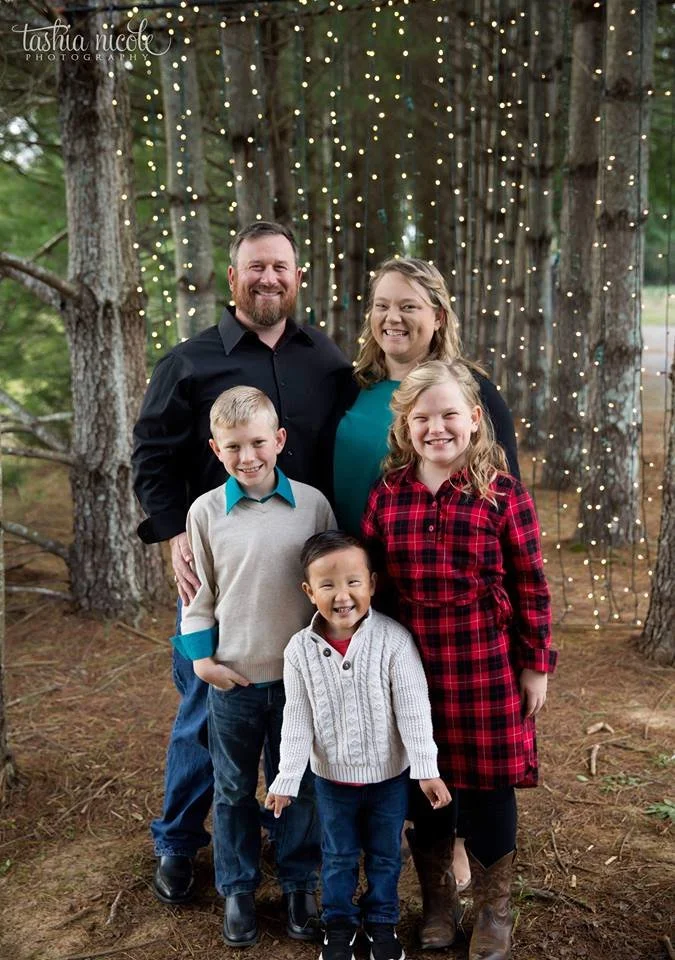
Scotty and Carrie Hunt share what it was like to adopt their son from China, from years of waiting and unexpected setbacks to meeting Jordan, bringing him home, and helping him adjust to life with his new family.
After years of paperwork, waiting, disappointments, and wondering if it would ever happen, Scotty and Carrie Hunt finally turned a corner and saw their son standing in a courtyard in China.
That moment made every setback worth it.
In Part 2 of their international adoption story, they share what it was like meeting Jordan for the first time, bringing him home, helping him adjust to a completely new world, and learning that some of the hardest seasons can become the most meaningful.
Along the way, they also share practical advice for families considering adoption, including fundraising ideas, adoption grants, and why "cocooning" helped Jordan transition into his new home.
Listen to Carrie and Scotty Hunt’s Interview
Watch Carrie and Scotty Hunt’s Interview
Meeting Your Adopted Child for the First Time
Brandi Fleck: Last week, we heard Scotty and Carrie Hunt detail a life-threatening postpartum heart condition, their realization of the calling to adopt, and they gave great tips for selecting an adoption agency and how to support your loved ones if they're going through the adoption process.
Now, in part two of this two-part series on international adoption, the couple opens up about the exact moment they saw Jordan for the first time and bringing him home. Carrie and Scotty genuinely go through the emotions as they're telling their story, and it's worth a listen to know what that's like.
They talk about the concept of cocooning during the transition home and supporting their third son through cultural differences. Plus, you'll hear great tips for creative fundraising and how to obtain financial assistance for adoption through grants and taxes.
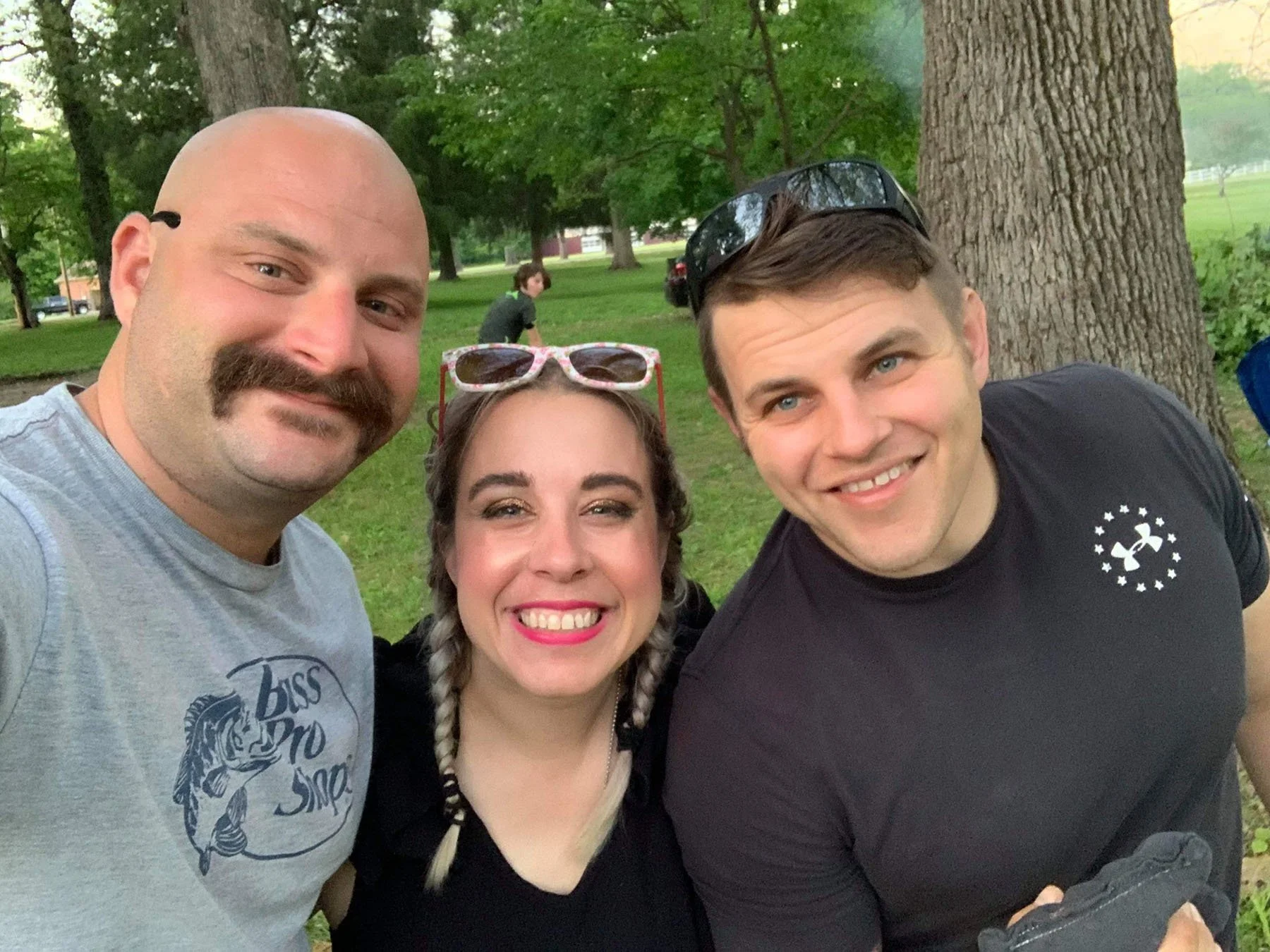
Carrie works as an X-ray technician, and Scotty is a real estate agent in the Murfreesboro, Tennessee, area. Carrie loves reading, puzzles, volunteering, traveling, and going to museums, while Scotty loves coaching his kids' sports teams, video games, traveling, and camping.
So let's hear more about their amazing and miraculous journey, picking up exactly where we left off last week.
Brandi Fleck: Can you describe the feeling you had when you finally met your third child for the first time?
Carrie Hunt: We found our son through their shared list through our agency, and the first time I saw him, I was like, "He is a doll baby." I just was like, "There is no way he can be on this list," because we actually had seen a child before him and reached out to our agency, and they're like, "No, we have a family that has him on hold."
So I was like, "Okay, thank you."
When we saw Jordan's picture, he was named Marcus at the time. That's the name that they just give them. I was like, "No, there's no way."
It just kept bugging me all day, and I had emailed her and said, "Is this child available?" She emailed me back and said, "Yes. Do you want to put him on hold?"
So I was like, "Let me talk to Scotty."
I talked to him, and he said, "Well, apparently you want to see his file."
What it is is a file about Jordan. It tells you everything that they know about him to this point, how he was evaluated, what type of environment he lives in now, his health, and his mental capability. It just goes through it all.
What you do in that process is you end up going to a doctor and saying, "Here's this file. Can you kind of tell us what to expect when he gets home?"
They kind of go through it and say, "Well, nothing's definite. Like with any child, nothing's definite, but these are the challenges, or this is what you may have to go through when he comes home with therapy or whatever."
So after we talked to them, we prayed on it and decided, "Yes, this is our son."
When we traveled over there, the first time we saw him, I just cried like a baby.
Brandi Fleck: Oh, I bet.
Carrie Hunt: Oh, it was. Because we had started Skyping once you get to a certain point in your journey and you get approved, because they have to approve you as their family. China does.
You get that document saying, "Yes, everything's approved. You've done it all legally correct."
You can start Skyping with them.
The first Skype, all four of us did was sit there and stare, I think, at the screen because we couldn't believe we were actually seeing him.
Every week we got to Skype with him for an hour, but literally, the first Skype, the foster home had to be like, "Are y'all going to talk?"
We were like, "Uh... we don't know what to say."
It was such a happy moment to see him, and then you're like, "Oh my goodness."
So we did that for several weeks until we had what's called travel approval, where you get granted access into China. You get permission to go into that country.
The first day we went there, we couldn't see him. We came in too late.
The second day, in the foster home, you go and you pray for all the children. You have a little Bible lesson, and then they were like, "Do you want to meet your son?"
"Yes."
"Go around the corner."
They had him standing in the courtyard, and just tears.
Brandi Fleck: Oh, man.
Carrie Hunt: Because he was beautiful.
Brandi Fleck: Yeah.
Carrie Hunt: It was like your heart just said, "There you are."
Brandi Fleck: Yeah. I mean, I can't even begin to imagine what it was like. Was there a sense of relief that you were finally with him?
Carrie Hunt: Yes, I do. I felt like, from this day forward, you're never out of our life. You'll never be. It was beautiful.
Brandi Fleck: That's great.
International Adoption Waiting Period and Setbacks
You guys mentioned a couple of times that you had a few setbacks over the years, whether a child was on hold or the funding or the program closed or something like that.
How did you keep the faith over the years when those setbacks occurred, and what advice would you have for people who were also going through similar setbacks?
Scotty Hunt: It was extremely difficult because we were trying to live our own life, but we were also trying to add to our family.
We're going through the stress of trying to get everything they needed to get done for adoption and then going through the process and the whole waiting period.
While we were doing domestic, it was just wait, wait, wait. Being a Realtor, I wanted feedback. Who's seeing our... not really who's seeing our file, but what are they saying about our file whenever they see us? Because we did that book that explained our family and everything else like that.
Because we had our twins and everything, the biggest feedback was, "This child was given to this set of parents because they didn't have children," or, "They only had one child."
Of course, we're not going to give up our two to get one.
Brandi Fleck: Right.
Scotty Hunt: We're just sitting there going, "Okay, well, we'll just kind of keep going, and when it happens, it happens."
About a little over a year and a half into it, we see the little one from China and find out we can qualify to do international, to go to China.
We start looking through that process, and we found that one little boy. We started looking into his file, and come to find out it was just too much for us to be able to handle his situation.
Then we started looking at another little boy, and at that particular time, that was the one that the agency completely stopped talking to us.
Carrie Hunt: Oh, I forgot about that one.
Scotty Hunt: Not the foster home. This one was actually in an institution.
Carrie Hunt: Yeah.
Scotty Hunt: They were in an orphanage.
Carrie Hunt: Orphanage. Yes, that's the word I was looking for.
Scotty Hunt: This child was actually in an orphanage, and because we were asking so many questions to figure out what was going on with this child, they completely stopped talking to us.
Carrie Hunt: Right.
Brandi Fleck: Oh, wow.
Scotty Hunt: We had to, again, let that one go.
After that one, we were extremely frustrated. I was stressed out.
This was nearly three years into the process, two and a half years into the process, when I said, "You know what? Maybe it's just not the right thing. Maybe this is not our right time."
Of course, we still prayed about it and everything else like that, but all of this stuff was just becoming frustrating.
Then, probably less than a couple of weeks after that, that's when we found out that the particular agency that we were working with was going to shut down their China program.
That was just one more thing that kind of hit us, and we were just like, "You know what? Maybe this is not going to work. Maybe this is not God's plan. Maybe this is not what we're meant to do."
So I said, "I think we should..."
This was November...
Carrie Hunt: December.
Scotty Hunt: December? Okay. I knew it was coming toward the end of the year, so I know it was right before Christmas.
I said, "We're going to give it through Christmas, give it into January, and then we will revisit. We'll basically just take a little bit of a break and not look at any child online. Do not look at any files or anything else like that. Just kind of let things go."
Carrie can't let things go. Even though we did make it through Christmas.
Carrie Hunt: Yeah, we made it through Christmas.
Scotty Hunt: Okay. A day before New Year's, Carrie's coming to me and she's just like, "I found this little boy."
"Break. I'm on a break."
She's like, "No, I'm just going to put this here, and you look at it when you want to."
Of course, I'm stubborn, so it took me about an hour before I even glanced at it. We finally looked at it, and of course it was Jordan. I was like, "Okay, find out about him."
We didn't even know if he was available at that time. She had just seen him online. She wanted to see if we could move forward because, like I said, I was on a break.
I said, "Okay, find out about him. See if he's still available."
He was still available. Then right after that, I was like, "Okay, let's see what it is about him."
We did not have our hopes built up or anything because we didn't want to. This process is not for the tenderhearted, and if you are tenderhearted, it will make you stronger because it is an emotional roller coaster.
Not because of the process. It's just because you put so much into it, like you would if you were trying to have a baby, because it is your child.
It becomes a little stressful sometimes, a little emotional, but in the end, I think it was beautiful because he's worth the wait.
Brandi Fleck: Right. That's the thing about adoption. The wait sometimes is hard, but in the end, everything comes beautifully together for God's plan.
Carrie Hunt: So that time when we were like, "We're broken. We're not doing this anymore," about that time was when we got two grants that came in and said, "We want to help you with your adoption expenses, and this is how much we're giving you."
They weren't little amounts, and even if they were, that's still helpful in this process. So we knew that God was sending a sign saying, "Keep going. Keep going," because in the end, it's going to be beautiful.

Trusting God's Timing Through Adoption
Brandi Fleck: Wow. What do you think you learned about God's timing through all this?
Carrie Hunt: I learned that it's not my timing. It's His timing, and that's very important through this process, that you remember and that you write on your walls and your mirrors and everything else that it's not your timing.
As human beings, we get very impatient, and I think this world has made us more of an instant world with instant messaging and Skype, where I could instantly see my child but not touch him.
But that's not God's plan. God strengthens you. He asks for you to follow what He has planned for you, and sometimes that's hard to do as humans.
But in the end, our child was not ready for us, and if we would have gotten him before then, no telling what would happen.
So we are thankful for His timing. So yeah, that's what He taught me.
Brandi Fleck: Awesome. Yep. Okay, so we've got a few more questions before we wrap up, but you guys mentioned grants coming through.
Adoption Grants and Family Fundraising Ideas
I know that you also did some fundraisers over the years. Could you tell us a little bit about how you figured out what fundraisers to do and what went into that?
Carrie Hunt: Sure. I'm a big researcher, so of course my go-to was to start researching.
There are beautiful websites that tell you, based on your criteria, if you can apply for them or not. We went off a list from Google, and we just went down every single one.
There's a website I'll provide you to put for the readers, but you can literally go down and it'll say domestic, and you can check the box or cross it out. Then it goes down, "Do you have a child with disabilities? Do you have a child that is from this country or that country?"
You go to their link. They'll say they're accepting applicants between this time and this time. You fill out the application. You send your home study and some of the little things that they want, of course blacked out with your Social Security. Don't send anybody your Social Security number.
Some of them ask for a donation to process it, like $20 or something, and we did that for everyone that we could.
I think we sent out about 30 and maybe got five or six back. Some of them give it directly to your agency, so anything that your agency charges you, it will take off.
Sometimes they send it to your travel agency so that it will be for travel. So that kind of thing. It all goes toward your fees, and it's all such a blessing. But yes, I'll definitely send you all that so that you can dive into that.
Brandi Fleck: Thank you so much. Yeah, that's great to know because I'm sure a lot of people need assistance in that way who are going through this process.
Awesome. I also know that T-shirts are really big.
Carrie Hunt: Okay, we had a successful T-shirt fundraiser. We did a yard sale. We did a matching grant that was helpful. I made wreaths for a while.
I'm trying to think of what else. There's so much you could do. The capes were also a good one.
Scotty Hunt: Yes, that was a fun one.
Carrie Hunt: We did capes around Halloween for little boys that love superheroes and stuff like that, so that was a good one too.
Brandi Fleck: Awesome.
Did you just sell this stuff? Did you leverage social media or go through church? How'd you do those?
Carrie Hunt: Social media was a big one. There are a couple of groups on Facebook that deal with adoption fundraising, and on Fridays they would allow you to post anything that you were selling.
We like to go on them as post-adoption people to help people who are adopting.
It goes from people making bracelets to raffles for anything from motorcycles to raffles for pictures.
We did the matching grant. We sent out letters to our friends and family. Whatever you donated, they matched, so that was helpful.
We did a letter that way, and we sent some of the people who aren't on social media letters saying, "Hey, these are some of our fundraisers if you want to be involved."
So that was helpful as well.
Scotty Hunt: Also, we talked to our groups at church and our work and everything else like that as well.
It's basically just getting it out there through word of mouth and through social media connections and things like that.
We had people buying T-shirts from us that hadn't really talked to us in 10 years or something. They were just like, "Oh yeah, we would love to do that."
We'd be like, "Okay, the T-shirts are this much, and whatever you would donate above that would be a blessing."
We'd get various amounts, and we were very blessed that they were able to do that.
Financial Help for Adoption Costs
Carrie Hunt: Also, I don't know if people know this. We didn't know it going through it, but at the end of your adoption, of course you want to save all your receipts, but the big thing is the government does give you an adoption tax credit.
That's helpful, and it ranges. It can go anywhere from $8,000 to, I think the highest is like $15,000. It could be more than that. I'm not sure.
Of course, you have to prove everything through your receipts, what you're paying for, the grants that you were given, and stuff like that.
So if people are considering adopting, that could be an option as well.
Brandi Fleck: Okay. Yeah, that's really good to know. Let's just talk a little bit about the transition when you brought Jordan home.
I know that you had mentioned before, I've seen you talk about the concept of cocooning.
I also wanted to ask if there were cultural differences that you had to transition as well and if that was part of the cocooning.
Could you just tell us a little bit about that?
Cocooning After International Adoption
Carrie Hunt: Well, cocooning is basically a concept of just your immediate family, as far as your husband, the new child, and your children.
Basically, closing off. I know it may sound difficult or insensitive to other people, but it was the best thing that we decided to do.
Closing yourself off and cocooning yourself around this child so any basic needs that were met were met by us.
We limited our visitation with family and outside people so that he would learn that he has to be comfortable at home.
This is a different place. It's a different country. People look different. They sound different. He needs to know that his foundation comes from his family. It comes from me and Scotty and the kids.
Eventually, other outsiders could come in, and we felt like that was what was best. It actually worked out great for Jordan because for the longest time we did have issues with communication.
Thankfully, our foster home had taught him sign language.
Brandi Fleck: Okay.
Carrie Hunt: So we were able to have about 10 words through sign language to help us figure out what he needed.
Drink, food, eat, bathroom, restroom, those kinds of things were taught to him, and they told us about that, and that was to help with our transition.
The other thing that we did was we didn't go out much. If we went to the store, it was one of us. It wasn't both of us, so that his support system was always around him.
We slept in the same room as him for a while, for about six months. When we initially came home, it was both of us in the room, and then after about two months we transitioned where it was one of us in the room. Eventually, he was sleeping on his own in his room, but that took almost close to about a year.
That was a different transition. I wouldn't say so much with a newborn because a lot of people keep their newborns. We did, for a year, in our room. But we wanted him to feel like his foundation was from us.
Some of the cultural differences, of course, were food. French fries were not on the menu in China.
Brandi Fleck: Okay.
Helping an Adopted Child Adjust to a New Home
Carrie Hunt: Before we came home, we learned all of his likes and dislikes as far as what he liked to eat. Then I would communicate that with my sister. She's gone through the process of having two children from China.
She went out to our Asian market and filled our freezer full of dumplings. His favorite is dumplings. Still is.
Brandi Fleck: Awesome.
Carrie Hunt: That was a little different. He was actually younger, I think. If he was older, I've heard of different cultural differences being an issue. Cold baths. He was used to cold baths. He still is. He does not like a warm bath.
Brandi Fleck: Oh, wow.
Carrie Hunt: That was a different cultural difference because you go to the bathtub, you make it warm, and he was like, "Uh-uh. I ain't having this."
Brandi Fleck: Okay.
Carrie Hunt: I'm trying to think of what else.
I think a lot of our transition was just around bedtime because it was difficult for him at night. Nighttime was more difficult than daytime. Big time for him.
Brandi Fleck: That makes sense.
How Adoption Changed Our Family
After going through these experiences over the last several years, has your perspective changed on what the most important thing in life is now? What do you think it is?
Carrie Hunt: Oh, absolutely. I think going through everything that we've gone through has changed us.
We value our family big time. We value the people that surround us. We also center our life on Christ because we know that God and Christ already had this planned out for us.
We have to know that the next step has already been planned out for us. We just have to go by faith, not by sight. We've got to remember that.
I think that our concept of family is different because it doesn't matter what you look like. It doesn't matter that he doesn't have my eyes or he doesn't have Scotty's nose. What makes him a part of our family is because he is our family.
So that, to me, has changed a lot, and we've come to grow as a family, whether it be through our child or through the people that surround us.
I think that's what's changed big time for us.
Scotty Hunt: The other thing about family is it's not always just blood that's your family.
We've had more friends that have supported us and have gotten us through a lot of situations than our close blood family.
We think of them as our family as well. That has been a major transition because as you're growing up, you always think, "My blood family is my only true family," and that's not always the case.
There are people out there that can love you more than you would ever know and support you more than you would ever know whenever these types of situations come about.
That's when you find out, "Wow, there are people that really care for me outside of my own personal family."
That kind of changed as well.
Then, like Carrie said, our faith in Christ and just going through the whole process and what it all did. It was just life-changing all around.
Brandi Fleck: Yeah, really powerful stuff. I love that you said there are people out there who love you more than you could ever imagine that aren't your family. I think that's a really important message.
Let me ask both of you, we're going to end on this note. What does being human mean to you?
Scotty Hunt: Being human is just caring and loving one another. I think that if there was more of that, the world would change.
There's different types of love. Don't get me wrong. There's your typical loving, nurturing type, but then there's also the tough love, and that comes from different personalities and things like that.
If what you do out of love to support someone is what drives you, then that's what makes you human, I believe.
Carrie Hunt: I believe that being human... There's so many parts that go into it, but being human is knowing that you are loved by a higher being through Christ and that you're going to fail, and that He will put it back together if you have faith and drive toward Him and not away from Him.
I believe that being human is also loving others like you love Him. I think that's a big, big deal. The more that you love and the more that you are toward Christ, the more you're going to put out there toward others.
So, loving one another.
Brandi Fleck: Well, that is awesome. I just want to thank you guys so much for coming on the show today and sharing your beautiful story.
Scotty Hunt: Thank you.
Carrie Hunt: Thanks for having us.
Brandi Fleck: Thank you.
You guys, once again, I hope that you gained some inspiration and were uplifted by this episode.
Join the conversation!
Feel free to share your own experience and let me know if you have any questions in the comments.
Related Posts






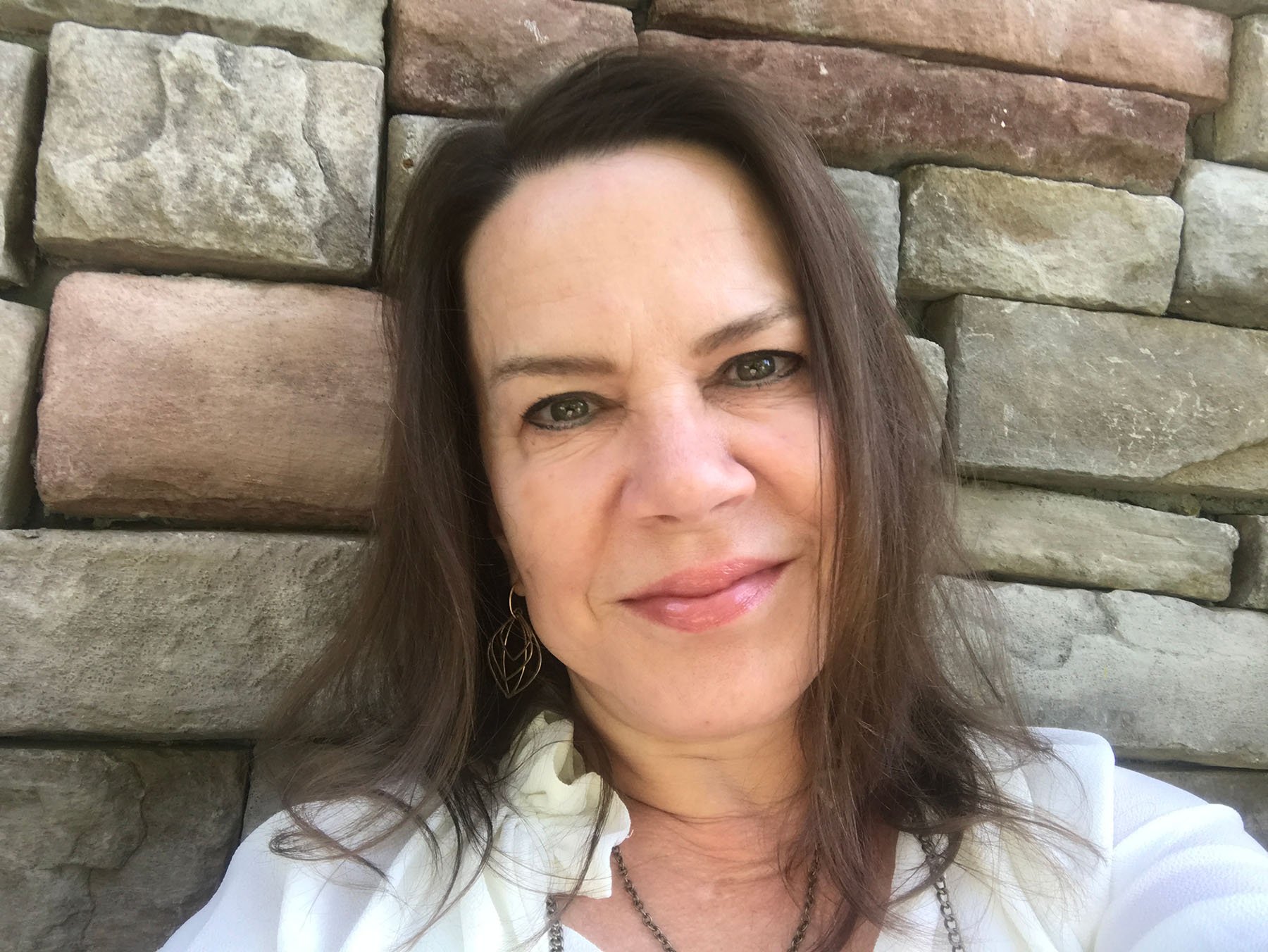





Hi, I’m the founder of Human Amplified. I’m Brandi Fleck, a recognized communications and interviewing expert, a writer, an artist, and a private practice, certified trauma-informed life coach and Reiki healer. No matter how you interact with me, I help you tell and change your story so you can feel more like yourself. So welcome!
Find More on the Blog
Topic
- ADHD
- AI
- Atlanta
- Black and BIPOC
- DIY
- FAQ
- LGBTQIA plus
- Los Angeles
- Nashville
- Seattle
- St Louis
- St. Louis
- UFOS/UAPs/ETs
- abuse
- accountability
- addiction and recovery
- adoption
- affirmations
- afterlife
- altered state
- angels
- animals
- anxiety management
- art
- astrology
- atlanta
- attachment
- awakening
- beauty
- behind the scenes
- being human
- body image
- body work
- boundaries
- brandi fleck
- breathwork
- bullying
- burn out
- burnout
- cancer
- career
- caretaking
- chakras
- channeled
- clarity-dive
- clarity-practice
- clarity-primer
- clean products
- coach
- codependency
Recent Blog Posts
Visit the Full Podcast Audio Archive

Affiliate