
How to Love Someone Struggling With Addiction
Interview By Brandi Fleck
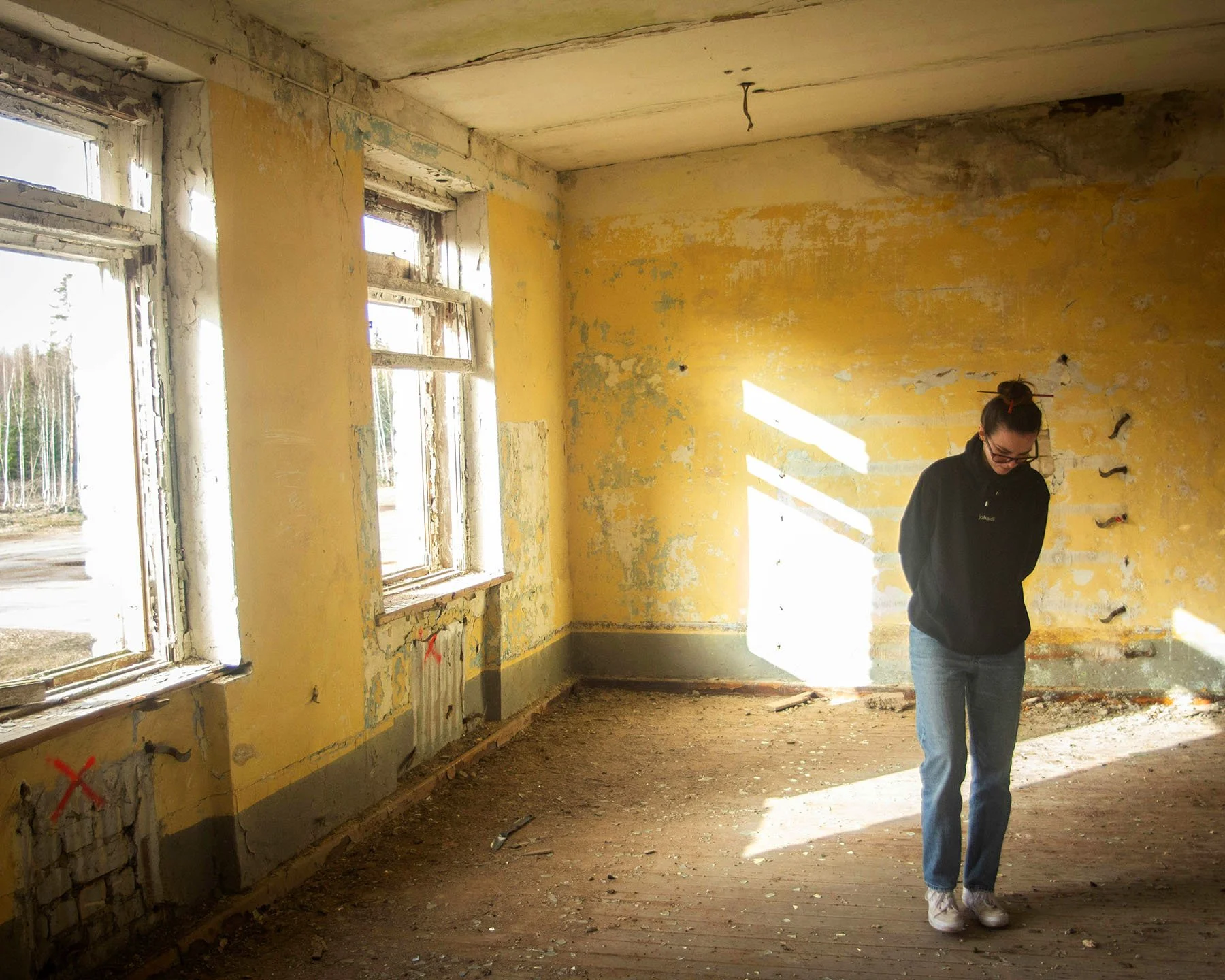
Hospice nurse Fran Cooper Van Allen shares how growing up with alcoholism shaped her life, what loving an addict really feels like, and the lessons that helped her find peace, healing, and hope.
Loving someone with addiction can leave you feeling exhausted, anxious, and powerless. Whether it's a parent, spouse, child, or close friend, addiction affects the entire family.
Hospice nurse Fran Cooper Van Allen knows that reality firsthand. After growing up with an alcoholic mother and later loving multiple people struggling with addiction, she discovered how codependency, enabling, detachment, grief, and recovery are deeply connected.
Fran reveals the hard-earned lessons that helped her stop trying to control others, take care of herself, and find hope even in life's most difficult moments.
Listen to Fran Cooper Van Allen’s Interview
Watch Fran Cooper Van Allen’s Interview
Life After Growing Up in an Alcoholic Family
Brandi Fleck: Heads up, this episode contains graphic content.
This week's guest is Fran Cooper Van Allen, a hospice nurse for 20 years. She's now semi-retired and does caregiving for the elderly. She's a wife, a mother, an administrator for an online Al-Anon and Nar-Anon support group. Fran lives on a hobby farm in Georgia, is an avid gardener, and is interested in beekeeping and yoga. She reads, writes, and crafts.
Fran is such a kind and joyful person. Today, she has learned how to take care of herself before taking care of everybody else. She has a beautiful life and healthy relationships. She loves life and giving back to society.
Fran has a message you'll want to hear, and it really resonated with me. It's no matter what adversity you've been through, you can pull yourself up and better yourself.
Fran grew up in an alcoholic home, experienced loved ones committing suicide, and found a chaotic marriage that was familiar. Fran is an amazing example of healing from those experiences, letting go of what she can't control, and creating a beautiful life that she loves.
In this episode, in order for Fran to give the most helpful examples, she was very honest about her life. We had a very genuine, candid conversation about her experiences with loving alcoholics and addicts and its painful impact. I'm so grateful Fran was so generous with her story.
But in Al-Anon and Nar-Anon, when you're dealing with addiction and recovery, anonymity is very important. So Fran could be as honest as possible with personal stories that are extremely helpful for myself and others, we decided to bleep out names and identifying information regarding her qualifier. A qualifier is someone who you love and are close to who is going through, or who has gone through, addiction that qualifies you to be part of Al-Anon or Nar-Anon.
That said, let's dive in to learn from Fran's story of hope and truly be inspired.
Brandi Fleck: Hi, Fran. Welcome to the show. I am so excited to have you here today. You are just a wealth of knowledge on some of these topics we're going to dive into. How are you doing today?
Fran Cooper Van Allen: I'm doing really well. How about you?
Brandi Fleck: I'm great. Great, thank you.
So, for our listeners, they need to know that you're a nurse, a wife, a mother, you're an administrator for an online Al-Anon/Nar-Anon support group, and like I said, just a wealth of knowledge when it comes to several really important topics in our society.
So I'd love to let our listeners get to know you before we dive into those. Can you tell us, what is your life like today?
Fran Cooper Van Allen: Well, I'm really excited to be here. I really appreciate you having me.
Like you said, I'm a semi-retired hospice nurse. I was a nurse for 20 years, and retirement is not for me. So I also am a caregiver four days a week. I have two little clients that I take care of and spend time with.
I live on this adorable little hobby farm with my husband and son and his girlfriend, and they're expecting a baby, and that'll be my third grandchild.
Brandi Fleck: Congratulations.
Fran Cooper Van Allen: I know. I'm really excited about that. That'll be September.
So on the farm, we have alpacas and chickens, and soon we're going to get baby goats. We encourage people to come visit us and take pictures and stuff.
Brandi Fleck: That is really cool.
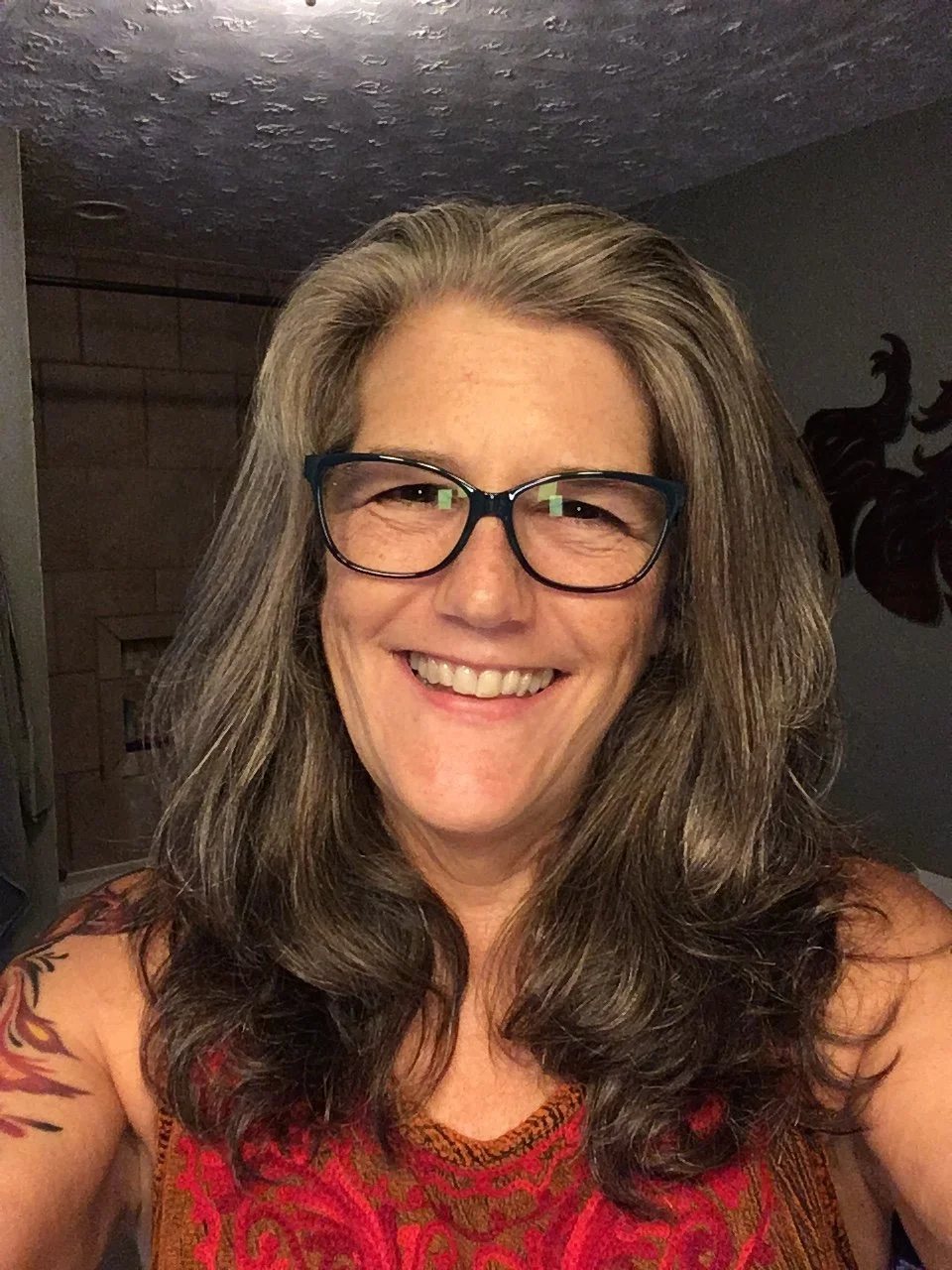
Fran Cooper Van Allen: Yeah, it's really neat. It's really a beautiful place.
We also have five dogs, unless you count the next-door neighbor's dogs, and they have three, so sometimes there'll be eight dogs here. We have one cat, and he's our heart. He's a little black cat that we got from the town.
So that's my house.
I am also an avid gardener and always trying to plant edible landscaping in with my ornamental things because I want to be able to eat what I grow and know where my food comes from.
So I've got weird stuff planted. I planted some tea camellias last weekend. I didn't know that black tea comes from a camellia bush, so I have that planted.
I've been a beekeeper. I hope again to attract some bees to the backyard. They're really fun, an amazing, amazing creature.
I play around with yoga. I stretch. I'm almost 60, so I'm trying really hard to take care of my body. I eat as much organic as I can. I read, I write, I craft, and I have probably three books going right now that may or may not get published.
Brandi Fleck: Awesome. So that's my life.
I didn't know that. I would love to hear about your books sometime. That's really cool.
Fran Cooper Van Allen: I would love to share them with you.
Brandi Fleck: Awesome.
Okay, well, that's all really interesting, especially the farm. I had no idea.
So, for the last couple of years, you mentioned that you are a caregiver for two clients, and these are senior citizens, right?
Fran Cooper Van Allen: Okay.
Brandi Fleck: And so you provide, from what I understand, company, housekeeping, gardening, meal preparation. Can you tell us about that and the importance of the companionship aspect of it?
Fran Cooper Van Allen: I've worked with dementia and geriatric patients my entire nursing career, and my mother was 40 when she had me, so I was raised by older people. They have a special place in my heart.
But as your loved one gets older, their world begins to shrink. If you pay attention to all the things that you do independently, it gets smaller very slowly and incrementally.
You get creaky, your back hurts, your eyes go, you can't hear, and then you have to stop driving, and then you have to stop shopping for yourself. So your world gets smaller and smaller and smaller.
A lot of them end up homebound, and again, they don't drive, which really limits how independent they can be.
Just having somebody that's not family go in and spend time with an elderly person gives them a different perspective, somebody besides their family that they can visit with.
I have two very different clients. One requires a lot of supervision because she doesn't understand her limitations, and she'll try to pick up something off the floor and fall and break her hip. So safety is a huge issue because, again, these people are independent. They have their own homes and jobs, and they want to continue being independent, and it's really hard on them.
So having someone around for companionship and supervision for safety is really important.
Also, the problem in our country with paid companions is that if somebody doesn't have money, if they're destitute, the family has to provide that care.
Brandi Fleck: Yeah.
Fran Cooper Van Allen: And the family's already super stressed because Grandma can't see anymore, and she's peeing on herself, and she gets food all over when she eats. Jenny had to stay out of school last weekend because Grandma had the flu, and somebody had to go to church.
It just gets really hard for people that don't have the money to take care of their loved ones or pay to have somebody else help them.
Brandi Fleck: Yeah.
Fran Cooper Van Allen: So with my situations, my families are just as stressed as anybody else. Luckily, I can go in there and give them some peace of mind by being in the home.
Plus, if there is a fall, having somebody right there is really important because if an elderly person falls and lies there for a while, it can cause all kinds of other bad things to happen.
Brandi Fleck: Okay. Not a good thing.
Yeah. So you just touched on something that crosses my mind from time to time, and it's that society doesn't seem like it's really set up for aging folks. With the systems we have in place, for our families who have to work full-time, and pretty much everybody has to work full-time these days, it's very hard to take care of those we love, whether they're young or older or they're sick and in need. It's just very difficult.
Fran Cooper Van Allen: It is. It is, and it's expensive. People don't understand that.
If you put Granny in a nursing home, you've got to pay for it. There's not any kind of federal program that's going to pay for her to be in the nursing home, not for long-term care.
Unless she becomes destitute, and that's unfortunate. That's a whole other discussion for another day, but there's really nothing to take care of our elderly folks.
Medicare only pays so much, and they do not pay for nursing home placement or long-term care. So long-term care insurance is a really good thing to invest in if you can do it.
Brandi Fleck: Okay.
Fran Cooper Van Allen: It'll pay for sitters and such.
Brandi Fleck: That's good to know.
Yeah, that'll be a good takeaway that I will list in the show notes for our listeners, for sure.
So I want to ask you, what does that companionship do for you?
Fran Cooper Van Allen: It brings me so much joy.
One of my clients, every time that I go in there, she's got her makeup on, and she's waiting for me, and I get a big kiss, and then we wipe the lipstick off my face. We're like two sisters.
We go to Johnny's Pizza every Friday, and we go get her hair done and go cozy shopping. It just brings me so much joy and so much life to be able to take her out and let her socialize. She loves it.
It also has taught me patience because I can't walk too fast with them, and I'm a fast walker. So I have to slow down and really be there and not rush anybody.
Also, I've learned to anticipate someone else's needs. I already did that anyway with my kids, but you have to do that sometimes, especially with dementia patients, because sometimes they can't put into words what they need, and you have to figure it out.
Brandi Fleck: Yeah.
Fran Cooper Van Allen: A lot.
It keeps me tolerant because I have to go to church sometimes, and it's not the church that I go to. So it teaches me tolerance of other people's beliefs that are different from mine.
Sometimes I don't have to say what I think.
Brandi Fleck: Yeah, that's a really interesting perspective. I didn't expect that to be a benefit of this, but that's awesome.
Fran Cooper Van Allen: Yeah, it's pretty cool.
Also, I have learned to enjoy the moment and dance if I feel like dancing, wear lipstick whenever you go out, and always make sure that you put on your face cream.
Brandi Fleck: Did I tell you that, or is that just something you picked up?
Fran Cooper Van Allen: No, that's just something that they do.
Brandi Fleck: Okay.
Fran Cooper Van Allen: I only got a half a jar, so we need to go to the store.
Brandi Fleck: All right.
Okay, so I know you aren't currently nursing now, but you've cared for people in hospice for about 20 years that you mentioned earlier. What inspired you to become a hospice nurse in the beginning?
Fran Cooper Van Allen: Well, I originally went into nursing just so I could support my family. I really didn't want to be a nurse, but someone talked me into it.
As I went through different rotations, I was in Wilmington, North Carolina, at one of the best nursing schools ever. I was so blessed to be there, but the hospice in that town is phenomenal.
I went to their freestanding hospice house and was so touched by the interactions between the patients and the nurses, and then the families. I saw how much help it gave everybody during such a rough time.
So I thought I might like that since I had been through a lot of death and dying as a young child.
We had moved to Houston, Texas, and it turned out that the only people that would hire me was a small hospice because I started looking for jobs in August, and they'd already hired their new hires for the year.
So I landed a job with a hospice, and that's how I ended up there.
Brandi Fleck: Okay. And then you ended up staying there for quite a while. Do you think it ended up being a calling?
Fran Cooper Van Allen: I do. I do.
In that small hospice, I was one of two RNs, which meant that we did everything. If somebody died at 3:00 in the morning, we had to go do the pronouncement. We had to take care of the body. We had to call the funeral home. We had to comfort the family.
Brandi Fleck: Mm-hmm.
Fran Cooper Van Allen: So I learned really fast how to deal with these really difficult situations.
But I fell in love with it because I didn't have to do futile treatment on someone that was not going to get better, and that really went against my morals and my heart.
I think our bodies are intended to wear out, and we're going to die. Giving a blood transfusion to a 98-year-old woman that's not going to live, to me, is not humane.
So in hospice, they don't do things like that. They just help that 98-year-old have a peaceful death.
It just really touched my heart. It's so spiritual and beautiful, and I was a huge part of being able to relieve some miserable suffering in people, and that's super important.
I liked having one patient at a time, too, because I could give that patient everything that they needed.
The hospice teams are super important and supportive. It's a doctor and a nurse and a chaplain, a social worker, an aide, and possibly volunteers. You become family, and you're taking care of these people during this very special time.
Brandi Fleck: Yeah.
Fran Cooper Van Allen: So it became my heart.
Brandi Fleck: I love that. I love that.
Yeah, it's really cool to hear. I've not been in that situation. My grandmother, we called in hospice for her, and she was only on it for maybe not even a week. So I've experienced that one time, but I haven't been around it too much.
So to hear that it's very spiritual and that it's relieving suffering, that's great. I mean, it's great to hear. I'm glad to let people know about it and that you're sharing this with us.
Fran Cooper Van Allen: Hospice is something that's horribly underused in this country. It should be for the last six months of someone's life, not the last six minutes or the last six days.
That's something that has not changed in the almost 25 years that I've been a nurse.
Brandi Fleck: Gotcha. Okay.
Yeah, we are going to do a whole other episode on hospice and understanding it, so this was just a little intro to that.
But you touched on that you've learned to deal with difficult situations very quickly in hospice, and you also touched on that you experienced quite a bit of death and dying when you were younger.
Can you tell us, we're going to transition into those experiences, can you tell us about what your life was like growing up? What is your life story, basically?
Fran Cooper Van Allen: All right. Got your seatbelt on?
Brandi Fleck: Yes, ma'am.
Fran Cooper Van Allen: My mom and daddy were older. Mama was 40, and Daddy was 45, and I was the first child. Then I have a sister that's three years younger.
We were financially comfortable, but my mom was an alcoholic.
Like I said, I never wanted for anything. I went to a private school. I had a new car when I was 15. I ate artichokes when I was a little kid, and I knew what to do with a salad fork.
Mom and Daddy had cocktail parties, and they had a saw business. They manufactured circular saws for lumber mills.
So we had a good life. We'd go to church on Sunday. We'd walk home to Mama's house. We'd have pound cake and just a nice little life.
It was beautiful.

I had a group of girls in our neighborhood, and I'm still friends with two of them. I've known one of them for 60 years.
Like I said, my mom was an alcoholic.
When I was about 10 years old, I asked her to stop drinking. I think she had convinced herself that I didn't know that she drank, and of course I did.
So that night, she attempted suicide.
Brandi Fleck: Oh.
Fran Cooper Van Allen: She survived, and it was really rough because I was the oldest child, and I had to sit in the back seat with her. She was touching me, but she was hallucinating, so it was kind of weird.
Brandi Fleck: Okay.
Fran Cooper Van Allen: Well, fast forward two years. Mom's still drinking, and my daddy did commit suicide.
So that was my chaotic upbringing.
Brandi Fleck: Okay.
Now, to give us a little background, where were you? What state or city did you grow up in?
Fran Cooper Van Allen: I was in Columbia, South Carolina.
Brandi Fleck: Oh, okay.
Fran Cooper Van Allen: I lived there for 27 years. I left a couple of times to go other places, but I was there about 27 years.
My sister's still there.
Brandi Fleck: Oh, that's awesome. I grew up in Greenville.
Fran Cooper Van Allen: Oh, okay.
Brandi Fleck: Close by.
I'm really sorry to hear about your mom and dad and the suicide attempts.
What impact did the events growing up with your mother and father in those circumstances have on you? Maybe starting from the beginning until now, because I'm guessing that maybe there's still an impact, but that it changed over the years. I'm not sure.
Fran Cooper Van Allen: Being the oldest, I kind of covered for Mom and everything else. I learned to make excuses for her slurred speech or her unsteady gait, and I felt like it was my job to take care of things that she couldn't take care of.
I did such weird things when Daddy died. I gathered all the children in the group that I talked about, and we walked around to the neighbors to tell them what happened. Here I was, 12 years old, doing this.
I eventually became very controlling, selfish, pretty bossy. Well, bossier, okay, because everybody that knows me will tell you I'm the bossy one in the neighborhood. I just felt like it was my job to run things.
I did lots and lots of irresponsible things. I had a Camaro when I was a sophomore in high school. I put a bunch of people in it, then I had some more people who wanted to go with us, so I put them in the trunk and went speeding down the road. I got a ticket for going 90 miles an hour. Just completely off the rails.
I had a boyfriend. I was 15, and he was 18. I altered my driver's license so I could get into bars. One night I was drunk, and I ended up in a place that I shouldn't have been, and I was gang raped.
Brandi Fleck: Oh, wow.
Fran Cooper Van Allen: Yeah. It's all this chaos. All this chaos is from not having any kind of structure or safety in my home growing up. It's just bizarre.
So at 17, I got married. I divorced a year later. Then, 10 years later, after I had moved to California, North Carolina, and then back to South Carolina, I met my children's father, and we ended up in Houston. We eventually divorced. He was also an alcoholic.
Brandi Fleck: Okay.
Fran Cooper Van Allen: So, yeah, I stayed in Houston. I then ended up getting married again, and we moved to California. A year later, we came back home. When we got back to Houston, it's like our lives just imploded.
But things are calm now, and I'm finally taking control of my life. I had to learn to take care of myself before everybody else.
Brandi Fleck: Gotcha. Wow.
I know you didn't know what you were getting into. That's a huge impact, and I think it's really important to point out to people that even good people who have these things happen to them early on, it impacts your ability to make decisions. It impacts your ability to relate to other people. I don't know where I'm going with that other than it's true.
Fran Cooper Van Allen: It's true. Yeah. A stable childhood is super important if it's possible.
But the thing is, no matter what kind of adversity you come from and no matter what kind of stuff has happened to you, you can pull yourself up, and you can better yourself because I ended up going to nursing school with three kids and had a beautiful nursing career. Now I have this beautiful life.
Brandi Fleck: Exactly. That's why I'm so glad that you're sharing, because it is possible, even in the times that it doesn't seem like it is.
So why do you think that you ended up marrying an alcoholic?
Fran Cooper Van Allen: I'm sure because it's comfortable.
Brandi Fleck: Okay.
Fran Cooper Van Allen: Yeah. Mom was an alcoholic, and I can't talk to people who have not experienced alcoholism, or more so addiction, unless they have also experienced it. They can't get it. They don't understand it.
My husband now, I have a healthy, beautiful relationship. We are wonderfully independent people, and we're both mature adults that love each other and have a great marriage.
But I don't know. I think it's just the comfort of being around somebody that is as chaotic as you are.
Brandi Fleck: That makes sense.
You mentioned independence, so let's dive into codependency and enabling.
All right. I know that these are things that happen when you're in a relationship with someone with an addiction, I believe. How do you define these terms, and is there a difference between them? Can you have one without the other?
Fran Cooper Van Allen: This is a really tough question, but codependency, I think, can happen even without alcohol or drugs.
In my observation and research, I think that codependency is when one person's sense of purpose in life centers around making extreme sacrifices to satisfy another person's needs or wants. It's an unhealthy clinginess where one person doesn't have the self-sufficiency or autonomy. They can't detach. They can't let go. They can't feel their own feelings.
When I asked my therapist about this, she said, "You know the quote, 'You complete me'?" That's what it is. The person is incomplete without the other. They can't exist without the other person.
I think the root of that is fear. Again, that's a whole other conversation.
Brandi Fleck: Sure.
Fran Cooper Van Allen: People are afraid of being alone or not loved or whatever it is. Sometimes they create a need in somebody else so that they're the only ones able to satisfy that need.
Brandi Fleck: I can see how, if a person is codependent, they would then just naturally enable an addiction because they don't want to lose that person.
Fran Cooper Van Allen: Right.
Defining enabling is basically you're doing something for somebody else that they can and should be doing for themselves.
Brandi Fleck: Ah, okay.
Fran Cooper Van Allen: It makes the enabler feel better, whether that's guilt or fear.
An example: I send money for his rent when he has a job. If he doesn't pay his rent, you know he's going to be thrown out on his ear, so I pay his rent. But he could pay it himself. So he won't be homeless. That's his responsibility to do it, but I'm enabling him. I'm doing something for him so he doesn't have to be responsible and pay for his own rent.
Brandi Fleck: Gotcha.
Fran Cooper Van Allen: Codependency was hard to define, but my mom was horribly codependent with me and my sister. If I came home from a date and I was hysterically crying, she would end up hysterically crying with me. She was that enmeshed. That's a whole other vocabulary word, but her emotions were so tied up in me, she couldn't have her own.
Brandi Fleck: Wow. Okay.
Fran Cooper Van Allen: Or another example: I haven't eaten all day because I'm cleaning up his apartment so he doesn't have to clean it up, when he's perfectly capable of cleaning up his own apartment. So I'm not taking care of myself. Then I'll bitch about it later because, yeah, I worked so hard, and I cleaned it up, and I didn't eat all day. But that was my choice.
Brandi Fleck: Gotcha.
So do you think that your early environment is connected in any way to why you were so passionate about hospice and caretaking?
Fran Cooper Van Allen: I actually do.
Fran Cooper Van Allen: My grandmother had sitters, like I said, and they were there 24/7. Some of them stole from her, and some of them were some of the most beautiful people on this planet.
I didn't think about this until you asked me this question, but I think that being around them, they were an example for me about how to treat people, and to treat people that can't take care of themselves or that are dependent on you.
I was also brought up in the church. My family, if the doors were open, we were there. I was Billy Graham saved and everything else. So taking care of other people was something that was super, and still is, super important to me.
Brandi Fleck: Can you tell us why you joined Al-Anon, and what does that program do for you?
Fran Cooper Van Allen: As we say, my life had become unmanageable.
The first time that I joined Al-Anon, my husband had earned a cruise, and I was so excited but petrified that he was going to be drunk the whole time. I didn't want to go, and Mama made me go to an Al-Anon meeting.
I never went back until my qualifier was using, and I just felt at the end of my rope and went to a meeting, then went to another and another.
Now I'm an administrator of an Al-Anon/Nar-Anon group online and do a Thursday night meeting, which is really helpful. I feel like I'm giving back a lot, and I'm learning so much.
I use it for everything now.
Brandi Fleck: Okay.
Fran Cooper Van Allen: My husband now doesn't drink, but he loves food. So I can say that I'm powerless over food, or my husband's eating habits, or whatever it is. The fact that he won't cut his hair, whatever. I can turn those things over to my Higher Power, who I'd kind of gotten away from.
It's taught me to deal with all kinds of things that I really have no control over. Being brought up in an alcoholic home, you try to control everything because your life is out of control.
Brandi Fleck: Gotcha.
Fran Cooper Van Allen: I've also learned to live in the moment, and it's my responsibility to take care of myself.
Like I said, my concept of my Higher Power has changed over the years, and I had to look at that again because it does talk about a Higher Power. It's helped me grow a whole lot.
Brandi Fleck: Okay. Well, that's really great.
For people who maybe aren't familiar with it, Al-Anon is basically a 12-step program for the family members of alcoholics. Is that correct?
Fran Cooper Van Allen: Of alcoholics. Nar-Anon is for the families of addicts, but the principles are exactly the same.
Brandi Fleck: Okay.
Fran Cooper Van Allen: They use the same 12 steps and slogans and stuff, so they're very similar.
Brandi Fleck: Okay. Is it based on the 12 steps that are in Alcoholics Anonymous and things like that?
Fran Cooper Van Allen: It is.
Brandi Fleck: Okay.
Fran Cooper Van Allen: We use the Serenity Prayer also.
Brandi Fleck: Okay. And then anybody who would want to join the group is anonymous?
Fran Cooper Van Allen: Absolutely. It's a closed group. You have to answer questions, and if you don't follow the rules, you get booted out. So it's a pretty tight-knit group of people that are really super supportive.
Brandi Fleck: Gotcha.
What have you seen this program do for others, now that you administrate it and run a meeting? What have you seen it do for others?
Fran Cooper Van Allen: So much. It restores so much joy and peace and self-confidence because our self-esteem gets damaged when we deal with alcoholism from somebody that we love.
I've seen it teach people coping skills, how to deal with everyday problems.
I have one couple. Both the husband and the wife counsel families that are in the situation where one partner is using or drinking and the other one is in Al-Anon. They've been doing it for 20 years. They're both in recovery, and they're helping other people.
Brandi Fleck: So that's an interesting concept. Is that even if you're not an addict, you would be in recovery? Can...
Brandi Fleck: Can you tell us a little more about that?
Fran Cooper Van Allen: Yeah. Like I've said so many times through this whole conversation, I've mentioned the word chaos. We learn to deal with chaos, and if there's not chaos, we'll create it because that's where we're comfortable. We've learned through chaos that if we don't create chaos, then we're not happy.
We're ill. We stalk our loved ones. We do all kinds of crazy stuff. I used to friend all of his friends on Facebook, and then if I didn't hear from him once a day, I'd be sending messages. Crazy stuff.
We're as sick as our addict is because we deal with the insanity of living with them. You're in a constant state of fear and anxiety with them.
Brandi Fleck: Oh, yeah.
Fran Cooper Van Allen: Yeah. It's like having PTSD or something. It's just horrible.
We learn to be dysfunctional, and we have no idea how to take care of ourselves. That's the biggest thing I think that Al-Anon does. It teaches you to put yourself first, and it's not selfish. It's self-preservation.
Brandi Fleck: Gotcha. Wow. That is so interesting to hear because, growing up with an alcoholic myself, I didn't realize that some of the things that I've done over the years were necessarily because of that. But it really makes sense listening to the things you've said. Again, thank you.
Fran Cooper Van Allen: You're welcome.
The Emotional Impact of Loving Someone With Addiction
Brandi Fleck: What have you learned about addiction and addicts through all this?
Fran Cooper Van Allen: At first, I was so pissed. Like, why don't you want to have a nice, clean bed to lay in? Why is it okay for you to lay underneath the bridge and sleep?
But he's in pain. He's been in some kind of emotional, spiritual pain for the last 14 years. I am well, and they also have an illness.
I might take a Vicodin that I'm not prescribed, and it doesn't do anything to me. But he might take a Vicodin that he's not prescribed and crave one to numb his pain, to numb his emotional pain, his physical pain, or just to feel better, just to get high, just to escape.
Then it becomes this snowball, and they begin hating themselves. So then they use more to forget that they hate themselves. It's just this horrible, perpetual cycle of pain and self-abuse.
Brandi Fleck: Can you describe the emotions of what it's like to be close to and love an addict? Specifically, what do you go through?
Fran Cooper Van Allen: I wrote this down. I'm just going to read what I wrote.
Terror. Guilt. Relief. Love. Guilt. Hatred. Fear. Guilt. Relief. Pride. Guilt. Despair. Hope. Love. Love. Love.
When I finally decided that I could not control, and all I could do was love him, I started feeling better. But I got physically ill after so long. I have horrible stomach issues. It's just the constant roller coaster of all those emotions.
You live in fear of that phone call in the middle of the night.
Brandi Fleck: Yes.
Fran Cooper Van Allen: We got the call about my children's father. We were divorced at the time, but my daughter called me at 6:00 in the morning to tell me he had died. It was complications from drugs and alcohol, and he was 44.
Then I get a video from a girlfriend of him having CPR done when he overdosed on heroin.
Brandi Fleck: Oh, my God.
Fran Cooper Van Allen: It's just insane.
It seems like addicts and alcoholics are so full of rage and hatred, and they lash out at the people they love so much. We just catch it.
Right now he's alive. He's thriving. He's okay. He's working through his pain. He's in a methadone program, and he's with a psychiatrist. He's doing really well, but he's having to learn what it feels like to have feelings and to feel them.
Through all that hell, I'm really grateful for his recovery, and I'm very hopeful for his future.
Brandi Fleck: That's great. I think what you just read was really powerful, especially the "love, love, love" at the end. That's a great takeaway for listeners.
How Detachment Helps Families Cope With Addiction
You also mentioned the concept of detaching earlier when we were talking about codependency. I know that detachment is a concept that people in Al-Anon talk about. Can you tell us what that is, and is it effective?
Fran Cooper Van Allen: I do think it's effective, and I'm going to read what Al-Anon says about it.
It says:
Detachment is neither kind nor unkind. It does not imply judgment or condemnation of the person or situation from which we are detaching. Separating ourselves from the adverse effects of another person's alcoholism or whatever behavior can be a means of detaching. This does not necessarily require physical separation. Detachment can help us look at our situations realistically and objectively. Alcoholism is a family disease. Living with the effects of someone else's drinking is too devastating for most people to bear without help. In Al-Anon, we learn nothing we say or do can cause or stop someone else's drinking. We are not responsible for another person's disease or recovery from it. Detachment allows us to let go of our obsession with another's behavior and begin to lead happier and more manageable lives, lives with dignity and rights, lives guided by a Power greater than ourselves. We can still love the person without liking the behavior.
That's from Al-Anon.
Brandi Fleck: Awesome. "You can still love the person without liking the behavior."
Fran Cooper Van Allen: That's right.
Brandi Fleck: Is it possible to separate a behavior from a person?
Fran Cooper Van Allen: I think it is.
I'll share another story of craziness from my life. The kids and I were held up at gunpoint with my father-in-law when we were in Wilmington. We ended up identifying them. They were in jail, and this is when we were going to church all the time.
I would pray for those men every single night. I said, "They're Your brothers. They're other human beings, and they're Your brothers. You have to love them, but you don't have to like what they did, and you don't have to like what they do."
Brandi Fleck: Wow. This is some really powerful stuff, Fran.
Fran Cooper Van Allen: There's a reason for it, I guess.
It's like, "I love you more than anything, but I don't like the choices that you've made," because those were choices he made to live like that, and he says that. I loved him through the whole thing, and I still do, and I still will. But I don't have to like what he's doing at all.
So, yeah, I can detach.
How Hospice Nursing Changed My Perspective on Letting Go
Brandi Fleck: Are you able to apply the lessons that you've learned about detaching from addicts to the people you care for who are dying?
I imagine it's difficult when patients pass whom you've cared for and maybe gotten close to, but then also when loved ones pass from addiction or, I guess, even suicide or something else. Is there a parallel with the coping skills required? I know that's a lot there in that question.
Fran Cooper Van Allen: Yeah. I think there is a parallel. The people that were dying prepared me to detach from my addict.
Fran Cooper Van Allen: Because I didn't do it. I didn't have any of these coping skills until he got ill. Detachment and not enabling didn't happen until really recently.
Really, my dying patients taught me more about detaching because, as I go to care for them, as I meet them and shake their hand, I know that in six months or less they're not going to be here, or I'm going to be bathing them after they've passed away.
Brandi Fleck: Sure. That makes a lot of sense.
Fran Cooper Van Allen: Being able to detach from the folks... and I do get really close to them. I go through a lot with their families and with them physically. So I think that's helped me to be able to detach a bit. I don't know that I've mastered it.
Brandi Fleck: Okay. Well, I want to touch a little bit on both sides of the coin here.
Healthy Ways to Cope With Grief After Losing a Loved One
With your professional life in nursing and your personal life, you are supporting families with coping with disease or the loss of a loved one, in a sense. Whether it's through caretaking, nursing, or Al-Anon is where you offer this support.
How do you recommend other folks and families deal with the grief that comes from losing a loved one?
Fran Cooper Van Allen: I think being open and honest about your emotions and taking them out and looking at them.
If you feel like crying, you sit down and have a good cry. If you feel like beating something up, go beat up a pillow. If you feel like cussing, do it.
Don't shove your emotions because, if you shove your emotions, they're going to come out eventually in the form of heart disease or stomach issues.
I think that's one of the biggest things. And don't put a time limit on it. There is not a time for grief to be over.
My dad's been gone since I was 12, and I'll be 60 in October. So I still grieve him. It's not anything like it was years ago, but it's still there, and it's part of me. I need to take it out every now and then and look at it and honor it and feel it because, if you don't have grief, you don't know happiness. It's kind of that yin and yang thing.
Brandi Fleck: Yeah. It's interesting that you brought up, "You need to take it out every now and then and look at it," because a lot of people think, and even at one point in time I thought, you know, this is a thing you experience, and once it's done, it's done. But really it comes back. It's like waves that just come sometimes.
Fran Cooper Van Allen: Yep. Sometimes something will trigger you. "Jingle Bells" used to make me cry because Mama used to sing "Jingle Bells" and sing it off-key. So I used to be standing in church crying when people were singing "Jingle Bells."
Brandi Fleck: Oh, yeah.
Fran Cooper Van Allen: It's okay.
When you have grief, too, I thought about this. It means that you've loved somebody very deeply. You love them enough to miss them when you're separated from them.
Also, I'm convinced that we see each other again. It's not a religious statement. It's a spiritual statement. We are spirit. We are soul. That does not go away. It doesn't disappear. It doesn't just poof, vanish.
I do think that we see each other again, and I know I'm going to see my mom and daddy and all the other people.
Brandi Fleck: I agree.
Do you think that a person dealing with loving an alcoholic or an addict also experiences a form of loss and grief that they have to cope with?
Fran Cooper Van Allen: Absolutely. Absolutely.
Brandi Fleck: Okay.
Fran Cooper Van Allen: Yeah. I grieve a lot for him.
Brandi Fleck: Okay. Well, that makes sense, too.
To take it up a little bit and end on a high note, can you give us some examples, anonymous of course, of positive outcomes where you've seen people with addiction turn their lives around through rehabilitation? What happened?
Fran Cooper Van Allen: Well, I can share his story again.
He is currently in a methadone program where he also receives psychiatric counseling, which is super, super important because a lot of addicts and alcoholics are self-medicating for an undiagnosed mental illness.
That's really helpful that he's got that. Through that program, he also has a job. He has friends. He told me yesterday that he's not going to have girlfriends or anything else anymore until he gets better.
That's a recommended thing in Al-Anon, that you don't make any major choices or major decisions for at least a year after you start on your recovery journey.
Brandi Fleck: Okay.
Fran Cooper Van Allen: Yeah, because you need some time to heal and to figure out who the heck you are because we don't know who we are. So jumping into a relationship with somebody else is not a healthy thing.
Anyway, he's doing great. He's doing really well.
The other couple I mentioned, he was an alcoholic. Horrible history and just put her through living hell. She stuck with him, and he got sober. Now, for 20 years, they've been counseling couples where one of the spouses is an addict and the other is not. They're both in recovery. They are amazing people. Amazing people.
I have another friend who is an outstanding photographer, and she was able to do a presentation at church the other day. That wouldn't have happened were it not for the program giving her self-confidence back.
Brandi Fleck: Awesome.
Fran Cooper Van Allen: That's an Al-Anon member, not an addict, but it happens with them too.
Brandi Fleck: Yeah. Well, that's great. The self-confidence piece is so big.
Fran Cooper Van Allen: Definitely. Self-esteem gets damaged really easily on both sides, I think.
Why Love and Human Connection Matter Most
Brandi Fleck: Yes. Well, I've got one more question for you. What does being human mean to you?
Fran Cooper Van Allen: I think, first off, we're here to love and to make this place a better place, make the world a better place.
To be human, for me, means to be relatable and real and vulnerable and connected to people. To be weak, open, fallible, flexible, and hopeful.
I think we're wonderfully created, and we're full of light. Being fully human is just being a light to the rest of the world and for yourselves, too.
Brandi Fleck: I love it. That is awesome.
Fran, thank you so much for sharing your personal experiences and your story with us today.
Fran Cooper Van Allen: Thanks for asking me. I really enjoyed it.
Brandi Fleck: You guys, Fran is so brave and caring. Her message is one I really believe in, and I loved hearing about how she bounced back from the adversities in her life.
Join the conversation!
Feel free to share your own experience and let me know if you have any questions in the comments.
Related Posts



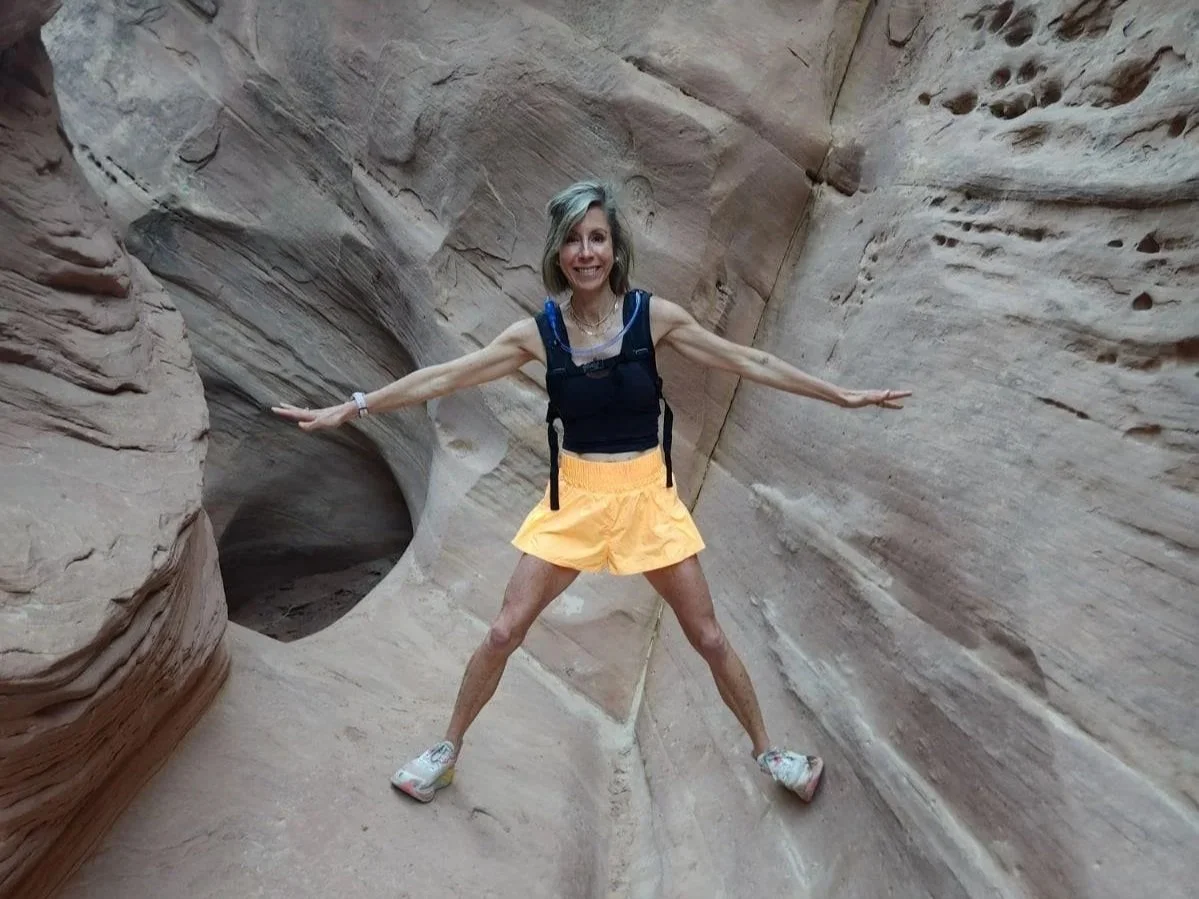


Hi, I’m the founder of Human Amplified. I’m Brandi Fleck, a recognized communications and interviewing expert, a writer, an artist, and a private practice, certified trauma-informed life coach and Reiki healer. No matter how you interact with me, I help you tell and change your story so you can feel more like yourself. So welcome!
Find More on the Blog
Topic
- ADHD
- AI
- Atlanta
- Black and BIPOC
- DIY
- FAQ
- LGBTQIA plus
- Los Angeles
- Nashville
- Seattle
- St Louis
- St. Louis
- UFOS/UAPs/ETs
- abuse
- accountability
- addiction and recovery
- adoption
- affirmations
- afterlife
- altered state
- angels
- animals
- anxiety management
- art
- astrology
- atlanta
- attachment
- awakening
- beauty
- behind the scenes
- being human
- body image
- body work
- boundaries
- brandi fleck
- breathwork
- bullying
- burn out
- burnout
- cancer
- career
- caretaking
- chakras
- channeled
- clarity-dive
- clarity-practice
- clarity-primer
- clean products
- coach
- codependency
Recent Blog Posts
Visit the Full Podcast Audio Archive

Affiliate


Calm a dysregulated nervous system with a trauma-informed 12-step plan for sleep, nutrition, movement, detox, and mindset. Includes journal prompts and a printable check list.