How to Find Joy When Life Doesn’t Go As Planned
Interview By Brandi Fleck
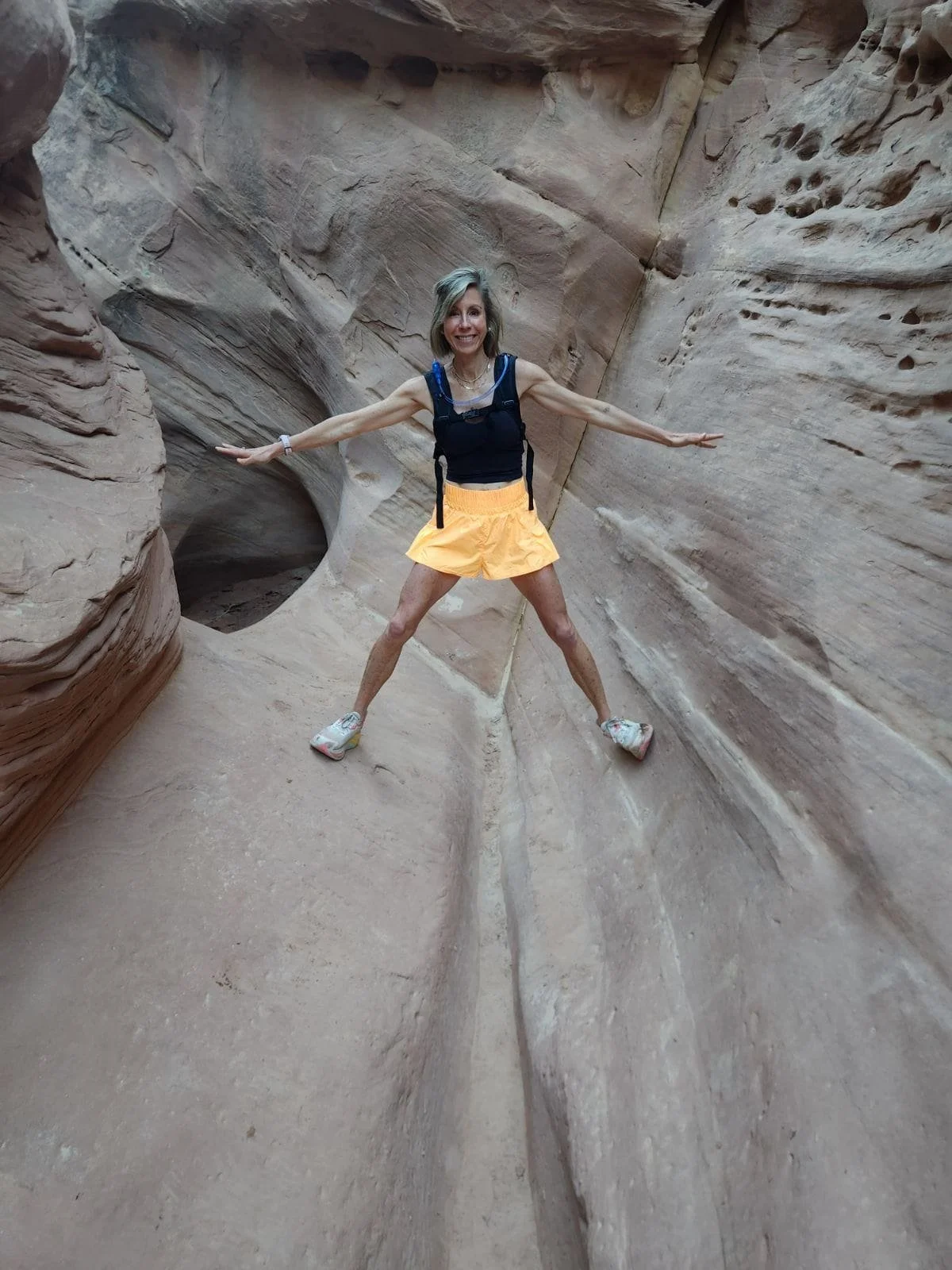
This is a raw, uplifting conversation on finding joy, resilience, and connection, even when life looks nothing like you expected.
What happens when your life doesn’t go the way you planned—and there’s no going back?
In this deeply human conversation, Katie Jensen shares what it looks like to build a joyful, meaningful life inside of real constraints—from raising a child with special needs to navigating exhaustion, identity shifts, and the quiet grief of letting go of expectations.
But this isn’t a story about hardship.
It’s about what becomes possible when you change how you see your life—how joy, laughter, play, and connection can coexist with responsibility, grief, and uncertainty.
If you’ve ever felt stuck, overwhelmed, or like your life isn’t turning out the way you thought it would… this conversation will meet you there—and show you another way forward.
Listen to Katie Jensen’s Interview
Watch Katie Jensen’s Interview
Read the Transcript with Katie Jensen and Brandi Fleck
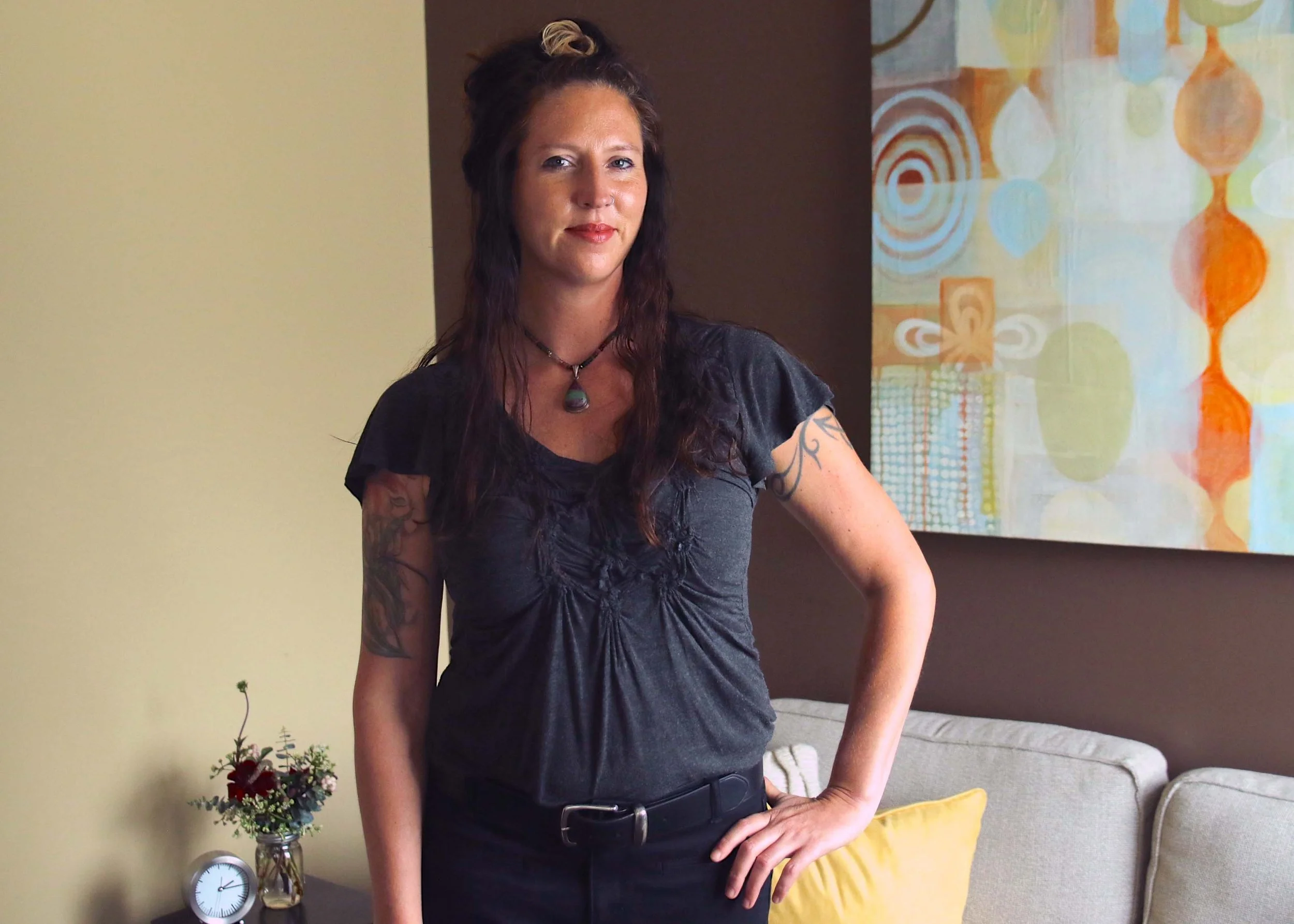
Brandi Fleck: Today we're talking to guest Katie Jensen of Franklin, Tennessee. She's first and foremost a mom and wife, but she's also a NASM-certified personal trainer, nutrition coach, and travel planner. With everything she does, she loves empowering people to find happiness and confidence through healthy lifestyles that feel good.
She's here today to help us wind up Human Amplified Season 5 with ways to incorporate more fun, laughter, and play into your life. Spoiler alert: a lot of this involves how you prioritize, approach, and look at your relationships with other people.
We talk about the importance of laughter and fun, changing what you can while accepting what you can't, the importance of knowing you're not alone, giving yourself permission to play even when life is hard, how to create authentic bonds instead of trauma bonds, processing hard emotions while trying to remain positive, and staying motivated to keep moving forward.
This episode is really about finding the silver linings, purposefully changing your attitude no matter what your situation is, and being resilient. Katie is not only great at this professionally, but she gets really honest with us about the realities of living with her daughter, who was born with a traumatic brain injury and cerebral palsy, among other lifelong diagnoses.
Katie has five children altogether, so the conversation today comes from the lens of how much she loves and dedicates herself to her family and the lessons she's learned from those experiences that translate into how she approaches happiness, joy, and having fun.
I'm so excited for the perspective-changing tips you'll get from this episode and hope that after you've listened, you can take life a little less seriously—just what we need to end a season that has traversed the depths of identity and self-realization.
Thanks for listening all season. Thanks for listening today, and we will be back in the podcast apps soon. Now let's dive in.
What Does Being Human Mean: Connection, Growth, and Feeling Alive
Brandi Fleck: A question that I ask everybody who comes on the show is: what does being human mean to you?
Katie Jensen: Being human to me means connecting with others. Relationships are very important. Being outside, exercising, makes me human—feeling your body working. Helping others achieve their goals makes me feel human.
Just my family and spending time with them reminds me that I'm alive, and time is short, and time is precious, and making the most out of every day. I am a person that's always thinking the cup is half full instead of half empty.
Brandi Fleck: Awesome. I love how you included in there that part of being human is feeling alive.
Katie Jensen: Yes, feeling alive. I feel like pushing yourself—not only in exercise, but in trying new things, new adventures, saying yes to things that kind of make you nervous—I feel like fear is sometimes something I go towards as far as trying new things, because you never know what you're capable of.
That makes you invigorated and excited about life, and maybe trying it again or even on that path to changing your life makes you feel alive. You only have one life, so you better make it good.
Brandi Fleck: I love that. Thank you so much.
Katie Jensen: Sure.
Why Play, Fun, and Laughter Matter More Than You Think
Brandi Fleck: All right, everybody. Today we are welcoming to the show Katie Jensen, and she's coming to us from Franklin, Tennessee, right outside of Nashville. I'm really looking forward to this conversation.
Y'all, I'll just give you a heads up—Katie is my personal trainer, and so I've known her for a little while now, and she's awesome.
With that, Katie, can you tell our listeners a little bit about who you are and what you do?
Katie Jensen: Sure. I'll give you just my personal life first, because that is pretty much the bulk of my life.
I've been married for over 20 years. I have five children. I always have to say one is special needs, because that is a huge part of my life. It's not a typical family. My kids and my husband come first.
Secondly, I am a NASM-certified personal trainer and nutrition coach, and I teach group fitness at the rec centers here in Franklin and also at Life Time Athletic Club. I am also a Pixie Planner, a concierge travel consultant with the Pixie Planners travel company, so I plan a lot of vacations—not only Disney, but Universal and all-inclusive hotels, Africa, across the world, cruises, river cruises, all the things.
So I'm busy, but I like being busy for sure.
Brandi Fleck: When we were talking about you coming on the show, I know we mentioned it seems like the one thing that ties all of these things together in your life is play—or at least that seems like a big theme. What are your thoughts on that?
Katie Jensen: Yes. I enjoy life, and I enjoy it because I try to make the most of it and try to find something to look forward to and something fun in each day.
That is not necessarily fun for everyone, but to me it's fun—whether it's looking forward to my lunch, or looking forward to an after-school activity, or watching a kid play a game, or helping a client get that confidence, or training group fitness.
I feed off of the energy of others, and I am a very big cheerleader. I feel like that is kind of my nature. I was one for a very long time, so it comes naturally to me to help others and to help them with their confidence.
It's very fun to me to watch others succeed and reach their goals and have a good time doing it.
I think play is very important. Life should not be taken so seriously. Exercise is not so serious. I enjoy doing what I do. All the things are very fun to me and make me happy.
I try to do something every day that is just for me. I'm not a mom, I'm not a wife, I am not a helper, I am not a caregiver—I am Katie, and this is something I like to do.
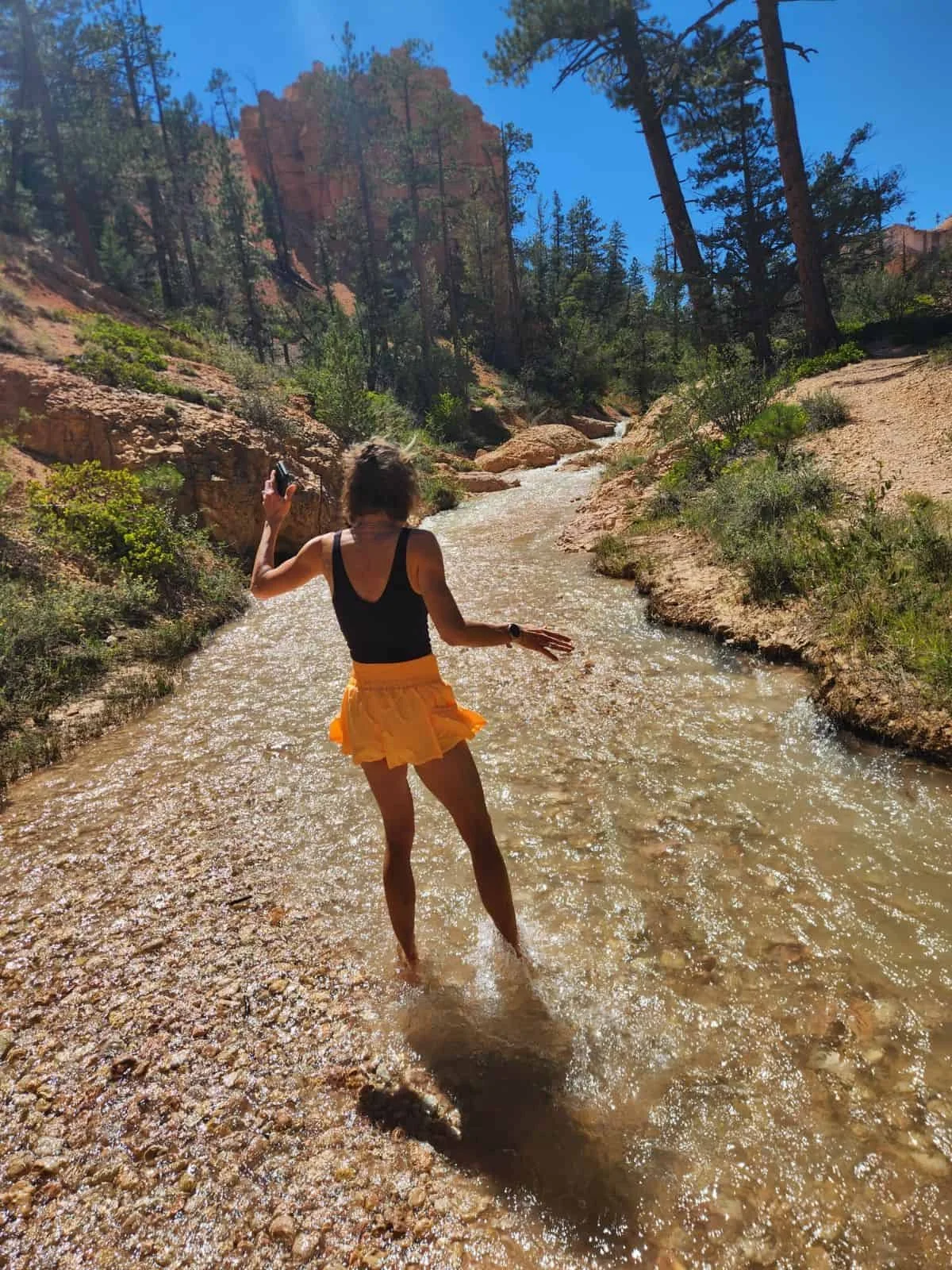
Whether it takes me five minutes or running in the morning, that is my joy.
Brandi Fleck: Okay. You already said that your kids and your husband come first, but let me go ahead and ask you anyway just to see if there's anything else—what is the most important thing in life to you?
The Importance of Family, Connection, and Laughter
Katie Jensen: I would say connecting with my kids and my husband and spending time with them, having fun.
I love taking care of them. I love being their mom. I love being a wife. I love being at home and cooking and baking and experimenting.
I really, really like to laugh. I feel like the lines on my face are well deserved because I have laughed my way through most of my life—with my best friends, with my sorority sisters, with my family, playing board games, laughing with my kids, playing outside.
Doing those things that make me happy is fulfilling. Just being around them is satisfying.
Especially with my husband—we love to travel, we love to go hiking in national parks. We feel connected to one another and connected to God and everything around us when we are just enjoying beauty and each other.
So it is fun.
Brandi Fleck: Good. So connection and fun and family are some of the big ones—and friends too?
Katie Jensen: Yes, friends. I'm an only child, so I'm not super close to my extended family, and for most of my life I haven't been.
My best friends have stepped in to be my sisters, so I always lean back on what makes you happy in life. Feeling alive is also spending time with those very, very important friends.
I will make time for them because that fills my cup—whether it's a text or call or meeting together for the weekend. That is where I am extremely happy as well. They are everything to me as well.
Brandi Fleck: We've talked a little bit about connection and what you think the most important thing in life is and what fulfills you, and we've also talked about how play ties everything together, but can you give us some specific examples of how play ties in?
Katie Jensen: Play definitely plays into my life because, like I said, life should not be taken so seriously.
I have learned with having five kids that the plan is not necessarily how it's going to go, and there are many times I've stood there and looked at my husband and said, this is not the family I expected, this is not how I expected my life to be—and not sometimes necessarily in an amazing way.
But I have to change the narrative, and that's how I have to teach my clients—that you're not stuck, you're not just trying to do the grind. There is importance in finding that joy and fulfillment in every day.
So whether it's laughing with my kids, or being outside, or playing games—even when I work out, it's always trying to find the connection, the relationships, teaching others to work together and have fun while doing it.
We joke around, and I feel like there's a sarcastic bone in every member of my family's body. I know that's not always a good thing, but we can, through a text, just laugh so hard with my older children.
We try to teach them to just have fun and relax. I've had to learn that a lot from my husband, who is way more laid back than me—that it's not that big of a deal, I'm taking things too seriously, it's not that deep.
Our kids are going to be okay. We've taught them well. To just enjoy them and enjoy who they're becoming and what they are right now, and to just enjoy where we are and have fun with it.
Even when we do those hard things and we're in the throes of a special needs kid, I always tell myself, yeah, this is not fun, I don't enjoy this, but it could be so much worse.
That kind of puts it in perspective—that it's a privilege to get to do what I do. It's a privilege to get to take care of these kids and to be a wife and to work outside the home.
That kind of puts it all into the perspective of it's not a chore—it's very fulfilling to find joy in them even when it's hard, because this is what I signed up for.
Brandi Fleck: I definitely want to know more about your kids and your family. Before we go there, let me ask you—how do you even start to take life less seriously?
Shifting Your Mindset: Gratitude, Perspective, and Control
Katie Jensen: I have my oldest daughter, who can be very pessimistic, and she is off at college. Right now, as a freshman, there are situations where she is struggling as far as how to live with a roommate, how to live with others, how to make friends, and it's very frustrating to her.
So when she calls, this is an example. She's just, I'm having trouble meeting friends. What do I do? It's a matter of changing that "I am stuck here with a roommate and I don't have any friends" to "What can I do to get myself out of this feeling? What can I do to change what I'm doing right now?”
As far as, all right, I need to leave this room. I need to leave this dorm room. I need to go get some lunch. I'm going to go to where I know some people and sit with them and meet new people and hopefully develop some more friendships.
I feel like, like I said, relationships are everything. As long as you are constantly working to better yourself and your situation, I feel like there's always a silver lining, even though it's hard to find.
You have to find that way to talk yourself out of the negative and into a more positive thought process, because I'm always telling my kids, you've got to turn this ship around. We've got to change that thought. We've got to fix the problem. We've got to chart a different path and find the good in where you are right now.
Sometimes you just have to live where you are. There is no fixing it, but there is a way to change it to make you think, all right, I can do this. I can put one foot in front of the other. I can move forward. I can find something to be excited about or look forward to or be happy in the moment, or something that will make me happy for just a little while, even if it's to go get a coffee or something.
Just find that peace and happiness in the little things is very important to me. It's not hard for me to find happiness very easily. I know it is for some, but little things make me very, very happy.
So I try to teach others, hey, you just did, standing on a BOSU, you just did bicep curls on one leg. That is amazing. People are just like, really? Yes, that is really amazing. Then you realize it yourself and you're like, oh, I really did just do that. That was amazing.
Just to kind of make people aware that they are incredible, what you're doing is great, even if it's a tiny little thing. Most people can't do what you're doing, and be grateful that you can. So it's a matter of gratitude.
Brandi Fleck: Okay. If that makes sense.
Yeah, so gratitude. I also heard you say, as you were describing what you've encouraged your daughter to do at college, change her perspective. Change her location physically to get a different sort of vantage point, socialize, focus on connection, feed yourself those basic needs that we all need.
Katie Jensen: Yes. I always am encouraging her to figure out a way to make new friends, because she will call me and say, I just need friends. That's truly the root of everything. I just want connection. I just want relationships. I want to spend time with people that are like me, or even different from me.
I like to learn. I like to grow. Just expand your world a little bit more every day, and those relationships will happen because you are working for it, you're searching for it, you're looking out for those people that could be your friend.
Sometimes it's trial and error. You're going to jump in and out of groups and people and situations and figure out that, okay, this one isn't right for me. I'm going to try something else next time.
It's getting better. It's hard to change that narrative in your mind that you're stuck and you're in the grind and you're not happy where you are, but it's all about feeling differently and making yourself feel differently by changing your thought process.
Brandi Fleck: Gotcha. That is so powerful. You're changing the things you can, basically.
Katie Jensen: Yes, absolutely, because that's all you can control.
I've always taught my kids you can't change people, and I have tried really hard to do that, and always I am very unsuccessful. I have learned as I get older that I can only control myself. I can only control the way I think, what I do, and how I treat others. It's me. It's not anybody else.
Especially with my kids, they are not me. They are their own people, their own person, with their own personalities, and they are going to be completely different from me. I have to support that and change the way I think sometimes instead of trying to change them, because they are who they are, and I'm just here to cultivate them into kind and helpful and good-hearted adults that are relationship-oriented and helpful to the world.
Brandi Fleck: This is the perfect transition into a conversation about your family. I know that you've mentioned having a special needs child a little bit. Would you like to tell us a little bit more about that?
Parenting a Special Needs Child: Challenges, Growth, and Reality
Katie Jensen: Sure. My daughter—I have five children. Four are biological. We adopted one son from China when he was three, and both my biological daughter and my adopted son are the same age. My daughter is two months older than my adopted son. They are both 13 right now.
My daughter is a traumatic brain injury, so nothing happened to her. It was from birth or being pregnant with her. I had a very high-risk pregnancy, and she is number three in the line of kids.
We thought everything was fine, and then once those milestones should have been hitting, they weren't, and so we kind of opened up a can of worms. Her diagnosis is traumatic brain injury, cerebral palsy, with global developmental delays and oral hypersensitivity, ADHD. We have the gamut.
The good news is she is a—again, looking on the bright side, it could be worse. She goes to school. She loves school. She has fun. She's very good at relationships. She loves people. She could tell you the names and last names of every single person in her school, most likely, but she couldn't tell you what day of the week it is because she pays attention to people, and that is important to her, so that's what she remembers.
But she is a handful. She is tiring physically and mentally. She will ask me the same question all day, every day, the same five questions over and over. You have to keep her occupied. You've got to keep her busy.
I feel like my goal, unfortunately, a lot of times every day, is to hurry up and get her to bed so I can have some peace and quiet, to be honest with you.
She's a great, great little girl. She loves life, and she's very, very happy. Back to just feeling alive, my husband and I have always said no matter what happens, we just want our daughter to be happy and to be happy in whatever she does.
She will live with me for the rest of my life. I will be her caretaker, as I am right now. That is a hard pill to swallow, and I am very alone in that boat. It's very isolating at times because she is first and foremost with every single decision our family makes. Her needs and taking care of her will always come first before anybody, unfortunately, and that's just the way it is.
My kids are better people because of her, because they are very, very tolerant kids, and they stand up for one another. They may bicker and argue amongst each other as siblings, but outside in the world, they are their biggest protectors, cheerleaders. They're really good kids, for the most part.
With her, it's hard because she drives them crazy as well. As any sibling should, I guess.
Her name is Pearson, and we call her Pearson the puzzle because I feel like it's always changing. We're always learning, trying, shifting, working.
In fact, she was my very first client when I was training to be a personal trainer. She has very low muscle tone, so I thought, hey, why not train her? She is doing really well with that. She's getting stronger, and the stronger physically she gets, the better able she is to have more fine motor and gross motor control.
So I'm trying to tie in something I love with helping her, but it's hard to train your own child. I work hard. We only work for like 10 or 15 minutes, but she enjoys it. It's fun.
But yeah, it's really hard, and to find support is very hard. So when we encounter special needs families or do something related to special needs families, I just kind of gravitate toward that because I want to know I'm not alone.
Like I said, that connection, that feeling of peace that comes when you meet people like you or in your situation, you're like, ah, I'm not alone. This doesn't feel so unmanageable anymore.
I lean a lot on people that are ahead of me and have been there, done that, as far as navigating the course. So I learn from others a lot.
Brandi Fleck: She sounds a lot like you in regards to loving relationships and connection.
Katie Jensen: Yes. She is very much like me, but she's very stubborn as well. With that comes a little pushback. She's very determined. She likes to do things her way. She is very messy and destructive, and I am very organized and clutter-free, and that is a really big challenge.
I've had to let go of a lot of expectations for her and for me and just let it go, because at the end of the day, it's not important.
If the room's messy, sometimes I have to tell myself, well, at least she was fun. She had a good time. At 7:00 a.m. in her bedroom, at least she didn't wake me up. See, trying to find that positive lining. At least she kept it quiet. Her room may be a mess, but I got to sleep.
Brandi Fleck: Yeah. I was going to ask you—you mentioned that because of Pearson, the rest of your kids are extremely tolerant. What would you say is the biggest lesson that you have learned from Pearson?
Katie Jensen: Life is not going to go your way. It's just not.
I had this huge plan of how I thought my life was going to be. I'm sure most people do. It can kind of be disappointing. I never thought I would have a special needs kid, especially a biological one. I feel like it shouldn't happen to me because these things don't happen to me, but they did.
Learning to live with that is a hard pill to swallow. I will always go back and think, did I do this when I was pregnant? Was it my fault? I know it's not, but as a mom that carried her, I will always think that.
But she sees the world in a very positive way. Things make her happy that are so simple. Taking her with me to Kroger is a joy for her, even though it's hard for me. She likes to go. She's very social. She wants to talk to people.
Letting Go of Expectations and Redefining Family Life
She has made me slow down my life. I am very fast with everything I do. I'm an amazing multitasker. I can juggle a hundred things at once and do it pretty well.
She has made me stop because I can't do those things, because I have to help. I have to give her a bath. I have to stop doing what I'm doing to brush her teeth or rush home from teaching an exercise class because I have to get her on the bus, and I have to make sure her clothes are on correctly, and I have to brush her hair.
She's made me more human. This is my life. I am her mom, and I am her caregiver at the same time, and I have to slow down and remember she basically comes first.
A lot of times that's frustrating because I want to do what I want to do, just like everybody else does, but no, I can't. A lot of times I have to say no to a lot of things that I would rather do because, number one, we have so many kids. They cost a lot of money, and I can't just jet-set off with my two oldest kids that are a breeze and take them places and explore the world like I would love to do.
Maybe it's one vacation a year. My husband and I just got back from a vacation with just him and me out west, hiking and everything, and we haven't taken a vacation by ourselves in five or six years. So that was a really great connecting moment.
But then you've got to step back into reality, and that's always hard because there is no easing back in. Like with every parent, it is, oh yeah, I've got to deal with this for the rest of my life. It was a nice escape, but here we are back at it.
I try to always have something to look forward to, like I said, by myself or the next vacation or something else that brings me joy that doesn't involve her. I know that's mean to say sometimes. People may take that negatively, but you've got to step out and care for yourself first because if I am not feeling it, everybody else is going to feel it.
If I'm having a bad day, everybody else is probably going to feel that. I try not to do that. It's really hard to not snip and snap at everybody, but just trying to remember these are kids. It's not their fault. It's not their fault we have five. It's not their fault they have a special needs sister. It's not their fault that we adopted. It's just our family dynamics are challenging sometimes.
So taking that time for yourself is really important to me, and I will always do it, whether it's taking an hour alone, going to Kroger by myself. I have a very supportive husband who's like, go do, go be with your friends, go. I got this. He'll do it, and he never complains.
So it's teamwork all the time. Even with our oldest kids, they have to help.
Caretaking is hard. Parenting is very hard, and there's a lot of people doing it—adults, kids. It's a grind, and you've got to take yourself out of the grind because the days are monotonous and the days are hard.
I'm very fortunate that she's in a great school and is in great care every single day, and she loves to go to school. She's not happiest unless she's at school because she loves people, so she just wants to be there and have fun.
I feel like one of the greatest things I did for myself with her was we have an individualized education plan—they're called IEPs—and she's had one since she was in kindergarten. The older she gets, the more focused we have to become with that.
So now she's in eighth grade, and when she started fifth grade in middle school, I went into that IEP and said, I don't want homework. I don't want projects. I don't want foreign language. I don't want any type of band, anything, because I knew doing all of those things, I would end up doing the projects. I would have to sit with her with homework for hours.
I feel like I took the pressure off myself and my family, and now she goes to school and she learns and she reads and she has fun, and she doesn't come home and work more. She comes home and plays, and that's how it should be in life because she's happy, and we don't care about anything else. As long as she's enjoying herself at school, that brings us peace.
If you keep getting caught up in the academics and the stress of her achieving, you just have to take out all expectations with a special needs kid and think, what is best for my child?
I've watched parents push their special needs kid to get a general ed diploma and work really hard and push themselves, and that's not our goal. Our goal is for her to enjoy her life, and that's where I feel like we've put her on that path, and there's no pressure. We took the pressure off ourselves, and that makes us happy, and that brings us joy because we don't need to do those things.
Many a time I have sat there doing projects with her by myself or my oldest daughter doing projects for her class, and I'm like, what are we doing? This is pointless. This is clearly done by an adult.
Brandi Fleck: Yeah, but we've all done that. Even with typically developing kids, it's just life. You do it for them sometimes.
I love that you mentioned taking the pressure off, and taking the pressure off for yourself and your family. It sounds like by prioritizing that happiness and joy, it's been easier to make decisions to do that, would you say?
Katie Jensen: Oh yeah. We definitely choose our family first. We've come into some issues where we've had to protect ourselves and hunker down as far as we are on an island by ourselves, and we will do whatever we think, my husband and I, is best for our family.
If that means taking a kid out and going on vacation with them separately, because I feel like our typically developing kids kind of get second fiddle because, like I said, the special needs kiddo comes first, so we try to make time for them, have fun with them, and take them also out of a special needs situation because they live it just like I do.
They are a part of this family. They eat, sleep, and breathe Pearson a lot of times, just like I do. So if we can take them out of that and enjoy time with just them, it's great. It's a time where we connect with them and have fun with them and play and just connect, like enjoy each other's company. It's so important, and I will never regret doing that.
Pearson is very happy to spend a night at her grandparents' house. She never feels like she's missing out because she doesn't know what she's missing, and she's very happy to stay in her house or in her grandparents' house and go to school and live her life. It does not bother her, and I am very thankful for that because we wouldn't be able to take her hiking. She could not do it. She couldn't do a lot of the things we did as a family.

So again, adjusting expectations and pulling back and rethinking the typical family is never going to be us. We will always have to change it around and make it work for us, and we're just different.
As the older I get, the happier I am in sitting with that because in the end it doesn't matter. We are happy, and we do what makes us happy as a family.
Brandi Fleck: Awesome. Well, thank you so much for sharing that little slice of your personal life.
Katie Jensen: Sure. It's helpful to know that you're not alone, and if listeners have a special needs family or a kid or an adult that lives with them, it's very isolating.
Just to know you're not alone, even if you're just listening to someone, is comforting, to know that there's someone else dealing with the same thing you do. Life is hard, but if you can encourage someone to just keep going and stay in the fight and don't give up, it feels good.
Brandi Fleck: Yeah, and it's normal to have all of these complex emotions that come with it.
Katie Jensen: I agree, yes. Obviously it is. It's a roller coaster, I feel like, of stress and peace.
I really struggle, and my husband always has to pull me back in, of what's next. When she was little, I used to think, well, what's five years old going to look like with her? What is six and seven and eight and 10? What's it going to be like when she is 13? Here I am at 13, and I'm like, well, this is what 13 feels like.
So I try really hard not to do that anymore because the 20s scare me. Her adult life scares me because I will still be caring for her.
Today is today. She's 13. Life is good. We're just going to live at 13 right now and worry about 14 when 14 comes because usually I just transition right into the next age, just like everybody else, and just keep going. It's always forward-thinking. I never turn around and look back.
I try really hard not to compare her to anyone else because she's just Pearson, and that's all that matters. There is no comparing her, and I try really hard not to.
But it also makes me enjoy my typically developing kids and to really be so proud of them and their accomplishments because I feel like everything now can go wrong in a pregnancy. So I look at my typically developing kids as, you are the miracle. I can't believe you got out scot-free. Wow. All the things that can go wrong, you're like, I had no idea. You guys are perfect. Let's enjoy you.
You are the miracle. The fact that you can have a normal kid is fascinating at this point because I feel like so many things can go wrong now that I know they do, that these other kids of mine are the miracle. They are incredible.
So everything they do brings me joy, and it's amazing that they can achieve and be their own person and be unique and find their own path. It's fun.
Brandi Fleck: Yeah, awesome. Okay, well, we still have some time, so let's pivot a little bit.
I had a coaching client once who had this core belief that if you play, you're acting like a child, and she just felt like that was so bad because it would take away from her responsibility. It was so hard to grasp that play was even possible for an adult.
So what would you say to someone who felt that way, if they were one of your clients or in your life?
Katie Jensen: I actually do have a client that it is hard to bring joy to and fun into her life. She comes to me as if I'm a therapist, which actually a lot of my clients do. When you start exercising, you start releasing all the things, which I love. That is exercise. It's therapy to me, and I guess to others as well.
But I feel like once you take play out of your life, there is no life. There is no fun. That is a very sad existence.
It's a matter of just changing the way you think. Like I said, it's a narrative, that tick or tape in your brain. I have to do this at this day, and I can be that way. This has to get done. I have to stay at work. I've got to do all these things, because there's so many expectations we put on ourselves to be perfect, and social media has a lot to do with that. It makes my kids think that way.
But like I said, life cannot be taken that seriously. My dad was a very fun, outgoing person, but unfortunately he passed away in 2020 of morbid obesity. But he always said, Katie, if I'm going to die, I'm going to die having a good time.
I can't say he died having a great time, but with the life he had, I would say he had a pretty good time. It's not worth it to me to be that serious anymore.
I don't care about a lot of things that I used to. Those things aren't important to me. Achieving success or what have you—I just want to live with my family and my friends and enjoy my life and have fun with them, because the fun is where we connect.
I don't connect with my kids over some math homework. I connect with them in the car as we're laughing or singing. We used to have a strobe light and we would have dance parties in our kitchen, and even my oldest daughter at the time, who I think was like 13 or 14, she eventually came in the kitchen and started doing it with us, because the neighbors were watching us.
It's just like, we don't care. It is fun. Turn up the music.
Music is important to our family. My husband always has a speaker going. We expose them to a lot of music. My husband does. I listen to one person and that's probably about it, Taylor Swift.
But my kids enjoy music, and music is also so soothing to them and calming. One of my kids is learning to play the guitar, and that's peaceful to him, and it brings him joy.
But just something that brings you happiness, and it doesn't matter what anybody thinks. I think you have to have that element of fun and peace outside of your regimen and your job.
Brandi Fleck: I love that you brought up that the play and the laughter is a major connection point.
Katie Jensen: Yes.
Brandi Fleck: Because there are things that drive us apart. There are things that you can bond over, like if adversity is happening in your life, but is that really a real bond?
And I feel like if you're bonding over laughter and happiness, it's that shared experience. You can be sure that it's authentic and you're not just trauma bonding, for example.
Katie Jensen: Absolutely not. Life is hard enough.
I feel like a lot of times, through my group text with my two oldest kids and my husband, and my group text with my sorority sisters and my best friends, it's constant sarcasm, laughter, reminiscing.
I feel like reminiscing is very, very important. When my kids are kind of quiet, that's fine, but we're in the car and I'm like, hey, remember when you did this? When we were in Greece? Remember when you were so mad at us for such and such? My kids just laugh and laugh.
Silly texts, the pets make us laugh, funny pictures—anything. If you're having a bad day, that funny text literally turns that ship around. It doesn't take much, like I said, to make me happy, but my kids are also learning that funny is fun, silly is fun.
Silly songs to my five-year-old—he will just think it's the greatest thing ever. Hearing my kids laugh makes me feel good because I know they feel safe, and they feel happy, and they feel comfortable.
Fun and laughter is pretty much a priority for me, especially the laughing. I love to laugh with my friends.
I like to have a good time in my group fitness classes. I am sarcastic. I call people out. I have a good time with them, because like I said, life, and especially exercise, should not be taken seriously.
It's a lifestyle. It's who you are. It's who you become. You show up. You're in a group fitness class. We're a team. We're doing this together. It's hard, but we are here together, and we're going to have fun, and we're going to listen to fun music, and I'm going to laugh some and call you out, and I'm going to put a smile on your face.
It's a good time. It's a party. I always try to make my group fitness classes feel like a family, because like you said, when you're doing something together, it's fun.
You don't feel alone. Somebody over here next to me, I may not know their name, but they're crushing it, and they are pushing it, and they're heavy breathing, and they're like 65 years old—well, I can do that.
It's that competitiveness, the family feeling, the teamwork, is super important, and making it a fun experience for others—my family, their life, the people I work with, the people I train.
I don't want them to show up with dread. I want them to leave feeling like they've accomplished something. They're more confident, and they had a therapy session of exercise, and now they feel better and they're happier because they did this.
Balancing Hard Emotions with Positivity and Resilience
Brandi Fleck: I feel like I have to address—there's toxic negativity, there's toxic positivity, there's good positivity, and there's good negativity. That's where I'm coming at this from.
So how do you balance the happiness and the fun with being more serious to process hard emotions when you need to?
Katie Jensen: I feel like I do that a lot with my kids. There have been situations where it's been a really hard road to travel with my kids.
Social media makes it all look like rainbows and unicorns, but it's not. Nobody's life is.
Walking with my kids and even my clients through the hard, there's a lot of talking. There's a lot of talking about how they're feeling, what they're feeling, why they're feeling that way.
Then again, trying to work through those hard, negative emotions to something that brings them happiness is hard, because they can be very pessimistic. Like I said, everybody's different. Nobody's just like me, and I like it that way. I like the challenge of that.
I like the challenge of helping people turn that thinking around, and even in my kids. Some of them are easier to turn than others.
But finding that path to happiness is important, and changing those negative thought patterns into something that is manageable, and feeling like they can overcome the situation and get out of it, is important.
Even to the point of punishment and consequences. My kids are a little older now, so we don't necessarily do this anymore, but one example I have is we would ground our kids, and they would be grounded for, say, a week.
But I would give them a list of things they can do to shorten their grounding. So it gave them something to work for. They weren't just sitting there thinking, I cannot go to my friend's house for a week. This is awful.
Yes, you did the crime, you're going to do the time, but here—let's work our way out of this awful situation.
You can write notes to your grandparents. You can mail them a card. You can go visit a neighbor. You can spend time with a sibling. You can take a sibling out for ice cream. You can do things around the house to help us. You can clean out my car with a sibling, or you can sweep the leaves.
Anything to get them going was motivating. Just to find a way to be motivated to keep going was important to us.
I don't like my kids sitting around being sad. Fortunately, I don't have to punish them often. They're pretty good kids, but they liked that. They liked being able to get out of the situation, and giving them tools to do so was important.
That's life. Whenever you're in a situation, you need to know how to get out of it. You need to be able to phone a friend. You need to be able to work. You need to go find a job. You need more money—this is what we need to do.
Teaching them how to move forward—you’re never—
Brandi Fleck: Yes, to be resourceful.
Katie Jensen: Work with what you got.
My daughter will be upset about something at college, and just learning that dynamic of living with someone else is hard. No one's like you.
I always thought, well, it could be this. At least you're not dealing with that. Just to kind of flip it and be like, oh, my situation is not that bad.
But acknowledging that it's bad is good. I'm not the type of person that's like, well, you shouldn't think that way. No. Yes, what you're doing is hard. Yes, I will tell my daughter that. This is hard. This stinks. I know you don't like it.
But here, let's try and find a way to get out of it so you feel a little better.
It's not about just staying put, but sometimes you kind of have to stay put in the hard and just move forward one step at a time, because again, life is not perfect. Life is hard. It's always going to be a challenge to deal with different people.
But you've got to learn. You have to learn how to live with someone else. That's forever. Coworkers, whatever. People are different.
Embracing that, because it's fun to learn about others. It's fun to get to know them and learn about their quirks and what they believe.
Just being open to learning about people instead of judging them is what we've really tried to instill in our kids.
The world is big, and it's fun. It's fun to go and learn about others and cultures and travel and just be open-minded and listen. Don't always talk. Listen. Listen to others.
Brandi Fleck: Yeah. Two things keep coming up as we're talking, and one is that sometimes I feel like people just need permission to have fun, just the reminder to know you're actually allowed to have fun even if you're going through something hard.
Katie Jensen: Yes. It's okay. Yes, absolutely. It's okay. Just have fun with it. Try and find a way to have that fun.
Family members are going to pass away. Your pets are going to pass away. It's hard to think like that, to know that this is going to happen to you, and when it does, it's shocking that something bad actually can happen to your family.
There are things that I thought would never happen to me that have happened to me, like I've said. Life is not perfect. People are not perfect. Let's not judge them.
It's nice to see a kid throwing a tantrum in a grocery store because I want to look at that mom and be like, you are doing a great job. Sometimes I've said that to people before, and they cry. I'm like, all you needed was somebody to tell you you're doing a good job. No one's telling you this. It's sad. People feel so alone, and they're stuck.
People need to be encouraged and reminded that you are amazing. You're doing a good job. You've been dealt this hand. I don't know if your kid in the grocery store has autism. I don't know if they're a typically developing kid throwing a tantrum and you're just trying to pick up some groceries real quick. I have been there. I have left the grocery store with a cart in the grocery store and taken my kids and left because it can be embarrassing.
But now I'm just like, you do you. Whatever is going on, that is your life, and I'm here to support you however that may look.
I try to always encourage people. You look great. You look so pretty today. An older woman dressed up, and people just light up when they're complimented. I feel so bad because I'm like, why are we not doing this more in our lives?
It really brings somebody joy. It may brighten their day for that moment, for the whole day. Saying one nice thing is important, and it gives people confidence that they are maybe doing a good job. I didn't know I was. I feel like a loser. I feel like a horrible mom, which we all do.
Just encouraging.
Brandi Fleck: Great points. I don't know if this ties in with it or not, but one of my last questions for you is how do you help clients stay motivated to exercise? I know we were talking about motivation a little bit earlier, which I'm so glad you brought up.
How to Stay Motivated: Fitness, Community, and Lifestyle Change
Katie Jensen: I feel like that's an easy thing to do because once people start that journey of lifestyle change, because exercise is not a punishment, it is a privilege. I tell my clients that. I tell my group fitness classes that. It is a privilege to stand on that treadmill. It is a privilege to pick up those weights.
There are people in this world, in your family, your friends, that would love to be in your shoes. Don't dread the workout. Don't dread coming to get trained or doing a class. It is, like I said, a privilege to get to be able to move your body, to live, to stand, to sit, to squat.
Then once they own that and feel good that, oh, I know where such-and-such muscle is. I feel my body now. I feel things changing. I feel different, and it feels good, they want to keep going. They're walking more at home. They're changing their diets to see those results, to feel like the new person.
I like to tell my clients, this is the new Brandi. The new Brandi changes the way they eat. The new Brandi chooses something different in their coffee instead of heavy cream. The new Brandi goes for a walk in the evening with her kids.
I try to make my clients have that change of thought that they're different now because they have chosen a healthier lifestyle. It is not a one- to two-workout-a-week thing. It is, I'm going to walk out of here and I'm going to keep going with this because it feels good.
I like coming to do this because we have fun. I will get to know my clients, ask them about their lives, and tell them a little bit about mine, so it's not so business YouTube. It's more personable and social.
Before you know it, 45 minutes has gone by and we're done, and you've worked hard and we've had a good time. It was fun. So I hope my clients enjoy their time with me and enjoy exercising because it brings me happiness to watch them achieve their goals as if I did it myself.
It truly does make me very, very happy to watch them soar, to do this on their own, to change the way they think, and to find exercise brings them happiness and it's not a punishment.
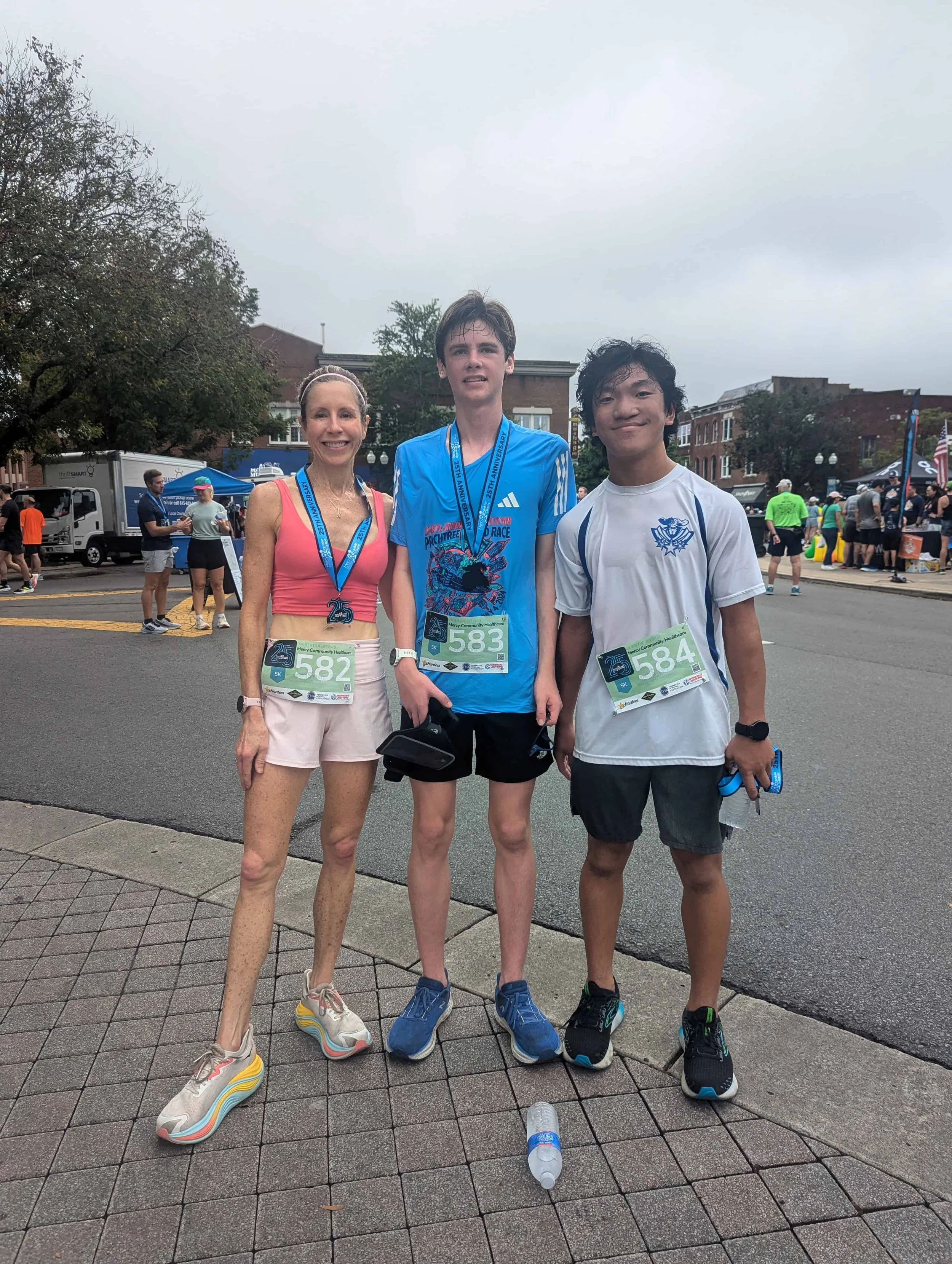
I feel like so many people feel like, oh, I've got to do this because I ate this. Yeah, I do it too. We all do that. But it's a whole holistic approach. I run in the mornings because it makes me happy. I have a running partner who I get to run with and talk to and have conversations with, and that makes me happy.
Just finding a person to do this with is great. If you can find a workout buddy, great. If you can find someone to train with you, amazing.
That's another thing. Being in that group fitness leadership role, making those connections among the people in my classes that I coach, I start talking to them, they start talking to each other, and pretty soon we're like, well, where's Dan? He was supposed to—
It's a family. It's a team. We all show up now every single week, and we have fun, and we now know each other's lives a little bit more. So-and-so is on vacation, and we know where they're going because we talk during the class.
Once class starts, I still continue to motivate and laugh and have fun and ask people questions or tell them a little bit real quick about something that's happened in between sets or what have you, and they're laughing.
Before you know it, clients and group fitness members will be like, that was the fastest hour I've ever spent. I can't believe it's over. I'm like, good. It shouldn't be a clock-watching activity. It should be like, oh, we're chatting, we're having a good time, I'm working really hard, and this is kind of hard and not fun, but at least we're doing this together.
It is a team, and it's a good time, and I try to make it fun.
In my cycling class, we have a movie ride once a month, and they have to guess the song that the movie's in. Whoever wins gets a $5 gift card to whatever coffee shop I brought a gift card for, and they will go bananas for a $5 gift card. It is competitive. We've had people come in and ask, what are y'all doing in here? I want to come.
It's fun, and just to even have that one class to look forward to once a month, they love it. They love it, and that makes me happy. I love it. It's fun.
Brandi Fleck: Awesome. Well, Katie, is there anything that I haven't asked you that you think is important to share?
Travel, Joy, and Creating Meaningful Life Experiences
Katie Jensen: We talked a lot about myself. I dominated the conversation, so sorry.
No, definitely my traveling is so important to me, and helping people take a break from their lives, their everyday grind, to find joy in traveling together as a family, by themselves, with your spouse, with your significant other, is so important.
Taking time, saving up for that vacation, and really treating it as a vacation is very important. Shut down the phone, shut down the work. Connect with your significant other, your family members, your friends.
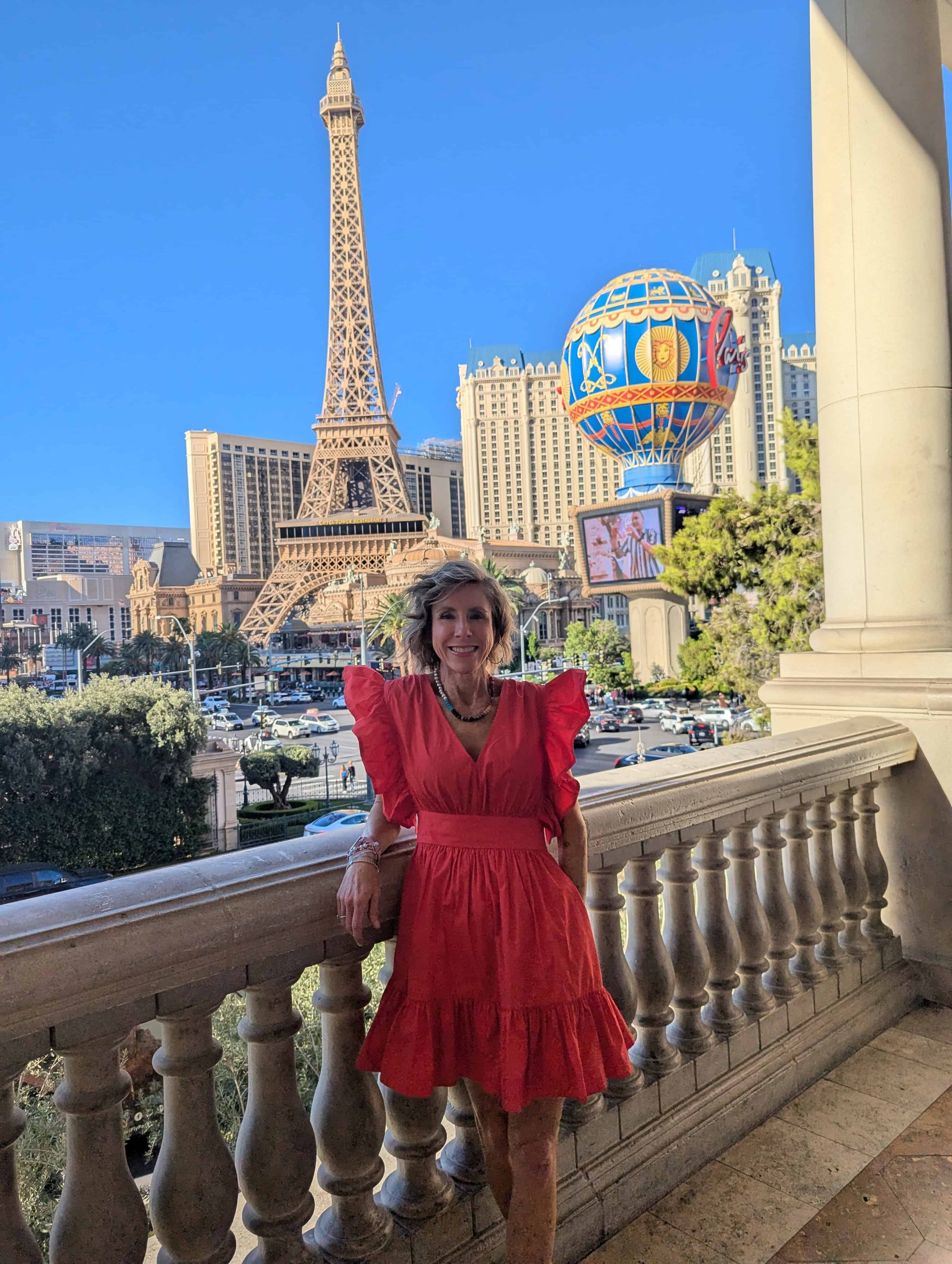
Traveling is a big part of my life. I want to go to so many places. I will go to so many places, just not right this second. But if I can help someone find joy in traveling and exploring the world and meeting new people, or go to Disney World to feel like a kid again, it's amazing.
You walk down Walt Disney World's Main Street, U.S.A., you are not an adult anymore. You are not in your 40s. We are 12 years old, and we're gonna have a good time, and that is fun.
So if I can encourage anyone to join me and help them make that dream come true, it's a free service to use me. I get paid by Disney or Universal or whatever we choose to do.
So just let me help you plan something fun to get out of your everyday life. It would make me very happy as well. I find joy in helping others no matter what area of my 100,000 jobs is. I will give it my all.
So yes, I am with the Pixie Planners Travel company, and I would love to help someone else out, whether in Franklin or across the globe. I am here for you.
Brandi Fleck: Yeah. Finding that joy and play and recreation and exploring and being open to new experiences is also just where it's at.
So how can our listeners find you and your work, whether it's the travel or the personal training?
Katie Jensen: Sure. I am with Williamson County Parks and Rec as far as personal training and group fitness. I have several classes that I coach at Life Time Fitness Athletic Club in Franklin, Tennessee, and I am with the Pixie Planners Travel company online there.
You can find me or follow me. I am on Instagram, and it's Katie Sims Jensen, KFJensen11.
Brandi Fleck: Yeah, KFJensen11.
Katie Jensen: F as in Frank, Jensen11, and that's J-E-N-S-E-N.
So you can follow me. I post often just tidbits of travel, food, nutrition, my family, my crazy family, what it's like to live in my shoes. I try to be as real as possible on social and to be helpful.
Brandi Fleck: Awesome. Okay, well, listeners, all of those links will be in the show notes for you to go check out. Make sure you look at Katie's stuff and just see what she's got going on.
Katie, thank you so much for coming on the show today.
Katie Jensen: I'm sure this was very fun. Thank you for having me. I enjoyed it. It passed by really fast because it was fun.
Join the conversation!
Feel free to share your own experience and let me know if you have any questions in the comments.
Related Posts








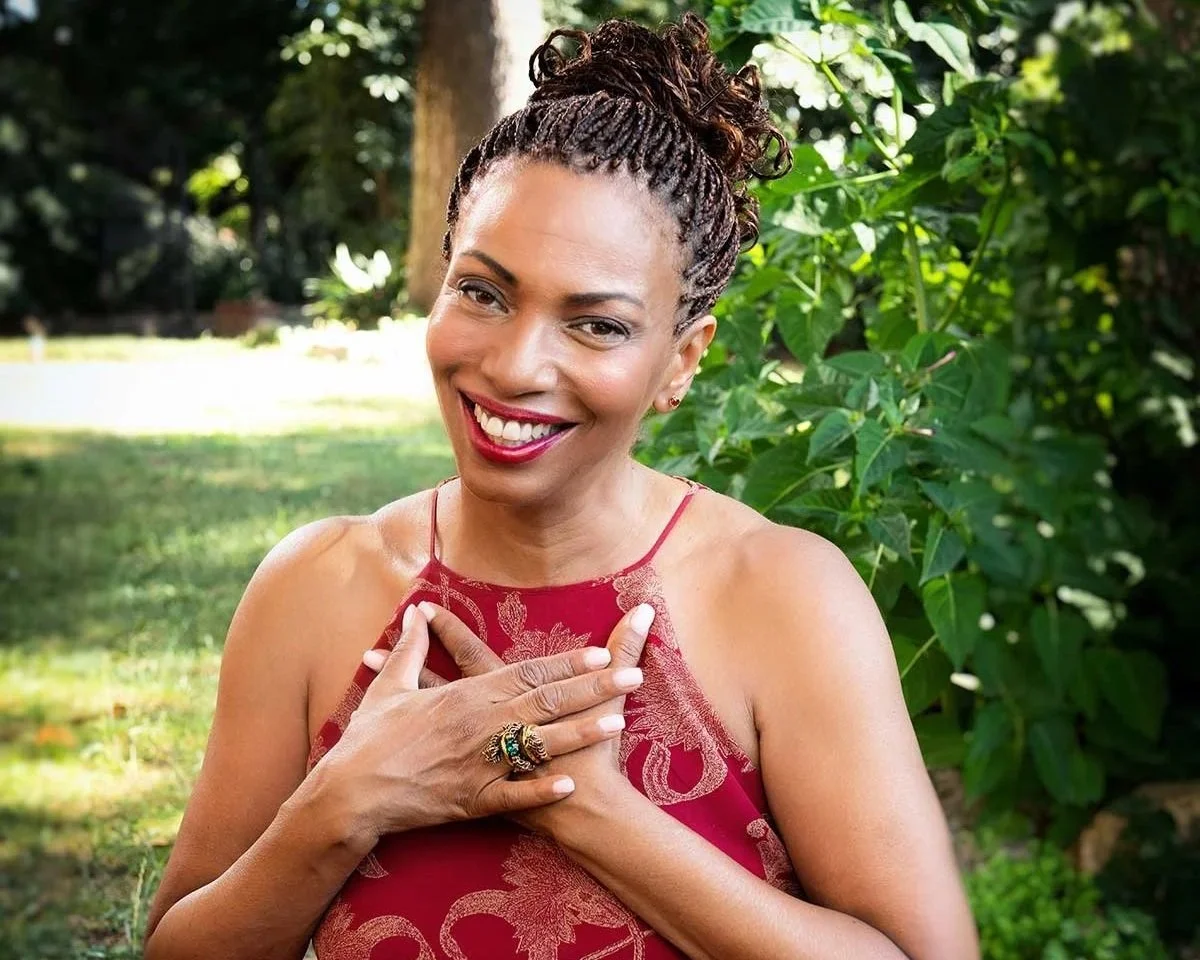

Hi, I’m the founder of Human Amplified. I’m Brandi Fleck, a recognized communications and interviewing expert, a writer, an artist, and a private practice, certified trauma-informed life coach and Reiki healer. No matter how you interact with me, I help you tell and change your story so you can feel more like yourself. So welcome!
Find More on the Blog
Topic
- ADHD
- AI
- Atlanta
- Black and BIPOC
- DIY
- FAQ
- LGBTQIA plus
- Los Angeles
- Nashville
- Seattle
- St Louis
- St. Louis
- UFOS/UAPs/ETs
- abuse
- accountability
- addiction and recovery
- adoption
- affirmations
- afterlife
- altered state
- angels
- animals
- anxiety management
- art
- astrology
- atlanta
- attachment
- awakening
- beauty
- behind the scenes
- being human
- body image
- body work
- boundaries
- brandi fleck
- breathwork
- bullying
- burn out
- burnout
- cancer
- career
- caretaking
- chakras
- channeled
- clarity-dive
- clarity-practice
- clarity-primer
- clean products
- coach
- codependency
Recent Blog Posts
Visit the Full Podcast Audio Archive

Affiliate