
Interview By Brandi Fleck
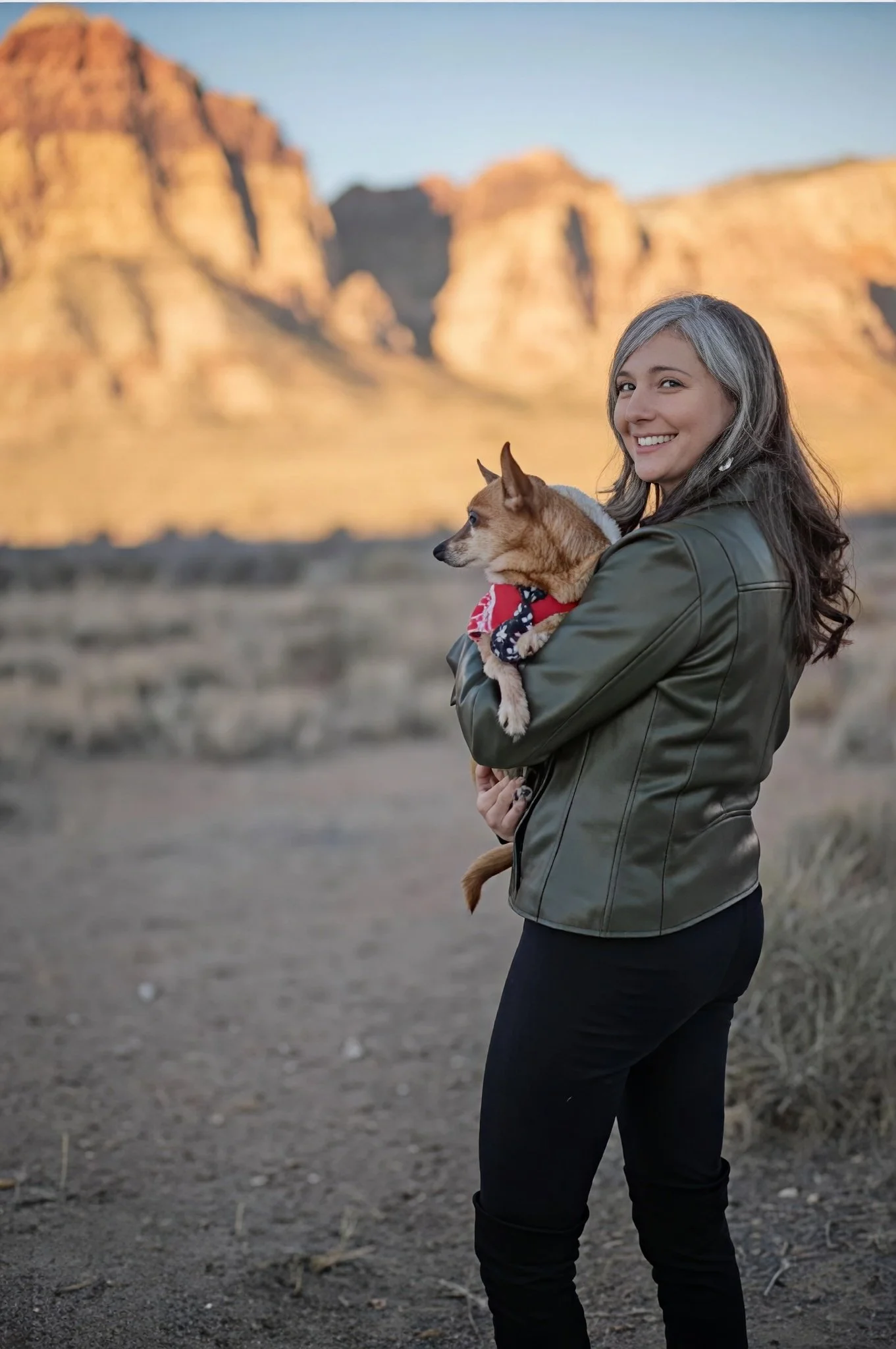
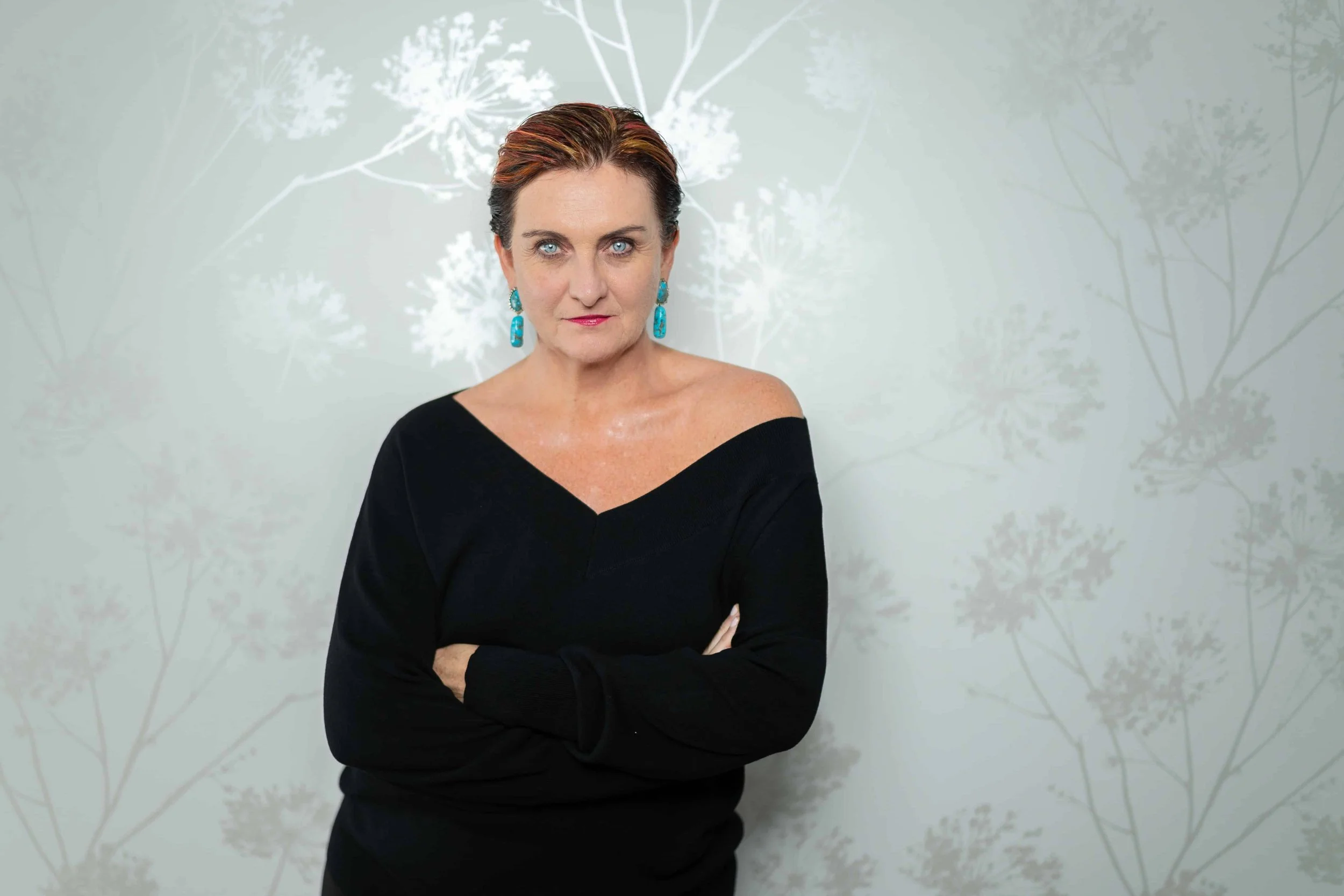
Boundary expert Sheryl Green shares how people pleasing, burnout, and emotional suppression disconnect us from ourselves and how learning to say no can transform relationships, mental health, and identity.
What happens when your body starts screaming “no,” but you keep saying “yes”?
In this episode of Human Amplified, Brandi Fleck sits down with boundary expert and author Sheryl Green to explore burnout, people pleasing, emotional exhaustion, and the hidden ways our bodies communicate stress long before our minds catch up.
Together, they unpack the roots of unhealthy boundaries, the fear of disappointing others, the connection between suppressed emotions and physical symptoms, and the identity shift that happens when you stop living entirely for everyone else.
This conversation moves through nervous system responses, toxic workplace culture, codependency, emotional leakage, relationship dynamics, and why saying no is often an act of sustainability rather than selfishness.
If you've ever felt overwhelmed, resentful, emotionally depleted, or disconnected from your own needs, this episode offers a grounded and deeply human look at what boundary work actually requires.
Listen to Sheryl Green’s Interview
Watch Sheryl Green’s Interview
Finding Humanity in the Spectrum of Emotions
Brandi Fleck: What does being human mean to you?
Sheryl Green: So being human to me means experiencing the full breadth of emotions. Everything from joy to sadness, from excitement to anxiety, fear, anger, all the things, good and bad, and working through that, sometimes on a daily basis, sometimes on an hourly basis.
Brandi Fleck: I love that. I love that. There are many people who feel that way. How does feeling those emotions kind of fit into the whole human experience, like the mind, body, and spirit?
Sheryl Green: I know for me, those emotions very much show up in my body. So I think that it's the physical and emotional and mental expression of all of those emotions. I don't know if that makes sense.
Brandi Fleck: Yeah, it does. It does. Thanks for tying all that together for us. Everybody, today we are welcoming Sheryl Green to the show. I'm really excited to have you here and to talk about some of the things we're going to talk about. How are you doing today?
Sheryl Green: I'm good. I'm experiencing many of the emotions.
Brandi Fleck: Yeah, I was going to say something about how, oh my gosh, it's actually a really emotional time, not only for individuals, but as a society. So it's interesting how things are coming up. Before we dive too far into what we're going to talk about today, please tell us, who are you?
Sheryl Green: Yeah, so my name is Sheryl Green. I am a boundary expert, a speaker, author, dog mom, plant hoarder. Let's just be honest at this point. I am happily married. I've got two adult stepsons and two grandkids. So did not see that on my bingo card, but here I am being a grandma.
Brandi Fleck: That's fantastic. I have two adult stepsons and one younger stepson and a biological son. So it's really, yeah, those stepson relationships are really special.
Sheryl Green: It has definitely been very interesting navigating this where my husband and I are just about three years into our marriage. And yeah, it's been a different world for me, for sure. I never had any kids of my own. And obviously, these guys are adults. They're not kids anymore. So I'm just trying to find my place and where I fit in.
Brandi Fleck: Yeah, for sure. Well, speaking of your place and fitting in, I feel like that's related to boundaries and navigating the world and where you end and where someone else begins.
Burnout Recovery and the Connection Between Stress and Boundaries
Brandi Fleck: So let's kind of dive in. When I was looking at your website, I know that the topic of burnout had come up, which is related to boundaries. So let's just start with why does burnout happen?
Sheryl Green: Yeah. So burnout happens when we, A, don't have boundaries and don't really set them and maintain them. But B, when we exist inside of a society that doesn't allow us to have boundaries. So with my first book, or the first book on boundaries, I really explored the individual responsibility in preventing burnout. However, the more I started to look at it, I realized that if we work inside of an organization or exist within a family that doesn't support, allow, or, for family, teach boundaries, then we're going to end up in a... While the focus is still very much on personal responsibility and really creating the life you want, you also have to look at how society and how the environment impacts that as well. And burnout is a huge issue, and it's getting to be a bigger issue every single day.
Brandi Fleck: Yeah. I'm so glad that you mentioned the individual and the societal impact. I would love to get more into that, and maybe we will with this. Can you tell us how you personally experienced burnout and how you learned the things that brought you to where you are today?
Signs of Burnout, People Pleasing, and Emotional Exhaustion
Sheryl Green: Yeah, for sure. So I'm going on about four years now. I was the epitome of a people pleaser for 40 years of my life. And I hit rock bottom when it came to working with an animal rescue, running my own business, taking care of aging and elderly parents, and still volunteering for absolutely everything because that's what I did.
And it was probably about October, about four years ago, where I started falling behind in absolutely everything. I was working full time in nonprofit, which is not eight hours a day. It's usually 10, 12, 14 hours a day. So I was working full time and working 12, 14, 16-hour days. And then at the end of that, trying to get my client work done. I had a content writing business and was still taking care of the parents and all the other things. But I was falling further and further behind, and every day just felt worse.
And my emotional state was truly crumbling. I cry a lot. I think I've already cried twice today, and it's 11 a.m. my time. But I cry a lot. However, during this period, I couldn't get a sentence out without crying. I couldn't communicate. I'm not proud of how many times I said, “I just can't effing deal with this.” I was short with absolutely everyone. So I was snapping at people. I liked my co-workers. I obviously love my family. But I was just snapping at people left and right.
And then I was driving down the road one day and I saw oncoming headlights. And I just had this quick thought that if I crossed over the median, it could all be over.
And that was my low point. I pulled over to the side of the road and I just cried, holding onto the steering wheel, trying to stop myself from shaking and everything. But I didn't want to hurt anybody else. I didn't want to leave my parents or my dogs without someone to take care of them. And it was kind of this turning point in my life that, hey, I can't go on like this. If I continue trying to be everything to everyone, I'm not going to be anything for anybody.
So I actually took a month off from the rescue that week. I sent my boss an email the next day and I just focused on my mental health. I focused on my clients and ended up not going back to the rescue.
And I was starting to feel better. I'm starting to come back to life a little. And it actually took another six months for me to really understand what the problem was. Because I had cleared off all non-essential responsibilities. If I didn't absolutely have to do it to survive or to keep parents alive or dogs alive, it wasn't getting done.
And after six months, I kind of looked at my proverbial plate and it was full again. It was like all those responsibilities came back and they brought their friends with them. And I remember just looking and going, how am I back here again?
Thankfully, a friend of mine sent me an article on boundaries. And I read through it and I was like, oh, I don't have any of these. This is a brand new concept to me. I didn't learn this growing up. My family had no boundaries. If I ever tried to set one, not even knowing what I was doing, that would not have been allowed.
So it was kind of this renaissance moment of, all right, I need some of these. I should get some. And I'm probably not the only person that struggles with it. So let me see if I can bring other people along on my journey. And that's where the idea for the book and for all of my speaking came from.
Childhood Trauma, Family Dynamics, and Boundary Issues
Brandi Fleck: Awesome, yeah. Gosh, I love that you brought up that even if you tried to set a boundary when you were growing up, it probably wouldn't have been allowed. When we talk about boundary setting, and I say “we,” I'm a coach and I have clients too, and we work on boundary setting and we've covered it on the podcast in several different ways. But what doesn't usually come up is that sometimes people don't allow you to set boundaries, or it's just not something that's accepted. I guess nobody could really stop you from setting a boundary, but like you said, it's not accepted. So tell us a little bit more about that, if you can. What is a culture like that doesn't accept boundaries?
Sheryl Green: Yeah, so we'll look at it from the personal side and then we'll pop into professional for a moment.
Think about growing up. Hopefully you had a bedroom all to your own or that you shared with a sibling, and you had a door. That door was a boundary, and being able to close that door was really the first attempt at protecting yourself and creating that space and that bubble around yourself.

Now you've got some parents that respect that. They come, they knock. If you're like, “Hey, I don't want to talk right now,” they go away. You've got other families where there's no knock. They just bust in on you. They knock and you say, “I don't want to talk right now,” and of course there are times when that needs to be overridden, but they just come barging in.
You're being taught at a very early age that you're not allowed to have boundaries, whether you know that's a thing or not. You may not know the terminology. Your parents may not know that they're doing this to you. They may not know any better because they don't have boundaries.
I always, when I see little kids and family comes to visit and the mom's like, “Oh, give Aunt Sally a kiss,” and the kid's like, “I don't want to.” “It's family. You have to do it.” Boundary squashed.
And it's not something that I think most people do consciously. Most parents are doing the best with what they have. But it's these early reminders and these early lessons that you don't actually have authority over your life. And we get enough of those and we believe it. And then we bring that into adult situations and we bring it into unhealthy relationships and we bring it into toxic workplaces.
And when we look at this from a work standpoint, being called on your day off multiple times... Every once in a while something explodes and you got to bother someone. But I had a boss when I was in college. I worked in a bank, and she called me 27 times in one day. I worked in a bank. I wasn't the manager. I wasn't the assistant manager. I wasn't anybody important.
Twenty-seven times in one day. And this was before caller ID and all of that. So I answered and I kept answering, and I'm trying to do schoolwork. I think this was graduate school, so it was busy. So I'm trying to focus, and here I'm just getting pelted. And eventually I think I probably stopped answering the phone, but it's not necessary.
And that's kind of an extreme situation, but we see it all the time in workplaces. And just like your parents couldn't teach you boundaries if they didn't have them, if leaders in a work environment don't have them, they can't model them, they can't accept them.
Brandi Fleck: Yeah, thank you. I feel like these are all very helpful examples and descriptions. One thing that really stood out to me was you said that when these boundaries are kind of eroded or breached, it teaches you that you don't have authority over your life. What does it mean to have authority over your life?
Sheryl Green: It's being able to make decisions that are in your best interest. And I am always very careful to caution people when we're talking about boundaries. I'm not suggesting you become a selfish SOB that doesn't do anything for anybody else.
I actually really despise the term “protecting your peace.” Like, “I'm just protecting my peace.” Okay, but that doesn't... Am I allowed to curse here? Like, is that okay?
Setting boundaries doesn't mean you get to be an asshole to other people. So you're making decisions based on what is best for you within the context of a civil society.
So I think that's an important thing. We're kind of swinging on a pendulum right now. I think 10, 15, 20 years ago, there were no boundaries. Maybe a couple of people were walking around with them, but I don't think they were a big deal. And now we're swinging to the complete other side, which is, “I'm going to set boundaries whether it screws you or not.” And it's not about that.
So we're making good decisions based on ourselves, but not foregoing society as a whole.
People Pleasing Habits and Why Saying Yes Causes Resentment
Brandi Fleck: Gotcha. Yeah, still nurturing your relationships and negotiating what works, right?
Sheryl Green: Yeah.
Brandi Fleck: Okay. You mentioned people-pleasing earlier. How does that tie in?
Sheryl Green: So I'm going to describe people-pleasing in general, but then I'm going to put my own little spin on it because that's what I do.
I think people-pleasing is we're trying to put everybody else's needs before ours. We're trying to make sure that we're making everybody happy, even if it ends up hurting us in the long run. And I think that's really the traditional explanation of people-pleasing.
But what I don't think we look at often enough is that people-pleasing is actually selfish. It's actually a way to avoid pain in the moment.
So if you ask me to do something and I really don't want to do it, but I know that you're going to be disappointed with me if I say no, you're going to be really upset, maybe you're going to give me a guilt trip, whatever it may be, then I'm going to go, “Oh, I don't like discomfort. I don't like confrontation. I don't want to feel that icky feeling that comes with saying no.”
So in the moment, it is more, I'll even say pleasurable, for us to agree to something we don't want to do than it is for us to stand up and say, “That doesn't work for me. Sorry,” and deal with the emotion that you're going to display, that the other person is going to experience.
The problem with that is that it's only better in the short term. Because now you've got all the long-term effects of that, which is you're exhausted because you signed on to do too much. You're dropping balls because, again, you're doing too much and you can't handle everything. You're letting people down in the long run.
And that is a lot worse. If you said you had kids, if you ask me to pick up your kids and I say, “Yeah, sure, okay, I can do that,” only I can't do that. I have something else going on or I'm busy or I don't even know what state you're in, so that would be an issue.
If we have that kind of conversation and I'm like, “Oh, I don't want to disappoint you,” but now it comes four o'clock, kids are off from school, whatever, whatever, bone is out of my butt, and now your kids are waiting there because I can't be there, and you are terrified for your children and pissed at me.
So I think we have to balance that short-term disappointment with the long-term, “Oh, I'm really going to impact your relationship, possibly safety.”
How the Body Holds Stress, Anxiety, and Suppressed Emotions
Brandi Fleck: Yeah. Okay. That makes a lot of sense. Let me ask you about a specific scenario. So I've known people or clients who will say yes to something when their body is telling them to say no. They know that they don't want to do what they're signing up for, and it makes them angry. But then they suppress that anger into their body and it's starting to cause problems.
Are you able to speak a little bit to why that anger comes up when you're doing that and what to do with it?
Sheryl Green: So the one thing I will say before I dive into any of that is Dr. Gabor Maté. I think I'm saying his name right. He has, I think the book is called When the Body Says No. It's something like that. But absolutely brilliant.
And when you do end up doing that, we start causing autoimmune issues and cancers and all of these problems because these emotions that we're stuffing down are wreaking havoc on our physical body.
And I'm going to stop there with that because I am not a doctor. I am not a scientist. And I don't remember everything from that book.
So your question is what's happening and how do you deal with the anger, is that it?
Brandi Fleck: Yeah.
Sheryl Green: Okay. So I think part of it is realizing that in the long run, again, it's actually better to say no upfront than it is to let the situation play out. And it's not just better for you, it's better for the other person as well.
So when you think about it like that, well, now I'm not just setting boundaries for me. I'm actually setting boundaries to benefit you as well.
I can speak personally on this one. We don't believe our bodies. We have lived in situations or family systems or relationships that have made us doubt our own physical reactions. And we have that fear that even if I do follow that...
You know, the phone rings and every time this one person calls you, your throat tightens and you get heart palpitations and your stomach is in knots. That's your body saying something is wrong. Like, you know, like “Danger, Will Robinson” kind of thing.
Your body knows things that maybe your brain doesn't or your brain hasn't accepted yet.
So I think the first point, and I don't even know if I'm answering your question or dancing around it, but I think the first point is to recognize when your body is giving you those signals and start to pay attention.
Our bodies are absolutely amazing. And our guts know things before anybody up here has been notified.
So when you notice those physical reactions, sit with them for a minute. Don't try to squash them down. Just sit there and go, “Wait a second, why am I nauseous? Why do I suddenly have a stomach cramp that wasn't here 30 seconds and one text message ago?” And start to kind of put two and two together with that.
When we feel that sensation, pause and realize what's being asked of us and actually look into how do we feel about that. Forget the outcome. Forget potential outcomes and fallout for right now. How do we feel about that?
And I think when we start tapping into that more, I think that's when we're really going to find power in our own physical reactions.
And like you asked before, how does emotion tie into physical? We feel it. We feel it before we know it.
Brandi Fleck: Uh-huh. Yeah. So I think if I'm hearing you correctly, you're saying to kind of stop stuffing that anger down, to deal with it, start reconnecting to your body and learning what your body is telling you, and then react accordingly. Is that correct?
Sheryl Green: Yeah, react accordingly. And yeah, give yourself some time to react.
I always tell people when it comes to boundaries, the pause is your absolute best friend. Rather than jumping on things, “Yeah, sure. Yep, absolutely.” Let me take a breath. Let me take a drink. Let me have thoughts. And if need be, let me buy myself some time and get out of this situation.
And I forget what the term is, but there's a great book called Defy. And the author talks about how when you step out of the situation, you remove yourself from the emotions and you create that emotional distance. And that is what helps you to say no, to turn something down, to make that right decision.
How to Set Boundaries and Say No Without Feeling Guilty
Brandi Fleck: Okay, so speaking of saying no, let's get into boundary setting a little bit. One, I want to know how to say no without feeling bad about it. And two, how do you even know what your boundary is that you need to set?
Sheryl Green: Okay, so I'd have to repeat the second part of the question because my memory is not so great right now. So the first part, how... You know what, you're going to have to repeat the first part too.
Brandi Fleck: How to say no without feeling bad.
Sheryl Green: Thank you. Thank you.
You know what? I'm actually going to say it's okay to say no and feel guilty.
Brandi Fleck: Okay.
Sheryl Green: It's fine. Let's stop labeling our emotions as bad.
Brandi Fleck: I love that.
Sheryl Green: It's okay to feel guilty for a minute. You let someone down. Okay, and I put that in quotation marks because until you've agreed to do something, you haven't actually. But you've disappointed someone. And if you're human and you give a shit about anybody else, I actually think it's pretty natural and pretty normal to feel guilty.
So stop fighting it. Let's sit there in the moment and go, “Okay, I am feeling guilty. I have the situation where I may have disappointed someone that I care about probably, and that's okay.”
And I went through a meditation program years ago, and the first part of the meditation was, “In this moment, I feel, and that's okay.” And it was just accepting it because when we fight those emotions, that's when they really start to snowball and get in there and hide in tissue or whatever they do.
So yeah, just feel guilty.
I think emotions last like 30 seconds or something. The actual expression of the emotion in our body. I want to say it's 30 seconds. It might be 60 seconds. Either way, deal with it and realize that we're doing a good thing in the long run.
So while it may not feel good in that exact moment, it's going to feel a lot better when someone actually picks up your children from school. It's going to feel a lot better when the person who came to us actually gets what they needed because we told them no and it gave them the opportunity to find somebody else who can help them.
How to Identify Your Personal Boundaries and Trust Your Intuition
Brandi Fleck: Yeah. Yeah. I always say our emotions are information.
Sheryl Green: Yes.
Brandi Fleck: Yeah. And that has been really helpful throughout life, I would say. So the second part was, how do you even know where your boundary is that you need to set?
Sheryl Green: So there's a couple of ways. When I work with people, I like to do rear-view mirror work.
Brandi Fleck: Okay.
Sheryl Green: Because, like it or not, and this is both a good thing and a bad thing, we're going to experience the same situations time and time and time again.
Brandi Fleck: Yes.
Sheryl Green: The characters are going to change. The specifics are going to change. The location is going to change. But ultimately, we're going to see the same thing. And I always joke about the blip in the matrix. Like, wait, didn't that happen before? Didn't I see that cat before? Yeah, you did.
So when we look at rear-view mirror work and we say, “X happened and I did or didn't do Y, and I didn't feel so good about how that came out. I lost a friendship. I burned out. I got sick because I was exhausted,” whatever it may be, “I don't like how that came out.”
So now we're going to make a conscious decision that the next time we see that situation, the next time it comes up, and again, the people are different, the specifics are different, but we're going to be like, “Wait a second, that reminds me of that time.”
We're going to say, “Okay, well, what did I do then? Let me consciously do something different this time.”
So sometimes our boundaries are going to be learned in the past.
Now, that doesn't mean you need to... I say fail, but I don't mean that in a really horrible way. It doesn't mean you have to fail at a boundary right now just so you can prove it for the next time. That's not necessary.
Tap into your feelings. Tap into, is the stomach clenched? Is the throat tight? Is the heart pounding? And listen to your body. There's something going on there that's telling you this is not right for you.
And also, when it comes to agreeing to do something, this was from Fraggle Rock, which I'm obsessed with as a kid and as an adult. Let's not lie. But it was like the Trash Heap, if you remember that, if you watched that at all.
Brandi Fleck: Oh yeah.
Sheryl Green: If it is not an absolute yes, it's a no-go.
So if you're invited to something and you're like, “Well, maybe. Let me let you know,” and you're hemming and hawing, probably don't want to go.
If you're looking at a job opportunity or a client and you're like, “I'm not really sure. Let me think about this for a while,” and it's really not raising excitement and joy in you or something you absolutely have to do, I wouldn't want to do it. And it's okay to listen to that.
Brandi Fleck: Okay. And that will help you determine like, oh, well, this needs to be my boundary. I need to say no here or I need to put a limit in place, even if it's not a hard no.
Sheryl Green: Yes.
Brandi Fleck: One thing that I'm curious about, maybe your personal experience with, is how do you differentiate between your body telling you no and the feeling of guilt when you think about saying no? Because I think some people could confuse guilt with a no.
Sheryl Green: Yeah, that's interesting.
I think there are times, this is just my experience, this is not scientific now, I think there are times that we have every right to feel guilty and we should, and there's something we need to apologize for. And I think that is the guilt that we're going to feel in our body.
I'm just thinking about times that I've been like, “I did something bad.” I just apologized to my husband for something a few days ago because I meant it as a joke and it did not come out that way. And I felt bad about that all morning. And when I finally saw him again, I was like, “Dude, I'm just sorry.” That was weighing on me.
But I think... I don't know. I think it's very individualized. And I think people have that physical representation of the emotion differently.
So I can see that if I am just anxious about saying no, usually my heart is involved. My heart is kind of flickering or pounding or whatever. But I think that's something that's so individual, I'm not sure that I can... I don't know. Sorry, that wasn't a very good answer.
Brandi Fleck: No, that's totally okay. Well, I can give you an example.
So say someone is thinking about going through a divorce, and they know in their heart of hearts, “I need to because if I stay in this relationship, it's going to swallow me whole.” And it's a matter of survival.
And every time they go to take that step, to take an action toward this goal, the other person does something kind, shows love, and then they feel guilty because they're like, “Oh, maybe I'm making the wrong choice.”
So even though choosing themselves for survival is, I don't want to say the right thing to do, but the self-preservation thing to do, they're contemplating staying because they don't want to hurt this person.
Sheryl Green: And I almost feel like I'm contradicting myself with these answers, but I was in that situation in college. Granted, I wasn't married, but I was in a situation in college where I was with a guy I shouldn't have been with.
He was self-abusive. He was a cutter. If he didn't get his way, he'd bang his head up against the wall. He was not in a good place, and I hope he's healthier now, but I didn't need to be with him.
And I ended up going through probably six months of cardiac workups and testing because I didn't know what was going on. All I knew was that when I laid down, I could literally feel my heart pounding up against the bed. It was so strong that I could feel that. And I know it's not in your back, but I could feel my whole body moving.
Brandi Fleck: Yeah.
Sheryl Green: And I went for a ton of tests and the doctors were all like, “There's absolutely nothing wrong with you.”
I walked into the student-led therapy center at my college and had a first-year MFT student sit down with me. And within 20 minutes, she was like, “Sheryl, dump your boyfriend. There's nothing wrong with your body. Dump your boyfriend. You're having an anxiety response.”
And that was the first time I ever heard about that.
Brandi Fleck: Okay.
Sheryl Green: So I do think it's going to be different for everybody.
Did he do nice things while I was still working on that? Yeah. I mean, he wasn't a monster. I'm sure he did things that made me kind of question my decision.
But ultimately, I think my body was telling me it's not going to matter, all the nice things. You're going to break.
So I'm not sure if that contradicts what I said earlier, but I'm going with it.
Brandi Fleck: Yeah. I don't necessarily think it does. But if it does, I will say that just goes to show how this is not black and white. There are a ton of gray areas that you have to work through based on your individual situation. And that's why tuning into your body and learning what your body is saying is so important.
Sheryl Green: Yeah.
Codependency, Identity Shifts, and Learning to Choose Yourself
Brandi Fleck: I'm really curious about the identity aspect of it. And maybe you went through this. How did your identity have to change, and what did you grapple with in that shift as you started setting boundaries?
Sheryl Green: So I was raised, and my mom admitted this, I was born to be her best friend. She said that to me one day. She was like, “You know what? I knew my relationship with your dad was going downhill,” and my parents are divorced, obviously, “but I wanted a best friend, so I pushed to have you.”
And when you are raised with that knowledge and raised in that environment where I am here for someone else, it is my responsibility to maintain other people's emotions...
And obviously, as I've grown up and I've learned more and I've read so much on codependency and I've worked with therapists and everything, you begin to realize like, “Oh wait a second, I have absolutely no control over anyone outside of myself.”
But I think that was the core identity shift for me, is I'm not actually here to make everyone else happy and to make everyone else's life easier.
Doesn't mean, again, that I want to say like, “F you, you do you.” But that's not my responsibility. And my worth, my value, is not based on what I do for other people.
And I think when we make that shift to like, “Oh my goodness, I actually get to take responsibility for myself and really focus in on making sure that I'm making those right decisions for me,” I think that's a huge identity shift. And it's a huge weight off of our shoulders.
So yeah, I think that's really that core identity shift, from “I'm here for everybody else and my value is based on what I do for others” to “I get to exist.”
Yeah. Just get to exist.
Brandi Fleck: Yeah. And that shift takes time, don't you think? I mean, did it take you time?
Sheryl Green: Yeah. And look, it's still something I'm working for. I think that's the key to this whole boundary journey thing, is it's a journey.
I don't think there's anybody that's perfect and all completely healthy and knows the exact thing to do at the exact moment. We really do have to be patient with ourselves and give ourselves time to adjust to this new way of being.
You don't just wake up one day and suddenly everything is absolutely perfect.
Or if you do, I missed the bus.
Brandi Fleck: Yeah. No, I think it's definitely a journey. It's all about the process.
So we've spent quite a bit of time talking about the ins and outs of the hard parts of boundary setting, but what are the benefits and how do relationships improve?
Sheryl Green: Yeah, man, the benefits are amazing.
First of all, not being in that constant state of overwhelm. I know when we started our conversation today, I was a little frenzied, but it wasn't boundaries, it was tech issues.
But that feeling like you can rest...
How many people, especially, and I'm going to call out women here, how many women actually feel like at the end of the day there's anything left for them?
Brandi Fleck: Oh.
Sheryl Green: Or if they've given everything to their job, to their families, their kids, their community.
It's such a huge... That to me is a bigger epidemic than anything else.
Healthy Boundaries in Relationships and Emotional Burnout
Sheryl Green: So to be able to say, “Hey, I get to be me. I get to have a little bit left for me,” or start out with me, like pay yourself first by all means, that energy, maintaining your energy so you can be there for other people...
Again, we've got to go back to this is not to be selfish. If I don't take care of myself, I won't be there for you. I won't. It's a sustainability issue.
So that is the personal benefit to it, is I get to be me. I get to enjoy life. I get to still be here and still help the people I care about.
From a relationship standpoint, when you're constantly letting people down, when you're truly letting them down, not disappointing them in the moment, when you're truly letting someone down and you are promising to be someone that you can't be and do things that you can't actually fulfill upon, your relationships are going to take a hit.
Even more when you constantly agree to go out when you're exhausted or to accompany them when it's someplace you don't want to be and you're doing all these things...
Here's just a little hint, folks. You're not hiding your disappointment. You're not hiding your anger. You're not hiding your resentment.
There's this wonderful thing called emotional leakage, which is disgusting, but our faces show absolutely everything.
So if you don't want to go with me somewhere and you end up going and you end up bitching the entire time, neither one of us is going to have a good time.
So why not just say no in the beginning and then be able to let them find somebody else to go, somebody else to pick up the kids, someone else to do whatever, so that you don't feel that resentment and they don't feel your resentment.
Brandi Fleck: Yeah. Yeah. That all makes a lot of sense.
And we don't have time to dive into this very deeply. I just want to throw out there that I think in order to do that, there's probably a fear of abandonment or being alone or rejection or not being accepted that probably has to be worked through at some point to be able to continually set these boundaries and say no in that way.
Sheryl Green: Okay, I'll give you the fastest answer I can to that. You're not going to get eaten.
And at the very core of that fear that you're talking about is that lizard brain popping in and saying, “If I don't play nice, if I don't do what other people want me to do, they're going to cast me out of the tribe. If they cast me out of the tribe, I'm going to get eaten by a passing saber-tooth tiger.”
So yes, it's going to take time. Yes, all of those things. But ultimately, that's your catchphrase now. Whenever you're starting to feel that fear, the guilt, whatever is coming up, just go, “I'm not going to get eaten.”
Probably. If you do, I mean, you can't sue me anyway, but don't.
But just keep in mind, that is an old feeling that's coming up. And when I say old, I mean prehistoric feeling that's coming up. And for the most part, and again, we don't have time to dive into it, but for the most part, that worst-case scenario isn't going to happen.
Fear of Rejection, Workplace Boundaries, and Changing Toxic Systems
Brandi Fleck: Yeah. Okay. Well, thank you for saying that.
And I've got one more big question for you before we give everyone all the good links and places to find you. And that is, if this were to scale out to a societal level and to women particularly as a group in society, what do you see systemically and what... And this might be really huge, but what do you feel like would have to change as a group?
Sheryl Green: Yeah. So God, this is such a bigger question. And it's one that I'm working on right now.
And I'll say the book that I'm working on right now is all around the boundaried workplace.
And for me, that is how you create an environment, how you create an organization that is win-win for everyone.
And I think that's really what it comes down to honestly with boundaries in general, is if either side is taking a bath, or however you call it, they're really getting screwed in the situation, it's not good for anybody.
And healthy boundaries have not been met if you've got this imbalance.
And I think we're seeing that a lot in society with workplaces, to some degree relationships, but I'm not diving into that yet so I'm not going to say anything about it.
But how do we create that environment that really is there for all and productive for all?
And I think when we get there, and as more people get there, and I do believe that when you are good at setting boundaries, you make it easier for the people around you to set them as well.
So again, it's that win-win.
It's going to take a lot of work and it's going to take a lot of individuals learning how to set healthy boundaries and recognize when they're not in existence.
And I think it's going to take a lot of organizations realizing, “Hey, when my employees are happy and when my employees are taken care of and when my whole shop is boundaried, we're going to do better. We're going to do better as an organization. Your shareholders are going to do better. Whoever is collecting the ultimate checks at the end, that whole bottom line is going to rise.”
Brandi Fleck: Yeah. Well, one thing that stood out is that I want our listeners to take away the fact that if you do the individual work, it impacts the larger group. And so it's okay to do the individual work. It's not necessarily selfish.
Sheryl Green: No, no, no, no, no. Oh, I'm glad you said that.
Yeah, when I say that the system is a big part of it, yes, absolutely. But the system doesn't exist without the individuals in it.
Brandi Fleck: Yeah.
Sheryl Green: So we have to learn on an individual level before we can bring it and raise everyone up.
Brandi Fleck: Yeah, that makes a lot of sense.
Okay. Well, Sheryl, you have a book called You Had Me at No. I know there's a subtitle there. I would love for you to tell us the title of your book, where to find it, where to find your website, how to work with you, all of those good things.
Sheryl Green: Yeah, so Sheryl Green Speaks. That is the home for all things.
You'll find my book on there or through Amazon. You'll find my speaking opportunities, I guess that's the word I'm looking for, and different ways you can work with me.
There's a ton of free materials on there and you can download a how-to-say-no cheat sheet. So everything's on there.
But the book is You Had Me at No: Setting Healthy Boundaries to Help Manage Burnout, Repair Relationships, and Save Your Sanity. And it is available on Amazon.
There's a coloring book that goes with it for adults. There's a spicy word in there, so don't hand it to your children without looking. I don't want to be responsible for that.
But yeah, check it out. I've just gotten such great feedback on how it has impacted people's lives, and I want to impact more.
Brandi Fleck: All right. Well, you guys, you know what to do. All of that will be in the show notes, so go find it.
And Sheryl, thank you so much for coming on the show today.
Sheryl Green: Thank you. This was awesome.
Join the conversation!
Feel free to share your own experience and let me know if you have any questions in the comments.
Related Posts


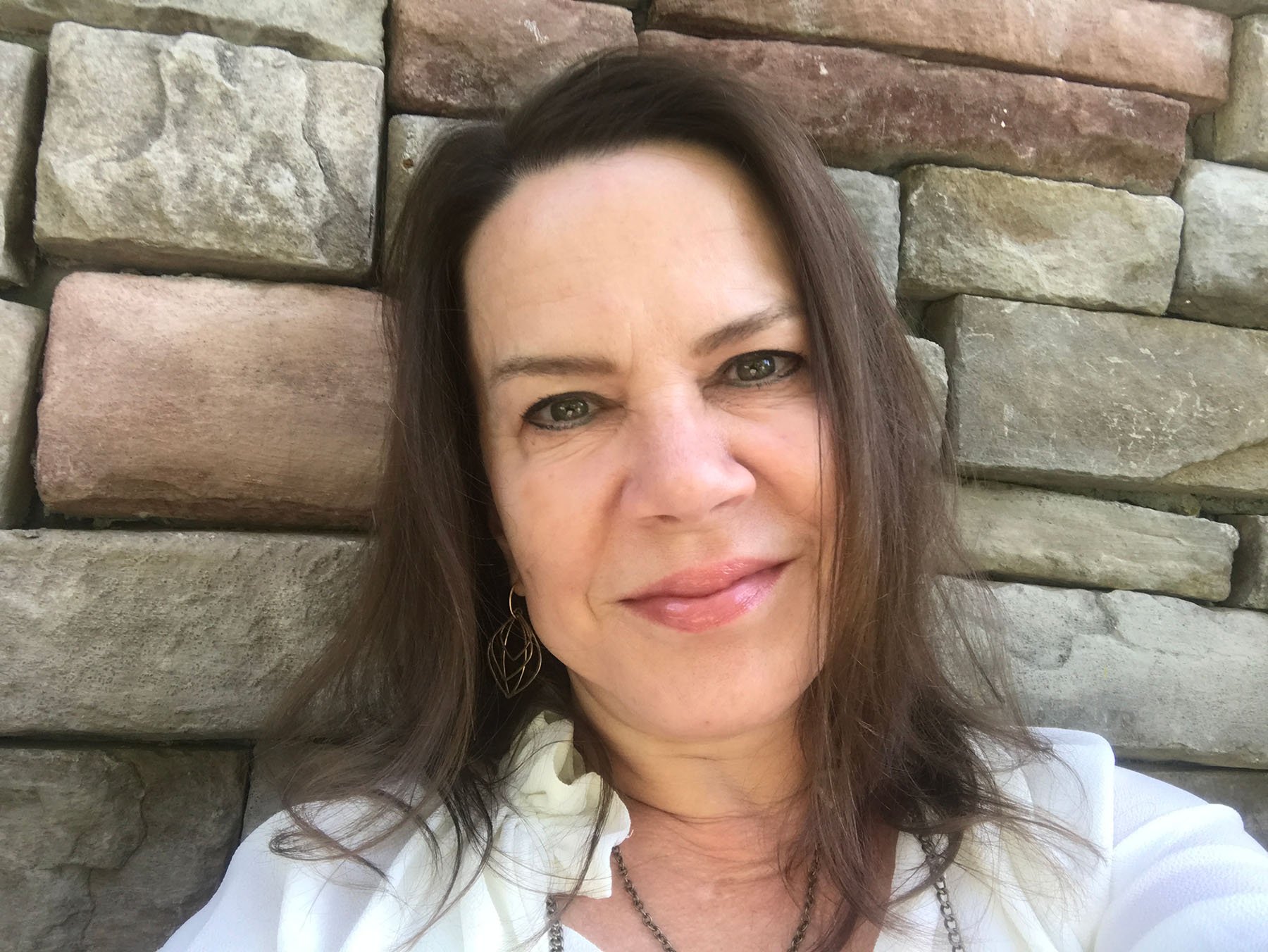











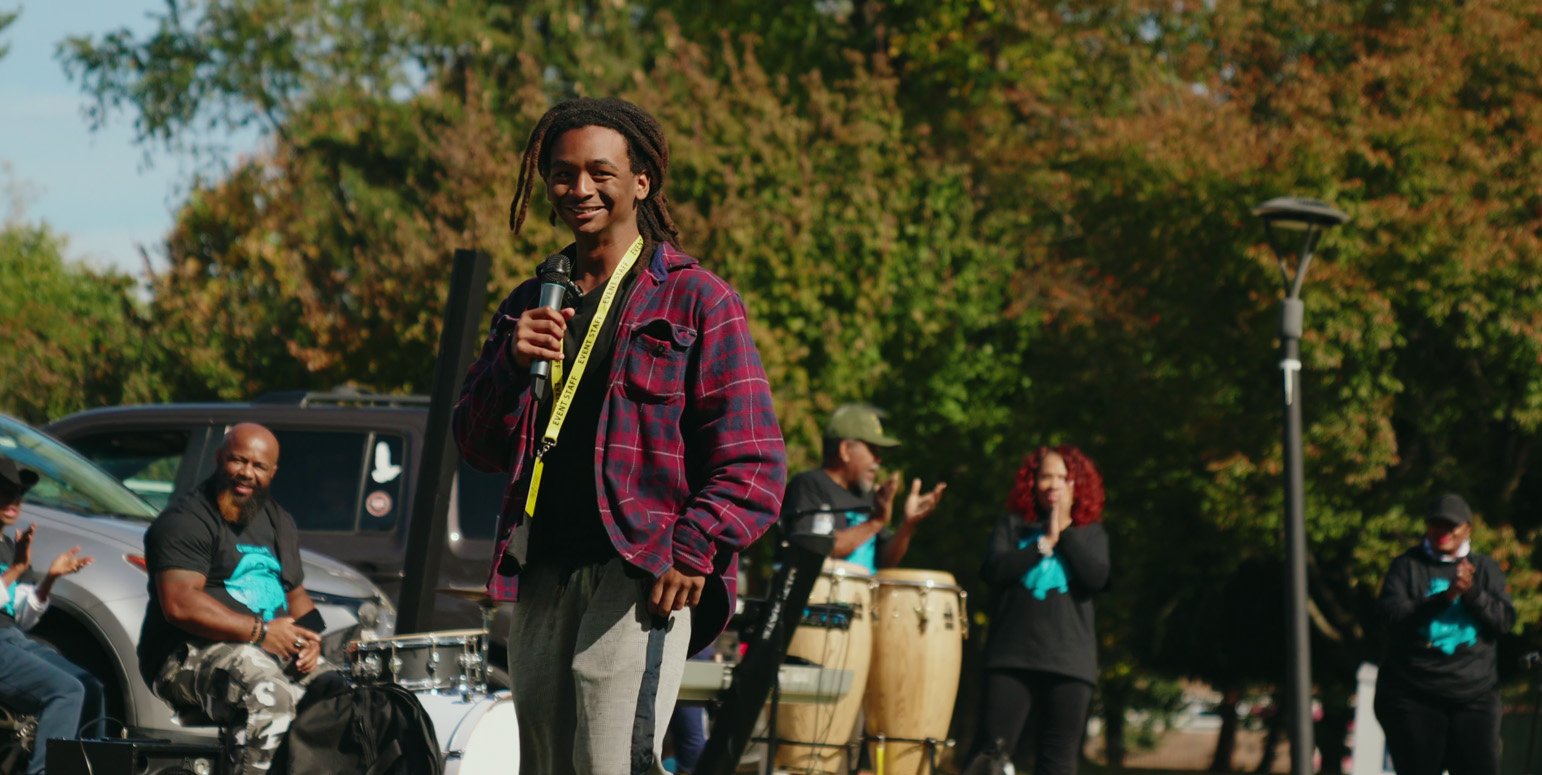

Hi, I’m the founder of Human Amplified. I’m Brandi Fleck, a recognized communications and interviewing expert, a writer, an artist, and a private practice, certified trauma-informed life coach and Reiki healer. No matter how you interact with me, I help you tell and change your story so you can feel more like yourself. So welcome!
Find More on the Blog
Topic
- ADHD
- AI
- Atlanta
- Black and BIPOC
- DIY
- FAQ
- LGBTQIA plus
- Los Angeles
- Nashville
- Seattle
- St Louis
- St. Louis
- UFOS/UAPs/ETs
- abuse
- accountability
- addiction and recovery
- adoption
- affirmations
- afterlife
- altered state
- angels
- animals
- anxiety management
- art
- astrology
- atlanta
- attachment
- awakening
- beauty
- behind the scenes
- being human
- body image
- body work
- boundaries
- brandi fleck
- breathwork
- bullying
- burn out
- burnout
- cancer
- career
- caretaking
- chakras
- channeled
- clarity-dive
- clarity-practice
- clarity-primer
- clean products
- coach
- codependency
Recent Blog Posts
Visit the Full Podcast Audio Archive

Affiliate


Psychology specialist Corey Hatfield explains character strengths, anxiety, mindfulness, and why two people can experience the same situation in completely different ways.