
Taylor Rochestie on the Underdog Mindset and Letting Go of the Past
Interview By Brandi Fleck

Former professional basketball player, bestselling author, and relentless underdog Taylor Rochestie joins Brandi to explore the mindset-meets-humanity magic of authentic living, cultivating joy, and why embracing the underdog role may be the most powerful catalyst for a life well lived.
In this powerful conversation, pro basketball player and best-selling author Taylor Rochestie shares how he’s built a grounded mindset through high-pressure seasons—on the court, in fatherhood, and in life.
We explore why goals beat expectations (and how that shift can calm anxiety fast), what authenticity looks like in a social media world, and the daily practices he uses to reframe adversity and bounce back quicker.
If you’ve been carrying yesterday into today, this episode will reset your perspective—and help you build a calmer, more connected inner world.
Note: This conversation was originally recorded in 2021 and was re-released on the blog and released for the first time on the Human Amplified podcast in 2026.
Listen to Taylor Rochestie’s Interview
Watch Taylor Rochestie’s Interview
Read the Transcript with Taylor Rochestie and Brandi Fleck
What Does It Mean to Be Human? Finding Purpose, Joy, and Authenticity
Brandi Fleck
What does being human mean to you?
Taylor Rochestie
Interesting first question, such an easy one, little softball question. It's not deep at all. I think being human is being lucky is understanding that we have a conscious mind to be alive right now, to have this conversation that we're having right now, to understand that we're alive, realize our place and time, search for purpose.
Find our happiness, find our joy. Being human is connecting with people. Being human is just a whole array of emotions and ideas and thoughts and it's everything. I don't wanna get all philosophical and say, man, it's everything. You just have to feel human. But I think that there's so many things. It's different for everybody. And it's just about being authentic and being you and realizing your place.
Brandi Fleck
Awesome. I love that answer. Nobody's ever said it's being everything before. So I really like that you brought up the fact that you feel it. You can feel being human, even if you didn't necessarily go there. So Taylor, welcome to human amplified. I'm so excited to have you here today. And I've been looking forward to this conversation. How are you doing?
Taylor Rochestie
I'm doing great. I'm very much looking forward to the conversation, especially with a starter question like that. This is going to be fun.
Taylor Rochestie: 12-Year Professional Basketball Player and Bestselling Author
Brandi Fleck
Awesome. Okay, well, before we dive in, will you please introduce yourself to our readers, our watchers, our listeners, tell them who you are, what you do in case they don't know where you're from, all of those details.
Taylor Rochestie
Well, for anybody listening, this will be the best thing and the best experience of your entire life. I think this is such an amazing interview that we're about to have. So I'm excited. My name is Taylor Rochester. I'm a professional basketball player that just finished my 12th season playing overseas. I've been everywhere in Europe, in China. I just wrote my first book, best-selling author. It just came out in February. It's a book called A New 2020 Vision. I was born in Houston, raised in Santa Barbara, California.
I'm a husband, I'm a father, I'm a son, I'm a brother. So many things. I'm very fortunate, very happy, very optimistic, very lucky and excited to share a message of positivity with you guys.
Brandi Fleck
Awesome. Awesome. Well, that's really cool. Like you just wrote your first book and it's already you're already a best-selling author. How does that feel?
Taylor Rochestie
Well, I never, I never really pictured myself as a writer or reader. I tell the story a lot that I, and I, I originally started this as just a letter to my unborn daughter. And I had just these amazing ideas for her, for her future. And I wanted to write down how I felt and who I was at the time of her birth and maybe give it to her, graduates high school. And then it just developed into more and more thoughts and sentences into paragraphs, into chapters and a book. Then.
Some people came along and helped me kind of structure it and make it not all over the place. I had a lot of ideas and a lot of excitement for it. So I'm really excited to share a piece of who I am with the world and share a piece of who I am with my family, especially my kids as they move forward.
Playing Overseas: Travel Stories, Culture, and What It Teaches About Humanity
Brandi Fleck
Okay. Awesome. Awesome. Well, congratulations on that and getting that out there. You mentioned that you travel, you know, with basketball and all of those things. You've been immersed into quite a few different cultures as you mentioned. So can you sort of immerse us in your most standout memory from your travels? Just take us through some details about like your favorite memory.
Taylor Rochestie
I've been asked this a couple of times. I think it's tough when people say, you know, where's your favorite place you've ever been? Where's your least favorite place? What's the craziest things that ever happened? There's, I like to think that I'm learning every day. I have this mentality and I wake up and I'm like, Hey, I want to learn today. So, I've learned so many different things and been a part of so many different, cultures that it's so hard to pinpoint stuff. You know, I've tried blood tofu on a back alley in China, and really didn't love my experience there. I've been in situations where I thought weren't gonna be great and turned out to be amazing. I've been in situations where I signed a great contract and show up to a country in a city that I think is gonna be great and heard great things about and didn't like them so much. And so I try to take a little piece of everywhere I go and include that to who I am and then try to incorporate that into the best parts of my family and try to enlighten and enrich our life by taking little pieces of each culture in each country and finding its best parts and bringing it to us.
Brandi Fleck
Sure. So if you could sum up what you've learned about humanity through your travels and experience, like let's say in one or two sentences, how would you sum that up?
Taylor Rochestie
I think COVID kind of summed it up. I know, during COVID, we're searching for connection. We're searching for love. We're searching for acceptance. We're searching for optimism. We wanna plan things. I'm not really a two-sentence kind of guy. So this is great that we have some time. I'm just excited about life because we got a quick pause in life and realized that certain things were stripped away from us.
And the more countries I've been, especially because this kind of included everybody in the world in one pandemic. And so you're realizing that we're all just trying to be excited and trying to connect and try to find our joy and trying to get back to a new normal and define that for us and realize what's authentic for us. So if I had to define it, I would say we're all similar in a lot of ways. We're all different in a lot of ways. And our uniqueness makes us very, very special. And it's something that we should embrace and not shun away.
Brandi Fleck
Absolutely. Yeah. And the connection piece that you touched on is really big. Many guests always touch on that connection piece. And I think that's like a common thread in our humanity for sure. What drove you to pursue being a professional athlete as a career and specifically why basketball? And I don't know if that's related, if this is a good transition, like, is there a connection piece? Is there something to do with your humanity there? But let's dive into that.
Why Basketball? Teamwork, Passion, and Motivation
Taylor Rochestie
I think the connection is with being part of a team. I played a lot of sports growing up. So there is definitely that connection where I always enjoyed being part of a team. I think my parents and my brother would tell you that if I was by myself playing like tennis or golf that I would have broken all my clubs or throwing my racket because you know, I was such a competitive kid. Basketball was always my passion and I'm very lucky and fortunate because a lot of people, you know, keep searching for their passion and I had that very, early. And I was very determined to get to where I wanted to be and very goal-driven. And so from a very early age, I was talking about playing professional basketball, envisioned it in the backyard, playing basketball by myself for hours and hours a day. And so I've always loved sports, always loved basketball and I always wanted to be like my older brother. He didn't play in college or in the... or in pros or anything like that, but he was always a great athlete and he was a couple of years older. So I always try to push to get as good as him just so I could play with him. And so that helped me a lot too.
Brandi Fleck
Okay. What is it about basketball specifically that makes that a passion for you? Is there something you can pinpoint?
Taylor Rochestie
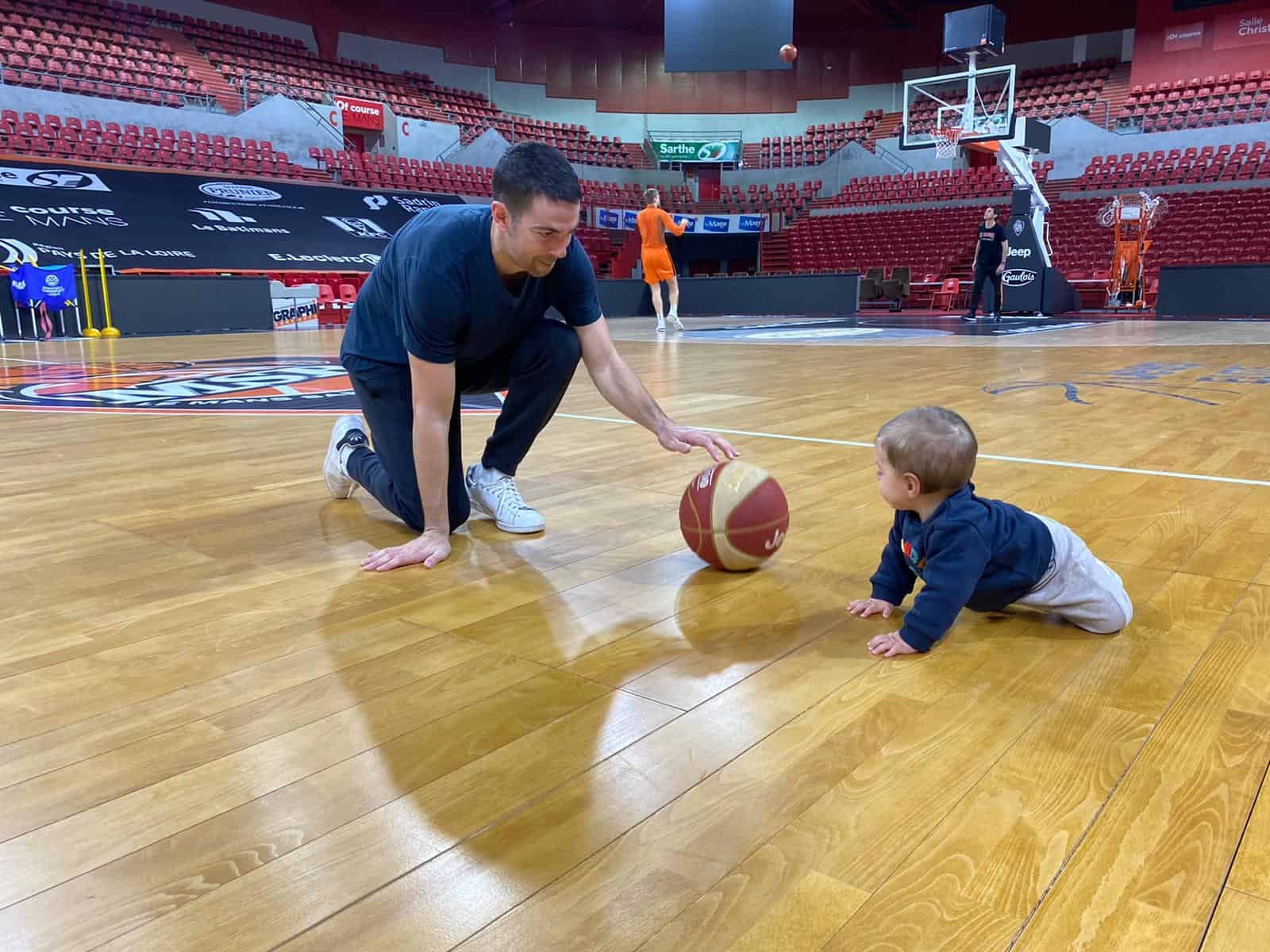
I think, again, touching on COVID, I think I've learned that adding the, the ambiance, the crowd aspect into basketball is a big thing. I like not the performance aspect of it though, a little bit more of the inspiration aspect of it. There's that childlike feel when you play a sport and when you see kids coming to the games, parents bringing their kids a big old smile on their face, it's very humbling because I might be having a bad game. And there's a kid that's just excited to meet me and talk to me after the game. And so there's that childlike feel to basketball. Again, I like playing as a team. I like the idea that I can play, offense and defense. I like the, I'm a point guard. So for the people that know basketball, it's, it's a very hands-on position that, can, can control lots of the game. And I watched football and I was like, that would just be so crazy if you're the best player on the team and you only play defense and you need your offense to score. If you're on offense, you need your defense to get a stop. So it's fun to be part of all aspects of the game for sure.
Brandi Fleck
Okay. Thank you for that explanation. That's the really sort of gives us a glimpse into your personality here, I think. And speaking of your personality, I know that the topic of the underdog is something that's come up for you and has maybe been a theme in your life. I certainly identify with being an underdog and I really root for the underdog. So what is it about being an underdog that's important. And also if you can sort of give us some context about that theme in your life, that would be helpful too.
The Underdog Mindset: Goals vs Expectations (and Reducing Anxiety)
Taylor Rochestie
Well, I think being from Santa Barbara, California, it's not known for people coming out and being top in the country in basketball. I'm also not 6'10", with a seven foot five wingspan. So I think just from the look aspect, I'm the underdog where it's, you wouldn't expect me to be a professional basketball player. You know, not really recruited that much out of high school.
I'm not really recruited too heavily, even coming out of college, having to work my way, improve my way every year and kind of quiet the naysayers. But that underdog mentality is part of every day. It's the idea of setting goals and not expectations. I think a lot of people have expectations of things that they want in life and they're let down when they don't get them. And it builds a lot of anxiety. I like to set goals instead of set expectations.
It focuses on the process. It focuses on the every day. It focuses on the work that I'm putting in. And when you're the underdog, you're always looking to push harder. You're always looking to get better. And then no matter what, failure, no failure, win, loss, you wake up the next day and you're that underdog again, ready to fight and ready to keep going. And I think when you take on the role of the underdog, it relieves a lot of stress. It relieves a lot of anxiety.
And a lot of things that a lot of sports figures are talking about more and more right now, especially during the Olympics, you have people for mental health reasons, not, you know, joining the Olympics. And I think a lot of that deals with stress and anxiety for setting these expectations and having expectations on you. And when you're the underdog and you know, you're going to be working as hard as you can. And then you know, that it's just about the process, not about the result. It relieves a little bit of that anxiety because you start asking yourself, you know, what can the world ask of me that I'm not already asking it myself?
Because I'm that underdog. So I'm just gonna compete and love this game for who I am, for my family, for the people that support me and be rooted in what matters, especially when it comes to sports.
Brandi Fleck
I really love that focus on, you know, the goal, not the expectations. That's, that's really good advice. Is there any, and this is sort of a general question and big, but is there anyone on the planet who isn't actually an underdog in some way?
Taylor Rochestie
I think the answer is yes. And I think most people aren't and that might surprise you because they don't, they don't internalize it and they don't think about it. So a lot of people are going through life and they're not making choices based on really, really deep thought. And they're not self-evaluating every day. They're not taking on that real underdog role. They might play the victim and be the underdog in that type of way. And realize that there's a lot of challenges, a lot of obstacles. And that's the case for all of us. But when you shift your mindset and really take on the underdog role, it's a different in your approach. I don't necessarily even feel like the underdog. You just go out every day and that's just who you are, man. I'm going after it. I'm going to attack life. I'm going to attack this game, this practice, whatever it might be. And I'm going to go into this interview and I'm hoping that we have the greatest interview ever. And I have a goal to really connect with you and have a great conversation. But I don't have an expectation to be perfect because that's just not something that's going to happen. I'm going to stumble on my words. You know, you might not connect with me and that's just, that's just the way it is, but I'm to go in and then as soon as this is over, it's what's next. How can I improve? What did I learn? What's, you know, and how can I continue that underdog mentality? But I don't think everybody is thinking about that during their day. So even if they are the underdog, which most people are, I would shift it and say they're not because they're not thinking about it.
Brandi Fleck
Yeah, that's a really unique perspective that I hadn't thought about before. So I'm gonna, I'm gonna chew on that a little bit. That's interesting. Yeah, for sure. Okay. And so I, I've spoken, I want to bring this back around a positive psychology because you seem really upbeat. You're all about like passion and joy and what's next. And
Taylor Rochestie
That up top.
Brandi Fleck
But if you take on the mindset of an underdog every day, I feel like that goes against a little bit of, I've had a guest on the show who's an expert in positive psychology and he talks about how you should play to your strengths. And if you know what your strengths are, you can improve those faster than you can improve your weaknesses. So it seems like if you take on the underdog mentality, you're playing to your weaknesses or you're trying to strengthen your weaknesses. What do you have to say about that? And what are your thoughts just on that in general?

Positive Psychology, Strengths vs Weaknesses, and Daily Improvement
Taylor Rochestie
Well, first of all, I definitely agree that you should find out who you are, find out your authenticity and find out how to best bring that to the world, how to best provide positivity to the world for who you are. You don't necessarily need to be perfect at everything. So as far as trying to figure out how to be great at everything and improve your weaknesses, that's a tough thing. I like to talk about improving a hat every day. We all wear lots of hats. So if you're a great father, if you're a great worker, if you're a great construction worker, whatever it might be, we carry a lot of hats as a dad, as a husband now, as a son, whatever it might be. And so I talk about improving a hat. And again, it's about the process and not an expectation to be perfect. So you don't need to have perfect strengths and perfect weaknesses. But if every day you're trying to improve, every day you're waking up and you're trying to learn, I think that's a good thing. And whether you're improving a weakness or a strength, it's that constant seeking of improvement. And so you can wake up every day and you can feel really great when you lay down at night because you improve and you're moving forward in whatever direction that you see fit that brings you joy and happiness. And so if I can go to sleep at night and say, hey, I was a really good dad today, that's great. And that's something to feel joyful about and feel happiness about.
I did really well at work today or things are not going good over here. So I'm going to improve this while I can until I can improve that. And so it's that constant seeking out improvement I think is good either way strengths or weaknesses.
Brandi Fleck
This just came up for me is, is there a time and place for just being as opposed to a constant seeking of improvement.
Is There a Time to Just Be? Reflection, Emotions, and Mindfulness
Taylor Rochestie
Absolutely. I'm a huge fan that feelings are meant to be felt. As far as negative thoughts, I always feel like we should have some type of leash on negative thoughts and we should have some type of leash on negative emotions. And that leash might be very, very long. Some people take six years to process something. Some people take six hours. And I think that's part of your authenticity and realizing how long you need for each thing and how fast you can transition and how fast you can re-motivate yourself and how fast you can inspire yourself. But if you're in a time of reflection or standstill, that's fantastic. And you can learn a lot in that time as well. Sometimes we need to be moving forward. Sometimes we need to reflect. And that's part of a great morning intake when you wake up and you say, Hey, who am I today?
How's my mindset? What do I need today for me? What makes me unique? What makes me authentic? How can I improve? And some days you can say, hey, today I need a day for me. I need a relaxing day. I need a six months for me, whatever it might be. And whenever your motivation kicks in or inspiration kicks in, then be ready to roll.
Brandi Fleck
Yeah. Is who you are today, does that change from day to day?
Letting Go of the Past: Bringing a Fresh Mind to Today
Taylor Rochestie
Well, I read a little bit about what we might be talking about. So there's a part of the book and that's perfect that you asked that question. I wanted me to share maybe a part of the book. And I'm going to read that. And that's exactly the question that you're asking if that's cool. So a quick thing from the book. So first I go into each conversation with a fresh mind. Every conversation is one of a kind and the only one that's happening now. If I bring yesterday's mind into the reality of today,
Brandi Fleck
Okay, great, yeah.
Taylor Rochestie
That I'm losing out on the surprise and potential of each and everything I encounter. When my mind is fresh, then I'm ready to listen and interpret new information, filter it and make it my own. And so that, I hope that I read my book in 10 years and I'm like, man, those are my old ideas because I've evolved, I've grown, I've learned. I don't want to, I think that's important in my marriage. I don't wanna wake up today and think that there could be something going on from yesterday that didn't improve. And I'm gonna wake up today and just say, hey, it's a great day. Everything that we're gonna experience together is new, it's fresh, it's exciting. And that can be after one day of relationship or 30 days after relationship. So I'm always gonna open my mind to the wonder of each day because when you're in constant seek of gratitude and seeking out thankfulness every day, it's incredible how your mind can be open to it. And then you're not gonna miss it when it passes by.
Brandi Fleck
This is really interesting. So you have brought up authenticity quite a bit. And I think some of the concepts you're talking about would be huge mindset shifts for some of our listeners. So can you just explain a little bit about what your definition of authenticity is and also give us like a few tips for how to get there.
How to Be Authentic: Creating Authentic Thoughts in a Social Media World
Taylor Rochestie
All right, I'm writing two things down. The first thing is it's difficult in a social media driven world to find your authenticity. And I think it's a great metaphor for trying to figure out who you are. What are you posting? What are you thinking about when you post? A lot of people do, they are involved with social media. So, and when I take a picture, am I taking it?
One picture and posting that picture. Am I taking five pictures of the same thing to make sure my smile's right? Am I posting it with a filter? Am I not posting it with a filter? There's a lot of different stuff going on from external pressure to how I grew up to what I want my friends to see, what I care about myself, what's important to me. And that all comes into this social media world of what am I posting? What am I doing? How do I feel about it? And so most of the time we're posting because we think it's what the audience might want.
Or it's what we've been programmed to feel that we even want because we haven't taken the time to sit down and create authentic thoughts. We haven't understood what makes us happy and what makes us joyful. And a lot of times we're taking, sometimes we take the easy road out. Sometimes we do things to please people and all of sudden years go by and we're like, hey, this isn't really who I am or what I want. And that builds that stress and that anxiety. So the first thing is realizing why.
Am I doing the things that I'm doing? Is that because of who I am or is that because of my surroundings and the external pressure? And the second thing is I talk about in the book too, I asked my mom, I was dating my wife at the time and I asked her what she thought of my wife and she said, she had a couple answers that I'd heard many times before. My wife is from France. When they first met, she didn't really speak that great English.
She's like, there's the language barrier and the distance and the gap between the families and this and that. All the things she was telling me were totally true, but there were these generic answers that I could have heard from anybody. And she's actually spent time with her. I was like, Hey, what do you actually think? But I don't want you to answer it with me here. I want you to go think about it for yourself and then come back to me in a day, a week after you created that authentic thought. And she came back and she's like, wow, I figured out all these things about her.
She's really great in all these different ways. I'm like, it's been four years, she speaks perfect English now, you know? Like it's different. And so she created that authentic thought. And most of the times we give these small talk responses and then these things that we're used to giving and we're not creating that authentic thought. So the two things I would say is what are you doing as far as work and everything? What are you doing and why are you doing it? Is it for you? Is it for someone else? And these choices that you're making.
Is it adding joy and happiness to your life? Are you just making them to survive or making them to please somebody? And the second thing is you need to sit down and create that authentic thought and create your authenticity through all of the experiences that you're having. How do I feel about it? And how do I fit in in this whole process? Is that really me?
Brandi Fleck
Really big takeaway here, I think is the fact that you can create authentic thought, like you can make it happen. It doesn't have to necessarily already be there. Would you say that's fair to say?
Taylor Rochestie
I talk about cultivating joy. And I think the same type of idea where it's not a reactive type of thing, finding your authenticity. It can be and say, hey, this, this, just saw a new game and wow, I really like to play this game. It's kind of really fun for me. But another thing is developing it from the inside. And I talk about having a morning intake and I say the interior must affect the exterior before the exterior affects the interior. So when you wake up in the morning before you.
Cultivating Joy: Morning Routine, Gratitude, and Intentional Living
The stock market before you check your messages that you got or didn't get and that affects you right away. You ask yourself how you're doing, how you're feeling, what are your goals for the day? Do you write lists down of things that you want to accomplish? Are you creating that authentic thought in the morning or are you just hitting the ground running with what the world needs of me instead of how I can express myself to the world?
Brandi Fleck
Finding joy and living with joy and things like that make me think of, feel like humans are constantly, I think humans are constantly on this never ending search for happiness. Are you, are you on a never ending search for happiness? Is that how you would describe your journey?
Taylor Rochestie
I don't see a better thing as far as on earth that is worth my time, as far as gratitude, happiness, joy, thankfulness, giving back to others, inspiring, motivating, all those things are such incredible things to seek out. And I believe that what you seek is what you're gonna find. You can surround yourself with so many positive things, so many great things. I think not at all times. It doesn't mean that other things aren't important. It just means that if I'm going to wake up every day and I have these hours to give, I'm going to try to inspire, not only inspire other people, I'm going to try to inspire myself and I'm going to try to motivate myself to see what I'm capable of and see the impact that I'm capable of making.
Brandi Fleck
Okay. So where does love fit in? Is that part of it or is that, I mean, do all of those things feed into love is like love? Well, yeah. Where does it fit in?
Love, Fear, and Authenticity
Taylor Rochestie
I think it fits it. I think it fits in everywhere. I think, seek out passion, seek out love, all that kind of stuff. Well, I, I'm a big fan of the Bible. And so, perfect love drives out fear. It's from the Bible. So when you, when you're, when you're putting your passion and your love into something, it takes out the fear of life. It, it takes out the anxiety and the stress and you just go after stuff because you realize that this is who you are. You're putting yourself out there and can be very proud of that.
And like I said, just proud of yourself.
Brandi Fleck
So love is, would you say love is synonymous with authenticity and all of those things? Like it's all just the same thing then? Is that what I'm hearing?
Taylor Rochestie
I think that it plays a part. I think authenticity is truly having a great relationship with the person that you see in the mirror, being very happy about who you see in the mirror, being very real with who you see in the mirror, with loving the person that you see in the mirror, with going out there and loving your neighbor, going out there and loving a stranger, going out there and being grateful and in seek of gratitude all the time and in seek of thankfulness and a lot of that stems from love. A lot of that stems from caring and kindness. And I think that they are interweaving a little bit, interwoven, whatever the correct word is. And I think that's something that we should definitely be sharing for sure.
Brandi Fleck
Let's dive in a little bit to the opposite end of the spectrum with like love, happiness, joy, and all of those things. Are we even capable of experiencing happiness and joy without experiencing the opposite of that in life? And how does that interplay?
Happiness and Pain: Mindset, Resilience, and Bouncing Back
Taylor Rochestie
I think that interplays with the mindset. And the best way to put it is that we've all experienced some highs, some lows. And during those experiences, they don't happen in a vacuum. When you're experiencing joy and happiness, it's not because there's nothing bad going on in the world. It's not because there's no negativity around. And when you're experiencing sadness or pain, it's not because there's nothing happening in the world that's positive. It really doesn't happen in a vacuum. It always is happening simultaneous as other things that are happening. And so when you're experiencing that joy, it's just because your mind is focused on that joy, as opposed to being focused on a lot of other things that might be negative around. And when you're experiencing that pain and sadness, your mind is focused on that instead of realizing all these other incredible things that are happening around you. And so it is a tricky play that's happening with the mind. I don't think that you can just...
Mindset your way over here and you'll never ever ever see these things however, you do have the ability to shift back and forth and you do have the ability to train your mind or to cultivate that joy and happiness and to create triggers and to surround yourself with enough of the positive that when you are experiencing those negatives, you're quicker to bounce back. You are you have that shorter leash and you have those people around you that accountability and you have that strength and that core and that understanding in yourself and the mirror where you can bounce back really, really fast. I believe in every experience is different. Like I said, every person is different. Everybody needs different time. But when you surround yourself with that right mindset, internal and external, it does help you shift that focus on the positive, even with the negative things happen.
Brandi Fleck
And then I guess if you're focused on the positive and you've shifted your mindset that way, that's sort of a way to cope with the negative, would you say?
Taylor Rochestie
Coping's interesting. I mean, it's, it's, I don't think we should be seeing these, these negative things anymore as, as just life threatening things. I think that we really need to embrace everything that life has to offer. Life is truly incredible. You know, there's the sour and the sweet speech and there's the understanding that if you, if you never experienced anything negative, then you don't really have that.
That understanding of how good things might be or how positive things can be. I talk a lot about adversity and we can reprogram adversity in our mind to realize that adversity defines us in a very positive way it can. And with kids or with people watching basketball, there is always someone listening, always someone watching and they're like sponges. So when adversity hits me, I like the quote, be the light that helps others see. When adversity hits me, people are watching, people are listening.
I can define who I am, I can inspire and I can motivate in my darkest time and during that adverse time because people are looking for a different alternative to just feeling grief and just feeling sadness and just feeling hopelessness. And so I like to think that when you experience that adversity and when you can be prepared for it, know that it's coming, embrace it and then use that to inspire and say, I'm gonna go through this. There's incredible stories out there.
Of people that have dealt with the harshest of conditions and inspired millions. I think that's a big possibility. And then the mindset of that is in the book, say, even when I'm at my worst, I can envision myself at my best. So even personally, I can envision my best. And then I turn my thoughts into actions and I can show my best and then provide another alternative for the next generation, for the people watching that also might be dealing with some tough times.
Brandi Fleck
I'm hoping we can get a little personal on this for a minute too. Can you give us an example from your life where you've experienced adversity, but you remember envisioning your best and we're still able to turn that around and make a shift in that adversity.
Personal Adversity: Injury, Separation, and Reprogramming Hard Times
Taylor Rochestie
Well, an easy one would be basketball. It's not as life threatening, I guess you could say, but it's a good metaphor where, you know, I tear my knee or I'm out for a while. I have a doctor telling me maybe I have six months to play, maybe six years, but who knows. Having to rehab back from that and then trying to rehab back too fast, realizing I need to get a second surgery. Now, will I keep playing? Well, that was 15 years ago that happened and I'm still playing and able to play. And what happens is we focus on how we're feeling in the moment and saying it's not where we want to be. And then the difference is you can, I was focusing on where I was and where I'd come from and the steps forward instead of the steps that I'm not experiencing. So when I was walking, some people saying, man, I can't jog, I can't run, I can't do anything. Well, I was saying, man, I'm walking, I'm not on crutches anymore. How I am that I'm walking. So dealing with adversity that way is one thing.
And then I was away from family during the pandemic. I was away from my family and kids. I was in a country that didn't allow them to come in. They closed the borders, trying to get my kids in every day, not being able to see them for weeks and weeks and weeks and realizing the strength of our bond, realizing what matters, realizing how much I love my family, realizing the connection that we had and looking forward to the things that we are gonna create once we are together, realizing how fortunate I am because I have things to miss, I have things to care about. And so there's always a shift in the mind where you can seek out constant gratification as far as thankfulness, or you can focus on the choices that you've made and how they negatively impacted your life. And I constantly am focusing on all the things they add instead of take away.
Brandi Fleck
Okay, that makes a lot of sense. And that's a really good example. And that also, does your family typically travel with you everywhere you go? How do your kids like it?
Taylor Rochestie
Well, it depends. We joke around and say, you know, our kids have been living in a pack and play, you know, for two and a half years. My daughter will be three in October. I think that we can, again, we can look at some of the stuff that is taken away. You know, they haven't had a base with like, here's their room, here's their comfort area. They're very happy here. They have their schedule and their routine, but at the same time, they're very flexible. They're very adaptable.
Anybody can pick them up. You know, you can, they can sleep over at someone's house. They can be in a pack and play little things like that, where it's just like, we have to, we have to take the positives. Life is happening fast. And if you're positively filtering life, you're taking all the positives and you almost don't have enough time to process all the negatives because you're constantly seeking out all the great things that are around you and all the things that are being brought into your life in a positive way.
Brandi Fleck
Yeah. Okay. And then earlier you said, which I totally agree with that life is truly incredible. Can you give us an example of just something that's so incredible in your life? Like what is the first thing that comes to mind?
Taylor Rochestie
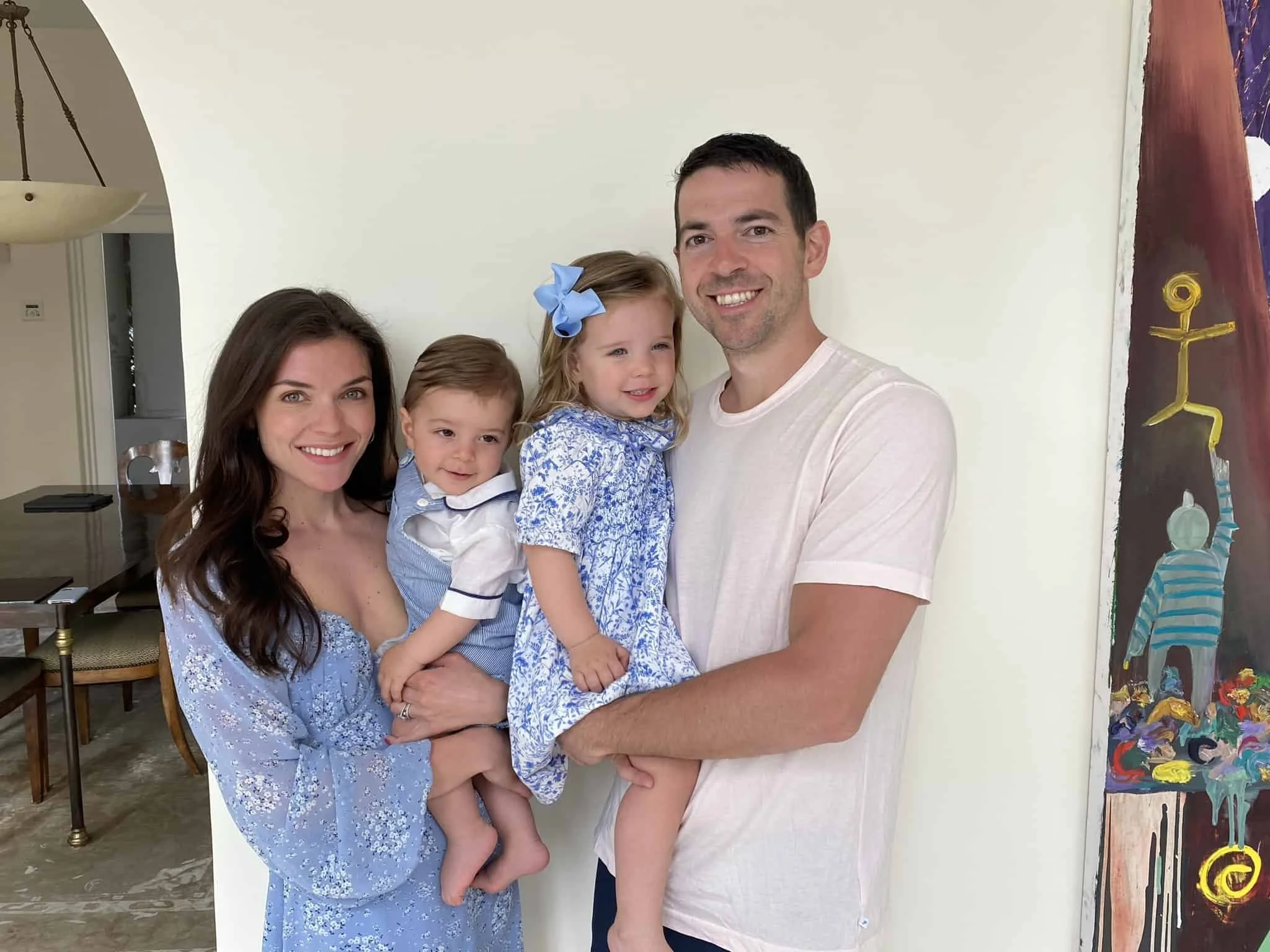
My wife. My wife is incredible. Kids are incredible. You want perspective, go hang out with the kid for a day. Adults don't experience as many firsts as kids. We forget how incredible life is when you're experiencing things for the first time. When you get outside of our comfort zones and go experience things for the first time, try a new coffee shop. There's something as simple as that. And just go, just go introduce yourself to somebody. Have the adrenaline to be excited. Say, I'm going to meet someone random today and go up to them and start talking to them.
Go look at a sunset, look at a tree, look at birds flying. I mean, like there's a million things I could write down and that's the incredible aspect of life. And then contemplate for a second that for some reason we're here right now living and able to breathe and able to talk and able to communicate and able to live inside of a house and love one another and communicate with one another. We live in an amazing time. And if you can figure out why you're here, somehow right here, right now and not from the past or supposed to be here in the future. I mean, it's just truly incredible. You can't even grasp the vastness of all the opportunity and all the excitement that just life has to offer if you're opening your eyes and excited to accept it.
Brandi Fleck
Yes, awesome.
Taylor Rochestie
I get a little excited with those questions, so thanks for asking us.
Brandi Fleck
No problem. Yeah. It's really, it's interesting to see how different people react to stuff like that. So that's awesome. Well, and we have already, we've, we've talked about your book a little bit and why you wrote it and, your thought process, the process is there. Can you summarize it a little bit more for us? Tell us what's inside.
A New 2020 Vision: Book Summary and Daily Applications
Taylor Rochestie
Well, I think what I try to do, and I think one of the best parts about the book is it's very simple to follow. We've talked a little bit today, I've given some examples and while some examples might be novice or they might be, okay, that's not really that adverse of an adversity. It really connects with people because it's simple to follow, simple to understand. I think the best part is it not only talks about, you know, we need to identify some things going on in your life, but it gives you daily applications that you can use, which is really exciting. So at first I talked about kind of how we got here and being able to find your authentic self and realize that the externals played a huge part in that. And I talked about the power of communication, not only communicating with other people, communicating with yourself, communicating in relationships, speaking with purpose and realizing that your voice matters. And now we have this microphone to use our voice on platforms for the whole world like we're doing right now, that anybody in the world could tune in and hear this. Then I talk about being able to reprogram your mind. It goes into realizing that everything coming in, you can reprogram it in a way to bring positivity and excitement into your life and cultivate that joy. And it moves into daily applications that you can use. And then just being, I call it inspire inspiration.
I don't even want to be, not only just to be inspired, but to inspire inspiration in other people, to really have an impact on them and really enjoy your life and, you know, leave a mark, a positive mark.
Brandi Fleck
Yeah. Awesome. Taylor, where can people find you and your book and all of your, just all of the cool stuff you have going on.
Where to Find Taylor Rochestie (Website, Social, and Book)
Taylor Rochestie
Well, right here on this, on the, on the show and this podcast, this is going to be a great place to find me, but, Taylor Rochester.com. I hope that you put a link. My last name is a little difficult to spell Taylor Rochester.com where I'm on Instagram and Twitter and T Rochester. I believe that's what it is, but Taylor Rochester.com has a lot of it. You know, I'm on, played basketball, so being able to search my name, you can follow me playing, follow what's going on, see a lot of videos, see highlights, and then you can critique me and let me know what I'm doing wrong out there.
Brandi Fleck
Okay, so that's an open invitation for critique. Yeah, well, and also I want to ask you, is there anything that I did not ask you that you think is important to say?
Final Takeaways: Purpose, Kindness, and Filling the Holes from the Past
Taylor Rochestie
Well, I believe in the purpose of your voice. So there's so many things. Be the light that helps others see. Kind of mentioned that earlier. Kindness is key. Find your authenticity. Share it with the world. Life is meant to be lived. You need to live it. All adversity can be reprogrammed into total positivity and excitement. And one last thing that I love to talk about is if people are feeling holes, you know, holes from their past, darknesses from their past, I love to envision the fact that we have these holes and it's our choice to be able to fill them with what we want to fill them with. And so just go out there and fill them with whatever brings joy into your life and cultivate that joy every day and wake up and realize that you can make an impact not only on yourself, but on the people around you and that your life is definitely worth living.
Brandi Fleck
Okay. What's next for you, Taylor, what have you got going on?
What’s Next? Making Big Life Choices and Planning for the Future
Taylor Rochestie
Hahaha
Man, this is a perfect, perfect segue into making choices and realizing the choice that he makes. I'm trying to choose if I'm going to go to China, if I'm going to go to Europe, if I'm going to bring my family with me, if my daughter's getting older, if it's better for her to be in a different place to start school and things like that. Trying to figure out what's next, but hopefully by the next time that we're together, we can field any questions that people might have or talk about, you know, where I'm at or what, part of the globe that I'm in.
Brandi Fleck
Awesome, awesome. Okay, well, it has been an absolute pleasure talking to you today. And I just wanna thank you so much for having this conversation.
Taylor Rochestie
Thank you so much for being here and I really look forward to it. And I wasn't wrong. This was a lot of fun.
Join the conversation!
Feel free to share your own experience and let me know if you have any questions in the comments.
Related Posts
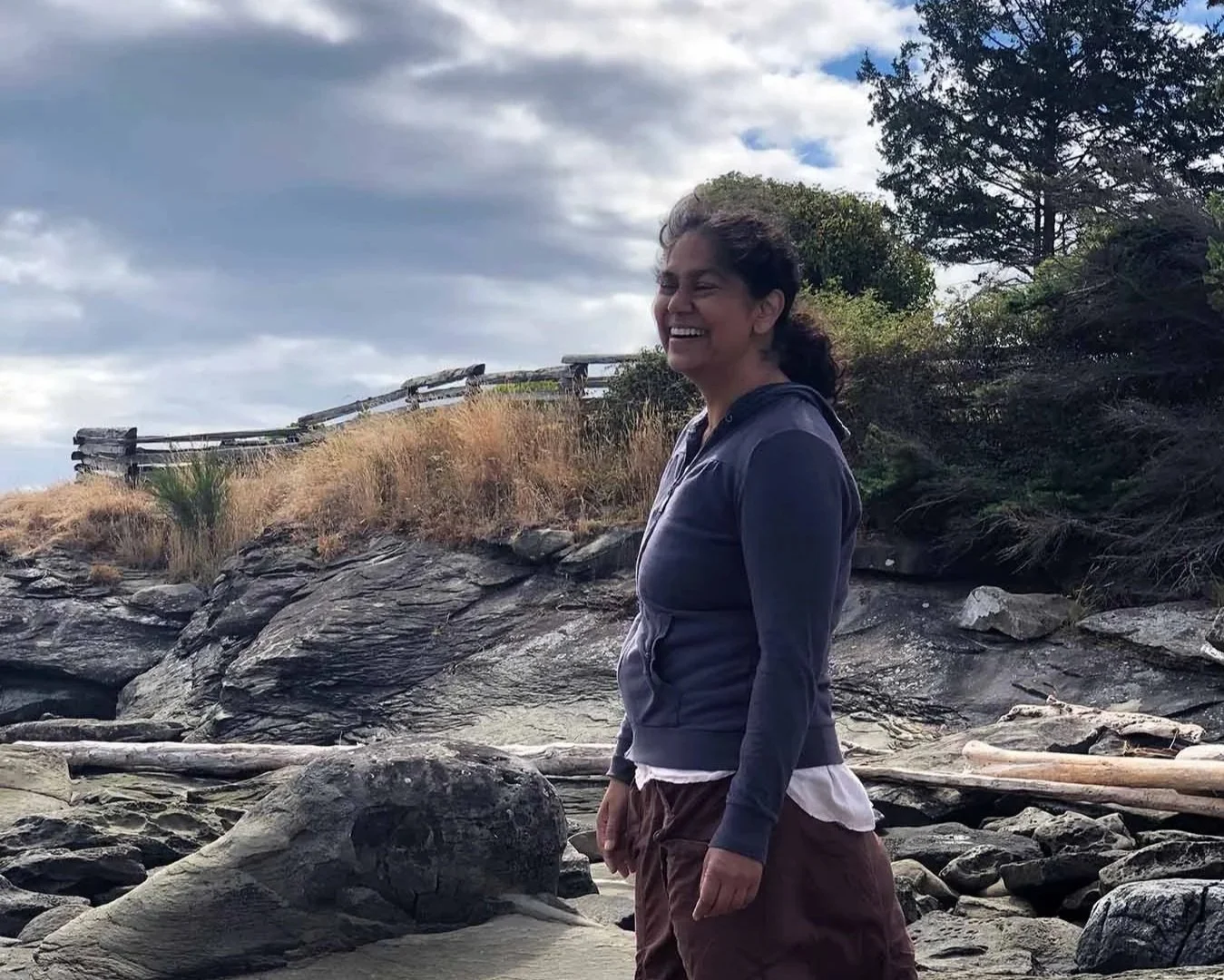






Hi, I’m the founder of Human Amplified. I’m Brandi Fleck, a recognized communications and interviewing expert, a writer, an artist, and a private practice, certified trauma-informed life coach and Reiki healer. No matter how you interact with me, I help you tell and change your story so you can feel more like yourself. So welcome!
Find More on the Blog
Topic
- ADHD
- AI
- Atlanta
- Black and BIPOC
- DIY
- FAQ
- LGBTQIA plus
- Los Angeles
- Nashville
- Seattle
- St Louis
- St. Louis
- UFOS/UAPs/ETs
- abuse
- accountability
- addiction and recovery
- adoption
- affirmations
- afterlife
- altered state
- angels
- animals
- anxiety management
- art
- astrology
- atlanta
- attachment
- awakening
- beauty
- behind the scenes
- being human
- body image
- body work
- boundaries
- brandi fleck
- breathwork
- bullying
- burn out
- burnout
- cancer
- career
- caretaking
- chakras
- channeled
- clarity-dive
- clarity-practice
- clarity-primer
- clean products
- coach
- codependency
Recent Blog Posts

Visit the Full Podcast Audio Archive

Affiliate


Psychology specialist Corey Hatfield explains character strengths, anxiety, mindfulness, and why two people can experience the same situation in completely different ways.