
Why You Feel Stuck and Unmotivated (And What to Do Next)
Interview By Brandi Fleck
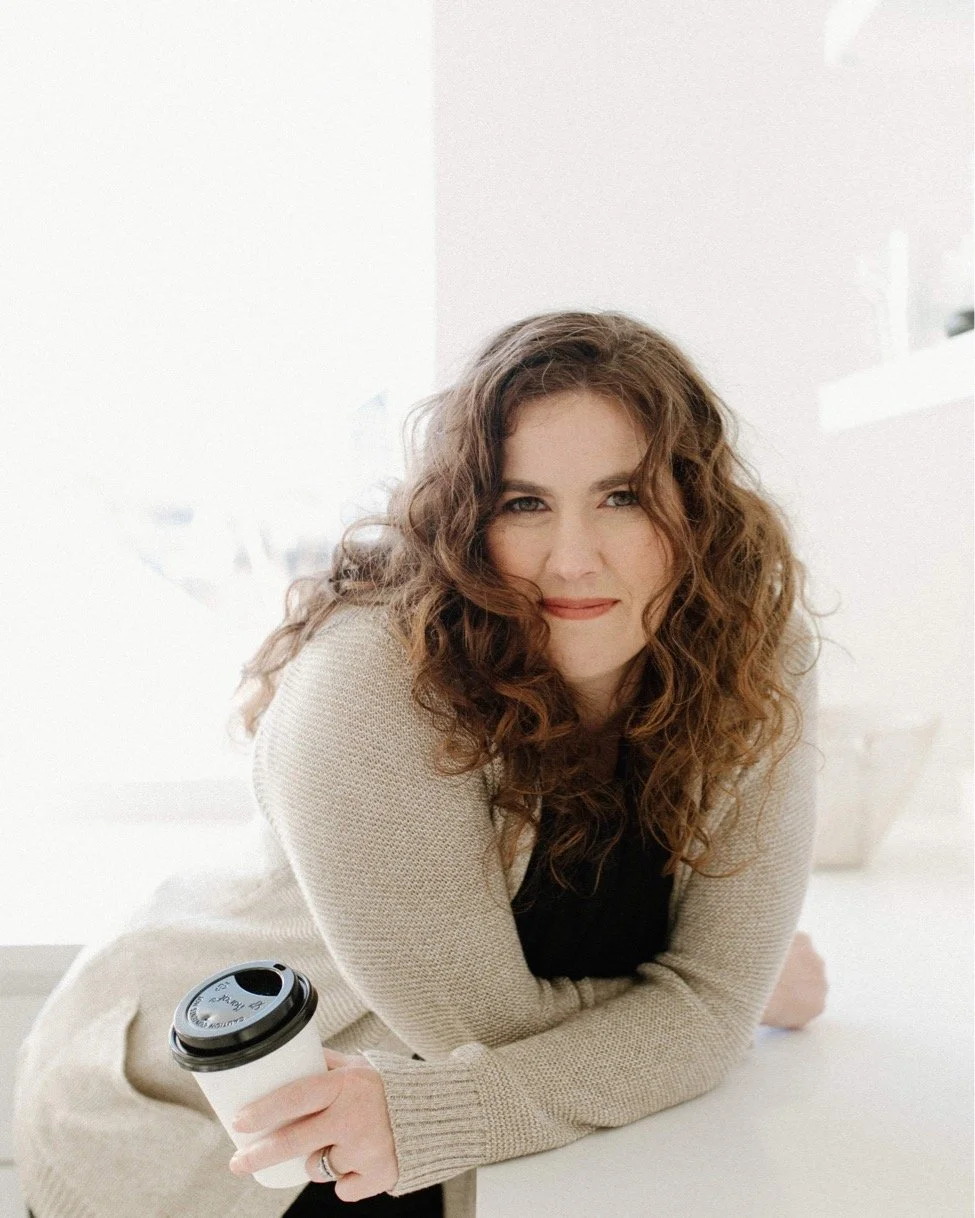
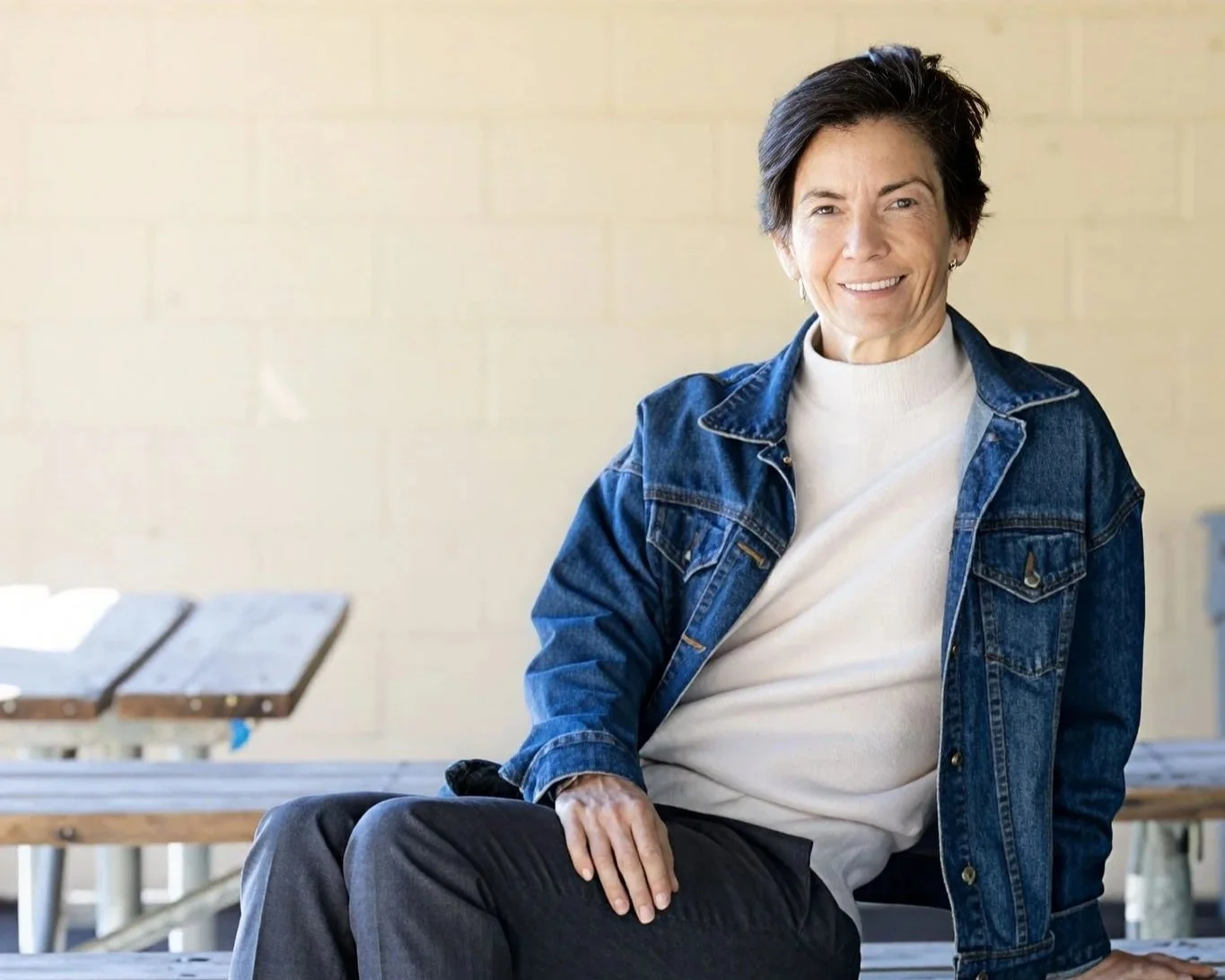
Kourtney Brownlow shares how mindset, accountability, and small actions help you move through feeling stuck and unmotivated in real life.
Before feeling stuck became something people tried to solve, it was just part of how life unfolded.
In this episode, Kourtney Brownlow, business owner and mentor, shares how her understanding of motivation and mindset was shaped through experience. Building a business without a roadmap. Parenting four kids. Adopting her son and navigating the unexpected challenge of learning how to communicate in a completely new way.
We explore why people get stuck even when they want to move forward, what actually drives follow-through, and how discipline, accountability, and small, repeatable actions create momentum over time. Kourtney also unpacks the tension between negative and positive mindsets, and why learning to respond, not avoid, is what leads to real growth.
If you’ve ever found yourself avoiding what matters, struggling to stay consistent, or wondering why motivation comes and goes, this conversation offers a more grounded way to think about progress.
Listen to Kourtney Brownlow’s Interview
Watch Kourtney Brownlow’s Interview
Being Human Through a Lens of Humility and Connection
Brandi Fleck: A question that I ask everyone who comes on the show is, what does being human mean to you?
Kourtney Brownlow: Yes, and I thought that this was such a fantastic and complex question. It really comes. You’re going to get however many billion people are on the earth, that’s how many different answers you’re going to get to this question, because everybody sees humanity differently.
The first thing that really comes to my mind about being human is just a reminder that I’m only human, and I’m not the Creator, whoever that is in everybody’s worldview. I am simply the created, and I’m here for a purpose.
I really, truly believe in being a good human, and I think it’s very simple to do that. It’s to love people and to stand on people and not on issues, and just learn to love each other no matter what belief systems that you have.
I feel like I could talk for three hours on just being human. I really love what you said, by the way, and it’s a really interesting perspective. I’ve never heard anybody say, “I’m not the Creator, I’m the created.” So what is the difference between not being the Creator, but being creative and being able to create something?
I think that one thing is not being the Creator shows me that I have a limit to my power. I didn’t speak my life into existence. Someone or something else did that.
I think it’s a humbling thing for me to go, I am only human. I think sometimes we could walk in a little bit more humility of being only human. I think that a lot of us feel the humility of humanity, but sometimes we project something more than that to make us feel better about ourselves or to feel less insecure in situations.
To just go, I’m only human. I say that out loud to my kids a lot. When things happen, like say I’m driving down the road, and I’m not a self-proclaimed good driver. I’d like to blame the fact that I have four little distractions in my car most of the time, but sometimes I make a mistake on the road.
The reaction that humanity can give sometimes is so intense, and my response is always, man, I didn’t mean to do this thing, but why do we always have to respond in such an intense way? Because I’m going, hey, I’m only human, I made a mistake. I tell my kids that person made a mistake too. They just forgot about that in this moment.
Brandi Fleck: Okay guys, I’m here to welcome Kourtney Brownlow to the show, and I’m so excited to have you here. That was a great precursor to what we’re going to talk about today.
Kourtney, how are you doing?
Kourtney Brownlow: I’m doing great. It’s been a really crazy couple of weeks of life and parenting and work, and kind of settling into a less intense season in the next few weeks, which is very needed.
Brandi Fleck: Good, good. Yeah, that ebb and flow. Sometimes it feels like it’s all just, which one is it? The flow? The crest of the wave.
From Stay-at-Home Mom to Fitness Entrepreneur
Before we dive in too far, why don’t you tell our listeners a little bit about who you are and what you do?
Kourtney Brownlow: Sure. I guess my biggest job and role in life is as a wife and a mom. I’ve been married to my husband Daniel for, I think, 16 years or almost 16 years. It’s funny,I think you forget as you get older how many years that is.
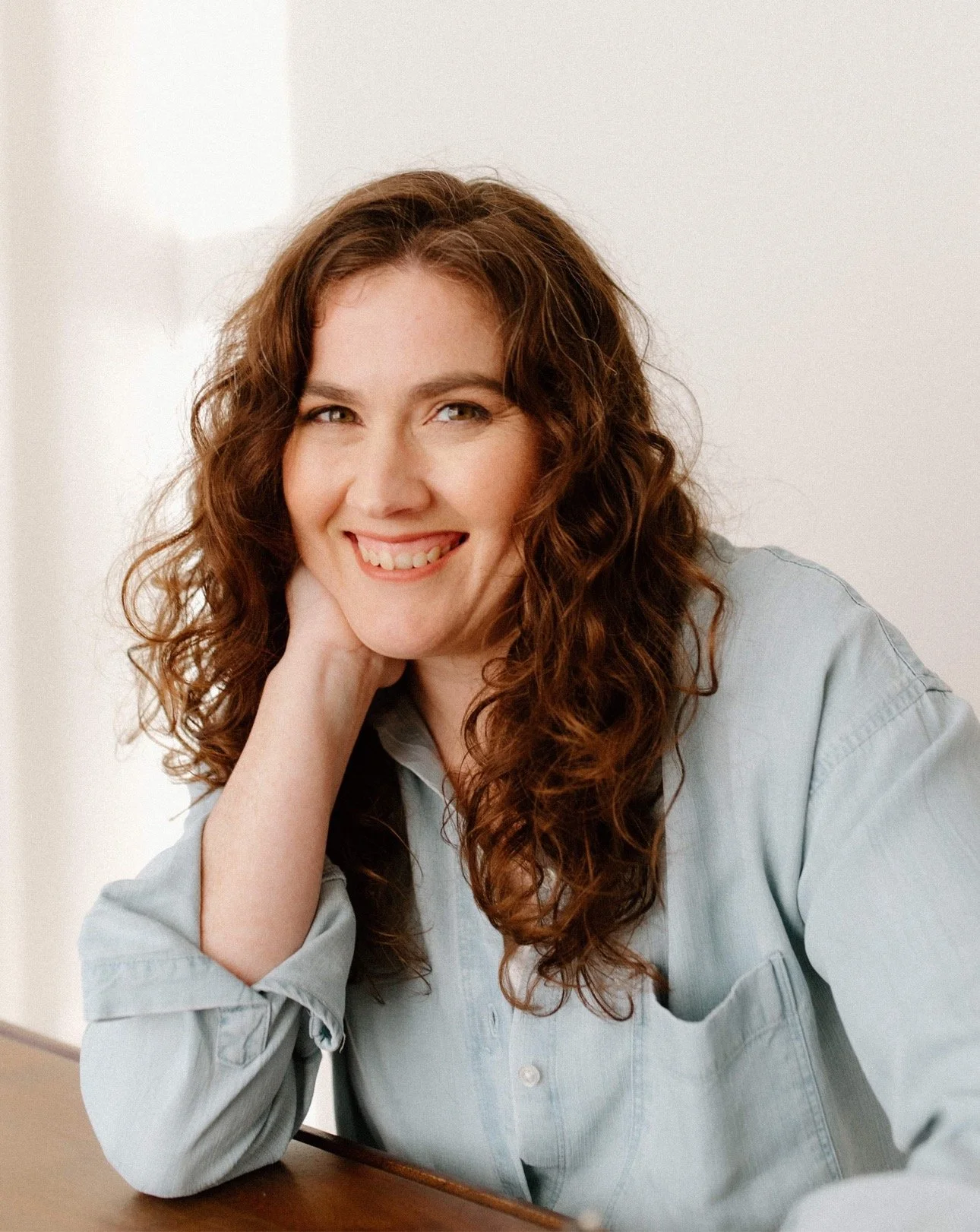
I have four kids, 11 and under. I have three daughters, which is going to get really interesting come puberty, and I have one son. We adopted him from South Africa, and he has been such a great exclamation point on our family.
When I’m not homeschooling or parenting. Or parenting my adult child, AKA my husband. I am a business owner, and I mentor business owners to grow and run successful businesses.
Brandi Fleck: Okay, and what’s your business, Kourtney?
Kourtney Brownlow: My brick-and-mortar business that I own now is Franklin Strength and Wellness. It’s a personal training studio located in Franklin, Tennessee.
Brandi Fleck: Awesome. Is that separate from mentoring business owners?
Kourtney Brownlow: It really is. I became a business owner by accident. I definitely became a business mentor by accident. It’s just kind of the path that life took me on, and I look back sometimes and wonder how I got here.
I absolutely love where I am. It just was not my plan coming out of college, or even 10 years ago when this started.
Brandi Fleck: What was your plan?
Kourtney Brownlow: I don’t know. I do have a degree in biblical studies, and I did spend some of my early 20s in full-time vocation in a local church. I didn’t love that.
I’ve always had this entrepreneurial mindset. My husband and I would create businesses all the time. Really terrible businesses that we thought we would do. It usually comes from a hobby that you enjoy, that you think, oh, I can monetize this or I can do this.
That’s honestly how we ended up in the fitness space. We had gotten involved in CrossFit when CrossFit was becoming this brand new fad, and we loved it. I thought, hey, I can do this. I’m a stay-at-home mom. I love raising my daughter, but I also feel like I have a lot to give the world and society, and I’m just at home raising my daughter, and I feel like there’s something else I can do.
We went to the bank, we got a $30,000 loan. Back when you could just go do that, no bank’s doing that now, and we opened our first business. Ten years later, I’m still in the fitness industry.
Brandi Fleck: That’s awesome. That’s really cool. It’s great that you love where you’ve ended up too.
I know that you’ve told me that you like talking about mindset and resilience, and at first I was like, as a gym owner, that must come into play a lot, but as a business mentor, that’s probably where it comes in a lot too.
How Mindset Shapes Your Life and Business
How has mindset shaped your life, and how do you help other people with it?
Kourtney Brownlow: Sure. I think the biggest thing for me. I didn’t think about mindset a decade ago when I was opening my business.
Honestly, I had challenges and things in my life, but for the most part, you’re just kind of going and doing and seeing where life takes you. When I opened my own business, not knowing how to operate a business, I really started to see my own limitations.
It was in those limitations that I started to have a lot of internal dialogue. My husband and I had a lot of external dialogue. Some of it was good and some of it was not. It was all very growing for us.
I’ve learned that your mindset affects everything. It can suck the life out of everything, or it can breathe life into everything. More than anything, I’ve learned that I have to keep a pulse on that—where is my head at, where are my kids’ heads at, where’s my husband’s head at. It makes a big impact on everyday life, but also your vocation.
I think just recognizing where you are is important. I read a book. I’m not going to be able to pull the author’s name off the top of my head, but it’s called The Gap and the Gain. I love it because it talks about two different types of mindset.
One is a gap mindset, which is basically all of the things that you haven’t accomplished or all of the negative parts of the mindset. This is how much further I still have to go.
Where the gain mindset is going, no, look how far I’ve come.
I think a lot of us, especially entrepreneurs. I’m working with entrepreneurs all the time, and a lot of entrepreneurs are visionaries, so we grasp an idea or a concept and our mind goes in that direction, and all we can think about is the endgame and not the process that it takes to get there sometimes.
Watching people really struggle on the journey and not get that instant gratification of getting where you want to be without putting in the work to get there first.
I see that a lot with business owners. Honestly, I see it a lot in my own life. When I read that book, I told my husband, listen, I want you to call this out in me when you see me talking about the things that I’ve not yet done or how far I have to go. I want you to remind me to see the opposite side of that, of how far we’ve come in our family. We really experienced that a lot in the last three years.
Parenting, Adoption, and Learning American Sign Language
I mentioned earlier that we adopted our son from South Africa, and when we did, we found out, literally they put this little boy at two and a half years old in our arms in South Africa, and we found out 30 minutes later that our son is deaf. It was not something that we were anticipating. It was not a part of the plan, but it was a very big reality in that moment to go, well wait a second, he doesn’t have language, he doesn’t have an ability to communicate.
I love a challenge, and so I’m thinking we live in America, we will go to the doctor, all of the different things. What I’ve really learned over the last three years is it’s really, really hard to learn a new language. For me at 41 years old, it’s hard for me to learn a new language. I watch my husband pick up on it a little bit faster than me, and if I allow myself to get in that gap mindset, I can go, wow, I can’t believe three years later I’m not fluent in American Sign Language.
That can have a big impact. It can make me not want to learn anymore. It could make me go into a depressive state. It could make me think of how frustrating it is sometimes to not be able to have the conversations that I want to have in the way that I want to have them.
Or I can look in the gain mindset and go, neither me nor Malachi could communicate with each other three years ago, and now he can tell me about his day. I can ask him how he’s feeling. I tell everybody my fluency in American Sign Language is five-year-old, that’s how old he is. That’s all I have to speak at this point because we’re learning and growing together.
I’m also watching my son’s language take off a little faster than mine. Yesterday I was trying to tell him to stay in the garage, and he looks at me and rolls his eyes and he’s like no, no, no, and I signed garage incorrectly. He’s showing me how to sign garage, and I’m like that’s so cool.
I could go, wow, my son, gap mindset, my son knows more sign language than me, or gain mindset, I could go how cool is it that Malachi has gone from not even knowing that he had a name to being able to teach me a proper sign in three years.
I think that really, the biggest part for me on how mindset shapes your life, I think we have a choice when it comes to our mindset, but I also don’t believe it always has to be positive. You have to wrestle in the negativity sometimes, but it’s how you do it and how quickly you can get out of it.
Brandi Fleck: Okay, so if you don’t mind me asking, when you found out that your son was deaf right there in the moment, what went through your mind, and how did you sort of go through that process?
Processing Grief and Emotional Challenges
Kourtney Brownlow: Right away I thought, well, we can fix this.
Brandi Fleck: That’s true, you did say that.
Kourtney Brownlow: We were in South Africa for about two weeks with him before we were able to come back to the States, and so really I experienced a lot of grief because I realized that this wasn’t going to play out the way that I pictured.
A long story leading up to this is it took us eight years from the time we filed for adoption to the time that we even traveled to get our son. Now he’s not eight, he was two and a half, but the process was way longer than we thought.
When you plan and prepare for something, we create this story in our own mind of the way that we think things are going to play out, and all along this journey, none of it was playing out the way that I had planned, and this was just another challenge due to that.
Mal had a lot of trauma, and because he couldn’t communicate, he would dissociate and detach. We’d be out in public, and this is in Africa still, he couldn’t communicate his want or his need. He would roll his eyes back in his head, go limp, and tears would just stream down his face.
We’re just going, oh man, this is real. Are we ever going to be able to leave our house again? That’s kind of how we felt. Even when we got home, that was probably the hardest year of our lives as a family, that transition and getting and finding resources, learning to communicate, and dealing with behavior issues. We have three other kids.
I would say, I don’t remember your original question. I think you asked how I responded to that, what was the original question?
Brandi Fleck: Yeah, just sort of how did you process the experience of learning that?
Kourtney Brownlow: I would say the biggest answer is I’m still processing that. I think it’s a lifelong process. I have a great mindset about it now, and I’m able to celebrate a lot of it, but there’s still grief that comes alongside of how much harder life is going to be for him and more challenging life is going to be for him than what I had pictured it would be.

Brandi Fleck: Thank you for sharing that. I know that’s part of your personal story. If you don’t mind, let’s pivot just a little bit into the topic of mindset more generally. I know you mentioned that you don’t always think mindset has to be positive. Sometimes you have to grapple with the negative, but is there a spectrum of mindsets, and what are they?
Kourtney Brownlow: I’ve thought about that question, and I don’t know. I’m a visionary, not an integrator, so I think a lot of people could draw you a spectrum, and I’m like that’s just not the way my mind works.
I think the answer is yes, there probably is a spectrum. I cannot identify what that would be. I think the biggest thing is recognizing that there are different mindsets, and not any of them are necessarily bad.
I think we need to be in certain places at certain times because that’s how we learn and how we grow. If I didn’t allow myself to sit in a mindset of disappointment or frustration with Malachi, then I would have never been able to process the emotions that come alongside of being in that mindset.
It’s allowing that. It’s getting stuck and staying in certain mindsets. I think you could have toxic positivity just as much as you could have toxic negativity. I’m around somebody who’s positive all the time, and I’m like, I don’t believe you. I live in the same world that you live in, and life is hard.
I think that yes, there’s a spectrum, and honestly, whatever that spectrum is, if you were to label it and name that, you could experience every single mindset every single day, just depending on what’s thrown at you.
For me, it’s less about what the mindsets are, and instead learning how do I respond, how do I get out of a mindset that maybe is not benefiting me or benefiting my family, or how do I give myself the grace to stay in a place that I may need to stay in for a minute to process through something that is uncomfortable or hard.
Toxic Positivity vs Healthy Positivity
Brandi Fleck: Okay, well, and since you brought it up, what’s the difference between toxic positivity and healthy positivity?
Kourtney Brownlow: I think just having a grasp on reality in some ways. I think it’s good to be hopeful. For me, I can be positive when I’m looking ahead. I could be stuck in a really bad situation, and I can be hopeful because I know that I’m not always going to be stuck in this situation.
That doesn’t mean that I have to be positive in the moment. I think that putting on this thing where I have to talk like, well, it’s okay, everything’s going to be fine, I think that is unrealistic, and I think we’re lying to ourselves sometimes when we do that.
Is everything going to be fine? Does history show me that I’m going to be okay? Do I know that whatever happens, things are going to work out? But that doesn’t mean that I can’t say this really sucks, and I’m going to be mad right now.
I do wrestle with this because I do want to be a person who overall is positive. I do want to be that person, but I also want to be real.
We’re going through some litigation with something connected to a business that I sold a few years ago, and it’s a little ridiculous and frustrating. My husband is such a good man. He supports me, and he’s trying to tell me all of the things and why everything is going to be fine.
I told him one day, because I was really frustrated, he was at work and I called him, and I just vented, used some profanity, and I was like, I know that it’s going to be fine. I trust, I believe what you’re saying, I’m 100% aligned with you on that, but that doesn’t mean that I’m not going to need to call you and vent and say mean things about people. I feel like because that’s humanity, let’s go back to being human, that we have emotions and we’re going to walk through. We need to be able to process and walk through those things and be okay if that’s not the prettiest side of us in the moment.
Brandi Fleck: Yeah.
Kourtney Brownlow: I think that toxic positivity is just not allowing yourself to be human sometimes. My question would go deeper, why does someone feel like they have to do that? Who or what are we trying to accomplish with that?
Brandi Fleck: What purpose does negativity have?
Kourtney Brownlow: I think negativity is great. I think we need to experience negative emotions. I think that they bring things to light. Sometimes a negative emotion for me or negativity, I have to reflect on myself. If I’m feeling negative about my spouse or if I’m feeling negative about my situation, that’s not, oh no, I’m having a negative emotion. It’s why am I feeling that?
Is there something deeper that I need to unpack from that? If my mindset is really negative every time I do one particular thing, I probably need to take a deep look at if I should be doing that thing or not, because this negative mindset is trying to tell me something.
I think that we need to listen to the negativity just as much as we need to lean into the positivity. I think that they coexist with each other.
Brandi Fleck: It was great because you had such a positive attitude about negativity.
Kourtney Brownlow: That’s because I’m on a podcast, but if you saw me in the moment, it’s not a positive attitude. It’s real life. It’s real humanity happening.
My kids are a great example of this for me, and trying to steward this in them has really been the challenge. It’s one thing to be in charge of your own mindset and learning what’s healthy and what’s not, but helping your kids learn to navigate that has been a big challenge for me.
There’s a part of me that just wants to be like your life is great, don’t be an entitled spoiled little brat, but really what I’m saying internally, what I want to say is okay, I get that you are feeling whatever it is, and that’s okay. I want you to feel that. Sometimes I say, I want you to feel it in your room.
I don’t want to make you not feel it. I want you to feel it, but we’re not going to feel it right here with everybody else.
Teaching others, teaching young people and little kids to express emotion and to be positive, but to also be like, hey, it’s okay if this isn’t okay, and to learn to navigate that.
How to Get Out of a Negative Mindset
Brandi Fleck: Okay, so I agree with you that negativity brings things to light that you might need to really look at that are deeper. If somebody is stuck in a negative mindset or a negative loop and it’s literally just their baseline mode of operation in life, how do they even start to get out of that?
Kourtney Brownlow: I see this a lot. I see this with entrepreneurs a lot. They have to want to get out of it is the first thing.
It’s kind of like, and I’m sorry I reference kids a lot, it’s been my world for 11 years, but kids will sit in a dirty diaper for as long as you will let them. It is not phasing them. Maybe babies, but I still have some in pull-ups, and in the morning they’ll just hang out in that wet pull-up until I tell them to take it off.
They know that they probably like being dry better, but they’re just kind of used to how it feels, and I think that we can get that way in our mindset sometimes. It’s like, well this is comfortable, I know this. I don’t love it, but I also don’t want to get up and change.
I think they’ve got to want to get out of the mindset of negativity. I think it’s also really important to have people in your life that you allow to speak into your life.
For me, some of the most impactful times where maybe I’ve gotten unstuck is because someone told me I need to get unstuck. We can sit in it, and we need to sit in it at times, but we don’t need to set up camp in that space. It’s not good for us.
Mental health comes into play. There are so many facets to staying in a negative mindset, but I think the biggest thing is being able to show people the steps they need to take to get out of it. What is the step? If it is the smallest step that I can take, then that’s fine.
I have a client who I’ve been working with for over a year, and when I first got this client, he was going through a very tumultuous time in his life. He was very transparent with me when he would get on calls and just say this is where I’m at.
Sometimes he couldn’t even talk. Sometimes he just cried on the calls or was just so stuck. I was like my job right now, for as long as it takes, is to help your business sustain. This is not a growing season. This is not a let’s do new things season.
My job, I’m not your therapist, I can’t fix what’s happening in your life, but what I can do is help you stay with your head above water enough that your business doesn’t tank.

Sometimes it just takes somebody like that to go, I’m here with you. I can’t do this other stuff for you, but I’m going to help keep you focused on the little baby steps that you need to take.
It may be the most simple things, and a year later, his business is profiting, highest profit margins he’s ever had, because he did the little things over and over again. It’s the little things that actually compound the most over time anyway.
Is everything great in his life? No. It’s definitely better. He’s out of that fight or flight kind of season, but his mindset has shifted, and sometimes our mindset shifting is contingent on taking the steps.
That’s really hard because you want to get out of it, and the way out of it is taking the step, but you have to make yourself do that, and it’s really difficult, especially if you’re in a freeze state, to do those things.
Brandi Fleck: I like that you brought that up because I experience that with some of my clients as well. Before I go there with you though, where does resilience fit into this picture?
Building Resilience Like a Muscle
Kourtney Brownlow: I think resilience, and going back even to my fitness expertise, I see resilience as a muscle to be trained.
In strength training, it’s the eccentric movement of a barbell or of weight. It’s that tension. It’s the struggle where muscle is really built, and I think resilience is the tension.
It is a muscle that we need to train, that we need to welcome into our life. It’s saying things, difficult things are going to happen, and I’m going to welcome them because it’s what’s going to make me a stronger human or a better person.
I’ve experienced a lot of challenges, I think all of us do, over the last decade in business ownership and personal life and everything, and there are moments where you’re like this can take you out.
If you own a business or if you’re in a marriage or whatever, if you aren’t resilient, it’s going to take you out. You have got to press through this thing.
My role as a business mentor now is to start teaching my clients to expect the tension. It is going to come. Something is going to sideswipe you in your personal life that you’re not going to see coming.
Can we build a resilient business that has the systems and the people in place so that when that thing happens in your personal life, your business is still standing?
Can we prepare ourselves for this so that when it happens, we are strong, we are ready for it?
I think that people are a little resistant to pressure and to tension because it doesn’t feel good, and I think if we could have the mindset of going, oh, this is going to grow me, oh, this is where the real work happens, that is when we really start to grow as people.
Brandi Fleck: That’s a really good point. Okay, and so resilience, I’m hearing you say, involves preparedness, it involves strength. Were there any other high points there that are like the ingredients?
Kourtney Brownlow: I think the strength comes from repetition too. You’re not just going to get strong lifting weights one time. You’re not going to become resilient by encountering one little challenge. It is the repetition. It is being prepared and almost welcoming it.
We don’t want to seek out chaos, but just going, hey, when I see the, and that comes back to mindset too, of when something comes at us in our life, to go, you know what, this actually does kind of suck, but it’s okay because I know I’m going to come out the other side of this stronger and better, and this is going to grow me.
When things come at me, I look at it as opportunities for growth. When this lawsuit came at me out of nowhere, my first reaction was that my nervous system didn’t like it. That was my first response. The letter comes in the mail and I’m going, oh. It’s okay, I need to experience that, I need to feel that, but then I need to go, you know what, how I respond to this is going to be really important, because I want to show people how you can respond to adversity in a way that doesn’t breed negativity.
I can also teach people a lot from what I learn in this process. Is it costing me a bunch of money? Absolutely. Am I losing sleep over it? No, I’m not, because I have the systems in place. It’s kind of a bogus thing, but it doesn’t matter. I still have to go through the legal steps and take care of the issue.
In the gym industry in particular, which I mentor about 50 gym owners, nobody would see this coming in their own business either, and so now my experience is going to help people not have to experience this in the future.
I think the repetition is important, and then just embracing it and seeing it as an opportunity for growth.
Brandi Fleck: Okay. Oh gosh, my mind’s going in a million different places because there’s a lot there. It’s funny because when you said it’s almost like you have to welcome the challenge, I was literally thinking the same thing.
I’m wondering, can we dig deeper into that? How do you go about welcoming a challenge, like the actual steps of welcoming it or why I would welcome it?
Kourtney Brownlow: How about both? I think the why is important. I think it has to come first.
I don’t know if you’ve ever heard of Jocko Willink. I think he was a Navy SEAL. He’s a speaker and author now, but he puts out a lot of content and it’s like, hey, did this bad thing happen to you? Good. Did this happen? Good. It’s having the response of good because it’s opportunity. It’s looking at things as opportunities.
For me, I want to welcome, I don’t want bad things to happen, don’t get me wrong, but I’m 41. I’ve lived long enough to know that every day something is going to challenge you. It may be a person, it may be a situation, but something is going to challenge you every day.
If I am prepared for it, then I’m prepared to respond to it. If I try to live this life of maybe I can duck and dodge and avoid things, then I am playing defense instead of offense, and you’re making yourself smaller too. You’re making yourself way smaller.
I want to be ready. It’s like I want to be equipped for battle, but I really hope I don’t have to actually engage, but I’m ready for it if it happens.
I think that one is having the mindset of expecting things that are challenging to come, and then the steps are accepting that this negative thing or this challenging thing is happening, accepting it and going, hey, okay, this is happening and I don’t like it.
Then allowing yourself to feel whatever you need to feel in that moment to process it. I don’t want to be a person who just stuffs everything down and then I’m not allowing myself to feel, because that’s going to come out later if I don’t process the emotion.
It’s allowing yourself to feel it and then getting yourself in a headspace where you can think logically and go, okay, so now tactically, is there anything that I can do?
A lot of times, the only thing that we can control is here. I can’t control the scenario, I can’t control what’s happening, but I can control the way that I respond, and I can control the way that it impacts the people closest to me.
Worst things that can happen, and I’ve really had to navigate this in my own life, is an external challenge happens, it affects me, and now it’s affecting everybody in my household. I feel like I’m on the losing end of that, and everybody’s losing at that point.
So how do I grow to the place where an external challenge happens, it affects me, and now I have the steps in place to go, and it goes nowhere further past this. My kids don’t experience it, my husband doesn’t experience it, it’s not affecting their way of life because this didn’t happen to them.
Brandi Fleck: I’ve got sort of a big question here for you, so I’m going to refer to my screen over here.
When I’m in coaching sessions with clients, we’ve identified smaller actions to take toward a goal. I’ll ask them, what supports you in taking that step? Are there any obstacles that we need to go over or unblock you from?
A lot of times they’ll say, well the obstacle is me, I just need to make myself do it, and this feels like force to me. I feel like force doesn’t always work, and in some situations there needs to be compassion, but it depends on the person.
Motivation, Discipline, and Taking Action
Sometimes it works, sometimes it doesn’t. So I guess what I’m trying to say is how do you keep somebody motivated, or how can someone keep themselves motivated when they’re in that mindset of I just need to make myself do it?
Kourtney Brownlow: I love the questions that you ask. What are the challenges? What are the obstacles? What support do you need?
I think my answer to that question would be asking another question, do you have the tools to do it? Do you know what to do?
They’re saying they need to make themselves do it, but okay, what does that look like? How do you make yourself do it? Because otherwise it feels forced. It feels like I’m just making myself do it.
Do you want to do it? If we don’t want to do something, we’re going to hit roadblock after roadblock after roadblock.
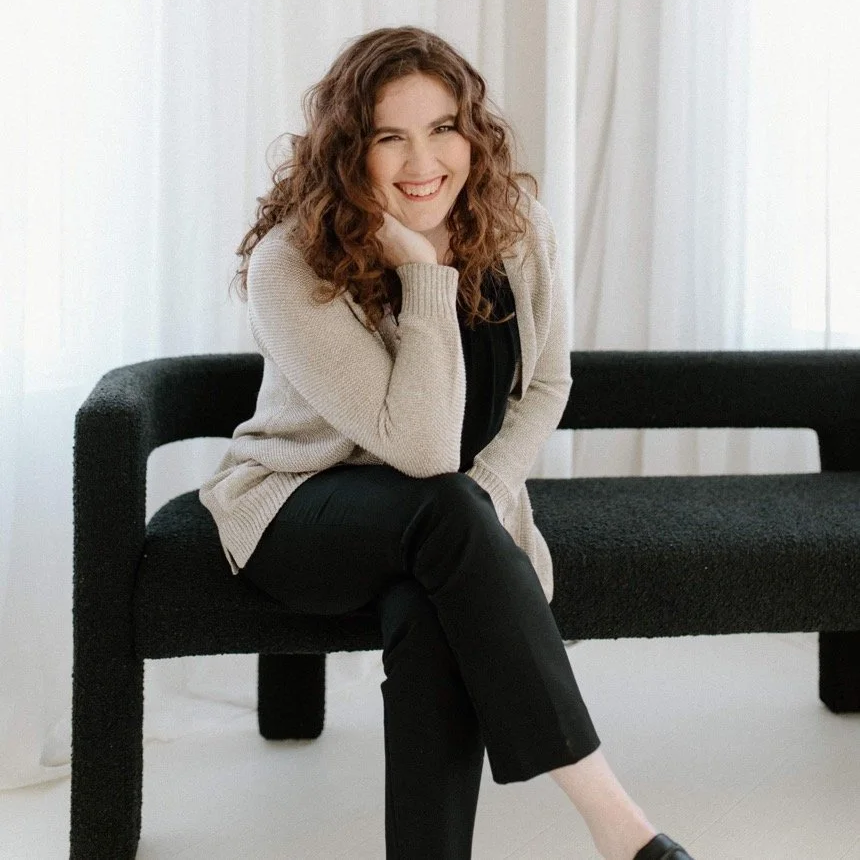
Do I need to do it? When it comes to a business owner, I’ve definitely had business owners that I’ve met with that it’s almost like they don’t want to succeed. It’s almost like they don’t want to change, even though they say they do. They say they do, but every action, and it’s like okay, we said we were going to do this, and then here we are a week later, two weeks later, and we’ve not done any of that.
I can look at the obvious things, which are the excuses that you’re getting. Well this came up and this happened and this happened. Okay, but why are these things happening? Because there’s just such a deeper layer there.
I think sometimes they don’t need to do it. Sometimes they found themselves in a role and in a business and in a situation that they really don’t need to be in, and they would be happier going and doing something else, and I’ve definitely seen that happen.
Sometimes it is a mental health issue at its root, and that’s not my scope of practice, so it’s like okay, I’m really trying to help people get referrals to do what they need to do to get unstuck out of that.
Then just making sure that they have the steps and a lot of handholding, giving them one small thing to do. A lot of times we can go, here’s everything I need to do. Well, what’s the first thing? Do that.
I’ve done this before too, if we have an hour call and we’re 30 minutes in, we’re going to get off this call right now, and you’re going to use the last 30 minutes that you allotted for me to do this one task, and then I’m going to check with you to make sure that you did this one task.
There’s something about them now, they’ve done something, and it’s a small little bit of endorphins, like I did it. So now okay, let’s do another small something and another small something.
That’s what I watched with that one client who I referenced earlier. It was the little small things that gave him a little bit of what he needed. It was very small and short-lasting, but it gave him something.
I think that’s it too, just getting really tactical and finding what works for that individual.
Brandi Fleck: I love that you brought up, well, do they really want to do it, do they need to do it, what’s behind the not taking action toward it.
If a person says that they want to do something and they’re finding themselves not doing it, I feel like as a person I just want to believe them. I want to take what they’re saying at face value and be like, you said you wanted to do it, so I believe that you do.
But what if somebody says they want to do it, how do you know when they don’t really, or if there’s something else, or is it always that they just don’t want to do it if they’re not doing it?
Kourtney Brownlow: I think there’s definitely the option that they don’t actually know the answer to that.
In a situation like that, I may go, okay, so we said we were going to do this, and we got off the call 30 minutes early for you to do this thing, and you said that’s what you were going to do, and then you didn’t do it. Tell me a little bit about why you didn’t do it.
Do you have, well, I don’t know. Okay, but you had the time. Did you get distracted? No. What is stopping you?
Just asking a lot of questions to get them to answer it themselves.
Brandi Fleck: Do you ever find that people want you to tell them what to do?
Kourtney Brownlow: A thousand percent. They want to run their business.
We always say that mentorship is a done-with-you process. There’s sometimes coaching involved and teaching involved in it, but I really love coming alongside somebody and being that support system, maybe pulling out this little thing or saying, hey, have you thought about doing this, and helping them with the steps.
People really do want you to do it for them because it feels easier. If someone came in and did this for me, maybe they’ll do it better, maybe they’ll have different results.
For me, it’s like no, we’re trying to bring this out in you. A lot of business owners, most business owners that I talk to are accidental business owners. There’s not the education, there’s not the background to prepare them to run a business. They just found themselves in this business.
A lot of business owners really just bought themselves a job. You open a business, and you could go make more money doing the same job for somebody else than you can running your own business.
That’s where I come in to go, okay, now how do we take this job that you’ve created for yourself and turn it into what you wanted it to be all along.
But sometimes we’re starting back where you just talked about, can’t even do the simple task. Send these emails, two weeks later, emails not sent.
It’s really hard to not want to swoop in and fix that, but my role is to sit back and go, hey, just checking in, have you done A, B, C, D? Okay.
Then you have to ask the question. It feels awkward talking to grown-ups and peers and just saying, well, as a parent I’m like, well honey, why didn’t you clean your room? Mommy told you to clean your room. I don’t want to.
It feels hard and awkward sometimes to have those conversations, but we’re all just kids. Sometimes we need to be held accountable for what we do and what we don’t do.
I think that’s why I love my job, but also there’s some challenges to that.
Brandi Fleck: I love that you brought up accountability. I have a lot of clients come to coaching and they’re seeking accountability in some kind of way, and I want to equip them to be able to hold themselves accountable once the coaching relationship is over.
Time Management, Habits, and Productivity
Do you have experience with that, and how do you help people hold themselves accountable?
Kourtney Brownlow: I think it’s building healthy habits.
It’s like teach a man to fish, and basically feed for life. We’re trying to teach them how to fish. If we can teach them the healthy habits, the number one thing that is the catalyst for all of this is people have terrible time management, and they don’t time block their schedules.
As an entrepreneur, no one is keeping you accountable to even working or doing your job. If you are able to work on your own time and do all your own tasks and all of this stuff, and you don’t have good time management, it’s a mess.
I’m not getting anything done. What time do you have blocked to sit down and do this? Well, I don’t.
Or they do have time blocked, but they allow their phone to be with them or they check their emails. How many times have you been on the computer and all of a sudden you’re in 30 different tabs and you don’t even know how you got there?
There have to be disciplines to say I’m sitting down to do this one thing. Any distractions are gone. I’m not allowed to open up tabs.
I actually talk to myself out loud because we all struggle with this. It’s not just like you figure it out. I’m sitting down to work on a specific project, and all of a sudden I find myself in a tab, and I recognize it, I’ve opened something, I’ve gone down a rabbit trail.
I say out loud, Kourtney, we’re not doing this right now. We’re not working on this right now. I may need to write it down somewhere so that I can come back to it later, but that’s not what I sat down to do in this moment.
Kourtney Brownlow: Yeah, so I think that’s part of it. They just don’t, we’re not a disciplined people. I think that we grow up and we go to school and we face the front of the classroom and we have to ask permission to go to the bathroom, and then we go to college, and then we’re out on our own, and it’s like, oh, I don’t have to ask anybody to do anything, and then the next thing you know, we’re not getting anything done.
Brandi Fleck: Yeah. So I’m hearing you say that structure, discipline, habit building, limiting distractions, and setting yourself reminders for other things that come up so you know that you’ll get to them later and you can leave them for later is a good way.
Kourtney Brownlow: Yeah, and just staying consistent in it. If you do it for a day, celebrate it. See if you can do it for a second day, then celebrate it.
Not go, I’m going to do this thing for, it’s fitness, people are like I’m going to cut all the stuff out of my diet in the next 30 days, and I’m going to lose whatever weight. No, you’re not. You’re going to end up binge eating three days in. This is not going to work.
It’s why people pay for fitness coaching too. Can you go to a gym at your apartment complex? Can you go to a $10 gym and work out? You can, but their whole business structure of these access gym models is to sell thousands of gym memberships in hopes that people don’t show up.
They can’t actually accommodate that many people in the building at one time.
Brandi Fleck: I never thought about that, but yeah.
Kourtney Brownlow: That’s what it is. I know, revelation for you right there. In the fitness industry, that’s what that global gym market is, and that’s why they prepay, and that’s why there’s all of this stuff.
If everybody that bought a gym membership showed up, they’d be in trouble. Even if 10% showed up, they’d probably be in trouble as far as space and structure.
Why Structure and Accountability Matter
So why in a gym the style of mine, do you pay this high dollar amount for a personal trainer? It’s for the accountability. It’s for the structure. It’s for someone creating a plan for you that all you have to do is show up and follow.
We need that in our lives. Most people, I look at people that can go and work out on their own, and I’m like I am not that person.
I have an entire garage gym. Do you think I’m using that? No. I pay a gym membership. I live 40 minutes from my gym, so I pay a gym membership at a gym down the road, and I work out with a trainer for myself because I know that I’m not going to have success on my own.
I have a mentor. I’m a business mentor. I also have a mentor because we all need layers of accountability. Now, depending on where we are on our journey, it’s different, but we all need some sort of accountability and structure.
Brandi Fleck: Kourtney, I feel like this has been a great conversation. We’ve spanned the topics of mindset to resilience to accountability, and it’s been great, and I really love that you shared some of your personal story.
Is there anything that we haven’t talked about or that I haven’t asked that you think is important to share?
Kourtney Brownlow: No, I think just circling back to what it means to be human, I love just talking about life, and I think people want to hear about real life.
It’s funny because I didn’t hesitate to share my story because people relate to real things, and as far as I go, I’m pretty much an open book in a way that is going to help people see there are so many influencers and people out there on social media, it’s like this is not their real life.
We need to see more real life, and my life is chaos, but it is absolutely fantastic, and it is beautiful, and it is as organized as I could possibly have it without trying to control it. It’s good. I’ve really enjoyed the conversation.
Brandi Fleck: Well, thank you so much for coming on, and how can our listeners find you and all of your work?
Kourtney Brownlow: I’m not one of those that’s putting everything out there on the internet, so to speak. You can find me on Facebook, it’s facebook.com/kourtneybrown. Kourtney is with a K.
If someone’s looking for business mentorship, I’m more than happy to have conversations there. If you’re in the Williamson County area and you need some fitness, franklinstrengthandwellness.com.
We have a great team of personal trainers that are professionals that can help you reach your goals. If you have a deaf kid and you need community, hit me up.
Brandi Fleck: Awesome. Well, thank you so much, and I will make sure to put all of those links in the show notes for our listeners. Kourtney, I hope you have a great rest of your day.
Kourtney Brownlow: You too, Brandi.
Brandi Fleck: Thanks for tuning in. Check out more of our episodes here and at Human Amplified. Remember to subscribe.
Join the conversation!
Feel free to share your own experience and let me know if you have any questions in the comments.
Related Posts
















Hi, I’m the founder of Human Amplified. I’m Brandi Fleck, a recognized communications and interviewing expert, a writer, an artist, and a private practice, certified trauma-informed life coach and Reiki healer. No matter how you interact with me, I help you tell and change your story so you can feel more like yourself. So welcome!
Find More on the Blog
Topic
- ADHD
- AI
- Atlanta
- Black and BIPOC
- DIY
- FAQ
- LGBTQIA plus
- Los Angeles
- Nashville
- Seattle
- St Louis
- St. Louis
- UFOS/UAPs/ETs
- abuse
- accountability
- addiction and recovery
- adoption
- affirmations
- afterlife
- altered state
- angels
- animals
- anxiety management
- art
- astrology
- atlanta
- attachment
- awakening
- beauty
- behind the scenes
- being human
- body image
- body work
- boundaries
- brandi fleck
- breathwork
- bullying
- burn out
- burnout
- cancer
- career
- caretaking
- chakras
- channeled
- clarity-dive
- clarity-practice
- clarity-primer
- clean products
- coach
- codependency
Recent Blog Posts
Visit the Full Podcast Audio Archive

Affiliate


Get these strategies for managing your time better, getting started on a project that’s been looming, and decision making around everyday tasks that you normally put off.