Interview By Brandi Fleck
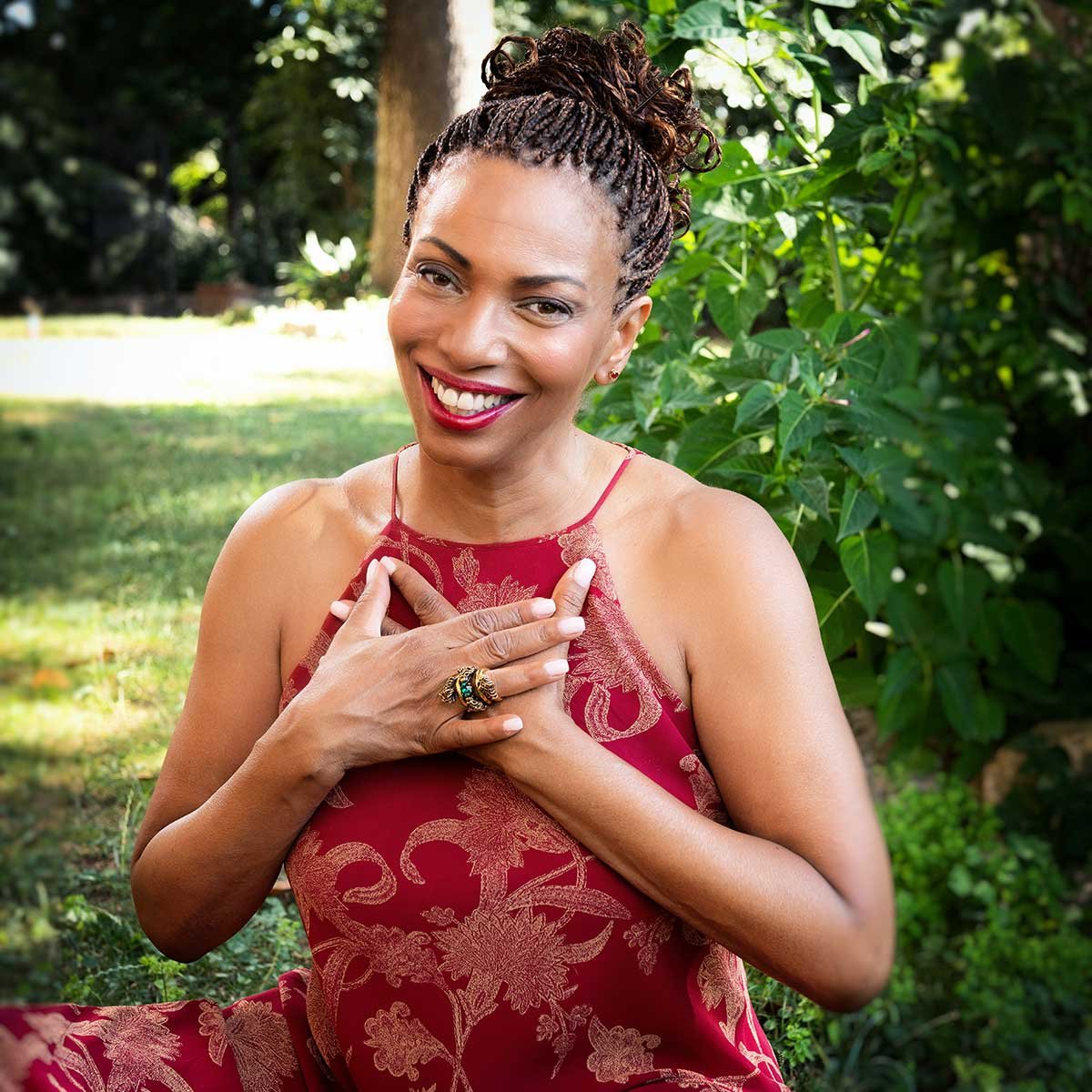
Communication expert Kass Thomas explores emotional walls, authentic communication, self-connection, intuition, and the subtle ways people disconnect from themselves and others.
Most emotional walls are built slowly. They form through judgment, discomfort, self-protection, past experiences, and the quiet conclusions people make about themselves, other people, and the world around them.
In this episode of Human Amplified, communication expert and author Kass Thomas joins Brandi Fleck for a conversation about authentic communication, emotional awareness, intuition, inclusion, and the hidden ways people disconnect from themselves while trying to feel safe, accepted, or understood.
Together, they explore the relationship between communication and energy, why people shut themselves off emotionally, and what becomes possible when you stop treating life as something to defend yourself from and start engaging with it more openly.
Listen to Kass Thomas’ Interview
Watch Kass Thomas’ Interview
Finding Purpose and Joy in Everyday Life
Kass Thomas: My name is Kass Thomas. I am originally from Boston, lived in New York, currently I'm living in Rome, Italy, and I'm doing this broadcast from Jeddah in Saudi Arabia.
The first language of communication is really energy. You can never get you wrong. There's nobody that does you better than you. But if you empty your battery, your vibration, all the contribution you would be to other people and the world would no longer be there.
Brandi Fleck: Today on the podcast, we're hearing from Kass Thomas. She's a communication expert, empowerment coach, and best-selling author. Her most recent book is called Dancing with Riches.
We had so much fun during this interview. Our hearts connected and a true philosophical exploration took place as Kass applied what she teaches and coaches to my questions.
This episode is all about accessing the limitless potential of who you are and the limitless potential of the experiences you can have if you're open to them, and even open to other people. Doing that is a major contribution to society and the world.
In other words, we talk about what your limitations really are, getting beyond them, how feeling good is a contribution you make to those around you, and how inclusivity and exclusivity tie into overcoming limitations so you can feel good.
We then go deep into how the universe works with personal stories from Kass's life about when the universe seemed to intervene because she included herself and others.
You'll come away from this episode with an expanded perspective on connection, why it's important to let down your walls, what happens when you do, and how the very nature of communication at its root fits in.
At a minimum, this episode will get you thinking. At a maximum, you'll come away from it encouraged to be more open in your life and start taking steps to reach the next level of your potential.
All right, today we are welcoming Kass Thomas to the show. Welcome to Human Amplified. I'm so excited to have you here. How are you doing?

Kass Thomas: I'm doing great. Yeah, yes, I'm doing great. Lots of change going on. And if I'm not trying to predict what that change is, then sometimes it's not always that comfortable.
Brandi Fleck: Okay, we might actually get into change a little bit before we dive into some really deep communication information and conversation.
I would love for you to introduce yourself to our listeners, a little bit about who you are and what you do.
Kass Thomas: We have three days, right?
Yeah, well, what I do, what I have been doing, is traveling around the world physically. In these last couple of years, it's been more online.
But what I do is training and coaching sessions and writing. It's all about being an invitation for people to recognize what their unique way of living life is.
It can be business training with my Dancing with Riches workshops and book. It can be about communication with kids, with yourself, with others, with my Seven Steps to Flawless Communication workshops and book.
It can also be about connecting with your body. So many of us go into self-judgment, self-doubt, uncomfortability with our bodies. But the first language of communication is really energy, and our body is so actively communicating with us. Sometimes we're misinterpreting that, so we don't really have the language for that that we understand.
However, we know it because it's our unique brand of communication and magic.
So it's always an invitation for people to step into their lives and see the world from their perspective, that they know they cannot get themselves wrong.
You can never get you wrong. There's nobody that does you better than you.
Then they can step up and begin acknowledging some of the talents and abilities that they may not have recognized as talents. They may have recognized them as limitations, but they actually are something that's unique about them.
That allows us to see other people as well in a different way so that you can then step out and be seen and heard in the world and see and hear others in the world in a very different way.
Very in a genuine way, in an authentic way, and without any expectations or projections. Just really enjoying the uniqueness of each and every one of us.
Brandi Fleck: Yeah, yeah. I love the being seen and heard and to see and hear. Gosh, I just think that's so important.
So I would love to ask you, what do you think the most important thing in life is?
Kass Thomas: Joy.
Yeah, I think the most important thing in life is to recognize what it is that makes your heart sing, that makes you feel warm inside, that brings a smile onto you, that makes you feel connected with you.
I think the first step in every area of our lives is being connected to ourselves.
What is it that does that for you? Some people do singing or dancing or meditation or sports or running or whatever that is.
If we can start every day like that, we're not just living life from one day to the next and going down the road that when life ends. We're actually expressing ourselves in a really different, super abundant sort of way every day.
It's like, this day, yeah, today, if it were the first day or the last day of your life, what would you like to do and where would you like to be?
On the beach, in the water, with a doggy, with a cat, with the kids, with your mom.
How to Overcome Limiting Beliefs
Brandi Fleck: Yeah, yeah. I think that's interesting because circling back to what you said about being human and part of being in this existence is buying into the limitations of this reality. You saying where do you want to be, what do you want to be doing, and what brings you joy, but it's like how do we get past the limitations to go embrace that, right?
Kass Thomas: Well, recognizing sometimes... could I just say I love the way you listen.
Brandi Fleck: Oh, thanks.
Kass Thomas: And hear, and also put it together. It's your unique way of being, and it's so delightful. So thank you for that.
And sometimes the limitations are predefined destinations that we've had. That might be our parents were lawyers, and so we need to go and study law, or medical doctors, or writers, or whatever, as opposed to knowing what makes your heart sing, what is in line with your vibration.
There's so many different ways to say that. What brings you joy. Sometimes a limitation might be a predefined destiny that you have set for yourself or that others have set for you.
Okay, and so if you reach that goal in life, then what happens? What if you reach, by the time you're 25 or 30, is life over then?
So then it's resetting another destination or just really being bored on this planet.
The limitations might be anything that you have decided is your ceiling, is your destiny, is your only reason for being here on the planet and in the world.
So the human, the being part, is that this is a very alive time in life. So many things are showing up. We can't decide and choose every single one of them.
However, if we are looking at something and seeing things that are showing up and choosing things that are actually, like I said, that bring us that joy, that are in line with our joy factor, that actually make us feel at home and at ease, but also don't make us stop, then it's a continual evolution. It's a continuous journey, this life.
A lot of times we have, "I'm not interested in that. That's not interesting to me. I don't even want to look at that."
Are you sure? How do you know? It exists. You exist in this world. It exists in this world.
Especially if something is so boring to you, you might want to explore it a little bit. What is it that I'm not willing to actually even consider about that?
Oh, it's so funny. I go to the opera often. I haven't been in a couple of years, but I go often. Why? Because I love opera. I love the opera houses, and I love the elegance of the opera. I love music.
I used to work in the hospitality industry in New York, and the Ritz-Carlton head concierge used to always invite me to the dress rehearsals at the opera, and it was lovely.
Then in Venice, have you been to the opera? I went to Vienna and I was like, "Oh my gosh, I have to go see that opera house." I went to Moscow and I was like, "I have to go see that opera house."
I love jazz. I love all kinds of music, but I wanted to be having a glass of champagne in the opera house in Moscow.
So it's not that opera is interesting to me, but there's so much else around it that's interesting.
So the limitation is when we decide something is not our cup of tea. However, we're not willing to enjoy or to explore even some of the things that are in the environment of that particular thing.
But also to engage with people that perhaps that is their passion in life because there might be something, if it's something that is a limitation or not interesting to you, there might be someone else who's explored that that could open up a different perspective on that for you.
Okay, and I went to Sydney in Australia, and I went with my husband. He's an architect. He doesn't go to the opera either, but he totally wanted to go to the Sydney Opera House because of the architectural construction of that opera house.
Brandi Fleck: Yeah.
Kass Thomas: So isn't that funny? Something that is not necessarily interesting to you, however, what else is there? The construction that will bring you joy.
And now I know this Italian... I will always remember that from that opera.
Brandi Fleck: That's amazing. That's really cool, and this is really powerful stuff. I love this perspective.
What was your favorite opera house that you saw?
Kass Thomas: It was the one in Moscow.
Brandi Fleck: Okay.
Kass Thomas: Yeah. It was the stairs were amazing coming down. Was it sitting in the opera? Not necessarily. But it was the walking down the stairs. It was such an elegance going down those stairs. It was really wonderful.
I did like the Sydney one, but I just remember that in Moscow at the moment.
Also, I remember Vienna. We had said during the break we'd like to come and have a glass of champagne, and when we came out on the break there were so many people, and there was a little table in the corner with a rope around it, and it was for us.
It was just a girlfriend of mine. We were like, "Oh my goodness, is this really for us?"
Anyways, it's just fun. It's just fun. It's the world that people live in.
Brandi Fleck: Yeah, yeah, yeah. So it sounds like the way it made you feel was a big part of it. Would you say that's it?
Kass Thomas: That is it. It's a feeling in your body, right? And it's a sensation that goes out beyond.
What is the joy factor, right? That if you are feeling good, then you are actually vibrating out there, and it's a contribution to other people.
Have you ever walked by someone who was doing bad or they're feeling sad, and you're like, "Oh my goodness, I'm so sorry. Is everything okay? Are you okay?" And you're going down a little bit with them.
Brandi Fleck: Yeah.
Kass Thomas: Have you walked by someone who's just like boom, full of joy, and it's like, "Wow, I don't know why, I just feel so good now."
A lot of times people get, "Oh, if I'm concentrated on making myself feel good, then I'm being egocentric, egotistical, whatever."
But what contribution, what gift, what can that offer to others that just might be walking by you on the street?

Brandi Fleck: Yeah, I love that. Okay, well, I want to shift a little bit now, and I've never had this conversation with anyone.
Kass Thomas: Darling Brandi, so I just wanted to tell you I've never ever had this conversation anymore, so thank you.
Building Authentic Human Connection
Brandi Fleck: No problem. I love this. None of those questions were planned, but I was like, well, this is really cool. So that's awesome.
Well, what I want to connect it to is how you said that limitations stem from people deciding that something is not their cup of tea.
I think possibly that relates to inclusivity and exclusivity. I see a lot of stuff, like, I did my research and online I saw that you're described as a catalyst for multicultural inclusion. So I would love for you to expand on what that means specifically.
Kass Thomas: Absolutely. Well, what is not their cup of tea?
One of the things in my first book, The Seven Steps to Flawless Communication, the seventh step is establishing true connection, right?
It is about recognizing, acknowledging, that you live here on planet Earth, okay?
Where you live is called your home, right? So everyone else here you have something in common with.
The subline on that is there's so much more that unites us than separates us. I have actually never felt out of place, and my invitation that I would love to be is for people to recognize that their home is everyone else's home. It's this planet.
It doesn't matter where you were born, where you grew up, where you're living, where you're working. Thankfully with the internet, we're all around actually.
But if you approach your life and anyone you encounter with that confidence, with that genuine clarity about that, that you share something with them, you're here now. You might be an alien from Mars, okay? But it's still in the same universe.
The cultural inclusion is that this world is made up of different waters. There's the Red Sea, where I am right now. I haven't really been there before. I haven't seen that before.
I've been in Israel, the Black Sea, and so when you recognize that you're home no matter where you go, then you never actually feel out of place.
This is stepping into the truth and the essence of you, and it's a capacity that I have to see the truth of people even if they don't see it. The truth of who they really are, the human being that they are.
When they're trying really hard just to be human, they're actually putting out boundaries. We call it sometimes glass ceilings. They're trying. It just makes people know what they have to do.
But what if you were willing to know who and what you could be in this world? That would be such a great adventure for you and engagement with where we live, with this place called home.
So the limitation is not ever being willing to shoot for a star and maybe hit the moon. Oh well. Let's see what different stars can I see from the moon.
I have always had in my life not only different people from different cultures and different languages, different sexual orientations, different professions.
My family, my mom and dad, they never actually were excluding anyone except for my dad. He didn't really like people who were not being honest.
Brandi Fleck: Gotcha.
Kass Thomas: But see, that's the thing though. The difference with him, with me, they weren't being honest, but were you not being honest with yourself because you're functioning from those limitations?
But the truth of who we are is honest if we're able to connect and step into our lives in a different way.
Brandi Fleck: Where does the inclusion come in, though?
Self-Awareness and Personal Growth
Kass Thomas: The inclusion? The inclusion is including you in your life.
Brandi Fleck: Okay.
Kass Thomas: Being honest with yourself.
Brandi Fleck: Yeah.
Kass Thomas: Connecting with you and not faking it. You don't have to fake it till you make it. Sometimes it can be as simple as putting your hand on your heart.
The first language is really energy. Even these first sounds start from a vibration. They may not ever break the vibrational mode and come into an audible sound, okay? But they start with a vibration, and that's the same with us.
Brandi Fleck: You know what I mean?
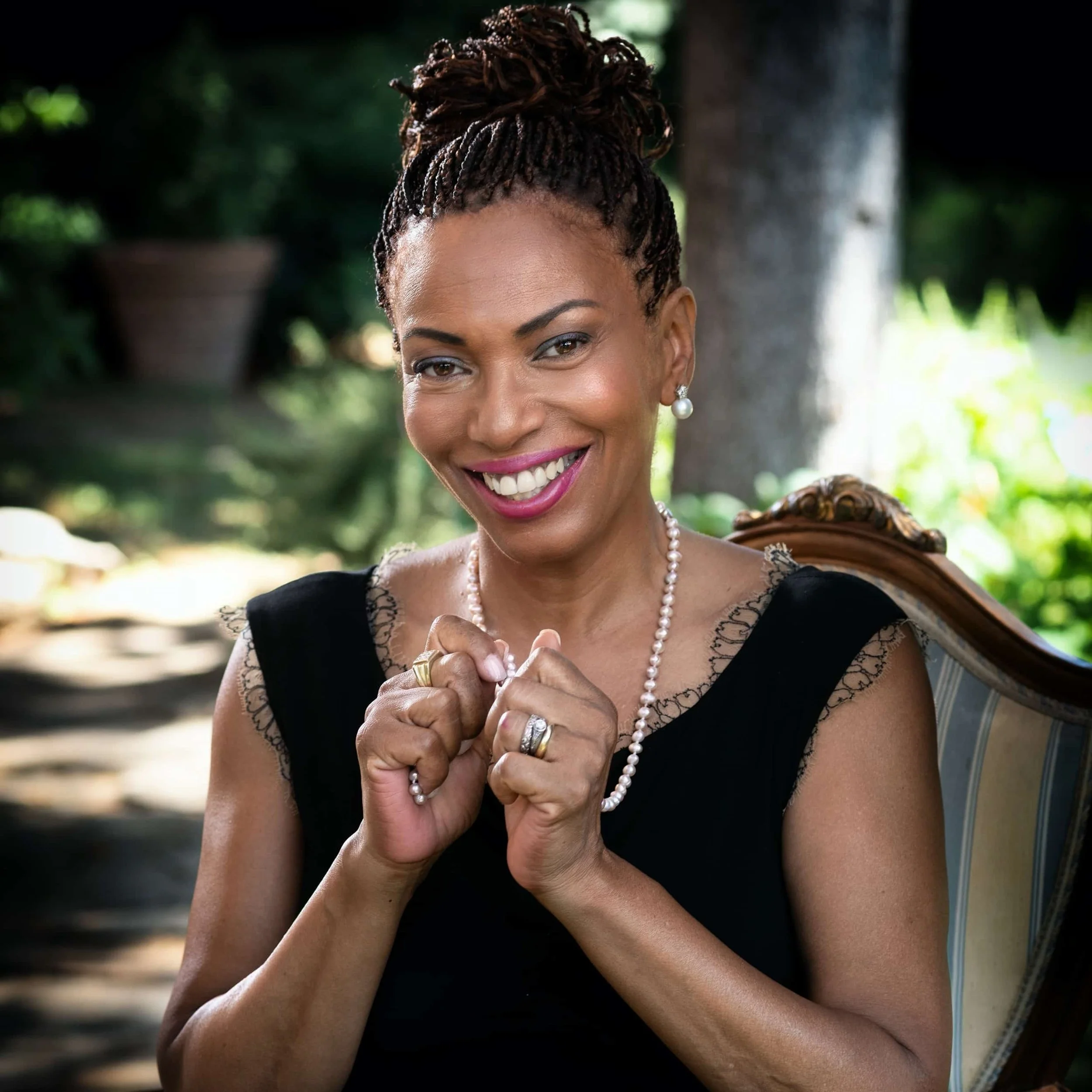
Kass Thomas: Yeah. So the inclusion is basically the result of not excluding anyone and not excluding you.
Brandi Fleck: Okay, okay. So how do we include everyone, right?
Kass Thomas: Not putting up the walls, the barriers, and excluding others from our lives as a preset.
If we're not doing that, then what we see and who we see arriving is so much clearer to us than if we have put on a mask or a veil that keeps people away.
Because not only does it keep people away and exclude others and other possibilities, the opera or a new career or a different business, but it also locks us in so that people can't find us.
So many of us are hopeful. We might have hopes and dreams. We might be praying to God, Allah, Buddha, Shiva, the angels. We might be doing meditation and really trying to reach a higher level in our lives.
But if you have excluded others and other places and other languages, then you have put up some walls and barriers, and what you've been asking for may not be able to jump over those walls and barriers and find you.
Brandi Fleck: You know what I mean?
Kass Thomas: Yeah, that's it. You don't have to travel the world. You don't have to talk to all the people.
But if that is really what you are choosing to be, open and receiving and gifting, then what shows up in your world will be continually magic. For me, that is so much the Human Amplified reality. It really is.
The title of your podcast for me in itself, no one ever listened to it, if they would just read it, it will activate something in them that maybe has been dormant.
Brandi Fleck: Well, I love how you brought up that communication in its essence starts with a vibration, and then you tied that back around to inclusivity and including yourself.
By including yourself, I want to make sure I'm hearing you correctly, by including yourself, you end up dropping the walls and becoming more open so then you can include more of the world, your home, and the people around you. Is that...
Kass Thomas: Yes, absolutely.
Included is one perspective, and access is another.
Brandi Fleck: Yeah.
Kass Thomas: Access it.
If you can include them, it doesn't mean you have to bring it all in.
I always use this example of the cobra snake, right? Have you seen one or a picture of one before?
Brandi Fleck: A picture of one.
Kass Thomas: Because these colors, and the neck comes up and it goes out, and they're amazing. Now yes, they're a bit poisonous, you know what I mean?
Brandi Fleck: Yeah.
Kass Thomas: So what does that mean? You don't ever want to see one? You don't want to acknowledge their potency and capacity?
Or are you willing actually to acknowledge, wow, they are amazingly beautiful. I may not want to bring them into my car or bring them into my home, but I would love to keep my window up maybe and ride by and look at how gorgeous they are.
Healthy Boundaries in Relationships
Brandi Fleck: So this brings me to sometimes when you meet people, you don't always connect right away. So when that happens, if you're trying to be inclusive and you're trying to be open, and as I think you just alluded to, sometimes you need to set boundaries, but also you need to experience this existence and the beauty of what's there, what's next.
Should you pursue a relationship with that person you don't connect with or try to build a connection? What do you do?
Kass Thomas: Well, first of all, I didn't say anything about setting boundaries. I said that sometimes we do set boundaries.
Brandi Fleck: Right.
Kass Thomas: Okay, if we are willing to not set boundaries, and it's not always easy for some people because they get overwhelmed.
If anyone's ever listening to this and you get overwhelmed, it probably means that you have a capacity to pick up on so many things, right?
And just because you have this awareness about so many things, please know, I just want to say this, just because you're aware of something doesn't mean you have to do something about it.
Brandi Fleck: Okay.
Kass Thomas: Because sometimes that's what gets us overwhelmed because we feel like, "Oh my goodness, I have to do something."
For example, you're getting awareness, hey, this is not really feeling good, this conversation I'm having or this connection I'm having with this person.
Doesn't mean you have to do something to make it work. You do not have to do something to make it work.
Okay, because this is where we start with the exclusion, with this human limitations reality. I either have to make it work or I have to exclude it.
No. Just in the recognition, wow, this is not feeling that great, and you don't put up any walls or any boundaries.
It may be them that say, "Hey, why aren't they reacting to me like everybody else does when I'm being such a jerk? Let me see if I give them a cup of tea."
It might be something that is an invitation for them to see that I'm not excluding you. I'm not liking the way you're talking to me. It's not really working for me.
Brandi Fleck: Yeah.
Kass Thomas: But I'm not excluding you. If you want to have a conversation, let me know and then ring a bell.
Brandi Fleck: Yeah. It's funny that you said ring a bell when it rang.
Okay, yeah. Okay, well has there ever been a time when you didn't do anything about something?
So say you met someone you didn't connect with and you just let it be, but then the universe pushed you in one direction or the other and things just sort of worked out how you didn't expect?
Kass Thomas: Yeah. I really like that question, that meeting up with someone, being with someone, and it not really working out, and then it shows up in a different way.
So many times. Probably a little more. I've got a funny one, though. It was very quick. It was so funny.
I was organizing a workshop in Rome, an Access Consciousness workshop with Dr. Dain Heer. I was not only organizing it, I was translating from English to Italian. A woman came in from Sweden and she got so upset with me.
I think we were out to lunch and she was trying to keep a conversation going. I said, "Look, we really need to get back to the class." When we got back to the class, she was upset with me and she was yelling at me.
I was looking at her and I was saying to myself, I really don't have time to actually respond because I've got to get back on stage and translate.
This was not what I was thinking, but this is why she was yelling, and I was just standing there.
I said, "I'm really sorry," and then I had to go. When I finished that day, she came up to me and she was laughing. She said, "Oh, I am just so amazing. I'm so sorry that I was yelling at you. It was great. You didn't go into any reaction."
The Connection Between Mindset and Communication
Kass Thomas: I thought to myself, well, if I hadn't been so busy, I might have gone into reaction. But I just didn't have time to go into reaction and then go up on a stage and be all in reaction mode.
So I was really grateful for that. I was just like, I really can't stay here and do this. It's something actually that I invite people to. Sometimes people go into judgment of you. Sometimes people are contrasting with you.
If we get stuck there, how much time do we spend, even when we're no longer with them, having these image-engineering conversations? "If I see them again, you know what I'm going to say to them? I'm going to say this and this and this and that."
How much time do we spend living through that reality? Then it may not ever show up. You might not ever refer to them again, or they might, like this woman did, come up and say, "You know what? I'm over that."
How much time did you spend, instead of engaging in future possibilities, future creations, enjoying the moment that you're in, revisiting the past?
What I invite people to do is if someone is actually criticizing you about something in the past, trying to bring you down, you can say to them, "You know what? I'm really sorry about this. I have something to do. I have to go and take care of something, and I'll come back though, and we can have this conversation."

As you walk away, you say to yourself, maybe and maybe not. But you have not excluded them. You're not excluding yourself, and you're not excluding your continuity of moving forward.
There's so much in our lives that we stop and stay back to handle. Sometimes you might have to wash a car. You might have to give your family something.
But please, please don't ever disconnect from you because if something drains you, you have certainly perhaps been a contribution to that woman I just mentioned or to whomever you're staying with.
But if you empty your battery, your vibration, all the contribution you would be to other people in the world would no longer be there.
Brandi Fleck: Yeah.
Kass Thomas: It would no longer be there.
Please, this is just what I know, these three steps I do, these three steps to step into your life, right? Then step up, see others, recognize your talents, recognize their talents, and then step out so that you will never make you wrong.
You just want to choose something different the next time. But you cannot get you wrong, and everything that we have done, all of those things, have really made us who we are today.
I did work with a guy once. He was the head of a nonprofit. We did television festivals. I don't think he liked me. I was like, I don't think he liked me, okay?
I couldn't figure out why he didn't like me. I was doing a great job. I was handling Asia, Africa, and the Middle East, all those television films and projects that we were bringing in for the festival and stuff.
I said, "Well, maybe he's going to go away."
Everyone was like, "Kass, we know you're always working with friends, and you work with questions, but he is the head of the nonprofit. He's not going to go away."
I said, "Well, what else is possible?" That's a question I like. "What else? How does it get any better?"
Two years later, it was discovered that he was actually doing something not necessarily legal. He was taken out.
Sometimes it may not be obvious to you why there is a conflict, but you don't have to exclude him. I never excluded him.
We even went to New York to do a presentation, and we went jogging in Central Park together.
Brandi Fleck: Yeah.
Kass Thomas: But what may not be in your human mind is definitely in your human being knowledge and awareness.
You might not have to do something specific, but you don't have to, like you were asking, make it work with someone if there's not an agreement, if there's not a cohesive engagement with them.
There might be a reason that's beyond your cognitive awareness.
Does that make sense?
Brandi Fleck: I think it does.
When you were jogging with him and not excluding him, how did you also not exclude yourself? Were there tangible things that you did not to exclude yourself when everything wasn't comfortable?
Kass Thomas: Well, I gotta tell you, you were so psychic.
I didn't remember. I just thought, hey, that's great, Elba and I will go jogging together.
I love Central Park. I used to live in New York, right? So I was going back to New York.
I jogged more than I had ever jogged in my life. I'm not a jogger. I play tennis. I'm not a jogger.
I was so sore after that long jogging. We jogged for like an hour.
I really enjoyed it. I had a great time jogging, but then I got back and my body was like, did we really want to jog for an hour?
Brandi Fleck: Yeah.
Kass Thomas: I was including, I was enjoying the engagement with him, but also with the park and being together without the business thing that we had been working with or whatever it was.
It was the most fun I had ever had with him.
Brandi Fleck: You know?
Kass Thomas: Okay, okay.
And yet yes, I was excluding a little bit the fact that I'm not a jogger.
I was like, I don't know, but it was fun.
Brandi Fleck: Yeah, yeah. You were open to it, I suppose, and then you learned something about yourself.
Kass Thomas: Exactly. You don't lose. You either win or you learn something.
Brandi Fleck: Right. There you go. I went into this conversation thinking, man, we're going to talk about communication and everything, and I really like the path that we took instead.
But I feel like it's all related to communication. Can you connect the dots back for us about how it's all related?
Kass Thomas: I adore you. I just have to say that. Sorry that I said it.
Yes, everything starts with communication. Communication is part of everything, and our communication with ourselves, with our unique way of being and our acknowledgment of that.
I mean, for example, I've said a couple of things to you a couple of times. I don't know if you'll ever remember them, acknowledging your uniqueness and your greatness. People do see it in us. Do we see it in ourselves?
That communication with ourselves, not only with our bodies physically, and this is my invitation always, put your hand on your heart, feel your heartbeat, put your hand on your pulse, feel what your vibration is.
That gives you a presence with you. A lot of times we think we have to do something to get that presence with us, but it can be so fast.
This communication with your body identified as a pain, maybe your body is just signaling to you, hey, there's an earthquake going on somewhere.
Or how do people get cramps in their knees when it's going to rain or something? We're connected with nature in that way.
But also recognizing what in business we call your unique selling points, and I call it in communication your unique brand of magic.
So it starts with you and then disconnecting from who you are, not who you think you are, right? So the masks and the veils and the barriers.
So that you can reconnect not only with yourself and have a direct line of reconnecting when you feel overwhelmed or collapsed or invaded or judged or whatever, you can always get back to you.
But you also with so much ease can see other people from different perspectives because sometimes someone might be judging you or might be criticizing you, but that might be the only way they know how to communicate.
Brandi Fleck: Yeah.
Kass Thomas: I remember once my husband was saying to me, "In business, you need to do this. In your business, you need to do this. You need to do this. You need to do that. You need to change this."
Finally I was like, "No, I'm not going to change that."
He said, "Hey, hey, wait one second. That's just the way I talk. You obviously have success. You know what to do. I'm just giving you some suggestions."
How much are we hearing from people in one way that if we're not connected with ourselves, if we're not in communication with ourselves, we may be receiving it in a different way than they actually intended?
Brandi Fleck: Okay.
Kass Thomas: So reconnecting with that genuine, authentic version of you, then you never are feeling wrong about who you are.
Emotional Healing Through Communication
Brandi Fleck: It seems like there would be a healing in that. Is communication, I mean, could it even be considered a healing modality?
Kass Thomas: I'm not going to say what I want to say right now.
Brandi Fleck: What do you want to say? I want to know. I want to know.
Kass Thomas: I think I love you.
Brandi Fleck: Absolutely, absolutely.
Kass Thomas: Yeah. The first language we all speak in, which is energy, so if you are willing to hear the language of your body, hear the language of your being, your human being, and hear the language in the silence between the words that others are sharing with you, communication is not just about words.
It's not just about images. It is really the way you are engaging, including and not excluding yourself from this world and not excluding others from your world even if they exclude you.
Brandi Fleck: Okay. You know, yeah. And that can be really hard.
Kass Thomas: It can be hard if that's what you're doing. If you're not doing it, it creates so much ease in your world.
Just remember the cobra, right? You can't say, "Cobra, hi, I really like cobras. Could you not please sting me and poison me, please?"
The cobra is like, "I'm sorry, that's just what I do. That's my thing, man."
Okay, I won't exclude you, but I'm not going to let you in my car.
Brandi Fleck: Okay. You know?
Kass Thomas: Yeah. It's different. It's different.
What is it? I don't really want to jump out of planes with parachutes. It's not really something that I necessarily want to do.
But I won't exclude heights, and I won't exclude people who do that.
Brandi Fleck: You know?
Kass Thomas: Okay?
Brandi Fleck: Yeah.
Kass Thomas: But yeah, it's just different.
The healing of communication is if you're willing to not understand cognitively what is being transmitted to you by others, if you're not wanting or needing to understand it and categorize it and define it and take a linear path on that, because that always will make you go right back to the things you would start every time.
But if you're willing actually in your communication with others to include you, then what shows up is something that is really beyond the human limitations.
It is something that is included in the human being vibration on this planet, and we're a contribution to that.
Conscious Business and Personal Development
Brandi Fleck: Yeah. Okay, well Kass, I've loved this conversation. This has been amazing, and I definitely don't want to end it before we get a chance to talk about your book, Dancing with Riches. That's your latest book, but you mentioned that it's business. Can you just tell us a little bit about what your book is about and where people can find it?
Kass Thomas: Absolutely.
The book came out in English in 2021. In French it came out first, believe it or not.
Basically, it's about recognizing what our communication and relationship is in different areas of our life, what our experiences have been thus far, and what we have maybe identified as a limitation, which is actually a capacity.
So it's an invitation. There's six chapters.
It talks about our relationship with ourselves. Chapter one and two are about relationship with our bodies, some of the judgments and stuff that we've had about that.
Chapter three, our relationships with others.
Chapter four, relationship with money.
Chapter five, our relationship with business, our interaction with business, how the different businesses have shown up in our life.
Living With Purpose and Intentionality
Chapter six is just really short. It's about living life with a purpose or living life purposefully.
Living life with a purpose, like I was talking about, the goals and having a purpose in life, and once you've satisfied that, as opposed to living life purposefully, that is a continuity of engagement.
I do workshops with Dancing with Riches that are about using projects as an object that then we acknowledge our capacities to grow our businesses, to start a business, to work on a project in a way that brings us joy, in a way that allows us to be connected with ourselves, in a way that allows us to create more in our lives, have fun, and make money in it.
So Dancing with Riches is the name of the book. It's not just about money. It is about the wealth, the talents, not only the talents and abilities that you have, the stuff you know how to do, but the resonance that you are that is a gift to this world and recognizing what your riches are so you can share those with the world.
It's a how-to book, and I use lots of examples of my life and my situations, different countries, different relationships, different businesses. I have had many.
Then I show people, if whatever shows up for you, here are some tools that use being in step with the energy of change, using the tools of Access Consciousness, which are questions, to get you more aware of what are the riches in your life.
Brandi Fleck: Amazing.
So guys, I will put the link to find that in the show notes of this episode, so make sure you go check that out.
Where else can people find you? Do you have websites or social media accounts they can go follow?
Kass Thomas: Absolutely.
Well, I have this Three Steps dot us website, which I really am enjoying. It's about different pillars of our lives that we engage with.
Of course, the dancingwithriches.us landing page.
I also have kassthomas.com where you can find all of that on there.
My first book, the Seven Steps program I teach, I'd love you to come and be a teacher with that.
The magic, the healing, as she said. Yeah, yeah, I really want to listen to it again. So the teaching program with that is sevensteps.us.
People can find me on The Art of Being Kass on Facebook, on Instagram @beingkass, on YouTube channel, and I've been all over.
Yeah, and LinkedIn, Kass Thomas, and Twitter and all those things. Yeah, and around the world.
Brandi Fleck: Okay, and almost literally Rome, my dear.
Kass Thomas: Breakfast, and we'll make you a lovely dinner hostage. Do you like pasta?
Brandi Fleck: I love pasta. Oh yes, I have to ask you, how do you make the best pasta ever? Because we were talking about this before we were recording.
Kass Thomas: Let me just say this. First of all, when you're boiling the pasta, before you boil the pasta, you put some salt in the water.
Brandi Fleck: Okay.
Kass Thomas: Then when you drain the pasta, you're making the sauce on the side, right?
Brandi Fleck: Okay, yeah.
Kass Thomas: Usually you put a little olive oil. You might put either onions or you might put a little bit of garlic in a tomato sauce or whatever.
Once that is ready, once you've drained the pasta, put that pasta in the pan with the sauce, heat up the sauce again, and mix the pasta with the sauce.
Brandi Fleck: Okay. Delicious, wonderful.
Kass Thomas: Well, you know how much salt to add to the sauce once you just taste one of, if it's spaghetti, just taste the spaghetti. See if you put too much salt in the water while it was boiling, so then you know how to adjust the salt that you're putting in the sauce.
Brandi Fleck: Okay. Funny, before we got on this call, I was on a call with another person talking about my aunt's spaghetti dinner, so it's just a funny little coincidence.
Kass Thomas: Yes, and there are no coincidences in this reality. There are no coincidences.
Why did I mention pasta to you? Not excluding anything that's in your vibe, but you're vibing. I picked it up.
Brandi Fleck: Yeah, that's amazing.
Well anyway, so you have a bed and breakfast in Rome?
Kass Thomas: Absolutely. Bellino Corbelli. Ah yes, bellinocorbelli.it. Yeah, I mean my name is Kass Thomas, and it would be Kass Thomas Corbelli because that's my husband's name.
Brandi Fleck: Okay, that's amazing. Okay, well Kass, thank you so much for coming on the show. It has been an absolute pleasure.
Kass Thomas: For me as well. For me as well, and I hope to meet up with you sometime again soon.
Join the conversation!
Feel free to share your own experience and let me know if you have any questions in the comments.
Related Posts














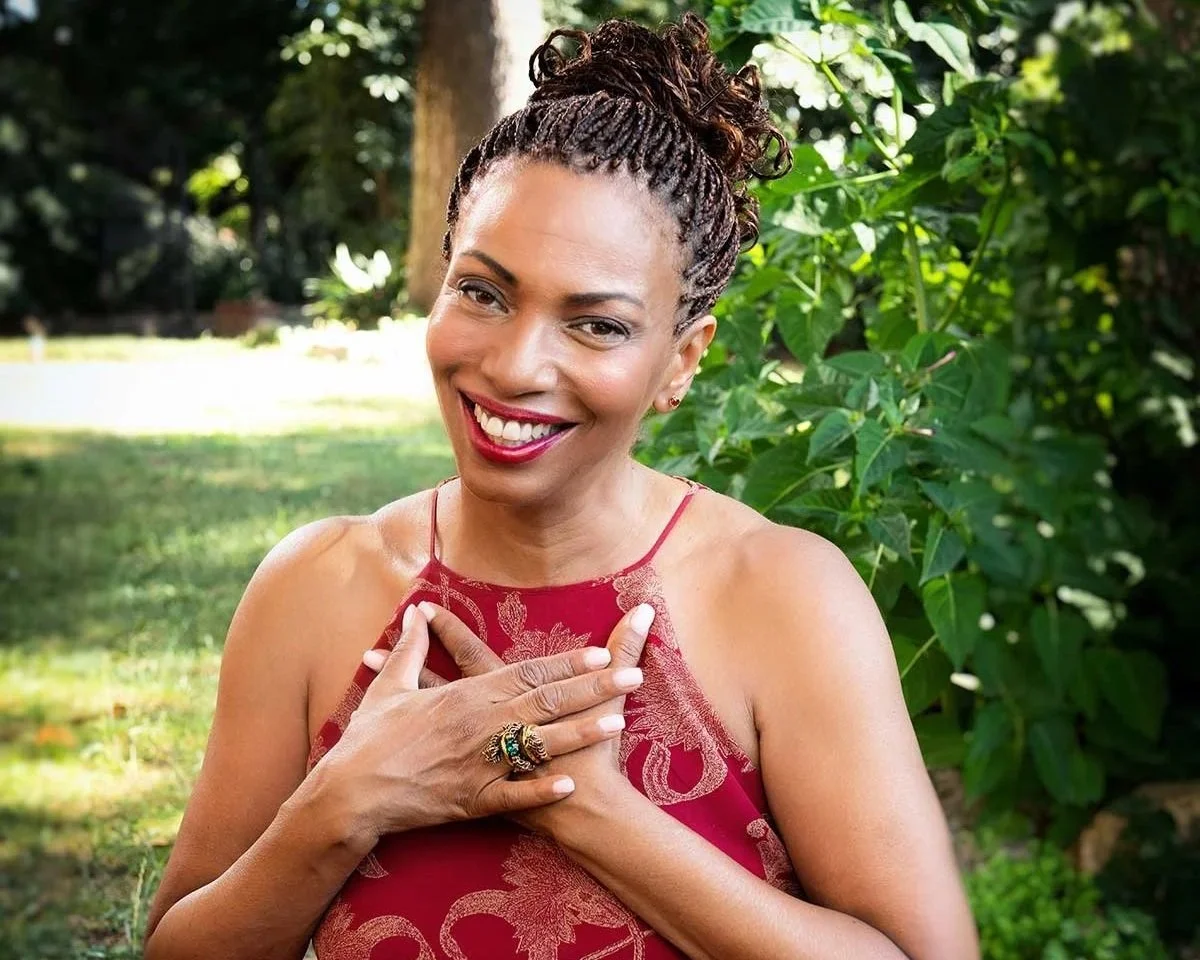

Hi, I’m the founder of Human Amplified. I’m Brandi Fleck, a recognized communications and interviewing expert, a writer, an artist, and a private practice, certified trauma-informed life coach and Reiki healer. No matter how you interact with me, I help you tell and change your story so you can feel more like yourself. So welcome!
Find More on the Blog
Topic
- ADHD
- AI
- Atlanta
- Black and BIPOC
- DIY
- FAQ
- LGBTQIA plus
- Los Angeles
- Nashville
- Seattle
- St Louis
- St. Louis
- UFOS/UAPs/ETs
- abuse
- accountability
- addiction and recovery
- adoption
- affirmations
- afterlife
- altered state
- angels
- animals
- anxiety management
- art
- astrology
- atlanta
- attachment
- awakening
- beauty
- behind the scenes
- being human
- body image
- body work
- boundaries
- brandi fleck
- breathwork
- bullying
- burn out
- burnout
- cancer
- career
- caretaking
- chakras
- channeled
- clarity-dive
- clarity-practice
- clarity-primer
- clean products
- coach
- codependency
Recent Blog Posts
Visit the Full Podcast Audio Archive

Affiliate