
What It Means to Be Present in Real Life
Interview By Brandi Fleck
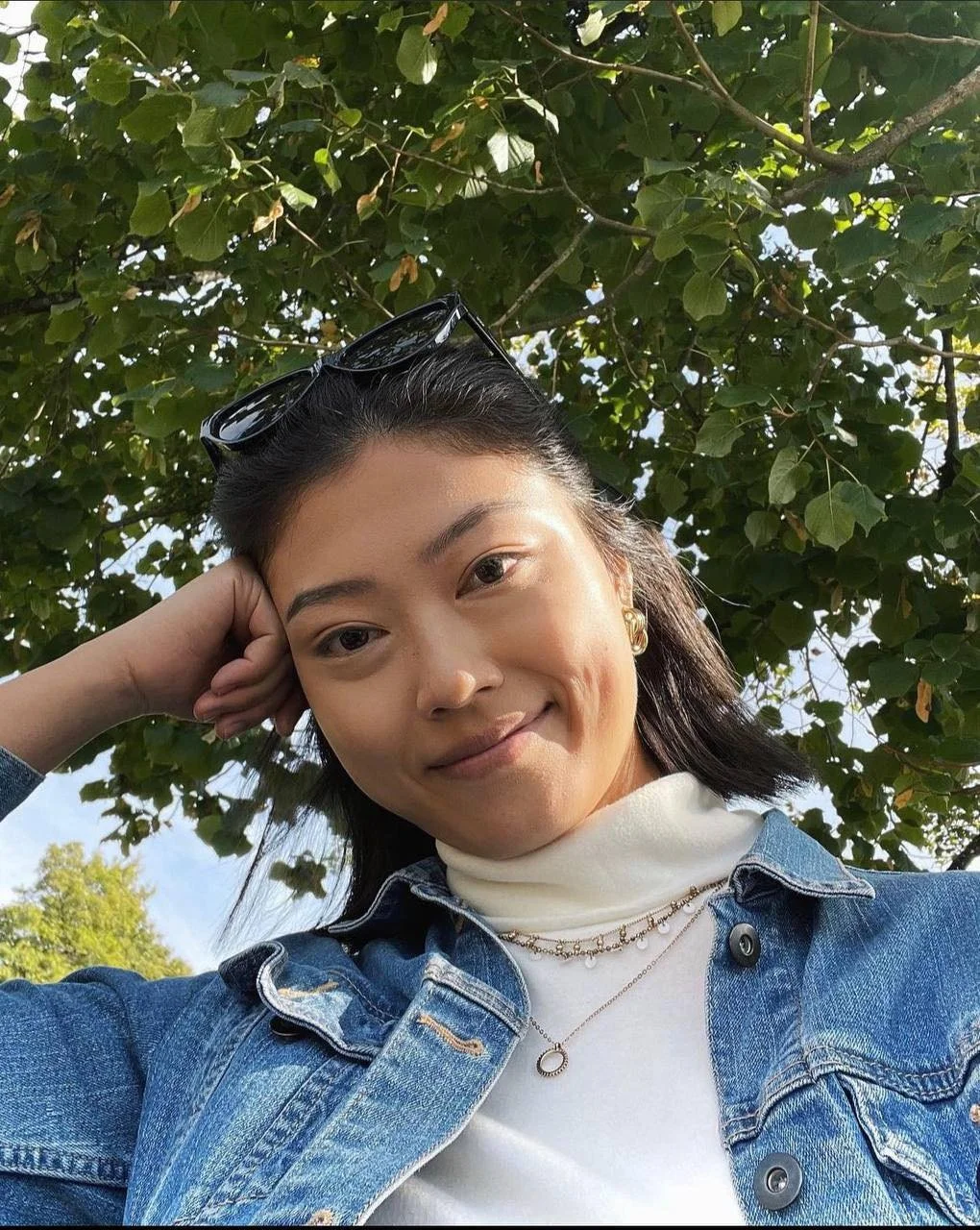
Tian Yuming shares how learning to be present changes the way we navigate boundaries, relationships, and the parts of ourselves that are harder to face.
Most of the moments that shape us don’t feel significant at the time.
They happen in conversations that don’t quite land, in reactions that feel bigger than they should, in the quiet realization that something you thought you’d moved past is still there.
In this episode, Tian Yuming (yoga teacher and trauma-informed life coach) shares how her understanding of presence developed through those kinds of moments. Not as something separate from real life, but as something that happens inside of it.
We explore how presence changes the way you relate to your own reactions, why boundaries often take shape over time rather than in a single moment, and how grief, awareness, and self-trust tend to unfold together rather than in clean steps.
If you’ve ever noticed patterns repeating in your relationships, or felt the gap between what you know and how you actually respond, this conversation stays close to that experience.
Listen to Tian Yuming’s Interview
Watch Tian Yuming’s Interview
Presence, Awareness, and the Full Spectrum of Experience
Brandi Fleck: Yuming, what does being human mean to you?
Tian Yuming: I feel like being human seems like such a complicated and simple thing all at once. It’s a mystery in and of itself.
To me, it feels like a consistent practice, over and over, from moment to moment, of allowing all shapes and facets of our personalities, of our experience, be it what people would conventionally label as the good or the bad, and making space for more and more of it, all of it.
That’s where the aliveness and the richness of life comes through, and that’s when perhaps we try the things we never thought we could or would, and find magic in that.
Brandi Fleck: I love that. All right, everybody, today I’m here with a friend, Yuming. She is joining us from Singapore, and Yuming, I’m super excited to have you here. I’m so happy that we get to connect again after two years, at least on Zoom anyway. How have you been?
Tian Yuming: Thank you for having me here, Brandi. I’ve been well, and also all the shapes within that, from struggle to doubt to fear to joy to ecstasy to the mundane. All of it, I guess.
Brandi Fleck: Awesome. Well, guys, just so you know, Yuming and I took the trauma-informed certified coaching program together, so that’s how we know each other.
But before we dive in, can you tell our listeners just a little bit about who you are and what you do?
Tian Yuming: First of all, I’m a fellow human being. I was born in China, and when I was little, my family migrated to Singapore around when I was five to seven, and that’s where I’ve been growing up.
Quickly summarized, growing up brought with it a lot of challenges. Be it assimilating into a new and different culture, a lot of friction between my parents and me, and figuring out, as I’ve been aging and experiencing life, which parts of these are me or are in alignment with how I want to live my values, and which part is conditioning. Be it at the family level, the societal level, or just the global, cultural, capitalistic level.
That led me into studying more about nutrition, trauma, the intricacies and intertwinings between mind and body, and also an ongoing spiritual exploration.
That leads to me now offering trauma-informed life coaching and also hatha yoga practice to anyone who’s interested.
Self-Discovery vs. Healing: Why Both Are Essential for Personal Growth
Brandi Fleck: Would you say that you have been through a healing journey yourself?
Tian Yuming: I feel like I have been on it, and I am still on it. The experience of being on such a, I like to call it both a healing journey and a self-discovery journey nowadays. It feels like an experience of throwing spaghetti on the wall, seeing what sticks, more so in the beginning than now, and still an ongoing experience of that to varying extents.
Brandi Fleck: I love how you just combined healing with self-discovery. How is self-discovery healing?
Tian Yuming: Great question. I like to add in the term self-discovery because to me, the word healing necessitates wounding. What I also feel, in my limited experience …self-practice is that no matter what we’ve been through and the woundings that we have experienced, that I hold dear to heart and always in my intention to honor with tender loving care, there is also an aspect of us that is not woundable, that is indestructible, that is untraumatized and timeless.
I’m getting goosebumps saying that. To me, that is the spiritual aspect of this journey that I also call self-discovery. It’s kind of like going deeper and deeper within ourselves toward the core and the essence of our being.
Brandi Fleck: I feel like that’s a really unique perspective. Thank you.
Tian Yuming: If I may just add, what has been healing for me too is holding both the imperfect practice of holding both.
When we are rooted in that space of presence, in that space of being and connection to our essence, then it makes more room for loving awareness of all these different parts of ourselves. The wounded and afraid and fearful and doubtful, to the playful, to the childlike, to the mischievous, the controlling, and all of the gamut that we can have within our mind-body makeup.
How to Be More Present in Daily Life (Even When It Feels Difficult)
Brandi Fleck: You brought up this holding space for both, I guess, the wounded and the unwounded. Correct me if I’m wrong, but I think I heard you say that holding both of those things simultaneously creates space for all the other pieces and parts. Is that correct?
Tian Yuming: Yeah, yeah. Perhaps it’s like anchoring from that space of presence and being. It’s difficult to talk about these things, but it feels like when we anchor from the present, from being, from whatever we like to call it (loving awareness) then naturally and organically there is more space for us to see more clearly these parts at play within our personality, for example our emotions, our thoughts, our behaviors.
Brandi Fleck: I just heard you say that loving awareness is basically the same thing as being present. Is that right?
Tian Yuming: Yeah, in my experience.
Brandi Fleck: Okay, just making sure I understand.
One of the things that we’re really going to focus on today is presence, so just starting with the knowledge that you are coming at it from presence as loving awareness, I think is a really great foundation. It’s a great place to start.
I want to pivot into how masterful you are at holding space, because I’ve seen you in action. I feel like even if people aren’t coaches, they can still learn from you in that regard and bring it to their relationships just in general to connect more with people.

What Does It Really Mean to Hold Space for Someone?
So what does it mean to hold space for others, and how do you even begin to do it?
Tian Yuming: I’m just remembering this beautiful experience I had in an exchange with one of my yoga teachers in Bali. Her name is Kiren.
There was this other new teacher who was asking her a question about holding space, because she was sharing that after retreats she would kind of feel depleted from the energy that went into holding space. She was asking Kiren for any guidance or insight into the experience.
Kiren has a very nurturing, matriarchal presence. It gave me a perspective shift of space, because she said, “What if instead of naming it holding space, it’s also kind of like tuning into the space that’s already there?”
I feel like what she might have been suggesting, through my interpretation, is that the fatigue of holding space comes from us thinking that we are doing something—that we have to create this space.
In a way, we do, because as a human being we are investing time and energy to be with another person, so that is the doing part of it.
At the same time, the being part of it is tuning in. To be in a conversation with you, tuning into the presence and space already within myself, tuning into my body, my breath while being with you.
It allows for deeper connection, deeper curiosity, deeper compassion.
Brandi Fleck: How do you tune in?
Tian Yuming: Tuning into my body and my breath. I know it’s easier said than done, and I fail all the time, so just putting it out there.
Fundamentally, I feel like it’s as simple as that, and it is a constant practice nevertheless. Because if we think about how our mind works, our mind is always traveling. Past, present, future, which are all kind of intertwined.
At the same time, our body is the only place that is anchored in now, in the here and the now.
Eckhart Tolle, who is a spiritual teacher, wrote a book called The Power of Now. In it, he talks about how you cannot be deeply in your body and not be present at the same time.
The same goes for breath. If we speak about it from the mind-body level, the breath is both autonomic …it happens automatically, and it’s also something that we can influence with our conscious awareness. I feel like that is an interesting boundary between the form and the formless, spiritually speaking.
Brandi Fleck: Yeah, and the Buddhists also often talk about focusing on the breath, how it teaches us impermanence. That the breath comes and it goes, just like our thoughts, they come and they go, our emotions come and they go.
I know you had said that before, so thank you for going a little bit deeper into that. It’s interesting how presence has come back up as part of the conversation. So in order to hold space or tune in, that assumes a level of presence.
Holding Space in Coaching vs. Personal Relationships: Key Differences
Tian Yuming: Yeah. I will also distinguish a little bit between holding space for somebody else—an example could be in the context of coaching—and being present in a dynamic relationship.
Within a relationship, there can also be a more one-directional holding space and a dynamic engagement, and holding space is a little bit different to me.
Let’s take the example of coaching. When I am holding space with a fellow human being, with my client, they are most likely sharing experiences that I am not personally involved with. That allows me, and that means that my own human defenses or my triggers or my egoic stuff are not coming into the mix.
That means I have a deeper capacity to listen, to be curious, and to have more of a bird’s-eye view of compassion on the whole situation, and to enter their world with less defense, fear, or potential to be injured.
Parallel to that, in a dynamic engagement within a relationship, I feel it’s very much more both ways. It’s flowing, and it changes moment to moment. Sometimes we can get triggered by just one sentence being said by our friend, our family, or even just feeling activated.
That’s also very understandable. In that, it’s more of a tuning into both self and the other. That means that sometimes I may be leaning more towards tuning in or holding space for my own experience than the other person, and there’s a dynamic balance going on.
The practice of presence for me in that experience is really listening from moment to moment—what am I experiencing, what are my thoughts and emotions in this experience, what is my capacity like. Does it feel true and right and nurturing to the whole situation, including myself, to approach, for example, a clearing conversation, or to retreat and nurture myself first so I can be in the situation in a more aligned manner.
There are a lot of models in the healing world on how we can do this, be it trauma healing or attachment theory and all of that. At the same time, I feel like it’s also a balance with really listening in moment to moment on what feels true and loving and right to do in this moment.
How to Know When to Set Boundaries in Relationships
Brandi Fleck: There’s a lot there. I love that you differentiated between when you are holding space for someone that is, say, a client in a coaching relationship versus a dynamic personal relationship. There are differences in how you maintain the presence, in how you listen, and how you consider yourself in the dynamic.
So say in a personal relationship, and I heard the word capacity, and it’s funny because I was thinking about capacity when you brought it up. I’m wondering if that has something to do with this.
How do you determine when it’s time to hold space for yourself versus the other person?
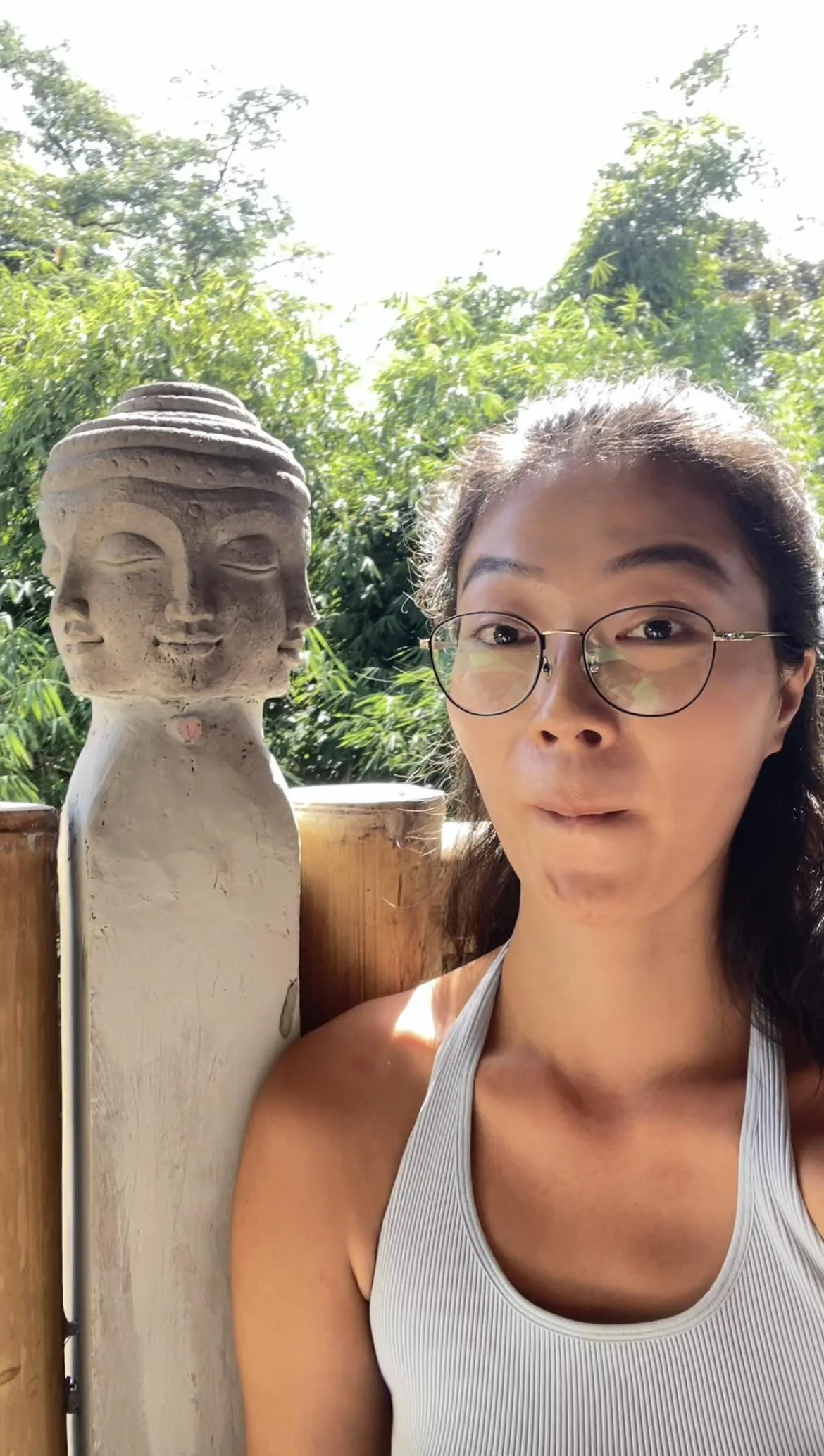
Tian Yuming: I feel like that is the intuitive aspect of the practice. I am open to learning models of healing, let’s say, of regulating my nervous system, of understanding where my attachment wounds are, of understanding what my needs are in this experience, where I could potentially draw my boundaries.
When it comes down to the moment, I guess there’s always that choice aspect of it, or the decision aspect of it.
For example, when do I draw my boundary? Do I draw it now? Do I wait for a while longer? Do I regulate my nervous system before I draw this boundary? Where am I at on my nervous system level?
I feel all these feelings. Which part of these feelings do I express in this relationship? How do I express it? Which words do I use? What time do I do it? Is the other person ready? Where is the other person at?
There’s a huge amount of information that is going on.
We’re trying to fit them into these models that we learn, which I feel can be really beneficial and helpful in our self-discovery and healing journey. At the same time, I feel like I’m always reminding myself to hold them more loosely, that I’m not rigid in my thinking like, “Okay, this is the five-step plan, and right now I’m at 3.5.”
There is a limitation in the model. Then it comes down to that intuitive sensing aspect of, with all this information that’s going on, what feels right and true and loving is what I always come down to.
There is an intellectual aspect of it, where we understand the models, like I just said, and I feel like there is that aspect that is beyond, below, behind. It’s a matter of semantics, behind intellect. That is the intuitive aspect to me. That’s also the spiritual aspect to me.
Brandi Fleck: The intuitive part is the spiritual aspect, or is that separate?
Tian Yuming: I feel like it’s all intertwined, spirituality and presence and intuition and all of that.
Brandi Fleck: Gosh, there are so many things I want to ask you.
I’m really interested in the timing aspect of drawing boundaries, because I don’t feel like you hear people talking about that. You hear people saying, “Oh, well, you need boundaries,” and especially in our trauma-informed circles, we talk about boundaries, and in coaching that’s a thing that we coach our clients on.
But being able to know when to do it and how it can differ from situation to situation. It’s not a black-and-white thing. If you draw a boundary at this time in this relationship, it’s not going to work for all the other relationships.
So when you determine the timing of when you’re going to draw a boundary in a relationship, you’re basically just interpreting all the information that’s available to you and making a choice based on that, and it’s different in each situation.
Tian Yuming: Yeah, you mentioned the timing aspect of boundaries. I feel like perhaps it’s both timing and how we draw the boundaries, or how we express it.
I’m not a guru on this at all. I’m still imperfect in my practice. I’m still struggling telling people, “Hey, I felt hurt when…”
But let’s get back to your question, which is both timing and how we draw boundaries.
In my experience, a parallel process of the information aspect of it is: where is this experience activating my pain from my wounding? Where are my needs?
I feel like perhaps for most of us, we have a certain area or a certain way that we tend to feel a lot of pain, be it pain from fear of rejection, fear of abandonment, fear of being misunderstood.
This also goes to the aspect of your question, whether it’s different every time. I feel like there may be nuanced differences, and at the same time, every time we practice being present and showing up to our experiences, then we may get a clearer idea of, “Ah, this could be the broad space or area where my pain lies, where I’m tender, where I feel vulnerable.”
I feel like expertise in expression builds with being present to that over and over and expressing that within relationship.
So that is the information aspect of it. In parallel, and not separate. It’s all intertwining is what I would broadly label the spiritual aspect of it, of listening into intuition, to when I can express this, to how.
That part I have fewer words for, but it’s intertwining in a way for me.
Brandi Fleck: Okay, I love that, and thank you so much for verbalizing this for us. I feel like it’s really helpful.
Simple Ways to Practice Mindfulness in Everyday Moments
Let’s pivot for a minute, because we’ve been talking about being present in relationship, whether it be coaching or personal, but what about just in everyday life?
How do you bring presence to the mundane or the blissful experiences or the sad experiences?
Tian Yuming: I feel like perhaps for most of us, an easier entry point would be bringing presence into the seemingly mundane.
When we are washing our hands under the tap, tuning into our senses in a grounded way. How does the water feel on my skin? What is the temperature like? The sounds that I’m hearing around me, like the air conditioning in the background, traffic in the background.
Noticing our mental dialogue that comes up, our emotions that come up “traffic again” and noticing how it comes up and it goes.
In noticing the impermanence and transience of that is when we cultivate that awareness. It’s kind of like a moving meditation, a meditation with your eyes open.
When thoughts come up and we think, “Oh, I started thinking about my project due later today again,” or “I started thinking about that squabble I had with my ex-partner 10 years ago again,” and then bringing it back to the hand washing or the sounds or the breath.
There are so many different ways that we can tune into our breath and our senses while we are engaging in the mundane things. That would be an easier entry practice to engage in.
I feel like as we cultivate that on the nervous system level as well, when we find safety in the present moment and find safety in just the experience of being here. Like, “Okay, there’s no huge tiger chasing me down right now,” in that experience of coming into presence and realizing that there’s no threat, it also extends what some people would call the window of tolerance or window of capacity on the nervous system level.
This is how I feel like mind, body, and spirit are all very intertwined. I also want to go into an aspect of your question where you asked about the bliss or the two extremes, the bliss and the pain.
I feel like as we cultivate our anchoring from loving awareness and find more stability in that, or if we speak on a nervous system level, expanding our window of capacity, then it gives us more space and capacity to experience the bliss without losing ourselves in it, to experience deep pain and agony without losing ourselves in it.
Also just knowing and being in practice of accepting our humanity and the imperfection and mess of it, because what I’m saying now all sounds really idealistic. Just be present, tune into your breath and your senses.
There are going to be a good number of times that I still do not do that, that I’m like, “Oh my God, I just want to eat a bar of chocolate and numb out for the rest of the week,” and allowing that too.
Brandi Fleck: That’s why it’s a practice, right?
One thing that we haven’t talked about, and we didn’t really plan to talk about it, is grace. I know you mentioned compassion earlier, so when you’re not able to maintain the presence, it’s okay.
How do you give yourself grace?
Tian Yuming: That feels really tender to hear you reflect. Grace feels like such an important and integral part of all of our experience.
Allowing grace, in a way, and tuning into our inner knowing that we do not have to merit grace, that we do not have to do something to deserve grace.
That feels pretty tender and important.
Brandi Fleck: Okay, Yuming, what are the benefits of maintaining a presence practice?
Tian Yuming: I would say it’s having the experience of living life in deeper congruence within ourselves.
Deeper congruence to me feels like a deeper experience of peace and love more of the time. That process is also not always calm or nervous system regulated or “namaste.”
In my own journey, there has been experience of a lot of upheaval and chaos, confusion in the practice of being present, and it’s also allowing ourselves to be with that more deeply, feeling into what’s true and loving.
How Presence Supports Emotional Healing and Self-Discovery
Brandi Fleck: How does being present fit into healing or self-discovery, since they’re sort of intertwined?
Tian Yuming: I feel like healing and presence fit into each other.
The healing aspect is more on the mind-body level, and the term healing necessitates a sense of wounding in the first place.
Presence is that boundless space in which all things are allowed and accepted and exist. When we anchor from presence, it makes room for organic healing to take place. It gives us the capacity to witness these parts of ourselves in loving awareness.
I feel like that compassionate witnessing is always where the healing takes place.
Brandi Fleck: Compassionate witnessing.
Tian Yuming: Yeah. It’s like how we have internalized a lot of shame from our culture. “Just do it,” “don’t be weak,” “don’t be sensitive,” “more, better, faster,” all of these things.
It creates a sense of dissonance in many of us between what am I supposed to do, or rather there’s a lot of “shoulding” around us. “You should be doing this, you should be doing that.”
We get into a sense of confusion or dissonance as to what is really true for me in all this, and how can I be in harmony with all these things and navigate this complicated world from moment to moment.
It can be a very complicated thing. Anchoring from the present moment gives us deeper insight into what’s true and loving and right for us to do in the moment.
There’s no absolute answer for anyone, in my opinion, because no one has been through every second of our life the way that we have. No one has the genetic, cultural conditioning the way that we have.
I believe that the truth is in every one of us for us to excavate and discover, and in excavating that truth, that could be healing.
Brandi Fleck: Okay, so we’ve talked a lot about presence, and in this discussion, you’ve brought up a little bit how past and future sort of come into thinking, but is there ever a time when humans should focus on the past or the future instead of being present?
Tian Yuming: Yeah, I love this question.
When you sent me the prep questions, I noted down some things that I want to share. Two things, basically: one from the trauma space and one from the spiritual lens.
Actually, maybe this is like an OCD of mine. I tend to be careful around using the word “should,” because to me it’s about giving ourselves and one another the flexibility and freedom to explore what feels right for every one of us.
So whatever I share is just my perspective, and it’s up to the audience or whoever comes across this to try it, put it into practice, and see if it feels right and true and loving to them in their direct experience.
On this question, I’m thinking of this segment from The Power of Now. I first read it about nine, almost ten years ago, and I feel like this part would be really interesting to share.
If I could read this little excerpt…
So he was in dialogue with another person, and there was a question being posed as to how can we ever become conscious of all the things within us, because there is the unconscious past within us, for example, that conditions our lives. Especially through early childhood experiences, perhaps even past life experiences if you believe that.
There’s also our cultural conditioning. Where we live geographically, the historical time period in which we live. And all these things determine how we see the world, how we react, what we think, the kind of relationships that we have.
So how can we ever become conscious of all that, and how would that happen?
His reply to that was, and I guess also to your question in a way, that there is no need to investigate the unconscious past in you except as it manifests at this moment as a thought, an emotion, a desire, a reaction, or an external event that happens to you.
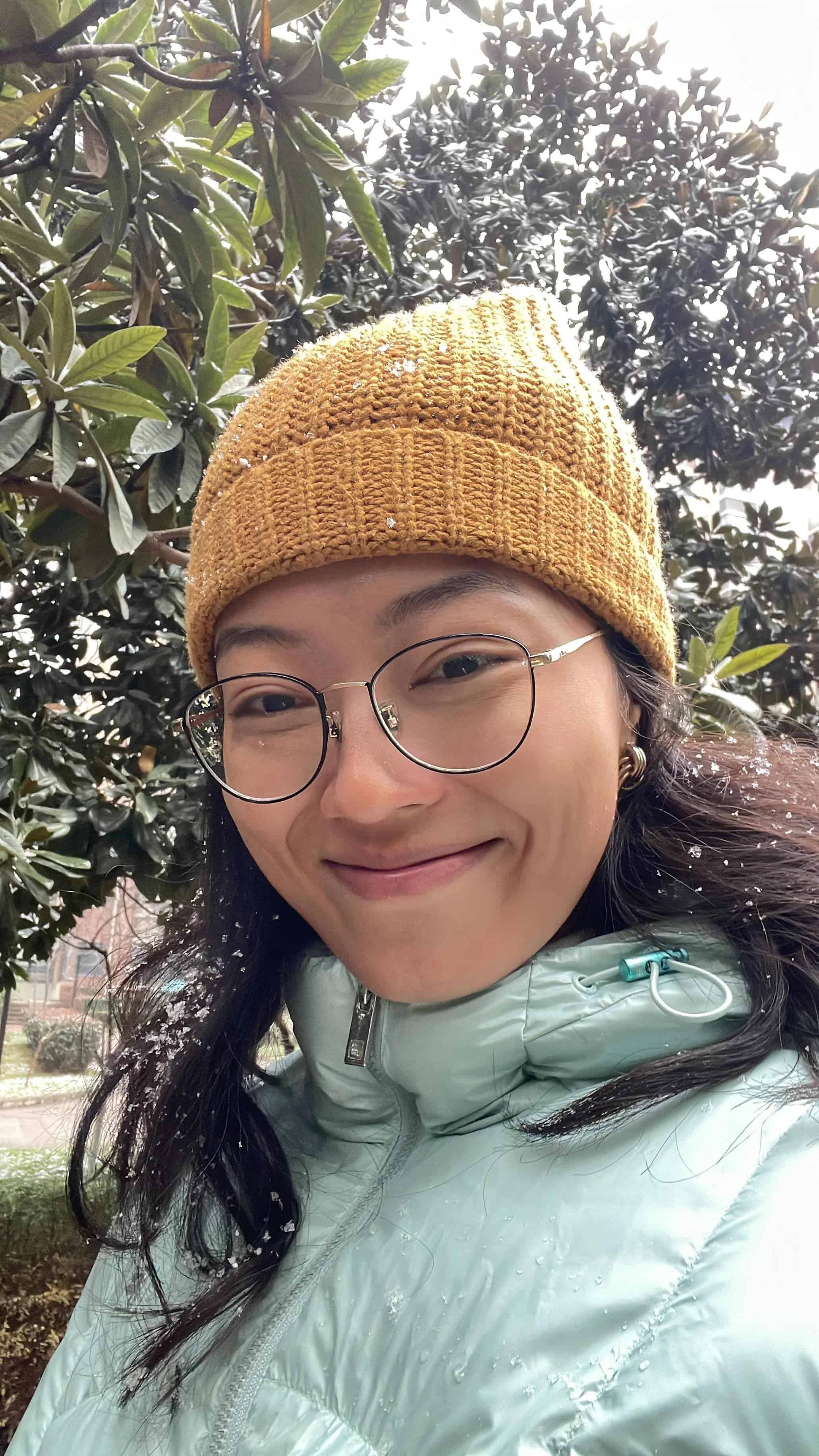
Whatever you need to know about the unconscious past in you, the challenges of the present will bring it out. If you delve into the past, it will become a bottomless pit. There is always more.
So deal with the past on the level of the present. I feel like it would apply to the future as well. Being present doesn’t mean you never think about what happened in the past. You can learn lessons from it, you can reflect on it. There may be conversations you need to have, actions you need to take, things for the future.
It doesn’t mean that you don’t make plans for the next day, month, or year. It’s more like, what is being called for right now?
It’s always anchoring from right now and the present. So he says: give attention to the present. Give attention to your behavior, your reactions, moods, thoughts, emotions, fears, and desires as they occur in the present. That is the past in you.
If you can be present enough to watch all those things. Not critically or analytically, but nonjudgmentally, then you’re dealing with the past and dissolving it through the power of your presence.
You cannot find yourself by going into the past. You find yourself by coming into the present.
Brandi Fleck: I love that.
Tian Yuming: It feels really powerful. There’s something here that is unspeakable, ineffable, and that is the aspect that is beyond mind and body, past and future. To me, time, thought, and intellect.
To bring it down so we’re not only talking about abstract things. In trauma healing, there is this model by Judith Herman. She calls it the three-phase healing model.
With someone who has experienced deep trauma, acknowledging how it impacts us on the mind-body level, in terms of our neurocircuitry, our nervous system, the stories and narratives that we have about ourselves, our relationships, and the world. She recommends this three-phase healing model.
Phase one is about establishing safety and stabilization, for example within a therapeutic relationship between coach, therapist, and client.
It’s establishing safety within ourselves from little things, like sensitizing ourselves to our senses, learning somatic practices that can bring us back into that window of capacity where we feel safe enough to engage with ourselves and the world.
Things like self-touch, things like tuning into our breath. A lot of this intertwines with mindfulness as well.
So stabilizing ourselves and establishing safety. Then phase two is what she calls processing, or remembrance and mourning, grieving in a way. That’s when we go into the past, into what happened, into remembering and grieving the pain and the loss that had occurred.
That, to me, is the aspect of dealing with the past on the level of the present, while we are still anchored in enough safety in this present moment that we can go back into the past without getting lost in it, without getting retraumatized, or losing our sense of space and time and who we are, and thinking that this thing that happened to me is happening all over again.
Also, trauma is not just what happened. It’s also what didn’t happen.
Lastly, she talks about integration. Integrating these new and updated narratives and beliefs we have about ourselves, a new way of seeing ourselves through compassion, curiosity, and understanding instead of internalizing shame.
With that integration, I feel it is also parallel and intertwined with coming into deeper presence. That I can actually be more present in my life as it happens right now instead of thinking onto something or running away from another.
So that was the two parts that I wanted to share. One from the more spiritual direction and one from trauma healing.
Brandi Fleck: That’s really helpful, and I think people can apply this information to their lives.
I know I’ve had clients who, when they are remembering something that happened or we’re talking about grief, they don’t want to grieve it, they don’t want to think about it.
So I think a good message here is that it is okay to revisit if you can do that from this present moment and not get lost in it, like you said, and let it go.
If you’re able to grieve it and process it, you can let it go so that all the good stuff has room to integrate in. So I love that.
Tian Yuming: Yeah, and it’s like, as we anchor in that loving awareness, it feels almost like an organic process that takes place.
In bringing my loving awareness and my presence to past experiences and pain that is still stored in my mind and body, I don’t have to think about letting go. The letting go happens in its own time as I grieve and bring witnessing and compassion to my experience.
Brandi Fleck: That’s really interesting, because letting go always comes up with my clients. They’re like, “How do you do it? How do you do it?”
So I love that you’ve put words to it, it can organically happen if you grieve.
Tian Yuming: I feel like the nuance is that sometimes, myself included, a lot of us are like, “How can I let go? How can I accept? I just want to accept this and move on.”
In that energy, in that sentence itself, there is a non-acceptance. It’s like, “I just want to get rid of this and move on. Is this over or not?”
I still get there, and I have so much compassion for that. I’m still struggling with it from time to time.
It’s so human. The Japanese call it wabi-sabi, perfectly imperfect. That is also something to bring awareness to. Again, he talks about the practice of acceptance, when we notice that we are not accepting, can we accept our non-acceptance?
That was a perspective shift for me.
Brandi Fleck: Yeah, there are so many layers.
Tian Yuming: I know. Also, with acceptance, I think a lot of us, with ourselves or sometimes even with one another, can have a sense of “shoulding,” like, “Why don’t you just accept? Why don’t you just let go? Why don’t you just forget? I should have forgiven by now. It’s been such a long time. Why am I still…”
There’s so much resistance and non-acceptance of that pain, of fear, that is conditioned into us as well.
I would invite everyone to hold a lot of compassion for that, because it’s not just a personal thing. This is happening on a large scale within all of us, in many of our relationships.
That also speaks to the impact of what may seem insignificant—that when we undo this within ourselves, there’s actually a huge ripple effect that’s going on.
Feeling an obligation to forgive, to accept, to move on, to let go—this is when I feel like our intellect is taking over or the ego is taking over, like, “I just want to move on.”
So it comes back to: can we have grace and compassion and curiosity around our non-acceptance, around our non-forgiveness, our non–love and light?
And in that is the love and light.
Brandi Fleck: The grand paradox of life.
Tian Yuming: Exactly.
Brandi Fleck: It’s like you just have to keep working at it. You have to peel back the layers and keep going.
You are such a gentle person. I would love for you to describe what that’s like, and where do you think that gentleness comes from?
Tian Yuming: I feel like gentleness is an aspect of me. I used to be quite a feisty little girl with lots of opinions about the world, lots of arguments to make, lots of indignance around injustice, anger, frustration, and despair.
I feel that perhaps my gentleness, as you see now, comes from lots and lots of suffering.
It’s not about fetishizing pain or suffering. What I’m referring to is that process of discovery and healing, of coming more to terms with how the world is right now, and gaining a deeper direct experience of who I truly am.
That I’m not a product of stories of shame and things that went wrong, or a summary of the mistakes and failures in my life.
I am actually coming back to. It’s a sense of returning to home, connecting to home within, connecting to more of the essence of what I experience I am. We can put different words onto it, like love or innocence, and again just allowing for the whole spectrum of humanity.
That is also why I see gentleness as an aspect of me, because other aspects would be the brooding, the mischievous, the playful, the loud, the despondent, all of that.
Earlier you were asking about what it means to be human, and I feel it is anchoring in the present, the practice of that, and making space for more and more shapes and facets of our experience and aliveness in our relationship within ourselves.
Brandi Fleck: It makes me think of acceptance over resistance, like we were just talking about. That’s what it sounds like.
Tian Yuming: Yeah, allowing. I feel my heart kind of swell right now, because there’s such a dimension of humility in it, and in that connection to love, and the direct experience of our interconnectedness.
That I can empathize more deeply with someone else’s pain, for example, just a factor of humility and love.
Brandi Fleck: That makes me want to cry. That’s beautiful. Where can people find you to learn more about you and your work?
Tian Yuming: Right now, I’m only on Instagram, so you can follow me at YingTYuming. I’m also on Facebook and LinkedIn.
I also have a non-active website with the same handle, which hopefully I’ll get up someday. For now, Instagram, Facebook, LinkedIn.
Brandi Fleck: Awesome. We’ll put all of those links in the show notes for everybody, so check those out.
Yuming, thank you so much for being here today, for sharing this. I feel like you shared a piece of your heart with everybody here today, so thank you.
Tian Yuming: Thank you. I really appreciate it.
Brandi Fleck: Thanks for tuning in. Check out more of our episodes here and at humanamplified.com. Remember to subscribe.
Join the conversation!
Feel free to share your own experience and let me know if you have any questions in the comments.
Related Posts
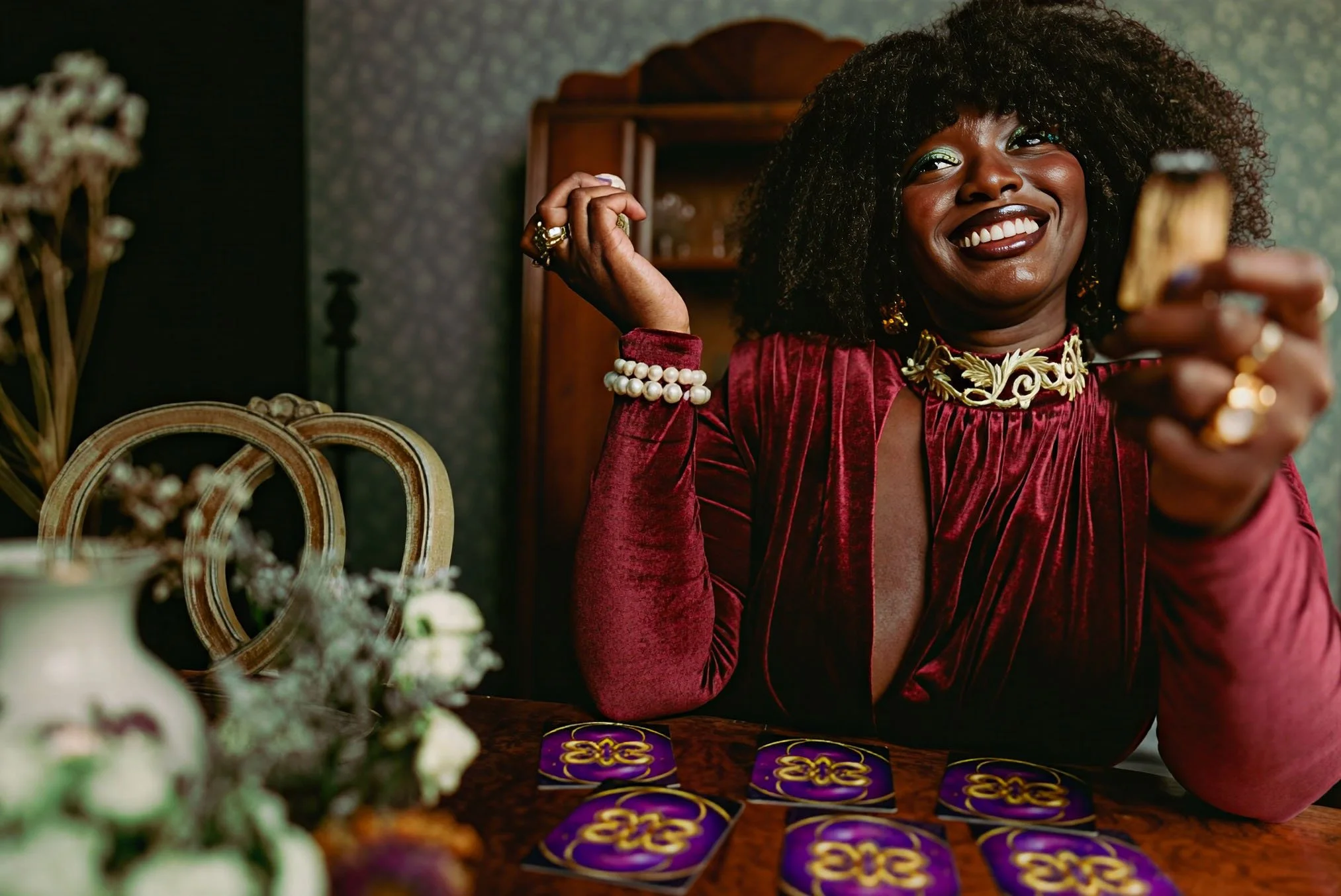











Hi, I’m the founder of Human Amplified. I’m Brandi Fleck, a recognized communications and interviewing expert, a writer, an artist, and a private practice, certified trauma-informed life coach and Reiki healer. No matter how you interact with me, I help you tell and change your story so you can feel more like yourself. So welcome!
Find More on the Blog
Topic
- ADHD
- AI
- Atlanta
- Black and BIPOC
- DIY
- FAQ
- LGBTQIA plus
- Los Angeles
- Nashville
- Seattle
- St Louis
- St. Louis
- UFOS/UAPs/ETs
- abuse
- accountability
- addiction and recovery
- adoption
- affirmations
- afterlife
- altered state
- angels
- animals
- anxiety management
- art
- astrology
- atlanta
- attachment
- awakening
- beauty
- behind the scenes
- being human
- body image
- body work
- boundaries
- brandi fleck
- breathwork
- bullying
- burn out
- burnout
- cancer
- career
- caretaking
- chakras
- channeled
- clarity-dive
- clarity-practice
- clarity-primer
- clean products
- coach
- codependency
Recent Blog Posts
Visit the Full Podcast Audio Archive

Affiliate


What if remembering you’re a starseed isn’t about escaping your humanity, but embracing it more deeply? As you explore where your soul may have come from, there are a few important truths that can keep you grounded, embodied, connected, and fully present for the human life you’re here to experience.