
Interview By Brandi Fleck
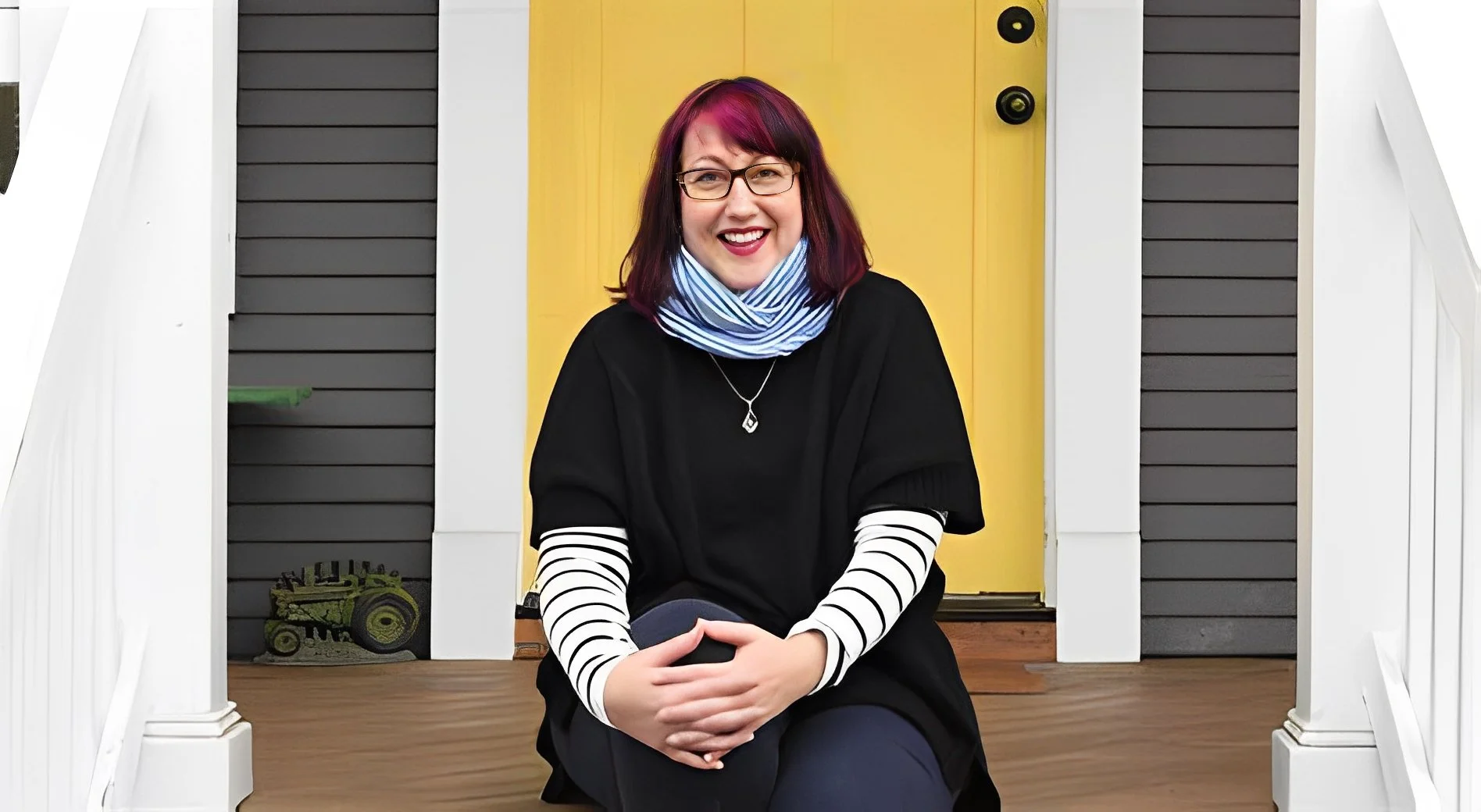
Carrie Akre reflects on coming up in Seattle’s legendary grunge scene, the hidden emotional cost of fame, and how creativity and intuition help artists stay grounded in an increasingly crowded world.
Before Seattle’s grunge scene became a global phenomenon, it was a tight-knit creative community where musicians built something authentic long before the internet, fame, or major labels changed the landscape.
In this “From the Vault” episode, Carrie Akre (musician, former grunge-era front woman, podcaster, and intuitive life coach) shares how growing up in Seattle’s early music scene shaped her understanding of creativity, identity, and what happens when something raw and local suddenly becomes consumed by the mainstream.
We explore the hidden cost of fame, why being “special” can sometimes lead to isolation instead of fulfillment, and how modern culture pushes visibility and validation in ways that can disconnect people from their real selves.
If you’ve ever questioned whether success, recognition, or fitting in will actually make you feel whole, this episode will help you think differently about self-worth, intuition, and what it means to stay authentic in a world that constantly pulls you outward.
Note: This conversation was originally recorded in 2021 and was re-released on the blog and released for the first time on the Human Amplified podcast in 2026.
Listen to Carrie Akre’s Interview
Watch Carrie Akre’s Interview
Read the Transcript with Carrie Akre and Brandi Fleck
Being a Fallible and Powerful Human
Brandi Fleck: Carrie, what does being human mean to you?
Carrie Akre: Being human means being fallible, being vulnerable, being actually way more powerful than we all think as well.
Brandi Fleck: I like that. Welcome to Human Amplified. I'm really excited to be talking to you today. I would love for you to just introduce yourself to our readers or watchers, whoever the audience may be right now—who you are, where you're from or live, and what you do.
Carrie Akre: My name is Carrie Akre and I live in the Northwest. I am a musician who came up in the grunge era and was in the bands Hammerbox and Goodness. I do solo stuff, and I am also in a side band with members of Pearl Jam, so Mike McCready and people who are also in Goodness sometimes. So sometimes we do that. I'm also a podcaster. I have a podcast called Between You and I, and I am an intuitive life coach as well.
Brandi Fleck: That is so awesome. And I have to ask you about coming up in the grunge scene because I was such a fan of grunge. What was it like?
What the Seattle Grunge Scene Was Really Like
Carrie Akre: I feel incredibly lucky to have gotten to be a part of that moment in time and that experience for a lot of reasons. I started in bands in 1989. And at that time, or even prior to that, Seattle was really not unknown, but it wasn't a stop on the touring circuit. It was a lumber town, it's small, it's in the corner of the Northwest, and it wasn't really being paid attention to or wasn't a hotspot, right? There's always been music there. If you look historically, there's always been incredible people coming out of the Northwest. But at that current time, it felt more like no man's land. Nobody was paying attention. At least people there were like, and nobody cares.
But what I think is great about that is when you live in a place like that and you don't think anybody's looking, nor are they, there's incredible freedom in that time because you're like, well, what does it matter? I can do whatever I want. No one's going to look. I don't believe they're going to be looking in the future. So there's extreme creative freedom. There is an environment where you have to create your own fun. So that's always also a really good component of creating a circle of, or a place of creativity. There was a lot of DIY, because there weren't so many clubs at that time.
And I'd say throughout the Northwest, if you were into hardcore punk as well, that genre is really DIY, right? Having to find your own places to play. So there was a lot of self-created environments and creativity and do-what-you-want kind of feeling in the world. So I feel lucky that I got to be a part of music in that environment because, like I said, there's freedom in that. And you're less critical about what you're creating or what it sounds like. You can have the opportunity to create something incredibly authentic. You're like, all I know is what I have or what I think right now or what I'm interested in. And since there's nothing else, let's go make something out of that.
The Seattle scene also had a very solid support infrastructure there for music, like cheap practice spaces. We had the periodical The Rocket, which was completely devoted to music and it was everywhere. It was free. We had great college stations with KCMU that was at the University of Washington. There were enough clubs, right? And we had the people who were compelled to do music. They had their own desires and fantasies about what it meant to play music, their love for music, the people that they admired.
Seattle's always been kind of a creative hub for theater and other things as well. Arts and crafts and painting and everything. And when you have a place that already just has all those things, it feels easier and it feels readily available. So even if you've never participated in any of it, you don't have to throw a rock too far to start on your path to be like, well, which way should I go? Well, okay, somebody over here seems to like what I like. I'll just start the conversation.
And Seattle was small enough at the time where you meet one person, that person knows another person, and within a year, you could be pretty expansively connected to a lot of different scenes in that town at the time. I would call it a town instead of a city. It was a city, but it felt like a town. You could navigate Seattle easily. It was not crowded. It was affordable. I could have an apartment to myself for $300 and just have a job as a barista and be in a band and bills would get paid. I could do a life like that.
Brandi Fleck: Yeah.
Carrie Akre: And be a student. That was all very possible because things weren't expensive. And I'm very grateful for that. Again, you could navigate the city, any part of the city, easily. It wasn't crowded. They had a good bus system. I don't think I owned a car until I was in bands in my 30s because we had to have a van. Other than that, I didn't need a car. You could walk everywhere pretty much.
So all that to say, it was a very ripe situation for creativity. I had never been in bands before. I'm primarily a singer, and so I had done choir. I grew up in the Tri-Cities, which is Eastern Washington State. It's small. It's conservative. So I left quickly when I was 18, just as a creative person. But I had never been in bands.
Finding Hammerbox Through Synchronicity
Carrie Akre: But like I said, having a good infrastructure, I knew at least enough to go, well, I can look at least here or talk to this person. I can start somewhere without knowing anything. So I answered an ad in the back of The Rocket. And what I feel great about synchronicity is that I'm a huge synchronicity believer. When I said to myself, okay, I'm just going to go try being in a band, that's literally kind of all I said. I didn't know anything. I was like, let's go be in a band.
The first ad that I answered was the ad that James and Dave of what would be Hammerbox had put in The Rocket. And I answered it because, again, not knowing anything, I was like, well, which ad do you answer? And I was like, well, if there's something I can relate to in this ad, I'll call them. And they had influences listed like R.E.M., The Replacements, Hüsker Dü, and then Annie Lennox. And I was like, ooh, Annie Lennox. I was like, I'm a fan of hers. I was very much a new wave baby in terms of the kinds of music I loved.
So I was like, oh, there. Okay, I'll call them. That's what I did and got to know them. And then later we added Harris as our guitar player.
But again, kind of back to what the city was like then, yeah, it was starting to get transplants, transplant people from around the nation, because I think people had started hearing like, oh, Seattle's a great place to be. Funny enough, it hadn't exploded yet. But Dave and James were from Kentucky and Tennessee.
Brandi Fleck: Okay.
Carrie Akre: And Harris was from Eugene, Oregon. The city was so small. I met Harris because this is going to sound so—there is a map out there, by the way, about who's connected. I know it's musicians only, but it should add all the people as well. At the time, I lived in a warehouse space in Pioneer Square, which is the old part of Seattle, above Roderick, who was in Sky Cries Mary, which was a band that got well known. Nils Bernstein, who ended up being the VP of PR for Sub Pop—he's born and raised Seattle, so was Roderick—and their roommate Jeff Haywood. And Jeff introduced me to Harris. But all of those people ended up playing big parts in the Seattle scene.
So you can kind of see, like, I roomed with Charles Peterson, who took a lot of the huge photographs of Kurt Cobain, and I was in the photo studio, so I met other people. And at the UW, I was a photography student. It was really organic. We started, we met some friends, hey, can we do a show?
Again, a small town. The first important show we did was important because we knew who was going to be there. And at the time, it was like Nils and a bunch of people within a circle you knew had, at least at the time, influence, kind of like the cool kids in the scene. And I knew Nils, but he had never—he didn't know I could sing. It was like finding out your friend can fly. He was like, what, you can sing? I didn't know that. So we both have talked about—actually, him and I talked on my podcast about it—that that show, the really first important show we played in front of a larger scene—
And Nils was worried. He was like, oh my God, she's my friend. If they're terrible, that's going to be awful. And I was worried, oh my God, if we're terrible, we're so done.
Brandi Fleck: Yeah.
Carrie Akre: If these people don't like us, we're done. We're just so junior high.
Brandi Fleck: Well, yeah, but true.
Carrie Akre: I mean, it was true. So luckily, Nils was like, the minute you started playing, he was like, oh my God. He was like, thank God. Thank God. It's amazing.
How Bands Built a Following in the Seattle Music Scene
Carrie Akre: And then from there, we did kind of the cycle that lots of people were doing. You just started playing shows, and when you're new, you're looking for any place to play a show. And then as you build an audience, you are getting into the better places, better slots, better days and times to play a show, like weekends. You're then able, when you get even a little bit bigger, to design the bill how you want. So we would combine with other bands to build even bigger audiences with that intent. Then you're starting to get opportunities to do bigger shows, like N-Fest. We played that. It was 107.7's huge festival show. Or play the university or anywhere there was really going to be a thousand and up people.
So we would start to—everyone kind of started to notice where those things were, what those opportunities were. That's kind of the trajectory of growth. And then it became apparent, like Sub Pop came into fruition and they started signing. They had a very particular brand, like style of band, like Mudhoney, Fastbacks, Heather Duby, initial bands that were all on—I can't remember if Gas Huffer was on there—but anyway, an initial kind of sound that they signed. So lots of people were starting to put things out on Sub Pop.
C/Z Records was sort of the, for lack of better words, the antithesis of that. Daniel had started C/Z because he was aware of all the music going on. So a whole other faction was on C/Z, like Treepeople, Hammerbox, The Gits, I think Seven Year Bitch put something out. There was a whole other sector of music that was putting their music out on C/Z Records.
And we all, as young people—we're all in our 20s—kind of start to understand how you build something as a band. You play, you practice, you play your first shows, you put out your own, at the time, cassette or single, like a vinyl single. That would be the next step. Maybe you'd have merch. Then an indie label gets interested. You put something out on them. So our first Hammerbox record came out on them.
And right about then in Seattle, that's when the major industry started—you could feel—starting to pay attention. Soundgarden got signed, Pearl Jam, Nirvana. All these bands all of a sudden were like, oh, we're getting noticed. These people are coming. This thing is happening. We all kind of knew. I would really believe most everybody I knew in that scene were incredibly smart. They loved to have the jaded, I'm a loser, I don't care kind of feel to them, but nobody was stupid.
There was a real character style in Seattle that's very snarky, kind of like—they wouldn't say so—but a lot of those people made up the outcasts and unwanted people, geeky people that were never popular. And all of a sudden, they're in these power positions as musicians. That was very much a core group of those people.
The Underdog Spirit Behind Grunge
Brandi Fleck: Usually I find when you're the underdog, you've had to think a lot more in order to navigate and survive.
Carrie Akre: Absolutely. Right? So if you for some reason get popular, you have so much more underdog knowledge that makes you actually, I feel like, a little wiser. Because you've been on the losing end before.
Brandi Fleck: Yeah.
Carrie Akre: Right? And now you're sort of like—it can either be—it helps you not just, in some ways—well, sometimes you automatically don't trust, right? You're like, yeah, okay, I'm popular, but I remember still when you were awful.
Brandi Fleck: For sure, for sure.
Carrie Akre: So there's some of that. There's also some anger. There's snarkiness. In a punk rock kind of indie world, yeah, there's definitely sort of like the F you, I remember. It's going to come out in my music. It's what I talk about. It's there.
And then there's also the extreme weirdness of, especially with Pearl Jam, Nirvana, those guys. Those guys were seriously not the popular kids. Now you've got the bro who used to beat you up in the hallway who now, dude, loves you. And that's the real trip.
Brandi Fleck: Yeah, I bet that would cause some like—how do you reconcile that? Exactly. Cognitive dissonance going on. And I love how you said underdog knowledge. I think that whole Seattle persona is why I fell in love with the grunge scene when I was younger anyway. I totally related and was like, wow, this is amazing.
Carrie Akre: Right. Really angry, really dirgy, and just expressing not only the 20s angst but their angst, like pain. I feel like the 20s are where you're trying on a lot of hats. You say you know who you are, but you're just a baby still. You haven't adventured into all the corners that are you.
It's very different from being 20. A 50-year-old is very different in terms of knowledge than a 20-year-old. And I don't mean intelligence. I mean time-logged experiences that provide wisdom. Things you didn't know then that you know now and shape you.
So in your 20s, you're just literally experiencing things, trying things, doing things. You're saying this is your opinion and it's correct. It's, I'm right, being righteous or things like that. But that's a part of the emotionality of that time. And that's what creates great emotional music, I think. So yeah, there was a lot of that.
Why the Seattle Scene Felt Magical
Carrie Akre: And when you say, what was it like? What I love to tell people that I wish could have been there is, I feel so grateful because it was like all of my friends played music. Every weekend we played shows together. I could walk to their house. It was just a pleasure to be a part of. I could afford to live in a beautiful city and be surrounded by music and succeed in terms of popularity of a band, at least within that area, within the Northwest. That could be all the way down to Portland, Canada, a bit into Idaho. And how exciting to get to be a part of that.
I mean, you could play a show on a Monday and it was packed. I tell people a lot of the time, what was magical about that moment was, I would say the majority of the populace in the Northwest area—and that includes people working at Microsoft, family, any kind of person—was utilizing music as their outlet, whether they were playing it, going to see it, buying it, traveling to shows. It was the thing that you did.
So like I said, you could play a show on a Monday and it would be packed. Most all people knew this thing is going on, so I'm going to go check out shows. I'm going to go see so-and-so. I'm going to go see something new. I'm just going to go on a Monday because I know this club usually books great people. People would take the chance on new music and just, yeah, I'll go to the Crocodile Cafe because I know they tend to book great things, have no idea who these people are, but I'm going. So there's that as well.
So I really found that a magical time to be a part of, especially as a band member getting to be in a band that was locally successful. What an experience. It's totally crazy. That's awesome. And it's like anyone who grew up in a town that just had a great time in your life, right? Like I had a great circle of friends. We lived close by. Things were easy. Anybody who maybe goes to a town in a college that they love has a similar feeling of a moment where it was an easy, fun existence.
Things started, I would say, for a while—
Brandi Fleck: Nothing lasts forever.
Carrie Akre: Yeah. Not only did things that would happen in life happen, but that whole era of time—I mean, everybody knew that would not be forever. Nothing is. It had its trajectory, and then its morph.
When Grunge Went Mainstream
Carrie Akre: I would say morph because there's the whole grunge era where people go, oh, Sub Pop, Nirvana, Soundgarden, Mudhoney, Pearl Jam, and then the indie bands, all that stuff, like the apex of it all, even Riot Grrrl, which is very Olympia-based more, I would say, than Seattle. There's a real apex of things happening, just on fire. And then when it starts to go out into the mainstream and gets appropriated, touted, explained by people who were never there, especially people back in Seattle being very jaded, going what the—
When you start seeing models on the runway with flannel, everyone's just like, disgusting. We all knew. I think we all knew. We were like, oh, it's gotten to that level. Now the whole populace is eating the carcass and taking it, utilizing it for their own and talking about it. I think everybody kind of knew this is the beginning of the end. It's no longer just ours. It's not special. It's big. It's being consumed.
Brandi Fleck: It's gotten too big. I love that you brought that up. I mean, that's a real thing. When something gets too big, it loses its specialness. And then it's like, well, now what?
Carrie Akre: Yeah. Well, and that could be a really depressing time or a lot of disillusionment, right? It's sad because you knew how great it was. And you're sad because you know it can't help but change. You don't really want that, but it's going to anyway.
Brandi Fleck: Yeah. And you don't know what the aftermath is going to look like.
Carrie Akre: And you have to be ready to morph in whatever direction or keep trucking on your timeline in life and not get stuck anywhere or so stuck or regretful that you're then kind of stuck in time. That never works out for anybody. I'm not pining for grunge. You know what I mean? Like, oh, I can never let it end. But what I think is amazing is that if you look at—
So my second band was Goodness and we were signed to Lava/Atlantic Records. Hammerbox ended up getting signed to A&M Records. During that time, toured the States, toured globally, and then Goodness did the same. This is towards kind of the end, I'd say 2000, real end, really getting to the end. But there were still amazing bands coming out of there. Not hardcore grunge-era bands, but like Long Winters, Harvey Danger, Maktub, Death Cab for Cutie. This isn't grunge era, but these bands were coming up during that time. And those were big bands that kind of had nothing to do with grunge, but they came out of the same area. So I find that amazing, like a second bloom.
Brandi Fleck: Yeah.
Carrie Akre: It's always amazing to me. Who else? There was plenty. And Seattle always has that going on. If you try and compare it to grunge, people would say, oh, it's over. I'm like, oh no, it's never been over here. It continues to evolve and have new things. Seattle is not the same. It is not the same city. It's a whole new round of generation of people there now, but there's still a vibrant music scene.
Life Before the Internet Music Industry
Carrie Akre: Also think about this. My whole time in grunge, even into Goodness, was pre-internet, right?
Brandi Fleck: Right.
Carrie Akre: The life before the internet is completely different. I often say I am so grateful that I got to do music pre-internet. It's just a whole other world now. It's a crowded, clogged world now. God bless everybody getting to have access, but now everyone has access. It's very hard to be special.
Brandi Fleck: Yeah, I didn't think that. So when we were starting this conversation, I thought we were going to talk a lot about intuition, and I still hope to get there. But I do have another question for you based on what you just said.
This idea of—you said it's a crowded, clogged world now, it's hard to be special. I feel like that has come in a lot of different industries, in a lot of different circles. And it's almost like, if it's so hard to be special, do we still need to be special? And what is that? What are your thoughts on that? Just that we need it, but it's hard.
The Pressure to Be Special in a Crowded World
Carrie Akre: I think you have to, because of the terrain. Now, I don't know that I have the whole answer to this, but I have thoughts. Also remember, I'm 54. I wonder for someone who's 20 right now, who's grown up in it—they've grown up in it. So I would be fascinated to talk to somebody this age who's like, well, this is all I know. So I'm sure they may not even feel bad because this is the terrain they grew up in.
So I bring up age for a reason. For someone who's grown up with it, they already know they were born into this terrain. So they will navigate it because this is what they know. I have known another terrain. So I might have a lot more pain and regret or knowledge about, I've seen a world that's different, which maybe I liked better. So I have to struggle a little bit more with getting content within this new world. I've lived in a world that had more space for me or other people, not as many bands, so you could pay attention or see them. I'm not saying it's ever been easy for bands. That is not what I'm saying at all.
So for me, because I know a different time and place and way, I'm comparing. And I'm probably having to reconcile emotions. Emotions like sadness or regret or grief over what it's not anymore, fear and deep sadness around hopelessness, around how am I—should I even? That's my reaction to high volume now, is instantly feeling lost, not knowing, or even desiring to play the game like it might be played now. It can feel overwhelming. It can feel futile.
I guess if your goal is, let's just say with music, if my goal is I want to get known, I want to put out a record, I want to get popular, it used to be, oh, get signed, but it's not the same world anymore. People do get signed to labels, but it's not in the same way at all. How do I succeed in the music world? What are all the ways today—how do you succeed, succeed being the word, in this world? Is it I got to get a YouTube channel and I put out videos and, you know, is that how I get—these are the channels and places people might look for me or see me these days, not necessarily slogging it out in a small club or in a van going around the country, right? That used to be my tool, right? That is not as effective anymore, or what's being used.
So somebody coming into it, born into it, might be like, well, yeah, here's what we got. But somebody my age might be like, man, this is a bummer. I don't know that I really want to go do this thing, like throw myself out there on YouTube every week and I got to do it every day or Instagram. And you mean I got to do this every day? I got to go put myself out in front of I don't know who every day and have something to spew every day, even if it's soundbites, like I ever cared about soundbites. So there's a whole bunch of stuff that I just may not be interested in doing because I don't find it interesting, but it is the way the game of the day.
Brandi Fleck: Yeah. So if a person's specialness or their likability is measured in likes and views and all of these internet measurements, I'm going to bridge here to your coaching experience. How do you coach someone through self-esteem and confidence, knowing that that is what is driving some people's self-worth?
Coaching Self-Esteem, Confidence, and Authenticity
Carrie Akre: Well, this is where intuition comes in for me. I would say even in the past—so let's say even in the past—I would say to someone, know who you are, know your authentic self, honor yourself, and make decisions from there, even if it was 1989. Do what you want to do, honor yourself, have faith, have courage. Because throughout any time, there are people who want to poo-poo you, tell you you're an idiot, say no, or you're a failure, or you're no good. That was there always before. And it's here now, just at high volume, anonymously, irresponsibly, out on the internet. That's another thing I hate.
But if there was someone who was either at any age right now saying, hey, I want to start doing this, when the volume gets too big, I always tell people, okay, you're overwhelmed. Count the things you do know and start there. So first, build your small world that you do have control over, like yourself, right? Know thyself. Start there. Know thyself.
And what I mean by that is know what you like, know what you love, get really hardcore, get that in your system of like, no, I know I like red. I like vanilla ice cream. And honor that. So build a solid, authentic platform, knowledge about yourself. And then from there—and you need that, I can't emphasize enough, you need this first no matter what you're doing. Because if you go out into this world without that, your fuel tank is going to run out. You're not going to be able to sustain it. You'll probably get depressed, overwhelmed, lost in everything, right? Because you haven't built this tiny house first.
I can endure a lot more if I'm very clear about who I am, what I like, and what I want to do. The second thing I tell people is 100% give up on control. Believe it or not, the strongest tool you have is the strength of your daydreaming, the love of your visions, making sure you stay loyal to what you actually like, keep dreaming about it, keep seeing it, keep going, yes, I want that.
And now this is where I'm a much bigger believer in magic and the universe. I'm like, those things will show up. If you're clear about you, you will get to do the things you want. So if you're clear about like, I want to be a huge YouTube star, I'm like, great, you know that. If you know that, you will go do whatever work it takes to go get huge. If it's every day, every day creating content, getting on there, you won't mind because that is actually what you really want.
But I think a lot of people go out there and go, I want to be huge, and that is a super hollow statement. I'm like, really? Well, do you know what that entails? No. And they haven't thought anything about that. It's like our sick desire for fame. I'm like, do you know what that entails? Have you thought about that? Because I had to do that with music. There was a time in my life where you would just have that simple thought of like, oh, I want to be huge. Or, oh, I want to succeed in the music industry. I want to be a success. Just that simple statement.
But having logged a couple decades in the music industry and that career, I know way more what that actually entails.
Brandi Fleck: What does that entail? What happens when fame happens?
The Reality of the Music Industry and What Fame Entails
Carrie Akre: Well, there's two sides. Let's see. When you decide you want to do that career where pre-fame, like you haven't gotten fame yet, right?
Brandi Fleck: Yeah.
Carrie Akre: Working toward success in that industry leads you to simple things like, well, you got to write the music, right? You've got to decide what kind of music. You've got to write, make the art, right?
Brandi Fleck: Yeah.
Carrie Akre: Then you've got to figure out putting that art out there in whatever fashion, be that playing shows, be that on YouTube or Instagram or Instagram Live or whatever. Then it's putting it out there. Then it's doing it over and over again.
And then say you do get—now there's a level of success, right?
Brandi Fleck: Right.
Carrie Akre: Say someone does pay attention and say, we'd like to release your music out on a label or whatever. That new uplevel in your career brings things. Working with a label, signing a contract. In today's thing, it's like when someone says they want to sign you, they may tell you some things that you think are the truth, but they're telling you things to get you signed. That doesn't guarantee they will ever take good care of you. That's always on you. That's something I learned.
Which means you need a new knowledge. You need a good team. You need a lawyer. You need potentially a good manager, one you trust, one who's not only smart, understands the industry, probably has relationships. That's a bonus because it's a very relational industry, right?
Brandi Fleck: Yeah.
Carrie Akre: You need your protective team.
Because, for lack of—I know this is going to sound really harsh, this wordage. This is probably offensive. I don't know. But I find the music industry offensive. I really believe that industry will rape the shit out of you. It will. It doesn't care. There are music people who are true lovers of music and love their artists and work hard, right? But there are also volumes of people who are not bright, don't care, want to be the person who gets credit for discovering the new thing and go up in their career.
The music industry, in the time that I had been in it, I was like, it's one of the few industries where people fail upwards. And I have met people who have done and said things that were like, how are you even human? Or you don't obviously have a conscious. But it's a—that industry and that world and that game can breed people like that. And as a woman, get me started on the things that can happen to you in that industry.
Brandi Fleck: Yeah.
Carrie Akre: So these are the knowledge pieces as you go along. So when someone says to me, I want to be famous, I'm like, there is so much within that that you're not acknowledging from what I gather. And maybe you just don't know. And it's hard to want to tell someone—I mean, it's a special person that you can say, go educate yourself. Who's the person who can go educate themselves and not just get so bummed out that they don't bother at all? Even with all those things, I wouldn't tell somebody to not go make art or strive for success. I would just say be pre-prepared.
Make yourself the most loving, nurturing situation you can, given what you know now. Right? Pre-prepare.
Brandi Fleck: Yeah.
Carrie Akre: And then work your ass off.
The Hidden Cost of Fame for Artists
Brandi Fleck: After fame happens, based on your knowledge of coming up, what does that do to the art and the creative process? Does a bit of the authenticity get destroyed, or does it just basically—what's authentic just change based on that person's new position?
Carrie Akre: Well, I think it depends on what kind of art you're making. If you're making pop music, there's a whole formulated way of making pop music that sells. I'm not dissing that. I'm just saying to write hits, people work hard and they work with people and they formulate hit songs, right? And those can be personal. Those can definitely be personal. People put their personal lives into those, like Adele or Taylor Swift or anybody. People still put their personal experiences, or whatever they want to express, through pop music, formulated pop music, right?
Brandi Fleck: Sure.
Carrie Akre: You can do that. And then there's very much single female singers like Whitney Houston or who have songs written for them, and that's fine. It is that. Ones that match their voice, ones that they like. They get to decide, or a manager does. There's that kind of artist. There might be a more indie artist who's like, I know that the kind or style of music I make isn't going to be the kind that sells millions of records unless I get crazy lucky. So luck is a big part of it. But that's what I write. And I'm not interested in morphing to sell a ton of records because the business wants to sell a lot of records.
So they may even sign you if you're super indie and you think, oh wow, I found a home that loves my indie music. Well, they're there to sell records. So don't think they won't put their hands on your indie music or try and morph it or make you write with someone else, tell you you're no good, and then drop you. And if you're a logical person, you might go, why did you even sign me? I'm like, because that industry has had, or really does now, had the time and money to experiment on you and with people like you. It's like a crapshoot. Sometimes it's luck. Let's just sign up a bunch of grunge bands and see what sticks to the wall.
Brandi Fleck: Yeah.
Carrie Akre: But as an artist, can you imagine being an artist that's like, I'm a part of a throw-it-to-the-wall? Which means they will throw you away just as quickly with no heartfelt—there's no heart in that. There's no kindness.
Brandi Fleck: Yeah. And that could be really shocking to a person, not just an artist, but any human being.
Carrie Akre: Yeah. You don't see that coming and you can't believe it sometimes. Plus any of the other awful things people do. You're like, is this really happening?
Brandi Fleck: Yeah.
Carrie Akre: Oh wow. And they're getting away with it. Really terrible things. Terrible things. So that's hard to struggle with.
So the other things that happen with fame—say you make it through, you do your thing, you're famous. There are all kinds of things that come with fame. Justine Bateman wrote a book a year or so ago called Fame. And she shares the experience of her rise and quote-unquote fall from fame and all the parts of her experience. And it's the other things people don't think about. Like when you become popular and a large volume of people like you, you become a thing. You become public property. You kind of become a little less human, and some people feel like they have—or don't even think about having—access to you.
For instance, questions. You become huge and people walk up to you and stand next to you and take your picture, but have never said hello or asked you if that's okay. You're a piece of public property.
Brandi Fleck: Yeah, like you're a statue just waiting.
Carrie Akre: And you as a person might go, why would that person—I'm like, well, not all human beings are polite, great, or smart. I don't know. Those things can start happening to you. Stalkers can start happening to you. Our world is made up of a huge variety of kinds of human beings, healthy to very unhealthy. And when you become public, you are public to the whole variety.
And you've got to think about those things. So there are huge people who—I remember watching the trajectory of Pearl Jam and those guys and the things that they experienced as famous people and the things they had to put in place now to not only protect their own lives, they had to just put things in place because as famous people, certain things could or were happening to them. Crazy things. And think about if you're someone who then has a family. You've got to now figure out how you and your family want to live. Where would be the best place to live? Where is it kind of the most vulnerable to live? If you go live in a huge city and you don't put any security in place in a high-volume city full of a wide variety of people, it just takes one crazy to want to stalk you in your house and come into your home.
Brandi Fleck: Yeah.
Carrie Akre: So there's just this whole world of how you're treated, how you're perceived. And you read so many articles and books of famous people who had quick trajectories, and they all say no one prepares you for what it feels like. No one prepares you for how the people you thought were closest start treating you. No one prepares you for how you're treated and everything. It can be fatal if you don't pre-think those things.
So as a coach, you can see there are huge things I pre-tell or talk with people about. I would if that was the question. And again, not to bum them out, but I'm like, gear up and learn how to preserve your excitement and love for what you do. But you are choosing an industry—it's like you'd have a particular conversation with an architect or a doctor, right? Let's say you want to go into emergency medicine. Wouldn't you want to not only know how to perform that medicine and healing, but talk to them about the environment they're about to go work in and what that might do to them, right? Same thing with music. Same thing with art. Let's think about the arena you want to enter into and what it all entails.
Brandi Fleck: Yeah, yeah. Well, and so as a podcaster and coming up in this information age where there are a lot of influencers and everyday people who just hit fame overnight, people go viral, all of these things, it seems like there is this desperate need in humanity to be seen and heard.
But I think there's different degrees of it. Some of it is yes, I want to be seen and heard in this high-volume, grander scale. Other ways, people just want to be seen and heard in their social circles or in their home, and maybe they're not even listening to themselves. So when I say the phrase being seen and heard, what comes up for you there?
Why Humans Want to Be Seen and Heard
Carrie Akre: I think for the person who's not thinking deeply, it's like, I just want you to see me and like me. Maybe that's the depth of which they're thinking it. Seeing me and liking me means I'm of value or that I'm good or I've succeeded, like all the things that help our self-esteem.
But I think being seen and heard is the key one for me. You can see me but never hear me, and I don't like that. But if I have something to contribute to the world, it is my wish to want someone to hear it, consume it. And my bigger wish is, if it's something that helps you—these are the things I want. It's something that helps you or I get to commune with you and then we affect each other's lives in a good way. A good way is what I mean. That is the pleasure moment, the communing.
Getting to do that on a, with more people, more interesting people is what I'm interested in. So being seen and heard is like, if I got to be seen and heard on a larger scale and it was a successful outcome, like people, what I said helped them or they liked it or things like that, but then what could happen is I get—if I'm at a higher, higher level, I might get access to other people that I'm very interested in. Like if I, you know, at a certain level Oprah might see you and you get to go talk to her. But the exchange is what I'm interested in. Not the, oh, I got stuff, I'm huge. It's like, oh.
It's just like, let's go back to music. If you're successful, you're at a level where other people are at that level and you get to collaborate with them as opposed to like no one's heard of you, it's really hard to get through somebody's manager. So the thing I like out of being seen and heard and maybe successful is that I might get to then go have access to people that I'm interested in. But I know for me, that means to conversate, to commune, to ask them questions. I'm very curious. To get a picture. I'm very much a voyeur. To see what they're about and what is happening on a grand scale in the world, right? Not because I need attention. I'm just curious and fascinated. And I like to be with wisdom people.
But I would say the same about you. Having this conversation, this is the pleasure moment.
Brandi Fleck: Yeah.
Carrie Akre: This is the, I don't know you and you don't know me, but this is the best. I love this.
Brandi Fleck: Yeah.
Carrie Akre: This is my successful thing, getting to talk to more and more people out there. This is what makes me happy. That's success to me. I'm getting to do what I like to do.
Brandi Fleck: Yeah. Winning.
Carrie Akre: You know, I'm good.
Self-Acceptance, Intuition, and External Validation
Brandi Fleck: Well, and so I want to take this a little further down to that same theme of acceptance and wanting to be liked and your value coming from not just likes, but maybe being accepted by others. What would you say to people, I guess as a coach, what would you say to people who have a hard time listening to their own intuition and accepting themselves and hearing themselves? And does needing to be heard and accepted externally mean that you're not necessarily accepting yourself internally, if that makes sense?
Carrie Akre: It's vastly different. You know what I mean? Someone who knows themselves, like truly knows themselves and has practiced and garnered knowledge about themselves for reasons, right? That person understands why it's important to know yourself and what you like in order to navigate toward a healthy life.
That person who knows how to do that also knows when you know yourself and you are good to yourself, right, like you have self-love, self-knowledge, you're a well-equipped person to then navigate through your life as is best for you, right? That's the goal. I mean, that's a healthy person. That's the goal I would give people. Because isn't happiness the goal, really? Contentment and happiness and joy? So everyone can go fish around with these other goals and then ultimately never—you could garner a lot of money or attention and never be happy. That's kind of like the joke's on you, because the real goal is contentment and happiness and joy.
Not to be Pollyanna. It's not like you're happy every day. But self-awareness and self-understanding with a loving, compassionate tinge or arm around that is someone who's going to be able to navigate life and make decisions toward things they know they like because they've taken the time to understand themselves and know what those things are. They're going to be someone who knows how to put up a boundary. They're going to be able to say, that's not okay with me. They're going to be able to communicate. So all of this means you can navigate really well and happily in your life. And that's the point of life.

When someone isn't grounded enough or mature enough—I’m not even sure what the word is—to know that that's what's important, I would believe that that person's going to flail a lot more and experience loneliness, disconnect, discontent, depression, futility, pain. Because they're like, oh, I thought if I went out here and got famous, which in our culture is a measure of success, I think erroneously, why am I not happy? I mean, that's the lost person.
And our culture really holds fame and fortune up as the pinnacle thing to strive for. It's like, ooh, a culture telling you that to become special is the thing to do, as a really great thing to do, is really dangerous to me because special can also mean very alone.
Special Can Also Mean Very Alone
Carrie Akre: If you ever watched the Nina Simone documentary—
Brandi Fleck: Where have you gone? I don't know what you're talking about, but I haven't watched it.
Carrie Akre: She says it in there. When she was young, she was a concert-trained pianist, right? And it was like, oh wow, that's so special. That's amazing, right? So you hear that phrase first. Oh wow, that's amazing. And we all go into this world of like, oh, I would want that. But you know what that got her? It got her isolation.
Kids didn't play with her. The only time she got invited to be with children, children her own age, is when she was asked to do the special thing that she did, not to be herself and just hang out and play ball. So can you imagine, like no one interacts with me unless I'm doing my special thing? That's a lonely place.
Brandi Fleck: Yeah.
Carrie Akre: That's not cool special. So these are all these words I like to break down and go, do you understand what that really means? To be famous or special or outstanding. I'm like, people change around you. And I, on a small scale, have felt that. When you go do something that your culture says is fantastical, you become very special. But you also are like, if this is me, you also become this other thing. And look how separate I am from everyone now. I'm over here. Not that I asked for it, but now I am looked at differently and I have to be able to handle that. I'm also alone. People make assumptions about me. I'm very alone over here in my special spot.
Brandi Fleck: Yeah, yeah.
Carrie Akre: So I'm not even sure I answered your question. This is where the intuition thing though—my big teachings are all about practices to get to the deep, authentic self-knowledge place. And that means a lot of things. That means slowing down. It means getting quiet. It means understanding what your intuition is and then following it, understanding that it's the most important tool in your toolbox.
If your gut says—because your gut may tell you something that is inexplicable to other people. Like, I can't tell you why, but I don't like that person. What do you mean? She's so nice. And I'm like, it's hard. But if you're good with your intuition, best tool in your toolbox. Because it's you talking to you. It's your inner self talking to you. So I teach intuition as the tool. You can call it other things, like your gut.
Brandi Fleck: Yeah.
Carrie Akre: Gut feeling. I think sometimes when people hear intuition, they go, oh, it's getting woo-woo. And I'm like, no, call it your gut. Call it whatever feeling.
Creativity, Intuition, and the Artistic Process
Brandi Fleck: Yeah. Well, so I have one more question for you, and I would love to know how your creativity connects to your intuition or how your intuition connects to your creativity, either way.
Carrie Akre: Well, over the years, I have formed a really clear practice of how I write. So I'm an emotional writer. I know that about myself. I have done it enough times to know that I can do it. I've had to learn how to tell myself how I want to do it, or how often. So I've had to get that knowledge.
And then as far as writing or intuition, I also have practiced knowing how to get out of the way. When I write, I will be emotionally compelled to do so. I, as a person, happen to be, I think, very good with melody. It comes to me naturally. Rhythm. You give me a drummer, I can write all day, right? I'm not someone who writes every day. I don't prefer to. But when I do, I have done it enough times where it will come to me. Things will start flowing. I get out of the way. And I would say that's where intuition comes. Or the knowing. That's why I call myself an intuitive life coach.
Because when I'm working with people, there will just be a knowing of potentially what is going on with that person. And it helps me pose the right question. Surprising questions. I've had so many clients who've been like, oh my God, how'd you know that? I'm like, that's intuition as well. It brings a knowing to you and you can't explain it a lot of the time.
Same with creativity. All these words flew out of my mouth that I don't know why. It came out in like two seconds. It doesn't happen all the time. But I think we have a lot more inside of us. I mean, you hear that a lot. There's a lot out there that says we are capable of so much more. We have so many more magical tools or capabilities than we are taught most of the time. And that's how I prefer to see the world also, as a very magical, mystical, amazing, fun place.
Where to Find Carrie Akre
Brandi Fleck: All right. Well, so—
Carrie Akre: You're like, well, Betty.
Brandi Fleck: No, this is all really awesome. And I just let it flow too, and I was sort of surprised at where the conversation went. But I love it. And I want to let our audience know that you'll be coming back for a follow-up and we'll do a part two on the podcast. And maybe we can dive more into the mystical and your intuitive coaching there.
But yeah, so Carrie, where can people find you and all of your cool stuff?
Carrie Akre: So I am out on Instagram and it's AkreCarrie. So it's A-K-R-E-C-A-R-R-I-E. So I'm out there. I have a private Facebook group that's Carrie Akre Creative. I have a Facebook group that's mine, but I don't know. You can find any of my music out on iTunes under my name or any of the bands. There's things out on YouTube. There's a karaoke YouTube channel. I have a website that's karaokecreative.com. The podcast, if you want to listen to that, it's called Between You and I. You can hear that on iTunes or anything. We have a website that's called thebetweenpodcast.com, same thing.
What else am I on? Now you've got me thinking about it. Yeah, I'm musically out on everything. There's all the bands. There's even other things I've done that are probably discoverable. But yeah, if people want to get ahold of me, I'm on Instagram and probably the private Facebook group the most, and they can come join that. It's pretty open. There's no big hurdles to come join that. And I do workshops there and live things sometimes. And I'm in the midst of writing a book. A couple. One's a lyric book, like all the lyrics I've ever written. And then I'm writing a book around this program I like to run called Decide Believe Go.
Brandi Fleck: Okay. Well, that all sounds really cool. And when your books come out, let me know. I'll check them out.
Carrie Akre: Cool. Yeah. It'll be a whole new world. I've never written a book.
Brandi Fleck: Okay. Yeah. Yeah. And guys, for anybody watching this video, all the links that Carrie just mentioned will be down below, so you can check those out there. And Carrie, thanks so much for coming on Human Amplified.
Carrie Akre: Oh my God, it's been an absolute pleasure. I can't wait to talk to you again. It really has been fun. And this is it. This is the cool thing.
Brandi Fleck: Yeah, it is.
Carrie Akre: Thank you.
Join the conversation!
Feel free to share your own experience and let me know if you have any questions in the comments.
Related Posts






Hi, I’m the founder of Human Amplified. I’m Brandi Fleck, a recognized communications and interviewing expert, a writer, an artist, and a private practice, certified trauma-informed life coach and Reiki healer. No matter how you interact with me, I help you tell and change your story so you can feel more like yourself. So welcome!
Find More on the Blog
Topic
- ADHD
- AI
- Atlanta
- Black and BIPOC
- DIY
- FAQ
- LGBTQIA plus
- Los Angeles
- Nashville
- Seattle
- St Louis
- St. Louis
- UFOS/UAPs/ETs
- abuse
- accountability
- addiction and recovery
- adoption
- affirmations
- afterlife
- altered state
- angels
- animals
- anxiety management
- art
- astrology
- atlanta
- attachment
- awakening
- beauty
- behind the scenes
- being human
- body image
- body work
- boundaries
- brandi fleck
- breathwork
- bullying
- burn out
- burnout
- cancer
- career
- caretaking
- chakras
- channeled
- clarity-dive
- clarity-practice
- clarity-primer
- clean products
- coach
- codependency
Recent Blog Posts
Visit the Full Podcast Audio Archive

Affiliate


This is a personal story from a professional musician turned software developer about learning to appreciate self-expression in all it’s forms — you don’t have to be great at something creative to get your story out, embrace it, and still have fun while you’re doing it. Read on for inspiration to get started.