
Inside the Hoka Hey Motorcycle Challenge Experience
Interview By Brandi Fleck
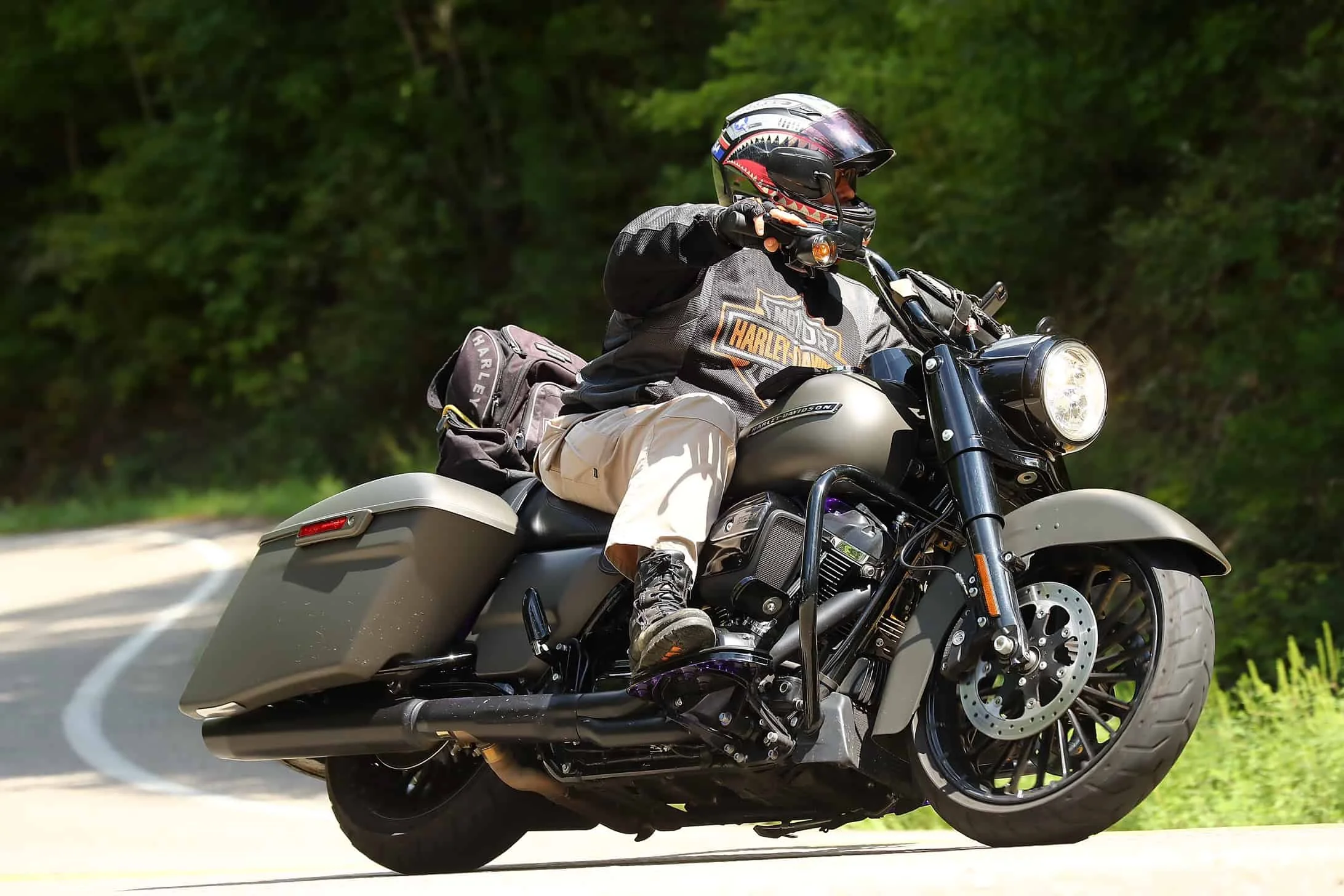
Steve Davis shares how the Hoka Hey Motorcycle Challenge, along with experiences of loss and faith, reshaped his perspective on resilience, purpose, and how he moves through life.
Long before most people would willingly push themselves to physical and mental extremes, endurance challenges have existed as a way to test not just skill, but identity.
Steve Davis (Hoka Hey Motorcycle Challenge finisher, Navy veteran, and Angels Alive supporter) shares what it means to take on a 10,000-mile ride with no GPS, limited sleep, and constant uncertainty. What begins as a test of endurance quickly becomes something else entirely.
We explore how the structure of the Hoka Hey Challenge strips away control, why moments of loss can deepen faith rather than weaken it, and how experiences that seem disconnected, from long-distance riding to personal grief, can shape a more grounded sense of purpose.
If you’ve ever wondered what actually changes after you push yourself to your limits, this conversation offers a more honest look at resilience, belief, and what it means to come back different.
Listen to Steve Davis’ Interview
Watch Steve Davis’ Interview
Hoka Hey Motorcycle Challenge Origin
Brandi Fleck: I'd like to welcome Steve Davis to the show today. Welcome to Human Amplified. How are you doing?
Steve Davis: Great. It's always a busy time of the year, so scrambling a little bit.
Brandi Fleck: Yeah, we're recording like two weeks or ten days before Christmas, so it's December right now. We're all in a scramble, both from a home and personal perspective. But you got my interest in talking about the Hoka Hey Motorcycle Challenge, about life in general. I love the concept of Human Amplified and am really intrigued by it. It's hard to think of myself as a human amplified. I'm just a person trying to do their best to make the most out of their life.
Thank you for that, and I am really excited about our conversation today. I feel like we're going to dive really deep, super fast. We're just going to jump in there. So before we get started, will you please introduce yourself and tell our listeners a little bit about who you are and what you do?
Steve Davis: I gave this question some thought. I think first I'm a soulmate. I want to be the best soul that I can be for my wife. I'm also a parent. I want to be the best parent I can be. I'm a leader in my job, in my work experience. My work objective is leadership and the delivery of quality services. That takes a lot of my time. Before my wife introduced me to motorcycling, it made me very one-dimensional. Now I've become completely obsessed with it. One of the things that makes me who I am now is being a Hoka Hey Warrior.
It's not a warrior in the sense of battling, but in the sense of being a mentor, a teacher, a guide to others. That's really one of my goals, to participate as much as possible in Hoka Hey events. That has made me more well-rounded. It's introduced me to charity fundraising, given me some life balance, and gives me that personal growth to be a better person.
We have this one percent concept in the workplace where if we can do things just one percent better, we'll go on this improvement journey where we end up with huge gains and benefits. It just takes that little thing each time. I think this is part of my one percent plan. It makes me more tomorrow than I was yesterday.
Brandi Fleck: Awesome. And just for our listeners who don't know what a Hoka Hey is, can you give them a little background on what that is?
Extreme Motorcycle Endurance Ride Rules and Strategy
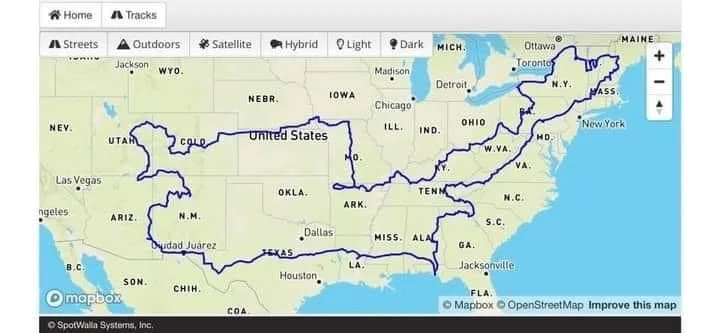
Steve Davis: Sure. The Hoka Hey Motorcycle Challenge is a 10,000-mile motorcycle challenge. It does not entail the use of interstates generally, so it's on mostly back roads. You don't know where you're going to be going until about 15 minutes before the ride starts, and you're handed directions on paper.
They're kind of vague directions, like in greater than 850 miles, take a right on U.S. 67, and in less than 20 miles take a left on Route 2. So whenever it's “less than,” during that whole period of mileage you're looking for that signage. You are not allowed to use electronic navigation. You can't have others use their electronic navigation to help you. You can use paper maps.
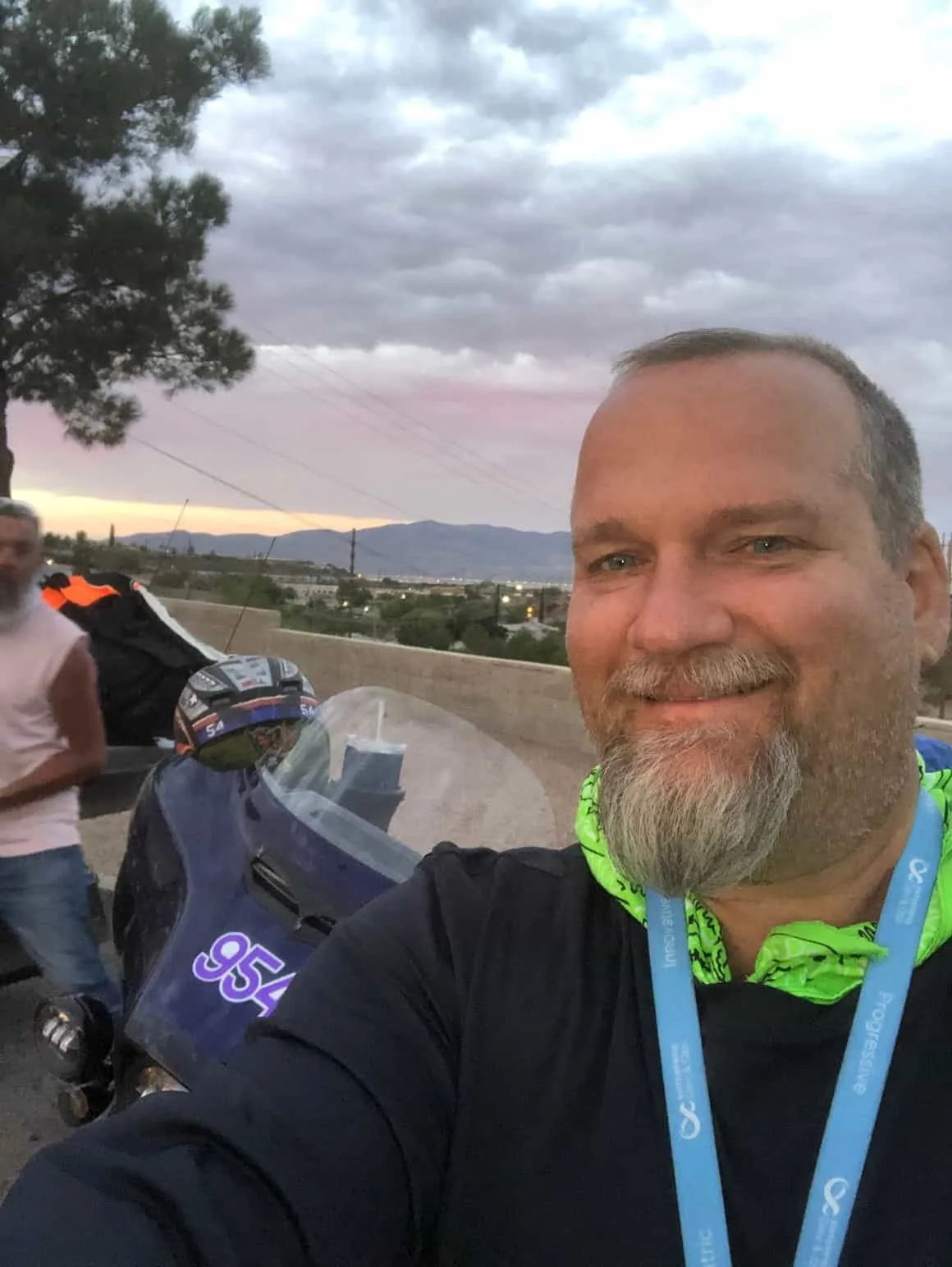
When you stop for the night, you have to sleep next to your bike. Folks generally give you as long as you want to complete it. It is a group start and an individual finish. I like to say they give you as long as you want to finish it, but there's an end-of-road event on day 14. A lot of people try to get back there before day 14.
Brandi Fleck: That's a short amount of time.
Steve Davis: Absolutely. That's really one of the impacts of it. I was blessed with a great event and ended up completing it in 12 days. I was not the first one back. It's not a race. It's just a challenge. But we're all driven people, so that does motivate folks to finish it sooner than 14 days.
Brandi Fleck: This is really interesting and awesome, and it's such a huge challenge. We're going to spend some time talking about this. Before we do, I would love to give our listeners insight into who you are as a person. Let's dive into destiny or fate. What are your beliefs on those two things?
Steve Davis: It makes me think of synchronicity with the universe. Everything that has happened or is happening is going to happen as meant to happen, but there's still free will. I think there's room for both. One expression I've come up with over the years is: be not rock against rock, but be water around rock.
If there's a conflict in the workplace, that expression can be very applicable. We're not going to go to war over this. We're going to find a way to be inclusive and have everyone sort of get along, and we're going to go around the problem like water goes around a rock. Pretty soon we have smooth flowing water and a lot of sand.
Steve Davis: I think with destiny versus free will, you get into those situations where you want to listen to your gut. You don't want to fight things too hard or they're going to fight you back. When you accept and work with what you've got, you get more.
Brandi Fleck: I've got two follow-up questions for you now. The first one is, how is there room for both destiny or fate and free will? Can you describe or explain that a little more for us?
Steve Davis: You make your decisions. Let me give an example. Along the way, I came to Atlanta to work in the public health space. I had been out of work, but there was an opportunity brewing for a CDC contract as a contractor. I really waited for this one specific opportunity. It put me in a situation where I was out of work for a long time because they kept thinking it was going to happen next week.
I probably made a bad decision, used my free will to make a bad decision, and ended up having some interesting experiences because of it that I was meant to have, touching people's lives along the way. But I probably shouldn't have. That's what I mean by fighting it. I was forcing it. What I should have done, and what I did do after, was let go.
Steve Davis: I got the contract and lasted three months. It just wasn't the right time or the right thing. I put a lot of time and energy into it, and it lasted 13 months, three of those on the contract, and then it was gone. Then I let go and said I'm going to lower the amount of money I'm seeking and open myself up to opportunity.
When I did that, I found myself in a nice, well-appointed lobby with marble floors, lots of glass, for a great company. I was using my last few minutes before the interview to pray on it, and I heard God speaking to me, saying this is where you really belong. That's what I mean. Making those decisions in the right direction is like a collaborative effort between fate and free will.
Faith, Spiritual Experience, and Evidence of the Afterlife
Brandi Fleck: I like that. That's awesome. That gave me chills. A collaborative effort. That's cool. The other follow-up question that came up for me is, when you were talking about being a Hoka Hey Warrior, you said not a warrior in the sense of fighting. That reminds me of what you're saying about not fighting destiny or fate, but being a mentor and a teacher. I find it interesting that warrior imagery goes along with a teacher. How are teachers or mentors or guides we meet in life warriors? How does that go together?
Steve Davis: To me, it's working with the next people that are coming up. It's having that mentorship in life where you train somebody in the things that you've come to know. You pass that knowledge on. They say standing on the shoulders of giants.
We don't have to go and figure out force equals mass times acceleration because Newton and others came up with it. We go to high school, get a physics book, and it's there for us. We stand on the shoulders of giants. When you teach, you're saying let me help you come up here on my shoulders and get you started. This may not be everything correct, but this is what worked for me, and I can show you.
With the charity Angels Alive that I ride for, that's what it is. Let me help you. Let me give you a hand up instead of a handout. It's not one specific thing where we're going to solve this problem. We're going to tailor it and individualize it. We go around the room and say you need therapy, you need a job, you need a house, you need a resume, you need a suit. We've tailored that help to solve problems one at a time.
Brandi Fleck: Really awesome. Let's talk about your accomplishments for a minute. When I saw your bio, I thought this is an amazing bio. It's so interesting, especially the creativity you put behind it. One of the things you listed as an accomplishment was having faith but also proof that there is heaven. Can you tell us what happened and why that is something you've been through?
Steve Davis: Let's talk about faith for a second. I was single again, as we find ourselves in life, and I was in church. I was really confused. I didn't know what the right thing to do was. I was fighting it, forcing things, trying to find somebody to share life with. I got into a bad space with it and said, all right Lord, I'm going to give it all up. If I need to go through this life as a single person, I need help. Can you help me be single because I'm scared of that and don't know how to do it?
Steve Davis: I was crying and really emotional. It felt great to release and let God intervene in my life. When I left the church that night to go back home, I got an email and then a call. It clicked. A couple days after that, I fell in love at first sight. That's my soulmate. I say soul because it's such a deep connection that I don't know where my soul ends and her soul begins, or even if I exist at all. It's oneness. It's intense. It's electric. It's amazing. That's how faith can know love. If you don't have that other half, you have the love of your creator to carry you through.
Now let's talk about the proof. My mother passed from cancer. She wanted me with her toward the end, and I was there to help take care of her. When it came time, I held her hand as she was taking her last breaths. I told her that I loved her. It was very sad. Then she took her last breath. After she took her last breath, she smiled. I feel like I witnessed her walk into heaven.
I actually saw her recently. This must sound crazy, but it was my first time to Sturgis. That's where the Hoka Hey is launching from this year at Black Hills Harley-Davidson in South Dakota. I was there on those grounds, and it was my birthday. I remember thinking, I wonder if I'm going to start the Hoka Hey from this exact ground that I'm walking over.
I'm walking past all these vendors and everything. I'm walking with my wife, and we see this tent of Christians that are going to come out and pray with you as you walk by. They're going to catch you. It sounds terrible, but I didn't want to be caught. I was like, we’ve got to get through this. There are people waiting for us. I tried to slide by.
We were almost all the way to the end. It was a pretty big tent, pretty long, and this petite lady scooted out and caught us. I swear I was looking at my mother. It was a spitting image of her.
She was talking, and I was trying to listen, but my head was empty. I was just staring at her so intensely. She prayed with us and everything, and then we walked away. My wife put her hand on my arm and said, did you just feel Mom? I was like, it was her. It looked just like her. We went back and explained what happened and just had that moment of wow. I think she was there, just happy birthday, here I am.
Brandi Fleck: That's amazing. She wanted to let you know she was there with you. That is really cool. This is awesome, Steve. You've witnessed life and you've witnessed death. I would like to know how it's grown your faith, which you already gave us some examples of, but also, has it challenged it in any way?
Steve Davis: Absolutely. Witnessing your child born is amazing. It's exhilarating. Then to see a life end is a great sadness. Maybe that's why I was blessed to see my mother cross over, so

that sadness could be more bearable. Those extremely bad things in your life can shake your faith. I also witnessed my child stillborn. That's the death of potential. Those extremely bad things in life can shake your faith.
Steve Davis: What I try to remember, and it's easy to remember now because I'm at a very positive place in life, things are going very well for me, but during those times I try to remember my creator is in the driver's seat. We're going to go on an amazing journey, and he's going to take me to the best place in existence. But we're going to be driving through some really bad parts of town along the way. It's going to look scary, but he's the driver, and we're going to get there.
Why We Seek Challenges and the Psychology of Being “Heroic”
Brandi Fleck: In terms of challenges in your life, it seems like you actively seek them out to grow and to experience all kinds of things. I'm making an educated guess here, but I think your faith in God helps you get through these challenges. Why is challenge important to you?
Steve Davis: I didn't know. We always have that mantra of have faith, know love, be heroic. I was probably two years old when I saw one of the last Apollo moonshots. That was riveting. From that point on, I wanted to be an astronaut. I was like, what do I have to do?
A lot of astronauts went to the Naval Academy, studied aerospace engineering, were pilots and test pilots, then got in the program and flew spaceships. I was on that track and not thinking in too much detail about much else in life, but it didn't work out for me. I didn't do well in flight school, so I washed out. Too many hard landings, too many gear-up passes.
Then I had to reevaluate. I read a bunch of books and did a lot of self-evaluation. I was trying to think, why did I want to be an astronaut? I figured out it was the feeling I got when I pictured being an astronaut. It was a feeling of being a hero. That feels cool. You feel that heroicness. Why is that important? If I'm a hero, then I'm loved. If I'm loved, what does it start with? It starts with having that faith. In the context of no soulmate or partner, it's to know the love of God and to have that faith. They all work together.
I think that's why I'm driven. We tend to forget that peak, that it's all about faith in God. I'm talking about it now because of this conversation, but often I forget. Like when I was at Sturgis, I didn't want to pray with those people because I was busy. I think that's what drives the challenges. It's can I do it, can I be heroic, and feel that love and admiration. For whatever reason, we cling to that. I think that's what's been the driver.
Brandi Fleck: That's interesting because if you're doing something you don't consider heroic, you still have love and admiration in your life, don't you?
Steve Davis: Of course. Maybe I'm not that smart to realize it.
Brandi Fleck: I just wanted to pick it apart in case somebody else was feeling that. I think you can have those things without being heroic, but we're all heroic in different ways.
Steve Davis: That's true. There's one person on our team who's always saying, I'm not a hero when he gets accolades, but this person is a rock star. We give him accolades, and he says, I'm not a hero, I'm the team. I'm like, you're so a hero. Many times we don't realize it. I don't go through life thinking I'm a hero.
This is the kind of thing I think about when I self-reflect and do a retrospective of what is driving me. Why did I want to be an astronaut? When I couldn't be one, I had to think of other drivers in life to figure out what's the next best thing. What are some other ways I can be heroic? I think by being a good parent, a good soul, a good soulmate. Those are things that ultimately give you that feeling.
Brandi Fleck: Now let’s circle back around to the Hoka Hey Challenge. Among the challenges that you’ve sought out, which you explained for us earlier, is the Hoka Hey Challenge, and you’re one of 600 people to have completed this challenge. Is that a lot, or is that not very many compared to how many do it?
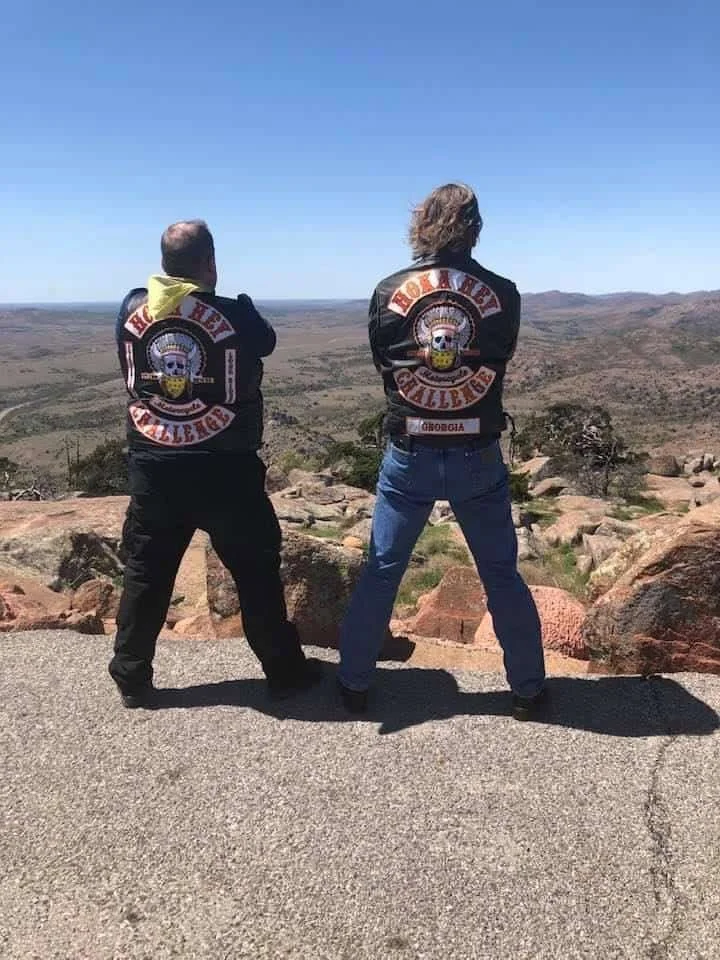
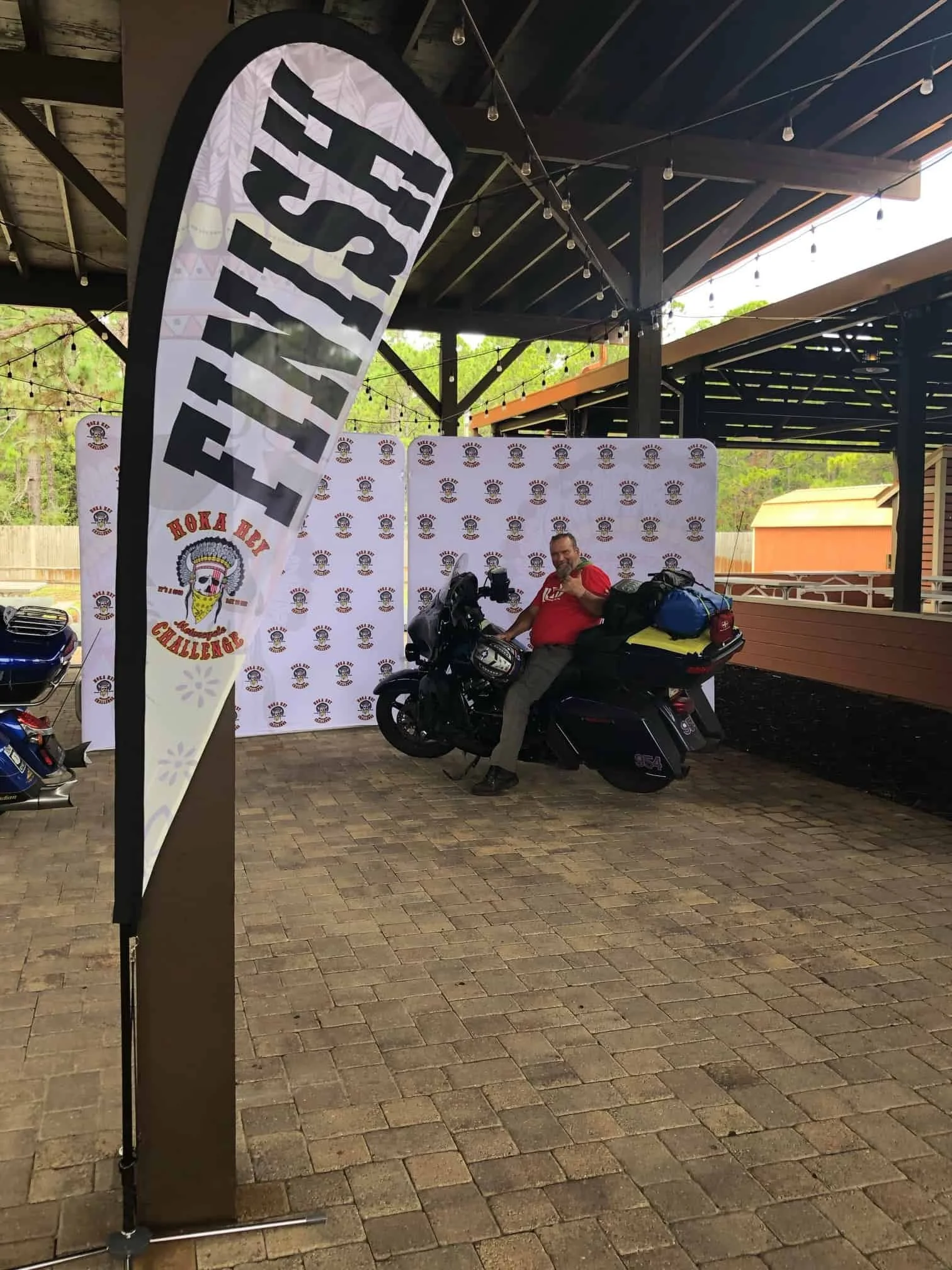
Steve Davis: I don’t feel like that’s a lot. It’s not a lot. There’s about a two-thirds successful completion rate of the challenge. I think that’s because it’s a challenge. It’s really hard. Folks are running long hours on the bike. They may run 20 or 21 hours on the bike. You start off with different strategies. You start off thinking, let me just make 750 miles a day. That’ll be 14 days. Do the math. Then you get sections of the road that are all curves at 25 or 30 miles an hour. You’re trying to go a little bit faster than that safely, but you’re not going to make 750 miles that day.
Then you switch strategies and say, let me maximize the amount of daytime. I’ll just ride primarily during the day. Then you come across small towns, small tourist towns at 25 miles an hour. It’s not just that. It’s all jammed with traffic. You’re going slower than 25 miles an hour, jammed up at stop signs and lights. It takes a while to get through that. Ultimately, I landed on the strategy of when I’m tired, I’m going to pull over and rest, and when I’m alert, I’m going to ride the motorcycle. It simplified it.
I also got fatigued enough along the way that I learned I could park my motorcycle and lean back in a certain way on everything I had strapped to it and fall asleep lying on top of the motorcycle. By doing this, I could be less obvious. It’s like, there’s a parked motorcycle over there versus there’s a tarp with a body under it, call the police.
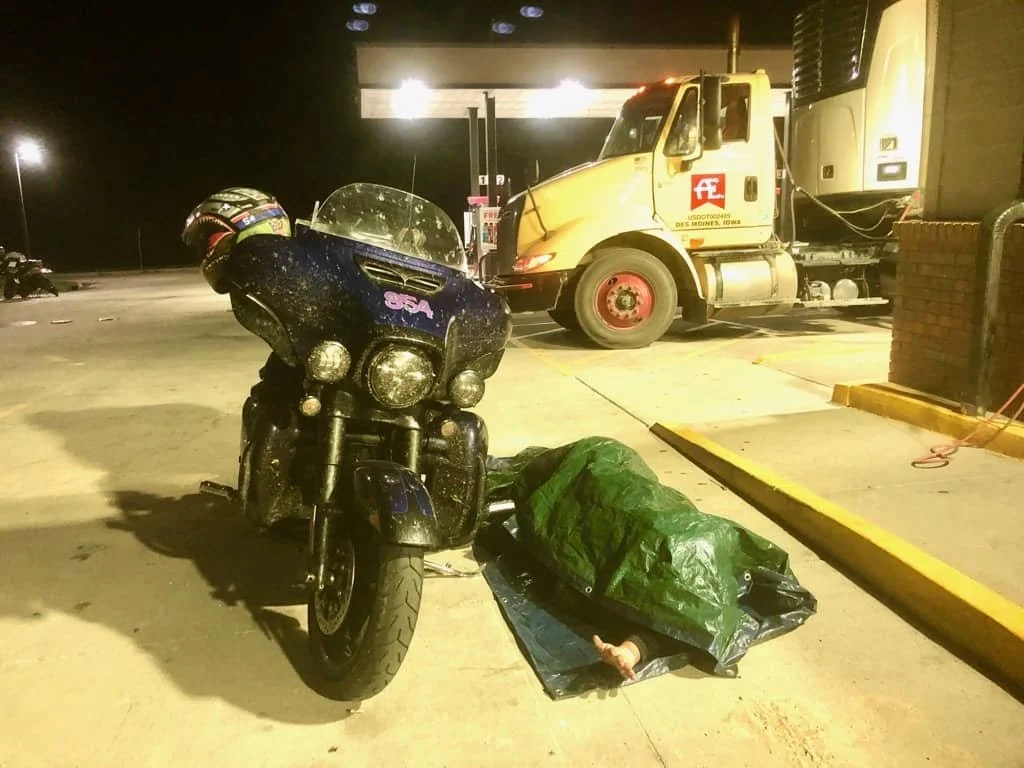
Brandi Fleck: Did that happen? Did anybody actually call the police?
Steve Davis: Not on me, but there have been stories over the years of people getting concerned about a random tarped body next to a motorcycle. By leaning back and sleeping that way, if anything surprised me or any foot traffic came by or cars, I could just sit up. I had all my gear on and could just go. I let myself sleep for however long I wanted. Sometimes it felt like an hour, sometimes like three hours, which is luxurious on a run like that.
I checked the GPS tracking data. We do have U.S. Fleet Tracking devices on the bikes. During the last 55 hours of the run, I never stopped longer than one hour. I thought that’s not enough, but when I tallied all the stops, it added up to about what I was sleeping when I stopped and got my tarp out and my little pillow. I was sleeping about four or five hours.
Brandi Fleck: So you’re power napping, stopping, and then going.
Steve Davis: Exactly.
Charity, Purpose, and Personal Transformation Through Service
Brandi Fleck: That’s awesome. Tell us a little bit about why you decided to take on the challenge in 2020 when you did. You mentioned a little bit about it, but can you be more specific about the charity you were riding for and what motivated you for that?
Steve Davis: That’s really great. It’s all my wife’s fault. At a milestone birthday, she told me at the next milestone birthday she wanted to be back on a bike. I had no idea what she was talking about. She grew up around motorcycling, so she wanted to do it. When we got to the next milestone birthday, I remembered that. I thought I can sign her up for the class to learn motorcycle safety foundation. They’ll teach you. I signed her up for the class.
When I went to sign up for the class, I saw that it was free for veterans. I’m a veteran, so it would be free for me. I thought I’ll be a supportive husband and take the class with her and see what it’s all about. I had not much interest and didn’t know anything about motorcycling. That was only in 2016.
We took the class, and I got bit hard by the bug. We bought motorcycles the next weekend. I loved it. I said I stole her dream. Every time I tell that story, she says no, now we share the dream.
Brandi Fleck: That’s really nice. That’s bone chilling to me. I love it.
Steve Davis: It’s a beautiful thing. It’s really filled the void. Being a pilot is really cool. Being a motorcyclist gives you some of the same feelings. I’m going to go really fast, but not really, because 35 miles an hour on a motorcycle feels like 70. I might die.
I need special equipment, a helmet, sometimes oxygen after riding, special boots, special clothes, gloves. It feels very much like you’re going out to fly a plane. Sometimes on the curves, it feels like you are flying an airplane. Six weeks into riding, I found an article. I’ve forgotten which trade magazine now, but my wife was picking up the trade magazines at the dealerships, and I was flipping through it.
I read an article about the Hoka Hey and what it was all about. It was this long-distance endurance thing. I had run a couple marathons in my younger years. I ran the Marine Corps Marathon once in 1990 and again in 2000. That long-distance endurance type event appealed to me. I blew up my knees, so I don’t run anymore, but ever since that six-week mark, I really wanted to do this Hoka Hey.
I was like, do I really want to be on a motorcycle for that long? Do I really want to hunt for all these turns? I read everything I could about it and then went off to practice. I decided I’d ride up to my dad in Maine from Georgia. I’d take two days to ride up, cut wood with him for two days because that’s exhausting, then ride home for two days. I’d do it all on back roads with handwritten directions.
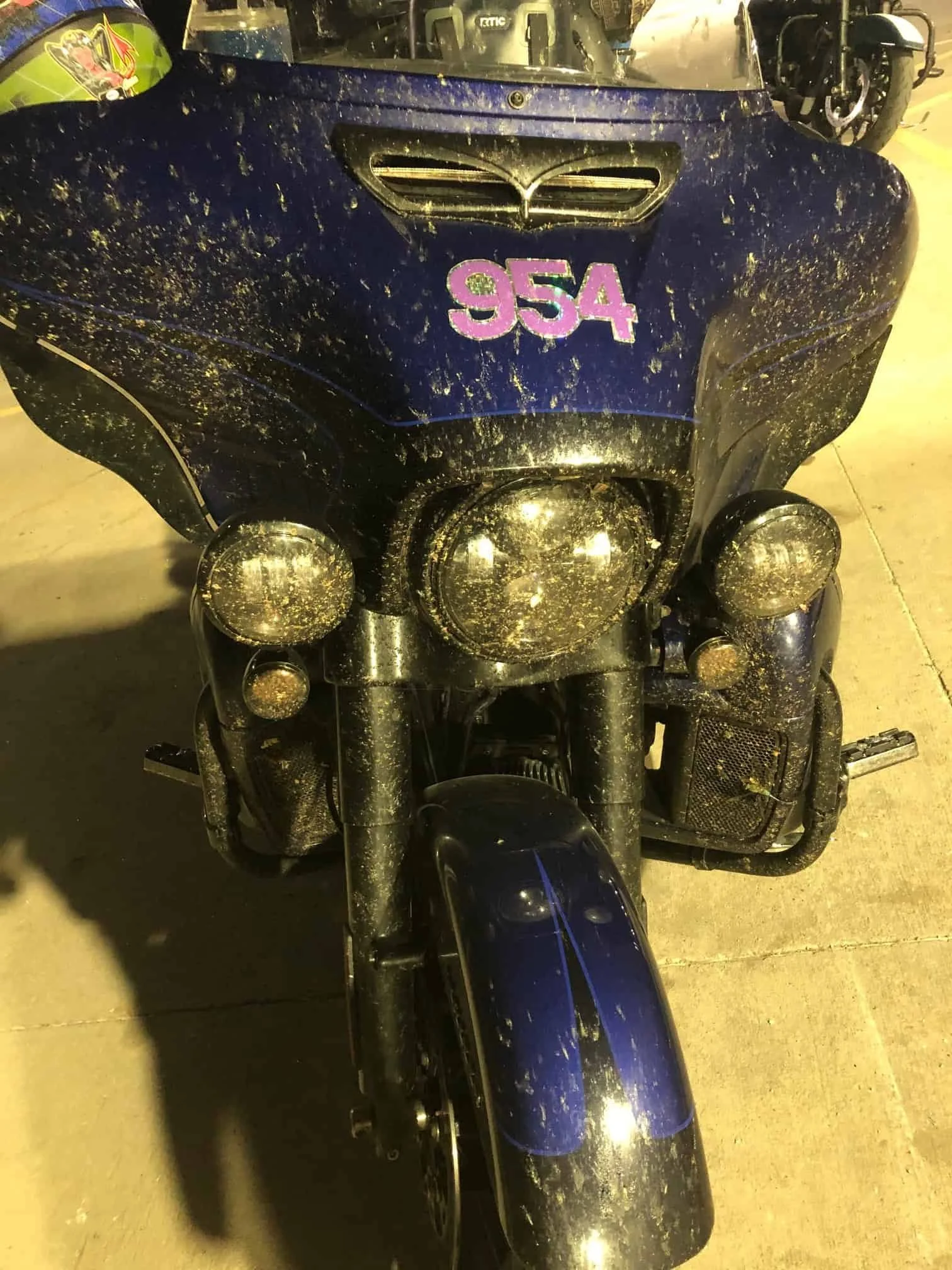
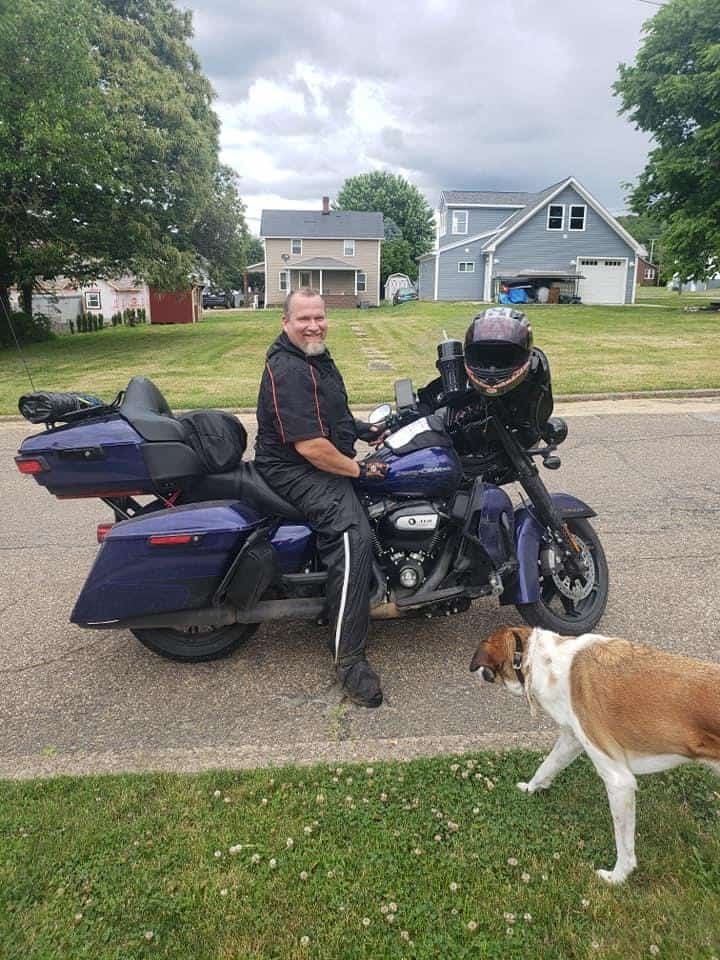
There I was on Google Maps writing things like take a left at this place because I didn’t know how the directions worked. I had a little three-by-five tank bag, less than ten thousand miles of experience, and I was on a Softail Deluxe, which is not a touring model. I was vastly inexperienced.
I had my Wilson’s leather jacket and chaps. I was a wreck. Things broke. I got lost. I got wet. The rain rolled in, not the kind you see on radar, just soaking, cold, miserable rain. I only made 600 miles the first day, which is not enough. I ended up staying in a hotel, which is not allowed on a real run, but I wasn’t trying to figure out camping then. I was just trying to figure out if I could be on a bike that long. One thing I thought about in the hotel was all my gear drying out over there. How am I going to do this for real? How am I going to stay dry? How am I going to get wet and then get dry?
There was a lot to think about. I lost a floorboard and snaps on my chaps. That was in 2017, with less than ten thousand lifetime miles. I got back from that trip and said there’s no way I can run this in 2018. That was one thing I learned. The other thing I learned was that I did want to be on a bike that long. Even with all those challenges, I was having so much fun the whole time. It was an amazing trip.
That’s why I ended up doing it in 2020, because that was the next time. One of the requirements of the Hoka Hey is that you run it for charity. I thought I’d do a choose-your-own-adventure approach. People could donate to the American Cancer Society or something for veterans. I was going to do a little bit of everything.
Then I went to the first, easier option. This Marine, Oscar La Madrid, who I think you’ve interviewed before, would remind me every Friday to wear red. Remember Everyone Deployed was one of his campaigns. Oscar runs Angels Alive. He’s an amazing guy. He shared his story with me because I said I’m doing this charity thing but don’t do much in charity naturally. I want to ride my motorcycle a long way, so how can we partner?
After he told me his story about helping just a little bit and having a meaningful impact, really turning around people’s lives, I was very touched. I decided this would be the only charity. It would all be Angels Alive. We’d do whatever we could to bring attention to the cause.
In doing that, I was trying to raise money for the cause. I raised some money, but the cause helped me more than I helped it. It made me multidimensional. It gave me character and additional passion beyond just work. I’m very passionate about work and my home life, but this became the third leg of that stool. I didn’t realize that helping in this way would grow me.
Life Lessons from Long Distance Motorcycle Riding
Brandi Fleck: That’s awesome. I really want to learn more about that. What lessons did you learn on the ride that you can now take to other areas of your life?
Steve Davis: I think the diversity, the knowledge of experience, and the depth of that experience. I ended up completing it in 12 days. It was 840 miles a day on average. I had two days above a thousand miles, all on back roads. It’s very challenging to get that kind of mileage on secondary roads. When you see the countryside change that much in a single day, it’s incredible.
In one day, you’re in Monument Valley, seeing all the rock formations, everything so brown. It’s a geologist’s dream. You wonder why it’s all like that. You cross rivers and keep going. Then in the same day, you start seeing green. There’s so much corn. Why is this corn taller than the last state? Am I in a different state or the same state? You start thinking about it. You see the countryside change in a single day, and it just…
It rivets to your brain that there’s a creator behind all this. It’s so incredible to see. You feel the creator. You get in tune with the universe and get that mantra. There was one point when I was wrestling with those strategies I talked about earlier. I was like, I really need to get an analog watch because I think my bike clock is changing with time zones. Somehow the bike knows where it is and it’s changing the clock, so I don’t really know what time it is or how long I’ve been riding. That’s when it mattered, right before I changed strategies.
As I was thinking all this, I saw a place to stop for the night. I pulled in. It turned out to be Penny Hot Springs in Colorado. People were there having a good time, complimenting me on my lifestyle of sleeping beside my motorcycle. When I pulled in, I found a watch on the ground, an analog watch, right next to where I set the bike down. That’s weird.
Everybody coming by was like, hey man, did you lose a watch? Do you know whose watch this is? Nobody knew. I brought it home with me. I was going to use it, but then my strategy changed and I realized time doesn’t matter anymore. What a feeling, that time doesn’t matter.
Living Fully in the Present Moment and Taking Action Now
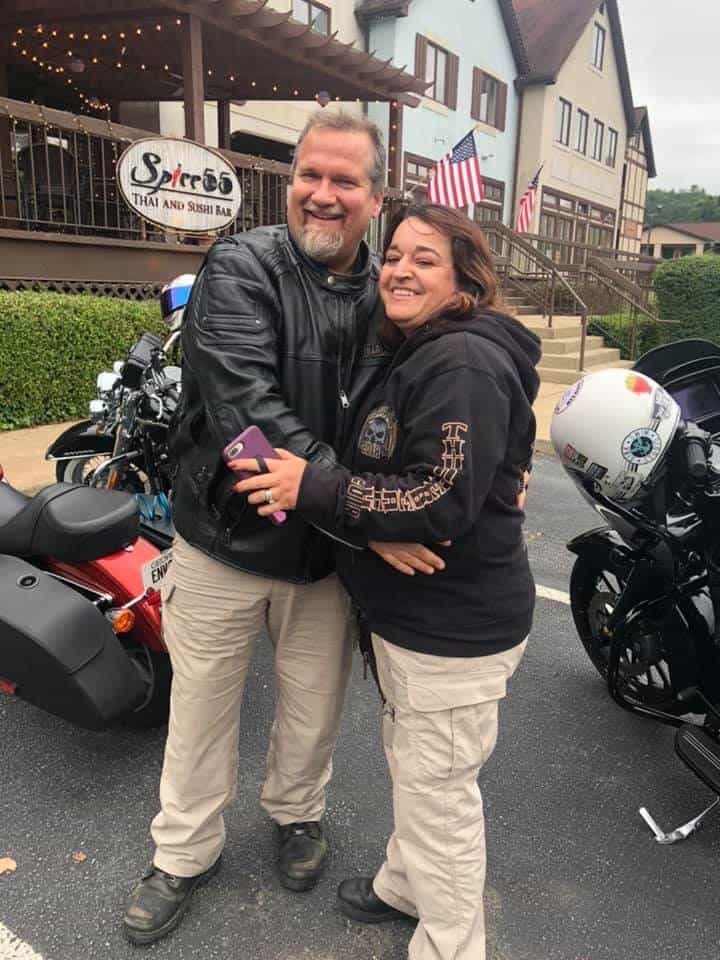
Hoka Hey is Lakota for “It’s a good day to die,” which sounds morbid and shocking. The meaning and intent is to live every moment in such a way that you’ve done the things you wanted to do. You haven’t left things unsaid or undone. You haven’t put things off. You tend to take more risks. Before, I’d think, what’s the temperature, should I wear my jacket?
I started going into those same routines when I went for a ride with my wife after the Hoka Hey. I was like, it doesn’t matter. I’m just going to go as I am. I only need to go to the gas station. I don’t need to plan for the rest of the route. I have all my gear on the bike. When I get to the gas station, I can decide if I was cold and put on a jacket.
That multidimensionality I talked about, because I had to be gone from work for a while, when I got back I talked about it quite a bit. I had a presentation and some pictures. That passion came through as I spoke about it, and it helped me define work and personal goals. One of the exercises was to define your goals. I had a decent work goal, but I also had a goal to ride in as many Hoka Heys as possible because it makes me a better person and to continue to raise funds for a charity I believe in. Because of that, it got me noticed and led to some career acceleration at work.
The willingness to act on something now is important. Figure out how you can do the things you’ve always wanted to do. There are limits with your financial picture, but what can get you close to that? Say I love you more. Make a different decision during the day to experience something. I was low on funds, and we love Savannah. My wife wanted to go to Savannah, and I said let’s go. We’ll be down to our last pennies, but let’s go anyway.
Brandi Fleck: That’s awesome. Thank you for sharing those lessons. I think that’s really helpful and important. You’re doing the challenge again in 2022, correct?
Steve Davis: Absolutely.
Brandi Fleck: By the time this airs, you’ll be about a month or two out from the challenge. Tell us about it. What goes into preparing for it? Why did you decide to do it again?
Steve Davis: You have to present yourself, especially as a new rider. You put together a biography of your riding experiences, your motivations, and why you want to do it. Then you get interviewed about it. I put together the best information I could, but they told me I only had 38,000 miles of lifetime experience on a motorcycle. They weren’t impressed and were concerned I might hurt myself. We talked back and forth, and I explained what I had done, like the Maine trip and other trips to practice. Ultimately, they said if you promise to practice as much as you can, we’ll let you ride.
One of the hardest things is they don’t give you a definition of what you have to do, so you go overboard because you don’t know if you’re doing enough. I gave myself a lot of practice, not just riding interstate miles, but doing 750-mile days of twisty roads. That’s New River Gorge in West Virginia, lots of curvy roads.
Brandi Fleck: I was born in West Virginia.
Steve Davis: That’s great. I gave myself practices, and it rained on every one. I went on a 72-hour practice, and it rained for the first 60 hours. I got used to the rain, sleeping in it, camping in it, taking gear on and off in it.
Brandi Fleck: What made you decide to do this again in 2022, and are you going to be practicing again?
Steve Davis: Definitely. The best substitute for experience is experience. There is no substitute. I’ll give myself challenging routes and practices again. What they don’t tell new riders is it’s addictive. Once you’ve done it, you want to do it again. They even joke, take your directions, turn them upside down, and keep going.
It’s an experience. Two things come to mind. One of the best things about the Hoka Hey Motorcycle Challenge is there are Easter eggs. For example, I was thinking, why am I going through downtown Buffalo? This is too busy. Then I looked over and saw the Buffalo Bills stadium. I thought the ride planner must be a fan. The theme of 2020 was Mama’s Comet, which means perseverance, to see it through to the end.
I was like, why are we going through all these little ponds and little hills in New England, and this doesn’t make any sense. Then I saw a sign that said Turtle Island, and I got chills because the turtle is the symbol for that “see it through” theme, Mama’s Comet. The legend is the turtle comes up out of the water in the mud, and on the turtle’s back is Mother Earth. It was really bone-chilling. This is Turtle Island.
The ride founders are Navy veterans. There are also a lot of Navy folks that ride. I’m a Navy veteran myself. We went through Whitehall, New York, which was the Navy birthplace. We went through Lake Champlain, site of a couple key strategic naval battles early in our country’s history. We went past the Flight 93 Memorial in Pennsylvania. There are really significant areas that send a chill up your spine.
We went through Red Cloud. Jim Red Cloud was the founder of the Hoka Hey. We went through the town Red Cloud, and the turn to get there was called Last Chance. So it’s like Last Chance, Red Cloud. It was just in your head. I think those Easter eggs are one of the best things about the Hoka Hey because it hits you with these significant locations and moments.
What ties it all together is when I got back. You’re out there every day focused on motorcycling. For some reason, I got it in my head that I wanted to get back for my wife’s birthday. It was going to be impossible, but I started riding a lot, trying to get to that goal. I think that helped me have a good run because I was really driven.
I thought about my wife and just wanted to feel her again, put my arms around her. I’m sure she was holding her nose because there wasn’t much hygiene out there, but that moment was awesome. Then we went back to get some rest. I walked outside and remember thinking, you feel like a rock star. I ride the Hoka Hey. This is a big deal. You want that shirt that says I’m kind of a big deal, but you have to stay humble and honor it.
You get caught up in that excitement, like wow, I survived that. Then you try to reintegrate into life. You were focused on motorcycling, and now you have to think about everything else again. It really hit me. This is what we ask our military and veterans to do. We teach them to go and fight a war every day, and then they come home and it’s as if that war is not happening. They’re immediately integrated into society.
This is just a small taste of it. I can’t imagine what it’s like to be in the desert with a weapon, fearing for your life and the lives of your brothers in arms, then come home and go grocery shopping where someone’s crowding your cart. That’s the biggest concern now. Nothing’s going to blow up.
Brandi Fleck: That’s a really interesting perspective.
Steve Davis: How do you help those people get back into society? That’s where Angels Alive comes in. That’s part of the reason to continue riding, to draw attention to Angels Alive. I love the experience, but there are people out there having trouble coming home. It taught me what it’s like to have that homecoming. It’s an intense experience. It’s a drop in the bucket compared to what veterans and military personnel experience. How can we help them get their head right and get back into society?
Brandi Fleck: Thank you for that perspective. Where can people find your next journey? Will there be a website they can go to to follow along?
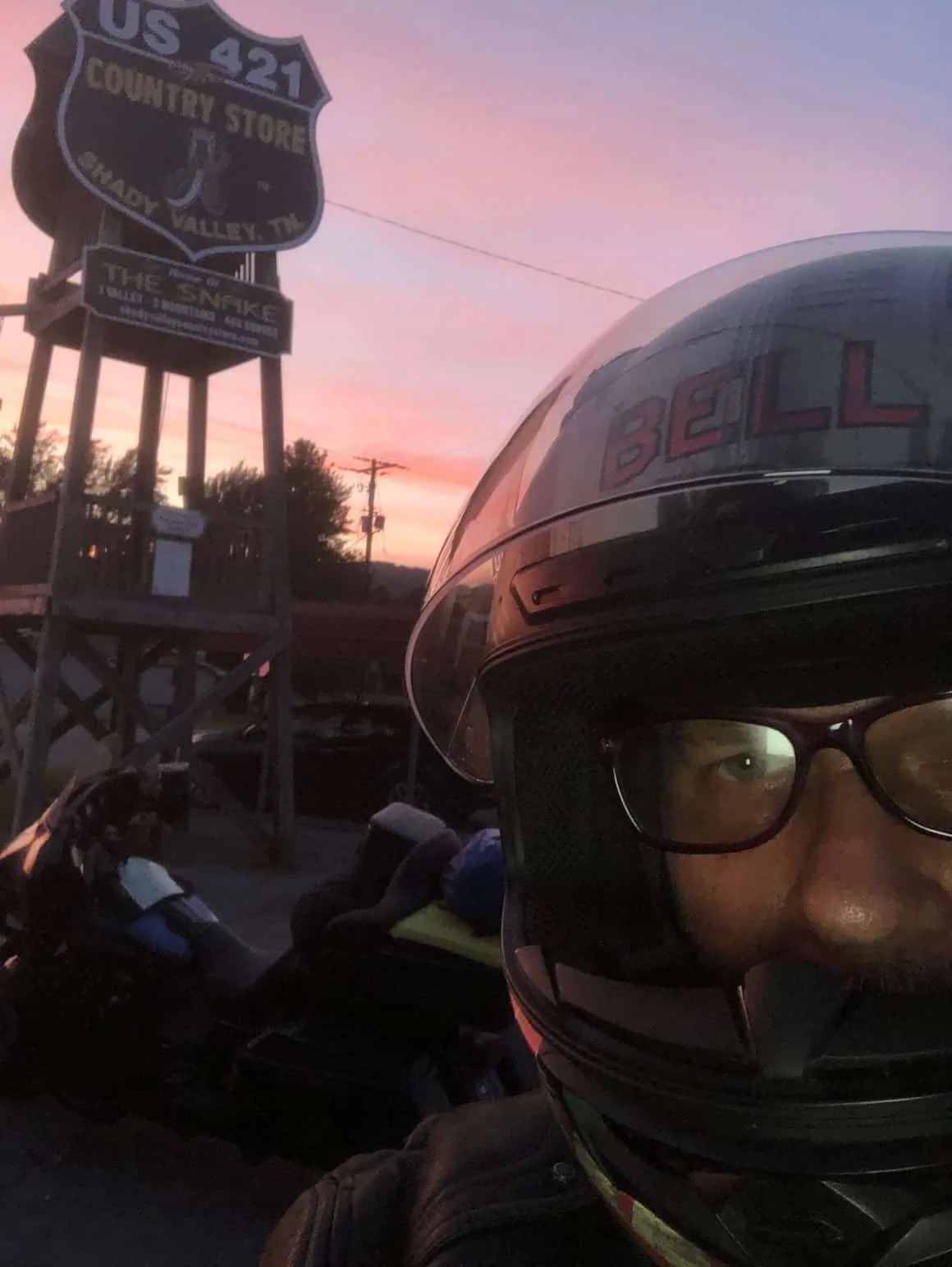
Steve Davis: There’s not a lot, but there is some. They can go to hokahaychallenge.com. Around June 24th, the ride kicks off for 2022 on June 26th, but by June 24th the GPS tracking devices and map should be active. You’ll be able to track me by looking for Rider 954. It’ll be XXX Davis, rider 954.
If you want to support the cause, it’s angelsalive.org. Oscar La Madrid runs that. He does a great job. I think today is his birthday, or the day we’re recording is his birthday, so happy birthday, Oscar.
I also have my LinkedIn profile at linkedin.com/in/Steve-Davis-894B058.
Brandi Fleck: We’ll put all of this in the show notes, so be sure to check out these links and support the cause. Steve, thank you so much for coming on the show. I’ve loved hearing your story.
Steve Davis: Thanks for having me. I know we covered a lot. I’ll leave you with this: life is a beautiful journey. Seize the day, make the most out of what you have, and go with the flow, and you’ll have more.
Join the conversation!
Feel free to share your own experience and let me know if you have any questions in the comments.
Related Posts














Hi, I’m the founder of Human Amplified. I’m Brandi Fleck, a recognized communications and interviewing expert, a writer, an artist, and a private practice, certified trauma-informed life coach and Reiki healer. No matter how you interact with me, I help you tell and change your story so you can feel more like yourself. So welcome!
Find More on the Blog
Topic
- ADHD
- AI
- Atlanta
- Black and BIPOC
- DIY
- FAQ
- LGBTQIA plus
- Los Angeles
- Nashville
- Seattle
- St Louis
- St. Louis
- UFOS/UAPs/ETs
- abuse
- accountability
- addiction and recovery
- adoption
- affirmations
- afterlife
- altered state
- angels
- animals
- anxiety management
- art
- astrology
- atlanta
- attachment
- awakening
- beauty
- behind the scenes
- being human
- body image
- body work
- boundaries
- brandi fleck
- breathwork
- bullying
- burn out
- burnout
- cancer
- career
- caretaking
- chakras
- channeled
- clarity-dive
- clarity-practice
- clarity-primer
- clean products
- coach
- codependency
Recent Blog Posts
Visit the Full Podcast Audio Archive

Affiliate


What if remembering you’re a starseed isn’t about escaping your humanity, but embracing it more deeply? As you explore where your soul may have come from, there are a few important truths that can keep you grounded, embodied, connected, and fully present for the human life you’re here to experience.