An Undercover Cop, PTSD, and the Trauma He Couldn’t Escape
Interview By Brandi Fleck
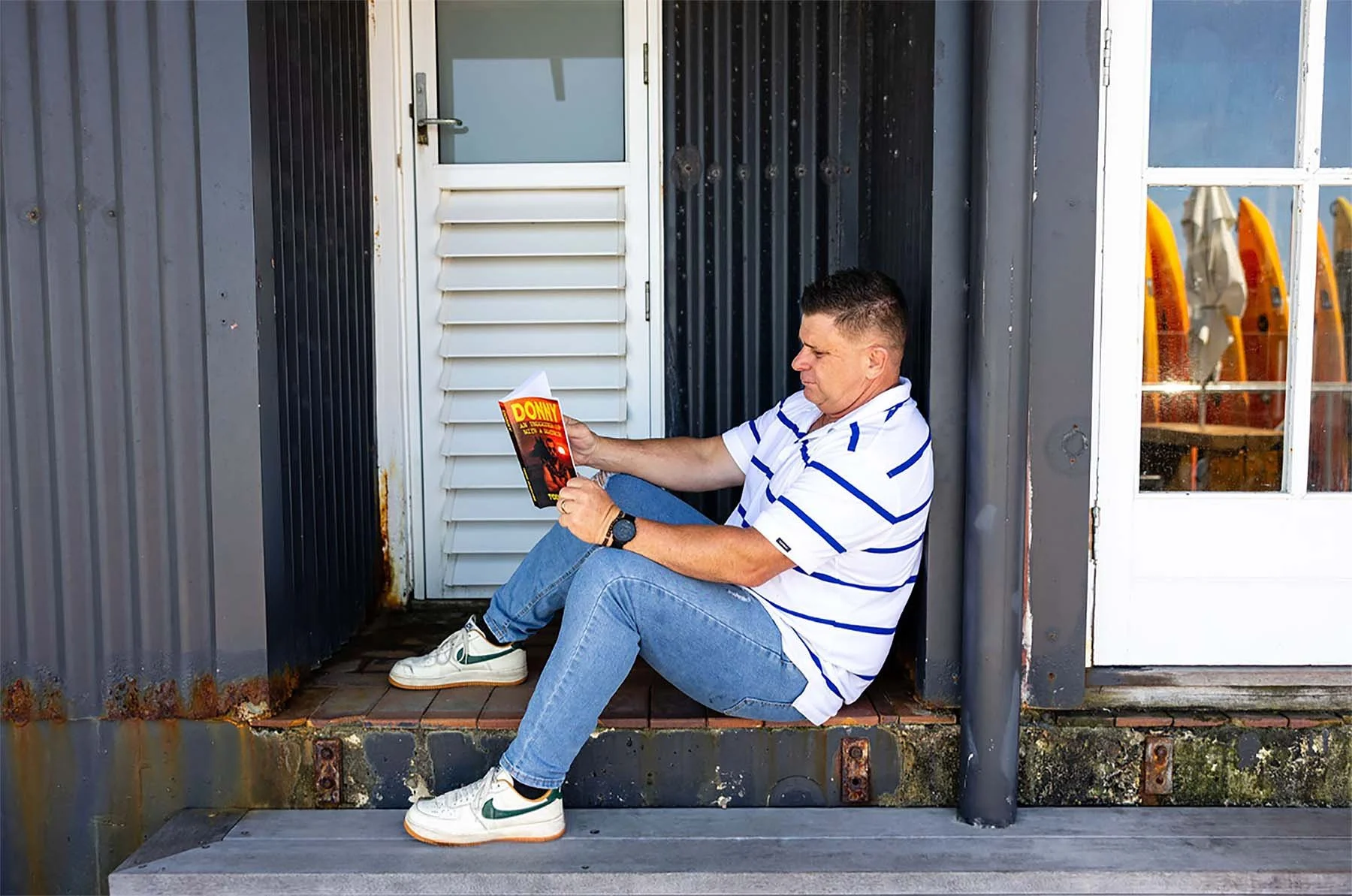
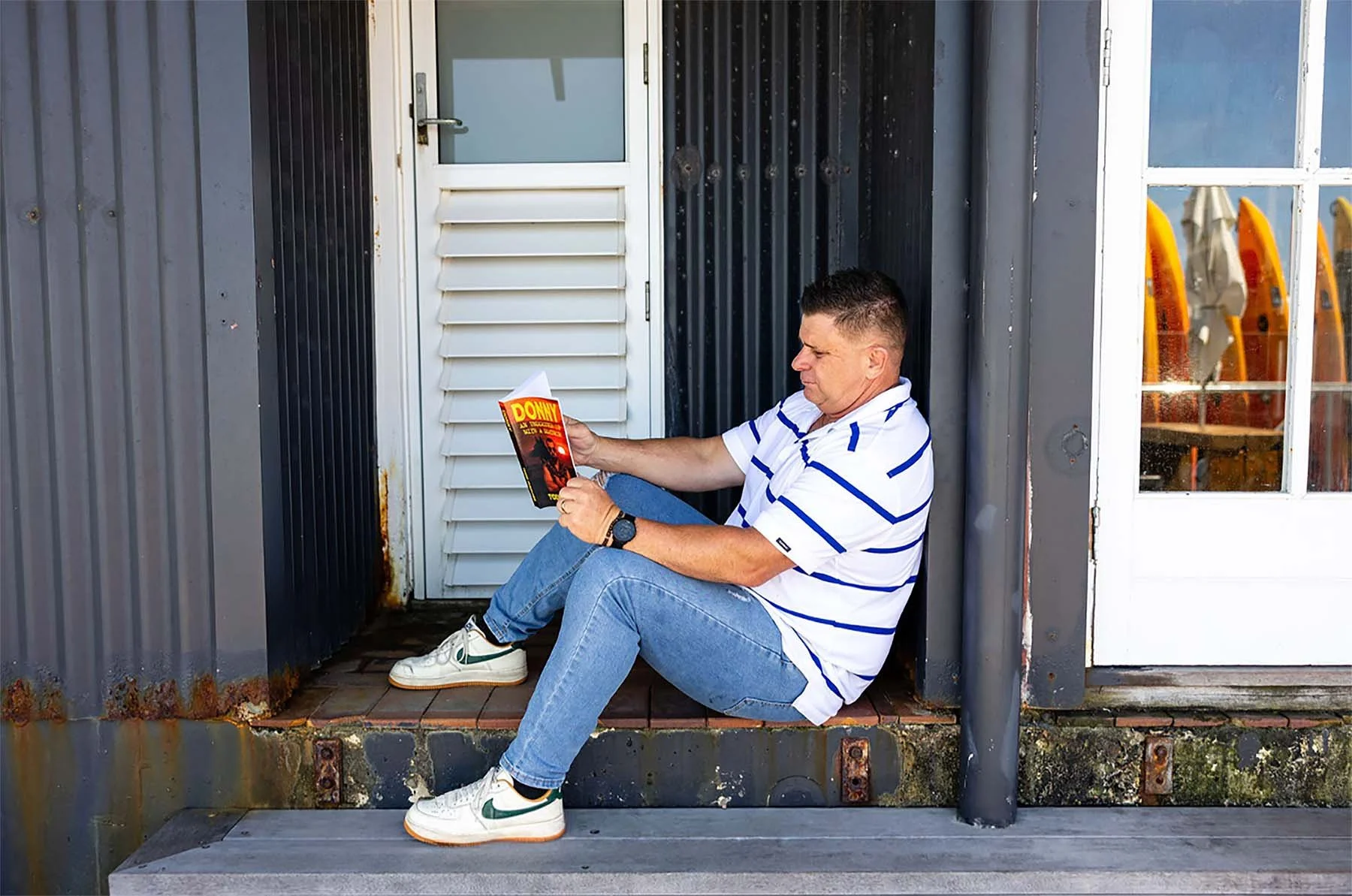
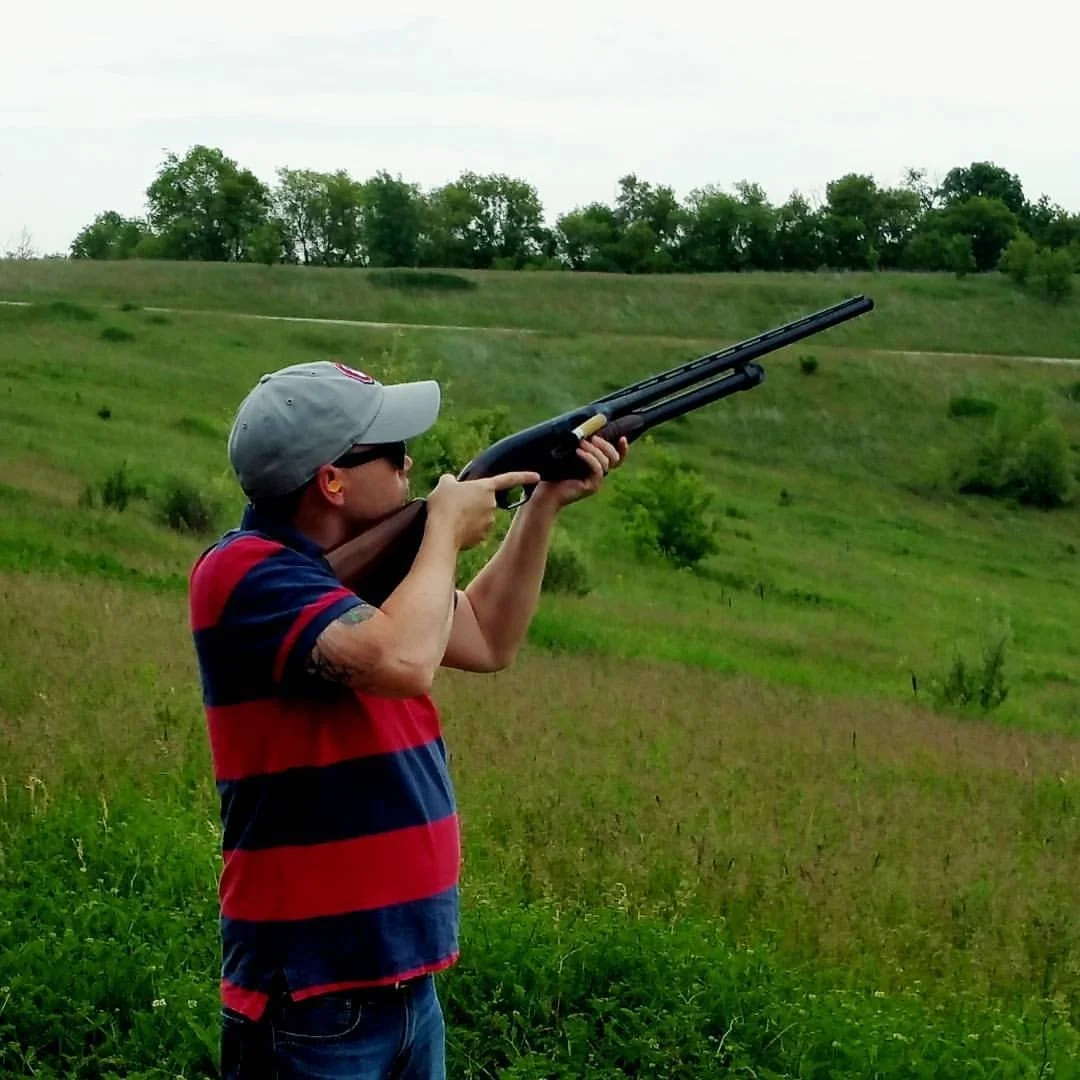
Photo by Lisa Pearl Photography
Former undercover cop Todd Maguire shares how suicide loss, dangerous police work, and years of avoiding grief shaped his PTSD, and what finally helped him begin healing.
Trigger Warning: This interview contains frequent strong language and candid discussion of suicide, traumatic loss, PTSD, violent crime, drug use, weapons, and undercover police work. Swearing and difficult details have been retained to preserve the integrity of the undercover cop story and the lived experiences being discussed. Reader discretion is advised.
Todd Maguire of Queensland Australia became an undercover police officer less than a year after his girlfriend died by suicide. At the time, stepping into another identity felt less like a career move and more like an escape.
As “Donny,” he bought drugs from dealers, entered biker clubs, had guns and knives pulled on him, and lived with the constant possibility that someone might discover who he really was. From the outside, he was succeeding. He was catching criminals, earning recognition, and doing work other officers couldn’t. Internally, he says he was operating with something much closer to a death wish.
Years later, Todd began to understand that the danger he willingly walked toward was inseparable from the grief and trauma he had never processed. In this conversation, he talks candidly about suicide loss, PTSD, men’s mental health, the psychological impact of undercover police work, losing and reclaiming his identity, and why silence ultimately made his suffering harder to carry.
Listen to Todd Maguire’s Interview
Watch Todd Maguire’s Interview
What It Means to Be Human Through Trauma, Grief, and Resilience
Brandi Fleck: What does being human mean to you?
Todd Maguire: Okay, I did a bit of homework on that yesterday on the plane coming down to Brisbane. And what I came up with is, after pondering it for quite some time, a human is a living being who feels all of life's emotions. The way that I look at it is someone who has the ability to give and receive love, but also has the understanding that life's not perfect. And for most times, it's not going to be roses. And you've got to understand that life is going to be like a roller coaster. It's going to be up, down, sideways, around, upside down. And being human is being able to navigate and appreciate all of the ups and downs in life.
Brandi Fleck: Wonderful. Thank you. Everybody, today we are welcoming Todd Maguire to the show. I'm going to let him tell you his story about who he is, but he was an undercover cop. That's what you need to know. And we're going to talk about trauma, and we're going to talk about some of his experiences and a book that he has written. He's written a memoir about his experience. So, Todd, welcome to the show.
Todd Maguire: Thank you very much, Brandi. Appreciate it. Thank you for having me on.
Brandi Fleck: For sure, for sure. I'm really excited to learn more about your story. I think this is a really important conversation that we're about to have about men's mental health and your personal journey through navigating that. So without further ado, will you please just tell us who you are as a person?
Todd Maguire: Thank you. Well, I suppose a quick background is that it's taken me many, many years to finally open up and talk about this topic that's happened in my life. And I hid it and I pushed it down, I numbed it, I buried it, and it did come back to bite me in the arse, even worse than what it ever would have been. So it's something that you've got to really address.
And that's why I decided to bear all and basically be vulnerable and tell the world what I'd been through. I'm 53 years of age, so I think it might have been a bit of a midlife crisis when I initially went through this. It all stemmed back from 26 years ago. At the turn of the century, in the year 2000, I joined the police only two and a half years earlier than that, so I was fairly green. I was very, very new, still walking the beat, learning my trade. And I was only 25 years of age. I'd moved into a house with my girlfriend, and she was 31 years of age. She'd had a previous marriage which wasn't successful, with a four-year-old boy.
And so it was New Year's Eve 1999 where, for a lot of people my age, I remember the millennial bug, the Y2K, and that was supposed to be the end of the world the next day. As we've seen since then, we seem to go through these things every maybe 10 or 20 years, don't we?
You don't realize at the time, but I think the world's becoming a little bit more open to it now. However, my girlfriend had gone out to a nightclub and I had to work because I was still obviously very junior in the place, and it was one of the biggest nights of the year. So I worked 10 p.m. to 6 a.m. And before we went out that night, we went to dinner, and I had one of the old phones, the Nokia 6110, and I thought I'd done a bit of a pocket dial. I opened it up and I went to clear it, but it had 666 on it. So I just made a joke to the table. I said, "Oh, I just got a message from the devil. We are going to die tomorrow, so enjoy your night. Make sure it's your last big one." And I didn't think too much of it.
And I picked up my girlfriend, Karen, in the morning at about 5:30, 6 o'clock when I finished work. And we went home and had a bit of brekkie, really good mood. Everything was great. But we went to sleep and woke up a couple of hours later. Her son had been dropped over by the ex-husband, and she'd forgotten to pick him up that morning. So she was a little bit upset about it. She was crying and so forth. And I said, "It's not the end of the world. We're still here. You just forgot. Everything's fine." But she was saying, "I've been a bad mom," and all those things. And I said, "Come on, you're just tired."
I'd start work at 4 o'clock in the afternoon, so it was getting on 10 o'clock or so. And I said, "Come on, let's go to bed." We went to bed, and I woke up a couple of hours later, just after 1 o'clock, where the little, young four-year-old fellow goes, "Mummy, where are you? Where are you?" And it took me a while to wake up and go, "What's going on?" And she wasn't next to me in bed, so I went, "Oh, let's go and find her."
So I made a bit of a joke about it. "Maybe in this room, in this room. No, not in this room." I said, "She could be downstairs where the laundry is." You had to go outside, down the back steps, and then back inside under the house. And as we're walking down, there's no sound there. There's no noise.
I noticed that her keys were still in the kitchen, and I'm going, "I wonder what's going on?" But I didn't really think too much of it because I was tired and whatever. But when I opened the door, that's where my world changed and turned upside down. She'd used an electrical cord and wrapped it around the rafters, and she'd hung herself. I certainly didn't see it coming. She had no history of mental health. Hadn't talked about it. Didn't know what was going on.
My immediate thoughts were to make sure that the little fella didn't see it. So I threw him out of the room, closed the door, and then just went into an absolute shock and panic and state of massive distress where I was just crying and screaming and yelling. And I finally cut her down and did CPR and all those things. And it didn't work. So I decided to go and get the young fella from outside. And I took him up to the front and we rang triple zero and the emergency services, and next thing you know, there's about a thousand police and ambulances and all that stuff there. It was bigger than a movie set.
That was the day that changed my life and turned me into someone that I didn't know for a long time. The world had gone dark. I didn't see any future. I hated the world. I couldn't understand why it happened, why she did it, why it happened to me. Was it karma? Was it payback? Was it all of these things that go through your mind for years and years and years? But my best way of treating it was just drinking, drinking, drinking, drinking and drugs and stupid behavior. And I did it for many, many years.
PTSD, Suicide Loss, and the Risky Behavior That Followed Trauma
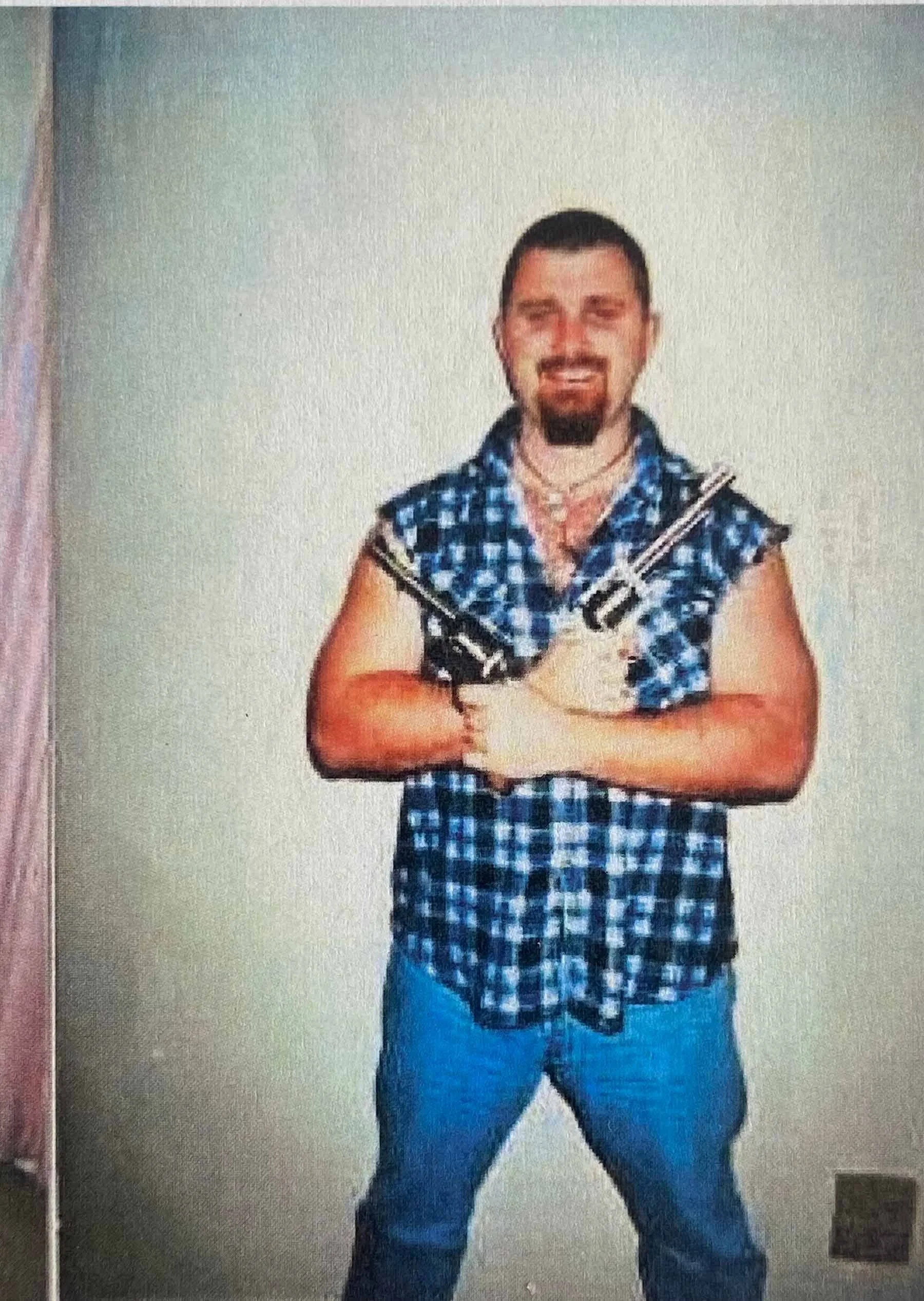
Todd Maguire as Donny Wilson.
So much so that, within 12 months of Karen's death, I had decided to be an undercover police officer because I just thought, there's no future. I don't care what happens to me. I'm not going home to anyone. So literally within 12 months, I started as an undercover cop, and they gave me a name of Donny Wilson, and that was my new identity for the next two years.
Brandi Fleck: Wow.
Todd Maguire: Pretty much, when I look back now, I was on a death wish. I just didn't really care what had happened. And I'm so thankful that I got through it, but I had hits on me. I had a Vietnamese triad hit on me for $100,000. I had guns to my head. I had knives, all of these things. And somehow, I don't know how I got through it, but I did.
But I thought, well, this is my opportunity to tell the story. And because I didn't address it, I didn't treat it, I just kept running from it, and I thought I'm better than it. But as I found out, grief just sits and waits, and it just comes back, and it gives you a big payback for not treating it early.
Brandi Fleck: Okay. When you say you had hits on you and you had knives pulled on you, was that as Donny?
Todd Maguire: Yeah, as Donny.
Brandi Fleck: Okay.
Todd Maguire: When I was doing an undercover job, in those worlds, you're buying large quantities of either heroin or speed or amphetamines. And I think because of some of my actions, I bought heroin off the Vietnamese in Brisbane.
They'd given me—the previous buy ended up being plaster of Paris, and I wasn't aware of it because the cops didn't do any testing on it prior to my next buy. So when I went back in, I decided to, because there was a shop where they were selling it from, I decided to smash up the whole shop, thinking that that was a pretty cool thing to do as an undercover cop. But all that did was get me in a world of trouble.
Brandi Fleck: Oh my goodness. Yes. Okay. Well, I'm definitely going to ask you about some of these experiences you had as an undercover cop, but I first want to say, I mean, I know it was a long time ago. I'm really sorry that you had to go through what you went through.
Todd Maguire: Thank you.
Brandi Fleck: Are you still in contact with the son?
Todd Maguire: Yeah, I'm sure. He's 31 now, and he just got married last year, and I'm actually really good friends with his dad. It's made us all very close. They actually lived with us for a while, and myself and the young fellow's dad, we both say between the both of us, he's more mature than us both together. So you've done a really good job there, mate.
Brandi Fleck: Awesome. That's really good. That's good. Well, congratulations to him and all of his successes. That's good to hear. So one thing that is really interesting that pops out to me as you're talking is that when you hear about healing from trauma or people who have been through very traumatic events, risky behavior is something that can be a side effect of that. But as a cop, as your profession, it's almost like because you were doing something that can be perceived as so noble, it might not be recognized as risky behavior. What are your thoughts around that?
Todd Maguire: Yeah, 100%. I was getting the crooks that they hadn't got in years. I was getting all these awards. I was getting pats on the back. I was getting put up on a pedestal, and I wasn't having any of it. I didn't like any of that. It's not why I was doing it. And I was doing it to escape, to have a new identity, to not think about it. I didn't want, whenever I was tired, I had all of these other things to worry about. When I was Donny, I had no care factor. I had no thoughts. And I really enjoyed doing that. It was a really good way of escaping. But the risky behavior, I still don't know how I got through it, but I think it was just pure luck or someone was looking over me, maybe.
Brandi Fleck: Yeah, for sure. That identity of Donny, are there still parts of him with you today?
Todd Maguire: Yeah, definitely. So actually, a couple years after I finished undercover, I ended up marrying a lady, and we're still married today. We've been going strong for 20 years, and we've got a son. She's obviously ridden the waves with me over the years, and she actually calls my PTSD Donny.
She might just give me a bit of a tug on the shirt and go, "Yeah, all right, because I get a bit of Donny. I think Donny's popping his head up this week." And it's enough for me to go, "Hmm, yeah, you're right, actually. I'm feeling a bit anxious. I'm feeling a bit whatever." And so Donny's now something that, between ourselves, we acknowledge that that's what my PTSD is. So Donny does pop up every now and then.
Brandi Fleck: Yeah. Okay. Well, thanks for explaining that. I'm curious too. So as you just mentioned, you have PTSD. When you're telling this story and bearing it all, does it ever trigger memories or flashbacks that you have to deal with?
Todd Maguire: Yeah, 100%. It does. But it's in a good way now. I felt that I had hidden it and run from it. I was ashamed by it. I was always thinking that I deserved it and it was a really bad thing, and your mind just plays all these crazy tricks on you.
And what I've realized over the last maybe four or five years, and the way that the book has opened so many doors for me and I get to talk to people like you every day or every second day, I feel like it's actually something good that's happened. And I've shifted my whole thought process on it in terms of it's not a negative and it's not a bad thing that's happened to me. And now I look at it as a gift that I've been given for me to actually do this sort of work. So thinking about it and bringing it back, the more I talk about it, the more I'm finding it desensitizes.
Brandi Fleck: Okay. As opposed to re-traumatizing yourself.
Todd Maguire: Yeah.
Men's Mental Health, Trauma Silence, and Why Talking About PTSD Matters
Brandi Fleck: Okay. So can you tell us a little bit about how silence actually doesn't help?
Todd Maguire: Yeah, exactly. I suppose over the years, the way that I explained it, what I went through was the silence was not only I was ashamed of what had happened, I was embarrassed to talk about it, and then I was embarrassed about how I was feeling.
But when you think about the mid-2000s, 2005 to 2010 was probably when I really should have been trying to process it and dealing with it after I got out of undercover. And because a lot of those events on their own in undercover were traumatic in themselves, but they just seemed to be insignificant compared to what had happened with Karen. So I didn't ever really recognize them. But I do recognize now that each one of having a shotgun put in your face is just as bad.
Brandi Fleck: Yeah.
Todd Maguire: What I think is, I just didn't understand why it happened. And the silence was the fact that I had no one to talk to in terms of understanding what my feelings were, because there was no internet, there were no podcasts, there were no Instagram reels. There was no information coming through apart from going to a psychologist, and they gave me textbook answers. The other option was to go to a library and read university-type books and find out about what PTSD was or mental health or whatever. But I didn't even know what that was really at the time.
And I think it's lucky that I was surrounded by a group of people that had never really experienced trauma, and I'm very grateful for them that they didn't have to go through anything. But what it made me feel for so long was I was the odd man out, and the feelings and the thoughts that I had were weird and different because these people didn't understand why I was behaving that way or feeling that way or talking like that. I was just weird.
And it wasn't until podcasts, listening to different people around the world that have been through trauma, I just started nodding, going, "Wow, for the first time ever, that is exactly how I've been feeling." And it just kept repeating, repeating with different people, different people. And for the first time in 15, 20 years, I'm like, "Wow, everything is normal. What I have been feeling, this is what people with grief and trauma behave like and feel like."
And it started making me feel normal again, and it justified everything that I'd been thinking. And that's when I went, "Well, no, these people are talking. I can talk." And I think that I was looking for someone for so many years to be that person to stand up and go, "Okay, this is how I feel. This is all those sort of things." And there was just a light bulb moment where I went, "I'm the one that's got the story. It's me that's got to stand up and be that person that I've been looking for." And I've decided to do it.
Brandi Fleck: Yeah. Wow. That takes a lot of courage.
Todd Maguire: Well, I think it's also, it is courage to a certain extent, but what I found more importantly was I didn't want to continue living like I was. And I knew that it felt like I was just stuck in the mud for the last 20 years, just not getting anywhere, not achieving anything, not dealing with anything, and just having a big weight on your back.
And I felt, I think it was more when I hit my 50s and so forth, and my mum passed away just after that as well, and it made me think she was in her mid to late 70s. And I started seeing a lot of her friends and so forth. We were going to funerals every month after that, and it was like all of these people are in their 70s. I said, "So law of averages is that I've got probably 25 really good years left." And it made me realize I don't want to live my next, or my last 25 years, like the 25 years I've just lived, just feeling like you're stuck in the mud, you're not achieving anything, you've got a big weight on your back, and just feeling like shit all the time.
And I just said, "I'm not going to do that. This is going to be the best 25 years of my life."
Brandi Fleck: Nice. Is it so far?
Todd Maguire: It started off really well, absolutely.
Brandi Fleck: Good.
Todd Maguire: I initially wrote the book selfishly for myself as a bit of a cathartic sort of thing, and it worked magnificently. It really just started my healing, and it really accelerated massively after that. And I felt really good about myself. And I even said, "If I sell 10 books, I don't really give a shit. I'm happy with what it is. At least my son can read it, and my grandson and daughters can read it, and I'm happy."
But what's happened is that it's now become a conversation starter, especially with men. I'm getting messages every second day, people saying, "I just read your book and I just have to say thank you. Oh my God. All the things that I've just been saying, I just kept on nodding. I was crying. I was laughing. It was like everything that I've been thinking about and going through myself, you made it all simple and it made sense. And so I just want to thank you."
And I'll tell you what, I never saw that coming, and it just makes me feel so much better. It makes me feel that Karen's death wasn't in vain and it wasn't all a waste of time, because I felt like that for so many years, that no one talks about her anymore, no one cares about her, it was all for nothing. But now I feel like I can honor her in a way that she's doing good now.
Writing a Memoir About Grief, Trauma, and Undercover Police Work
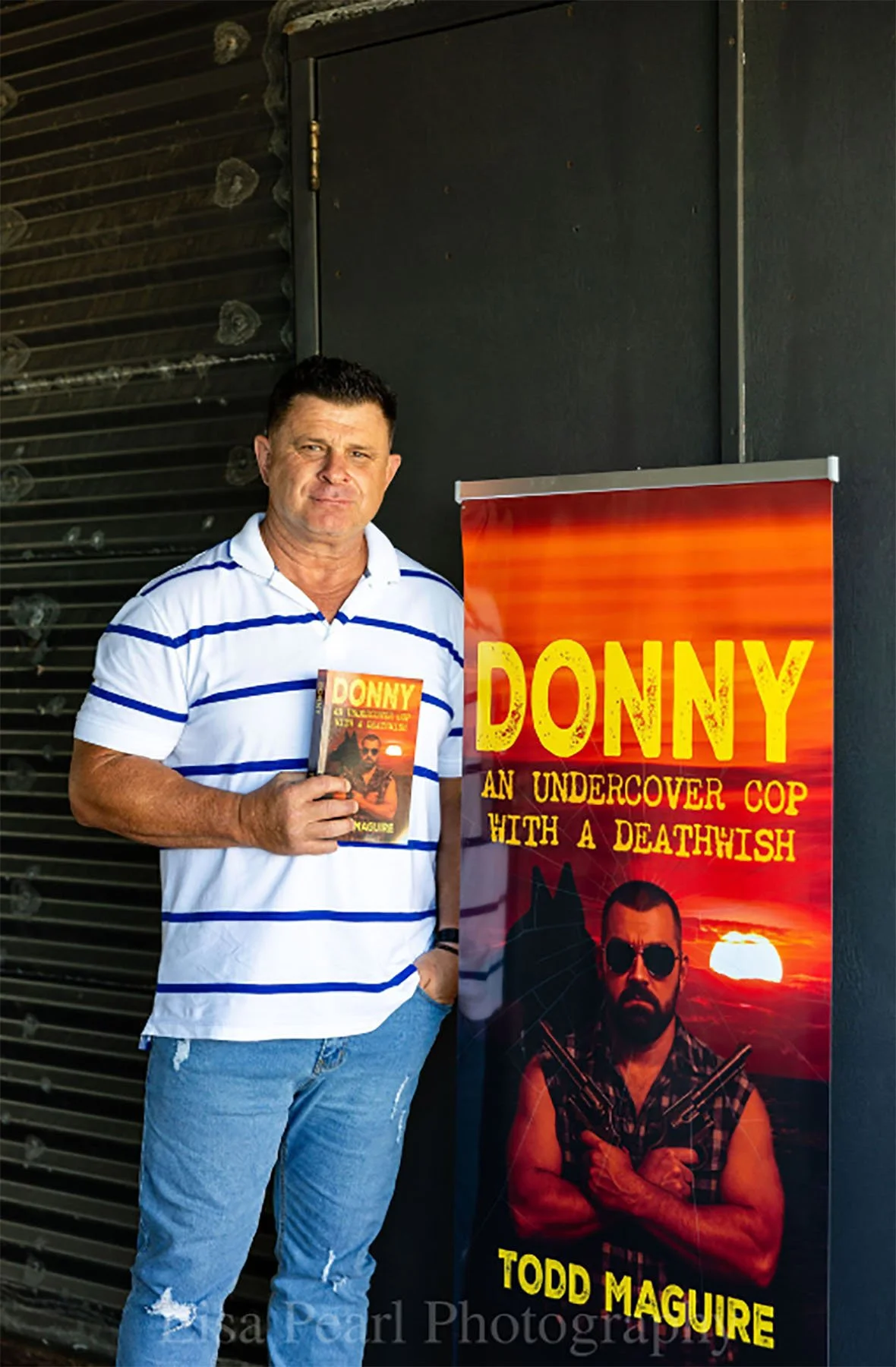
Brandi Fleck: Yeah. That's really powerful. And I feel like, let's talk about your book a little bit. It's called Donny: Undercover Cop with a Death Wish. Tell us a little bit about the book.
Todd Maguire: Yeah, well, it's in three parts. The first part explains my growing up, my history, and basically explaining that I lived in a pretty—not working class—but it was a really good family life. My mum and dad were married for 55 years. I had an older brother, younger sister, and suburban stuff back in the '70s and '80s. I was just on my push bike every weekend and riding around the suburbs, and that's what you did back then. No helmets, no phones, nothing. Probably not even shoes.
Brandi Fleck: Yeah. Fun times, fun times.
Todd Maguire: Yeah. You couldn't ring Mum and say, "Oh, what's for lunch today?" You just had to get two bucks' worth of chips or something at the fish and chip shop, and life was great. Did a lot of sport, played heaps of rugby league, and life was awesome. And I talk about later that because my life was so good, I hadn't really experienced anything traumatic or any adversity because my mum and dad and family and everyone had done such a great job of putting me through private schools and everything. To me, it was rosy.
Everything was great. When I finished school, I went and worked on islands, doing cocktail barman work, and life was just magnificent. And I joined the police and I thought, well, this is even better. My first two or three years were awesome, and then all of a sudden, part two, I explain what happened with Karen. And I go fairly deep into what happened that day and my emotions and how it made me feel.
And I explain how it was so much more of a physical feeling when I first saw it, that it felt like something hit me so hard that it took my breath away. My legs gave way. And that was my major memory of that morning, or that afternoon, was just the physicalness of it, where it just hit me and I couldn't move for a long time. So I really deconstruct that and try and understand how I did it and why I did it.
And then I go through the grief process and I discuss what I found was the right thing—well, sorry, not the right thing—and what I found beneficial for me as to what people said. The condolences you get afterwards: "Let me know if you need anything." "She's in a better place now." "Everything happens for a reason." And I get fairly animated about some of those things.
Brandi Fleck: Yeah.
Todd Maguire: And I said, I'm not saying that it works for everyone, but I suppose if I heard these particular comments, I probably would have appreciated it a bit more. And I go through a set of ones where I say, if people just acknowledged, "Man, that was pretty shit. I feel sorry for you, man. I don't know how you're coping. You're doing a great job." I don't know, even saying, "Jeez, God, I remember that night when Karen did this," whatever.
No one wants to talk about these people anymore once they're gone. They feel that we don't want to talk about our loved ones, but we do. We just want to make them normal. We want to feel like they're still part of our everyday world.
And then it talks about the transition into becoming Donny and how I did it. And then I go through maybe six operations where I explain in fair detail what I did in those jobs. The first one was taking down a big speed cook, and there were some funny stories in that one. And another one was the Vietnamese. That was the heroin ones in Brisbane. And then there was another one a little bit further north.
Undercover Cop Stories: Drug Dealers, Guns, and Criminal Investigations
Initially, it was an English backpacker. She was 19, and she'd been murdered up in Bundaberg. And my job was to go up there and try and find out who had done it. We had a few leads about some drug dealers that were there at the time because she got thrown off a bridge. And so I befriended these people and started buying drugs off them.
And then they broke into a gun shop as well. So my job was to go and buy these illegal guns off them. And so they took me out to the bush, and I actually thought that was the time that was going to happen, where they had guns to my head and, "Come on out to the bushes." And I could see him digging a hole. I'm going, "Oh, here we go. Here we go. This is it." But he was just digging up a bag of guns.
Brandi Fleck: Oh, wow.
Todd Maguire: And then I bought two guns off him. So things like that. I go into detail about a few things like that. Another one was, I was in a biker clubhouse one night, and I'm playing pool. My job was just to get information as to what was going on that night, just a bit of intel, just be in there and have a look around.
And a fellow that I had played footy with five or six years earlier recognized me and called me by my real name.
Brandi Fleck: Oh, no.
Todd Maguire: Yeah, that was the first time that had happened. And I didn't know what to do. And it was almost like the music had stopped. It didn't really, but it felt like it. And when he goes, "Hey, Todd. Todd," and I'm going, "I'm Donny, mate." He goes, "Yeah, I played footy with you." I go, "No, mate. No, no, no, not me." And he goes, "Are you still a cop, or weren't you a cop then?" or something. And that's when I felt like everything had stopped. It was like, "Shit, shit, what am I going to do? What am I going to do?"
And actually, after Karen, I was an angry man and I was getting into a lot of fights. And my natural reaction with this incident was I just knocked him out. So I put him on his back.
Brandi Fleck: Yeah.
Todd Maguire: And when I think about it, I didn't even think about it. As soon as he said it, I just, bang.
Brandi Fleck: Oh, wow.
Todd Maguire: And so I decided to get out of there. And it's a much longer story, but I'm doing an abridged version. But I'd been drinking a fair few beers that night, and all my handlers and stuff were about a kilometer down the road waiting for me.
So I thought, I'm going to quickly go to the toilet, and then I'm going to get out of here. So as I was relieving myself, powdering my nose or whatever, a heap of big bikies come in, "What the fuck was going on out there, man?" giving me a bit of a hard time. But I'd spent a bit of time with them throughout the night, and they were going, "Hey, what's you doing?"
And they said something about, "Why'd you hit my brother?" And I'm going, "Fuck, mate, I didn't know that it was your brother. I'm sorry, mate, but I've got some sad news for you." They said, "What? What?" I said, "Mate, he tried to grab me on the cock. That's why I hit him." He goes, "Bullshit." I said, "Mate, he did. He grabbed me. And I'm sorry, mate. I'm sorry that I hit your brother, but he wanted me to go in the toilet with him and grabbed me on the dick."
And anyway, they said, "Oh, it actually wasn't my brother. We were just giving you a hard time." And I was like, "Fuck, whatever."
And at one stage, one fellow pulled up a shoddy. I don't even think it was loaded, but you don't know. And he goes, "Didn't he tell you, didn't he say you were a cop or something?" And I said something about, "No, he said something about I'm a cock, not cop."
And then I said, "Matter of fact, I am a cop. You're all under arrest. Turn around. Turn around. Put your hands behind your back." And I said, "Has anyone got any handcuffs?" And I was just making a joke of it and everything. And they just laughed their heads off and they pissed off. And then I went out the front door and kept running.
Brandi Fleck: Oh my gosh.
Todd Maguire: That was a bit hairy, that one.
Brandi Fleck: You had to think really fast.
Todd Maguire: Yeah. So there was a couple of other jobs where I had to really talk myself out of things where violence wasn't going to be the answer. So I really practiced a lot of that. Even on my days off, I'd go to a bar, and I'd just strike up a conversation with anyone. I'd just look around and go and start a conversation and say, "Well, what do you do for a job?" And then I'd make one up and see if I could talk bullshit about this job that I have no idea about, but try and make it believable.
Like I was a nail salesman at one stage. I had no idea about nails, but I just had to make it up. Lucky it wasn't a carpenter that I was talking to.
Brandi Fleck: Yeah.
Todd Maguire: Little things like that. So the book goes through all of my operations, and then part three is coming out of undercover and being Todd again. And then the whole last part is all about what I did do right, what I didn't do right, the recovery and giving tips. I say that my book maybe gives you as many good tips of what to do as it does what not to do as well.
I made a lot of mistakes. I did a lot of stupid things, and if I could do things over again, there'd be a few little things I'd change.
A few of the things, I'm saying that I'm no expert. It's my experience. And if people get something out of it, I'm happy with that.
Brandi Fleck: For sure. In that moment with the bikers, how much of that interaction was a persona in order to keep yourself safe versus what was real?
Todd Maguire: From what, with the bikers in the toilet or the fellow who said he knew me?
Brandi Fleck: The fellow that knew you.
Todd Maguire: That was a reaction that I don't even remember thinking about. It just occurred. And I think that the bikers, again, I never showed any fear because I didn't have fear. If I truly cared and probably wanted to live, I would have looked a lot different. They probably would have seen something in my eyes or in my face that would have explained that I was a cop.
But I just didn't give a shit. I didn't care what happened to me. If they did what they had to do with me, I would have been happy. I was on a death wish. I didn't give a shit. But I think inevitably that saved me because I think that they at no stage would have believed that I was a cop by the way that I reacted.
Brandi Fleck: Yeah. Okay. So before we get off here, we'll definitely give listeners a chance to know where they can find the book and all the information about you and what you're doing. But I would love to ask you, I'm interested in the identity piece a little bit and the impact of actually being undercover. Was there, I know there was an impact from the traumatic events that happened while you were undercover, but was there an impact from the secrecy of being someone else?
Todd Maguire: No, I don't think so. I've only got fond memories of it. I remember I loved it. I couldn't wait to, if I had to go back home, sometimes I'd be away for three months and then I'd go home for a weekend. And I used to hate it. I used to hate it because I had to be normal again. I had to worry about all of the old stuff. And then I couldn't wait to go back and just be Donny because he didn't care and he didn't think about anything else because he had too much other stuff to worry about.
Undercover Police Identity and the Psychological Cost of Becoming Someone Else
But I do know that after undercover, I had to try and transition back to being a normal person again, and that was a big struggle. I found that really hard because I'd been called Donny for two years. And when you think about it, you put yourself in a situation where you're in a pub or a nightclub or a bar or whatever, a shopping center, and someone yells out, "Donny," you've got to look around and go, "Hey, hey." Similarly, if someone yells out, "Todd," you can't flinch either. And it takes a while to subconsciously make sure that that happens. So you work on that a lot and you really train yourself to be that person.
And then people were saying after that, "Hey, Todd. Todd." They thought I was just ignoring them, but I wasn't even processing that they were calling me. So I just wasn't used to it.
Brandi Fleck: Yeah. You had to turn that off.

Todd Maguire: Yeah. So I was like, "Okay, okay. I've got to put Donny to bed. He's dead, he's gone. I'm Todd again."
And I still lived—I really immersed myself into the undercover world, the criminal world, and I couldn't just flick the switch to go back and put the blue uniform on after that. It was really hard to try and. And my last job was in another jurisdiction down in New South Wales, in Sydney. And I was living in this high-rise overlooking Hyde Park. They gave me a BMW, a beautiful car to drive around in. I was buying a thousand pills at a time. I was always carrying thousands of dollars in my pocket, just living a great drug dealer's high life.
Basically, most nights I was just hanging out in strip joints and sleazy sort of crazy places. And I finished that job and they said, "Okay, your two years is finished," because you can only do two years, "and you're now starting at Crimestoppers next week. So this is the start of your six months' reintegration. So you're going to do two months at Crimestoppers," which is like a call center for anonymous callers to call up and dob in a drug dealer or something like that.
And I was still very much into the world of how crooks thought and what they did. So the first day, they had to rock up at 8 o'clock, but I hadn't been up at 8 o'clock for two years, so that was a struggle.
Brandi Fleck: Wow.
Todd Maguire: Yeah. I said, "I can get there by maybe 11, I don't know." But they're going, "No." They said, "No, this is all about you. We're trying to get you back into the real world. We don't care what you do when you get to work, but you've got to get back into a structured life. You can't be waking up at midday every day."
So I was like, "Oh, fuck it, okay." So my first day, I got there at 9:30. I thought that was a pretty good effort. And it just got better and better each day.
So one of the first jobs, he goes, "Pretty simple job. Take a call, write down some notes, if it's got any legs on it, forward it on to the detectives," and blah, blah, blah.
And one of the first ones that rang, it was a bloke, and he's going, "I just want to dob on me next-door neighbour who's smoking drugs, and I don't like the smell coming over to my house." And I just started ripping into him. I said, "You're a fucking dog, mate. Are you dobbing on your next-door neighbor? Don't you know what happens to snitches, mate? Snitches get stitches. You're going to fucking die." And I'm just ripping into him.
Brandi Fleck: Oh my goodness.
Todd Maguire: Yeah, I'm sounding like a crook, but I've got a blue uniform on. And my boss comes running over, he grabs the phone, and he gives it to someone else. And I'm firing up. I'm just ripping into this fella. And he's going, "Come for a walk down the road with me, Toddy. Let's get some fresh air."
And I'm still 100 metres down, "He doesn't know the fucking rules of that, mate. He's fucking kidding himself." He's going, "Oh, I don't think we'll get you to answer phones for a while, hey? We might get you to do filing."
So that took me a while, just getting out of the world of how they thought because I taught myself to be in that world for so long. So that was one memorable example where that mindset really struggled.
Brandi Fleck: Yeah. Do you ever worry about, now that you're not undercover, do you ever worry about any of the criminals that you were working to get, I guess for lack of a better word? Do you ever worry about them coming for you or knowing who you are now?
Todd Maguire: Not really, no. I flippantly say, and maybe this can be used in evidence later, I don't know. I flippantly say that they didn't get me the first time, so good luck getting me the second time.
Brandi Fleck: Gotcha. Okay.
Todd Maguire: And maybe the other one is, I'm pretty sure most of them can't read anyway, so they won't be able to read my book.
But a lot of the people that I was dealing with back then, they would have been much older than me now. I know that a lot of them spent a lot of time in jail. The book doesn't have anyone's name in it. Everything's changed. And those individual people would have to have read those parts of the book and sort of align with what was happening, and I'd find it really hard.
Brandi Fleck: Yeah, it'd be very odd. Gotcha. Okay. How long did it—well, first, why are you only allowed to be undercover for two years? And then how long did it actually take for that integration process back into normal life to be done?
Todd Maguire: The reason that we were told, and I'm pretty sure that is the correct reason, was people get too far under and they can't come back. And even after two years, I was very much part of that underworld belief and understanding and just the way that I acted. You do become who you hang around with.
And what had happened in the previous couple of decades were cops that had just—they were doing it for maybe five years, six years, seven years, and they had almost no supervision.
And I know there were a few that really got stuck with addiction. I know one particular fella, he got addicted to heroin and started doing armed robberies, and he ended up in jail. So that's pretty sad in terms of he's basically doing a job cleaning it up, but he ends up getting hooked on it himself and then goes to jail.
Probably lack of supervision. They just let him go and didn't even check in on him. And for some reason, this was probably in the '70s and '80s, for some reason, hooked on heroin, and that was the end of his life, really.
Drug Use, Violence, and the Reality of Undercover Police Work
Brandi Fleck: Yeah. Were there any times when you had to partake in the drugs or do anything that you didn't want to do in order to maintain your undercover status?
Todd Maguire: It was almost a weekly sort of institution, basically. When I first started, a lot of people, you'd always have a registered police informant to introduce you to everyone around, and you'd run off the back of that person.
And every one of them said, and it ended up being exactly that, a lot of these people don't drink alcohol. They don't waste their money on that. They'd rather put it up their arm.
So whenever you went around to someone's house and you're just trying to befriend them or be part of the whatever or buy some drugs off them later, it would always be just pass the bong around. And it was basically said, if you don't do that, you might as well not even come. So you'd try and pretend not to, but you'd always be affected by it.
And I remember one particular fellow said, "In your world, you'd probably bring a six-pack over and have a few beers with your mates. We don't do that. We pass the bong around." Well, okay. So that was one thing.
And there was another time where there were always people shooting up in my car. And I would always say, "I don't like needles." And I—
Todd Maguire: I had a fair few people shooting up in my car, so injecting needles. And there's this one story in the—when you look at it now, it was pretty funny. It was pretty slapstick, but it was pretty scary at the time. It goes for a long, long time, but essentially we'd just bought some speed.
And the fellow and his girlfriend, she was in the back, and they were both shooting up, and they were going, "Oh man, the fearful steel, how good's that? Gets you right in the Adam's apple." They're just off their heads, and she starts dry retching. And I had this old yellow Vacationer shit car.
But the pride and joy was my black-and-white moo cow car seats, and I was really proud of them. And she started dry retching on them in the back, and I thought, "Here we go, here we go. Not on my car seats, no way." So I raced around and got her out. I said, "Mate, I don't care if you spew, but just not on the car seats, man."
And anyway, she was spewing in the gutter, but old mate, the boyfriend, jumps in the front seat and he starts the car up. So I ran around to try and stop him, and he locked the door. And it was like, she's got up and she's jumped around and got in the passenger seat. He's going, "Come on, Donny, let's go." So I jumped in the back.
And he's driving down one-way streets. He's going this way, that way, bloody, just driving like a madman. And I think he was yelling, "Drive it like you stole it," which he basically did. And I'm in the back seat, didn't have the time to have the seatbelt on, but who does back then, or even in that world? I'm more worried about the dirty needle in the back, trying to avoid that because he's going around corners and going on two wheels, and it was just absolutely crazy like heck.
They were yelling at each other that much that he ended up getting a knife out of his pocket and he stabs it right in the leg to shut her up.
Brandi Fleck: Oh my gosh.
Todd Maguire: So, yeah. And anyway, he slams on the brakes. He starts crying, "Oh, what have I done? I love you, honey," all that sort of bullshit. And I ripped out of the car and took off and called an ambulance. But that was like a normal thing. Most people were always shooting up in cars. But I always say, "I just don't like needles," and I pretend to do it another way.
Brandi Fleck: Yeah. Okay. Man, well, thank you so much for sharing some of these personal stories. I know it's a lot.
Healing From PTSD, Grief, and Trauma After Years of Avoidance
Let's talk just a little bit about the healing process. How was that for you? And is it possible to heal CPTSD and all of that?
Todd Maguire: Well, I don't think I'm fully healed, but I'm certainly a long way forward than what I was, the fact that I can acknowledge it. One thing I did shift my brain into was getting out of being a victim. "Why me? Why did it happen to me?" And flipped it and said, "This is a blessing. Thank you for choosing me to do this," because I always said, "What did I do wrong? Was I a bad person? Did I do this when I broke up with my high school sweetheart? Was this payback for that?" All of those sort of things.
And I was always trying to work out what was I supposed to learn from it. I kept on saying, "Nothing good's come from it. I can't find anything positive. Everything's bad." And I've just flipped the switch and I said, "I'm grateful it happened to me now because I'm so much more aware of the world. I'm so much more aware of other people. I have a different mindset compared to so many other people."
And I stopped being a victim and started going, "No, this is a blessing. This is a power that's been given to me now that I believe is great, and I love it." The fact that I can now use my story to help others makes me feel so good. Saying that, I don't think I'll ever be over it, but I know how to manage it now.
Where I used to fall off the wagon a few times, the way I'd describe it was two steps forward, three steps back. I thought I was going good at one stage, and then it wasn't. But then over the years, the more I changed my mindset, the more I really started fixing up my sleep and started fixing up my nutrition and exercise and started hanging around the right people and things that aligned with me.
And I think it's now become one step—it's now a thousand steps forward and one step back. Every time I have a—when Donny appears, its head seems to be longer and longer and longer. And I think there's a break in it now where it used to happen quite regularly.
And I think just the process of coming to terms with it and understanding it and accepting it, acceptance of it that it happened. That is life. Life is very fragile. I was searching for answers for so many years, and I've just said, "I'm never going to find the answer. Put it to bed. I don't know why she did it, and I never will."
I don't have a one-size-fits-all answer as to how to heal from that. And I suppose if you asked me this 10 years ago, I wouldn't even know what you're talking about. But you do have these light bulb moments where you go, "I'm just not going to live like this anymore." And that happened to me, luckily.
Brandi Fleck: Yeah. Okay. Well, where can listeners find you and your book?
Todd Maguire: Well, I do have a website, toddmaguire.com.au. That's the M-A-G, like Jerry Maguire, and that's an Australian website for some Australian listeners.
Because what I do is I self-publish that book, and I sign it and I put a nice little note in it and package it up and send it to you. But if you're outside Australia, you can get it from all of those normal online stores like your Amazons and Kindle and all that sort of stuff. I'm in the process of doing an audiobook, so hopefully that'll be out very soon.
Brandi Fleck: Fantastic. So for Australian listeners, they can order from your website to get the signed copy.
Todd Maguire: That's correct, yeah. And then outside of that, it's Amazon and all of those little sort of outlets.
Brandi Fleck: Perfect. All right. Todd, is there anything I didn't ask you that you feel like is important to share today?
Todd Maguire: No, I think that's basically everything. I mean, I could probably go on for hours now because for 20-something years, I never spoke about it. And now I just love talking about it. And I find that each time that I do a podcast and I talk about things like this with people, it's almost like a therapy session for me.
Brandi Fleck: Nice. All right.
Todd Maguire: And I suppose that message to people is talk to people. Find people who you believe will understand you, because there's nothing worse than finding the wrong person to talk to about your feelings. Sometimes that makes it worse. But if you find someone who you know has probably gone through something similar, have a chat. Have a chat.
Brandi Fleck: Okay. And on that note, thank you so much for coming on the show today and sharing your story with us.
Todd Maguire: Thank you for having me. It was great.
Join the conversation!
Feel free to share your own experience and let me know if you have any questions in the comments.
Related Posts












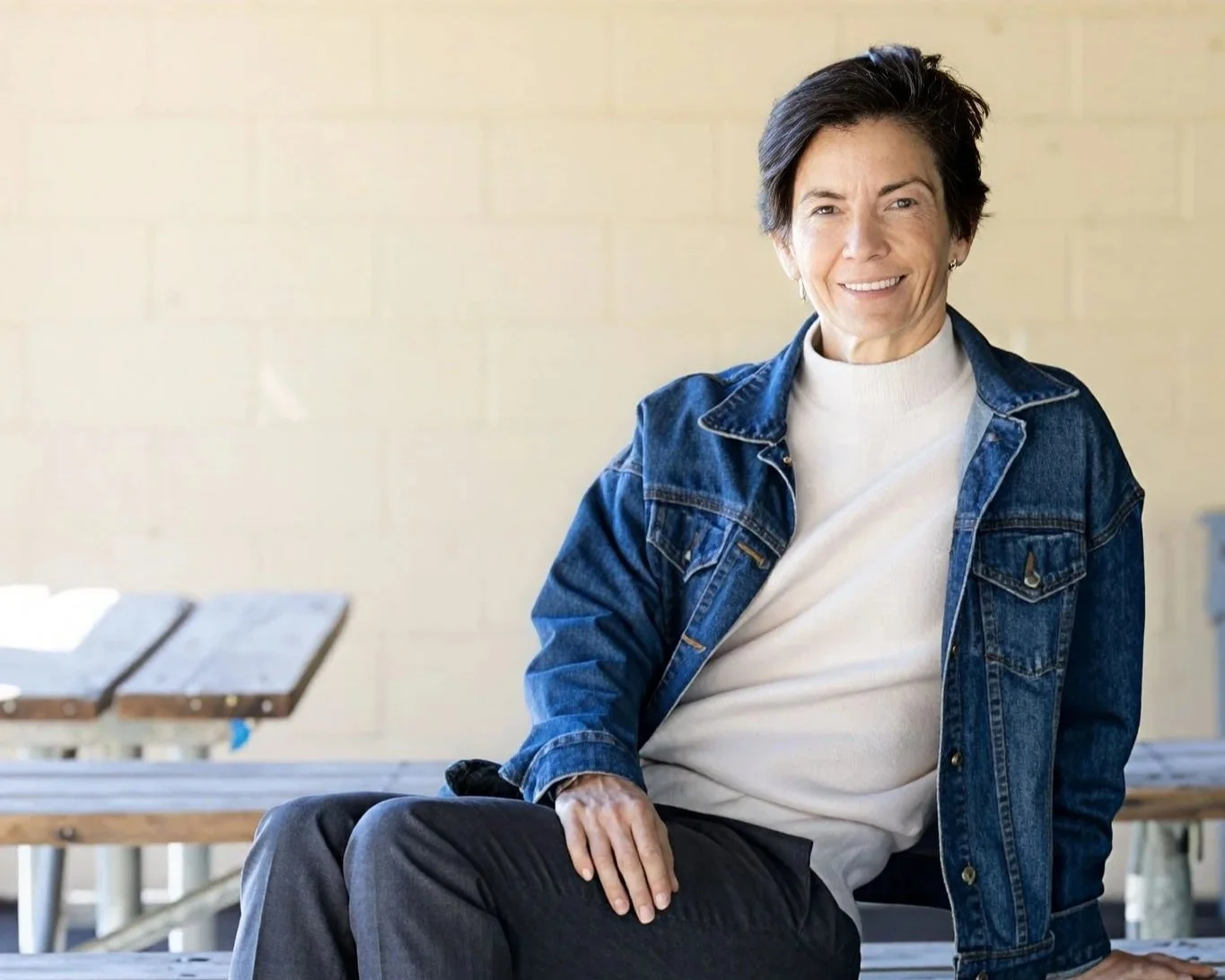
Hi, I’m the founder of Human Amplified. I’m Brandi Fleck, a recognized communications and interviewing expert, a writer, an artist, and a private practice, certified trauma-informed life coach and Reiki healer. No matter how you interact with me, I help you tell and change your story so you can feel more like yourself. So welcome!
Find More on the Blog
Topic
- ADHD
- AI
- Atlanta
- Black and BIPOC
- DIY
- FAQ
- LGBTQIA plus
- Los Angeles
- Nashville
- Seattle
- St Louis
- St. Louis
- UFOS/UAPs/ETs
- abuse
- accountability
- addiction and recovery
- adoption
- affirmations
- afterlife
- altered state
- angels
- animals
- anxiety management
- art
- astrology
- atlanta
- attachment
- awakening
- beauty
- behind the scenes
- being human
- body image
- body work
- boundaries
- brandi fleck
- breathwork
- bullying
- burn out
- burnout
- cancer
- career
- caretaking
- chakras
- channeled
- clarity-dive
- clarity-practice
- clarity-primer
- clean products
- coach
- codependency
Recent Blog Posts

Visit the Full Podcast Audio Archive

Affiliate