How Everyday Racism Changes the Way We Live
Interview By Brandi Fleck
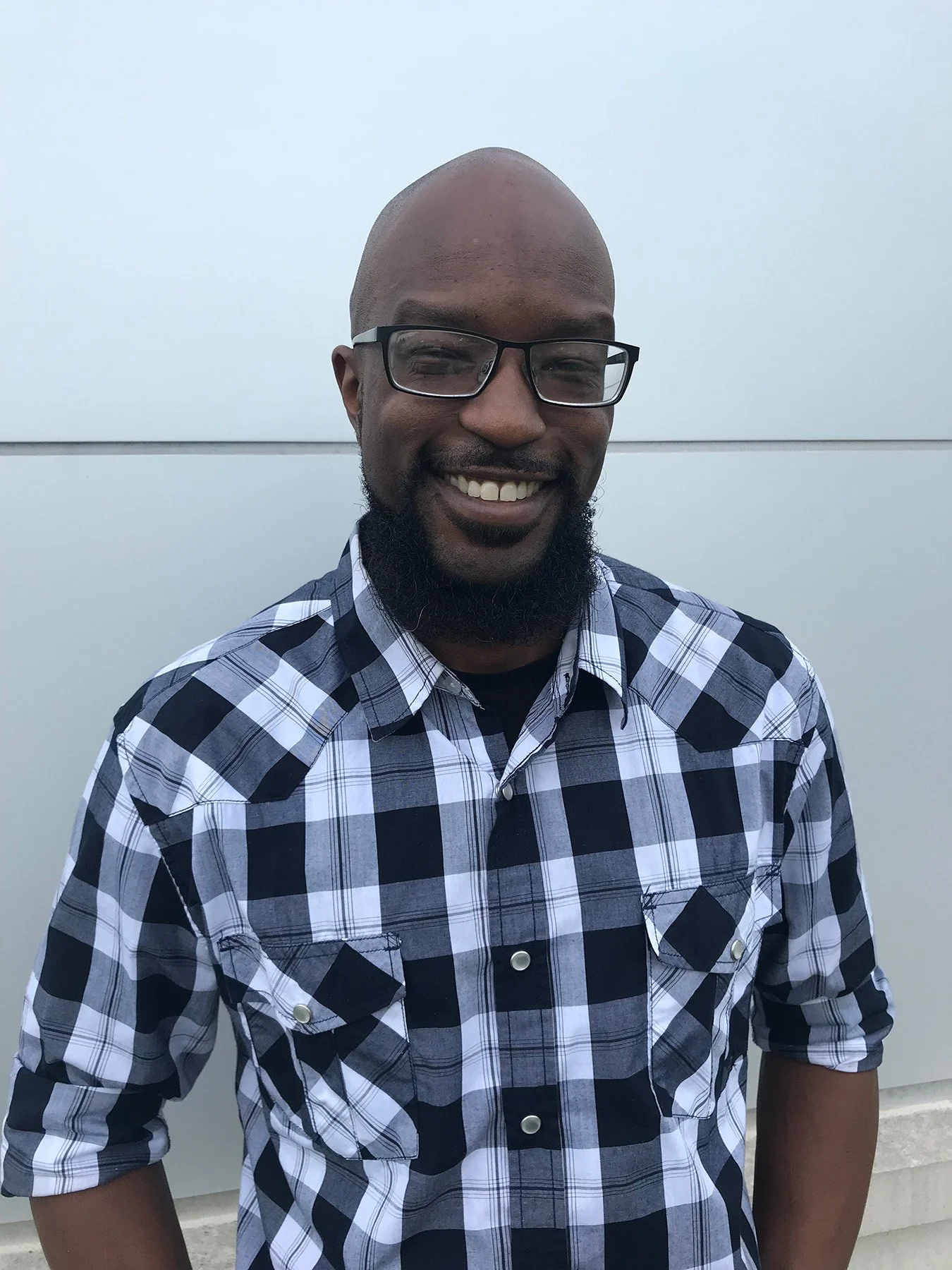
Marcus Barker shares how everyday racism, subtle bias, and childhood experiences shaped his confidence, identity, and the way he moves through the world.
The experiences that shape us aren't always the ones we recognize in the moment.
Marcus Barker spent years believing he could simply show up as himself. Then one ordinary workplace interaction resurfaced memories he hadn't thought about since childhood, changing how he understood his experiences and the world around him.
A software engineer and former music educator, Marcus reflects on growing up Black in America, navigating a predominantly white industry, and how subtle acts of exclusion can quietly shape confidence and identity.
Whether you're hoping to better understand someone else's experience or examine your own assumptions, this conversation offers an honest perspective on empathy, perception, and the lasting impact of everyday interactions.
Listen to Marcus Barker’s Interview
Watch Marcus Barker’s Interview
The Person Behind the Profession
Brandi Fleck: Welcome back to another soul-exposing exploration of what it means to be human.
Last week, we talked to Donna Campbell, a shining example of how to harness hard experiences into a positive life path. She leads a diversity and inclusion initiative as part of her career, and this week's guest, Marcus Barker, is an active member of her diversity and inclusion group.
Today, Marcus discusses everything from pivoting from a teaching career into becoming a software game developer, and he talks about how that has taken him into being a minority in a predominantly white, male-dominated career path.
Marcus tells personal stories of racism experienced not only in his career but also as a teenager. We discuss his journey through his career and what led him to where he is today, as well as issues such as people-pleasing, building confidence, and finding your way in the world.
When you're finding your way, you can run up against people who don't realize how they treat you has a lasting impact. At other times, you can just run up against some real unkindness and prejudice.
What's so important about Marcus's message that we all need to think about is that even if your intentions are not to hurt someone, the person at the receiving end of your actions or words doesn't always know your motivation. You can't know someone's intentions, and perception is oftentimes reality. So even though Marcus doesn't say this, I hope we can all think about how if a person experiences something as racism, then it is, whether you intend it to be or not.
Marcus is also a father to three beautiful boys, who you will hear in the background of this episode, and he takes pride in being a father, a good example, a caretaker, and a provider to his kids.
I just love Marcus's bravery, honesty, and generosity in sharing his story. His willingness to start a conversation about tough topics is admirable.
So stay tuned to learn about what race-related actions had a lasting impact on Marcus's confidence. Plus, he gives white people advice about how to start a conversation about racism, and the conversation is a great starting point to learn about how to advocate for human rights.
For now, without further ado, let's hear from Marcus.
Brandi Fleck: Hey, Marcus. Welcome to the show today. How are you doing?
Marcus Barker: I'm good. I'm good. How about yourself?
Brandi Fleck: I'm doing really good. I am so excited to have you here today. I want to thank you for coming on. I just think that you are a very kind person, a very gentle person, a very smart person, and I can't wait for our listeners to get to know you better.
So with that, let's just jump in. Tell us, who are you as a person? How do you see yourself?
Marcus Barker: First of all, thank you for having me on the show. Again, there's going to be a lot of children in the background.
Brandi Fleck: Totally okay.
Marcus Barker: I mean, the way I just kind of see myself is, I think more recently as well, I seem to like making people happy. I like it when people are happy.
People would probably say, "Well, that makes you a people person."
I'm like, "Yeah, not exactly."
It's just, I'm kind of one of those people that's like, I can't stand by and watch someone suffer if I have the ability to help them. It's kind of the person that I am.
I love children. I went to school to be a teacher.
Brandi Fleck: I didn't know that.
Marcus Barker: Yeah, I went to get my music education degree. I did get the degree. I did get some teaching experience through student teaching, so I was actually in a classroom environment.
Brandi Fleck: Wow.
Marcus Barker: Then I graduated, and I was already set to go to my next school of education. My cooperating teacher, which basically means the person that allowed me to student teach in their classroom.
She came to me, and she said she was basically going to be getting a new job, so she was offering me her job because I was already familiar with the students. The students really loved me, and they hated that I had to go.
She said that I knew how to relate to these kids. Of course, I had to turn it down, unfortunately, because I knew I wanted to go on this...
Marcus Barker: ...track of learning how to be a game developer, and then that's kind of what led me to where I am today.
Being relatable to people and respecting people, it's a gift and a curse because sometimes you want people to like you, or at least for myself, I want people to like me. That's not always going to be the case, and that's something that I struggle with.
I know people say it's really easy to just be like, "You can't think about that. That's too much of a burden." I have to say, deep down, it still is important to me. Even if I hide it or even if I try to push it away or push it out of my personality or the things about me, the thing that makes me me, I try to push it away, but it's really difficult for a person like me.
Brandi Fleck: What I hear you saying is that you're compassionate. You like to help people, and you respect people. You really are, I think, a very giving person, and it's hard when people don't treat you the same way.
Marcus Barker: I think it doesn't bother me if someone doesn't do the exact same thing I do for them.
Brandi Fleck: Okay.
Marcus Barker: More so, if that's what I'm trying to do or if I'm trying to help you, and then for some reason you don't like me.
Someone did tell me, "People don't like you. They have their own stupid, effed-up reasons for not liking you. You just have to kind of get over it."
It's not easy because it's not a goal of mine. There are people that don't like me, and it doesn't really bother me. It bothers me slightly, but not so much where it puts a damper on my day or affects me in such a negative way.
But when it's like you have really, in my opinion or from what I can tell, no real reason to dislike me, and if I care enough to ask you about it and you're not willing to tell me, it does bother me.
Brandi Fleck: Gotcha.
Marcus Barker: Because it's like, "Well, damn." If I have a problem with you, I'm going to tell you. The purpose of me telling you is not to be an asshole. It's for me to sit here and try to hash something out with you.
I want our relationship to continue, so me telling you is a way of me saying, even though I don't really know you very well or not, I don't want there to be sour grapes. I want us to get over whatever the issue was. Let's talk about it.
Maybe I was completely in the wrong. I am not a perfect person. With that being said, help me to at least, even if we're not completely friends, help me to be a better person to you. Help me to be a better helper or a better associate to you.
We don't have to go and hang out and have a beer. It's just, hey, if I can help you, I would love to. If I need that in return, I would love that as well, but I'm not doing it for the gain of it. I'm doing it because I just like helping people.
Brandi Fleck: Sure. Yeah, that makes a lot of sense.
Before we get too far into the show, I am curious. How did you make the leap from music and music education to deciding you wanted to be a game developer or game designer?
Teaching to Game Development Career Change
Marcus Barker: My sophomore year in school, I basically came into the music school as an outsider. Again, that's a whole other story, but let's just say that a lot of people in the music school did not like me. They looked at me kind of like a charity case.
Brandi Fleck: Okay.
Marcus Barker: I had to switch from trumpet to tuba because of my embouchure.
Brandi Fleck: Okay.
Marcus Barker: I was not really enjoying my major as much as I thought I would. I was really ready to get to the teaching aspect of it.
The thing about music majors, if anyone doesn't know, is you're taking four years of music classes on top of any core classes you take in college. So where 12 semester hours is normal, for us it'd be like 17 or 18 semester hours.
I wasn't really enjoying it, but I knew I wasn't a quitter.
I happened to go home for winter break, and I started working at GameStop just to pass the time. One of the guys from my college was in there, and we're talking. He didn't know I was really into games, and I was like, "Yeah, this is my MO. I love this."
He happened to be a software engineering student, so I'm talking to him about, "Yeah, man, I really would love to learn how to do this with games because it seems like this has something to do with games."
What I mean by that is I took computer science in high school, and we learned that's how they make games, but I didn't find any schools for it, so I didn't see a point in trying to pursue that as a career path at that time.
Brandi Fleck: Gotcha.
Marcus Barker: He was like, "Oh, there's this school called Full Sail down in Florida. They teach that."
I'm like, "Get out of here."
That night, I remember leaving work. I went to my little brother's house, and usually we'd go play video games, but I was like, "Yo, let me just use your internet."
I looked it up, and I'm like, "This school is awesome."
I'm reading it, and I'm starting to get all psyched up, like, "Oh my God."
At this point, I'm ready to leave. I'm like, "All right, you know what? I could turn this Bachelor of Music Education into a Bachelor of Arts because I could finish this year and have a degree, and then I can go."
My mom just kind of reminded me, "You say you're not a quitter. You're going to quit? We've already invested money in this."
I'm like, "Yeah, you're right."
So I finished up school, finished everything that I was doing in Columbus, Georgia, which is where I went to school, and then just went to Full Sail.
Again, as someone who didn't really have the best background, I had a good math background, but as far as programming, I just knew that I enjoyed it.
I was probably one of the, I want to say, the worst. Obviously I passed everything, but I wasn't that Grade A student as far as the grades go. I think I was more of a better student at listening and trying to learn and trying to figure out how things worked, but I wasn't really confident in my ability.
I managed to pass everything, and then I got lazy toward the end of the program as far as trying to find a job.
One of the instructors there knew I had a teaching background, and she was about to lose a lab specialist. She was like, "Hey, I would love to hire you. You have a background in teaching."
I ended up staying there for five years. After that, my wife got pregnant with our third child, and I was like, "Yeah, I think I need to leave the school. I'm not really making enough."
Brandi Fleck: Gotcha.
Marcus Barker: That forced me to do something to get out into the industry. That's the journey I took to get to where I am now.
Brandi Fleck: Okay. So you've been a software engineer now in gaming for how long?
Marcus Barker: Seven years.
Brandi Fleck: Seven years. Well, way to go, man. That's awesome.
The fact that you are in software engineering, I know that we are going to talk about how that is a predominantly white field, at least in America. There are some minorities in it, but really we're going to talk about that and how that makes you feel.
First, I want to sort of touch on something. You had mentioned that you weren't really confident in your skills. Why do you think that was?
Marcus Barker: I think I've just always had confidence issues. I never really quite understood it. It's actually funny. I didn't quite understand it until probably earlier this year, toward the end of last year.
I've been in this industry as long as I've said, seven years, and confidence has been an issue. Going through school, there were so many guys who were just so talented, who already kind of knew how to do this. They had no problem.
I'll make an analogy to an artist or a painter. You can have a guy with a blank canvas, and he'll just start doing something, and then he makes some beautiful art from it.
People Pleasing, Confidence, and Self-Doubt
Marcus Barker: It's almost like Bob Ross. You have this canvas, and then there's this beautiful image. It's like, where did he even think of doing something like that?
Then you have the guy next to that person with the blank canvas, and he's just kind of staring at it, tilting his head to the left, then he tilts his head to the right, then he's just looking at it straight on. He might start to do something and then probably use paint thinner to remove the paint because it's like, "I don't know if that's what I want to do."
That was me.
Anytime with programming, it was almost like, if they were like, "Hey, make this program that does this," I would spend a good 10 or 20 minutes trying to figure out what's the best way of doing it.
Brandi Fleck: Sure.
Marcus Barker: I'd always trip over myself, and I tripped over myself so much while I'm surrounded by these people who knew what they were doing. I just remember being in that room, being in that moment, and it's just like, "God, I know that this is what I want to do, but damn, I didn't think it'd be this hard."
It just kind of followed me throughout the whole program. That's probably why I didn't have the best grades. Even with studying, I had good book knowledge, but applying it just was not good. It just really followed me. I don't know why it did.
Even at my first job at EA, when I'm there, I really wasn't confident, but I tried to shake it. I tried to get rid of it. So when someone gave me a task, "Hey, do this," or "Do that," I'd try to do it, but it would just take me a long time to really get it done.
Brandi Fleck: Okay.
Marcus Barker: I guess it's just one of those things where, kind of going back to what we talked about before with people, you see these talented people and what they talk about, and it's like I feel so small sometimes because it's like, "God, whatever book they were reading, I guess I should have been reading that book," or, "The way that they're doing it, I guess I should do it that way."
There's some good in that because you can pull different elements from people and kind of make it your own. You can mesh it together and make this great sculpture from it or whatever.
Brandi Fleck: Right.
Marcus Barker: But the bad in it is that you're pulling from people, and you're not making it your own.
I'm pulling from people, and I'm being so rigid because I'm not allowing my thoughts and my ability to just kind of flow free. Even with having that knowledge, learning that skill set, I'm so rigid with, "Oh, this is how that person did it. I'm going to do it like this. Oh, this is a great place to put this technique, so I'm going to stay rigid."
I work slow. The results might come, but it comes at the cost of time, and my confidence still isn't there.
I've only learned recently that I've had to kind of, okay, pull from somebody, but just get it done. Just do it. Just flow. Whatever comes to you, just comes to you.
Brandi Fleck: Yeah.
Marcus Barker: If something else comes to you, change it.
It's not as easy as I'm making it sound. It's not always easy in application, and I still struggle with it a little bit because sometimes I trip over myself, and I'm like, "Okay, well, how am I going to do this?"
At some point, I'll just say, "Just do it. Just start typing something. Just go."
Then I'll start typing something, and I'm like, "Oh. Okay. I see how this flows. Okay, just start typing that."
I try to make sure that I don't stray away from what I already see, and sometimes that happens too.

If I already see this path laid out in front of me of, "Okay, this is how Marcus needs to do it," I might try to stray a little bit off that path, and it's like I have to be rigid and say, "Nope. Stay on this path for now. Don't branch out anywhere. Just stay here."
If this looks like the most inefficient garbage that you can type, then let it be inefficient. We can always fix it later.
Brandi Fleck: Sure.
Marcus Barker: Sometimes I still have to tell myself that.
Brandi Fleck: So interesting. I think some of the stuff you're saying reminds me of creating in general. Whether it's writing or art or code or creating anything from scratch, there are so many possibilities that sometimes it paralyzes you.
I have to do the same thing when I'm writing. I'm like, "Okay, just get these thoughts down on paper, and then you can tweak it from there, but you just have to get it out."
I can definitely understand that.
Marcus Barker: What's even funny about that is a work-related story.
I had to do some documentation and get it ready for you guys. I did it. I wrote it really well. I was like, "Yes. This is nice, clean, concise. They're not going to say anything."
So I sent it to her, and she turned basically a three- or four-line paragraph into one line.
I was like, "Yeah, that's okay."
I thought my skills were better at this point after four or five years working with y'all, but I'm not a guru like you guys are.
Brandi Fleck: That's funny. That's funny.
Well, this is a great transition into, can you tell us what a day in your life looks like?
Marcus Barker: In the morning, my wife and I get the kids ready for school. Then I have an hour commute to work.
During the drive, usually I'm listening to music that kind of reminds me who I am as a person, who tries to spark my creative side a little bit.
What I mean by "who I am as a person," I just mean who I am as a man, a Black man.
Brandi Fleck: Okay.
Marcus Barker: Then I get to work. Obviously, I try to get my coffee in.
At that point, I just try to look at whatever I have to do that day and think, "Okay, I've got to get this done as fast as possible. I've got to try and, in my own mind, be this rockstar engineer somehow, some way."
I try to get things done fast. If I feel like it's starting to be a bit daunting, I'll take a break from it and try to go to a side project. I'll research something.
I like pixel art, which is what I want my games to kind of be like, kind of 2D. I look into some pixel art stuff. I don't really have an art background, but I do enjoy trying to do it.
Generally, I'll just get back to work, hopefully after I've figured out my issue.
I try and see if anyone else needs help with anything. Some people will come to me and ask me if they need help, and I'm always willing to give it because I'm always in that teacher mode.
Generally, when I drive home, I've got to call somebody.
Brandi Fleck: Okay.
Marcus Barker: It's a little longer on the way back because of traffic. Usually it's my little brother that I call or my cousin. We either talk about our days, talk about video games, or the things that we go through in our lives.
Then I get home and help my wife out, get the kids everything that they need, get them ready for school the next day.
If I have a little bit of time, I try to get on my laptop and do some code or design a feature or do some pixel art. If it's not time to do that, then it's time to spend time with the missus and spend time with her and make sure we're good.
That's a typical day.
Brandi Fleck: Okay. So I definitely want to hear about the car ride and you listening to things that remind you of yourself. What is it that you're doing and learning during that time?
Marcus Barker: I used to live in this world of, "Oh, these things don't happen to me," or, "They rarely happen to me."
A lot of the times, when I used to drive to work, I just felt like, "Hey, the safest place outside of my house is my job."
Experiencing Racism in the Workplace
I was kind of free of racism at both places. I forgot, as stupid as that might sound, I would forget who I was in both of those places. Or not necessarily forget who I was, but just be so comfortable. I could be myself at home, and I felt like I could be myself at my job. That's how I felt.
Then what changed that was an event. I don't regret it happening. It sucks that it happened, but I'm glad it happened to me.
Brandi Fleck: Okay.
Marcus Barker: It brought back things that I had long since forgotten about.
It was like a meet-and-greet type of function, and there were some people from another office within our company. They came to meet people, and I happened to be there.
I usually don't like a lot of these events because I feel like they're just kind of mushy, fake events, and I'm just like, "I'm not really interested."
But I went to this one.
I happened to be in the salad line, and two of the people from that group happened to be in line with me. We were kind of joking about the salad bar.
After that, they asked, "Where do we go after this?"
I said, "Well, you can go in the food line and get your food on top of your salad."
He was like, "Okay, thank you," and just walked off.
When he walked off, I noticed he was walking toward a table and bumped into someone. He said, "Hey," said his name, "I'm X," and asked, "Who are you?"
I looked at that and was just kind of like, "Okay. You didn't do that to me."
But okay, sure. Maybe I shouldn't look at it that way.
Then there was another person with him, and I was joking with her as well. She got her salad. She was right behind me in the food line. She got her food, and then she's like, "Oh," and she walks off.
I'm kind of looking at her. I don't know why.
Then she comes back and says, "Oh, where do I get my silverware?"
I show her where the silverware is.
She's like, "Thank you," goes and gets it, then she goes and sits down. Across from her is a white person, and I could clearly see her reach her hand out to shake that person's hand.
So I'm like, "Okay. Clearly you've introduced yourself to this person."
I'm seeing this pattern right now.
Brandi Fleck: Right.
Marcus Barker: It happened a third time, and this was all within only a couple of minutes of each other. When I say a couple of minutes, I'm talking about two to three minutes between each of these interactions.
I'm thinking to myself, "Well, this is a meet-and-greet. Am I just the help? How are you looking at me right now?"
I usually, in those days, would leave my salad by the salad bar while I got my lunch. I was going back to the salad bar to get my salad, and she was being led by one of our own people at the company, who did say hello to me, but she didn't feel it necessary to introduce me to this person and introduce that person to me.
Now, I will say that the person she introduced her to was a Black person, but it was just kind of like, "I don't understand this."
Brandi Fleck: Right. So you're at a meet-and-greet, and you keep getting passed over.
Marcus Barker: Yeah, exactly.
Brandi Fleck: What is happening?
Marcus Barker: Yeah.
In America, there are a lot of people who eat because they're sad or they're mad. I'm the opposite. I don't eat. It's hard for me to eat when I'm mad or I'm really sad.
I just remember going back to my desk trying to ponder, trying to really process what happened. I was trying to eat, and I just couldn't. It was so hard for me to eat anything, but I was really angry.
I told one of the people at work, who was a Black person, what happened. She basically helped me calm down, but I was still angry.
Her manager came out and saw that I was angry and was curious why I was angry. He had a call to jump on, but he said, "Oh yeah, man, we'll talk."
He went into his office, and she pulled me to the side.
She said, "Don't talk to him."
I said, "Why?"
She said, "He won't understand."
Because I felt like what happened was racist.
Brandi Fleck: Sure.
Marcus Barker: But I wasn't sure. I really wasn't sure, and I was very confused because I'd never really had anything quite like that happen to me.
She said, "He's not even going to try to understand how you feel."
She said, "One, because he's white. He's not a bad person. It's just that he's white. He's not going to understand."
Brandi Fleck: How could he know?
Marcus Barker: Right. She also brought up his political affiliation. I was like, "Yeah, that makes sense. He's a Republican."
Okay, he's really, really not going to understand. I was like, "That's a good point."
She said to me, "You really need to talk to someone who's really going to understand where you're coming from and understand how you feel."
Raising Black Children and Navigating Racism
I got through the end of the day somehow. At this point, my memory of the rest of the day was a blur.
What I do remember is jumping in my car and taking that long drive home. The first and only person I could think to talk to about this event was my mother.
So I called her, and I explained everything that happened.
My mom was like, "Well, you should have introduced yourself. You're letting people take your power away. At least you could have shown him, 'This is how you introduce yourself to somebody.'"
I asked her, "Am I just overreacting? Is this not a big deal?"
She said, "No. It's a very big deal. Yes, it was racist. It was racist for them not to introduce themselves to you. If you felt that it was wrong, then it was wrong."
Brandi Fleck: That's a really good point.
Marcus Barker: Yeah. That spoke volumes to me.
So I decided at that point, okay, well, I need to remember who I am as a Black man and the world that I live in.
Brandi Fleck: Yeah.
Marcus Barker: As embarrassing as it is for me to say, I used to listen to more instrumental music, or art music is what I like to call it. I don't call it classical because that is an actual era in music history.
Brandi Fleck: Okay.
Marcus Barker: I used to listen to a lot of instrumental music, just kind of thought-provoking music.
Now, it's not to say what I listen to now is not thought-provoking, but I listen to more hip-hop, more inspirational stuff, more conscious hip-hop is what the genre is called, or more conscious music. Music that kind of speaks to the plight of not only Black people but just how the world is, how effed up things are in the world, systemic oppression, all those things. More social issues.
Brandi Fleck: Is it because being aware of those things and being real about those things, being in our existence and our presence right now where we're at, how does that help you? What does it do for you?
Marcus Barker: It keeps me aware.
The difference between that event, before and after, is that I just felt like I was coming to a place where I didn't have to worry about these things.
Brandi Fleck: Sure.
Marcus Barker: Now it's like I always have to worry about these things because the only safe place is my house.
Why was I not thinking that?
I have three boys. They're going to have to face the same plight times ten because all three of them are special needs.
Brandi Fleck: Mm-hmm.
Marcus Barker: It's going to be tough for them to truly understand that.
"Daddy, I want to call the cops."
It's like, "Yeah, we can call the cops, but we can't always trust the cops for everything."
To have to explain that to little kids, especially ones that have learning disabilities, it's not easy to say, "Yeah, they help us, but yeah, they hurt us too."
Brandi Fleck: Right.
Marcus Barker: Especially if you don't know your rights. Even when you know your rights, they can still attempt to hurt you.
Brandi Fleck: Right.
Marcus Barker: You can't always rely on that.
I listen to that music as a reminder that things are not going to be easy for you just because of the color of your skin. As effed up as that is, that's the reality of the situation. It never leaves you.
I don't know what the hell I was thinking prior to that event, that I thought, "Oh, I could just leave my color behind when I go to work."
I don't know what I was thinking.
That place of work is a very comfortable place to work, and a place where it's like, "Yeah, I don't really have to worry about this much."
But I have to stay prepared.
I was not always the best employee. I have no problem saying that. I had my issues, and I got over my issues.
One of the things that I had to learn, and especially my dad told me this a long time ago, and for whatever reason I didn't put it into application until after getting a bad annual review, is that we have to work at 110%.
Because just working at 100% is not going to be seen as 100% next to a white person. So you've got to do that extra 10% just for the 100% to be seen.
Brandi Fleck: Sure.
Marcus Barker: That is true because you've experienced it firsthand.
Brandi Fleck: Yeah.
Marcus Barker: People will pass me up just because I'm not doing it exactly the way that they're doing it.
So I have to do it the way that they're doing it and somehow make it better, somehow do it better. It's just with everything that I do.
I'm trying to instill that in my children. Go the extra mile with what you're doing. Always go the extra mile. Don't ever settle for 100%.
It's easy to, and you can get lazy and do it, but I'm telling you, people just don't see it as 100% when you do it in a lesser way than just going that extra mile with it.
Listening to music constantly reminds me of who I am when I'm at work, and it makes me more aware of the things that are happening around me. It makes me less blind to the things that are happening around me.
Real quick, just like I told you, when that event happened, it brought back memories of other things that happened to me that I didn't realize were racist.
Brandi Fleck: What were some of those things?
Childhood Experience with Racial Profiling
Marcus Barker: Yeah. Allow me to tell you. This happened to me when I was, I want to say, 14 or 15.
I was with my mother. She went into a clothing store, and I was very into electronics. The clothing store happened to be next to a RadioShack.
For anyone listening, I loved RadioShack. I loved that place because you could buy gadgets, electronics, stuff like that there.
I go into the RadioShack. There's a guy behind the counter, a white dude with glasses. I remember him being piebald. He had khaki pants. He definitely had his dress shirt tucked in, and I think he was wearing a blazer or something.
He says, "Hey, how you doing?"
I said, "Oh, hey. Fine."
I always made the point to say, "I'm not buying anything. I'm just looking."
I don't know why I always said that, but I did, so they didn't have to waste their time trying to sell me something.
Brandi Fleck: Sure.
Marcus Barker: So I was looking. He comes from around the counter, and he's kind of sticking with me.
I didn't know what he was doing. I'm just like, "Okay, why is this dude on me right now? Why is he this close to me?"
Everything I picked up, I just kind of turned to him and said, "Hey, this looks pretty cool."
I started conversation because it was just kind of weirding me out. Like, why is he going everywhere I'm going? I just told him I'm clearly not going to buy anything. I'm just looking.
He'd give a little blurb on whatever it was I was holding, and I'd say, "Okay, pretty cool," and put it back. This happened two or three more times as I'm going from spot to spot in the store.
The very last time, I pick up something, I'm checking it out, and he says to me, "Excuse me. Do you mind tucking in your shirt?"
I was wearing black jeans, and they were baggy. This is the '90s, so I was a really skinny kid, and I wore all these baggy clothes. I had a plaid button-up shirt with orange and gray stripes.
He said that to me, and I was very, very confused. I start to tuck in my shirt. Like, who are you to tell me to tuck in my shirt? Why do I need to tuck in my shirt?
I'm asking these questions, and the me now is like, "Well, you idiot. He's racially profiling you. He thinks you're going to steal something."
But at that moment, I did not think that at all. It did not cross my mind, Brandi. Not even a little bit.
There was a man in the back of the store with a customer. Same thing. He had a white dress shirt, khaki pants. He yelled at the dude and said, "Hey," said his name, "my shirt's not tucked in. Why does he have to tuck his shirt in?"
I told him, "It's okay. I'll just tuck it in."
I remember what I was thinking. I was thinking, "My parents keep telling me they don't like my baggy outfits, and my mom's going to yell at me." That's what I was thinking the whole time.
I wasn't thinking that it was racially charged, that he stereotyped me. I was only thinking about the consequence I was going to get because if this man says something to my mom, my mom and my dad are going to let me have it.
I never told her that story until two years ago.
Brandi Fleck: What'd she say?
Marcus Barker: Oh, she was mad. She was livid. She wanted to hurt him. She was like, "I would have kicked this little ass. He talked to you like that? I'd have messed him up."
I'm like, "Mom, okay, okay. I'm sorry. I'm sorry."
I was even scared to tell her then. I just started crying when I told her because I kept it from her. But it was also a memory that I kept from myself.
I don't know why my mind did that. I don't know exactly why. I just suppressed that memory. I don't know why.
Brandi Fleck: Well, probably, if you'll allow me to sort of speculate, I think it was hurtful.
When you're doing the best you can do to be the best person you can be, and you are a good person, but people automatically assume you're not just because of your color or something you can't control.
I personally can't say that I know about that, but I'm guessing it's like, why would people judge you on things you have no control over?
Marcus Barker: I honestly don't know. Even part of it, I wasn't sure if it was just, "Oh, hey, I don't want my mom to know because she's going to..."
No one really wants to be proven wrong, but it does take a big person to fess up and say, "I was wrong."
I think it might have even been one of those things where it's like, "Well, I don't want to tell my mom because then I have to basically tell on myself and say, 'Hey, it's a bad idea for me to dress like this.'"
But I loved dressing like that.
Brandi Fleck: Oh, man. Everybody in the '90s wore baggy clothes. It was the thing. My parents didn't like it either. "My God, you've got to get rid of those big pants."
Marcus Barker: I did tell her that story. I broke down like I was a kid. It was hard for me to tell her.
When I told her, I felt this release. When she heard it, she was just like, "God, why didn't you tell me?" I'm back in my 14- or 15-year-old self, just apologizing and sobbing.
"I'm sorry that I didn't tell you."
She understood the pain so much, and she just got really, really angry. When I tell you my mom curses but doesn't really say the F-word much, she doesn't like that word. But when I tell you she was saying that word, I could hear the anger in her that this man basically scarred her child.
She just got so angry. She remembers I went to RadioShack. She remembers that day, not the exact details of it, but when I mentioned it, I was like, "You know that day that I went to RadioShack?"
She was like, "Oh yeah. Yeah, yeah. I remember that."
Years and years ago, for whatever reason, she remembers it too. She was just like, "I don't know why you wouldn't tell me something like that."
One, because I came back to the store early. Usually she had to come and get me, but I went back to the store and just stayed with her. I just said, "I'm just going to stay here."
Brandi Fleck: Yeah.
Marcus Barker: She found it odd. She didn't ask. She just thought, "I guess he just got bored."
She even said to me on the phone, "It seemed like something was wrong with you because usually I have to come and drag you away, and you came back before I was even done. Then you just sat down. You didn't even follow me."
I just said, "Yeah, that happened. I was scared because you were going to yell at me for wearing the clothes that I wear."
She said, "No. If that happened, I would have..."
She was talking about physical violence against this man. So that brought back that memory.
Brandi Fleck: Thank you so much for sharing these personal experiences. I think it's really important.
Help me and our listeners understand how to change these types of situations. What do you think somebody could do so that you don't have to worry about being at a disadvantage in public just because you're Black?
Understanding Implicit Bias and Everyday Assumptions
Marcus Barker: Let me preface what I'm about to say with this: there's no real easy answer to that because, just like what you said, many people have many different experiences.
I would only say, just because you see a Black person, regardless of how they might look, how they might be dressed, if they have a bunch of tattoos, if they have a bunch of piercings, as easy as it is for you to make an assumption, you can't always make an assumption based on that.
Here's the thing. When I say those things, it doesn't mean don't be completely aware of your surroundings.
It doesn't mean, "Hey, just be oblivious to everything going on."
What I'm saying is that any one of the people that you pass or interact with could want to do harm to you.
So don't let it only be the person that has piercings, or who is Black, or who is Black and has a bunch of tattoos, or is dressed a certain way, because they're not the only people that could hurt you.
That's the problem that I feel like I see. It's like, "Oh, hey, they're Black. They're definitely going to hurt me."
No, no, no, no, no. They could, sure. Anyone can, though. It's not just going to be because of the color of their skin or because they're Black.
There are white people out there who are dressed as normal as normal can be, or what's considered normal for white people, and that man or that woman can hurt you.
You don't know with people. Keep that energy with everyone you walk past, not just the Black people you walk past. That's kind of how I scope out things. I'm not saying everyone should do what I do, but a good example is I went to Walmart last night.
Brandi Fleck: Sure.
Marcus Barker: It was like one in the morning. I needed to pick up something because I planned on doing some yard work today.
There were so many different people there. Some people looked like they had come from a basketball game. There were people there that I just wasn't sure why they were there.
The first thing I think is, "All right, is it a safe environment? Is anyone hostile or anything like that?"
I'm not asking that because there are Black people there or white people there. I'm asking that because there was a lot of activity at one in the morning.
You know what I'm saying? I'm like, "There's a lot of activity out. I didn't expect this many people to be out here."
I don't go out to Walmart at 1:00 a.m. on a Friday night, early Saturday morning. The first thing I'm thinking is, "Is anyone being volatile? Is anyone starting anything?"
Everything was kosher. People were just moving along. I'm coming to get this. This person needs that. Once I got that vibe, I was like, "Okay, let me go do what I've got to do."
Brandi Fleck: You're part of a diversity and inclusion committee at our day job, and you sat on a panel discussion discussing the book So You Want to Talk About Race. It was written by a Black woman who wanted to educate white people, correct?
Marcus Barker: Mm-hmm. Yeah.
Brandi Fleck: The leader of this committee and panel discussion said something that really hit home.
She said, "Race is not a Black problem."
She said, "Racism is a white problem."
I think she was right. One of the main topics was that you have to start the conversation, even if you're going to make mistakes and things like that. You just have to start the conversation.
What advice would you give to a white person who wants to start the conversation but who might be scared or might not know how to approach it, whether it's with another white person or somebody of a different race?
How to Talk About Race Respectfully
Marcus Barker: That's a tough question because I can only bring my experiences. For us, it's easy because of how disenfranchised we can be. I think the very first thing that I'll say is don't wait to be comfortable to talk about it.
My wife and I have had these conversations a lot, and the biggest thing that we say about talking about race when it comes to white people is that they enjoy being comfortable. They are not comfortable with being uncomfortable.
It's not a comfortable conversation to have. You have to be okay being uncomfortable.
Brandi Fleck: Gotcha.
Marcus Barker: As soon as I mention race, it's funny to see people tense up. "Oh my God."
They just gasp like it was their last breath of air.
Brandi Fleck: Yeah.
Marcus Barker: Like it's the last breath of air they'll ever take because I brought up the topic of race.
But it's reality. It's a reality. We live in reality. I don't live in fantasy.
If race is a topic for white people to bring up in conversation, I would just say, if you know what you want to ask, do research on what's sensitive and insensitive.
I guess what I mean by that is, for instance, if they wanted to ask, "Why is it okay for Black people to use the N-word and white people can't use it?"
Imagine a white man asking that question to a Black person. It almost sounds like, "Well, I want to say it too. Why can't we say it?"
It's almost as if it implies that. That's what I mean by being careful about how you're asking it.
Brandi Fleck: Right.
Marcus Barker: If that's not what you're trying to imply, then you're going to have to ask it a different way.
I can ask it that way, but then again, I wouldn't need to ask that question.
If you wanted to know, you could say, "Look, clearly when a white man says this, it means this, but you guys say it to each other, and it means something different. Can you explain that to me? I just want to know for the sake of knowing so that I can be knowledgeable, not to use it against anyone, but just to know why that is the way that it is."
So if I'm ever confronted with, "Oh man, we should get to use that word too," I can say, "Well, you can't, and here's why."
Understand why we can't use that, and it's fine for them to do that.
That probably wasn't the best example, but it just kind of comes down to how you're asking a question.
Think about the impact your words have, I guess, and the meaning behind them.
Brandi Fleck: Yeah.
Marcus Barker: t's all about tone. The tone of your words. The tone of your voice. If you just go up to a Black girl and say, "Why y'all do your hair like that?"
It's like, "What the hell does that mean?"
Brandi Fleck: Yeah.
Marcus Barker: Instead of just saying, "I love how your hair looks. What is it about your hair, or what do you do to get your hair to look that way? I just want to know."
There are things that I have asked white people because there are some things that are very stereotypical. Some things are somewhat true, I feel, because I've experienced them.
One thing that I felt comfortable asking some of the people that I worked with at our company, one of the teams that I used to be on, I said, "Look, y'all have to answer a question for me because I'm very curious. Why don't white people use seasoning?"
They about busted out laughing. One of them was like, "I use seasoning."
I'm like, "Well, what is seasoning to you?"
Brandi Fleck: Yeah.
Marcus Barker: Because it was a topic, and I never really thought much of the topic until a loved one of mine brought it up. I was like, "You know, I've had experiences like that."
When I was a kid, I'd go to a white friend's house or spend the night there, and their food was kind of bland and didn't taste like my parents' food. I'm just like, "This is okay. I can stomach it."
But I felt like everyone's not like that. I know not every white person doesn't use seasoning. There are those that do. But the majority of them seem not to use it.
So, yeah, to answer the question, it just comes down to the tone of voice that you use and the tone of your words.
The Importance of Looking Out for One Another
Brandi Fleck: Gotcha. I've got one more question I have to ask you. What does being human mean to you?
Marcus Barker: Just basically looking out for one another. I personally hate the concept of money. I think that hopefully we should provide a service to each other, a service to humanity, and that we help each other out.
I don't think that we should always be looking for the best of this or the best of that.
Just, what do we need? Help each other. Look past what you see in a person. I'm not talking about their bad traits. I'm talking about physically. If that person needs help, help them. It's being human.
Brandi Fleck: Good stuff.
Well, Marcus, thank you so much for coming on the show today and for really getting this conversation about some difficult topics started.
Marcus Barker: Thank you. No problem. Thank you for having me.
Brandi Fleck: You guys, isn't Marcus just so amazing? He really helps you think about impact and how actions can ripple out and affect the lives of others in ways you may not even be aware of.
How brave was it to share such personal stories of racism? I'm just so happy to have had him on the show.
Join the conversation!
Feel free to share your own experience and let me know if you have any questions in the comments.
Related Posts
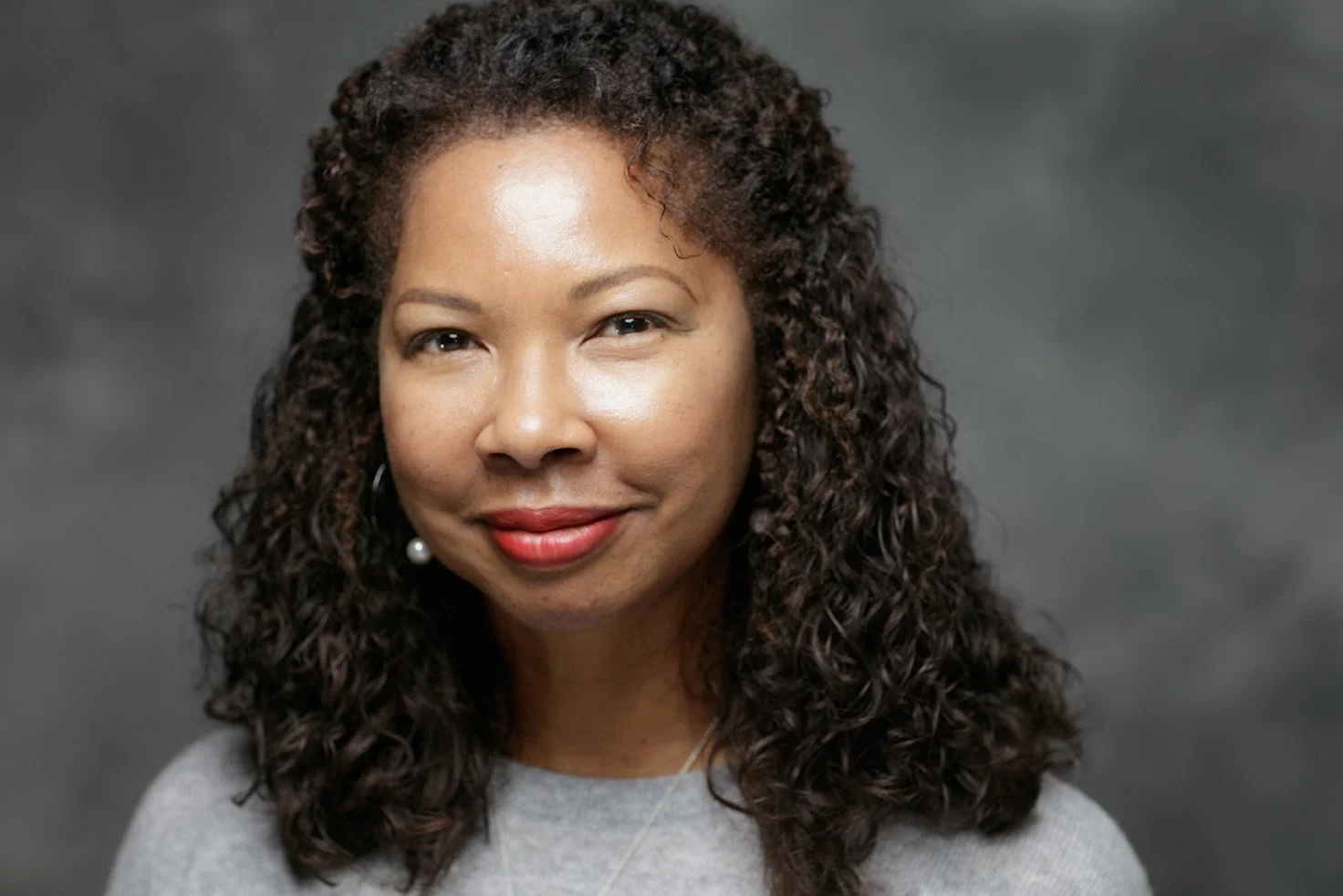


Hi, I’m the founder of Human Amplified. I’m Brandi Fleck, a recognized communications and interviewing expert, a writer, an artist, and a private practice, certified trauma-informed life coach and Reiki healer. No matter how you interact with me, I help you tell and change your story so you can feel more like yourself. So welcome!
Find More on the Blog
Topic
- ADHD
- AI
- Atlanta
- Black and BIPOC
- DIY
- FAQ
- LGBTQIA plus
- Los Angeles
- Nashville
- Seattle
- St Louis
- St. Louis
- UFOS/UAPs/ETs
- abuse
- accountability
- addiction and recovery
- adoption
- affirmations
- afterlife
- altered state
- angels
- animals
- anxiety management
- art
- astrology
- atlanta
- attachment
- awakening
- beauty
- behind the scenes
- being human
- body image
- body work
- boundaries
- brandi fleck
- breathwork
- bullying
- burn out
- burnout
- cancer
- career
- caretaking
- chakras
- channeled
- clarity-dive
- clarity-practice
- clarity-primer
- clean products
- coach
- codependency
Recent Blog Posts
Visit the Full Podcast Audio Archive

Affiliate