What Self-Care Looks Like During Collective Trauma
Interview By Brandi Fleck
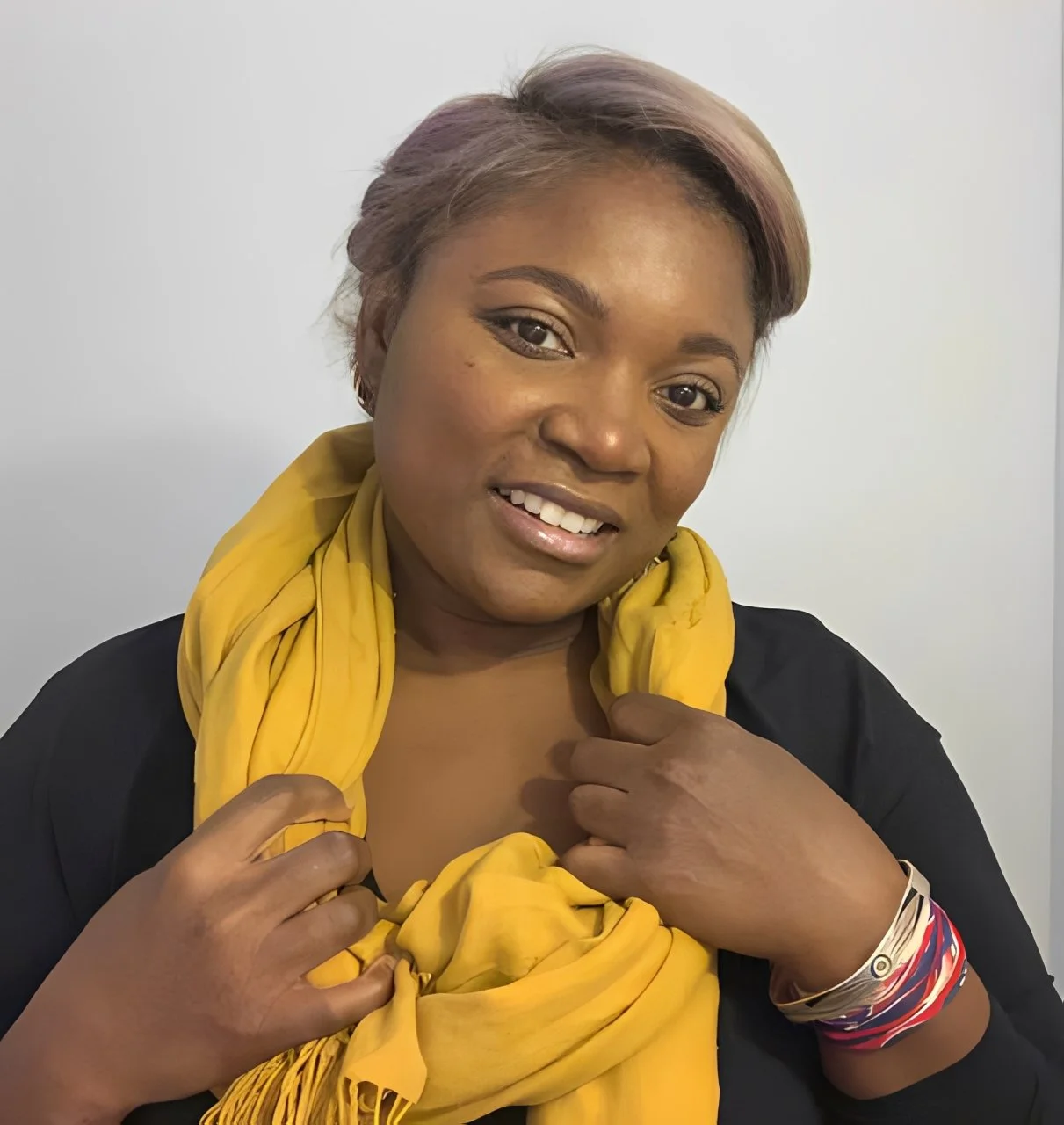
Soap Life 360 founder Coco Kennell shares how Ferguson, grief, racial tension, and natural skincare shaped her understanding of self-care, healing, and community resilience.
Self-care can sound small compared to grief, violence, burnout, or collective trauma. But for Coco Kennell, the rituals of soap making and skincare became a way to process all of it.
After the unrest in Ferguson, Missouri, the Soap Life 360 founder found herself navigating exhaustion, heartbreak, racial tension, and deeply personal wounds while still trying to care for herself, her family, and her community.
What started as homemade soap eventually became a way to start conversations about healing, self-acceptance, sustainability, and emotional survival.
In this episode, Coco shares how Ferguson shaped her understanding of community care, why learning to trust your body matters, and how small acts of self-care can become grounding during difficult seasons of life.
Listen to Coco Kennell’s Interview
Watch Coco Kennell’s Interview
Natural Skincare, Self-Care, and Social Change
Coco Kennell: Hi, my name is Coco, and I’m from St. Louis, Missouri. I was working and making soap. That’s what we were doing. But when we would have these soaps and they were named Saggin’ Jeans and Drama Queen and Big Daddy, people were like, “Why’d you name them that?” And that sparked the conversation. This product, it feels alive. You have to know how to take care of yourself in these fights.
Brandi Fleck: Today we’re talking with hairstylist and esthetician turned natural soap maker Coco Kennell. She’s the founder of St. Louis, Missouri-based skincare company Soap Life 360.
Coco is a resourceful DIYer who comes from a long line of problem solvers who’ve ingrained resourcefulness as a core value in her life. That resourcefulness led to the creation of her natural skincare products, which she formulates and makes mostly in her home lab.
Soap Life 360 is all about the natural soap, but it’s so much more than that. As Coco puts it, it’s also about starting a conversation around coming home to community violence while still learning how to love your neighbor.
In this episode, Coco details how her reaction to the civil unrest in Ferguson, Missouri, in 2014 led to soap making in the first place as a form of relief and self-care. She details the memory of this all-too-familiar instance of police brutality and reveals a personal connection to that event that reopened childhood wounds all over again.
It was personal pain layered beneath the pain in her community, but there was also inspiration. When she looked closely, she saw wounded people taking care of one another. So with her ingredients and packaging, she now infuses the characteristics of inspiring community personalities into her products. Then she tops the product off with a fitting name designed to spark a conversation that bridges gaps between predominantly white and predominantly Black communities.
The interesting thing about this episode is, yes, we talk a little business, a little chemistry that goes into soap making, and why natural ingredients are so important for your skin, but we also talk about big lessons of acceptance and family ties.
What stands out to me the most is when Coco describes how natural skincare allows your skin to be how it’s meant to be. What a beautiful symbol for undoing the societal conditioning around racism.
This episode does come with a trigger warning due to the detailing of the murder of teen Michael Brown as Coco recalls it, and she reflects on how this impacted her emotionally. Listener discretion is advised.
Coco, welcome to Human Amplified. I am so excited to have you here. Just, how are you doing today?
Coco Kennell: Thank you. I’m doing fine. I was really excited about this podcast. It’s my first one, and it’s something that everyone says, “You need to do this. You need to do a podcast because that’s the future.” And I’m like, listen, I certainly like podcasts. I certainly listen to podcasts. I guess I was waiting on the right one.
Starting a Handmade Soap Business
Brandi Fleck: Okay, well that’s awesome. So in your answer for “What does it mean to be human?” you sort of alluded to some of the things you do, but can you just give an introduction of yourself, who you are, what you do, that kind of thing?
Coco Kennell: Sure. I am the founder of Soap Life 360, Coco Kennell. I started with a friend of mine. We started this business as a way to talk to people about things that, at that time, were really difficult for them to talk about, which was the differences between people concerning their race, concerning their genders and sexual orientation.
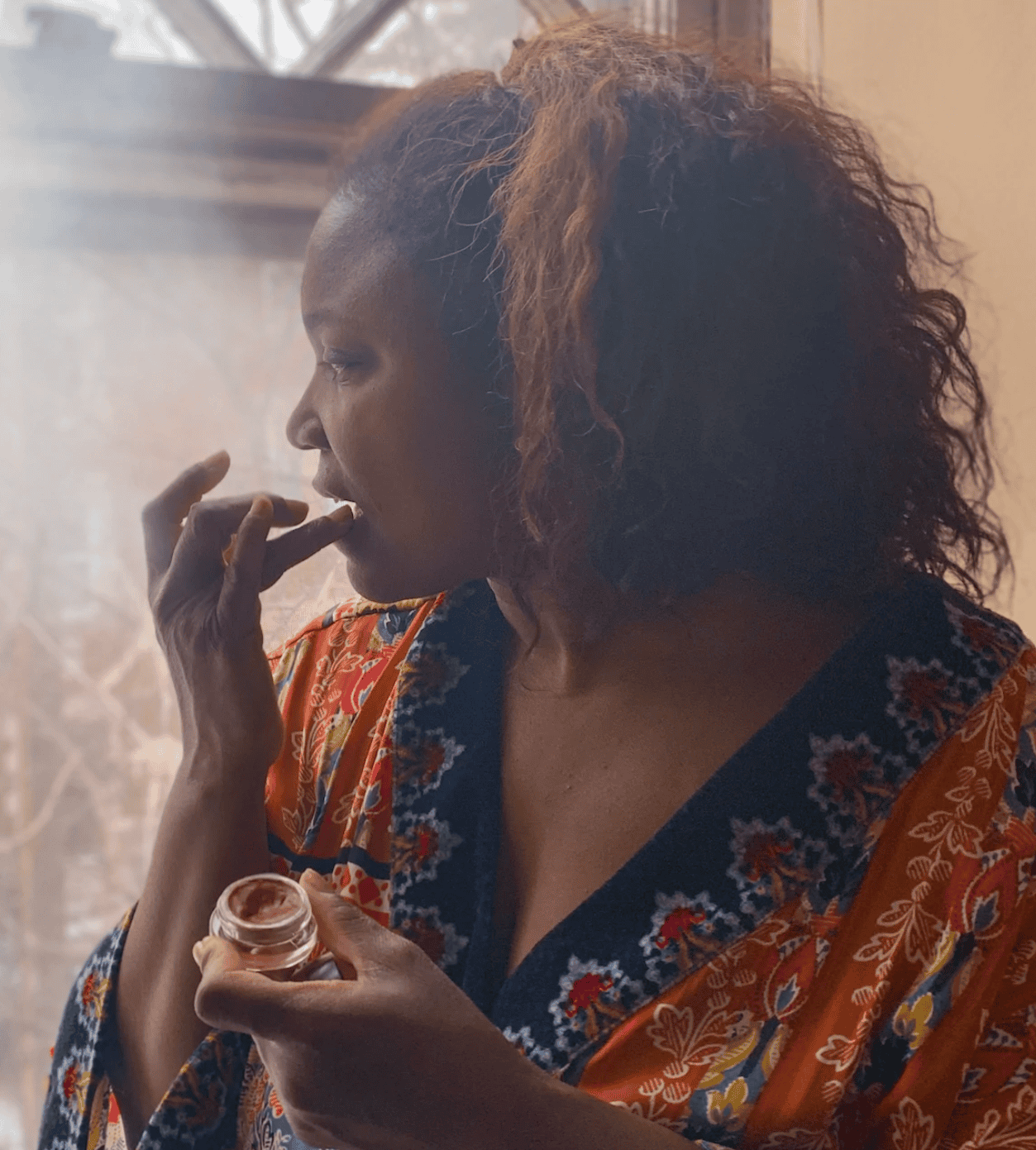
It really became more of a mission than a soap company. But I’m glad it did because it helped us to expand into the soul of people. I think that’s what any entrepreneur strives for. I feel like when you start a business, you learn more about yourself. And when you learn about yourself, that’s how you grow the business.
Brandi Fleck: Yes. Oh, I like how you said you’ve expanded into the souls of people, and I really want to dig into that. When did you found Soap Life 360? What year?
Coco Kennell: Yeah, we were founded in 2014, and it became an official business—we took about two years of really hobby learning, learning and selling it as a hobby, mostly only soap. And it was just to family and friends, actually. It was just fun. It was a new thing.
My friend and I, we just love to learn. She was really one of the type of persons that’s like—you know, we started in hair care together, and you kind of know how you stick your friends in their spots. This is the friend I go shopping with. This is the friend I travel with.
She is truly one of those friends. I could go shopping with her. I could travel with her. We can find new hobbies. I can drag her to an independent film that may not be so good, and she won’t judge me. She is really my adventurous friend.
We started this business very naively, just thinking, “Let’s have fun.” And it’s really as the civil unrest happened in Ferguson in 2014, we were fine-tuning those things but really being pulled away because it would take so much of your time. Learning to make soap and actually making soap just takes hours. We would stay up to two o’clock in the morning doing it.
So we were kind of pulled away. That was the only thing that could pull us away. I had stopped cooking in the house. I was working and making soap. That’s what we were doing.
Brandi Fleck: Wow. Okay.
Coco Kennell: It’s very labor intensive, this business, and it had a very slow launch. I really never intended it to be a business. It had a very slow launch, and so it wasn’t very profitable. It really wasn’t profitable until last year, actually.
Brandi Fleck: That’s a long time to hang in there.
Coco Kennell: Yes, but it was mission. That’s the only reason why we’re here.
Brandi Fleck: Yeah.
Coco Kennell: Obviously, I have another way of taking care of myself as a hairstylist, but I was driven to this. We were driven to this. I remember the day I realized that there was no way I could stop doing it. I sat my children down because things had gotten really weird around the house. I had stopped cooking.
Self-Care During Stress and Trauma
Coco Kennell: I had started using my extra money to buy ingredients. I stopped doing things that were extra. If we would go somewhere, I just stopped doing all of that so that I could attend to this business.
Brandi Fleck: Oh man, there’s so much there I want to ask you about. I definitely want to talk about some self-care today and some of your personal story around what you went through and your journey into this type of business, and then definitely the civil unrest back in 2014.
But has this business. When you say it’s mission-based, I have sort of a two-part follow-up. What is the specific mission? And then secondly, how has it impacted your personal relationships with your family and things like that?
Coco Kennell: I definitely consider it a mission because when things were hot, when we were in the midst of the unrest, it felt like this was the only way people could talk about it.
Because I gotta tell you, it was happening and ongoing for months before mainstream news would even talk about it.
Brandi Fleck: Oh wow. Okay. Yeah.
Coco Kennell: And so we were making these soaps and naming them after the things that we saw, and the men, the young men that inspired us, the people that were coming from different communities over there trying to do the right thing, trying to be a light.
We were inspired by all of that. And we would go out of our community into predominantly white communities, and they weren’t talking about it on the news. They weren’t talking about it in the salon because I worked in a predominantly white salon, and they weren’t talking about it there.
But when we would have these soaps and they were named Saggin’ Jeans and Drama Queen and Big Daddy, people were like, “Why’d you name it that?” And that sparked a conversation.
Brandi Fleck: Oh, okay.
Coco Kennell: But in the midst of it, in the midst of the unrest, we kept hearing. And all our lives heard, this country needs to have a conversation about race. This country needs to have a conversation about, we kept hearing that, and yet we never saw that.
And here it is, Soap Life was sparking that. And so I thought, wow, this is the conversation about race that this country needs. This is a way. This is a way for this country to have it, even though it was just in this little park, in this little market.
That made the connection for me that it was helping people to talk about race because that’s what they would say. “Oh my God, I don’t understand what’s happening.” First, they would be so lighthearted because you can’t be mad about a bar of soap.
And then when they would hear the story and the inspiration for the name, then it would open up something in them, and they would share their feelings about what was happening, how they feel, and in a lot of cases, how oblivious they were to it.
That’s when I realized I didn’t intend on this. All I needed to do was sell the soap so I could have some money to buy more ingredients. That was my intention. But yeah, it totally flipped.
Brandi Fleck: Wow. I got chills when you were talking about that. It sort of mirrors the evolution you were talking about earlier where you’re taking something physical and it’s like you’re going from the physical to sparking that conversation, and then maybe the people who think about it can integrate it back in even when they use the soap.
Coco Kennell: It’s really cool. I believe that. And then I let go of it. It helps me to be lighthearted about it.
I tell people all the time, this thing about equality is a long game. I cannot win it and survive it by beating it over people’s heads. I only need to plant the seed, start the conversation, and that’s what this does.
It’s lighthearted. It helps people to think about it maybe, and if they don’t, they just had a really good bar of soap with ingredients, and they’ll come back for more.
The story is on every label now. The name is still gonna spark curiosity. One day you’re gonna read that story. One day you’re gonna know, even if we didn’t have the conversation.
Ferguson Protests and Community Healing
Brandi Fleck: Yeah. So for context for listeners, because we have them from all over the world, can you give us a little context for what happened in Ferguson and what was going on?
Coco Kennell: Sure. The unrest in Ferguson kind of sparked when an officer had killed an African-American young man in his neighborhood on his way home. He did not have a gun.
The officer, it may have been so long ago, but the officer may have said that he thought he had a gun, but he did not have a gun. And he shot and killed the young man.
And it was that outcry in the neighborhood because he was only 17. They left his body in the street for so long, I mean hours. And a lot of us in the African-American community see that as the modern-day hanging.
They would hang a man from the tree and leave them out there for hours for all to see, to support fear in the community.
Brandi Fleck: Yeah.
Coco Kennell: And that brought such outrage in the community. And there was a lot of rioting in that neighborhood because of it because the people there were so frustrated. We had seen this scene so much.
There was looting. There were businesses destroyed and businesses burned. There were officers like you wouldn’t believe over there. It looked like a war zone. Helicopters, those tanks, military officers. Al Jazeera was there. I saw media from all over the world.
It literally was a war zone. The people in the community were just outraged. We had seen it so many times before, and they weren’t gonna stand by quietly about it.
Brandi Fleck: Yeah. This really highlights that this kind of thing has been going on for so long. And in the last year, in 2020, there was a lot of national news and coverage about similar events. For people who were just waking up to those things in 2020, this has been going on for way longer than that.
Coco Kennell: Yeah. I mean, I gotta tell you, even we were removed from it because obviously, as it was happening since slavery, it never stopped, right? But because we all are so connected by the internet, there was never this amount of awareness.
And so I think that’s what really did it this time in 2020 and in 2014. Even though I’m a Black woman, I’ve heard about it, I’ve read about it, I’ve never seen it physically with my eyes.
Brandi Fleck: Yeah.
Coco Kennell: So it meant something different to even me. I would find out later that this young man was related to me.
Michael Brown, Police Brutality, and Grief
Coco Kennell: And I had never heard, seen him before. I’d never met him before.
Brandi Fleck: Oh my gosh.
Coco Kennell: Which was even worse. It was even worse.
Brandi Fleck: I can’t imagine what that must have been like. Is it okay if I ask you what you went through? What you felt during that time?
Coco Kennell: Oh yeah. Michael Brown was the son of my cousin who I grew up with. I was the same age as all the boys in my family, so all of my cousins were boys. They were my favorite cousins. They were boys.
And he was on my father’s side, so I didn’t see him all the time. But I would go away with him and his mother, and we would have so much fun. And then I wouldn’t see him again until next Sunday. I only went over on Sundays.
So he was one of my favorite cousins. Then the other days of the week, I would play with my other boy cousins. But this cousin in particular—when I became pregnant at 13, and when his mother told him that I was pregnant in front of me, he didn’t want to see me again.
And that was happening a lot. I was so used to that. Children and parents didn’t want me with their children because I was pregnant.
Brandi Fleck: Okay.
Coco Kennell: So that was hurtful. I stopped going over there, and I didn’t see him ever again. I never saw them again until I heard about his son, Michael Brown, being killed. That’s how we kind of reconnected.
And that brought up a lot of old feelings about being rejected as a child, going through that time in my life where I was very alone, and learning how to be alone and learning the value of being alone. Learning the value of not feeling alone. How do you make yourself not feel alone when you’re alone?
Brandi Fleck: Yeah. What a young age to have to learn that, though. Really.
So let’s take it back to self-care because I feel like there were so many emotions, so many things going on. You sort of went this soap route, I guess, for a way of self-care. Was it a way to take care of yourself, take care of your community? Tell us a little bit about that.
Coco Kennell: Sure. Like I said, these things have been happening, and I have been in communities where we were not just fighting or not just speaking up against police brutality, but I grew up in the age of the war on drugs.
And I was in the community and with people and community leaders where we would be speaking out against drugs in our community. So that really was something I had been exposed to, standing up for the rights of people and things that we didn’t want to see in our community.
And I had long since realized that you have to compartmentalize those things.
Brandi Fleck: Okay.
Coco Kennell: You have to do that, and you have to be happy. You gotta be over here and passionate about that, and you have to come over here and be a good mother to your children. You have to be someone who can laugh and smile still.
It was a long game. You have to know how to take care of yourself in these fights. That was my connection.
I really saw people who were so wounded when I went over there. And I saw young men with dreadlocks and sagging jeans picking up random children, going to the pharmacy that was further away for elderly people because the one in the community had been burned down.

It helped me to see that people really were needing to be taken care of. They needed to take care of themselves. We need to take care of each other.
Even the people that were outside of the community. White people had been so oblivious to what was going on in the community, and a lot of it is because it was so painful they didn’t want to know.
Brandi Fleck: Yeah.
Coco Kennell: They really didn’t want to see that because it pulls them out of their element. In the meantime, we’re all over here knee-deep in it and learning how to also be good mothers, coming home to a community of violence but still learning how to love our neighbor, how to take out our elderly neighbor’s trash, still trying to take care enough.
And what I saw is that we need to bridge this gap. There’s a gap because if it’s happening here, you shouldn’t be so oblivious to this.
Brandi Fleck: Yeah.
Coco Kennell: So I thought that we need to take care of each other as a whole, just like we were learning to take care of one another and ourselves in the community that was dealing with violence, police brutality, crime rate, drugs. We were learning to take care of ourselves here.
I felt like at the time it’s an oversimplification of the problem, but the problem felt so big that I needed to simplify it if I was gonna move forward toward any plan to change it.
Brandi Fleck: Yeah.
Coco Kennell: So I really thought, we just need to take care of ourselves. This is not going to go away easily. In the meantime, we need to take care of ourselves. This might be a long fight.
So yeah, I saw it that way. It really did influence what we put in our soaps, the story, how we came up with the names, because not just the people, but also the characteristics of the product and the ingredients that we merged together to come up with the names.
Brandi Fleck: That is so awesome. And I love the point you made about how when a problem is big, you just have to take small parts at a time to move forward.
So what is in your soap? Can you tell us about some of those characteristics?
Coco Kennell: Absolutely. So all of the soaps are rooted in herbs and natural and organic herbs. We don’t make one soap, not one, that we didn’t think about what we wanted the end to be.
Even when we formulate some of the soaps, some of the ingredients are so volatile. You wouldn’t think, but mint. Mint is a soap that is so volatile in the lab.
Say, for instance, when you put it on your skin, you get that cool sensation, right?
Brandi Fleck: Yeah.
Coco Kennell: If you put that in your eye, it’s going to burn. Right? If you use it with other ingredients, and in the process of soap, you have to use lye, which is very volatile. So you got that volatile ingredient with mint, and it creates such a mystery.
Every time we make it, we don’t know what it’s going to do.
Coco Kennell: Okay, okay. And you think, let’s just get rid of it. Let’s not make it. Why are we putting ourselves through that?
And then instead we go, no, let’s calm it down. Let’s add lavender to it. Let’s see what that does.
Now, we will later find out that lavender is also in the mint family.
Brandi Fleck: Okay.
Coco Kennell: But people see it, they have a calming, when people smell it, it has a calming effect on people. How is that possible in the same family?
Brandi Fleck: Yeah.
Coco Kennell: But it does act like that. When we make it, when we first formulate it, it gets really volatile. It gets very hot. It changes colors. We never know what this color is going to be.
Brandi Fleck: Okay. The heat.
Coco Kennell: Yeah. And then we add the lavender and it calms it. You just never know when it’s gonna do it, what time.
This also influenced the color of the soap. And this soap, because it’s so unpredictable, because it’s so emotional and moody, became Drama Queen.
Brandi Fleck: Okay. Ooh.
Coco Kennell: And so these are the things that people don’t know about this product, is that it feels alive. It feels like the world that we live in.
And that’s how we approach it. We don’t get rid of it. We accept it for what it is, and we decide that it’s going to stay a part of our community. We’re going to figure out how it can fit.
Brandi Fleck: Yeah.
Coco Kennell: I know we really shouldn’t think that deeply about soap. I know. But from where it all stemmed from, that’s why we do it.
Brandi Fleck: Yeah. Well, I just really love how deeply you think about it, and it’s sort of like a metaphor. And when you’re putting this love and energy into it and you’re accepting it for what it is, I feel like that carries out to the person who buys it.
Coco Kennell: I do too. It’s hard to tell that story. It’s hard to tell that story. How do you tell that story?
Brandi Fleck: Yeah.
Coco Kennell: But I feel like when we’re at markets, that’s why I love markets. Everything is online now, but I really love markets because you realize you don’t need to tell that story.
When they smell it, when they inhale it deeply, you can see the calm that comes over people. You can see the joy that comes over people. And instantly, I think, they get it. I just feel like you can see the feeling of, yes, I need this. Thank you.
Brandi Fleck: Why is natural skincare such an important part of self-care?
Coco Kennell: Yeah, simply because it does not interfere. It allows for the skin to do what it naturally wants to do, what it’s naturally meant to do.
Brandi Fleck: Oh, okay.
Coco Kennell: It doesn’t interfere in the process of the natural cycle of skin turnover and skin healing.
I think a lot of the ingredients we were using before natural skincare became so popular was trying to get our skin to do something else. Each product said, “Well, this is for skin firming, and this is for skin this.”
And don’t get me wrong, I want my skin to be firm, but I have found that there are other ways to do it. For every drug on the market, there’s a plant equivalent.
And that’s what I’ve learned through my studies, is that each product that we have, we’ve chosen herbs that we infuse in these products because that herb has an end result.
And so a lot of that mimics different chemicals in our products that we’ve bought in the past. And that’s what I love. That’s what I love about introducing it in the way of the soap because it’s inexpensive, and these are usually products and ingredients that we pay a lot of money for.
Brandi Fleck: Yeah. So do you very much have a family business? Is your whole family involved?
Coco Kennell: So yes, everyone has to be involved.
Brandi Fleck: That’s awesome.
Coco Kennell: Everyone has to be involved. I do the formulating in the lab myself because it’s really a head game for me. It’s a lot of moving parts, and it’s still small because it’s my home.
So I do it myself for the formulating. When I make the soap, I do get help because it’s big machinery we’re blending with, and we have to pick up like 15 pounds of oil and mix it with 15 pounds of water. So that gets really heavy.
Cutting it, all of that is really heavy. So I do get help with the soap. But for the other products for the face, yeah, I can do that in this lab myself, which I do prefer.
Brandi Fleck: Okay.
Coco Kennell: To do that, to make sure everything goes exactly where it’s supposed to go.
Brandi Fleck: Yeah. Okay. Will you tell us a little bit about your background because you learned soap making on your own, right? Like you said, it was a hobby, but you have a really impressive background with skincare and all of those things.
Natural Skincare for Acne and Sensitive Skin
Coco Kennell: One really good question you brought up was about my having acne as an adult, and then I decided to make my own skincare for that.
Brandi Fleck: Yeah. Why did you do that? Why would you?
Coco Kennell: And I remember reading that question and thinking, well, that’s what you’re supposed to do. You have a problem.
And really, to be honest with you, I had never heard about a dermatologist. We didn’t grow up with those kind of doctors in our awareness. It was, you went to the doctor if you broke an arm or you were dealing with something that you really didn’t know what you were dealing with.
But when I was a young girl, we dealt with things ourselves. My grandmother had aloe plants all over the house, and if we would cut ourselves or something like that, she’d break it off, open it up, and rub it on there.
It was just so natural. If you have something going on on your skin, you would steam your face, you would take aloe, we would use the clay. We always took care of those kind of matters ourselves, so it just never occurred to me to go see someone.
Brandi Fleck: Yeah.
Coco Kennell: It wasn’t until I became an esthetician, I started using commercial products.
And it was those things that were breaking me out. I didn’t know it at the time. They were drying out my skin. It was creating all this imbalance. I didn’t know that at the time.
And when I suspected it, I began using Aveda products, which was considered to be more natural. And it’s like, okay, I can use these on clients too, right? I never wanted to use anything on clients that I couldn’t use on myself and vice versa.
And then Aveda sold their company to, I think, Estée Lauder, and they changed the ingredients. And then the product became something I could not use again.
And so I stopped, and then I started making my own, which is how I originally started. And I also stopped doing facials at that time. Yeah, because I really just didn’t want to use ingredients and products on people that I didn’t want to use myself. That was not ethical to me.
Brandi Fleck: Yeah. Something really interesting and subtle here is that I think you listen to your body. You were listening to what it was telling you, and then you did something about it.
So for people who might not be as attuned to their body, how do you listen?
Learning to Trust Yourself and Your Body
Coco Kennell: Yeah, you gotta get yourself alone. I know that the time I spent as a child, I spent a lot of alone time, and you learn to trust. You learn to trust that voice.
And it does really make you really aware of the small nuances and messages you get from your body. I literally truly think that everyone has the capacity to do that, but you really do have to get yourself alone and practice that, and eventually you’ll start to trust that.
Brandi Fleck: Okay.
Coco Kennell: What I’ve noticed is as I get older, I say to myself, “Girl, you had it right the first time.” Because age helps you to confirm all of that.
But if you’re young, you don’t have enough experience. You’ve not repeated it enough to really trust yourself.
Brandi Fleck: Yeah.
Coco Kennell: So it’s that practicing. You have to practice it. Sitting alone, getting the messages, following those messages, seeing where it leads you. I think that’s how you can build the trust early. You don’t have to get older to get wiser.
Brandi Fleck: Yes. This is really cool. I sort of want to tie this back around to acceptance because you’re very passionate, and I love when you were talking about how the ingredients are volatile, but you’re not going to just get rid of them because they’re volatile. Let’s put something else in.
So I feel like there’s a really big lesson there in acceptance and accepting things in nature for what they are, accepting ourselves for who we are.
So what has your journey been to accepting yourself and sort of loving yourself for who you are?
Self-Acceptance and Teenage Pregnancy
Coco Kennell: That journey started early for me. Like I said, when I was a teenage mother, there was a lot of rejection there.
And at that moment, at the time, I was being raised by my grandmother. My mother was ill. But when she started coming around, I was like seven months pregnant. I had been kind of hiding up until then, trying to hide the pregnancy and trying to hide from people.
And my mother came around and started bringing me out into the world. And I wanted to be ashamed, and I wanted to hide. And she was like, “Are you kidding me? From these people? Do you know what they’re about? Do you know who these people are? No. But you know who you are, and you’re gonna be okay.”
She knew me better than I knew myself, right? And she assured me that people were not better than me just because they were not pregnant at 13.
Brandi Fleck: Yeah.
Coco Kennell: That was not as bad as some of the things that she knew about people, and that I needed to not worry because I still had my whole life ahead of me.
And this woman was such a strong woman, and she could be, putting it nicely, a real problem solver. She could be such a problem solver.
I had never seen her approach a problem that way, with love, with words. To me, this was the biggest problem she had at the time. Her 13-year-old daughter being pregnant. To me, it was the biggest problem she had.
And she was handling it. She handled it with so much grace and confidence and strength, and she instilled that in me.
Brandi Fleck: Yeah.
Coco Kennell: She’s like, “Listen, this is nothing. What you do next is everything.”
And I always reference that in my journey. I give people the grace that my mother showed me when no one was showing me. That type of acceptance was really impressed upon me at that time.
So that’s what I want to be to people. I want people to feel comfortable being themselves in front of me.
And if I can forgive myself and give myself a big break after being 13 and pregnant, I can definitely, to me, there was nothing worse as well. So it’s like everything else, I can accept everything else if I can do that and accept myself and love myself.
And I can do that for people. I could do that for myself in other ways. It really trained me to do that because that was a very tough lesson to learn at 13.
Brandi Fleck: Yeah. Well, you’ve put it so beautifully, and I really appreciate you just opening up and sharing parts of your story.
Real quick before we wrap up, I know some of our audience will get to see this on video, and some will just be listening on audio.
Brandi Fleck: Okay, so for the listeners, tell us what you’ve got. So y’all, Coco is sitting in a room where they do all their packing and shipping and things like that. Can you tell us a little bit about what you’ve got going on in there?
Coco Kennell: Girl, I can. Listen, you can’t see this area over here, but this is where boxes are. So there’s product boxes and shipping boxes. So these are the product boxes.
Brandi Fleck: Okay.
Coco Kennell: That’s what’s happening over there. Product boxes, product bags, product seals. Occasionally we don’t get a chance to label all the products, so there’s a few, not a lot, there’s a few of that happening. Product samples, all the little bits of soaps that we eventually create samples out of.
Brandi Fleck: Okay.
Coco Kennell: And then bottles, product jars, the lids to those jars, soap dishes. What else is over there? Oh yeah, and product sleeves. So we try to do bundles this time of the year, and we just put them in a regular stock box and we kind of customize them with sleeves.
Brandi Fleck: Okay.
Coco Kennell: Tissue paper, scales, and printers over here, fillers. This room is like your fulfillment room.
Brandi Fleck: Is this in your house, or do you have a location?
Coco Kennell: It is. So I started making soap in the kitchen, and then eventually I started taking over the living room and the dining room, and then everyone was complaining in the house. So I took over a bedroom, my own bedroom actually. I moved into a smaller bedroom in the house, and then it took up the master bedroom, so I moved it in the master bedroom.
And then the boys got older and moved out, and they were on the third floor. So now I’m here on the third floor. Soap Life is all three rooms on the third floor now.
Brandi Fleck: Okay. Yeah, awesome.
I should ask you too, what’s behind the name Soap Life 360?
Sustainable Skincare and Eco-Friendly Packaging
Coco Kennell: Sure. So I did not name Soap Life. I did not name my children either. I just don’t do that.
Brandi Fleck: Well, I feel like a name is so constricting that I just won’t do it. I don’t know what it is.
Coco Kennell: I named my middle son Devonta, and then my friend came along and she’s like, “Oh, he’s so cute.” No, I named him Quan. And she was like, “You should have named him Devonte.” And I ran downstairs to the registrar and changed his name to Devonte.
So I really don’t do names. But I was telling a friend one day, I was like, “I’m gonna do this soap thing, okay? But I created all these names based off of being inspired by these events. And so now I’m trying to create a name for this business with these names.” I didn’t know how to connect it.
And she knew the story. She knew why we’d come up with those names. And so she was like, “Soap Life.” She just said it. “Soap Life. You got all these different people that you’ve named these soaps from. They got all these different lifestyles that inspired these names. Soap Life. You have the name. It’s Soap Life.”
And I’m like, yes. Okay.
And eventually we had to start packaging them and making sure that it was clean. So we had to decide. We saw a lot of people at the time putting their natural soap in plastic, and we didn’t want to do that.
Just having a background in sustainable products with Aveda, because I had experienced Innovative Concept salons, and they were all about recycling and having sustainability in their ingredients and their products, that was important to me. I didn’t want to undo all of that, which I had learned about sustainability.
And so that’s when we would later add 360 to really have that message tie into the product as well.
So all of our products are in recyclable materials, glass jars and glass bottles. I don’t think we have one plastic container, and I hope to keep it that way.
Brandi Fleck: Is there anything I didn’t ask you that you want to say?
Coco Kennell: I think the question that really, really spoke to me, that I remember, it kind of took me back to that inner child. Why I chose to do things. I had adult acne. Why did I decide to do something about it?
It made me realize how you take your childhood for granted. I grew up in this neighborhood that is now basically disappeared. It’s no longer there. Drugs and the war on drugs really dissipated that community.
But I remember when I was a child, I was surrounded by do-it-yourselfers. I was surrounded by them.
I would come home from school, and my grandfather would be outside, and he would be helping the neighbor fix his car. And he did not fix cars. He was not a mechanic. But that was the community. If there was a problem...
My father was the pastor of a church, and people came to our house for problem solving.
My mom did the little girls’ hair in the community. In a whole community, there was no hairstylist. They would just say, “I can’t do this girl’s hair. Everybody was like, oh, it’s too thick. Oh, it’s too short. I can’t braid it.” And so my mom would be the one to fix that.
Later on, when my grandmother took on all her grandkids and my grandfather was the only one who worked, he didn’t believe in his wife working, we supplemented food by starting a garden. We supplemented food by fishing.
Any problems that we had, it was just natural to fix it. You would just solve the problem.
This is a really funny story. My favorite cousin, he wanted to play drums. Nobody would buy him a drum set. I think one year they bought him this little toy drum set. He tore it up because he was serious. He was serious about his drum playing.
Eventually he started stealing my grandmother’s pots and pans and taking them upstairs and playing them. By the time she came up on the third floor, which she never liked to do, he had a whole set of her pots and pans. I think it was around Christmas time, so she needed it.
He had a whole set of her pots and pans, and he would listen to music and play with the music on those pots and pans. And he’s a wonderful musician today. A wonderful musician today.
And that’s what I grew up around. It never occurred to me until you asked your question because I thought, isn’t that what everyone does?
Brandi Fleck: Well yeah, and I love that you sort of went there. It’s like you’re resourceful, and the resourcefulness of the community has just been ingrained in you.
Coco Kennell: Yes.
Brandi Fleck: Yeah. And I guess so. I think about it, and I’ve known, I haven’t had adult acne, but I’ve known people who have, and they would have gone to a doctor or taken a pill or taken some kind of medication.
But I just love how you decided to take it on and make lifestyle changes even and listen to your body.
Coco Kennell: Yes. That’s so important. All the answers are there. All the answers are there. So yeah. Obviously I didn’t know that at the time, but I really did grow up in a faith-based family environment.
And I didn’t connect it to faith then, but that was their action. That was their action. If there was a problem, we can fix it.
Brandi Fleck: That was so natural that I didn’t even realize it was a thing.
Well, I just love the example of it for everyone who’ll be listening today. And for everyone listening, where can they find your skincare products, your soap, Soap Life 360, all of that?
Coco Kennell: Sure. Soap Life 360 is online atwww.soaplife360.com. We’re also very present on Instagram, so if you have listeners on Instagram, you are more likely talking to me if you comment and get a response.
So we’re online and on Instagram, @soaplife360.
Brandi Fleck: You guys, all of that will be in the show notes, so make sure you go check out those links, go check out everything that Coco has out there. And just thank you so much for coming on the show today and sharing your story.
Coco Kennell: You’re welcome. Thanks for having me.
Join the conversation!
Feel free to share your own experience and let me know if you have any questions in the comments.
Related Posts
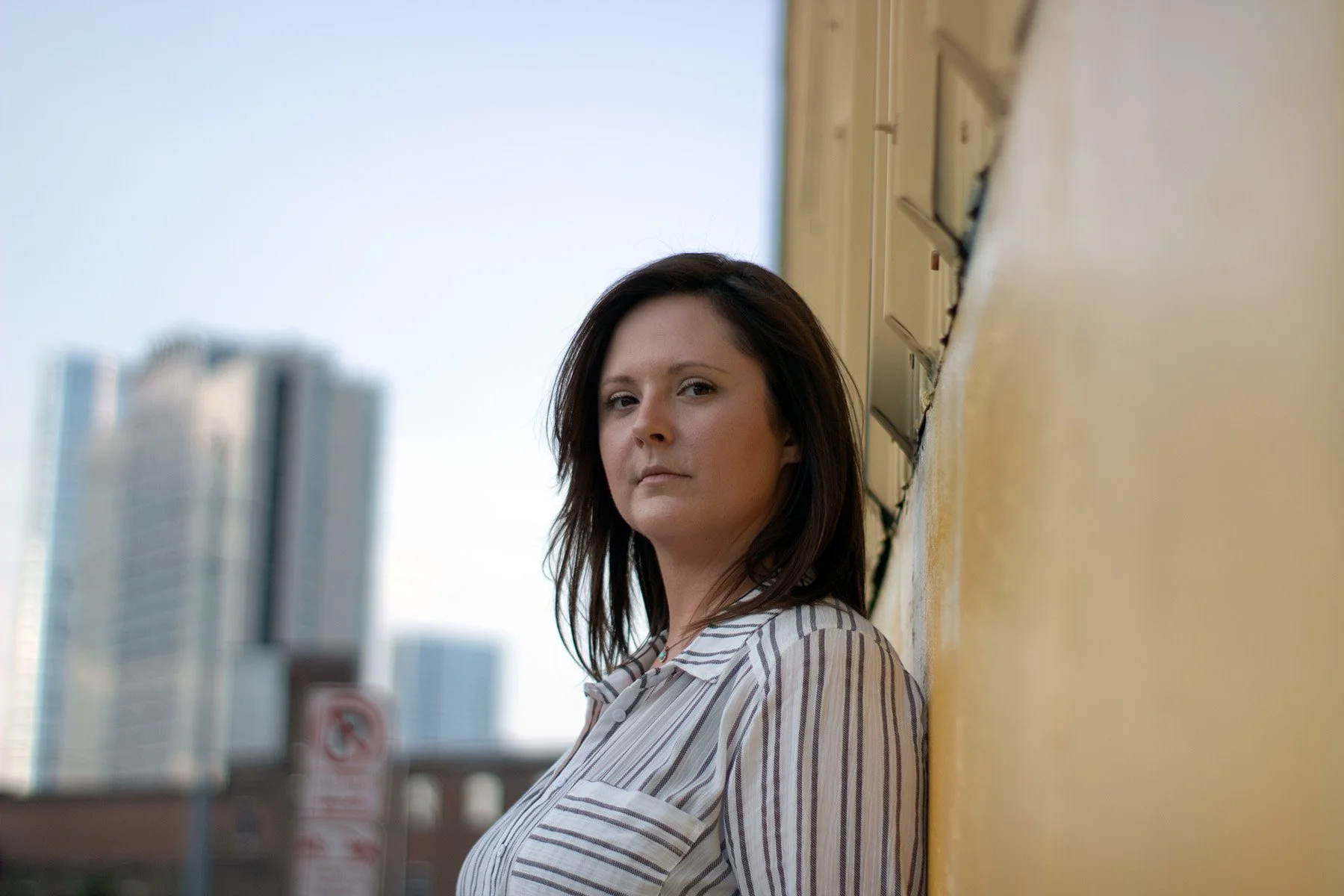











Hi, I’m the founder of Human Amplified. I’m Brandi Fleck, a recognized communications and interviewing expert, a writer, an artist, and a private practice, certified trauma-informed life coach and Reiki healer. No matter how you interact with me, I help you tell and change your story so you can feel more like yourself. So welcome!
Find More on the Blog
Topic
- ADHD
- AI
- Atlanta
- Black and BIPOC
- DIY
- FAQ
- LGBTQIA plus
- Los Angeles
- Nashville
- Seattle
- St Louis
- St. Louis
- UFOS/UAPs/ETs
- abuse
- accountability
- addiction and recovery
- adoption
- affirmations
- afterlife
- altered state
- angels
- animals
- anxiety management
- art
- astrology
- atlanta
- attachment
- awakening
- beauty
- behind the scenes
- being human
- body image
- body work
- boundaries
- brandi fleck
- breathwork
- bullying
- burn out
- burnout
- cancer
- career
- caretaking
- chakras
- channeled
- clarity-dive
- clarity-practice
- clarity-primer
- clean products
- coach
- codependency
Recent Blog Posts
Visit the Full Podcast Audio Archive

Affiliate