
How Childhood Trauma Can Resurface Years Later
Interview By Brandi Fleck
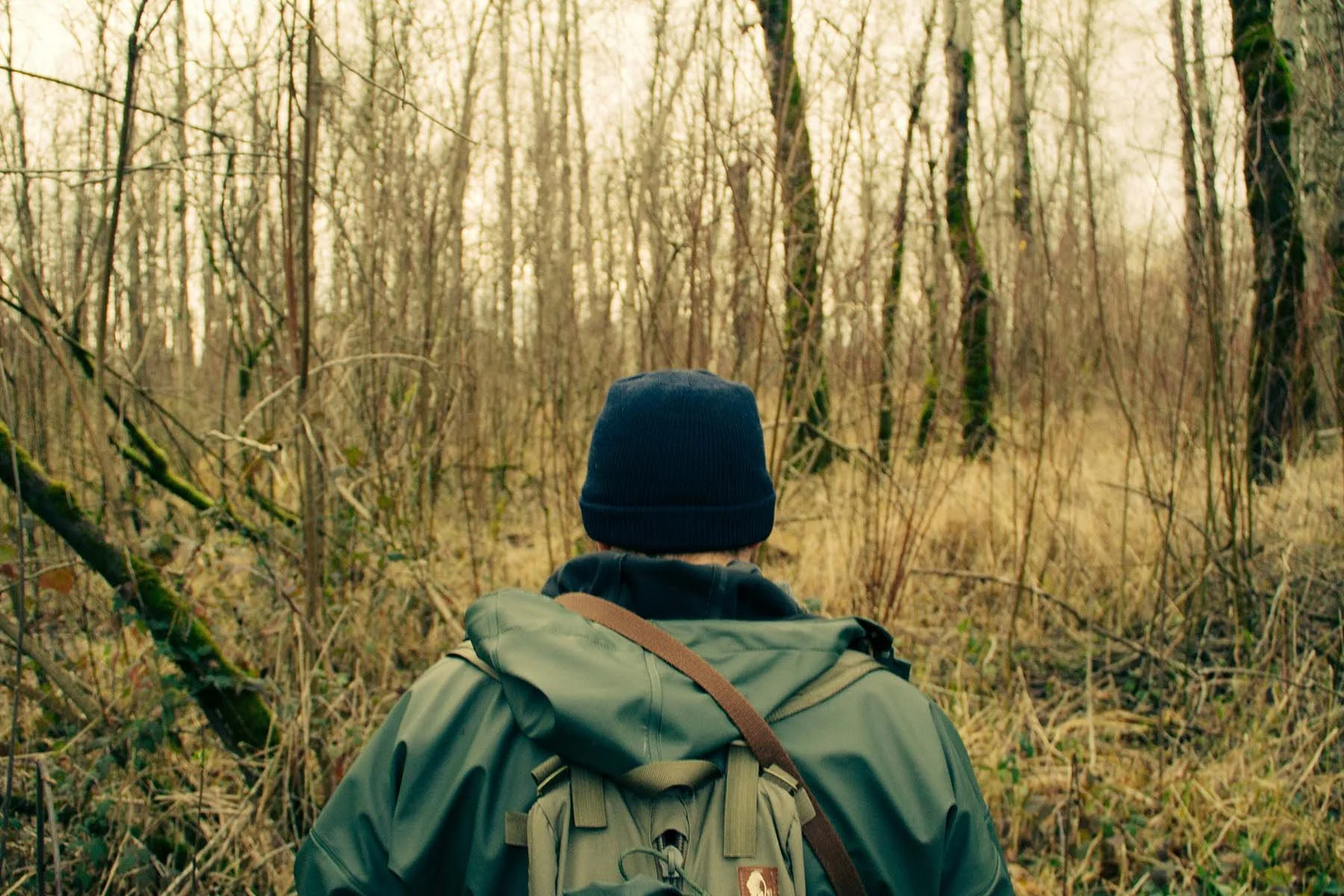
Sean Doss shares how childhood abuse and repressed trauma resurfaced decades later, leading to a mental health crisis, and how mindfulness, therapy, and support helped him rebuild his life.
Trigger warning: This article discusses childhood abuse, childhood sexual abuse, suicide attempts, and mental health crises.
Sean Doss spent years believing what happened to him as a child was simply part of his life. It wasn't until he became a father that everything changed.
Watching his own son reach the age he had been during years of abuse unlocked emotions he had never fully processed, sending him into a mental health crisis that unfolded in just days.
Today, Sean speaks openly about surviving childhood trauma, seeking help, rebuilding his life, and the mindfulness practices that continue to keep him grounded.
Listen to Sean Doss’ Interview
Watch Sean Doss’ Interview
Healing and Moving On From Unthinkable Acts
Brandi Fleck: Many times, events and actions happen to us in life that we have no control over. People make their own choices, whether good or evil, and they have an impact, rippling out and touching those within their wake.
This week's guest, Sean Doss, is one such person who, as a vulnerable child, was directly impacted by the wake of evil acts.
He didn't realize those acts weren't normal at the time, but the things that happen to a person do not make the person who they are. They do not define a person, and Sean Doss is a shining example of how to learn that truth.
If something horrible and earth-shattering happens to you, you don't have to let it define you. Sean tells us how to recognize when you need to process an emotion, step back from it, and then exercise a bit of critical thinking to get through it. It takes time and effort, but I know Sean thinks you're worth the effort.
After hearing this candid conversation, I hope you think you're worth it too, or that others who have struggles you don't even know about, that they're worth the effort and compassion too.
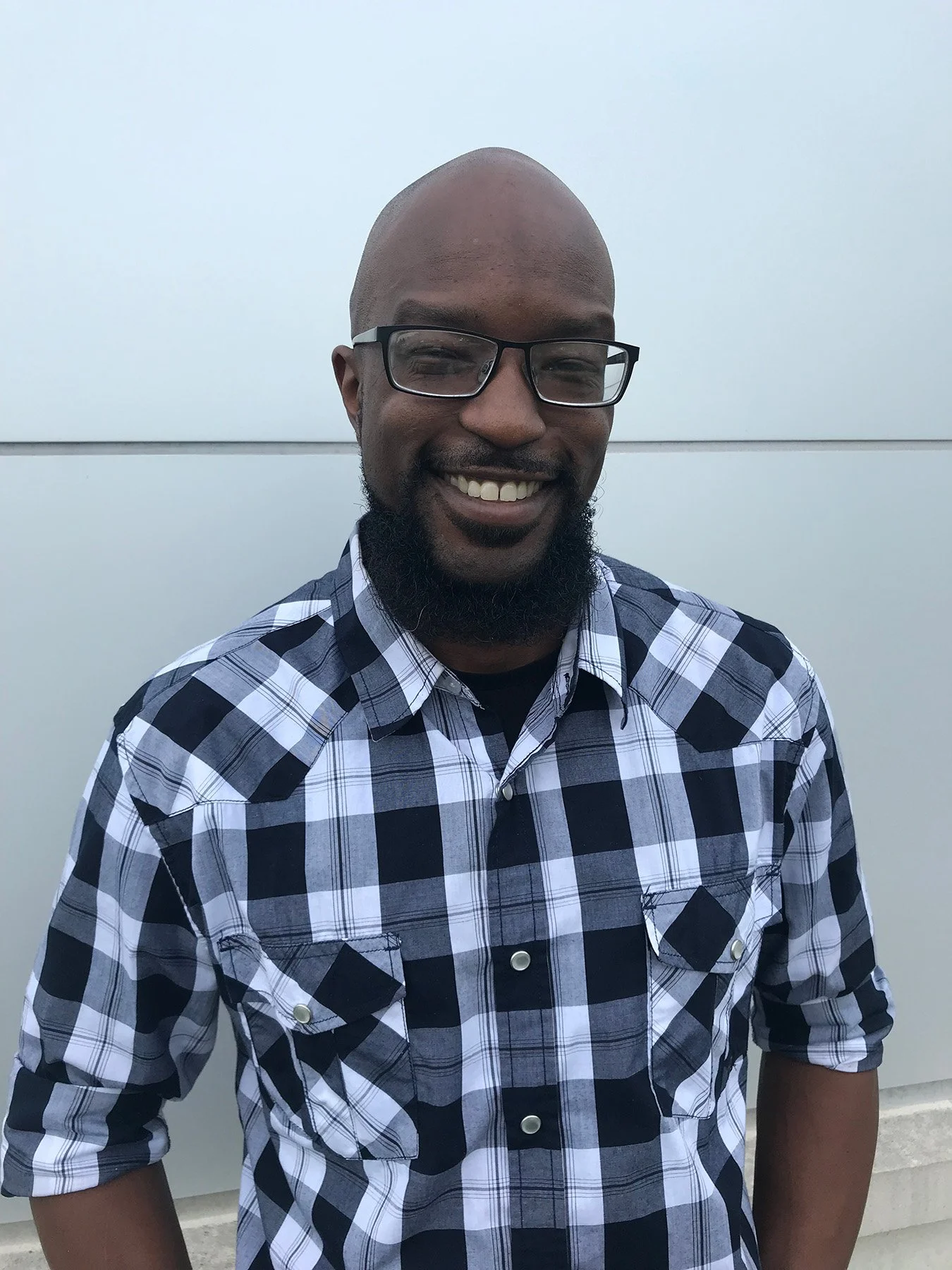
Sean Doss is a successful entrepreneur, a loving husband, and a doting father. I've known Sean since high school, although we lost touch for many years until now. He's definitely a manly man in the traditional sense, having interests in DJing, being outdoors, and he loves dogs.
Sean is outgoing. He can be loud and boisterous and is a loyal and thoughtful friend. Above all, the bravery this man has within him shines so bright it can show us all how to find the bravery we have within us.
You would never know what Sean has been through by having normal daily interactions with him, whether cutting up with him at his favorite local pub or attending one of his Doss Survival Training courses, where he makes building shelters out of leaves and sticks look easy.
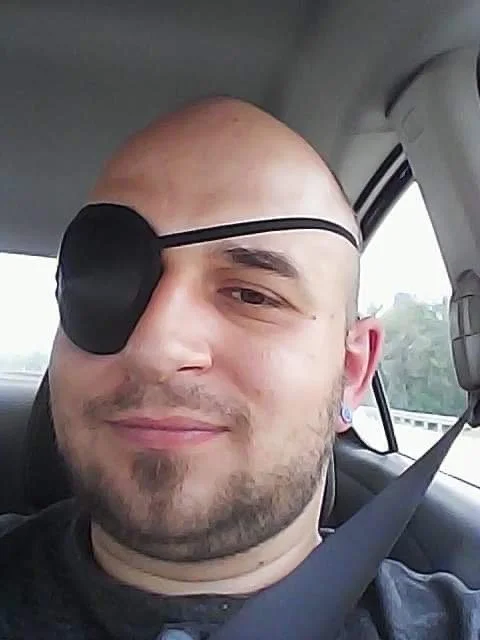
So let's dive into what Sean's been through and how to move on from unthinkable acts that impact us directly but are outside of our control.
Brandi Fleck: Hi, Sean. Welcome to the show.
Sean Doss: Hey, thanks for having me.
Brandi Fleck: No problem. I'm really happy to have you here. We've talked a little bit about your story, and I think it's a real inspirational story that shows a lot of bravery. So I appreciate you being on, and I think we'll just dive right in, if that's okay with you.
Sean Doss: Oh, that's perfect.
Building Confidence Through Outdoor Survival Skills
Brandi Fleck: Okay. I know that you have your own business called Doss Survival Training, and I would love for you to give our listeners an overview of what that is and what you do on a daily basis.
Sean Doss: It's survival training. Basically, I teach people how to be outdoors like we used to do millennia ago and teach them how to go out with nothing but themselves and be able to live if they really wanted to.
I figure if I can teach them to do it with nothing, then if they have something, it makes it a little bit easier on them.
Otherwise, we go hiking. I teach people how to do everything from build shelters to make fires to whatever. I've even taught people how to just do regular camping because they didn't know.
So it's pretty much what I do any given day that we're having classes.
Brandi Fleck: That's great. Do you offer certain packages of classes, or just whatever people call and ask for? How does that work?
Sean Doss: I normally offer group rates, and I always offer discounts for military, first responders, etc., because I enjoy doing it. I really don't charge a whole lot. As a matter of fact, last time I checked, I think I'm the cheapest in the entire region.
Normally it's, "Hey, my husband and his buddies want to do this for the bachelor party. Can you set this up?" I normally cut them a deal off of that, just setting them up with groups however they need it.
Brandi Fleck: Sure. So what made you start Doss Survival Training?
Sean Doss: I'd had my issues and everything that I'm sure we'll touch base on, but I'd always enjoyed doing the survivalist stuff.
My little boy joined Cub Scouts, and I realized that a lot of the parents didn't know how to do the stuff that I knew how to do. So I started teaching them.
When I realized how much fun I had teaching them, I was like, "Well, heck, people get paid for this. Why don't I try to do this on the side?"
So I started doing it on the side, and it's just been rolling uphill ever since. It's been a blast.
Brandi Fleck: That's great. So do you feel like you're able to be more yourself when you're doing these types of activities versus whatever your career path was before?
Sean Doss: Oh, absolutely. Absolutely.
I don't have anybody that I have to answer to. It's my decisions. If I mess up, it's only me. I can't be mad at anybody else. I can't blame anyone else. It's me that messes up.
When I have something successful, I'm the only one that gets credit for it, so it made me feel great doing that.
I'm in charge, but I also learn a lot from these people, both hearing stories from them and their ideas and stuff that they've learned.
It wound up making me feel like I'm something, not just the average guy at the factory. I'm there giving something back to people, and that makes me feel really good.
Brandi Fleck: That's great. I really love that.
Do you sort of feel like you're contributing to society and rebuilding that sense of... I feel like there's a lost sense of community right now in our society. Do you feel like you're contributing to pulling people back together?
Sean Doss: The way I look at it is more a thing of bringing people together outside, getting them off their screens, giving them a good excuse.
I hear so many stories after I've taught a class of people saying, "I couldn't wait. I took my kids out to go try this," or "to go out and build a shelter like we did in the class," or to do whatever that thing was. "I taught them how to do it, and it was cool. They loved it."
That always makes me feel good because I know that somebody's getting out from behind their phone and getting out there into the world, actually putting their hands on something, getting a little dirty.
That makes me feel really good. I enjoy that part.
Mindfulness Techniques for Mental and Emotional Survival
Brandi Fleck: Great. So let's talk a little bit about how physical survival parallels mental and emotional survival, and what do you offer in terms of physical survival that could actually impact other areas of people's lives?
Sean Doss: One of the things I make it a point to touch base on every time is about getting your mind right, because if somebody's in a situation that they need the survival stuff, that's probably going to be one of your points in life where you're going to feel more panicked, more anything, than you've ever felt in your entire life. And I always tell them that the first thing I need to do is to sit down. There's actually a self-awareness exercise called the five senses, where you sit down, you close your eyes, and you think about your five senses.
Something that you can smell, something that you can touch, something that you could taste, even if it's your own mouthwash from that morning, and just focus on that to get your brain off of the situation for a few minutes so you can come back at it from a clean brain.
I was making a point to touch on that because that was a big help for me, both in my personal issues and with my survival stuff.
When I learned to do that, instead of getting out there and being panicked, of "oh I need to do this, I need to do that, I need to do that," it let you get your brain straight and come at it from a point, an outsider's point of view of the situation, I guess. And that really helps a lot with that.
Plus, these people having the information that I give to them gives them a sense of confidence, even if they never use it, not once in their life.
If they know that I could, if I wanted to or needed to, I could be the guy to take care of that, or the girl, or the kid, or whatever, that takes care of the family or takes care of whatever, that always helps them a lot. A
nd I try to encourage that. When people are doing stuff out there with me, everything I tell them, look, you are the person for that. Help somebody else if you can remember.
Now everybody can rely on you, you're doing a great job. Really try to encourage the person to build them up as a person.
Brandi Fleck: That's great. Confidence is really important, and so far I feel like we've touched on confidence, sort of detaching yourself from a situation emotionally so you can approach it objectively and calm, to get through it step by step.
Sean Doss: Absolutely, absolutely.
Repressed Childhood Memories Resurfacing Years Later
Brandi Fleck: So you mentioned your own personal issues a little bit when we were talking about an overview of your business, and how the mindfulness aspect of it sort of touches your personal life. What are those issues you're referring to, and what have you been through?
Sean Doss: Oh well, I guess I'll start at the beginning.
Brandi Fleck: Sure.
Sean Doss: Way back when I was a child, I had a stepfather who was severely abusive, and that of course had a lot of impact on me. I was about eight years old at the time, eight, nine, maybe a little younger.
And went through some really severe abuse. And then, during that time frame, I was also molested by a friend of the family. And well, it didn't bother me at the time because I was a kid, my brain didn't think about it.
About two years ago, it kind of all came rushing back to my brain, and I had my little boy reach about that age as well, about the age that I was when all that stuff went down.
Brandi Fleck: Gotcha.
Sean Doss: And that really triggered a lot for me. Bringing back memories, bringing the emotions that were along with it, along with the feeling of helplessness, and, I mean, just all that.
And I had a complete mental breakdown in the span of eight days. I attempted suicide twice.
Brandi Fleck: Oh my god.
Sean Doss: The first time, I reached for my gun to just go ahead and take care of it, and luckily my loving wife pulled the gun away from me, stopped me from being able to do it.
And then took me up to Vanderbilt Mental Health and put me in, or allowed me to check myself in. They put me into the outpatient thing.
That next weekend, while I was away from their programs and everything, I broke down again and attempted to cut off my left arm with a machete knife.
Brandi Fleck: Oh wow, how did you get the machete knife?
Sean Doss: It was actually in my camping gear.
Brandi Fleck: Oh my gosh, okay.
Sean Doss: Oddly enough, I had been cleaning up some stuff in the room, and I attempted again, and again got lucky. Apparently I hadn't been taking care of my gear like I should have, and my machete knife was completely dulled out.
Here I am trying to hack away at my left arm, and all I ended up with was a couple of little scratches and big old bruises.
Brandi Fleck: Oh wow.
Sean Doss: And that's when my wife helped me get back to Vanderbilt again. I went up spending a total of two solid weeks there.
Brandi Fleck: Okay, wow. Well, I'm really sorry to hear about those events in your life.
Sean Doss: I'm not, okay.
Brandi Fleck: Okay, tell me about that. What has it done for you? Why aren't you sorry?
Sean Doss: I'm not sorry at all for it. Honestly, if I hadn't gone through that horrible eventm while the outcome could have been really bad if I hadn't gone through that, my brain would still be in that spot. I wouldn't have gotten the help that I truly needed.
Brandi Fleck: Right.
Sean Doss: I wouldn't have gotten that, I wouldn't have my business, I wouldn't have the confidence that I have now, and my relationship with my wife and my kids, and I mean really my entire family, because they all gathered up behind me, and I never knew that they were so for me on all this, but they all stepped up.
And so my relationships with them are exponentially better now after this. And so, no, I regret nothing. While I'm sure there's better ways to go through it and everything, I'm really happy that it happened. Now that hindsight's 2020 on it, I'm really glad that I went through what I went through.
Brandi Fleck: Well, that's really good to hear, and again, that's really inspiring. You touched on so many things, Sean.
An abusive stepfather during childhood, a molestation by a family friend, and then you said it came rushing back about two years ago when your son was that age.
Surviving a Suicide Attempt and Mental Breakdown
Does that mean that those hard memories had sort of been repressed and you had forgotten, or was it just something that you had decided not to deal with until that point?
Sean Doss: Well, like I said, it never really bothered me. It was a thing that I'd never really thought of, how awful and atrocious it was.
You know, my brain was just like, "hey, that's just the way it was, no big deal," you know. And when I actually started thinking about it.
And of course my little boy being that age really made me think about what I was doing at that age, and I started thinking more and more about what had happened. There was some aspects of it that I guess I had repressed, and aspects of it that I started remembering.
It's like, man, my abusive stepfather actually caught the act that was going on, the molestation, he caught it happening, and then beat me for allowing it to happen.
Brandi Fleck: Oh.
Sean Doss: And that was one of those, I mean, severe anger emotions that had come back with me. And so, like I said, it wasn't, I didn't repress the whole thing.
I mean I remembered it, but it was coming back when I was thinking about it more and more, that I really started realizing how messed up that situation was, and more of the emotions that came along with it.
Brandi Fleck: Gotcha. Was it sort of like a tidal wave of emotions, or was it a gradual process for you?
Sean Doss: Absolutely tidal wave. It was, arguably, a 24-hour period, went from everything's great and peachy to oh no.
Brandi Fleck: Right.
Sean Doss: And being locked up, within that 24-hour period.
Brandi Fleck: Okay. So do you think that, maybe, did you think about it from the perspective of, "oh, if this happened to my son, how would I feel," did that have anything to do with it?
Sean Doss: Okay, absolutely. And honestly, if any of the stuff that had happened to me as a kid happened to him, we wouldn't be doing this interview. I'd be calling you from the local prison, I'm sure.
Brandi Fleck: Right, I totally can relate to that. It's funny how, you know, when we talk about self-care and self-love, we are apt to love and care for people outside of ourselves more so than ourselves sometimes.
And it seems like in this situation it was that kind of external love that made you be able to realize that you did need to love yourself a little more, and sort of give yourself some attention, even if it went down the way it did. Would you agree with that, or what do you think about that?
Sean Doss: Oh, absolutely, absolutely. Even to this day, I still care about that kid more than I do anybody else, you know.
I tell him every chance I get. A common joke that runs between us. I ask him who's my favorite person in the whole world, and every time he knows the answer, he knows that it's him, and he'll tell me. And so I do that probably at least twice a day.
Brandi Fleck: That's awesome, so he knows he's loved for sure.
Sean Doss: And I try to make sure that that is very, very clear.

What to Expect During Inpatient Mental Health Treatment
Brandi Fleck: Awesome. Okay, so there are some other things we can dive into as well, so like suicide attempts, Vandy Mental Health. What was it like going to the Vanderbilt facility, and what did you get out of that?
Sean Doss: It was scary, man, I'll be 100% with you. When I first went up there, I mean, you have that typical thought in your brain of what it's like in there, you know, "oh, they're going to put me in a room, I'm locked in there," you know.
And honestly, being inside of my own brain at that time was not a good idea, you know, because that's basically where I'd gotten, or how I'd gotten there. And so I was scared.
I was truly worried about what was going to happen to me, what was going to happen in my household, what was going to happen to my boy, what would he think of me if he found out, what would my parents think of me, etc. So I was thoroughly scared when I went up there.
But I knew that if I didn't, there was only two options, it was either go there or be done, you know.
And so we went up there, and when I got there, they put me in this little temporary holding area, you know, where they check me out, make sure that I haven't already started a process or something, you know, they kind of keep you on watch for a little while. And then they moved me upstairs and onto the floor that I was to stay in for the next week or two.
And it is nothing like that. It was probably the most relaxed I've ever been, outside of being out in the woods by myself.
Brandi Fleck: Okay, wow.
Sean Doss: You know, yeah. I mean, given everybody theirs, going through their own issues, but the people there were all caring and loving, including the staff.
I mean, it just, it was like immediately being put into a community, like we're all there, we all know why we're there, we're all there for the same issues, and so there's no reason to be upset with each other.
It was amazing. I mean, truly, I jokingly tell the wife every now and again, "man I need a break, I'm gonna go back up to Vanderbilt, you know, vacation." So I need me in about another week, I need to go get some peanut butter and jelly sandwiches from them, guys have a good time.
Brandi Fleck: Yeah, that's great. So for anybody listening who might be going through something similar, or have a tidal wave of emotion, and who are scared, you are living proof that going is a strong decision, and it's a decision that benefited you in a lot of ways.
Sean Doss: Oh yeah. What I tell people, because since I've went through it, I've talked to a handful of friends, because I have shared my story in the past to my community of friends, you know.
And there's been people that have come to me asking me questions and whatnot, which I'm more than happy to answer.
But I've talked to several of them and tell them, look, you can. If you're going to end it anyways, you know, if that's your decision at that point...
Why not take a shot on going up here and seeing if you can straighten stuff out. I mean, worst case scenario, anybody that actually follows through with it, you're finishing it, you're done.
But it takes a lot of bravery to go up there and admit that you have a problem, to admit what your issues are, to admit what you've been through or has been done to you or whatever.
That takes something. I have the utmost respect for anybody that goes up there and gets help in that situation.
In that situation you feel so bad and helpless and awful, you know, and to have the guts to go through and go, "no, I'm going to share this with another human being and get out there and try to fix me," that's like the epitome of bravery, you know. It really is.
Like the old statement goes, you know, sometimes greatness is made in us, and sometimes greatness is thrust upon us, and sometimes that greatness is thrust upon us within a crappy situation. And I truly, like I said, I have the utmost respect for anybody that's been through anything similar to that.
And I'll be honest, compared to some of the stories that I've heard, man, there's some people that have been through worse stuff than me, by far.
I couldn't even imagine being on this stuff that some people have been through, and it makes me have even that much more respect for them for reaching out.
Rebuilding Your Self-Worth After Trauma
Brandi Fleck: Right, right. So when it comes to suicide, was this something you had been contemplating before, or did this just sort of come on in that rush of that 24 hours?
Sean Doss: I mean, it went through my head in the past. I dealt with a mild depression through my younger days and what not, and so the thought had crossed my mind and everything.
But when this big rush hit, everything just hit at once, and that's when, like I said, within that 24-hour period.
My brain had already started rationalizing it and setting a plan and everything. And that's the thing that scared me the most, is how it happened so fast, and my brain was able to throw it together just so quickly, on how to do it and everything.
And when I realized what was happening, that's the part that was really scary, that my biggest enemy in that moment was me, you know.
Brandi Fleck: Wow, that's really something. My biggest enemy in that moment was me.
So how do you reconcile that now? I mean, I know you're in a place of joy and happiness now, and your relationships are stronger because of all of this, and you're stronger because of all of this.
How would you describe your true self now, and how you're not your own enemy anymore?
Sean Doss: Sounds a little silly, but the way I think about it in my brain is I think that there was two different. At some point, you know, there was the normal Sean, the normal me, and then there was also the "I'm going crazy" me.
And through all the help that I got, between what I got there and what I got after there with the therapist and from the family and everything, I feel like we kind of kicked that guy out, you know. Kicked out the crazy dude, like, "all right, you gotta leave the apartment."
He boated off the island and he's gone. And that makes me, that's what it feels like to me, at least. It's like that guy just went, "okay, I'm done, I'm done, can't deal with this," and just left. Now it wasn't that quick and easy and everything, but that's basically what it feels like in my brain, that it was a whole another person that was dealing with that.
Now I still, to this day, take medicine and everything to help make sure that the guy stays gone. But that's what it feels like in my brain anymore, like I wasn't me during that time.
Brandi Fleck: That makes sense. So can you describe a little bit some of the techniques that the therapists went through with you, and the exercises that did help you overcome some of these things?
Sean Doss: Oh sure. The mindfulness techniques I was touching on earlier, those things helped me immensely.
The self-soothing, etc., of recognizing when I'm having a moment, when I'm not me at that moment, being able to recognize that and be able to take a moment, going, "all right, I've got to stop where I'm at right now," you know, which isn't always available.
But they taught me a lot of those type of mindfulness techniques, to be able to, even when I'm at work, being able to stop and think, "just all right, take yourself away.”
That same stuff that I teach in my classes, take yourself away from the situation for a moment, let your brain come back together, and then go at it.
That, and just being up there, being able to recognize that I'm not the only one with issues, has given me a lot of compassion towards other people, you know.
People, everybody's going through their own thing at some point, you know. Well, "Oh, this guy's such a jerk," I don't know what he's going through, he could be going through the worst day of his life today, he may not mean to be a jerk.
And having that compassion for other humans, during that time frame, for something that would normally set me off, has helped immensely.
And I learned a lot of that from the people, both in the upstairs area at Vanderbilt, but also the affiliation current over Vanderbilt. They are amazing, every one of them deserves the same, in my opinion.
Brandi Fleck: That's awesome. Well, I'm glad that it was so helpful, and so it sounds like you're carrying on and sort of rippling out your healing to other people, and that's just amazing to me. So I take it, you feel that you've fully healed from the things in life that have come your way, or do you feel like it's a continual process?
Sean Doss: Oh, it is absolutely continual.
Brandi Fleck: Okay.
Sean Doss: And I mean, just, honestly, a few weeks ago I had a good heavy meltdown moment. I had to pull myself away from everything and kind of regroup myself, to, "okay, let's get ourselves back together here," being able, again, being able to recognize it.
I think that one was particularly bad, but it was nowhere near the severity of what I'd been through before, because of what they had been able to teach me. But it is continual, I'm constantly monitoring myself, you know, make sure that I'm not getting there again.
Brandi Fleck: Gotcha.
Sean Doss: You know, anytime I start to feel a strong emotion, no matter what it is, I check myself, just to, okay, is this me, or is this crazy me trying to work his way back in, you know.
Brandi Fleck: What are some of the strong emotions that you feel when you decide to stop and check yourself?
Sean Doss: It's normally anger. I have a lot of anger, you know, when it hits it goes from zero to ten. So if I feel myself getting excessively angry, I stop and think about, all right, what's going on right now that's making me this kind of angry.
Why am I being a grumpy jerk? Why am I being where I am right now, is this what should be going on, or is this just me?
And so, my trigger, personally, is anger, where I know some people it's sadness, or whatever else kind of sets them off. When I get really mad, that's where I go.
Brandi Fleck: Okay, so to go back a little bit. Again, when you were in the grips of this 24-hour period and you attempted to take your life, were you able to at all think about your wife and your son and your other loved ones in that moment, or was it completely impossible to think of anything else?
Sean Doss: All right, in that moment, and I even expressed it to the wife when I was going through the actual heavy meltdown of it and she saved me.
All I could think about was them. In my brain, to me at that moment, all I thought was it would be best for them if this was to happen.
Brandi Fleck: Oh wow.
Sean Doss: It'd be better for them, they wouldn't have to deal with me, you know. I went so far as to think about insurance.
All right, our insurance has a suicide clause on it, still pay out, they'd be able to pay off the house, the cars, even be able to have enough to set back for a little man's education, you know.
That's what was going through my brain at that time. In my brain, I thought that it was going to be best for everybody if I wasn't there.
Brandi Fleck: Wow.
Sean Doss: Now, in hindsight, I see that's nowhere near true.
Brandi Fleck: Right.
Sean Doss: You know, one of the things that I learned is that the suicide rate of children of a parent that committed suicide grows exponentially, you know. If the parent committed suicide, the child's like, I want to say like seven times more likely to commit suicide.
Brandi Fleck: I had no idea.
Sean Doss: It's some crazy number like that, but when I learned that, it's like, well, no, then I don't want that for my kids, you know. That was actually part of my healing process, was, again, my love for that little dude has stopped me from doing it, you know.
Brandi Fleck: Right.
Sean Doss: But in my brain I thought I was doing the compassionate thing for everybody else, and again, like I said, I know better now, but that's what I was thinking.
Brandi Fleck: Right. So where does your self-worth and your confidence come from now, to know for sure, you know, I mean, which is absolutely true, you should be here and you definitely have worth. Where does that come from for you now?
Sean Doss: Really, a lot of my support group, like my family, my friends, my whatever. That had found out that I'd went through the situation, a lot of people have reached out to me.
That, for me, has made me feel a lot better, knowing that I've got this group of people, you know, that are going to be there for me, somebody is going to help me out if I ever need it.
Between that, and then starting my business, of going and learning, you know, that I truly do hold an amazing set of skills that most people don't.
Between the two of those has really boosted me up in my own mind, you know. I mean, I still have my down moments, but I feel a lot better about me. And then again, like I said, those personal relationships that I had with my family that had grown so much and so well, that helped out a lot as well.
Suicide Prevention and How to Support Someone in Crisis
Brandi Fleck: Great. So if there was somebody else going through a similar situation, struggling to find their own self-worth and things like that, what are the tactical steps that they could take to pull themselves up and start to heal?
What would you recommend?
Sean Doss: Two things that I have recommended in the past. There's a group, I believe it's called Emotions Anonymous.
It's kind of like your AA or your NA type group, but it's strictly for people that are going through emotional issues. And so you wind up getting a good sense of community, you feed up each other, you know, you share what you've been through, and other people, they talk you up.
I mean, I don't know how to put it in any other way than that. You're able to fill each other up. It's normally run by a professional that knows the processes and helps give you more techniques. But I tell people all the time to go to the Emotions Anonymous stuff.
And then the other thing I do is, let somebody that's close to you know that you're going through that issue, that you're having that moment.
That somebody that you care and love, and who, even if you don't think they do anymore, at one point cared and loved for you. That is a huge step. You learn a lot about your relationships through that.
Reaching out to somebody, you realize that, yeah, I am loved, you know, and that really, it kind of gives you a sense of accountability, I guess, of, you know, I'm not just here for me, I'm here for them too.
Brandi Fleck: Right.
Sean Doss: And those are the two things I pass on to do.
Reach out to your husband, your wife, your parents, your cousin, your roommate, your brother-in-law, your friend that you play video games with, you know, reach out to somebody, and let them know what you're going through.
And that's a scary thing too, of opening up like that to somebody. It's scary, but it won't hurt you in the end, you know.
Brandi Fleck: Right.
Sean Doss: It can never hurt to express what you're going through. Not once, not ever.
Brandi Fleck: I think that's great advice. Before I ask you the one question that I'm going to ask everybody on this podcast, is there anything else that you would want to talk about, that you think could help people in a similar situation as yours?
Sean Doss: One thing I will throw out there, is if they need it, please call the 800 number for the suicide hotline.
Those people are loving, caring, amazing people, reach out to them if you have to. And I'm sure that on the description of all this and everything we'll have something on there linked to my page.
By all means, hit me up, I'll talk to people, I don't mind, you know. That's really awesome, start getting a lot of people, you know.
I might have to delegate it to some other people, some other employees or whatever, but we'll get somebody, we'll connect them up with somebody to be able to help them out.
Brandi Fleck: Okay, well, thank you. I really appreciate it. So, yeah, what is your contact information at Doss Survival Training, and where can people find you online and on social media, and all those places?
Sean Doss: The only website that I have right now is my Doss Survival page on Facebook. I'm actually working on building up its own independent page, which I'm really happy about, but it's facebook.com/DossSurviveLikeABoss, or Survive Like A Doss.
Brandi Fleck: Oh my gosh, Survive Like A Doss?
Sean Doss: Yeah, okay, Doss, and I thought it was funny, and so I decided to make it our page for it.
Brandi Fleck: Awesome. Okay, well, and then, so my only other question for you is, what does being human mean to you?
Sean Doss: For me, it means being able to recognize patterns. I mean, I feel like that's the thing that separates us the most from the animals, is that we have the bigger brains that were able to recognize patterns.
And whether that be both in the wild, that I'm familiar with, being able to recognize, hey, that's a lemur, not a bush, you know, or whatever. It's also in your own life, of going, man, I keep on spiraling down, what can I do to change that?
Or, I'm not progressing at work, what can I change? Recognizing those patterns that repeat themselvesm, that I feel like that's what makes us human.
Brandi Fleck: Great. Well, thank you so much Sean, I appreciate you being here today, and this was a great interview.
Sean Doss: Thank you. Thank you for having me.
Join the conversation!
Feel free to share your own experience and let me know if you have any questions in the comments.
Related Posts




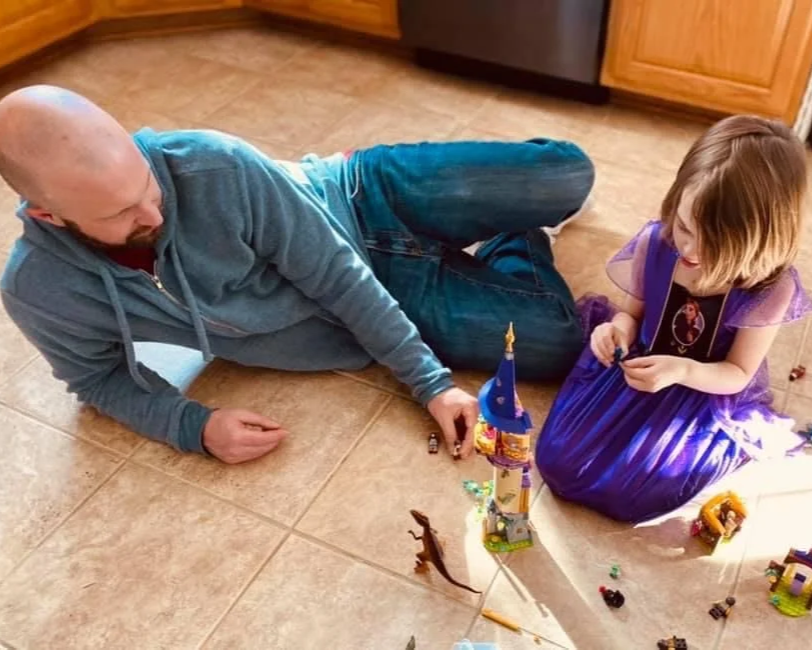


Hi, I’m the founder of Human Amplified. I’m Brandi Fleck, a recognized communications and interviewing expert, a writer, an artist, and a private practice, certified trauma-informed life coach and Reiki healer. No matter how you interact with me, I help you tell and change your story so you can feel more like yourself. So welcome!
Find More on the Blog
Topic
- ADHD
- AI
- Atlanta
- Black and BIPOC
- DIY
- FAQ
- LGBTQIA plus
- Los Angeles
- Nashville
- Seattle
- St Louis
- St. Louis
- UFOS/UAPs/ETs
- abuse
- accountability
- addiction and recovery
- adoption
- affirmations
- afterlife
- altered state
- angels
- animals
- anxiety management
- art
- astrology
- atlanta
- attachment
- awakening
- beauty
- behind the scenes
- being human
- body image
- body work
- boundaries
- brandi fleck
- breathwork
- bullying
- burn out
- burnout
- cancer
- career
- caretaking
- chakras
- channeled
- clarity-dive
- clarity-practice
- clarity-primer
- clean products
- coach
- codependency
Recent Blog Posts
Visit the Full Podcast Audio Archive

Affiliate


Spiritual practice can bring calm, clarity, and self-awareness, but it can also become a polished way to avoid what still hurts. In this guest article, Pat Crilley explores spiritual bypassing, emotional suppression, and how to tell the difference between true healing and performing peace.