
Interview By Brandi Fleck
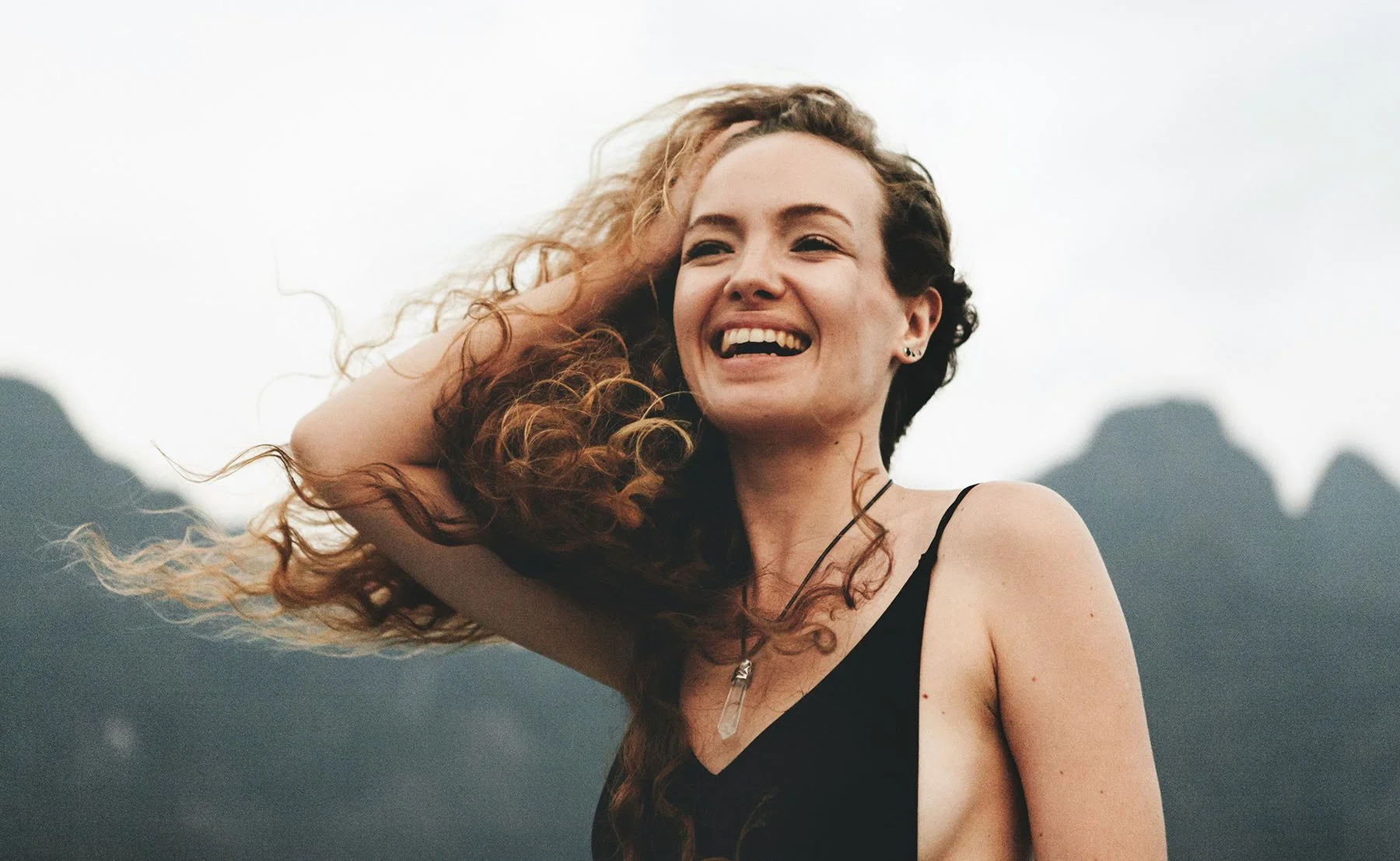
Callie Butler shares how leaving an emotionally abusive marriage, rebuilding her self-worth, and embracing a life of purpose helped her rediscover who she truly is.
Emotional abuse has a way of making you question your instincts, your confidence, and eventually your identity.
By the time Callie Butler left her toxic marriage, she felt like she'd become a stranger to herself. Starting over wasn't easy, but it became an opportunity to rebuild her life with intention.
She shares what emotional abuse looked like behind closed doors, the shame that kept her silent, and the small choices that helped her rediscover who she was.
Listen to Callie Butler’s Interview
Watch Callie Butler’s Interview
Finding Yourself After an Abusive Relationship
Brandi Fleck: If you heard Episode 1 of this podcast, you might guess that the interview for this week's episode hit close to home.
Guest Callie Butler told me that she wouldn't change her experiences that you'll hear about because they have helped her become the best version of herself she's ever been.
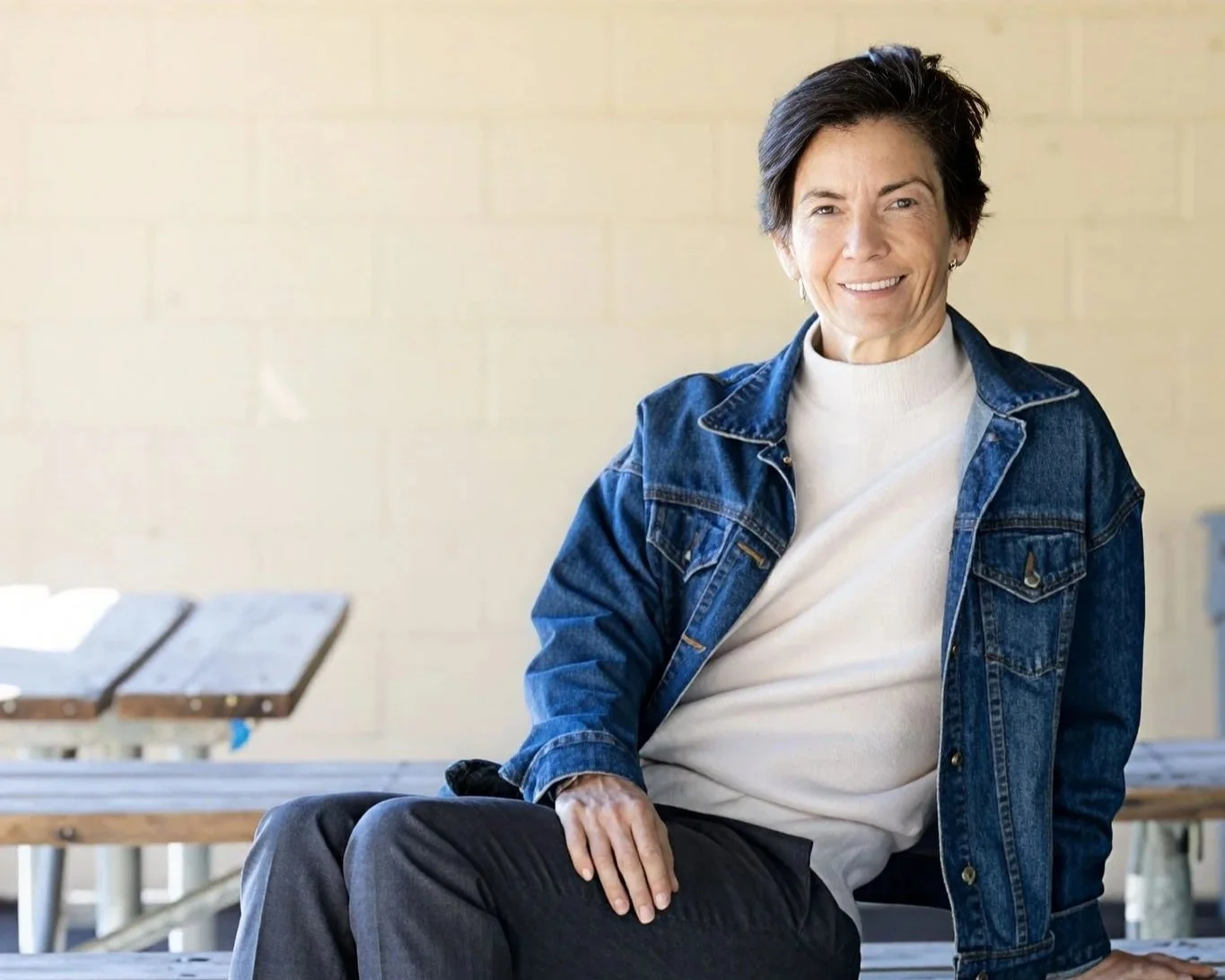
She's a yoga instructor, avid hiker, feminist, member and employee of the Unitarian Universalist Church, and domestic violence survivor.
Callie opens up about what it was like living in a toxic relationship that ended with a weekend trip turning into never going back and a 45-day stay in a women's shelter.
Callie remembers facing her own mortality through an unrelated health scare and realizing her reaction to the health scare, indifference, meant something wasn't right.
In this episode, Callie opens up about emotional abuse, how she left her marriage, and lessons learned about shame, fear, guilt, patience, and losing your identity to a relationship.
She also opens up about knowing now that having a relationship with yourself first should be a priority in order to have a foundation for healthy connections.
So let's dive in to hear about Callie's tough experiences that led to a metamorphosis through a self-discovery and self-love process involving physical activity, nature, career changes, and veganism.
Ultimately, this is a story of empowerment that I hope truly inspires you.
Brandi Fleck: Hi, Callie. Welcome to the show.
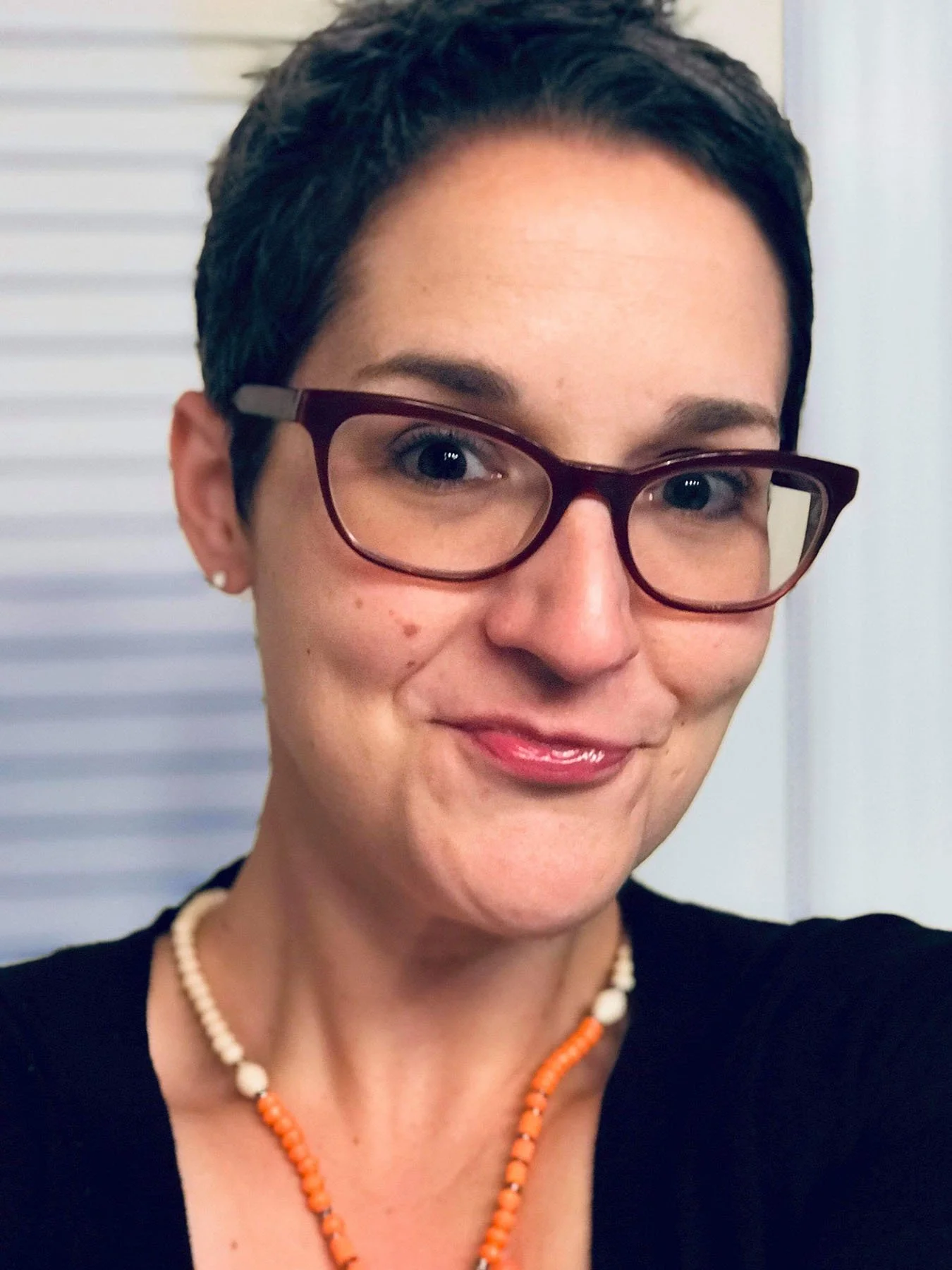
Callie Butler: Thanks. It's so awesome to be here.
Brandi Fleck: Yeah. Thank you so much for coming on. I'm really excited to just jump in and let our listeners get to know you. So can we start by talking about what does being human mean to you?
Callie Butler: The way that I've looked at that has really changed a lot over the last three years or so because, for me, I associated being human with strength, with being impenetrable, with being as close to a superhero as I possibly could while still obviously being mortal.
But the older I've gotten and the more experience I've had, the more that I've realized that being human is about strength and fortitude, but also about the beauty and vulnerability in feeling and being and experiencing, as well as surviving and soldiering on, so to speak.
It is a delicate balance of strength and vulnerability molded into one. That's the way that I look at it today.
Brandi Fleck: I love that answer. That's awesome.
That leads me to wonder why you've grown to believe that. Has something happened where you've had to be vulnerable and you've seen what it takes to soldier on?
Callie Butler: I think a lot of the way that I look at both others and myself really stems from the experiences that I've had in the last two and a half years or so with the dissolution of my marriage and the transition and how that took form.
Going through that process, I got to know myself again and, in many ways, got to experience myself to a great degree for the first time in a real, true-to-myself, authentic way.
Brandi Fleck: Okay. Interesting.
What do you believe the most important thing in life is?
Callie Butler: To me, the most important thing in life, hands down, is connection.
I believe that our connection to other people, the relationships that we share with others regardless of the nature of those relationships, are the currency of our lives.
So for me, what's most important, what is of the greatest value in my life, is the connection that I have to other people, for sure.
Brandi Fleck: Gotcha.
So you've brought this up a little bit since we've started talking, but your story involves a massive metamorphosis after leaving an abusive relationship and starting over.
Let's start from the beginning and talk about what your life was like before you entered the abusive relationship. Everything from lifestyle choices, mindsets, diet, exercise, and things like that. Where were you before?
Callie Butler: Well, I lived in the Nashville area and then moved to the state of Virginia.
I had done that because, at the time, for a couple of years, I had a boyfriend that was originally from the state.
Ultimately, much of my life at that time was very shaped by relationships. It was as if the idea of forging my own future seemed impossible, so I very much looked to my romantic relationships to kind of dictate the terms of my future.
So when my boyfriend had moved to Virginia, I stayed in Nashville for a time but then ultimately relocated myself, only to find that after having been in a long-distance relationship for more than a year, when we were living once again in the same city, things just started to disintegrate within six months or so, and we ultimately agreed not to continue with our relationship.
So I found myself in a state where I didn't know anyone, and moving back to my previous home felt as if it would be like pushing rewind on my life.
So it was important to me that I forge ahead and find a way to make this place that was largely foreign to me work.
It was hilarious, too, because I went from living in a major metropolitan city to living in the country, the type of place that we usually refer to as BFE.
I had well water for the first time. I had wildlife to deal with. I had never mowed a yard before, and I'm here by myself and have no idea what to do.
Frankly, when I look back at it and I think about it, it was the desperation of that situation, combined not long thereafter with a layoff from a job, that really led me to that relationship.
Because, like I said, I was in a state where I had very little connection to anyone. All of my family was outside of the state, and yet I was determined to make this work but, at the same time, hardly knew where to begin.
So I felt very lost. I wasn't professionally fulfilled. In terms of my lifestyle, I certainly wasn't physically active. I definitely had issues with binge eating.
I was an omnivore at that time. Eating was very much a comfort for me, and I'm throwing myself into my… work as well, work that I wasn't finding terribly fulfilling in a lot of ways.
I was very isolated. I didn't have a lot of connection here, and it was a challenging time.
As someone that, again, really looked for direction and honing my future in terms of the relationships that I found myself in, looking back on it, obviously in retrospect, I can see how it happened.
Brandi Fleck: Okay. So let's explore that a little bit.
Before we move forward with the transformation, talk about why you entered a relationship that ultimately ended up being abusive. What form did the abuse take?
Callie Butler: One thing to note, I never perceived it that way until I was out of it.
Obviously, we were together for almost six years, not married for the majority of those years together, and I did not view myself as a domestic violence victim. I viewed myself as an incredibly strong woman that was shouldering a great deal of the emotional work in a relationship.
I really felt like my husband needed support, and I felt like I was doing that.
On certain levels, I understood that my relationship wasn't ideal. Before I got married, my mother, and neither of my parents until after it was over, were aware of a lot of the dynamics going on. But my mother at least understood that and said to me that I was signing up for a difficult marriage.
I said that I completely understood that, but that was what I wanted because I loved this person very deeply.
Over the course of that relationship, what I believed was that if I hung in it long enough, he would get the attention to the mental health issues that he had, that I would be able to work with him to overcome issues with alcoholism as well as other issues.
I just believed that if I hung in there long enough, the man that lived beneath all of that dysfunction would be revealed to me, the one that I got a glimpse of from time to time, and that I was showing that I loved this person by hanging in there.
The lesson that I had to learn from that experience, and that in retrospect I'm able to go back and look at other relationships with, is that helping other people is a wonderful thing to do, but it doesn't have to come at the price of your own self.
There was no price too great. I didn't place a great deal of value in myself or my needs.
Any relationship that I was in, I very much metamorphosized into what that person needed me to be, which meant that when my relationship came to an end, I always had to go on this lengthy personal quest just to reconnect with who I was because that identity for me was so secondary to the relationship.
I was happy to alter, discard, and toss away any identity that I had if it meant the sake of a relationship and the stability of that relationship, and for making that relationship function.
If I had a relationship that was facing difficulty, it wasn't a matter of compatibility. It wasn't a matter of us simply not being a good fit. Then something was wrong with me that needed to be fixed.
I think that was a realization that I really had to come to toward the end, too. But it wasn't until I actually left the relationship that I realized, wow, look at you.
In my experience, you simply don't appreciate the reality of the situation until it is not your day-to-day life anymore.
Once it isn't your day-to-day life anymore, you can appreciate the reality and the level of dysfunction. I can certainly appreciate that now.
Brandi Fleck: I know that oftentimes in these situations, boundaries are sort of pushed over time. When things change and dynamics take on sort of a toxic feel, it doesn't always... it's definitely not always apparent, at least in my past as well. It takes time.
I guess what I'm saying is I absolutely agree with what you're saying, and it makes a ton of sense.
Going back to your question, in terms of the form that it took.
Callie Butler: Sure.
I remember having a conversation with my ex-husband once. I sat down beside him and I said, "You and I are supposed to be a team. This relationship is supposed to be a team. But the truth is, I live with my worst enemy. I live with the greatest critic in my life."
I was called stupid every single day. I was called horrible probably, I would say, most days.
There was this underlying messaging that I always got that I needed him.
In the beginning of the relationship, when he would butt in and help me with things that I didn't want help with, it would frustrate me. But slowly over time, I began to believe that I needed his help to do those things, whether it be something simple like carrying something heavy or figuring out a problem.
I started losing the idea that I was an autonomous adult.
I didn't have friendships, and I was very discouraged from having any friends. I was very disconnected from my family.
I even reached a point where I had been, I guess, broken down to a degree that I did not want to go shopping on my own. The idea of going to Walmart on my own, I wouldn't do it.
Now, I traveled for a living during that time. I was gone most of the time for work, and I traveled almost entirely alone. So it wasn't as if I had no mobility whatsoever.
But before I went on those work trips, quickly "I love you" was replaced with "Everyone is out to get you."
The mantra that I was told before I left on those work trips was, "Everyone is out to get you."
It was even implied that if I didn't take care of myself while I was on the road and perhaps experienced sexual assault or rape, that I wouldn't be welcomed back home.
I remember when I was spending so much time in airports and on the road always being very wary of connecting with anyone, of even having a casual conversation in the airport because everyone was out to get me.
Just someone physically touching me would cause me to recoil, especially if I wasn't expecting it to happen, and I would always ball up. My relationship definitely had incidents of physical violence in it, but they weren't as common as just the literal breaking down of my spirit.
When I came out of that relationship, the way that I often describe it is I was a great colorless husk of what I am today.
Brandi Fleck: Yeah.
So when did you realize that something wasn't right and that you needed to get out?
Callie Butler: It's an interesting story, actually. In October of 2015, I had stopped the traveling job.
Most of 2015, I started a photography business, and I was running that from my home, which meant that for the first time, my ex-husband and I were together a lot because I had been doing the job that kept me almost on the road full-time for four years.
So all of a sudden, I'm home, and not having that escape really started taking a toll. In October 2015, it really came to a head because I was sitting at home, and I had just finished dinner, and I noticed that I'm starting to lose feeling in my left side.
I think this is bizarre. It feels like I'm having the onset of the symptoms I have when I have a migraine headache, but that always occurs in my right hand and not my left. So I remember walking into my ex-husband's office and saying, "Hey, this is really weird. I'm losing feeling in my left hand and arm. I'm going to go lay down."
In less than an hour, I had lost complete control of my left side. It was completely dead. I couldn't even roll over.
I had lost my ability to speak clearly as well as other basic functions. This is not, obviously, what typically happens when I have a migraine.
So my ex-husband bundles me up into the car, runs me to the ER, I have a CT scan done, and I have a lesion on my brain. The initial diagnosis is that I've just had a stroke.
So I'm in the hospital for a week being told that I've had a stroke. I'm ultimately released, and a month later I'm sent to a neighboring, much larger hospital to get a follow-up MRI done, which I don't think much about because it wasn't terribly long after the initial onset of that incident that I regained most of the control over my left side. It came back within hours.
Now, it wasn't 100%. It was only maybe 80% back, but I was able to control my left side again to some degree.
So I didn't think a lot about this follow-up MRI. But a day or two after that happened, I get a call from the neurologist who tells me, essentially, that the lesion on my brain has tripled in size, that it's very inflamed, and based on what he'd seen in the past, it appears that I have a brain tumor.
He asks me to rush back to the hospital because they need to do some tests. He's indicated to me on the phone that the prognosis is that I likely only have six months to live.
So I rush to that hospital, and I spend a week in a hospital bed with doctors looking at me with mournful looks and this general idea that I'm not going to see my next birthday, that 35 is just not something that I'm going to see.
The theory being that I've had liver cancer that's metastasized to my brain. Prior to the experience that I've had, if someone had said that an incident like this transforms our lives, I probably would have rolled my eyes and seen it as hokey wish-wash.
But it's not so much facing my mortality that really had an impact on me. It's what my response was to it.
Because when I was told that I was going to die, I felt incredible relief. I even felt excitement because I thought, "Well, if I know that I only have six months to live, at least I can live the way I want to in those last six months instead of being this miserable."
Ultimately, October of 2015 was almost three years ago now, so obviously that hypothesis proved incorrect.
They ultimately never figured out what happened. It's still kind of a mystery that will perhaps reveal itself in the future, but I definitely did not have a brain tumor.
When the doctors came to me to say that they could conclude that that was not the case, I felt this incredible wave of disappointment come over me.
It was in that moment of disappointment that I suddenly realized if you are a 33-year-old, and you don't care if you live or die, there is something profoundly wrong with the life that you're living.
So when I went home, this was the time that I spent in the hospital during the cancer scare. It was actually December of 2015. I went home, and as the new year began, 2016, I just felt determined that I needed to change my life, that something was really wrong.
It was in January that I knew that the biggest source of pain and discontentment for me in my life was my marriage.
I started to realize that this change that I was hoping for, that I was waiting for, was not likely to happen.
I began asking myself how much more of that life I wanted to give, hoping that a person would be something that they simply weren't.
In January, I told both of my parents that I was pretty certain that my marriage was over. I explained to them the real nature of my marriage and what it looked like day to day because I felt like I was ultimately going to need their help to do it.
I was scared. My husband had several phrases, warnings to never mess with him, and I was afraid. Ultimately, however, I felt like it was something that I needed to plan and take time doing right.
So it was not my intention to leave. But ultimately, a month later, in late February of 2016, I had decided that I was going to get together with one of my best friends from college who was in the area.
So I had planned a weekend with her, and I was going to go spend some time with her. I really needed to get away from my home situation and just get a break.
Ultimately, my friend from school had to cancel due to something that was going on with her elsewhere, but I chose to go ahead and go because I really needed that time.
Ultimately, as I left, my ex-husband put a tracking program of sorts that's typically used to track children with cell phones on my cell phone and found that I was not in the place that I had indicated to him that I was going to be.
He became enraged by my deception, began burning my possessions and sending me pictures of those possessions going up in flames, and was tracking my movements.
He just really had a pretty significant mental break. It was in that moment that I realized that I was never going to get to go home again.
Which was really frustrating because it was an unseasonably warm weekend in February. I didn't have a coat with me. I was wearing flip-flops. It was that unseasonably warm.
I had never intended to leave long term. I was leaving for the weekend, and suddenly I found myself knowing that it just wasn't safe for me to go back home again.

Leaving an Abusive Relationship
That was basically how I left. I stayed with friends for a short period of time after that, ultimately ended up going into a domestic violence shelter where I stayed for 45 days. Following that, I basically got a game plan together in terms of how I was going to start a new life here, very much in the condition that I started it when I moved here because, due to the nature of my relationship, I had no friends here. I had no connection to the community, both because I traveled all the time and really wasn't in the community, and because when you are part of a relationship like that, isolation is a huge facet of the way that that relationship functions.
So, yeah, I very much found myself in the same place where I'm stuck. I'm stuck again. I don't have any resources here. I don't have connection, and I've just lost my home.
It was a daunting situation, to be sure.
Brandi Fleck: Yeah. It definitely sounds scary.
Signs of Emotional Abuse in a Marriage
It makes me wonder, were there any times before that, when he started burning your things and being enraged, that you felt like you needed to call the cops or that you felt like you were unsafe?
Callie Butler: There were some incidents where that occurred.
There was an incident where he got incredibly angry and actually held a gun to my golden retriever's head and was threatening me in that sort of way. I actually got the golden retriever and left overnight.
The one thing that was difficult was that when you call the cops and things like that, obviously it creates public perception.
My ex-husband was always worried about how he was perceived in the community. Even though he wasn't a terribly social person, public embarrassment was very concerning to him, and I always knew that.
For example, when I went into the domestic violence shelter, we actually spoke a couple of times while I was in there. His first response was, "Callie, you do know that the sheriff's department knows you're there, right? You do know that they know who your husband is, right? So you realize how embarrassing this is for me."
The thing was, I wasn't ready to give up on my relationship, even when I was scared and even when things happened that just shouldn't be occurring in healthy relationships.
But I knew that if I contacted the police, I was certain that he would never forgive me and that would be an act that would end the relationship, and I wasn't there yet.
The way that I articulated it was, for me to end a relationship, any relationship, whether it be that marriage or any other, I have to reach a place where the idea of being alone is less intimidating, less scary, less daunting than spending another day with that person.
I wasn't there yet.
So until I was there, doing things that would make him angry or be unforgivable in his eyes just weren't something that I was prepared to do, like call the cops when incidents surrounding his alcoholism occurred.
Brandi Fleck: Yeah, gotcha.
Domestic Violence Shelter and Starting Over
You mentioned the domestic violence shelter. Do you have any tactical tips for people who might be in a similar situation but don't know how to start leaving and how they might be able to get help similarly?
Callie Butler: My situation was certainly one where it was my hope that there would be planning involved.
I remember in the beginning, I even looked at books like Conscious Uncoupling and things like that. I really romanticized the end of my relationship, thinking that it could be done in a civil way, that we could still be friends.
Again, because I think with a lot of situations, you don't appreciate the full level of the dysfunction until it's not your day-to-day reality.
One thing that I would say is that when I initially went in, I felt a lot of shame about that. I'm certainly a person that is very gender-positive. I identify as a feminist. I've volunteered in shelters. But it wasn't ever something that I thought could happen to someone like me.
So even with my positive ideas surrounding them, it was still something that I saw outside of myself. I didn't feel that someone with my socioeconomic advantages, with my education, with this and that opportunity, that that was a place for me.
In fact, when I went in, I felt ashamed. I felt like, "I'm not supposed to be here."
It took me a little while to realize that I was exactly where I needed to be. One thing that I would say is to utilize the tools, like a domestic violence shelter, that are there without allowing shame to stand between you and your ability to take control of your life.
In the absence of shame, I would not have suffered quite as much as I did, nor do I think that relationship would have lasted longer.
I think the shame and the fear of the vulnerability played a really key role in that. In fact, I wouldn't have even thought to go to a shelter if it had not been suggested to me.
I think familiarizing yourself with the resources that are there is important. I also think an important thing is to reach out to people that care about you and to set aside that shame as well.
I did not talk to my family in any great detail about what was happening to me, and it was really hurtful to them to find that I had been going through so much pain and such an ordeal that they couldn't have helped me with.
That was my own choice, and again, it stemmed from shame. So I think recognizing that it's okay to be vulnerable, it's okay to make mistakes, it's okay to find yourself in a situation that isn't ideal, and recognizing that it does not make you weak to extend a hand out and ask for help.
That's something that I had to learn.
I equated that with weakness, and now I better understand that reaching out to people that care about you, reaching out to resources in the community that are there to help you when you need them, that's not weakness at all.
Brandi Fleck: I think that's a great takeaway. I think we got some really great takeaways there.
I heard you mention don't let the shame really stop you, get to know your local resources, and it's not weak to seek help. It's actually a strong thing to do to admit that you need it and go.
Callie Butler: Absolutely.
Brandi Fleck: Great. So when you were going through these experiences that you just described, we mentioned that before you entered the relationship, you were very focused on relationships and sort of became consumed by them.
By the point that you got out, you described yourself as this gray, empty husk of a person.
At this point, once you've gotten help and sort of gotten out, how did you change as a person, and what is your life like now?
Rebuilding Your Identity After Emotional Abuse
Callie Butler: Well, that process actually began while I was in the shelter. It was interesting because the domestic violence shelter that I was in was actually located very close to a national park.
It was really important to me that I not just sit in the shelter and wallow in the negativity of my situation because, on one hand, the future as I knew it was gone.
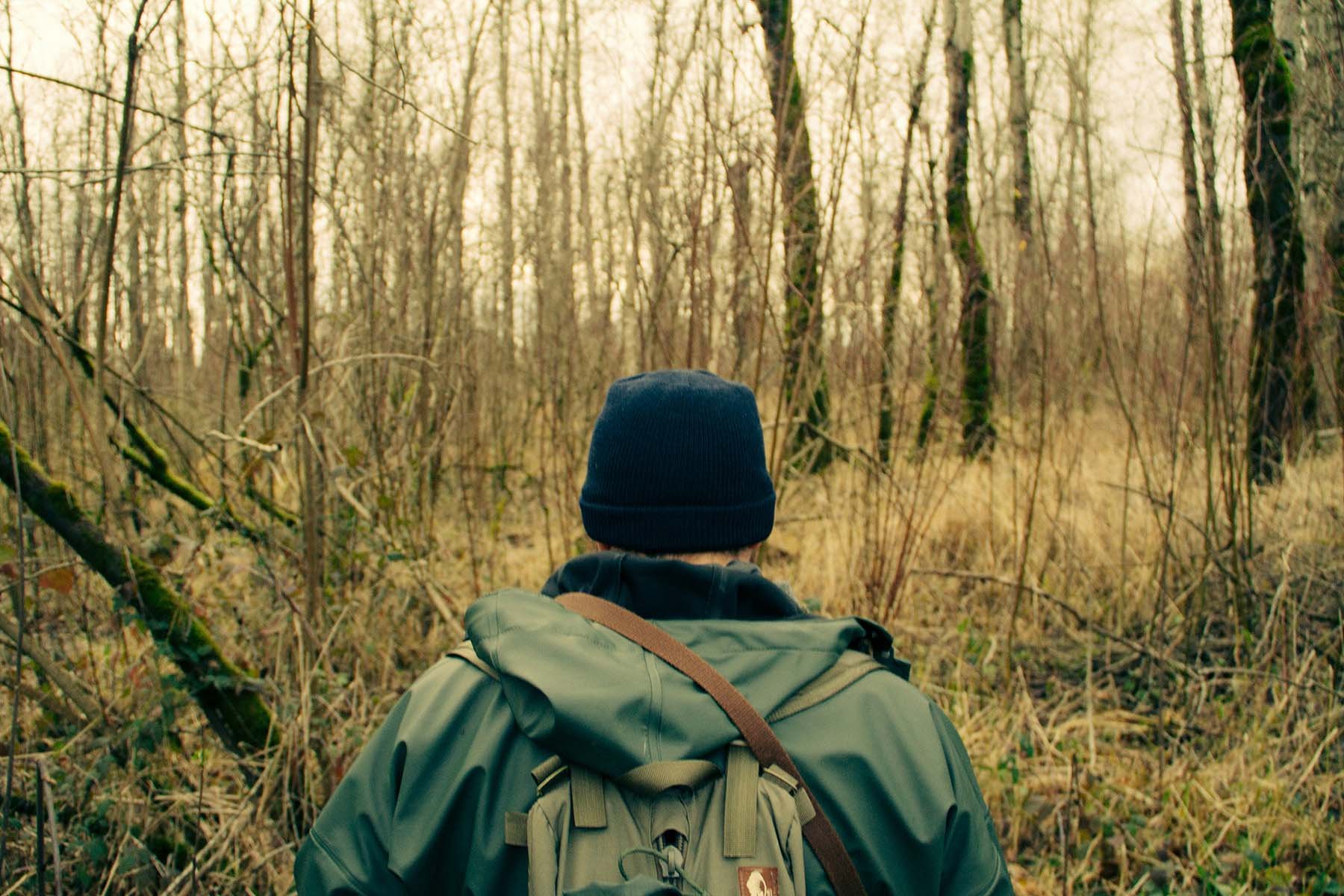
Yet, at the same time, I had a choice. I had a choice to either be defeated by this situation or to look at it as an opportunity. So instead of sitting in the shelter after I got off work night after night, I went to the woods.
I had always been interested in hiking, but I was like a once- or twice-a-year type of hiker. In this case, during the 45 days that I was in the shelter, every day after work, for me, I went to the shelter, I changed clothes, and I went to the woods.
I hiked one trail or another. I found that every night that I went to those woods and I took that time to really engage in exercise for the first real time in my life and just kind of immerse myself in the woods, the way that I talk about it today is that I got myself back in those woods.
I emerged every evening in those trails with another piece of me back.
Really, by the end, when it was time, when I had found a living situation that worked for me and I moved out of the shelter, I felt more connected with myself than I had been in a very long time.
Callie Butler: So again, my situation, I was almost presented with a clean slate. I'm in a community I have no connection to. I've just lost my home. I've lost most of my material wealth because I never went back there.
To some degree, I have a clean slate, so what am I going to do with this? At that point, I decided, what am I going to do? Because I can do anything now.
Obviously, there were negatives. I was certainly in a much more precarious financial situation than I had ever been in or that I had been in in a very long time. Divorce is not fun and things like that.
But at the same time, there was still so much possibility. I had always wanted to be vegan, and I felt pretty certain that when I came out of the hospital with my brain issues, I actually reduced that inflammation down to nothing within 30 days.
One thing that I did almost immediately after getting out of the hospital, I had been vegetarian for many years through college and in my early twenties, but I resolved to pick that back up again and ultimately went vegan.
That was something that was very inspirational and very important to me. I started getting physically active really for the first time in my life and found that my pursuits in the woods and getting outside really impacted my ability to cope with the situation.
My divorce took longer than my marriage. I was legally married for 17 months. My divorce took 18 months.
When people ask me for advice on divorce today, the only piece of advice that I give is your divorce is going to take significantly longer than you ever imagined it would.
I imagined that I'd be divorced and done in six months, and it was actually three times that amount of time. I learned how to be patient in that time for the first time in my life.
Learning to Love Yourself After Divorce
I really recognized that a big reason that I made the choices that I did, and I'm not putting blame on myself for the situation. I'm not responsible for my ex-husband's actions.
But what I am responsible for, and what I needed to take responsibility for, was why did I stay? Why did I make those choices?
Not to beat myself up about it, but to say, why did you choose this? I chose it because while I had invested so much in the love of other people, I had invested so little in any kind of love in myself.
I wasn't comfortable being alone. I wasn't a friend to myself. I needed other people to fill holes that I should have been filling. It actually took me back to this advice that I got from my mother when I was 14 years old, back in the days when there were still pay phones and we didn't have cell phones.
Some kid had been mean to me. I'm a freshman in high school. I go to the phone, I pop in a quarter, and I call my mom crying, asking her to pick me up from school.
My mom can't pick me up from school, but I remember her saying to me on the phone, "Callie, if you would be a friend to yourself, you would never be alone."
To me, at 14, that was awful advice. Twenty years later, I can appreciate the adage and what she was saying there.
So I knew coming out of my marriage that if I wanted to avoid toxic relationships, if I wanted to create a sense of myself that I carried into relationships instead of heavily modifying myself every time I met someone new, I needed to take some time to be on my own and figure out who I really was and start a relationship with myself for the first time in my life.
That's what I took the time to do.
Brandi Fleck: Yeah, that sounds like some really powerful self-reflection.
I totally get why you would need to ask yourself why you did stay, and it sounds like you've got it figured out, really, and that you're working on it.
Callie Butler: One thing that I will definitely say is in the first year after it was over, I put a really big smile on my face, and I was absolutely ashamed.
I didn't want to be called the domestic violence victim. The very idea of associating the word "victim" with me was very difficult for me. I didn't tell anyone that I was in the middle of a divorce.
I made, of course, a new community of friends, but I largely kept that to myself. To a great degree, no one knew if I had ever been married before, let alone divorced, and I didn't have any children to evidence that.
It was something I very much held to the chest and was very ashamed about and, to some degree, largely ignored.
I didn't deal with a lot of the feelings. For me, in that first year, it was a whole new world.
I got to spend time with me, and I got to start this whole new life, and I got to be myself, and I got to not be stifled. It was really an exciting time. The final hearing in my divorce actually happened in June of 2017.
It was my understanding that my ex-husband, who was representing himself, if he was present in court, would be cross-examining me.
Now, this is a person that I had a protective order against, who I had not seen or spoken to in over a year and was frightened of. So the prospect of showing up in court and getting cross-examined on the stand by him was just unfathomable to me.
For one reason or another, my family members couldn't come into town. My father lives an eight-hour drive away. My mother's four hours away.
So I actually stood up in front of my church, the Unitarian Church, and explained to them what had happened to me a year and a half before. It was really shocking to people because that group of people were the heart of my community here.
Most of them had no idea. People said to me afterwards, "But Callie, you've always had such a smile on your face. We never would have imagined that something like that could have happened to you."
In fact, people behaved as if it was actively happening then because it was the first time they had heard about it.
In reality, I had left that marriage a year and a half before.
I had just held that so closely, again with shame, that it wasn't something I shared a lot.
But as I stood up in front of that entire group of people, so worried that I would be judged as this weak person that let this man railroad me, that I wasn't emotionally healthy or stable because I let this happen to me, I stood in front of them and cried and explained the whole story.
I asked people, "Would you please come to my court hearing so that I'm not there alone? I don't want to be there alone, and I'm asking for your help."
Brandi Fleck: Did they come?
Callie Butler: The entire congregation stood, came to their feet, and kind of created this human hood around me as I stood at the front of the sanctuary.
If I had to guess, I would say about 20 people showed up to that court hearing.
Brandi Fleck: Wow. Did he cross-examine you?
Callie Butler: He actually did not show up.
Brandi Fleck: Gotcha.
Callie Butler: It turns out I didn't need the support, but it was amazing to have it there. Absolutely. That was the first time I had said out loud and in a public way, "This happened to me."
It was the first time that I saw that nobody judged me as harshly as I judged myself. One thing that I will certainly say is while I've gone leaps and bounds in terms of growth and I've made what was far from an ideal situation into something to be grateful for as opposed to utterly shattered by, it's really been a process.
It really has been a lot of work to overcome shame and guilt and worry about perception. It's still today a work in progress to a great degree.
Brandi Fleck: You know, that makes a lot of sense.
Callie Butler: I really had to work. I always associated emotion with weakness.
When you're in an emotionally abusive relationship, you lose your ability to feel. I came out of that relationship not being able to decipher my own emotional makeup.
I was never happy. I was never sad. I felt nothing. That's a lot of what I mean when I say a colorless husk. I wasn't reactionary to anything.
I didn't get angry. I didn't feel anything. I had to learn all over again just how to feel things and how to communicate to people if they did something that wasn't okay.
Just a basic emotional spectrum. It has been a process over the two and a half years.
Callie Butler: So again, my situation, I was almost presented with a clean slate.
I'm in a community I have no connection to. I've just lost my home. I've lost most of my material wealth because I never went back there.
To some degree, I have a clean slate, so what am I going to do with this?
At that point, I decided, what am I going to do? Because I can do anything now.
Obviously, there were negatives. I was certainly in a much more precarious financial situation than I had ever been in or had been in for a very long time. Divorce is not fun and things like that.
But at the same time, there was still so much possibility.
I had always wanted to be vegan, and I felt pretty certain that when I came out of the hospital with my brain issues, I actually reduced that inflammation down to nothing within 30 days.
One thing that I did almost immediately after getting out of the hospital, I had been vegetarian for many years through college and in my early twenties, but I resolved to pick that back up again and ultimately went vegan.
That was something that was very inspirational and very important to me.
I started getting physically active really for the first time in my life and found that my pursuits in the woods and getting outside really impacted my ability to cope with the situation.
My divorce took longer than my marriage. I was legally married for 17 months. My divorce took 18 months.
When people ask me for advice on divorce today, the only piece of advice that I give is your divorce is going to take significantly longer than you ever imagined it would.
I imagined that I'd be divorced and done in six months, and it was actually three times that amount of time.
I learned how to be patient in that time for the first time in my life.
I really recognized that a big reason that I made the choices that I did, and I'm not putting blame on myself for the situation. I'm not responsible for my ex-husband's actions.
But what I am responsible for, and what I needed to take responsibility for, was why did I stay? Why did I make those choices?
Not to beat myself up about it, but to say, why did you choose this?
I chose it because while I had invested so much in the love of other people, I had invested so little in any kind of love in myself.
I wasn't comfortable being alone. I wasn't a friend to myself.
I needed other people to fill holes that I should have been filling.
It actually took me back to this advice that I got from my mother when I was 14 years old, back in the days when there were still pay phones and we didn't have cell phones.
Some kid had been mean to me. I'm a freshman in high school. I go to the phone, I pop in a quarter, and I call my mom crying, asking her to pick me up from school.
My mom can't pick me up from school, but I remember her saying to me on the phone, "Callie, if you would be a friend to yourself, you would never be alone."
To me, at 14, that was awful advice.
Twenty years later, I can appreciate the adage and what she was saying there.
So I knew coming out of my marriage that if I wanted to avoid toxic relationships, if I wanted to create a sense of myself that I carried into relationships instead of heavily modifying myself every time I met someone new, I needed to take some time to be on my own and figure out who I really was and start a relationship with myself for the first time in my life.
That's what I took the time to do.
Brandi Fleck: Yeah, that sounds like some really powerful self-reflection.
I totally get why you would need to ask yourself why you did stay, and it sounds like you've got it figured out, really, and that you're working on it.
Callie Butler: One thing that I will definitely say is in the first year after it was over, I put a really big smile on my face, and I was absolutely ashamed.
I didn't want to be called the domestic violence victim. The very idea of associating the word "victim" with me was very difficult for me.
I didn't tell anyone that I was in the middle of a divorce.
I made, of course, a new community of friends, but I largely kept that to myself.
To a great degree, no one knew if I had ever been married before, let alone divorced, and I didn't have any children to evidence that.
It was something I very much held close to the chest and was very ashamed about and, to some degree, largely ignored.
I didn't deal with a lot of the feelings.
For me, in that first year, it was a whole new world.
I got to spend time with me, and I got to start this whole new life, and I got to be myself, and I got to not be stifled.
It was really an exciting time.
The final hearing in my divorce actually happened in June of 2017.
It was my understanding that my ex-husband, who was representing himself, if he was present in court, would be cross-examining me.
Now, this is a person that I had a protective order against, who I had not seen or spoken to in over a year and was frightened of.
So the prospect of showing up in court and getting cross-examined on the stand by him was just unfathomable to me.
For one reason or another, my family members couldn't come into town. My father lives an eight-hour drive away. My mother's four hours away.
So I actually stood up in front of my church, the Unitarian Church, and explained to them what had happened to me a year and a half before.
It was really shocking to people because that group of people were the heart of my community here.
Most of them had no idea.
People said to me afterwards, "But Callie, you've always had such a smile on your face. We never would have imagined that something like that could have happened to you."
In fact, people behaved as if it was actively happening then because it was the first time they had heard about it.
In reality, I had left that marriage a year and a half before.
I had just held that so closely, again with shame, that it wasn't something I shared a lot.
But as I stood up in front of that entire group of people, so worried that I would be judged as this weak person that let this man railroad me, that I wasn't emotionally healthy or stable because I let this happen to me, I stood in front of them and cried and explained the whole story.
I asked people, "Would you please come to my court hearing so that I'm not there alone? I don't want to be there alone, and I'm asking for your help."
Brandi Fleck: Did they come?
Callie Butler: The entire congregation stood, came to their feet, and kind of created this human hood around me as I stood at the front of the sanctuary.
If I had to guess, I would say about 20 people showed up to that court hearing.
Brandi Fleck: Wow. Did he cross-examine you?
Callie Butler: He actually did not show up.
Brandi Fleck: Gotcha.
Callie Butler: It turns out I didn't need the support, but it was amazing to have it there.
That was the first time I had said out loud and in a public way, "This happened to me."
It was the first time that I saw that nobody judged me as harshly as I judged myself.
One thing that I will certainly say is while I've gone leaps and bounds in terms of growth and I've made what was far from an ideal situation into something to be grateful for as opposed to being utterly shattered by it, it's really been a process.
It really has been a lot of work to overcome shame and guilt and worry about perception.
It's still, today, a work in progress to a great degree.
Brandi Fleck: You know, that makes a lot of sense.
Callie Butler: I really had to work. I always associated emotion with weakness.
When you're in an emotionally abusive relationship, you lose your ability to feel. I came out of that relationship not being able to decipher my own emotional makeup. I was never happy. I was never sad. I felt nothing.
That's a lot of what I mean when I say a colorless husk. I wasn't reactionary to anything. I didn't get angry.
I didn't feel anything. I had to learn all over again just how to feel things and how to communicate to people if they did something that wasn't okay. Just a basic emotional spectrum. It has been a process over the two and a half years.
Brandi Fleck: Since all of that happened, for sure.
In this transformation, I know that several months ago you decided to buzz your hair, and I loved it, but I feel like this is sort of a physical manifestation of your transformation.
How did it feel to do that?
Callie Butler: Well, I cut my hair short actually in September of 2016 from having it halfway down my back, which was the initial kind of change to the hair.
But actually, when I decided to buzz it, it was because I have had naturally occurring gray hair since I was 10 years old.
Now I'm 36, and I have some newer gray hair. It was funny because I had had the experience of a person mistaking my age or not being able to tell what my age was because I'm prematurely gray, essentially.
So I had decided I never wanted to color my hair. I was never going to do it. After that happened, I thought, I'm going to try this.
So I put a big red streak in the front and had the rest colored my natural black. But eventually, as I started changing my career, I really started reassessing my priorities. I thought, "You know, I don't want to color my hair. It's not who I am, and I dig my gray."
So instead of letting it grow out, I thought, "This ends today."
I buzzed my hair. I've never been afraid of my hair being too short, so I thought, well, if I look at it and it looks horrendous, give it a month and it'll be back out long enough to be tolerable.
But I actually really liked it and had it that way from March until about a month ago or so. The response that I got from it was really great.
I got nothing but, "Wow, your hair looks amazing. I love that haircut."
People approached me in the street to ask me about the haircut or to say, "I've always wanted to do that."
Buzzing my head was one of those things on that list of things I always wanted to do. When I look at that list today, if it's on that list and it's a healthy thing to do, I do it because I see life and the world with a lot more possibility now than I once did.
Brandi Fleck: Right.
Sounds like total empowerment, really.
Callie Butler: Exactly. Yes.
Brandi Fleck: You mentioned a little bit about a career change.
What I know about you is that you do teach yoga, you love hiking and the outdoors, and veganism has played a really big role in your life.
How do these things that you do for enjoyment and to fulfill your purpose line up with your values now?
Tell me a little bit about your yoga practice.
Finding Purpose Through Yoga and Meaningful Work
Callie Butler: When the current presidential administration took office, there were cuts that occurred in the State Department that ultimately resulted in a lack of funding for the nonprofit that I worked for, and I was laid off from a job.
Prior to joining that nonprofit, I had been in the for-profit business world most of my career. I had decided that I wanted to do something different, that I wanted to do work that really mattered.
After my marriage ended and I really started evaluating what direction I wanted my life to go in, that became more and more important. I had taken yoga for many years, and I had always been interested in teaching it.
But there had always been this voice, I suppose, that discouraged me for one reason or another. I actually had a teacher named Marinda, my mentor, who said to me, "You should be teaching this."
When she said that to me, I thought, yeah. She told me how to get certified to teach, and a month later I was in class getting certified. I actually started teaching officially in June of this year, and I'm up to eight classes now.
It feels amazing because I'm never more alive than when I'm teaching. No matter what kind of mood I'm in, the minute that I sit down on the mat and start teaching, it's like everything fades to the background. I've never done work that made me feel that way, that felt that purpose-driven.
The other thing that I've done, especially this year in 2018, is I've wanted to have new employment experiences, learn new skills, have experiences where I thought, "Man, that job would be really cool," and just go through it and do it.
In addition to teaching yoga, I am the Director of Membership Engagement for the Unitarian congregation here at First Unitarian Church of Lynchburg.
Because the church was my first experience with organized religion and has become such an important part of my life, I really enjoy that I get to dedicate some of my professional life to it as well.
My role in the church is getting new people involved, helping them find community within the church, and really get integrated. That integration, that engagement, was a really big part of my healing for me. So it's a way that I really get to give back to that community that I hold so dear.
Going back to that experience of new things, the other thing that I do in addition to those two roles is, in recent months, I've learned coffee roasting. I actually roast for a locally owned coffee shop here. I really enjoy doing that because there's a culinary nature to it.
You're creating something. Every cup of coffee that anyone in that coffee shop buys, I roasted. There's something really amazing in getting to create that and learn a skill that is partially well done.
There are not a lot of female coffee roasters, and it's something that I found that I'm really good at and really enjoy.
It's really rewarding, too. It's been a really fun transformation to get outside of the box of what I thought I had to be professionally and start asking myself, "What do I want to be professionally?"
Brandi Fleck: Yeah, that's really cool. You mentioned the culinary aspect, and we've talked a little bit about veganism.
Let's shift to focus on veganism right now. For our listeners who don't know much about it, can you explain what it is and how you incorporate it into your life?
Callie Butler: Veganism is essentially living on an entirely plant-derived diet and avoiding animal products in terms of personal care, clothing choices, and other personal goods.
In terms of how that manifests itself in eating, as a vegan I don't consume any product that has an animal-based source.
So no, I don't consume dairy or meat, things like honey, gelatin, and other products of that nature that have an animal-derived background.
One area that you have to look closely at, for example, are cereals, baked goods, things of that nature because there are often dairy-derived ingredients there too. So it's essentially taking all of the animal out of your diet.
I found it to be incredibly rewarding. I've had a lot of people over the last few years come to me and ask me how to do that. Personally, I am very much an all-or-nothing person. When I decide, I ponder something over a long period of time, but when the day comes that I decide to do it, I am all in.
So when I decided to go vegan, I was vegan that day.
Brandi Fleck: Gotcha.
Callie Butler: One thing that I will say, though, because I've had a lot of people watch me transition to it, is I think it's important not to beat yourself up.
If you're not that all-or-nothing mentality, create an incremental plan for how you want to replace or simply eliminate things from your diet and your life.
One really key thing for me, especially looking at it from an expense standpoint and just an ease standpoint, was I don't really spend a lot of time buying the mock-up items that I don't need anymore. For example, I don't typically buy vegan cheese or vegan meat substitutes, although I do buy tofu and tempeh.
I don't buy a lot of the mock meats, the mock cheeses, things like that. Because when I went vegan, I just decided those weren't food anymore.
That certainly makes it both more cost-effective as well as simply easier when you approach it saying, "Cheese just really isn't food to me anymore," or, "I'm not eating bacon anymore, so I'm not going to get a substitute for it."
For me, that made it all a great deal easier. Veganism is very much tied to empowerment for me.
When I chose to go vegan, I chose to reject all of the messaging that's very profit-driven, that tells me that to have a complete and fulfilled diet I have to eat this, this, and this.
When we look at the basis of most of the food, nutrition, and dietary messaging that we receive in our country, it is very based in for-profit entities.
So I think to make good dietary choices, whether your definition is veganism or whatever the case may be, because I think what you choose to eat and how you choose to nourish your body is a very personal choice, you really have to go outside of that popular messaging, outside of the messaging that we're receiving from large food producers, and really do the research yourself.
For me, veganism is very much about taking control of my body, my nutrition, and my health.
I am the healthiest that I have ever been. I am far healthier than I was in my twenties. That empowerment makes it very easy for me, especially once it became a habit. Habits are something that we generally form over 90 to 100 days.
Once I reached a point where it had just become the definition of food for me, it did become easy. One thing that I've certainly seen occur over the last few years is veganism, in particular, has become much more popular and much more widely accepted than it was at one time.
I think this is the easiest time in history to be vegan. It's certainly not something that I find particularly difficult. I don't find it particularly socially isolating. It works.
How to Transform Your Life After Trauma
Brandi Fleck: So, Callie, your metamorphosis that we've discussed over this episode is really inspiring and empowering.
You've taken a ton of steps to really become who you are as a person and figure out your true self.
I'd like to end on the note of what are some steps that someone else could get started on to go on a transformation to be their true selves?
Callie Butler: I think, for me, it was first surrounding myself with positive messaging.
One thing that anyone that follows me on Facebook knows that I do is every day, twice a day, at the beginning as well as the end of the day, I post very positive and uplifting content about the beauty of life.
I surround myself in the messaging in my home and around me with positivity because I want to be positive about my life, even if it takes unexpected or undesired turns.
I think another big part of any kind of transformation or journey is to get connected with yourself, to express yourself, to really explore your identity, to take yourself on a date, to do things independently and on your own, to pursue things that you're passionate about, whether you have a group to do it with or whether you're embarking on that on your own.
Again, as I mentioned before, really investing in a friendship with yourself and making that friendship with yourself a major priority in your life.
I think, too, always being willing to examine the nature of the relationships in your life and making sure that the relationships in your life, whether they be romantic, friendships, or connections to family, are healthy connections.
Be willing to sever those connections if they aren't serving you, but also be willing to invest in open communication with the people that you value, honoring both yourself and the relationships that you have with others.
I think those are some of the key things that one can do to really harness a life that, again, even when it takes unexpected turns, we can be positive and really invest in them.
Brandi Fleck: Very well said. Those are wise words. I just want to thank you so much for your time today and sharing your story, Callie.
Callie Butler: Thank you.
Brandi Fleck: You guys, I just love Callie. Isn't her journey incredible? It really blows me away.
Join the conversation!
Feel free to share your own experience and let me know if you have any questions in the comments.
Related Posts




Hi, I’m the founder of Human Amplified. I’m Brandi Fleck, a recognized communications and interviewing expert, a writer, an artist, and a private practice, certified trauma-informed life coach and Reiki healer. No matter how you interact with me, I help you tell and change your story so you can feel more like yourself. So welcome!
Find More on the Blog
Topic
- ADHD
- AI
- Atlanta
- Black and BIPOC
- DIY
- FAQ
- LGBTQIA plus
- Los Angeles
- Nashville
- Seattle
- St Louis
- St. Louis
- UFOS/UAPs/ETs
- abuse
- accountability
- addiction and recovery
- adoption
- affirmations
- afterlife
- altered state
- angels
- animals
- anxiety management
- art
- astrology
- atlanta
- attachment
- awakening
- beauty
- behind the scenes
- being human
- body image
- body work
- boundaries
- brandi fleck
- breathwork
- bullying
- burn out
- burnout
- cancer
- career
- caretaking
- chakras
- channeled
- clarity-dive
- clarity-practice
- clarity-primer
- clean products
- coach
- codependency
Recent Blog Posts
Visit the Full Podcast Audio Archive

Affiliate


This is a channeled message about how to recognize false prophets and their manipulation tactics plus learn what true selfishness really is. How it applies to our current political climate is for you to decide.