
How to Listen to Your Body and Heal Trauma
Interview By Brandi Fleck
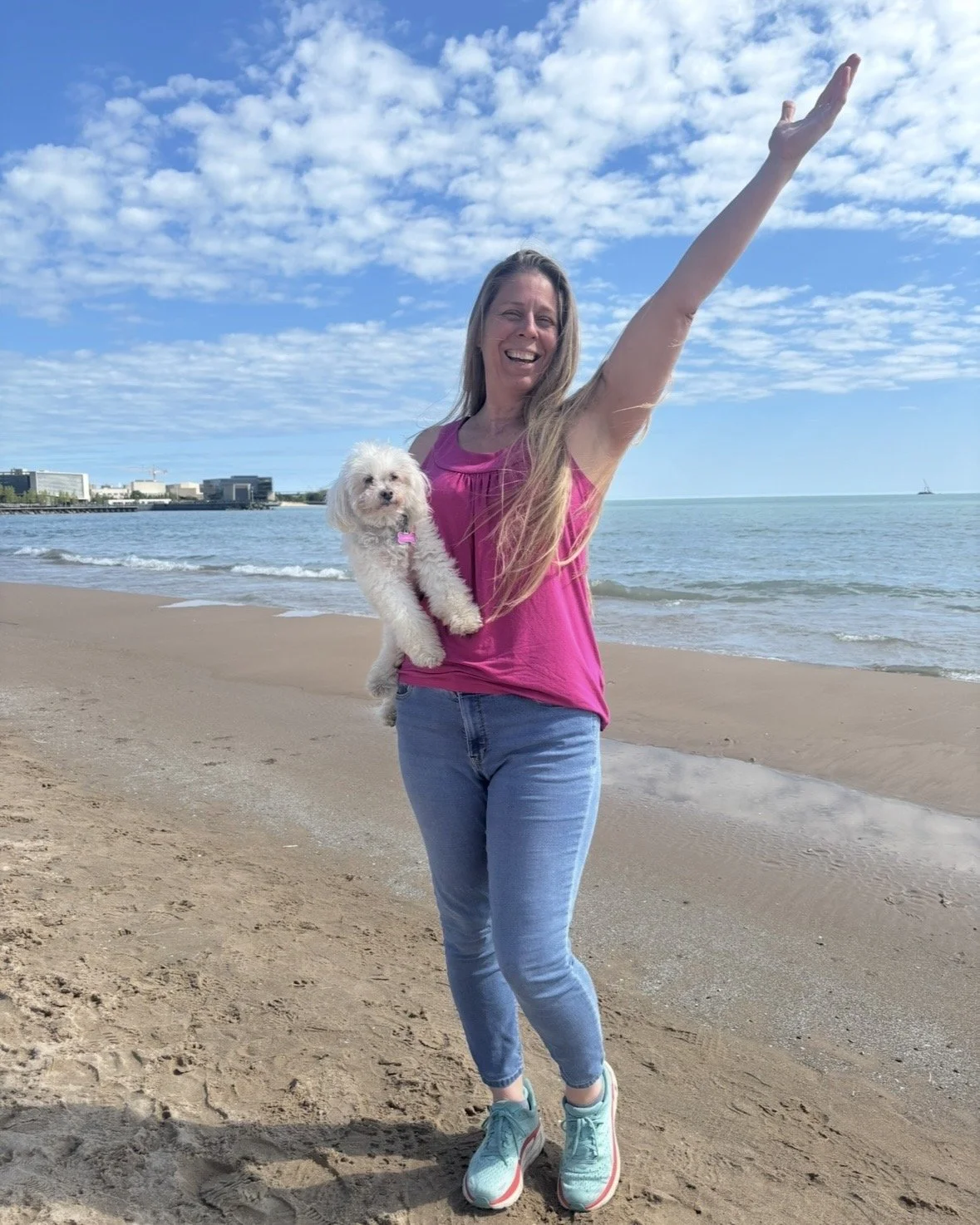
A somatic practitioner shares how listening to the body, setting boundaries, and choosing self-trust can transform trauma into deep healing and a life you actually want to live.
There are moments in life when logic isn’t enough.
When something inside you knows: this isn’t right, this isn’t safe, this isn’t the life I’m meant to live, even if everything on paper says you should stay.
In this episode, I’m sitting down with Tiffany Compton, a somatic practitioner whose life has been shaped by trauma, chronic illness, spiritual awakening, and a relentless return to the body.
We explore what it actually means to listen to your body, how unresolved trauma can manifest physically, and why choosing yourself can feel both life-saving and terrifying at the same time.
This conversation moves through abuse, healing, identity, boundaries, and the deeper intelligence of the nervous system—offering a perspective that bridges science, somatics, and something more intuitive.
If you’ve ever felt stuck in patterns you can’t think your way out of, this one might shift something.
Listen to Tiffany Compton’s Interview
Watch Tiffany Compton’s Interview
Embracing Humanity in the Messiness of Life
Brandi Fleck: What does being human mean to you?
Tiffany Compton: Being human—quite a journey for me. For me, it's just really embracing my likeness and the mess of life and the joy and the perfection and all of it. It's about saying yes to life and letting the love in and letting life love me and let it love all of us, in the mess and all.
Brandi Fleck: Yeah, I love that. Thank you. Everybody, today we are welcoming Tiffany Compton to the show. I'm really excited for you guys to hear her life story and to dive into some of the themes that have shown up in her life for healing. Before we get too far in, Tiffany, welcome. Thank you for being here.
Tiffany Compton: Thank you, Brandi. I'm really excited to meet with you today.
Brandi Fleck: Yeah. And just, who are you as a person?
Tiffany Compton: Well, me, Tiffany—I’m 48 years old. I'm currently living outside of Nashville with my dog, Ginger. She's a little nine-pound white poodle, fluffed cotton ball full of love. And I'm a foodie. I love to eat. I love people. I love community. I love touch—massage, cuddling. I love being in nature. And yeah, I’m a lover of life. I like to experience lots of different joys of life and all that entails.
Brandi Fleck: Yeah, for sure. And on that note, can you tell us a little bit about the work you do as well?
Tiffany Compton: My work—I am a somatic practitioner, and I specialize in somatic touch work. I do healing work with people who want to experience their body in a new way, to be able to feel the areas that they're stuck in so they can break through and move forward. A lot of times we go through years of therapy or self-growth work, and we know why we're doing all the things up here, or we know why our body is doing things or why our emotions are doing things, but we get stuck and we can't break out of those cycles—and that's where I come in and help people.
So I work with a lot of people with medical trauma, sexual trauma, or people experiencing a faith crisis, or who grew up in really oppressive cultures or religions, and they're trying to navigate this reality of their body in a world that's maybe not made for them. A lot of people with neurodivergence as well.
And so a lot of these people come to me to learn safe touch, to learn boundaries, to learn to communicate their wants and their needs, or figure out what they even want inside their body with another person. So it's a lot of relational healing, a lot of parts work, a lot of inner child work that I do with people.
Brandi Fleck: Yes. And it's really important work. And I feel like it's so related to your own personal journey. Would you agree with that?
Tiffany Compton: Yes. One hundred percent, yes. I wish there was a me when I was in high school and in college that could have been like, “Oh honey, come here. Let me help you.” Because a lot of harm came to me from some well-meaning people and some not well-meaning people.
But they didn't know what to do with someone like me. They didn't know how to help—even going to professionals, supposed experts—and they didn't know what to do. And I remember my dad one time even saying it was frightening for him. He said this years later—as my dad, he was terrified taking me to all these experts. And I’m the smartest one in the room, Tiffany.
And he's just like, we're coming here for help, and people didn't know how to help. So it's been a lifetime journey for me to figure out how to help people who don't fit in the box. They don't respond in the way that you're supposed to, and it's like, what do we do now? Because the thing that's supposed to work isn't working.
Brandi Fleck: Yeah. Okay. There’s so much I want to ask you, and I feel like this is so rich. There’s so much—I feel like we need to do even another episode on touch and all of those things. But maybe we could start with—I know that you had, let’s call it, the landlord debacle recently.
Tiffany Compton: Oh my goodness. Oh yeah.
Brandi Fleck: And the reason I'm bringing it up is because I feel like in isolation, people might not understand, or they might even be able to look at that and be like, okay, it's okay for me to change my mind in a situation I'm uncomfortable in—and then how that ties into your overall themes of healing that you've had to continually reinforce in your life and embody is really fascinating.
So yeah, do you feel like starting at the landlord story is a good start?
Tiffany Compton: Yeah.
Brandi Fleck: Okay.
The Body Knows Before the Mind Does
Tiffany Compton: Well, I'm currently living just outside Nashville, and I've been preparing to move to Chicago, and I was really excited about that. And I found this amazing rental. It was everything I wanted and more. And I signed the lease. I was getting ready to move. I went up there a little bit early to clean and take measurements and prepare for moving.
And when I went up there, I was camping out. I brought all my camping gear. I'm like, I'll just stay here for a couple days while I'm cleaning. And the first night, I realized, oh no, there's a problem. And the downstairs neighbor was smoking, and it was coming into my condo—the smoke.
And I'm like, this is not going to work for me. I have so many breathing problems, and I don't like the smell. This is my home, and it felt like a boundary violation for me. And it was a non-smoking building. No smoking is allowed in this building.
So I reached out to the landlord, and I said, “Hey, I'm noticing smoke.” And he says, “Oh, I'm so sorry. I'll take care of this right away.” It was not taken care of right away, and it continued happening. And then I came home after three days and all my things smelled like smoke.
And despite me purchasing air purifiers and doing all these other things to try and remedy the situation, I realized, no, this is not going to work for me. I almost died from really serious breathing issues. I don't like the smell. I don't want to be cooped up in a Chicago winter and hotboxed with all the smoke coming in. And so I told him, I need to break the lease.
He kept doing it, even though I reported it several times. You contact him, he's being fined, he doesn't care. And then the landlord suddenly changed his tune from “I'm so sorry” to “You're not allowed to break your lease.” And I was just like, what do you mean I can't? My lease—this doesn't work for me.
And we went back and forth, and it was a lot. And I just thought, oh man, I'm going to be stuck paying this. But luckily we were able to negotiate some terms to shorten the lease a bit until he found a new tenant. But then he didn't keep that agreement either.
So I ended up just like, I don't know if I'm paying you any more money. And that's kind of the whole of the journey.
And when I was stuck in this, first, I was really troubled because I just thought, I can't move here. I can't live here. I cannot do it. And also, this is going to be really expensive to pay two rents for eight months. I don't know where I'm going to get this kind of money.
So I felt really stuck and trapped and overwhelmed and angry. And I'm just like, why can't you just let me out of the lease? Find someone who doesn't care about this or it's not a problem for them. It's violating the lease. I don't understand.
And I was getting really overwhelmed. It was completely overtaking my life. I couldn't stop thinking about it, talking about it. I'd wake up in the morning overwhelmed with this. I'm going to bed at night overwhelmed with it. I'm asking for help from all these people, and it just was like, this sucks. I don't want this. I don't like this. But this is what is happening, and I don't have control right now.
But I do have control over how I face this.
And I had a memory come forward because I was also noticing how activated I was getting around it. And I was curious about that because the intensity was so big. It was like, I'm going to die if I live here, or I'm going to just be swallowed whole by the black hole of the universe. It felt so big.
And so when things aren't matching—yes, this is a very big deal. I don't want all my things infested with smoke, and after almost dying from breathing issues, that's a big deal. But this feeling like horrible death is going to come upon me, or something like a black hole swallowing me into the pits of hell—that felt bigger than the situation.
And I’m like, okay, there’s something more here for me to see. Because this is a big deal, but it’s not that big of a deal. So what is that?
And as I was exploring that inside of myself, I had a memory come forward about when I was going through my divorce. I was actually already divorced, but I had to keep going back to court about once a year with my ex-husband because I was disabled. I'm still disabled, technically.
But then I was very disabled. I had a full-time caregiver. I was in and out of the hospital. I was having seizures. I had anaphylactic allergies and was using an EpiPen really often. I had open sores all over my body. The list goes on and on of all of these things.
And I had to keep going back every year to prove to my ex-husband that I was disabled and that I’m not making this up, because he was paying me special support at that time.
And I was remembering this when I was thinking about the landlord situation and why this felt so charged.

And I remember one day I was talking to my caregiver, preparing to go to trial again with my ex-husband. And I was just so exhausted and frustrated with all of this. It was so defeating to me because all the progress I would make with healing would get cut off—and even worse, I was going backwards from the stress of this.
Because going to court is stressful. It’s always stressful. But dealing with that while you're dealing with major health issues—it’s even more so.
And I just told my caregiver, “Just tell my ex-husband, forget it. Keep your money. It’s not even worth it.”
And she said to me, “Well, why don’t you?”
And I said, “I’m permanently disabled.”
Choosing Yourself After Abuse
Tiffany Compton: And I need this money to support myself, because if not, my doctor’s having conversations with me about putting me on conservatorship and living in an institution. I don’t want to live like that. What I have right now is not good, but that is worse, and I don’t want that. I don’t want to live on conservatorship in an institution. Or I might die.
If I had to live in a place where my needs couldn’t be properly supported—and that costs money. It’s not free.
And so I was just like, I continue to do this because the other thing felt worse to me. And she looked at me and she said something that forever changed my life. She said, “Tiffany, God has better things in store for you than to be tied to an abusive narcissist the rest of your life.”
And I know, because my ex-husband was an abuser. So it was like this light bulb—ding. It was like permission to do something that didn’t make sense by following the rules. Like, how is this good? This is not a logical financial plan. This is not something—but everything in my body, my bones, my belly, my heart—it was like, this feels right to me somehow.
And I don’t know why, because it doesn’t make sense here, but it made sense here. And she saw the wheels turning in my head, and she says, “I’m going to leave early today and let you pray and meditate on this.”
And I said, okay. And so I started praying and meditating. I grabbed out a journal. I was also writing pros and cons lists, trying to figure it out.
It was funny—at one point I even wrote a list of pros and cons of different options and put it on the floor, and I told my dog, Ginger, “Which one should I pick? Go sit on it.” And she just looked at me like, no, you’re going to figure this out.
And so I wrestled with it all night.
And eventually I was like, I’m just going to go to sleep. And the next morning I woke up really early, and that was very uncommon for me with my health issues at that time. And I thought, I’m showing up for myself today.
And I took a shower, and I did my hair and makeup, and I put on a nice outfit. I cleaned my apartment. This was all a big deal for me. I was pretty sick, and doing this normally would have been a big expenditure of energy that would have landed me in a more disabled state for quite a while.
But it just flowed. And I pulled out my journal and I just started writing—free association. And when I did that, I went into an altered state, and I had a near-death-like experience. I saw my death. I had this vision, and I saw what would happen if I continued living my life the way I was living it.
And I saw why I was sick. I saw how I got sick. And I was like, oh, I don’t have to choose that anymore.
And there was this path in front of me. I could choose to continue walking down one side, and I would either get so sick that I would die or kill myself. Or I could go down this other path, and I would die one day, but it would not be that.
And I thought, oh, I want to do this one.
And I was trying to figure out how to navigate that—how do I come off the spousal support and jump into no financial support?
So I’m like, whoa. And I’m seeing myself walk down the path with one foot on each side, but eventually it was like I had to put both feet on the other path. And I knew the day I did that was the day I would start to heal.
And I’m like, well then that’s today, because I want that today, and I want it right now.
And I came out of this vision, and I called my attorney, and I’m like, I’m giving up my spousal support.
And he’s like, oh no, no. He made me sleep on it a couple nights, but I was so sure. It just felt right.
And shortly after, my caregiver arrived, and she saw me, and she’s like, what happened? I guess I looked different. People started taking pictures of me because they said I looked 10–15 years younger overnight. My whole countenance changed when this happened because it was this weight that I had lifted.
And I said to my caregiver, “Yeah, I think today is your last day.” And I didn’t realize that then, but it started this spontaneous healing.
And after that, I never needed an EpiPen again. My eczema went away. My sores went away. I stopped having seizures. I was able to start coming off all of my psychiatric medicine, because I was on about 10 different psychiatric drugs at the time.
And it was just like—I didn’t know what this path forward was going to look like, what it was going to be. I didn’t know where it was going to end up. But I knew that I was going to heal.
It was just like everything in my body knew. And again, it was no knowing here—it was knowing in my belly and my guts and my bones and my muscles. Everything felt right, and it made my whole body thrive.
And I realized the reason I was sick was me not being myself—me relating with people who were trying to box me into a life that wasn’t made for me. I was not meant to be these people and all of these oppressive systems—oppression through my ex-husband and narcissistic abuse.
And I was Mormon at the time, and all of the oppression of that religion on my being. And I realized all of these relationships that were abusive, controlling, and not respectful of me as a human being—a sovereign being with choice—and that I got to be an active participant in my life, that I wasn’t being a puppet for all these people.
It was the slavery, really, for my body.
Listening to Your Body and Setting Boundaries
Tiffany Compton: And so I was remembering all of this—to go back to the landlord. I was remembering this.
And when I had the healing, when I had the spontaneous healing, I knew that if I ever stepped back on that old path again, all of the health problems would come again too.
So it was a choice. I could choose where to go.
And for me, relating with people who give mixed signals—who are wishy-washy and are one way, really sweet and nice, but then the moment you set a boundary, the moment you say no, or the moment there’s conflict, they suddenly shift and change and get really nasty and controlling—that is a big red flag.
And I cannot be around that at all, because if I am, it’s me relating to that same relationship that was so toxic for me. It puts me in a place where my body does not thrive that way. I don’t function well. That just doesn’t work for me.
And I knew that I couldn’t live there in that condo with that landlord—with someone who is giving mixed signals like that. All sweet and nice when you’re being compliant and doing what they want, but the moment it’s like, oh, that doesn’t work for me, they change their tune and become abusive.
So then I was like, ah, okay. So this is what this is, and this is what I am feeling—this immense charge around it. Like, I can’t live in this apartment because of all of this. It’s me stepping back on that old path. It’s so much more—it’s not just the apartment, the landlord.
Brandi Fleck: Yeah.
Tiffany Compton: It’s a whole path. So I was like, I can’t do that.
And I’m like, okay, well then—okay, I understand why. But now what? Like, all this money—what now?
And then I had another memory come forward. And this is before the healing. It was many years before. It was right before my mom passed away. She was very close to passing away from cancer.
And around that time, a lot of my friends and family all turned against me, and people were being really nasty. They broke into my room in my mom’s house and stole a journal. And they didn’t know that it was a dream journal, so there’s all kinds of weird stuff in there.
And they took it to the police and adult protective services and said, “Tiffany is going to do these terrible things.” And no one ever talked to me or asked me about this.
So now I’m getting investigated by adult protective services and police about these things that I’m going to do to my mom. And I’m like, no, that’s not correct.
And when I explained it, they were like, “Oh, you’re going to have to work this out with your family member.” But it destroyed a lot of the relationships, and a lot of them ended. A lot of friendships ended.
And I felt really alone. I felt orphaned. I’m losing my whole family. I’m losing my mom, my brother, my brother’s wife and kids, my dad, and all these friends.
And I just felt really alone. And I remember after this happened, I was outside walking in the rain. It was raining, and it was cold and dreary outside.
And I’m like, the weather is matching my feelings. I feel cold and dreary, and I’m crying. So it’s like I have tears, and the earth is crying. I’m just like, oh, poor me. Nobody wants me. Nobody loves me.
And then I had a vision. And I saw this pillar of white light come over me. It was like a column over my body.
And then I heard this voice, and it said, “You are not alone, and you are loved. And those who are for you are far greater than those who are against you.”
And then my eyes were open, and I saw all of these angelic-type beings. They were these white light bodies, and they were shoulder to shoulder, front to back, maybe 30 to 50 bodies deep, going all the way around.
So it was like this angel army totally encompassing me.
And in that moment, hearing “you are not alone and you are loved, and those who are for you are far greater than those who are against you”—and I was Mormon at the time, so I knew Bible stories—it was reminding me of the story of Elijah.
And Elijah, the prophet—they were going to have an army come and get him and kill him. And the servant comes to Elijah and says, “We need to go. They’re coming to get you.”
And he—“Oh, don’t worry. It’s fine.”
And the servant’s like, “No, it’s really bad.”
Tiffany Compton: Elijah prayed and asked for the servant’s eyes to be opened so he could see, and it was this angel army protecting him. And so when this other army came to kill the prophet, they didn’t recognize him, and Elijah was able to get away because he was protected. It was like this angel army of defense, and it was reminding me of that.
And so then I knew, in that moment, that seeing this harm me—not just my family, but if every single person on planet Earth was conspiring to harm me—I was going to be okay.
And it felt like I’m going to give them all a big middle finger, and I’m going to show them, and I’m going to prove them wrong. And they all think I’m crazy, and they all think I’m this sick weirdo. And I’m like, I’m going to live my life, and they’re going to come back home to me later and be like, “Oh, we wish we could still be with you.”
And I’m like, too bad. You didn’t love me when I needed you to, so you don’t get me, kind of a thing.
And it was just like, I’m going to prove them all wrong, and I’m going to keep plowing forward with my life, even though I feel like I have no one.
And it was the biggest gift for me, ultimately, because losing everyone, I no longer had to relate to people in the way that they were trying to make me be who I wasn’t. And so it let me be me. And that took me a couple years to see the gift in that.
But it was a big gift.
And so when I was remembering this vision and remembering this angel army that’s around me always, and I have my ancestors, and I have the earth and the trees and all these helpers. I have friends in my life now who love me and care about me and support me.
And I just thought, here I am worrying about this piddly little man in Chicago. He’s so unhappy and not able to communicate well and trying to make my life difficult because his life is difficult, and I don’t need to take that on.
And so I was just like, bring it.
And I just told the army and all my helpers and my ancestors and my mom and deceased loved ones, best friends who have passed, and trees, and whatever helper, whatever deity out there who wants to help Tiffany—make way, clear the path, and clean this up for me because I have work to do.
And I haven’t come this far in my life to be toppled over by some silly man in Chicago who can’t manage his business and have a rational negotiation about, this is not really working for both of us.
So ultimately, it was that. We were able to move on, and he’s selling the property now. He chose not to rent it anymore, and I don’t have to owe any more money.
Brandi Fleck: Yeah, that is such an amazing outcome. And there’s so much there. So one of the things that really stood out to me when you were telling your story is that there was a turning point where you felt you had permission to do something that didn’t make sense. You knew in your body, even if it was conflicting with your mind.
And I feel like every decision that you’ve made, that you’ve told in your story at least, is when you listen to your body, good things happen.
Tiffany Compton: Always. Yeah, one hundred percent. That is my path. And when you asked about being human, really it’s like saying yes to that. We have these beautiful bodies with such wisdom, and they are so intelligent. Learning to decipher how they communicate to us, because our bodies communicate to us the way animals communicate, the way plants communicate, the way a newborn baby or a person in a coma is going to communicate. They all communicate.
And it’s really exciting. It’s like learning a new language. And it’s fun. It’s like telepathy a lot.
Brandi Fleck: Yeah.
Tiffany Compton: Learning that skill. It’s learning the language of sensation and learning the emotions, and what meaning does that make for you? And you start to make a map. It will give you a map. And then you can start your decoder race, like, oh, this is what it means. This is what it’s saying.
Brandi Fleck: Yeah. And we’re so disconnected from our bodies in general as a society. I feel like you noticed in yourself that is a reason for a lot of disease and being sick and not really feeling like you have, I want to say, control of your life, even though our control is limited.
But saying no and setting that boundary with the landlord, even if it did not make financial sense, was like a life-saving moment.
What are your thoughts on—I guess, can you just tell us more about listening to your body, even when it doesn’t make sense in your mind, and then being able to say no to someone else because you’re saying yes to yourself?
Saying No Without Rejecting Someone
Tiffany Compton: Yeah. For me, it’s not even a no to another person. It’s a no to the request. And a lot of people have that overcoupled. So receiving a no, for a lot of people, that’s why rejection sensitivity is so intense. Because for folks like that, they perceive no as no to them as a person.
Brandi Fleck: That’s a great point.
Tiffany Compton: Yeah. And for me, it’s like I want to connect with people in a really vulnerable, authentic way. I want to be the most me that me can be, and I want you to be the most you that you can be. Don’t try and be like another person. Don’t fit yourself into a mold. Don’t contort yourself.
It’s exciting for me. I am enlivened when people are being themselves. That is life-giving to me and to others. That is the greatest gift. That’s true intimacy. That is a beautiful, beautiful thing.
And when I am saying no to someone’s request, it’s an invitation for deeper intimacy. It’s deeper vulnerability. It’s like, that doesn’t feel really good for me. Can we figure out something else that would feel good? How can we dance together in a way that’s a mutual yes?
We have the Venn diagram, the circles overlapping. Where’s the mutual yes of the overlapping circles?
And so it’s not a no to them. It’s more like this activity or this energy or, fill in the blank, is not compatible for me. But I would really like to be with you.
Sometimes, though, we may choose to distance ourselves from certain people. We might realize, this is a toxic person, and there’s no amount of workshopping and negotiation that’s going to make it safe. It could just be wounding for both of us. And the more loving thing in that situation is to back away from those kinds of people.
It would be like putting a newborn baby into Antarctica without any sort of protection or shelter or food. That’s not a loving thing. We’re not going to put ourselves or other people in those kinds of situations.
Or like certain plants. An oak tree is probably not going to thrive—I don’t know about the botany and geography of Antarctica very well—but when you visualize a cactus or some other thing, I’m not going to do so well there. They have other plants that do.
And so it’s like knowing, if you were a plant, where are you going to thrive? What is your ecosystem? Where are the helpers that are going to create conditions for you to have a life worth living, that you bloom and you’re like, “Yeah, that’s me in my glory”?
But that’s where it’s like, you can choose more and be like, okay, certain people may be a little too spicy, so we’re going to mix them up in a little bit different way than if it were something comforting like chamomile. I could have chamomile every day, no problem.
Brandi Fleck: Yeah, that makes a lot of sense. And one thing about when you’re choosing yourself and maybe having these negotiations for how everyone can find that yes—sometimes people do fall away.
And like you mentioned in your story, you lost a lot of friends. Relationships with family members were severed. And so what would you say to someone who’s going through something similar, where choosing themselves or choosing their self is a matter of survival, and yet they want so badly to maintain these attachments?
Grieving the Life You Had to Leave
Tiffany Compton: Oh, it’s hard. I just want to acknowledge it’s so hard and it’s so painful. And I didn’t realize that until years later. And even now, it’s been decades. It’s still hard.
I just want to acknowledge there’s a lot of grief there. There’s no fixing grief. You just hold it.
And I did a lot of rituals, like funeral rituals for myself. So I encourage people to host a ritual or a memorial service for that part of your life that is no longer serving you, and allowing it dignity to go.
Because when we hold on to things when it’s not their time anymore, it becomes cancerous in our life. That’s the way cancer cells turn into tumors. They keep growing and growing. We always have cancer cells, but when they grow out of control and don’t have a way to leave the body, then it forms tumors and then we get sick.
And I feel like it’s the same way with relationships or jobs, which is also a relationship, or where you live, or fill in the blank—anything. And when we’re holding on when it needs to let go, you’re going to get sick.
Sort of like if you have to go to the bathroom and you’re not letting it go. That’s an important function, the letting go.
And so allowing that and just knowing that it can be uncomfortable, sometimes frightening, overwhelming even, and finding ways to honor that through some kind of ritual—that was really helpful.
So I burned some things and just imagined them being cremated and gave them a loving release. Some things I put in the ocean or other bodies of water. Some things I disposed of or threw away or gifted them back. It’s like, I’m sending you back where you belong. This is not mine. And I gave it back to other people.
So that was helpful.
It’s just a journey and just being tender with yourself. What do you need to support yourself to be able to do that?
And also knowing, sometimes it’s also privilege. Sometimes people of different privilege status have more choices than others. And I really want to acknowledge that also. It could be a lot harder with limited options for people. I had a lot more options.
So sometimes it’s not as simple. And I want to name that also for people where they really have a lot more barriers, and it’s really complex.
I don’t think there’s any one size fits all for that. But I think for any person, when you’re leaving a domestic violence situation, you’re just like, I can’t do this anymore. Or for people who hit rock bottom and decide to step on the path of sobriety, everyone hits that moment of, I cannot do this anymore.
And it’s just like they pick themselves up and say, I choose me. And everyone hits that point differently. And I can’t ever predict it. It’s always fascinating to me what that is.
And sometimes people fall back a couple times, and eventually they get it. And sometimes they never wholly do. They keep going back. And sometimes people just do it once, and they’re just like, nope, never again.
And so I just have a lot of compassion, because again, I don’t think it’s a one-size-fits-all easy answer.
Brandi Fleck: For sure. Yeah. Compassion. And I feel like self-compassion is really important, especially if you know you’re in a pattern and you keep going back anyway. It’s a very human thing to do because it is a hard, hard journey. So thank you for naming that.
And one thing that I also think is important to bring up is that I’ve heard you say before that you love your life now, and you want to live, and you have a lot of important work to do. But there was a time where you didn’t always necessarily love being alive.
And after you started loving being alive, you went through a journey with your throat. You had some health issues there. Would you mind sharing that story for everybody?
Healing Trauma Through the Body
Tiffany Compton: Yeah.
Most of my life, I don’t have a memory as a young person—not until just a few years ago, maybe a decade ago, so probably until my late 30s because I’m 48—but before then, I don’t have any memory of enjoying being alive.
And I’m like, get me out of here. Get me out of this thing. I don’t want to be in here.
Probably me ignoring and dissociating from my body for so long. Often our greatest medicine is the thing that we were trying to run away from.
Brandi Fleck: Yeah, that’s a good point.
Tiffany Compton: But yeah, I did. And at one point in 2004, I attempted suicide. I overdosed, and I was in a coma for a week. They didn’t know if I was going to make it, and they thought if I did make it, I might have brain damage or organ damage.
And I woke up, and I was clean, except for one thing: my throat.
And I started having a lot of breathing problems. And in January 2005, I had to get a tracheostomy, and I had a tracheostomy for two years. And I had 12 trachea surgeries.
And my doctor at UCLA in Los Angeles, he got my throat as open as he could get it, but eventually he was like, this is as good as it’s going to be.
And so for 18 years, I had a narrow airway. It was the size of a straw, actually. Here’s my little straw. That was the size of my trachea. So I had Darth Vader breathing all the time, and I was always coughing and choking.
But I learned to live like that, and I learned to do everything slowly. And that was a really big gift too. It slowed me down a lot. And for those who know about breathwork, I had basically Ujjayi breath built into my physiology—the ocean breath, which is really good for landing space and creating parasympathetic response, like slowing us down. It slowed me down to be forced to breathe like that.
And my body adapted to breathing differently for 18 years.
And in 2023, I got COVID, and then shortly after I got the flu, then I got pneumonia. And my breathing never went back to baseline. It was pretty bad.
And I went in to the doctor again, and I said, “Hey, something isn’t right.”
He said, “How did you get in here?”
I’m looking at your throat—they did a little scope, and they look inside in-office—and he said, “Your airway is only 5% to 10% open right now.”
And he said, “I’ve never seen anybody able to be walking around and doing things.”
And he says, “If you get a cold, you could die. And you need surgery or you’re going to die.”
And I was just devastated in that moment. And I just thought, oh no.
In that time of the 18 years, I found myself. And that was the time when I had the near-death-like experience, and I said yes to me and yes to an authentic life and yes to my body. And I really came into my body.
And I had all of these other experiences that are a whole other story in themselves, including a spontaneous kundalini awakening in there too.
And I finally loved life.
I remember after my kundalini awakening, I was lying on the table with my craniosacral therapist, and I just started crying and crying because for the first time—and this was probably in 2016—I was so happy, and I loved being alive.
And I realized it’s so simple. It’s the simple things, like the joy of hearing a bird sing and walking barefoot in the grass and eating delicious food. These are the moments that make life beautiful and joyous. And I overcomplicated everything in here. But once I came in here, it was just like, oh, this is easy. And I really love being alive.
And so here I am now. This was in 2023. After 2016, finally, I had a few years of like, ooh, this is great. I’m human, and it’s awesome. And now they’re telling me I might die.
And I was like, no, I cannot die. Because I have worked so hard. I’ve done all this healing work on my own self. And now I studied and learned healing arts so I can help others who were stuck in ways I was stuck. And it’s really hard to find certain types of help for those situations.
And I was like, I cannot die. I cannot leave this earth having taken more than I’ve given.
And it propelled me and anchored me in a two-year journey of, again, numerous throat surgeries. And I had trachea reconstruction surgery in May 2024. And then I had a really horrible infection after. I had to get a PICC line, and I had IV antibiotics for a year.
And my life was on pause for a while. I couldn’t work or do a lot of things while I was basically birthing the new version of me to come forward.
But I went through some really hard times, even some conversations with friends, like, I need you to remind me why I’m doing this—why I keep fighting—because it was a lot.
I was dealing with homelessness during that time as well, and poverty, and it was overwhelming. It was traumatic.
But I was so committed to fighting through it, because life is so beautiful, and I want others to be able to find this. I want the world to embody in this way and find the joy of life and say yes to themselves, because it creates something so special and magical and beautiful. There are just no words.
And I just hear a call to come for me, because most of my life, thinking I don’t want to be here, and even trying to get myself out of it—I want to encourage people and let them know there’s a way through. There is another way. Life can be beautiful. Just hang on and look for it. Look for the helpers. Mr. Rogers: always look for the helpers, because they’re there.
And also learning that part of life is cyclical. There are seasons of things, and it’s not always going to be happy and joyous. Sometimes it’s hard, or we have grief, and we have fear.
But when I learned that that’s okay and I could take sanctuary in my body, it gave me a resilience to just be with it without needing to fix it or pathologize it.
So often our feelings are pathologized, and we’re told we’re crazy, or we’re mentally ill, or we’re too sensitive, or we’re too much, or all of the things. And I want to just take that and really normalize it. You’re human, and this is normal, and it’s a good thing.
And your feelings will show you magic in your life. It will teach you what matters to you. It will show you love and show you passion. It will show you what matters to your heart. And it will show you what gifts you have to bring the world. What is your special gift that only you have to bring forward?
And that’s what we learn in the refining fire of humanity, of life, of the ups and downs of it all.
Brandi Fleck: Yeah. How is what happened with your throat related to the gifts that you’re supposed to bring forward? And also, I’m very curious about your internal experience and thoughts on why that happened when it did, when you were happy and wanting to be alive.
Reclaiming Your Voice After Abuse
Tiffany Compton: So back when I was married, in my marriage, which was very violent, dealing with a lot of abuse—physical, financial, emotional abuse—I used to be a singer. I performed. I did a little bit of professional work, but mostly just for fun.
And when I would sing, my husband got really jealous of the attention of me from especially other men. It didn’t matter if it was at church, singing at church in the choir, and some old grandpa came up and complimented me. He would get really angry.
One time he even punched a hole in the windshield—kind of angry, scary things.
And so I prayed to God one day. I prayed to God to take away my singing voice, and God said, “Don’t ask for that. You’ll regret it.”
I said, “No, God, my marriage is more important because I made a covenant, not just to my husband, but also to God, my marriage. And so this is me giving up my voice as a sacrifice for a higher good,” I believed at the time.
Brandi Fleck: Wow.
Tiffany Compton: And I forgot about that prayer, and I just stopped singing.
And so when I woke up from a coma, I couldn’t talk and couldn’t breathe. Not only could I not sing, I couldn’t even talk or breathe, except I could breathe through a hole in my throat, a tube.
And I just thought, oh my gosh, what did I do to myself? What did I do? And then God was right. I regretted it. I regretted it.
And so reclaiming myself and my voice just feels really important. It was like finding myself. It feels like soul reclamation.
Brandi Fleck: Yeah.
Tiffany Compton: And it was interesting, the timing of things, because I found out later, when I got my trachea resection, that my ex-husband got remarried within two weeks of the trachea resection. So it just felt like a completion.
And then I was born in the year of the snake, and my divorce happened in the year of the snake, and we just completed the year of the snake. And I had a few breathing problems come up in December, and they’re pretty much gone now. I ended up in the hospital briefly, but I felt like it was shedding these final remnants of this old pattern of, no, no more.
I feel like I birthed this new version of me coming forward. And it’s just saying yes to myself, and I don’t have to be a false version of me anymore. I could just be me. And it’s safe. And I can express that in the world and put that out there and be like, here I am, world, and have that be received and be safe and welcomed and not be labeled.
Tiffany Compton: I have an extensive psychiatric history, and I'm really stable now and well integrated with that. Most of my life, I think I was labeled as psychotic when really I'm psychic. I have these gifts, and I didn’t know what to do with this extrasensory information. And now I do, and it’s really well integrated.
And so it’s like this way of communicating who I am to others and being a translator or a midwife in ways to show other people.
I feel like I’m most at home in the liminal space, neither here nor there. And I think that might even have been why I struggled for so long to be in my body, because I feel most at home in between. That’s my natural state of, this is me.
Brandi Fleck: Yeah. And that is not—a lot of people are afraid of that.
Tiffany Compton: Oh, yes. Yeah. So it wasn’t even so much that I wanted to be dead or I wanted to be alive. It’s like, I want this thing that’s in the in-between. So that’s why I can translate and why I can communicate and perceive other things. It’s like I’m not fully in either one.
And so my gift is to be a guide, in a way, for myself and others of this in-between space.
And so yeah, for the voice part, really—and because it affects my breathing also—it gets my attention immediately. If I’m falling off my path, I don’t have the luxury. And I think other people, maybe their body is going to talk to them because they get a rash or an upset stomach or a migraine. Or even some people have really terrible pain.
But when you can’t breathe, it’s like, oh, I cannot ignore this. So I don’t have the luxury and bandwidth to entertain being out of alignment. Because if I do, it’s like I’m going to not be here very long. So it keeps me on my path.
Life is my dominatrix. She keeps me in check.
Brandi Fleck: Yes. Oh, and gosh. So if I’m hearing you correctly, the timing of when everything came up and how it came up this last time was the shedding of this pattern. You’ve had to continually fight to choose yourself, and it’s almost like the fight is over. Like, you’ve done it. Does it feel that way?
Tiffany Compton: Yeah. I mean, I think though, yes and no. I think we go in these cycles and we think, oh, I’m done and I don’t have to do it anymore. It’s like, oh, I cleaned my house. It’s clean, and then it’s always going to get dirty again.
And I think that’s part of embracing life and humanity. First, I’m a perfectionist. It’s a constant irritation that I’m not perfect, and to reconcile that, allowing space for me to be human and allowing space for me to be messy and know that I will never be perfect. I’m not going to sanitize myself, nor should anyone.
And that’s okay. Can I still love me even if I am not perfect?
And yes, I can.
And so every time it comes up again, like another layer, it’s like I get to love me more. I get to love my humanness more, my imperfection, because that makes me me. If we’re all the same, there’s no spice in life. That’s the whole joy of it all.
And so part of me is always like, when I go through these, I think, oh, it’s done and I got it. Yeah, I’m enlightened. And then I just laugh and I pat myself on the hand. Oh, you’re so cute.
It’s sweet, that part of ourself. It’s so easy to fall into in this world of patriarchy and capitalism where we’re expected to sanitize ourselves, to perfect ourselves, to be the same, and be linear. Like, don’t ever change.
Brandi Fleck: No, no, no.
Tiffany Compton: Yeah. And it’s okay to change. It’s okay to change your mind. It’s okay to change your path. It’s okay to be one version of you now and another version later. That’s evolution right there, and it’s exciting.
Brandi Fleck: Yes.
Tiffany Compton: Yeah. So I think every time it happens, it’s just an invitation to come back to me, to love me more, to step into a more full version of me. Sort of like the tree rings. It just keeps growing. Or the snake skin, shedding. And it doesn’t mean that the snake is any less of itself. It’s just growing more into itself.
Or the tree, or the animals in the sea that change their shell. They’re growing. So it’s like I’m growing into more of me. I’m bigger. I’ll be a giant house at some point, maybe.
Brandi Fleck: Yeah, I love that.
Let me check with you real quick. Are you okay if we do one more question? Are you okay on time?
Tiffany Compton: Yeah.
Brandi Fleck: Okay. Well then, my last question for you is that through these cycles of evolution, it feels like you had to have an incredible amount of faith that things would just work out when you are choosing yourself—say, like in the landlord situation, where you owe all of this money, or even leaving a marriage that was abusive.
Can you tell us just a little bit on what it’s like to have that faith while not knowing what the outcome is going to be?
Learning to Trust Life Again
Tiffany Compton: Yeah, that’s a good question. And I even had a lot of people ask me, how did you keep your spirits up despite the literal hell that you’ve been through in these dark moments?
And when I think about it, I said, it comes down to either you trust life or you don’t trust life. And I choose to trust life. It’s a choice.
And it doesn’t mean that I like it. It doesn’t mean that I agree with it. It doesn’t mean that I approve of it. It just means that I accept life on life’s terms. This radical acceptance, this surrender, really, of me.
I could fight and resist, but that’s yucky. It’s such a drain on energy. It feels bad. It’s not fun.
But when you learn the capacity of surrender, of just saying there are certain things that you do all that you can, and at some point you can’t do anymore, and you don’t have control. Whatever’s going to happen is going to happen, and you can choose to fight against it or lean in and just be like, have your way with me. I’ve done everything I can.
And that’s what I did, because I’m lazy. I don’t want to spend all this energy to fight and fight and fight. I was exhausted. And at some point, I’m just like, I don’t want to fight anymore.
I am going to allow this.
I mean, we’ve studied a lot of menstrual cycle awareness. And I think the embodiment practice, because right before we bleed in our menstrual cycle, we enter the void. And then we’re in the void during the very early part of the bleed. And it’s chaos. It’s the unknown. It’s the place of, I have no idea.
And you’re just in the washing machine of life, and it’s rolling you around, and you just go with it.
And I think practicing that cyclical nature of knowing that this is where I’m at in the cycle—this is part of a life cycle. You see it in nature. You see it in the seasons. You see it in birth. You see it in death. It is part of being alive.
And the more we practice that embodiment of that life cycle, of knowing there’s a moment of the conception, the birth. We come out, and now we’re growing, and everything’s new and exciting. And then we’re growing, and we’re like teenager, college years, and it’s like, look at me. I’m amazing. And we’re going out in life and doing our thing.
That’s the phase of life of maybe flower, where that’s like the prom queen. Like, look at me.
And then we’re going to be more in the adulting years and the working years, and we’re just trudging through and doing our thing. And having babies, if we choose to have babies, or having babies metaphorically with our businesses, our creations, our ideas, relationships, all of that.
And then it starts to fade. And then in the seasons, the leaves start to fall down, and things go into the death phase.
And so when you get a really embodied sense of that and practice that cyclical living of allowing and accepting it, it gave me also a lot of grace to surrender and be with that. Because it was like, oh, this is just part of being alive. This is life, and it’s all around us, and it’s in us.
And when we can lean in, it makes those times of the death phase that we face—we’re always going to face them. Our job ends, our marriage ends, whatever ends, our health. And you just lean in, and it can be peaceful and gentle, rather than a war with ourselves.
And I think that was what gave me the grace and the resilience to persevere in really dark times, just trusting that this is not forever. And it will come back again at some point, like it always does, because that’s just the nature of aliveness.
But finding gifts in all of the phases of life.
Brandi Fleck: Okay. So I’m thinking about the birth phase and the death phase and all of that. I even feel like we go through these little micro cycles when we’re inhaling and exhaling.
Tiffany Compton: Exactly. One hundred percent. It’s like a fractal. It just keeps getting bigger or smaller any way you go. And so it’s fascinating.
Brandi Fleck: And so I’m hearing you say that surrender almost becomes easier when you’re in tune with nature and the earth. We are part of the earth. We are like her. So it feels like it’s all related.
Tiffany Compton: One hundred percent. Yeah. Deep medicine there.
Brandi Fleck: Yeah.
Tiffany Compton: I’ve been surrounding me by all my herbs, and they’re mostly all dried, but they all have their little—they’re my friends.
Brandi Fleck: Yeah. Well, Tiffany, I’m going to ask you to tell us how people can find you in just a minute, but is there anything that you want to say that we haven’t talked about today?
Tiffany Compton: Oh, that’s been fun. I’ve enjoyed talking with you.
Brandi Fleck: Yeah, I’ve loved it. I really appreciate you sharing this story. I know that it’s really personal, but I think that there is a lot there that people can see in themselves and just start thinking about these things.
So if someone would love to work with you, where can they find you? How can they book? All of that good information.
Tiffany Compton: My website is Spacious Breath Somatics. I don’t do breathwork. It’s Spacious Breath just to like the feeling when you land in your body, you can finally take a nice deep breath, because that’s what I found. And that’s the medicine that I share.
So SpaciousBreathSomatics.com. That’s my website. And you can learn about my offerings on there. I have in-person and online offerings.
Brandi Fleck: Fantastic. All right. Well, Tiffany, thank you so much for being here today.
Tiffany Compton: Thank you, Brandi. It was such a pleasure. Thank you.
Join the conversation!
Feel free to share your own experience and let me know if you have any questions in the comments.
Related Posts
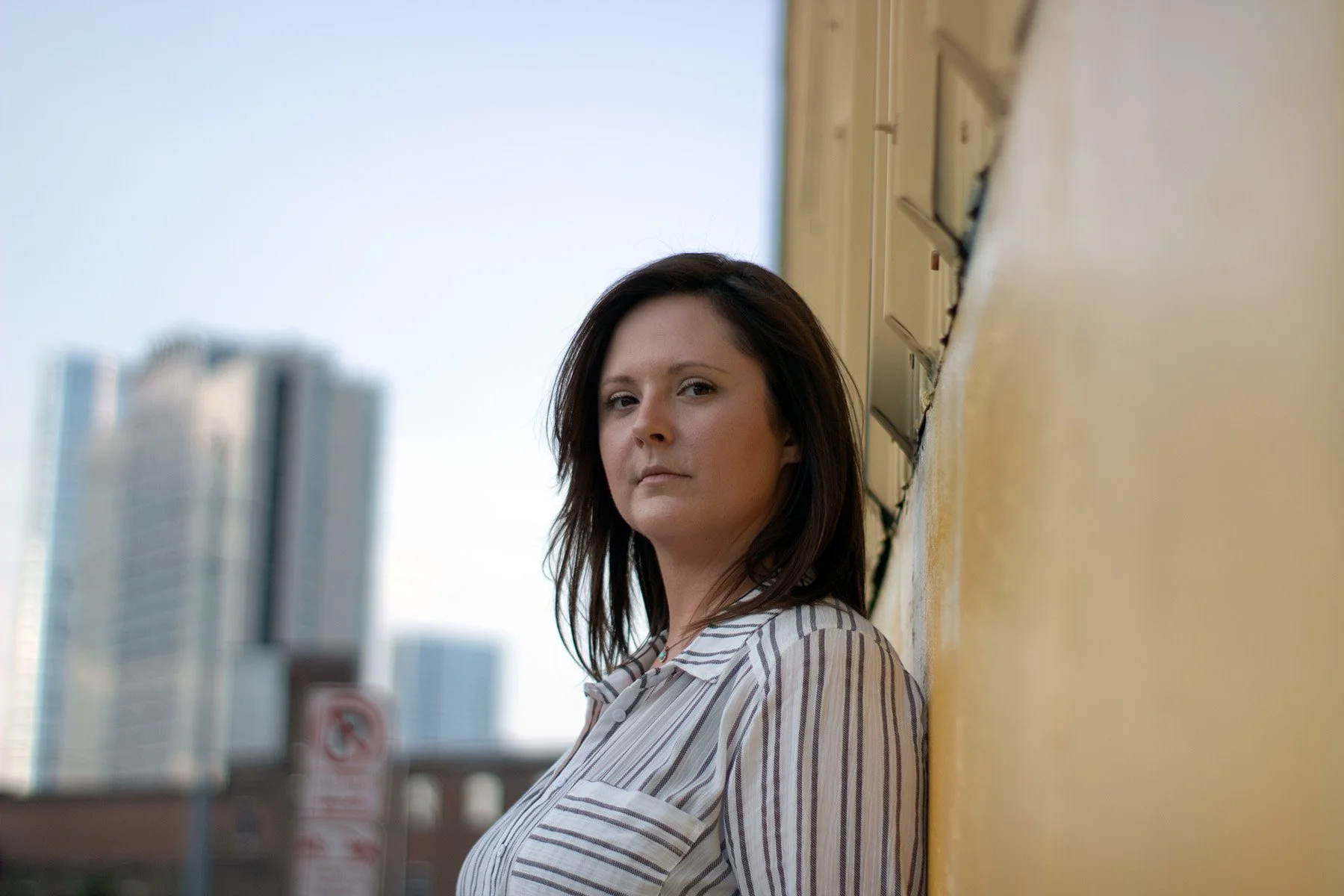










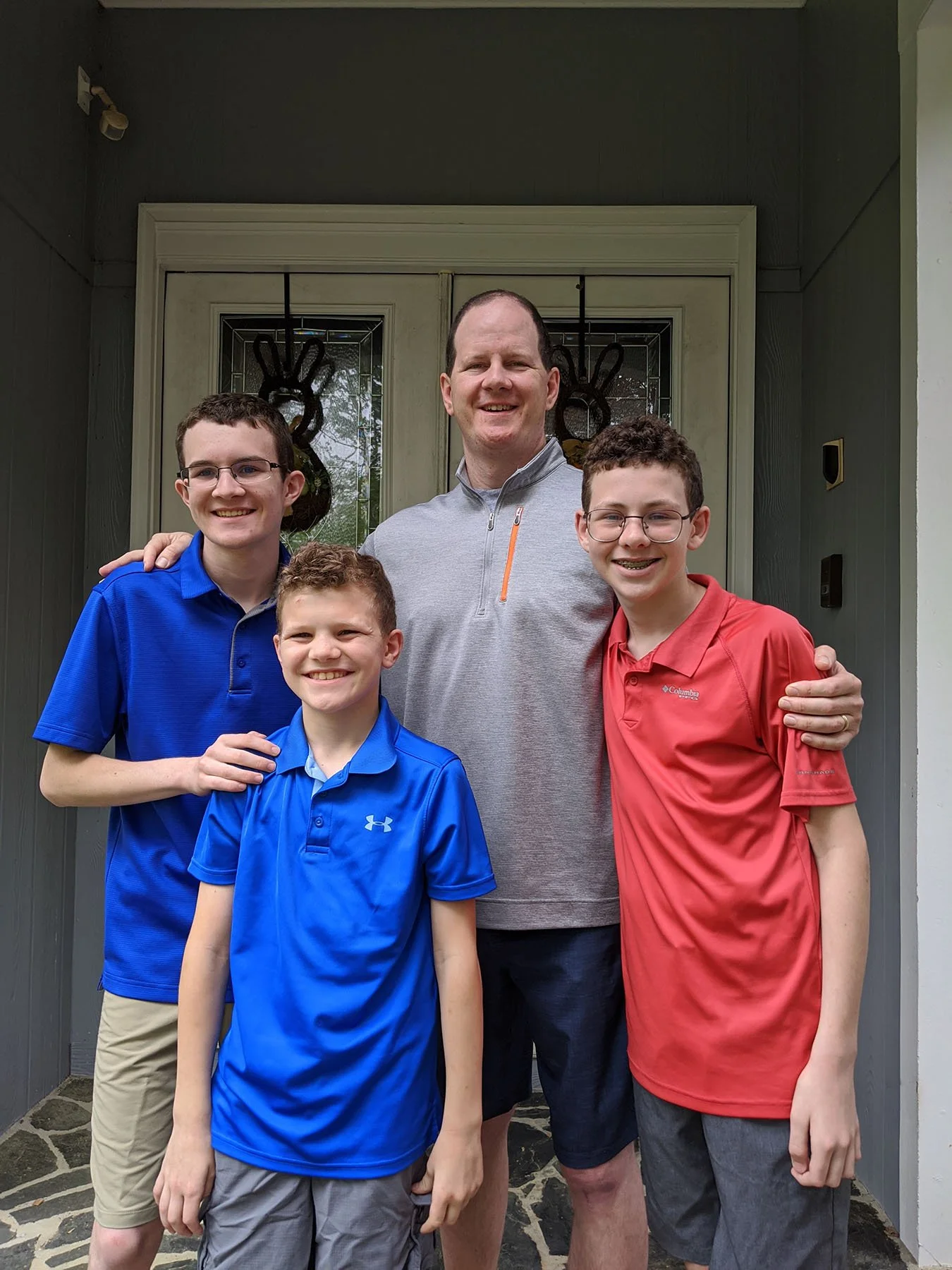

Hi, I’m the founder of Human Amplified. I’m Brandi Fleck, a recognized communications and interviewing expert, a writer, an artist, and a private practice, certified trauma-informed life coach and Reiki healer. No matter how you interact with me, I help you tell and change your story so you can feel more like yourself. So welcome!
Find More on the Blog
Topic
- ADHD
- AI
- Atlanta
- Black and BIPOC
- DIY
- FAQ
- LGBTQIA plus
- Los Angeles
- Nashville
- Seattle
- St Louis
- St. Louis
- UFOS/UAPs/ETs
- abuse
- accountability
- addiction and recovery
- adoption
- affirmations
- afterlife
- altered state
- angels
- animals
- anxiety management
- art
- astrology
- atlanta
- attachment
- awakening
- beauty
- behind the scenes
- being human
- body image
- body work
- boundaries
- brandi fleck
- breathwork
- bullying
- burn out
- burnout
- cancer
- career
- caretaking
- chakras
- channeled
- clarity-dive
- clarity-practice
- clarity-primer
- clean products
- coach
- codependency
Recent Blog Posts
Visit the Full Podcast Audio Archive

Affiliate


What if remembering you’re a starseed isn’t about escaping your humanity, but embracing it more deeply? As you explore where your soul may have come from, there are a few important truths that can keep you grounded, embodied, connected, and fully present for the human life you’re here to experience.