
Why Your Behavior Doesn’t Match Your Subconscious Beliefs
Interview By Brandi Fleck
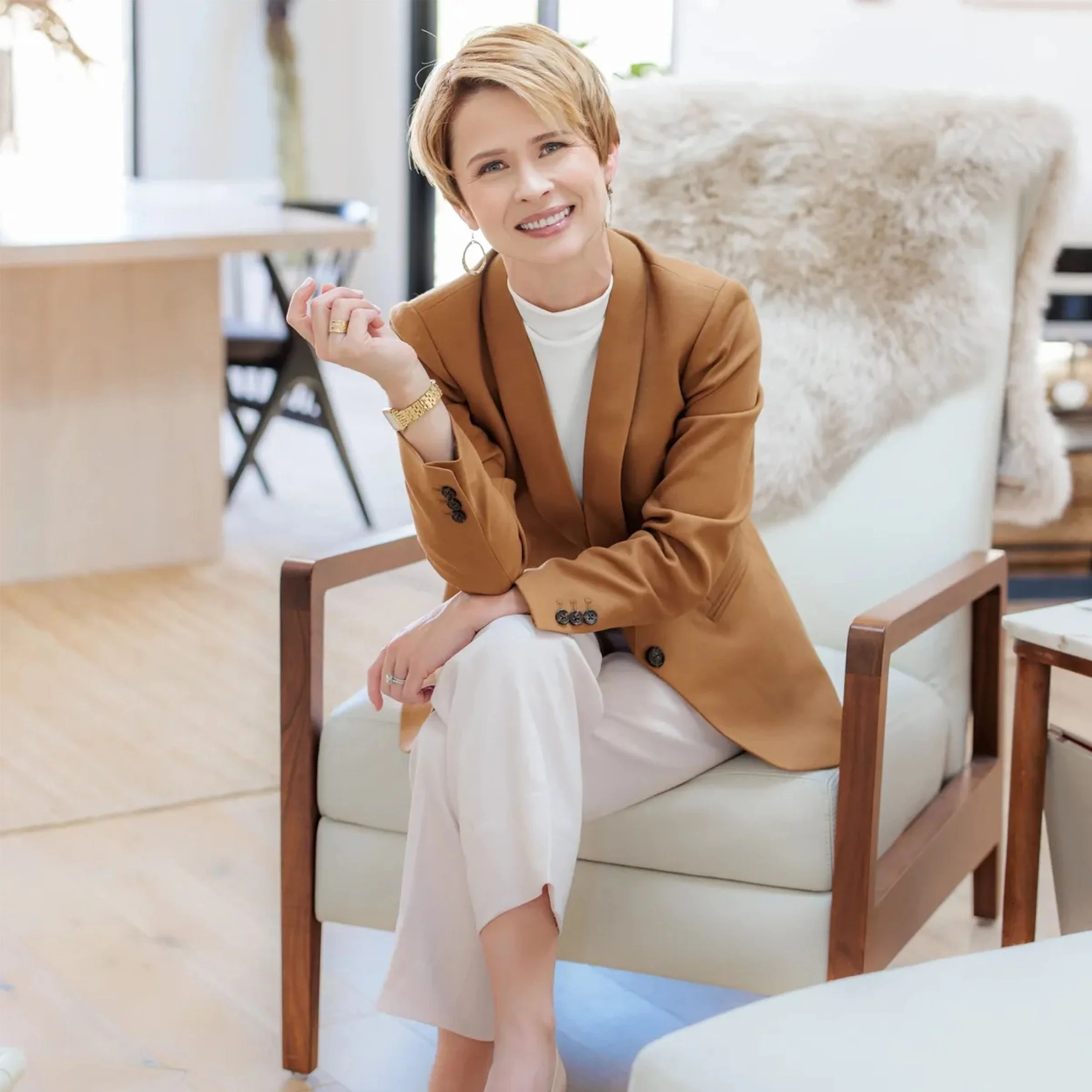
Adelajda Child explains how subconscious beliefs drive behavior, decision-making, and personal change, and why aligning them matters more than willpower.
There’s often a gap between what you say you want and what actually plays out in your life.
In this conversation, Adelajda Child, a PSYCH-K instructor, shares how subconscious patterns form early, why they can conflict with conscious goals, and how that disconnect shows up in everyday decisions, stress, and self-worth.
We explore the difference between conscious thinking and subconscious programming, why logic and intuition don’t always agree, and what it actually looks like to change a belief instead of just trying to think differently.
If you’ve ever felt like you’re doing everything right but still not getting the result you want, this conversation offers a clearer way to understand what might be underneath it.
Listen to Adelajda Child’s Interview
Watch Adelajda Child’s Interview
Being Human Means Experiencing Everything
Brandi Fleck: A question that I ask everyone who comes on the show is what does being human mean to you?
Adelajda Child: It means to experience everything that is happening around you, within you, and outside of you. It's being this spiritual being having a human experience.
Brandi Fleck: I love that. Thank you.
Everybody, today we are welcoming to the show Adelajda Child, and she is here to talk to us about a really interesting healing modality called PSYCH-K, and I can't wait to dive in. So welcome to the show.
Adelajda Child: Hi, Brandi. Hi, everyone. Thank you for having me. It's such a pleasure to be here.
Brandi Fleck: Before we dive in, can you just tell everybody a little bit about who you are and what you do?
Adelajda Child: I am a PSYCH-K instructor, and what I do, I teach people how to overcome any type of stress and anxiety and trauma and change limiting beliefs that keep us from aligning ourselves with our dreams, that keep us from actually living our dreams here and now.
Brandi Fleck: Okay, wonderful. You were telling me that you are based in Long Beach, California, so how are you liking it there?
Adelajda Child: I love California. I'm originally from Poland. I arrived here in, I believe, 2013. Wow, yes, 11 years ago. I think I was always a California girl at heart because I just love this place. I love Long Beach. It's such a wonderful place to be.
How Limiting Beliefs Shape Your Reality
Brandi Fleck: Nice. What made you get into PSYCH-K?
Adelajda Child: I'm going to try to keep this journey short. It started in 2010 when I found myself living with my parents again. I was broke. I was depressed. I just ended another terrible relationship. I lost my job, so everything that could go wrong went wrong. This was actually the best thing that happened to me because everything I was doing, I was doing it wrong because I was living according to society. I was living according to what other people think or say. Finally, the things that happened to me made me stop and listen.
I believe that depression that I had, everything that brought me to live back in my parents' house, allowed me to actually look within. I found out that I create my own reality, and first I got angry. I was like, what do you mean I create my own reality? Because I wouldn't create that. After actually thinking about it and reading books like Awareness by Anthony de Mello and The Power of Your Subconscious Mind by Joseph Murphy, I understood that I created my own reality, not consciously, but subconsciously.
So I went on a journey to understand what the subconscious mind is, how it creates our reality, and that brought me through different modalities, starting with affirmations and listening to tapes and doing meditation. I was tapping into it slowly, but I was never sure if I tapped into it because none of these modalities gave me proof that I did.
Until six years later, I found out about PSYCH-K. I found this modality through one of those rabbit holes on YouTube where there was the originator who showed everyone how to change limiting beliefs within a few minutes, and I was shocked. I actually closed my computer because I couldn't believe how easy it was, because with other modalities it took time, it took effort, it was sometimes painful. I believed that change is painful and takes time and is really hard to do.
Now this man is showing me that change can be easy and fast. It took me six months before I actually learned the modality PSYCH-K, and it's a wonderful tool now. That was my journey, so I hope I kept it short enough.
Brandi Fleck: That's great. I love how you've mentioned the subconscious and limiting beliefs because I know we're going to get into a lot of that in a little bit. For our listeners who don't know, what exactly is PSYCH-K?
What PSYCH-K Is (And How it Works)
Adelajda Child: PSYCH-K is a modality that helps people change limiting beliefs in the subconscious. PSYCH-K is a modality that taps into that part of the mind that stores our beliefs, that stores our stress, that actually stores everything.
What PSYCH-K does, it creates a whole-brain state. A whole-brain state is when the left and right hemispheres function simultaneously. Walking is an amazing time where you are actually using both hemispheres and you create a whole-brain state. That's why people love to walk or run, and they feel much better. It allows them to think better and allows them to have more clarity.
Why? Because the left hemisphere is responsible for the right side of the body, and the right hemisphere is responsible for the left side of the body. So when we are using both sides while walking, we're creating a whole-brain state. Both hemispheres are activated. This is one of the examples of how you can create a whole-brain state.
Why is it important? From neuroscience, we know that both hemispheres have different functions and they are responsible for different tasks. We all heard about people who are more left-brained and right-brained. People who tend to use more of the left hemisphere tend to use more logic and analysis. They tend to break everything apart. They love specifics. They love order. They need to understand why, and they are very task-oriented.
When it comes to people who reside more in the right hemisphere, they are more into their feelings, their intuition. They are more into wholeness, relationships, and they tend to think about groups.
When we are residing in both hemispheres simultaneously, that gives us a huge advantage because not only can we use analysis, but also we can check how we feel about it. What PSYCH-K does, it allows us to create that whole-brain state where we can use the left hemisphere and the right hemisphere simultaneously.
Brandi Fleck: That seems really powerful. Are we not already using them simultaneously at different times, or is this something that we really have to work at?
How Intuition and Logic Work Together in Decision Making
Adelajda Child: Thank you for that question because actually we are born with the ability to be whole-brain. However, childhood experiences bring us to use more of the left hemisphere or right hemisphere more often. Imagine you grew up in an environment where you couldn't show your feelings, like “boys don’t cry” or “girls shouldn’t get angry.” We learn to shut the right hemisphere that is responsible for feelings and use more of the left hemisphere when we analyze things.
Sometimes we do use one time the left hemisphere or one time the right hemisphere. It's not always that we live in one hemisphere all the time. However, the best way to be is to use both hemispheres always simultaneously.
Think about choosing a job. You see that it's very well paid. You see that this is a company that has lots of workers. It's close to home, so you don't have to drive far, and so on. Yet your intuition tells you not to take that job. If you are using both hemispheres, you're going to have all this data and you're going to actually choose not to take this job.
What happens is a month later you see that this company goes bankrupt, and you're like, oh wow, so this is why I didn't take this job. But if you lived only in the left hemisphere, you would have all the data, all the information. You would feel that something is not okay, but you're not that connected to your intuition, and you're going to dismiss that intuition and take this job.
That's the difference when we are really using both hemispheres simultaneously and we have information from the left and right hemisphere and we use both of them every time.
Brandi Fleck: Okay, so there's more information available to us to help us make decisions.
Adelajda Child: Exactly, yes.
Brandi Fleck: You mentioned accessing the subconscious mind. What is available to us if we access our subconscious mind? This is sort of a double question now. Are we only doing that when we're whole-brained?

Why the Subconscious Mind Is More Powerful Than the Conscious Mind
Adelajda Child: To access the subconscious mind, we need to understand that the subconscious mind is actually one million times more powerful than the conscious mind. We know that from neuroscience.
To access it, we need to make sure that we're using the right tools, and often we're using tools that are not really functional for the subconscious mind, like willpower. Promising ourselves that we're going to change a habit, “Monday I'll start eating better, Monday I will go to the gym,” and Monday comes, and what happens?
It's not because we are lazy. It's not because we don't want to change. We really want to change on a conscious level, but often that's not enough because now we know from neuroscience that the subconscious mind is a million times more powerful than the conscious mind.
What is available to us? Often we say we've heard that the subconscious mind is the easiest to access the first time in the morning or just before we fall asleep. This is what I was using at the beginning when I was creating affirmations, something that I wanted to achieve or change in my life or overcome in my life.
I would repeat it 50 times in the morning and 50 times in the evening for several weeks, and then I could actually see the change. I started to have more energy. I quit coffee. I quit alcohol. That was amazing. Those were things that I could see were changing.
I found a job that I loved. That was in 2010 when I finally found a job that I felt passionate about instead of doing it because people say this is great money and this will give you a future.
Another thing is meditation, where we are meditating on things that we want to achieve, creating that feeling, creating that experience. Again, it's not that easy because you need to feel like you already achieved it. You need to show your subconscious mind what you really want, and that takes time and effort.
I'm not one of those people who wakes up every morning at 4:00 a.m. and meditates and does it a second time and a third time. I wasn't consistent with that. Why would I expect my clients to do the same if it was difficult?
Those were the tools that I was using before I found PSYCH-K.
Brandi Fleck: Remind me, the second part of the question is once you access the subconscious, what's available there to us?
Adelajda Child: To understand what's available, we need to understand the function of the subconscious mind. One of the biggest functions of the subconscious mind is that it's like a storage. It's like a huge memory bank.
This memory bank starts to be filled from the moment we were conceived. Even being in our mother's womb, we are already being programmed. We are already learning about the environment that we're coming into.
From the moment we're born to seven years old, our brain, our subconscious mind, is set to specific waves called theta waves. Those waves allow us to go through super learning.
Why do we need to learn? We need to learn so many things throughout those seven years. Think about it. How to walk, how to talk, how to eat, interacting with others, socializing, the rules of our home, rules of kindergarten, school, and so on.
We need to learn all of that, and everything that we've learned is being stored in our subconscious mind for future reference. What do we store there? All of our experiences.
Think about it. We need to touch everything. We need to taste everything. We need to experience everything. How many times have your parents told you, “Don’t do it because you're going to burn yourself if you put your finger into the candle”? What did we do? We put our finger into the candle because we needed to experience that.
Now when I tell you this is hot like fire, you know exactly how hot it is because it's stored in your subconscious mind for future reference, so you're not going to do it again.
All the experiences, good and bad, are stored in our subconscious mind. Same with beliefs. If we believe that there is a Santa Claus, then there is a Santa Claus because our parents told us, until we found out it's not true. However, if we've heard that you need to work hard to make money, the world is a dangerous place, and so on, it stays with us. Even though we leave our parents' house, those beliefs are still stored in our subconscious mind.
What's available to us in the subconscious mind? There are our beliefs, our experiences, good and bad, and also our values and attitudes. This is everything that is available to us, and this is why it's important to look into our subconscious mind when we are dealing with challenges.
Brandi Fleck: My mind is going in all these different places because there's so much there to explore. The first place I'm going is what happens if you've got these values in your subconscious but you're living another set of values? What happens? Then I start to think about all this cognitive dissonance that people could experience. Is that something that you see in people all the time?
Adelajda Child: All the time. There's one thing to believe in something on the conscious level, but it's another thing when we are looking at our subconscious mind. I will give you an example. So many people would say, yes, I love myself, but do you really love yourself on a subconscious level?
Often when we check that, and we have a way to check it in PSYCH-K, it's actually not true. That's why when people find themselves struggling, it means that their conscious beliefs and values are not aligned with their conscious dreams.
This is where people struggle, and that's where I struggled as well because I couldn't understand why I could not create the life I wanted with all the knowledge I had. It was because my subconscious beliefs, we call them programs, were not aligned with my conscious dreams and desires.
This is where other people also struggle because they don't understand that they need to align their subconscious beliefs with their conscious dreams and desires.
Brandi Fleck: The tools of PSYCH-K would help them do that, I assume. That's how it fits in.
Adelajda Child: That's how it fits in. The beauty of PSYCH-K is that you are able to check with your subconscious mind if you believe in something on a subconscious level. You're getting feedback from your subconscious mind, which is incredible because before I was guessing. I never knew for sure if I believed in something on a subconscious level.
That was the first magical tool for me, where I was able to check if I have this belief in my subconscious mind. That's a very powerful tool because then you don't have to guess.
Brandi Fleck: I definitely want to dive into that, but before we get to that, let's talk a little bit about beliefs since that's something that we're accessing and maybe changing or aligning. Why are beliefs so powerful?
Adelajda Child: The beliefs that we're talking about are subconscious beliefs. They are so powerful because they create our reality, as I mentioned before.
If you believe, Brandi, that you can do something, you will find a way to achieve it, and your subconscious mind will show you all the ways to achieve it, to bring it into your life. This is where the law of attraction starts to work.
But if you believe you cannot do something, you will find all the excuses not to do it.
How Beliefs Influence Success, Behavior, and Opportunities
I will give you an example of how the subconscious mind works. We all bought a car one time in our life, right?
Brandi Fleck: Mhm.
Adelajda Child: Before we buy our car, we first do the research about which car we would like to get, correct? What happens the moment you decide which car you want to get?
Brandi Fleck: You start seeing them everywhere.
Adelajda Child: Exactly. You start seeing them everywhere. This is exactly what happens when you align your subconscious beliefs. Your subconscious mind will show you all the opportunities to become successful, all the opportunities to become healthy, all the opportunities to help you get where you want to go.
That's why it's so important.
Brandi Fleck: Something that I feel like is going to be important to the audience, and that we've all been experiencing, is that we are in an era of misinformation. Stay with me here because I feel like it's related, but it's hard to know what to believe. I assume this is consciously.
What are you seeing with students or people that you interact with when it comes to not knowing what to believe and how to navigate misinformation and how it all fits together?
Navigating Misinformation and Trusting Your Intuition
Adelajda Child: I would say first, do your research. Check different sources, reliable sources. The internet can be a place of misinformation, and yet if you do your research with an open and curious mind across different sources that you trust, I think it will be easier for you.
When we are doing the research, we need to remember that we already have our subconscious beliefs about something. Usually, when we're doing research, we go to sources that we believe are true to us.
But I always say, go to resources that are a little bit different too. Take a look at different sides with an open and curious mind, because sometimes your beliefs in your subconscious mind may not be true.
Sometimes when you acquired those beliefs, you didn't have all the information that you could have. You had a source that was not reliable. That source could even be your mom or your dad, because who are they to us? They are our mentors.
We used to believe everything without questioning, so questioning everything and doing your research is really important.
Here I'm coming from both sides: the left side, doing your research, and then intuition. How does it feel to me? Do I agree with this source in my heart? Always be open and curious.
Adelajda Child: We can be wrong about something because I had it with myself. Being wrong was like the end for me. I could not be wrong because it was my self-worth. But then I understood, wait a minute, if I'm always right, what does it mean about others? Who am I hanging out with?
It's okay to be wrong. It's okay not to be right all the time, and it's okay to question even authorities. That's what I would say.
Brandi Fleck: I'm glad that you brought those topics up with the research and then the subconscious belief coming in because I think what I was getting at there is if you don't know what source to trust when you're doing the research, how would you then navigate that situation?
Adelajda Child: I think you answered that with checking in and seeing how it feels. I would add, question yourself as well and be open to the possibility that that information might also change in the future.
Think about how many times information is changing nowadays because we have new research. Let's say the old research said this. Now we have new research because we have better instruments or we see from experiences with people that even though the research showed us something, it did not work for everyone because everyone is different.
There are moving scales all the time. One truth is not always the one truth because it can change with new information. Validate that information constantly. Don't think that this is the one and only truth because tomorrow we can have new research or new data or new experiences, and we can have a completely different outcome.
Brandi Fleck: When you are presented with a new fact or piece of data, how important is it to change your belief when that information is presented?
Adelajda Child: I always ask myself, how does it impact me? How does this impact my family and my friends, and then my neighbors and the environment? Then assess the situation and make the best choices you have with the knowledge you have right now.
Always put the mask first on yourself because everyone is different and everyone has different needs. At the end, you're the most important person in your life. Then make decisions about this information and how it will impact not only you and your close ones but also everyone around you.
Brandi Fleck: You may have answered this question, but I'm going to ask it and see what comes up. How do we know that the information we're looking at, whether it's from the outside world or in our subconscious, is actually real?
Adelajda Child: From the science point of view, when you do an experiment and the outcome is always the same, it's the truth. One plus one is always two. If I give you two dollars, it's two dollars. It's a fact. It's not a belief.
If you put something to the test and you receive the outcome that they were telling you would happen, then is it true or not? If it's true, it's real in 3D reality.
At the end, what's real? If you go to quantum mechanics, we are not really solid. We are just energy. We are very dense, and light just interacts with us. So what’s real?
Brandi Fleck: Yeah. Thank you.
So we've talked about beliefs and how they are in our subconscious and how they interplay with the external world. What are the tools from PSYCH-K that you would recommend using to change that information or access it?
Adelajda Child: You can book a session or take a workshop where you can learn these processes. Anyone can learn it, not only professionals.
When you learn these processes or go to a professional PSYCH-K facilitator, you will be able to use the processes to overcome stress. What is stress? It could be fear, it could be a phobia, it could be something that bothers you or irritates you.
Through these processes, you will be able to bring any feelings that are not desired into a feeling of peace and non-attachment.
At the end, what are we looking for in our life? I believe it's inner peace. I believe it's inner peace about anything. About your health, your life, your career, success, relationships. At the end, we want to feel peaceful with everything.
Brandi Fleck: Is that right? Would you agree with that? Maybe so.
It's interesting. I've had another guest who made a similar assertion, but she said that what we're all looking for is freedom. She has a neuroscience background, and we were talking about how neuroscience and intuition overlap.
Adelajda Child: Yes.
Brandi Fleck: That's interesting to me, and I would agree with that.
Adelajda Child: Yes, because how does freedom makes you feel? Peaceful, fulfilled, happy, satisfied. So I completely agree with that statement.
Why do we want money? It's not because money is for having money. Money gives us freedom. Freedom to do anything in this 3D world, freedom to pay our bills, but it's not only about paying the bills. Freedom to see the world, freedom to help others, freedom to bring others on your journey. That's the freedom.
When you are able to do it, you feel satisfied, you feel joyful, you feel peaceful. Correct? So yes, I completely agree with that.
Brandi Fleck: That reminds me of how you defined what it means to be human when we were talking about experiences, because that freedom ultimately facilitates any experience that we would want to have.
Adelajda Child: Exactly, and those are any experiences, even those experiences that we call bad. Because feeling sad, how do we know when we feel happy if we never felt sad? When we lost money, how do we know that we feel fulfilled and we have enough money if we never actually lost it?
This comes to the duality in this 3D world that allows us to compare. If we cannot compare, how can we experience love when we never experience a lack of love?
Being human is experiencing everything in this beautiful world.
Brandi Fleck: Okay. What are you actually doing in PSYCH-K?
How PSYCH-K Helps Rewire the Subconscious Mind
Adelajda Child: We're using a process that is called a balance, again left and right hemispheres that are in balance. During this balance, they are able to shift any limiting beliefs into empowering ones, or like we said, any stress into peace.
It's a process that I'm not able to show here, but I can say that it's a process where you are sitting and then you are brought into a whole-brain position. That whole-brain position allows your subconscious mind to shift or change anything that the person would like to change.
They are always conscious about it, so it's not like hypnosis. Often people don't know what happens during hypnosis, so they rely on the practitioner. In PSYCH-K, it is the person who makes those shifts within themselves because you know yourself best. You know what is in your mind.
You are the person who will do those shifts while sitting or going through a whole-brain movement, and you will be the one who makes those shifts. That's why in PSYCH-K we call ourselves facilitators because we guide you through this process.
We don't work on you, we work with you, and that's a beautiful way because you're a partner in this process. You're not being worked on like in many other modalities.
Brandi Fleck: Got it. So there's a physical aspect.
Adelajda Child: Yes. There's mind, body, and spirit, and everything is connected. Mind, body, and spirit are working together.
If your body is not healthy, your mind is also not going to feel good. You will have thoughts that are negative. The other way around, if you have positive thoughts, your body feels great. You feel great. You are full of energy.
Those aspects are connected, and not forgetting about the spirit. The spirit is who we are. We are the spirit having this bodysuit through which we can experience this beautiful planet and other people.
That spirit is us, learning through our experiences. Everything is connected and intertwined.
Brandi Fleck: Okay, so it's really a holistic type of modality.
Adelajda Child: Yes, that's correct. PSYCH-K works with those three parts, your subconscious mind, your conscious mind, and what we call the superconscious mind. Other people may call it God or the universe or higher self or source or spirit.
This is a modality that works with those three levels because it's a holistic approach and everything is connected.
Brandi Fleck: I know you mentioned that when you found it, you were depressed and lots of things had changed in your life that were hard. Who is PSYCH-K good for and what types of experiences is it good for?
How to Get Started With PSYCH-K and Personal Transformation
Adelajda Child: PSYCH-K is good for anyone who is ready to change, who is ready to take responsibility for their life, take responsibility for their actions, and is ready to become a new version of themselves.
I always say when we start working with PSYCH-K, say goodbye to your old self and get ready for the new you. Are you ready to leave that old version of yourself behind you?
If someone says, “I'm not ready yet,” then I would say PSYCH-K is not for you. But if you're ready to take responsibility for your life, your actions, your behaviors, your words, your thoughts, then PSYCH-K is for you.
If you think you're not worthy or you don't deserve or you are less than, it will help you to change those limiting beliefs into empowering ones.
It will also let you change anything from the past. Is there anything that happened 20 or 30 years ago and you're still thinking about it, it still makes you angry? You are holding onto it on the subconscious level.
Or are you afraid of something that might happen in the future, something that will be a disaster, and you can't sleep, you can't eat? This is a tool to change those future fears that are not allowing you to sleep at night.
Anything that is bothering you, you would be able to bring it into peace.
Brandi Fleck: That makes sense. What have I not asked you that you feel is important to share?
Adelajda Child: I would say do your research. Do your research about PSYCH-K from different sources. There is lots of information out there.
This is a modality that has been with us for the last 37 years. That's a long time. If you haven't heard about it, now you have.
Do your research. Don't believe me. Make sure that once you do your research, be open to experiencing it and then come to your own conclusions.
I did the same. When I saw PSYCH-K for the first time, I didn't believe it. Once I allowed myself to experience it, I came to my own conclusions about what was true for me and my life.
Do your research, allow yourself to experience it, feel it, and then come to your own conclusions.
Brandi Fleck: Thank you so much for coming on the show today and for the work you're doing in the world. How can listeners find your work?
Adelajda Child: The best way is to go to my website, adachild.com, and book a free consultation or email me with any questions. I will be more than happy to answer anything that comes up.
Brandi Fleck: Thank you so much.
Adelajda Child: Thank you so much for having me, Brandi, and thank you for all the wonderful questions. Thank you for everything that you do, sharing experiences and knowledge with others. It's a beautiful thing to do.
Brandi Fleck: Thank you. Thanks for tuning in. Check out more of our episodes here and at Human Amplified. Remember to subscribe.
Join the conversation!
Feel free to share your own experience and let me know if you have any questions in the comments.
Related Posts






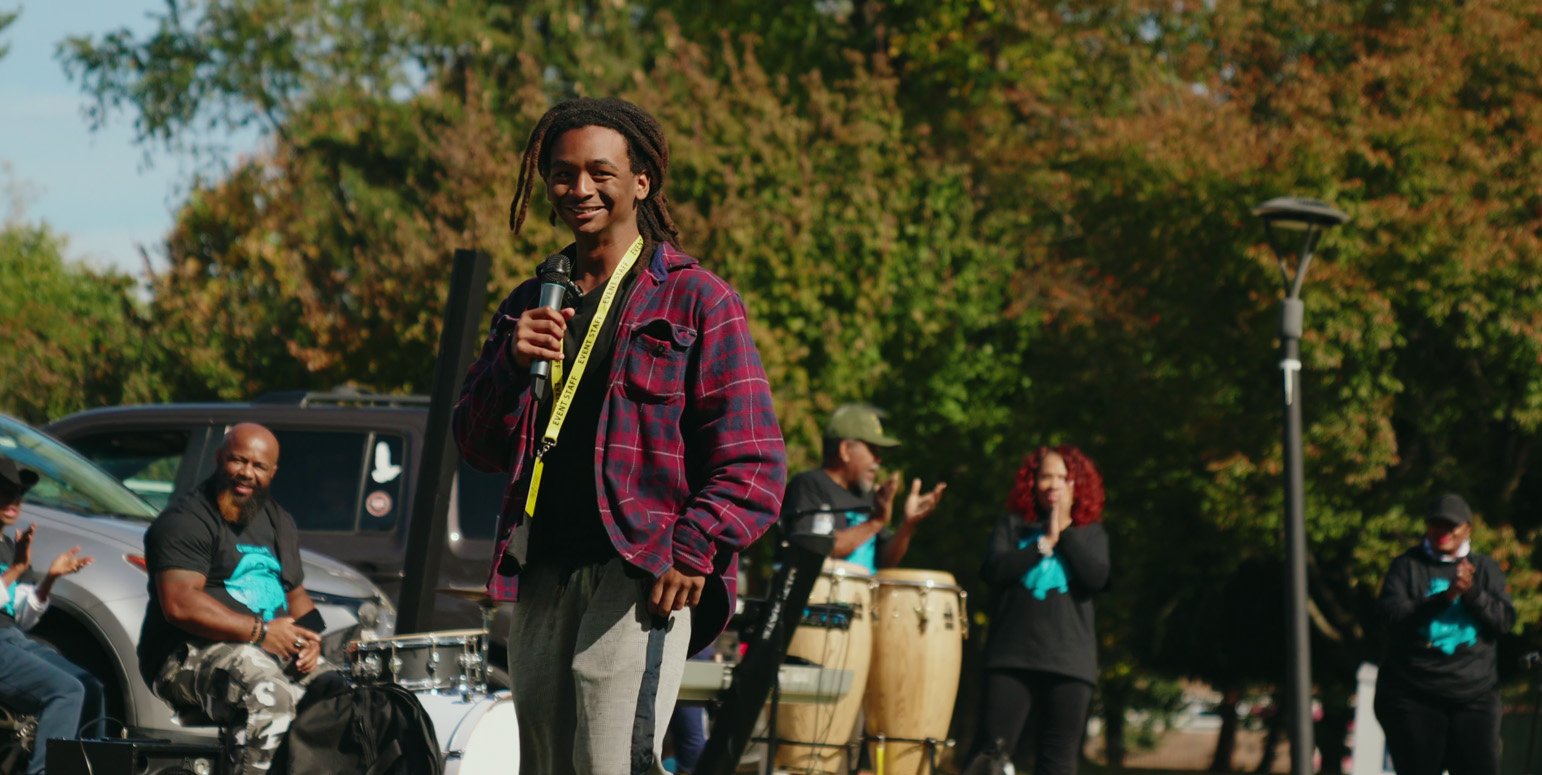

Hi, I’m the founder of Human Amplified. I’m Brandi Fleck, a recognized communications and interviewing expert, a writer, an artist, and a private practice, certified trauma-informed life coach and Reiki healer. No matter how you interact with me, I help you tell and change your story so you can feel more like yourself. So welcome!
Find More on the Blog
Topic
- ADHD
- AI
- Atlanta
- Black and BIPOC
- DIY
- FAQ
- LGBTQIA plus
- Los Angeles
- Nashville
- Seattle
- St Louis
- St. Louis
- UFOS/UAPs/ETs
- abuse
- accountability
- addiction and recovery
- adoption
- affirmations
- afterlife
- altered state
- angels
- animals
- anxiety management
- art
- astrology
- atlanta
- attachment
- awakening
- beauty
- behind the scenes
- being human
- body image
- body work
- boundaries
- brandi fleck
- breathwork
- bullying
- burn out
- burnout
- cancer
- career
- caretaking
- chakras
- channeled
- clarity-dive
- clarity-practice
- clarity-primer
- clean products
- coach
- codependency
Recent Blog Posts
Visit the Full Podcast Audio Archive

Affiliate

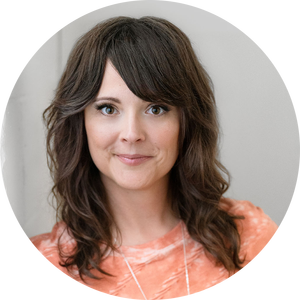
Psychology specialist Corey Hatfield explains character strengths, anxiety, mindfulness, and why two people can experience the same situation in completely different ways.