
Finding Purpose in the Life You're Already Living
Interview By Brandi Fleck
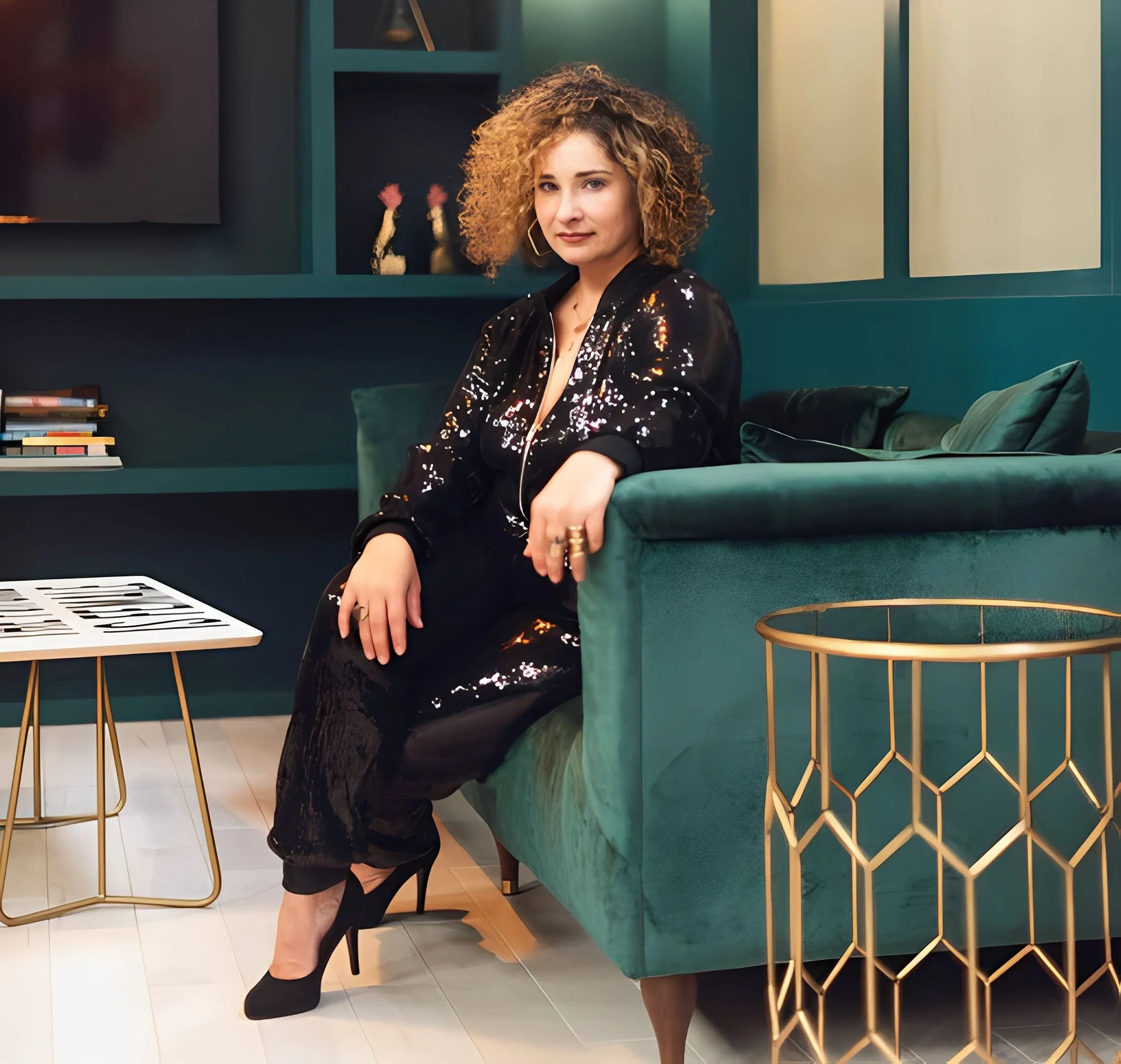
Wendy Yates shares how creativity, service, entrepreneurship, and a willingness to start over helped her build a life aligned with her values.
Purpose didn't arrive all at once for Wendy Yates. It emerged through creativity, service, entrepreneurship, and a willingness to start over when life wasn't aligned with who she wanted to become.
Wendy shares how growing up in a military family, rebuilding her life after divorce, and building a design business from scratch shaped her understanding of purpose, community, and meaningful work.
We discuss why success and service don't have to be opposites, how our environments influence our well-being, and what it means to create a life that reflects your values.
If you've ever wondered whether you're on the right path, this episode offers a thoughtful perspective on purpose, reinvention, and the ongoing work of becoming yourself.
Listen to Wendy Yates’s Interview
Watch Wendy Yates’ Interview
Living Well Through Purpose and Personal Growth
Wendy Yates: I think it's so complex and also so simple at the same time. I guess I would say what being human means to me is not knowing anything that I'm meant to be doing at any given time, but always putting the best possible version of myself and my thoughts and my actions into the universe.
It is all, at the end of the day, about being authentic and realizing that humans are not superior to other beings and treating the environment, the Earth, animals, the planets, the universe, our spirits, ourselves, all with equal respect.
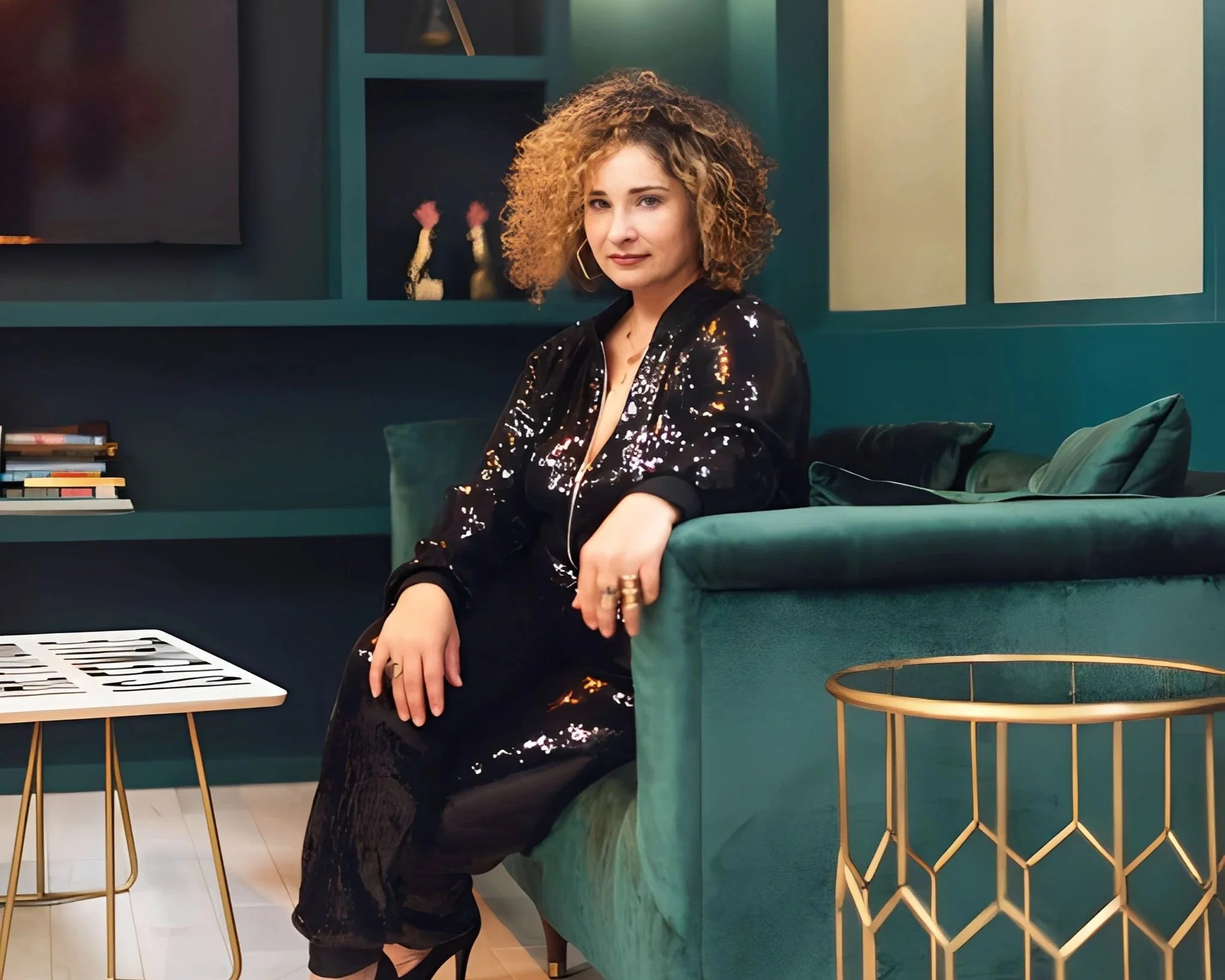
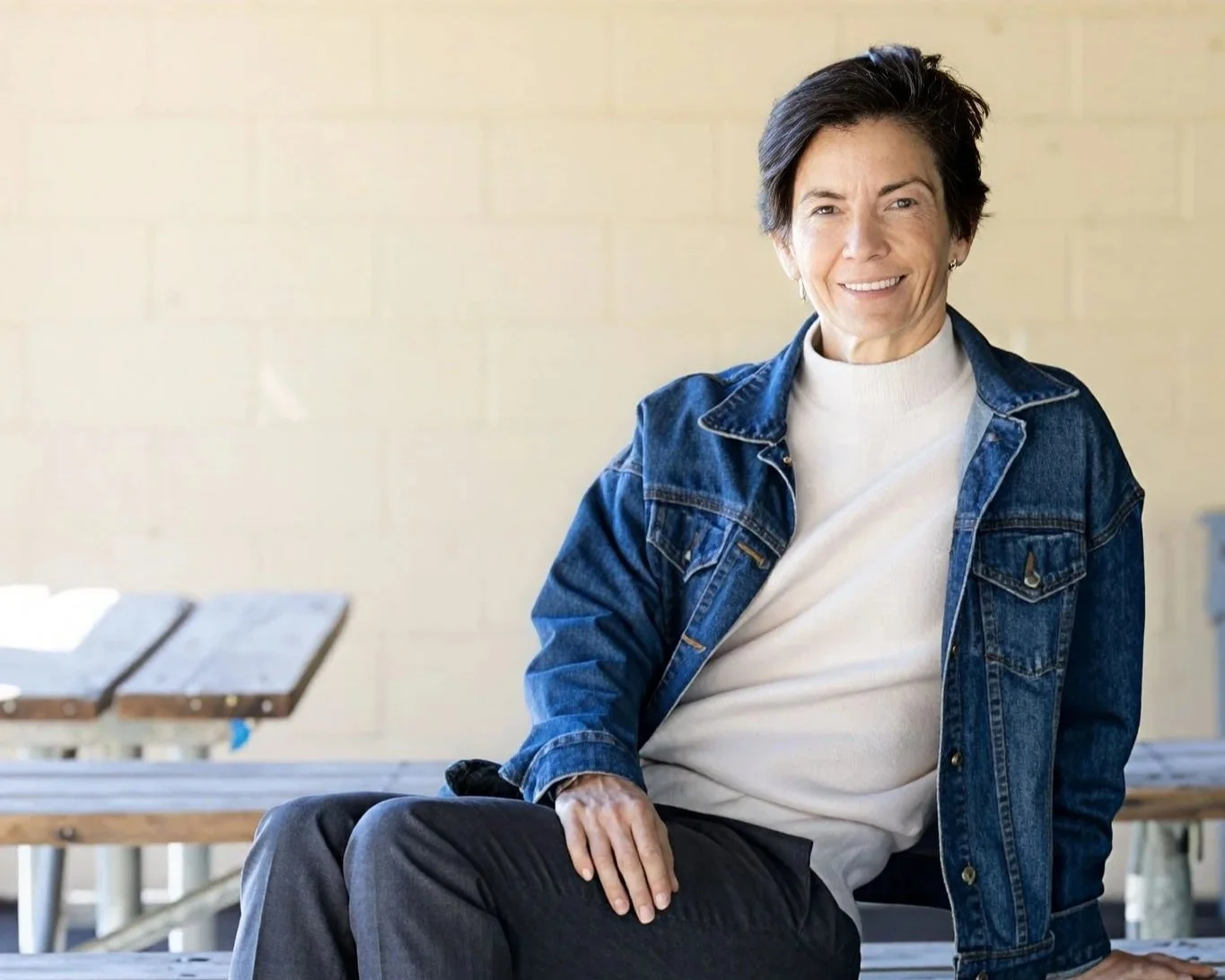
Brandi Fleck: Wendy Yates of Frisco, Colorado, by way of Honolulu, Hawaii, is truly a creative spirit. She's an entrepreneur, CEO of Abigail-Elise Design Studio, Well-Fit Human, a lifestyle design retreat program, and a real estate development platform. She loves traveling, especially to the local spots, contributing to local economies and communities she visits.
Wendy loves connecting with other humans. She values wellness, personal growth, the environment, and making a valuable impact.
In this episode, we really dive into how Wendy determined her purpose in life and forged her path in the world. She says everything that exists exists by design, and I'd have to agree. From nature to human communities and lives, Wendy tells us about her process of marrying her joy to her life purpose in a way that can be the biggest force for good in the world.
She also discusses how she helps her design clients go down a path of self-discovery. She tells us how her creative process works and what she's learned from working with different human personalities.
Then we get to know more about Wendy personally. She opens up about fear she faced when determining what her life path would be and the steps she took in getting to where she is today, even when certain moves were hard to make.
She also tells us why an early experience with poverty in the country of Turkey has influenced her drive toward service in the communities she travels to.
From this episode, you'll learn that less is more when designing your home and life. You'll also learn that the foundation of your life at home impacts how you go out and interact with the world.
Not only does your home base act as a reflection of your own personality and how you'll meet others where they're at, your home or business property interacts with the community and even the economy. That's for you individually, but on a big-picture scale, you'll see that you can pursue entrepreneurial dreams while still being philanthropic, and you can be successful while being of service.
Wendy's inspirational message is that you can be more than one thing, and you can do these things more than one at a time.
Brandi Fleck: Hi, Wendy. Welcome to the show today. How are you doing today?
Wendy Yates: I'm great, Brandi. Thank you. How are you?
Brandi Fleck: I'm doing well, considering all that's going on in the world. I would say doing fine. Are things pretty calm in your neck of the woods?
Wendy Yates: It's pretty calm from a physical standpoint. We live in a small mountain community, and so we don't have a big hub of a lot of contact with a lot of what's going on. But of course, as a community and as an individual, we definitely feel all of what society is going through, and I'm super supportive of the needs and causes of a lot of things going on, with everything from racism to COVID to all the other issues that currently existed before and will continue to exist after those really important topics as well.
Brandi Fleck: Okay. Well, today we're going to talk about a lot of different things, including your background and your purpose in life and how you help others sort of build a lifestyle of wellness.
But before we jump into that, can you tell us a little more about who you are and what you do?
Wendy Yates: Yeah. So my name is Wendy Yates, and I am an entrepreneur. I started several years ago running a number of different businesses and settled on interior design, something that sort of came natural to me.
As I've gone through my journey in building businesses, failures and successes, I have found that, for me, my purpose is all about how I can do the best good and maximize my time and add the most value.
So I built my interior design business, a wellness business, and now a real estate development platform based around the whole concept that you can be more than one thing, you can do it while being a force for good, and you can also be successful all at the same time.
Brandi Fleck: Awesome. Well, what is your definition of what it means to live well?
Wendy Yates: I think that, for me, my definition of what it means to live well is to live on purpose.
I think that it is difficult. You're not really taught at a young age, find your purpose, be passionate about what you do. Maybe some people are taught that. I wasn't not taught it, but living well just wasn't even a conversation. It was basically work hard, make a living, pay your taxes, stay out of trouble, that kind of thing.
So I think living well is so much more, and it really starts with determining, for me, what adds joy to my life and how do I present that joy to others.
For me, that joy and purpose are married, and so that creates a core center to build everything else off of for living well.
That means so many different things to so many different people. I would never use the word balance because it's almost impossible to always have a balance. It's just being really mindful, having gratitude, and starting with that joy and purpose. I think everything else that you develop from that point creates a life for living well.
Brandi Fleck: Awesome. I like how you said joy and purpose are married because I think a lot of people end up doing things in life that don't make them joyful but could.
So I love your concept of using your strengths and interior design, and we talked a little bit about this before your interview, but how you use your strengths there to help build an entire lifestyle for someone.
I sort of have a similar philosophy in my personal life, starting to build the foundation of positivity and love at home and letting it ripple out from there.
How Home Design Affects Mental Health and Well-Being
Can you tell us, how can really nurturing your home environment be a foundation for positive energy and doing other things in the world?
Wendy Yates: Oh yeah, absolutely.
I believe that everything that exists exists by design. You can't have a space if somebody didn't have an idea to create it, which is the definition of design.
The same thing with nature and anything. It's all sort of tied together in this cycle of life. There's a design to it, whether it's scientific or however you choose to believe it exists.
As humans, I think that the way you hold space for yourself or the way you create space for yourself, the things that you put thought into surrounding yourself with on a daily basis, are a direct reflection of really the lifestyle and person you are and totally translate to then how you will go out into the world and live your life and who you will surround yourself with and what activities you do.
I think if you have a cluttered, undefined space, you'll sort of have a cluttered, undefined outlook, just for example.
So I do think that sense of place is really important in order to meet other people where they are, and that's a direct lifestyle choice.
It's all intertwined, every decision that we make, including how we choose to occupy the space in which we inhabit to sleep and eat and breathe and create memories in.
Brandi Fleck: Yeah, I love it.
Looking at the inverse, what does ignoring your foundation or home do, that place where you say we occupy the space?
Wendy Yates: I think ignoring your foundation, and just to say, you don't have to have extravagant things. In fact, I live very simply. I'm a firm believer in less is more.
I want to just say that first because I think a lot of people think of luxury home decor, or if you don't have this set of funds or this set of resources, you can't create a space in which you will thrive.
Ignoring the foundation of your home definitely creates an outlook where you don't even want to be in that space, right?
You can't positively live and thrive in your own space of comfort. It creates a false sense of security for you too.
It feeds into your emotions. It can affect your depression, anxiety. It definitely would affect your joy and purpose if you don't feel like you have a safe place that inhabits and speaks to the mental and emotional stresses of what life can bring.
Brandi Fleck: That makes a lot of sense.
Using Design to Better Understand Yourself
So do you find yourself helping clients discover themselves and their own paths in order to design a space around them that fits their personalities and provides that safe place?
Wendy Yates: Oftentimes, yes.
I think that there's definitely some self-discovery that people find when they start working with us from a design perspective.
I think they think they maybe know what they want, and when they see what the definition of that looks like, they sort of change their mind.
I think sometimes it's an evolutionary process.
For us, we do a lot of development design, so we're thinking about the effects on also the exterior of the project as it relates to the community in which it's in.
We also think about the long-term investment for the client, not just how they're going to occupy it, but how is it going to affect their future should they pass it on, should it be a family property, whatever it may be.
We work in such diverse sectors of the design world, but it definitely is an evolution, and we do talk a lot about how are they going to live in the space, what do they plan to use the property for, is it an investment, is it for the long term?
So I would say yes, we do help them discover their paths, for the short answer.
Creating Spaces That Strengthen Communities
Brandi Fleck: Something that I didn't think about that you brought up was considering the exterior in relation to the community it's in. What are just some of the factors there that you have to consider?
Wendy Yates: I think one of the main things is you always want to be progressive in moving forward and to create something that's sustainable, not just in materials but also in the relativity of it for 10, 20 years.
Environmentally, you're not looking at an eyesore as development continues to happen. There sort of is a standard created, or if you're folding into the development, it feels more cohesive.
That cohesive quality is super important to the exterior of a design.
You can be unique to the neighbor next to you or unique to the neighborhood next to you or unique to the commercial building next to you, but it's really important to have that continuity, that connectivity.
When you live in a community, when things are so disoriented or just feel like there was a master plan, a town starts small and it grows and a highway comes between it, it can really affect the economy of that town.
I think the same thing with neighborhoods, and the thought process that goes into the structure is super, super important because it all trickles down to that. If somebody doesn't love and enjoy living there, they'll eventually move, and so will the next person.
So it really is important to think about the foundation of the community when designing both the exterior as well as the interior because you want everything to maintain its value as well.
Brandi Fleck: Gotcha. Gotcha. That makes a lot of sense too.
So when you say you do help people sort of find their paths when you're going through this design process, is it just sort of a side effect of the conversations you have to have to discover what you're going to put in a space or how you're going to design it, or do you have tactical, conscious steps that you take to help someone figure that out?
Wendy Yates: Yeah, it's very intentional.
We do work very organically in that I personally, and this is different for every sort of design industry or person, everyone's different, but I personally take a very organic approach in everything because I do consider that lifestyle and design and who you are is very important to how you live and how you go out into the world and the other things you choose to do in your time.
With that intention, I always sort of use a little bit of a guideline. I could go into this for a really long time, but essentially it starts with acceptance.
I relate that to lifestyle and design as you have to accept who you are. What is your budget? What are you looking to do? What are you going to accomplish? You also have to accept the space in which it is and what are the boundaries and limitations in which you're working with.
That's sort of the lifestyle internal, but it also applies to the space.
Then the next thing is the courage behind the space. What sort of boundaries are you willing to push? What sort of lines are you willing to cross to make it uniquely yours?
Again, that's another reflection of you as a person and what sort of courage you have.
Then it goes to flow and energy, balance, resilience, adaptability, doing something irreverent or that's true to you, and then, of course, always how, at the end, it's sort of kind of a pay-it-forward for you as a lifestyle.
In the pay-it-forward way for your space, it would be, how are you going to invite people into that space? How are you going to enjoy that with them?
So it's very reflective. Those types of words are applied both to the person and to the design, not only aesthetic but function. So it's very intertwined.
Brandi Fleck: Awesome.
When I've had other guests on the show talk about things they've gone through in finding their own life path and things like that, words like acceptance and resilience and adaptability, all those things sort of come up.
So this is really cool that you have a process for that.
What have you learned about human personalities from doing this kind of work?
Wendy Yates: I think that I have learned to be patient personally with human personalities because I do work very creatively.
Even though I sort of have a process, I work organically. I don't do a lot of planning ahead because the real design and the real person work comes out in conversation and in the middle of doing something.
There's always going to be things that go wrong in life and in design, and so seeing how people react to that requires just a ton of patience and observation because sometimes the biggest mistakes turn into the greatest reward and turn out better.
I think what I've learned is that there's no two people alike. You can categorize types of people, type A, whatever, but it's very surprising. People will always surprise you.
I guess that's the main thing that I learned.
Brandi Fleck: Okay, okay.
Why Service Became Part of the Mission
So it sounds like you're really advocating for people with interior design in terms of the person who is your client, who has a property and they want a space to be a certain way, also the community that it impacts and the environment.
But then you've taken that a step further into humanitarian efforts.
Let's start with why are the humanitarian efforts important to you?
Wendy Yates: For me personally, it's always been very heavy on my heart at a young age to be of value, to be of service, and to add more.
Even if I didn't recognize it looking back now, it wasn't really about a desire to please. It was more about adding value and having real authentic relationships.
It took me a long time into my adulthood to really realize that that has always been sort of at my core, what I wanted to do with my life, is to be of service, but not in a way where I was a true missionary or down those really committed paths, but in a way that I could create something that had me thriving but also be able to use that platform to add value and make a difference.
You can do that no matter where you are in life.
For me, I just get a lot of great joy from volunteering. I get a ton of joy from connecting other people that can help each other in all different variations, be it business, be it poverty, be it homelessness, be it environmental causes.
I love connecting people together that are sort of like-minded to help them even build more on their platforms.
So it just became increasingly more important over the years, and then I realized I just felt like I wasn't really doing enough.
I don't make a lot of donations. I would attend a lot of silent auctions, support a lot of causes, but I felt like it wasn't really the full service that I was looking for.

Again, I wasn't looking for the type of service where I would give up my company and go into full-fledged, true service work as so many amazing, big-hearted people do.
So I decided to fold it into my company culture.
We have always done a portion of our proceeds, as I've mentioned, to different organizations that we feel... there's so many causes, we can't hit them all obviously.
But what I thought about was how can I get more people to go out and see the world in a different way?
Designing space and designing developments and designing real estate opportunities is not that much different than designing an experience of travel.
So we sort of started, took the idea of bridging the gap between lifestyle and luxury living with sustainability and creating experiences that build off our company culture where we can introduce people to a culture where they can immerse in and be part of...
Wendy Yates: ...be it in a humanitarian effort or environmental effort, but they also get to travel. Through that travel, they also gain an awareness of the type of design and lifestyle they want.
We do incorporate some wellness into that, so it's just really important to me, for all the privilege that I have had and been able to experience just in being born a U.S. citizen, to do whatever I can, put together whatever ideas that I can, and add the most value that is going to have a long-term impact.
That's really my true purpose for everything that I do.
Brandi Fleck: Gotcha.
You talk about big-hearted people who go straight into service or whatever, but I still feel like you can have a servant's heart and serve even if you're an entrepreneur, and I think that's a fine path to take. You still have a big heart, and you're doing all these great things.
Travel, Wellness, and the Birth of Wellfit Human
You talked about designing an experience. You have this extension of your company, I think, or maybe it's a separate business. It's called Wellfit Human.
Can you just tell us a little more about that and how that fits in?
Wendy Yates: Yeah, absolutely.
It's Wellfit Human, and it's sort of the short version of wellness, fitness, and humanitarian. Those are company values that I've always instilled in my design business with my team: to take care of themselves, to put themselves first, and to really have an overall sense of mental health, wellness, and travel.
One day, I wanted to travel with like-minded people. I wanted to do volunteer work. I found a lot of experiences that were just volunteer, and then I found a lot of experiences that were more meditative or yoga without the volunteer aspect.
When I would travel, I wanted to just be really involved in the culture and community. I didn't want to be a thorn-in-the-side tourist.
I was always really aware of the communities in which I traveled and would try to spend time in the communities and contribute to the economy, to the local residents, and not to the bigger organizations.
With that, I was like, there's got to be something else out there.
Travel is very influential for me as a designer. Impact on the environment and on people is so important to me and was already something implemented, but how could I do more?
So I added an extension of lifestyle design, which includes lifestyle design beyond the home or hotel or restaurant and into the way you go out into the world and who you choose to spend time with.
We put together small groups and we take health coaches, personal development coaches, and we travel to small communities. We custom design it. We do excursions. There is some free time.
It's not so much like a group travel company. It's more sort of independent travel, but you come together to volunteer in those communities.
We usually schedule a grassroots nonprofit to work with for a couple of the days while we're there. We have schedules and arranged, tailored fitness through all different modalities, and then we also have personal development and mental health coaching.
Then we all eat dinner together. All the food is provided. It's usually someplace beautiful but small that you wouldn't typically travel to.
For example, Belize. We go to a fishing village called Hopkins, which is becoming a lot more popular now. It's becoming discovered in the last 10 years, but it's not typically a big tourist area.
It's more where you would be out dancing that evening with the locals or helping build the school in the community and knowing exactly those kids.
So it's a very designed experience in that perspective, that it has sort of a structure and a goal, sort of just like I talked about: acceptance, courage, balance, resilience, adaptability, and all those other process words that I use in design. We're using those in these experiences as well.
Brandi Fleck: Nice.
So personal growth and positive impact is the mission.
Wendy Yates: And that's also our mission in our design business too.
Brandi Fleck: Awesome.
Do you find that you have a lot of crossovers from your design business into your Wellfit Human retreats?
Wendy Yates: Wellfit Human's only a year old, so it's still sort of a startup. We are seeing a lot of interest from our design clients wanting to join us on trips.
We've sort of been a little held up with that with COVID, obviously. We've had a lot of our trips coming up be delayed to 2021.
So I hope that there will be.
Brandi Fleck: All right, so let's get a little more personal.
Building a Business While Making a Difference
Why not join the Peace Corps? I know you touched on this a little bit, but why did you personally decide not to go that route?
Wendy Yates: Probably out of fear.
I think it's such an admirable thing to just give up all that time of your life, but you're 100% committed. You're not leaving in a week to go home.
I think there's also a huge entrepreneurial side of me, obviously, that wants to create and evolve. I'm always changing.
So I think there was some fear of that commitment, and I want to be part of these great things that the Peace Corps is doing, but I also want to build a business.
How can I do both at the same time?
I think, again, that's the part of me that felt like I could only do one, like you can only be of service if you're all in, right? Why are you not all in? Just because you want to also create a platform?
You can be more than one thing, and you can do it at more than one time.
I didn't have to wait to make a substantial living to then retire and volunteer either. If you look at the opposite end of the spectrum, the Peace Corps is typically a young crowd.
I would say maybe a little bit of fear, but also a combination of why can I not do both at the same time?
So I looked for a different path in order to do my contribution.
Brandi Fleck: You mentioned the word commitment, and this was just about your career, but in general, what does the word commitment bring up for you?
Wendy Yates: I think that because in design, you don't really ever have to be totally committed. You can always change the design.
I think what you commit to is your values and your purpose and your joy.
The way in which you get there can change.
You don't have to stay committed to, "I get joy by doing personal training three times a week." That might be what's bringing you joy now.
The idea is that the commitment is really about staying true to yourself, being authentic, and again, the joy and the purpose to me is so important.
To me, committing to those attributes that make me who I am is so much more important than the path in which I choose to continue to stay committed to those things.
Brandi Fleck: Gotcha. That...
Brandi Fleck: That makes a lot of sense too. I like that.
Okay, so at the very beginning of this interview, you said that you had landed on design as sort of your core business, but how did you figure out what your life path was supposed to be? How did you settle on it, and what were the tangible actions you took to make that decision?
Wendy Yates: Well, I have to say that there are many days that I still feel like I'm trying to figure out what I want to be when I grow up because there's so many things I want to do and accomplish.
I always had sort of an internal creative spirit. It really started for me with dance. I loved hip-hop dance. It wasn't called hip-hop at the time. It was in the late '80s, or I guess it was kind of coming around, and '90s. That's sort of when I first really discovered it.
I guess I did some hula dancing when I was really young, but I really loved dance and the creative outlet of it.
The other side of me that was super creative is, as a child, I didn't really do a lot with toys or dolls or any of that stuff, but what I was really interested in is how my room was placed, what kind of bed I had, did my color palette go together.
Although at that time it just felt like I liked decorating, if you will. It didn't feel like it was a career. That wasn't really a job you got, you know what I mean, in my world.
I didn't come from a background of creative family members, just more workers.
So it was always just there, and I sort of distanced myself from it for a while because it wasn't super attainable. I wasn't living in an area where there was a big design school. I didn't know the industry to be an industry that was something that was easy to attain.
So I just sort of put it to the side. I didn't really take it too seriously.
Then, on a whim, I just decided, I think when I bought my first home, I had gotten married, bought my first home, and I was really starting to create my own space, and it just brought me a ton of joy.
So I think I just decided one day. I dropped out of college. I was in a junior college. I couldn't figure out what my major was going to be.
I dropped out. I just took a regular job.
Then a couple years into that, as I was sort of designing my own home, I don't even think I got a business license. I think I just made up a name, went to a local printer, printed some cards, called up the newspaper and said, "This is my name. I started a business and I want you to write about it."
Then I put a yard sign in my yard as if anyone drives by people's houses and goes, "I'm going to hire that designer because it says that's what they do."
I obviously didn't get any business that way, but I hustled and I networked.
My very first design project was hanging wallpaper, which I had no idea how to do, in a children's nursery. But I did it, and it came out great, and I figured it out.
So sort of small projects like that. I didn't take it too seriously because I was living in a small town. It wasn't really a type of service people paid for.
But I was just like, whatever, I'm going to make it happen.
Then I was really fortunate that I started sharing my desire to build upon this business with some family members and had some connections to a developer. I'm originally from Hawaii, and so they were kind enough to fly me out and let me work on a model home for them.
They loved what I did, and sort of from there I really got the kind of, okay, I love this. This is amazing. This is what I want to do, or this is how I want to make a living, right, or get paid, or whatever.
So I sort of did that back and forth for a little while and then had my daughter and really decided to take it seriously.
I think I was 29 or 30 when I had her, and I was like, okay, it's time to grow up.
So then I chose to move to a resort community because I thought design was just more lucrative. People had second homes, vacation homeowners.
It was a hard move, actually. It was a very hard move because I didn't have any money, and then I was getting a divorce.
But the move itself was to a beautiful area, and so the decision wasn't really hard. I just knew I needed to sort of take this design company, this small little business that I had, and make it a company.
So yeah, that's sort of the short version of how I started Abigail-Elise Interiors, which is the name I eventually changed it to from, I think it was like Creative Concepts or something really silly that didn't even say what it did.
And no, I don't have a yard sign anymore.
Brandi Fleck: Awesome, awesome. Or like a car decal? Do you drive around with a car decal?
Wendy Yates: I did have a car decal in the beginning too.
It's so funny because you just don't know. I was like 22.
I don't know. Everyone else has a car decal and a sign in their yard.
Brandi Fleck: Or not everyone else. Real estate brokers.
Wendy Yates: Yeah, exactly. But that was my only, I guess that's what you do, you know?
Brandi Fleck: That's awesome.
I would love it if you could share your life story. Just let our listeners get to know you.
Wendy Yates: So I am from Honolulu, Hawaii. That's where I was born.
My mother is Portuguese, and her grandparents immigrated from Portugal. She was born and raised there.
My dad is from Texas, and they met there.
He joined the Air Force, so I grew up kind of a military Air Force brat, I guess, if you will.
We didn't move around a ton, but we did live in Turkey for a while.
I think that, I don't know if I was talking to you or someone else, but when I was talking about my purpose and how my whole mission is really to add value and to do my part, everything starts with poverty as far as a lot of the world's problems.
I couldn't really pinpoint when that became so relevant and so important to me specifically, but I do remember living in Turkey, being an American child and being very coveted, treated very well, and living across the street from families that didn't have running water while we had it.
We lived right across the street. It wasn't like we lived in a whole other area.
So we had all the amenities.
I can't say with 100% certainty that that was really my first experience or what sort of set up a foundation for me to feel so compassionately drawn toward being able to help others do more and be more, but I do recognize it now as sort of an experience that I probably did observe.
So anyways, we lived in Hawaii for a lot of the time when I was growing up, and then we lived in Arkansas for a while.
I always went to a Catholic school for as long as my mom could find one. She was Catholic.
I'm a recovered Catholic.
Brandi Fleck: I don't know what that means. I was getting ready to ask.
Wendy Yates: It just means that I don't practice Catholicism, I guess.
It means I don't go to church. I don't practice it, but I was raised in that religion.
Then we eventually moved back to Hawaii for a while, eventually moved to Colorado, a small town in Colorado, an Air Force base out there called Limon, Colorado.
It is a very small town and not very much opportunity.
Beautiful people live in that town, but the economy in that town doesn't really exist. It used to have a lot of manufacturing and some call centers, and eventually those sort of dispersed.
So I got married. I met somebody there. I met a boy really young, moved in with him when I was 17, got married when I was 22, I guess, and sort of accepted that as my life.
I didn't really accept it, but I was like, I'm going to live in this small town.
I didn't really know exactly, like I said, how to do the part of doing good and being an entrepreneur. Entrepreneur wasn't a well-defined word in the '90s.
I graduated from high school in 1995.
So you just went to the next thing. You had to make a living. You had to support yourself.
So that's what I did.
I wasn't really planning on having a big family or anything. I was planning on traveling a lot. I was planning on volunteering a lot.
But I got sort of hung up in the small-town, get-a-job lifestyle.
Probably made some poor choices in my 20s as well that won't fit into the five-minute conversation.
Then eventually I found myself really unhappy, but also pregnant.
I had been with my first husband since I was 17. I was 29 at that point, and I was trying to figure it out because I was getting to travel a little bit back and forth to Hawaii for some design work.
It was a little bit like, okay, well, I'm getting to travel. I'm getting to go to Hawaii. I am getting to sort of do some contribution to society as far as...
Wendy Yates: ...donations, but again, not on a real serious level.
But I was just really miserable. I never wanted to live in a small town. I was really starting to get really good at intuitively knowing design and really understanding that I was really good at it.
So I moved to the mountains of Colorado for opportunity because it just seemed like an easy move.
I really wanted to move to Hawaii, but my husband at the time, we were still together, refused to do that.
So anyway, shortly after we moved up here, we got divorced. I was basically jobless, almost homeless, my car broke down, my daughter was like two, and I just decided...
I had kind of taken a break trying to figure out, when we moved here, how was I going to start a design business? Because it was like, well, it's more opportunity, but how do you find the opportunity when you don't know a single person, right?
So it's a lot of grassroots knocking on people's doors, basically.
Out of necessity, I had to then take my design business seriously. I had to feed myself. I had to feed my child. I was running out of whatever 401(k) money I had saved up until that point.
So I just rebranded. I decided, okay, I'm going to make a brand. I didn't really know what that meant at the time, but I chose my middle name, which is Abigail, and my daughter's middle name, which is Elise, as my new company name.
From there, I just knocked on doors, made phone calls.
It was the recession, so it was the perfect time to get a job designing when nobody was building anything.
But I was really fortunate that the hustle paid off and someone gave me a chance, and they said yes.
I grew relationships from there. I got referrals from there. I started adding team members from there.
I definitely made a lot of mistakes along the way. Some people I pissed off. Some people I made really happy.
At one point, we had a showroom in Denver because I thought that was the route to expansion, to my financial goals, that that would set me on my path to doing all this good in the world.
But there is no end game. You don't go do this and then get to here and then you can have this.
It's all mixed together.
I think that's where I talked about how your joy, your purpose, what you're committed to in your values, then everything else doesn't really matter. You will get there.
It doesn't happen like, once I do this, I can now go help this organization, or I can be part of demonstrating with these people, or whatever it is that you want to do. Maybe it's not that.
That's sort of basically how I got to the version of where I am.
Here I am, mistakes made, still making them on the daily, but trying to build a network and grow my community now more than I ever did before of like-minded people looking for authentic human connection, relationships, and really just looking to add value, both in design, lifestyle, travel, wellness, and build a whole community around the idea that you can be more than one thing and there are other people that want to be more than one thing with you.
Brandi Fleck: Well, that's awesome. It sounds like you went through some hard stuff, but it sounds like you have a really beautiful life, so that's awesome.
I liked what you said about how there isn't a destination. It's all sort of mixed together. I think that's a main takeaway here for our listeners.
Why There Is No Finish Line to Fulfillment
What does it mean to you to have fulfillment when everything's all mixed together?
Then I'll ask you after that for some parting wisdom.
Wendy Yates: I think if you're ever full, you're not trying hard enough.
I really believe there is no true fulfillment. There's just a hustle for a purpose.
There is constant learning. There is a desire for whatever it is that you desire. That has to be a stronghold.
I think that you're always reaching to do more and be better. I think that knowing that you're doing that is the fulfilling part.
Brandi Fleck: Nice.
All right, and then do you have any parting wisdom for our listeners?
Wendy Yates: I think the biggest advice that I would give to people, anyone of any age, is to never compare yourself to others, but to always look ahead, but never forget that your past self wishes they were where you are right now.
There's something to be said for that, continuing to look forward but also being grateful for where you are without dwelling on the past.
Then, for me, what I discovered in the last year is that it has become extremely invaluable to look and seek out people that are like me, that I want to be around, and not just accept the people that are set in your space.
That's nothing negative to any of those people, but when you get complacent in the people that you surround yourself with, you get complacent with yourself.
So that leads to all kinds of spiraling downward emotions that set you off track, and then that puts you in that path of comparing.
So I would say don't compare yourself to others, stay true to yourself, and surround yourself with the people that you want to be like.
Those are pretty basic, and I used to think they were corny, but they're super true.
Brandi Fleck: Yeah, I love it.
Okay, last but not least, where can our listeners find you, your business, and your Wellfit Human retreats and information and anything like that?
Wendy Yates: Yeah, awesome.
All the Wellfit Human information can be found online at WellfitHuman.com. We also are on Instagram, and our design business is online at AEInteriorsInc.com.
I personally love connecting with people, so I love it when people reach out to me. Anything I can offer or be of value to.
My Instagram is @WendyYates. I'm also on LinkedIn, so really all over the social medias we can be found.
On a personal or business level, or just an advice level, I'd love to connect with anyone.
Brandi Fleck: Awesome. Well, Wendy, thank you so much for coming on the show. It has been an absolute pleasure.
Wendy Yates: Thank you so much for having me. I really enjoyed talking to you, and I love your podcast, and I'm super honored to have been a part of it.
Join the conversation!
Feel free to share your own experience and let me know if you have any questions in the comments.
Related Posts

Hi, I’m the founder of Human Amplified. I’m Brandi Fleck, a recognized communications and interviewing expert, a writer, an artist, and a private practice, certified trauma-informed life coach and Reiki healer. No matter how you interact with me, I help you tell and change your story so you can feel more like yourself. So welcome!
Find More on the Blog
Topic
- ADHD
- AI
- Atlanta
- Black and BIPOC
- DIY
- FAQ
- LGBTQIA plus
- Los Angeles
- Nashville
- Seattle
- St Louis
- St. Louis
- UFOS/UAPs/ETs
- abuse
- accountability
- addiction and recovery
- adoption
- affirmations
- afterlife
- altered state
- angels
- animals
- anxiety management
- art
- astrology
- atlanta
- attachment
- awakening
- beauty
- behind the scenes
- being human
- body image
- body work
- boundaries
- brandi fleck
- breathwork
- bullying
- burn out
- burnout
- cancer
- career
- caretaking
- chakras
- channeled
- clarity-dive
- clarity-practice
- clarity-primer
- clean products
- coach
- codependency
Recent Blog Posts
Visit the Full Podcast Audio Archive

Affiliate

Psychology specialist Corey Hatfield explains character strengths, anxiety, mindfulness, and why two people can experience the same situation in completely different ways.