How to Live With Purpose Every Day
Interview By Brandi Fleck

Brandi Hawthorne shares how intentional relationships, personal growth, resilience, and shifting limiting beliefs can help you create a more purposeful life.
Have you ever looked around at your life and wondered, “How did I end up here?”
That question became the turning point for Brandi Hawthorne.
Instead of chasing someone else's definition of success, she began asking harder questions about purpose, relationships, and the beliefs that were quietly shaping her life. Those answers eventually led her to become a life coach helping other women do the same.
Brandi shares practical ways to recognize limiting beliefs, build resilience, strengthen relationships, and become more intentional about the life you're creating.
Listen to Brandi Hawthorne’s Interview
Watch Brandi Hawthorne’s Interview
Intentional Relationships and Living With Purpose

Brandi Fleck: Happy New Year, everybody! What better way to start the new year than with this week's guest, Brandi Hawthorne, who will help us improve ourselves for sure. That's her mission in life: to help you be who you were created to be.
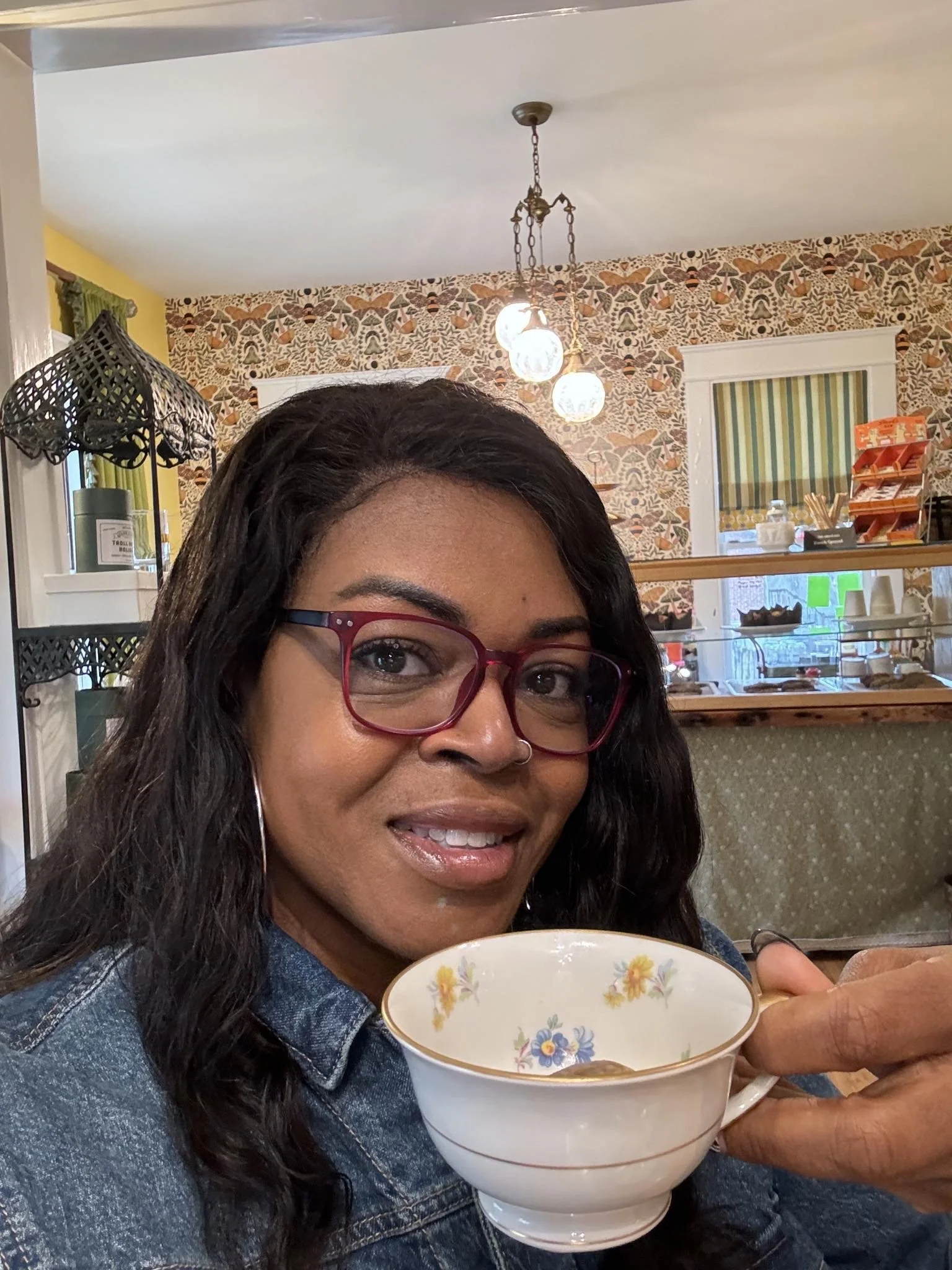
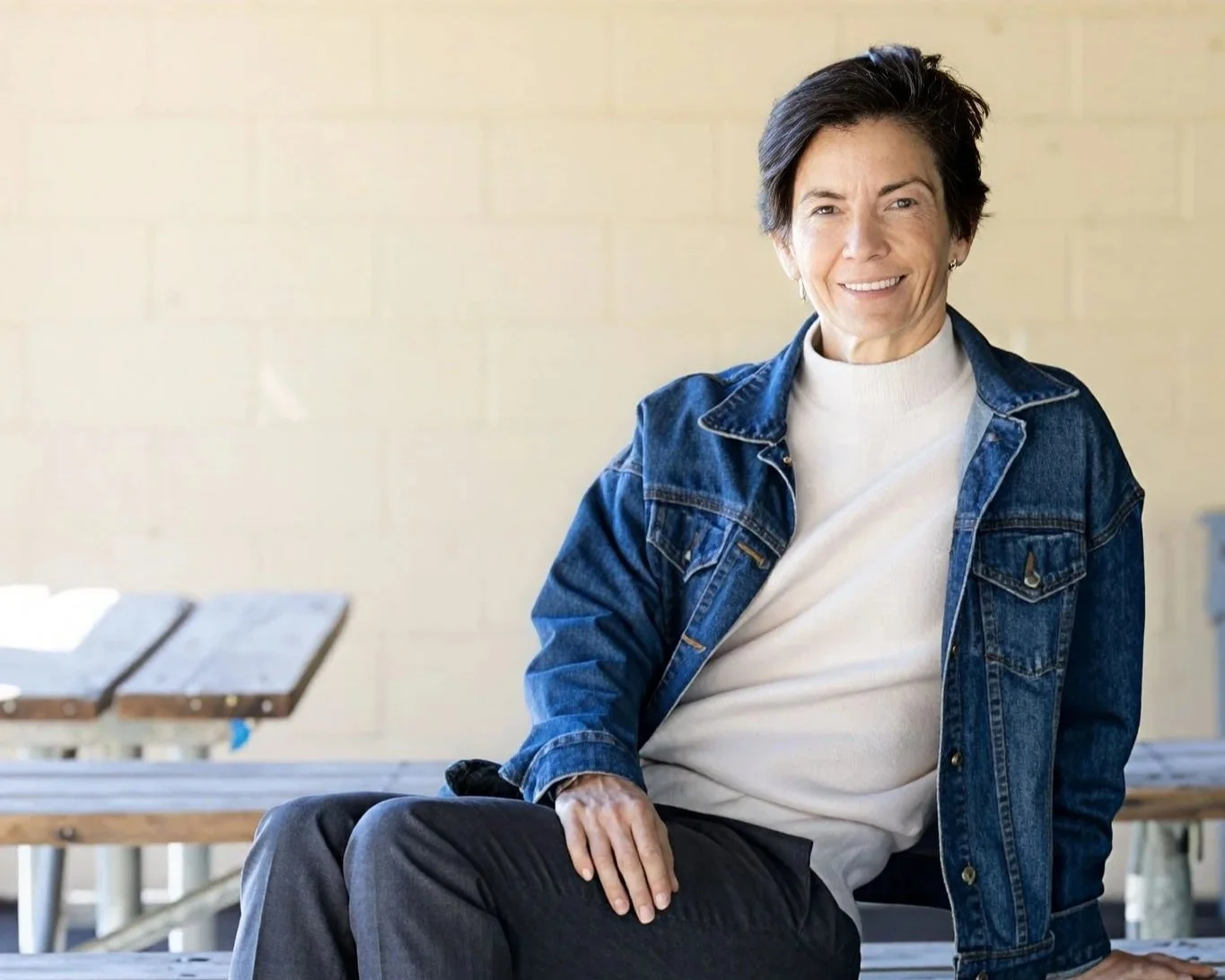
Brandi has set up her life with her husband and children so they are focused on creating the reality they want for their future. She's a women's personal development life coach with a degree in psychology.
Not only is Brandi a dear and respected childhood friend, she's one of the kindest, most beautiful people you will meet, on the inside and out. She has this energy about her that lifts a room when she enters. I just love it.
In this episode, Brandi uses her expertise as a life coach to give advice on creating intentional relationships, being kind, recognizing circular thinking so you can overcome it, accountability, and resilience, something that's very important these days. Plus, she details the soul-searching that helped her find her own path.
Brandi Fleck: Hi, Brandi. Welcome to the show.
Brandi Hawthorne: Hey, thanks for having me.
Brandi Fleck: No problem. I'm really excited to have you here because what our listeners don't know is that we've known each other since we were about five or six years old. It's a privilege to have you here, and we can just jump right in if you're ready.
Brandi Hawthorne: Let's do it.
Brandi Fleck: Okay. First, I want to know, how are you doing, and what is your life like today?
Brandi Hawthorne: How am I doing? Well, right now my heart is beating really fast because you're asking me questions.
Oh no. No, I'm doing well. I haven't talked to you in forever, so I feel like that's a 20-year question there.
I am living in South Carolina with my husband and our two daughters. We are building our future, so I feel like every other conversation is about how we're growing and making sure that we're creating the life that we want to see in our future. I'm sure he's tired of those conversations, but I feel like that's what I'm consumed with lately, just really taking in family and making intentional relationships.
Brandi Fleck: Gotcha. Could you explain to our guests a little bit, what is an intentional relationship?
Brandi Hawthorne: Being intentional about who you want in your life. Not letting the, "Oh, I got so busy. It's been six months, girl," conversations happen too often.
The same with family. Just looking at what you want your life to be and making those changes to get there.
Brandi Fleck: Gotcha. I feel like this is really pertinent. Can you tell our guests, before we jump too far in, what you do for a living?
Brandi Hawthorne: Yes. I am a women's personal development life coach, and I help women do what I just described.
We look at where you are, which a lot of times people are like, "How did I end up here?" We look at where it is that you desire to be, and then we start to maneuver there.
Brandi Fleck: Great. That sounds really cool.
Guys, the links to her website will be in the show notes, so we'll get to that in a little bit.
But Brandi, what makes you you? What do you like, and how do you approach life? I guess you've sort of told us a little bit about that, but can you tell us more?
Brandi Hawthorne: What makes me me would have to be, first and foremost, just who I am naturally, how God created me.
Those things that no one... You know, my grandma used to tell the story that when she would come home from work, I would have the floor covered in paper. That is true today. Most of the time, the floor is covered in paper, books, pens. I have to have 50 tabs open on my computer.
That's just how I've always been.
Then, of course, there are life experiences that make you who you are.
Brandi Fleck: What do you like? Like, for fun.
Brandi Hawthorne: Sure. What do I do that makes me happy?
Okay. I love adventures, like doing new things, if it's things I want to do. I don't like stuff just for the sake of it, but for the most part, learning a new skill gets me really bubbly.
I like laughing, so anytime I can laugh until I'm crying, breathing hard, holding my stomach, that's a good time.
I love music, so R&B music, smooth jazz, gospel. There's ratchet gospel now where the bass is thumping in the car, and it's like, "What are you listening to?" Then you roll down the windows, and it's all about God. My kids really go crazy about the ratchet gospel.
This one is not going to shock you. I love personal development, so the books all over the floor, watching the OWN Network. Those types of things really, really get me going.
Brandi Fleck: Okay. That leads me to, what do you believe the most important thing in life is?
Brandi Hawthorne: I believe the most important thing in life would be pure love.
When I say "pure," I specify that because a lot of times we can love out of fear. We can love out of hurt.
I like when you've kind of dealt with everything that's the undercarriage of your love, and it's just healed, pure agape love.
When you have love, that makes you compassionate. You become selfless, and you're more understanding. I think you're supportive and gracious as well.
When you truly love a person, it's not love skewed through your...
Brandi Hawthorne: ...experiences. It's just, "I'm going to love you for who God created you to be, and I'm going to encourage you, even if it scares me."
Brandi Fleck: Gotcha. How do you get there, to be able to know you're truly healed so that you can have that pure love and give it and receive it?
Brandi Hawthorne: Being aware. Making the intention to be aware.
It can become overwhelming if you allow it to be, and that's when you have to check it. I don't want to be so intentional and so aware that I'm now freaking out about everything, but I want to be aware so that I realize when it's not pure, when I realize it's not coming from a place that has their best interest at heart, but it has a little bit of my junk tangled up into it.
An example of that is my husband, Travis. He and our girls have a great relationship. He's a great dad. He's the dad I prayed for for my children.
But I grew up having some issues with my own father, and so sometimes I can really start to nag at him about things that I wanted my dad to do. He's like, "What do you mean? We have a great relationship."
They didn't feel that way, but you feel that way.
I have to be mature enough to say, "I really wish you would do it my way," but my kids, they aren't coming from my experience. They aren't hurt the way I was hurt by my dad not coming to my play.
So if my husband goes to 10 of my daughter's plays and doesn't show up to one, they're not feeling what I'm feeling for them.
That helps me to check myself and check my emotions and realize he's right and I'm wrong.
Brandi Fleck: Gotcha. That's a really great example. Thank you for that. It's a good takeaway for the listeners.
You definitely have a servant's heart, in my opinion, and I really feel like you're a bright light to a lot of folks. I've seen it since we were kids. People used to light up around you, and you would bring cheer to the room. It was just awesome.
I love talking to people who want to serve humanity, and I want to ask, what does serving humanity do for you?
Brandi Hawthorne: Oh man. I don't have any other way to put it except it fills me up. I literally feel like I'm going to explode.
I can tell when I'm really full because I want to talk about it, and I rehearse everything I said and did while I'm in the car on the way home.
You would think I was crazy because I repeat what I say, and I try to mimic a time that the audience gasped or someone said, "All right, girl," or something. I just have to get it out.
I'm almost drained afterwards, but it's just this energy that I feel by serving others. I could do it all day. It's not until I'm done where I'm like, "Whoa, that was an energy high."
But yeah, I get super giddy.
Brandi Fleck: Gotcha. You mentioned audiences, so do you do live speaking engagements?
Brandi Hawthorne: I do. I do workshops, and I'll host an event once or twice a year with women live. I'm always open for guest speaking.
Brandi Fleck: That's awesome. What are some of your workshops that you do?
Brandi Hawthorne: The last workshop I did was at a Women's Empowerment Day. I believe I spoke about making the main thing the main thing.
There were three or four points that I gave, but yeah, it was really good.
Brandi Fleck: Awesome.
Something I ask every guest on the show is, what does being human mean to you?
Brandi Hawthorne: Being human, first and foremost, is us realizing that we are spiritual beings first, and we were put in a body and sent at a specific time.
It's recognizing why we were sent at that time.
I'm a Black girl sent to South Carolina in '84. Now everybody knows my age. Great. What am I going to do with that? Why wasn't I born in the '70s? Why was I...?
I think it's recognizing that we are all sent here very purposefully and then realizing how connected we are despite the differences that we were born with.
Brandi Fleck: Sure. Yeah, I like that. I definitely believe we're all connected, and everything you said totally resonates with me. That is good stuff.
Building a Strong Marriage and Family
I know you lived in Guam for a while. Can you tell us why you moved there, and what did you do there?
Brandi Hawthorne: Travis started his career in Guam. He had just graduated, and he took his first civil engineering job there.
We went with him about a year after because we hadn't gotten married yet. Our daughter and I stayed back, and he went.
Then he proposed through his sister while I was at work.
Brandi Fleck: Oh my gosh. That's such a funny story.
Brandi Hawthorne: So he proposed, and then we planned a wedding. Mainly I was the one on the ground, and he flew back. We got married, honeymooned, said goodbye to our families, and we all flew to Guam together.
Brandi Fleck: Gotcha. So what did you do over there?
Brandi Hawthorne: Oh my goodness. It was a wonderful experience.
We first learned how to be husband and wife while there. That's a time where I remembered who I was, so that was really big for me.
We learned how to snorkel. We gained a new family member. I got pregnant with my second daughter and had her there.
I realized that I was supposed to be a life coach for women.
We had a lot of deaths in my family in particular, and it was just... I got connected.
That's another big thing. Meeting people like the Filipino people and Guamanians, missionaries from all around the world, I learned what truly being connected really is.
I know that's definitely why that's such a big part of my life now because I learned how to live so far away from my blood relatives and make family on the other side of the world.
Brandi Fleck: Gotcha.
There are two things that you brought up about being in Guam that I would love to explore a little bit.
The first one, and this might be a little off topic, but you mentioned you learned how to be husband and wife. That's interesting because people don't talk about that.
When you get into a relationship like that, there's definitely a learning curve. Can you explain a little bit about what you went through and what that was like?
Brandi Hawthorne: Well, I remember at first he would come home, and I would have the house clean and a glass of lemonade sitting on the table.
Brandi Fleck: Okay.
Brandi Hawthorne: So that was me being the wife. I was like, "I'm going to have dinner, and I'm going to look beautiful. He's going to come home to a fresh glass of lemonade."
As you can imagine, that didn't last very long.
We learned how to rely on each other. We learned how to fight for each other.
He left when Arden was one. She had just learned to walk. In fact, she wasn't walking very well.
When he saw her again, she was talking and running. It was a totally different child.
Brandi Fleck: Gotcha.
Brandi Hawthorne: Learning how to parent together because she was used to just Mama for the whole year.
We learned how to pray together. We learned how to communicate and just kind of went over what does living together look like as a married couple, and what do we want to represent, and who do we want our family to be outside of the families that we grew up in?
It was a lot of creating and a lot of...
Brandi Hawthorne: ...a lot of bickering for the first couple of years.
Being so far away, I think he missed fishing with his dad, and I missed just hanging out with my grandma. We had a hard time at some points, but we came back so much stronger because we didn't give up.
We read books, got through it, got counseling, and things like that. Lots of lessons.
Brandi Fleck: Sure. I think there are some good takeaways there too, especially that when you do form your own family, you have to sort of let go of some of the things you grew up with and create your own, what works for you, like you said.
How to Find Your Purpose and Life Calling
The other thing that I wanted to ask you about is you said that while you were there, that's when you realized that you were going to be a life coach for women.
What was the event or thing that happened or that helped you make that realization?
Brandi Hawthorne: I also said that I remembered myself, and I think that's the beginning of me realizing that I was supposed to be a life coach for women.
I had some friendships that did not last when I made the move. For one, we were 14 hours ahead, so when I talk about being intentional, you really have to be intentional. Either I'm going to be really sleepy the next day staying up to talk to you, or that kind of thing.
Some things didn't last, but I also realized that I had started defining myself by standards that I did not live up to.
When I moved to Guam, it was kind of a little bit of a party for, "Where I was. By 25 I'm going to..." this and that. I was 27, and I wasn't.
Some of those friendships kind of hammered that in, if you will.
I would get so far into my pity party, and then I just could not bring myself to say that I have no purpose, and God is not for me, and I'm never going to become who I was created to be.
I would get there, and then it's like someone would put their hand over my mouth, and it's like, "That's not true."
As sad and down and out as I wanted to be, I could not force myself to say that.
I had to make some decisions about what are you really going to believe. Stop straddling the fence. Either you're going to believe this, or you're going to believe that.
Once I decided to make that decision, I started having some hard conversations with myself and with God. It was a lot of "whys."
Why would You create me if You won't tell me why? What is my purpose? I'm getting older, and I don't want to waste my life.
After those hard conversations, I realized one of the biggest things I did not want to do was let my family down.
That was a big part of the whole marriage, what I learned, thing. No matter what, it's one thing to let Brandi down, but it's another thing to drag your spouse and your kids with you. I was really, really afraid of that.
Once I became very honest about how I felt and stopped sugarcoating everything, it came out in the sentence of, "If it's not You," meaning, "If You don't want me, if this is not Your plan for me, then I don't want it."
I guess that kind of came out because I had made up so many things that looked good or that sounded good that I was just trying to make myself believe I wanted.
I remember having this conversation with Travis about becoming a pharmacist. I was like, "Yeah, I'm working in a pharmacy, so I'm going to become a pharmacist."
He's just looking at me like, "Oh my gosh."
I was like, "Yeah, I'm going to go back to school. I'm going to do this, and they make good money."
It was his plan, and he's like, "Okay. You better be sure about this."
I was like, "Yeah, totally."
I walked into the bedroom, got on my knees, and said, "I do not want to be a pharmacist. God, help me."
I just felt very lost in these ideas of what it was going to take to make my life great, and I bought none of them.
One day I was reading a blog post from Holley Gerth, and it was talking about your God-sized dream.
At that time, even though I knew I didn't want to be a pharmacist, I was still kind of trying to make myself believe that I was going to be.
It said, "Close your eyes and think about a dream that's so big that you can't tell anybody. You just can't speak it out loud, even to yourself."
It had a few more questions about it, and I was thinking, "I'm not doing this. I'm going to be a pharmacist. What do you mean?"
Something happened where I just kind of laid down on the bed and closed my eyes.
When I opened my eyes, it was something that I had put on the back burner years ago. It was life coaching.
The way I had found out about life coaching was I majored in psychology, and I knew I didn't want to be a psychologist or psychiatrist. I was like, "What else is there to do with this psychology degree I'm about to get that my grandma spent all this money on?"
Underneath the professions, it said "life coaching."
I looked it up and thought, "This is perfect."
At the time, I was like, "No one's going to listen to me. Who am I going to coach? No one's going to hire me. My grandma's going to murder me if I tell her that she spent all this money on school and I'm going to go be a life coach and create a business."
I had let it go and forgotten about it.
That's how I knew.
Brandi Fleck: Gotcha. So after you knew, did you just start taking steps to make it happen?
Brandi Hawthorne: Well, I kind of popped out of the bed like, "Whoa."
It was almost like, "Is somebody in here who knew that that's what I really wanted to do?"
I was excited, but I was suspicious.
I remember I had come home early for something, so Travis was picking up my oldest daughter. When he got there, I was itching to tell him, but I also felt scared because I thought he'd be like, "What is this, and how are you going to do it? We're going to be broke for the rest of our lives."
I couldn't make dinner. I was just standing at the stove with some frozen fish on the side. I couldn't move. I felt so paralyzed.
Once I told him, he said, "Okay, go for it."
I was like, "Okay. Well, that was easier than I thought it was going to be."
Brandi Fleck: Not the same reaction as the pharmacist talk.
Brandi Hawthorne: Right, exactly.
Brandi Hawthorne: Yeah, a little bit of hesitation there.
I just started Googling women who were life coaches. I knew life coaches speak, write, and create, so I started Googling women who were doing that.
One of the first websites I stumbled upon was The Happy Black Woman, and she is amazing. I just started looking at what she was doing, and the rest is history, I guess.
Brandi Fleck: Okay, I'll have to check that out.

Overcoming Trauma and Finding Hope
Speaking of the web and websites, I saw a review on your Facebook page from a family advocate at a domestic violence shelter about how you inspired and offered hope to her clients, who oftentimes can't see past their current situations.
Can you describe that experience for us and what you did? What can really give someone hope who's in the midst of a traumatic situation?
Brandi Hawthorne: I wish I could remember for the life of me what I talked about.
I know I had my points all down and everything, but knowing me, I would say that I probably shared some personal stories with them about times where I felt hopeless, some times where I felt like I was a failure, and just kind of gave them some tips about how I came out of that.
I know for sure I shared with them my Abundant Life Journal.
Brandi Fleck: Okay.
Brandi Hawthorne: Anybody that subscribes to Woman Live will receive it in an email. It's a freebie.
Basically, it just helps you change your story. Instead of, "This happened to me," it's, "This happened for me," and, "What can I glean from this? What was the lesson that I needed to learn? How can I take that and make it a brand new opportunity?"
I could see some women nodding, the "you go, girl," the gasping, and that was probably a day where I drove home and acted crazy in my car because I was so excited.
We did that little portion where I shared with them, answered some questions, and then we did a vision board party.
Whenever you deal with women who have really had it, ups and downs over the last few years, usually I find that they have stopped dreaming. It's just too much.
Either the dream is so big that it's like, "You know what? I'm not even going to set myself up for failure like that," or they've just been so preoccupied with making it through the day that they don't have time for the fantasy.
The vision board portion was to help them awaken their desires again.
It was a really nice event, and I'm appreciative for the review.
Brandi Fleck: Awesome.
Can you describe a little bit, what is a vision board? How did you do it, and what did that involve?
Brandi Hawthorne: Well, now people are doing digital vision boards, which I'm still not okay with yet.
Basically, you get a whole bunch of magazines, some sort of cardboard, some glue, some tape, scissors, and markers, and you put down what you want to be.
You'll see houses on there, and cars, and fit bodies, and whatever your mantra is for the year.
It's your future self on a board. Generally, it ends up in the back of the closet somewhere, but that's not where it's supposed to be.
It's supposed to go up on your wall or somewhere you see it every day. It reminds you when you've forgotten. It reminds you when you've given up. It reminds you when you've lost track, lost focus, and gotten distracted of why you're doing it and what you're aiming for.
It helps provide light on your path and give you clarity about the decisions you should be making because they should be taking you in the direction of where you eventually want to be.
Brandi Fleck: Gotcha.
Honestly, I feel like a real, tangible vision board might be more helpful than a digital one because when you're on your phone, you can literally just click, click, click, put whatever you want on the board, and I don't feel like it's as intentional.
Brandi Hawthorne: I agree.
It's like having a Kindle and having a book. I'm more involved when I'm turning the page and reading that way than when I'm scrolling.
Brandi Fleck: Exactly.
Breaking Limiting Beliefs and Changing Your Mindset
Okay, so as someone who influences and guides people on goal setting to transform their lives, do you experience people having new beginnings?
Brandi Hawthorne: I don't know if I would say new beginnings as much as I would say detours.
The reason I say that is because I think that the journey is the journey. I don't know if there's necessarily a beginning. I don't know if there are necessarily several beginnings.
I do know that people find themselves on journeys, and they don't know how they got there. It's like, "Whoa. I've just kind of been sleepwalking the last however many months or years."
When you speak with a life coach and you become intentional about what you want, a lot of times you realize you're not on the path to get there, so you take a little detour.
I love when my clients have detours.
Brandi Fleck: Gotcha.
Do you have any specific examples of these detours that you've guided people through or that you've been through yourself?
Brandi Hawthorne: Oh, I've been through so many detours, Brandi.
Brandi Fleck: Me too.
Brandi Hawthorne: Some detours that my clients have had...
I had a client who began the adoption process for her child. Later in life, they reunited.
She had all these ideas about what a great mom should be, and she aspired to be all of these things. It was wearing her ragged.
I believe that she was loving from a place of... She was trying to love the abandonment away that she felt in her heart. She was trying to love away the fear of the child rejecting her and wanting to be with the other family.
I remember talking to her, and she was saying, "My kid wants to cuddle all the time, and I feel so bad, but I don't want to."
This is a very serious moment. You could tell her eyes were welling up with tears.
I just kind of leaned in and said, "I don't want to cuddle all the time either."
She considers me a good mom, so she was a little shocked by the fact that...
She's like, "I see you cuddle with your kids."
I was like, "Yeah, but when I don't want to, I say, 'Get away from me. Leave me alone.'"
Most of the time they come closer because we're just goofy like that, but they know when I really need a moment because I've trained them. I'll say, "I need five minutes," and you can see the older one telling the little one, "Hey, Mom needs a moment."
I think she thought that would make her a bad mother if she did not constantly do what the child wanted to do.
That was a detour that she was able to take. She kind of jumped to it. She was like, "Whoa. I'm a great mom if I don't want to cuddle 24 hours a day."
Brandi Fleck: Well, absolutely.
Brandi Hawthorne: That was a really meaningful detour for her and for me.
Another detour would be the circular beliefs that we have.
You may have someone who knows that a successful person asks for help, and they don't ask for help because they look at help as a weakness.
You kind of find yourself walking in circles.
To help people see, "Well, you know this, but in your heart you believe this, so we have to turn this thing around and make it more linear."
To hear themselves say it, well really to hear me repeat it back, is like, "Whoa. That doesn't make any sense."
I'm like, "Yeah."
To get them on a path that's taking them somewhere and not leaving them where they are.
The detours are really, really heartfelt moments, and I love what I do because of those detours.
Brandi Fleck: Gotcha.
Do you have any tips for how to recognize when you're in one of those circular patterns?
Brandi Hawthorne: Well, hiring a life coach is one of them, for sure. If...
Brandi Hawthorne: If you don't want to hire a life coach, having someone who's a really good listener and can speak to you from an unbiased place would be the second-best thing.
Brandi Fleck: Gotcha.
Brandi Hawthorne: Recording yourself just talking unfiltered on your phone's recorder and playing it back, taking note of what you're saying that doesn't make sense, or even thinking about having someone else say it back to you.
Then tell yourself what you would tell a trusted friend or what you would say to your child because a lot of times we're more compassionate, more understanding, and more gracious to others than we are to ourselves.
Those are some good starters.
Brandi Fleck: Gotcha. That makes a lot of sense. A lot of good takeaways there.
We hear the phrase a lot that when one door closes, another opens. Oftentimes this phrase comes into play when people are going through hard things, and it's hard to see how something could be a blessing.
How would you recommend seeing the blessings in hard situations?
Brandi Hawthorne: Well, the complete quote of that is, and I don't have it memorized verbatim, but it's about how when one door closes, another one opens, but we spend so much time looking at the closed door that we miss the opportunity of the open door.
Brandi Fleck: Ah.
Brandi Hawthorne: I believe that you can... It's really about your perspective.
You can take any situation and call it a burden or call it a blessing.
Mark Batterson calls it "holy complications."
Getting a new house is great until you have to clean it, and it's a lot bigger than that apartment you used to live in.
Having a new baby is wonderful until now you're getting two hours of sleep.
That's a moment where you have to be intentional about remembering what you wanted and knowing that there have been others who have gotten through this, then seeking out how they did it.
Ask for help from friends.
I nursed both of my girls, and I intend to nurse our third one whenever, hopefully, he appears.
If I see a mom with some sort of nursing contraption that I've never seen, I'll go and say, "Where did you get that, and how is it?"
We have to be able to rely on each other. We're a community, and you don't have to reinvent the wheel for everything.
Brandi Fleck: Absolutely. That sort of goes back to what you were saying about connection earlier.
Accountability and Achieving Your Goals
To pivot a little bit, in your recent blog post you talk about people trading their fulfillment and happiness for comfort because starting something new can be scary. You created a private accountability group to help with this.
What role does accountability play for us as humans, helping one another lead more fulfilling lives?
Brandi Hawthorne: Accountability. Oh gosh. I feel like it's a dreaded word sometimes because you want it, but then you're not really sure.
Brandi Fleck: Yeah. Especially when it's gym time, right?
Brandi Hawthorne: Oh, my personal struggle. You just blasted me.
No, the gym, writing that book, starting the business, spending an hour with your kid and you're not scrolling, you're giving them your undivided attention.
Any of those things. With accountability, first, you've stated your goal very clearly, and that's huge because sometimes people are like, "Oh, I'm going to do this."
It's like, "Well, how? When? What's the plan?"
When you're very clear, like, "I am going to work out 30 minutes a day, five days a week," now people know if you're really doing what you said you were going to do.
There have been movies about it. I know The Circle is one of them with Tom Hanks, where they were convincing people that if we watch you, you're less likely to do things you shouldn't do.
The Hawthorne effect is the same. When people knew they were being observed at work, they were more productive.
I can attest to this. I'm less likely to pull out my phone and check Facebook if my supervisor is walking around.
Accountability and an accountability group should produce those same results. You know that people are counting on you.
It's not all about shame or hiding. It's about seeing what's working for people and asking them again, "What is it? Tell me the book that you read. Tell me the program that you used to set up your email list."
Seeing what doesn't work for people and for them to feel safe to say, "Hey, I fell off the wagon, and it all started with a McDonald's french fry, so now I'm not going to drive that way to work," or whatever it is.
Whatever step you took that helped you not fall into that pit again.
Accountability is a little nerve-wracking, but it should be encouraging as well.
Even the Bible says when two are together, if one stumbles, the other one helps them up.
More than anything, I don't want it to be a finger-wagging kind of group. I want it to be a group where you feel like you have support, encouragement, and cheerleaders saying, "I believe in what you're saying. You can tell me the truth, and I'm going to help you get there."
Brandi Fleck: Great. I guess that all does go back to connection too and, like you said, support.
How to Build Emotional Resilience
I know that you have talked about resilience on your blog, and that's Woman Live, correct?
Brandi Hawthorne: Correct.
Brandi Fleck: Okay. Again, everybody, head on over to the show notes for those links. You'll definitely want to check it out.
Why is resilience important for individuals and our society as a whole, and do you think it's necessary for progress?
Brandi Hawthorne: Oh, absolutely.
Resilience is the ability to recover quickly from things that are difficult. It's also defined as the ability to snap back.
I think about Spanx.
Brandi Fleck: Yeah.
Brandi Hawthorne: If you put them on one time and then they're all stretched out, you can't use them anymore.
They need to go back to being firm and tight, and then you need to struggle, breathe hard, and practically die to get back in them again so they can keep you all nice and put together.
It's the same with us.
Brandi Hawthorne: If we break every time something happens, it's hard for us to fulfill what we've been put here to do.
It's not supposed to break us. It's supposed to make us stronger, and it's supposed to create us into the image of God.
As much as I want the calling to be easy, it's not going to be, and it's not meant to be. It's meant to shape and mold me into something that I couldn't have shaped and molded myself into.
Constantly being pliable and not being hard, saying, "Nothing's going to affect me. I got this by myself." You can't be used with that disposition.
When you are open and when you allow yourself to become hurt, that's when you're really loving. That's something that we're like, "I don't know if I want to do this," because of the risk.
A calling isn't all sunshine and fairies. It's the real deal. You're changing lives.
I have a lot of examples just from working in customer service where you'll get that person who is just hell-bent on making your day a living hell.
Niceness and just refusing to go there, allowing them to speak to you in a way where it's like, "I could say this, but instead I'm going to be kind to you," that really can transform someone's day.
I've gotten several apologies from people because they realize that you're not going to do that, and you're going to treat them the way they deserve to be treated, not the way they're treating you in the moment.
I believe that in order to fulfill anything that's bigger than yourself, you have to be willing to be in it for the long run.
Brandi Fleck: Sure.
I really agree with what you said, and I think it can be really hard in the moment to be aware that you need to be kind when someone has verbally insulted you or come at you in a way that's just... what's wrong? What's happening?
How do you pull yourself out of the moment to have that grace?
Brandi Hawthorne: Putting yourself in the other person's shoes pretty much does it for me every time.
Brandi Fleck: Empathy.
Brandi Hawthorne: Yeah.
I have been known to be a road thug, as my husband calls it. He's like, "Brandi, sit down. They'd turn around. You cannot fight. What are you doing? You're big and bad in this car."
I remember two instances.
One, I was in the car with someone, and they had just gotten the news that their mom was in the hospital. She had some health issues anyway, but apparently from the call it was pretty bad.
We went from going 50 or 60 on the highway to now we're going 80, flashing lights. Well, I'm not doing anything. I'm sitting on the other side freaking out.
This person was driving very fast, really trying to get people out of their way. That was a very scary moment for them, knowing that they may not be there if their mom passed away.
On the flip side of it, I remember the day that we had to euthanize our dog. They put the dog in my husband's back seat. We had taken separate cars.
When we were driving home, because we wanted to bury her in our yard, we were driving so slow. It wasn't like 20 miles per hour or anything, but it just wasn't our normal speed.
I was so grateful for people that didn't take the opportunity to blow us off the road or just be ugly.
Whenever I'm in front of a car that's really trying to get me out of their way, or if I'm behind a car that's going really slow, I try to remember that they could have just come from burying their loved one or found out their loved one had passed away.
Quite literally, they could have their dog in the back seat. Or they could be trying to get to their pregnant wife, or someone in the hospital, or a child that's hurt. Instead of being a jerk, I get out of the way.
Rewriting Your Story to Build Resilience
Brandi Fleck: Very awesome. Last question. Back to resilience. How can people gain resilience if they don't have it?
Brandi Hawthorne: If you don't have resilience, or if you don't have as much of it as you want, rewriting the story is a really powerful way to become more elastic.
A lot of times when we go back and look at a certain situation, it wasn't what we thought it was.
I mentioned being raised by my grandmother. As a child, it wasn't my responsibility to sit back and find out, "Why? Why did you do this? Why did you do that?"
I just knew that I was raised by my grandma. While that was fun for a little bit, on the other hand, when everybody's mom was at the school and everybody's dad was there for Dads and Donuts, I didn't have my mom or dad there.
I didn't have the mental maturity to have compassion. I just knew, "I'm a child, and I'm missing out, and this sucks."
Once I got older, now I have that capacity to give compassion and to see my parents as a man and a woman who were doing what they thought was the best for them at that time, not two people who had a kid and said, "Hey, we don't care about you. You're going to your grandma."
A lot of times we just have those stories. When you sit down and talk to somebody, sometimes it is as bad as you thought it was, but generally you can find a way to rewrite the stories you've been making up to yourself to cope.
I think sitting back and saying, "What really happened? What are the different perspectives on this thing?"
When you do that, it really does open it up to the opportunities that are there. The opportunities for forgiveness, the opportunities for understanding.
I'm a mom now, so the things I judged my mom for, I'm like, "God, please don't let my kid judge me for the ways that I have not been everything she has wanted me to be."
I believe just going back and saying, "What really happened?" versus what I imagined happened and what I judged happened.
I think that really does make a big difference. Finding and seeking out people, again, who have been there and done that. There's a quote that says... I don't remember it exactly.
If you think you can't do something, is there somebody else with the same situation, or even fewer resources, doing what you're saying you can't do?
Many times you can find somebody. I am so ashamed when there's someone in the gym that has an amputated leg. I'm just like, "What is my excuse? Get over it."
Just knowing that there are people who are making it. There are people who have more joy who have way less than what you have.
There are all sorts of situations. You can look at the person who has 10 times more than you and have a pity party, or you can say, "What am I not doing with what I have?" and make a change.
Another way to build resilience is to remember the times that you have come through. The times where you thought you weren't going to make it, and you did.
Again, focusing on that door that closed. If you do that too long, you'll forget all the ways God has seen you through, all the times.
I remember being in college, and I had like a dollar. I was so broke. My goodness. I was putting like 50 cents in my gas tank.
I went to Wendy's one day, and I was like, "I've got a dollar and some change. There's some tax. What am I going to get?"
I think they messed up and gave me something extra, and I was like, "Hallelujah, Jesus!" I had a whole meal.
Just thinking about the times where you could have been left, but a friend called, or something happened by mistake, or really you thought it was a mistake, but it was ordained that way.
If He did it before, He'll do it again. If you made it through that, you'll make it through this. You're that much stronger. Lastly, I've already mentioned this, self-compassion.
Talk to yourself the way you would talk to someone that you saw crying.
You wouldn't go up to them and say, "Ah, you're a loser. You're a failure. What are you doing? You're never going to make it."
You go up to them, put your arm around them, and say, "Hey, what's going on?"
The way people rally together when something has happened is mind-blowing sometimes. I was passing a wreck, and we all kind of saw it. So many cars pulled over, and it didn't matter if you were Republican or Democrat or whatever.
It was, "I'm calling 911. I'm checking on this person. I'm doing this. What are you doing? Can you stay here? Can you get the kid?"
We just went into action. When you get together with people that you know are in need and you show that love, that pure love, it's not a judgment type of love. It's not a hurting kind of love. It's not a jealous kind of, "I'm going to keep you down, and I don't want you to be better than me."
It's, "How can we all get there together?"
When you look at yourself like that, like, "Hey, you're going to make it," it's so much different than, "You're no good, and you're never going to be anything."
The self-compassion is really big.
Brandi Fleck: Well, that was all very well said, and I just think there are so many gems in this discussion for our listeners.
Thank you so much for coming on today, Brandi.
Brandi Hawthorne: Thank you for having me, Brandi.
Brandi Fleck: You're still as beautiful as ever. You guys, so many great takeaways in that episode.
Join the conversation!
Feel free to share your own experience and let me know if you have any questions in the comments.
Related Posts




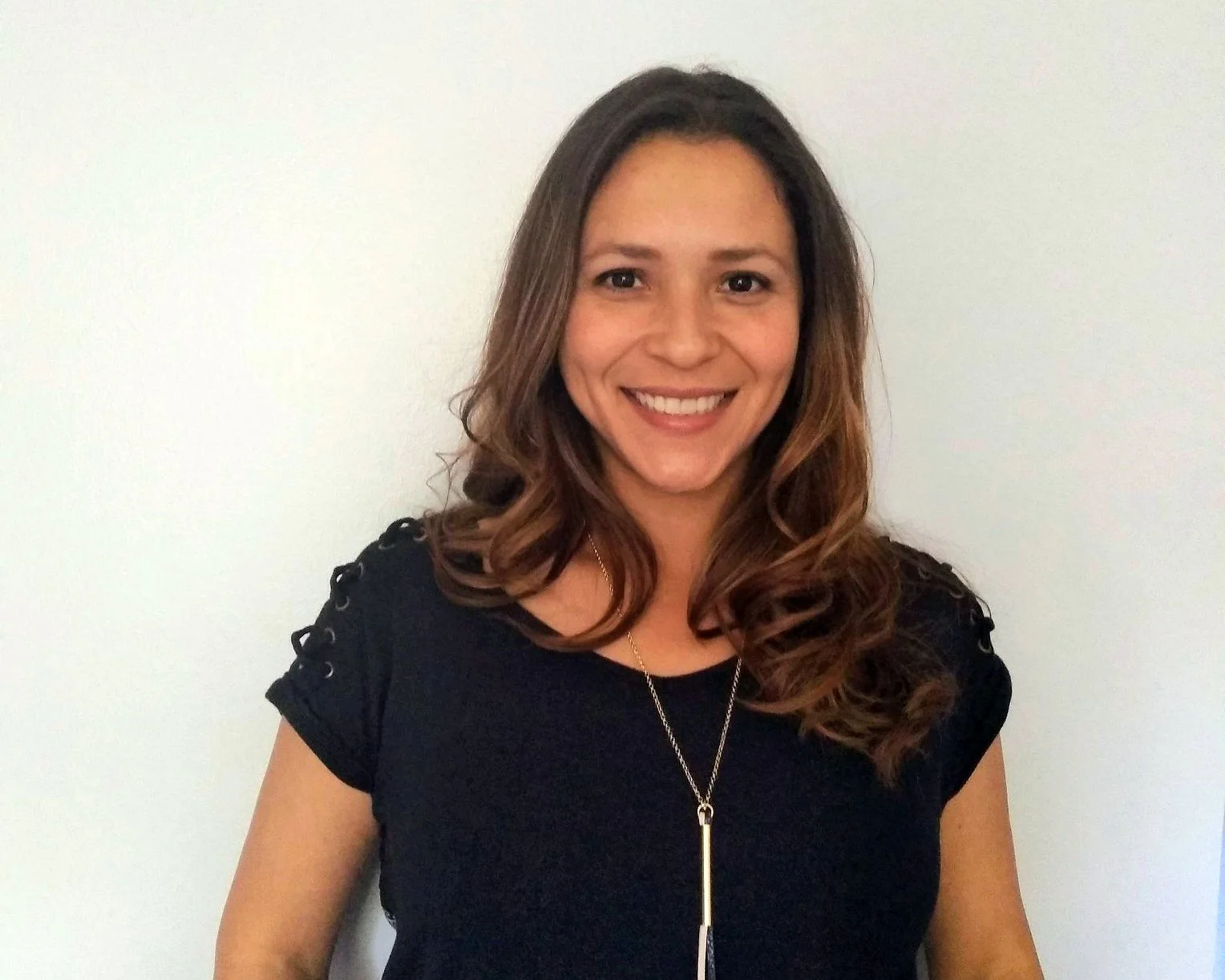





Hi, I’m the founder of Human Amplified. I’m Brandi Fleck, a recognized communications and interviewing expert, a writer, an artist, and a private practice, certified trauma-informed life coach and Reiki healer. No matter how you interact with me, I help you tell and change your story so you can feel more like yourself. So welcome!
Find More on the Blog
Topic
- ADHD
- AI
- Atlanta
- Black and BIPOC
- DIY
- FAQ
- LGBTQIA plus
- Los Angeles
- Nashville
- Seattle
- St Louis
- St. Louis
- UFOS/UAPs/ETs
- abuse
- accountability
- addiction and recovery
- adoption
- affirmations
- afterlife
- altered state
- angels
- animals
- anxiety management
- art
- astrology
- atlanta
- attachment
- awakening
- beauty
- behind the scenes
- being human
- body image
- body work
- boundaries
- brandi fleck
- breathwork
- bullying
- burn out
- burnout
- cancer
- career
- caretaking
- chakras
- channeled
- clarity-dive
- clarity-practice
- clarity-primer
- clean products
- coach
- codependency
Recent Blog Posts
Visit the Full Podcast Audio Archive

Affiliate