
Who You Become After Pain and What You Allow
Interview By Brandi Fleck
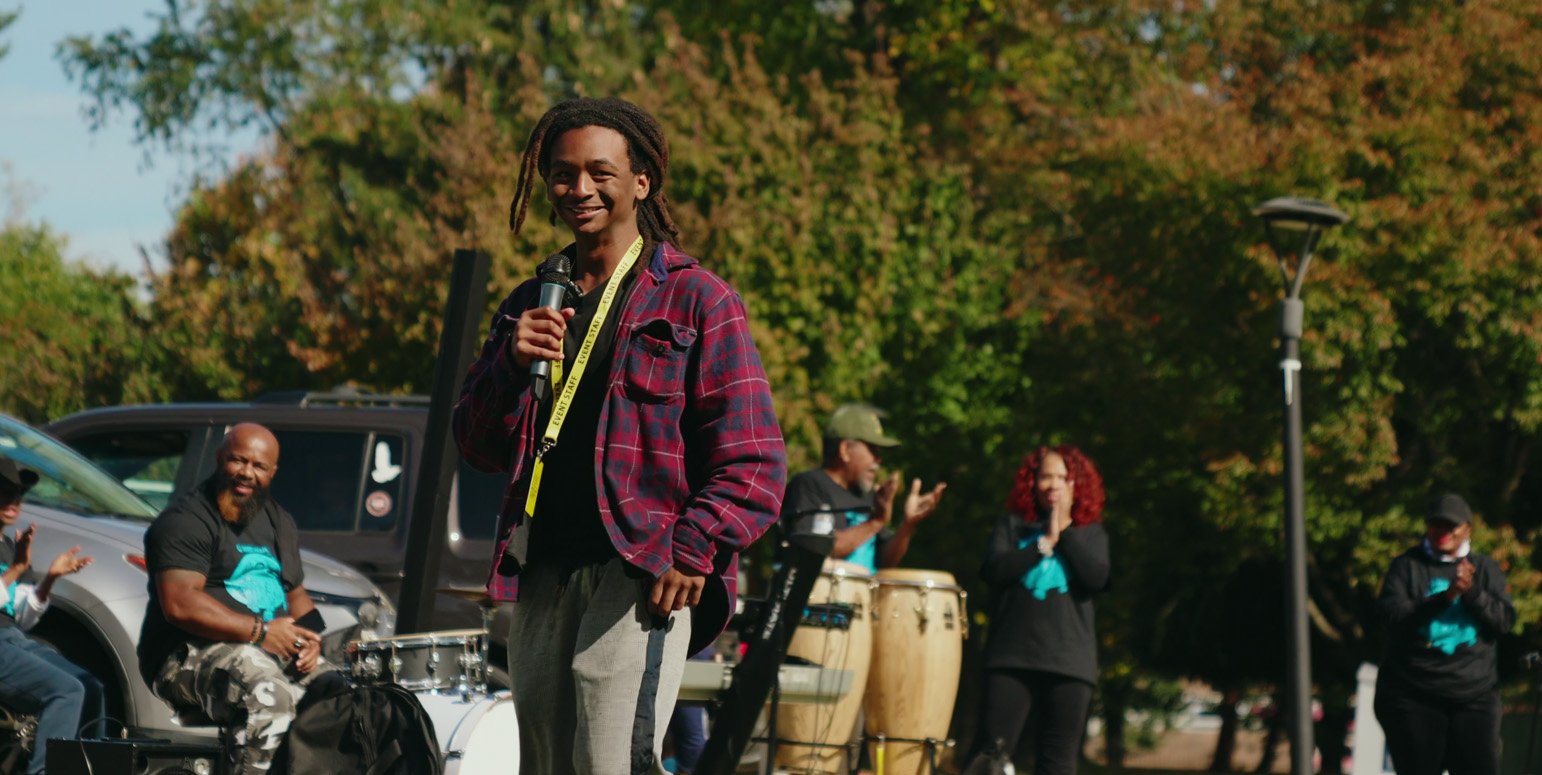
Kicking off season 7 of the Human Amplified Podcast, this is a conversation with Lawrence C. Harris on identity, resilience, and the boundaries that reflect who you’ve become after trauma.
There’s a moment in healing that isn’t talked about as much. It’s not the moment where you understand what happened, and not even the moment where you begin to feel better.
It’s the moment where you realize:
Who am I now?
Part of that is also starting to decide what you’re no longer available for. Our guest for today has been there and understands.
Lawrence C. Harris, a youth empowerment speaker and author, shares how surviving severe bullying, family abuse, and Complex PTSD shaped his understanding of identity, resilience, and what it really means to become yourself in a world that keeps trying to define you.
This conversation moves through the hidden cost of external validation, the long shadow of trauma, the grief of letting go of living relationships, and the tension between understanding your pain and actually doing the work to move forward.
If you’ve ever questioned your own worth, felt marked by your past, or wondered how to heal without losing yourself, this episode offers both emotional recognition and a grounded path toward self-respect, boundaries, and personal freedom.
Listen to Lawrence C. Harris’ Interview
Watch Lawrence C. Harris’ Interview
What It Means to Be Human and How to Find Your True Identity
Brandi Fleck: What does being human mean to you?
Lawrence C. Harris: Constantly figuring out who and what you are without the world’s opinion.
Brandi Fleck: I love that.
Lawrence C. Harris: Thank you. All of us have been taught who we should be, but a lot of times, being human means you have to figure out, do I want to be what I’ve been told I should be, or am I just going to blaze my own path?
Brandi Fleck: Everybody, today I would love to welcome to the show Lawrence C. Harris. He is a youth empowerment speaker, and I’m excited to dive in. Lawrence, thank you so much for being here today.
Lawrence C. Harris: Thank you. I look forward to it.
Brandi Fleck: We’re going to dive into some interesting topics today, but I have a follow-up question for what it means to be human for you. You mentioned you have to figure out who you want to be without the world’s opinions or without somebody telling you who you are. Have people in your life told you who you should be?
Lawrence C. Harris: Yes, a lot, for better or worse.
Brandi Fleck: Would you mind telling us about that a little bit?
Lawrence C. Harris: Sure. Starting off with the people who told me who I should be in a good way, naturally things like believe in yourself, be who you are, you can do anything—those great things, like be somebody who believes in themselves.
But I’ve also had people who told me things like, you’re not going to be anything. Whether that was family members talking bad about me, kids who bullied me growing up, strangers on the internet—there are a lot of people who try to tell you who you should be and who you shouldn’t be.
And it’s really up to you to figure out whether or not you even want to listen to any of them.
Brandi Fleck: Yeah, the good or the bad.
Lawrence C. Harris: Yeah, because if you get too attached to the good of people telling you how great and wonderful you are, you start to constantly chase it. You lose sight of your own internal self-worth because you’re chasing the validation of other people.
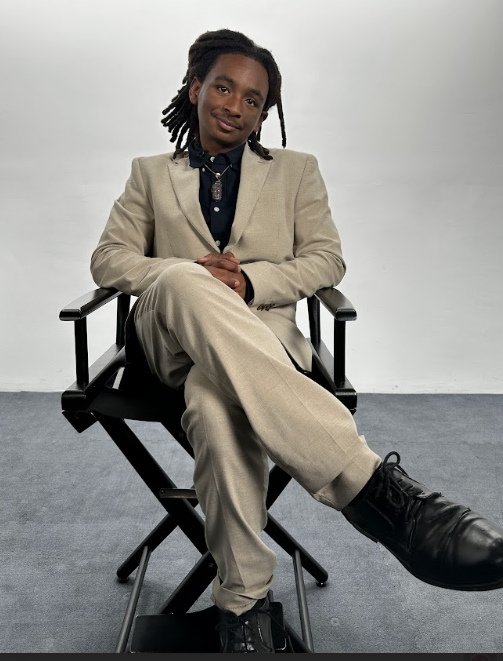
But in the same way, if you get too attached to the negative opinions and allow the bad things people say to get too deep, you will get in your own way and stop your own success because someone on the internet doesn’t like your song or your painting or your music or whatever it is that you do.
Brandi Fleck: Those are all really good points. And I love that you pointed out that if we get too attached to even the good things, it can erode our self-worth. I don’t think I’ve ever heard anybody say it that way. What else can you tell us about that?
Lawrence C. Harris: One example we can see very easily is people who are major celebrities and musicians. Think of someone like Michael Jackson. He’s not an example of someone who got too attached to the good, but just imagine having that level of fame.
He had people fainting on sight. If you get too attached to people loving you so much, the moment that one person says one bad thing about you, it will destroy your self-worth because you’ve placed it in everybody loves me.
So when one person doesn’t like you, now you start spiraling. You go from everybody loves me to not everybody loves me, and you start to see that as a really big threat.
When things like that happen, a lot of times people will find themselves getting into addictions, self-destructive behavior, because they need everyone to love them.
Lawrence C. Harris: On a personal level, you can think of it as people who were the most popular kid in high school. They had all the attention, they were on the football team—the classic movie trope.
They leave high school and get into the real world, and nobody cares that you were the football captain. Nobody cares.
Now you start to have this identity crisis because you were the most popular person, the cool one. Everybody loved you. But now you’re not in that dynamic.
If you get too attached to people loving you and thinking you’re cool, the moment that people stop thinking you’re cool, you’ll stop thinking you’re cool. You’ll do anything to try and relive your glory days.
Brandi Fleck: That makes a lot of sense. That would really take a toll on your self-worth. How do you get to the authentic part if you’ve been attached to that external validation?
How to Find Your Authentic Self After Trauma and External Validation Patterns
Lawrence C. Harris: For me, it came down to spending time alone. That can be very scary because once you spend enough time by yourself, you start to notice patterns. You start to notice things about yourself, your past, and the thoughts you’ve been having that don’t feel good to unbox.
But in order to get to the authentic you, you have to see all the good that you are and all the bad that you are.
For me, I grew up getting bullied up until about 13, and it was severe. Looking back, it did a lot of damage to my confidence, my self-worth, and how much I valued myself.
In order to grow past that, I had to look at those memories and say, that was real. That happened. Then figure out why they did that. You might never get an answer, but you have to realize that regardless of how people treated you, you’re the one who has to live with yourself.
For some people, that might mean journaling, therapy, or prayer. But the path to embracing who you truly are, despite what everyone has said about you—whether good or bad—is unique to every individual.
Brandi Fleck: Lawrence, I heard you say you were bullied up until about 13, and it was severe. I would love our listeners to get to know you more. Can you tell us what your childhood was like? What led to that bullying, and how did you come out of it?
Lawrence C. Harris: I’ve always been a very different person in all ways. As a kid, I was incredibly hyperactive. I saw everybody as my friend, for better or worse.
In my head, it made sense that if I treated people nicely, they would treat me nicely. But that’s not how it played out.
Whenever I tried to make friends, I was either too much—too talkative, too hyper, too extra—or not enough of what people wanted me to be. That led people to think I was this weird kid nobody wanted to be around.
When a group of people doesn’t like you, more people start to not like you. It works the same way in reverse—when some people like you, more people start to like you.
Because I was so different, I was always singled out. Kids would bully me, beat me up, things like that, because I was this really skinny kid who wanted to be nice to everyone. There’s nothing wrong with being nice, but people would take advantage of that.
Then at age 12, my dad became abusive to me and my younger siblings. Being the oldest, I took on the protector role, trying to keep them safe at the risk of my own safety.
At the same time, I was in eighth grade. Then the next year, right before the pandemic, he kicked me out of the house, so I began living with my mom full-time.
Then the pandemic hit, and I went into a deep spiral trying to figure out why all of that happened. He wouldn’t give me an answer, and even with years of therapy, I was still trying to understand.
Lawrence C. Harris: The answer I came to was, he won’t give you an answer, but you can make your own.
Instead of allowing all of that to hold me back, I’m going to use it as fuel to make sure other kids don’t feel the way I did.
That led me to start making YouTube videos and writing books. Fast forward five years of speaking at schools, churches, and anywhere that would have me, and now we’re here.
Brandi Fleck: So if I’m hearing you correctly, the answer you came to was that all of that happened in order to put you in your purpose. Is that correct?
Lawrence C. Harris: In a sense. What I’ve found is that people’s purpose and what they give back to the world is usually something they lacked in childhood.
For me, I was always so different, and people treated me badly for it. So I wanted to make sure other kids who felt different knew that they mattered.
Turning Pain Into Purpose and Breaking Generational Cycles
Brandi Fleck: Why give back to the world if it was cruel?
Lawrence C. Harris: That’s a great question. I had a phase where all that anger, resentment, and hatred made me want to make other people feel how I felt.
But over time, through journaling, I started to notice—do I want to keep causing more problems? Is that the life I want to live?
Eventually, I’m going to be 45 years old, and I don’t want my legacy to be that I hurt people because of what happened to me when I was younger. Even if it’s valid and understandable, eventually you have to learn to be what you wish you had.
It’s like throwing wood into a fire because the fire burned you. Instead of making other people burn, I’m going to make sure they don’t have to burn the way I did.
Brandi Fleck: It sounds like you had a choice—to harden and continue the cycle or soften and return to who you were before the bullying and abuse. So many people have that choice point. How do you even choose the better path?
Lawrence C. Harris: It’s difficult, but you have to look at all of it—the darkest things in your life.
It’s a decision you make inside yourself to keep going forward and trying.
In my book, I explain it like this: there’s a path in front of you, and there’s a giant gate. At the end of the gate is the life you want—all the great, wonderful things.
But in order to get to that good part, you have to mentally go through all the darkness.
And once you go through it, you look at it and you go—
Lawrence C. Harris: I understand why I acted that way. It’s hard to put it into words, but it’s kind of like you have to just decide, but it’s not a conscious thinking decision. It’s like this deep spiritual kind of decision where you pick a path and you commit to it.
And every time that temptation of, yeah, but you remember what this person did to you, and you remember how they made you feel, you decide, yes, but that was the past.
And you sort of have to not forgive in the sense of, I’m just going to let this person walk back into my life. But you have to forgive the people who have hurt you the most in the way of, I don’t wish them harm, nor do I wish them good. I simply wish them what happens. Good or bad, whatever their life happens, I wish them that. But I don’t wish them any harm.
And by doing that, you free yourself from it because now you’re no longer walking around with that hatred. And you can see other people who are walking around with it, and you’re not mad at them. You understand them because you used to be them.
Brandi Fleck: Gotcha. Yeah. It almost sounds like this path that you choose is one of multiple decisions, and it’s like one step at a time, and as you keep making those decisions to free yourself, you just keep getting further and further down the path.
Lawrence C. Harris: Yes, it’s exactly that. I’m trying to remember how I worded it, but if you don’t mind, after this episode, I can send you the link where your listeners can just get a free copy of the e-book that I’m referring to.
Brandi Fleck: Yeah, absolutely.
Lawrence C. Harris: Yeah, because in there, I go much more in detail on my life story and how in the world did you go from all of that bad stuff to who you are today? Because it was not easy whatsoever.
Yeah, because it was a series, like you said, it’s a series of decisions of that person did that. I feel that way. And it’s valid that I feel that way. But is it worth it to allow my anger and allow my frustration, my emotions to take me down that dark path?
Because at the end of the dark path, you’re dead or in prison. That’s how it ends. You go down the dark path, that’s where you’re headed. You’re under a bridge addicted to something. You are dead or you’re in prison. Those are the options of the dark path.
The better path, which is actually harder to take, is you have a life that you enjoy.
Why Being Different Leads to Authenticity and Self-Acceptance
Lawrence C. Harris: But in the process of getting the life you enjoy, you have to purge yourself of all that past.
Brandi Fleck: Yeah. Okay. Now, I feel like we have really touched on trauma healing in what we’re talking about right now, so I just want to kind of name that. And I would love to talk more about CPTSD and the intersection of CPTSD and autism, which I know you’ve spoken on.
Before we go there, you mentioned that you’re different. Can you describe for us how you’re different?
Lawrence C. Harris: Well, aside from being autistic, one thing that I love to do for fun that no one else in my family does is my favorite hobby is fishing.
And I’ve never really been into sports whatsoever, even though most of my family is. But when it comes to something like spending eight hours in complete silence at a lake fishing, I love it because I can just be there.
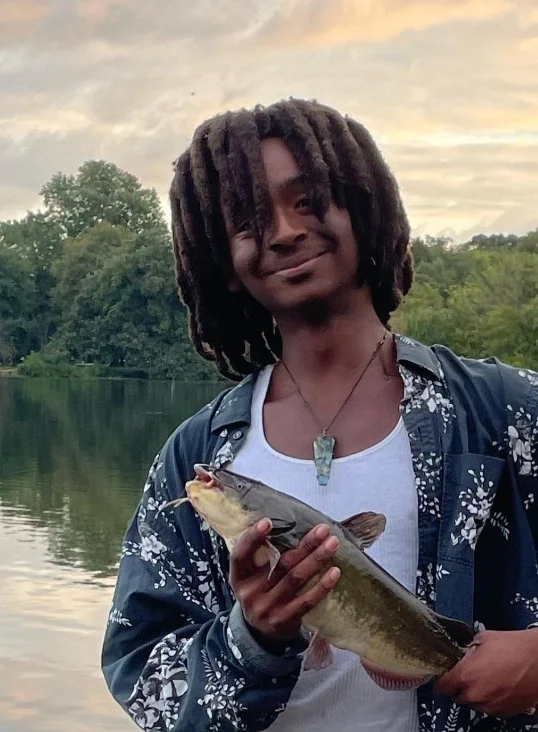
I don’t have to worry about what’s going on in the world. I don’t have to worry about money or relationships or just anything at all in life. It can just be me and the water.
Brandi Fleck: Yeah. Okay. So I’m hearing you say that you have big differences in hobbies from your family. So I can imagine that that might come with pressure to be more like them or to enjoy the things that they enjoy.
Lawrence C. Harris: Yeah, or maybe even not understanding why you enjoy the things you enjoy. My entire life, I’ve always had that about me. And they weren’t trying to necessarily pressure me into being more like them. It was just people don’t understand what they don’t understand.
And people like what is familiar.
So when I said, hey, I’m going to go fishing, they looked at me like I had three heads. Because what do you mean you’re going to go fishing in the middle of the city? Well, the city has a lake with fish in it. I’m going to fish at the lake.
My office has automatic lights.
Then back when I was in high school, because my school was about a mile from that lake, instead of going to school and then going all the way back home and then going to the lake after all of that, I would just take my fishing rod to school and put it inside the principal’s office and then get it after school and go fishing.
And people looked at me crazy for that. And I said, well, there’s no rule saying that I can’t.
Brandi Fleck: Did any of that bring on bullying?
Lawrence C. Harris: Well, by that point in my life, I had just learned to embrace who I am and what I do. And people just stopped caring in a way. They still cared and tried to make fun of me, but I could see in them that the reason why they were doing that was because deep down, they were kind of afraid to be themselves.
And it’s easier to try and bring someone down than it is to meet them at the level of authenticity that they are.
Because, like I said, to become more authentic, you have to take three steps back to take a leap forward.
What Is CPTSD? Symptoms, Flashbacks, and Trauma Recovery Explained
Brandi Fleck: All right. Let’s pivot now into CPTSD. Why is this something that you talk on, and what is important for us to know about it?
Lawrence C. Harris: Well, the reason I talk on it so much is because when I was 12, I was diagnosed with it.
And the interesting thing is people hear PTSD and they’re like, well, what’s the C? It’s just there for the word complex.
So PTSD, the classic example is a war veteran who goes about their day, everything is normal, you don’t really notice, but then you pop a balloon and they have a flashback of when they were in the middle of a war and they kind of jump behind a couch.
If you’ve ever seen that, the movies don’t really clearly show how it truly affects a person’s life when they’re in a flashback. But I recently saw a video of this cop who was called to help this war veteran, and in order to get him to cooperate, he had to speak to him in military terms because he was mentally and physically back in a war zone.
That’s what it really looks like when someone’s in a true flashback.
Now, what CPTSD is, is that, but rather than it just happening when you’re triggered by something, it ties into your emotions. It ties into how you manage relationships. It ties into every single aspect of your life.
And anyone who reads that e-book, they’ll see how I break down every symptom, how I manage it, how it played out in my life, a bunch of stories, and ultimately how, in order to live with it, it’s a 24/7 thing you have to manage. Because I decided not to take medication for it since the medication has some crazy side effects.
And when I was still back in therapy, I was trained with this thing called cognitive behavioral therapy, which teaches you how to notice a thought, notice an emotion, notice a memory, and feel it, but not allow it to control you.
And when those flashbacks come up, you might see brown carpet, and I remember getting beat on brown carpet, and I would become 12 again. It wasn’t like, oh, I’m just afraid and I’m nervous. No, it’s you’re 12 years old again, back in the house.
And because it’s not spoken about in a way that not only brings awareness to it but also doesn’t make us seem like we’re just these scary monsters waiting to happen, I decided to let it be known, hey, here’s my experience, here’s what I dealt with, and here’s what it’s truly like. Because the movies, that’s not really accurate.
Brandi Fleck: Yeah. Okay. Well, I appreciate you trying to explain your experience of it to us. I’m a trauma-informed coach, and I do a lot of work with trauma recovery. I don’t diagnose or treat or anything like that, so I’m not a therapist. But I do have clients who have been diagnosed with CPTSD.
And I have recently, well, a while back now, been following some research where we’re starting to look at it more as a brain injury as opposed to a disorder. What are your thoughts around that?
Lawrence C. Harris: That is a very accurate way to think of it because CPTSD is usually caused by a series of very traumatic things over a long span of time. And stuff like that does physically change your brain.
So the part of your brain that controls things like fear, fight, and flight reactions—your amygdala—it becomes larger. It physically grows.
So something like a simple bump in the night, you might think, oh, I heard a bump in the night. That’s pretty scary. But to somebody who has CPTSD and it was caused by a home break-in, they think that it’s a robbery. But it was simply just their cat knocked over a vase. But to them, they’re back in that robbery situation.
So to somebody looking at it from the outside who doesn’t know, they can interpret that the person is overreacting. But the person is not overreacting. That’s just what their brain is wired to do until they do the inner work to essentially rewire it.
Brandi Fleck: Yeah. And I’m glad that you mentioned rewiring it because looking at this like it’s an injury as opposed to a disorder says to me, well, you don’t have to live with this forever necessarily. It can heal. And so what are your thoughts around healing it as opposed to living with it forever? And how does the rewiring help with that?
Lawrence C. Harris: So a good analogy I can make for it is imagine if you broke a bone and you put a cast on it and it heals. It’s healed, but if you look really close, you can see that it’s not the original bone. There’s a slight difference in how it’s reshaped. But overall, it’s pretty standard. It works.
Now, when thinking of rewiring it, in my experience at least, it’s not that you go 100% back to how you were before, but you get very close and you learn how to better regulate and manage it.
Because yes, your fear response and things like this will always be more heightened than the average person’s. But when you learn how to manage it and control it, you very rarely have one of those full-blown flashbacks, the better you get with managing it.
And obviously, it varies person to person because some people go from 10 flashbacks a day to two. Other people go from 100 flashbacks a day to 50. So it’s all different for the person, but overall, it can get better.
Brandi Fleck: Yeah. Okay. I feel like that’s good news. And it does take time, though. How long have you been living with this and kind of rewiring your brain? So—
Lawrence C. Harris: In total, about eight years.
Okay. Now, I would say the point where I got good at managing it—and this is a combination of therapy, daily journaling, exercise, emotional regulation, like I went very extensive on figuring out what worked for me—I would say after about three years of doing that, I became really good at managing it.
Grieving a Parent Who Is Still Alive and Setting Boundaries
Lawrence C. Harris: Now, after about six, I got to a point where I was able to—if I’m going too deep into it, one thing that my dad used to do was he would just randomly text out of the blue. And when this would happen, I would get really mad about it, like, why are you trying to still talk to me?
And then the last time we spoke was in 2024. Yeah, it was June of 2024. He had texted me a day or two before my high school graduation. And he sent a long message about, I’m so proud and I know how hard you work and all this stuff. Mind you, everything else that happened prior to this, and I hadn’t seen him in years because of a restraining order.
So the old me would have gotten super angry and mad and just spiraled about it. But I told him something along the lines of, I forgive you for the impact that you did not know that you would have. However, I wish you the best, but I do not wish you any harm. I want you to eat, but I don’t want you to eat at my table. Have a blessed life.
And then I blocked him. Haven’t spoken to him ever since and have zero intent to ever speak to him again.
But the thing about it was I did that without being mad, without going into a flashback, without spiraling over it.
Brandi Fleck: Yeah. So it gets a lot better with time.
Lawrence C. Harris: It gets a lot better with time. You just have to commit to doing the work in the moment. Because it’s really easy to manage it when you’re not actively in a triggering situation. But when those triggers pop up, you learn to catch it before it starts spiraling.
Brandi Fleck: That makes a lot of sense. Yeah, absolutely. Wow. I think it’s really important to repeat what you said there, that you were able to draw that boundary without being mad in that moment. It was more like, would you say, an act of self-love?
Lawrence C. Harris: Yeah. It was both because after a certain point—I say this despite being 20, but I think a lot of people are going to understand this—at a certain point in life, and it varies for every person, you start to realize that most people are kind of like kids in a big body.
And you realize that a lot of times the people who hurt you genuinely don’t know why they did. It’s like when a kid touches a stove and you ask them, why did you do it? I don’t know. Well, you have to know why you did it because you did it. I don’t know. They genuinely don’t know why they did it.
They could have just been angry in that moment. They could have had a really hard day. They themselves likely had a lot of childhood issues and trauma that they never dealt with, so they took it out as adults to make themselves feel more powerful, but they don’t consciously know that’s why they did that.

So it’s part me having self-love for myself because I’m not going to allow this outside thing to have more influence over me now than it has to. But it’s also an act of loving one’s enemy because you realize that that person themselves really didn’t know why they hurt you, but they did.
And that person has to live with knowing that they did what they did. So there’s no use in you tearing them down even more than they already tear themselves down.
Brandi Fleck: Yeah. Wow. Yeah. Love just all around then.
Lawrence C. Harris: Yeah, because none of us are perfect. Every single person on the planet has hurt someone in some way, somehow, at some point in their life, and they genuinely did not know at the time why they did what they did.
There are major things. There are minor things. You could have simply cut somebody off in traffic, and they’re thinking that you purposely did it, and they make this whole elaborate story in their head about how you’re the most evil person ever, but really you were in a rush and you didn’t even mean to cut them off.
You might have gotten into an argument with somebody, and the entire reason that argument started was because of something that happened three years ago that you two never addressed, but it had this underlying tension, and you didn’t even know that’s why you got mad at them.
So sometimes the best act of self-love is not to hurt the other person.
Brandi Fleck: Yeah. Okay. This is all really interesting, and there’s a lot that I want to ask you. I didn’t think we were going to go here, but now learning that—it’s safe to say that you’re estranged from your father. You’ve gone no contact. Can you tell us a little bit about what the experience of grieving someone who’s still alive is like?
Lawrence C. Harris: That’s the first time someone’s ever asked me that, and that’s a great question.
It’s an odd feeling because when someone passes away and you know they’re dead, you know that person is never coming back.
When that happens, you start to remember all the best, most wonderful times ever. And that person, they could have been the worst person on the face of the earth, but when you’re grieving a dead person, somehow then they become the best person ever.
But in a case like this, it’s more like, at first, I just didn’t want to let go of that childhood fantasy of this person can get better.
Letting Go of Toxic Family Relationships and Redefining Roles
Lawrence C. Harris: They can change, which is true if the person themselves actively decides and does the work to change. Because you can’t change anyone. You can help them. You can try to stand them on the right path. But the phrase is, you can lead a horse to water, but if it doesn’t want to drink, it’s not drinking.
You can put the water in the horse’s mouth. If it doesn’t want to drink, it will spit it in your face. And if you keep trying to help someone who keeps spitting in your face, sometimes you just have to realize that I have to love myself enough to let go.
And then there naturally comes a part in life when it comes to parents. People say things like, yeah, but that person’s your dad. They’re your mom. They’re your grandma, grandpa, uncle, which is true biologically. But a parent isn’t just a biological relationship. It is an active role.
There are people who have biological parents, like an orphan, but their grandma is their mom or the lady down the street is their mom. They could be living with their parent, but their parent is somewhere physically outside the home.
So when I realized that, I had to just accept that you can love someone as a person, and you can love them because they’re human, but you also have to love yourself enough to know that even if that person is your parent, aunt, uncle, grandma, sister, brother, cousin, best friend from third grade, you have to love yourself enough to stop hurting yourself by being around people who aren’t treating you right.
And there were days when you start to miss that person. You might catch yourself thinking about sending a, hey, how have you been? Because you’ve done all this work to become better, so you assume that they did too, but that’s rarely the case.
Brandi Fleck: Gotcha. Yeah. So I hear you say that it’s about recognizing the roles that people play, kind of letting go of your attachment to those roles, and accepting what is and loving yourself enough to not put yourself in a situation where you’re being hurt.
Lawrence C. Harris: Yes.
Brandi Fleck: Okay. Well, thank you for explaining those things. I know some of this is really personal, and we’ll definitely put the link to your book in the show notes for everybody to go check out if they want to learn more about your life story and how you’ve been handling these things.
C-PTSD and Autism: How Trauma and Neurodivergence Intersect
But I want to ask you too, I’ve seen some research that says CPTSD or trauma can cause changes in the brain that are similar to autism or ADHD. Do you find that to be true? And do you experience differences between autism and CPTSD in daily life?
Lawrence C. Harris: Yes. So firstly, the difference is, in being autistic, I have this—because autism is less of a spectrum and more of this giant wheel where you plot different things on.
So some people are completely nonverbal and they can’t talk, but they’re math geniuses. Then you have people who can talk, but they have trouble with things like fine motor skills. For example, one of the ways that my family figured out I had autism was I couldn’t tie my shoelaces until I was nine years old. I could physically move my hands, but I could not do the hand-eye coordination to tie a pair of shoes.
Brandi Fleck: Gotcha.
Lawrence C. Harris: And then when it comes to things like CPTSD, one of the main things there is impulsivity. So when you combine that with autism, you become this very easily excited, impulsive person, which, if you don’t know how to manage it, leads to a very high chance of addiction.
That makes sense. Now, the brain changes part is really interesting too, because one of the things about autism that I originally found out was when you do brain scanning on people, there’s this thing called neuron pruning, I believe that’s what it’s called.
Where as a baby, you come out of the womb and you have all these neurons and brain connections. And your brain notices stuff. It’s like, hey, these are ones that we’re not using. We’re going to remove that so that we conserve energy.
And people with autism have a lot more of these connections. The best word to describe it is there are just more of them.
So our brains get lit up by things that we find interesting, and we can get absurdly knowledgeable in a thing that we’re interested in. And that amount of mental energy and imagination and being able to picture something in our head so vividly—with CPTSD, when those flashbacks kick in, it’s like the visuals, the sounds, the colors, the feelings, the impact of something, the wind on your skin—you feel it so much more deeply.
And in a good way, it makes life a lot more colorful. But when you get afraid of something, when you get scared of something, when you have a thought in your head that goes, what if? You see the what-if thing happen.
Brandi Fleck: Gotcha. So the intensity of things is heightened. And from what I’m hearing, from your experience, the connections are a similarity, like there are more connections to certain things.
Lawrence C. Harris: Yes. And also the part of the brain—it’s called the prefrontal cortex—which controls your ability to think, socialize, and just be a person around other people. In people with CPTSD, over time, especially when the trauma happens over a very long span, that part of the brain becomes smaller because you’re not operating in calm thinking mode. You’re operating in pure survival.
Which also is why the amygdala becomes bigger, because that’s the part of your brain that says, hey, that thing might kill us. We need to worry about that.
Brandi Fleck: Okay. So the impulsivity is a similarity.
Lawrence C. Harris: Yeah.
Brandi Fleck: Okay. Okay.
Resilience and Trauma Healing: Why People Stay Stuck and How to Move Forward
Brandi Fleck: Well, this has been really enlightening, and I do appreciate you sharing this. And I would also like to name that kind of the theme of what we’ve been talking about today, even though we haven’t said it yet, is resilience.
So I know that you speak to youth and you do a lot of work with groups of people. What are you seeing culturally around resilience right now?
Lawrence C. Harris: Well, there are two things that are standing out a lot, and they’re kind of polar opposites of each other.
On one side, you have the people who just say to try harder and work harder, the 3 a.m. David Goggins motivational addicts, which I like them. It’s nothing against them. It’s just people take that kind of thinking of if I just keep running and trying to outwork my problems, that’s when it’s solved.
Now, the issue with that line of thinking is you never address the root. You never address the real root cause. You might change your habits and change what you do, and now you’re reading books, going to the gym, studying, which is great. But if you never address the root problem, it’s always there haunting you in the back of your head.
The other side are people who, for lack of better words, just stop trying. And with this, I mean that they allow the past to completely define them and stay stuck in it and wallow in it. And I was one of them, so I understand why.
Because this person did this thing, it was really traumatic, and it hurt me a lot, so I feel this way because of that. Makes sense. And everyone has to have that period where they process it and look at it and just feel how they feel. But you also have to do the work to move forward.
So people need to find this balance of feeling how they feel and processing, but also doing the work, whether that work is clinical therapy, hiring a coach, meditation, journaling, going to church, whatever it is for them that helps them move forward.
But with social media too, you look on Instagram and TikTok, and nobody has problems. Everyone has the best life ever. Everyone is traveling the world. They have the best relationship. They have the best body. They have the best of the best of the best.
So people see this and start unknowingly comparing. No one else has problems. I’m the only one with problems. I must have the worst life in the world. But no, people just post what they want to. They post what they want you to see, not what their life really is.
Brandi Fleck: Let me summarize, because I want to make sure I’m hearing you correctly. So you’re saying that there are these two camps of people. One camp tries to work, work, work and push through their problems that way, and that’s their definition of resilience. And then there’s this other group that maybe isn’t so resilient because they’re stuck.
Lawrence C. Harris: Well, the best way to describe that group isn’t necessarily stuck, but not necessarily wanting to do the work, because it’s easier to stay where you are than to take the steps.
And it’s understandable why people don’t want to take those steps because, like I’ve repeated many times, it’s hard to do. But when you do it and you take one step and then at some point you take another step, you get stronger day by day.
It’s not that we need to have a black-and-white, overnight light-switch moment. It’s more of going inch by inch until you get to a mile. And now you can start taking full steps. And you can start walking and then running and jogging. And you become more resilient.
You become resilient by doing the work. Because with every challenge you encounter and every challenge you overcome, now when you come to that same roadblock, it gets easier.
Brandi Fleck: Gotcha. Okay, that makes a lot of sense. So these camps that you’ve described are different ways of resisting getting started maybe, but then once you get started, you get more and more resilient over time. It’s like a muscle, I’m hearing you say.
Lawrence C. Harris: Yeah, because you have people who love to do the work in the physical. I’m going to start going to the gym. I’m going to read a book. I’m going to study. I’m going to play a sport. That’s the work in the physical.
Then you have people who do a lot of work in the naming of the problem. I’ve identified the problem. I understand the problem. I can describe to you in perfect detail why I’m this way. But they don’t do the work that is required of, okay, I’m going to clean my room. Start that simple. I’m going to clean my environment. I’m going to start journaling about how I feel. That way I can be less stressed out. I’m going to join a social club. That way I have friends and people who I can talk to and I’m not so isolated.
So the two camps are, I’m going to do all the work and try to outrun the problem. The other one is, I’m going to sit in the problem and understand it and figure it out, but not do the stuff to move forward.
And the balance is, understand your problem, name it, figure it out, but also do the work to move forward in a healthy way.
Brandi Fleck: Gotcha. Okay. Yeah. So the balance. That’s wonderful.
Personal Empowerment: How to Take Responsibility for Your Life
Brandi Fleck: And Lawrence, I’m going to give you a chance to give us your website and all that in just a second, but is there anything I haven’t asked you that you feel is important to share?
Lawrence C. Harris: Well, this isn’t a question, but it’s just a thought that came to my head that I want people to take away and remember this: Wherever you are, there you are.
So wherever you are, ask yourself, is this the spot I want to be? Because that’s where you blame yourself. The kind of money that you make, the health, the people you’re around, your habits, your behavior—wherever you are physically, mentally, spiritually, emotionally, financially, there you are.
And you’re the one who has the power to be somewhere different.
Brandi Fleck: Beautiful. Okay. Lawrence, where can we find you and your work?
Lawrence C. Harris: I make it very easy for people. You can just find me at Lawrence C Empowered on Instagram, TikTok, and YouTube.
Now, if you’re an event coordinator, principal, or anyone like that listening to this, you can email me at LawrenceCHarris.com. That’s also my website.
Brandi Fleck: Fantastic. Yeah. And they would email you to schedule you for a speaking event or something like that?
Lawrence C. Harris: Yeah.
Brandi Fleck: Perfect. Okay. Lawrence, thank you so much for coming on the show today. It’s been fantastic meeting you.
Lawrence C. Harris: Thank you. I loved it.
Join the conversation!
Feel free to share your own experience and let me know if you have any questions in the comments.
Related Posts
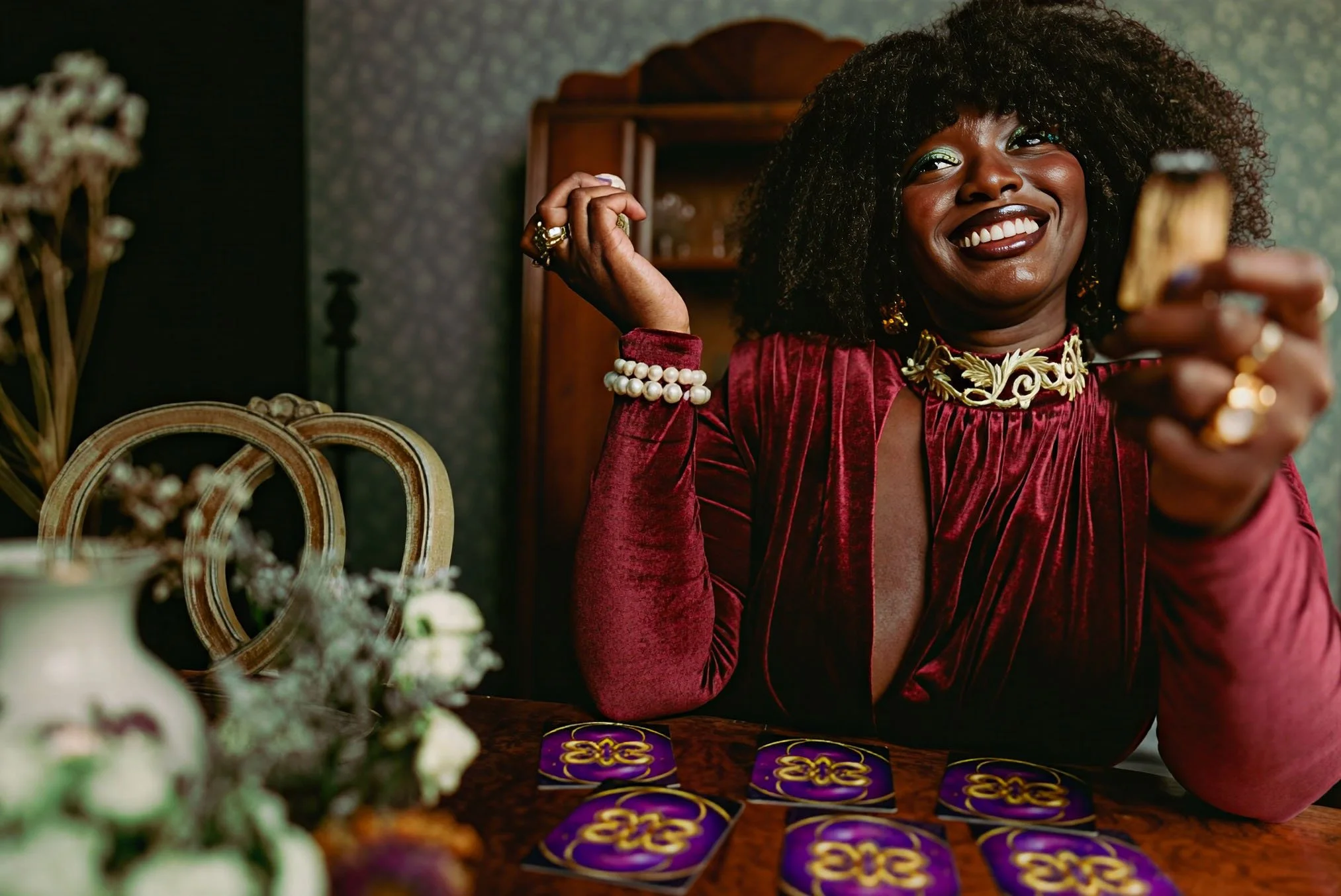














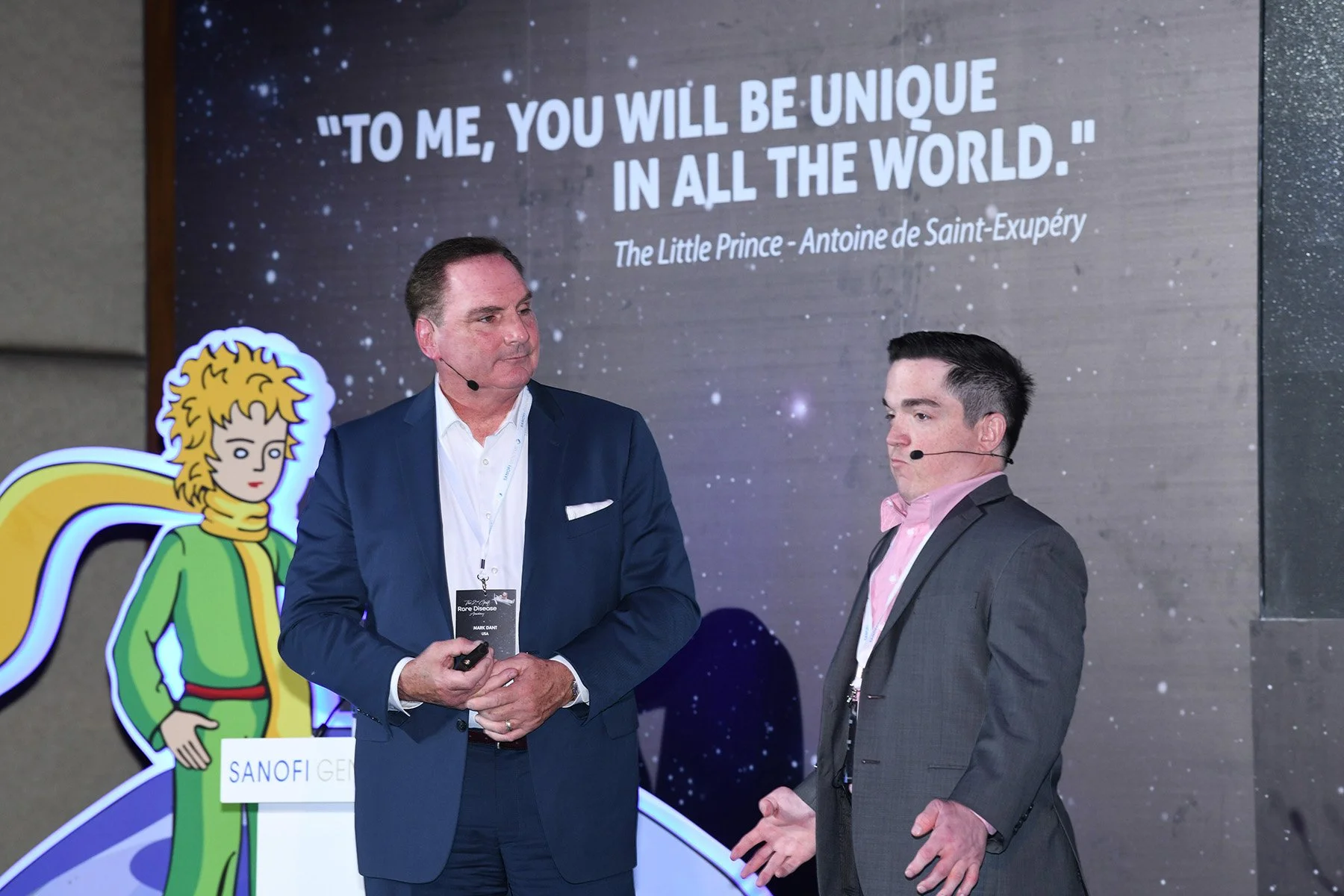

Hi, I’m the founder of Human Amplified. I’m Brandi Fleck, a recognized communications and interviewing expert, a writer, an artist, and a private practice, certified trauma-informed life coach and Reiki healer. No matter how you interact with me, I help you tell and change your story so you can feel more like yourself. So welcome!
Find More on the Blog
Topic
- ADHD
- AI
- Atlanta
- Black and BIPOC
- DIY
- FAQ
- LGBTQIA plus
- Los Angeles
- Nashville
- Seattle
- St Louis
- St. Louis
- UFOS/UAPs/ETs
- abuse
- accountability
- addiction and recovery
- adoption
- affirmations
- afterlife
- altered state
- angels
- animals
- anxiety management
- art
- astrology
- atlanta
- attachment
- awakening
- beauty
- behind the scenes
- being human
- body image
- body work
- boundaries
- brandi fleck
- breathwork
- bullying
- burn out
- burnout
- cancer
- career
- caretaking
- chakras
- channeled
- clarity-dive
- clarity-practice
- clarity-primer
- clean products
- coach
- codependency
Recent Blog Posts

Visit the Full Podcast Audio Archive

Affiliate


Spiritual practice can bring calm, clarity, and self-awareness, but it can also become a polished way to avoid what still hurts. In this guest article, Pat Crilley explores spiritual bypassing, emotional suppression, and how to tell the difference between true healing and performing peace.