
Nutrition Science: Why Healthy Eating Feels So Confusing Today
Interview By Brandi Fleck
A nutrition scientist breaks down why healthy eating feels so complicated—from processed foods and diet myths to the hidden forces shaping how we eat.
Healthy eating should be straightforward.
Eat real food. Take care of your body. Feel better.
So why does it feel so confusing?
Somewhere between conflicting nutrition advice, evolving science, and the realities of modern life, something simple became overwhelming. What used to be intuitive now feels like a constant negotiation between cost, time, culture, identity, and information you’re not even sure you can trust.
In this conversation, nutrition scientist Dr. Mandy Willig brings clarity to the noise. From the myth of food addiction to the truth about processed foods and the deeper systems shaping our choices, this isn’t about perfect eating. It’s about understanding what’s actually happening and what really matters.
Listen to Dr. Mandy Willig’s Interview
Watch Dr. Mandy Willig’s Interview
Part of Being Human is Finding Joy in Everyday Life
Brandi Fleck: Mandy, what does being human mean to you?
Dr. Mandy Willig: That’s such a great question. I think for me, being human means taking time to enjoy those small bits of joy in life. It’s those moments where your kids had a good day at school, or you just finished a great book and you have that happy moment knowing that you finished it, that first bite of a really great pasta dish. It’s taking time for those little moments in such busy days. And I think the other part of really being human is being someone who wants to also create those moments of joy for other people, so they’re getting little bits of happiness throughout their day as well.
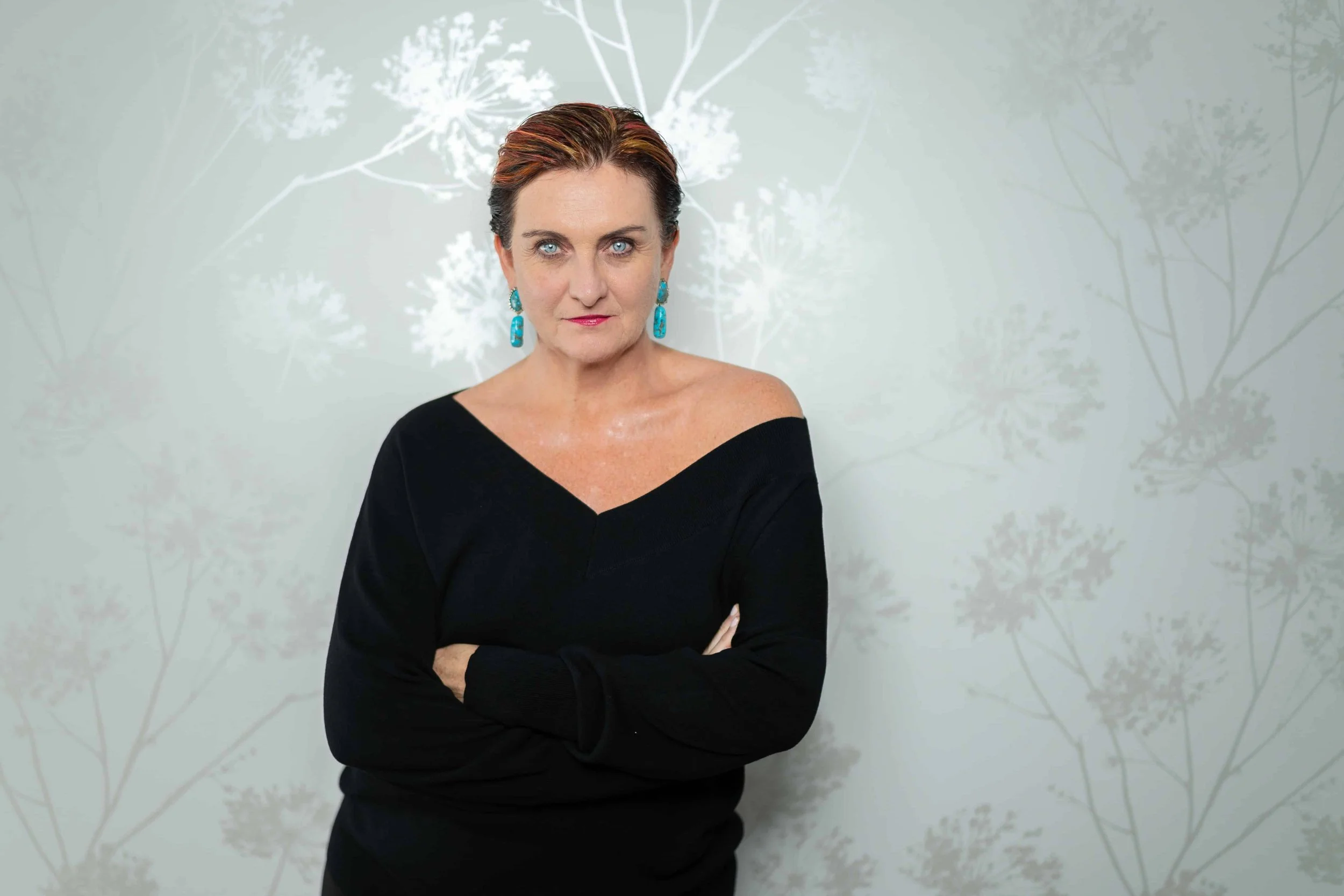
Brandi Fleck: Everybody, today we are welcoming to the show Dr. Mandy Willig. She is a nutrition scientist and a registered dietitian coming to us based out of Dallas, Texas. I’m really excited for this conversation as we are going to dive deep into the food system and food science. So Mandy, welcome to the show.
Dr. Mandy Willig: Thank you so much, Brandi. This is a fantastic podcast to be on to talk about something like this.
Brandi Fleck: I’m so glad you’re here. And this kind of deep dive is really important. I’ve got so many questions for you, but before we dive in, can you just tell us, who are you?
From Family Heart Disease to Nutrition Science: A Personal Health Journey
Dr. Mandy Willig: Sure. As you mentioned earlier, I’m a registered dietitian and a nutrition scientist. I actually ended up on this path because I grew up in a really small town in North Louisiana, about 1,500 people. What we didn’t know until I was a bit older was that my family suffered from genetic heart disease.
My father had his first heart attack when he was 38 years old, very early. I was eight years old at the time. I didn’t understand what was happening, but we realized through that and looking back at family history that our family had something called familial hypercholesterolemia, which basically means our genes make us produce too much cholesterol in our bodies. Another section of my family also has another genetic heart disease as well.
So my father had his first heart attack at 38. My aunt passed away in childbirth with a heart attack when she was 38. My grandmother, my father’s mom, passed away from a heart attack when she was 40. And when you look back further, there’s a similar history, all the way to one of my cousins having a heart attack when he was 15.
Very early on, my family had to be very aware of what was going on as far as our lifestyle, medications, and anything that we could do to promote heart health. That sort of set me on a path to say, how can I combine all of these things that I’m seeing? This work in the hospital where they saved my father’s life, these medications that they put him on that continued to save his life all the way until he was 76 years old.
At the same time, knowing that there were things I could do outside the hospital—lifestyle, nutrition, exercise—those kinds of things. As a 10-year-old, when I was diagnosed with high cholesterol, I was a super active kid running around. The doctors wanted to put me on medication because they were having trouble getting my cholesterol levels to go down.
They said, as a last resort, not really meaning for anything to come from it, we can let you see the dietitian. Then we’ll have checked all the boxes before we have you start taking a statin. At this point, I was 12. We went to this dietitian, and she was amazing. She really helped my mom get some good information and advice.
This was the time when food companies were trying to get around a lot of the low-fat recommendations by adding trans fatty acids into foods. We’ve heard about what that does. My mom was buying some of those products, trying to replace things we had been snacking on, like apples and cheese.
This dietitian was amazing. She said, I don’t think these products are all they’re cracked up to be. The makeup of these products is a little suspicious. Let’s talk about getting this kid into some of these regular foods that she likes. That she eats.
My cholesterol was able to come down enough that I did not go on medication at that point in time. That was really what transformed it for me—to see how you could come in and make a meaningful impact on someone’s life.
That led me on this path to go into nutrition. Then as time went on, as an adult working as a dietitian, I saw that people were getting sick at younger and younger ages. I went into working in long-term care and rehabilitation centers where we were trying to help people get healthy enough to get back out into the community. It was really a struggle.
These were individuals in their 40s and 50s. That ended up taking me into the research path and saying, how can we figure out ways to get the information that we’re learning in laboratories matched up with the knowledge and the social capacity for people to actually follow some of those things we’re finding and keep them healthier for longer?
We can help someone live for a really long time these days. We have the technology. We can help you live into your 80s, into your 90s in many cases, but are you living well? I think that’s the big focus of what a lot of people are trying to figure out in nutrition science right now. It’s not just to help you live. What’s the point of that? But to help you live well and be healthy as long as you can.
Brandi Fleck: Wow, what a journey and a life purpose, it sounds like. This was a calling for you. Would you say that?
Dr. Mandy Willig: I would say it very much has been. Getting to see those twists and turns that come whenever someone is facing their own struggles with health problems or just with food and nutrition in general, and that moment when someone gets it—when they say, okay, this is the way I can fit this into my life so that it works for me and works for my family—is pretty rewarding.
Why Food Becomes Identity: Emotional and Psychological Connections to Eating
Brandi Fleck: I bet. I’m very curious. Let me throw this out there—food seems like an innocuous topic. It’s something we all partake in. We have to have it. Most people love it. When you get right down to it, there are some controversial things about it, and people feel really strongly about certain foods and how to eat.
So what is the biggest elephant in the room around food that you can think of?
Dr. Mandy Willig: There are two things that are very closely tied together. The first is what you just said—that people have very strong emotions around food. I think in many cases, certain nutrition practices, diets that you follow, things like that, really become a form of religion for many people.
Whenever you have something take over that level of significance or importance in your life, it becomes very hard to change your mind as new pieces of evidence come out. It becomes very hard emotionally to admit that if something doesn’t work for you, the problem isn’t with you personally. It was just that that program or style didn’t work for you in your lifestyle.
Whenever you conflate something with the level of a faith-based practice, you’re going to feel a sense of personal responsibility when it doesn’t work for you as well as it does for someone else.
So I think the big thing for us is trying to help people understand that food can do so many things. It can help you in so many ways in your life, but it’s not a miracle worker. Food cannot do all things all the time for all people.
There will be times when you need other interventions to help you out, whether that’s from the medical profession or other avenues in life. There will be times when food is not going to be your answer. There will be times when something works really well for your three friends, and it’s not going to work so well for you. And that’s okay.
It’s not because you did something wrong. It’s because that just wasn’t the right fit for you right now, today. Trying to get people past that level of commitment would take some of the fear and frustration out of what people feel with food every day.
Brandi Fleck: So food becomes a faith-based practice and people internalize whether or not they get results from it.
Dr. Mandy Willig: Exactly. And how you present yourself to the world. I’ve had situations where clients have really let something become their identity, their daily practice. The way I eat is a part of who I am. They present themselves to the world, whether it’s through social media, talking to their friends at church or book club.
Then if they do have a new health condition develop or a health crisis where the food couldn’t fix the problem, that can be emotionally devastating. They’ve wrapped their whole identity up in it. They sometimes feel like they don’t have anyone to talk to because they’ve been the hype person for this way of eating to all of these people.
They can’t out themselves and say it didn’t work for me. So there’s all this internalized shame and frustration that they can’t necessarily share with their social group. It can be a real challenge.
Food, Culture, and Family Traditions: How Eating Habits Shape Identity
Brandi Fleck: That is a really interesting insight that has come up really fast, that food can kind of fuse with identity. That’s a big deal. On a personal note, my family has roots in Appalachia. West Virginia is where I’m from, where my family’s from. When you’re talking about these examples of people who it’s kind of fused with, I almost feel like they live healthy lifestyles or want to live healthy lifestyles. And with my blue-collar roots, it’s kind of different. When you’ve got a background of poverty, your identity can still fuse with the food. What are your thoughts around that side of things?
Dr. Mandy Willig: I think you’re bringing up an incredibly important role that food plays in culture and how your identity plays into the food that you want to eat and that you feel like you’re supposed to eat, right? Whenever I work with someone, and I totally get what you’re saying because, again, I grew up in a small town in North Louisiana, there’s almost a pride in the foods that you have, that you grew up with, and how you’re expected to serve families around different mealtimes, right? That is so key.
And that’s not just related to the cultures that we grew up in. Every single person I work with has a food history, has a cultural identity that plays into what they are willing to do. Are they willing to eat in a way that they feel respects their roots, respects their history? Or do they feel like the way that we’re asking them to eat is also asking them to abandon their culture, abandon who they are?
Whenever you’re working with a dietitian, or really anyone, you want to look for someone who is going to actually respect your heritage. That could mean that you have family with Spanish roots, with Eastern Asian roots. It can mean that you have family with Southern U.S. roots, Northeastern roots. All of these, even if you don’t realize it, affect the way that we eat and the way we prepare food.
I have yet to see a background or family history that someone came from that we couldn’t adjust, and adjust their style of eating in a way that they felt like they were still able to enjoy it and that it was still loyal to who their family was. So that is a very important part of trying to help someone feel like, I can do this.
And the flip side of that is going to be, how is your family going to feel if you start making changes around food and what you eat? This can be very scary for your immediate family in your household, but also your extended family. If suddenly you’re saying, hey, I’m going to roast these vegetables as opposed to boil them in the pot for two hours with sugar in the peas and all of this, just because that’s what I need to do for my health, that can sometimes feel a little bit like a betrayal to your extended family members.

So we spend a lot of time in sessions talking about ways to slowly bring in changes, bring things along, and how to meld these different worlds of what your family’s eating. It’s probably, like you said, honestly a lot healthier than you think sometimes. The tweaks to make different diets healthier a lot of times aren’t as drastic as what we think. So let’s bring this along slowly so that, yes, we’re going to help you feel good and be healthy, but also so that your family feels safe while this is happening and they feel like this is a journey that they can do with you, not something that you’re doing to them. Those can be complicated conversations. It takes longer, but it works better.
Brandi Fleck: It’s really interesting when you dig down into it, how intricately intertwined with culture and identity food is. But it makes sense, because we celebrate around it. We have important moments around it. We grieve with food. It’s part of life. It’s vital.
Dr. Mandy Willig: It is. One of the things that we often will tell people, if we say that a lot of times your advice will be, oh, you need to eat a little bit less food or you need to change these foods that you eat, and we say it like it’s easy, right? Like in a quick doctor’s office or on a little webinar for a new diet fad, something like that.
The reality is, if I need to drink a little bit less alcohol, I can stop drinking altogether. If playing tennis or jogging is starting to really hurt some part of my body, I can completely stop that. I can do something else. I can’t stop eating. We all have to eat. We have to eat every day. There’s never a point in your life where you can say, I’m just not going to have food.
So it adds this extra layer on top of things where you say, okay, not only do we want you to be able to have food every day, but we want you to be able to enjoy it while you’re actually eating this food. I’ve seen so many people who will decide that the way they are supposed to eat healthy, by their definition in current American society, is we’re supposed to follow this sort of middle- to upper-class white woman idea of we’re going to have salads all the time. And when you look at a lot of programs, everything is a salad or everything is a very basic piece of chicken with little vegetables on the side and your rice. And that can work. It works for a lot of people to do every day. For some people, that’s just really boring.
Brandi Fleck: Yeah.
Dr. Mandy Willig: It just is. And I’m one of those people. Again, I grew up in Louisiana. I like a little bit of flavor in my food. So you have to make it something that people enjoy. Because if it’s not, then it becomes sacrifice, and you’re sacrificing for something. Again, that’s that whole faith-based practice. I’m sacrificing for the greater good. I’m going to do this. Yeah, but you’re also not happy. And is this worth it if you never get to actually sit down and enjoy it?
Why Diets Fail: Sustainability, Restriction, and the Psychology of Eating
Brandi Fleck: I don’t feel like it’s sustainable either. You can’t sacrifice for your entire life. You’ll just rebound and go the other way.
Dr. Mandy Willig: And the science absolutely backs you up on that. The more restrictive the diets are, the more likely someone is to fall off the bandwagon with their nutrition plan. And the more likely they are to not just go back to a traditional way of eating, but to rebound and have worse cholesterol levels, worse blood sugar levels than they did before because they’re making up for lost time. Any of us would do that.
Whole Foods vs Processed Foods: What Actually Matters for Your Health
Brandi Fleck: I want to go back to something you said about, I heard you say earlier that it’s a lot easier to make the way you eat healthier than you think. There is a lot of guidance in the functional medicine community right now to eat whole foods, avoid highly processed foods. Sometimes that seems hard because that is a standard that we don’t all live by. There are a lot of processed foods that people eat. What are your thoughts around whole foods versus processed foods and anything in between?
Dr. Mandy Willig: That is such a great question. I think one of the things that you have to remember is that when we say, let’s not eat processed foods, only eat whole foods, okay, first of all, what I need you to do is tell me what is a processed food? What is an ultra-processed food? That’s in the media. And if I asked five different people, and I did ask five different people for projects, none of them could give me the same definition.
And I said it was a lot like whenever you had people in the 1970s saying, I don’t know what pornography is, but I know it when I see it. That’s where we’re at with ultra-processed foods right now.
So it sounds very fulfilling and it sounds very moral to be able to say we just need to eat whole foods. No disagreement there at a basic level. Yes, we just need to eat whole foods. Okay, who’s going to make it? Who’s going to cook it? Who has the financial resources? Who has the luxury of time to do these things?
Now, there are absolutely people out there who have said, I’m going to make a commitment to do this, to just have whole foods. Fair enough. But the reality is, in most cultures, at least in the culture that you and I live in today in the United States, the answer to that is going to be women. We want women to cook this. We want women to do the grocery shopping, women to plan the menus. We want them to completely dedicate their life to making sure that this gets done.
And I’m a working parent. You are. We’re busy. We’ve got stuff going on. To be very honest about that does not devalue the work that we do. It is not showing any less respect or value toward our families, who we love.
Very recently, somebody asked this exact question that you just said. What’s the difference? Can we combine these two? We live in a world where we have access to whole foods, minimally processed, and we have access to ultra-processed foods. Everybody thinks about cereal, snack cakes, things like that. They don’t think about the jars of pasta sauce, the pre-made pasta on the shelf, those types of foods being processed. And the reality is about 70 to 80 percent of most of the foods people eat these days are processed foods in developed countries.
So this group of scientists said, well, what if we try to match up a mostly ultra-processed food diet to general healthy eating diet guidelines? So they did that. They brought people in and said, all right, we’re going to feed you for a month at a time. So just a month, short study. But for one month, they ate a diet that was all minimally processed foods. For another month, they ate diets that were predominantly ultra-processed foods. And they were very much matched to the types of foods. Just the level of processing was different. Like we’re going to give you a cooked-from-scratch chicken and peppers meal versus we’re going to give you a more processed frozen-food-type chicken fajita meal, that type of thing.
And what they saw at the end of the study was that when this diet that included more processed foods was geared toward trying to get enough dietary fiber and dietary protein, there were no differences in health outcomes. Body weight was the same between the two groups. Blood sugar levels were the same. Cholesterol levels were the same. Everything was the same. There were no meaningful differences.
The only thing that they did see was that everybody who dropped out of the study dropped out during the minimally processed food diet when they were only eating whole foods because it was still a lot of work and some of the people just didn’t have time in their life.
So what that showed us is that, yes, if you are in a place in your life with time and finances where you can eat a fully whole foods diet, that’s great, and you’re probably going to have good health outcomes. But if you’re not, if you’re at a place in life where it has to be something in between or even leaning a little bit more toward some of these foods, we can actually design something for you that meets all of these dietary expectations and that you’re going to be healthy eating.
So I think for a lot of people, we really try to make it an either-or situation, right? And this works out well for a lot of people who work in the wellness sphere. And I’m in the wellness sphere as well. It’s great to make people think that it’s an either-or situation because you make more money that way. People stick with your program longer. They’re willing to buy more things from you if that’s the case, but it doesn’t have to be either-or.
We have a full spectrum of nutrition and styles of eating, and we can find a way to fit what you like into a healthy enough nutrition plan. And that’s what I tell the people I work with. We don’t need to be perfect. We just need to be healthy enough for your laboratory values and how you feel each day to be okay.
Brandi Fleck: That’s really good to hear. There are options out there where income bracket doesn’t necessarily dictate if we can be healthy or not, maybe.
Dr. Mandy Willig: So, 10 years of my research career, I was working with a community living with HIV. During that research, I also spent time in clinic working with these individuals because they have chronic inflammation every day. They live until their 80s now. These are wonderful individuals taking very effective medications that save their lives, but they have this chronic inflammation.
I mention that because many of these individuals in our clinic were at a very low-income level. So we spent a lot of time saying, what are the absolute cheapest foods that we can purchase for you that you have the time and the supplies to fix in your home that will still keep your blood sugar levels, your cholesterol levels, and all of that healthy enough and help you feel good every day?
That was our first thing that we always checked with something called symptoms. How do you feel? Because if you’re coming in to me and your labs look great and you’re taking your medication, but you don’t feel good, that’s a failure. That means medically, we’re not there yet where we need to be. So the first thing we’d always check is, what are your symptoms?
Now, it does take a little bit more work on the planning side. That’s where I really strongly advocate for people at the federal level to try to provide funds so that everyone has access to nutrition professionals, whether that’s a registered dietitian, a certified nutrition professional, a health coach who has adequate training, whatever form that takes.
I really strongly feel that everyone needs that access because they can help you with the heavy lifting and the planning. If you’re trying to do all of this yourself, you’re right, it’s overwhelming, especially when you’re trying to fit this into income limits. So I’d love to see that actually happen and people have that access so that the planning part is done and is worked through for them as a team and fits into their budget.
Brandi Fleck: This brings me to, I have heard credible doctors and people in or near the industry say that there are some addictive properties to processed foods, sugars, cheeses, things that keep us in the system, that keep us sick, that keep the capitalist cog in the wheel rolling, if you will. I would just love to dive deeper, just explore that maybe. And from your perspective, what is the state of the food system right now and what’s influencing it?
Are Processed Foods Addictive? The Truth About Cravings, Calories, and the Bliss Point
Dr. Mandy Willig: Absolutely. So whenever we look at this whole question of, is food addictive, there are two ways to answer that. The simple answer is yes, but we don’t know how or how much, right? So that is the first answer to that question.
You’ll hear some people out on social media tell you food is as addictive as cocaine, that food is as addictive as drugs, people cannot pull away. Turns out that’s not actually the case. What we’ve seen on this, I said earlier that we can give you a decently designed ultra-processed food diet and there’s no difference in your health outcomes. Now, if we say we’re going to eat mostly ultra-processed foods and we’re not going to design anything, we’re just going to give one person whole foods, one person ultra-processed foods, research studies have shown that you will end up eating an extra 300 to 500 calories a day with the ultra-processed foods than you do with those foods that aren’t very processed.
So 300 to 500 calories a day, that’s enough to affect your health over a couple of years. So then we say, okay, well, why are they eating that much? Some scientists did a really cool study last year. They were doing this study because they thought that eating this food, especially this ultra-processed food, would activate some of the same reward centers in the brain that things like alcohol and drug stimulants do. And they found out that was not the case.
Now, why did they think it was going to do that? Because food manufacturers, you’re right, they put in extra fat, extra salt, extra sugar into these products because they’re trying to get just up to something called the bliss point.
So the bliss point, one way to think of this is when you have a piece of, say, chocolate cake in front of you and you take a bite and it’s rich and delicious and you take another maybe two or three bites, and then you reach a point where your body says, wow, that was really good. Kind of full now. My taste buds are very happy. We’re good. We’ve had our moment of joy. And you say, okay, and you put that down.
So what a lot of the different companies have had food scientists do, especially in the 1970s to the 1990s, is figure out how can we get the flavor profile so great that it goes right up to the bliss point, but it doesn’t touch it or cross it for most consumers.
So I can have those snack crackers, I can have some of those different chips and other snacks, and my taste buds never get to the point where they perceive that bliss point. So I can just keep eating a little bit more and a little bit more. It means I have to go to the store sooner and buy more product. So that is a very real thing that happens.
We’re still trying to figure out if there are any other brain chemistry things going on that cause some of these addictive properties with food. Because we said the guys who were trying to say, okay, is this touching on some of these same receptors as some of the different illicit substances, found out that no, it did not.
What actually made a difference in whether you ate more food than usual with the processed foods was how hungry you were before you started eating and how satisfied or full did you feel after you ate the foods. That determined whether somebody was more likely to eat. So that does not necessarily point to an addiction pathway. That points to more of an attention pathway.
It sounds like a small difference, but that’s two very different ways to think about something. Is this an addiction, or is this a body’s internal sensing capacity, the body being in tune with being able to tell when it’s hungry, when it’s full, and send those appropriate brain signals?
We think that may be one of the reasons why some of these medications that people are now using for food restriction and for weight loss seem to be working in the way they are, because people are feeling satisfied sooner with some of the different meals.
Now, what’s interesting is that study I just talked about where they said maybe this is tied into some of these same pathways that trigger satisfaction, hedonic satisfaction with substances and things, and it didn’t show that. They tried so hard to be able to get that information out and publicize that study. And the federal administration at the time, who funds that study, that this group of scientists worked for at the National Institutes of Health, didn’t like that because they very much said, no, we like the narrative that these foods are addictive in the same way that illicit substances are addictive.
So stop this. They would not allow them to do press interviews. They would not allow them to do any of that, to the point that the main scientist eventually left the National Institutes of Health because he felt so shut down. And he was saying, look, this is important because we know that people are being triggered to eat more calories. So we need to find out why. But we need to find out the real reason why. We shouldn’t manipulate or change the data around to fit the narrative that any particular group wants to promote. We should show the data as it is and say, if this didn’t fit what we thought, then let’s follow this path and see what’s really going on.
So that is something new that we are currently contending with in the scientific community, that desire to say, we’re already having trouble getting scientific information out there in general to help you stay calm. So it can be a little bit more frustrating when some of those funding sources are now trying to prevent data from getting out if it doesn’t fit what they want you to say.
The Modern Food System Explained: Capitalism, Convenience, and Consumer Responsibility
Brandi Fleck: Right. So as you’ve been talking about this, what’s been popping into my mind is, okay, so if you’re not getting all the way to the bliss point so that you can go to the grocery store more often, the root of that motivation there is money, right? So that is a capitalist motivation. We want to sell more, but that does not prioritize health. So those are conflicting interests.
And then you’ve got people who don’t know this is happening. They just trust that if something is put on a shelf, it’s going to be okay. And then we’ve got people who are in leadership positions who are kind of driving a narrative. What could be in it for them that this narrative of addiction is preferable to the truth?
Dr. Mandy Willig: When you get to a point where you say, okay, this is an addictive issue, what that does is then that makes that individual, that person, responsible for conquering their own addiction. So this is not a systemic failure of a food system. This is your problem.
Brandi Fleck: Yeah.
Dr. Mandy Willig: It’s out there, but guess what? Cigarettes are out there. We’re telling you don’t smoke. We have all these other things. Well, you’re able to handle that. Face your demons. Fix your addiction. So I think one of the things that it helps very conveniently is that it, again, makes this personal responsibility. It is then no longer the federal government or the state government or anyone else’s responsibility to try to combat or try to fix other than yours.
I think that that is a huge misstep, personally, because I think that whenever we’re looking at a state or a country, especially as big as the United States, it’s on all of us to work together to make sure that as many of us can be as healthy as possible in ways that don’t make us completely miserable or completely guilty.
That is very hard to do in a system where everything ties back to individual responsibility. I certainly promote the idea of getting out there, taking the initiative to be as healthy as you personally can be. But at the same time, I cannot support a position that says that this is all on you. As you just said, we live in an environment where we are encouraged to purchase and eat as much as we can.
Now, are the food companies evil for going about this? I would say no. The whole reason a lot of this started is because whenever we were trying to recruit soldiers in the United States to fight in World War II, collectively, the country, and at this time they were recruiting mostly men, these men were so malnourished, underweight, with inadequate vitamin and mineral intake. Some of them literally had protein deficiencies. The government said, this is a disaster. So they asked food companies to do the research to say, why are these people so malnourished? And again, we’re coming out of the Great Depression at this time. But why are these adults in this country so malnourished? And what can we do to get them fed?
Dr. Mandy Willig: So they followed those orders. Nationally, everybody pulled together to get people fed. But once those companies are in place, they are beholden to shareholders. They have to continue making product. And we’ve gone too far now, I think, to the other end of the spectrum, right, where now we have to keep pushing product versus all sort of coming together and saying, how can we make this system a little bit more sustainable and a little bit more equitable for everyone?
Brandi Fleck: And the force against us being able to come together to do that, what do you think is the reason why we can’t make that change or even start to make it?
Dr. Mandy Willig: That’s a great question. And I think you’ve said it a little bit yourself. We do live in a capitalist society, for good and for bad. There are pluses and minuses to that. But that means that companies do have to bring in income.
So what we end up finding is that the current thinking with administration is that we can request the companies make changes voluntarily. So we’re going to volunteer to change the makeup of our foods and different things. And that is fine at times. I have not seen very many periods of history where companies voluntarily made meaningful, sustained changes that benefited consumers at large.
Again, they’re trying to get to the bottom line, maximize profits, and it really becomes a situation where consumers have to demand that those changes are things that are healthy for them. But that’s a huge number of consumers that would have to actually demand that.
Because what you’re asking is, it’s not that you go to Washington and you lobby and you advocate or you join an advocacy group. All of those things are important and necessary in many ways. But the way you demand those changes is with the products you choose to buy. At the end of the day, that is what food companies are going to pay attention to.
And if Washington is saying, hey, change your food products, make them healthier, and they say, okay, but then when they change them, no one buys them, that change is going to last for maybe one or two years. So without mandates to say, look, you’ve got to do this, we’re probably not going to see any type of substantial long-term change to shift to making some of these products healthier.
Because we’ve seen there are processed foods and things that are available that are a little bit lower in salt and fat and are certainly healthy enough that you can fit them in a decent diet. We don’t have enough of those products on the shelves right now, and we don’t have enough of them on the shelf at a price point that people feel like they can afford to pay.
So that’s where we’re at right now. We’re kind of hoping that we can say, pretty please do this nice thing for us. Help us out here. And that companies are going to say, oh sure, no problem. Any one of these changes to a product takes about three to four years to actually make happen. So you’re talking about three to four years of research and development. So you’ve got your R&D and then your marketing, and then you’ve got to put it out there. And then for that product to fail or not work means they’ve lost a couple of million dollars in the interim. Companies are very rarely going to do these types of things voluntarily.
Why Nutrition Research Is Underfunded and Misunderstood
Brandi Fleck: Where does the science fit in right now with the changes that are being requested?
Dr. Mandy Willig: It’s really interesting because right now, most scientific research in the United States has been cut. I think they, in the past year, funded less than half of the number of research grants that they normally would fund. So, like many other things right now, that has been cut.
Now, I will pose this question to you. If we think about the National Institutes of Health, which is the United States organization that funds most of the research here, along with the National Science Foundation in this country, what percentage of that funding do you think goes to nutrition research? And I’ll be really generous. I’ll say even if it’s a study looking at something completely different, but they measured what people ate, we’ll call that nutrition research. So what percent do you think goes to that?
Brandi Fleck: I would not even know where to begin. Maybe I’ll just guess 50.
Dr. Mandy Willig: So it’s 4 percent. And this was before the current cuts that are happening. Four percent of the entire hundreds of millions of dollars portfolio went to nutrition research. Not dedicated nutrition studies, but studies where even they just said, okay, we’re looking at cancer risk and we’re going to measure dietary intake as part of that. That counts as nutrition. So 4 percent of that entire portfolio.
So nutrition science has been embarrassingly underfunded for years, going back for at least 25, 30 years. We had that period of time where we were very invested because we wanted to find out what is causing malnutrition and deficiencies in this country. And then we found that out and people said, okay, mission accomplished.
We’ve now had a whole other set of chronic diseases and health issues that we feel like could be solved or at least really helped by adequate nutrition. We’d love to find that out, but we don’t really have a strong funding base from which to start. And that is why a lot of times with nutrition you’ll see somebody come out and say, oh, this is a really interesting study, but it was a short period of time, it was a small sample size.
I just told you about a study where they had people follow each of those diets for one month at a time. That’s not cheap. That’s expensive. And that’s all the amount of money that groups were willing to provide to fund that work.
So we have a situation where, despite the odds, despite all of this, we’ve gotten some really cool work with nutrition, with finding things out, but we want to do more. And I think a great case in point with this is a lot of the herbal and supplement products that people like to take. We know the companies that make these products are not going to do research studies to show whether or not they actually work. We would love to do that because I would love to be able to have a whole portfolio of product that I can say there’s some decent evidence here that shows this can help your nutrition.
A lot of the work that’s coming out around what’s better to eat, a low-carbohydrate diet or a low-fat diet, well, for at least six or seven years now, we’ve had really good evidence in the nutrition research community that it doesn’t really matter for most health conditions. And we’ve got some really nice studies that show why it doesn’t matter and the mechanisms behind that.
But getting that information out to the public when these research studies are published behind a paywall, when if it doesn’t fit with an administration or group’s preferred narrative they don’t feel any strong need to promote that work, it’s really challenging.
So there are a lot of times when people are really stressed about different nutritional differences. One is eggs, I can think of. Everybody’s always confused about eggs. Actually, we have really good research. We have more that we need to do, but we have pretty decent information. It’s getting it from the scientific community out to the public in a way that helps keep people calm and helps them understand that science actually is moving along at an impressively consistent path, despite limited resources.
And it’s not a lot of this back-and-forth drama that people like to perceive it as, again, because that suits a financial narrative a lot of times. That is the biggest challenge, I think, right now. It’s trying to actually get the information out that we are getting from that 4 percent of the funding portfolio.
Brandi Fleck: So a lot of things are spinning in my head right now.
Dr. Mandy Willig: That’s my head all day long, every day. So let’s go for it.
Brandi Fleck: Yeah. So it sounds like, and please correct me if I’m wrong, that when the government prioritized nutrition, it was about having people to fight a war. So that perhaps maybe the nutrition wasn’t the priority, the war was, but the nutrition was a means to an end. Do you feel like that’s true?
Dr. Mandy Willig: I think yes. And I think the U.S. Department of Agriculture would agree with you because they played a very strong role in that.
We also had some experiments that happened during World War II where, again, it was nutrition and the Minnesota experiments, where they had conscientious objectors, people who for whatever reason said, I cannot fight in this war effort, but I do want to help however I can. So they wanted to study what happens when someone becomes malnourished. So these, and it was all men in this case, these men agreed to follow basically starvation diets.
And we learned a lot about what happens to the body, what vitamins and minerals are needed, what happens after you’ve been through a starvation period. So like you said, incredibly informative information, but all in the service of a different issue. In this case, in the service of having troops who are fit enough for battle.
And that tends to be the story of nutrition throughout history, really. When we pay attention and focus to it, it’s because we’ve noticed a problem in another area and we think that this is maybe something that, oh wow, this really has an impact. Let’s study nutrition up to the point that we feel like it fixes this topic, and then put it on the back burner as a national priority.
So that has been sort of the consistent story through the decades. Then we have situations, I would say, like the current situation where we have a segment or group in government that in some ways wants to bring attention to the nutritional health of Americans, right? In some ways says, hey, this is an issue. We do need to combat this issue. But as we said, when you have a specific narrative that you believe is causing that issue and you only want to push and support those avenues of research, that then becomes challenging. And you risk, once again, falling into that path of saying, we’re going to do the bare minimum to answer these two questions and then let the rest of everything else fall by the wayside.
Brandi Fleck: Thank you.
Dr. Mandy Willig: I think a fantastic example of that right now is the current fad of using injectable peptides, right? So yes, we know we have insulin and we have GLP-1s and things like that. We have a lot of other injectable peptides that people want to use right now. I would love to see the research being done. People are already using these, so let’s see, do they work? And if so, are they safe? And for who? Those are big questions right now that we don’t have.
We don’t know just how well these products work. Are we talking about something that’s going to really rejuvenate you, help you feel better? Are we talking about something that might help you feel a little bit better but increases your cancer risk because it promotes angiogenesis, or blood vessel growth? And that is a genuine risk for some of the injectable peptides. We need to know which ones and how much.
But no one is interested in actually funding that research right now. No one is interested in funding studies to say, for individuals who struggle with autoimmune diseases, what are the best ways to start and adjust nutrition programs? So we have decent ideas. I’ve had a lot of success working with individuals at an individual level. But I also can go in and read and have access to all those scientific studies. Most people don’t have access to a health professional, and they’re left sort of stumbling through the woods and have this what we call N of one. Basically, I’m scientifically experimenting on myself to try to pick and choose and figure out what I think works the best.
And you have no idea if the regimen you’ve picked out, if all of that is actually what is working to help you feel better or if it’s really just one or two parts of it. And can you afford all of this experimentation? Maybe. Maybe you can’t, and you’re making massive sacrifices to do this that may or may not be necessary.
So in our case, it takes a while for the research we can do to get out to the public. And then we are very limited in the types of research that people are willing to fund for us to do. So we’ve got to answer these bigger questions of funding access and funding advocacy if we want to actually be able to get information out to people and answer the questions that they have. Until then, it’s just guesswork.
And as I said, the companies themselves are not going to do these studies, and I don’t blame them for that. Why on earth would you take the risk of doing a research study that shows your product doesn’t work when your product makes $30 million a year in profit? No supplement manufacturer or product manufacturer is going to do that. And I don’t blame them. They’re just not. So you need federal support across various countries’ governments to actually make those things happen.
Why Healthy Eating Feels So Hard: Cost, Access, and Systemic Barriers
Brandi Fleck: I feel like this has been very illuminating around all of the forces that are playing into just everyday health struggles that we might be having that might be related to nutrition. Some of them might not be, but it’s good to know what forces are playing into the things that are available to us so that we can make better choices.
To that end, it sounds like if we want to start prioritizing health and feeling better, there has to be a shift in kind of a collective mindset around how important this is. Just based on your work with clients and in the industry, how do you think that could even start, or if that’s what’s necessary?
Dr. Mandy Willig: As I said, it is challenging. It really is. I think the first step is to help people understand that you should not be expected to do this alone. Because we still, at least those of us who live in the United States, absolutely, we still feel this burden of, I should be taking care of my health. I should be the one planning and deciding my life course. And I’m all about personal autonomy. But in a system this big, you cannot be expected to solve all of your problems alone in a bubble.
So I think the first thing is helping people actually be aware of that and demand more, expect more from our governmental systems. I don’t want them to come in and fix everything. But having walkable sidewalks across this country, having walkable communities, having situations where buying some of these whole foods is not the hard thing to do—this is one of the few developed countries in the globe where minimally processed whole foods cost more than the processed foods.
So if I go over to Europe or if I go to certain countries in Asia, those packaged foods cost several dollars more than just your regular fruits and vegetables, fresh meats, things like that. In this country, it’s reversed because we have governmental subsidies that pay for the crops that are used to make those processed foods.
A huge thing that would honestly go a long way toward fixing this would be to have people advocate, ask, constantly be the bee in the bonnet, so to speak, to say, why am I paying more for an apple than for a bag of snack crackers? Why? What is happening there with that cost ratio? Why can I go buy a dozen donuts for $3 and I can buy three apples for $6? What’s happening here?
And that is the first step, I think, to really asking and demanding and pushing enough so that we start to see some of those systemic changes happen. People love to be frustrated and say it can’t happen, it won’t happen. But for all the limitations, we do have people in administration right now who are trying. We do have people who have brought this idea of Americans needing decent nutrition to the forefront in a way. So that is the first thing.
And getting that message out to your community so that the community sees this as something that they can work together to try to fix and to try to help each other out in that way is going to be so crucial. Because it is one of those things where I say I can all day long tell you, hey, we can make little tweaks, little bitty things like that, but if you don’t have access to someone to help you do that, it’s exhausting to try to learn and do it on your own.
I always tell people, I’m not a good enough mechanic to try to fix all the problems in my car, but because you eat, because you just eat food in general, I expect you to be good enough to fix all those problems on your own. And we just can’t.
So even though it can be a long and frustrating process, I tell people until you realize this is not something that everyone should be doing on their own, we’re going to be limited in how much we can fix this.
How to Advocate for Better Food Systems and Make Healthier Choices
Brandi Fleck: When you say that people should be asking, why is an apple more expensive than this pack of crackers, or advocating for themselves, are we talking about asking these questions to the government or to the manufacturers or where do we ask these questions?
Dr. Mandy Willig: It’s a short answer to all of the above because at every level these price checks happen, right? So you have the federal level, United States Department of Agriculture, all these individuals who provide some subsidies to our farmers in this country, who are very hardworking and who are very tired right now. So they have to go where the money is. They have to go where they’re going to have some income again, right?
So they receive crop subsidies for making things like wheat, soy, corn, which, that’s fine. But then the snack products that are made from those are much cheaper, right? Our farmers who are growing fruits and vegetables don’t get those same levels of subsidies. Our ranchers get some subsidies, but it doesn’t compare.
We ask that first at the federal level. Does this have to happen this way? Is there a way we can remodel the system? And people have been working on that. It’s challenging.
But then again, the food manufacturers. Okay, yes, you can do this, but I know you can make these foods a little bit healthier. It’s not going to cost that much more money. I know that there are some things you’re not going to compromise on, but we have shown through previous mandates that you can remodel food products that are on the shelf or that are going to kids in the school system and make them cheaper, and the same at the grocery stores.
There are, again, some federal subsidies that grocery stores can apply for to try to help make some of these products more affordable at the point of purchase. So why aren’t you doing it? Well, because it takes time and nobody’s asking them to do it.
So it’s that bringing to a level of awareness that, hey, at each level, these are the questions that we should be asking and saying, look, we are trying. We are trying to feel good, eat decently enough. We need you to also try. We need you to also do the work because we’ve been doing this for decades. It’s your turn.
The Future of Nutrition: Closing the Gap Between Research and Real Life
Brandi Fleck: I know that your work now also involves educating the medical community. Is that correct?
Dr. Mandy Willig: Yes.
Brandi Fleck: Okay. So I know we didn’t really have a chance to get too deep into that aspect of things, but what are you hoping changes in the medical community around all of this?
Dr. Mandy Willig: The biggest thing for me, like I said, is shortening that time that it takes for the research to get to clinical practice and community practice. So when you have research studies in general, it takes about 10 years for those findings to make it into regular clinical care. These days, yeah, these days that’s too long.
And part of it is because systems are busy. People don’t have time to read the research. It’s behind a paywall when it is available, so it takes a while for you to be able to see it in general. So that window we have got to shorten significantly because we have, at least, some of the answers here now, some of the standards and things that still, when I talk to patients, I’m surprised no one’s told them this yet. But it’s because clinicians are tired and exhausted.
What I would love to see is to be able to shorten that window through, yes, continuing education, but also, again, the only people who we consistently pay to actually work with patients on their nutrition are physicians, who, even if they do receive nutrition education, let’s be honest, they don’t have time. They don’t have time to counsel people and provide all the education in the world. They don’t have time.
And we can rely on some of our different other wellness and functional medicine practitioners who have gone full private-practice mode, but how many people can actually afford that? Who can afford to work with a functional medicine physician or work with a health coach for six to nine months on a regular basis?
We need some of these reimbursement systems to cover dietitians, certified health professionals, health coaches who are qualified, to actually cover adequate amounts of time so that the maximum amount of people who are ready in their life to address some of these issues can do so.
And right now, we’ve got a real shortage of people that we’re actually willing to provide and reimburse to work with clients. So I can have 10 people who are interested and feel motivated and ready to do this, but if I only have reimbursement options to provide two of those people with actual effective nutrition counseling and coaching—
Why You Shouldn’t Navigate Nutrition Alone: The Case for Professional Support
Dr. Mandy Willig: Then the other eight are just again going to have to piece it together however they can. Very few people can afford to piece it together in the way that society currently expects us to be able to. They expect us to be able to look beautiful and look young and do all of the things with our longevity work and this and that. It’s like at the end of the day, you can do so much with a decent amount of sleep, trying to get a couple of vegetables here and there, to get enough fiber, a little protein in. You’d be amazed, just that right there, how much it does for someone. It’s a great starting point. But if you’re trying to do it alone, you may not be able to get past that starting point.
So what I would love to see is shortening that timeline so that we get research into clinical and community practice a lot faster, and actually providing adequate access to the people who are trained in nutrition who can actually not just give you random plans. I can go to ChatGPT and type in if I want a meal plan, like fine. Someone who can actually coach me, help me tweak. When I have days where I’m like, this is working fine, but I’m not feeling great, we can figure out why that is. That’s what we need as many people to have access to as possible. And that’s what I would love to see happening in the clinical community.
Brandi Fleck: So important, the work you’re doing in the world to see that happen, I would think.
Dr. Mandy Willig: Yeah. Hopefully so. And honestly, you’re doing the important work because you’re interviewing all of these people and getting this information out there. And that’s the first part of it. It’s at least getting the awareness out there so that people can say, hey, I deserve better. Okay? And I deserve a world where people are going to help me.
Brandi Fleck: Yeah. We do deserve better. I want everybody to just sit with that for a minute. And at this moment, I would also like to invite our listeners to leave a comment. Tell us about your experience, how you relate to food. If you’re dealing with any of these issues, we’d love to hear. Let us know.
And Mandy, where can listeners find you and the work you’re doing?
Dr. Mandy Willig: Thanks. One of the things that they can do is check out the newsletter that I put out twice a month. It’s called the Nutrition Research Rundown. So if you just search for the Nutrition Research Rundown, that letter is primarily designed for health coaches and other professionals who are working with clients, but I have a lot of people themselves who are just interested.
And what that does is it takes a few research studies that come out each month, summarizes them in a way that you can very quickly get the bullet points of what is this thing and how does this affect either my patients or myself, along with extra news. So just look for the Nutrition Research Rundown and you can subscribe there.
You can also look for me at Instagram at Dr. Mandy Willig. I like to post there. And then also, if you want to get in touch with me, just go to our website, tweducate.com, and that will give you contact information to get in touch.
Brandi Fleck: Fantastic. So all of that will be in the show notes, or if you’re watching the video, it’s in the description below. Mandy, thank you so much for coming on the show today. This has been really, really helpful.
Dr. Mandy Willig: Like I said, again, thank you for doing this podcast because it is a fantastic podcast, and I know that you are doing your part to help people as well.
Join the conversation!
Feel free to share your own experience and let me know if you have any questions in the comments.
Related Posts





Hi, I’m the founder of Human Amplified. I’m Brandi Fleck, a recognized communications and interviewing expert, a writer, an artist, and a private practice, certified trauma-informed life coach and Reiki healer. No matter how you interact with me, I help you tell and change your story so you can feel more like yourself. So welcome!
Find More on the Blog
Topic
- ADHD
- AI
- Atlanta
- Black and BIPOC
- DIY
- FAQ
- LGBTQIA plus
- Los Angeles
- Nashville
- Seattle
- St Louis
- St. Louis
- UFOS/UAPs/ETs
- abuse
- accountability
- addiction and recovery
- adoption
- affirmations
- afterlife
- altered state
- angels
- animals
- anxiety management
- art
- astrology
- atlanta
- attachment
- awakening
- beauty
- behind the scenes
- being human
- body image
- body work
- boundaries
- brandi fleck
- breathwork
- bullying
- burn out
- burnout
- cancer
- career
- caretaking
- chakras
- channeled
- clarity-dive
- clarity-practice
- clarity-primer
- clean products
- coach
- codependency
Recent Blog Posts
Visit the Full Podcast Audio Archive

Affiliate


From specific mindfulness practices to enhance mind-body connection to affordable and accessible products, find recommendations here for DIY ways you can help yourself heal chronic stress- and anxiety-related tension in your body to get relief.