How Hustle Culture Leads to Burnout
Interview By Brandi Fleck
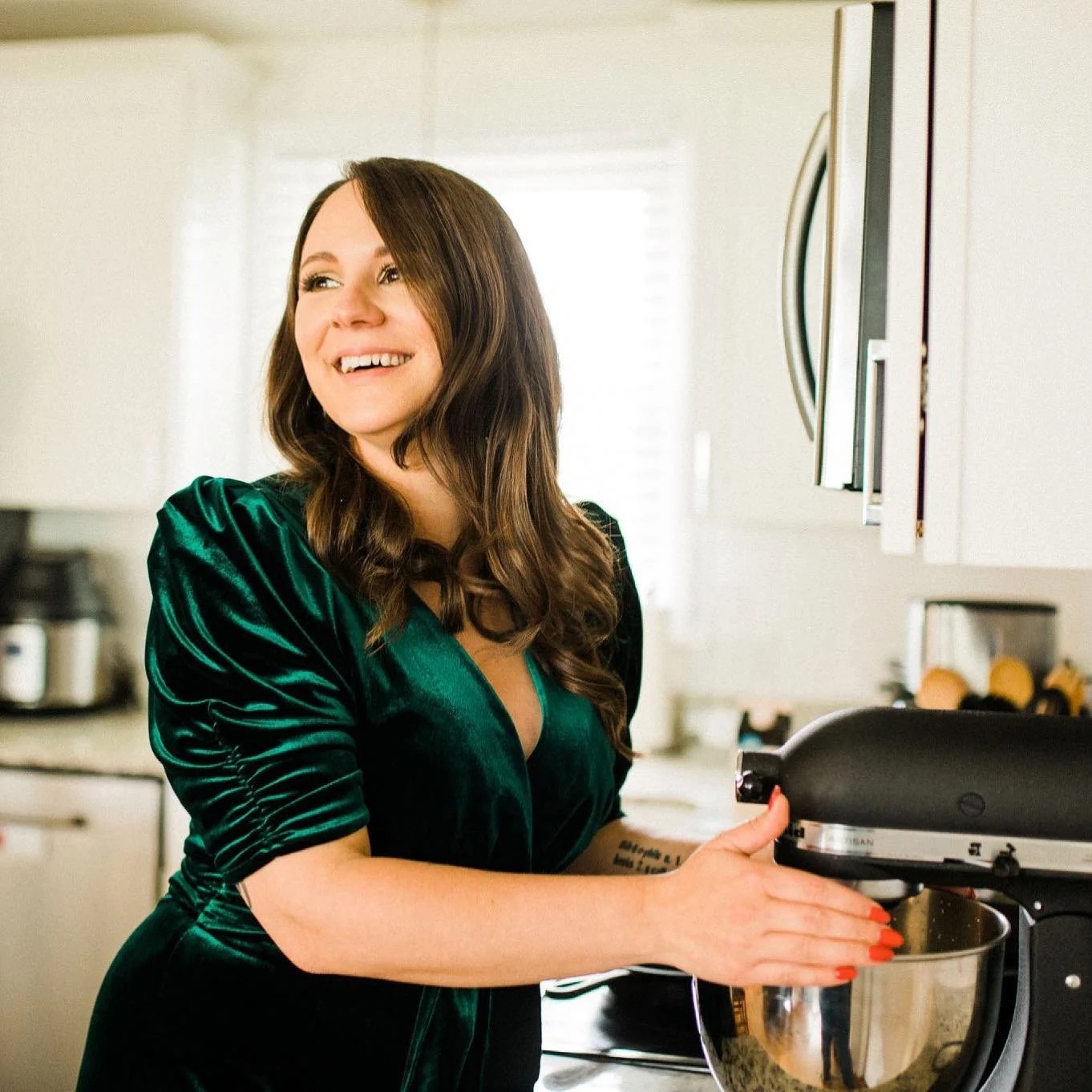
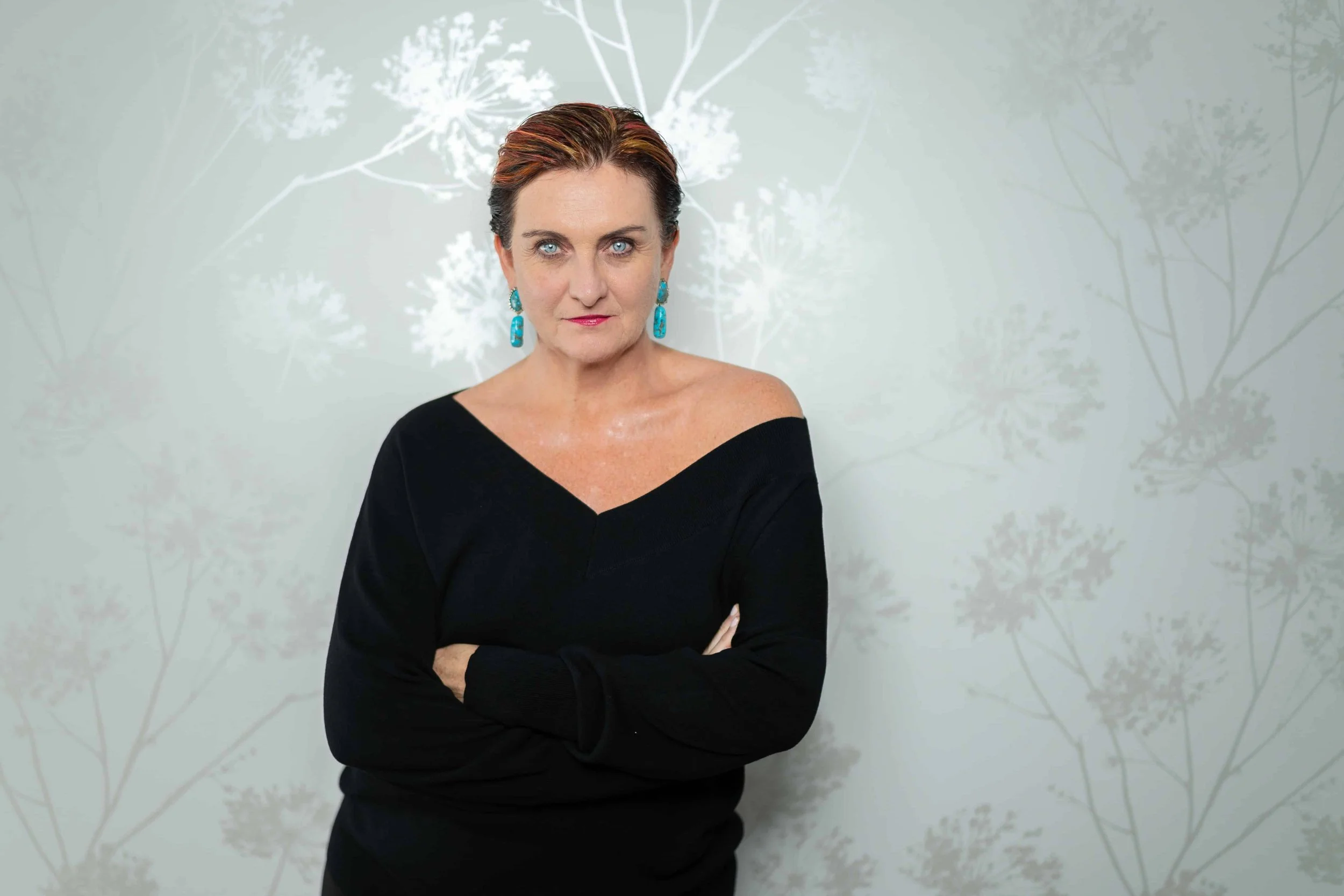
Elizabeth Moore of Triluna looks at burnout, workplace stress, wellness culture, and why so many people are questioning modern productivity.
Somewhere along the way, exhaustion became aspirational and burnout became proof that you were working hard enough.
In this episode, Elizabeth Moore, co-founder and co-CEO of Triluna, shares how hustle culture and chronic stress led to panic attacks, anxiety, and burnout severe enough to make her leave corporate life entirely.
We explore workplace stress, nervous system regulation, toxic productivity, and why wellness culture can sometimes become another form of perfectionism and control.
If you’ve ever struggled to separate your self-worth from your output, this conversation will challenge the way you think about work, wellness, and burnout.
Listen to Elizabeth Moore’s Interview
Watch Elizabeth Moore’s Interview
How Workplace Stress Affects Mental Health
Elizabeth Moore: My name is Elizabeth Moore, and I am a native Nashvillian. I am a co-founder and co-CEO of a company called Triluna. We really are on a mission to defeat hustle culture. It’s really hard to be a well person in a sick environment. We have to change the cultural dialogue around failure. Chronic stress has lots of actual physiological body health implications. The burnout is not worth it.
Brandi Fleck: A huge part of our human condition is going to work. Let’s face it: for most of us, we spend more time with our colleagues and coworkers than our families. But what if we imagined a better way?
A non-traditional wellness company based in Nashville, Tennessee called Triluna is doing just that. Co-founders and co-CEOs Elizabeth Moore and Ashley Brook James started Triluna after hustle culture literally made them sick.
Both Elizabeth and Ashley met while obtaining health coaching and yoga certifications after quitting their corporate jobs. Now you can often find them leading workshops, hosting festivals, speaking at conferences, and executing panels about the power of stress management and self-care to prevent burnout.
Typically, Ashley joins Elizabeth in these types of discussions, but we did record this episode during a particularly stressful point during the Omicron surge here in Tennessee. So today on Human Amplified, you’ll be hearing from Elizabeth Moore.
This episode is for you if hustle culture just isn’t cutting it anymore and you want to educate yourself on how to say no to it. In other words, if you’re going through the motions of the grind day in and day out and it’s detracting from your life, as it is for so many others, as evidenced by the Great Resignation, listen as guest Elizabeth Moore empowers us to renegotiate our relationship to wellness, failure, work, our work environment, and our coworkers.
She explains the impacts of chronic stress and burnout on our bodies and our communities, including our work communities. From this episode, you’ll learn what an unhealthy or sick environment is, how to recognize stress in your body, how to know when stress turns to burnout, when to set boundaries around your times of diminished capacity to produce, how to use vulnerability to change culture, and what the hard conversations are that need to occur so we can start shifting expectations around stress and burnout at work.
This episode does come with a trigger warning. To get the full context of why a non-traditional approach to wellness can be needed to foster healthier change, we discuss Elizabeth’s journey with body dysmorphia and an eating disorder in detail.
Well, Elizabeth, welcome to the show. I’m excited to have you here today. How are you doing?
Elizabeth Moore: Okay. We’re going on year three of the pandemic as we’re recording this, which sounds really wild to say.
Brandi Fleck: Yes.
Elizabeth Moore: And we’re at the beginning of the year. Going into 2021, we were really excited that it was going to be new and fresh, and it ended up not being new and fresh. So we tried not to set ourselves up for that this year and just be more present and be okay with the moment that we’re in. So yeah, I’m okay.
Brandi Fleck: Yeah, that makes sense. That makes a lot of sense. I’m super excited to dive into what we’re going to talk about today. Before we do, can you please just tell us a little bit about who you are and what you do?
Elizabeth Moore: I am a co-founder and co-CEO of a company called Triluna, and we are a stress management and burnout prevention company. Our mission is to reduce both of those things, stress and burnout, by changing the way that we work and think about work.
We really are on a mission to defeat hustle culture and to envision a new way of working. For us, a large part of that is about understanding the physiological stress response, how to prevent that, how to have stronger leaders, how to have more compassion, how to have more vulnerability in the workplace. So that’s what we do.
Why Hustle Culture Leads to Stress and Burnout
Brandi Fleck: I love that. I feel like hustle culture is killing us. Would you agree with that statement?
Elizabeth Moore: It is, yeah. That’s why Ashley and I started this company. That’s why we quit our jobs to begin with. We each come from 10 years of experience. Hers was sales and recruiting, and mine was marketing and branding. So we were in these really high-pressure, fast-paced jobs, and it was actually physically making us sick.
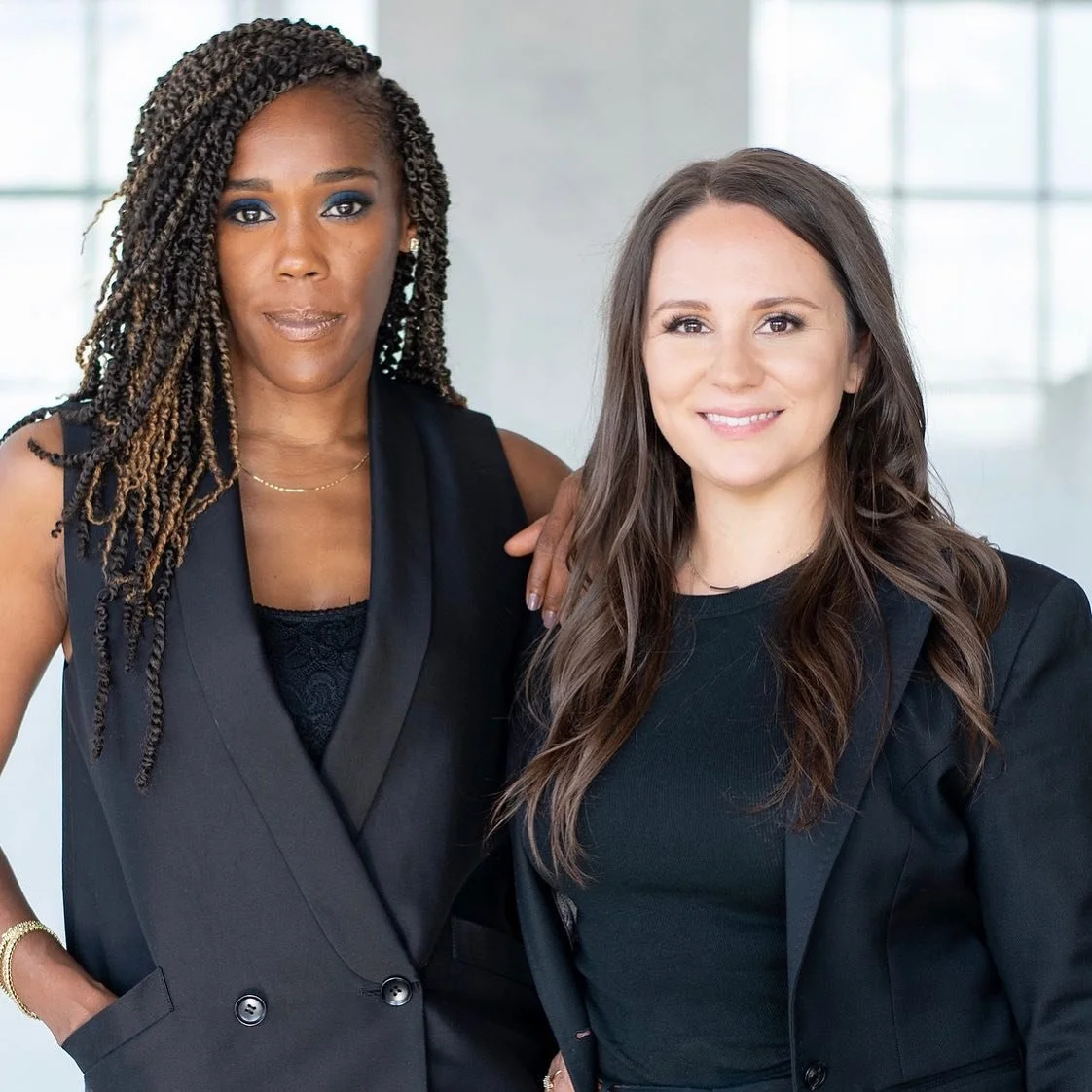
Ashley had month-long chronic migraines, debilitating migraines, and I’ve always had anxiety. The hustle and just the grind of it all led me to have really aggressive panic attacks and just off-the-charts anxiety that was unmanageable.
I ended up accidentally quitting my job, which is a whole story. I was health coaching at the time, and so I joined a yoga teacher training program right before I accidentally jumped off that cliff. I met Ashley there, and she had recently quit her job, and I was about to quit mine.
We really met and fell in love with the idea of recreating the way we think about stress and wellness in order to help others prevent what we had gone through with hustle culture.
Brandi Fleck: Okay, there are several different ways we could take this conversation because when you guys started, it was a little bit different. I think I’m going to jump into that real quick because when I got to know you guys, you billed yourselves as a non-diet, pro-donut, anti-racist community wellness company, and that’s really complex. Can you take us through the evolution there and how you narrowed down onto stress?
The Link Between Wellness Culture and Body Dysmorphia
Elizabeth Moore: Yeah, absolutely. Both of us come from a corporate background, and so stress management has always been one of our service offerings. It’s actually been the most popular, which is one of the reasons we decided to go that direction.
But in the process of trying to figure out the best way and most effective way to have an impact, we tried a lot of different things. We started our business really more as a wellness company, but our wellness was always so non-traditional because we didn’t find ourselves reflected in the traditional wellness space.
Ashley, as a Black woman, didn’t see a lot of representation in instructors teaching classes, and she wanted to become that, so she got her yoga teacher training certification.
I have a long history of eating disorders and body dysmorphia, and I really wanted to find a wellness space that wasn’t just hell-bent and determined to make me smaller. I wanted a safe place to do that.
All of these things obviously had contributed to our stress in the past, and wellness was a refuge for us. We wanted to create a safer space for people to come to wellness.
What we’ve realized over the last three years is that that industry, I don’t want to sound pessimistic or negative, but that industry has spent billions of dollars on making people think that they’re unwell in all the wrong ways.
It has a strong emphasis on fitness rather than mental health. It makes a lot of money off making you think that your body isn’t enough in many different ways.
We really tried to break through that and to be different and to stand out in a different way in the wellness space, and realized that if we are screaming into a void, no one’s hearing us.
One of the most effective ways that we can address what we believe is real wellness, which is mental health and well-being, is for us to address stress and burnout. We spend so much of our time at work. We spend so much of our time at work, and it’s really hard to be a well person in a sick environment.

It was always the basis of our community wellness, and we just realized that for us to have the strongest impact, we wanted to get back to our roots and back to why we had started this company and back to why we decided to leave the corporate world in the first place, and that's by addressing our work communities, our work well-being, our workplace mental health.
Over time, we tried different things and cut away at what wasn't serving us and what wasn't working and what was triggering us, what was difficult for our mental health.
What we ended up with was our number one-selling course, which is our stress management course, which is also where we feel the most confident, which is also the least triggering for us personally. All things converged on this one space.
Brandi Fleck: Awesome. Okay, so it was like the flow just sort of naturally led you there. Could you go a little deeper into what a sick environment is? What does that look like?
Elizabeth Moore: Yeah. For the last three years, our slogan has been "pro-donut, non-diet, anti-racist," and we still are all of those things. We aren't billing ourselves that way because we're evolving, but the heart of what we do is still those things.
What Makes a Workplace Environment Toxic
If you are in a work environment where you're experiencing racism, where you're experiencing fatphobia, where you're experiencing bigotry, you are in a sick environment, and it is really difficult to thrive if you are in that environment.
If we're going to talk about stress management in the workplace, it is impossible for us not to talk about the community aspect of that, and that obviously extends much further than just your workplace. We're focused on workplace and controlling the stressors that we can have an impact on in that space, but it is really difficult to be well if everything around you is mired in sickness and bigotry.
Brandi Fleck: Yeah. Okay, and then you mentioned that you guys have gone through some trial and error, and that sort of led you to where you are today. It seems like in the hustle culture that we live in right now that trial and error isn't really, and I don't know if this is an accurate assessment, but it seems like trial and error isn't encouraged.
Do you believe that, or what do you have to say about that? Because I think it leads to some really great magic happening, but it's not always allowed.
Elizabeth Moore: Yeah, I think you're right. I think a lot of it is just our approach to failure in general. Failure is not condoned. Largely speaking, failure in a corporate environment is a negative thing.
Also, I think we have leadership that doesn't understand the importance of failure. If we're going to redefine failure in terms of trying to get to the best outcome, it's iteration. It's trying something and failing and trying again.
If you're in an environment that encourages iteration, then it's going to be a safer space to do that. But we have to change the cultural dialogue around failure and what it even is to begin with. Okay, does that make sense?
Brandi Fleck: Absolutely, yeah. That iteration, because when you just think about a human life, that's what it is from the get-go. Why would we discourage that in a workplace or where we're spending most of our time?
So yeah, let's pivot a little bit. I definitely want to get into the ins and outs of stress and burnout and give our listeners some actionable advice.
Wellness Culture, Eating Disorders, and the Need for Control
But first, can we get to know you a little better? You mentioned you had a history of eating disorders and body dysmorphia. I don't know if you want to focus on that, but can you just tell us your life story? I know that's a huge question, but what makes you you?
Elizabeth Moore: Yeah, I think that's a really interesting question because depending on who's asking it, you're going to get different answers. Or maybe not a different answer, but a different angle of the story.
I can focus on my life story as an entrepreneur, my life story recovering from eating disorders. All these things are all part of the same puzzle, but it's just focusing on a different piece.
Maybe for this, I'll focus on my wellness journey and how it got me here.
I come from a strongly entrepreneurial family. Both of my grandparents on either side are entrepreneurs. My grandparents on my dad's side started a garden center with him. He's now a moss expert. He does moss consultations and talks. My mom started a construction company, which she now owns partly with my sister, and my brother-in-law is a fashion designer.
I've just always been around entrepreneurs and kind of knew that that was the direction I wanted to go. I had no idea it was going to be in wellness.
I went to college for English literature and marketing. Interesting combination.
I got out, and the perfect intersection of business and writing is marketing, right? If you're in marketing, you're doing mostly writing.
That's kind of the career path that I took, but starting in, I mean, I think it goes honestly all the way back to elementary school, I've had body dysmorphia or just this unhealthy fixation on how I looked.
I started experimenting with restriction really early. I think the first time I remember doing that was maybe middle school.
I played sports all through high school and was a really high achiever. If you know the Enneagram, if you study it at all, if you're interested in it, my number's a three, so I'm an achiever. I'm very achievement-based. Work in progress there. That's kind of why hustle culture was so easy for me to become entrapped in.
I think that for many people, not all people, but for many people, eating disorders are a control issue, or they can start that way. For me, I believe that was the case.
I got caught and sent to therapy my senior year of high school because I dropped like 10 pounds in a week, and my basketball coach actually is the one who sat me down and was like, "Something's going on. We need to talk to your parents."
So we did. I think that was my junior or senior year in high school, and I got sent to Christian family counseling.
They were highly ill-equipped to deal with someone who had something like an eating disorder. One of my big fears around my disorder was, as many times as I talk about this, it's still kind of hard to talk about, but one of my big fears was around eating in front of other people.
I had a lot of, like, I used to literally take the inside of my sandwiches out and take the crust to lunch so people would think I'd eaten, so I wouldn't have to eat in front of people.
When my family counselor took me to, we did a group dinner for our group counseling session, and I just remember being like, "This is fundamentally not where I need to be."
I think that the dark side of being an achiever is that you can be a little bit manipulative sometimes when you are trying to get out of something or you're trying to change your story.
I knew that I couldn't keep not eating, but I knew that there was a socially acceptable way for me to continue my disordered behavior, and that was through wellness, to be totally frank.
It wasn't acceptable for me to not eat, but it was acceptable for me to go on a juice cleanse. It wasn't acceptable for me to restrict my calories to a deficit, but I could go on a salad cleanse or try Atkins or whatever it was.
I would put a trigger warning on this episode because we're really going to get into it, but I think that for me, I found wellness not as a place of getting better, but as a place of making everyone think I was better so I could continue the behaviors that I thought were giving me more control over my life.
So it went like that for many, many years. I went off to college and did the same thing. Tried every diet, did every calorie-counting program, tried Weight Watchers. I did every single thing that I could that I thought would be socially acceptable and keep me out of trouble but allow me to continue my behavior.
It wasn't until I really started to look at my relationship with food and cooking specifically that things started to change for me.

My dad, as I said, is a moss expert, so as you can imagine, he's a very earthy dude and has always been into holistic medicine and cooking from the earth and foraging and all that kind of stuff.
It's through him that I started to really look at food as connection, which is back to my whole vision of humanity or what that means to me.
It was through my connection to cooking and food and the relationship between food and the earth and all those things kind of combined that I started to look at my relationship with food a little bit differently.
From there, I started getting interested in health coaching, then I got interested in yoga, then I started Triluna with Ashley, and it all just went from there.
I think my career in this field has largely been and felt like a pendulum. I went way wellness-y, then I went way anti-wellness-y, and then I kind of settled in the middle where I really define wellness as what you need for your specific body at this specific time in your life, keeping your mental health in mind and investing in your community and your relationships.
It really is this settling in the middle of this pendulum that's led me here.
Brandi Fleck: Yeah, that's really interesting, and I think the way you described your journey with wellness is a way that not a lot of people talk about. I haven't heard a lot of people say, "Wellness allowed me to continue disordered behavior," so thank you for sharing that.
If you don't mind me asking, what were you trying to control through that behavior? What did you need?
Elizabeth Moore: That's a really good question, and I've been talking to my therapist about that ad nauseam for 20 years.
But I think, okay, let's just fully go there because I think that we, especially in America, but abroad as well, I'm going to focus on America. That's what I understand best. We really have this narrative that to be well and to be thin is like a moral decision that you're making. We even use words like "good" and "bad" when we talk about food.
We have this idea that if you are well, you are good, which is obviously a total BS philosophy that is rooted honestly in racism and this moral ambiguity that is forced on us honestly by religion.

It's a lot to go there and unpack all of this, but I think we have to break down the narrative that thinness and wellness are the same thing as goodness. They're absolutely not. They're totally unrelated to one another.
Growing up as someone who was really interested in achievement and really wanted to be the good kid, I guess I thought that controlling my weight made me closer to goodness. I don't know.
Unpacking why you are what you needed when you were in the grips of behavior like that is really difficult and challenging, but I think in retrospect, I was trying to prove my goodness and how sad and broken and backwards that is.
Brandi Fleck: Yeah. I've got chills. Thank you.
Elizabeth Moore: Yeah. Thank you. It's so much. It's so much to unpack, and it's so much self-study and also 20 years of therapy and books. It's a lot to try and make cohesive out loud, so I hope that made sense.
Brandi Fleck: It totally did, and gosh, if more people talked about it and unpacked it, I feel like that helps with other people's wellness, so it's perfect.
Why So Many Employees Are Leaving Burnout Culture Behind
Let's pivot now into what you're actually doing today. You mentioned the Great Resignation on your website, and it's a term that a lot of people are aware of by now, but can you just tell us what you're seeing that's behind that? I feel like it sort of relates to why you accidentally quit your job too.
Elizabeth Moore: Yeah. There are a lot of things that are contributing to the Great Resignation, but what we'll focus on here and what we talk about in Triluna is this idea that people are leaving jobs that are burning them out and, not to be dramatic, but quite literally killing us.
When stress goes unchecked, it becomes chronic stress, and chronic stress has lots of actual physiological body health implications.
I think the Great Resignation is a confluence of many different things, but a lot of it, in my opinion, is that we are realizing that living to work is not what we need to be doing and is not good for us and it's not desirable, and that we can choose something different and kind of choose a different way forward.
I think we're tired of hustle culture. We've been sold this idea that the hustle and the grind are what make us worthy. It goes back to this whole, like, your output, how disciplined you are, is how moral you are, is how good you are. These are all wrapped up in the same concepts.
We have to fundamentally re-look at what it means to be a contributing member to society and what it means to do good for yourself and for others. I think we're just realizing that the burnout is not worth it.
Brandi Fleck: Yeah. Gosh, and I'm glad you made that connection for us between it's all about being good versus bad and a connection to this morality, so that's really interesting.
We have used the terms stress and burnout quite a bit so far. Just so we're all on the same page, can you define those for us?
How Chronic Stress Impacts the Nervous System
Elizabeth Moore: Yeah. Stress is our body's physiological response to external stimuli that is making us think that we're in danger. We all know what stress is. We've felt it in our body, and it can appear in many different ways: increased heart rate, sweating, all these different things.
Stress in and of itself isn't necessarily bad. We need stress. If you're in a dangerous scenario, you need your stress response in order to get yourself to safety.
There are all kinds of implications in that, but burnout is chronic stress that goes unchecked. According to the World Health Organization, there are three components of stress. The first is exhaustion, then reduced personal efficacy or professional efficacy.
One that's really interesting that I think doesn't get talked about enough is cynicism. According to the World Health Organization, the third component of burnout is cynicism.
I think that's really interesting because we never talk about it, but if you think back to any time where you've really felt burnt out, you were most likely experiencing an absolutely massive amount of cynicism.
Stress is your physiological response. The stressor is the thing that is creating the stress in your body, the thing that your body is responding to, and then burnout is chronic unchecked stress that leads to those three different things.
Brandi Fleck: Okay. Gosh, this is so big. I'm like, how do we even dig into this even deeper?
Elizabeth Moore: Yeah. One of the first things that we always do in a workshop is talk about what stress is in the body and why we have it. I'll do that if that's okay with you.
Brandi Fleck: Yeah, sure. That'd be great.
Elizabeth Moore: Okay. Our body is designed to keep us safe, and we're going to talk specifically about the autonomic nervous system, which has our parasympathetic and our sympathetic branches inside of it.
There's actually a third, enteric, that mostly deals with digestion, but we're going to talk about the sympathetic and parasympathetic.
The sympathetic is what you've heard many times before, your fight or flight, and then your parasympathetic is called your rest and digest.
You have these two systems in the body that are controlling your consciously uncontrolled body functions, things like heart rate and blinking, all these different things that you do unconsciously that your body does for you unless you're actually thinking about it, like breath work.

When you're in danger, your body activates your sympathetic nervous system, and all this cascade of hormones and responses are happening in your body to keep you safe and to get you out of danger.
The thing I think that's really important when we talk about this is that our bodies are still relatively primitive when it comes to what it recognizes as a threat, which stimulates your nervous system response.
Our bodies were designed to recognize a saber-toothed tiger attack and flood our body with all these different hormones to get us to safety from the saber-toothed tiger.
But now that saber-toothed tiger can be workplace conflict. It can be bills that are unpaid that are looming over you. It can be hustle culture. It can be body dysmorphia. It could be all these different things obviously that are causing the stress, but our body is still responding to it like we are responding to a saber-toothed tiger, and that is what gets us stuck in our stress response.
If you're in your sympathetic stress response, your energy is moving away from your parasympathetic, which is your rest and digest.
What we have to do is kind of complete that cycle, tell our body that we're safe, that we have moved through it. Just because you've removed the stressor doesn't necessarily mean you've removed the stress.
Just because you have ended that conflict at work doesn't mean you walk away and you're like, "Oh, I'm totally chill now. I feel great. Everything is great. I feel amazing."
Your body is still moving through that cascade of hormones, and so we have to work to get ourselves into our parasympathetic.
The most effective way to do that really is movement, breath work. There's a lot of things that we can do to complete that cycle and move on.
I think often we don't understand what stress is. We feel it, but we don't know what it is. But when you know what it is and where it's occurring in your body, I think it makes the conversation easier as we try and figure out how to move forward and change that response and get out of our chronic stress.
Brandi Fleck: Yeah. Can you describe for us what stress feels like, just so maybe if somebody doesn't recognize it, that might tip them off? Like, "Oh, this is going on in my body."
Elizabeth Moore: I wish I could give you a solid answer for that, but it is different for everyone.
Ashley always jokes that whenever I'm stressed out, I show her. For me, I experience a lot of my stress in my heart, in my chest area, and I will literally take my hand and I will touch my heart, okay? When that happens, Ashley's like, "Okay, I think we need to take a break. Let's go walk around the block. Let's do some breath work. Whatever we need to do because I can tell that you are stressed out right now."
For me, that's increased heart rate. Ashley gets really bad headaches. That's part of why she had chronic migraines, which led her to eventually leave her job.
It shows up differently for a lot of people, but increased heart rate is usually a clear indicator that you're under stress. But it does show differently. For some people it's digestive, some people it's headaches, all different ways.
Brandi Fleck: What are some of the long-term side effects of stress, especially if we don't break that cycle that our body gets stuck in?
Elizabeth Moore: Chronic stress has major implications for cardiovascular health. One of the long-term effects of stress that doesn't get talked about enough is burnout, and burnout has these major implications.
If you think about even just what it feels like to feel cynical, it's not a great feeling, right? I think it can become unconscious. It can become kind of like a default setting.
Getting ourselves out of that chronic stress response is one of the most important things I think we need to do for our current workplace environment.
Brandi Fleck: Okay, so let's talk about the connection between our mental state and the physical stress response in our body. Do you think that healing your mental health, emotional health in some way helps you lower stress and calm your body?
Elizabeth Moore: Yeah, I think there's a symbiotic relationship there. Stress affects our mental health. There are lots of things that we can do to better our mental health that will make us more resilient to stress.
I think it's impossible to separate those two out from each other. They're so incredibly intertwined.
Brandi Fleck: Okay, let's zoom out to a bigger picture now because I know you guys focus a lot on community wellness as well. If we have this hustle culture where the vast majority of us are walking around in burnout mode and we have chronic stress, what does that do to the community and what does that do to our relationships?
Elizabeth Moore: That's a great question and really important.
I think when we think about burnout, the three things are reduced professional efficacy, exhaustion, and cynicism. Reduced professional efficacy affects everyone, right? If your professional efficacy is reduced, someone else has to pick that up in a workplace environment the way it's structured now.
If you are exhausted, think about how much harder things are when you're tired. Everything is harder to access.
Then cynicism is like a drop of dye in the water. It spreads so quickly. We also are in a culture, I think, that kind of glorifies cynicism.
If you look at some of our most famous literary characters, like Sherlock Holmes, he's the most cynical human alive, but he is intelligent and he's really good at what he does, so we're willing to put up with the cynicism. The cynicism kind of makes him edgy and cool and seem smart.
I think we have to change that narrative as well. We have to really think about what cynicism is and what it does, and it can really poison the water.
I've definitely had jobs and I've had employees where someone's unhappiness becomes everyone's unhappiness. I think if we don't get a handle on how we manage cynicism in the workplace, it will continue to spread in the water.
When we talk about community at work, all these things are so interconnected. We like to think of this as a spider web. On your spider web of work, you have all these different things. You have your workplace communities, you have pay, you have hours, you have all these different things, and anytime a string gets pulled, it pulls on the other side as well.
There's this natural flow that has to happen when you're having conversations like this about community.
Brandi Fleck: Yeah, that's a really good visual. I like that a lot.
Productivity Culture and the Pressure to Always Perform
Elizabeth Moore: It's important to understand the difference between time and capacity. Right now, I have time to get everything done, but my mental capacity is diminished because I'm dealing with so many other things.
That is a part of hustle culture and workplace stress that we don't talk about enough, and it's also why, as part of our stress management program, we talk about productivity.
If we can get more work and better work done in less time, then we have more time to do other things. We have more time to invest in self-care, more time to spend with loved ones, with communities, with family.
We use frameworks for that to get that done, and that is really what we're leaning into right now, making sure we have our frameworks set up because it's so difficult to manage interpersonal trauma and dealing with just the world in general right now and the pandemic and being stuck in this space where we're both busy and bored. This is a lot. It's a lot to manage.
Our capacity is diminished, if not our time, and I just think that's an important thing to be talking about right now.
Brandi Fleck: Yeah, that makes a lot of sense. Why is productivity not the end-all, be-all? We are humans. How can we account for that?
Elizabeth Moore: I think part of being human is very rarely having the actual answer to anything, and a lot of it is the trial and error that we talked about in the beginning.
We have so much going on, and I think it's unrealistic to expect that we're going to be able to create the same amount of output regardless of what is going on.
Part of what I like about, or maybe one of the few positive aspects of this, is that we are working more at home or we're working more at our own pace. People are more understanding of diminished capacity in some instances.
I think it's important to be having that conversation because if we're allowed to structure our day in the way that makes the most sense for us, you will get better work out of your people, out of yourself, out of your teams, whatever it is.
Part of that is really understanding your rhythms. Ashley, my business partner, gets up at 7:00 a.m. and she's working, and then she takes a break, and that's her rhythm.
I'm a mid-morning person, so I want to start working at like nine or ten, and then both of us kind of fizzle out around three. From three to five, both of us are utterly useless. Our brains just stop doing what they need to be doing. We get tired. We get sluggish. We need to either go work out, take a nap, take some time for ourselves.
Then I like to work for an hour or two in the evening because I can do that, and then that's our day.
Understanding our rhythm and communicating about that makes us so much more effective as coworkers and co-founders because I know I'm going to wake up to emails from her. She knows that she's going to wake up to emails from me, and we have this back and forth where we understand fundamentally what we need and what our partner or co-founder needs in order to get the best work out of each other.
It's not just like, "It's due today, so get it done." We really try and plan for having times of diminished capacity.
Flexible Work Schedules and the Need for Autonomy
Brandi Fleck: Yeah. On a larger scale in these big corporations, I feel like people are afraid that if they do that, they won't get as much done. They won't be able to get ahold of who they need to get ahold of and things like that. What do you have to say to that fear?
Elizabeth Moore: Yeah, what's interesting, and it is valid, I understand why people feel that way, but there are a ton of studies coming out right now about the four-day work week.
One of the biggest, a huge tech company recently just went to a four-day work week and wrote a report about it. I'll have to look it up and see who it was.
All these studies are showing that if you give people a four-day work week, their happiness is increasing, productivity is increasing, output's increasing because they have more time to themselves.
I think the idea of a five-day work week, nine to five, is really antiquated, and we have so much more capacity and ability in terms of where and how we work and when we get it done, and everybody needs something different.
If you give people the autonomy to decide for themselves when that is, you're going to get better work. You're going to have less burnout. You're going to have less reduced professional efficacy from burnout if we allow people to create that space for themselves.
Brandi Fleck: Okay. When we talk about autonomy and meeting our individual needs, but at the same time talk about how being human is about connection and we need connection, how do you balance autonomy with that need for connection?
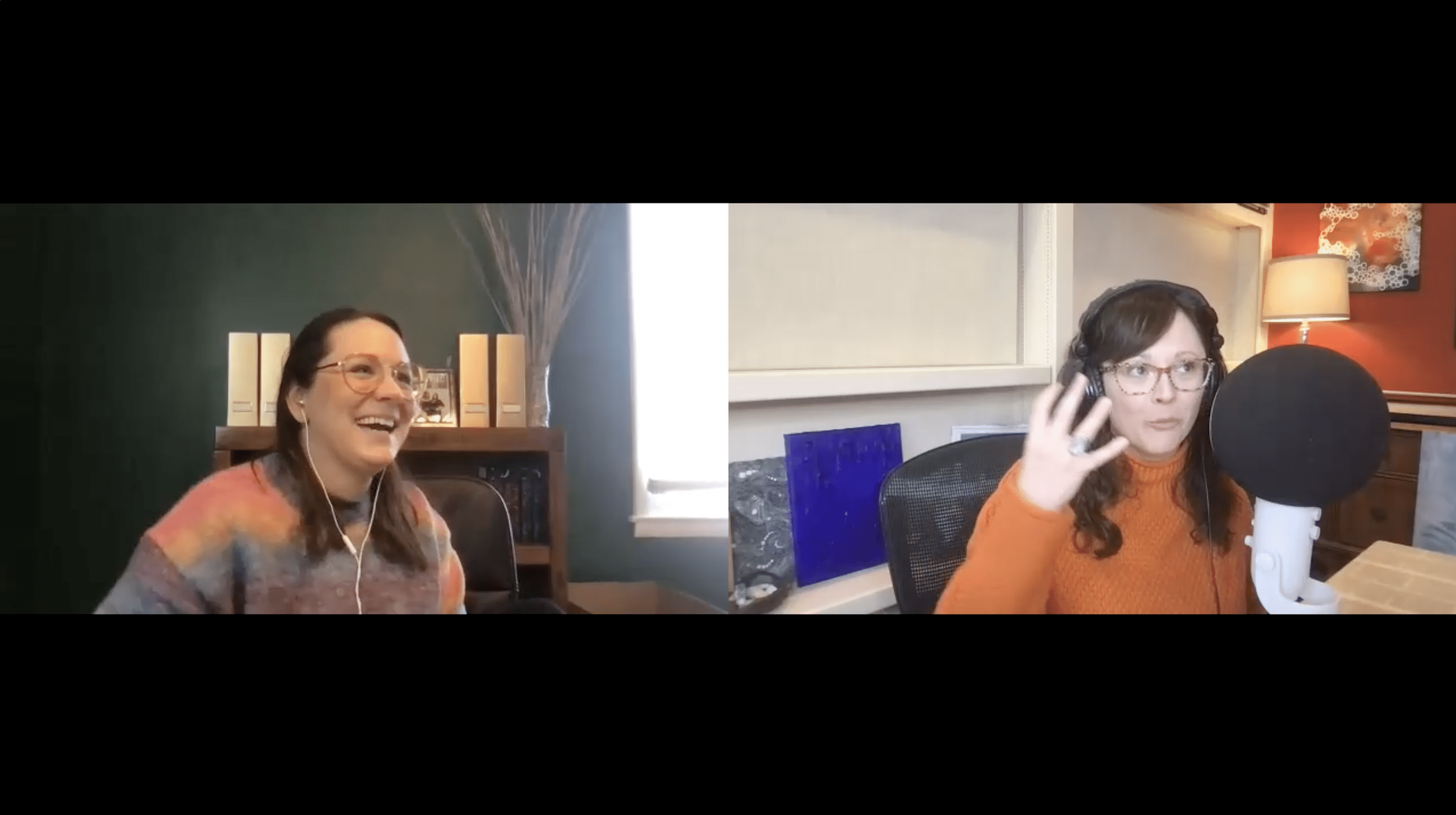
Elizabeth Moore: Again, I'm going to give you the answer, "It depends on." I'm so sorry, but I really think that that's okay.
It is individual to each company culture. If we're talking about how we manage that inside of a culture, it's going to look different for everyone.
When we talk about autonomy, I don't think that necessarily means alone time. That can mean you're choosing the way that you work or the way that works best for you, and then as a team you're deciding the parameters of that.
A lot of that is about setting boundaries. You've all sat down and you've talked about your needs or your work habits. You understand your culture. What parameters are you setting in place? What boundaries are you setting in place to make sure, or what frameworks for productivity are you putting in place that ensure that the work is getting done?
I think you can still have goals and you can still have metrics that you need to hit, and just allowing people to do that in their own way is not the same thing as just saying, "We're just going to work at our own pace and do whatever we want, and if it gets done, it gets done, and if not, it doesn't."
I think those are separate scenarios.
Brandi Fleck: Yeah. Okay, that makes sense. How do we start decoupling that morality that's tied. That judgment of good and bad tied to productivity, to wellness, to all of these things that are driving this culture of stress and burnout, how do we get rid of that?
Elizabeth Moore: Oh, well, let's solve all the world's problems, right?
Why Vulnerability Matters in Workplace Leadership
Brandi Fleck: Yeah. You might put me out of a job if that's the case.
Elizabeth Moore: No. This might sound very squishy, and Brené Brown, who I love, by the way, but I think it really comes down to vulnerability.
Are we willing to have the hard conversations with our teams? Are we willing to show the soft underbelly of our ego as leaders to actually ask our employees and hear what they need?
So much of the disconnect between leadership and the people that work with and for them is our utter inability to have tough conversations or even conversations at all.
A lot of companies don't do surveying. They are quite literally fundamentally not talking to the people they need to be talking to, to the people that work for them whose lives they have such huge influence over.
If we can get rid of this veneer of toughness that we have in the workplace or this idea that you shouldn't have emotions and you shouldn't be a human, you should just be a machine when you go to work and when you come home you can release all that on your partner, I think that's fundamentally flawed.
I think we have to be having real conversations with each other with vulnerability in the workplace in order to reframe how we work.
How we undo the morality around wellness and productivity is fundamentally, I think, the question of our age. I think a lot of us are trying to figure that out right now, and it's incredibly hard.
It is deeply ingrained in how we understand the world, and for that to be uncoupled, we have to be willing to do a lot of both internal and communal work, really unlearning a lot of what has been taught to us, understanding why we think the things we think or believe the things that we think.
I think one of the really tough things is learning in our day and age how to take in information and how to understand, even when we talk about scientific studies, who put the study on, who is it funded by, who has a say in this?
We're in a headline culture where we read the headlines and we hope that that's enough for us to have the correct information.
But to really start to unlearn so that we can repopulate with what's capital-T True, we have to fundamentally rethink truth, which is huge. I mean, we're just tackling all of my philosophical beliefs on life.
I think we have to suss out what we've been told versus what we actually believe and really take a hard look at that to move forward.
Brandi Fleck: I love that, and gosh, what you said there about we have to rethink what truth is, what is capital-T Truth, and be willing to admit that something we've believed for so long isn't true and that we can redefine the truth is really, it's just big. It's something I've been thinking about a lot too, so I'm glad you went there.
Elizabeth Moore: Yeah. There we go.
Brandi Fleck: Okay, well now please tell us about your podcast. I know it's Wellness Community Magic. You and Ashley host it. What have you got going on there?
Elizabeth Moore: Yeah. It's been a minute since we've put out a new episode, but there's so much good stuff in there.
We interview some really interesting people from all across the spectrum of the human condition. Obviously, if you've listened to this, you know that we're a little bit all over the place and really like to have deep conversations and hard conversations and conversations that move the dialogue forward.
That's Wellness Community Magic. You can find it wherever you find your podcasts. It's on pause right now, but we'll get back into it soon.
Brandi Fleck: Okay, awesome. Then where can people find Triluna? Just anything you want to put out into the world, like your socials, website, all of that good stuff.
Elizabeth Moore: Yeah. I think the best place to find us right now is to follow Ashley and I individually on LinkedIn. We are really involved in conversations and research and studies there that are coming out about workplace culture and burnout and stress management.
We're on there a lot. We also, of course, have Instagram, @triluna_wellness, and trilunawellness.com is our website. But if you look for us, you'll find us. We're all over the place.
Brandi Fleck: Awesome. Well, Elizabeth, just thank you so much for coming on the show. I have loved talking with you today, and yeah, I just really appreciate it.
Elizabeth Moore: Thank you for having me and for making space for my reduced-capacity brain. I just appreciate you, and I think it's amazing what you're doing, so thank you so much.
Join the conversation!
Feel free to share your own experience and let me know if you have any questions in the comments.
Related Posts





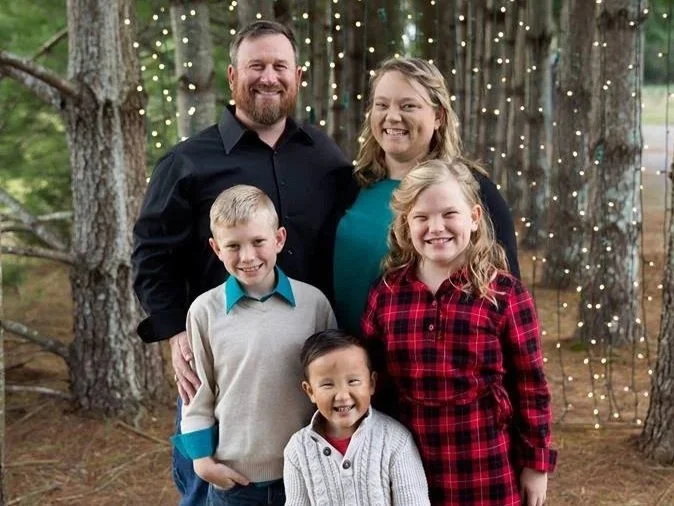














Hi, I’m the founder of Human Amplified. I’m Brandi Fleck, a recognized communications and interviewing expert, a writer, an artist, and a private practice, certified trauma-informed life coach and Reiki healer. No matter how you interact with me, I help you tell and change your story so you can feel more like yourself. So welcome!
Find More on the Blog
Topic
- ADHD
- AI
- Atlanta
- Black and BIPOC
- DIY
- FAQ
- LGBTQIA plus
- Los Angeles
- Nashville
- Seattle
- St Louis
- St. Louis
- UFOS/UAPs/ETs
- abuse
- accountability
- addiction and recovery
- adoption
- affirmations
- afterlife
- altered state
- angels
- animals
- anxiety management
- art
- astrology
- atlanta
- attachment
- awakening
- beauty
- behind the scenes
- being human
- body image
- body work
- boundaries
- brandi fleck
- breathwork
- bullying
- burn out
- burnout
- cancer
- career
- caretaking
- chakras
- channeled
- clarity-dive
- clarity-practice
- clarity-primer
- clean products
- coach
- codependency
Recent Blog Posts
Visit the Full Podcast Audio Archive

Affiliate