Inside the Foster Care System Through One Foster Mom's Story
Interview By Brandi Fleck

Crystal Barker shares what it's really like to become a foster parent, offering an honest look at the foster care system, reunification, grief, and the lasting impact of opening your home to a child.
You might think of foster care as a way to help children in crisis. What we don't always see is everything that happens after a child enters a foster home.
As a single mother, Crystal Barker opened her home to children she hoped to keep safe, knowing the goal was always reunification. She navigated licensing, court hearings, caseworkers, unexpected setbacks, and the emotional reality of loving children she might one day have to let go.
Now Crystal offers an honest look at how the foster care system works, what foster parents actually do, and why supporting children often means supporting their families too.
Listen to Crystal Barker’s Interview
Watch Crystal Barker’s Interview
Why People Become Foster Parents
Brandi Fleck: Welcome back to another soul-exposing exploration of what it means to be human. You're listening to Episode 31.
"I knew I wanted more kids one way or another. However it looked, I was open to adoption. I was open to fostering. I was open to meeting somebody who had children and then also open to having my own."
These are the words of Crystal Barker, this week's guest and advocate for children and families.
Last week we talked to Les Adkins, an expert traveling the country teaching corporations how to integrate millennials into the workforce.
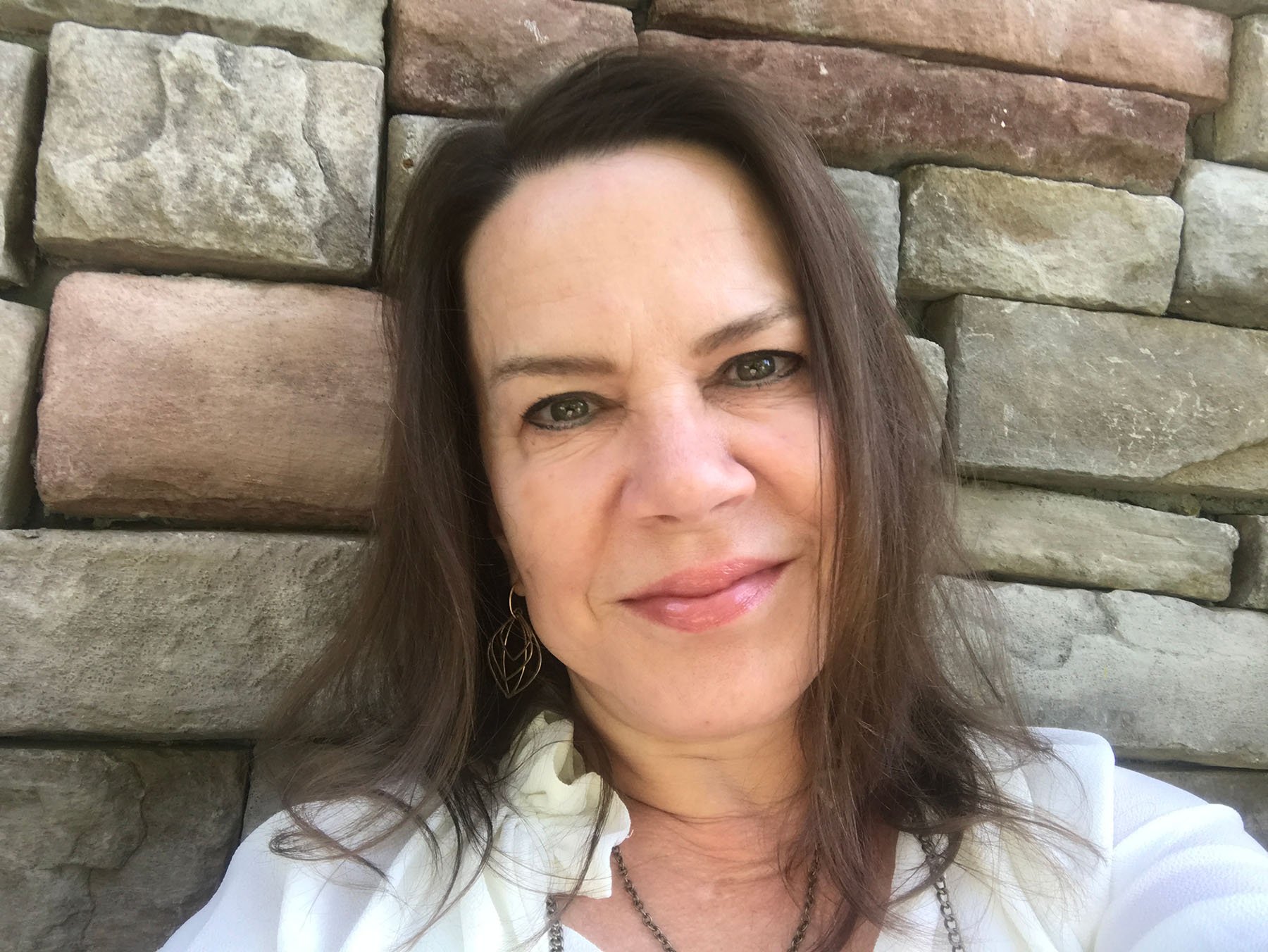
This week's guest, Crystal Barker, is a marketing executive in the healthcare industry here in Nashville, but what we're focusing on today is what she does when she's not using her MBA, obtained while working full time as a single mother.
Crystal is a mom to two biological children, numerous foster children, and just expanded her family with a new husband and three stepchildren. Congratulations, Crystal, on your recent marriage and expansion of your beautiful family.
Crystal also has experience mentoring two children through the Big Brothers Big Sisters of Middle Tennessee program. She's also participated in advanced accreditation processes for a Davidson County elementary school.
We dive into what in Crystal's life has contributed to her compassionate nature and why and how she got involved with the foster care system, a system she had exposure to growing up due to heavy family involvement.
After a divorce, Crystal moved forward with fostering as a single mother. It was no small feat.
You'll want to hear Crystal describe why she did it, what it means to be a mentor, the process for becoming a foster parent, what it took to mother five children as a single mom working full time, how she made foster children feel comfortable, what she learned from the experience, and why she decided to move on.
We also talk about all the love that comes with it, but also the pain and grief that come with fostering.
This is a story of strength, determination, heart-based pursuits, and persistence. So stay tuned for such an interesting conversation, full of helpful information, as well as Crystal's explanation for what it means to be a mother. It resonated with me so much. I think it will with you, too.
For now, without further ado, let's hear from Crystal.
Brandi Fleck: Hi, Crystal. Welcome to the show today. I am just so excited to have you here because I feel like you're just such a kind and caring person. You are beautiful on the inside and out, and I know that you love children. We're going to talk a little bit about your experience as a foster mom today.
First off, how are you doing? What's going on today?
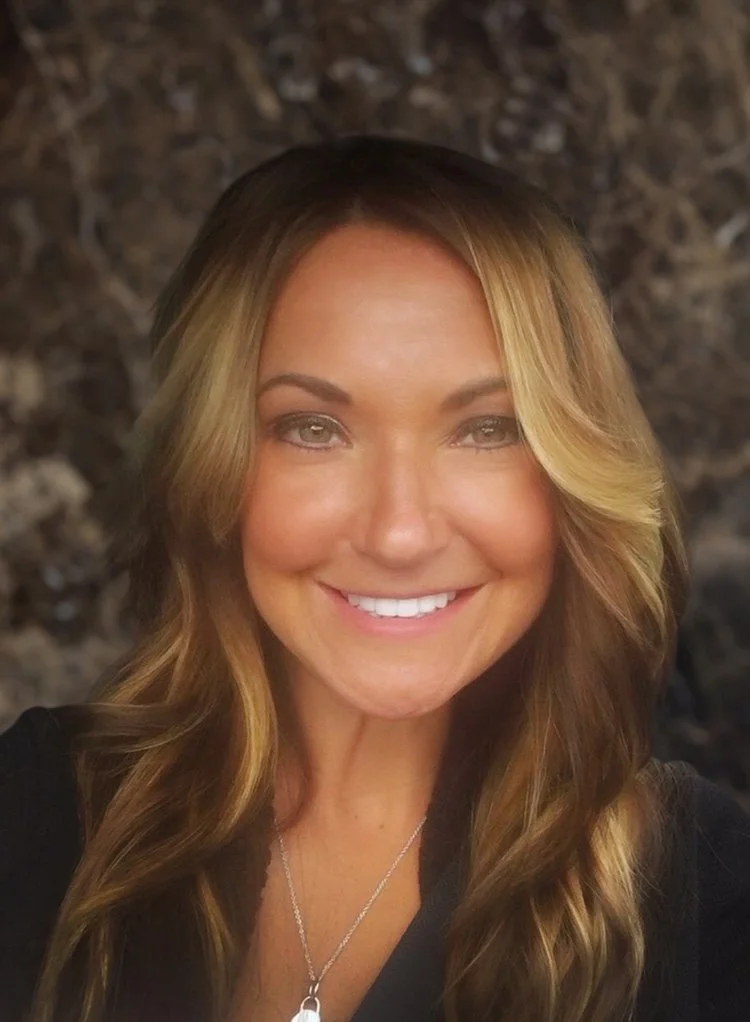
Crystal Barker: I'm doing very well, thank you. And thank you so much for having me. I absolutely love your podcast and appreciate being able to be part of it. So thank you so much.
Brandi Fleck: Thanks. Well, let's let our listeners get to know you first. Can you just give them a little context of who you are today?
Crystal Barker: Sure. Today I am a single mom of two. I'm about to be married in about four weeks, and with that I'll be gaining three additional kids. I'm really excited about those guys coming on.
In the past, I've been a foster mom to five. I've also been a mentor with Big Brothers Big Sisters of Middle Tennessee to two children. Before that, I worked with the local elementary schools with the advanced accreditation for Davidson County, as well as at our university.
It's been fantastic working with young kids. It's been nice working with the teenagers and then, of course, the older teens as they start to go off to college. I've had a lot of enjoyment through working with each of them. They've really all filled a place in my heart.
Brandi Fleck: That's amazing, Crystal. I didn't know that you did all that stuff. That is really impressive.
Can you tell me a little bit more about the accreditation thing?
Crystal Barker: Yeah, absolutely. So that was actually with Tulip Grove Elementary in Davidson County. Their school went through a certain accreditation each year in order to be able to receive funds from the government, and they needed volunteers from around the community to come in and basically do the accreditation with a third party.
They tended to be parents of the kids that went to school there, or parents of children who used to go to school there. It was basically a committee that came together to help improve the teaching, the scheduling for the students, and then they would also work with the students one on one.
Brandi Fleck: Okay, awesome. Well, now can you tell us a little bit about what life was like growing up? What are some of the things that you experienced growing up that contributed to your caring and compassionate nature?
Crystal Barker: I grew up in two different environments. My parents divorced when I was quite young. My dad stayed in Detroit, and my mom moved here to Tennessee with my stepdad. So I was able to enjoy life both in the city and then life here in Tennessee in more of a rural area between Nashville and Memphis.
I was able to see a lot of different diversity through that, a lot of different cultures, children living in multiple environments when it came to demographics and income.
What I saw in Michigan was a lot of poverty in and around Detroit. In Tennessee, there was also a lot of poverty, but because it was more rural, it wasn't as pronounced.
My mom was actually part of the foster care review board as I was growing up, and our church was involved with Youth Villages, which is an in-home setting for at-risk boys. Sometimes they're in the foster care system, sometimes their parents still have custody, but it's a center for them when they're needing a little bit of extra help and structure in their lives.
So I grew up around foster kids, and my cousin actually was a foster mom to 17 different children. That's where I first became aware of fostering and the great need that the community had.
Brandi Fleck: Wow. Okay, very cool.
So you've been through some huge upheaval in the last several years with the foster system, but before we get into that, let's start from the beginning. You mentioned a little bit about being around foster care growing up and things like that, but what prompted you to decide to be a foster mom?
Crystal Barker: Well, I always wanted more children. My ex-husband and I actually went through a couple of miscarriages, which ultimately led to our divorce.
I knew that I wanted more kids one way or another. My house was always the one house that all the kids came to play at. My girls' friends always had their friends over, so I was always making dinner for a large group, entertaining a large group, and just really enjoyed being around the life and the energy that kids bring.
When I built my home, I actually built it larger than what we needed. It was just me and my two girls, but I built a five-bedroom house with the idea that one day I would have more kids, however it looked. I was open to adoption. I was open to fostering. I was open to meeting somebody who had children, and then also open to having my own.
After we had gone through our divorce, it was a prime time for me to move forward as a single mom. A lot of people don't realize that you can foster as a single mother or single father. So I moved forward as a single mother, started my training classes, and was certified to become a foster mom. That's kind of how it got started.
One of my good friends, who actually became a great friend, bought my old house and then rented it back to me while I was in the process of building my house. She became a foster mom with her husband at the time, and I did what was called RIT for her, which is giving her a weekend to herself and taking the kids, free of charge, almost as a babysitter would, and as an extension of her family so that the kids grew up having more people who loved them and took care of them. Then the foster parents could get a break, which was much needed.
She had a three-year-old, a two-year-old, and a five-year-old. I think that, accompanied with the fact that I had the space, I had the time, and I wanted to do more than just mentor, I always felt I could make a bigger difference and a bigger impact if I could just bring the kids home with me rather than seeing them once a week at school.
So that's really kind of how it began.
Brandi Fleck: That's pretty cool. Gosh, I'm really enjoying learning all this about you.
How to Become a Foster Parent
Two things that you mentioned that I'm curious about. Could you give us a little more information about what mentoring is, and then also a little bit more information about the training process that you went through to be certified to be a foster mom?
Crystal Barker: Absolutely. So mentoring was with Big Brothers Big Sisters of Middle Tennessee, as I mentioned. You are placed at a poverty-stricken school here in the Metro Nashville area.
Basically, what it is, is a program to introduce children to a safe adult who they can count on visiting them once a week to help them with family issues, to help them with sometimes school and social issues that they might be running into. It allows for the child and the adult to create a friendship, almost like a big sister and little sister would be, and somebody to look out for them.
The first one that I mentored was a middle school student. She was having problems. She was cutting herself, she was being bullied online, she was failing her classes because she couldn't see, but she didn't have anyone advocating for her that she needed glasses, that she needed restrictions on her computer so that these bullies couldn't reach her at home. Nobody was really checking in on her.
She had a mom who worked three jobs, and unfortunately she was raising herself. She would come home and have all this pain inside and nowhere to turn. So it was an opportunity to really work with her one on one and have the opportunity to give her somebody who would listen just to her and somebody who would advocate for her in the classroom and with her teachers.
Brandi Fleck: Well, that is amazing. That's awesome. So you mentioned you had five foster children at one point.
Crystal Barker: I did, I did. Oh, and you had asked what the process was. I forgot to answer that, too.
The process is roughly five months of classes. You meet once a week at one of the facilities for training. The training is about four to five hours each time that you meet. I would tend to go on Saturdays from, say, 9:00 to 1:00 or 9:00 to 2:00.
You just learn a lot about why the children are removed from their families, what they're looking for from a foster parent.
The very first goal is always reunification. The system really looks to give the parents the resources they need while putting the children in a safe environment so the kids can continue to thrive and grow while the parents are getting classes that they need, addiction help, or while they may be finishing up a jail sentence, or just a zillion reasons why they can't fully parent to their capacity at the time.
It really just focuses on getting the children back home, but in the meantime allowing the parents to get back on their feet while the children are in a safe environment.
After you go through the classes, which also include administering medicine and CPR, you go through a home study where you have a home study writer come into your home. They look through your home, and you go through intensive interviewing.
It's about 10 hours that you spend with your home study writer, childproofing your home and locking up any guns, medications, or anything that could potentially cause harm to a child who has not been parented the way that you or I may have parented our children from the very beginning.
They may have had very little supervision, and they may be more apt to getting into the medicine cabinet or picking up a gun than, say, another child who's been taught to stay away from certain things.
Brandi Fleck: Gotcha. So now, the upheaval that we referred to earlier sort of surrounded two boys that you fostered. How did those boys get placed with you, and what was that whole process?
Crystal Barker: There's very little that I can say about their case in particular.
I can say they were removed for environmental neglect, meaning that their home was not in a condition for them to thrive in.
When CPS removes them, the first thing they do is they get them. When they're checked in, they do a friends and family worksheet to find next of kin for the children to go stay with. Next of kin can refer to an aunt or uncle, a grandfather or grandmother, or it could even be a Sunday school teacher or a kindergarten teacher they're close with, anybody that the child has a previous adult relationship with that's considered a healthy environment.
If nobody is identified, then they start dialing from the placement sheets. All certified foster parents are placed on this placement list, and they just start dialing. They were from out of county, which means that nobody within their county had an opening, so then they start dialing the next county over. I was two counties over from where the boys were originally from.
What It's Like to Be a Foster Parent
Brandi Fleck: Okay. And now, how long did you have them?
Crystal Barker: We had them almost a year.
Brandi Fleck: Okay. What was it like just having the boys there in addition to your two biological girls? I imagine life was fun, but what were some things you guys went through?
Crystal Barker: Oh, it was fabulous. They were absolutely amazing boys.
Then, in the middle of that, we had a 14-year-old foster girl come in as well, and she was here for about five months. So I went from a single mom of two to a single mom of five, and that in itself was a lot of juggling.
I think the hardest part, as any working parent knows, is just trying to get to daycare on time. My girls are a little bit older. They're 13 and 16, so I've not done the daycare rush in a while. Coming from Franklin to Mount Juliet was quite a hike, so getting them to and from daycare was probably the biggest challenge.
With foster care, you have people in and out of your home all the time. We had their caseworker in and out. We had the foster support caseworker in and out. You can also have a children's attorney in your home. Sometimes the courts appoint a CASA worker for you. They might be in and out of your home.
There are a lot of visits that the children are scheduled to go on, whether it's doctor, dental, parental visits. Thankfully, the boys were placed together, but if children are not placed together, they have sibling visits as well. The visits with the parents can be anywhere from two to four hours.
It was a time that was very busy in our lives, and we were either trying to juggle normal daily activities or trying to juggle all the needs of the state in terms of what the boys had coming.
There was always a child and family placement meeting, and that occurred about every four weeks or so. That's where everybody gets together: the children's attorneys, the parents' attorneys, the CASA worker if there is one, the caseworkers, the foster parents. They all get into a room and talk about what's been done on the case, what the next steps are, if it's going to stay reunification, or if it's going to move toward termination of parental rights.
Brandi Fleck: Okay. That is all very informative. Thank you for sharing that.
So how did you bond with your foster kids and sort of make them feel at home? What are some examples of things you did?
Crystal Barker: They were very little when they came into the home. They were eight months and two years, so they did not have quite an understanding of what was going on.
One thing that I did at one of the first visits is I took a picture of Mom and Dad with the boys, and I had that picture framed next to the older one's bed. We would talk about Mommy and Daddy at bedtime before we'd say prayers and read books. They'd get their cuddles and get tucked in.
I'd take the picture out and put it next to their plates when they were having dinner, and we'd talk about having dinner with Mommy and Daddy, just to keep their parents very real in their lives.
They had phone calls with their parents, and we tried to FaceTime as often as possible so that they could see their parents. But the rest of the time, I was just Mom to them.
I think anyone who's been a mother to a child that is not biologically theirs knows that "mother" is both a term for that biological connection, but it's also a term for all of the work that goes into and all the love that goes into a child.
In mothering them, I treated them like I treat my own and just loved them and took good care of them. They very quickly became very important members of our family.
Brandi Fleck: Gosh, I love what you just said, that mothering is also a term for the work that goes into and all the love that goes into that child. That's just awesome.
Crystal Barker: Once you've had both, I don't think that you can really tell a difference. I would think that anybody who's adopted would say that their children are loved equally and wanted equally, and anybody who's been adopted hopefully feels that way as well.
Brandi Fleck: Yeah, absolutely.
Foster Care Reunification and Adoption
So I know you went through sort of an adoption process, but you don't have the boys anymore. If you're able to, can you tell us what happened?
Crystal Barker: Yeah. The case actually turned to TPR, which is the termination of parental rights, and we were starting the process to adopt the children when DCS actually realized that they made a mistake in the case and they needed to return the boys back home.
It was very sudden. It was not something anybody saw coming. They were transported back to their county, and at the same time their family lost their home due to a foreclosure.
The boys were actually placed back into foster care without anybody ever letting us know. They were then sent through an ICPC, which is the Interstate Compact agreement that allows children to move from state to state within the foster system, and they're now with a family member in another state.

Brandi Fleck: Okay. What did you go through emotionally?
Crystal Barker: It was absolutely horrendous.
Thankfully, we have a really good relationship with their biological family. I'm actually friends with the mom, and we were able to exchange messages about where the boys are, how they're doing, how the parents are doing, what kind of support they need, and just being able to be there for the parents.
I think a lot of foster parents don't realize it going in, but foster care tends to be a cycle of poverty or abuse or neglect. Oftentimes these parents haven't had the love or the proper attention shown to them, proper caring even as they grew up. They're repeating what they know.
It doesn't make them bad people whatsoever. They live what they've learned, and they're teaching their children that as well.
Foster care really works to break that cycle of abuse, and oftentimes you find that you're supporting the biological family just as much as you're supporting the children in terms of being a friend and an advocate for them, listening to them confide about what they're going through, being on the other side of DCS, how much they miss their children.
A lot of them are very, very good parents, and they love their kids, but they're just repeating what they know. Unfortunately, it's not a healthy environment for their kids.
Brandi Fleck: Gotcha. So what impact did the whole experience have on your two girls?
Crystal Barker: They actually learned to be more nurturing. They learned to be more giving of themselves, to put others' needs ahead of their own. They look for opportunities to help people.
A few days ago, my 16-year-old ran out into traffic and stopped traffic, which I would not recommend, to help an older lady cross the street. She was in a crosswalk that nobody would stop for.
They just look for opportunities now. They realize that not everybody has had the same opportunities that they have. Some have had more, some have had less, but I think it's really opened their eyes to the fact that not everybody you meet lives in the same kind of environment that you live in, has the same kind of lifestyle that you have. They don't always have access to clean clothing or food in their fridge.
My mom also volunteers with the food bank in her town, and my girls have both played a big part in volunteering there as well, helping families pack up the groceries. They're entitled to them, and I think it transforms the way that you view the world and you view your part in the world, that you're not just a giver, but you're a part of the greater good.
Brandi Fleck: Yeah. Very cool. So I assume you guys all went through sort of a grieving process. Is that true?
Crystal Barker: Absolutely. Yeah. After all of them, we certainly did.
The girls that we had were 8 and 14. All kids come into foster care through no fault of their own, but their situation was a little different. Their mom was on a ventilator fighting for her life, and they didn't have any extended family.
Brandi Fleck: Oh, wow.
Crystal Barker: They came into foster care, and those situations happen as well. There's not abuse, there's not neglect. There's just one parent, and the one parent has a medical need or something has happened where they're unable to care for the children, and they don't have anyone to reach out to.
So we had the girls for about a week until an extended family member was located.
Brandi Fleck: That just sounds so scary.
Crystal Barker: Yeah. It's very scary. The younger girl was in a wheelchair, and her older sister was taking care of her every need. They were missing school, there was no food in the house, and nobody to help them, no neighbor to turn to. They didn't live in the best part of town, so they just stayed indoors until a teacher realized that they had both been missing and was able to contact the authorities.
There are all kinds of situations in which children do come into care. Like I said, they were only here for a few days, and we grieved them. Our foster daughter was here for about four to five months, and it was really hard to see her go.
But the boys, it's probably been a year now, and my heart still grieves over them and the fact that they're so far away. I think the fact that they didn't go home and they didn't come back to us was the hardest part.
Brandi Fleck: Yeah. Was it just a mistake that they didn't come back to you after they left?
Crystal Barker: We were under the impression that they had gone home, so we went ahead and closed our house after that, meaning that we were not open to any foster care placements.
When the parents' house went into foreclosure, that's when the boys were not reunited. Instead of reaching out to us and allowing us to reopen our home, they just moved forward with somebody closer to the family.
Challenges Within the Foster Care System
Brandi Fleck: Gotcha. So why did you decide to close your house?
Crystal Barker: I think just all the turmoil that we experienced at the hands of DCS.
I want to stay very neutral about the organization. We had some great workers that we worked with. We had some terrible ones that we worked with.
What a lot of people don't realize is that your entire family is at the hands of DCS. Whether you can travel, whether you can go out of state, whether you can leave the country, whether you can leave the children with a babysitter, you're basically ruled by the system the entire time that you have the children.
While a lot of that's good and it puts the children's interests first, it can take three to four months to get approval to take the children out of state, for instance, just across state lines for a family vacation. Taking them on a cruise or a family holiday out of the country is nearly impossible, and those are a lot of the vacations that we went on.
It was a situation where you couldn't take the boys or any of them, so it changes your lifestyle quite a bit.
You have to keep a medication record. Even if the child has a fever, you have to give a medication record to the state showing what times you gave Tylenol, how much Tylenol you gave, and when you took the child to the doctor. Then you have to take another form and have the doctor complete it while you're there.
The child can only miss so many days of daycare if they're on a voucher with the state before their spot is removed. If they have a fever, they automatically have to miss two days.
There are just so many rules that go along with it that you don't expect and that you almost take for granted in parenting your own child.
You're asked to parent these children like your own, and at the same time you're being watched so much more closely than even the most careless babysitters out there.
You're treated not as part of the process and as the ones who know the children the most. You're treated almost like a pawn in the system, and it's understood that the children can be moved at any time.
Anyone who's fostered knows that's always a possibility hanging in the air. You never know how long you're going to have the kids, and the case can change directions at any moment. It can do a 180 at any moment.
They were going to adoption. Then all of a sudden they went to reunification. Then they went right back to foster care.
You just don't know, and you have no control over these little lives that you love so much. I think that's the hardest part.
Brandi Fleck: Gotcha. I guess you just needed a break, huh?
Crystal Barker: Not only a break, but I think after seeing what the system was actually doing to the families and the children, I realized it wasn't something I could be part of anymore.
Brandi Fleck: Gotcha. So you're not going to open your house again then?
Crystal Barker: No. At the same time, we don't have the room now with my fiancé and his kids.
I can say that each of the bedrooms has held somebody that we've loved very much, and it's hard to see them empty after the kids go. It's been really hard.
But it's also been nice to look at each bedroom and know how much life and love was lived in that space.
Brandi Fleck: Congratulations on your recent engagement and the fact that your family is expanding again. By the time we air this episode, you will actually be married. I just want to throw that out there for the listeners.
Crystal Barker: Yes. Thank you.
Healing After Foster Care
Brandi Fleck: I'd love to talk a little bit about the support system that you have in place. What type of things did you do to start the healing process each time a child left your home, and especially in the end there when you were impacted? What did you do to try and heal?
Crystal Barker: Yeah. I think that's a great question.
In terms of support, there's a private Facebook group for foster parents. There's one for those just in Tennessee. There's one for those around Nashville. I think it really helped to lean into those who've been through it before, who have grieved their own foster children leaving.
I leaned into my kids a lot.
I'm really big into boxing. That helped release a lot of the anger that I had over the injustices that were happening to the boys. If they couldn't go home, I didn't want them to have to be placed in another home, and then another home. By the time they got to a relative's house, they were in four foster homes. They're only two and four now, and that's just heartbreaking.
I did a lot of meditation and yoga just to help center up and refocus.
Then I think just trying to stay in contact with the family and support Mom and Dad and all they were going through. I knew as bad as it was for us, how much worse it was for them and all that they were going through not having their boys in their arms every night, and how badly they were fighting for the boys.
It seemed like they just couldn't catch a break. Every step forward was a few steps back for them, and I think that's true with a lot of cases. The parents are trying very hard, and it just seems like it's stacked against them.
Supporting Children in Your Community
Brandi Fleck: You had mentioned earlier that you're still sort of grieving. If you're not fully healed, what gives you hope that you can still have a joyful life? What are some things you do to keep moving forward in a productive way?
Crystal Barker: Sure. I think just continuing to be involved in other kids' lives, whether it's my fiancé's kids or the neighbor kids, just continuing to reach out and being there for those who need it.
I think I'm probably going to start mentoring again very soon for Big Brothers Big Sisters. That was something that I really enjoyed.
Just looking for ways to support other families with their kids, whether it's free babysitting, giving the parents a night to themselves, making a dinner and bringing it over, picking up groceries. There are all these things that we can do for other parents that, honestly, we don't do, and there's such a need for it.
I remember coming home from work and being so tired and having to get a babysitter so that I could go get groceries after I got my kids to sleep. Getting groceries until 11:00 or midnight, then coming home and studying for my MBA until 3:00, then getting up at 6:00 and starting all over again. It's hard.
Now we have the wonderful convenience of grocery delivery, but it's not affordable to everybody. As anyone knows, it's really hard to go to the grocery store with a hungry toddler and a preschooler and get groceries after work when you've been going all day and they've been going all day.
So I think just looking to your neighbors to see how you can help, looking to a coworker to see how you can help, those are all ways that I try to stay involved.
My sweet spot has always been kids. Some people's is animals. Some people have a knack for really helping the elderly. But children have always really spoken to my heart, and I've always wanted to work with them in whatever capacity, but never felt like teaching was the right capacity for me. I always felt like it was going to be one on one.
Those are the opportunities that I've been blessed to have had.
Brandi Fleck: Awesome, Crystal. Very cool. Tons of great takeaways there.
This might sound cliché, but it does take a village, and I definitely appreciate what you just said. I will put all these takeaways in the show notes for our listeners.
If you could tell the boys one thing right now, what would it be?
Crystal Barker: How loved they are. How loved they will always be.
They and their parents will always have a place in our family, and they'll always be our family.
Lessons From Foster Care
Brandi Fleck: What did you learn from the overall experience of fostering?
Crystal Barker: I think that I was always capable of more.
I think sometimes as a mom you're so tired, and you just want to crash. You want dinner to make itself and somebody else to bathe the kids and put them to bed.
When it's just you, you're capable of more, and you're able to get up and go do it anyway because the kids need it.
I think on the days that I felt I had nothing left to give, I always found that there was more because the kids deserved it.
Brandi Fleck: Awesome. Very cool. Last but not least, that's something that I ask everyone on the show. What does being human mean to you?
Crystal Barker: I would say the ability to look beyond oneself and help another just because you are both part of the human race.
To be able to see the humanity in somebody else. To be able to know that there's nobody that you wouldn't love if you only knew their story.
Brandi Fleck: Yes. Oh, that is so awesome. That's part of the reason why I'm doing this podcast, because everybody has a story.
Crystal Barker: Mm-hmm. Yeah.
Once you know what it is, it really changes the way you view that person.
It's really easy these days to sit behind a computer keyboard and judge somebody, or behind your phone. But once you take the time to really deep dive and get to know a person and put that energy there, you have so much more in common than you would ever think.
I think that's what we're missing, and that's why we're so divided sometimes amongst ourselves, because we're looking at what divides us instead of what unites us.
Brandi Fleck: Yeah.
Well, Crystal, it has been an absolute pleasure today to listen to part of your story. Thank you so much for being here.
Crystal Barker: Thank you, Brandi. It's always a pleasure to speak with you. I appreciate so much being able to come on your show.
Brandi Fleck: You guys, isn't Crystal just so awesome? She is such an amazing example of how to advocate for children and how to make an impact in an area that is close to her heart.
Join the conversation!
Feel free to share your own experience and let me know if you have any questions in the comments.
Related Posts







Hi, I’m the founder of Human Amplified. I’m Brandi Fleck, a recognized communications and interviewing expert, a writer, an artist, and a private practice, certified trauma-informed life coach and Reiki healer. No matter how you interact with me, I help you tell and change your story so you can feel more like yourself. So welcome!
Find More on the Blog
Topic
- ADHD
- AI
- Atlanta
- Black and BIPOC
- DIY
- FAQ
- LGBTQIA plus
- Los Angeles
- Nashville
- Seattle
- St Louis
- St. Louis
- UFOS/UAPs/ETs
- abuse
- accountability
- addiction and recovery
- adoption
- affirmations
- afterlife
- altered state
- angels
- animals
- anxiety management
- art
- astrology
- atlanta
- attachment
- awakening
- beauty
- behind the scenes
- being human
- body image
- body work
- boundaries
- brandi fleck
- breathwork
- bullying
- burn out
- burnout
- cancer
- career
- caretaking
- chakras
- channeled
- clarity-dive
- clarity-practice
- clarity-primer
- clean products
- coach
- codependency
Recent Blog Posts
Visit the Full Podcast Audio Archive

Affiliate