
Growing Up With Alcoholic Parents and Breaking the Cycle
Interview By Brandi Fleck
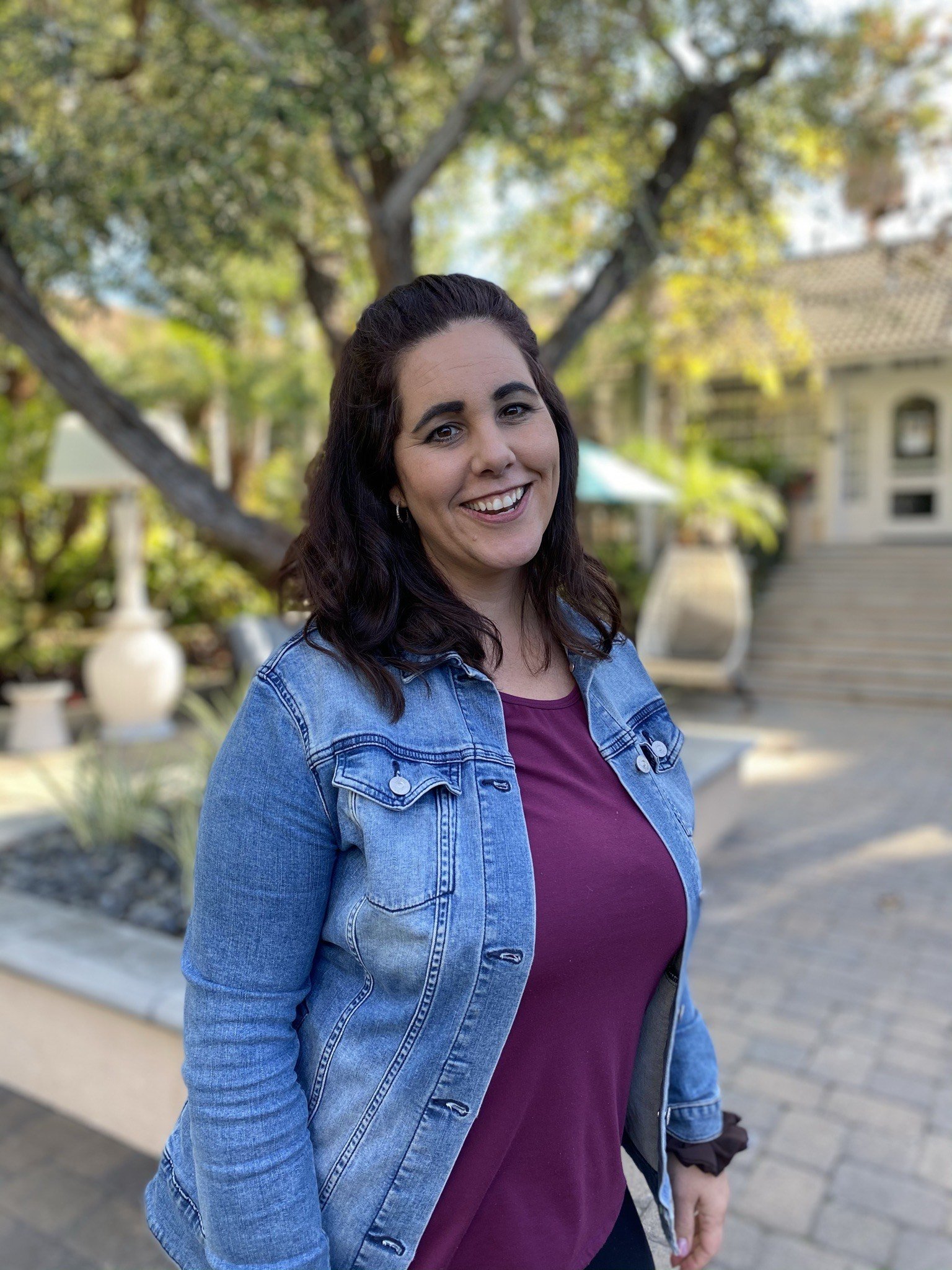
Katrina Lelli shares how growing up with alcoholic parents shaped her struggles with addiction, codependency, and self-worth, and how recovery helped her break the cycle for her own family.
Growing up with alcoholic parents doesn't just affect childhood. It can shape the stories people tell themselves about love, worthiness, responsibility, and belonging long into adulthood.
Katrina Lelli, life coach and mother of four, shares how growing up in an alcoholic home influenced her relationships, fueled her struggles with alcohol and codependency, and left her searching for validation in places that could never fully provide it.
We examine the connection between childhood experiences and adult behavior, why addiction is often about much more than alcohol itself, and how unhealed wounds can quietly drive the choices people make in relationships, parenting, and everyday life.
If you've ever wondered why certain patterns seem to repeat across generations, struggled with codependency, or found yourself feeling responsible for everyone else's happiness, this conversation offers an honest look at recovery, self-worth, and what it takes to break the cycle.
Listen to Katrina Lelli’s Interview
Watch Katrina Lelli’s Interview
Growing Up in an Alcoholic Family
Katrina Lelli: I am a mom to three kids with a stepdaughter. I've been married to my husband for 12 years.
I was a blackout drinker from the beginning. I didn't want to live this way anymore. There's this belief out there that we're not worthy. We don't deserve to be loved.
I want every person out there to know that they're loved and they're worthy because they were born. Watching the lights come on for somebody else is so beautiful.
Brandi Fleck: On the surface, this episode is all about getting clean and sober. Underneath, it's about the impacts of addiction on relationships, whether romantic, platonic, or familial. More importantly, it's about how your relationship with yourself and your ability to deal with a toxic past can lead you to addiction and codependency, and how healing yourself can lead to a different, better life.
Guest Katrina Lelli takes us through her downward spiral into alcoholism, being arrested twice, and testing relationships. Then she got to her turning point.
Now Katrina has been sober for 10 years and counting. That is such an amazing accomplishment.
Not only do we talk about before recovery, getting help, and what Katrina does in recovery now, but we explore how her relationships have improved with her kids, her husband, and even her stepdaughter's biological mom.
Katrina tells us why her path evolved the way it did and how she climbed out of what seemed like a never-ending cycle she didn't even know how to get out of. She didn't even know where to start.
Her self-awareness and willingness to go back to the past to feel and heal wounds has been part of her success, and now she helps other moms in sobriety do the same.
Katrina is a life clarity coach. She's been in the personal growth space for over 10 years, and she's also the host of the Just As We Are podcast, where she empowers women through inspiring stories, life experiences, and simple tools.
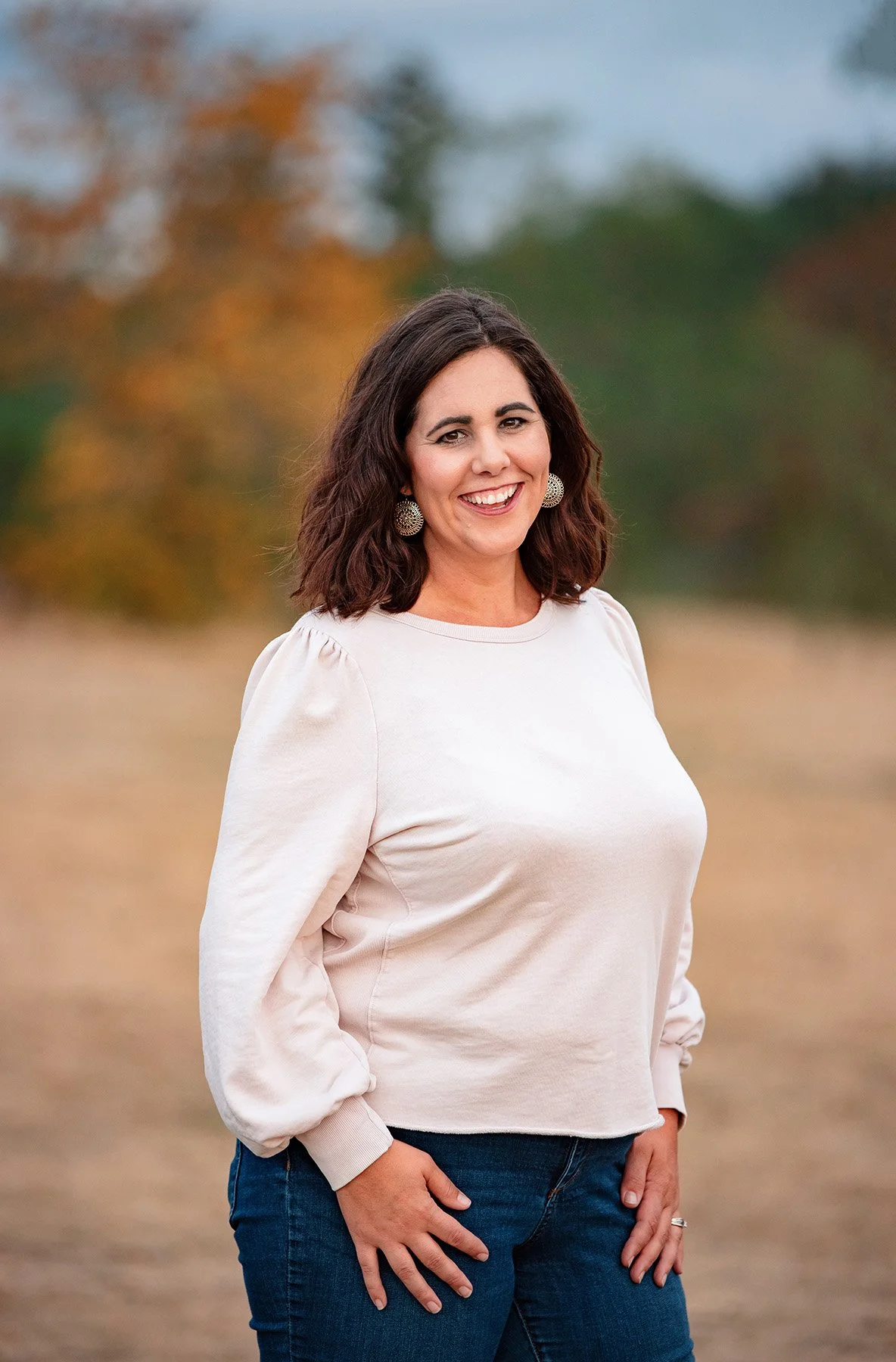
Katrina Lelli: I live in Washington State, and I am a mom to three kids with a stepdaughter as well. I've been married to my husband for 12 years.
I love living in the Pacific Northwest. I love the outdoors and stuff, but I am incredibly passionate about helping other women.
I am a life clarity coach and, as shared, a podcast host, but I love helping women really identify and then remove those things that are blocking them from living their true purpose and happiness.
Watching the lights come on for somebody else is so beautiful. I've gotten to do that for the last 10 years being in the rooms of recovery.
I've been sober for 10 years from alcoholism, and that just lights my soul on fire.
Brandi Fleck: Awesome. And we are going to dive into much of that over the next hour.
Let's just start at the beginning. We heard where you are today, that you've been in recovery for a long time. You've been married for 12 years. That's awesome. You have kids.
What was your childhood like?
Katrina Lelli: Oh gosh. Well, the longer I'm here and the older I get, it looks differently. I don't focus so much on all of the negative.
It wasn't too long ago that I couldn't remember any of the happy moments of my childhood and was really sunken into that victimhood because I did grow up in an alcoholic home.
Both my parents are, I don't know if my dad actually is anymore, but my parents are active alcoholics. There's addiction that runs on both sides of my family.
As far back as I can remember, I was that little girl who felt the need to kind of jump in the middle anytime Mom and Dad were arguing and fix things. So my little codependent self was born rather early on in life.
I thought my upbringing was pretty much like everybody else's. We loved to camp. We loved to go outdoors. My brother and I were closer when we were younger. He's younger than I am. We're not so close now.
But I grew up in that alcoholic home thinking that I needed to be around the adults all the time. I didn't really like hanging out with people my own age too much.
I just remember feeling like I was different than everybody else and my outsides didn't match my insides. I just felt off, and I never really understood it until later when I came into recovery.
My parents split up when I was 14. It was a terrible divorce, a terrible situation. I didn't see my dad for probably six or seven years regularly. He'd try to see me every now and again, but I didn't want anything to do with it because I was just so angry at him.
It was an interesting and hard childhood to grow up in such a toxic type of environment.
Brandi Fleck: Yeah, for sure. You said you were angry at your dad. Were you angry at your mom as well?
Katrina Lelli: I wasn't at the time. Later that anger surfaced.
I mean, I was angry, but not quite like my dad because I was kind of brainwashed into believing. I lived with my mom, and she really was angry with my dad. So she used me in that to kind of get back at my dad, and so I stood by her.
It wasn't until later that I really discovered kind of, and it wasn't way later, it was before recovery, but there was a lot of anger there.
When I had made the decision to see my dad again, it was scary because anytime he was brought up, it was just not a good conversation with my mom.
Brandi Fleck: Yeah, okay. Do you have good relationships with both your parents now?
Katrina Lelli: I have okay relationships with my parents now.
Brandi Fleck: Okay.
Katrina Lelli: Yeah, they're okay now. There's still work to be done.
I have set really good boundaries over the last couple of years, and I am, at this time, would say I'm satisfied with them.
They're not what the ideal relationship any little girl wants with her mom and dad, so I've come to accept it is what it is.
Brandi Fleck: Gotcha. Okay.
And real quick, before we get further along in your story, can you give us an example of a way that you were codependent?
Katrina Lelli: The one that immediately comes to mind, because I've been, recovery didn't start for me until about two years ago.
I've always been the one that my mom and my brother was addicted to drugs after my dad left, and my mom was drinking.
I was always the one in the middle trying to break up the fights. I really remember with my brother, he was trying to run away one night, and instead of allowing the adults... I'm 14 years old. I'm thinking I'm going to save him.
So I remember running outside, and he had skates on, and I remember just jumping on top of him and wrestling him to the ground and holding him down because I didn't want him to leave.
I thought if I could just get him to stay. Taking on that responsibility that was not mine to take on, that's a major outright red flag right there of that codependency.
Brandi Fleck: Gotcha. Okay. Yeah, thanks for sharing that. That's really helpful.
Something interesting that you just said was that you didn't start that recovery until two years ago. So just to be clear, there are a lot of complex things going on that have different recoveries and different time frames.
Katrina Lelli: Yeah. I mean, often times, at least what I see in the recovery rooms, is we alcoholics come in and we fix that solution of drinking or drugging or whatever that is. Many of us have codependency issues. We've grown up in toxic homes, and part of the reason we drink is because we don't know how else to deal with it, and we just want to be loved and accepted. There's such a hole there.
I have been in a relationship since I was the age of 16. I've just gone from guy to guy to guy, and I have tested those relationships. Every one of them went through the wringer, and somehow my husband, thank God, is still here.
But there's different ways I look at it. I look at it more as an emotional sobriety with codependency.
Early Signs of Alcohol Addiction
Brandi Fleck: So at what point did you actually start drinking?
Katrina Lelli: My first drunk was 18, 19 years old.
Brandi Fleck: Okay.
Katrina Lelli: I was a good girl. I was going to follow the rules, and so I didn't actually get drunk until I was 18 or 19 years old, right around there.
Brandi Fleck: And at what point did it become a problem, looking back?
Katrina Lelli: Right off the bat.
Brandi Fleck: Okay.
Katrina Lelli: Yeah, because I wanted more right away, and I was a blackout drinker from the beginning.
Looking back, I always needed more. I always wanted more. It was a go-big-or-go-home type of mentality for me.
Brandi Fleck: So you mentioned having a lot of relationships, one right after another, and now you're married with children and all that. How did the evolution of your life go from the point you started drinking until now?
I know that's sort of a big question, but in terms of how the alcohol sort of grew and basically got to a tipping point.
Katrina Lelli: Yeah. When I met my husband, I had a different drug of choice before my husband, and I was kind of coming away from that. I was addicted to marijuana, and that's because that was the crowd that I ran in.
But when I met my husband, I was already on the way out of that crowd, and it really didn't appeal to me. I was old enough to drink, and in my mind, when I turned 21, that was kind of game on for alcohol because, remember, I'm a good girl. I'm going to follow the rules. Even though I was getting high, somehow in my mind that made sense.
High-Functioning Alcoholism and Hidden Drinking
When I met my husband, he didn't know that I had a problem, and at that time I didn't identify that I had a problem. We just drank on the weekends.
Then it started to affect my work, and I would call into work or I just wouldn't show up to my job. It was noticed by him more so than me that there was a problem early on, but I just kept on drinking.
I'd been arrested a couple of times due to alcohol-related situations, and those didn't quite wake me up. I still thought, okay, this is just a one-time thing, not a big deal type of deal.
It got to the point with my husband where I just couldn't not drink. It was on the weekends. I was hiding it from him wherever I could in the house.
Our relationship moved really fast, and we got engaged just a few months after meeting each other. We were planning the wedding, and it actually came down to the month before the wedding. Invitations had already gone out, and him and our best people in our bridal party came over and had a mini intervention with me and said, "Can you just not drink for 30 days? Because this has become a problem."
I didn't know how to do that, and so we ended up calling the wedding off.
Brandi Fleck: Oh wow.
Katrina Lelli: I continued on that path of drinking and calling into work and eventually leaving that job, going to another job, thinking that was my solution because I'm no good here anymore. I've burned my bridges.
Weekends, always asking my husband to go back to the store. We'd finish a bottle of wine. "Oh, we need one more. We just need one more."
It even came down to a point where I knew it had become a problem. I felt so hopeless and so desperate. I didn't know what to do. I had no clue what to do.
I just knew that I didn't want to live this way anymore. I even set a timer in my cell phone that would say, "Don't drink, baby." I told my husband at the time it was a little secret message from him, but in my mind it was actually, no, don't drink so you can have a baby because having a baby will fix your issue.
And that's not the case. I did end up getting pregnant the following year. We had already decided on a new wedding date. We were going to move forward and get married.
But I did drink throughout my pregnancy. Not as much, and I chalked it up to, "Well, the doctors say red wine is good." Well, probably not a whole bottle.
My twins came, and that still wasn't enough. Drinking every day, driving around drunk in the car with my kids in the back seat. I thank God that nothing happened to them or to anybody else on the road.
Hiding things. Telling my husband, "I'm just going to go to the store. I'll be right back," and I'd be gone for hours because I went to the bar or something like that.
But I didn't know how not to drink, and even my kids just were not that saving grace for me. I ended up in an argument with him one day when my twins were 18 months old, and my mother-in-law happened to be next door where her parents lived.
She walked over and kind of broke our argument apart. He was trying to wrestle a bottle from me that I had hidden down my pants. She told me she would take me to get a burger, and I reluctantly went.
She ended up dropping me off at a women's Alcoholics Anonymous meeting, and that is the beginning of my sobriety journey. I didn't get sober right away. It took me a few months, and I went to an inpatient facility for 28 days.
But that was the pivotal moment of, okay, here's some hope for you. That's what I heard in that room.
Alcohol Intervention, Recovery, and Getting Sober
Brandi Fleck: Were you really pissed off when she dropped you off there?
Katrina Lelli: Oh yes, I was. I was mad. She knew somebody inside and had that person come out, and I was not going to get out of that car.
I don't really remember it, but I know that she said something to get me out of the car because I went inside and I heard something there because I kept going back to those meetings even though I was still drinking.
Brandi Fleck: Yeah, okay. I have a couple follow-up questions, starting from sort of the beginning of that. What was it like being arrested?
Katrina Lelli: It was so embarrassing, and I was so incredibly scared. The first time more so than the second time because the second time I was completely, my blood alcohol level was crazy high. I was really intoxicated, so I don't remember much of it.
But that first time, I know I just, I'm a good girl. I follow the rules. I'm a kind person. All of the things. So it was terrifying, for sure.
Brandi Fleck: Did you have any particularly scary people say something to you or approach you?
Katrina Lelli: No. Thankfully, the officer the first time I was arrested, they didn't want to take me.
I had punched my mom's boyfriend, who was not a nice person, and because I threw the punch, they had to take me. They really wanted to take him because he was mouthy when they got there.
They kept me in my own room, so I didn't get put in with the rest of the community. The second time, it wasn't a DUI. I can't remember the term for it, but I was pulled over on the side of the road and my keys were still in the car.
They just ended up calling my husband to come. He wasn't my husband at the time, but they called him to come pick me up. Thank God, for some reason, I wasn't actually placed into a jail area.
Brandi Fleck: Yeah, just a holding cell.
Katrina Lelli: Yeah.
Brandi Fleck: Okay. Then you said you guys actually called off your first wedding date. How did you manage to stay together in between there?
Katrina Lelli: It's part of that codependency.
I didn't know what else to do or where else to go, and I was pretty deep in my own disease.
I think there's a piece of me that totally understood at that time why that decision was made, and I just felt like I wasn't good enough.
I wanted to make sure he knew I was good enough, and I couldn't not be with him, kind of like I couldn't not be with alcohol.
Brandi Fleck: Okay. Why do you think he stayed with you?
Katrina Lelli: For him, when he commits to something, it's deep.
He loved me so deeply, and he saw the goodness in me. He just hoped that I would wake up in some way.
Brandi Fleck: That's awesome. And you did.
Katrina Lelli: Yes.
Addiction Recovery and Rebuilding Relationships
Brandi Fleck: So how did that go? What was recovery like for you?
Katrina Lelli: Oh man, it's been amazing.

I wish I could give this gift to everybody out there who is struggling. If I could give them a glimpse of what it is to be sober, because it's definitely nothing like you imagine.
Often people come into the rooms thinking, well, my life is over. I don't know how to go camping without drinking. I don't know how to show up to a party without it. I don't know how to live my life without it.
I'll tell you what. Going out in the woods is so much more beautiful now. I notice so much more about our world and the beauty in it than I did when I was drinking.
I loved camping. I grew up camping. I loved being in the outdoors. It wasn't easy at first, for sure. It was a complete change.
My father-in-law lived with us, so we were married, we had the twins at home, my stepdaughter, and that was a difficult situation.
It was not easy at first. My husband, even though he was happy I was sober, he was so angry still at the same time.
We ended up separating a year into my sobriety, and I didn't know if we were going to stay together.
He found a recovery program for himself, which helped our marriage and helped us walk along that path.
Brandi Fleck: Awesome. Can you give me a few more details about what inpatient treatment was like? What did you go through there?
Katrina Lelli: It's an interesting place to be because you've got a bunch of alcoholics and addicts there.
The truth is there's a small percentage that are there because they actually want to be sober. Most are there because they have to be, either legally or because their family wanted them there.
When I was there, there were a lot of sketchy things going on. People sneaking things in and all of that.
But my experience was good. I made a few good friends. You get placed in different groups with a different counselor, and we talk about why this is a problem for you. You write it out. What has it done to your life? Why are you here?
You explore that. They do a lot of education around alcoholism and addiction, which was super helpful to me because then I knew there wasn't something wrong with me necessarily. I wasn't broken. There was actually a solution out there.
I loved that. They're very educational in that way. You meet with your counselor, if I remember correctly, daily. You get with the people who are there for real, who want to be there for real.
You get to go to outside recovery meetings. You have big lectures as a group. It was an interesting space to be, for sure.
Brandi Fleck: Awesome.
Stepmom Challenges and Co-Parenting After Conflict
Now let's shift a little bit into being a stepmom and those sort of complicated relationships that were further complicated by what you were going through in general.
What has your experience been like being a stepmom?
Katrina Lelli: I've been through hell as a stepmom. And now it's good. It's not great. It's definitely a lot better than it was.
It's hard sometimes not to feel like the other shoe is going to drop when you've been through as much stuff and as tumultuous a situation as we have.
It's funny, I'm actually pretty decent friends with my stepdaughter's mom now, and years ago you would have never, ever even pictured that that was possible at all.
We talk about how, even though it's good and we want it to get better, I don't know, whatever situation you come from, whether it's always been good or not, there's always going to be some difficulty as a stepmom because you're not Mom, right? You're just not.
Those boundary lines are not very clear all the time.
Brandi Fleck: Yeah, and just to clarify a little bit, you said you're friends with your stepmom's daughter, but you meant your stepdaughter's mom.
Katrina Lelli: Yes, stepdaughter's mom.
Brandi Fleck: Okay.
Katrina Lelli: Yes. Thank you.
Brandi Fleck: Yeah, okay. Got it. Why have you been through hell as a stepmom?
Katrina Lelli: Haley's mom was young when she had her, and I was the girlfriend that just suddenly came in.
My husband and Haley's mom were together for just a few months before she got pregnant. They were actually broken up when she got pregnant.
So I came in when Haley was roughly seven months old.
Brandi Fleck: Oh wow. Okay.
Katrina Lelli: Yes. My husband was very honest and upfront with me, but as a young mom who was feeling scared and terrified herself, there's this new woman that comes into the picture.
I didn't handle all of it the best way at all, but right off the bat I immediately had to go on the defensive because I was attacked.
Mostly it was back during the MySpace days, and there was a lot of MySpace shaming going on. Pictures would get posted of me. Hateful things would get posted about me.
Now I see she was scared. She was young. She has a parent that is not necessarily a healthy role model in that aspect. She encouraged the drama. She encouraged keeping my stepdaughter from us, things like that.
But it was a lot of drama, really, and hate. She had taken me to court to get a restraining order so I couldn't be around Haley. None of this was really provoked on my end. It's just because I came into Haley's life.
Some of it later on, when they probably found out more about me, I got stalked, constantly stalked online, and taken to court. It was just a mess in general between them.
Then another woman comes in, and it was at a point where this lasted even up to a few years ago, but I couldn't be in the same room with her because I felt like I was going to pass out. My heart rate would go so high. I was scared. I just couldn't breathe.
Brandi Fleck: Panic-inducing.
Katrina Lelli: Yes.
Brandi Fleck: So how did you guys mend that?
Katrina Lelli: Oh my goodness. Time, for sure.
But I eventually made the conscious choice to step back and step away, which was hard for me to do because I want to be in control and I want to know all the things.
I disengaged and stopped going to look for her stuff online. Mostly, I disengaged and pulled away.
We both grew up. There were some deep family losses on both sides of our families that I think brought some things into perspective as well.
She would even say, and I've interviewed her on my own podcast, we've shared a bit of our story, and she would say, "I grew up, and I kind of just decided not to listen to that toxic person in my life so much anymore."
She was tired of the fighting. She was tired of the arguing.
She was like, "If I can do this with my other daughter's dad, why can't I do it here with these guys?"
How Childhood Trauma Affects Parenting
Brandi Fleck: Awesome. Okay, so that is all really interesting. Now I'm curious to know what your relationship is like with your biological kids, your twins.
Katrina Lelli: Oh my gosh, they're definitely my babies. Even though I have a baby now, a two-year-old, they're my babies.
It's been interesting because they have never known me drunk. They've never known drunk mom. They were too young to even know that.
So I'm so grateful. I'm so grateful that they're not affected by my drinking when I was pregnant, breastfeeding them.
They've been along this growth journey with me, learning how to be a responsible, supportive, caring, and present mom.
It's something I really work on daily. I try my best to take the time to engage with each of them, give them each their own time, and be with and know who they are.
I'm very open and talk about my journey with them based on their age level. We just do our best at having a lot of fun and teaching them that today is all we have. This is the moment we get to live in.
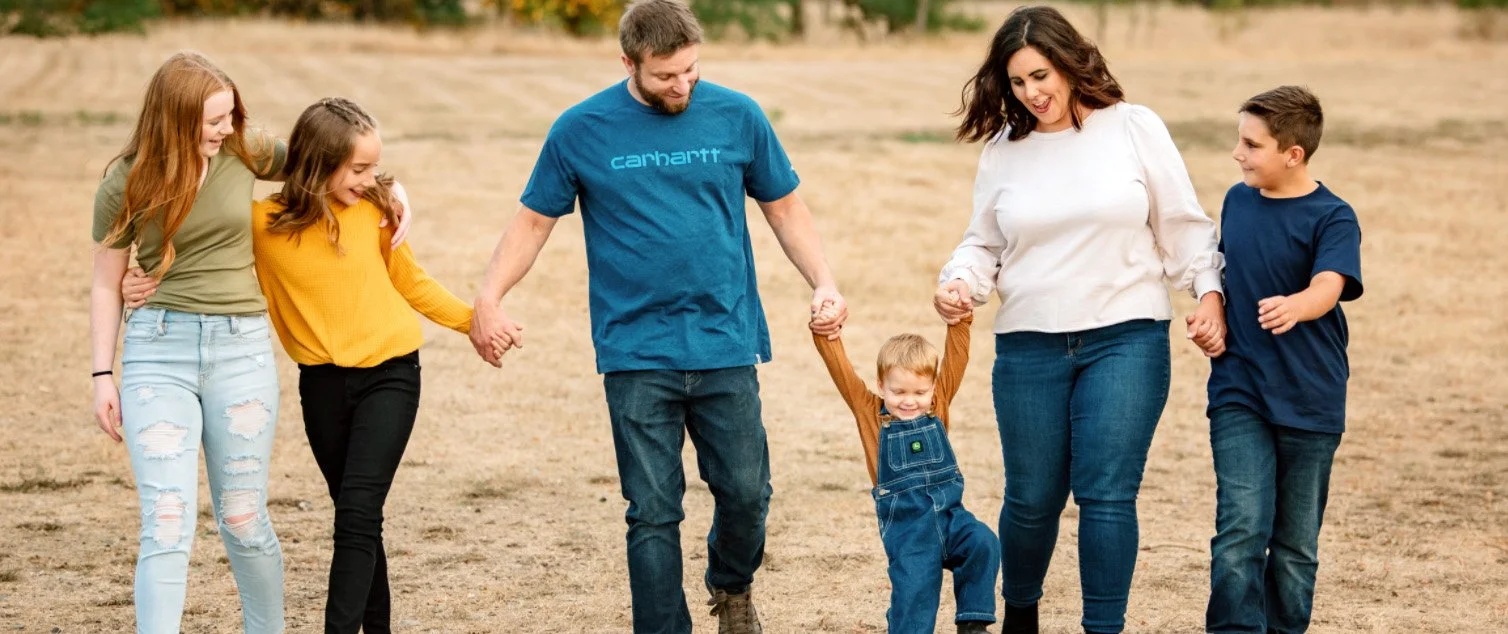
I can definitely see some of my control tendencies in my daughter, but I just enjoy them as best I can as they are.
I'm still learning. I still feel like I need the manual for this stuff because they're 11, coming into 12, so now we're adventuring into a whole new world as they grow into that teen-tween stage. So it'll be interesting.
Brandi Fleck: That's awesome. So when you say they've been through this growth journey with you, can you give us some examples of what that growth looks like?
Katrina Lelli: I have not been the best at actually being present with them.
Brandi Fleck: Okay.
Katrina Lelli: Like putting away my phone, giving them my undivided attention. That's something I've had to work really hard on because I'm always in a, okay, I've got to get this done, mode.
It's mom mode, but it's also a way to kind of escape being in the present moment because that's what I've been doing my whole life.
So working on putting away the phone and actually being present with them, listening to them and not multitasking, giving them that attention.
Being more affectionate and loving on them. I'm an affectionate person. I love my hugs. I love my snuggles with my husband and my little one.
But I noticed, for some reason, I was cutting myself off from them on that. When they were little, it was easy, but for some reason in this older stage, and maybe it's not just me, maybe it's something a lot of parents go through, I haven't looked into that part.
But hugging them a little bit longer, holding their face in my hands, and making sure they know that I'm here for them and that I love them.
Brandi Fleck: Sure. Instead of just the casual "I love you."
Katrina Lelli: Yeah.
Brandi Fleck: What does that look like with your stepdaughter?
Katrina Lelli: It's interesting. I do it more now than I did a year ago even, and I've been in her life for 14 years.
There is still an uncertainty there because I can't help but wonder sometimes, because of the history with her mom, is her mom saying something? Is she talking badly?
Just recently she decided, and I have to remember this is actually a 14-year-old girl wanting to be with her friends, she decided she didn't want to go on a camping trip with us for the weekend.
We only get her every other weekend right now, and she didn't want to come with us.
So my head will automatically go, "Oh, what was said to her? Why doesn't she want to come with us? Is there something going on that I don't know?"
The defense will go up rather than realizing this is a 14-year-old girl who wants to go to her best friend's birthday party this weekend instead of camping with her family.
But I am more intentional about spending time with her, just her, taking her out to do little things, hugging her, and telling her I love her.
I try to get myself to think of it like I'm in aunt mode because if I were in aunt mode, I would be just like I am with my kids.
But I think there's still a little bit of lingering, like, okay, is there something else going on here? I don't want to make her mom mad. Things like that.
Healing Childhood Wounds and Building Self-Worth
Brandi Fleck: So how does this feed into what you do for a living now with coaching women and moms?
Katrina Lelli: I think so many of us are walking around with the same deep-rooted couple of issues.
There's this belief out there that we're not worthy. We don't deserve to be loved. We don't deserve to live a bigger life.
People are escaping their lives right now, not just through alcohol or addiction or food, the typical ones. You see it now more, especially during this last year because it's been crazy, and things are being elevated and shined upon.
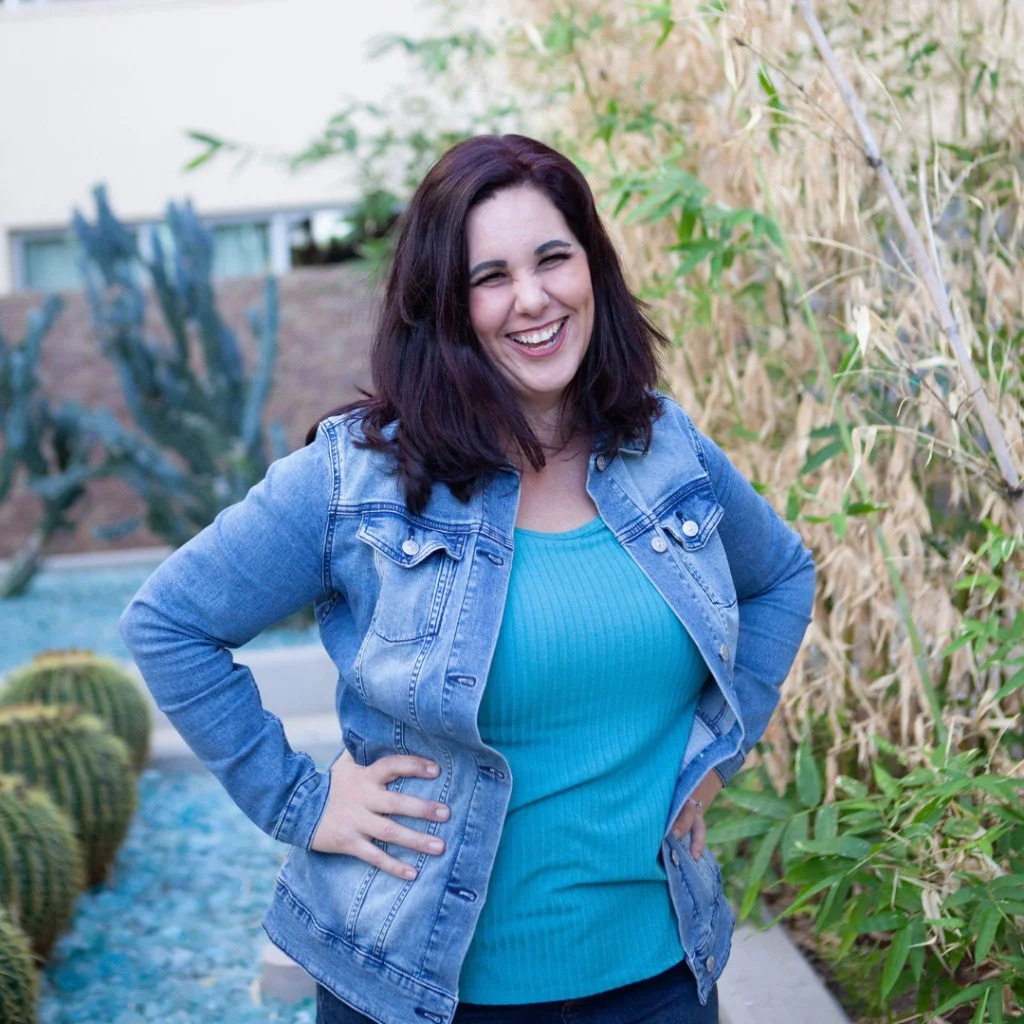
I want every person out there to know that they're loved and they're worthy because they were born. That's it. That's all you need. I remember that feeling all too well, like it was yesterday, just thinking I didn't deserve a better life. I didn't deserve more. There must be something wrong with me.
If we can wake ourselves up and really tap into the excitement and the magic of life, oh my gosh, what a different world we would have.
Brandi Fleck: So what did it feel like, if you can pinpoint this, when you started to love yourself?
Katrina Lelli: It's like you're a five-year-old who's excited about going to the park or to Disneyland or because Christmas is coming.
Purely tapping into your five-year-old self and remembering the joy of waking up today knowing that something exciting is going to happen.
For a five-year-old, something exciting is Grandpa or Grandma coming over, or I get to play with my new toy today, or I'm just excited just because.
Brandi Fleck: Yeah. That's the best way I could explain it. Okay, awesome. That was really powerful, what you said, that people are escaping their lives right now. I really agree with that.
I think just with everything going on, but even before all of the craziness happened with COVID and the political climate and all of these things, people were escaping their lives.
When you escape things, you don't notice. Things just happen out of your vision, and then the next thing you know, you wake up and the world's a place that you don't want to be in, I guess.
Katrina Lelli: Yeah. I am right there. That was so beautifully said. The light is just shining more on it now because we've been forced to slow down. People don't know what to do because busyness is a way to escape. We fill our schedules up.
Brandi Fleck: Yeah, that's true.
Katrina Lelli: And so now we're forced to slow down.
Brandi Fleck: Yeah.
So when you are coaching, can you give us sort of a sample of advice you would give for somebody who's escaping, or is that something that you deal with?
Katrina Lelli: No, it's something that I'm definitely dealing with and learning to tap more into too.
But the thing for me is, let's talk about why you're escaping.
If you're feeling like you're not good enough, then let's go back.
I take my clients back. Where did this start? When did that feeling of not good enough start for you?
Brandi Fleck: Okay.
Katrina Lelli: What were you told as a child? I think it is so important to go back. This is why people avoid the work, because they don't want to go back. They don't want to actually feel the feelings.
But there's a good chance that there are some unhealed wounds in there. It could be from anything. It doesn't mean you had to have a traumatic childhood.
Maybe there was a girl on the playground who told you that you were ugly or bullied you.
It's truly about what was that story that you told yourself and you've been carrying along. You've piled it on, and you've added other things on top of it that just kind of solidified that for you.
So now, why are you escaping your life? What is it you feel so unworthy of that you can't deal with?
Brandi Fleck: Well, in terms of maintaining your marriage over the years, would you say you're at the strongest you've been now, or how is that going?
Katrina Lelli: Absolutely. We're the strongest we've ever been.
I'm completely transparent. There were a lot of years where I didn't know that I wanted to stay with him, and it was always usually because of me and where I was and the growth that I wasn't willing to do yet.
But today I know without a doubt this is the man I'm going to spend the rest of my life with. We still have a lot of room to grow, but we actually talk about it today. It doesn't get shoved under the pillow.
Brandi Fleck: Nice. And what about your mother-in-law who dropped you off at the meeting? Do you have a good relationship with her?
Katrina Lelli: I really do. That whole family truly showed me what it's like to love somebody unconditionally.
She has been one of my number one supporters, and she's really taught me a lot. I'm so incredibly grateful for her.
Brandi Fleck: That's awesome. All right, well, Katrina, you have a really awesome story, and that's all the questions I have for you.
But is there anything that I didn't ask you that you think is important to say?
Katrina Lelli: My only hope is that people know that doing the work with a coach, in a recovery program, whatever it is.
Brandi Fleck: Okay, that made me think of one more question then. What happens when a craving or something like that hits? How do you handle it?
Katrina Lelli: I've been incredibly blessed that the craving left me in treatment. I had what we call a burning bush moment, and the craving left me in treatment.
I know that's not the case for everybody, but the best thing to do is to reach out and talk to somebody or go for a walk. Just change your state of being.
Brandi Fleck: Then I need to ask you about this too. Since you had to develop other coping mechanisms to process and deal with emotions, what are some of those healthier coping mechanisms?
Katrina Lelli: Exercise. Personal development was probably the biggest one.
Brandi Fleck: Like self-help type stuff?
Katrina Lelli: Yep. Self-help type stuff. Reading the books, going to seminars and events, investing in myself in that way.
Brandi Fleck: Well, I'm sure our listeners are dying to know, where can they find you if they want to learn more about you and check out all of your cool stuff?
Katrina Lelli: Yeah, absolutely. The best place right now to find me is Facebook or Instagram, Katrina Lelli, just my name.
I do have a free Facebook community group, and then, of course, my podcast, Just As We Are. I do have a website coming. It's not out yet, but it'll be just my name, so you'll be able to find it soon.
Brandi Fleck: Well, you guys, all of that will be in the show notes. Katrina, it was awesome having you on today. Thank you so much.
Katrina Lelli: Thank you for having me.
Join the conversation!
Feel free to share your own experience and let me know if you have any questions in the comments.
Related Posts












Hi, I’m the founder of Human Amplified. I’m Brandi Fleck, a recognized communications and interviewing expert, a writer, an artist, and a private practice, certified trauma-informed life coach and Reiki healer. No matter how you interact with me, I help you tell and change your story so you can feel more like yourself. So welcome!
Find More on the Blog
Topic
- ADHD
- AI
- Atlanta
- Black and BIPOC
- DIY
- FAQ
- LGBTQIA plus
- Los Angeles
- Nashville
- Seattle
- St Louis
- St. Louis
- UFOS/UAPs/ETs
- abuse
- accountability
- addiction and recovery
- adoption
- affirmations
- afterlife
- altered state
- angels
- animals
- anxiety management
- art
- astrology
- atlanta
- attachment
- awakening
- beauty
- behind the scenes
- being human
- body image
- body work
- boundaries
- brandi fleck
- breathwork
- bullying
- burn out
- burnout
- cancer
- career
- caretaking
- chakras
- channeled
- clarity-dive
- clarity-practice
- clarity-primer
- clean products
- coach
- codependency
Recent Blog Posts
Visit the Full Podcast Audio Archive

Affiliate


Spiritual practice can bring calm, clarity, and self-awareness, but it can also become a polished way to avoid what still hurts. In this guest article, Pat Crilley explores spiritual bypassing, emotional suppression, and how to tell the difference between true healing and performing peace.