
How to Build a Healthier Relationship
Interview By Brandi Fleck
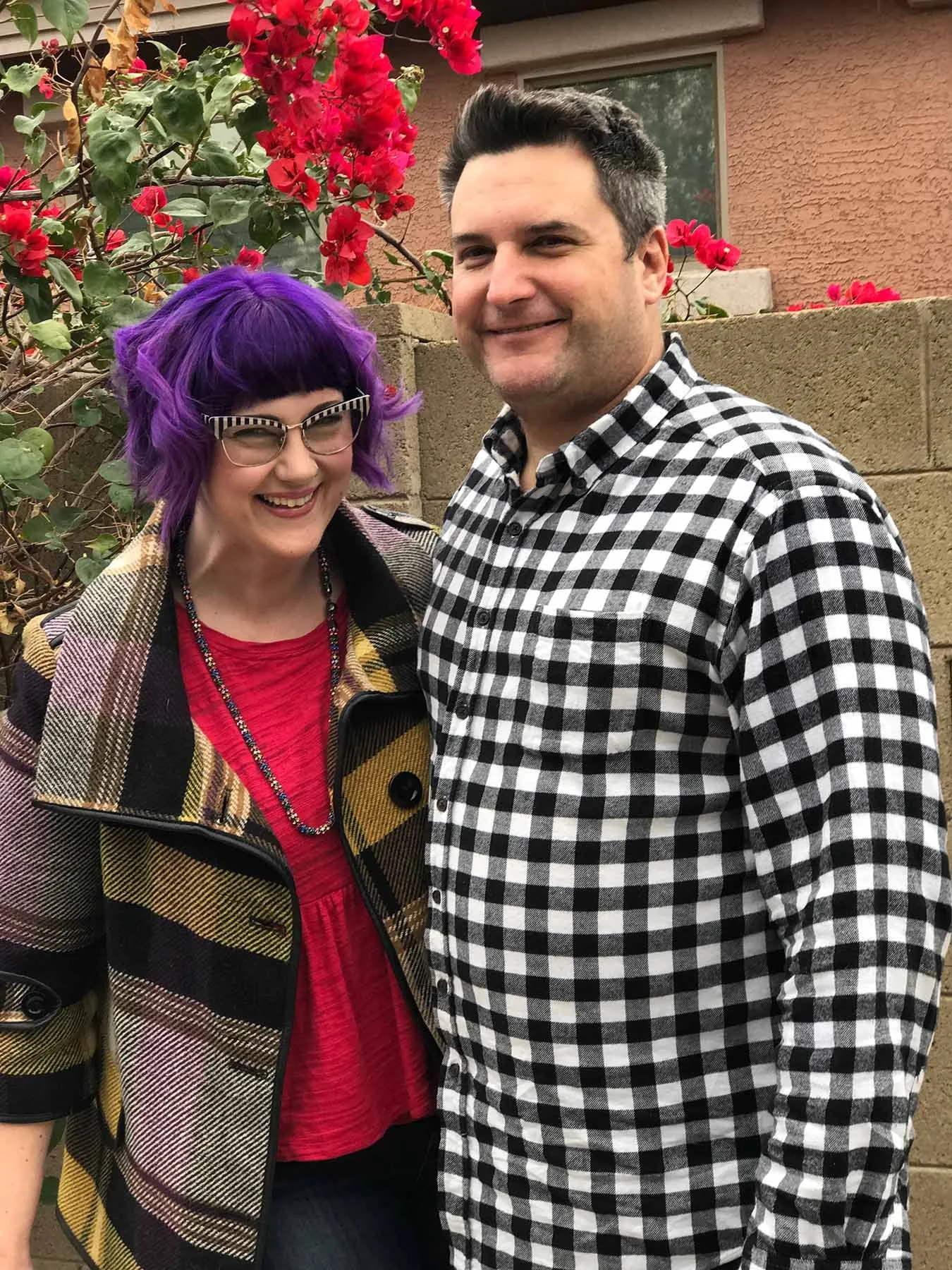
Craig and Meg Smidt reflect on the lessons that shaped their relationship, sharing how friendship, honest communication, emotional intimacy, and grace can help people build stronger connections.
Healthy relationships don't happen by accident.
They're built in hundreds of ordinary moments, like uncomfortable conversations, the arguments that require humility, and small acts of kindness no one else sees.
Craig and Meg Smidt open up about what they learned through previous marriages, how friendship became the foundation of their relationship, and why emotional intimacy starts long before physical intimacy.
Whether you're dating, married, divorced, or simply trying to build healthier relationships in your life, this conversation offers thoughtful reminders that lasting connection is created one intentional choice at a time.
Listen to Craig and Meg Smidt’s Interview
Watch Craig and Meg Smidt’s Interview
Editor's Note (2026): This conversation was recorded in 2019. Since the recording, the guests' relationship has changed. We are preserving this episode as part of the Human Amplified archive and as a reflection of where they were in their lives at that time.
How Past Relationships Shape a Stronger Marriage
Brandi Fleck: Heads up, this episode contains adult content. We have such a treat for you today, a really fun episode.
This week's guests are Meg and Craig Smidt, a married couple who aren't afraid to open up about intimacy in their marriage so you can start thinking about how you create intimacy in your own important relationships.
Meg is a life coach, and you know I love getting life coaches on the show every now and then. She's known as Your Coach Meg and has been helping women with creative businesses build their dreams for eight years.
Craig has a degree in psychology, is a success coach, and is also a senior executive for a venture capital firm.
The couple has moved around over the years, meeting in the Southern California music scene, but now lives in St. Louis, Missouri, by way of Murfreesboro, Tennessee. They have five grown children from Craig's first marriage, who Meg immediately loved as her own and later adopted. Their marriage to each other is a second for both.
So tune in to laugh along with this animated and super sweet couple who genuinely enjoy each other's company so much you can hear it dripping through their voices. Plus, hear what they love about each other and what they put in their naughty stockings at Christmas.
Oh, and one more thing. Remember the love story contest that ran through December and January? Let's hear from our winner real quick.
Britney Fisher-Kerns: Hello, my name is Britney Fiser Kars, and I wanted to add something for the Valentine episode about my husband, Scott.
My favorite story about us being together is that when we first started dating, we ate out a lot and gained a good amount of weight having a good time. When we would go out, we would order dessert. He'd order dessert a lot for us, and he always gave me the cherry off the top of the ice cream.
I love the cherry on the top, so he gave it to me. Over the years, this kept on until one day after we were married. I looked at him and I said, "Oh, are you eating a cherry?" as he was.
He said, "Yeah."
I said, "I thought you didn't like the cherry on top."
He said, "No, I like cherries. I just know that you really like them."
That kind of describes my guy and how thoughtful he is and selfless he is, always giving the last of everything and not leaving a whole lot for himself. It made me aware of it, so I'm trying to be kind to him, a little kinder.
That's my Valentine story.
Brandi Fleck: That was so sweet, you guys. All right, let's dive into the episode.
Hi, Meg and Craig. Welcome to the show. How are you both doing today?
Craig Smidt: Great.
Meg Smidt: Outstanding.
Brandi Fleck: Yeah? How are you doing?
I'm really well. It's a nice Friday night, and I'm super excited to talk to you guys about your relationship for the Valentine's Day episode.
Meg Smidt: Yes.
Brandi Fleck: Yes. So you guys are here today to talk about intimacy and marriage.
You both recently did a Facebook Live video about this, and it was really cool and informative.
Meg Smidt: Good.
Brandi Fleck: Yeah, so I was happy to attend that. I just want to start a little bit by talking about the definition of intimacy.
Dictionary.com says intimacy is the state of being intimate. Intimate is one associated in close personal relations and warm friendship, being personally close, or suggesting an atmosphere of privacy and personal connection.
Is there anything that you would add to that definition or clarify about it regarding romantic relationships?

Craig Smidt: Well, I think the obvious one that they leave out in the dictionary, for couples that are in a relationship, is a potential sexual aspect to it.
Otherwise, I think everything else is all-encompassing. It can be a friendship. You can be intimate with somebody you work with just from the friendship aspect of it, your best friend.
It really kind of depends on what the context is, but I think that pretty well covers it.
Meg Smidt: Yeah, and I like to think of it as going deep because you can go deep with just about anybody, going a little bit under the surface.
You can build intimacy. It doesn't have to stay in one level of intimacy. You can always build on that. You can always go deeper, whether it's in a friendship or not.
Brandi Fleck: Again, that's a really good point.
Would you say that the first level of intimacy might be friendship, and then it sort of goes as a relationship would turn romantic? Or is it just different states of friendship or different states of a romantic relationship?
Meg Smidt: Yeah, I think it's different stages of friendship, romantic or not, because you can have a friend that's maybe just an acquaintance that you talk to every once in a while. Maybe that's not so intimate.
As you get more comfortable with each other, whether it's romantic or not, you're going to probably go a little bit deeper in building that intimacy in the relationship.
Brandi Fleck: That's a really good point.
Craig Smidt: Well, Meg and I started out as friends and kind of built into best friends and then into a romantic relationship.
Depending on the dynamics, I would say that's certainly where it starts.
Brandi Fleck: Yeah. Okay, that's good to know.
You guys both said in your Facebook Live that you're not experts at intimacy and marriage, but what I liked about it was that you've been married for 14 years, 15 years this August, correct?
Meg Smidt: Mm-hmm.
Craig Smidt: Yes.
Brandi Fleck: Okay, and you've been together for 16.
Can you tell me a little bit about your friendship and how that evolved?
Craig Smidt: Well, interestingly, Meg and I used to be in the music industry in Southern California from both the artist side, and we also owned a record label for a while.
We were involved in some media in terms of online music magazines, doing videos, music interviews, different types of pieces. Meg had her own fanzine for a while that was popular in Southern California.
We ended up being in the same circle in terms of the music world.
Ironically enough, we were in a chat room where we first technically became aware of each other. We were obviously in the same general vicinity. A lot of people that were active in that scene were in Southern California.
We ended up being at a group meetup. We were both married to other people at the time, and that's when we became friends.
So that's where the relationship started.
Brandi Fleck: Gotcha. Very cool.
That's interesting that you guys were both in the same circle, and you mentioned chat rooms. Was this like chat room-type stuff?
Craig Smidt: Oh my gosh. Well, it was before Facebook, that's for sure.
It was a music site called The Electric Garden Network. Essentially, we were in a music scene kind of known as synth-pop slash goth slash industrial music.
A lot of the local artists and also a lot of the fans tended to congregate on this site. It was worldwide, so I made friendships from that with people from Europe that we're still in connection with who are also in the music business.
It just happened that a big group of us were from the Los Angeles area, and a lot of us connected. We were involved in music festivals, meetups, attending each other's shows, going to different shows together.
It was an interesting time.
Brandi Fleck: It sounds very cool.
Let's learn a little bit more about you guys.
What do each of you do for a living? Where are you from? I know you mentioned California, but where are you living now? How many kids do you have? Things like that.
Meg Smidt: Sure.
Well, I am a life coach. I've been helping women creative small business owners build lives they absolutely love and their dreams for the past eight years now.
I have clients all over the country, and...
Meg Smidt: I do meet with people in person here in St. Louis, where we're living, but I also have clients all over the place that I do video and phone calls with, and I absolutely love it.
We have five kids, and they're all big old adults now.
Brandi Fleck: Awesome.
Meg Smidt: Yes. Our youngest is 20. Our oldest is 27, and they're all from Craig's first marriage. So I don't know if that's a good segue into Craig talking about what you do.
Craig Smidt: Sure. I'm a senior executive for a venture capital firm here in St. Louis.
I was born in Chicago, grew up in Southern California in Orange County. I've lived in Seattle, Boise, Idaho, obviously Nashville. We spent almost 10 years in Nashville. We spent almost two years, about a year and a half, in Phoenix, Arizona.
We're well traveled, and we're kind of from everywhere for the most part.
Brandi Fleck: Gotcha. So did you move around a lot for your job?
Craig Smidt: Yes, absolutely.
Brandi Fleck: Okay. So what is the most important thing in life to both of you?
Craig Smidt: Well, the cliché answer is each other, right? That's, "Hey, you're on a relationship show. Say each other."
But to be honest with you, it is, at least for me. It's Megan and our family.
I've chased the almighty dollar. I've chased fame. I've chased just about everything that is alluring to most people in this world and had varying levels of success or failure in these different areas.
I can honestly tell you that Megan changed my life. She gave me hope in a time that was very, very dark, and she is my world.
Brandi Fleck: That's so sweet.
Meg Smidt: Well, I was going to say something similar.
For me, it's relationships in general. I'm huge on just knowing people and going deep and being intimate on lots of friendship levels and all the things.
I love knowing people and really seeing authentically who they are, and I feel like that's what it's all about. It's about people and relationships.
Brandi Fleck: Sure. I definitely agree with that one.
That brings me to Valentine's Day. I know Valentine's Day is important. It's a special day to you guys. Why is it special, and how do you celebrate it?
Meg Smidt: It's my birthday. That's why it's special.
Craig Smidt: Yeah, so I get presents for his birthday on Valentine's Day. That's why it's special.
Brandi Fleck: So does Craig get a Valentine's Day present and a birthday present, or do you combine them?
Meg Smidt: He gets both, definitely. I'm all about gifts, so we definitely do all the gifts. My love language is gifts and acts of service.
Craig Smidt: No, words of affirmation. Your third one is actually acts of service, just so you know.
Meg Smidt: Words of affirmation. Okay.
Craig Smidt: So yeah, gifts are a big thing for her.
Brandi Fleck: Got it. Okay. And what are your love languages, Craig?
Craig Smidt: Physical touch and quality time.
Brandi Fleck: All right. You've got a lot of love languages covered there, you guys.
Meg Smidt: Right.
Brandi Fleck: You did mention that this marriage is a second marriage. I know for Craig, but this is a second marriage for both of you. Is that right?
Meg Smidt: Yes.
Craig Smidt: Yes, it is.
Meg Smidt: I was married just for a year and a half, and he was married for a lot longer than that. My first marriage was only a year and a half, so there were no kids or anything like that.
Brandi Fleck: Okay.
Craig Smidt: Yeah, I was married for 11 years before we separated. I got married very young, so I had to figure out ways to try to support a large family.
We ended up having five children. Very unconventional situation.
When we separated, Megan ended up being the full-time caregiver to our children once we got together. They view her as mother. They call her Mom.
She ended up legally adopting them all at one point, so she's on their birth certificates and everything.
It's an awesome, very unique relationship, even though the kids kind of look like her.
Plus, Megan, I'm in my middle 40s, Megan's in her early 40s, and she looks young on top of that. She actually looks like she's probably in her late 20s.
We get a lot of weird looks when we start talking about how we have a 27-year-old son. Our youngest is 20.
Funny story, our oldest son had surgery last week, and they thought that she was his girlfriend.
Meg Smidt: Yeah. They thought my mom was his mom, and I was the significant other. It was precious.
Craig Smidt: Yeah.
Meg Smidt: He loved that.
Craig Smidt: Well, he was drugged up. He didn't know.
That's a little bit, in a very, very small snapshot, of what that looks like.
Brandi Fleck: Gotcha.
Do you mind if I ask why or how you became the full-time caretaker?
Craig Smidt: How much time do we have?
Well, I'll start, and then I'll let Meg kind of jump in.
When we got separated in my previous marriage, she really struggled in a lot of different ways. She had struggled all her life in various different relationships.
Without going into too much detail, because I don't want anybody that knows her to think anything negative about her, she just had a really hard time and had some really big challenges in her life.
She came to the conclusion, and it became very obvious to everybody, that she just wasn't going to be able to fill the role that the kids needed.
I give her a lot of credit for coming to that realization.
We ended up having full custody of all the kids relatively quickly. Once we were together, it just evolved into a situation where she was having less and less to do with them.
There's some more backstory, and she just agreed to relinquish all her parental rights so that Megan could legally adopt them because they truly view her as Mom.
Our concern was that if something happened to me, and all the kids were still minors at that time, regardless of their relationship, the legal system would have viewed my previous wife as their caregiver, and legally the kids would have gone to her.
We wanted to make sure that we closed the loop on that since the relationship dynamic was so different than maybe the traditional situation.
Brandi Fleck: Right. Okay, that makes a lot of sense.
So I imagine, Meg, your life was really enriched by this. Would you say that?
Meg Smidt: Enriched? Yes, absolutely. That's a great word for it.
I was 27 and all of a sudden had five kids, all 12 and under. That was fun.
The crazy dynamics of being a blended family and an ex-wife and all those types of things.
My parents became instant grandparents. My brother became an instant uncle. All the things.
It was a lot.
Craig worked a lot and was gone a lot, so I didn't have all the years leading up to our kids' ages to kind of learn the ropes.
I didn't even babysit when I was younger. I literally didn't change a diaper until last year. I had never changed a diaper.
Brandi Fleck: Right.
Meg Smidt: I did, and I was very excited about that.
You do what you have to do. It wasn't the kids' fault that anything was going on.
We all just kind of hung in there together and learned as we went. I probably did some stupid things and whatever, but I think we all turned out okay.
Craig Smidt: There were definitely some rough patches along the road, especially as the kids got into adolescence and tried to figure out, "What really happened here? What's going on?"
I would say really our last child, actually our middle child, has just now, at the age of 24, kind of figured it all out.
It's an interesting dynamic for them, but to be honest with you, it's the best thing that could ever have happened to everybody, in my opinion.
Brandi Fleck: Gotcha.

Creating a Friendship Before Romance
Shifting back to the relationship perspective, from your previous marriages, what were you both able to improve on and do better this time based on what you learned from the last ones?
Craig Smidt: For me, it was the friendship first.
The one thing that Megan and I always state is friendship first. The fact that we were friends and then best friends and then became romantic means we can always go back to the friendship.
That's really been the key for us.
There are so many mistakes that people make in terms of rushing into relationships and getting caught up in the romance of it, the electricity of it, that sometimes bad decisions are just made.
For me, it was that.
Also, to be honest, I was selfish in a lot of ways in my first marriage.
What I always try to run the filter through in my relationship with Megan is, "What does Megan want? What does she need?" instead of trying to think, "What's best for me in this situation?"
That's the filter I run it through. I'm probably successful, I don't know, 75 to 80 percent of the time. I'm far from perfect. All of us have our selfish moments.
But it's really intentionality. That's the other thing that's big in our relationship, and that's really hard to do.
Meg Smidt: I would say, for me, I had a lot of bad relationships. Not a lot, a lot, but all of my relationships were pretty bad before Craig.
I wouldn't even say I had one healthy one. Luckily, he was really patient with me so I could figure out what healthy looked like in the middle of all that.
We had a great therapist that we saw separately and together, and our kids even saw this therapist. That helped a lot.
I never had anything like that with my ex-husband. We were just married. There wasn't really ever. He was never interested in fixing anything or getting better or healthier.
The fact that Craig is so patient with me and wanted to figure things out and work things out and do it in a healthy way just changed everything.
The Purpose of Marriage and Long Lasting Relationships
There's some really great takeaways in there. I heard you mention friendship as a foundation, intentionality, patience, working on things, and therapy. People can get a therapist if they need one, and that can be really helpful.
About the institution of marriage, before we dive into some of your really cool relationship details, from a higher level, I was reading an article a while back that asserted that just as an individual can develop through Maslow's hierarchy of needs to fulfillment, marriage as an institution has done that if you look at the history of it, from why it started into how it's evolved today.
We put a lot more pressure on marriage to fulfill more than just basic survival needs. The stakes are higher, but the reward is also greater.
What do you guys think about that and the institution of marriage as a whole?
Craig Smidt: Well, if you want to get into the anthropological look at it, marriage initially... well, you could say that it has the reproductive aspect to it, right? At one point, it was about the survival of the species.
But ultimately, what I think marriage has evolved into is a little bit of a fantasy and a myth that people are trying to achieve and attain, something that has been idealized either by television or different media about how things are supposed to be and things are supposed to look.
When the partner doesn't necessarily fit that bill, because nobody does, nobody's perfect, there's this big disappointment where everybody thinks that their spouse is going to complete them or be the missing piece of the puzzle that's going to make everything wonderful.
Marriage can be put on a pedestal, but to me, what it is is having a partner.
If you're going to ask what need it fulfills for me, that's really what it means to me, having a partner, somebody to do life with, so that when things are rough for me, I can step back and count on them to help lift me up. Same for Megan, to be each other's cheerleaders.
You can get really, really deep into this, and you can get into a lot of the psychological aspects of it, but that, to me, is what it means. It's more on the higher level of the hierarchy of needs.
They say behind every great man is a woman. Well, that's obviously kind of a very sexist approach to it, but I think what they're really saying is that behind any successful person, there's usually somebody in their life who has been supportive of them, whether it's a friend, a spouse, or a family member.
That's true. We can't get through this life and be successful without the help and support of others. It doesn't have to necessarily come from a spouse. It can come from a best friend. It can come from a boyfriend, a girlfriend, a parent, a brother, a sister, maybe even a mentor in life.
I don't think the convention of marriage necessarily looks the same as it did in 1950, for example.
Now it really needs to be a partnership.
Instead of looking at, "What can I get out of this marriage? What can my spouse or my significant other give to me?" you need to flip that script. It's, "What can I do for them? What can I do to help lift them up?"
In general, there's a law of reciprocity where when you give, you get.
Now, obviously there are exceptions to that rule. If you're in an abusive relationship or a relationship that's toxic, that's a completely different story, and you need to find therapeutic help, a counselor, or if you need to escape, you need to escape.
But at the end of the day, you need to see what you can do for this person in your life, and in turn, it just grows the relationship from there.
Brandi Fleck: Very cool. I really love a lot of the stuff you just said, and that was a really positive spin to put on, instead of "behind every great man there's a great woman," or however the saying goes. It's more like you absolutely need a support system.
So I will just go ahead and ask you guys, do you believe in the concept of soulmates?
Meg Smidt: Yeah.
Craig Smidt: Yes. A thousand percent.
Brandi Fleck: Tell me about it.
Meg Smidt: I mean, done. That's definitely us, and I can't imagine anything different.
I think we knew that in the very beginning.
Brandi Fleck: Wow. Like you were brought together.
Meg Smidt: Yeah.
Craig Smidt: There was an instant chemistry and friendship between us that just was otherworldly, to be honest with you, even when we were married to other people.
I'm not going to say that our relationship together is what caused our divorces because it really didn't. There were a bunch of other things that were going on.
But we were able to lean on each other and be support for each other when we were going through a lot of the garbage we were going through, and that's kind of where everything just clicked.
I firmly believe that there's a reason why we're together and that we found each other when we needed to. I think we were just smart enough to realize it.
I think a lot of people try to fight these types of situations too, or they try to overanalyze things.
When you know, you know. Ninety-five percent of the time, I believe our guts are right.
Meg Smidt: I wasn't a little girl fantasizing about marrying a man with five kids when I was a little kid. That really wasn't it.
But when it all happened, it just all made sense.
I believe with the kids too, it was kind of a no-brainer. It just is what it is.
Countless times we've seen how our kids have just been protected by things. When we've moved, right after we moved, a big thing would happen where the kids would have been in a really awful situation or whatever.
I definitely feel that our family has this kind of soulmate connection around it.
Craig Smidt: Definitely.
To be honest with you, when we got married, the kids were in the wedding ceremony, and the kids all got rings too.
She wasn't just marrying me. She was marrying the kids as well.
Brandi Fleck: Right. Very good point.
Very cool. So what was it like falling in love with each other? What is your love story?
Tell me about the emotions that you experienced and what you went through.
Craig Smidt: Just looking at each other.
Pretty spicy, I would say.
Yeah, there was definitely a major physical aspect to our relationship.
Megan was a minor celebrity at the time, at least in the music group that we were running through.
A lot of the bands that we were with and friends with actually had a low level of success. A lot of the bands you would actually be familiar with. Some of their music still gets played to this day.
Meg Smidt: Where are you going with that?
Craig Smidt: Well, where I'm going with it is that she just kind of rocked my world.
Beautiful woman, songstress, great voice, great personality. I was like a puppy dog.
Meg Smidt: Well, I had never met a man who actually treated me like his equal and took me seriously and wasn't scared of me.
He really had the confidence because I'm a pretty outgoing person, and I have a lot of friends, and I enjoy that. I enjoy meeting people and whatever.
Craig loved that about me. He wasn't intimidated by that. He wasn't jealous or anything like that.
I felt like I finally met my match, so we definitely bonded that way.
Craig Smidt: We like to do a lot of the same things too. We have a lot of the same interests, so that helps.
Brandi Fleck: Yeah, for sure.
Okay, great. I definitely want to talk about the physical aspects of intimacy, but before we get to that part, let's go back to the being intentional takeaway here.
Love Languages and Emotional Intimacy
Can you give us some examples of how to be intentional with prioritizing one another?
Meg Smidt: Yeah. Love languages are a great place to start with that.
You can go online to fivelovelanguages.com and take your little love language quiz to find out how you and your partner best give and receive love.
It is so important to know these things. You can even do it for your kids. You can do it for friends, your parents, whatever.
Everybody speaks a different love language, and if you don't know what your spouse's, or whoever you're building intimacy with, love language is, chances are you're probably speaking your own love language to them, which might not necessarily be theirs.
Craig Smidt: My assumption was, since it's my love language, I wasn't even really familiar with what a love language was.
I just thought, "Oh, I like this. I like that. Obviously everybody else does."
It was kind of a lightbulb moment for me. Like, "Oh, everybody's different. We need to relate differently. We need to focus on different things."
For me, it was natural to pick up on that Megan loves gifts, whether it's to receive them or to give them.
That was intuitive for me.
But the fact that her other love language is centered around words of affirmation...
Craig Smidt: That's not something that comes naturally to me.
Learning that let me know that even something I would view as being neutral, or even accurate, if I was going to say something corrective or something I wasn't happy with, might affect me on a scale from one to ten as a two, and negativity might be a ten for her.
Meg Smidt: Oh my gosh. I'd be crushed.
Craig Smidt: So I had to be very aware of the words that I'm using. I have to be very careful about them.
I tend to have a sarcastic sense of humor, and I still am, but I'm really careful about what I'm sarcastic about because words cut. Even if you don't mean it intentionally, the other individual is going to have a completely different takeaway.
The fact that my love languages are physical touch and quality time, I think that was a lightbulb moment for Megan as well.
Meg Smidt: Yeah, for sure, because where he scored like a 10 on physical touch, I scored like a one.
That's been a struggle for us, and I've had to be very, very intentional about it. We've had to communicate to make sure that we're both getting what each other needs. If not, we need to talk about it. We need to figure it out.
Physical touch isn't necessarily sex. That's an element of it, but it could be just as much as putting your hand on someone's shoulder, holding hands, or snuggling while you're watching TV.
Craig Smidt: For me, sometimes I'll just tell Megan, "You know what, Megan? Can you just rub my arm for a minute?"
Meg Smidt: Yeah, or pat his head or something, and he's happy as a clam.
Craig Smidt: It means the world to me.
Meg Smidt: That's where I like to start with intentionality.
How to Keep Romance Alive in Marriage
The other thing I could bring up would be when he traveled a lot and was gone a lot. We had to be intentional in thinking outside the box to build intimacy.
Whether it was hiding cards and little gifts in his luggage, or he'd always come back with a stuffed animal for me, and I had a lot of stuffed animals because he was gone a lot.
Or FaceTiming while you're away.
Even one of our kids had the coolest idea. They were in a long-distance relationship, he and his girlfriend at the time. They would cook the same dinner where they were, but they would do it over Skype, so they were both having the same dinner together, like a date, but they were far away.
Brandi Fleck: Oh wow.
Meg Smidt: Yeah. Thinking outside the box that way so that you are intentional about your relationship and speaking those love languages to each other.
Brandi Fleck: Sure. Has how you are intentional changed over the years? Maybe what you're intentional about?
Craig Smidt: Yeah.
I think we all go through phases where we get lazy and we forget, or life gets busy and you forget. But we always tend to come back to it.
I would say maybe the things we're intentional about might be slightly different, just depending on the period of life we're in and what the needs are.
I think, too, intentionality, if you're going to be successful at it, needs to become a habit.
Meg Smidt: Yeah. It's just a way of life.
Craig Smidt: Yeah. It probably is just automatic in some instances at this point.
When I go to a store or boutique, sometimes I'll try to go out of my way to find something different or unique. It just becomes a habit. Matter of fact, I think sometimes I overdo it.
Meg Smidt: It's great, though. Don't stop.
Craig Smidt: But I think what really happens is the longer you get to know somebody, the more you kind of hone in on their target area.
I really pay attention to things with the other person. Sometimes I'll just listen to what she says with her friends or things that she posts on social media or comments she makes, and I just make a mental note of it.
If I happen to be somewhere, maybe I go out of my way or order something online, and it'll just show up.
For example, Christmas this year, she probably got a ton of gifts, but they weren't all just on Christmas. They all kind of trickled in because I have this problem of getting something that I know she's going to be really excited about and not being able to wait to give it to her.
Meg Smidt: Yeah. Super fun.
Craig Smidt: Giving presents has sort of become a love language for me because of how excited she gets and how much I see it really means to her. It's become something that I really enjoy.
Meg Smidt: He's really good at it too.
Brandi Fleck: Awesome. So what was your favorite gift that you got ever?
Meg Smidt: Well...
Brandi Fleck: Sure. Well, I was going to say this Christmas, but you can do ever.
Meg Smidt: Forever? Gosh. We did naughty stockings.
Craig Smidt: Oh, we did. That was so fun.
Meg Smidt: Oh my gosh, yeah. We each gave each other a naughty stocking for Christmas where we filled it full of naughty things that we thought the other person would enjoy.
Brandi Fleck: Can you tell me what goes into a naughty stocking? What are some of these things?
Craig Smidt: I mean, what doesn't go into a naughty stocking? There were sex toys in there.
Meg Smidt: Yeah.
Not Safe for Work coloring books because I thought it was funny.
Craig Smidt: Handcuffs.
Meg Smidt: Boy handcuffs.
Craig Smidt: Handcuffs.
Meg Smidt: There was a lot in there. Pretty fun. Clamp-on body jewelry. I'll let you use your imagination on three different spots.
Yeah, just lots of fun stuff like that.
Brandi Fleck: Very cool.
Craig Smidt: Probably went a little overboard there.
Meg Smidt: Oh my gosh. We've never done that before. That was fun.
Craig Smidt: That was. The fact that we've both been married before means we don't get a lot of firsts in our 16 years together. It's hard to find firsts.
When we got married, well, we'd already done that before. I'd already had a bunch of kids. We'd already done a lot of things.
Whenever we find firsts, we pretty much celebrate the crap out of them.
When we thought of dirty stockings, we were like, "Yeah. First."
Brandi Fleck: Yeah, that's a really good point.
To keep going with the physical intimacy aspect of things, how do you keep the spark going over the years and as life changes? What are some things you guys do?
Meg Smidt: Well, one thing that we talked a little bit about on Mondays with Meg was the candle idea.
Getting a WoodWick candle. If we're going to be practical about how you keep this going while you have kids and all that kind of stuff, you buy a WoodWick candle. They're the kind that have an actual wood wick, so it sounds like crackling wood when you burn it.
You make a deal with each other that if one of you lights this candle, you're telling the other one you want to be intimate that night.
It's kind of like your bat signal so you don't have to say it, and you don't have to feel like you're bugging them.
Craig Smidt: Or begging.
Meg Smidt: Or begging, or whatever. We end up feeling like, "Gosh, I'm always the one that has to..." whatever.
Whichever one of you lights this candle, you're sending the signal to the other person that you want to be intimate.
Then that other person needs to do whatever they need to do to get ready for that.
The deal is that you do it, that you're intimate, whatever that looks like for you.
I know a lot of people, what I hear all the time from my coaching clients, is they get tired of always bringing it up and all those things.
I think that's one thing.
I think also talking about it. Talking about what's going on, and if you're not happy with something or if you want to try something different.
Healthy Communication and Conflict Resolution
I think it's important to actually be open to communication and really listen to your partner and what they have to say.
Craig Smidt: One of the things we've done recently is there's this app you can get in your local app store called Desire.
It's kind of like a truth-or-dare type concept without the truth, to be honest with you. It's just dare.
There are different template-type dares in there that are either relational, sexual, you name it. Every kind of love language is represented.
You can either do template dares, community dares that other people have created, or you can create your own.
Maybe one example is going to your local bar, meeting there separately, and pretending it's your first date and you're going on a blind date. Things like that.
What are some other examples you can think of?
Meg Smidt: Well, there were different ones, like the naughty stockings. That was a dare that we got from there.
There are also dares where you make forts in the living room and watch movies all day. There are some about trying different things that you haven't done before.
You can either make them up or do the ones that are on there. You can pick the time frame that your partner has to complete the dare, and then you get points. The more points you get, the spicier the dares you unlock.
Craig Smidt: Yeah. There are different levels. There's mild, hot, spicy, and chili.
There are some pretty far-out things in there, to be honest with you, that maybe not everybody's going to be comfortable with.
But you have the option to say, "Nah, that's not really my thing," and you're good to go.
It also helps indirectly push the boundaries.
Maybe you wouldn't necessarily want to sit down and say, "Hey Meg, you want to do this?" But if you send it through the dare, you can kind of take the temperature, and it's a little less intimidating.
Megan and I have a no-judgment zone. We can be as conservative or as crazy as we want to be.
We're some crazy kids sometimes.
Meg Smidt: It's a great way to spice things up a little bit and just do something different because it's easy to get in a rut after you've been together for a minute.
Doing the same things gets boring, so it kind of helps you think outside the box a little bit.
Brandi Fleck: Absolutely.
From a professional perspective, as a life coach, Meg, and as, I know from your Facebook Live, you mentioned you're a success coach, Craig, what would you say to a couple who is struggling with physical intimacy?
Meg Smidt: Ask if they've actually talked about it and communicated with each other.
If that's something they're struggling with, then I would suggest they get some professional help with that.
Craig Smidt: There are professionals who deal specifically with sexual and relationship issues. Obviously, there are intimacy experts out there. There are sex therapists. There are counselors.
You just need to make sure you have somebody who's comfortable and knows what they're talking about in that particular field.
The first thing is communication. Getting to the bottom of what the issue is. We've had our issues at times. Everybody does. It's just human nature.
Is it something that's medical? Is it something that's psychological? Is it just that you're too busy? Is it not being intentional? You know...
Craig Smidt: You just need to have that honest communication.
Too often, and I fell into this trap a lot, I would take my ball and go home. Maybe I wasn't getting the attention that I wanted, and I felt, "Why should I have to tell her? She should just know."
That's just counterproductive.
Ultimately, that's being selfish. You're putting the onus on the other individual.
If you need help or something's going on, you need to let the other person know. Let them know why it's important to you and what the struggles are.
Maybe you'll find something out. If it's a woman who's not getting the attention from her significant other, maybe there's something going on they don't know about. It could be medical. It could be depression.
I think more often than not, if you get down to the crux of why somebody's struggling with intimacy, it usually has something to do with what's going on between the ears, either a perceived slight, a real slight, or a notion or thought in their head that's not accurate.
Oftentimes, if I'm feeling insecure, and I struggle with that from time to time, I can make a bigger deal out of something than it was intended to be.
If I don't communicate it, I'm just going to stew in my own juices, and it's going to get worse.
Brandi Fleck: Yeah, that makes a lot of sense.
Really good stuff there.
One of the things that you mentioned earlier that I really liked was the no-judgment zone. I think that helps in so many ways when you're not constantly judging your partner and you're free to be who you are, basically.
Craig Smidt: Yeah, for sure. Megan and I are just unconventional by nature in just about everything we do.
I think the fact that we allow each other to be ourselves, to be unique, just strengthens our bond and our relationship.
Sometimes it's just fun to see what Megan's going to do next, whether it's in the bedroom or just out and about.
She's just a very exciting, dynamic individual. I really enjoy the fact that she is so outgoing, and she kind of pushes me into more of a social aspect.
I tend to be more of an individual who's just happy hanging out at home all the time. I also tend to be a little bit more cynical than Megan. She's a little more naïve when it comes to people.
I'm kind of like, "All right, what's wrong with this person?"
And Megan's like, "Oh, you're great. Let's have fun."
So we kind of balance each other out that way.
I help her have some discernment around maybe people she can trust or people who are safe because I have a really good eye for discerning where somebody is in terms of their intentionality or personality.
Megan helps me not judge people too soon and have a little more of an open mind.
Brandi Fleck: Very cool. I can tell that you guys have a ton of chemistry, just by how you're talking about each other and things like that.
You mentioned on your Facebook Live that you both still enjoy each other's company. What's behind that?
Meg Smidt: That's a good question.
I think it's the fact that we appreciate who we are individually, and we even celebrate that because we are so different from one another.
At the same time, we love that we're different from one another. We feel like we complete each other in that way.
That might sound cheesy, but I feel like it's really the case. We like a lot of the same things. He knows how to make me laugh like crazy. I don't know.
Craig Smidt: I'll throw this out there. Just so you know, if you can make a woman laugh, you are in.
Meg Smidt: Yes. So true.
Craig Smidt: In the past, I've had girlfriends who wanted me to dress a certain way, look a certain way, act a certain way.
We're just kind of who we are.
Meg Smidt: Although I did get rid of those motorcycle boots when we first started dating.
And the dad sweaters.
Craig Smidt: Yes. My motorcycle boots disappeared one day.
I'm like, "What happened to my motorcycle boots?"
Meg Smidt: I don't know.
Craig Smidt: Then a couple years later she fessed up.
Meg Smidt: They were awful. They needed to go.
Brandi Fleck: Okay, so this is a great segue into conflict resolution, I think.
Craig Smidt: Oh, absolutely.
Brandi Fleck: Something I've learned over the course of being married and divorced is that it's important to still be very clear about loving the person you're with, even if there's a disagreement.
During that conflict, would you agree? How do you approach resolving conflict while maintaining intimacy?
Craig Smidt: I think first you just have to accept the fact that you're not always going to agree. Secondarily, I've learned that I need to take a timeout sometimes.
Meg Smidt: And I need to let you take a timeout.
Craig Smidt: There were times when Megan and I would get in a disagreement, and even if I knew I was wrong, I wouldn't admit I was wrong because I wasn't going to admit I was wrong. I was mad. She would keep pursuing me.
"You know you're wrong."
Usually what would happen is I'd say, "All right, I need some time. Go away."
She'd go away, and then I would have time to reflect on it.
Too often we try to have resolutions or come to some kind of agreement when emotions are running high, when actually sometimes the best thing is just to take a timeout. There's that old adage, "Don't go to bed angry."
Maybe. But if nothing good is going to continue to come out of that conversation that night, maybe you do need to take a timeout, whether that happens to be going to bed or taking 30 minutes to go for a walk.
Usually I would come to the conclusion that there's a different perspective on this.
I also came to the conclusion pretty easily that if I wanted to be happy and if I wanted to have a good relationship, it was less important about who was right and more important about, "How do I make Megan feel the way she needs to feel without compromising my integrity?"
At the end of the day, almost everything we argued about was superficial anyway, if you get down to the brass tacks of it. I became less interested in being right and more interested in being happy.
Brandi Fleck: Yeah, that's a really good point there.
Craig Smidt: I also try not to take myself too seriously.
That's hard sometimes for men to do because there are roles and expectations we're supposed to play in life, just like there are social roles that a lot of people expect women to play.
Those are all changing. It's a dynamic that's in flux, and a lot of people are trying to figure out what the rules are in 2019 because maybe they're different than when we were raised. They might be different than last year.
I think it's just important to put other people's thoughts and feelings ahead of your own. Whether you agree, for example, let's use a hot topic right now: transgender.
It doesn't matter what I think. It's, "How does that individual feel? How do they want to be treated?"
It's not for me to force my thoughts and beliefs down somebody else's throat because they're not going to be receptive to it anyway.
It really comes down to caring more about other people, whether that's your spouse, your friend, or the person you're sitting next to in the diner. I don't know. It's just being nice.
Brandi Fleck: Yeah, sure.
Raising Children in a Blended Family
What do you think your kids have learned from how you treat one another? Do you see the impact of that in their lives?
Meg Smidt: I think they've learned how to really care for other people. Intensely. Intimately. Really caring.
I believe that's something we really share, whether it's what they see in our relationship or even how we care for them or just other people in our lives. I think it's really about caring deeply for other people, including us.
Craig Smidt: One of the things that's important to me is that we're modeling what they should want in relationships in their own lives.
For example, Meg says all the time to Vicki, whenever I do something that particularly means something to her, "Pay attention. This is how your partner should treat you. This is what you need to be looking for in somebody else."
I see that in our one son who's married. I see that in his relationship with his wife. Actually, I think we've had an influence on her as well through what she's seen modeled in our relationship.
Whether it's good behavior or bad behavior, everybody's paying attention.
Meg Smidt: My mom rolls her eyes at us all the time because we're so cute. She'll just go, "Ugh," and roll her eyes.
He'll come up and give me a hug in a room full of our family or friends and just say how much he loves me.
Or he'll say, "Isn't Meg great?" and all these things where everyone might roll their eyes, but he's showing them just how much he cares for me. I think it's important for our kids to see that.
Brandi Fleck: Very cool. Meg, how did bonding with your children at first contribute to the bond that you have with Craig?
Then after you answer this, I'll pose the same question to Craig. How did that interaction make you feel about her?
Meg Smidt: Honestly, the kids and I pretty much bonded straight away. Our oldest was the one who was kind of not sure.
I really just met him on his level and was into the stuff he was into. I asked him questions about it. I read the books he was reading. I really showed an interest, and we got along great pretty quickly.
I really did with all the kids. I played with them, but I also let them know my boundaries. I was clear with them that I wasn't trying to replace their biological mom. I was just there to be who I am to them.
It was just a natural kind of fit for us. I don't really know how else to put that.
Craig Smidt: For me, the moment that kind of pops into my head is that our middle son, Dustin, was eight when Megan first moved in.
This was before we had them full time, and we had our weekly visits. We had the kids every weekend.
I just remember a particular time that Dustin was down and sad. Megan took him into our bedroom. He laid down on the bed, and Megan laid down next to him and was just tickling his back and holding him and making him feel safe.
They were really, really close. There was just this feeling of protection around them and love, and that's...
Craig Smidt: That still jumps out to me today. I can actually physically see it every time I think about it.
It was just that acceptance and not trying to get the kids to react in a certain way or be a certain way. It was just kind of meeting them where they were at and loving them through it.
Whether that was listening to them, holding them, playing a game with them, or taking them to the park, it was just not trying to force an agenda.
Meg Smidt: I think the other thing is too, at whatever ages our kids were at, when it was appropriate, we were honest with them about the questions that they had.
With me, they eventually had questions about my ex-husband and other relationships I was in, and I was honest with them about it, especially with my daughter.
Communicating to her the things that aren't okay. She has such a good head on her shoulders with all of that. Very wise. I know Craig too, his whole thing when the kids were younger was, "Dames are trouble."
Craig Smidt: You know...
Meg Smidt: Like, "Wait."
That's the thing. We just kept saying, "Be patient. Wait. Wait until you have a best friend, and try to do that first."
It's stuff that's totally counterculture to what society tells you, but I'm telling you, it makes all the difference.
Craig Smidt: Yeah, because when I was younger, I guess under 20 or 21 and under, every bad decision it seemed I made had something to do with a relationship with a girl.
I related that to them as, "Be careful. Dames are trouble."
Not that they're necessarily the problem. I was always the problem. Maybe don't make big decisions in your life when your life isn't even figured out yet. Don't base decisions on a girl or whatever.
Giving Grace Through Love and Imperfection
Brandi Fleck: Yeah, being best friends. Well, very cool. Something I ask every guest who comes on the show is, what does being human mean to each of you?
Meg Smidt: Being human means making lots of mistakes and giving each other grace to survive them.
Craig Smidt: To me, being human means to love ridiculously, even when you seem like you're the craziest person on the planet.
Brandi Fleck: I just want to thank you guys for coming on the show today. It's been a great conversation.
Craig Smidt: Awesome. We've had a good time too.
Meg Smidt: Yeah, I really appreciate it. So much fun.
Join the conversation!
Feel free to share your own experience and let me know if you have any questions in the comments.
Related Posts



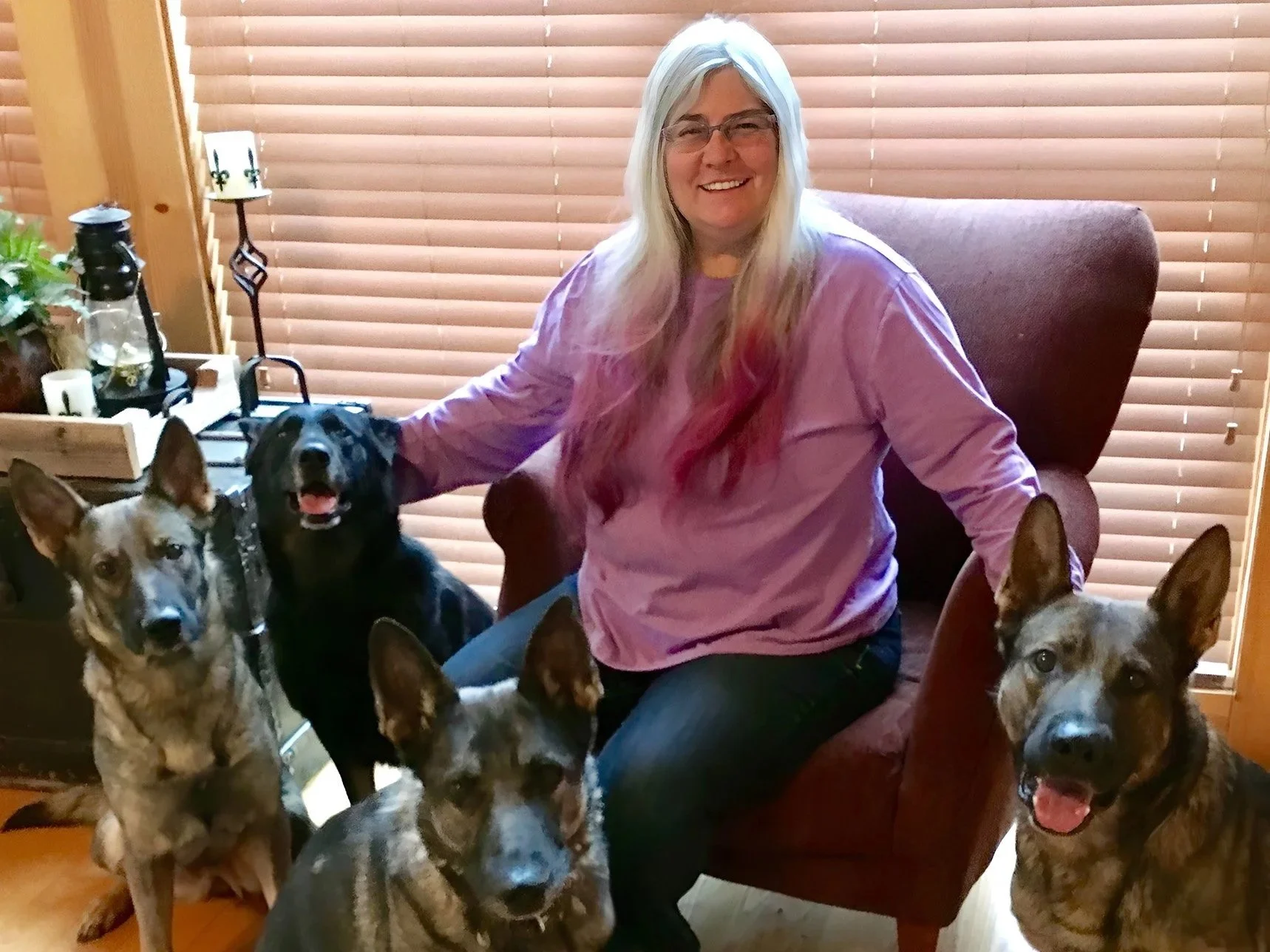




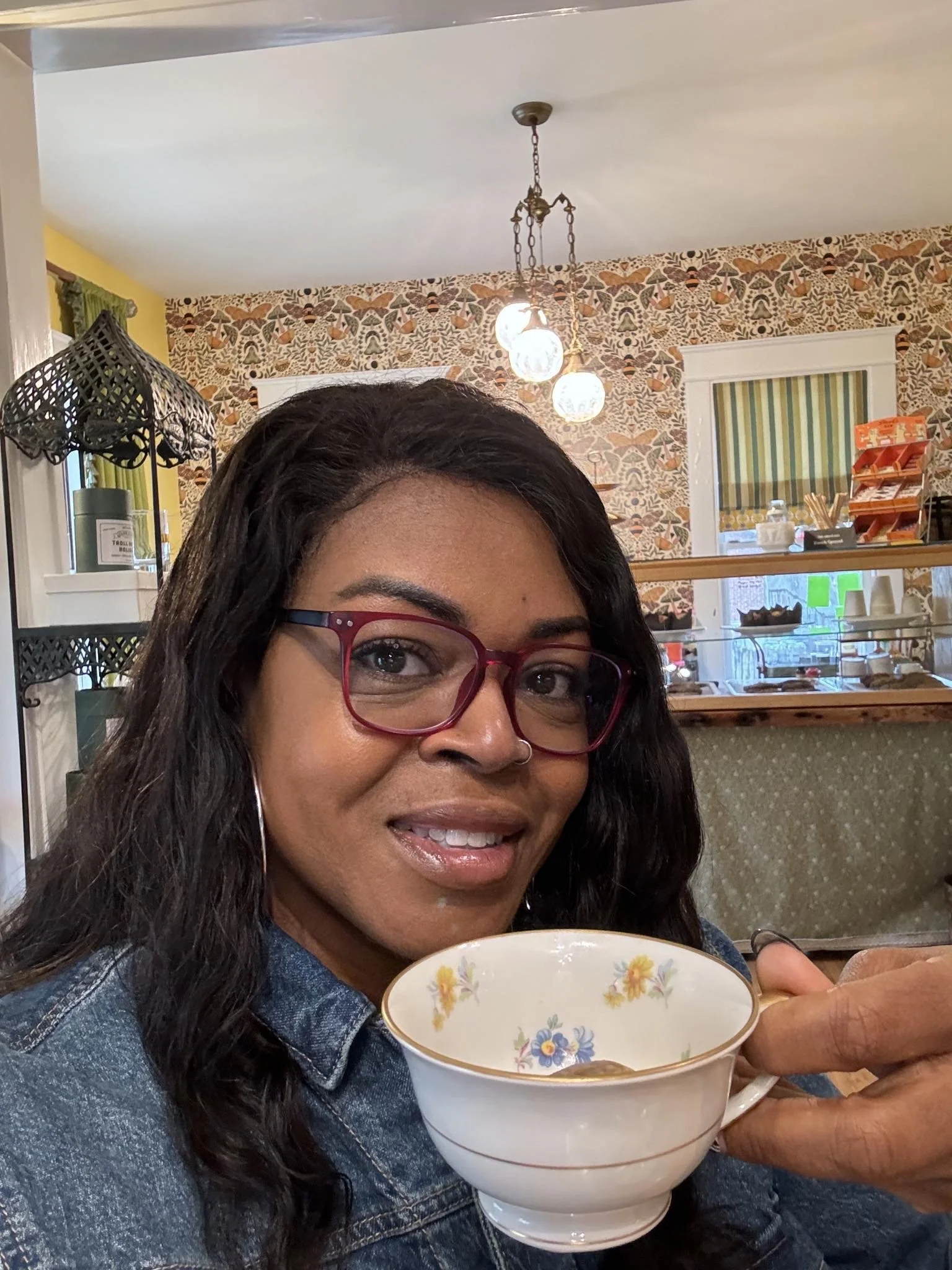




Hi, I’m the founder of Human Amplified. I’m Brandi Fleck, a recognized communications and interviewing expert, a writer, an artist, and a private practice, certified trauma-informed life coach and Reiki healer. No matter how you interact with me, I help you tell and change your story so you can feel more like yourself. So welcome!
Find More on the Blog
Topic
- ADHD
- AI
- Atlanta
- Black and BIPOC
- DIY
- FAQ
- LGBTQIA plus
- Los Angeles
- Nashville
- Seattle
- St Louis
- St. Louis
- UFOS/UAPs/ETs
- abuse
- accountability
- addiction and recovery
- adoption
- affirmations
- afterlife
- altered state
- angels
- animals
- anxiety management
- art
- astrology
- atlanta
- attachment
- awakening
- beauty
- behind the scenes
- being human
- body image
- body work
- boundaries
- brandi fleck
- breathwork
- bullying
- burn out
- burnout
- cancer
- career
- caretaking
- chakras
- channeled
- clarity-dive
- clarity-practice
- clarity-primer
- clean products
- coach
- codependency
Recent Blog Posts


Visit the Full Podcast Audio Archive

Affiliate


Try this 10-minute active listening practice to build deeper connections, reduce miscommunication, and feel more present in your relationships starting today.