
Interview By Brandi Fleck

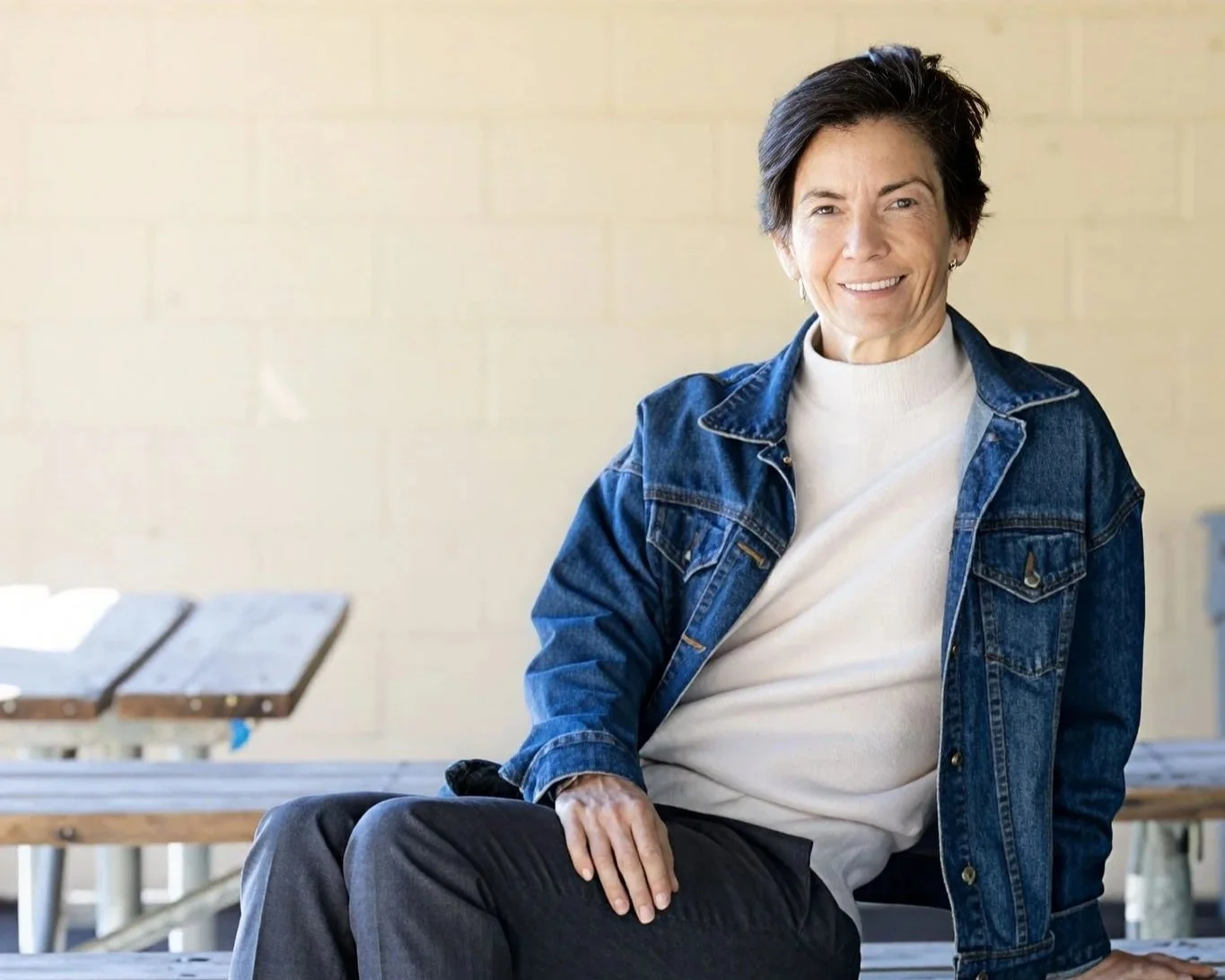
Psychotherapist Lisa Arrigo explores how trauma can shape identity, desire, gender, addiction, and relapse, and how safety, curiosity, connection, and integration can help us reconnect with ourselves.
Who are you when survival has shaped so much of who you learned to be?
For people who have lived through trauma, identity can become tangled with adaptation. The nervous system learns what it takes to stay safe. Shame can shape what feels possible. Desire can feel dangerous. Parts of the self can become disconnected, hidden, or pushed aside. And over time, it can become difficult to tell the difference between who you are and who you had to become.
In this conversation, psychotherapist and trauma survivor Lisa Arrigo explores the relationship between trauma and identity through the lenses of shame, nervous system responses, gender and sexuality, addiction, relapse, and fragmented parts of the self. Drawing from both her clinical work and her own recovery from cocaine addiction, she explains why healing requires more than understanding what happened to us.
It also requires becoming safe enough to get curious, reconnect with the body, build supportive relationships, and begin integrating the parts of ourselves that once had to survive separately.
What emerges is a conversation about moving from survival toward a more authentic relationship with yourself—and learning that healing does not mean erasing the parts that protected you. It means bringing them back into relationship with the person you are becoming.
Listen to Lisa Arrigo’s Interview
Watch Lisa Arrigo’s Interview
Meaning Making, Curiosity, and Trauma Healing
Lisa Arrigo: What does being human mean to you? To me, being human means to be conscious, vulnerable, relational, and capable of meaning.
Brandi Fleck: I love that. Capable of meaning. Making meaning.
Lisa Arrigo: Yeah. Curiosity, the capacity to get curious about ourselves and the world and things that could be confusing and overwhelming. That curiosity trumps fear. And I try to—we're most fully human when we can be curious and not scared. But fear is part of the human experience, too. So I'm not trashing fear, but fear is more about survival and curiosity is more about living a full life.
Brandi Fleck: Ooh, I love that. Thank you. Everybody, today, help me welcome to the show, Lisa Arrigo. She is coming to us from New York. She is a licensed clinical social worker and a psychotherapist specializing in trauma, addiction, gender identity. She's also writing a book that she thinks may be out by the end of the year, so we'll keep you posted on that if you come back and check the show notes. And without further ado, Lisa, welcome to the show.
Lisa Arrigo: Well, thank you. It's great to be here. Thanks for having me.
Brandi Fleck: Yeah, my pleasure. I'm really excited about what we're going to talk about today. But before we get too deep, can you tell us who you are as a person?
Lisa Arrigo: Okay. Yeah, I'll give it my best shot. I am—well, I'm 59 years old, and I have been a passionate advocate for trauma survivors. I am, too, a trauma survivor and someone who is in recovery, longstanding recovery from a cocaine addiction. My work has been part of my healing journey. I work with clients, and they teach me, and I support them, and we heal and we grow together. I have two little dogs that are sleeping peacefully by my side right now, two Pomeranians. I like hiking and tennis and being in the outdoors and travel. And I really appreciate talking to other people about healing, how we heal, how we connect, and also learning every day something new about myself and trying to stay really humble and grounded most of the time. And life has a way of keeping us humble and grounded. Well, maybe not grounded, but we have opportunities for humility and opportunities to practice grounding.

Brandi Fleck: For sure. We're all works in progress.
Lisa Arrigo: Yeah, for sure. I didn't see that question coming. Who am I? It's an existential question.
Brandi Fleck: It really is. And I do it on purpose instead of being like, what do you do? Sometimes I ask people what they do, but it's really interesting because our identities impact everything we do anyways, I think.
Lisa Arrigo: Exactly. And identity is a very fluid thing for many of us. We try on new things. We have parts of ourselves that come forward in different times in our lives, different relationships, different experiences. So I view identity as a very fluid, not a fixed, ideal thing. And in my experience, many people feel comfortable with a fixed identity and many feel trapped and confined by an identity that maybe was shaped and formed by their parents or by society, and they can't seem to connect with themselves or feel okay to even explore the contours of their inner lives. And I think that's what makes us rich and whole and really interesting, when we can break free and acknowledge that we're all very complex beings who've learned to survive in a particular way. And for many of us, we're trying to learn how to live more fully and abundantly, which requires a little bit more elasticity.
Brandi Fleck: Yeah, for sure. I didn't think I was going to go here so soon. But what's interesting is, and you may not know this, I'm a trauma-informed coach. I'm also a trauma survivor. So that impacts a lot of the work I do in the world. And I've come across clients—of course, no identifying information—but I've come across clients who have no concept of relationship with self, and I'm wondering if that's connected to this idea of not being able to access that internal experience that you were just talking about.
Trauma, Shame, and the Fragmented Self
Lisa Arrigo: Yes. Yes. Yeah, I think that that is a dilemma. That's a challenge for many of us. Speaking from my own experience as a trauma survivor—well, just let me just back up. How do I want to say this? My ability to access myself is challenging because I'm still struggling to sort of make a conscious connection, conscious contact, with the parts of myself that suffered the trauma. I think for many survivors, the way we survive is by splitting, right? Fragmentation of the self. So young parts sort of get pushed to the side, and other parts that need to learn how to grow and function and survive and live in the world carry on. And exiling those young parts means that we don't always have contact with them or we don't want to attend or befriend them, right? Which can lead to a lot of shame-based behaviors, a lot of identity confusion, a lot of internal disconnection. So there have been times in my life where it's been hard to access joy and to live more expansively because I'll jump in front of a moving car to save somebody else's life, but it's really hard for me to turn to those younger parts of myself and say, hey, I gotcha.
Brandi Fleck: Yeah.
Lisa Arrigo: I gotcha. And I think that's hard for a lot of survivors who have done tremendous work in surviving and have become adept and skilled. And many of these people are high-functioning and full of love and potential and care for others. But when it comes to their own internal experience, it's too scary. It feels too hard to go there.
Brandi Fleck: Yeah. Yeah. Yeah. That makes a lot of sense. And so a follow-up question to that is, I feel like that also makes it hard to access desire and what you want in the world and allowing yourself to have it. How do you approach any kind of desire?
Lisa Arrigo: Yeah. I think that first and foremost, it's about treating shame. Because shame is fundamentally—it's a biological construct, right? We know this, that the shame first manifests in the body, right? And then as we grow, that shame connects with, not to get too academic, but cognitive schemas, beliefs about ourselves, right? I'm not good enough. I'm not lovable. I'm not smart enough. I don't deserve to have nice things. I don't deserve to be treated well. I'm a piece of garbage. Whatever those core beliefs are about oneself would make it impossible for that person to experience real desire. It's either dangerous or they're not worthy of it. Does that resonate?
Brandi Fleck: It does. It does. And I'm thinking about how, without being able to experience desire, a fulfilling life may be difficult to achieve. Do you agree with that?
Lisa Arrigo: Totally. Totally. And I also find that for some, when they do hit those places in their therapy, in their own personal work, where desire becomes possible and desirable, that can trigger a lot of the old feelings. So actually, when a person starts to feel better, it can be problematic, right?
Brandi Fleck: Yeah.
Lisa Arrigo: Because it rubs up against that old belief system, right? So there's survival and then there's desire and that longing for connection or whatever it is that leaves one feeling engaged in the world or worthy of the goodness around them. So desire can be a little bit tricky, and I'm focused more on people who have experienced trauma in their lives. And what I like to do, I know for me what was helpful, is bite-sizing desire. Because that's how people develop an emotional digestive system, at some point, for taking in the good stuff, right? So if someone's had a desire to go to Italy, right? It's a lifelong desire, right? And they've finally saved the money or someone offers them a beautiful trip, right? That person could go into panic and fear, freeze, right? It's too much. It's too big. Right? So I might suggest, hey, is there an Italian restaurant in the town that you live in? Let's go out for Italian or let's listen to some Italian music. I find that bite-sizing pleasure for people who aren't accustomed to feeling pleasure or feeling deserving of pleasure is a way to build that emotional digestive system for the good stuff.
Brandi Fleck: I love how you call it an emotional digestive system. It makes so much sense.
Lisa Arrigo: Yeah. The body doesn't know how to process good stuff. If your life has been about surviving and waiting for the next shoe to drop or looking around corners or feeling a lot of betrayal or loss, the digestive system is organized to metabolize that. That's how we survive. It's not organized to enjoy the crème brûlée or the special hot fudge sundae with your favorite ice cream.
Brandi Fleck: Yeah. Okay. Yeah. Well, going back to how you defined being human and meaning-making as part of that, where does meaning-making fit into, say, the life of a traumatized individual who is having trouble digesting desire or pleasure?
Lisa Arrigo: Yeah, I think when I think of meaning-making, I think, in part, about psychoeducation and helping people understand what's actually happening in their bodies, what they're bringing into this world epigenetically, what's been passed on to them from generations prior, what their environment was before they even came out of their mom's womb, what was the intrauterine environment like, what messages did they get growing up about relationships, communication styles, how the nervous system responds to trauma. Teaching people the science behind trauma and making meaning out of that can, in my experience, transform someone's experience of themselves as, I'm broken. As, I'm broken.
I'll have clients that come in for the first time and they'll say things like, I'm a borderline. I've got borderline personality. Or, I'm a narcissist. My psychiatrist said I was bipolar. So I think that people interpret information, especially in the field of mental health, as pathologizing, right? I'm this. And talk about identity. Nobody wants to be borderline. Those are difficult clients, right? All borderline personality is is untreated trauma. So my approach and the way I think about making meaning for trauma survivors is, hey, your nervous system saved your ass.
Brandi Fleck: Yes.
Lisa Arrigo: If it's okay for me to use that word.
Brandi Fleck: Oh, yeah.
Lisa Arrigo: It saved my ass. Thank God that I have a structure in my brain called the amygdala that may be a little bit on high alert all the time because it had to be when I was growing up. Now it doesn't know that it's not 1979. I'm dating myself. So it's still firing high. So, as a 55-year-old woman, if I get activated, my amygdala will start firing really high, and that is the alarm system of the brain, and toast burning in the oven could register as a ten-alarm fire. Or me overhearing someone in a restaurant yelling at their kid.
Trauma Responses, the Nervous System, and Feeling Safe
Lisa Arrigo: Right? And then the amygdala sends information to the nervous system: fight, flight, freeze, submit. So then we're sort of challenged to meet the moment in terms of, how am I going to survive this? And these patterns that people get into are survival loops, right? But they keep that person safe in certain ways, but it also inhibits that person from getting curious and understanding what's happening inside of them, embracing it, and working with the body and with the mind and in relationships to create a different internal landscape, one that's more in alignment with the actual environment that person is living in.
Brandi Fleck: Yeah.
Lisa Arrigo: Right?
Brandi Fleck: Yes.
Lisa Arrigo: And it could be—we can all be living in a lot of stress, right? So there's a lot going on. So no environment is free from stress. But what we're talking about here is really traumatic stress and feeling safe when you are safe.
Brandi Fleck: Right. Yeah.
Lisa Arrigo: You and I are just having a conversation. I may be having some performance anxiety or I may be worried that you're not going to like me, right? Or that your listeners are going to be like, oh, this one, I'm going to fall asleep. I think I need to take a nap. So it's the old stuff. You've been perfectly lovely. You create a safe space for me. We had a lovely conversation before we went online, but my nervous system is not in its window completely because at any moment you might throw me a question that I don't know how to answer and then my life is over. But that's an old trauma response. That's not grounded reality. Even if I totally blow this podcast, my life's not over. But everything takes on that element of, oh no. Right?
Brandi Fleck: Yeah.
Lisa Arrigo: So the more people can make meaning and get really interested in actually what's happening in their bodies and how they're supporting their nervous systems and how they're engaging with other people, then you feel a sense of agency, power, and respect for the body's ability to heal.
Brandi Fleck: Beautiful. Agency, power, and respect.
Lisa Arrigo: Yes. And personal responsibility, because once we understand what's happening inside, then we can take responsibility for it. Before I had an understanding, I blamed my therapist. Oh, she's not asking me the right questions. Or this person, this idiot. But outsourcing, rather than getting interested in, hey, I'm just having a trauma response and I'm projecting a lot of stuff out there that really is more appropriate for me to look at. How am I showing up? And what am I creating or recreating in my relationships in the world? But we can't take responsibility if we don't know what's going on.
Brandi Fleck: Right. Okay. Okay. Well, I feel like we've laid a lovely foundation here for a discussion that can go a little deeper into identity. You mentioned identity confusion that maybe comes from some of this. What is—well, and let me also say, as we mentioned earlier, you specialize in gender identity, and you work a lot with that. What specific wounding are you seeing arise right now, as we're recording in 2026, that I guess is the most common at the moment, if it's maybe even different from what it used to be?
Gender Identity, Gender Dysphoria, and Self-Discovery
Lisa Arrigo: Yeah, I think a lot of the younger people are more willing to question norms and talk about personal identity. So I'm seeing it more in terms of gender identity. I'm seeing this more with my teenage clients and my young adults. And as I view it, I never assume what it means if someone comes in and says, I feel like I'm in the wrong body, or I feel more comfortable with these pronouns, or if I'm talking to a teenage boy and he's confused about gender and he's experimenting or trying on women's clothes. I never make any assumptions about that. I think that curiosity is really—that's got to drive everything. What does it mean? What does it mean to this person? What does it mean to this kid? Because adolescence is a time when kids are trying to figure out who they are.
And increasingly, in a world that's become more and more confusing, chaotic, access to social media and information that certainly I didn't have growing up. There were certain assumptions and presumptions about sexuality and gender that I grew up with. And I just followed along and struggled with my identity. And it showed up more in terms of sexual orientation. But I think young people today have more information. I think society talks more about gender. So I think it's in the landscape. And I think that when I have a kid that comes in, I just try to understand, what is their core experience? How does thinking about gender shape how they feel about themselves? What ideas do they have about gender that inform their inclination to want to be addressed in a certain way or seen in a certain way?

So I do think that mostly with younger clients. With older clients that I see, older meaning 21 and up, I see more people who struggle with gender identity. And for a percentage of these folks, they are trans or they've just come to this self-discovery later in their lives, or they're just allowing themselves to make contact with parts of themselves that may have been exiled or they might not have had permission or the freedom to really think about. I think that—and I'm not getting political in this podcast—but I think that everything's become so politicized that we've kind of forgotten to get interested in what is someone's lived experience.
Brandi Fleck: Yes.
Lisa Arrigo: Right? I don't think we're helping our teenagers by not staying curious and interested because a child who's presenting with some gender dysphoria, they may be struggling with underlying mental health issues that may not be adequately addressed if the therapist or if the people in that child's life are too focused on the gender piece, right?
Brandi Fleck: Okay.
Lisa Arrigo: Which doesn't mean ignore it or dismiss it, but I think it's about just finding that balance. And at the end of the day, most teenagers just want to be seen. They want to be understood. Their brains are still developing. They're living in a very confusing time where they're getting inundated with so much that they don't have the capacity to really understand or integrate. So that's kind of what I'm seeing more than ever, is more young people sort of asking the question or challenging norms.
Brandi Fleck: Okay.
Lisa Arrigo: I think every generation does that in some way.
Brandi Fleck: Yeah.
Lisa Arrigo: And this may be part of that expression. But a caveat, there are a percentage of people that are transgender men and women who've been silenced forever. And now they're feeling—well, I'm not sure how safe they're feeling now—but there are places and spaces where those folks can talk about their lived experience.
Brandi Fleck: Yeah. Okay. So it's almost like not really a wound that's arising. It's more just a questioning of societal norms. Is that correct?
Lisa Arrigo: Well, there could be wounding underneath. There could be. Again, I think it's about not making assumptions, just being really open-minded and interested in understanding how that young person or older person is—what lens are they looking through? What would be different about their lives if they were living in the other gender, if those conversations were appropriate? Like, what would change? What would you have that you don't have now? And it's a very personal experience. So I certainly do not want to overgeneralize because we're all uniquely—as much as we struggle with the same human condition, we all have complexity and uniqueness that is worth sitting with and appreciating and not just sort of, oh, you're this and you're that and you're queer and you're trans and you're Gen Z. I think it deprives us of a deeper conversation about who we are.
Brandi Fleck: Yeah. Okay. Yeah. And I know it's definitely different for everyone. And so I want to try not to generalize as well. But at the same time, I'm also really curious. I don't know if it's possible to answer this, but I'm curious if there are—not guidelines—but when is it okay for somebody to transition physically or socially as opposed to just living with a little bit of gender dysphoria?
Lisa Arrigo: For those who are trans, in my experience, there's no such thing as a little gender dysphoria. And I think that's, for me, a diagnostic indicator. Right? So for the trans people that I've worked with, their gender dysphoria is so high, and it leads to non-functioning, depression, anxiety, post-traumatic stress, suicidality. So gender dysphoria is something that can kill that person physically, spiritually, emotionally. So what I would say is—I'm sorry, what was the question?
Brandi Fleck: I think the gender—assessing gender dysphoria.
Lisa Arrigo: Like if you have someone in your life who is saying, I just don't want to live. The weight of this is so heavy. I worked with a mom of a 13-year-old transgender, female to male. And her son came out at 13, and she allowed her daughter at that time to wear a binder, to dress the way she wanted to dress. And there was no hormonal treatment. It was just like, okay, when you're 18, when you're old enough to make those decisions for yourself, I'll be here for you and we're in this together, but your body is still shifting and changing. And I know that there's complexity there in terms of gender-affirming care and hormones that prevent a teenager from going into full-blown puberty. Right? But I think it's a deeply personal decision between moms and dads and their kids.
But in my experience, taking the time, right? And no one's going to do top surgery on a 16-year-old, right? So there are laws and places where you really have to have documentation. You have to sort of show that you've been living in the other gender for a period of time and that, in doing so, your mental and emotional health has improved or that you are feeling more aligned with your sense of self, you're functioning, you're talking about your feelings. So I think that I view it through the lens of what is going to help this person manifest who they are in a healthy, process-driven manner, in a way that allows them to feel support and also to metabolize—we used the word emotional digestive system before.
Lisa Arrigo: To sort of metabolize what it's like to think of themselves in the gender that feels more in alignment with who they are.
Brandi Fleck: Okay.
Lisa Arrigo: And to hold that person through that process and to support them through that process. And for a percentage of those folks, they will not transition. A percentage will be like, you know what, this was necessary for me, but I realize that there's far more—there's other stuff going on, too, that may be causing me to not feel good about myself, right? Or they just start learning about themselves and, of course, they change direction because there's fluidity in everything, right?
Brandi Fleck: Yeah.
Sexuality, Gender Fluidity, and Authentic Identity
Lisa Arrigo: So back in the '80s and '90s, if you came out as gay, you were either gay, bisexual, or straight. It's like you had to pick a box.
Brandi Fleck: I was gonna say, even bisexual was like a hard box to pick, I think.
Lisa Arrigo: Totally. If you were bisexual, then you were just too afraid to come out. You were just like—
Brandi Fleck: Yeah.
Lisa Arrigo: It was like, you're really gay, wink, wink.
Brandi Fleck: Right.
Lisa Arrigo: And now we see sexuality, many of us—not maybe everybody, maybe some of your listeners—see sexuality as fluid. I've had clients who've been married, kids, in their 40s and 50s, and they fall in love with their best friend, same sex. And they change their lives, not because they want to be gay, but because they fell in love with a person of the same sex and they never imagined that would happen. Or once they fall in love, they realize that there were certain signs along the way that they didn't listen to because society wasn't on board with—I mean, it wasn't until I think the '70s that homosexuality was taken off the books in some states as being illegal.
So I think that there's been more expansion in our thinking about sexuality, for sure, and I think gender is another frontier of that. And I think sometimes as humans we're like, well, what are you? Are you trans? Are you gender nonconforming? Are you nonbinary? Are you gay? If you're trans, are you attracted to men or women? If you're a trans man and you're attracted to men, are you gay? Like, we want to figure it all out. Like, who are you? And I think that's a lot of pressure, especially when there's so much information out there, right?
So I think we're all just trying to figure it out. And I think the most important thing is that we learn how to listen. And there's the curious word again. I have a 14-year-old client who hates when I say curious, so I've had to come up with so many other names. Interested, interesting. She's like, I hate that word. Can we just get curious? I hate that word. So for anyone who doesn't like the word curious, find another word. And if you have an aversion to those kinds of words, then it begs a curious question: Why? What's so scary about curiosity?
Brandi Fleck: Yeah. I don't know.
Lisa Arrigo: But I think trauma, the intersectionality between trauma and what we're talking about in terms of identity, these two are dancing partners, right? And it doesn't mean that everyone who's thinking about their gender comes from a place of trauma, but I think they can be traumatized by a society who wants to judge, label, misrepresent. Well-meaning parents who think they're doing right by their kid by over-masculinizing them or over-feminizing them.
I think what I've learned just as a human being is that that kind of judging or that kind of pigeonholing people actually invites dysregulation of the nervous system. It invites isolation and marginalization of people, and it limits our ability to love fully and to show empathy and compassion for ourselves and for others.
Brandi Fleck: Yeah, for sure. Yeah. Yeah. Okay. Well, now I'm going to pivot just a little bit. I think it's all still related, but whether you are trans or not, how does one realize their identity if it's fluid? And especially in today's environment. How do they recognize fluidity in themselves? Actually, that's a really good question. But the question was basically self-realization. How does someone get there in today's environment, whether they're trans or not? But I also really—yes, how do you recognize fluidity in yourself, too?
Lisa Arrigo: Oh, boy. That's a big question. I think it's hard to recognize fluidity if you are sort of locked into certain belief systems or certain ways of doing things or expectations that come from the outside. I think that connecting with one's core sense of self is deeply personal. That's why it's hard to answer this question. It's deeply personal, and I think it's about creating space to trust that it's safe enough to go inside and approach your body and your soul and your mind in a more playful way.
I think it's also important to make sure that you are surrounding yourself with people who feel like safe attachments. I think that's really, really important. I find that sometimes, in earnest, young people will start dressing in the sex that they feel more identified with. And then they decide to go to school in clothing that's pertaining to the other sex. And then they get bullied or they get teased or they get sort of the side eye, right? So I think it's really important when one is exploring one's inner life to make sure that there's enough of a container so that that can be safely explored.
If a young person or if anybody is living in an environment that doesn't feel safe, it's hard to explore anything inside, right? Because your whole system is organized around safety, right? Which means that the frontal lobes aren't always online and people can easily go into a trauma response like fight or flight or freeze or submit, right? So I think that safety is an absolute ingredient to exploring one's inner life, whether it's their sexual fluidity or their gender fluidity, and also accessing resources and talking to other people about their lived experience, because we all get there in relationship.
Brandi Fleck: True.
Lisa Arrigo: Right? So I couldn't explore my sexual fluidity by myself in my bedroom. Like, you can imagine, you can fantasize, right? But it doesn't become real and it doesn't become incorporated into your sense of self if there isn't another or other people to mirror back, hey, I see you.
Brandi Fleck: Yeah.
Lisa Arrigo: I love you regardless.
Brandi Fleck: Yeah.
Lisa Arrigo: I want you to be happy. I want you to feel authentic. I want you to live an authentic life. And there are a lot of people who are not living authentically.
Brandi Fleck: Yeah.
Lisa Arrigo: A lot of people who die without ever experiencing true authenticity and feeling like it's okay to be who they are or honest with the people in their lives about whatever, right? My grandmother used to say, oh, take it to the grave, take it to the grave, right? That was a big expression, right? And a lot of people take things to the grave and they end up suffering when they're still alive, whether it's out of shame or fear, attachment loss, fears of rejection or abandonment, or worse, physical threats. Which is a real thing still. People are still getting bullied and murdered for who they are. And we don't have laws that adequately protect people.
Brandi Fleck: Yeah. Hate crimes. Oh, for sure. Yeah.
Lisa Arrigo: Did I answer your question?
Brandi Fleck: Yes, you did.
Lisa Arrigo: How are we doing? Are we doing okay?
Brandi Fleck: We're doing great. You're doing a great job, Lisa.
Lisa Arrigo: Because I need approval right now. Thank you.
Brandi Fleck: You are.
Lisa Arrigo: Like, are we okay? But this is—I love when this happens in the few podcasts that I've had. I find that when something can come alive between—I've never met you, right? This is our first conversation. It may be our only conversation, right? But I'm still worried about what you think about me. And the part of me that reached to you was sort of a younger attached-reach part. Like, are we doing okay?
Brandi Fleck: Yeah.
Lisa Arrigo: Are we doing okay? And sometimes we need that from other people. We need, am I okay? Like, are we okay? Right? We need that. And when we don't get that mirroring back and that validation, that's when things can start to feel unsafe and confusing. And if you throw in fluidity and gender fluidity, you can see how quickly it gets really treacherous.
Brandi Fleck: For sure. And if you're taking things to the grave, you're definitely not exercising self-actualization, self-realization, those types of things. So I think what I'm hearing you say is that whether it's fluidity as part of self-realization or just overall self-realization, it requires safe attachments, healthy support system, and the ability to play with that fluidity so that you can discover.
Trauma Healing Through the Body, Safety, and Connection
Lisa Arrigo: Yes, yes. And get in touch with the body. And I say this with trauma too. It's like we can't heal without the body. You could go to therapy for 25 years and talk about everything that's happened in your life and not get better. Because trauma does not live in the prefrontal cortex. It lives in the nervous system and it does not remember time. It doesn't know time. It doesn't tell time, right? So we carry all of that with us, right?
So getting into the body and exploring the body, making peace with the body—and for someone who's gender fluid or someone who's trans, that could be very painful. Like, they don't hate their bodies, right, as they are. But I do find that post-transition, some of those clients still hate this. They haven't made peace with themselves because there's another element of getting comfortable with yourself, right? Beyond your genitalia. So I think that being playful, staying curious, learning how to be in your body, and noticing what pleasure—what gives you pleasure and what makes you scared, right? Or what triggers hyperarousal, where you're like, oh my God, I can't even go there, or a kind of hypoaroused parasympathetic collapse where that person's sitting on their couch, right? And they can't get up because they're in trauma, right?

So exploring fluidity means that a person has to be capable of exploring, which means a safe environment and also incorporating the body, even in playful ways. Incorporating the body, writing, journaling, yoga, movement, breathwork, grounding, meditation. Meditation, some people find it useful. Some people can't meditate. If you can't meditate, you can maybe do a walking meditation if you can't sit still. But anything that's going to shift your experience of yourself enough to create another opening, right?
Brandi Fleck: Yeah.
Lisa Arrigo: Like I had a client who could only take walks when she was listening to music. I said, well, let's just play with this. Would you be willing to try to take a walk without the music? And she did. She's like, wow, at first it was uncomfortable, but then I realized that without the music, I just felt a deeper sense of something. I could hear my heartbeat, right? And that was kind of cool. So it is also about challenging yourself to experiment and do some things differently in service to finding those openings that connect us more meaningfully with ourselves. We may not even know they're there.
Brandi Fleck: Yeah. Wonderful. Thank you for that guidance. All right. Lisa, I'm going to ask you a personal question. You totally don't have to answer it if you don't want to. I feel like there is an intersection—we were kind of talking about this before we started recording—of addiction and identity, whether it's gender or not, and then maybe trauma as well. I feel like there's a piece of the Venn diagram that all overlaps. Does your experience of recovering from cocaine addiction have that overlap?
Addiction, Trauma, Shame, and Identity
Lisa Arrigo: Yes. Yes, for me, it definitely has that overlap. And this is the book that I'm writing. It's a teachable memoir on trauma. So I start in utero and I go to present time, and I go through the different developmental phases of my life and how I tried to cope with the circumstances of my life and how my shame around my sexuality, about the things that I couldn't talk about, feeling powerless over the environment that I was living in at home, kind of primed me.
I also come from a long history of women who have suffered from addiction, PTSD. So I'm sure that I got some of that from the generational piece of this. But for me, it was sort of like it started with an eating disorder. Teenager, yeah, maybe if I'm skinny, I can control what I put in my body or what I don't put in my body. And I became addicted to restriction because when you're restricting, ketosis kicks in and you kind of get this feeling, this little bit of a high off of that, right?
And, of course, addictions live in secrecy and lies. So by 13, I learned how to hide. I learned how to lie about the things that were happening, not happening. I became a perfectionistic person who wanted to please everybody and do everything just right. And then when I got to college, and I was like the good girl, Catholic school girl, I got to college, and then all of a sudden I was thrown into this world. I was in Texas, where all of a sudden I was attracted to my sorority sisters, and my boyfriend was coming to visit me, and it was just a very confusing time, and I started exploring my sexuality. But it was the '80s. It was Texas. It was illegal in the state of Texas to be gay in 1986, right?
But I would go to these back-ass bars. People still gather, right? And in those spaces, which were interesting and stimulating and validating, there was also a lot of drugs and alcohol, right? So my eating disorder kind of morphed into a cocaine addiction, which nobody starts out drinking or drugging wanting to be an addict. But I think that some of the things that happened to me along the way and the things that I wasn't able to process, and then the shame around all of it, my sexual orientation being the cherry on top of the sundae, it sent me into a place where I was very vulnerable to a drug that would change my state.
Brandi Fleck: Yeah.
Lisa Arrigo: Right? So that state change that I experienced with cocaine made it very desirable. It's like, oh, wow, I can talk for hours and I feel this elation and this confidence, and I could dance for hours, and I know how to talk to people. So it masked all of my insecurities. It gave me the courage to get out there. But in a short period of time, I couldn't live without it. It became obsessional and it became a part of my story that lasted for many, many years.
So I do think that everybody's journey is different. But for me, and for a lot of people that I know and have worked with and have met in recovery, where there's addiction, there's trauma 99.9% of the time. And that trauma is probably multifaceted. It's not just about one thing. It's probably about many, many things that happen. And then it's that one thing that tips it over, right?
So, yes, that's my experience with addiction. The other thing that I will say about addiction is—and I'll use myself, and this is in the book too—is that it never goes away. Like, your brain is wired. It rewires the brain in a particular way, right? So someone who has struggled with addiction and has gotten through it or has controlled it or managed it, there's always that vulnerability. Just like if someone has tried to commit suicide, it's always in their arsenal.
So I think that for people who suffer or struggle with addiction, the brain is very quick to go back to that addictive loop, right? So I had a relapse in 2022 after 18 years of recovery, not because I was seeking out the drug, but because the drug found its way to me, and I couldn't say no. Because I wasn't taking care of myself. I was in emotional relapse, because the drink or the drug is the last stop on the train.
Addiction Relapse, Recovery, and Shame
Lisa Arrigo: So once people get to that point, it's because they're not paying attention to what's happening inside of them and the conditions that make relapse ripe. And if we're not paying attention to those things, there's a vulnerability. The book is about our fragility and our resilience, but it's the dance between those two. And with addiction, there's always that fragility around the potential for relapse. There's also great opportunities to make sure that you are working on yourself because you don't have the luxury of half-assing it, right?
So I think I was a little long-winded with that one.
Brandi Fleck: No, that's totally okay. I'm glad you touched on relapse. I kind of wanted to do a deep dive into relapse, but I love the direction we took on identity. And I think maybe—would you be willing to come back on the show at some point to talk more about relapse?
Lisa Arrigo: Totally. I could talk a lot about relapse.
Brandi Fleck: Okay.
Lisa Arrigo: So it's not pretty.
Brandi Fleck: Yeah.
Lisa Arrigo: But it's brutal and it's beautiful. Because with relapse, you get an opportunity. I relapsed when I was writing my book.
Brandi Fleck: Oh, okay.
Lisa Arrigo: And that's how I got the title of the book. So I needed to experience—I needed to go there in order to do the deeper work that I needed to do that I wasn't doing before. I thought I was just fine, but I was still—self-centered fear was still running me around. I still was giving 110% to everybody else, but half-assing it when it came to my own self-care.
Brandi Fleck: Yeah.
Lisa Arrigo: So I could talk for hours about relapse. And I think that there's so much shame that people feel around relapse. And I always like to say, relapse is an opportunity for growth. It's just an opportunity. What can I do differently? It just lets that person know that there's a blind spot or something that needs to be acknowledged. It could be a dopamine deficit. It's like, okay, I'm not getting enough dopamine in my nervous system, and there's this part of me that goes back there because trauma does not know time and it remembers that first feeling of doing that first line or taking that first drink. It wants to conveniently forget everything else that happened after that.
But there's so much shame in relapse. And when I work with people, and even with my own relapse, I was in such a shame cycle, and it took me some time to sort of recognize that, yeah, no, this is a disease. It's a complex disease. Some people have trouble with the disease model, but when you use a substance or you drink alcohol, it changes the brain chemistry. So if it doesn't start as a disease, it turns into one because it rewires the brain.
Brandi Fleck: Yeah. Okay. Yeah. Well, I think it would be really beneficial to talk more about relapse. But to wrap up this episode, I'm going to give you a chance to let listeners know where to find you and your work in just a second. But my last question for you is, what is integration? Because when people are in these healing spaces and they're trying to get their lives together, you hear that word a lot. You know that you need to do it as part of healing. But what does that actually involve?
Trauma Integration, Parts Work, and Nervous System Healing
Lisa Arrigo: I think for me, the way I think about integration is getting to know all parts of yourself and making friends with those parts. Some of my clients are highly fragmented, dissociative identity disorder, complex PTSD. So there's a lot of fragmentation. And for my DID clients, they're like, integration? Does that mean you want to kill off my parts? What? Those parts kept me alive. You want to integrate? Are you nuts? No, not doing that.
So I don't think about integration as, oh, we're just gonna—I think about it as an internal collaboration, especially for folks who struggle with addiction or complex PTSD or DID. I think about it as, hey, I need to befriend and attend the parts of me that learned how to survive and don't know time. And I need to nurture those parts and let them know that today we're working together, and the goal is to create an internal environment that feels safe enough.
Because what I also find, and I did this for many years, I outsourced my safety. You're responsible. If I'm uncomfortable, if I don't feel safe, it's something that you're doing or not doing, right? But what I've learned—and this is not a popular belief, and I didn't want to hear it myself—is that safety is an internal job. Nobody can do that for us. We have to do that for ourselves.
And that requires that ability to go in and make contact, and even in therapy groups, to let those parts be part of a process of healing and acknowledgement and providing missing experiences for people who have parts that never felt loved or cared for. So having that experience of being seen actually calms the part down and makes them feel settled inside. So that person is not going to get hijacked, or their boss looks at them funny and they're crying in the bathroom. It helps reinforce reality-based thinking and feeling, where the frontal lobes can work with the nervous system in a way that creates more of a sense of equilibrium rather than this rollercoaster ride that a lot of us find ourselves on.
Brandi Fleck: Yeah. Okay. Well, I think that's lovely.
Lisa Arrigo: Oh, God. I feel like I just talk so much. Maybe next time I'll ask the questions. I'm a good listener, too.
Brandi Fleck: I bet. You have to be in your line of work, for sure.
Lisa Arrigo: Yeah. Yes.
Brandi Fleck: Well, Lisa, where can everyone find you and the work you're doing? And even when your book's available, where will it be available? All of those kinds of things.
Lisa Arrigo: Oh, well, I hope the book's available everywhere in like a thousand languages, but we're not quite there yet. So stay tuned. But in terms of finding me, you can just Google my name. You'll find my website, my Instagram page, and I share excerpts from the book on my Instagram page. It's lisa.arrigo.therapy. Just—you'll find me. It also will link up with other podcasts I've done, and it keeps me current in terms of where we're at with the book. And for anyone who wants to learn a little bit more about me as a person and a professional, it's also the intersectionality between the personal and the professional, which, if you're writing a memoir on trauma, your life's going to be an open book. So I'll cross that bridge when I get to it.
Brandi Fleck: Yeah. Okay.
Lisa Arrigo: I promise it's a good read.
Brandi Fleck: Wonderful. And did you mention your website? Was it Lisa—
Lisa Arrigo: It's www.lisaarrigo.com.
Brandi Fleck: Perfect. All right. So all that'll be in the show notes. And Lisa, this has been an absolute pleasure. Thank you so much for coming on the show today.
Lisa Arrigo: Thank you very much. This has been delightful, and you're amazing. So I appreciate the conversation. And thank you for holding such a safe, beautiful place for me. I really appreciate you.
Brandi Fleck: Of course. Thank you.
Join the conversation!
Feel free to share your own experience and let me know if you have any questions in the comments.
Related Posts














Hi, I’m the founder of Human Amplified. I’m Brandi Fleck, a recognized communications and interviewing expert, a writer, an artist, and a private practice, certified trauma-informed life coach and Reiki Master. No matter how you interact with me, I help you tell and change your story so you can feel more like yourself. So welcome!
Find More on the Blog
Topic
- ADHD
- AI
- Atlanta
- Black and BIPOC
- DIY
- FAQ
- LGBTQIA plus
- Los Angeles
- Nashville
- Seattle
- St Louis
- St. Louis
- UFOS/UAPs/ETs
- abuse
- accountability
- addiction and recovery
- adoption
- affirmations
- afterlife
- altered state
- angels
- animals
- anxiety management
- art
- astrology
- atlanta
- attachment
- awakening
- beauty
- behind the scenes
- being human
- body image
- body work
- boundaries
- brandi fleck
- breathwork
- bullying
- burn out
- burnout
- cancer
- career
- caretaking
- chakras
- channeled
- clarity-dive
- clarity-practice
- clarity-primer
- clean products
- coach
- codependency
Recent Blog Posts

Visit the Full Podcast Audio Archive

Affiliate


Spiritual practice can bring calm, clarity, and self-awareness, but it can also become a polished way to avoid what still hurts. In this guest article, Pat Crilley explores spiritual bypassing, emotional suppression, and how to tell the difference between true healing and performing peace.