The Search for Belonging After Adoption Trauma
Interview By Brandi Fleck
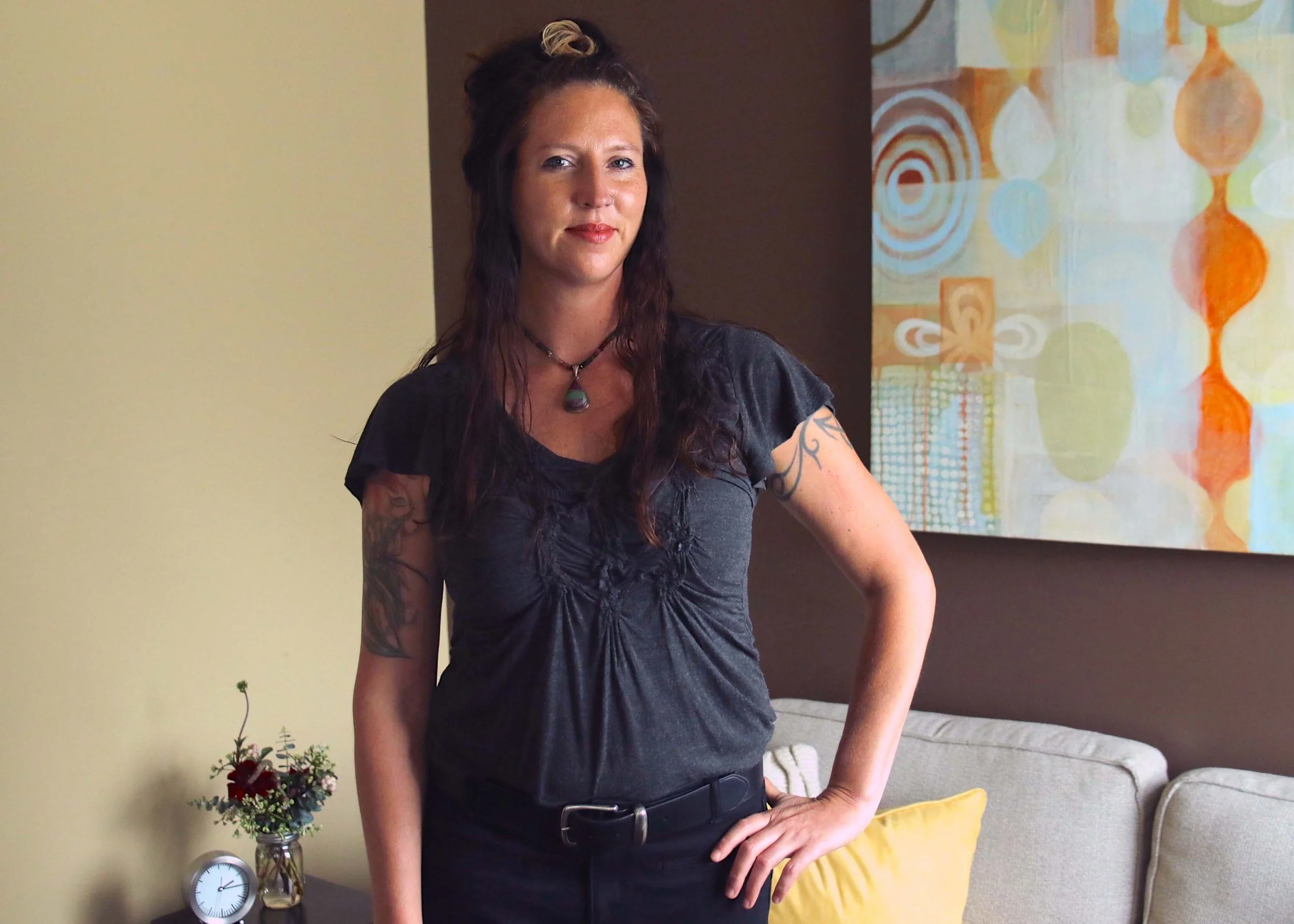
Lori Reising shares how adoption trauma, pregnancy loss, and profound life transitions shaped her search for trust, belonging, and healing.
For much of her life, Lori Reising was trying to understand a feeling she couldn't quite explain.
Adopted as an infant through a closed adoption, she grew up surrounded by love. Yet underneath that love was a persistent sense of abandonment, a question of belonging that followed her into adulthood and shaped the way she moved through relationships, loss, and healing.
Lori reflects on the impact of adoption trauma, meeting her biological mother for the first time, the devastating loss of a stillborn daughter, years of grief, chronic health challenges, and the difficult process of rebuilding a life she never expected to live.
Along the way, she shares what these experiences taught her about trust, resilience, spirituality, and the lifelong search for connection.
Listen to Lori Reising’s Interview
Watch Lori Reising’s Interview
How Adoption Trauma and Abandonment Wounds Affect Adult Relationships
Lori Reising: I think being human is a vast array of complexity. It's so exquisitely tender and raw and real. To be human is to feel. I think if I was going to sum it up, that's probably what I would say. But I think that there's another category of being human in the culture that's been conditioned around us that can create a lot of pain and suffering as well.
So I think that there's different layers and complexities to being human. We move from our center out into the world, out into our families, our communities, the environment, nature, the culture, the universe. There's so much to it. And I would say, if I was going to land on something, being human is to feel.
Brandi Fleck: Welcome back this week to the Human Amplified podcast. I'm your host, Brandi Fleck. Today's guest, Lori Reising, is the founder of the Raw and Wild Hearts podcast, Awakening Your Life Force Retreats, and Beginning Within Therapy.
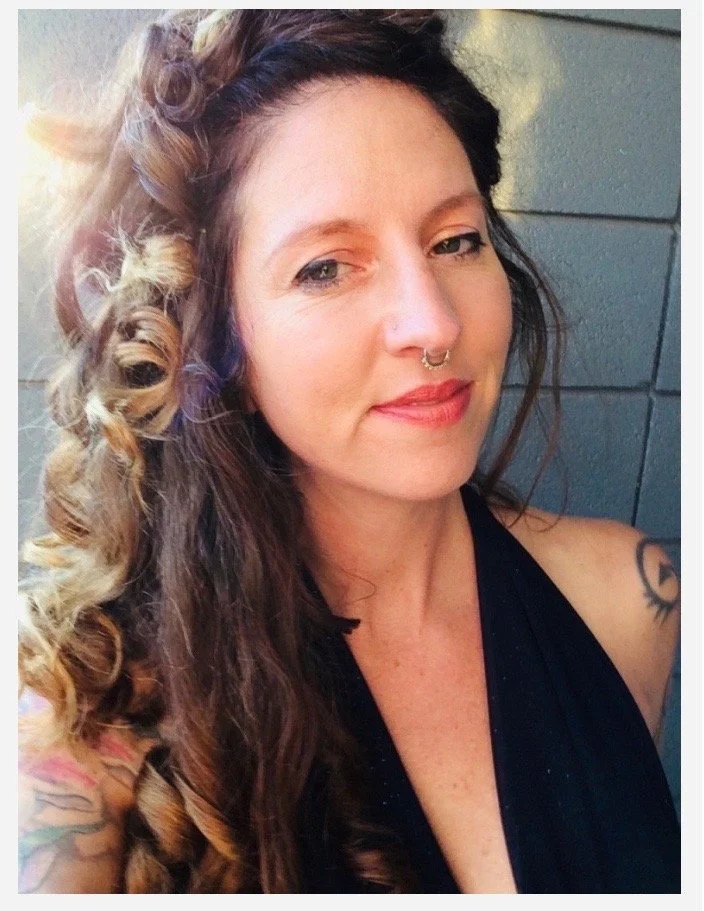
She has been in therapeutic practice since 2001, providing trauma-informed bodywork, pelvic floor therapy, pain management, hypnotherapy for wellness, childbirth education, therapeutic bodywork for fertility, pregnancy and postpartum, and newborn craniosacral therapy.
She studied under and assisted world-renowned visionary John F. Barnes since 2001. She presented her well-received workshop, Get to Know Your Pelvic Floor, at the annual HypnoBirthing Conclave in San Antonio, Texas, in 2018.
She offers online wellness consultations and birthing education, which allows her to work with people worldwide. Lori also offers a unique retreat opportunity in several locations per year by combining a safe space to connect with others on a path of discovery, where we peel back the strongholds of trauma held in the body, along with pelvic floor education, self-care techniques, dynamic flow exercise classes, and surfing lessons.
She has created an utterly transformative week that will take your life in directions you may not have ever thought possible. Through her podcast, she provides an invitation to her Wild Heart Revolution, which is one of destroying this culture rooted in fear to uncover the unconditional love and divinity we are meant to thrive in.
Her mission is to explore the vast expanse of humanity by embracing all that we are and all the ways we can live in our full and divine selves. She is currently working on her no-holds-barred book on childbirth to help return it to its true roots, which is the access point to gentler and healthier communities.
In this episode, we explore Lori's life. She tells us about the impact of her closed adoption, her loving parents, meeting her biological mother for the first time, and how an abandonment wound has played out in her life, touching everything from dealing with relationships, losing her own biological children, losing her health, losing her marriage, and starting over in life.
After experiencing those crushing losses, through Lori's experience, she's now able to use empathy to help others through birthing and creating their families. As you heard in her bio just now, you'll learn it's okay to embrace the wild part of your soul.
In this episode, you'll also see that depression and suicidal thoughts can still coexist with a great life. You'll learn about the amazingness of nurture, but also about the incredible power of biological connection and the impact of bonding with your environment when you're in the womb and after.
We talk about rising out of years' worth of grief and resulting physical issues to begin thriving again. Lori had to make a massive change if she wanted to save herself, and she did. Now let's hear from Lori.
Brandi Fleck: All right, Lori. Welcome to the show today. How are you doing?
Lori Reising: I'm doing great, Brandi. Thank you so much for having me. How are you doing?
Brandi Fleck: Really well right now. Things are actually starting to open back up here in Tennessee, where I am. I don't know, are things opening back up where you are? Are you in Portland?
Lori Reising: I'm in Portland, Oregon. I actually don't really know.
I've kind of put myself into a little bubble here at my home, and I've been in quarantine for so long that I don't need to go out into the world. I'm happy not getting my hair done. I'm happy not going out to dinner. I have so much to do here, and I've kind of opened up that big project space within my home and myself that I'm just kind of waiting it out.
I don't want to be a danger to anyone. I really want to do this slowly, and I don't feel the need to push into it. So I don't know. That's my answer. I have no idea how much they've opened.
Brandi Fleck: That's awesome. We're actually going really slow here at our house too, so that's cool.
Well, let's dive in a little bit. Before we get into the real meat of the episode, why don't you tell us a little bit more about who you are and what you do?
Lori Reising: Let's see. Who I am. I am a witchy wild woman spirit here in the world.
What I do? I wear many hats. I am a retreat leader. I'm a pelvic floor therapist. I have my own podcast, The Raw Wild Hearts. I have my business, Beginning Within Therapy. I do trauma-informed bodywork. I do wellness consultations and hypnotherapy. I'm a writer. I'm in the middle of writing a childbirth book right now.
So I'm an accumulation of many, many things. And I feel like what I do comes from the very part of being human, that vast array of experience and that exquisite rawness that my life has gone through that's really informed what I do and what I bring to people to be of service, for sure.
Brandi Fleck: That makes a lot of sense. Well, what is the most important thing in life to you?
Lori Reising: That's another one of those big questions. I sat and thought about that for a while, and what I would say is love. I feel like if we come down to it, what is the most important thing? And probably during this quarantine, we're all being a little bit faced with that.
When you're faced with your own mortality, with this unknown virus, you kind of get down to, oh, maybe stressing myself out to work for all that money wasn't the most important thing. Maybe it's more about the love in my community or the love in my family or feeling strength from other people and support from other people.
Because if I just focus on getting all that money, maybe I'm not going to have the people and the community in that way.
So what I really believe is happening is we're seeing how important community is over currency right now because that's what will sustain us, especially through times like this. So I think it really does come down to love. Love for ourselves, love for our communities, love for our family. And what does that mean, and what does that prompt us to do in life?
Brandi Fleck: Yeah, yeah. I agree. So nothing more to say there.
Well, I'm so excited for you to be here today. Your journey has been full of some heartbreaking and traumatic events, but you've also chosen to move forward on a positive life path after starting to heal. So we're just going to spend this whole episode learning about your life.
So let's start with what was your life like as a child?
Lori Reising: As a child, I had the most wonderful childhood. I grew up in small-town country Iowa with very little rules and regulations out in the country. So I just ran wild, and I think that's probably why I am such a wild spirit now. I just kind of grew up off the land, and so I feel such a kinship with the environment and the land and nature.
I had a wonderful childhood. That being said, I was plagued with a really deep abandonment wound from my adoption process. So again, I feel like that's that complexity. I could have so much love from my family and such support and such a beautiful journey, but we aren't just nature or nurture. We are nature and nurture.
So that wound started while I was in the womb with my biological mother, and that has traveled with me through my life. As a child, it was really prevalent in my thoughts, in my subconscious mind. So I had some difficulty growing up, especially as I was getting into adolescence, and I had a lot of depression. So I had to work through that as well, all the while having this amazing and fantastic life that my parents had curated for our family.
Actually, right now during quarantine, we're doing family Zoom calls, and we are going over all of our memories, and we're laughing and having such a ball together and really getting closer and closer, just remembering all of that beauty and love that we had as a family growing up.
So the complexity of my childhood is there, and the beauty of it is there as well.
Brandi Fleck: Gotcha. Well, that's really awesome. Can you go into a little more detail, if you're comfortable with it, about the wounds that came from your adoption?
Lori Reising: Yeah. It's definitely an abandonment wound, and it's a trust wound as well. I talk a lot about epigenetics because I teach childbirth classes, and this is my passion in changing the way that we view childbirth and the way that we support childbirth. Because what happens through that journey in prenatal time, your birthing experience, and immediately postnatal actually informs much of who you are as an adult, and that moves through your life with you.
When I experienced abandonment as a baby because my mother had to give me up, for herself she was protecting herself. She had withdrawn emotionally. So I didn't get that parenting, that excitement from a parent that was welcoming you into the world and couldn't wait to see you and be with you. She was so terrified as a teenager that she had to give up this child that she basically had to just turn it off.
Then when she gave birth to me, I was wheeled immediately out of the room. I didn't see her. I didn't touch her. She didn't hold me. There was no kind of connection. And we now know scientifically, through scientific evidence, how that affects a child for the rest of their life.
Because I didn't develop trust coming into the world. No one took care of me. I wasn't held. I didn't get the skin-to-skin bonding that is our natural medicine. I got none of that. I didn't get nourished right away. That's what a baby's looking for when they come into the world. I got separated from all of that.
So what I learned immediately upon my entry into the world was that no one's going to take care of me. I have to take care of myself. So that created such a trust wound with the world. You can look through all of my relationships and you can see that in a very prevalent way, the way that has informed much of my life.
And it was back then. It was in the '70s. So I was taken to a nursery, and I only got bonding when a nurse came in to feed me or change me because this was a job for them. They weren't there to nurture me for 24 hours. So I was basically laying in a crib unless someone had to do one of those things, just do the essentials.
I got no skin-to-skin bonding because they didn't have any idea how important that was back then. That's our best medicine, is actually being skin-to-skin with our parent.
I finally got into a home when I was three weeks old. So at three weeks, I got much more of that nurturing and much more of that bonding, but still probably never skin-to-skin because I never got breastfed.
So all of that was carried through. As a child, I remember constantly saying to myself, why didn't she want me? Why didn't they want me? Why wasn't I enough?
And so that carried with me until I actually met my biological mother when I was 19. I was quite suicidal until then. When I met her, I wish I could explain the feeling in the room.
First of all, it was like I was looking at a mirror. It was like this was me in another body. And I had never had that through my life. I didn't know what a biological connection was because I didn't have one. And when I felt that, it was the most powerful feeling. It was like power when you feel that connection between two people.
And I felt her love, and that changed everything. I was never suicidal again.
Brandi Fleck: Wow.
Lori Reising: Yeah. I could write a book on that, the nature versus nurture. I've seen it firsthand. I'm so blessed that I actually got to meet my biological parents, and I get to see how my life has played out in different ways according to nature and nurture.
Brandi Fleck: So you've met your mom and your dad?
Nature vs. Nurture and the Impact of Early Childhood Experiences
Lori Reising: Yes. And what I find really interesting, and this is what I tell people in my childbirth classes, I tell people my story because when you look at someone and you hear their story, it becomes an actuality.
You can hear how important skin-to-skin bonding is and how important birth is and things like that. But when you see what happens to an adult, or to a child as they're growing up into adulthood from that experience, then you're like, oh. It hits home a lot deeper.
And so what I tell people is, when my mother found out she was pregnant, she moved back home into the house with her parents, and she moved out of state. So my biological father was never in the same vicinity as her. They were done, moved away.
So I never heard him. He was never in my environment while I was in the womb.
Brandi Fleck: Mm-hmm.
Lori Reising: And there's so much to learn about pre-birth parenting. There's Dr. Thomas Verny. He's written a couple of books. One of them is called The Secret Life of the Unborn Child. It's really fascinating.
Meeting a Biological Parent After a Closed Adoption
Babies in the womb are constantly aware of their environment and bonding with their environment. And so I never had a drive to meet my father, but my drive to meet my mother was. It was like an obsession. I needed to meet her so badly. But my father just never really was there. And if you look back, he wasn't in my environment. I didn't hear his voice. I didn't feel his touch. There was no nurturing while I was in the womb from him. So I find that to be really interesting.
Brandi Fleck: Yeah.
Lori Reising: To know how powerful that time in the womb is and how much babies are picking up from everything in their environment.
Now I have a pretty close relationship with my grandmother, which is my mother's mother, and my mother lived with her parents while she was pregnant with me.
Brandi Fleck: Okay.
Lori Reising: So it's quite fascinating when you look at it that way.
Brandi Fleck: Yeah. This is all really cool. How did you meet your parents? Did you go sleuthing on the internet to find them, or what was that like?
Lori Reising: So back then, I came from a closed adoption, and you had to write a letter to the court. They decided if they believed you had positive intention in meeting your parents, they would grant it. If they thought there was ill intention, then they would probably deny it.
But I wrote a big old letter when I was 18 to the judge, and the judge said yes. Then they allowed the adoption agency to put out a search for them because the adoption agency had their information.
They put out a search, and my mother was found within a couple weeks. I remember the shock that I went through when I got that phone call. The scene is going through my head right now, talking on that phone, because back then is when we actually talked on real phones.
Brandi Fleck: Yeah.
Lori Reising: So I think I probably met her within a month or two of that phone call.
Brandi Fleck: Okay.
Lori Reising: Yeah, it was definitely life-changing for both of us.
Brandi Fleck: Yeah. Okay. Well, do you have a relationship with her today?
Lori Reising: I do, yeah. I mean, it's a little bit complicated because we are mirrors to each other. And I believe that that experience was so profound for each of us in very, very, very difficult ways that I think we're both moving through it in different ways.
And so when we see each other, our laugh is the same. Everything about our personality is the same. We both are crazy about dog rescue. We're both super spiritually sensitive. You would never believe that I wasn't raised by her.
And so I think it can be pretty intense for us when we're together because of that mirror, I think. So we have a relationship, but we've definitely gone through some ups and downs.
It's the complexity of being human, I'd say.
Brandi Fleck: Sure.
Lori Reising: We'll always have a relationship. I just don't know what that always looks like. Like I said, I'm still working through my abandonment issues, and that's not about her. She didn't do anything with ill intention. We do what we can with what we know.
And so now that's why I'm such a huge advocate of education, and that's why I do work in childbirth. Because I know a lot, and I know if we get this education out there, it might change the lives of other children as they're growing up.
If we start to understand how important skin-to-skin bonding is and the pre-birth parenting, and having that touch immediately, so babies come into the world and they feel safe and they don't feel abandoned and left to their own devices.
That's why I think it's so important that we learn how to work with childbirth because there's so much trauma and fear in childbirth. If you can imagine that we're terrifying these mothers, and these babies are coming into the world with fear. That's the first thing that they know about this world, is extreme trauma and fear.
So the more that we all understand when we work with our parents and our babies and our births, we're going to have much gentler communities and stronger and healthier communities. We're going to have people that have empathy and reasoning, and they're going to have trust in the world. And that's going to create better leaders and stronger leaders for our communities.
Brandi Fleck: That sounds amazing. Sounds wonderful.
Lori Reising: Like the foundation.
Brandi Fleck: The foundation.
Lori Reising: It is. It really is.
Brandi Fleck: Yeah. Okay. Well, let's shift just a little bit into your adolescence and into your 30s and that portion of your life. What happened after you met your parents and you started getting into serious relationships and all of that?
Lori Reising: Wow. Let's see. I'm going to just kind of go by decades.
My teenage years were pretty difficult, pretty suicidal. Also had a great life, also had a great family. But the depression and the suicidal thoughts came from my wound. That had nothing to do with my external circumstances that were so beautiful and loving that I had.
So after meeting my mother at 19 and really starting to work through the volatility of that, I didn't have suicidal thoughts anymore. I knew that I was loved finally at that point.
My 20s I spent really just being kind of wild and free, and they were great years. I had great community. I started with a really nice love. My first love, I was like 21 or 22, and he was great.
And then there came a point where he was pushing me to go deeper into the relationship because I had a wall up. When we got to a point of getting to that depth, I think I left that relationship. If it ever felt too vulnerable, I would leave because I didn't know how to access that vulnerability and trust someone to stay.
Brandi Fleck: Yeah.
Lori Reising: And then I made the move out to the Pacific Northwest and really enjoyed my time out here.
Then I met my ex-husband. We had fallen in love when we were 12 and didn't stay together. He lived in another town. We went to different schools, and we did our own thing. We would kind of see each other, and we always had this really intense, deep connection for each other.
I just remember falling in love with his face at 12 years old. It was the most beautiful face I had ever seen.
Our paths just never really came fully together. Then he ended up in a relationship and he got married, and I moved out west.
I came home, I think when I was 29, for a visit. I'm very close with my family. I go home constantly to visit them. We met up, and I guess the timing was right for us.
It overwhelmed me, and within two weeks I had taken my life and moved back home and moved in with him. That was when we moved into a serious relationship.

Pregnancy Loss, Stillbirth, and the Long-Term Effects of Grief
I think it was something I needed to see play out because I trusted him because at 12 years old I knew how he felt about me, and then he continued that feeling through my life. So I trusted he was always going to be there. And so I think he was the first person that I could fully go into that state of vulnerability with.
Brandi Fleck: Okay.
Lori Reising: And so that's what I did. As you know from probably what you've read in my bio, we went through some extreme hardship, and my trust got completely shattered, probably more than it had ever been before.
We had such a beautiful first, I think we were together a year. Oh my gosh, we had a farm together. We were so madly in love. It was such a blissful time.
Then I had never even really thought about having children until I was with him. We decided we wanted to have a child, and we started trying. It really didn't take us long to get pregnant.
So we got pregnant with a little girl, and then she passed away when I was six months pregnant with her and ended up being stillborn. And that shattered me. It completely shattered me as a person.
Like I said, I lost all trust in the world, in life. When she was taken away from me, we went through such a difficult, traumatic process when she had passed because we lived near a small town. They had no idea how to work with it. They had never seen something like that before.
We had to go through two hospital stays. They left her inside of me for 10 days, I think, in between the two hospital stays. So it was a very long journey to releasing her from my body. And that, in essence, created a lot of difficult health for me for the rest of my 30s.
The toxicity that I think my body took on from that, on top of the grief and the devastation, I don't know much about it.
Brandi Fleck: But 10 days does seem like a really long time.
Lori Reising: Yeah. They were just kind of hoping that she would naturally be born. They kept giving me the Pitocin, and it wasn't doing anything except, like I said, I was so grief-stricken and devastated that I just didn't care what they did.
The pain, going through that much labor with nothing happening, was awful. It was so terrible.
But then finally, the second hospital stay, we went to a bigger town, and they knew what to do. Maybe by then my body had started the process of releasing her as well, so it might have been a little easier by then. And that's when I gave birth to her in that town.
Brandi Fleck: Okay.
Lori Reising: The level of trauma was so high. In the first hospital stay, across the room from us was Dean's sister giving birth to her living child.
Brandi Fleck: What? Wow.
Lori Reising: So that happened in pretty much the same night. We were both in the hospital.
Brandi Fleck: Wow. Okay.
Lori Reising: Yeah. And then the week later, when we went into the next hospital, when we gave birth to Dania, his brother gave birth to a living child, or his brother's wife.
So it was so hard because I couldn't even be near those babies. I couldn't be in their lives. This was my in-laws, and we were all supposed to be having babies at the same time.
So there were so many layers to the trauma of this experience. We both were grieving in different ways, and we handled the grief in different ways. He wanted to be in those babies' lives. He wanted to hang out with them, and I just couldn't bring myself to do it.
So our relationship started suffering. Of course, we just wanted to get pregnant again. So we had to wait however long and then try to get pregnant again.
Then we were starting to suffer from infertility. I didn't know how sick I was, and I think that had a big part to do with it.
Then we ended up getting pregnant again, I think two years later, and then we miscarried that baby.
Brandi Fleck: Okay.
Lori Reising: And by then we pretty much were shattering. I was sick. I was devastated. I was crying every day. We were going through our relationship issues.
I wanted to believe I could somehow have a life that was going to be different than that because it was lasting for so long. I was losing community. I was losing my friends because I couldn't be around their children. I was at the ripe age when all of my friends were having babies.
Brandi Fleck: Yeah.
Lori Reising: I was in a small town where everyone knew what happened to us, and they were always asking when we were going to get pregnant again.
There were just so many layers of trauma that I finally kind of broke and was like, I have to leave if I want to save myself.
And it really came down to that. Honestly, I was a shell of a person walking around, and I didn't want to feel like that was going to be the rest of my life. It was too painful.
How Trauma Can Affect Physical Health and Chronic Illness
Brandi Fleck: Yeah. Okay. So I have a couple of questions related to different things.
When you say you were sick, what were you sick with? What happened?
Lori Reising: Yeah. No one could figure it out. So basically, what I have figured out by now is that the stress that I was under created such adrenal fatigue for me. I'm pretty sure I ended up with leaky gut, and something like that isn't going to show up on tests.
So I couldn't breathe. I just had so much difficulty every day. That was the biggest symptom.
Lori Reising: I wasn't able to breathe, and they had figured out that I had MTHFR, which is a genetic mutation defect that about 60% of the population have, and it can affect pregnancy and fertility and things like that.
So as far as we know, maybe that's why Dania died. There might have been a blood clot in the umbilical cord. And so because I had that, the doctors were like, "Do you have a blood clot in your lungs? Is that why you can't breathe?"
And really, I think it's because my liver was so taxed from the toxicity, and I was crying every day for years, that I think my adrenals completely burned out. That affected my digestion, and then basically my liver wasn't able to keep up with whatever toxins had come about.
Once I started really working on my digestion and liver, it took me years to work on that to get to the point where I could breathe normally.
Brandi Fleck: Okay.
Lori Reising: But I went through every test under the sun. I had CAT scans and MRIs and blood tests, constantly checking my nutrient levels and looking to see if I had blood clots. It was crazy.
But we were in a small town, and there was no one there that could really help me. I needed Chinese medicine. I needed holistic medicine. I needed somebody who could do something other than run a test.
And I knew if I came back out west, I was eventually going to find someone that could help me with my healthcare as well, because I was still hoping to have a child in my 30s.
I left when I was 34, and our relationship ended up playing out for the next eight or nine years, something like that, even though I had left. I did want to have a family, so I needed to get my health back on track in order to try to do that.
Brandi Fleck: So your husband at the time didn't go with you?
Lori Reising: No.
Brandi Fleck: Okay.
Lori Reising: He didn't. He didn't want to leave. That is his land back there. He is born and raised there, and I am too, but he's never left. We had a farm, and he loved it there.
And I didn't. This is more of my home out here in the Northwest, even though I was raised back there. He just made the decision that he was not going to come with me.
Then we spent time over the next years where we were in and out of relationship constantly. We talked about him moving out here. We looked at land out here. I spent time looking at other places that we might be able to live.
We have different lifestyles. He's very much of the small-town, more conservative persuasion, and I am very liberal, spiritual, very witchy.
So we fell in love when we were 12, before we were going to become the adults that we are. And I think it was kind of a detriment to us because we were trying to make something work when our lifestyles were so different.
Brandi Fleck: Gotcha. Okay. Well, thank you so much for sharing these personal details of your life.
Leaving a Marriage and Starting Over After Loss
So where are you today, and how did you get from there to where you're at now?
Lori Reising: Yeah. Quite honestly, I clawed my way up from the ground.
I never thought that I would be happy again. I never thought that I would have fulfillment in life again.
So it took years. This isn't something that I just switched off and on and it came. Deciding to leave him and come back out west, that was the first step, but there were so many years after that.
And that's when I really dove into changing my career to work with other women that had experienced similar situations to me because I wanted to help them be able to have living children.
And that's where it's kind of snowballed my career into what I'm doing.
It's interesting how now, if you look at everything that I'm doing, it's working with abandonment wounds, trust wounds, birth wounds. But I'm also working with people that are experiencing the trauma of loss or just trauma in general in life.
The bodywork that I do is very trauma-informed, where we're releasing physical or emotional memory out of the cells.
And so by working with babies and by working with women to help them have babies, it gave me an access point back into that world. But it was a way that I was going into the world with people that had suffered in the same capacity as me.
So I needed to do it that way before I got comfortable with everyone because I walked around with such bitterness about the people that could easily get pregnant and have children and be in love and create these families.
For me, it was the hardest thing in the world. It was the one thing that I wanted, and it was never happening for me.
So I had to use my experience to help other people going through an experience like that in order to feel like I could be in that community again. And I wanted to have friends that had children. I didn't want to just avoid them for the rest of my life.
So I basically had to believe that that was important enough to do whatever it took.
That means that I went through years of my career studying. I became a hypnotherapist, and then I went and got trained in HypnoBirthing for childbirth education. I work in pelvic floor therapy. I got trained that way.
So I just kept pushing, and I kept moving into this career more and more. And I was doing such great work because I have the empathy, because I have the experience, because I'm not scared to stand with you in your deepest pain because I've been there.
I've been to what I feel is the deepest trauma wound where I could ever be, and I lived, and I'm still here.
So I think that makes me, I don't know if I want to say a better therapist, but it makes me a therapist where people have so much trust in me because I know exactly how that feels. And I know that you can make it through, and I know that you can find a smile again no matter what happens.
Because here I am without a family that never came for me. No matter how hard I tried, no matter how much I wanted it, it never came.
And I've been working through that ever since. But yet here I am with a smile, and here I am living a very fulfilled life. And I'll live with that pain also, and that's okay.
I don't think that we have to look at life like, "I have to get over this if I want to have a different kind of existence or if I want to find that fulfillment."
Lori Reising: Sometimes we realize, okay, I have this trust wound. I have this abandonment wound. I can also find fulfillment and happiness in this life, and I can continually evolve, and I can continually explore that.
I want to stay curious. I think that's another thing. As human beings, it's so important to stay curious because that's how we learn and that's how we grow.
Brandi Fleck: Right. So you are not crying every day now?
Lori Reising: No.
Brandi Fleck: Right. Okay, good.
Lori Reising: I cry a lot. I'm really comfortable with my emotions, and I'm really comfortable expressing my emotions.
I take my witchy baths all the time. I take them so I can cry because we cry for a reason. There's a reason that we have the range of emotions that we have. And if we try to deny them or resist them, that's when they get stuck in the body, and that's when they become trauma, and that's when they can become disease later on.
So I allow myself the space to cry. I think probably two nights ago I was in the bathtub crying. It's not because I'm in a difficult place in my life where I'm in depression and I can't get out of it. It's because that's just the natural emotion ebbing and flowing through my life.
Brandi Fleck: Yeah.
Lori Reising: But no, I'm not living in that state of utter devastation and grief. The life that I had planned on having was taken from me, and it was taken from me in an instant. And that was devastating, and it was shocking.
We all have our own individual experiences. And I'm sure we can go back into my birth and abandonment wound, and that probably created a much bigger trauma when my daughter was taken away like that.
That biological connection was the most important thing to me. I could not wait to be a mother to that little girl and have that relationship that I never had growing up.
And I had a mother, and I have her still, and I love her to pieces. She is my mama. She's one of my best friends. But I didn't have the biological connection that I was planning to have with my daughter.
And that being taken away, of course, reopened the trust wound and reopened it in a whole new way as well.
Brandi Fleck: Can you describe how that reopened the trust wound? What were you not trusting at that point?
Lori Reising: The world. I guess if you could say God, Source, Spirit, however you believe and if you believe in that. I felt like my daughter was taken away from me.
I can tell you that for months after that happened, I would wake up in complete nightmares because I believed that my animals were going to get killed. I believed someone was going to kill my husband. I didn't trust that anyone was safe anymore.
Brandi Fleck: Gotcha. Okay.
Lori Reising: There was a lot of PTSD. And I think that's probably what most people with PTSD are suffering from. The trust is completely gone.
Brandi Fleck: Gotcha. And you've mentioned spirituality a couple times, so I would love to hear what role that spirituality played throughout these events of your life and how has that evolved?
Lori Reising: I feel like I came into the world very spiritually sensitive. I feel like I have this lineage of kind of ancient wise women that I'm a part of, and I've always felt that.
Then when I met my mother at 19, and she's pretty much the spitting image of me, as I got raised in this small-town conservative Catholic household where I'm just this wild spiritual creature, I was like, oh, okay, that makes sense.
Because you can't force that into someone. You can't force spiritual change into people. I've kind of had this wisdom coursing through my blood since, I don't even remember not knowing it.
I truly believe in the divinity of humans. I believe in the goodness and the love and the potential that we have as humans and on this planet.
And I think that's really informed the fact that I've been of service to people and in healthcare throughout my entire life. It started from a very young age. It just kind of was a part of me, and it was natural.
I didn't really go through any crisis of, "Should I do this as a profession or should I do that?" It's always just been healthcare. It's always been working with the health of the body, but also working against trauma and fear.
I've suffered some of the biggest traumas I think you can, but it never deterred me from continuing on that path. So I just feel like it's in my blood. I feel like it's been handed down to me, and I didn't know anything else.
Brandi Fleck: Gotcha. Okay. Well then, you've mentioned living with wounds, and I can relate to that. I'm sure some of our listeners can relate to having wounds.
But healing is a topic I sort of want to ask you about. When did you first start to heal? And did you heal? And what was it like? For example, what did it look like, feel like? How did you know it was time to start healing?
Lori Reising: Yeah. I think I've been healing my whole life.
And I just want to address that to be human is to be wounded. We're not here just on our own. We're in this intricate complexity of relationships and patterns in our worlds and our lives.
So I don't know that there's probably anyone out there without wounding. They might be resisting it. They might not be actually looking at it and opening up to it, but I'm pretty sure it's there.
So for me, healing has always been a part of my life. I can remember as a kid, I used to sit in a tree for hours, and I just sat there.
I realized later on when I actually started studying more meditation practices and more spirituality practices and had the wherewithal to really open up to that, I was like, oh my gosh, I've been meditating since I was a child.
So I think that healing is instinctual for us.
Brandi Fleck: Yeah.
Lori Reising: We might not be realizing that we're doing it, but we're constantly doing it. For the people that are out taking long walks and they might not even realize what's driving them to do that, that's our instinctual healing process.
Our bodies try to tell us what to do to de-stress and to gain better health, and sometimes we just don't listen.
And that's why I'm saying we have a culture that makes it difficult to hear that.
Brandi Fleck: Yes. Yes.
Lori Reising: So sometimes we really do have to seek it out.
But yeah, I feel like I've been constantly healing my whole life. I've been taking baths, my witchy baths, my whole life, and that's where I think I get some of the biggest healing I've ever had.
Lori Reising: Where I actually have, when I commune with Spirit, we all do in our own ways. That's when I have the deepest connection with Spirit, is when I'm in my bath. That's when I'm the most intuitive that I can possibly be.
So I feel like that's probably one of the greatest healing places for myself. And so I think that we all can kind of find those places. You can look back through your life. What did you gravitate to when you were a kid? Did you gravitate to music? Did you gravitate to nature? What is it that is your innate healing process? And I think we can all find that within ourselves.
Brandi Fleck: Awesome. Thank you so much for sharing that.
What's in your witchy bath? Do you put stuff in it?
Lori Reising: Oh yeah. I always have Epsom salts in it. A lot of the time I put baking soda in it just to detox as well. And then I boil up some herbs, and I always put the herbs in there because that makes it my witchy little special compound.
Sometimes I throw some essential oils in it. I went through a small period of doing bubble bath, but I stopped doing that.
I always have a candle going. I always have some kind of music that really helps move me in whatever way I need to go that day.
I always take one on the new moon. I always take one on the full moon and really release my intentions into the world and what I want to see for my life and where I want to see things move. I kind of take stock of what's happening.
So I love my baths. I'm so grateful to have them.
Brandi Fleck: Awesome. Yeah.
Well, how were you able to summon the strength to start over? I know you said it felt like you were sort of just clawing your way to the top, but how did that work for you?
Lori Reising: So in general, trauma and suffering years aside, I actually really enjoy laughter. I believe laughter is medicine.
Throughout my 20s, that's why I probably say my 20s were such a great decade. I spent most of my 20s laughing. I was so free and carefree and just enjoying my community and my friends.
And I think along with those things that drive you for healing, laughter has always driven me. I've always wanted to get back to laughter because it is so important to me.
And I have such a loud, cackly, witchy laugh that I know that I heal while I laugh. I can feel that. I feel like it is one of our best medicines.
So when that happened, I think that's the thing that drove me to finally figure out how I could heal. I wanted to get back to laughter.
I remember there was one day that I woke up and I was like, this can't be the rest of my life. I can't be crying every single day. I don't believe that's how life is supposed to be.
But it had become so normal for me because it had gone on for years. I was like, there has to be something else.
And I knew that changing it was going to be the hardest thing I'd ever done. To this day, it is the hardest thing I've ever done. Leaving my husband and my land and starting completely over from scratch while I was sick and trying to make money and trying to rebuild this life, it was awful. It was so hard.
But I also knew that I wanted to be the person that I was in my 20s. I wanted to laugh, and I wanted to smile. I wanted to be the person that people wanted to be around because no one wanted to be around me. I was too much pain. I was too much grief. People didn't want to touch me. They didn't want to get near me.
So I think that motivated me to make it happen somehow. And when you dive into something like that, you don't know how it's going to happen, but you just start. You start with one foot in front of the other.
How Curiosity Supports Emotional Healing and Personal Transformation
Brandi Fleck: Can you give us any parting wisdom today?
Lori Reising: Oh my gosh. I don't know. I guess my parting wisdom is to stay curious.
I would not have made those changes if I wasn't curious. I was curious enough to be like, I don't think this is all life should be like. I think there should be something more here. I think I should be able to smile.
And I couldn't figure out a way of being around babies. I didn't even know if it would be possible. But I had to be curious enough to be in a space to try.
I want to see us get so much stronger. And when we close ourselves off or box ourselves into a certain way of being or a certain behavior or, "This is how I am," that stops us from evolving as humans and as souls.
And it can stop us from having really wonderful connections. And right now it stops us from making big change that needs to happen for the greater good of humanity.
So if you're curious, then even if someone has a different opinion than you or has a different stance than you, you might be curious enough to hear about it and to understand their experience a little bit more, where we can come together as people in a much more gentle and beautiful way, where we can celebrate each other's differences but not be at war with each other.
Brandi Fleck: And Lori, last but not least, where can listeners find you if they want to learn more about your story and find your therapy and your podcast and all of those great things?
Lori Reising: Yeah. So my central hub is my website, which is www.therawandwildhearts.com.
My podcast, The Raw and Wild Hearts, is on all podcast platforms. On Instagram, I probably try to post on there more. That's @therawandwildhearts.
I've done quite a few interviews lately, especially about epigenetics and birth wounds and how we become informed as adults and how I really do believe that supporting our childbirth and our families can change the world.
Those interviews are all coming out right now. I guess my website is probably the best place to check me out and see what's happening in my world for sure.
Brandi Fleck: Okay, great. Well, thank you so much for coming on the show today. It's been an absolute pleasure to hear your story, and I'm honored that you would share it with me and our listeners today.
Lori Reising: Yeah, absolutely. Thank you so much for having me, Brandi.
Join the conversation!
Feel free to share your own experience and let me know if you have any questions in the comments.
Related Posts



Hi, I’m the founder of Human Amplified. I’m Brandi Fleck, a recognized communications and interviewing expert, a writer, an artist, and a private practice, certified trauma-informed life coach and Reiki healer. No matter how you interact with me, I help you tell and change your story so you can feel more like yourself. So welcome!
Find More on the Blog
Topic
- ADHD
- AI
- Atlanta
- Black and BIPOC
- DIY
- FAQ
- LGBTQIA plus
- Los Angeles
- Nashville
- Seattle
- St Louis
- St. Louis
- UFOS/UAPs/ETs
- abuse
- accountability
- addiction and recovery
- adoption
- affirmations
- afterlife
- altered state
- angels
- animals
- anxiety management
- art
- astrology
- atlanta
- attachment
- awakening
- beauty
- behind the scenes
- being human
- body image
- body work
- boundaries
- brandi fleck
- breathwork
- bullying
- burn out
- burnout
- cancer
- career
- caretaking
- chakras
- channeled
- clarity-dive
- clarity-practice
- clarity-primer
- clean products
- coach
- codependency
Recent Blog Posts
Visit the Full Podcast Audio Archive

Affiliate