Healing Your Family Relationships After Domestic Abuse
Interview By Brandi Fleck

After surviving domestic abuse, Paula Flatt shares how she rebuilt her life, repaired her relationship with her daughter, and found healing through faith and forgiveness.
Domestic abuse doesn't end when someone leaves. Its effects can shape families for years, influencing relationships, trust, and the way people move through the world.
Brandi Fleck sits down with her mother, Paula Flatt, to revisit the experiences that changed their lives. Paula shares what it was like becoming a teenage mother, surviving domestic abuse, and leaving an abusive marriage while raising three daughters. They also reflect on forgiveness, faith, and the work of rebuilding a relationship after years of pain.
Whether you're healing from abuse, supporting someone you love, or trying to understand the lasting impact of family trauma, this episode offers an honest look at what healing can become over time.
Listen to Paula Flatt’s Interview
Watch Paula Flatt’s Interview
Teen Pregnancy and Becoming a Young Mother
Brandi Fleck: This week, it is an absolute privilege to be able to introduce you to my mother, Paula Flatt. In this episode, my mom, Paula, really opens up about what it was like being a teenage mother to me. She goes into how she felt pressure to find a father for me, which led to a young first marriage and early first divorce. She soon after met my late stepfather and her late ex-husband in 1989.
You'll want to hear Paula's perspective on the abuse and domestic violence incident that led to our abrupt move to Tennessee from South Carolina in 1998. I detailed this experience from my own perspective in Episode 1 of this podcast.
Paula gives insight into why we stayed as long as we did, and we delve into what was potentially behind my late stepfather and her late ex-husband's propensity to abuse, including a disease process, alcoholism, and the inability to break a cycle he was in himself.
Paula gets really honest and reflects on why she entered abusive relationships and how she searched for love her entire life. She also tells us what she prepared logistically to be able to leave the abusive situation and the support system that was in place that helped her succeed.
Today, Paula is happily married to my current stepfather, a complete guardian angel to our family. Along with me as her oldest daughter, Paula has my 23-year-old sister and my 11-year-old sister, plus a year-and-a-half-old Havanese pup.
She's been a registered nurse for just over 30 years. She started out working long shifts and being on call in hospitals. She's worked on open-heart surgery teams, as a home health nurse, an administrator for outpatient surgery centers, and now works at a gastroenterology center.
So let's dive into Paula's journey, one of bravery and resilience, responsibility and lessons learned, and a journey that's just so special to me.
Brandi Fleck: Hi, Mom. Welcome to the show. How are you doing today?
Paula Flatt: Hi, Brandi. Thanks for having me. I'm doing well.
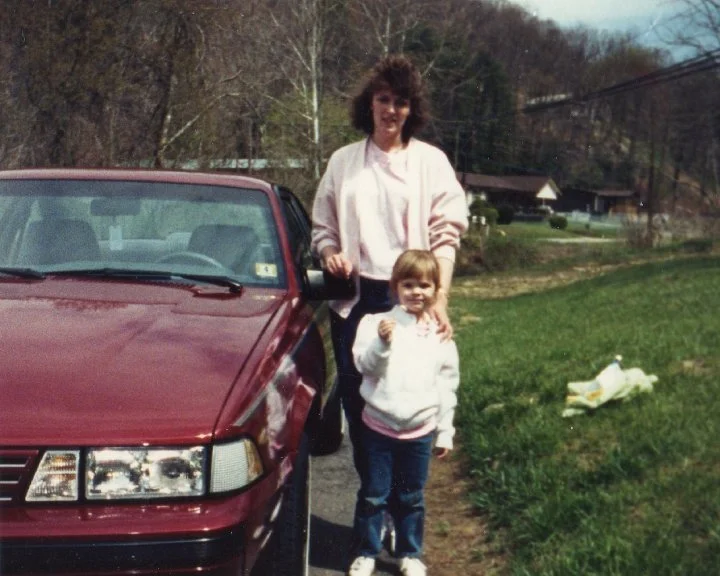
Brandi Fleck: It's a real privilege to have you here. Just the fact that you're my mom, you've been through so much in life, you've accomplished so much in life, and I just think it's a real pleasure.
It's no secret that I talked about my late stepfather, your late ex-husband, in Episode 1 of this podcast, and I told the story of some of the abuse leading up to our abrupt move from South Carolina to Tennessee back in 1998.
You've agreed to come on the show to talk about your perspective of those events. Just so you guys know, listeners, myself and my mother both think it's really important that you get both sides of the story. Unfortunately, you can't get my stepfather's side of the story since he passed away, but we're here to hopefully shed some light on these kinds of issues.
So let's start from the beginning. For listeners, though, to give a little context, let's tell everybody: How old were you when you had me?
Paula Flatt: I was 17.
Brandi Fleck: So what was it like being a teenage mother?
Paula Flatt: Well, it was a bit overwhelming. Mostly overwhelming. It was lonely. It was humiliating because of the people around me. There was a big stigma on those things when I was 17, and I was a cliché that I never wanted to be.
Brandi Fleck: Okay. So what do you know now as a mother that you wish you knew back then?
Paula Flatt: Hindsight is always better than foresight. I would have to say that I wish I had been more in the moment and enjoyed more of the little special times that you and I had.
Brandi Fleck: That's good to know. That's interesting.
I think you really beat the odds. You finished high school, you went on to college, you became an extremely successful registered nurse, and I feel lucky because I was there for all of that. What was that like? How did you stay motivated and find the time and energy to accomplish what you did while you were a young mother?
Paula Flatt: I had to be motivated strictly by sheer will and the grace of God because it was very hard.
Sometimes I felt like I was all alone in the situation. I had this little baby I really didn't know how to take care of very well, your needs to meet, plus my own self-care needs, and going to school and trying to support us.
I had to work, go to school, take care of you, and study. I think sometimes studying got pushed to the side more than it should have.
Brandi Fleck: I remember sitting on your back playing with your hair while you were reading about bone cells.
Paula Flatt: I was just thinking about that when I answered your last question. I think you studied a lot more than I did sometimes.
Brandi Fleck: That's funny. At least you benefited from my studying. I totally thought you were going to be a doctor or a nurse.
Paula Flatt:[Laughs]
Brandi Fleck: Did you ever consider putting me up for adoption?
Paula Flatt: No.
Brandi Fleck: Can you tell me a little bit about that?
Paula Flatt: Yes. My grandmother, my mother, and my father all had this little, I guess, intervention meeting with me when they found out. After all of the yelling and the screaming and, "I'm so ashamed," and, "I'm so disappointed," after all that happened, they gave me choices.
They said abortion is off the table, and I said, "Of course." I never entertained that as an option. It's just not something in my DNA that I would ever do.
The other option was to put you up for adoption, but they didn't like that option because they said they just couldn't bear the thought of a family member being with someone else.
They said if I chose the adoption route, they would adopt you. My parents would adopt you and raise you as my sister.
So there were only two options, and I just didn't think that the second option would be any good. I said, "I did grown-up things. I should be responsible for the grown-up things that I did, and I should take care of and raise her, or raise this baby."
Brandi Fleck: Well, I'm really glad you did.
Paula Flatt: Me too.
Why People Enter Abusive Relationships
Brandi Fleck: So now let's pivot into relationships and the abuse that occurred.
You were married once before you married the person that we'll refer to as your ex-husband, my late stepfather, your late ex-husband. Both your first and second marriages were abusive. Why do you think you entered into those relationships?
Paula Flatt: Nurses are nurturers by nature. I have always been a nurturer, sometimes to my detriment. I love people, and I guess part of nurturing is wanting to fix broken things.
Because I was looking for love, someone to accept me as I was, with the whole package, me and you.
Brandi Fleck: How did your relationship begin with your late ex-husband?
Paula Flatt: I was introduced to him through a coworker friend that I had met shortly after we moved to South Carolina.
I left West Virginia after I divorced my first husband because he was really messed up in the head.
Paula Flatt: I just felt we needed a clean start. Once we moved to South Carolina, where the family was living, Mom, Dad, brother, sister, I took a job there and met a very vibrant personality. My friend was a nice person. She kind of took me under her wing, and she introduced me to your stepfather.
Brandi Fleck: Mm-hmm.
Paula Flatt: I'd say it had to be maybe a couple of months after I moved there. It was basically a blind date. She was dating his roommate.
Brandi Fleck: Yeah. She said, "I've got somebody I think you should meet." And you had a lot of fun at first, didn't you?
Paula Flatt: I did. It was awesome to begin with.
Brandi Fleck: Right. He was a fun person.
Paula Flatt: Mm-hmm.
Domestic Abuse, Alcoholism, and the Cycle of Abuse
Brandi Fleck: I was going to say, I remember some really great things about my late stepdad despite his flaws that we've talked about from time to time. We always had an immaculate Christmas. The decorations won awards. We had amazing Fourth of July fireworks displays. We had the best summer vacations at the beach. We had a beautiful yard. He really took pride in our home.
Paula Flatt: He did.
Brandi Fleck: Yeah. So do you think, from your own experience, that it's possible to be abusive and also have good qualities?
Paula Flatt: Absolutely.
Brandi Fleck: Do you think that because someone is abusive for a certain period in their lives, they will always be an abuser?
Paula Flatt: I think that people each have the potential to stop the abuse. It's just how badly it has affected them and how badly they want to stop.
Brandi Fleck: Gotcha. Sort of like they have to know in the first place that they're even doing it, or accept in their own mind that this is abuse and that they're being abusive, whether it be verbal, physical, or sexual.
Paula Flatt: They all have to admit in their own mind, "Hey, I'm doing this, and this isn't right. I'm doing this because someone did this to me."
Brandi Fleck: What I hear you say is that you believe it's possible for any person to become abusive.
Paula Flatt: Yes.
Brandi Fleck: Even good people?
Paula Flatt: Yes.
Brandi Fleck: I agree because children are innocent.
Paula Flatt: Mm-hmm.
Brandi Fleck: If they're abused when they're young, they're new, they're fresh, and they learn behavior from the people they're around. They're like this big sponge.
Paula Flatt: That makes sense.
Brandi Fleck: Yeah. So what are some of the good qualities you remember about your late ex-husband?
Paula Flatt: He was a funny person. He loved to laugh. I think he wanted to be proud of something that he had done in his life. I think he was very proud of the fact that he had a normal, quote unquote, family, that he had an immaculate yard, and that he was a good neighbor by doing the fireworks displays.
I think he cared about other people. I just think that he had a lot of his own issues to overcome. To overcome those issues, you have to be a very strong person. I think that his health issues and his alcoholism were both strikes against him.
Brandi Fleck: Alcoholism. Now, that is something I really want to get into later in the show, and we'll have some other guests coming on who actually have experience administrating Al-Anon and Nar-Anon groups and things like that. That's really interesting that you brought that up.
Why do you think he became abusive?
Paula Flatt: Health issues. Certain aspects of your health can dictate your personality because some issues can change your personality. Diabetes, for example. If you have really high highs and really low lows, your personality changes based on how your blood sugar is operating that day and how badly it's damaging your organs.
Then if you have drugs, alcohol, smoking, all of those things, they all have a big effect on your personality. As you age, all of those things become amplified. They can push you over the edge.
You have to be very strong to overcome them. You have to be faithful, and you have to realize that you have a problem. Alcohol and drugs cloud those issues, and so do health conditions that affect your mind.
Brandi Fleck: Gotcha. So it sounds like part of what you're saying, and correct me if I'm wrong, is that your physical, mental, and emotional health are all tied together. They're all related.
Paula Flatt: Yes, very much so.
Brandi Fleck: Okay. From the moment I called you while you were at, and I detailed this in Episode 1, you guys. The link for this will be in the show notes of this episode if you want to go back and listen to it.

Leaving an Abusive Relationship Safely
I called you from a Pampered Chef party up the street, and I called to let you know that my life was in danger, or at least it seemed like it was. From the moment I called you to you taking me to a friend's house, then withdrawing me from school and driving to Tennessee in separate cars when we left, can you describe the actual events you went through? What happened? What is the story from your perspective?
Paula Flatt: Oh my. That's been so long ago.
Brandi Fleck: Mm-hmm.
Paula Flatt: You also had a younger sister at that time who was three.
Brandi Fleck: Mm-hmm.
Paula Flatt: Was she two or three?
Brandi Fleck: She was three.
Paula Flatt: She was three. She had just turned three, I think, when all this stuff started happening.
Brandi Fleck: Mm-hmm.
Paula Flatt: I had her and I had you. Thankfully, I wasn't on call at that time because I worked in a hospital, and we had to take call every so often for surgery.
I had a very understanding boss who was just a godsend during that whole entire time.
I had so much panic. I had to think of so many different things. I had to get you safe. I had to get your sister taken care of so that I could work and take care of some things personally, such as finances, and get my head together before I could do anything.
My late ex-husband was harassing me at the same time, so most of the time I was scared, angry, and hurt.
Brandi Fleck: Do you remember what you did to get things in order? This was all within a 24-hour time period where things went from seemingly normal to, "Now we're going to pick up and leave the state because we're in danger."
I think you said in Episode 1 you talked about what he was doing and how we got out of the house. I dropped you off at the neighbor's house.
Paula Flatt: Yeah.
Brandi Fleck: Where did you go? What did you do?
Paula Flatt: I believe I had your sister. I think I picked her up at daycare. I can't remember where she was when I dropped you off.
Brandi Fleck: I think he had her, and she was in the living room watching Elmo.
Paula Flatt: He did have her, and he was in the garage. When I told you to pack your things, we went downstairs. I grabbed her. I had no clothes or anything. I didn't have anything packed, and I didn't have anything for your sister.
I dropped you off, talked to your friend's parents, and I went to a really good friend's house that wasn't far from ours. I worked with her. She was a scrub tech, and at the time she was living with her mother, I believe, because she was having marital issues.
Your sister and I spent the night there. After your sister went to sleep, I spent a long time talking to my friend and her mother about what was going on.
I had called our family in Tennessee. I got my brother and sister on the phone because Mom and Dad were out trucking. Dad had his own trucking business.
Brandi Fleck: That's right. Mom went on the road with Dad.
Paula Flatt: They were out having a good time traveling, so I talked to my sister and my brother late that night, probably about midnight, and told them everything that had happened.
They asked me what I was going to do. I think it was over Memorial Day weekend because I had a long weekend from work.
Brandi Fleck: It would have been Labor Day because school had just started.
Paula Flatt: Yeah, it was the fall because I had just started high school.
Brandi Fleck: Are you sure it was fall? I'm thinking it was the spring.
Paula Flatt: Well, it was over a holiday weekend. My brother said, "We're coming to get you. I'll call you as soon as we get there. We'll meet up."
I said, "Well, Brandi's going to school."
Brandi Fleck: You didn't have a cell phone at the time or anything, right?
Paula Flatt: Oh, no. Cell phones weren't a thing.
Brandi Fleck: Yeah, so it was all telephone. You had no idea that my brother and my sister had talked.
Paula Flatt: Nope. They were going to come get you out of school. My brother and my sister went to a hotel when they got there because they needed to sleep a little bit.
Brandi Fleck: Mm-hmm. See, I thought you had gone to the hotel with them, but maybe I didn't know that.
Paula Flatt: They picked me up in the early morning hours, probably 5:00 or 6:00 in the morning, at my friend's house.
Brandi Fleck: Okay.
Paula Flatt: Then we went to the hotel with them to kind of collect our thoughts because I was up all night, and they were too.
Brandi Fleck: So they had your sister.
Paula Flatt: Mm-hmm. I was going to go over to the school, get your records because you had to be put into school, and your sister had to be taken care of so that I could come back, work a notice, and take care of financial matters and things that I had to separate. When you're married, things get all intertwined.
Brandi Fleck: Mm-hmm. In that 24-hour period, we checked you out of school. You had no idea. You were devastated. You were not happy with me. Your uncle took you.
Paula Flatt: Mm-hmm.
Brandi Fleck: And he left.
Paula Flatt: My sister had your little sister, and we had her daughter.
Brandi Fleck: Mm-hmm.
Paula Flatt: She was five, and your sister was three. We had those two, and I had to talk to my boss. I think I got a few things done, like cleaned out the savings account. I can't remember everything else I did, but I did a lot of things in that 24-hour period with no sleep.
Brandi Fleck: No. It was logistical-type stuff. If somebody was in a dangerous situation and they had to leave because they were afraid for their lives, what would you say is the most important thing to get taken care of, if you can safely do it?
Paula Flatt: You're vulnerable with your children, so I didn't want anything to happen to my children. My first thought was safety for you two.
Brandi Fleck: Mm-hmm. Because he was pretty irate.
Paula Flatt: Yes.
Brandi Fleck: And threatening to kill you.
Paula Flatt: He was just out there. I had to get you safe. I had to get the other child safe. Then I had to talk to my boss. I had to think of everything that I needed to take care of.
I'm a very organized person, and I was in charge of all the expenses, so I could take care of that at a later time. But I did get money before I left, and I think I got some things for your sister too.
I got back to the house because I called the neighbor and said, "Was he there?" They said no, so I got into the house, got a few things, talked to the neighbor, and she said she would help me.
I had the help of neighbors. I had the help of your friend's parents. I had the help of my family. Mom and Dad, we got a hold of them and told them as well.
So I had reinforcements. I had all your safety taken care of. I talked to my boss about what was going on. I came back so that I could work a notice, and I stayed with my boss and my friends. They kept me safe while that was going on.
Brandi Fleck: Gotcha. It is possible to do.
Paula Flatt: Yeah.
Brandi Fleck: For sure. We're living proof of that.
Now, we were scared for my life, but at any point, were you genuinely scared for your life?
Paula Flatt: No. No, but I didn't think he would hurt me. I wasn't going to let him. I'm a fighter. I'm not one of those people. I can be vengeful, and I can be mean. There are a lot of strong-willed, strong-personality women in our family.
Brandi Fleck: That's true.
Paula Flatt: We are going to do or die sometimes, and I just wasn't afraid. I wasn't afraid for me. I figured if you all were safe, I was not vulnerable. I could do whatever I had to do.
Why Victims Stay in Abusive Relationships
Brandi Fleck: Okay. Now, that's not always the case in relationships, but even though you weren't scared for your life, do you believe that you were abused?
Paula Flatt: Oh, yes. I was verbally abused almost on a daily basis and asked to choose between my child and him. It was a really bad situation a lot of times, especially if he was drinking.
Brandi Fleck: Sure. People always seem to wonder why people in abusive relationships stay as long as they do. Can you answer that question?
Paula Flatt: Well, for me, we had built a life together. We had just built a house that I'd always wanted in a really nice neighborhood. I had a great job. You were at a great school that I wanted you to be at.
As far as I was concerned, we were at a point in our life where everything was kind of going our way. We were living the dream, so to speak. We both had good jobs. We had a nice house that we had just built. You had friends. You were liking your new school. I had your sister in a good daycare. We had excellent neighbors. It was everything I had wanted for our family.
I didn't want to give that up, but I was forced to.
Brandi Fleck: Was there a trade-off in your mind of, "Well, I can put up with the verbal assaults on a regular basis and the alcoholism because the rest of life is okay?" Did it make up for it somehow? How did you reconcile that?
Paula Flatt: It did. I figured as long as he was just abusive to me, I could deal with that. I could hold my own.
But when he started becoming really abusive with you, I couldn't tolerate it.
I don't know if you remember the time in the car that I told you I wished him dead.
Brandi Fleck: I remember.
Paula Flatt: And you asked me why. It was because of all the abuse. The abuse was becoming more and more. It hadn't gotten physical, but as my nursing training taught me, people make threats, and eventually they're going to carry through.
He had guns and things like that, so he could have.
Brandi Fleck: Yeah. Why was it acceptable for you to have to go through that?
Paula Flatt: I don't know. I guess because I was living my dream, and I didn't want to give it up. It was comfortable.
It's very hard when you're married to somebody for a while. Everything is so intertwined, and it's so hard to untwine it. I never wanted to be divorced, let alone divorced twice. It was shameful to me. It was a personal failure in my mind if I couldn't make it work.
Brandi Fleck: So you wanted to make it work. Your goal was to make it work.
Paula Flatt: Yes. He was a good person. I knew he was a good person, but the more his disease process got ahold of him, along with the alcohol, the smoking, and the drugs, it took him further and further away from us.
Brandi Fleck: Right. So the good times were less and less, and the bad times were more and more.
Paula Flatt: And really bad.
Brandi Fleck: Yeah, I would say. My life was a whole lot worse than it appeared.
Paula Flatt: Yeah.
Brandi Fleck: Nobody would have known.
Paula Flatt: No.
Brandi Fleck: Would they have?
Paula Flatt: No. I kept that all to myself. The neighbors didn't know. Everybody was shocked.
Brandi Fleck: Yeah. It's funny how that happens.
Paula Flatt: My own parents weren't aware of it.
Brandi Fleck: Yeah. You mentioned things that I've heard other people mention who have been in abusive relationships. Words like shame, shocked, people wouldn't have known. Because people wouldn't have known.
Warning Signs of Domestic Abuse
Because the person being abused feels shame and things like that, it can escalate really quickly and get really dangerous because people don't know to help. Is there anything that people on the outside can do?
Are there red flags they can look for, in your opinion? If the person who's feeling shame doesn't want to say anything or doesn't think they can say anything, what would be something somebody could look for to cue them in to the reality of the situation?
Paula Flatt: When there's alcohol involved, you should really pay attention to relationships. You should pay attention to the interaction because sometimes the interaction was rude and mean and spiteful in front of other people. It was very adversarial sometimes.
But I would play it down and do what he was requesting, even though I didn't want to, just to keep it so that no one knew.
Brandi Fleck: Just to be clear, though, you're not against having an alcoholic drink here and there, are you?
Paula Flatt: No, no. Casual social drinking is fine. One, maybe two drinks. Every person needs to know their limit.
Brandi Fleck: Gotcha. So you're talking about when there is an overabundance, when people have gone past their limit.
Paula Flatt: Oh, yeah. It alters your personality, your ability to think clearly. You recall we had a keg in our garage.
Brandi Fleck: Yes, I do.
Paula Flatt: That was the beginning of the end.
Brandi Fleck: Yes, as far as that relationship goes.
Sort of the abuse that you went through there, are you healed from it?
Paula Flatt: I think so. I forgave him a long time ago.
Before my grandmother died, I don't know how she came up with these words of wisdom because she was usually a vindictive personality, and she was an abuser herself. But she was very kind to me. She never abused me until I was older and a parent myself.
She said, "You're going to have to let that go. You're going to have to let that hatred go so that you can move on."
How she knew what was going on and how she gave me those words of wisdom, I don't know. But she knew I was holding on to it. It was a hatred. It was a deep-seated hatred by the time I finished with him. Something that was love and a good relationship, everything that we had built on, turned into just sheer hatred.
She knew it.
Brandi Fleck: And that can be very toxic.
Paula Flatt: Very.
Brandi Fleck: For you, the person holding on to it.
Paula Flatt: Yeah.
Brandi Fleck: How do you let go of something like that? What does it mean to let it go? It's sort of like this intangible concept that we all talk about, but how would somebody even start?
Paula Flatt: Faith is one. You have to ask God to help you. I would have never made it through all of this stuff if I hadn't had God. I called upon Him so many times for strength and the ability to understand and to let go.
The only way I could let go of that was to ask God to help me, and He did. But it took my grandmother coming up with these words of wisdom that she'd never really given me before, out of nowhere. I'm sure that was divine intervention.
I forgave. I forgave and I just had to realize that it was not adding any quality to my life. To be vengeful and hateful and wishing someone dead was not me. It was probably the worst side of me that he brought out.
Brandi Fleck: Gotcha. After so much torture, it can feel like torture for sure.
Paula Flatt: It'll eat you up inside.
Brandi Fleck: I definitely have asked you a lot of questions over the years to sort of work through these things myself, and we've always had a pretty open dialogue about it.
One of the things that I had to understand in order to heal myself was, if you loved me so much, why was it so important to stay? Because the abuse for me lasted for years. It wasn't just an overnight kind of thing. It escalated up until the point where my life was threatened and we left.
One of the ways that I've been able to reconcile that and be okay with everything is because I understand that it was hard and that when you love somebody, you hope that the best of them comes back. When there is alcoholism involved, that's a whole different story too.
It's hard to make those decisions when you're in the thick of it. It's hard to see the forest for the trees, to use that cliché.
Paula Flatt: It is.
Brandi Fleck: We've talked about it and we've worked through it.
Rebuilding a Parent-Child Relationship After Trauma
If there were other parents and children who have been in similar situations and they feel hurt and resentment toward each other because they don't understand the other perspective, what advice would you have for them to start healing their relationship?
Paula Flatt: Talk about it. They have to communicate.
The person that helped me with my relationship with you, because I think you resented me for everything that had happened, and then I resented you. I'm pretty sure those feelings were going on.
We've talked through that before, but the person that helped me heal from that was my current spouse.
Brandi Fleck: Yeah. He's a special person. He really is. He was a godsend for you and for me, for our relationship.
Paula Flatt: I agree.
Brandi Fleck: I agree. He started the whole healing process, I would say, because up to that point we were pretty adversarial at times, you and I.
What did he contribute to help you start that process?
Paula Flatt: I always felt that my life had to be put on hold for everybody else. Someday when Brandi grows up, I'll get to do the things I want to do. Someday, if my ex-husband ever comes around, I'll get to do the things I want to do.
There was always something that seemed to be in my way of doing the things that I wanted to do and the things that I wanted to achieve.
I thought, if I can just make it through it, I'll be okay. But there was always something else that got in the way.
He helped me see that if I would just be patient, my day would come and that everything I was experiencing, you had no control over.
Brandi Fleck: Mm-hmm.
Paula Flatt: You were a child.
Brandi Fleck: Mm-hmm. Being a child yourself when you had a child, would you say that's what caused those feelings?
Paula Flatt: Yeah. I had to give up a lot of things to keep you and not knowing exactly what that meant. I said I had to take care of you, but I had no idea of the impact of the things that I would be missing out on until I missed them. The things that I made sure that you got to do.
He made me see that things would level out, my life would be better, and I would get to do the things that I wanted to do.
Brandi Fleck: Sure. Was there a positive to keeping me?
Paula Flatt: Oh, definitely. Definitely.
Looking back on some of those times, you were a sweet little kid. You kept me focused. You made me laugh. You were a smart little girl. You always amazed me, and I knew you would do something good someday.
Brandi Fleck: I love you, Mom.
Paula Flatt: I love you too, Brandi.
Finding Peace After an Abusive Relationship
Brandi Fleck: So let's end on a high note. We both came through this and have gone on to live happy, productive, meaningful lives. What is your life like today?
Paula Flatt: My life is pretty good. I only work three days a week at an outpatient surgery center. I don't take call. I don't do holidays. I don't do weekends. It's probably a pretty cushy retirement job.
I still get to deal with the patient population that I like, but I have more home time. My current spouse is retired, so he has primary responsibility for our youngest, your other sister.
Brandi Fleck: Mm-hmm.
Paula Flatt: So I'm still parenting at 53.
Brandi Fleck: Well, listen. Did you ever stop to think that maybe you were meant to be a mom? Maybe that was something special about you and your life. Maybe you had to miss out on certain things that other people might get to do, but you were gaining something.
Paula Flatt: Maybe so. I impacted the lives of little people. I do think so. Maybe that was my calling.
I always said I wanted to have three children, a husband, and a house, and I wanted to travel. I kind of have those things.
Brandi Fleck: Mm-hmm.
Paula Flatt: I have three lovely daughters, a wonderful grandson.
Brandi Fleck: Thank you, Mom.
Paula Flatt: You're welcome.
Life's pretty good. I get to travel.
Brandi Fleck: Mm-hmm.
Paula Flatt: It's been fun. I have to say that life is good now.
Brandi Fleck: So what do you love about your life?
Paula Flatt: Family. Family is very, very important.
Brandi Fleck: Even if it's complicated?
Paula Flatt: Even if it's complicated. It's the best investment you can ever make.
Brandi Fleck: Something I ask every guest on the show is, what does being human mean to you?
Paula Flatt: That it's okay to make mistakes. It's okay to make mistakes. We're all flawed. We're all going to make mistakes, but in the end, everything will be okay. You just have to have faith.
Brandi Fleck: Mm-hmm. Good stuff.
Paula Flatt: Yeah. Be kind to others.
Brandi Fleck: Yes.
All right. Well, that wraps it up. Mom, thank you so much for coming on the show today. I really appreciate you going through this.
Paula Flatt: It was a pleasure, Brandi. It helped me dig up a lot of dirt in my past, things I probably needed to think about again.
Brandi Fleck: You guys, I was so excited to have my mom on the show. Her story is one I know a lot of parents can relate to. The bravery, the persistence, and the sacrifice. Even having to overcome judgment from others.
Not only do I hope that you were inspired by my mom's sheer will to succeed at providing for her family, but also her bravery to finally leave an abusive situation, probably one of the hardest decisions she ever made, leaving a life she worked so hard to build.
Join the conversation!
Feel free to share your own experience and let me know if you have any questions in the comments.
Related Posts



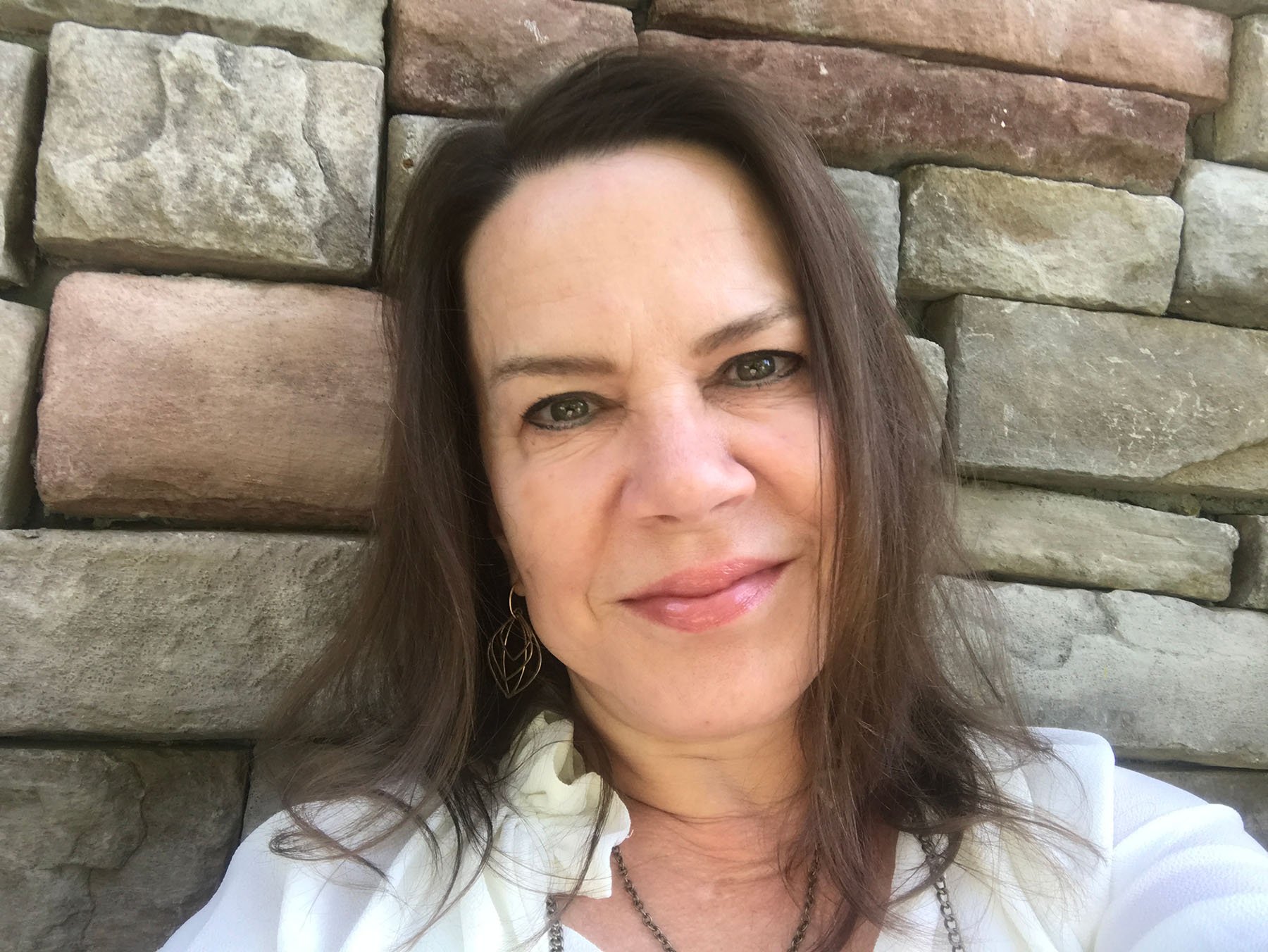





Hi, I’m the founder of Human Amplified. I’m Brandi Fleck, a recognized communications and interviewing expert, a writer, an artist, and a private practice, certified trauma-informed life coach and Reiki healer. No matter how you interact with me, I help you tell and change your story so you can feel more like yourself. So welcome!
Find More on the Blog
Topic
- ADHD
- AI
- Atlanta
- Black and BIPOC
- DIY
- FAQ
- LGBTQIA plus
- Los Angeles
- Nashville
- Seattle
- St Louis
- St. Louis
- UFOS/UAPs/ETs
- abuse
- accountability
- addiction and recovery
- adoption
- affirmations
- afterlife
- altered state
- angels
- animals
- anxiety management
- art
- astrology
- atlanta
- attachment
- awakening
- beauty
- behind the scenes
- being human
- body image
- body work
- boundaries
- brandi fleck
- breathwork
- bullying
- burn out
- burnout
- cancer
- career
- caretaking
- chakras
- channeled
- clarity-dive
- clarity-practice
- clarity-primer
- clean products
- coach
- codependency
Recent Blog Posts
Visit the Full Podcast Audio Archive

Affiliate