How Early Childhood Development Shapes Every Stage of Life
Interview By Brandi Fleck
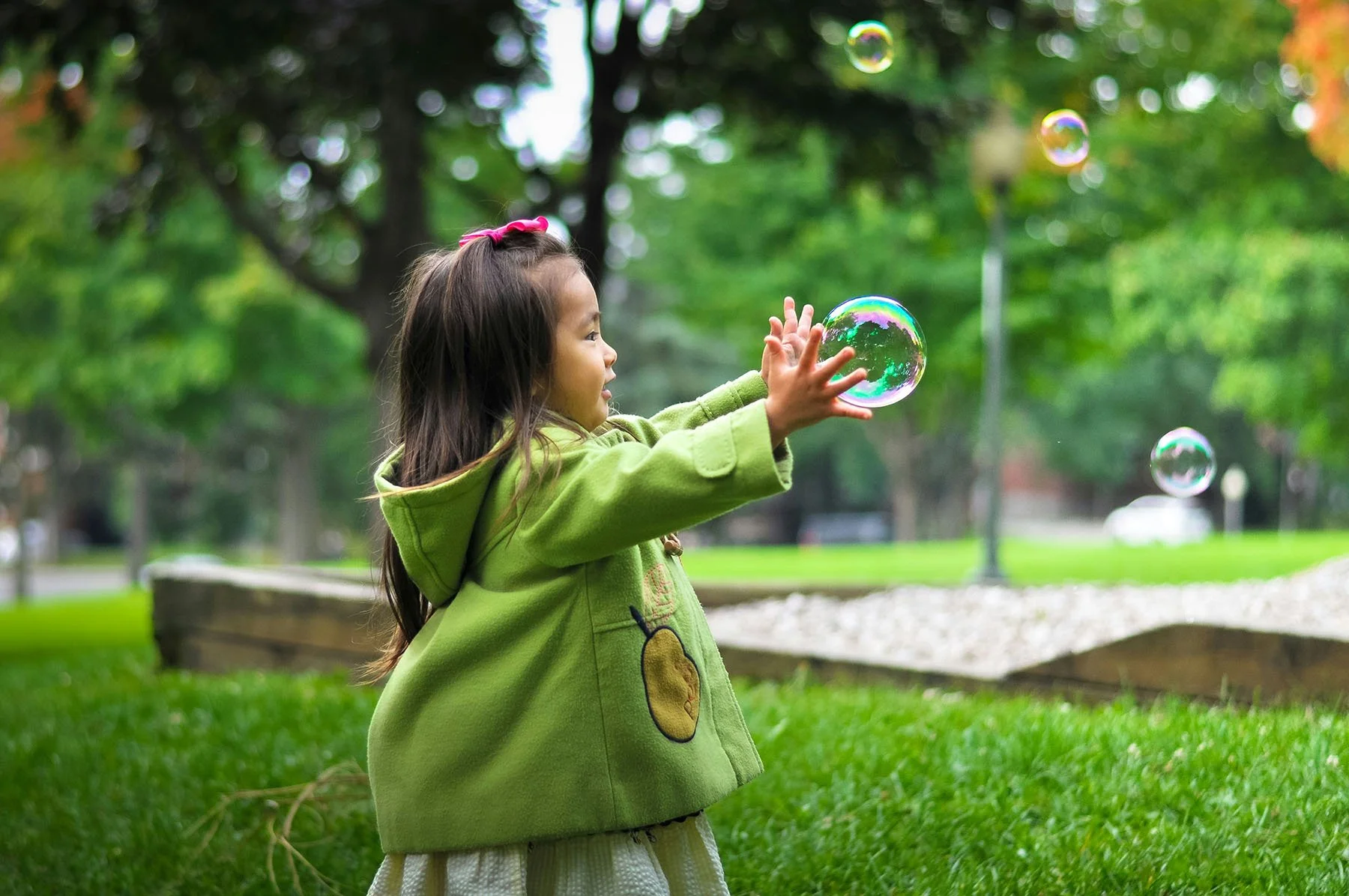
Preschool teacher Renee Cox explains why the first five years of life shape emotional development, relationships, resilience, and the adults we become.
The first five years of life shape far more than learning the alphabet or counting to ten.
During those early years, children develop the emotional, social, and cognitive foundations that influence how they handle stress, build relationships, and navigate the world for decades to come.
Preschool teacher Renee Cox has spent more than 20 years watching those foundations take shape. She shares why kindness deserves as much attention as academics, how early childhood trauma can affect lifelong development, and why the adults in a child's life have more influence than they often realize.
Whether you're a parent, educator, caregiver, this episode offers a thoughtful look at the experiences that shape us long before we remember them.
Listen to Renee Cox’s Interview
Watch Renee Cox’s Interview
Brandi Fleck: Welcome back to another soul-exposing exploration of what it means to be human.
Last week, just in time for Teacher Appreciation Week, we talked to a former high school science teacher who left the education system despite his love for education.
This week, we're hearing from Renee Cox, another teacher who loves what she does, but she specializes in early childhood education. Having taught preschool for 20 years, Renee primarily works with four- and five-year-olds.
Today, Renee details her journey to becoming a teacher, her approach with young ones, and how important early childhood is because the events that happen at ages zero through five have a lasting, ingrained impact well into adulthood.
The magnitude of the importance of preschool teachers is really put into perspective when you think about how that foundation can change the course of our lives. Teachers like Renee, who our kids are with every day, come in contact with kids who have been through trauma and other life-changing events during that malleable time of intense brain development.
Tune in to hear about how Renee feels about that responsibility. Renee opens up about how kindness is a priority in her classroom, how she teaches kindness along with a regular curriculum, and her approach to supporting families. For now, without further ado, let's hear from Renee.
Brandi Fleck: Hi, Renee. Welcome to the show today. I am so excited to have you here.
Renee Cox: Oh, thank you. I'm really excited to be here.
Brandi Fleck: That's awesome. How are you doing today? What's been going on?
Renee Cox: Doing well. I'm just working really hard this week and looking forward to some vacation time soon.
Brandi Fleck: Well, I was going to say, where are you going on vacation? You might not want that on the show, right?
No? That's okay. So let's start with, what does being human mean to you?
Renee Cox: Being human, I think it's about a lot of imperfections, really. When it comes right to it, it's mostly about being perfectly imperfect, reaching for your goals in life. We're the only creatures that are allowed to talk, and just kind of reaching for your goals in life and maybe getting to it or not getting to it. That's what I love about it.
Brandi Fleck: Okay. So can you tell us what you do for a living, just to give listeners some context, sort of what you do day in and day out and how long you've been doing it?
Renee Cox: Well, I am a teacher, a preschool teacher in early childhood education, and I teach children Monday through Friday. Well, not every single day. Saturdays and Sundays I'm off, but I do a lot of work on the weekends as well, just to kind of provide them some things when I get back on Monday.
I've been doing this for over 20 years, so a long time.
Brandi Fleck: Yeah, that's so awesome. I'm so interested in your experience, and I know that a lot of expertise has probably come from that experience.
Early Childhood Education and Brain Development
So how does what happens to us during those early years inform our behavior and relating to the world as adults?
Renee Cox: That's a really interesting question, and I have actually learned a lot over the 20 years that I've been doing this.
The research shows that all the things that happen to us in adulthood are developed from zero to five. Those first five years are very important to what we end up being as adults.
Thinking about that blows my mind because that makes my job super, duper important. These kids are so malleable in these early years that actually what I do and what I say and what I teach them could really change how they are as an adult.
Brandi Fleck: Yeah. So how does that information impact what you do in the classroom?
Renee Cox: Well, it's actually really, really kind of scary.
I really want to always make sure that I'm saying what I mean and mean what I say. Really teach them how to be human. Really teach them how important it is to be kind to people.
I always tell the parents that everyone worries about their kids learning how to count to three, learning their ABCs, learning how to write, and nobody really thinks about the fact that you actually have to learn to be a person. You have to learn to interact with other people, and it doesn't come as naturally as maybe some of those other things do.
Children reach a point in their life where it snaps, and you understand your ABCs and you understand how to count. You can give those things to the children, and they might be something that they just kind of absorb. But kindness, you have to talk to them in a different way about it, how it is to be kind, what it is to be kind. You actually have to be kind to them.
I tell the parents all the time, if I can teach them one thing before they go to school, it's to be kind to other people, how to treat other people. It's so important.
Actually, how to self-regulate, too, because even us as adults, we expect children to self-regulate, and even sometimes as adults we have problems self-regulating. We don't know how to regulate our own emotions, but we expect that out of a four- or five-year-old.
Instead of saying, "Snap out of it," we need to be able to teach them how to regulate that, how to take a breath, how to take a break, or even how to talk to other people when they do have an upset feeling.
Brandi Fleck: Yeah, those are all really good points. Thank you for sharing that.
Can you tell us real quick, what's an example? I feel like some adults don't even know how to be kind. How do you teach somebody to be kind?
Renee Cox: We talk a lot about give and take when you're talking to someone. You understand that when you're looking at someone in their face, they're probably listening to you, not just waiting to say what they want to say.
A lot of times you may be talking to an adult and you think, "They're not hearing what I'm saying at all. They're just waiting until it's their turn."
So we talk about give and take.
We talk about when there's a conflict in our classroom. When I see conflict in our classroom, in years past people have said, "Use your words." Well, we give them words.
When there is a conflict and they don't know what to say, then you say, "Do you know what to say?" Most of them have no idea what to say.
So you go and you facilitate it. You have them put their hand on the other person, then you have them look them in the eye, and then you say, "Are they looking at you?" Then you have them say that person's name. "Are they looking at you now?" Most of the time they say, "Yes, they're looking at me."
Then when they're looking, we say, "This is what you can say."
Now, if someone's upset because someone pushed them, then we say, "You can use your big voice and you can say, 'I didn't like it when you ____. I need you to ____.'"
As an adult, I've just learned this maybe in the last five or six years. I've been doing this at some of my other jobs, too.
It's a very simple thing to do, but it works. I tell people all the time, "No, just tell them this," and they do it. Then you see the children...
Renee Cox: I've been doing it, and it blows my mind every time. But it's so, so simple. Just a touch, an acknowledgment of someone's feelings, an acknowledgment of your own feelings, then talking back and forth.
When we do have conflict and someone is hurting someone, we never say that it's okay. I have a lot of kids who say, "It's okay. It's okay."
No, it's not okay. It's not okay for someone to hurt you. I know you've probably said that, other people probably say that. It's not okay for someone to hurt you.
We do say, "I accept your apology." I also give them the option not to accept somebody's apology if they don't want to. Most of the time, when they have that eye connection, when they have that touch, then they accept somebody's apology because then they're connected.
I just feel like I've added that as an adult too now, and it works. It's such a small thing, but that connection to another human being, that's the very basic of kindness. Helping each other out, being helpful all the time.
We ask each other, "Is that helpful or is that hurtful?" If you just keep everything that simple, they just go right along with it.
I've heard them say, I even ask them questions like, "Who does this?" I've heard them say, "Oh, my mommy is very helpful to me." They start using that language. They start doing those things.
It's very small language that you use with them. Body language has a lot to do with it, and it's amazing to me that they catch on so quick. They catch on sometimes quicker to that than they do with the alphabet because I think they're so malleable right now from that zero to five. If you have that connection with them, they kind of move towards that. They're like, "Oh, okay. I'm understanding this."
Then they start teaching other people, which is amazing, because when we have new kids who come into the classroom, they start teaching them the same thing. They become the teachers. They're teaching kindness, and it just kind of goes on and on. Then they move past me, they're going to school, and they teach it to other people.
It's a really easy thing that I think adults take for granted. We take it for granted, and it's not something that we should do, but my kids catch on to it very, very quickly.
Brandi Fleck: Awesome. Well, there were a ton of good tips and takeaways in that that I will definitely have listed in the show notes for our listeners.
Child Development Milestones From Birth to Age Five
To give us sort of an educator perspective on the high points of development, are there certain early childhood education milestones from zero to five that are common, that early childhood educators know about, that parents should know about?
Renee Cox: The state of Tennessee, and many other states, have a standard set out for teachers. That starts with infants and goes all the way through high school, actually.
Then we have the ones that are for early childhood education. Basically, it doesn't have age groups. It just says, between the ages of this and that, these are some of the things, like holding up your head, acknowledging other children. It goes through each stage: walking, taking first steps.
Each child is individual, just like when you go to the physician and they're talking to you and saying, "Hey, are they holding up their head yet? Are they eating solid foods?" Every child is different.
When I get children in my classroom, I teach four- to five-year-olds, so what I'm looking for is some of the more fine motor skills. I'm looking to see that they're able to communicate. I'm also looking for recognition of the letters in their own name.
A lot of parents are kind of like, "Oh, they should be able to read now." Some are further ahead. Some are way further ahead. Some know how to read. Some don't know how to read. But it doesn't mean that they're behind.
Those standards are kind of wide enough so that we can have children who are able to read and children who are not able to read be in the same classroom because they're higher scored in other things.
Brandi Fleck: Gotcha.
Renee Cox: For instance, a child who may not be able to read yet may have really great fine motor skills, may be able to put Legos together and create something.
These are different kinds of skills, and everybody has different kinds of learning styles. People who are more visual, people who are more auditory, people who learn kinesthetically.
Those are the things that we look at when we get a child who comes into our classroom. How do they learn? We kind of do different things in our classroom so that every child has an opportunity to learn at their own pace.
When they go on to school, they do some of those same kinds of things. Mostly there, they do the Common Core, and basically it sets up the kinds of things that they should be knowing, a lot of the basic literature, a lot of the basic math that they should know.
It's variable, basically, but most teachers know about that. You can look it up. In the state of Tennessee, you can look at DHS, and they have all the standards. Parents can actually print those off. There are learning standards on there.
There's also STAR standards that most schools in the state of Tennessee are set to. We all follow them and teach in the same way. The state has some of the highest standards set forth as far as the things that we should be doing in our classroom, higher than some of the other states.
Basically, the state of Tennessee has all these standards that we follow. It's just a skeleton for us to say, "Hey, they should know how to look at a group of five and know that that's five instead of counting it."
They don't even have to tie their shoes before they go to school, but some kids who have great fine motor skills know how to tie their shoes.
Even their emotions are set out in there. They need to know how to talk to others, need to know how to ask for help, self-help skills, pulling up their own pants, those kinds of things.
Those are standards that are set out that parents can actually look at too. Most early childhood education centers have that sitting in their front office, and that's required by the state so that families can actually look at that.
If anybody is ever interested, you could just ask, and they will point it out to you.
Brandi Fleck: Gotcha. Very cool.
Childhood Trauma and Brain Development
So these milestones of development, what happens to our conscious and subconscious minds if some of these developmental milestones get interrupted, either by trauma or anything else that could interrupt them?
Renee Cox: That's a really interesting question.
I actually just did some online training through the state of Tennessee about ACEs. Basically, it's about childhood trauma and how that affects us for our whole entire life.
Children are very resilient. There are things that can happen to them in early childhood, but they can kind of bounce back from it. Some of those are deaths in the family, sickness in the family. They can bounce back from that.
Then some of those other things that they can't bounce back from are chronic illness in the family, chronic abuse in the family, drug abuse in the family, things like that in early childhood that really affect their brain development.

Their brains become different. Their brains do not function like a child who would live in a house that had none of this trauma.
The ACEs are set up as these questions: Have you had this happen to your family? Have you had this happen to your family?
What happens is, when there's that change to the brain, it actually affects you into your adulthood, and it affects your children too. It actually changes your physicality, and you can pass it on to your own children.
That blew my mind. I know family members who have lived through some abuse, and it made so much sense that they would pass that down or that it affected them because of the history of their parents and their parents before them.
I just thought, wow. When we do these trainings, they show brain scans of children who have had these kinds of traumas in their life during those early years between zero and five. It just completely changes how their brain works, completely changes how they react to the world.
I thought, wow. It made me think differently as a teacher and how I respond to those kinds of things that happen to my children in my classroom because I've had children who've had trauma.
It is amazing that they are very resilient. They can bounce back from some of those things, but that you could pass that on to your own children. They're not even around yet, but it changes your whole physicality, and then when you decide to have children, it changes them.
That was amazing.
Brandi Fleck: Yeah. I mean, it makes sense that if it can change your brain, maybe it's doing something at a DNA or cellular level too.
Renee Cox: Yes. When I was doing the training, it was saying it actually changes your eggs, it changes the sperm, it changes everything physically in you. It changes the DNA.
It blew my mind. I was like, wow. It explains a lot of humans. It explains how we are because we do go through traumas.
In the past, I also worked in research, and I did some research at one of our local hospitals. It was for symptomatic response to stomachaches, and we went through those kinds of questionnaires, like, "What kind of trauma did you have?"
Back then, it didn't make much sense to me why we would be asking those kind of questions. It kind of made sense to me, but now it does. Because you know it causes those kinds of things it could physically change you
Supporting Children Through Trauma
Brandi Fleck: So you're saying that some physical ailments can be a result of passed-down trauma, but also maybe how we interact with the world. Is that what I'm hearing?
Renee Cox: Yeah.
Brandi Fleck: If you have kids in your class who are impacted by trauma, is there a way to combat that? What can we do as parents and teachers and leaders who love our children, who are our future, to help them get through some of these things?
Renee Cox: I wish there was an easy answer to that.
As a teacher, it is very difficult to find those places to go to. I have read so many books, and every single year I have a little one that's something different.
I think it's taking the time. I think it's taking the time as an adult to study up, to learn, to be kind, and find out what it is to do.
There are so many books out there about trauma that are for teachers that parents can also look at. I read them so many times when there have been deaths in the family or other things going on in their family and I don't know what to say.
There are tragedies that happen in the world, and sometimes the child might say something about it. Sometimes you just follow the flow of the child. You follow what they are saying and you approach it at their pace.
It's just like when you're going through trauma. They go through the same things that we do. They go through the shock. They go through the denial. You sort of help them along with it.
Now, if it's severe trauma, there are places that you can contact. Hospitals have places where you can go and talk to people. Those are suggestions that I give families if it is something that is so terrible that I'm seeing changes in the children.
Sometimes we have people who can actually come into our center who we can say, "Hey, would you come and observe and make sure that we're doing the right thing and saying the right things and helping this family?"
Every center should provide resources for families. There's a booklet that families can go to if you're hungry, if you're experiencing abuse at home, so they feel free to say, "I need help." Then I say to them, "Hey, here's a number that you can call."
I always feel like I try to make it a safe haven in my classroom, that you're safe here. I always told them it's my job to keep them safe, and they know that. They say that to me all the time, and it makes me want to cry because that is ultimately my job, to help them be kind people and to keep them safe.
If I do those two things, I've done my job. But I think as a whole, as a human race, we could probably do a better job of it. I think sometimes we get thrown away when we have trauma, which is really sad.
It's not an easy thing to deal with, and I think people don't think about this, but teachers deal with that more than a lot of people do because we're with the children a lot.
I'm in early childhood education. They leave me, they go to school, and a lot more goes on there. Those first five years, they're malleable, but even when they go into school, they see a lot of things. They go through a lot of things, and those teachers deal with things too.
We see a whole lot more, and it's kind of scary. It's kind of scary as a teacher to think, "Wow, I have a lot of power to help these kids or not help them."
Every year I'm reading a book. I think I probably have four or five books going at a time, and people laugh at me, but I'm like, "Well, I want to know. I want to know what I can do and how I can help this person."
Sometimes kids get thrown away. You say, "I don't understand them. I don't understand what they need," and then they get kicked out of somewhere. That's really sad for me that that happens.
Sometimes people don't know what to do, and I don't want to be that person. I don't want to be that person who's like, "I have no idea what to do."
I think we could all probably do a better job of it.
Brandi Fleck: Gotcha. Well, that was a lot of heavy information. Thank you for sharing that.
That is such an important topic, and I agree. We should totally be working on making things better in that regard. Everybody's impacted by some kind of trauma at some point, and we need to deal with it.
Why Teaching Preschool Became My Calling
But let's lighten things up a little bit. Can you tell us, do you think early childhood development and teaching is a calling for you? How did you know it was a calling?
Renee Cox: It was. I came about it in kind of a strange way. You usually ask a kid what they want to be, and I wanted to be an art teacher. I thought, "Yeah, I want to be a teacher."
I always taught when I was at home. I had a younger brother, and he was my little guinea pig. I had a chalkboard, and I would write on it and teach him. He was four years younger than me, so I would always teach him the things that I had learned at school so he knew them before he went to school.
He was always my guinea pig, and that was what I did. I taught my teddy bears and all the things that I see the kids doing in my classroom, pretending to be me. I was pretending to be a teacher.
As I got older, it kind of left me for a little while. Then it kind of came back. At one point I thought, "Oh, I want to work with animals. I'll be a marine biologist."
Nah. Decided not to. I worked with some amazing teachers in high school. I worked with some terrible teachers in middle school. I had some amazing teachers in elementary school, and then I had some terrible elementary school teachers.
A lot of teachers will tell you that they're inspired by teachers who were amazing teachers, and they're also inspired by teachers who were terrible teachers.
You're inspired by saying, "I will never be like that. I will never tell a child, 'No, you can't do that.'"
I read aloud in my class because my third-grade teacher always read to us aloud. She always did, and that was my favorite part.
I thought, even if I teach really young children, it's so important that they hear the written word, and they love it.
Most parents are like, "Hey, when are they going to start learning to read?" I'm like, "They need to love being read to first."
I know everybody's probably heard that before, but they need to love hearing it before they even start reading it. That inspired me to be that person.
When I graduated from high school, I had thought about going to art school because I thought, "Oh, I'll go to art school and I'll be a teacher."
Well, that didn't work out for me. I had kind of old-school parents. My dad was an engineer, but he got to be an engineer by working his way up. He worked his job in the '60s, worked his way through school, worked his way up, so he was kind of like, "Hey, this is what you need to do."
I said, "Okay, Pops. That's what we'll do."
So I just kind of worked my way through it. I got a job here and I learned that. I got a job here and I learned that.
I started in early childhood education, and then I got a job at a hospital where I learned about early childhood illnesses. I learned a lot from that. I worked there five years, so I learned a lot about kids and their brains and how they work and trauma.
It was something that just kind of added on to me. For a long time I thought, "Oh, poor me. I didn't get to go to college."
But I was learning so much more than some of my colleagues who actually went to college.
When people come into my classroom now, they're like, "Wow, how did you know that?"
I'm like, "Well, my dad made me work my way up."
I did eventually do some classwork in early childhood education to earn my CDA. I'm still working on that.
But I just worked my way through it, and I think that grit of working through it and working up to it taught me so much about kids and families because I've been around them and been exposed to them.
I've had teachers come in who have been in elementary school and decided, "I want to go into early childhood education." They come in and they look like a deer in the headlights because they're standing in my classroom and they're like, "I don't understand what's going on here."
It's something that's inside me. I just know. I just know that this is what I need to say to this child who's having this problem.
Do I know everything all the time? No, absolutely not. But I have all this under my belt, and it's not something that I could have just gotten in four years. There's absolutely no way.
I've had so many people come through my classroom, other teachers, who say, "I've learned so much from you."
I'm like, "Great. I'm so glad you learned from me. Maybe I can learn something from you."
I try to learn something from other people too. But I do think it's my calling. I think my calling is just to help other people.
All of the things that I've ever done, I even worked in physical therapy and chiropractic care for a couple of years. I stepped away from taking care of kids and thought, "Hey, I'll do something different."
But I was still taking care of people. I was still taking that burden off of people because I kind of feel like that's what happens.
When my kids come in to me in the morning, they give me a hug. Some kids are having trouble coming in in the morning. Some are not. Some just ease on in.
I think I do the same thing as a nurse would do, where you take that burden off of people, and as a therapist would do. You take that burden off of people.
I kind of become the catch-all in the classroom, the person who is your therapist. It's amazing to me that I can do those things and that I came to that point after kind of working through all those things.
Would I still like to work with animals? Sure. Yeah, that would be amazing.
But I work with amazing kids every day, and they teach me every day. They teach me something different. On the daily they'll say, "Hey, I learned this today," and it just blows me away.
I can't imagine doing anything else.
Brandi Fleck: Well, that's awesome. That's very cool.
What is the most important thing to you? You may have alluded to it a little bit when we were talking about your calling, but how do you approach life, and what's the most important thing?
Renee Cox: My dad just passed away, and I told everybody he left us with a great spiritual legacy.
My faith is really strong, and it has brought me through a lot. I feel like teaching people is important. Teaching people how to love, teaching people how to be kind. That's what's important to me, that and my family and my friends. That's super important.
Growing Up and the Childhood Experiences That Shape Us
Brandi Fleck: Gotcha. Can you tell us a little bit about what your life was like growing up?
Renee Cox: Kind of crazy. It was fun. I actually didn't attend preschool. Nowadays it's kind of the norm.
My mom and dad got married in 1960, had my brother and sister right away, and then they had me 14 years later. I was a surprise.
I was born in '79, so I'm an '80s baby. Totally different time then. We had a lot of outside time, a lot of family time. We always ate together in the evening at the same time every day.
My siblings and I always laugh because when we ask my mom what time to come over, we know it's 5:00 or 5:30. It's always the same.
We always sit and eat together. It was a wonderful childhood. I had an amazing childhood. I had a loving mom and a loving dad. My mom stayed home with us every day.
Did she fuss at us? Oh, absolutely. Yes, absolutely. Did my dad fuss at us? Yes, he did.
I can count probably on one hand how many times I got in really big trouble. They were really understanding parents, but also strict. They were strict parents.
We got to do some amazing things. We just went through pictures since Dad passed, and we got to go to California. We flew out west and then we drove.
There are not very many people who get to do that kind of thing, and I just think back on it fondly because it was a good time.
I think sometimes I use that in my classroom. The kids love when we're sitting at the table because, especially when they're eating, we can't work or anything like that. I'll tell stories. Sometimes I'll tell stories about when I was little. They love it.
They're always like, "Tell us a story about when you were little."
I'll tell them the story about the time my brother went missing. We were in downtown Nashville. We were at an event, and he turned around and he was gone.
Brandi Fleck: Oh no.
Renee Cox: He was little, and I was little, and I was terrified. My mom was terrified. We found him at Lost and Found.
They think that's hilarious. They giggle and laugh. Then we start talking about the importance of staying with your family and being safe.
They love those stories, and I love telling those stories because those are the stories that my family always told me. My dad always told me, and my mom always told me.
When my grandma used to come over, she would always tell me the same stories.
When she was alive, I used to kind of be like, "Okay, Grandma. Okay. I've heard that story before."
But it's that oral history that has, for generations, gone on. When we tell tall tales or something like that to the kids in the classroom, then I think of my grandma now.
I tell the kids the story. My grandma's name was Ita, but here in the South her name was "Eater."
One of the little boys accidentally called her "Toilet" one time, and the kids think that is the funniest story ever.
I remember hearing that story over and over and over again from my grandma and kind of rolling my eyes and being like, "Okay, Grandma. That's a funny story."
But now I appreciate it so much more, and the kids think it's funny too. Just my life growing up, I cannot say that there was ever a time that I was a miserable person.
Brandi Fleck: Yeah.
Renee Cox: Ever. It was a blessed upbringing.
Brandi Fleck: Yeah. Well, awesome, Renee. That's really awesome.
How Family Shapes the Adult You Become
Do you think those experiences molded you into the adult you are today?
Renee Cox: Oh, most definitely. I think so, for sure.
Just as a side note, I think sometimes when people grow up in families that are like, "Oh, my family was that atomic family, and we had this and we had that," they kind of don't understand other families.
The coolest thing about my family is that we were around other families who did have trauma, who did have things going on.
It was easier for me when I grew up and have been around different kinds of families to understand other people.
I think that's important too, to have your kids know other people outside their family, to know that there are different kinds of families.
That's really what we teach in our classrooms. It has molded me as an adult today. I think I'm more understanding because my family was understanding.
My dad was always a very understanding person. My mom's always been sort of understanding. Sometimes she's like, "Well, I don't understand that," but mostly understanding.
Brandi Fleck: Gotcha.
How Teaching Becomes Part of Your Identity
One last question for you, and that is sort of related to identity.
Your family growing up and all these early childhood experiences, and all of our experiences really, inform who we are.
We've talked a lot about your job, so how does your job play into your identity along with all that other stuff, and then should it?
Renee Cox: I think it does. I see that it carries over into my life at home. It's hard to turn it off. I'm a teacher at heart.
It carries into when I'm out with people and their kids are with us. I personally don't have children. I have chosen not to have children, but I think it's an amazing privilege.
I think that's one of the reasons why I've chosen not to. I think it carried on for me, and that's my personal choice.
I think it's one of those things where it is a heavy thing to have kids, and that's just my personal belief about it. I think that had carried on for me.
When we go out with our friends and they have kids, I always talk to the kids. I talk to the adults too, but I talk to the children.
"How are you doing? What are you..."
They know me. Everybody calls me "Nay Nay."
They know I'm Nay Nay, and they know that I'm a teacher. Sometimes they don't know at first, and then I tell them, "Oh, I teach."
Then they're like, "You're a teacher?"
Then they start talking to me about it. Really, it has become what I am. My husband's like, "Oh, she's a teacher."
It just becomes you. It kind of engulfs you.
Even when I wasn't teaching, I felt like I was still a teacher because that might not be your quote-unquote job, but you still do it.
I think everybody is a teacher. If you look at yourself and you're a parent, you're their first teacher. You're the first one that gets to influence your child.
Everybody's a teacher. I start seeing the teacher in everybody. Everybody's good at something and knows how to do something.
I think, just as a basic human race, everyone is capable of teaching someone something.
Brandi Fleck: Yeah. That's a really interesting perspective, and I'm super glad you shared it with us.
Renee, it has been an absolute pleasure. Thank you so much for coming on the show today.
Renee Cox: Thank you for having me. It's been a pleasure here too.
Brandi Fleck: You guys, isn't Renee just so awesome? She is just so sweet, caring, and is so great with kids.
Let's support our early childhood educators like Renee so that our future remains bright.
Join the conversation!
Feel free to share your own experience and let me know if you have any questions in the comments.
Related Posts
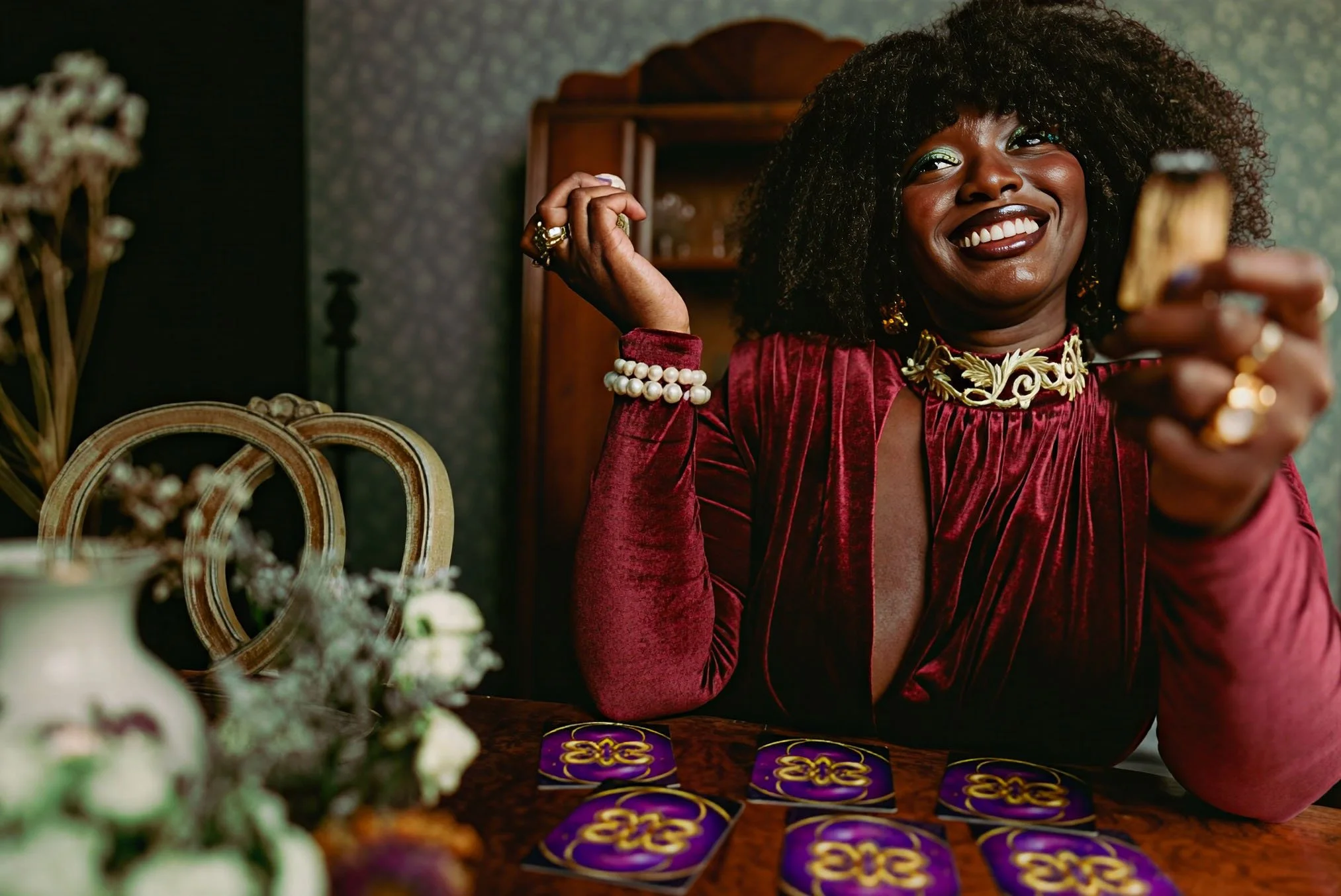





Hi, I’m the founder of Human Amplified. I’m Brandi Fleck, a recognized communications and interviewing expert, a writer, an artist, and a private practice, certified trauma-informed life coach and Reiki healer. No matter how you interact with me, I help you tell and change your story so you can feel more like yourself. So welcome!
Find More on the Blog
Topic
- ADHD
- AI
- Atlanta
- Black and BIPOC
- DIY
- FAQ
- LGBTQIA plus
- Los Angeles
- Nashville
- Seattle
- St Louis
- St. Louis
- UFOS/UAPs/ETs
- abuse
- accountability
- addiction and recovery
- adoption
- affirmations
- afterlife
- altered state
- angels
- animals
- anxiety management
- art
- astrology
- atlanta
- attachment
- awakening
- beauty
- behind the scenes
- being human
- body image
- body work
- boundaries
- brandi fleck
- breathwork
- bullying
- burn out
- burnout
- cancer
- career
- caretaking
- chakras
- channeled
- clarity-dive
- clarity-practice
- clarity-primer
- clean products
- coach
- codependency
Recent Blog Posts
Visit the Full Podcast Audio Archive

Affiliate