
The Human Need to Create in a World That Consumes
Interview By Brandi Fleck
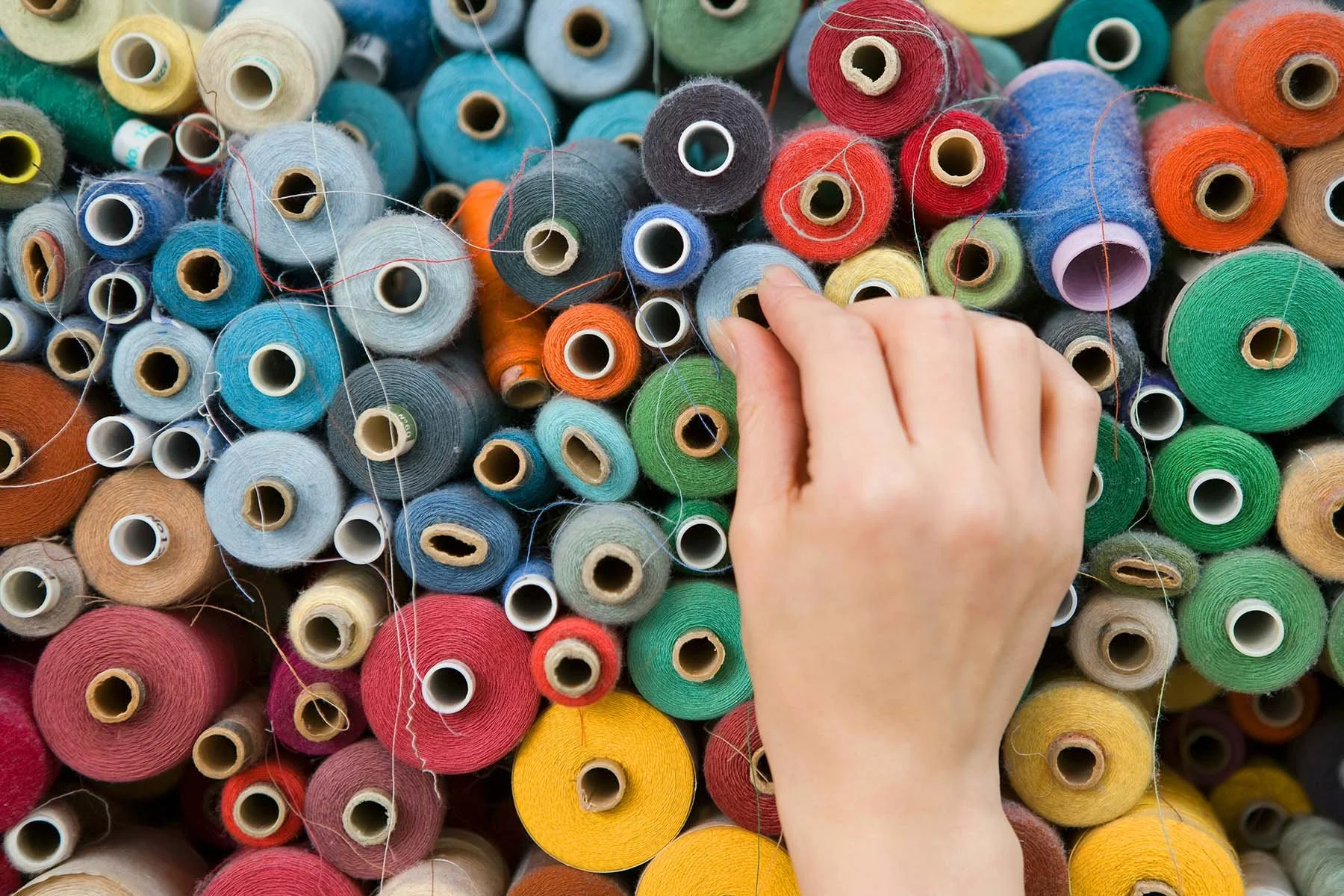
Stephanie Stewart-Howard explains why humans are wired to create and how creativity can shape the way we live, work, and connect with others.
We live in a world designed to make life easier. We can buy almost anything with a click, replace what breaks, and consume more content than ever before. But somewhere along the way, many of us stopped making.
Author, journalist, and historian Stephanie Stewart-Howard believes that's more than a cultural shift. It's a human one. Drawing from history, archaeology, craftsmanship, food, storytelling, and decades of creative work, she explores why making things isn't just about producing art.
It's how we express ourselves, build relationships, preserve culture, and create lives filled with purpose.
If you've ever felt disconnected, creatively stuck, or drawn to make something with your own hands, this conversation offers a compelling reminder that creating isn't a luxury. It's part of what makes us human.
Listen to Stephanie Stewart-Howard’s Interview
Watch Stephanie Stewart-Howard’s Interview
How Hobbies and the Arts Bring People Together
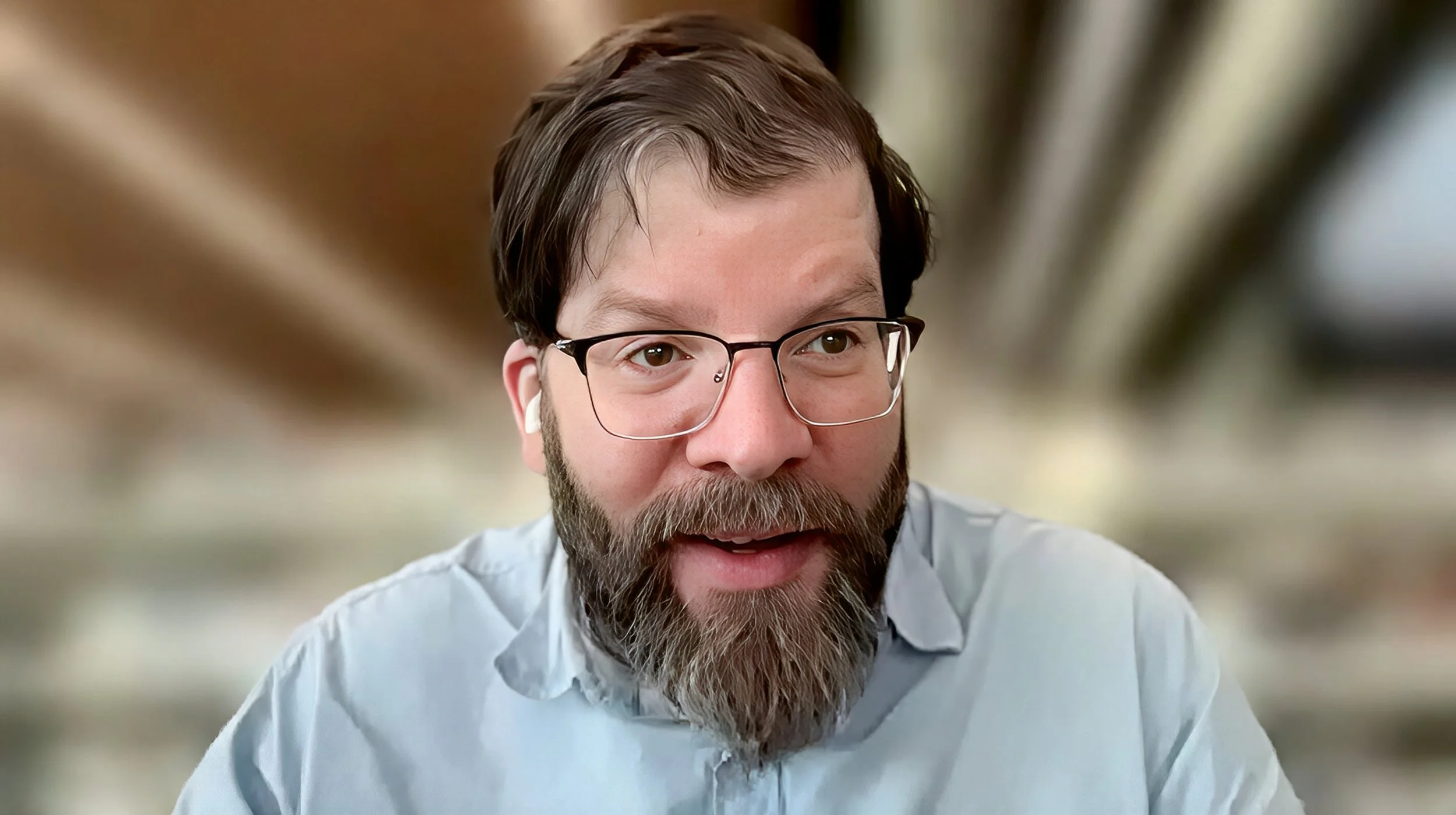
Brandi Fleck: This week's guest is a master at connecting lessons through history to living a modern life that's more joyful. Stephanie Stewart-Howard is a Nashville author and journalist who's well known in the food community. When it comes to history, she's loyally committed to and also well known in the Society for Creative Anachronism, a historic reenactment organization known as the SCA.
On nights and weekends, Stephanie can be found at various SCA events teaching the art of costuming or about natural fabric dyes, organizing lecture events at local university campuses that focus on history and textiles, writing articles for WHERE Nashville magazine or Enchanted Living magazine. She has former articles for various Gannett publications, such as Nashville Lifestyles, or she could be found writing one of several nonfiction books.
You can find Stephanie's books on Amazon or your local Nashville Barnes & Noble, Parnassus Books, and the Omni Hotel bookstore. Stephanie has written titles such as The Nashville Chef's Table, first edition; Barbecue Lovers' Memphis and Tennessee Styles: Restaurants, Markets, Recipes, and Traditions; Kentucky Bourbon and Tennessee Whiskey; and The New Nashville Chef's Table: Extraordinary Recipes from Music City, which is a second edition.
During the day, you can find Stephanie writing software manuals and learning about technology. At home, she's an avid gardener and adores her husband and two cats, Caz and Siggy. Stephanie has such a vibrant energy. She has her hands in so many creative pursuits. It's inspiring to see the progress and happiness these pursuits bring into Stephanie's life—a sure example that you can find community. Really, you can find connection through history and hobbies, and it's okay to like the things you like.
Today, Stephanie teaches us about connection and what she learned about connection and disconnection through travel, the arts, and food writing. This week's episode takes us into several weeks of exploring the impact that the arts, humanities, food, and education have on our human condition and how we interact with those things to shape our lives.
What is our nature? I know it's our nature to create, to build, to live. Let's think about what we need to do on the inside so we can experience more joy and happiness while interacting with the arts, humanities, food, and education, or even what internal changes will lead to changing those systems that aren't working for us in these areas that are so valuable and necessary to our well-being as humans.
As you think about these topics, tell me what you're thinking. Starting the conversation is a great first step to enacting change. Having hope that better is on the way is the foundation.
Without further ado, now let's hear from the brilliant and beautiful Stephanie Stewart-Howard.
Stephanie, welcome to the show today. I am so excited to have you here. How are you doing today?
Stephanie Steward-Howard: I'm doing great, aside from some allergies, so please accept my apologies in advance for any coughing that happens, but otherwise, fantastic.
Brandi Fleck: Awesome. Absolutely. Yeah, it's a beautiful spring day, and I know the pollen is everywhere.
Stephanie Steward-Howard: It is.
Brandi Fleck: So, Stephanie, can we start off? I think you're such an interesting, creative person, and you have your hands in so many different creative efforts. I would love for you to tell our listeners about yourself. Who are you as a person?
The Benefits of Creativity and Making Things by Hand
Stephanie Steward-Howard: That's a big question. I think of myself as kind of an artist and maker, and that's kind of how I think of myself first in every way. I've been that way since I was a child. I think my parents encouraged it. One of the things that I love about my mom, particularly, is that the first thing that she ever read me was Shakespeare. She was an English teacher, so I would get baby food and A Midsummer Night's Dream.
Brandi Fleck: That's awesome.
Stephanie Steward-Howard: As soon as I was old enough, she encouraged me to tell stories. So, I can remember being little, little, like two and three years old, and I would have my stuffed animals and stuff out, and she'd say, “Okay, tell me a story with your stuffed animals,” and I'd do that. That was the way she raised me, so there was never a point where being a storyteller wasn't part of it.
As soon as I was old enough to hold a pencil, I was drawing those stories and telling those stories that way, and eventually writing those stories. My younger sister and I went through a period where we wrote a whole bunch of plays and tried to act them out with our friends and our relatives and anyone who would actually listen to us and let us get away with that.
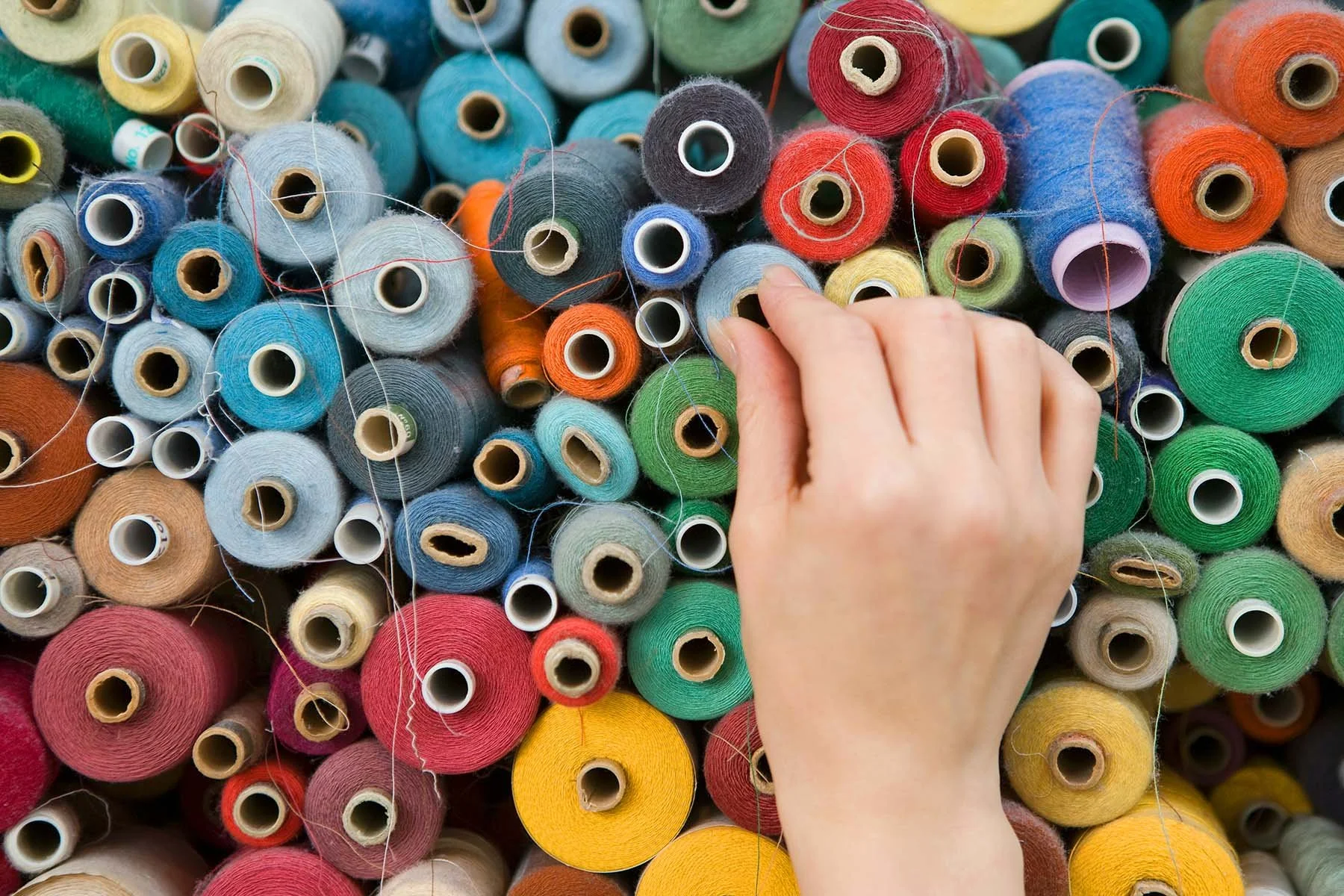
The older I got, the more I got sucked into things that would be considered traditional crafts, but I didn't think of them in that way. A friend of mine and I have kind of a joke that we are the most traditional nontraditional people that we know because we're masters of things that are always considered housewifely arts—things like sewing and cooking and gardening and all of those things.
While those are traditionally kind of lumped into the history of women's work, they're also things that are necessities, that without them, you don't have life.
Brandi Fleck: Gotcha.
Stephanie Steward-Howard: So, they may be women's work, but they're vital. At the same time, it's kind of, well, but I'm also a feminist, and my goal was never to be the housewife with six kids kind of thing. So, it's an interesting merging of the things that women are expected to be.
Brandi Fleck: Gotcha.
Stephanie Steward-Howard: The more I do those things, the more I understand the art behind them as well. I've been a costumer probably starting from the age of 12 or 13. I got really good at it in college, mastered it, taking theater classes in college and grad school, and then afterwards as a costumer for reenactor groups, for theater groups, things like that, some cosplay stuff.
So, there's almost no point where I'm not doing something with textile and fiber art at this stage. I don't paint or draw much anymore, so that's probably my primary art, but then I get distracted and go off and do other things. I'm teaching myself to knit right now.
Brandi Fleck: Awesome.
Stephanie Steward-Howard: I'll do embroidery every now and then just to keep my hand in, and I actually started sketching.
Again this week, because a friend of mine asked for a particular thing that she wanted that she couldn't find to do an embroidery project, so I said, “Sure, I'd draw it for her.” Now I'm finding myself going, “Oh man, I have let these skills atrophy.” So, I'm back at that again.
Brandi Fleck: Gotcha.
Stephanie Steward-Howard: But yeah, if I think of me, I think artist and creator first. It's just not necessarily that being an artist, I'm going out and painting in the fields like Monet, or spending all my time sketching, or spending all my time creating sculpture.
Brandi Fleck: Sure.
Stephanie Steward-Howard: But all of those are things that I've either done or I'm interested in doing, and every time I have a new opportunity to make something, I'm probably going to jump in, even if it's something that I'm never going to be really good at. My husband is a master metalworker. I will never be good at that, ever. But every now and then, it's really fun to just try things like bronze casting, just to say you did it and you made this yourself.
Brandi Fleck: Sure. There's something to be said for making something with your hands and sort of creating something out of thin air. What kind of sensation do you get when you do those types of things?
Stephanie Steward-Howard: I don't know if sensation is even the right word, but there's a certain pride that you take in, “Hey, I did this myself. I can do this myself.” I know there's kind of a revival of that whole pioneer woman idea, taken to extremes in some cases in our society, but the ability that you can do things for yourself, especially in an era where everything is really machine-made, is incredibly cool.
Brandi Fleck: It is. You want to preserve those arts of hand-making things, too, because I think it's important to our humanity to be connected in that way to the earth and the materials that are provided for us that we start with, I guess.
Stephanie Steward-Howard: Yeah, I think that's exactly it. I think you hit the nail on the head right there. The other part of me is the scholar part of me, and I read a lot of archaeology and things like that, and have worked with some archaeologists trying to do some projects that are based on things that we don't know much about that have come out of the dirt, and we're trying to figure out what they were like when they were new.
I am completely fascinated by the whole idea of making as a human thing. Some of that is clothing and adornment. I mean, we have evidence from 40,000 years ago that both modern humans and Neanderthals were decorating their bodies with things, with beads, with colored strings, with all these things. We don't know what kind of clothing they had. I mean, they must have had something against the elements, but we know that from the beginning, they were adding these elements that made them special, that defined what they were.
Why Handmade Crafts and Slow Living Matter
I've kind of gotten off track a little bit, but the whole notion of making, because we live in an era that is defined by technology, and most of our stuff is made by machines, or even worse, it's made by machines in third-world countries where we don't see the people who are sweating to make the things that we want and need. We have this whole concept of fast fashion that follows that, which is another kind of interest and passion of mine. But we'll buy the five-dollar T-shirt.
Brandi Fleck: Right.
Stephanie Steward-Howard: And we'll wear it 10 times, and then we'll throw it away. The thing about making something for yourself is not only are you putting in the extra time to make it special, but you're putting in the extra time to make it efficiently, and that thing that you made is going to last a lot longer than that five-dollar T-shirt that you bought at Target.
Brandi Fleck: Right.
Stephanie Steward-Howard: In past times, when people were less affluent, and in other parts of the world where they are less affluent, you have to make something with the assumption that it's going to last for a very, very long time because you might not get another one.
With archaeological finds, there are these things like combs. I mean, a comb, we go to Target, we buy one, we use it for a while, it's plastic, eventually it breaks, and we throw it away. In their case, they're hand-carving combs out of bone or horn or something like that, or wood, and they are making them beautiful and ornamental because you might have one really good comb in your lifetime.
It's something that you pack up and you take with you when you get married, and you're using that comb to the end of your life. In some cultures, you're buried with that comb. That comb is a specific and wonderful thing, and it takes the ordinary and it makes it extraordinary. I think that's something that we've lost in life, and I think it speaks to the trend toward the Marie Kondo, “Does it spark joy?” thing that's going on right now.
Brandi Fleck: Sure, sure.
Stephanie Steward-Howard: Because we have a lot of stuff in our houses that does not spark any joy and, in fact, is just clutter. I have some friends who are really good at decluttering, and I'm not, so I'm kind of trying to work toward that. I was having a discussion with someone this morning about wiping out all the stuff that you buy, the crap at Walmart, and just erasing that from your life and only keeping the things that you value. I think that's what that whole decluttering thing is about.
Brandi Fleck: Gotcha.
Stephanie Steward-Howard: Finding things that mean something to you and have value. To bring it back around, if you've done it yourself, it has a different value.
Brandi Fleck: Right, absolutely.
Stephanie Steward-Howard: There's an amazing book that's just called Cræft, and I'm blanking on the author's name, so I'll have to send it to you, and you can add it to the notes.
Brandi Fleck: Sure.
Stephanie Steward-Howard: He's an English scholar and archaeologist, and he's participated in some things like the Edwardian Farm TV show, where everybody pretends they live in the past, and they film it. He was talking about his first experiences mowing a lawn with a scythe in the early chapters of the book.
It sounds like, well, it's no big deal, but it's kind of a waste of time when you have a lawn mower. But he talks about the different ways you start to relate to the grass when you're cutting the grass with a scythe, the different ways you start to notice your body's movement, and your body changes, and your brain changes, and you get this sense of relaxation that you just don't get sitting on a lawn mower as you're cutting this two-foot-high grass down to tiny grass with this huge blade that you could also cut your leg off with if you're not careful.
So, I think there's a lot to be said for just getting in touch with doing something other than sitting in a chair and staring at a screen.
Brandi Fleck: Yes, very good point. Definitely, we'll link to that in the notes. So, you mentioned your life as a young child with your mom and how she encouraged storytelling. Can you give us a little more detail about what your life was like growing up in general?
How Growing Up in Different Cultures Shapes Identity
Stephanie Steward-Howard: I was a military and then a corporate America brat, so the biggest piece of my life growing up was constant change. We moved, if we were lucky, every three years, but more likely it was every one to two. So, where most kids get to go to school in the same place, at least for a big chunk of their lives, I changed schools four or five times in elementary school. I think the total by the time I got to college was nine different schools in seven different places all around the world.
When I was three, we moved to Greece.
Brandi Fleck: Oh.
Stephanie Steward-Howard: We were there for about three, three and a half years. My sister was born over there. She's four years younger than I am.
Brandi Fleck: Okay.
Stephanie Steward-Howard: That was an experience that I wouldn't trade for anything. I mean, when you can say, “Hey, 40 years later, I still remember all of this stuff,” it's pretty amazing.
Brandi Fleck: Sure.
Stephanie Steward-Howard: It kind of transformed my view of everything, in part because when you're a little kid, you're a sponge for language. So, as a small child, I not only spoke English, I spoke Greek and I spoke German because my friends also spoke other languages. I think at some point or another, the crowd of kids that lived around me, we spoke different languages, so we ended up speaking some kind of mix of all of those languages.
Brandi Fleck: Interesting.
Stephanie Steward-Howard: My parents tell me that they didn't really realize how multilingual I was until, at some point or another, I was speaking to somebody in a shop, and I was speaking fluent Greek. I was about four at this point, and my parents were like, “We had no idea, none whatsoever, that you were that fluent.”
And it was just because you had to. But I also had the advantage that my parents were huge archaeology and history geeks. So, the first thing I saw in the morning when I was a little kid was the Acropolis because we were on the third floor of a typical European apartment building, which meant that we had the whole floor, and my window looked right across into Athens to the top of the Acropolis.
Brandi Fleck: That's amazing.
Stephanie Steward-Howard: Yeah. Nobody has that experience, and I was lucky enough, even as a child, to have it for several years. So, all the archaeology of those places, walking at Olympus, walking at Delphi, walking on the Acropolis itself, that all stuck with me.
Brandi Fleck: Very cool. I was going to say, I imagine it influences who you are today, to this day. Would you say that?
Stephanie Steward-Howard: Oh, absolutely. In part because we took Greek culture classes in school. I started elementary school there, and that's also an influence in that I started elementary school at four, where most kids started at five, and today I think most kids start at six.
Brandi Fleck: Okay.
Stephanie Steward-Howard: So, I was always at least a year younger than everyone else in my school grade.
Brandi Fleck: Gotcha.
Stephanie Steward-Howard: That was an adventure. That was hard because I was also always the littlest kid, which, when you move around, being the youngest and the littlest is kind of hard.
Brandi Fleck: Sure, for sure.
Stephanie Steward-Howard: But anyway, when we came back to the U.S., I almost immediately stopped speaking other languages because people in other places thought it was funny. It was not cool. It was, “What are you doing? That is so geeky.” So, you train yourself out of that.
Brandi Fleck: Yeah, and if you don't use it, you definitely probably lose it a little bit if you're not able to speak it to people.
Stephanie Steward-Howard: Right. I can hear people speaking every now and then. I'll be in a Greek restaurant, and I'll hear them talking, and I'll pick up and understand, without really thinking about it, some of the words. But that's as close as I get.
Brandi Fleck: Gotcha.
Stephanie Steward-Howard: That, and some cute little children's songs from there. We didn't really live in Europe any further until I was college and grad school age, when my dad was running a company in London. But that was in the '90s, and we moved across the U.S., so I had the huge advantage of seeing people in all regions of the country. That also produced a very different worldview, I think. Anyway, you learn that people are basically all the same, but at the same time, they don't view themselves as the same.
Brandi Fleck: Right.
Stephanie Steward-Howard: People identify with where they're from and take identity from where they're from, and I think when you're a military kid, that's impossible.
Brandi Fleck: Yeah.
Stephanie Steward-Howard: I've read some studies that suggested that military kids have a really hard time adapting as adults and tend to move around a lot themselves, which I did in my early adulthood. But now I'm fairly settled, which is probably a good thing. But your worldview is always a little different because your concept of home is always a little different.
Brandi Fleck: Gotcha. Well, what is your concept of home?
Stephanie Steward-Howard: Home for me right now is where I am because my parents settled in the Nashville area when they came back from England in the '90s. After grad school and running around, being an actor and living in L.A. for a while and stuff like that, I settled here, too. My sister ended up settling here, so this is as close to home as I've ever had.
Brandi Fleck: Okay.
Stephanie Steward-Howard: But my grandparents, both sets, were in different parts of Virginia, so there's still a part where Virginia is home. I have a lot of family in South Carolina, which I never identified as home, but it was a place that felt kind of warm and cozy for me because there were a lot of people I valued there. Many of them, my older relatives, have passed away, so it doesn't mean the same thing anymore that it did then.
Brandi Fleck: Gotcha. So, home is sort of where the people you love are.
Stephanie Steward-Howard: Right.
Brandi Fleck: Gotcha. Well, this is a good segue into: Can you tell us a little more about what your life is like now?
Finding Purpose Through Writing and Creative Careers
Stephanie Steward-Howard: Busy, for sure. I made a conscious decision, as you know, to move into the tech world as a profession a few years ago, and I think that was a really good decision. I love what I do, being a technical writer with a software company. But I also keep a hand in. I spent a decade being a full-time journalist and editor, mostly with Gannett. I published three—I just published my fourth book—all about food and travel.
Brandi Fleck: Oh, and they're so amazing, you guys. Those will definitely be in the show notes, too.
Stephanie Steward-Howard: Thank you very much.
Brandi Fleck: Sure.
Stephanie Steward-Howard: I had a lot of fun writing them. I was not trained as a journalist. My degrees are in English and theater. When I moved back here from Los Angeles, it's 2004, and I'm saying, “Hey, I'm not in my 20s anymore, and I'm not going to make a living in theater here. How do I reinvent myself?” So, the thing that I always knew that I could do was write. I honestly sent a letter to the editor of the Living section of The Tennessean at the time and said, “Hey, just try me out and let me write a couple of things,” and they did.
Brandi Fleck: That's awesome.
Stephanie Steward-Howard: So, I had a couple of years where I had five jobs at the same time, which ranged from bartending to historic tours to cater-waitering to all this other stuff while I was trying to be a journalist, and then lucked into a full-time job with Gannett at Nashville Lifestyles.
There's my cat in the background. His name is Caz. He's a very important part of my life, as is his sister, but he comes in and talks every now and then, so yay, audience. My very big, fluffy cat.
Brandi Fleck: Yes, and he's the Norwegian Forest cat, right?
Stephanie Steward-Howard: Well, he's part Norwegian Forest cat.
Brandi Fleck: Okay.
Stephanie Steward-Howard: He's not a purebred, but he looks like he's a purebred.
Brandi Fleck: Gotcha.
Stephanie Steward-Howard: But because he and his sister were dumped together at a friend's farm in Kansas, as I segue over to that, we know that he's not a purebred.
Brandi Fleck: Gotcha.
Stephanie Steward-Howard: But he's huge and talky and chirps at birds and is pretty adorable.
Brandi Fleck: Yeah.
Stephanie Steward-Howard: So, I started working with Nashville Lifestyles, and at that point—well, actually, at various points, we had five publications at any one time, and I was writing anywhere from a third to two-thirds of every magazine we put out. I eventually became the managing editor there and was really the only full-time editorial person on the entire staff. It was owned by Gannett and, for a long time, very independent of Gannett.
I got a chance to kind of explore lifestyle journalism as a thing, and it was both awesome and awe-inspiring. It was also depressing in its way because the point that I was really making my way into it was 2007, right before the financial crisis. So, I was covering a lot of real estate, and you could see what was coming. You literally knew that this was not sustainable, and some of it was crazy, especially some of the massive building that was going on in downtown Nashville at the time.
I had the misfortune of watching in 2008 as so many of those projects got scuttled and people went bankrupt over them, and that was just depressing as all get out.
Brandi Fleck: I bet.
Stephanie Steward-Howard: Yeah. But the bright side was getting to cover some up-and-coming artisans and artists who have really been highly successful, ranging from very successful chefs to people like Emil Erwin, who makes handbags here in Nashville, and other designers, getting a chance to get involved a little bit in Nashville Fashion Week.
I met the woman who eventually made my wedding dress, Olia Zavozina, who now has an incredible business in wedding and formal wear. I'm so delighted. I still have that dress, and because it's a nontraditional color, I can wear it as a party dress. But it was also very fast-paced. It was very draining, and there's a point where doing something that you love is wonderful, except that when you never, ever can let down from it, it becomes exhausting, and you wonder why you love it.
Brandi Fleck: That's a good point.
Stephanie Steward-Howard: I think that's true of a lot of artisans who say, “I'm going to break out and make it in this business and make the thing that I love making my life's career.” I know there's this whole follow-your-passion worldview, but sometimes it's better if your passion is a side hustle, and it was hard for me to learn that lesson.
Brandi Fleck: Right. Like, you can have a purpose and a path on this planet, but that doesn't mean it has to be your job. It can still be your path, and you can take steps down it, I think.
Stephanie Steward-Howard: Yeah. Well, a lot of the great artists of history, that's exactly what their lives were. In theater, for example, a lot of the best theater that was made in the 18th and 19th century.
Some of those actors were not professional actors. They were people who were actors after the fact. If you study Ibsen and Strindberg, the 19th-century Scandinavian playwrights, a lot of the actors who performed for them were people who were ordinary people during the day and then actors at night. They were great and they were talented, but they weren't Sarah Bernhardt.

Brandi Fleck: That's a really, really good point. I'm glad that you brought those examples up. I do want to shift back to your books for a second because I know you're doing these as sort of a side hustle, right?
Stephanie Steward-Howard: Yeah.
Brandi Fleck: So, can you give us the titles of the books that you have out right now, and then sort of after that, tell us: What does writing do for your soul?
Stephanie Steward-Howard: I should say that I left Gannett in 2013 to actually write these books, or write the first one, and kind of strike out on my own. I was a freelance writer for two and a half years, and during that time, I wrote the first Nashville Chef's Table. Then I wrote The Barbecue Lover's Guide to Memphis and Tennessee, and then I wrote a book about traveling to distilleries and distillery history called Kentucky Bourbon and Tennessee Whiskey.
Most recently, just out, is the second edition of The Nashville Chef's Table. It's a very expanded version. We've got 20-some new recipes and a bunch of new restaurants, and tried to cover the changing zeitgeist of Nashville because Nashville food is a very different thing now than it was when I wrote the first book almost five years ago.
Writing is something that, well, like I said, I've always been a storyteller. It's something I've always done. I don't just write journalistic-style stuff. I personally write a lot of poetry and some fiction, which probably will never see the light of day, as far as the fiction. We don't know yet. I have whole worlds in my head that are mostly fantasy worlds.
At some point, right after I got back from L.A., I wrote about 300,000 words about fairy culture in Nashville underlying the surface of Nashville pop culture. But that was a little personal, and one of the characters was loosely based on me, so no one else will ever see that.
During that time was the time that I met and started dating my husband, who was living in Louisiana at the time. He ended up as a very unexpected character, kind of dropped into the story, even though I didn't realize at the time I was writing him. So, in a way, I predicted my own marriage through my own really bad fiction that was written as therapy.
Brandi Fleck: It's funny how people work their way into your stories, isn't it?
Stephanie Steward-Howard: Yeah. But writing is just something that I almost do impulsively. I can sit down and write for hours and not even think about it. So, it's very easy for me now to do it because all of the journalistic writing that I'm doing, I'm doing out of personal choice, and there are only a few publications that I contribute to right now.
I'm doing a piece on ethnic food in Nashville right now for WHERE Nashville magazine, and that comes out biannually and is in all the hotel rooms in the Hermitage Hotel and the Omni and the places downtown.
Brandi Fleck: Oh, yeah.
Stephanie Steward-Howard: So, I usually do something every year for them, and I contribute to Enchanted Living magazine, which used to be called Faerie Magazine. I'm super excited about getting to be part of that on occasion. I love what they do. They have just a beautiful worldview that I think, right now, in the current climate, we need more than ever.
It gives me a chance. I recently did a piece on gardening for them, which is another kind of peripheral interest of mine that's gone over the top, and just the whole notion of living life looking at the world from an artistic and magical perspective, which is something I think we need in life. I think we need to see something other than just the exhaustion of day-to-day, and if you can find the little ways to bring magic into your life, I think that's amazing.
Brandi Fleck: I really agree with that, and it's one of the reasons why I'm glad you're here because I think you're a really great example of that. Honestly, when you're talking about some of the nonfiction books you've written and some of the articles that you work on, a lot of it's about food and drink. So, can you tell us: What is the importance of food and drink in your life and sort of to society or humanity in general?
The Role of Food in Culture, Community, and Human Connection
Stephanie Steward-Howard: I almost want to start laughing because all of that writing was completely accidental, and I didn't know that I was going to really love it. That I write a lot about food is hilarious to me, in part because I'm a migraine sufferer, and food triggers are a serious problem in my life. I have to actually be really careful about what I eat.
But by necessity, I had to pick up food writing for Nashville Lifestyles, and especially when I was traveling, doing travel articles, I needed to be really good at that. Then I made contact with a lot of chefs here in town. I can drop some names like Tyler Brown and Tandy up at City House, and Pat Martin, and Hal Holden-Bache, and so many others that regularly said, “Here, eat this,” and didn't necessarily tell me what it was.
Brandi Fleck: Sure.
Stephanie Steward-Howard: I had to make a pact with myself, kind of Jeffrey Steingarten-like. He has a book called The Man Who Ate Everything, and he's the food critic for Vogue, or was. I had to decide for myself that no matter what it was, if somebody put it in front of me, I was going to eat it. Even if it was something I knew I was going to have a reaction to, I would eat at least a small amount of it so I could comment on it.
Which is really funny because, at one point or another, I was at Kathleen Cotter's Southern Artisan Cheese Festival, and I was going from cheese vendor to cheese vendor saying, “I need a piece about the size of my pinky fingernail,” and they thought I was crazy. They were probably right. But dairy is one of the things that gives me severe migraines, so I had to have tiny amounts and just be able to tell people what it tasted like. If Kathleen's listening, she's cackling.
Brandi Fleck: So, are you glad you did it? Are you glad you ate the cheese?
Stephanie Steward-Howard: Yes. It was delicious. Let me tell you, it was delicious.
The experience of writing about food is a little bit different than almost anything else because food is one of the great human pleasures. From our earliest understanding of who we are as people, when you're a little kid, you know exactly what you want to eat, and what you want to eat is probably not the liver and is probably definitely the apples and bananas.
Brandi Fleck: Right. Yeah.
Stephanie Steward-Howard: Because the apples and bananas, those are delicious. So, it's one of those things that almost makes you happy in your gut. I mean that not just in terms of your stomach's full, but it's a visceral feeling.
Brandi Fleck: Right.
Stephanie Steward-Howard: This is one of the great pleasures of life. Back to what I was talking about with fashion and clothing, it's the same thing. You have to eat to stay alive, but you don't have to choose to eat things that are well-prepared or well-cooked or delicious. But somehow or another, as people, we chose consciously to make things as delicious as we could.
A lot of the writing that I do is focused on Southern foodways, for obvious reasons, because I'm writing in Nashville. Lately, it's much more focused on ethnic food and the way that things like Indian food or Chinese food or Japanese food are starting to move in, and the fusions that are happening between what's supposedly traditional Southern food and what's traditional Asian food. Amazing things are going on.
I was talking to Vivek Surti at Tailor Nashville, which is a new restaurant that, at some point or another, we have to go out to.
Brandi Fleck: Sure. Yeah.
Stephanie Steward-Howard: He's very much the Southern fusion with Indian tradition kind of chef, and what he does, I think, underlines what the future of our foodways are.
But just to step back for a moment, most of the food that is traditionally Southern food comes from roots that are traditionally European, and almost all of that that we consider really fancy cuisine these days—“Oh, let's have some coq au vin”—that is the food of the poor. It is subsistence food that was cooked in such a way to make it delicious.
Stephanie Steward-Howard: To make it something that you wanted to eat, as well as making the best of what you had. Coq au vin, where you cook chicken in basically cheap wine all day until it falls off the bone and is incredible, is really—you've killed this old rooster. This is not great fresh meat, but you killed the old rooster because he was no use anymore. How do you cook this in such a way that it's not only nourishing, but it's delicious?
Brandi Fleck: That's awesome.
Stephanie Steward-Howard: Yeah, that's where so much of our food comes from. So much of our tradition that we don't acknowledge is African American food. What makes stewed turnip greens so good? Well, you've thrown in a ham hock, and you've thrown in some onion, and you've thrown in some red pepper, and you've let these things cook all day. Suddenly, they are the most amazing, flavorful thing that you want to take your bread and dip in the potlikker kind of thing.
All of these traditions come together to make what we're now calling New Southern cuisine, but it is the cuisine of farmers. It is the cuisine of minorities. It is the cuisine of immigrants who have brought what they had into a situation, when you consider the Southern American past, that is often poor, that is impacted by depressions, and that is impacted by scarcity.
Brandi Fleck: Sure.
Stephanie Steward-Howard: When you have all of those things going on, how do you get something that satisfies your body and your soul and keeps you on your feet? That's what our cooking is about, and that's the part of it that fascinates me, is how we get from, “We must have nourishment,” to, “We can make something amazing.”
Brandi Fleck: Yeah. Does that make sense?
Stephanie Steward-Howard: Oh, absolutely.
Brandi Fleck: So, you have just touched on so many amazing things, and I think I'm hearing themes, even going back to when we started and you were telling your life story. We're talking about resourcefulness. We're talking about innovation, creativity, and it's all sort of connected, from the food to reading and writing and creating things. These things seem to connect us as humans as well.
I think that you have an amazing gift for connection. Connecting people, connecting with people, connecting history to our daily lives. Can you tell us what's behind that?
Why Humans Create Art
Stephanie Steward-Howard: That's a collection of life experience and pretty much everything I've ever done, whether it's being an actor, so you have to dig yourself into being another human being for a six-week rehearsal period and a 10- to 12-week run of a show, or being a scholar, or just a reader of literature. I mean, if you sit back and you read classic literature, you read Dickens, you read Jane Austen, you kind of start understanding the same things that troubled people in 1795 and 1845 are still troubling people, and we're still trying to solve them today.
Part of it is the historical reenactment portion of what I do because, while that's a wonderful game in that you get to play dress-up and pretend that you're somebody who lived 500 or 1,000 years ago, it's also kind of an exploration of the similarities and differences between people then and people now. Again, it all comes back to we're all the same.
I think the biggest thing that impacts us is the desire to kind of make ourselves safe, but at the same time, make ourselves joyful. So, you find ways to take the safe component, the security component, and the joyful component and combine them together, like what I was talking about earlier with somebody making a comb out of a piece of wood or a piece of bone and making that comb to last basically forever.
We're kind of trying to do the same thing. We are bringing beauty and grace and joyfulness into the most basic needs of life, and I think that is the fundamental nature of what it is to be human, kind of, because animals do some of this. I mean, we see a little bit with crows or raccoons or certain primates. They'll make their nests, and they'll collect things that are very particular, and they'll start using very basic tools to accomplish the process.
I think at the point that we became human, we moved from that point to, “How do we refine this?” Now we have X amount of leisure time because we have our security, so how do we take that leisure time and enhance the secure place, the safe place, to make it also a place that we are content, a place that we enjoy being? Then how do we take the next step and make those things express our individuality? How do we make them beautiful?
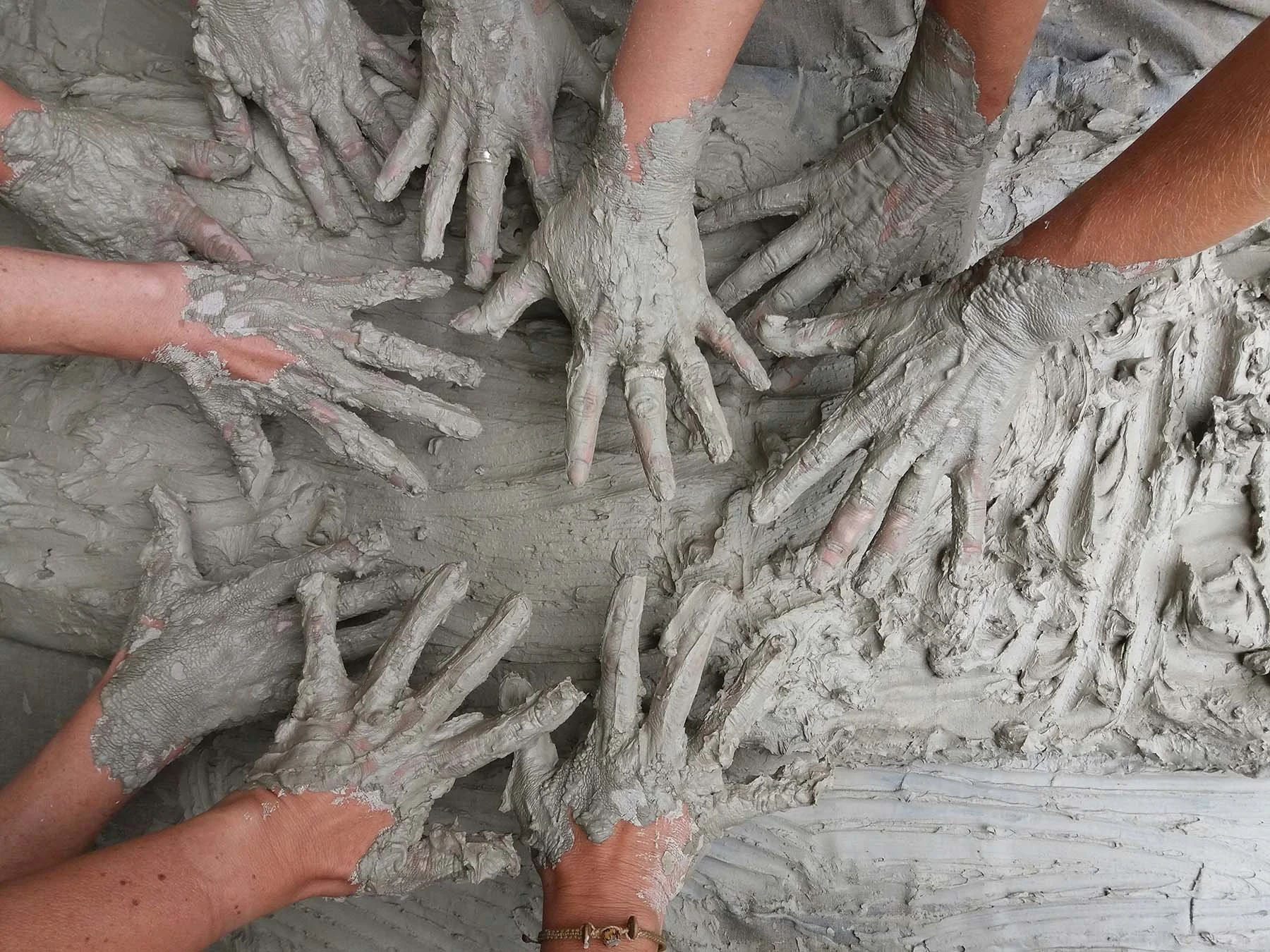
That's the point where you go from, “We're living in a cave, and it's warm, and it has a fireplace,” to, “What happens when we paint the walls? What happens when we tell our stories by painting the walls?” So, we move from putting gorgeous handprints and ochre on the wall to taking that ochre and trying to sketch the bison that we're hunting or the horses that we're seeing.
What do we do with that when we move out of the cave and into structures, and so we have better light, and so we have a little more time to make the things that we want? We suddenly discover we can make textiles because we have light and we have access to the things that we can weave, as opposed to just using animal skin. There's this whole transition where we discover and discover and discover again.
One of the hazards of modern life is that because we're so tied to technology. And don't get me wrong, I love technology. I have no desire to actually go back and live in a past where we don't have those things because technology saves lives and does keep us safe and does keep us healthy in ways that we have never had in the history of humanity. But at the same time, the technology encourages us to have a lot of stuff that is the same.
So, how do we take that sameness and make it our own?
Brandi Fleck: Right.
Stephanie Steward-Howard: That's where being the artist and the craftsperson comes in. That's where self-expression comes in, and that's where I think, if we're ever in danger of losing our humanity in terms of the way we use our brains, it's turning off those creative impulses because we think we don't need them because we're supplied with all the things that we need.
Brandi Fleck: That's a very interesting point. I'm thinking about all this, and I'm trying to see how it connects to relationships because I know that you make building relationships look so easy. You guys, I see Stephanie at work on a daily basis. She just is able to talk to people. Even when you're doing things in the SCA, people gravitate toward you. How do you go about making connections with other people?
How to Build Meaningful Relationships and Find Community
Stephanie Steward-Howard: Honestly, that's still kind of a mystery to me because I see myself as being somewhat introverted, and this is true of my husband as well. We joke that we're introverts who play extroverts on television. But I think part of that is the fact that, moving around constantly as a kid, you've got to make new friends. I mean, you can't sit in the corner your whole life.
The options you have are: You go out and you reach out to people, and you find the ones that gravitate to you and you gravitate toward, and you build relationships there, knowing that in 24 months, those relationships are going to go away and you're going to have to start all over again.
The other part of that is the storytelling component. As either an actor or a journalist or a scholar, which are all components of what's made me who I am, you have to look at the wheres and whys and hows. In order to do that, you can't divorce yourself from other people because you have to understand that people do things through impulse, and you have to work with those impulses to understand them because people aren't cardboard cutouts. They have thoughts and feelings and hopes and dreams, and everybody has really crappy days.
Brandi Fleck: Right.
Stephanie Steward-Howard: Where you just want to put your head down on the desk and say, “I'm done for today,” and you really can't. Everyone has insecurities and things that eat at them, and I certainly do. But in order to function in the world, you've got to move past that.
I think people are ultimately social creatures. Very few people, even the most introverted, truly want to be alone all the time. The connections that we make with people are crucial for a happy life. For me, building connections with people as a journalist, you have to go out and you have to find the ways that you can relate to the person you're talking to. The person you're talking to is not somebody that you would potentially really want to have as a friend, really want to hang out with, but you still have a duty to tell their story.
Stephanie Steward-Howard: Because they're doing something that your audience wants to know about, so you have to sit down with them and have a conversation and find a way in so that you can tell their story in an effective manner. Probably that's been the most useful skill I have ever developed in terms of making connections with people.
As somebody who also struggles with anxiety, the other side of that coin is, because you have anxiety. And I think, to some extent, the vast majority of the population has some level of anxiety, you have to be careful not to write your anxieties onto those people.
Brandi Fleck: That's true. Very true.
Stephanie Steward-Howard: Sometimes that's the hardest part of it all. So, in terms of making connections, I have to make sure that I'm not writing my own anxieties onto other people.
My medieval reenactment group, I'm part of the Society for Creative Anachronism, and I have been since I was in seventh grade. So, that's a 30-year-plus commitment to an organization that I've participated in with groups around the world. That actually was very helpful for me in terms of getting to know people and making connections that would help me the next time I moved, in advance of those moves.
Certainly in high school, which was awkward enough, when you move multiple times, if you've already got that kind of preliminary connection to people, it really helps. When those people share, at least peripherally, an interest with you, that helps even more.
The SCA is this huge, worldwide medieval reenactment organization. You can find out more about it, if anyone's interested, at sca.org and find your local groups and things like that, if you have any interest. But it's something that started as a costume party well before I was born in Berkeley, California, and they had so much fun, they did it again, and then they did it again. Before you knew it, it had created this vast, sprawling culture.
That was in the mid-1960s, and it was the parallel to the rise of Renaissance fair culture and all of that. Where Renaissance fairs are exterior—they invite people in to see a show—the SCA is interior. They invite people in, but only to play the game with them.
It's a really extraordinary culture, and like every other long-lasting, 50-plus-year-old thing in the United States, it's going through its own issues with the same things that are going on in modern culture right now. But it does give people who feel like they're looking for something a way to interact with others in ways that maybe make them feel safest.
I think almost every subculture that exists is exactly for that purpose. You feel like you're an outsider, but once you find your correct subculture, whatever it is, you can feel like you're inside. The people who are there because they want the culture to continue welcome you in, and some of those people will turn out to be your closest friends.
But I think that's true of every community theater group out there, every church group out there, every scouting group out there, every hobby group out there. Your local gardening club is like that. All of these organizations exist to make us make connections.
Because I guess I've traveled so much, it's easier for me to make those connections because I'm used to doing it. It's the default in my brain: I've got to connect with these people because these are the next people who are going to define this phase of my life.
But I think any hobby organization is designed primarily to do that, to make you feel like you found—I kind of hate this word in contemporary culture—but you've found a tribe.
Brandi Fleck: Sure.
Stephanie Steward-Howard: You've found the people that are going to support you and be there for you.
Brandi Fleck: Yeah, that makes a lot of sense. You mentioned the concept of feeling like an outsider really quickly. Can you describe how disconnection feels? Have you felt it?
Stephanie Steward-Howard: I have definitely felt it. Again, with all the moving, I think everybody feels it when they change jobs. I think everybody feels it when they move. I think everybody feels it when they are the new person standing on the edge of a group.
I think that our brains tell us that this is hard, that we might not be worthy of the people that we're looking in at, that we might not be able to do this, that we might not, that we probably can't. It's that insidious thing inside your head that tells you you're never going to get to the place that you need to be.
I think the notion of disconnection is really a notion of separation. It's an us-and-them thing, which, again, that's a problem in our culture as a whole. We have got to get past us and them, or we're never going to go any further.
But as an individual, I think it's even harder, and you just have to find your way into those things. That takes a lot of bravery.
Brandi Fleck: Right. Sure.
Stephanie Steward-Howard: Because it's scary to be the new kid. It's scary to be on the edge of something new, and you have to take those steps in. You have to be aware that as you take those steps in, you're going to have failures.
I'm not great at failing. I think that's something I learned primarily from my dad. My dad is really good at a lot of things, but I rarely see him take up things he thinks he might not succeed at. Fortunately for him, there are like three things in life ever that he's not succeeded at. But at the same time, “Hey, I'm not sure I'm going to master that, so I'm not sure I'm going to do that,” is definitely a thing.
I've seen myself be really reluctant to take up something that I'd really like to try or something like that because I might not be good at it. A shift to the tech world was definitely a huge eye-opener because I'd never had to have some of the awareness that I have to have now in working with subject matter experts and things like that.
So, you have to be willing to teach yourself. You have to be willing to make mistakes, and in the end, you have to know you're going to make mistakes. Again, I'm someone who hates failure. I think most people hate failure. It's hard, and it's awkward, and it doesn't make your life happy. It leaves you with that knot in the pit of your stomach again.
So, I've kind of a little bit lost track of where I was going, but that's my notion of disconnection: that feeling that you're not going to be able to go from step A to step B successfully.
Brandi Fleck: Sure.
Stephanie Steward-Howard: That's with other humans. That's in a role. That's in a job. That's whatever else.
Brandi Fleck: Yeah. It's all really good information, and I'm just sort of trying to take it all in and process it for a minute because I know it's all related to all the things we've been talking about, and it's important for people to, I think, know that it's okay to fail because that's how you learn, and that if they're in a state of disconnection, it's possible to get out of that state.
But you brought up some really good points about bravery and finding the groups of people that support you and your interests and things like that. You've done that with a lot of different groups. So, you've talked about the SCA. You've risen in the ranks of this organization over your time there. Would you attribute the rising in the ranks to this royalty status that the group has? Do you attribute that to your ability to connect, or does it have more to do with the fact that you're an artisan? What do you think it is?
How Hobbies Help You Find Purpose and Belonging
Stephanie Steward-Howard: I think it's both those things. I should put the caveat in there that I rose in the ranks really slowly for the group because I moved around so much. Again, I joined in the seventh grade, and I moved around with my family, and then moved for college, and then moved for grad school, and then moved to get on with my life. That's more than a 20-year period there.
I have been fortunate enough in the SCA, and for people who don't understand, the SCA is essentially pretending that we live before 1600 of the Common Era. The idea is that you come into the group and you make up who you would have been if you'd lived in any place and time before 1600, with the caveat that you can't be someone who actually did exist.
You start out as, quote-unquote, a nobody, although everyone is assumed to be of gentle birth, and you work your way up the ladder.
Stephanie Steward-Howard: And there are awards that are given, and the group is so big. Depending on estimates and the current membership, I think anywhere between 30,000 and 60,000 people worldwide are participating at any given time, and the numbers may actually be higher than that.
Brandi Fleck: That's amazing.
Stephanie Steward-Howard: And there are groups in Australia and Europe and the U.S. and Canada and the Far East, and it keeps spreading, which is lovely because, in geek culture, for something to last that long and be that successful is pretty astonishing, especially since there's a whole lot more available to people now than there was when the group began in the mid-1960s.
But ideally, it's a meritocracy. In practice, it's generally a meritocracy.
Brandi Fleck: Okay.
Stephanie Steward-Howard: Because there's always the impact of personal feedback. For example, I have reached what's considered the pinnacle within the group as an artisan. I'm a member of what's called the Order of the Laurel, and that is for, in my case, costuming and research and performing arts.
My husband is also a member of the Order of the Laurel, but it is for iron smelting and bladesmithing and metalwork. If you've seen Forged in Fire, my husband does that kind of stuff.
Ideally, the members of the order in your kingdom—I put that in quotes because the group is so big that it divides areas up by region and calls them kingdoms—and we choose royalty, also in quotes, every six months in a big tournament where people wearing recreations of medieval armor hit each other with rattan sticks and kind of beat the crap out of each other, although not really, for the honor of that. It's a martial art that's evolved with the group over the past 50 years.
Brandi Fleck: Sure.
Stephanie Steward-Howard: My husband is very, very good at it, and so he's also, multiple times, been king of Tennessee, Alabama, Georgia, a little bit of Kentucky, and part of Florida, called the Kingdom of Meridies. I've done that with him once, once we started dating. So, he is a duke, and because he is very good at fighting, he is a knight, and because he is very good at art, he is a Laurel. Because I have been queen once, I am a countess, and because I am good at arty stuff, I'm a Laurel.
But he rose in the ranks very fast.
Brandi Fleck: Okay.
Stephanie Steward-Howard: And I didn't. He rose in the ranks very quickly because he was extremely good. He came in as a master martial artist in other martial arts, and so he excelled very quickly. I moved around a lot, and eventually people all over the place started realizing, “Hey, she taught us to do this here, and she taught us to do this here, and maybe she knows what she's doing, and hey, she's finally been here long enough.”
So, it's arbitrary, and elevation to anything but royalty is not done because you fight it out with someone. It's done by long-term setting examples, by making stuff that is extraordinary, by demonstrating your skills, by teaching those skills, and by sharing those skills.
So, that part of it is something that has been very crucial for me. The only ambition I ever had in the group from the age of 11 onwards was, “I'm going to be a Laurel,” and it took me 20 years to do it.
Brandi Fleck: Sure, but that's not a bad thing.
Stephanie Steward-Howard: Yeah. For some people, it's going to take four or five, and for some people, it's going to take 20, and for my friend Carol, it probably took closer to 30.
But the thing about it is, the ranks are nice and all of that, but what the group does and does very well is put you in touch with other people who do the things you like doing, whether it's costuming or metalwork or woodwork or leatherwork or whatever craft is really cool to you, or whether it's just research, or whether it's, “I really like putting events together, so I'm going to stage this whole event.”
Whatever your skill set is, whatever your personal nerd-out thing is, it puts you together with a bunch of those same like-minded people, and you can feed each other's souls and feed each other's craft and feed each other's geek. That is the most extraordinary thing.
One of my closest friends, Jennifer Matthews, who's the costume professor at the University of the South, and I have spent literally probably hundreds of hours working on projects together, in some cases putting together costumes for the coronation of a particular king and queen or for some kind of special occasion.
The bond that that creates is amazing, when you've got a group of people working on something that's essentially a masterwork that's going to be seen by comparatively few people but will be an extraordinary piece of art. I mean, that's the kind of thing that feeds my soul, and I think it feeds a lot of people's souls.
Brandi Fleck: Absolutely.
Stephanie Steward-Howard: Just being able to make things that will have an impact, even on a small number of people, and to make those hand in hand with someone else. So, later today, I'm going to go over to my friend Laura's house, and we're just going to cut some stuff out and sew some costumes and probably drink a lot of Prosecco in the process of cutting out and sewing costumes.
Brandi Fleck: It sounds amazing.
Stephanie Steward-Howard: Yeah, but that's one of the things that we do to bond. Making things is always a way to bond with people.
Brandi Fleck: Sure. Something interesting that you have made me think about is, as you were talking about the things that you do to rise in the ranks in the SCA, I think a lot of those lessons can be used just in everyday life. If you are approaching relationships in society to serve people, to help people find joy, to find your own joy, to relate, to offer skills, and be of assistance, these are all things that we all need from one another. If you do those things, we rise together, I think, is the lesson there.
It's really cool that you're able to do those things in this, as you've mentioned, subculture. But I have two more questions for you.
Stephanie Steward-Howard: Sure.
Brandi Fleck: One is, can you tell us where folks can find your books?
Stephanie Steward-Howard: You can find them on Amazon.com. If you're in Nashville, you can also find them at Parnassus Books, at Barnes & Noble, and at the gift shops at the Omni and several of the other hotels downtown. Most bookstores in town have them. Certainly, just about everybody right now has the second edition of Chef's Table, which is one of my favorite books, period. I loved doing this book.
So, if you're going to start with anything, start with that. Also, it's full of really fun recipes, and I've made most of them, so I can tell you that they are delicious. In fact, they're from a variety of restaurants throughout town.
Brandi Fleck: Oh, yes, I agree, because there's this recipe in there for a chocolate Jack Daniel's pecan pie.
Stephanie Steward-Howard: Oh, that's one of my favorites.
Brandi Fleck: It's amazing. I could eat that whole pie all by myself, sadly enough. And then, do you have a website that people can find you at or a social media presence if people wanted to learn more about you?
Stephanie Steward-Howard: You can follow me on Instagram at StephanieGwen13, and that's probably the easiest way. You will get bombarded with pictures of my garden, which is lovely. Gardening is a new geek of mine. Somewhere, my dead grandmothers are sitting up on clouds going, “Who is this kid, and why did we miss that she actually did some of the stuff we like?”
I've gotten really into gardening the past two or three years and am trying to share that. Also, you will be overwhelmed by pictures of my previously mentioned cats, and possibly a little medieval stuff, and definitely a lot of food.
Brandi Fleck: Gotcha. Well, last but not least, Stephanie, what does being human mean to you?
Stephanie Steward-Howard: Oh, that's like a huge open-ended question. So, being human means being able to determine who you are. Being human means you're doing things for more than just survival. It's that thing I talked about earlier, where you have this amazing ability to take the most basic things that keep you alive and keep you functioning and make them distinctly yours, make them beautiful, and make them something that brings you joy or brings other people joy.
That's the point where you stop just existing and you start loving your existence, if that makes any sense.
Brandi Fleck: Yeah, I love it. Stephanie, thank you so much for coming on the show.
Join the conversation!
Feel free to share your own experience and let me know if you have any questions in the comments.
Related Posts




Hi, I’m the founder of Human Amplified. I’m Brandi Fleck, a recognized communications and interviewing expert, a writer, an artist, and a private practice, certified trauma-informed life coach and Reiki healer. No matter how you interact with me, I help you tell and change your story so you can feel more like yourself. So welcome!
Find More on the Blog
Topic
- ADHD
- AI
- Atlanta
- Black and BIPOC
- DIY
- FAQ
- LGBTQIA plus
- Los Angeles
- Nashville
- Seattle
- St Louis
- St. Louis
- UFOS/UAPs/ETs
- abuse
- accountability
- addiction and recovery
- adoption
- affirmations
- afterlife
- altered state
- angels
- animals
- anxiety management
- art
- astrology
- atlanta
- attachment
- awakening
- beauty
- behind the scenes
- being human
- body image
- body work
- boundaries
- brandi fleck
- breathwork
- bullying
- burn out
- burnout
- cancer
- career
- caretaking
- chakras
- channeled
- clarity-dive
- clarity-practice
- clarity-primer
- clean products
- coach
- codependency
Recent Blog Posts
Visit the Full Podcast Audio Archive

Affiliate


What if witchcraft isn't what you've been told it is? From my first spell at age 12 to the rise of the modern witch, this exploration of magic, ritual, intuition, and empowerment examines why ancient practices are returning to the mainstream—and what they reveal about who we really are.