
100 Episodes of Healing Through Storytelling
Interview By Brandi Fleck
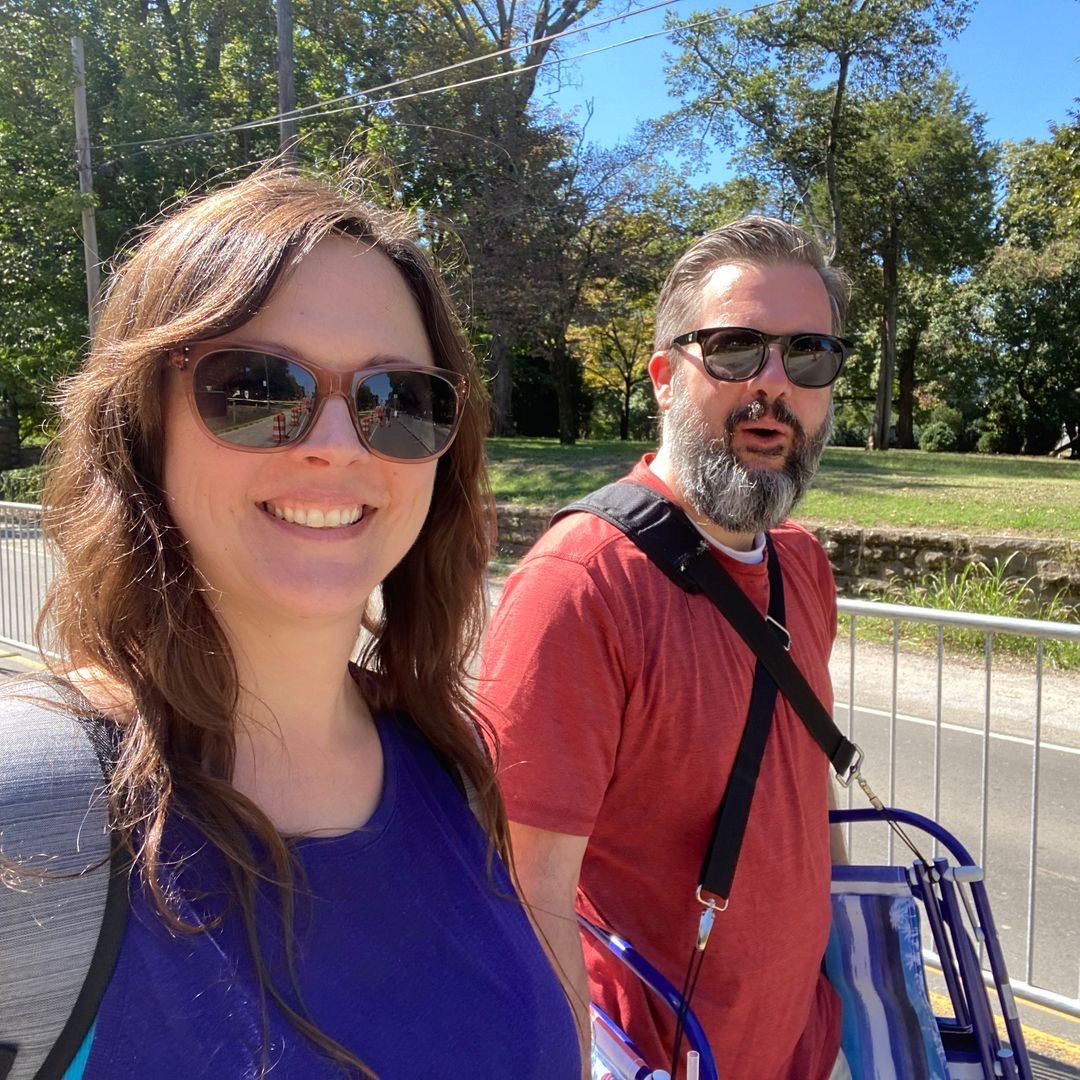
Human Amplified celebrates 100 episodes with a reflection on storytelling, emotional healing, creativity, resilience, and the connections formed through honest conversations.
When Human Amplified first launched, the goal was to create honest conversations about what it means to be human. One hundred episodes later, those conversations have grown into something much bigger.
In this special milestone episode, Brandi Fleck and producer Ryan Sauls reflect on the evolution of the podcast over four years, from conversations about trauma and resilience to deeper discussions around healing, creativity, intuition, grief, and connection.
Along the way, they revisit memorable guests, the emotional impact of certain stories, the collaborative nature of art and podcasting, and what they’ve personally learned from producing the show together.
This episode is both a behind-the-scenes look at Human Amplified and a larger conversation about storytelling, emotional growth, and the relationships that shape us.
Listen to Ryan and Brandi’s Interview
Watch Ryan and Brandi’s Interview
How Human Amplified Reached 100 Podcast Episodes
Brandi Fleck: Welcome to our 100th podcast episode.
Ryan Sauls: Oh my gosh, what a milestone. Congratulations, Brandi. It's a lot of hard work. You deserve to be proud.
Brandi Fleck: But you put in a lot of work too.
Ryan Sauls: Well, that's true, but it's your baby.
Brandi Fleck: Well, one thing that's interesting is that this podcast is just as old as our relationship.
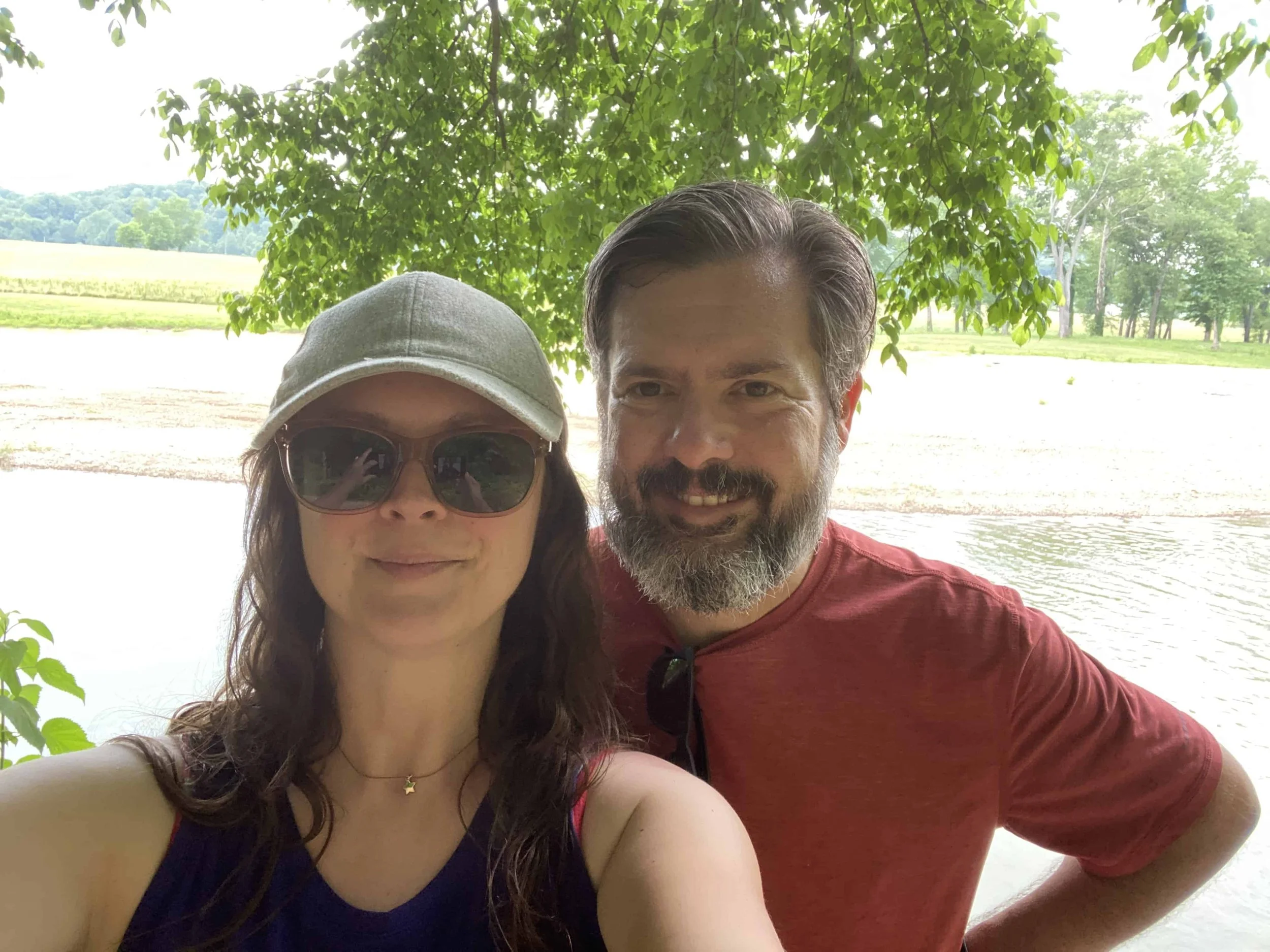
Ryan Sauls: That is a fact. I've been here the whole time. It started sort of around when we started dating.
Brandi Fleck: And then you proposed while we were recording an episode together.
[Flashback to episode 035]
Ryan Sauls: I love you.
Brandi Fleck: I love you too.
Ryan Sauls: Actually, I've got a question for you.
Brandi Fleck: What's that?
Ryan Sauls: You get to ask all the questions all the time, so here's a good one for you. We've talked about how much we enjoy spending our time together and how positive it's been to blend our families. So I was hoping here, now that we've talked through that stuff and sort of here in front of the world, I was hoping that I could ask you to marry me.
Brandi Fleck: Yes. Yes. Oh my God, I love you.
Ryan Sauls: I love you too.
Brandi Fleck: This ring. Oh my God, it's so pretty. I love you. I can't believe you just asked me. Yes. Yes, oh my God. Okay, you guys, I'm gonna stop recording now.
[End flashback]
Ryan Sauls: Yep.
Brandi Fleck: A lot of fun. A lot of good memories. So Ryan, why don't you let folks know what you do behind the scenes if they don't already know?
The Real Work Behind an Independent Podcast
Ryan Sauls: Well, my main job is to edit the content of the podcast to try to make it concise and clear. I listen to all the empty space and junk words so you don't have to. I cut it, go through and clean things up, and try to keep the interviews moving at a brisk, listenable pace and make them sound good while we do it.
Brandi Fleck: That's right. And I plan out all the content of the interviews before the interviews happen, and once the guest gets on and we start talking, it may go to plan and it may not, but it always ends up being what it was supposed to be. That's one of the funnest parts, I think, about doing this podcast.
What would you say, Ryan, has been one of the funnest parts of doing this podcast for the last four years for you?
Ryan Sauls: Well, I feel like I have a lot in common with the listeners in that regard because hearing the stories is the whole thing. That's what makes it a great podcast to begin with. It's just hearing all the different voices and stories, all the things people have to say.
I enjoy interviews in general, and I feel like you do a great job getting good stories out of your guests and getting to talk about things that make for good content and make for a good podcast. I just enjoy listening to them, just like a listener would. I feel like that's the main draw. That's what makes it fun to me.
Brandi Fleck: Well, that's really awesome to hear. And just so you know, guys, we haven't actually talked a lot about this. Even though we're married and we're together all the time, we don't sit around and talk about the podcast except for the specifics of what may need to be cut for a certain episode or if there was a certain technical difficulty. I'll be like, "Hey Ryan, at this place, heads up."
But we don't really talk about what we each get from it, so I love hearing this from you, Ryan. I really want to know what episode in our 100 episodes has really stuck with you.
Ryan Sauls: You know, I thought about this quite a bit. We've done so many and had so many great stories come through and all sorts of different perspectives. I was thinking about the ones that really had the biggest personal effect on me, and they really left me thinking the longest after we were done working on them.
The one that kept coming up over and over again was our interview with Erica about her apartment being invaded by the police department.
[Flashback to episode 062]
Erica: Panic setting because I realized they were saying, "The police, the police." Like, opened up, and I'm like, "Surely they're at the wrong place." There were so many things racing through my mind. I'm still in my PJs. I have no clue what's happening. I panicked, and of course this is all months after the whole Breonna Taylor thing.
So I'm by myself. I try to run through my hallway and I hear them like, "We're coming in," and I'm like, "What?" I'm still in disbelief with all this happening so fast. Then I'm at the side of the door because I'm thinking, "What, do things just start shooting in here? Like, how are they coming in?" There's just so much banging, so much banging, that I finally just flew open the door.
[End flashback]
Ryan Sauls: We had the opportunity to meet and spend some time with Erica earlier in the year, and just being around her and getting to know her and see how she is, when you see such a nice, friendly person and to imagine her in that circumstance is just so mind-blowingly bizarre.
That interview came through at a time when that was still a fresh wound for people. The racial upset and sort of strife around George Floyd, other police-involved incidents, and Breonna Taylor. It was really a sensitive topic for me.
In retrospect now, again having met her, it just seems like such a bizarre story and such a reflection of some of the bad parts that have come out of our police approach, the way justice and general criminal justice has worked in our country.
The whole story just seemed so senseless, and yet I feel like her response to that has, for the most part, and I think most people would say, just been wholly gracious. She does not seem bitter about it. She does not seem angry. It doesn't seem to have carried out into her life as one might expect.
Ryan Sauls: You know, I feel like that's a good lesson also, something that I take away from it. Bad things happen. You can get through them.
Brandi Fleck: Well, she was very open about the mental health impacts that followed her after that event too, and it does touch her life. I think it still comes up for her regularly based on what she said and what we've talked about. Even still, she's gracious and wonderful and happy when she's around people, and there is a healing and an example there of resilience, really.
But then that begs the question: should she even have to have that resilience? And that's obviously not—
Ryan Sauls: Yeah. Yeah, definitely. Trying to find the good in a bad situation is the way I look at it from my perspective, and obviously I don't have the same perspective she does, can't. But she has carried on. I don't know that I would have necessarily had the personal strength to have carried on in that way without just so much anger. I'm not even involved in it, and yet I have anger about it if I let myself think about it too long.
So yeah, I would say that her story in particular made an impact on me.
Brandi Fleck: Yeah, and it's not every day that you get to meet a guest that you've worked on their story, so this was sort of an interesting scenario.
Ryan Sauls: Yeah. Well, you and Erica had been friendly before, and you have known each other for quite a while, and she was a new acquaintance for me. A real pleasure to be around and lots of fun, and just having to imagine her in that situation is just really terrible. It's just really a horrible thing to have to imagine someone going through, especially once you get to know them and see how they are and how utterly undeserving of that sort of treatment.
Post-Traumatic Growth and Healing Through Storytelling
Brandi Fleck: And it sends me to when you say "utterly undeserving of this treatment," it's almost like every single guest we've ever had on the show has been through something that they probably didn't deserve.
So I do want to take a minute to talk about how the show has evolved over the years, and it has evolved definitely.
Ryan Sauls: Definitely, yeah.
Brandi Fleck: Erica's episode was in season three, and right now as we record this 100th episode, we are winding down season four. So we've been around for about four years.
When we first started, it was really about discovering the breadth of trauma that exists in the human condition and what people have done to choose a positive life path after that trauma has occurred, and sort of their post-traumatic growth and giving inspiration and proof that it's even possible.
In season two, then it was like, what do we do with this trauma now that we have this knowledge? Let's go even deeper into what people are doing, what people's humanity is, how it relates to the current climate of the day.
Then season three, we came in with a theme of connection because after doing seasons one and two, we realized that's really what people are looking for. They want connection, and we were going to explore in all the different facets of people's stories how that comes about in their lives. It was subtle, but that was really what we focused on.
And here we are in season four, and we've taken it a step further to offer more expertise from experts in these fields that people have been talking about over the seasons where they're experiencing growth or where they may need the most help, and really focusing on healing support for our listeners who may be in the same situation.
So I would love to hear your thoughts on the evolution of the podcast and how it's gone for you really as you've worked on it.
Ryan Sauls: Well, yeah, you really laid it out really nicely there, the progression. We started off with the knowledge in advance that we were going to be talking to people about their stories, and in the beginning, for sure, there was no special qualification anyone needed to be on your show. It was, "I had something I wanted to talk about, so I'm going to go be on the podcast with Brandi."
We've covered lots of topics that were really sensitive and highly personal to those people. Various sorts of health issues, encounters with racism on just a daily basis, and all sorts of things that people were going through and were causing them various kinds of discomfort, physical pain, emotional pain, lots of issues.
Brandi Fleck: I would say abuse, death, so many heavy topics.
Ryan Sauls: It really was. And I think what we saw is just confirmation that, yeah, these stories are everywhere. They're universal. For better or worse, they are a way that people are connected to each other.
While it's great and a really positive experience when people can bond together over something joyful and positive in their lives, the reality is that sometimes people have their pain in common too. We spent a fair amount of time going into those issues.
As it progressed, I feel like we together had a shift in what you wanted to accomplish with your podcast because we were reminded that, okay, we have these things in common, we have this shared pain sometimes, so now let's figure out how we can have a shared healing and how we can, through experiencing someone else's pain and acknowledging someone else's pain, maybe look at a way to help each other heal through those sorts of things.
That to me has been the through line and sort of the progression of the podcast, a transition from discussing and sharing the issues to discussing and sharing the ways in which we might be able to work through them together.
I feel like that has even gone a level deeper in some of the most recent episodes where we start talking about people who were able to provide us with concrete and action-focused ways to deal with some of these things that people deal with, we know now, all the time, all in the same way.
So that's really what I feel is just a move toward healing through community and sharing of experience.
Trusting Your Intuition vs Logical Decision Making
Brandi Fleck: Awesome. Thanks, Ryan. So have you gotten any healing from the podcast, or has there been any advice that has helped you progress in the way you want to go?
Ryan Sauls: I really feel like one thing that has stood out to me that I've really tried to incorporate into my life, it's something that I think comes really natural to you, which is faith in your feelings, emotions, and instinct as a way to make decisions about the world and make decisions about the way you want to do things and the way you want to approach your life.
I feel like my approach has always been very much about logic and reason and looking for the facts and making what I have always felt are good fact-based decisions.
As I've listened to some of your guests and heard the way that they approach similar situations differently than I would in that way, it's been an eye-opener in two ways.
One is that it sort of shows that maybe I could make decisions in a different way. Maybe I don't have to necessarily always follow the logic through to the one and only true conclusion. There are other ways to make those sorts of decisions.
Then the other way is to understand and recognize that whether I am going to make my decisions that way or not, other people do, and that doesn't mean that those decisions are necessarily wrong or bad. They were just arrived at differently than the way I would have arrived at mine.
Ryan Sauls: I thought that's been a theme that's come up in a couple of different episodes in this most recent season and something that I've really tried to pay attention to and make sure that I'm being open to, the possibilities of another way of doing things. I really feel like that's something that's stuck with me lately.
Brandi Fleck: Wow, I didn't know that. That's really cool. I know that several of the guests that have come on talk about trusting your intuition and really knowing yourself and not abandoning yourself. Would you say that's part of it?
Ryan Sauls: It is, and something that I've tried to come through. My approach, I feel like, has been driven by logic and rational processes and, you know, if this then this, and if this then that. That's how I approach things.
Knowing that there is another way to approach a problem besides that one, even if it has worked well for me. I mean, for the most part, I feel like I make pretty good decisions. I don't know. But yeah, the idea that you can have so much confidence in your emotional response to a situation that you can use that information to make a decision without needing to support it rationally or however else, that's been a lesson for me.

I still would have to say that I would be working to achieve that. I'm a fairly self-confident person in general, but the thing that I'm confident in is my ability to think a problem through and be rational about it, not that, okay, well I'm gonna feel this way in a situation and I can take that feeling and make my decision based on that. That's the learning process, trying to incorporate that and find out what can be good about that in my life, as it seems to be working well for some of your guests.
Brandi Fleck: Just because something is one way doesn't mean it's wrong either. I think one of the things you're highlighting here is that there are multiple truths and that personal truth is a real thing, even if there is a universal truth somewhere as well.
Finding the truth can be complicated, and if I'm wrong let me know, but I think that's part of it. We all have our own reality. There's no way that everyone has the exact same reality, even if pieces of it overlap, because we're all just in our own bodies and our own minds, even though we're all a human collective at the same time.
Ryan Sauls: It's true. Definitely. We've talked about this before. My faith in an objective reality is pretty low. I feel like every single person's observation is through their own filter, and it makes it all but impossible to have a completely coherent shared experience. But when it's raining, it's raining, and we all know it's raining in our little spot.
Brandi Fleck: Okay, so Ryan, I do want to take a minute to just thank you for all of the work that you've put in behind the scenes. Without you, you say this is my baby, but it wouldn't have been possible without you.
You really have taken on quite a bit of work to help make this podcast work, and we're at this huge milestone because of the work we've put in together. You've created the intro and outro music for the podcast when we were Being Human and now as we're Human Amplified, and I love it.
So just thanks for your really steadfast support and willingness to be a part of this dream.
Ryan Sauls: Well, it's really been absolutely my pleasure. I believe in what you're doing and the mission that you set out for yourself I think is really important. I also happen to think that you do a really good job at it, and it's been fun to learn what we've learned together to try to make the quality of our product better and really make it something that someone would want to listen to. I'm really proud to have been a part of it.
Creative Flow States in Music and Art
Brandi Fleck: Well, this is a good segue into a listener question. We did ask our listeners to submit questions before we recorded this episode, and we got one that is about music and art from Mr. Stanley Sauls.
Ryan Sauls: Well, I never heard of him.
Brandi Fleck: Yeah, me neither. Who is this guy?
Ryan Sauls: Stan is my brother. You wouldn't know that.
Brandi Fleck: But yeah, Stan from Pensacola, Florida had a question for us.
Ryan Sauls: He did.
Brandi Fleck: So he posted, "For Ryan Sauls, revisit your favorite moment making or playing or simply enjoying music. And for Brandi Fleck, my favorite artist by the way, when creating your art, do you have a plan or simply just let inspiration take you?"
The same is a good question when making music. So Ryan, you kick it off.
Ryan Sauls: Well, I've been really fortunate to have played music in lots of different venues, lots of different types of music, and lots of different places. I was thinking about this question, and I have this handful of experiences, and I don't know if I can really do them justice describing them this way, but I'm going to try because I feel like it's something that not everybody will have had an opportunity to experience maybe in the same way.
In all the times that I've been playing music, I can remember four times in particular in different environments. The first time it happened, it was just in a University of North Florida jazz combo class. We were just doing what we did every day of the week, playing through these tunes.
Then another time with one of the first rock bands I played in at just a beachside bar in Jacksonville, Florida. Then later with another band playing more improvised music at a venue in College Park, Maryland.
In each of those cases, we were playing music in a group, improvised music for the most part, but one time we were playing a U2 song, and I had this experience. It was a shared experience because I remember each time it happened hearing it, looking up at the other players to see if they heard it, and then looking out into the audience and seeing if they heard it.
Each time, I can only describe it as an elevation. The music is happening, we're playing this song, and for just a few beats, a couple of measures worth of music, it took on this whole other quality. Again, it has happened so infrequently. I can point to these four times in particular.
Just a transformation of that space, that song, and that little moment. You can just see in other people's faces the shock and the surprise of having been caught in that moment just right then. There's no way to explain it.
Brandi Fleck: An energy, I guess?
Ryan Sauls: Yeah, sure. It's a real change in the atmosphere around that event, and I can't put it into words. The feeling has been the same in each of those experiences, and it's not something I've ever had being at a concert and listening to music or listening to music on record.
I love doing those things, and I've had great experiences doing that stuff, but nothing like this little handful. Add it all together and maybe it's 15 seconds worth of this experience, but it's so intense and it's always been burned in my brain.
Every time I play, I'm hoping that I get something like that to happen again. But you talk about my favorite moment, that's it. Fifteen, twenty seconds worth of just almost floating off the stage. Everything is different during that little interval. It all takes off.
It happens so quickly, but you can look around and see on the faces of everybody involved that something different happened and everyone is surprised.
Brandi Fleck: It's like the ultimate connection where everybody was so in sync for those few moments that maybe that's the only way I can describe it. It's like a joining of the souls maybe.
Ryan Sauls: It's super intense. That's the only way to describe it. Like I say, I'm always hoping it'll happen again. But you talk about my favorite moments playing music, those are they.
Abstract Art, Improvisation, and the Creative Process
Brandi Fleck: Wow, okay. That's awesome. When we talk about visual art, when you were talking about your music experiences, they all happened during improv, right?
Ryan Sauls: Most of them. Most of them. One instance, we were playing the song "One" by U2 and that same thing happened. But yeah, for the most part, improvised music, making it up on the spot.
Brandi Fleck: Okay, well that sounds very similar to how I'm going to answer this question for visual fine art. Stan said, "When creating art, do you have a plan or simply just let inspiration take you?"
The answer is, most of the time I have a semblance of a plan, maybe a little idea of how I want to go, but what comes out never ends up looking like what was in my head in the first place. Most of the time I don't spend a lot of time planning. I just let inspiration take me. I sort of feel my way through the colors and the shapes and the lines.
This is for abstract work. However, when I'm doing realism or portraits and I need the subject of the painting to look like the subject of the painting in real life, the only plan I have is maybe looking at a picture of that person or a few different pictures of that person and then sort of compositing them together.
But even then, I don't typically draw out what's on the painting before I paint it. In my portraits, I will just start painting. Every now and then I'll do a few lines to sort of guide the proportions of a face or a body, but that's about it. I really prefer it that way. It's more fun, and just getting to explore the creative process and seeing what comes out is really the gift of being an artist, I think.
What would you say about creating music, Ryan?
Ryan Sauls: Well, like I mentioned, I've been lucky enough that I've been able to participate in creating music in lots of different ways.
Early on in my musical career, I was involved more in symphonic playing, playing in the brass section of the symphony or in a marching band or a concert band. In those situations, you are still creating the music. It just happens to be music that someone else wrote down, and you don't have a lot of flexibility in the notes you play. That's not the point of it. The point of it is to recreate that same emotion that's embedded in the music.
But I've also played lots of improvised music in jazz bands, blues bands, bands based on the art of improvisation, and there it's very by the seat of your pants. It's super exciting, but the mindset is totally different because now in those environments you're composing and performing at the same time.
I've also written songs with arrangements and lyrics and all that sort of stuff, and sort of putting myself into the composer mindset. I guess all that to say that the effort involved with each of them is different, right?
The written page of music is a plan, but you still have to prepare and follow it, and you have to have your plan in place for how to execute it. That's what practice is for. Those sorts of musicians, you're learning how to execute a plan that you've sort of collaborated on with the composer of the piece. You've got your part, the composer did his part, now it's your time to figure out how to play it, and that takes planning too.
Even in an improv group, you have different levels of planning. Sometimes you'll be improvising over the chord changes of a song you all know.
The planning aspect of art in general, in my opinion, is just a different way to experience the thrill of creating something. You can make something that's beautiful and lasting and valuable with no plan. You don't need a plan to make that happen.
But if you enjoy the process and planning what you're going to do and covering every detail and making sure that everything is going to go just a certain way, that is a great part of the experience as well.
Earlier in the year, I did some writing for the website and talked about how I think it's great for anybody to get involved with any sort of art that they can approach in any way and never worry about if you're good at it, never worry about if you have a plan. Just go find something to do.
I really feel like that's a key part of my experience with art and music in general, is do what's fun, do it how you want to do it, and it will be okay.
Brandi Fleck: Yeah, and guys, the article that Ryan is talking about is called "Self-Expression Is Better Than Pizza" and it's on the blog, so we'll link to that for you.
But also, you hit on two things that really resonate with me and sparked something that I forgot to mention.
The first one is recreating an emotion. When you said that, it made me think about visual art has that in common with music. I think part of the purpose of it is to create emotions and to create feelings and to collaborate with the viewer of the painting.
Just as the listener of music brings their own interpretation, their own feelings, their own resonance to that music, and as it's impacting their life they're sort of impacting it in a way, the same thing goes with visual art. As someone looks at a piece of art and feels what they're feeling, they finish the piece in their own little way. They get something out of it that goes within them that they can then take out and spread in the world, even if that's not something that you could tangibly explain or know that's what's happening, but it's there.
Then the other piece of that is the planning. I'm in the process of working on a commission that I opened this year. It's the biggest commission that I've done in a while, and I'm really excited about it.
While I'm not planning the composition of the piece necessarily and how it's going to come out on the canvas, what I did plan with the person who commissioned it is the size of the canvas, the shape of the canvas in relation to the size and shape of certain architectural features of his house.
We talked about the content of the painting a little bit, so I know certain things that need to tie into the painting to make it resonate with the people who live in the house, but that basically translates to a loose outline and it's going to come out how it's meant to come out.
It's been such an amazing collaborative process with the person who commissioned the painting. That's part of the fun of it too. So while I plan in lots of ways in business and in my personal life and things like that, when it comes to creating art, I don't like to plan every little detail.
But the collaboration piece and the planning to make art functional and fit into somebody's life is really rewarding, and you just reminded me of that piece of it. So that's awesome.
Collaboration in Podcasting, Music, and Visual Art
Ryan Sauls: Yeah, collaboration for sure, especially in the band format, is a key part of playing music for me. I talked about writing a song, having the lyrics and the chords and the melody sort of planned out, but the best experiences of that have always involved the other players that I've been around bringing in their little part, adding something to it that I could not have seen.
That's not my experience. That's not the thing that happened in my brain when I came up with that chord change. Someone else brought that thing in, took it to the next level, and really made something out of it that could not have existed without that collaborative piece.
I think it's one of the great gifts of playing music with other people.
Brandi Fleck: Yeah, and to bring it full circle, when I look at this podcast as a whole, I consider it a living, breathing piece of art. The collaboration happens between myself and the guests as we're having discussions, and then the collaboration continues between me and you as you help polish the episode and get it ready to be listened to.
It's really a magical process that has stretched me and taught me and opened my eyes to a lot of things that I'm just so grateful for. I think creating the podcast sort of follows the same process we've been talking about with visual art and music.
Ryan Sauls: I could not agree more. I think that's exactly right. Collaborating with the guests, collaborating with the production crew, collaborating on the content on the website, all of that stuff is just vital and definitely, yeah, like you said, you said it best, a work of art and in progress.
Brandi Fleck: Yeah, when I look at it, it's like it's taking on a life of its own, and the exact same thing happens when I'm making a painting.
Would you say when you're creating a piece of music it takes on a life of its own?
Ryan Sauls: No question that's true. Absolutely, yes.
How Sharing Your Story Helps Other People Heal
Brandi Fleck: Love it. On that note, we would love to highlight several of our listeners who have written in to give us some amazing feedback, and we just want to give them a little moment, give them a shout-out, and tell you what they're saying.
So let's dive in. Speaking of collaborating with guests, this person who gave us a review has been a guest on the show, but she's also been a listener from the beginning, and she sums up the collaboration piece between guests and the podcast creator and production crew and the importance of telling your story when she says:
"Brandi does a terrific job of finding guests who have enlightening, oftentimes heart-wrenching stories to share. When others share their voices, we all can learn more about ourselves and we can offer support. My favorite thing about hanging out with Human Amplified is hearing other stories, and their bravery in speaking up has given me more courage to speak my own truth and share my own story with others."
That's from Shonda Pence, again, a podcast guest and listener and Human Amplified VIP.
And here's a review from Cory's Got Questions on Apple Podcasts. He says:
"Brandi is bringing purpose to podcasting. In a sea of murder mysteries, sports talk, and just general goofing around, this podcast stands out as a place for us to learn how to be better. Keep up the good work, Brandi."
That's awesome. Thanks, Cory's Got Questions. And he says it's good for the soul.
Another new review that we had come in this season is titled "Powerful and Refreshing" from Meg Smit on Apple Podcasts. She says:
"Brandi is a wonderfully refreshing host, and it's clear that not only is she passionate about storytelling and connection, but she is also determined to share the rawness and realness behind the human condition. You can see glimpses of yourself in every story, every guest, and feel less alone in our broken world. It's my go-to listen and I can't wait for the next season."
And Meg was also a guest on our podcast. So guys, any of these where we mentioned the guests, we'll link to their episodes in the show notes too.
Here's a review from an anonymous user on Audible. It says:
"Brandi is one of the most authentic people I have ever come across, and it shines through in her podcast. She isn't afraid to tackle topics that other people may shy away from and always approaches them with grace, compassion, and empathy. She's worked hard to create an outlet for her guests to comfortably speak their truth in order to educate her listeners and encourage them to think deeper. Brandi's podcasts cover a diverse range of topics, so you are never left bored."
Thank you, anonymous user.
Now I'm going to read a review that is near and dear to my heart. It's from AstroGirl12 on Apple Podcasts, and AstroGirl12 was also a guest on our podcast.
[Flashback to episode 021]
Suzie Kerr Wright: Mediumship is the short version of that. I'll try and keep it short. It's conversing with spirit. It's conversing with those who have passed on, on the other side. You are literally having a conversation with them.
They are in an energy form and you are connecting. You are raising your vibration to meet them at their vibration, okay? And you literally have a conversation with them. It's pretty wild. It's very different than psychic.
[End flashback]
Grief, Loss, and Building Meaningful Relationships
Brandi Fleck: She is the late and great Nashville psychic medium and astrologer who I developed a relationship with over the years. She passed away a few months ago, and my heart just goes out to her family, her clients, her friends, her loved ones. I just love her so much and miss her.
Several weeks before she passed away, she left a review that Human Amplified is enlightening and authentic. She said:
"Brandi is a stellar host with an easygoing style to listen to. She engages her guests with thoughtful, meaningful conversation and brings out the best in everyone. She is compassionate and kind and truly meant to do this work. I really enjoy listening to her tease out the depths of her guests with her authentic style of interview and conversation. Definitely a star in this realm."
Thanks, Suzie.
I want to say that over the course of doing 100 episodes on Human Amplified, half of those episodes were pre-pandemic and the other half were during the pandemic. So we did have two guests pass away during the course of doing the podcast, and that has been, I guess you could call it a sad experience, but also impactful and prompted reflection.
My heart goes out to their families and friends, and it's something that we've dealt with. It's something that's come up as we've created this podcast, and it was something that I never thought about. When you start something like this, you don't ever think about what happens if your guests pass away.
One of our guests that passed away was also going to be a sponsor this season, and it makes you think about life and what's important in life. If anything, I think where we're going with these episodes and the people who come on the show help with that prioritization and help us remember what's important in life.
Ryan Sauls: Well, I think your reaction and the words that you just spoke goes to show how your relationship as a host of this podcast might be different than the relationship of another host with their guests.
In a lot of cases, Susie and several other podcast guests, many other podcast guests, you've really developed relationships with and friendships beyond the bounds of just your interview. The fact that you've used the podcast as a way to build those relationships, I think just goes to show the ethics behind the podcast.
Those connections are important, and we should always be looking for ways to nourish them and to encourage them to grow because you don't know what tomorrow is going to bring. You don't know when that opportunity may not be there anymore.
It's just one of the many ways in which the connections that we make with people are so important, and it really underlines how important that aspect of your mission with the podcast is to you personally and, I think, part of the value that it has for your listeners too.
I think that all ties together and really speaks to the importance of it and what a great job you've done in fostering those opportunities and making the most of them.
We do miss those who have gone on and trust that they're better off, but we know that we're better off for having known them and heard their stories. So thank you for that.
Brandi Fleck: Well, Ryan, thank you so much. I didn't ask him to say any of that, guys.
What 100 Episodes Taught Us About Humanity
Well, I think it's time we wrap up our 100th episode celebration. We've had a lot of highs in the making of this podcast. We've had several lows, and either way, we're coming out on the other side of this 100th episode as better people for it.
We just thank all the guests that have put their time and effort into sharing their stories. We thank all the listeners who have participated in the stories and listened and taken something away from it.
Just thank you so much for being here with us and loving and experiencing humanity. Is there anything else you want to say as we sign off?
Ryan Sauls: Just thank you, Brandi, for all of your hard work. Thank you for bringing these stories to us, for giving all of these great guests an opportunity to tell their stories in a safe and encouraging place, and thank you for helping us always find the positivity and the connections that are there just waiting for us to see.
I really appreciate it, and I'm sure our listeners do too. So thank you very much.
Join the conversation!
Feel free to share your own experience and let me know if you have any questions in the comments.
Related Posts
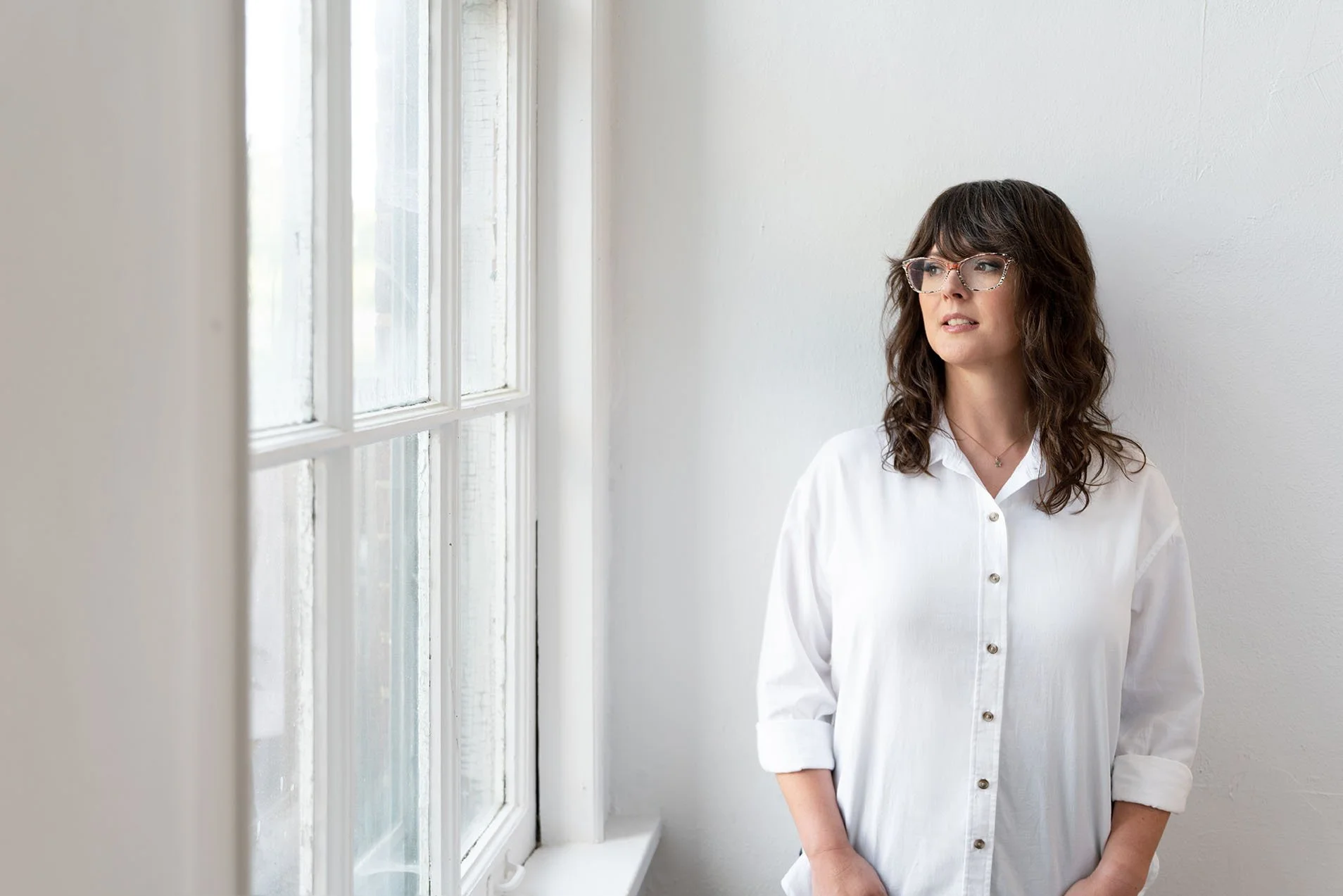


Hi, I’m the founder of Human Amplified. I’m Brandi Fleck, a recognized communications and interviewing expert, a writer, an artist, and a private practice, certified trauma-informed life coach and Reiki healer. No matter how you interact with me, I help you tell and change your story so you can feel more like yourself. So welcome!
Find More on the Blog
Topic
- ADHD
- AI
- Atlanta
- Black and BIPOC
- DIY
- FAQ
- LGBTQIA plus
- Los Angeles
- Nashville
- Seattle
- St Louis
- St. Louis
- UFOS/UAPs/ETs
- abuse
- accountability
- addiction and recovery
- adoption
- affirmations
- afterlife
- altered state
- angels
- animals
- anxiety management
- art
- astrology
- atlanta
- attachment
- awakening
- beauty
- behind the scenes
- being human
- body image
- body work
- boundaries
- brandi fleck
- breathwork
- bullying
- burn out
- burnout
- cancer
- career
- caretaking
- chakras
- channeled
- clarity-dive
- clarity-practice
- clarity-primer
- clean products
- coach
- codependency
Recent Blog Posts
Visit the Full Podcast Audio Archive

Affiliate


Get to know me, the Human Amplified founder, Brandi Fleck. Here, I answer the most frequently asked questions I get about who I am and my journey into podcasting.