
Finding Your True Nature Through Healing and Self-Discovery
Interview By Brandi Fleck
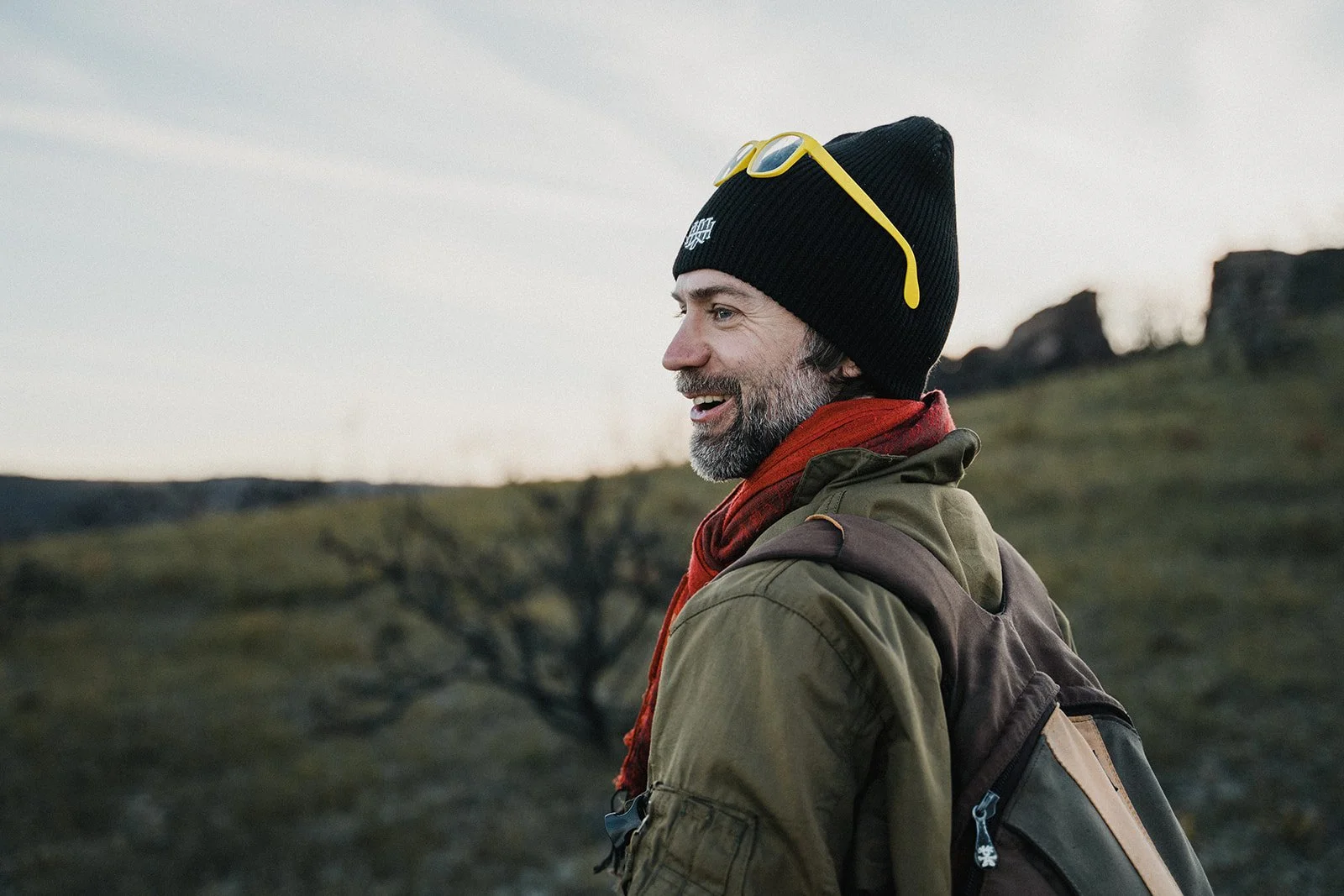
Dan Strelan explores emotional healing, gut health, creativity, spirituality, and what it means to live in alignment with your true nature in a world that often pulls people away from themselves.
This episode has been maintained in loving memory of Dan Strelan.
Modern life trains people to override their instincts, disconnect from nature, and chase external validation while ignoring what their body and emotions are trying to communicate.
Health coach Dan Strelan reflects on the deeper relationship between emotional health, nervous system regulation, creativity, spirituality, and authentic living.
Drawing from his experiences living close to nature in Australia’s Blue Mountains, Dan shares how healing often begins by slowing down enough to reconnect with the body, intuition, and the rhythms modern culture teaches people to suppress.
If you’ve ever felt exhausted by modern life, questioned the pressure to constantly optimize yourself, or sensed there’s a more grounded way to live, this conversation offers a different perspective on healing, purpose, and returning to what feels real.
Listen to Dan Strelan’s Interview
Watch Dan Strelan’s Interview
Finding Your True Nature and Living Authentically
Dan Strelan: My name's Dan Strelan, and I'm from the Blue Mountains on the east coast of Australia. When we allow our feelings to be felt in the body with loving awareness, the hidden wisdom of our body emerges and we can truly grow. New life becomes much more interesting on that path of self-discovery. Things do move around in circles. It seems to be the same in the gut. In the end, it comes down to you.
Brandi Fleck: This week's guest is Dan Strelan. He's a health coach and nutritional medicine expert who lives in the beautiful Blue Mountains of Australia. He gathers his own spring water and showers in waterfalls. Guys, you really get to experience his calming, creative, and thoughtful personality in this interview as he leads us through a philosophical exploration of our own meaning-making in life, to the science behind ingesting worms to heal your gut, a journey he's personally been on in addition to his clients, to heal from gluten intolerance and sensitivity.
We start out this episode philosophizing about the meaning-making humans imbue on all aspects of life. Dan takes us through different perspectives that he rates on a scale of effectiveness in helping us alleviate suffering. We spend a bit of time establishing the foundation of the entire discussion, that uncovering our true human nature is a lifelong self-discovery process that includes physical, mental, and emotional well-being in order to thrive, to bring out our true nature.
We explore how that well-being increases when we align ourselves with the natural cycles of our world, the earth, the seasons, and recognize that we're part of a living ecosystem. When the ecosystem flourishes, we do too. To the contrary, we also explore how our well-being can decrease when we're out of alignment with the natural flow of the earth and how many of our societal systems and cultural conditionings have taken us away from our true nature and nature in general.
As part of this human nature in alignment with nature discussion, Dan gives us tangible advice for awakening to our own truth, healing our gut through helminth therapy, that is ingesting a certain type of worm that restores our gut ecosystem, and for how creation plays a role in healing our bodies.
We wrap up with exploring how the natural cycles of order and chaos in life parallel co-creating music. When you jam with other people unprescribed, you experience cycles of order and chaos. When you trust the cycles and let go, you find the freedom of creative flow.
Ultimately, Dan says the starting point for healing our bodies is by truly listening to our emotions. Then the hidden wisdom of our bodies emerges and we can truly grow.
Throughout this episode, Dan gives us so many gems and a host of informational resources. You're really going to love this discussion.
Living in Alignment With Nature and Natural Healing
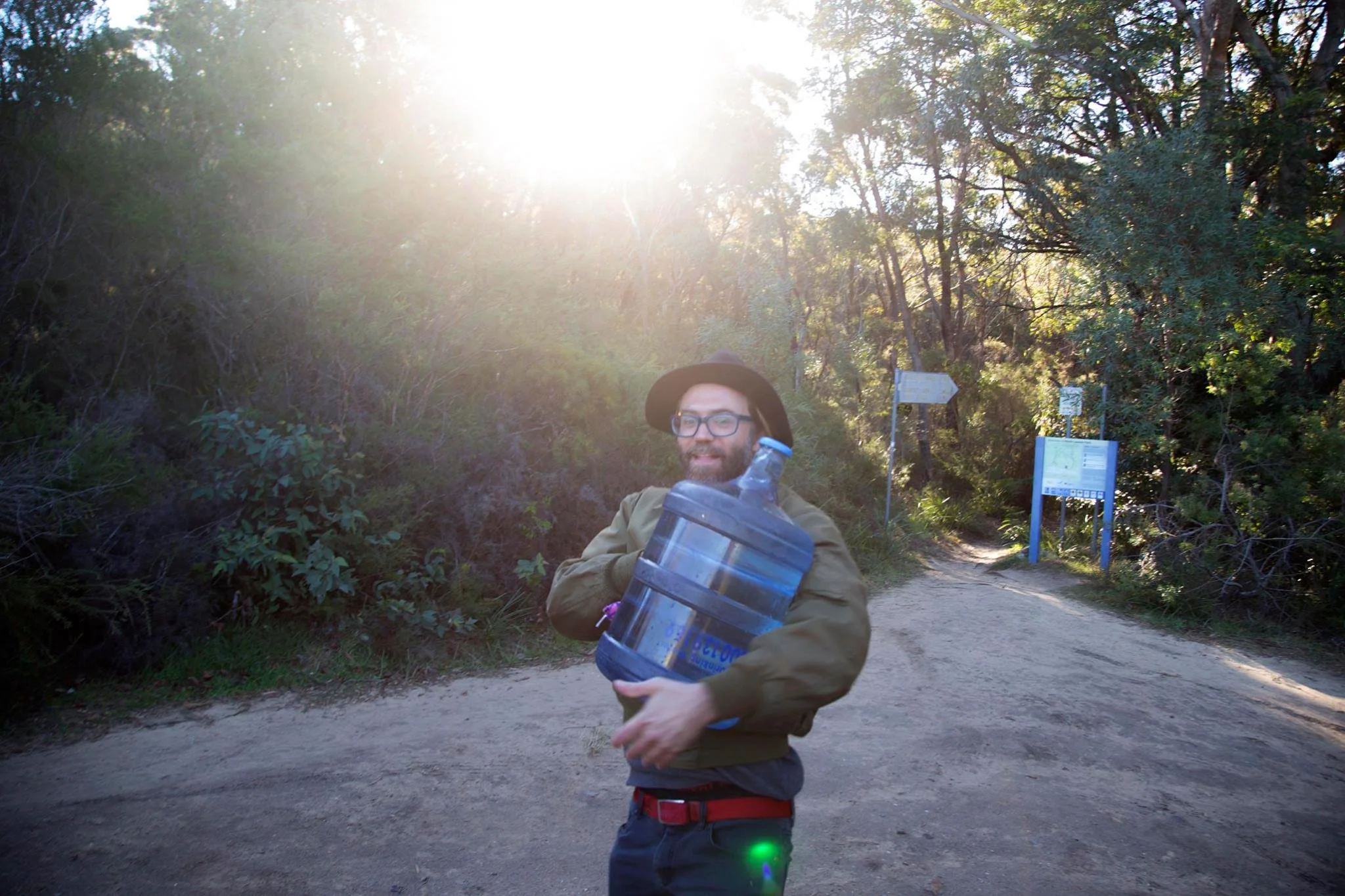
Dan Strelan: As I said, I'm Dan Strelan. I do live in the beautiful Blue Mountains in Australia, and I was drawn to this part of the country for the fresh air and the ability to collect my own spring water, and the tangible experience of seasonal change in a temperate climate because I grew up more in a subtropical part of Australia, and also for the beautiful community that I've found here.
The way of life is totally different to the city, and after a while, you take it for granted to be surrounded by eucalyptus forest. I take showers often in waterfalls, swim in lakes in the summer. That is, it does get quite cold in the winter. It's pretty normal to wear your trackies into town or to meet a friend and eat your lunch at one of the many stunning vista points that tourists travel miles and even cross oceans to see.
I love to travel, so I moved to a place in my homeland that is an obvious travel destination. It's also great for rock climbing, which I'm really into. I'm moved by beauty. I love music. Yoga is a part of my life, and I have a thing for Taoist medicine and qigong practice as well.
I run the Sovereign Medicine Foundation, where we love to help people with gut health, sleep, mood, and overcoming pain. But ultimately, our mission is to get you connected with the medicine that lies within and to guide you into self-empowerment.
Brandi Fleck: Fantastic. How delicious is the spring water that you get?
Dan Strelan: It is immaculate. It's so incredible. It's very soft, and you can almost feel the environment, the nature that surrounds it. There's a few good springs up here and subtle differences, but very clean and pure.
Brandi Fleck: It sounds amazing.
Dan Strelan: Yeah. What about you? Do you have spring water in your area?
Brandi Fleck: Oh no. We're just maybe about 10, 15 minutes outside of a big city.
Dan Strelan: Yeah, yeah.
Brandi Fleck: So it's definitely not like anything you described.
That was a really great description of who you are, and I think it really gives our listeners a good idea of your essence and what we're going to be talking about today.
I would love for you to sort of dive into your mission at Sovereign Medicine just a little bit because I saw on your website that you want to guide humans back to their true nature. But as you know, I'm on a quest to figure out what is our true nature. So what do you say to that?
The Search for Meaning, Purpose, and Authentic Living
Dan Strelan: Yeah, great. I love that. It is part of the process and the journey, and I suppose the question can be more interesting than finding a specific answer to.
Now, my yoga teacher from the Himalayas says that our true nature is joyful, playful, expandable, and fearless. I like that. So when we engage in practices or work with medicines, they bring us into balance, into homeostasis in the body and equanimity in the mind. Some of those qualities may emerge.
Each person has their own unique essence, and to get in touch with that requires deep listening and often a cutting away of conditioning. We take on roles in life, but when we have the intention of living an authentic life, it's helpful to come with gentle curiosity to the process of self-discovery.
We can look at examples of extraordinary humans and our teachers to perhaps have a glimpse of what's possible for our potential as human beings. But to go deeper, we've got to find something that's within us and breathe it into form.
Brandi Fleck: Well, that's wonderful, and I feel like that makes sense. I really like what you had to say there, and I would like to go a little bit more into what is Sovereign Awakening?
Dan Strelan: When we talk about sovereignty, what I'm talking about is our connection to ourselves, our connection to the divine, but ultimately your self-empowerment that's found at the center of your being.
Every culture has a set of rituals to initiate a child into a collective story, and it's often said that in Western culture we don't have those initiations. Yet we still usually put kids through schooling, possibly religious influence, and also medically as well. There are rituals where we're taken to a doctor's clinic and jabbed in the arm, usually when our parent is distracting us, and then rewarded with a lollipop.
I know that's a very hot and polarizing topic, and I've often wondered why that is. I think that there's kind of a moment there where we learn to trust in external authorities rather than our own instincts.
In some indigenous cultures, they may inflict harm for a reason, for a purpose that they have consciously chosen to set up that child's life or their journey, usually as a teenager into manhood or womanhood. I suppose in our culture, we're kind of not aware of that. We're unconscious of those rituals.
Coming back to Sovereign Awakening, I guess at some point in life, most of us go down a particular track and follow the status quo. For some of us, we begin to question that and begin to question what we're taught, what we see in media, even our family stories.
So Sovereign Awakening is firstly awakening to the fact that in the end it comes down to you. You're the one that is telling the story of your life, and you're the director as well. You get to call the shots.
You can look outside for wisdom and knowledge and expertise in areas that are not your strength, but at the end of the day, it is up to you to choose what resonates and discard what doesn't.
Brandi Fleck: Okay, so if I circle that back to just human nature for a second, you said that some of us just keep going with the status quo, and some of us begin. Do you think that we have to have that awakening in order to discover our true nature?
Dan Strelan: It seems to me that as small people, as children, babies, we connect with our environment and the people around us. We take in all of that information before the sense of self is really formed.
So in a way, you can imagine we would come in with a clean slate, and perhaps in our DNA there's this latent soul potential or this blueprint for our life, for what essence we're here to bring, to contribute to this dreaming, to this story.
For some reason, we go down a different track of absorbing the information of the society around us. Sometimes if that lifestyle works really well for you, it might take a breakdown later in life for that emergence to happen and for you to dig a little bit deeper.
So yeah, I suppose perhaps we do absorb that cultural information with the purpose of transmuting it when we do begin to stand in our sovereignty, in our sense of self, to discover what that is, which is a process and a lifelong process as well.
But yeah, I guess for me life becomes much more interesting on that path of self-discovery rather than just sort of following a prescription.
Brandi Fleck: Yeah, okay. So as we talk about the path of discovery and the search for enlightenment and who we are and all those things, it seems like humans have a relentless search for meaning in all that we do. What do you think about that?
Dan Strelan: Yeah, it does seem to be the case, whether we are aware and focused on that or not. There's been books written about it. I haven't read many of them. I have read the wisdom teaching of Ecclesiastes, which is found in the Old Testament in the Bible. I found that one really interesting when I was in my late teenage years. It was somehow different to the texture of the rest of the Bible. It stood out. I guess maybe it's kind of nihilist or something.
But the teacher claims that everything is meaningless, and he actually has the experience as a wealthy ruler of having all of the resources at the tip of his fingers to call in the experiences that he wanted to have in life. With the search of some kind of underlying inherent meaning or fulfillment, he concludes that it's best to live a simple life and enjoy the changing of the seasons, enjoy your intimate relationships, family life, and to remember your creator, your connection.
I think that's profound, and I heard that early on and maybe 10 years later had a more tangible experience of that through some personal development work that leads up to a particular point where the “everything is meaningless” drops in. I've heard it discussed in more New Age circles since then as well.
But when you get that, it's completely liberating. It can sound scary at first, but what it means is that we create meaning. I just create meaning right now, actually. We can see that we've created all of the meaning to understand and interpret our life, and often that creates limitation. It creates pain and suffering. All of this search, all of this meaning-making can create suffering.
So when we come into that zero point and understand that there's actually no inherent meaning in the universe at all, now that might not be true, but if you come from that point, just stand in that possibility for a moment, the field opens up and you can drop some of those old stories and you can begin to create new meaning, new direction for your life.
Then finally, when I read Stephen Harrod Buhner's work on plant intelligence and the dreaming of the earth, he said that everything is more of the animist perspective, where everything is actually imbued with meaning, and it's our role to interpret the meaning in our lives, which is highly creative and intuitive, to tap into this sea of meaning.
I find that very enjoyable as well. Perhaps “everything is meaningless” puts us more in that Buddhist Zen-like emptiness, and the animist perspective is perhaps a bit more feminine and creative and flowing and colorful. I suppose if that gets murky and messy, then we can drop that and come back to that zero point, realizing that it's a game, it's a movie, it's for fun.
Brandi Fleck: Okay, so are you saying that both extremes are probably true? They have a time and a place in our lives and I guess everything in between?
Dan Strelan: For me, it's about how those perspectives are useful more so than if they're ultimately true or not because it's a paradox, and I'm comfortable to hold a paradox because, as I said at the very start of this call, the question is often more interesting than having an answer because you can deepen more and more into this understanding, into this wisdom, into the not knowing as well and the mystery, really.
So yeah, both of those perspectives are useful. Meaningless in that you can drop all of the story and put yourself in the creator seat and consciously create your own meaning. Then yeah, seeing life, seeing people, objects, flowers, nature as symbols, as holding some meaning.
I think the key here is to remember that we ask ourselves, “What is the meaning of this symbol?” and allow the information to come through. It's not about getting that right or wrong because we have the freedom to create our own meaning.
Brandi Fleck: Okay, I think this relates to what I'm about to ask you, but I feel like we do have the freedom to create our own meaning, and that was just an amazing concept and thought that you put out there that I think a lot of people might struggle with because having to make a living, having to do things a certain way to just sustain life in the society we've built is sort of restrictive.
So in your opinion, why is consumerism and capitalism so restrictive to embracing our own nature? Or for you specifically, how does it hinder you from embracing your own nature?
Capitalism and Human Nature
Dan Strelan: For sure, and you touched on a few key elements there, yeah. So I guess what you're talking about is the power of our emotions and our feelings. Because when we create meaning, there's usually feeling involved in that.
You mentioned the jobs, the positions, the responsibilities that we have, and it can be scary when we question the structures that support us because they have supported us. Sometimes I've thrown them away too quickly, and the fear of that has been overwhelming. I've made choices that are perhaps not healthy or supportive, not really a safe container for my growth.
So yeah, we have to understand that there's a part of us that has believed in this story, believed in our conditioning, identified with it so strongly over our entire life until we sort of wake up. It's not that we just come out of this dream and go, “Ah, great, that was just a dream.” It may actually be your path, and you can keep your job, your goals, your career goals, your goals for your life and investments and family and all of that. You can live a suburban life if it feels really alive and nourishing for you, as it does for some people, and breathe new life into that.
But yeah, on consumerism and capitalism, the reason it is found, I believe, is in the story of competition and of lack. Most kids seem to be, I mean maybe a few kids seem to be competitive and dominant and controlling and possessive early in life, but I think those traits are mostly learned. I reckon that most of us come in with a spirit of generosity and with a heart for sharing.
In our capitalist system, it perpetuates a ladder or a caste system, and to keep it alive we're called to engage in that way of life, which is restrictive to that generous nature. The power flows to the top of the ladder, and I guess those at the top of the ladder really need to go out of their natural alignment to maintain the system, or it could be that their traits are inherently negatively oriented to self-service at the expense of others. It could be true. If it is, I still suspect that they must be quite lonely and fearful, needing to uphold that story of separation and competition.
In consumerism, this is the business of feeding hungry ghosts. It's the story of, “There's never enough,” or “Something outside of me will complete me.” The money or the car, the fame, the fortune, the holiday, the lofty position, the holy grail. It's like that image of the donkey that's always chasing the carrot that's just out of reach.
The earth is consumptive. We eat and digest and transform. Can I say that feeding the soil where our food grows is cyclical. So when we're in touch with the rhythms of nature, we come into harmony with ourselves and understand the built-in mechanisms that are there to support all of life here, all of it.
In old times, we would fast at the end of winter, as there would be no food left in the storehouses. When we engage in similar practices now, there are tremendous benefits for our bodies. But yeah, there's always enough.
Brandi Fleck: This is really cool because I think I just made a connection from what you were saying now to something you were saying in the beginning, which is when we are stable isn't the word, or when we're confident in our own nature instead of being fearful with an inferiority complex, then we work with nature as opposed to against nature. So maybe our systems of consumerism now are working against nature because we're fearful, because we've lost touch with that.
Dan Strelan: Absolutely. I guess some of these concepts and philosophies, for me, I'm drawing on the work of Charles Eisenstein with Sacred Economics. In that beautiful book, he goes on to explain how our economy doesn't really reflect, well firstly, the cyclical nature of life, of the earth. It's an endless trajectory or ascent.
So yeah, I guess I said there's always enough, but things do move around in circles. Sometimes there is a contraction in life. At other times, there's an expansion.
Our economy has, and it's changing now it seems, after what feels like a decade of stagnation on the real issues, it hasn't really reflected value in having nature exist for the sake of it, and having resources left in the ground because it is best for the ecosystem if they're there. That means it's best for us because we're part of it. We're not separate.
So I would say that if we just looked at one way that we're out of alignment with Mother Nature, it's that we're not in touch with the seasons, seasonality in life.
Brandi Fleck: That makes a lot of sense. Would you say there are parallels between human nature and Mother Nature? Are there cyclical things within us that sort of mimic where we come from?
Brandi Fleck: The earth that we come from.
Dan Strelan: Yeah, 100%, absolutely.
Brandi Fleck: “As above, so below,” or “as within, so without.”
Dan Strelan: “As within, so without” has been something that's been coming up for me in the last several weeks.
Brandi Fleck: So it's really cool that you just said that. It's been sticking in my head.
Dan Strelan: At some point I might tell you a story about intestinal worms, and you might start to understand how I actually use the symbology of the seasons to connect with the body and when I create my programs as well. I do refer to seasons in a metaphorical way as well as what's actually going on outside in the world to guide somebody through that process and help to connect things back up.
Brandi Fleck: Yeah, okay. So I am really excited to hear that story. Do you want to go ahead and jump into it?

Helminth Therapy for Gut Health and Gluten Sensitivity
Dan Strelan: Yeah, cool. So you want to know all about what we do with worms?
Brandi Fleck: Yes, yes. I don't know a lot about it, but I know that I've seen you praise all of the benefits, so I would love to know what's behind that.
Dan Strelan: Yeah, we can talk about the worms.
So yeah, a new field of research that's emerging, and I'll call it helminth therapy. Helminth is the word for worms that live in your body. If you Google it, you'll probably find some information about parasitic intestinal worms and how to get rid of them. So yeah, as I said, bringing them intentionally into the ecosystem is relatively new in the last 10 or 15 years.
In the developing world, people have too many worms in their gut and it can cause malnutrition. But in the West, due to hygiene practices and anti-worm medications, we actually have a worm deficiency. Autoimmune disease is rising, and there seems to be a link there. So food allergies, leaky gut, irritable bowel syndrome, and it's also indicated in mental health, anxiety, depression, but also autism and ADHD. There's research as well as clinical application into these conditions.
If we think of helminth worms as a predator in an ecosystem, it's like a wolf. In every ecosystem, there's a keystone species that exists to act as an emperor and to maintain the order.
In the 1920s, they culled a lot of wolves in Yellowstone National Park, and the ecosystem just fell apart. I think there were too many deer and the beaver populations were out of control, so the waterways changed and suffered. I think a new opportunistic predator might have moved in as well that were not so beneficial. When they introduced wolves more than a decade later, the situation reverted very quickly to its original glorious state.
So it seems to be the same in the gut. We use what's called HDC helminths. It's a specific strain that's made in a lab. It's not as simple as eating some worms from the garden. It's also a very clean application. It comes in a small vial of liquid, just saline solution, and you see these little dots, which are the little eggs. You mix that in coconut oil and swallow it down, and then they'll start to activate and proliferate in your gut.
These ones actually die off after some time, which is good because there's research with hookworm with great results, but that one actually colonizes the body and causes all kinds of side effects.
That is a brief little intro into what they are and what they're for.
Brandi Fleck: Yeah. So do you use this personally, but do you also give these to clients and help people with the worms?
Dan Strelan: Yeah, I do.
For me, I discovered helminths when I was studying, or after studying actually, in a nutritional medicine degree at Endeavour College of Natural Health in Brisbane and stumbling across a webinar with this woman called Denise Hales. Denise is a senior naturopath and lecturer at the college, and I'd say she's a leading clinical expert on helminth therapy in Australia.
There are some other academics like Paul Giacomin studying hookworm on gluten intolerance at JCU in Australia, but they have the goal of inventing a pharmaceutical product, whereas Denise actually treats the clients with the worms, like I said, and she gets incredible results with that.
So yeah, I found out about it a few years ago. I took a few doses. I was very enthusiastic about the prospect, and there's just something about it that felt really cool and fun.
When you first take it, there can be this awareness, especially if you're sensitive, that there's something going on. There's like a new sentient life form that's coming to the ecosystem in your gut biome, starting to change and communicate. Just think of it a bit differently as well as feel kind of like this little warm flame or bubbles sometimes through the intestines for the first days.
But yeah, it kind of seems to sink into the background of the experience as you go along. I was just enthused by the imagery of it really, of seeing these worms go in and make good soil in our gut because the gut is the earth element. I've heard it described more specifically as soil.
All of these pieces sort of clicked together in my mind. For me, that narrative is more fun than scientific discussion, but there's heaps of research that we comb through as well. Then the clinical application results that we get is where the evidence is for me.
A friend of mine asked me last year, someone who had been taking the worms for three years off of my recommendation, he said, “Hey Dan, have you actually tried the worms? Because it's changed my life.”
So I thought, okay, it's time to give this a proper go. I set out midway through 2020 with the goal of reversing my gluten sensitivity, and it blew my mind to see that my symptoms go from 11 out of 10 suffering after having a little bit of gluten to three out of 10 after forgetting to order the gluten-free option at a cafe.
I noticed it went down to three out of 10 just after one dose, and then after the next one down to one out of 10, almost nothing after having two or three doses, feeling like just having normal symptoms. I'd had that gluten intolerance, or I was aware of it for at least eight years and had been doing my best most of the time to avoid all kinds of different foods.
When I first discovered it was working, it felt like this beautiful coming home, like coming home to my body and to trust that the food's not out to get me. It's actually there to love and to nourish me.
I suppose I also realized in this journey that a lot of the treatment options out there for gluten sensitivity or gluten intolerance, they're not really addressing any underlying problem. It's basically symptom mitigation. We have this condition now, so we need to avoid gluten. There's even narratives about why gluten is corrupt and evil and no one should have it.
However, when I had this correction made, it felt like a coming home and a safety there as well.
Brandi Fleck: Okay, yeah.
Dan Strelan: Shortly after my breakthrough, I sat down and reflected. What has it taken? Is it as simple as everybody having one or two doses of this worm? You do need to continue it. I take it every two weeks, and I'll keep doing that because the benefits are tremendous.
I thought, can I really say that? I don't know. This isn't tested yet. So I was very excited to test, can I take a few doses of worms and then boom, everything is back on track, problem solved?
I found a few of my friends, and they're really switched on. They might be working in the health and wellness industry themselves. So I thought we'll just send them the product and see how they go because I'm pretty sure they've got their diet down and their lifestyle's pretty good.
I found that that didn't seem to work so well. They'd get some result to begin with and then kind of have questions about it later on and discard it because they weren't seeing tangible, immediate results.
But we do find that it takes three, even six months to really ground in the foundations there.
So I just reflected on what my journey has been with my gut health over the last eight years and what I had already done so that it just was as simple as finding that last missing piece.
In my Heal Your Gut With Helminths three-month journey, first I reflected on the season of autumn and the theme of clearing and cleansing in autumn. So I include some hepatic cleansing techniques that are not well known but very powerful.
Then winter, the winter phase I call building because it's about just getting really quiet, going inside, and strengthening that little seed. So we do emotional work, we do energy work, a journey through life with this intention of bringing wholeness and restoration to our body, to our gut.
Usually there's some other priorities and some other goals, other choices that we want to make about life. So yeah, I guide the client through that journey and weave the helminths into the practice as well as other lifestyle practices.
Then when it comes time for spring, I call that expanding, and summer is flourishing. So that's metaphorical. We always start in the autumn, and they're usually about three weeks, but it depends because it's in no way a rigid program. There's some framework, and it's really a personal journey that I put together for my clients.
So yeah, we're running a few people through the three-month journey, and the results have been really physically amazing. In terms of emotional and heart stuff and transitions in life, it's just been really beautiful to be a part of.
Emotional Healing, Trauma, and Listening to Your Body
Brandi Fleck: Yeah, so the helminth therapy is just a small part of this program that you do with Sovereign Medicine, is that correct? Emotional and energy work, is this sort of like a journey to awakening or back to human nature? Is that the goal?
Dan Strelan: Yeah. I work with worms because they work. They get the result. They improve the ecosystem of the gut biome, they regulate the immune system, they balance your endocrine system, your hormones. It makes a powerful shift.
So those are the external medicines that I bring in and that I share in my online dispensary. While we're taking care of the body, I teach people how to listen to their body, and the key is to feeling your emotions.
We usually try to repress or suppress our feelings, to bottle them up, or we escape them through addictive behaviors or simply through busyness. Sometimes we vent them, but that simply releases some tension and we feel justified in holding on to that story and to that negative energy.
When we allow our feelings to be felt in the body with loving awareness, or simply just the willingness to feel it, the hidden wisdom of our body emerges and we can truly grow.
This process allows the body to heal itself because the body has built-in mechanisms of returning to balance, and it's simply our job to remove the blockages and to keep our natural energy flowing.
So practicing yoga, breathing exercises, connection, time in nature, good relationships, great food, sex, healthy living, and sleep. Sleep is a big one. Getting enough good-quality sleep, which is another thing that I'm bringing some awareness and some exciting products and meditations out very soon on our website.
Basically, we start with my programs with that physical condition, but it allows us to deepen into understanding of ourselves, of our multidimensional nature, physical, emotional, mental, spiritual, whatever else.
Brandi Fleck: The whole human.
Dan Strelan: The whole human.
Brandi Fleck: Yeah, okay. Awesome, awesome.
I want to back up just a little bit. We've talked a little bit about healing, and when we first started we talked a little bit about creativity and creation and how that's feminine energy. How does creation play a role in healing, or does it?
Dan Strelan: Yeah, sure, of course. It absolutely does.
As I've said, we're the creators of our reality, and we're the ones telling the story. I've also said that we interpret events and we create meaning. Because we're so powerful, we set up our lives that continually bring us circumstances that enforce our core beliefs, that keep this thing running, this personality.
When we become conscious, or at least conscious that we're unconscious of something, that there's some kind of script that seems to be running our lives, then we can uncover our patterns and we can choose something different. That's where the fun begins.
When we engage in creativity, then something comes alive in us that we don't have words for. Sometimes it's a feeling of rapture or synthesis or maybe even synesthesia, where the senses bleed into one.
Again, we're invited to fall in love with that process because when we've repressed our creativity for a long time, there can be a sense of shame or clumsiness as we begin this sacred work of really being ourselves.
In terms of the role that it plays in healing, we can create a disease state unconsciously through our thoughts and feelings, and we can also choose to uncreate that disease state once we gain awareness.
The Taoist teacher and qigong grandmaster Mantak Chia says, I like what he says about tending to your inner garden. He says that you can do some weeding from time to time, but it's more beneficial to plant more flowers.
In other words, if you notice hatred arising within you, it's actually okay to embrace that part of yourself. When you do, you are generating feelings of compassion and self-love and thereby transmuting the hate into love.
So often when we uncover the long-repressed creative part of our soul, physical healing occurs rapidly and spontaneously as our body is flooded with feeling-good chemicals.
Quantum physics actually verifies this. The work of Dr. Joe Dispenza or Dr. David Hawkins explains in great detail the cascade, the flow of thought to feeling to electrical impulse, chemical release in the body that can create feeling good or feeling bad.
So when we step into the driver's seat and take responsibility for what's showing up in our lives, we're acknowledging our role as the creator.
Brandi Fleck: Gosh, I know especially here in the Southern United States where I'm at, people might just say, “Oh well, bad things happen to good people,” and “How dare you say that I had any role in creating my own disease or my own situation?”
What would you say to that? Because I totally love that you brought up quantum physics, and I agree with what you're saying, but how do you get through to people who don't believe that?
Dan Strelan: That is a great question. How do you?
I suppose it takes willingness, and perhaps not everyone will get there. It's not to say that you're a bad person, you did something wrong, so you've attracted the set of circumstances or situations.
I don't know why things happen a certain way. I don't know why some people seem to come into life with an easier set of circumstances, great parents, wonderful upbringing, conscious, loving, supportive home. Then other people come in with really difficult conditions.
Why some people who have those difficult conditions go through them and emerge naturally, like it's a natural initiation into life and into leadership, and why other people seem to be more sensitive to everything.
While the conditions may have, it's all a judgment really on what is good and bad. Some people have traumas or sensitivities or things that have made this story very strong, perhaps like a victim narrative. That's not to say that that's wrong because I have compassion for suffering, for people who suffer.
Sometimes you can see that it is a program, like a thought program, a loop. And yeah, it can be challenging to show people, to give them a glimpse from outside. But I suppose if I was to answer this in one sentence, it would just be whether you try and see whether that perspective is valuable or not.
Because if you're a victim of circumstances, then what can you do about it? If you're the creator, then there may be something that you can do about it.
Brandi Fleck: Oh, I like that.
Creativity and Letting Go of Control
Dan Strelan: Yeah. Also, you might discover something, and it might be like someone may die from the condition, from terminal cancer, and have the completion that they needed in their life if they chose to connect, to wrestle, to dance and commune with that aspect of the journey.
It's not necessarily a case of cleansing karma in the idea that you've done something wrong and you need to make up for it or you need to understand because this happened you need to learn a specific lesson, some kind of retribution.
But yeah, I guess ultimately life is about letting go as well, letting go of control because we can have a story and a belief about life and death. For me, I can say I don't know. I don't know for sure. There's still plenty of fear and uncertainty about that, and perhaps as I get further into the journey I'll learn a little bit more how to let go, surrender, and trust.
Brandi Fleck: I think there's something to be said for letting go that helps you get into a natural flow of life, which bolsters creativity, which actually gives you some control over what's going on in your life, even if you're not controlling nature.
I'm trying to make sense of the opposing ideas that okay, you are the creator of your circumstances, or you can be, but at the same time you have to let go.
Dan Strelan: Yeah, awesome, great. I was following that sort of back and forth between letting go, but yeah, I'm with you.
What comes to mind is music and my journey back into music just in the last year, really. For the creativity to flow, for the inspiration, for that synesthesia, that good feeling, that oneness, especially when performing with others and co-creating, it's a dance.
If you can observe it, sort of drop into the music that's just flowing through me at the moment and just out of the mind even for a moment, that's really cool.
However, just coming back into music after, which is something I was passionate about in my early 20s and then kind of didn't really play much for six or seven years, I had a lot of creative wounds that I wasn't aware of, a lot of frustration, ego stuff and insecurities that would come up in playing with other people.
So yeah, coming back just for myself with no career aspirations or anything, I noticed that there was this old way of approaching music where I thought I need to understand. I need to know more and understand what's going on. I felt like I need some more technique and theory training.
Because I guess if you're just a fan of music and you go to a jazz gig, you'll be blown away. But the woman next to you might be a jazz musician herself, and because she understands the rules, the structures, and the way that these players are bending those rules, are interpreting the language, the music, the style, they're going to be appreciating it on this even deeper level.
I guess I discovered that when I was jamming with someone, we explored the concept of starting with the groove and then letting it just dissolve into chaos and being okay with that for a while and then just trusting that the groove, the solid baseline, would emerge again without us knowing how or where it was going.
This was kind of a life exploration as well because sometimes I felt like I want to just let go and trust in life, and it feels like chaos because I don't know what I'm doing or where I'm going to emerge. Sometimes I feel like then I grab for that control to bring some order to things, and I think that's probably good to do that as well.
But yeah, in having that tangible experience with music, I saw that my life was already going through those cycles naturally of things slipping into chaos and then order emerging. Perhaps I'm not the one who's causing either of those circumstances. Perhaps I'm not causing chaos or order, but that is arising naturally.
That allows me to kind of flow with it a little more gracefully and with a bit more trust.
Brandi Fleck: Trust, yes. I'm glad you brought that up. That's really important when you're letting go and getting into creative flow.
Okay, so I know our listeners are probably just dying to know where they can find all of your offerings, the program you talked about. Where do they go?
Dan Strelan: Yeah, cool. So they can go over to sovereignmedicine.com, and you can check out. I have a podcast as well, so you can access that through the website. There's a blog. You can have a little browse of the services, the up-and-coming offers.
Deepen Your Dreaming is a sleep tonic, herbal tonic that we're working with at the moment, which is amazing. And the online store as well.
For physical products, we can ship around the world. For the gut healing program, I know most of your listeners are probably in the US, and at the moment I have exclusively worked with an Australian client base. However, it would just be a matter of finding a lab in your area that produces the helminths, and I'll set up a relationship with them because it needs to be sent out and received in the same week.
So yeah, if you're interested in exploring the gut healing a little more, I can also offer a complimentary 30-minute consultation, which would be a chance to connect, to tune in, and to explore whether working together is a good fit, whether it resonates with both of us.
You can also send me an email, dan@sovereignmedicine.com, or there's more information on the website. But that's the hub, the healing hub that I run.
Brandi Fleck: Awesome. So I appreciate your support and the opportunity to be of service.
Fantastic. And guys, all of that information, all the links that Dan mentioned throughout this whole episode and his offerings and website, will be in the show notes, so make sure you go check that out.
Dan, it has been an absolute pleasure listening to your thoughts and philosophies, and I've enjoyed it. So thank you so much for coming on the show.
Dan Strelan: Yeah, thanks so much, Brandi. It's been a real pleasure. Wonderful to connect with you and your crew.
Join the conversation!
Feel free to share your own experience and let me know if you have any questions in the comments.
Related Posts
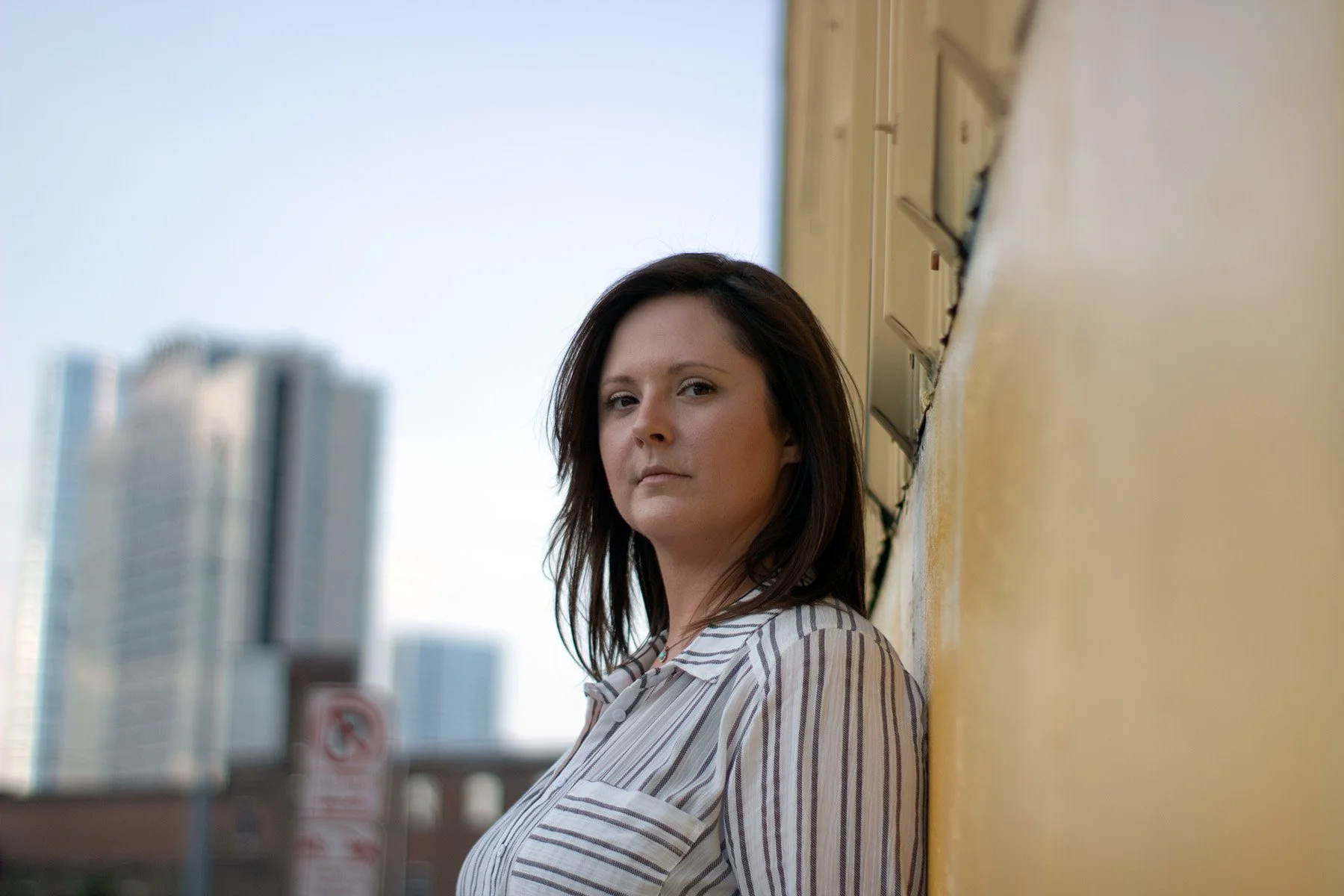










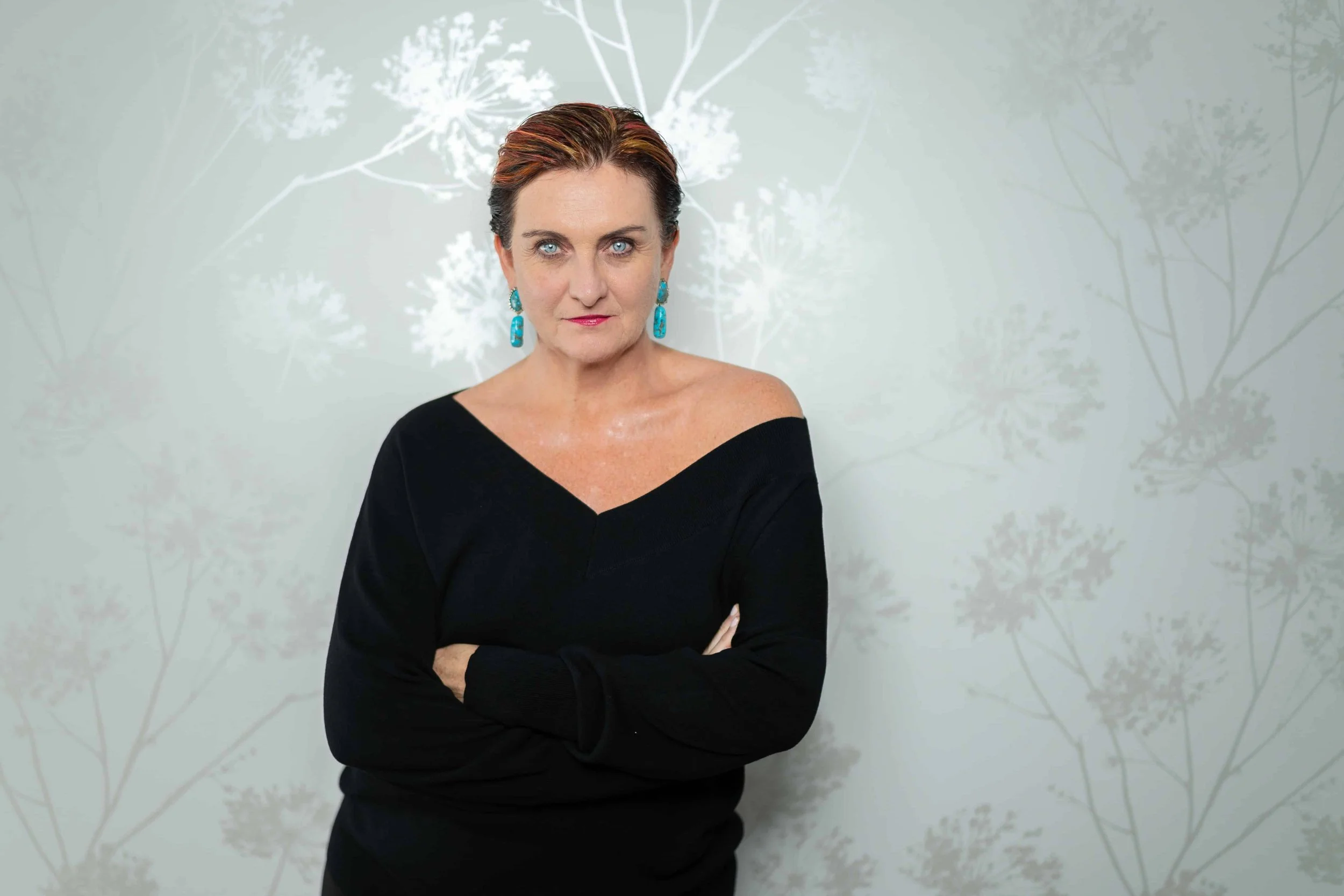
Hi, I’m the founder of Human Amplified. I’m Brandi Fleck, a recognized communications and interviewing expert, a writer, an artist, and a private practice, certified trauma-informed life coach and Reiki healer. No matter how you interact with me, I help you tell and change your story so you can feel more like yourself. So welcome!
Find More on the Blog
Topic
- ADHD
- AI
- Atlanta
- Black and BIPOC
- DIY
- FAQ
- LGBTQIA plus
- Los Angeles
- Nashville
- Seattle
- St Louis
- St. Louis
- UFOS/UAPs/ETs
- abuse
- accountability
- addiction and recovery
- adoption
- affirmations
- afterlife
- altered state
- angels
- animals
- anxiety management
- art
- astrology
- atlanta
- attachment
- awakening
- beauty
- behind the scenes
- being human
- body image
- body work
- boundaries
- brandi fleck
- breathwork
- bullying
- burn out
- burnout
- cancer
- career
- caretaking
- chakras
- channeled
- clarity-dive
- clarity-practice
- clarity-primer
- clean products
- coach
- codependency
Recent Blog Posts
Visit the Full Podcast Audio Archive

Affiliate


What if remembering you’re a starseed isn’t about escaping your humanity, but embracing it more deeply? As you explore where your soul may have come from, there are a few important truths that can keep you grounded, embodied, connected, and fully present for the human life you’re here to experience.