
Escaping the Control of Spiritual Abuse
Interview By Brandi Fleck

Sarah Gates shares how years of spiritual abuse shaped her identity, why religious trauma is so difficult to recognize, and how reclaiming her intuition helped her heal.
Spiritual abuse often doesn't look like abuse at first. It can sound like guidance, accountability, or faith while quietly replacing your own judgment with fear, shame, and control.
Sarah Gates spent decades in conservative evangelical churches where manipulation was framed as spiritual authority. She shares how religious trauma affected her sense of self, why leaving wasn't as simple as walking away, and the steps that helped her rebuild trust in herself, separate faith from control, and find lasting peace.
Whether you're questioning a religious community, recovering from spiritual abuse, or supporting someone who is, this conversation offers validation and hope.
Listen to Sarah Gates’ Interview
Watch Sarah Gates’ Interview
How to Define Spiritual Abuse
Sarah Gates: Being human is all about your free will and being able to make your own decisions and have the consequences of those decisions, but having that autonomy inside of yourself to use your intuition and your own internal guidance to put yourself out into the world in a way that is consistent with your own values and your integrity.
There's a lot of other things to being human, obviously, but I felt like that is something that I really wanted to focus on when I talked about being human.
Brandi Fleck: Welcome to the Human Amplified podcast, where we believe transforming ourselves can positively transform society. Your host, Brandi Fleck, has the honor of exploring the human condition with real people who bravely share their personal stories of adversity, healing, joy, and more. If you're seeking empowerment, strength, and inspiration, listen in to engage and explore tough topics that help us humanize one another, understand ourselves better, spread love, and connect.
We recorded today's episode during the pandemic, but before the civil rights revolution we are now in. If you missed it, be sure to go back to last week's episode, Systemic Racism: Making Sense of Civil Unrest as an Ally and Taking Action. We look forward to bringing you more resources in the future to further our fight against systemic racism.
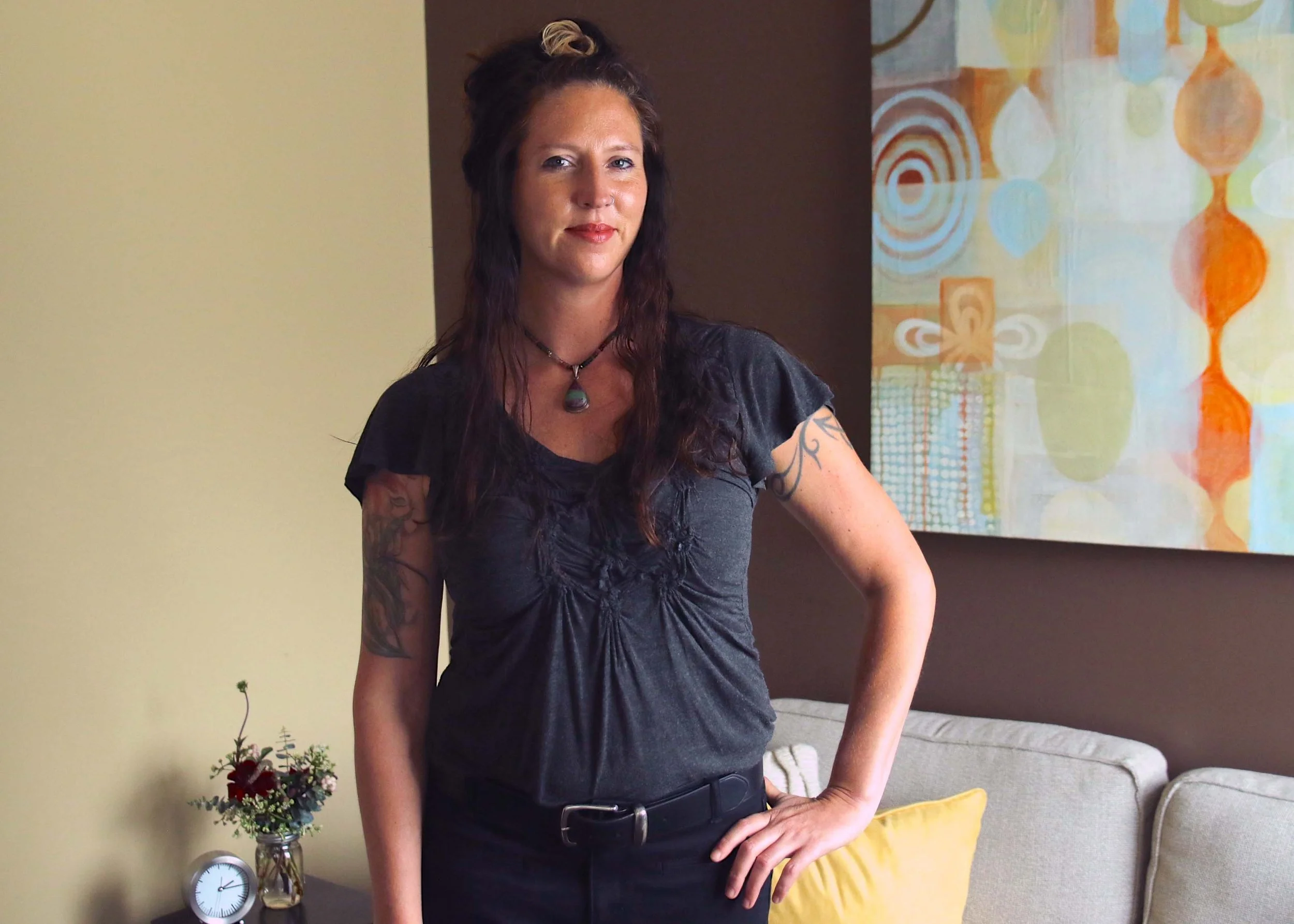
Today we talk to Sarah Gates of Nashville, Tennessee, who is a technical writer for a living, but more importantly is a lifelong learner, free spirit, investigator, observer, adventurer, and survivor of spiritual abuse.
I loved talking to Sarah. While listening, picture her energetically waving her hands as she talks. She's such a fun, insightful personality with lessons to share. Typically, Sarah prides herself on being the comic relief for a group, but we do get really serious.
We discuss the importance of personal values, integrity, and expressing your authentic self. Then we go on to not only explore what spiritual abuse is in all forms, but Sarah really opens up about her own experience of spiritual abuse, ranging from the foundation being laid as a child to how it manifested through adolescence and into adulthood.
Sarah talks about the feelings that arose, what trauma bonding means within a community, and what it was like letting go and getting out, even including estrangement. You'll learn how to recognize spiritual abuse as a form of control and manipulation, the difference between spirituality and religion, and if you're going through something similar to what Sarah describes, she tells you how to get out of the toxic situation.
Our sincere hope is that through Sarah's story, you'll find the strength to escape spiritual abuse too, if that's something you're going through.
Now let's hear from Sarah.
Brandi Fleck: Hi, Sarah. Welcome to the show. How are you doing today?
Sarah Gates: I am good. How are you?
Brandi Fleck: I'm very good. I guess, considering the circumstances of the world, we're doing okay here. Things are wild and crazy, but we're still trying to keep some consistency and stability in our lives.
Sarah Gates: Exactly. Exactly.
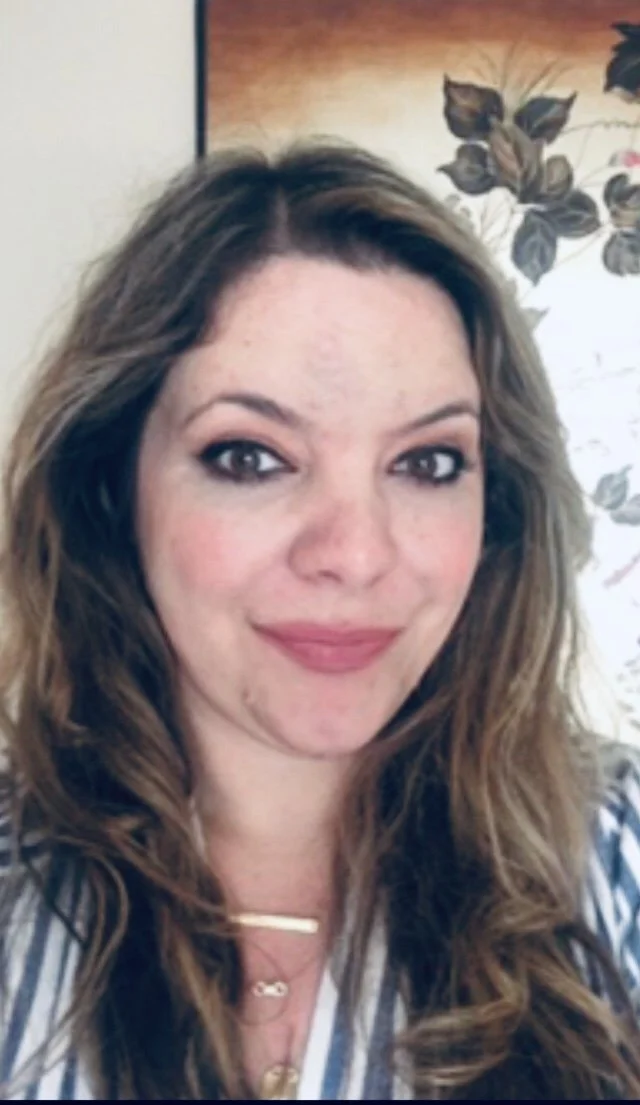
Brandi Fleck: Well, thank you so much for coming on. I really appreciate you agreeing to talk about what we're going to talk about today.
Before we jump in, go ahead and please introduce yourself to our listeners. Tell us what you do professionally, but also, who are you as a person?
Sarah Gates: Yes. I am a writer. Right now, I'm a technical writer. Aside from what I do, who I am, I would just say that I am a lifelong learner and kind of a free spirit and an adventurer. I'm here for all types of adventures, intellectual and physical. That's kind of the theme of my life.
I'm an investigator and an observer, and that's kind of what has brought me to having some knowledge about what we're going to talk about on the show today.
Brandi Fleck: Okay. Well, what is the most important thing in life to you?
Sarah Gates: The first answer, of course, is love. But I think more so than just loving other people, loving yourself and learning to live from your own values and your integrity, and express yourself in the world in a way that feels authentic to who you are, is something that I think is probably one of the most important things in life.
Brandi Fleck: All right. Well, Sarah, we are here today to largely get to know you and also talk about the topic of spiritual abuse. So can you tell us, what is spiritual abuse, and how can someone recognize it?
When Faith Becomes Fear and Control
Sarah Gates: I did some research on this outside of my own experience with spiritual abuse just to make sure I was complete when speaking about this.
Spiritual abuse is a really large range of things. On the very far spectrum of it, spiritual abuse can be domestic violence or sexual assault, or those types of abuse literally under the name of God, condoned by a certain religious belief.
The middle spectrum of it is being manipulated and controlled by a group of people, whether it be just your family or a full religious community, who are using, in this case I'm going to talk about it through the lens of Christianity, biblical texts and also taking authority over a person's life by speaking as the voice of God and backing up what they say using a document such as the Bible.
It's this level of control and manipulation that is very insidious because it comes from this profound desire to have meaning in life and believe that there's order and purpose and that God exists. But a person or a group of people kind of inserts themselves as a third party between the believer and God and starts to try to speak for Him into your life.
Most of the time, these things are very control-based and come from a place of a desire to control through fear.
Brandi Fleck: Gotcha.
Sarah Gates: Long explanation there.
One of the things that I thought about regarding how you can recognize it is I don't, on any level, believe that someone should ever have to stand between you and your relationship with, we could call it God, we can call it the universal source of love, truth, we can call it the life force of the universe. There's a lot of different semantical ways that you can look at it.
However, no one really has the right to speak for God to you, and no one has the right to step in between your relationship to Source and abdicate your authority or your personal autonomy in any way. That's what spiritual abuse definitely seeks to do as a form of control.
Brandi Fleck: Gotcha. So we've talked about spiritual abuse. What is the difference between spirituality and religion? Because we've sort of brought up both of those topics in this definition. Is there a difference?
Sarah Gates: There is definitely a difference in definition. This has also become kind of a movement amongst millennials to be spiritual but not religious.
I think when we talk about religion, we're largely looking at including a community of like-minded believers and usually some texts that have been approved by the community. What happens with religion is that being in that community a lot of times devolves into struggles of ego, money, and power very quickly. It's kind of all hidden under this pretext of, "We're doing it in the name of the Lord," or "We're doing it for Jesus."
That's kind of why people have more ill feelings towards the term religion.
Really, anything can be your religion. Your religion could be sports. Really, anything you're passionate and excited about and have all these beliefs about and you're obsessed with probably could be considered your religion.
Spirituality is more, in my opinion, realizing that our experience that we can gather from our five physical senses is not the only reality that exists. There is this whole other unseen reality that is our spirit, our spiritual life. Being connected to that on some level, being aware of it, being connected to a source of divine love is more spirituality than religion because it kind of takes out that middleman, which is needing someone to tell you how to be connected to Source and how to feel and what to do.
That would kind of be my definition there.
Brandi Fleck: Gotcha. So you sort of alluded to this earlier, that you have personal experience with spiritual abuse. Can you tell us what is your personal experience with religion growing up, giving us some concrete examples of things that happened in the name of religion or spirituality?
Growing Up in a Fear-Based Religious Environment
Sarah Gates: I grew up in a really very conservative evangelical Christian family. At one point, my dad was a pastor, so I'm technically a pastor's kid, a PK. That should just send up red flags everywhere.
I went through a lot of different inversions of this very conservative evangelical lifestyle all the way up until I was 30. There were a lot of different churches that I went to and experiences that I had, but always kind of in the same theme because once you've kind of been seeded into that spiritually abusive lifestyle of being controlled and then looking for someone to control you because that's what's familiar to you, then you'll always be able to find a group to take that over.
Brandi Fleck: Gotcha.
Sarah Gates: Just starting with my childhood, we went to this really small church that I could walk to from my house. My dad was a co-pastor with this other man. Maybe five to ten families. It's kind of hard to remember now, but we were at church all the time, two or three days a week.
We had a very conservative lifestyle where I couldn't do things like watch cartoons, or just certain ones because they had magic or some type of thematic element that my parents found to be conflicting with Christian values.
I read the Bible a lot as a child, and I listened to Bible stories on tape 24/7.
In the church itself, a lot of confusing things were happening during that time. It's about the mid-'90s. There was this kind of weird movement. I don't know how widespread it was, but I was just talking to another friend about it, and her dad was the same as well at this time, where there was this strong belief, not so much that Jesus was returning for Christians, which is in Revelation at the end of the Bible, if you're not familiar with that, that there's going to be an end of the world and Jesus is going to take all of the Christians back to heaven with Him.
But before that happens, there is the rise of the Antichrist. The church I was in got very obsessed with that and would talk about it all the time in some really terrifying language.
There was a lot of talk of people being martyred because of the Antichrist, that Christians would be killed in the streets and hunted down, and we would all have to make a choice for Christ. It would either be choosing to believe in Jesus or be killed, and so we would all be martyred.
At that time, my dad drove to Montana for two weeks alone and scoped out a place in the wilderness for us to live to hide from the Antichrist.
That was a lot of the terror of my early childhood, among the other abuse dynamics happening within my own family.
You can probably tell just from that story that there was a fair amount of personality disorder and possibly mental illness for that to be such an obsession.
Okay, but that language within itself is pretty terrifying for children, and I had no idea really how to deal with it at the time.
What it also created was this sense that it was the church, or our little church, against the world. There was this idea that there was specialness, that we knew something that other people didn't know, and safety in community because the world was bad and we were being kept safe inside of the community.
It was terrifying, and then it was also what you would probably call trauma bonding me to this group of people who had this special knowledge and could keep me safe from the terrifying outside world.
Brandi Fleck: All right.
Sarah Gates: So that was my first major experience with spiritual abuse.
It's definitely not appropriate for young children to ever be hearing this kind of terrifying language about the apocalypse for no reason. I know that children go through horrifying things in war zones and conflicts in other countries, but we were definitely in America and everything was peaceful. All of these things were really speculative and conspiratorial.
What it built was this sense inside of me that being a Christian and being in a community kept you safe, and that people within your community had knowledge about the world that other people didn't have. It was very important to listen to and rely on these people because they knew things that others didn't.
So that was the groundwork then.
The Hidden Effects of Religious Trauma
Sarah Gates: I went on to Christian high school, Christian middle school, Christian college, and I kept attending church after that.
During that time, I had a lot of other experiences that were abusive. A lot of that was around, I was still in these evangelical-type churches, and another core component of that type of religious experience is this idea or concept of revival. I think you see that a lot in the backwoods of Tennessee as well.
In high school, I started attending Friday night revival services. The high school that I went to was attached to a church, and every Friday night, a revival, quote unquote, had broken out. They had a special minister that would come in and preach for hours on Friday night, and I would go.
A lot of that was about how everyone, especially everyone attending, was wrong or bad or sinful and unrepentant or had a hard heart or was doing something that was really offending God, whatever that might be. It could be anything from listening to secular music all the way to adultery. The range wasn't always specified, but it was this constant rhetoric of, "You are doing the wrong thing, and God is mad at you."
As a young adult, I didn't really know how to process what was happening with that language as well. I was already kind of an insecure and anxious person from other chaotic family dynamics, so I became a little bit obsessed with this idea that something was deeply wrong with me and I needed to figure out what it was.
I spent a lot of time examining myself and my actions, being very introspective. My friends did this as well. I think this is about my freshman year in high school, and everyone really attended.
I definitely got saved again at least once or twice under great duress because I felt that I had really offended God. Of course, the ultimate result of offending God is that you're going to die and go to hell and burn forever. But before that happens, your whole life is going to be a destructive mess, and all your decisions are going to be wrong, and you're never going to be happy or blessed.
That is literally, if you kind of boil down what is preached at these revival services in general, what's being said. Not that God is loving or compassionate or kind or that He's helping you or that He cares about you. He's always mad.
Brandi Fleck: Gotcha. This is a certain type of evangelical revival service, or are you making this blanket statement about all religion?
Sarah Gates: I would only speak about this in terms of, I think, evangelical would be the best descriptor.
Brandi Fleck: Okay.
Sarah Gates: There is a lot of this language spoken about in liturgical-based churches as well, which are kind of the more conservative churches. I went to churches that were kind of, I wouldn't say Pentecostal because that's actually a different, even more conservative identifier.

These types of churches are very emotion-based. They're very into contemporary music and God. They were speaking in tongues, and God can heal the sick.
To get back to the original point, though, I would just say it's evangelical. But I do think that this is a common thread that a lot of manipulative Christian churches use to scare people into staying, and that's that you are doing something to offend God, and if you don't figure it out, you're going to burn in hell forever.
Just as a side note, if you are still a Christian, which I don't really label myself as anything in particular anymore, but biblically there are so many different levels to it. At the very baseline, the Bible doesn't say that, right?
That is the first level of manipulation. They kind of cherry-pick and choose what they think is the scripture that's needed at that moment to create a sense of control and fear.
On the next level, the Bible is a historical document that's been translated out of two different languages. A lot of people, if you are going to be a Christian and a scholar of the Bible, there would be a much more correct way to study the Bible. That would not be just reading it very literally. You would need the full context, the context of the language it was translated from, and also the culture it's coming from to fully understand what it's saying at any given moment.
That's just a side note.
Brandi Fleck: Gotcha. Yeah. Yeah, that makes sense.
Sarah Gates: I would go to these revival services and just really focus on what a horrible person I was, and everybody else was doing the same thing.
Basically, in my mind, it just created this sense that I didn't know how to make the right decisions for myself. I wasn't a good person, and I was going to mess up my whole life, and I was always going to be unhappy.
It really preys on people that are already in dysfunctional situations or being abused because it resonates with them and then just kind of feeds off of what's already happening to you.
I went into my young adult life very, very anxious about making choices.
Then that led me to, we can kind of fast forward here, to my late twenties, where I would speak to people about my anxieties about what I was doing with my life within the Christian community. I would be told things such as, "Well, that's happening to you because God's mad at you, and it's because you're prideful and you need to come under the authority of someone within the church, a pastor, someone who is more knowledgeable than you, and make your decisions with them. You need to be bouncing everything you do off of a leader."
I think back on that now, and that is just absolute insanity, but those were the types of things that I was told.
Basically, I had this anxiety disorder from being around all of these people who I felt judged by and constantly feeling wrong with myself. Then I would talk to them about it, and I would be told that it's because there was something wrong with me and I needed to get in touch with a church leader to tell me how to live my life and what decisions to make.
When I say decisions, we're talking about things related to career or where to live.
Brandi Fleck: Oh, wow.
Sarah Gates: Really basic things.
A lot of that stemmed from, this is the type of thing my family would say to me, but I also didn't have any family support. My parents, when I graduated from high school at 18, being the loving Christians that they were, bought me a set of suitcases and said, "Here you go. You're on your own now. You can move out anytime."
Brandi Fleck: Wow. Okay.
Sarah Gates: I just went to college, which is great because that's what my friends were doing, and thank goodness for that.
But I had a lot of anxiety. I was completely on my own. Then I would bounce things off people, and somehow God was always mad at me for whatever I was doing. It was very, very weird. It's just that whole desire for control.
I had a lot of experiences as a young adult with pastors, more than one, behaving in an inappropriate manner toward me and trying to establish inappropriate relationships. These are normal churches that you can look up in the phone book that have over a thousand members.
There was a lot of fear-based rhetoric, a lot of control, and a lot of sabotage, I guess you would call it, or just a desire to make sure that I never succeeded at anything that I was trying to do.
Brandi Fleck: Gotcha.
Sarah Gates: What it comes down to is when you're in a dysfunctional religious community like that, the person that asks the most questions, or maybe sees the truth or talks about the truth or brings up the problems in the community, is definitely going to be attacked.
I also went through some assassination of my character because I would ask questions that weren't allowed to be asked. Basically just questioning, "Is this behavior appropriate? Should a leader be doing this? How does this work with the Bible? If you're saying this is like this, that doesn't add up."
Anytime that you question a dysfunctional system like that, it's not appreciated.
On top of that, I was definitely vilified as a bad person. I had friends in my twenties that were told not to speak to me because I was dangerous.
Brandi Fleck: Wow.
Sarah Gates: It wasn't expressed what type of dangerous I was, but I was considered a dangerous person, which I wear proudly now as a badge of honor.
But at the time, because I was such a conscientious person and tried to be responsible and tried to be a loving and good Christian, it deeply, deeply wounded me to have my character called into question like that.
Brandi Fleck: Yeah. And to have your name dragged through the mud.
Sarah Gates: Yeah.
So that's what going to church was like for me. At every single stage, there was always something weird happening and something deeply inappropriate happening.
Brandi Fleck: Gotcha. So I've heard you say a few things like the foundation was laid for this because you were already in sort of a dysfunctional dynamic with your family. I've sort of picked up on themes of suppression in lots of different ways.
Sarah Gates: Yes.
Brandi Fleck: Like suppressing you from asking questions that may uncover or defeat their control in some way, or suppression of your own expression and wanting to partake in certain things in our culture that maybe were considered not Christian.
Sarah Gates: Yes. Okay. Yep.
This is a... Well, it's not a funny story, but it is a funny story.
In my high school, we had this thematic day called "Under the Ban," which was referring to something in Leviticus where Israel removed all of these objects from their camp that were under the ban. They were idols to false gods.
We had to all bring in, people brought in cigarettes or secular music CDs, or I think you could buy printed porn magazines back then. They brought in those things, and it was a big pile.
I can't even remember because we had such specific rules. I honestly can't even remember what ridiculous things were also considered under the ban. I have no idea.
We put them all in a big pile at the front of our praise gathering, and the principal took them all. He was going to have a bonfire, but then he wasn't able to get a permit to burn in the parking lot, so we don't ever know where any of that stuff went.
Brandi Fleck: Oh.
Sarah Gates: He took it, but I guess he had a good time at home because he had a lot of stuff.
Brandi Fleck: Oh, wow. Okay.
Sarah Gates: Definitely not participating in secular culture was very important.
Walking Away From Spiritual Abuse
Brandi Fleck: Okay. I want to sort of dive into how you've evolved out of this and what your present day is like.
Before we do that, real quick, you mentioned trauma bonding. Can you just tell our listeners a little more about that and what that is?
Sarah Gates: Trauma bonding is, I don't know if this is going to be the correct psychological definition, but kind of the way that I use it is what they create in a religious community where there is this level of control and degradation or guilt and shame.
When you're going through an experience like that, you will feel bonded to the people around you because you're all going through the experience together, and you're all going through the same kind of abuse.
It creates this common thread, but it also creates a thread to the abuser where there's this inexplicable thing where you're being abused by them, but somehow you develop empathy for the abuser.
You're kind of all in this weird energetic frequency together, being abused and negotiating the shared experiences together. Even though you can't trust each other because there's no one in that culture that you can trust, you still feel connected to each other by shared experience and kind of what I would call a shared energetic frequency.
Brandi Fleck: Gotcha. Okay. Well, thank you for sharing all of that. It's really interesting to hear.
Now let's dive into how you have evolved out of that into the present day.
Sarah Gates: I went through some counseling in my late twenties for the abuse that I experienced growing up. That wasn't just spiritual abuse. I had some other abuse dynamics going on in my family that I had blocked out for a long time.
Around my mid-twenties, that kind of came to the surface. What happens is your brain basically becomes fully formed at 25, so a lot of that stuff that you've been blocking out from childhood, you just can't hide it anymore.
I went through counseling for that and a lot of trauma therapy. Once I did that, I realized that I just didn't believe or need to be involved with a church any longer, and I didn't need to go through any further betrayals with my family. They weren't safe people.
That kind of left me on my own.
During that time, I made a really concerted effort to not join any other spiritual communities to fall back on because when you're still kind of in that injured, wounded state, you're going to find more abusers who want to take advantage of that on an energetic level.
Brandi Fleck: Gotcha.
Learning to Trust Yourself Again
Sarah Gates: I just spent a lot of time processing traumas and thinking about things and observing and coming to conclusions. Using rational thought is really what got me out of being so controlled and obsessed with the church and being such a victim.
Yeah, so it took a lot of different steps.
To be quite honest, there were a lot of different stages of letting go because the constant fear of dying and going to hell would come up, or that I would be so profoundly wrong and something horrible would happen to me.
One of the great things is the farther that I stepped out of my experience with the church and with my family, the more peaceful I felt. I had less anxiety despite being less supported or having fewer social contacts. I had a lot more peace and a lot less anxiety.
That was the kind of positive reinforcement that helped me know I was making the right decision to leave this lifestyle and this was not the right thing for me. These people aren't speaking for God. They're speaking from their own personality-disordered behaviors.
Brandi Fleck: Gotcha.
Sarah Gates: The proof was just experiential.
Then I just kept taking steps.
A lot of what I had learned through church had created. I wouldn't label myself as actually having OCD, but listening to these really terrifying sermons had kind of given me intrusive thoughts, so that when I went to do something that would be completely normal for someone else, I would maybe have an intrusive thought like, "You're going to hell for that."
That really can be treated just like you would any other anxiety where you can just desensitize yourself to it.
Basically, the farther I drove on the sin wagon, the less those thoughts came. I just kind of wore the thought out, and now I laugh about it. It's funny to me now.
Every once in a while, I'll be doing something completely normal that's not moral or immoral, it's just a neutral behavior, and that thought will pop into my mind. I'll just observe it for what it is and kind of laugh.
But in the early stages, I just had to kind of think through it and decide that, step one, if I'm going to anthropomorphize God, I'm going to see Him as a person that I've never known before in my experience. Someone who knows everything, who's very intelligent, who's very loving, who's very wise, not someone who is like a family member or someone I met in church.
And then maybe the next step is, I don't have to anthropomorphize God. I don't even have to assign God a gender. I can just see God as this beautiful source of perfect love and everything good that is supporting me and protecting me.
I think I lasted as long as I did in the church and through this abuse because I had had some really real experiences with connecting to something outside of myself that I sensed was good and pure and full of love. I knew that if I stayed connected to that, it would give me the strength to get through all the abuse dynamics I was going through as a child and a young adult.
Once I was able to separate that connection from the church, it's basically just easy breezy from there. You just realize that however you describe God, He is supporting you and giving you strength and protecting you. There's this amazing plan to the universe, and we can't understand what it is, but it's all coming together in this profound way. All of our experiences are shaping us into whatever it is that our soul has decided to become on Earth.
Once I got into that kind of vein of thinking, then it was very easy to walk away.
I don't have family to fall back on, but I don't feel afraid at all. I feel supported. I feel that those people would have never been there for me if I needed them anyway, and trying to hang on to something unhealthy like that was really what the problem was all along.
The issue of what was wrong with me all along was I was trying to mold myself and fit myself into something that wasn't authentic to me, that wasn't healthy, and that didn't resonate with my spirit or with who I truly was.
It was a long process, and I probably would never say I'm 100% recovered because abuse really lingers.
Brandi Fleck: Yeah.
Sarah Gates: But it did kind of go fast as soon as I stopped attending church and stopped listening to the fear rhetoric and embraced a new way of thinking about God.
Brandi Fleck: Gotcha. Yeah, that makes a lot of sense.
Setting Boundaries After Spiritual Abuse
So you were able to get away from the abuse, as you just said. How would you recommend someone who's in the thick of it start getting away from it?
Sarah Gates: I think that everybody has to make this decision for themselves individually, but generally any family member or community member who is willing to say things and do things that are manipulative and controlling and would likely hurt you, would hurt your self-esteem, would bring you down, would bring you guilt and shame, that's not a person that you need to spend any time with.
It can be hard to make that decision, but it's usually just best to cut off contact. It may just be for a period of time or it may be forever, but you really have to get away from people's words and energy that are kind of sucking you into that dynamic of control.
Really cutting that off cold turkey is, to me, the easiest way to do it because no matter how much you talk yourself up or meditate or try to say your affirmations or do something to support yourself, it can be very hard, especially if your entire life you've been involved in something like an abusive religious community or a very judgmental, shame-inducing, guilt-inducing type of community or family.
Because that trauma is on a very deep energetic level, kind of at your core child, it will be difficult to be in a room with people who are abusive toward you, to set boundaries, and not be affected by their words and their energy.
That is why I would always say you need to step out of that and you need to cut off contact, at least for a period of time. You might love it so much it may last forever, but give yourself time to heal and to build up your own internal strength and intuition and trust in yourself and your own connection to Source.
That's what healing looks like. It's building up your strength and your own connection to Source, building up your ability to stand in your own authority and your own power and your own autonomy and your own self-love, which is really the hardest part.
People are always worried self-love is going to become too self-centered, but most people don't accept themselves. Being in a religious community like that really causes a duality inside of yourself where there are some parts of yourself that are lovable and some parts of yourself that are completely unacceptable. Only certain parts of yourself are allowed to exist, and these other parts have to be shoved back, so you can never be whole.
But once you fully integrate all of who you are into your personality, into your daily life, instead of suppressing, like you said, and creating duality within yourself, then you can really stand in your own power and you don't feel this need to have affirmation from a religious leader or to have someone tell you who God is or to fall into this control dynamic to feel safe.
What it Takes to Rebuild Healthy Relationships
Brandi Fleck: So you brought up estrangement, so let's dive into that a little bit. What are the healthy things about it? You've sort of mentioned that earlier, but let's go back over what are the healthy things about it, and are there any unhealthy things about it? Because I know that these relationships that people often find themselves estranged from are what society deems to be some of the most important relationships in our lives.
It can be a really hard thing to do when it's your family, your parents, your siblings.
Sarah Gates: Yeah. Definitely there's a lot of considerations here.
For me, I am pretty introverted, and I don't need the same level of constant family contact that maybe other people value. I kind of understand that.
But as far as estrangement goes, spiritual abuse or otherwise, most people have family members that they're estranged from, and they probably just don't admit it to other people. It's really normal.
I don't know why it's normal. I don't know why it's so hard for families to get along at times.
I think that not constantly having someone feed guilt, shame, negativity, and criticism to you, or even if it's not verbal... I've talked about energy a lot in this.
Abusive people are kind of, this is such a catchphrase, trendy term, but energetic vampires. They don't have their own source of internal self-resolve. They can't energize themselves. They can't renew their own life force energy, which sounds really dramatic, but it's so common.
They have to kind of suck it out of you, and they get that from your fear or your anger at them putting you in your place.
When you stop having people steal your energy in that way, then you can rebuild your life and you can regain your power. That is really healthy.
I could definitely have more interest in relationships than I do. Going through this experience has made me very distrustful of people, and there is value to relationships, but there's also value to your relationship with yourself.
It's a balance. It's a balance of cutting off negativity, being able to identify it first, and then being able to set a firm boundary. Then being able to, which has been the harder part for me, create a social support system that is fundamentally healthy. Not perfect, but fundamentally supportive.
I have a couple of close friends, and I know that they support me and they want to see me succeed and they want to see me happy.
I think that main principle is true for whether you've been spiritually abused or not. You cut off negative people, but then you kind of have to rebuild for yourself in a different way, new relationships, even if they're not biological or blood-related family-of-origin relationships.
How She Healed Through Intuition and Spirituality
Brandi Fleck: Yeah. So what is your personal experience with spirituality now? Are you spiritual, and what does that mean to you?
Sarah Gates: I think I'm forever spiritual. I don't think I could ever go through all of this, all of the crazy things that happened, and really get to a point where I was like, "I just don't believe in anything."
We don't know what happens to us after we die. I have no idea. I don't have defined beliefs anymore, but my spiritual connection is just being in nature. I still pray, but not like I used to, not for hours. I ask for guidance, and I follow my intuition as that guidance.
I have this firm belief in, it's hard to say this and not sound offensive, but trust me when I say I've been through more than my fair share of tragedy and sadness and grief.
I am such a firm believer in all of our experiences coming together to create inside of us what our soul came here to do, what our spirit came here to do.
Just living my daily life and the experiences that I have, I feel like I'm being guided on my own path of learning and that I am connected to God in whatever way that is.
If God exists in this Christian form, the way they talk about Him, that He is fully loving and fully wise and all-knowing, He's seen everything that I've been through, and He gets it.
It's not this conscious practice anymore. It's just kind of how I live my life, off of my intuition and my internal guidance.
Probably the most spiritual type thing that I do is... Recently I've done a lot of different types of therapy over the years. Not for extended periods of time, but I've done art therapy. I did Christian counseling, imagine that. I did some regular counseling.
Now I am doing energy healing, which has been amazingly helpful.
This whole idea has been helpful more so than anything, that trauma and feelings and emotions and words are stored in our body as energy, and we can kind of choose to remove what's in our energetic field and allow more positivity and love and peace to be in our energetic field instead of those stored traumas.
That, to me, is a very spiritual practice.
Brandi Fleck: Yeah. We actually just had a guest on the show the other day who is an energy healer, so this is really interesting that you brought this up.
Sarah Gates: Yeah. I'm a big proponent of that.
Brandi Fleck: What are you doing for energy healing? What's it like, and what does it entail?
Sarah Gates: I've only seen one practitioner. She kind of works in the Buddhist form of thought. She trained in Tibet in this certain type of energy healing.
It's about an hour-long session, but you go into a meditative state through deep breathing, and she kind of talks you into it.
Some of it is like Reiki in the sense that, for her, the practitioner can kind of sense where stored trauma is in your energetic field and maybe move that out.
A lot of what has been most effective for me is, instead of going back through every single traumatic memory in my life, if I'm having an area where I'm really struggling, we might go back and look at the first time a struggle like this happened where I formed a belief about something. That has now created an energetic pattern in my life because of that thought and belief that is continuing into today.
We look at that and then release the judgment from it, and then that's able to release the pattern in your energetic field.
I haven't studied this. I'm saying this in really layman's terms, the way that I understand it, the way that I'm experiencing it.
But that has been profoundly effective.
For instance, probably one of the biggest breakthroughs I've had in my entire life is working on coming out of this victim energy of being tied energetically to narcissistic abuse, recognizing it, why it feels comfortable to me, why it feels like home, why I believe I have to keep going through it, and just removing it from my heart space and from my energy and freeing myself from that pattern.
It's been amazing. It's been beyond phenomenal for me.
Brandi Fleck: Awesome.
Sarah Gates: That is basically the most spiritual practice that I do.
Brandi Fleck: Okay. So what does it mean to be a good person?
Sarah Gates: It's so interesting. I don't really think about that so much anymore.
I always found that people outside of the church were much more kind and compassionate and loving than people inside of the church.
Now I guess being a good person would simply be caring about how your actions affect others and being mindful of it.
I guess there's no huge code of ethics that I live by now, but I try to think about how my actions would make another person feel and if that's the kind of experience I want to put out into the world.
I'm not perfect at that by any means, but I definitely try to be kind. I try to understand where people are coming from, even if it's hard for me sometimes.
That, to me, is being a good person. It's probably just as simple as that.
Brandi Fleck: Yeah. Loving your neighbor as yourself, if we all want to get triggered and hear trigger phrases.
You crack me up.
What is some parting wisdom that you can leave our listeners with?
Sarah Gates: I think that whatever situation you're in, if you are being abused by someone or an organization, if you are constantly plagued with feelings of guilt and fear and shame, and it's coming from the words of an outside source, maybe you question yourself, maybe you wonder why you can't fit in with these people that you feel you're supposed to fit in with.
If that's the case, I would just like to say to you, it's okay to let go. It's okay to set a healthy boundary. It's okay to trust yourself. It's okay to walk away. It's the right thing to do.
Your intuition, your inner guidance, is telling you the right thing that's for you. Walking away will bring everything positive that you've been hoping for.
Staying in situations where you're being beaten down or subjected to a lot of fear rhetoric is going to continue this cycle of negative feelings, of depression, of fearfulness.
It's always the right decision to follow what you know is right in your heart.
Whoever God is to you, and whatever words you use to describe Him or her or it, that is the loving force in the universe that is supporting you, that is supporting you making these decisions that are best for yourself.
That's putting your whole life together into this beautiful, sometimes disastrous, puzzle of pieces that are fitting together to create this design of what your soul was created to be, what you came to Earth to do.
If you're questioning things that are happening to you in relationships, definitely listen to your internal guidance. You don't even have to bounce it off a therapist because sometimes even that is not trustworthy.
You can trust yourself. There is nothing inherently wrong with that, and you can trust your own guidance.
Brandi Fleck: Awesome. Sarah, thank you so much for coming on the show today. This has been a really interesting and informative conversation, and I think you're really brave for sharing, so thank you so much.
Sarah Gates: Well, thank you for having me. It's an honor.
I hope if even one person who is stuck in any weird, abusive, or semi-abusive situation in a religious community or just in their family knows that they're loved and supported and they can make a different decision, that would make me so happy.
Join the conversation!
Feel free to share your own experience and let me know if you have any questions in the comments.
Related Posts














Hi, I’m the founder of Human Amplified. I’m Brandi Fleck, a recognized communications and interviewing expert, a writer, an artist, and a private practice, certified trauma-informed life coach and Reiki healer. No matter how you interact with me, I help you tell and change your story so you can feel more like yourself. So welcome!
Find More on the Blog
Topic
- ADHD
- AI
- Atlanta
- Black and BIPOC
- DIY
- FAQ
- LGBTQIA plus
- Los Angeles
- Nashville
- Seattle
- St Louis
- St. Louis
- UFOS/UAPs/ETs
- abuse
- accountability
- addiction and recovery
- adoption
- affirmations
- afterlife
- altered state
- angels
- animals
- anxiety management
- art
- astrology
- atlanta
- attachment
- awakening
- beauty
- behind the scenes
- being human
- body image
- body work
- boundaries
- brandi fleck
- breathwork
- bullying
- burn out
- burnout
- cancer
- career
- caretaking
- chakras
- channeled
- clarity-dive
- clarity-practice
- clarity-primer
- clean products
- coach
- codependency
Recent Blog Posts
Visit the Full Podcast Audio Archive

Affiliate


What if remembering you’re a starseed isn’t about escaping your humanity, but embracing it more deeply? As you explore where your soul may have come from, there are a few important truths that can keep you grounded, embodied, connected, and fully present for the human life you’re here to experience.