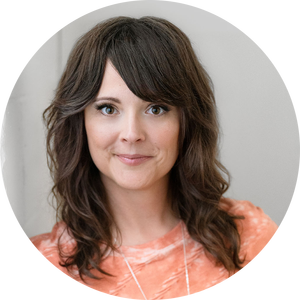
Open Adoption Through a Birth Mother's Eyes
Interview By Brandi Fleck
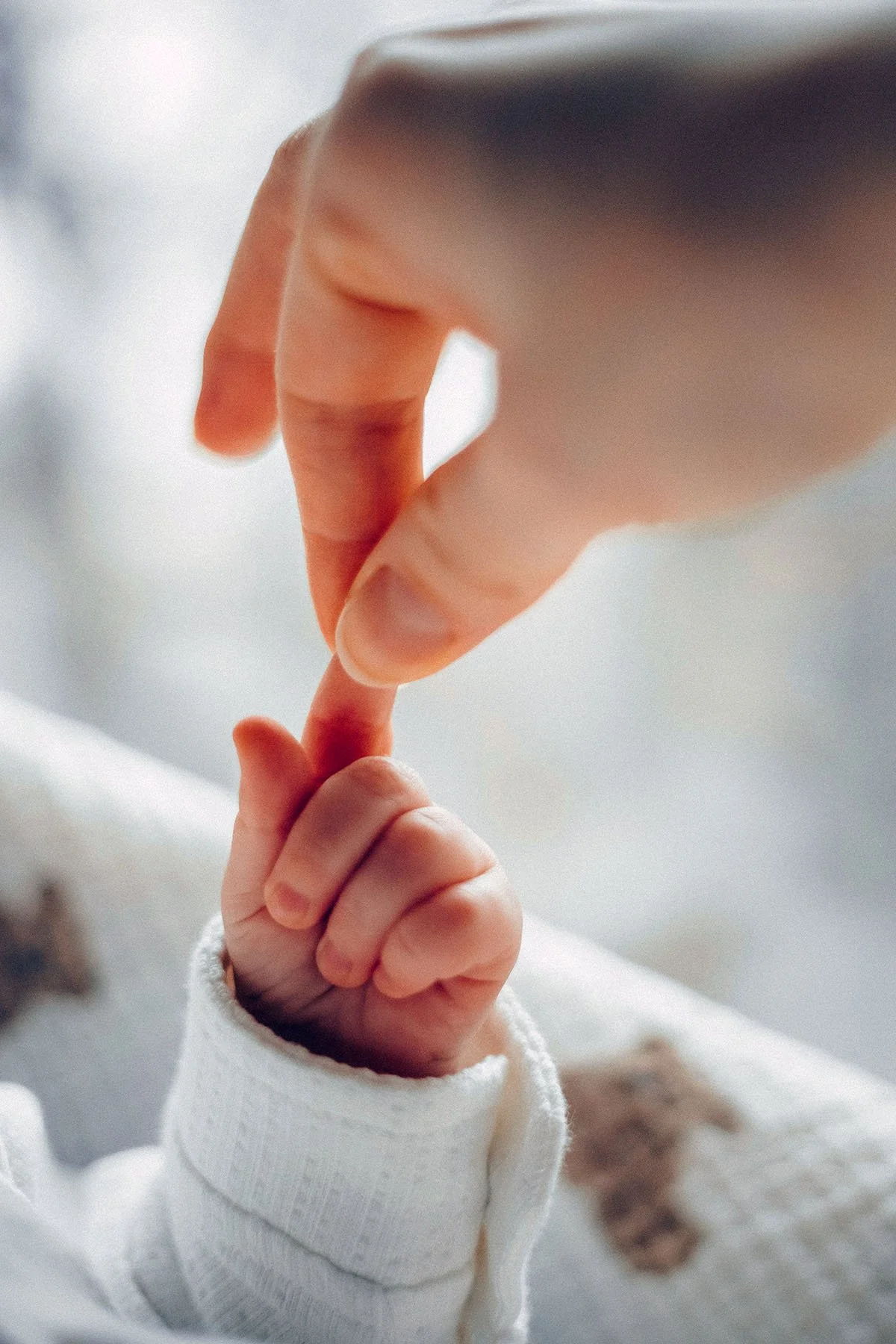
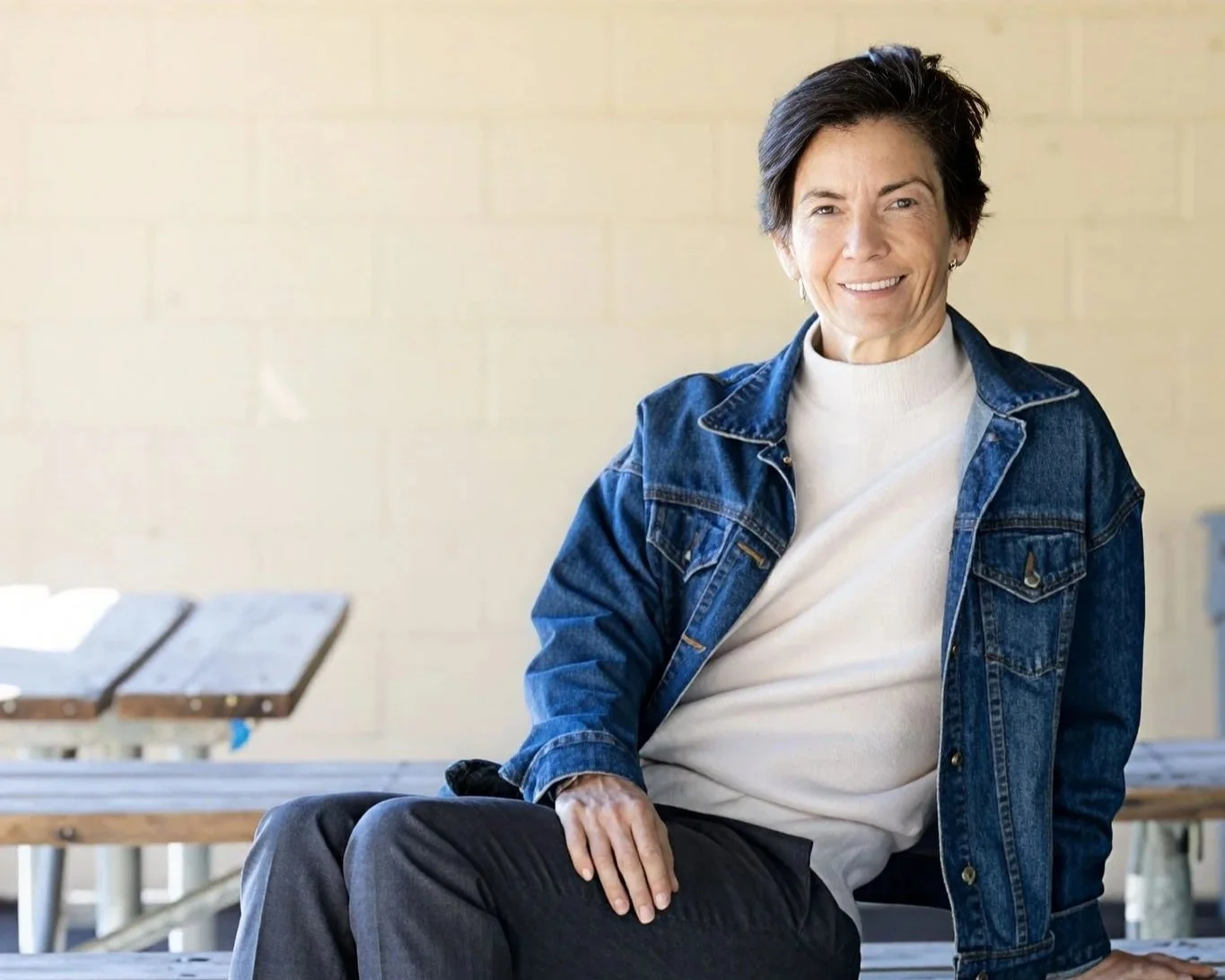
Leah Outten shares her experience with open adoption, explaining how trust, ongoing relationships, grief, and healing have shaped her journey as a birth mother over the past 14 years.
Some decisions shape the rest of your life. When Leah Outten became pregnant at 16, she made the difficult decision to place her daughter for adoption.
What followed wasn't the end of her story, but the beginning of a relationship that continues more than 14 years later.
Leah reflects on open adoption through the eyes of a birth mother, sharing how trust, honesty, and ethical adoption helped two families grow together while making space for grief, healing, and lifelong connection.
Listen to Leah Outten’s Interview
Watch Leah Outten’s Interview
Creating an Open Adoption Plan
Brandi Fleck: This week's guest, Leah Outten, really opens up about her adoption journey as a birth mom. She describes for us her journey of becoming pregnant at 16, how she made the decision to place her birth daughter for adoption, how she selected the family, and how it felt peaceful knowing she'd made the right choice, even though excruciating grief followed and needed to be worked through.
The aspect of this adoption you'll want to hear about is that it's a uniquely open adoption. Leah still visits with her birth daughter to this day and describes their relationship as more of an aunt-niece dynamic. Leah's birth daughter knows Leah's other children, has relationships with them, and Leah has a close relationship with her birth daughter's parents and brother as well.
Today, Leah is happily married with five children. At the time we recorded this episode, her children were ages 12, 8, 6, 4, and 2. Her birth daughter was 14.
At the time we recorded the episode, Leah was a stay-at-home working mom doing freelance writing for motherhood-related blogs about natural birth and parenting, adoption education, and birth mom information. She also has social media clients, does WordPress editing for clients, and provides open adoption consulting. She's extremely passionate about supporting families who agree to open adoption through upholding their end of the bargain and not closing the adoption because of fear, which sometimes happens.
Since then, Leah has landed her dream writing job at Proverbs 31 Ministries, so congratulations, Leah. I'm really so excited for you.
And now let's dive into Leah's incredible journey.
Brandi Fleck: Hi, Leah. Welcome to the show. How are you doing today?
Leah Outten: Thank you. I'm doing wonderful. It's nice to have the kids in bed and have a chat with you.
Brandi Fleck: Yes, I am looking so forward to it. I know that you have a wonderful story to share, but I would love to start off with letting guests know all you do for a living.
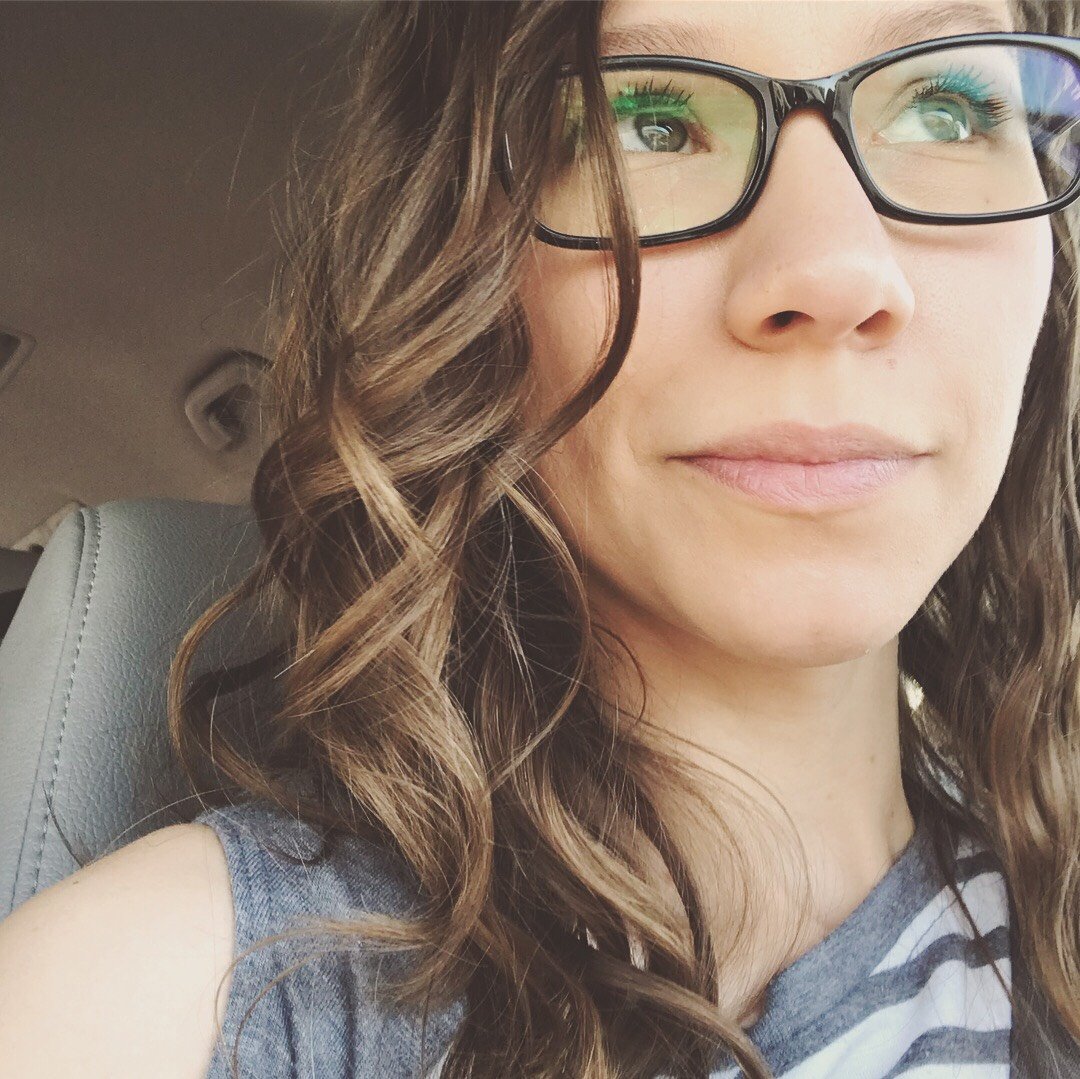
Leah Outten: I feel like I do a lot. I'll start with that. I have five kids that I parent, so I'm at home with some of them during the day. Then I'm a freelance writer for several mom blog-type things. I do social media for clients. I do editing and WordPress behind-the-scenes stuff for other clients. I kind of have my hands in little pockets everywhere, which is really fun because I can do different things that I'm passionate about.
I also do some adoption consulting to help hopeful adoptive parents understand what open adoption is, learn about birth moms, and how they can learn from my story and what works really well for us so they can put that into their future relationships and make it work better.
So yeah, lots of good things.
Brandi Fleck: Yeah, that's all really awesome. The writing you do, what kind of writing do you do, and what's it about?
Leah Outten: It depends on who I'm writing for. I've been doing a lot of motherhood-type things and pregnancies and birth, as I'm really passionate about natural birth. But now I'm kind of out of that phase, so I'm moving more into adoption education and writing about birth moms. I've been writing more about that lately, as that's kind of taken over more of my mindset.
Brandi Fleck: That makes a lot of sense. We're definitely going to dive into the fact that you are a birth mom and your story there. But before we go too deep in that area, let me ask you, what do you think the most important thing in life is?
Leah Outten: I think having love kind of covers everything. Love with your family, love with friends, love for your work, love for your passions. I think that kind of covers everything. That's the root of what everything that's important to me boils down to. It's love.
Brandi Fleck: Gotcha. Yeah, love is really important. It's a big one. So I imagine you sort of thread that through everything you do, but how would you say you approach life?
Leah Outten: I approach life trying to learn from everything. I'm a big researcher and have a big passion for trying to look back at where I've come from and ask, "How can I take that and make myself better because of it?"
So I guess approaching it as positively as I can because I want to constantly be improving and moving forward.
Brandi Fleck: Gotcha. So you said you have five kids. What does a day in your life look like?
Leah Outten: I get up at 5:00 so that I can kind of prepare myself and have some quiet before I have people demanding things and all that kind of stuff.
I get the kids up and ready for school. I have three in school. Their ages are 12, 8, and 6.
So I get them off to school, and then I have my 4-year-old and my 2-year-old at home with me. I spend some time playing with them, and thankfully they play pretty well together sometimes. I try to get in some writing or social media stuff while they're playing.
Then when it's nap or quiet time, it's definitely work time for me. The afternoons are just chaotic and crazy. We get homework done, dinner, bed, all that family stuff.
Brandi Fleck: Sure.
Leah Outten: So it goes by really quickly, and it feels very chaotic, but it's a lot of fun.
Brandi Fleck: Good, good. So now I would definitely love to dive into the fact that you're a birth mom. What happened there? Can you tell us your story from the beginning of how you became a birth mom?
Leah Outten: Yes. I mean, like I said, I like digging deep into how and why I ended up where I am and what I can learn from it.
If you want to go really far back, I was abused when I was three or four. I feel like that really was the catalyst for how my life kind of got to where it was as a teenager and ended up pregnant because that power was taken away from me.
Once I got to the age where boys were noticing me, that became a way to take that power back. So I would have boyfriends constantly, and I thought the attention was amazing. I also didn't have my dad. He didn't live with me, so again, it was kind of attention-seeking from the male perspective.
That's how I feel like I got to where I was and ended up pregnant at 16 years old.
I had been dating this guy for about eight or nine months, off and on. When I found out that I was pregnant one night with one of my best friends around midnight, we kind of tried to see if we could make it work for a little bit, but we just weren't the same. We just weren't meant to be together.
He was ready to go on and do his own thing, and I kind of knew I would be parenting alone if I chose to parent. He was encouraging adoption.
At that point, I was like, "No, I'll just do it myself." I had always wanted to be a mom. I had that nurturing instinct deep within me from childhood, so I was like, "Well, I'm just going to do this."
But it also really sent me into a depression. I didn't feel like I was really living the life of who I really was inside.
This rock bottom really took me deep down, and I had to rediscover what I really valued, who I wanted to be, how I wanted to move forward, and how this would now affect the child I was carrying.
I was going through counseling.
Leah Outten: Going through it as well really helped because I had someone unbiased to talk things through with and weigh the pros and cons of whether I should parent or place her.
I had my parents' support. They were very gracious and very supportive, which was huge. I've heard a lot of stories where people didn't have that, so I really am grateful for my parents on both sides. They just loved me unconditionally, and they were willing to help me with whatever path I decided to go on.
So I really felt like my decision was completely my decision and that finances weren't necessarily in the way, or my age, even though that's what it kind of boiled down to eventually. I felt it wasn't fair to this baby girl to have such a young mom and be raised by a single mom, which is how I grew up, and not having enough money.
I didn't have my education, so she would be in daycare constantly while I worked and finished school. It just felt like that's how I grew up, and I didn't want that for her.
So there was just one day when I was seven months pregnant. I was taking a hike with my mom, and the reality just hit me of how difficult our life would be.
I know a lot of people might say it's a permanent solution to a temporary problem.
Brandi Fleck: Sure.
Leah Outten: Being 16 and not having a job, my own house, or any of that kind of stuff may have been temporary, but I really felt like it would have set us up for a life of struggle, and I just didn't want that for her.
Within a week, I found the first profile I saw. I just really connected with them, and I really felt like they were her parents. They had little details that reminded me of my own family and who I wanted to be when I was in my 30s. This is what I would want my family to look like. I wanted her to have a stable mom and dad, and I wanted her to have a brother. We even had the same kind of dog, so that was a little connection that just felt comforting. It was a small thing we had in common.
Brandi Fleck: Awesome.
Leah Outten: We met a week after that, and again, everything just really clicked. I loved their heart, not just for this baby they were hoping to welcome into their home, but for me as well.
We've always said this is a package deal. It's not just about this baby girl. Her brother, who was adopted, became part of my family too. We'll love him from the birth mom side. Even though he's not ours, he's still part of our family, and we adore him just as much as we do her.
They have always had the same heart that I did for openness, for how we envisioned our relationship with visits and communication.
Brandi Fleck: I was going to say it sort of sounds like it was meant to be.
Leah Outten: Yes. I very much feel like it was. It just felt supernaturally divine. All these little things just fell into place so easily once I had made that decision.
It became a beautiful thing, and the weight was lifted that I had felt for so long while trying to decide what was right and what was wrong for me. There was this constant tug-of-war while I was pregnant, but as soon as I made this decision and had this family in my life, that weight was gone.
There was just so much peace that I was on the right path.
Then they were at the hospital when she was born two months later. The moment she was born, I was overjoyed that I had brought her into the world. She was beautiful and all that, but I looked at her and just knew she was meant to be theirs. That is her purpose right now, and I was just a tool in that, I guess. It was really deep.
Now she's 14 and a half years old, and it's been a beautiful journey. We're still close.
Now it's changing as she gets older because it's more of a relationship between her and me, not just me and her parents. She's started to come stay the night with us in the summers for about a week. We've gone on trips together. We text and FaceTime sometimes, and we just miss each other.
My kids love to message her too because they miss her. She's still very much a sibling to them. She's still part of our family. She just doesn't live with us.
Brandi Fleck: Gotcha. A couple of things that you touched on that I want to ask about a little more.
You mentioned a profile and that you found the family within the first week. I wanted to follow up, just for our listeners who may not know, can you tell us what a profile is and how you went through it? It's sort of a three-part question.
I'm also curious how many of those you went through before you found your family. Then I want to point out that this is an open adoption, which some people might not be familiar with, so maybe we can go into the details of that a little later.
Leah Outten: Yeah. A profile is basically a book of pictures and writing that tells you about a hopeful adoptive couple or parent. It gives an expectant mom a clue about their careers, their interests, whether they have kids already, and kind of shares their heart.
It shares their heart for adoption and gives you an idea of who they are through both words and pictures so you can decide whether they might be a family worth talking to.
Nowadays it's a lot fancier, I feel like. There are a lot of websites that have kind of taken over that process. I work with Erin Root, who's a graphic designer. She makes these beautiful photo book-style profiles that are really well designed and beautiful to look at.
I mean, we're a very visual society, so having a beautiful book to look at is a bonus, I guess. But I always say your heart is what matters. You don't want to be fake in creating this.
Brandi Fleck: Gotcha.
Leah Outten: Because that is going to be a turnoff anyway.
When I was looking at profiles many, many years ago, the profile I chose was literally a flip book of printed-off photos from Walmart in a little book.
Brandi Fleck: Okay.
Leah Outten: Then there was just some paper they had printed off at home. That's all it was for me.
Again, it wasn't the fanciness that drew me to them. It was their clear, genuine heart and the fact that they met the checklist I had for what I was looking for in a family.
Brandi Fleck: Gotcha.
Leah Outten: There was one other couple that I had kind of pulled aside as maybe contenders. They had a scrapbook because, back then, scrapbooking was a huge thing. That one was pretty and unique and different.
But they lacked something that just wasn't quite right for me, so I never actually met them in person. If I had met this family and it didn't go well, then I would have met them.
Brandi Fleck: Gotcha.
Leah Outten: So I only looked at three because my social worker said, "We don't want to overwhelm you. Let's just start with these three and see what you think. If you don't like any of these, then I'll give you some more."
I didn't need to look anymore. I was seven months pregnant, and it was one of the hardest things. Maybe not the hardest thing, because leaving the hospital was probably the hardest thing, but having that finality of saying, "This is my choice, and I'm deciding to open this book and read it to consider this as a real option," was really difficult.
But reading their words, learning who they are, and seeing the things they valued brought peace. I thought, "Okay, I can do this. I can try this out. I can meet them. I can make this plan, and it could be a really wonderful option."
Brandi Fleck: Gotcha. What were the other questions?
Well, I wanted to sort of talk about what open adoption is and what went into deciding what type of adoption you would have, like open versus closed adoption.
Leah Outten: When I was pregnant and trying to decide what was right for me, I talked to teen moms who had been there, and I talked to birth moms. Back then, it was Yahoo Groups. There weren't Facebook groups, but it was a similar concept with forums where I could ask questions, read, and learn from people's experiences.
In these groups, I learned that open adoption was an option. It's actually where I met one of my best friends because she had this wonderful open adoption. They were so supportive of each other and respectful of each other's different roles. They loved their baby girl so much, and they created ceremonies to really honor that, like when they left the hospital. They shared pictures, had visits, and hearing her story helped me see how that could be an option.
Before that, I only knew adoption as what a lot of people still think it is, where you just hand your baby over and that's it. Chapter closed. You never hear about them anymore.
I was like, "I can't do that. I love this baby, and I can't just let her go."
But once I heard about this option, and at that point it was still kind of new, and honestly still is kind of new and growing, it really opened my eyes to what could be if I found the right couple who wanted the same thing.
Brandi Fleck: Gotcha.
Leah Outten: Open adoption has so many different ranges of openness.
Some are considered semi-open, where they don't have visits, but they might exchange photos and letters with updates maybe once a year. That may just be through an agency or through a Facebook group or something.
Then there are some that maybe meet every few years, or maybe they have phone calls more often. There are so many different ranges.
Mine, I feel like, is extremely open because they have so much trust in me. I've worked to prove that I'm a trustworthy, honest person and that I will take care of our baby girl, who's now a big girl.
Even back then, when she was a baby, they would trust me to babysit her while they went to work for half a day or something. It was a really big honor that they didn't feel jealous or possessive.
I've seen that in some adoptive couples where it's just like, "Well, she's mine now."
They've very much been like, "You're her birth mom. You have such an important role. She needs you in her life to answer her questions. She wants this time with you and time with her siblings. Whatever she wants, we want to help her have. You're one of the pieces to her puzzle, and you're a part of that."
I've been very grateful for that.
Brandi Fleck: That is really cool.
Leah Outten: Yeah, it's been very good. I feel like it's been very good for her because I am here, and she can ask me whatever she needs or whatever she's comfortable asking.

Just getting that time that a lot of adoptees and birth moms didn't used to get, which I feel leads to more trauma and grief when there isn't that connection anymore.
I think it's been a very healthy experience. As healthy as it can be. There absolutely still is grief and loss for myself and for her, but I think having the openness helps us navigate that a whole lot easier.
Brandi Fleck: I'm sure there's still grief and loss to this day, but how have you learned to cope with some of that and maybe lessen the impact of it?
Leah Outten: The biggest thing is my faith. Having the faith that something divine placed this for me and has the bigger picture in store helped me find comfort and trust in that plan and that process.
The other thing was counseling. It was huge. Huge, huge.
I had an amazing counselor and social worker. She was with me through my pregnancy, several years postpartum, and through placement. I'm still in contact with her today.
If I really need to vent about something or just say, "I'm feeling this way. Is this normal?" even though I'm not her client anymore, she's still available, which is amazing.
Counseling is huge because you have that unbiased person to share your feelings with and gain different perspectives. She gave me a lot of tools to help encourage releasing that grief and working through it instead of just bottling it up.
Brandi Fleck: Gotcha.
Leah Outten: So that it wouldn't explode later.
I feel like dealing with grief as it comes, in the waves that it comes, means it's never really had a chance to explode and crash on me.
She explained it like shaking a soda bottle with the lid on. If you're just releasing a little bit of the pressure at a time, it's not going to explode on you. But if you shake, shake, shake, and then suddenly open it, it just bursts everywhere.
That image has stayed in my mind for 14 years, that I have to let it out as it comes.
That's what I try to do. The third thing is my writing. Once I became pregnant, and especially after it wasn't legally binding, but we did it for us. Our word is our bond, kind of thing.
Benefits of Open Adoption for Birth Parents and Children
We wrote down the minimum. We said we would have a minimum of two visits for her birthday and Christmas, and we would always keep each other updated on our phone numbers and addresses if we moved or changed numbers so we wouldn't just disappear.
Things like that were the bare minimum. However, we completely blew that out of the water within even the first year.
She came home from the hospital, and a week later I was really, really missing her. I was just like, "I need to see her. I need to see how she's doing. I need to see where she's living."
They said, "Okay, come on down. Come visit us."
So my dad and I drove down when she was a week old. I got to see her in her environment, how they were interacting with her, feeding her bottles, and then I got to feed her a bottle.
It was really nice to see how well she was being taken care of and that she had a nice home. It also helped fill my little void for a little while.
I would come visit at least once a month for the first two years of her life. That was a big healing tool for me because there is a hole in my heart that misses her because her daily presence is not with me.
Those visits kind of tied me over until the next time.
Even now, 14 years later, we see each other anywhere from two to four times a year, just depending on our schedules and what we have planned.
Even just getting a text from her is kind of that same soothing balm on that hole in my heart. That contact is just like, "Oh, it's so good to hear from you. I really missed you."
I feel like it's the same for her. There are times where she just reaches out to me because she needed to talk to me.
Openness has been a really wonderful tool for healing for both of us and for the trauma that inevitably happens from the separation.
What an Open Adoption Relationship Looks Like Years Later
Brandi Fleck: Right. So how would you describe your relationship with her today?
Leah Outten: To be honest, it's wonderful, but it's also awkward.
Brandi Fleck: Okay.
Leah Outten: She has these two families who love her very much. Obviously, she's with her family all the time, so they have inside jokes, daily routines, and shared experiences.
I like to describe it more like an aunt relationship.
Brandi Fleck: Okay.
Leah Outten: I love her so much. I love watching her grow. I love hearing her updates, seeing pictures, celebrating her accomplishments, and having her visit.
But there's kind of this awkward distance. That is her parents. That is her home, and that's where she belongs. I'm kind of, in some ways, the fun person that she might come to for advice.
But at the end of the day, she's theirs. I think that's a little awkward sometimes for both of us because we know there's this mother-daughter bond down in there, but it's hard because we don't interact daily.
It can be awkward trying to figure out what to talk about, what she doesn't know about me that I should share, or if she's visiting, what's her favorite food? What should I cook this time? I don't always know those kinds of things.
So it can be awkward sometimes.
Brandi Fleck: Gotcha.
Leah Outten: But it's been interesting to figure all that out as she gets older, how to navigate that, and how to grow our relationship deeper.
I feel like each year it gets better and better because when she was a child, it was a lot of me and her mom talking. The foundation of our relationship and trusting each other as parents and friends was laid during that time.
Now it's trying to figure out how to guide her through life from my role.
It's interesting. It's different.
Brandi Fleck: Gotcha.
Leah Outten: But overall, I would say it's really good. It gets better and better.
Brandi Fleck: Good. You just said you talked to her mom a lot, but today how would you characterize your relationship with her parents? Is there a really strong bond there now?
Leah Outten: I would say so.
We don't talk nearly as much as we used to, mostly because life has gotten busy with my life now, being married and having kids, versus 12 or 14 years ago when she was my life between high school and her.
Now it's more that we have a really good relationship when we're together.
If I need to text them about something, I feel very comfortable doing that, even about deeper things that she might be facing as a teenager.
I don't want to say we're co-parenting because it's not that. I don't have custody of her or anything like that.
But there's this mutual respect where they're raising her, and they'll still come to me and say, "Hey, she's struggling with this. You've been there. Could you maybe share your experience and how that was for you? I know she looks up to you, and she'd want to hear how you dealt with this situation."
That's really honoring. It makes me feel like they trust me and respect the important role that I have.
I would still say we have a deep bond and love for each other as family. They feel like family.
We have traditions and visits just like you would with an aunt or a cousin. They're just family. They're extended family.
Brandi Fleck: Yeah, it's beautiful.
Building Trust Between Birth Parents and Adoptive Parents
Awesome. What are some of the things in the beginning that you think helped build that trust between the two of you, or the two different families, I should say?
Leah Outten: I would say the biggest thing is spending time together.
Even before she was born, during those two months, we had time to get to know each other. I would go visit them, we'd meet at a restaurant, or they would come visit my house.
They filmed their neighborhood and their house, so it really helped me trust them because they were sharing so much with me.
My parents were around to help share stories of my childhood, so we kind of started there as a basis.
Just getting to know each other, and eventually getting to know their extended family.
Some of my fondest memories of her as a baby are when I would come stay the night. I was there for the weekend a lot of the time.
She couldn't talk yet, so it was really about being with her parents. That's when that foundation was laid.
We would sit around their dinner table, hear their stories, talk about how they viewed things, they'd ask me questions, and it was just really good quality time.
Brandi Fleck: Gotcha.
Leah Outten: You can't really get that by just having a formal meeting. It was really embracing each other as important people in each other's lives.
Brandi Fleck: Right. Very cool.
Raising Siblings in an Open Adoption
So how has having an open adoption impacted your kids and your husband?
Leah Outten: I don't think it has really affected my husband.
I did feel, he was my first person. It wasn't legally binding, but we did it for us. It was our word is our bond, kind of thing.
So we wrote down the minimum. We would have a minimum of two visits for her birthday and Christmas, and we would always keep each other updated on our phone numbers and addresses if we moved or changed numbers so we wouldn't just disappear.
Things like that were the bare minimum.
However, we completely blew that out of the water within even the first year.
She came home from the hospital, and a week later I was really, really missing her. I was just like, "I need to see her. I need to see how she's doing. I need to see where she's living."
They said, "Okay, come on down. Come visit us."
So my dad and I drove down when she was a week old. I got to see her in her environment, how they were interacting with her, feeding her bottles, and then I got to feed her a bottle.
It was really nice to see how well she was being taken care of and that she had a nice home. It also helped fill that little void for a little bit.
I would come visit at least once a month for the first two years of her life. That was a big healing tool for me because there is a hole in my heart that misses her because her daily presence is not with me.
Those visits kind of tied me over until the next time.
Even now, 14 years later, we see each other anywhere from two to four times a year, just depending on our schedules and what we have planned.
Even just getting a text from her is kind of that same soothing balm on that hole in my heart. That contact is just like, "Oh, it's so good to hear from you. I really missed you."
I feel like it's the same for her. There are times where she just reaches out to me because she needed to talk to me.
Openness has been a really wonderful tool for healing for both of us and for the trauma that inevitably happens from the separation.
Brandi Fleck: Right. So how would you describe your relationship with her today?
Leah Outten: To be honest, it's wonderful, but it's also awkward.
Brandi Fleck: Okay.
Leah Outten: She has these two families who love her very much. Obviously, she's with her family all the time, so they have inside jokes, daily routines, and shared experiences.
I like to describe it more like an aunt relationship.
Brandi Fleck: Okay.
Leah Outten: I love her so much. I love watching her grow. I love hearing her updates, seeing pictures, celebrating her accomplishments, and having her visit.
But there's kind of this awkward distance. That is her parents. That is her home, and that's where she belongs. I'm kind of, in some ways, the fun person that she might come to for advice.
But at the end of the day, she's theirs.
I think that's a little awkward sometimes for both of us because we know there's this mother-daughter bond down in there, but it's hard because we don't interact daily.
It can be awkward trying to figure out what to talk about, what she doesn't know about me that I should share, or if she's visiting, what's her favorite food? What should I cook this time? I don't always know those kinds of things.
Brandi Fleck: Gotcha.
Leah Outten: But it's been interesting to figure all that out as she gets older, how to navigate that, and how to grow our relationship deeper.
I feel like each year it gets better and better because when she was a child, it was a lot of me and her mom talking. The foundation of our relationship and trusting each other as parents and friends was laid during that time.
Now it's trying to figure out how to guide her through life from my role.
It's interesting. It's different.
Brandi Fleck: Gotcha.
Leah Outten: But overall, I would say it's really good. It gets better and better.
Brandi Fleck: Good. You just said you talked to her mom a lot, but today how would you characterize your relationship with her parents? Is there a really strong bond there now?
Leah Outten: I would say so.
We don't talk nearly as much as we used to, mostly because life has gotten busy now with being married and having kids versus 12 or 14 years ago when she was my life between high school and her.
Now we have a really good relationship when we're together.
If I need to text them about something, I feel very comfortable doing that, even about deeper things that she might be facing as a teenager.
I don't want to say we're co-parenting because it's not that. It's not like I have custody of her or anything like that.
But there's this mutual respect where they're raising her, and they'll still come to me and say, "Hey, she's struggling with this. You've been there. Could you maybe share your experience and how that was for you? I know she looks up to you, and she'd want to hear how you dealt with this situation."
That's really honoring. It makes me feel like they trust me and respect the important role that I have.
I would still say we have a deep bond and love for each other as family. They feel like family.
We have traditions and visits just like you would with an aunt or a cousin. They're just family. They're extended family.
Brandi Fleck: Yeah, it's beautiful.
Awesome. What are some of the things in the beginning that you think helped build that trust between the two of you, or the two different families, I should say?
Leah Outten: I would say the biggest thing is spending time together.
Even before she was born, during those two months, we had time to get to know each other. I would go visit them, we'd meet at a restaurant, or they would come visit my house.
They filmed their neighborhood and their house, so it really helped me trust them because they were sharing so much with me.
My parents were around to help share stories of my childhood, so we kind of started there as a basis.
Just getting to know each other, and eventually getting to know their extended family.
Some of my fondest memories of her as a baby are when I would come stay the night. I was there for the weekend a lot of the time.
She couldn't talk yet, so it was really about being with her parents. That's when that foundation was laid.
We would sit around their dinner table, hear their stories, talk about how they viewed things, they'd ask me questions, and it was just really good quality time.
Brandi Fleck: Gotcha.
Leah Outten: You can't really get that by just having a formal meeting. It was really embracing each other as important people in each other's lives.
Brandi Fleck: Right. Very cool.
So how has having an open adoption impacted your kids and your husband?
Leah Outten: I don't think it has really affected my husband.
He was the first person I dated after about two years because after placing my daughter, I just wasn't interested in guys. I wanted to focus on getting through school and really prove to myself that I was responsible.
But I remember on our first date, I said, "I have to tell you. I have this baby, and I placed her in an adoption, and I still have a relationship with her."
He was like, "That's okay. It's all good."
His parents were the same way, which really shocked me because a lot of people would be like, "What?"
Brandi Fleck: So acceptance.
Leah Outten: Yes, it was a lot of acceptance, which was very good because I think birth moms are very stigmatized. People think, "How could you do that?" They assume we don't love our kids at all or that we're drug addicts or whatever. There are so many extreme stereotypes out there that, most of the time, just aren't true.
So it was very good to feel accepted.
It's the same thing with him now. During our visits, he jokes around and plays with her just like he does with our kids. He's completely embraced that we have this extra person who just doesn't live here all the time.
Brandi Fleck: Gotcha.
Leah Outten: So that's been good.
For my kids overall, adoption is just their normal.
They love spending time with her. In the summers they even end up fighting eventually, and the sibling rivalry gets there.
She has a hard time when she's here because everybody wants a piece of her. It's really hard to give time to everybody and spend time with everyone.
It's difficult because we only see her a few times, so it's hard to share. We all have to share her for a short amount of time.
So I'll make sure to have time for just me and her so she's not focused on the kids all the time because she comes here to visit me too, and vice versa.
There have been some hard moments, though.
Answering Adoption Questions as Children Grow
Probably when my oldest, Savannah, was maybe seven or eight. She's the closest with my birth daughter. They're very much alike, and they're only two years apart.
She was getting to an age where she had a lot of questions. That's just who she is. She's very curious.
She would ask, "Why doesn't she live with us? She could be living with us now because we have a mommy and a daddy. We have a house, and we have us."
I told her, "That's just not how it works. You don't just bring her back when you're done. I chose her family."
There were nights where she would just cry because she missed her sister so much.
That was incredibly hard, feeling like I was the one who caused that pain.
That's something you don't really think about when you're in an unplanned pregnancy situation. You don't think that far down the road. You don't know to think about that or plan for it or how you'll handle that.
That was a unique grief situation that I had to work through with her.
What it boiled down to was telling her, "If I had kept her, I wouldn't have you. I wouldn't have this house. I wouldn't have this family because I wouldn't have met your dad. I wouldn't have gone to that college. This story would have been completely different, and you would not be here."
It was mind-boggling to try to explain all of that, but that's the truth. There are different paths in life, and it would have looked very different.
It is hard now that I'm older, knowing that I could be parenting her right now, but that's not where I was back then.
I did the best that I could at 16 years old in the situation I was in.
That's what helps us in those grieving moments. I was just doing the best I could, and we're going to make the most of what we have now and enjoy what we do have because it's a big gift to still have her in our lives.
Brandi Fleck: Absolutely.
Has your birth daughter ever asked you why you placed her for adoption?
Leah Outten: Yes and no.
One thing that was really important to me and her family was that we would talk about adoption from the very beginning.
Brandi Fleck: Okay.
Leah Outten: It wasn't going to be one big talk or some huge shock. It was talked about from the time she was a baby.
They would read books about adoption. They had my pictures around and would say, "That's your birth mom."
So it never was this big shocking story.
I remember distinctly when she was five years old. I was at her house for her birthday, and we were upstairs playing.
She said, "You were pregnant with me, and you weren't old enough yet to have a baby, so you chose my mommy and daddy."
She was telling me why I made my decision.
Brandi Fleck: Oh, wow.
Leah Outten: I was like, "Wow. Yes, that is true."
It was a very child-simplified version of it, but it was good to see that she was beginning to understand the narrative and starting to unwrap why this is her life.
That was neat. Even now, it seems like it comes up at least once a year, kind of rehashing it.
She'll ask, "Why did you feel this way?" or she needs reassurance that it wasn't something she did, that she wasn't unwanted. Obviously, that wasn't true. I very much wanted her, loved her, and still do.
I think she has to process that slowly each year as each milestone happens in her life, figuring out what her story is, why it happened, and how all the pieces fit together with her birth mom, her birth dad's side, and everything else.
Adoption is very complicated, and I think it always will be, even with openness. I'm just glad I'm here so I can be honest with her and tell her. It seems like she wants to know that it wasn't something I did lightly. It wasn't an easy decision.
I put a lot of effort, prayer, and education into it. I think that reassures her that it wasn't something I did maliciously or out of not loving her or not wanting her.
Adoption Grief and Lifelong Healing
Brandi Fleck: Right. I guess healing has to happen on both sides, even if life is happy and life is good the way it is.
Would you say that healing is a long process?
Leah Outten: Yeah, for sure.
Brandi Fleck: Okay.
Leah Outten: I feel like there are levels to it.
There's the initial grief and shock that you have to work through, but then there are always going to be triggers. There are always going to be moments that hit you out of nowhere that you have to face.
Other days you might be fine. That's how I experience adoption grief, and I think that's what I'm seeing in her life too.
For the most part, everyday life might be okay, but then something might trigger something. I could see that being true for other grief too, like family deaths or other things that happen.
Healing has so many different layers, and you have to keep uncovering and moving through them.
Open Adoption Consulting and Ethical Adoption
Brandi Fleck: I like it. I agree with all of that. Now let's dive a little bit into the blog that you have called The Grace Bond.
Not only do you have that blog where you share your adoption story, but you're also an open adoption consultant.
Can you tell us a little bit about your blog and also how someone can reach you for consulting?
Leah Outten: The Grace Bond kind of became my place for pouring out my feelings, kind of like a journal but in a more sophisticated way, so that I could educate people too about adoption, what it's like to be a birth mom, how we navigate openness, and the fact that I still experience loss and grief through all of that.
As I became a mom as well, I started writing about the things I'm learning in motherhood, pregnancy, birth, and the things that helped me through those experiences.
So it's kind of all over the place, but it's a nutshell of my life.
It's kind of taken a back burner for right now, but it's all there. It's got my story, and we filmed a video of our adoption story, so that's on there if you only have a couple of minutes to read or listen.
The open adoption consulting came from what felt like a very vivid vision I had about a year and a half ago. I really felt called to be a bridge between adoptive parents, adoptees, and birth parents because our open adoption is pretty idealistic.
I mean, it is. It's almost effortless in how our relationship works. There's definitely work involved. It takes effort in how we communicate, how we approach situations, making sure we're respectful of each other, and being honest.
But it's also become easy because we work really well together, just like my husband and I. It takes work, but it's almost effortless because we make a good team.
What I'm trying to do with this consulting is educate adoptive parents, or hopeful adoptive parents who are waiting to be matched with an expectant mom, and help them wrap their brains around, "How can I love this person and not just the baby? How can I make this relationship work in an open adoption for the long term? How can I keep my promises?"
That's one of my biggest pet peeves about adoption and where open adoption is right now.
A lot of times birth moms are promised this amazing open adoption with contact and visits. The adoptive parents make all these promises, but then they'll close the door and say, "Well, this isn't working for us," and they cut off the birth mom.
Having been in so many birth mom groups and gone to retreats with so many women who are aching because they feel so lied to, they were promised these things and promised this relationship. They feel like they were coerced into it or pressured into it, and then they were lied to.
It's not fair. It's not okay to make promises just to get what you want and then shut the door.
Brandi Fleck: Right.
Leah Outten: What I'm trying to do is get to these adoptive parents before placement even happens and say, "Hey, we're not bad people. We love our child. We just want to be here to answer questions. We want to have a relationship with you and become part of your family in a way."
Again, that can look totally different for every family, and I'm not saying one way is right or wrong.
But having some kind of contact is shown to be beneficial to the adoptee at the center of it, which is what adoption is really about.
That's what I'm trying to do. I'm trying to open people's hearts and eyes to birth moms and give them tools for how to make open adoption work well.
Brandi Fleck: Gotcha. That's really cool. What is the website for that?
Leah Outten: The website is OpenAdoptionConsultant.com.
Brandi Fleck: Cool. Everybody, you heard it. The link for The Grace Bond and Open Adoption Consultant will be in the show notes for this episode so you can find them there.
I've got two more questions for you, Leah.
What Every Family Should Know About Adoption
Is there anything I haven't asked you about your experience that's really important that you think someone in a similar situation should know?
Leah Outten: Adoption is so complicated. There are so many different layers to it.
I think the biggest thing I would want people to know is that no matter what side you're on, what they call the adoption triad, the adoptive parents, the birth parents, and the adoptee, there's loss for everyone. There's grief for everyone.
It's all bittersweet.
There's a lot of bitter. There's a lot of hurt. But there's also a lot of sweet.
For me, the sweet makes the bitter worth it.
That's my personality, too. Like I said in the very beginning, I try to take what has happened in my past and ask, "What can I learn from it? What can I focus on to stay in a more positive mindset?"
Brandi Fleck: Gotcha.
Leah Outten: I would also say to do your research and really educate yourself on ethical adoption.
Find an ethical attorney or an ethical agency so birth moms are taken care of emotionally. Counseling is a must. It should be offered and provided free of charge.
Do your homework. It's a lot of emotion. There are a lot of emotional things you're going to go through no matter which side you're on.
Finding support for that is crucial.
Brandi Fleck: A lot of great takeaways there. Something I ask every guest on the show is, what does being human mean to you?
Leah Outten: I think it means being real. Going back to the bittersweet idea, we all have flaws, and we all have awesome things about us.
Being real when we're sharing our stories and in our relationships with each other is what makes us human, not being fake on social media or whatever.
We're not robots. We have feelings, and we have flaws.
I think that's what's both frustrating and beautiful.
Brandi Fleck: Very well put. That wraps up our episode. Thank you so much for sharing your story today.
Leah Outten: Thank you. It was a pleasure to talk with you.
Join the conversation!
Feel free to share your own experience and let me know if you have any questions in the comments.
Related Posts




Hi, I’m the founder of Human Amplified. I’m Brandi Fleck, a recognized communications and interviewing expert, a writer, an artist, and a private practice, certified trauma-informed life coach and Reiki healer. No matter how you interact with me, I help you tell and change your story so you can feel more like yourself. So welcome!
Find More on the Blog
Topic
- ADHD
- AI
- Atlanta
- Black and BIPOC
- DIY
- FAQ
- LGBTQIA plus
- Los Angeles
- Nashville
- Seattle
- St Louis
- St. Louis
- UFOS/UAPs/ETs
- abuse
- accountability
- addiction and recovery
- adoption
- affirmations
- afterlife
- altered state
- angels
- animals
- anxiety management
- art
- astrology
- atlanta
- attachment
- awakening
- beauty
- behind the scenes
- being human
- body image
- body work
- boundaries
- brandi fleck
- breathwork
- bullying
- burn out
- burnout
- cancer
- career
- caretaking
- chakras
- channeled
- clarity-dive
- clarity-practice
- clarity-primer
- clean products
- coach
- codependency
Recent Blog Posts
Visit the Full Podcast Audio Archive

Affiliate