
How Healing From Trauma Can Lead to Purpose and Social Change
Interview By Brandi Fleck
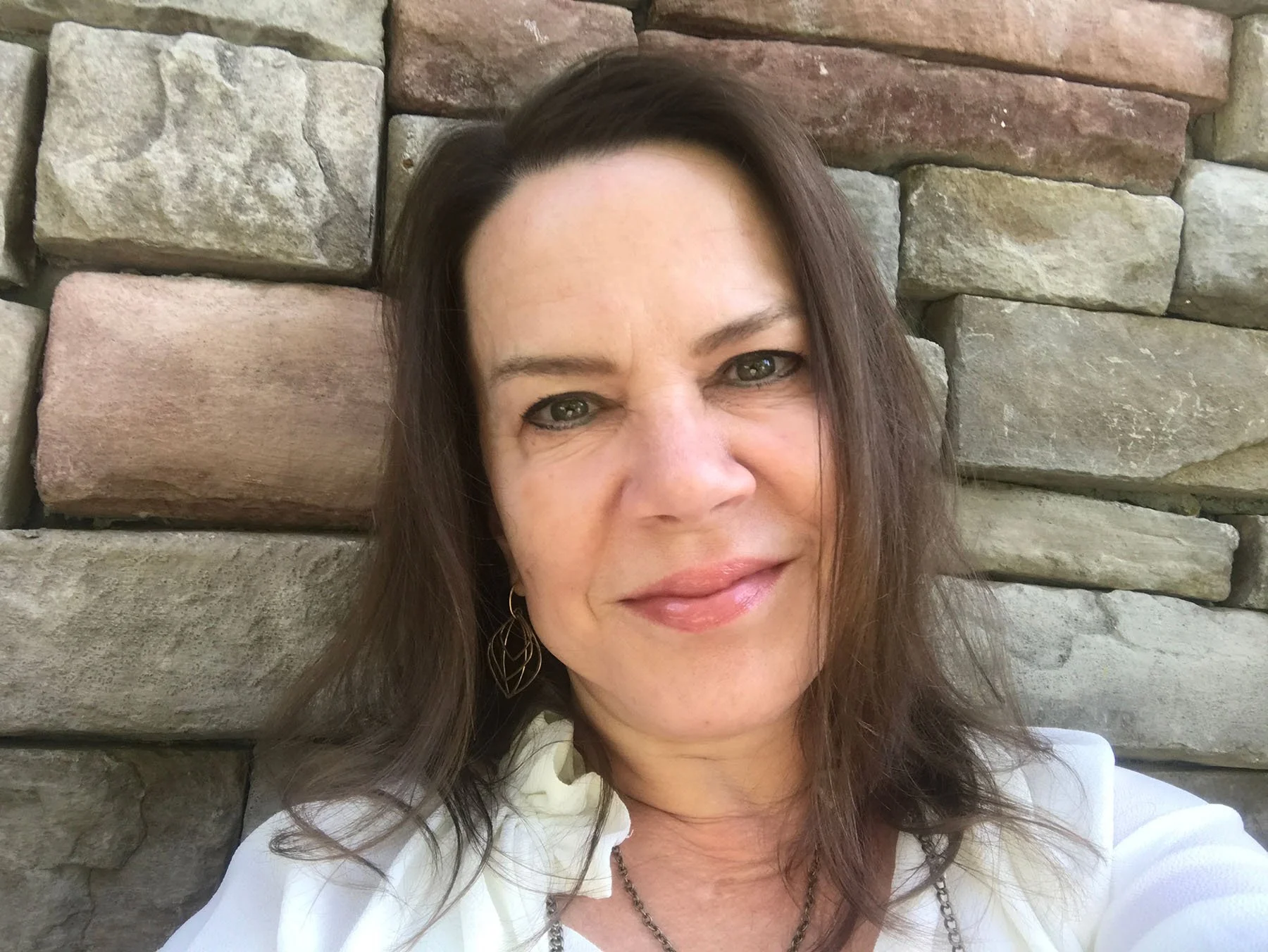
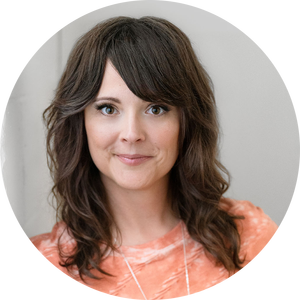
Donna Campbell shares how years of grief and trauma reshaped her relationships, her outlook, and ultimately led her to a life of purpose and advocacy.
Some experiences divide your life into a before and an after. For Donna Campbell, those moments came more than once.
Over the course of a few years, she lost her mother, cared for her father through dementia before losing him to suicide, and later lost her son to alcoholism. Each loss changed her in ways she couldn't immediately understand.
Rather than staying there, she slowly began rebuilding. What emerged wasn't just healing, but a different way of seeing people, relationships, and her place in the world.
Listen to Donna Campbell’s Interview
Watch Donna Campbell’s Interview
Childhood Trauma and Life-Changing Loss
Brandi Fleck: Hi Donna, welcome to the show today. I am so excited to have you here because you are just an awesome example of someone who takes action for the things you believe in. I feel like you are constantly learning and looking for ways to make a difference, so I just can't wait to jump in.
Donna Campbell: Well, thanks so much for having me, Brandi. I really appreciate you asking me to participate.
Brandi Fleck: That's awesome. So let's start with this. This is a big one, but who are you as a person, and what in life has made you who you are today?
Donna Campbell: It is a really big one. I looked at this question beforehand, and there are a couple of them that I thought, "Wow, this is really hard to explain."
Really, I would say that my life drastically changed 10 years ago. It was the start of a series of fairly traumatic events that happened to me that made me start to want to explore myself and how I lived my life, my thoughts, and all of those types of things.
In January 2009, my mother passed away. My parents were still married at the time, and they had been married for like 54 years. It was really tough on my dad. Unbeknownst to the rest of the family, my dad actually had dementia, and my mom had been covering for him for a number of years. When she passed, it became extremely accelerated, I guess.
He went into a form of dementia called delirium where he didn't really even know where he was. He was seeing people walk through walls. We had all that going on, and that was a struggle. It really changed my relationship with him. It was really, really hard to be a caregiver for someone with that disease.
He didn't want to believe that he had anything wrong with him. He did come out of delirium, and he got a little bit better, but ultimately he committed suicide in 2011.
That was really hard, and that's something that, if you've been a caretaker for a person that has that disease, you question all of the things that you did and how you tried to help them manage and how that all worked out.
After that happened, it was still pretty rocky for quite a while. Then I lost my son to alcoholism in 2013. That happened in November.
Wow. I was just sort of paralyzed for a really, I don't know, a long period of time, actually. Depressed and really sad. My favorite friend was from a vineyard, and so I struggled to get through that period.
Even though I'm a fairly positive and optimistic person, there had been so many things that I just wasn't able to really process or get past. I was kind of stuck for a really long time in that spot.
Then, strangely enough, I got the flu.
Healing Through Yoga, Meditation, and Emotional Growth
That sounds like a really weird pivot point, but it really was a very pivotal thing that happened to me. Someone at work had the flu. They had gotten it from somebody else from Australia or something, but anyway, it was pretty serious.
I was sick for about a week, and it was respiratory, so I was hacking, coughing, all this stuff. This was maybe in August 2015.
I had coughed so much that I really thought I had cracked a rib or something. I just had a lot of pain in my back.
Maybe six or eight weeks later, I thought, "Oh my God, I just have to try something." So I decided to try yoga to help me with my back, and that just sort of led to all sorts of other things.
The yoga did help my back, okay, but more importantly, the yoga started to help my head and helped me start to process what I was feeling.
It led to meditation, which definitely made me more introspective. I started trying to learn a little bit more about emotional intelligence, just kind of trying to figure out what all had happened.
I also did some other things. I went to psychics. I did all kinds of things. I went to a therapist. I did all kinds of things trying to find my path back out.
At one point, I wasn't really sure I wanted to find my path back out. I really was so depressed, but thankfully I got past that.
That's one of the things that is really important to understand with depression, for people that are really, really sad, is that things do constantly change, and they don't always get worse. Sometimes they do get better.
Just being able to keep forging through.
That was really the last 10 years, that journey starting with that one tragic moment that really changed everything for me with my mom passing, and then coming all the way through all of that darkness.
Now I'm in a really, really good place. I'm still definitely practicing yoga. I'm practicing meditation. I'm still getting better. I'm still trying to learn how to be a less judgmental, more open, more engaged, active-listening person.
All of that together kind of just brought me to this one particular place.
Living with Grief and Learning Emotional Intelligence
Brandi Fleck: Gotcha. Well, that is a lot, Donna. I had no idea, and I'm really sorry to hear about all that.
I've had, I guess, similar experiences with compounded grief, but I can't imagine. That just seems like a lot of compounded grief that took a long time to probably work through.
I know you said you're still going to yoga and things like that and meditating. Are you still processing and working through some of these things?
Donna Campbell: I think you continue to your whole life, really, because grief is such a complex process.
To have it happen with three people... I didn't have as much to process with my mom. Just sadness, really, that she was gone.
But the situations with my father and with my son, because those health issues that they had, the Alzheimer's and the addiction issues, were relationship-related issues.
How do we relate to people that are like that? How do we make them feel? How do we support them in a way that they can accept the support? Or are we just adding to their burden when we're communicating with them?
When you have those, those two relationships were a lot harder to process because you have regret.
You have to really, within yourself, learn that the "could have been," you just don't need to go there because whatever could have been, you could have made it worse. You don't always know that you could have made it better.
Trying to speculate and forecast for the past what might have happened if you had only done this or that, that's really a hard thing to prevent yourself from doing.
You have to get to the point where you're not doing that any longer. You cannot change what has happened.
Part of being able to process that for me has been, okay, let me think about some of the things that I don't like about how I did interact with them, whether it has to do with the outcome and what happened or not.
Not trying to put a bunch of blame on myself, but what can I do to improve my relationships with people where I don't have to question, "Was that the right thing to say to that person?" or "Was I being too judgmental of that person?" or whatever.
That part of the relationship struggle really did lead to the emotional intelligence part and wanting to study that.
Really, I'm not somebody that innately has emotional intelligence. There are people that do, but it can be learned.
That's also something I'm still practicing. I'm no expert, but I continue to want to be conscious of it and how I interact with people, how I make other people feel, and how I might be perceived by other people.
Brandi Fleck: Gotcha. Well, how do you feel about your life today?
Donna Campbell: I feel really good, Brandi. I feel really healthy.
Yoga is an awesome practice, so physically I'm so much healthier and stronger. It just leads to so many other things. It leads you to be a little more aware about your food and how you're breathing and all of those things.
I'm also, at this point in my life, less worried about what other people think, and that's a really freeing feeling.
I can feel many things and not feel really guilty about them. Just granting yourself permission to be happy or sad or angry and just letting those kinds of feelings come up without judging them.
"Oh, that's bad that I feel angry."
No. Sometimes it's actually good that you feel angry.
Being less judgmental about myself and being more self-accepting, I think that's probably one of the best things about my life today.
Brandi Fleck: Awesome. I'm really glad to hear that.
Can you tell us a little bit about what your life was like growing up?
Donna Campbell: This was my second really hard question.
It was good and it was bad. It was happy and it was tragic. There was stuff that happened.
I am from Middle Tennessee, and my grandparents on my father's side were farmers in Williamson County. I spent my childhood in the tobacco fields, running through fields with grasshoppers and whatever. Really fun.
We also lived in Williamson County until I was about six and then moved into Nashville.
When I moved into Nashville, I was kind of behind education-wise. It was first grade. Everybody could read. I couldn't read.
That was kind of a struggle, but it was fine. All those years were fine.
Teen years got to be a little bit more challenging.
I had an interaction with someone that I knew. It was an attempted rape. I was not raped, but it was super traumatic. It was someone within my family.
After that, I really did not feel like my family protected me from this person adequately.
I really developed this resilient façade, I guess I would want to call it. I just did whatever I wanted to. I didn't even ask. I went and got a job. I had my own money. I just kind of went on my own path, basically, at that point in time, doing whatever I wanted to do because I felt like there was no one that was as concerned about me as I was.
Brandi Fleck: Gotcha.
Donna Campbell: That was kind of interesting.
It is interesting in the fact that I don't feel like my parents were bad people at all. I feel like they were good people. I just feel like they also didn't maybe have a lot of emotional intelligence or really understand how something can actually impact another person.
The fact that the event is over doesn't mean that the residual effects of the event are over.
It's hard to be a parent, and I do know that. That's also been kind of an interesting thing.
When both your parents are gone, you do start to think about how difficult some of the choices were that they had to make when they were raising more than one kid or just getting by, or how that all works out for families.
I don't really have any family left that I associate with anymore, so I've grown up and I've just grown past and grown out of all of that.
My friends are now my family. In my life, probably starting at about 15, that was the case. Friends became more of the family than my actual blood family.
I spent a lot of vacations with my friends' families, and I was always doing things with my friends. I just tried to stay kind of out and about as much as I could.
Brandi Fleck: Gotcha. Well, that's a lot.
Donna Campbell: It is.
I'm just going to tell you, I'm an expert at compartmentalizing, so I feel like that's been probably my best survival strategy.
At some point, you have to break all that stuff open, but when you're going through really traumatic moments, it kind of helps you.
Finding Safety After Trauma
Donna Campbell: It helps me to kind of keep it together. It helped me to keep it just a little bit tied and always be able to think, "I'm going to get through this, and this is not going to beat me."
At some point later, when you feel safe, you let your guard down, and all that stuff comes out. It's definitely huge, but being able to carry on and move forward despite the circumstances is probably one of my best strengths.
Brandi Fleck: Gotcha. Well, I think an interesting point that you mentioned there too is that eventually you do feel safe. At least in my own experience, and now I'm hearing yours, it's possible to feel safe. So I just want anybody listening who might be going through something to think about that.
Donna Campbell: Yeah, exactly. Think very clearly and thoughtfully about what it is going to take to make you feel safe. I feel like that is one of the keys, one of the platforms at least, to being happy, just knowing that you are physically, mentally, and emotionally in a safe place.
Brandi Fleck: Yeah. Well, thank you for sharing all that.
Environmental Sustainability and Climate Action
I would like to pivot just a little bit. You touched on a little bit of your inspiration for making change in your own lifestyle in the last 10 years, but what is the exact inspiration that prompted you to want to help society and the planet?
Donna Campbell: I love an underdog. I guess I've sort of felt like one a lot of my life, so I do really love an underdog. That's part of it.
I'm drawn to the house that needs to be fixed up. I'm just sort of drawn to those things.
The society changes... all of this is so interconnected.
At the company where I work, we started a diversity and inclusion program. It's a global company, and that is really important. We have a diverse employee base in our building, so that was kind of interesting to me.
I started getting involved a little bit because my boss was the chair and started doing things, but then it just started to really gain momentum about how interconnected all of these things are, whether it is how we're relating to each other at work or outside of work with our environment.
How does industry impact diversity and inclusion? Just all of those things. It's just a big wadded-up ball of messes, quite frankly. It is, but it's super interesting.

The diversity and inclusion piece was really still part of my personal journey to learn how to be less biased and less judgmental, more self-aware, more open and loving and caring toward other people, trying to gain an understanding of their cultures.
I love to travel, so I definitely appreciate the beauty of other cultures, but just trying to really understand not just, "Oh, this is beautiful," but what does it mean? How does this impact the society? What's the history around this, and why is this important to this particular person or this group of people?
Then at some point I noticed that there was a whole bunch of trash at the end of my street.
This sounds like a really strange pivot for sure, but I went down and picked up all that trash.
I started really just thinking about the planet in general and how it's all of us, right? That's probably one of our biggest diversity issues, is that we have people from all over the globe. We all need to sustain the Earth so that we can live on it in an equitable and, I don't know, happy way, really.
We can't keep going like we're going.
Diversity and inclusion and the environment are all definitely tied together. We all do breathe the same air, so that's part of it.
Then that leads to questions about how society plays a role in oppression and corporations play a role in the environmental impacts.
That's why I say it's like a big wadded-up ball of stuff, but it's all interconnected. One thing has sort of led to another that led to another that led to another.
I'm just doing what I can as a person to minimize my impact on the environment, whether that's going down to the end of the street and picking up trash or educating people at my work about ways that they can improve the way that they live to also create less impact on the environment.
That's just kind of my thought. Things are always sort of morphing along. They're always changing and pivoting to a new focus, but it's all related.
Brandi Fleck: Sure. I really love how you spelled out for us how diversity and inclusion is connected to the environment and how there's an impact and how it's all connected. I love that. Thank you.
Simple Ways to Live More Sustainably
Now I want to ask you, how did you start to make changes once you realized you needed to in terms of your impact on the environment?
Donna Campbell: For the environment, I think I started just so little.
It's not that we're totally unaware of what's going on. I think that we are, but we're addicted to convenience in our society because we just feel this need to do, do, do and do all these things.
One of the first things that we did was we got a different paper towel dispenser. That sounds funny, but it had a little tension mechanism in it, so it would allow you, with one hand, to just yank off one little small part of a paper towel.
That was awesome. I liked that.
Then I thought, "Well, I could even use less paper towels if we just use cloth napkins. I've got a ton of them. Why not? We just use those for every day."
We started using cloth napkins for every day, and we started wiping our hands using a clean dish towel. Obviously, if you've been cleaning chicken or something, you don't want to do that, but if you have clean hands and you just need to dry your hands, there's just a towel.
We cut down the paper towel use to probably half at least, or less.
I recycle a lot. I've been doing that for a really long time, and I recycle everything. I recycle glass and plastics. I've got two different recycle bins.
That was one thing.
Next, I guess we started a compost. We built a compost outside and started composting the kitchen scraps and reusing what we can use, the coffee grounds or what have you.
Then just recently we added a compost service to our little arsenal of all the things that we're doing called Compost Nashville. They come once a week and pick up a four-gallon container. I can put things in there that I cannot put in my home compost. I can put in meat or seafood or cheese or oily things that you don't want to put in your home compost because it'll get rancid and gross, but they have a way of being able to process that.
Our trash is down to hardly any. There's hardly any trash going out for the trash bin.
They're just little tiny steps I think that people can take.
When we start thinking about what we need to do for the environment, oh my God, there are so many things that we need to do. But just by deciding to do one thing, you create an impact. By deciding to do that thing, and then after you've done that thing, well, just add another thing.
All of a sudden you're really making a serious impact.
I've had one plastic water bottle since January 1st, only because someone was helping me with a project and gave me one, and I felt bad, so I took it. Next time I'm going to refuse. Next time I'm just going to say, "No, thank you." I really am.
I just try not to drink out of those.
Think about that. That's five months with no bottled water. That's significant if you think about all those bottles that could have been used.
Brandi Fleck: Exactly. Yeah.
How Emotional Intelligence Reduces Bias
Also, can we touch on emotional intelligence a little bit and societal oppression? Those are two huge things, but can you just briefly summarize some of the things that you've changed to be more aware and help those areas?
Donna Campbell: Emotionally, being emotionally intelligent, in my mind, and this is just Donna's definition, this is probably not Daniel Goleman's definition, but it's learning to be more objective and also recognizing when you're not being objective.
Let's just say I'm walking down the street and I see someone who appears to be homeless walking on the other side of the street toward me.
Maybe I've had an experience with a homeless person before, and my immediate reaction is to become afraid or to start judging that person. That person must be nasty, or that person must be mentally ill, or that person must be this, or that person must be that, without knowing anything about that person.
Emotional intelligence is recognizing when your brain takes you down that automatic path. Just by becoming aware that you've had that judgment, it calls up a question.
"Oh, why did I think that?"
Being able to stop and pause your brain from going down those automated thought pathways is emotional intelligence.
It's a scientific thing, really. Your brain actually does create those sorts of message paths. It's the quickest way to get somewhere, and it will automatically take you there, but you can interrupt that.
You have to start thinking, "Why does she look like that?" Well, why did you think she looked like something?
Whatever that is, when we're having judgments about people, I think that's the most important aspect of emotional intelligence, is really self-awareness.
Brandi Fleck: Gotcha. This is such good stuff. This is awesome.
Donna Campbell: Well, it really is. It's fascinating.
A lot of it sounds a little hoodoo-ish or whatever, but there's real science behind a lot of these things that people don't really understand.
There are a lot of mysteries in the world. Why not?
Brandi Fleck: SYeah, absolutely. Now, for other people who might want to start helping society or the planet but don't know where to start, what are your tips for those people?
Donna Campbell: I think if you want to start to help the planet, I feel like our first stop is always ourselves.
Just looking at how you're living and trying to make changes that make sense. Everything doesn't make sense for everybody, and I understand that.
This kind of goes back to the meditation and yoga thought process. Practicing yoga and meditation is a way to also take a little bit of pressure off yourself from trying to be perfect about something.
Creating Change Through Everyday Action
I don't really feel like I have to be perfect. Every little tiny thing that I do, or every little tiny thing that anybody does, it's a step. It's a step toward progress, right?
Whether you're hanging your clothes outside to dry instead of using a dryer, or you're composting, or you're definitely recycling, hopefully, all those things, that's the start.
But then if you can get outside of your own personal space and start to share what you're doing with other people and get people talking about it, talking about using less plastic, talking about not just recycling plastic but rejecting plastic, I think that one of the biggest weapons that individuals have in their arsenal, definitely banded together, is that consumers have power.
Consumers have created the mess that we're in, really, but consumers have the power to also reverse a lot of what's been done.
If we change our spending habits and our buying habits, what we're buying, manufacturers and producers have to change what they're giving us, right?
If you decide, "I'm only going to buy my yogurt if it's in a glass container. I'm not going to buy it if it's in plastic," then at some point there's not going to be just one yogurt vendor putting their yogurt in a glass container. There's going to be 10.
Those little things are good.
Then getting together with other people that are like-minded. There are a ton of different organizations out there, and you can't participate in everything, right? You just have to pick.
For myself, I am involved with an outside organization called the Citizens' Climate Lobby. It's a grassroots organization that's really all over the world, and they are very interested in reducing carbon and are supporting a really aggressive plan that is currently in legislation.
I think it was just reintroduced this session. It's called the Energy Innovation and Carbon Dividend Act, and it is a really detailed plan about how we can incentivize reducing our carbon outputs and also not do that on the backs of the people that can least afford it.
I don't know how familiar you are with the Yellow Vest activity that's been going on in France, but there's a similar carbon fee. They placed a carbon fee that came down to consumers as a gas tax, and the consumers are outraged over that.
This particular bill would place a fee of $15 a ton on carbon at the production level. Yes, we know those costs are going to get passed on to the consumers.
What happens with that $15 is that it is collected by the Internal Revenue Service, who will retain like a 3% fee for administration of the funds, and then the rest of the funds are fully returned to American consumers in a monthly dividend check.
That way, if you're the guy that makes $27,000 a year, you're getting the same check as the guy that makes $100,000 a year. All of the burden of making these changes is not going to be just on the backs of the consumers. It's going to be spread out.
Brandi Fleck: Gotcha. Yeah. Well, that'll be really interesting to follow.
Donna Campbell: Yeah, it's cool.
Some of this stuff just makes so much sense. You wonder why people aren't doing it.
The fact that we're just so frightened about losing the coal industry, the oil industry, when there are so many green industries out there that we could pivot to and change if we would just be thoughtful and try to figure out a long-term program.
That's kind of what the Energy Innovation Act does. It's supposed to create over two million jobs and seriously reduce the amount of carbon that's going into the air by, I think, 2040.
It has huge impacts, and we need something at this point. We can't keep talking about it. We need to do something really, really impactful now.
Brandi Fleck: Yes, yes. That is a perfect segue into something you said about having conversations with people.
It really sparked a question.
I know that a lot of people in our society value action, and they think action is the most important thing, but I also think that conversation and talking about it has its place.
Can you tell me your thoughts a little bit on the importance of starting the conversation and talking to like-minded people? How does that lead to action?
Donna Campbell: Yeah. It's funny because we have a hard time in this country having a conversation, right?
If somebody has a different viewpoint from ours, it can get really contentious really fast. There's so much name-calling and crazy stuff about any sort of issue that has any importance. It just seems like people want to have animosity going.
One of the best things that I actually learned when I went to my very first Citizens' Climate Lobby meeting... We had a speaker, and I unfortunately can't recall her name right now, but she's a journalist.
She was talking about how to respond to people that maybe have a differing opinion than you.
As part of my volunteer duties, I may be out in a park tabling an event, and I may have somebody come up and say, "I don't believe in climate change," or whatever it is, just trying to kind of poke the bear a little bit. Maybe some people just do that for fun, but some people do it for real because they're passionate and they have a different opinion.
Her suggestion when you have that happen is just to genuinely tell the person, "Tell me more about what you think. Tell me more about why you feel that way."
Being able to do that, as opposed to going into some sort of mode where you want to force your opinion on another person, really changes the whole dynamic of the conversation because the other person is probably not expecting you to do that.
The second thing that happens is that person automatically thinks, "Okay, I am going to be heard."
People want to be heard. They don't want to just be talked to.
I think that's probably the first step, to let people that are maybe a little bit opposite of you know that you're not trying to just ram something down their throat. You want to have a conversation, not just a lecture.
That's one of the very first steps I think that we need to take.
Brandi Fleck: Well, that's really awesome. Thank you. I will definitely put that in the takeaways in the show notes, so you guys make sure to check those out.
Then I want to ask you a little bit about the topic of analysis paralysis, where there are so many different areas for improvement and so many issues in our society and with our environment.
If someone doesn't even know where to start, how do you recommend they start or figure out how to start?
Donna Campbell: This is one of my favorite sayings, really. It's an answer to a question.
How do you eat a bear?
A bear is really huge, and you eat a bear one bite at a time. That's kind of a funny little thing that's stuck in my head for a really long time.
You've got this big, gnarly, scary thing, whatever it is, and you can't really... I don't even look at the whole big thing.
When you're trying to figure out what you can do, maybe you assess the whole picture, but then you have to step back and think, "Okay, I'm going to pick off some low-hanging fruit."
What are they? That's where you start because picking off the low-hanging fruit leads to success really fast. You just get that bump of, "Oh my God, I already did this."
It's like the paper towels. "Oh my God, we've already reduced our paper towels by half. Yay! Let's do something else."
That's kind of how that works. It incentivizes you to go forward because you just had a win. "Oh, I won that. I'm going to go do this."
That's probably continuous improvement, I guess is what you would call it in business. Being able to just go ahead and start.
It doesn't matter where you start, but you have to start. Once you do that and you have one tiny little success, you've overcome one hurdle, one bump. Then you're incentivized to keep going, and then you take the next step. Before you know it, you've gone a really long way.
That's kind of my mode of operating my whole life, really, at work and at home. Just doing little bitty, little bitty, tiny things that, when I add those things up together, they become significant.
Brandi Fleck: Gotcha. That is really great.
Donna, earlier you mentioned a little bit about leading a diversity and inclusion effort at your workplace. I'd love to hear, what is the most important thing you've learned from doing that program?
Donna Campbell: Wow. That people are beautiful.
Really, that's the most fun thing about putting on a D&I program at a place like where I work, where we have people from China, people from India, people from Russia, Black Americans. We have men, women. We have everything. It's not equally distributed, but the joy that people have when you invite them to share their culture... They just love it. They really, really love it, and it's so beautiful to watch.
I think it's life-changing. It's life-changing for them. I think they get a level of acceptance that they don't normally receive, or perceive.
If you think about, let's say you are someone from India working in Nashville, Tennessee. You're away from your family, right? Your family is 17 or 18 hours away on a plane. The time zone difference is crazy. You don't get to talk to them very much. They're over here kind of isolated.
Then if they also feel isolated in their workplace, like their culture is not appreciated, like they're maybe not as respected as other employees, that would be really challenging and hard.
I think sometimes it just takes someone making a tiny effort forward.
We've just seen so many beautiful things happen in my workplace because of our D&I efforts that never would have happened before.
That's my favorite thing about the whole deal.
Brandi Fleck: Awesome.
What do you have to say about the thought that just one person can't make a difference or that little things don't matter?
Donna Campbell: Oh, I think little things matter. I think little things matter a lot.
I think throughout history you see that one person can make a difference, right? You can just look back, whether you're looking back at women's history, Black American history, or Native American history. Definitely one person can make an impact.
Sometimes those impacts aren't good. We can look back in history and find those as well. But definitely one person can do serious good or serious damage.
I think people do have power, and we all need to recognize that.
The person that you see in the history book, they're probably no different than you, really. Their situation, their timing, what they were interested in, their passion was maybe different, but everyone is just as capable of having an impact in an area if they really feel passionate about it in some way.
Brandi Fleck: Gotcha. I really love how you pointed out that there are concrete examples in history that prove that little things matter.
I think sometimes we lose sight of the fact that we can look back to what other people did in our society that made it what it is today, and that we can be like that too. There's no reason why we can't.
Donna Campbell: Yeah. You just never know.
Look at little Greta Thunberg. She's 16 years old. She's changing the world, quite frankly, going around speaking about the environment.
I believe she has Asperger's. I'm not really sure, but she has a condition that is challenging for her. Yet she carried on. She was brave. She felt very, very strongly about the environment. She knew what she needed to do, and she gave herself a voice. Nobody gave it to her. She gave it to herself.
I feel like she's just an inspiring young woman to every other young woman and young man out there.
Brandi Fleck: I agree. She's doing some really awesome stuff.
Finding Purpose Through Personal Growth
Last but not least, what does being human mean to you?
Donna Campbell: It really means just constantly changing.
I think that's really my life. I'm just constantly looking for ways to evolve.
I think we all struggle with, "What is our purpose?" Your purpose isn't to enjoy your life, but finding the thing that fulfills you and working that path, whatever that path is, and contributing to your society. That would be what it means to me.
Brandi Fleck: I really love it.
Donna, thank you so much for coming on the show today. It has been an absolute pleasure.
Donna Campbell: Brandi, I was delighted. Thank you so much for inviting me.
Brandi Fleck: You guys, isn't Donna just so awesome?
She is such an amazing example of introspection, resilience, and harnessing her life experiences to make a positive impact.
Join the conversation!
Feel free to share your own experience and let me know if you have any questions in the comments.
Related Posts

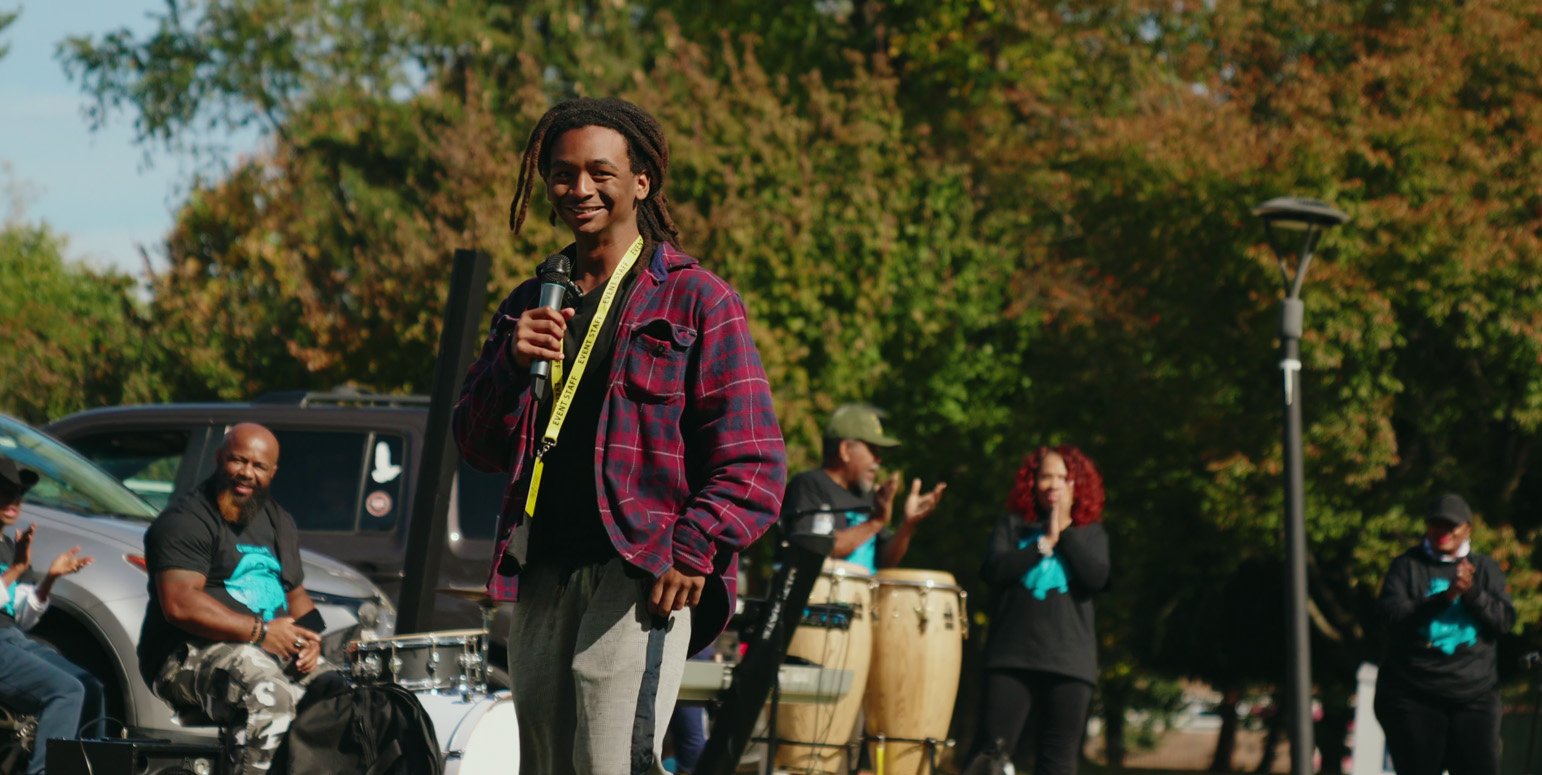

Hi, I’m the founder of Human Amplified. I’m Brandi Fleck, a recognized communications and interviewing expert, a writer, an artist, and a private practice, certified trauma-informed life coach and Reiki healer. No matter how you interact with me, I help you tell and change your story so you can feel more like yourself. So welcome!
Find More on the Blog
Topic
- ADHD
- AI
- Atlanta
- Black and BIPOC
- DIY
- FAQ
- LGBTQIA plus
- Los Angeles
- Nashville
- Seattle
- St Louis
- St. Louis
- UFOS/UAPs/ETs
- abuse
- accountability
- addiction and recovery
- adoption
- affirmations
- afterlife
- altered state
- angels
- animals
- anxiety management
- art
- astrology
- atlanta
- attachment
- awakening
- beauty
- behind the scenes
- being human
- body image
- body work
- boundaries
- brandi fleck
- breathwork
- bullying
- burn out
- burnout
- cancer
- career
- caretaking
- chakras
- channeled
- clarity-dive
- clarity-practice
- clarity-primer
- clean products
- coach
- codependency
Recent Blog Posts
Visit the Full Podcast Audio Archive

Affiliate

Psychology specialist Corey Hatfield explains character strengths, anxiety, mindfulness, and why two people can experience the same situation in completely different ways.