
Rediscovering Yourself Beneath the Pressure to Fit In
Interview By Brandi Fleck
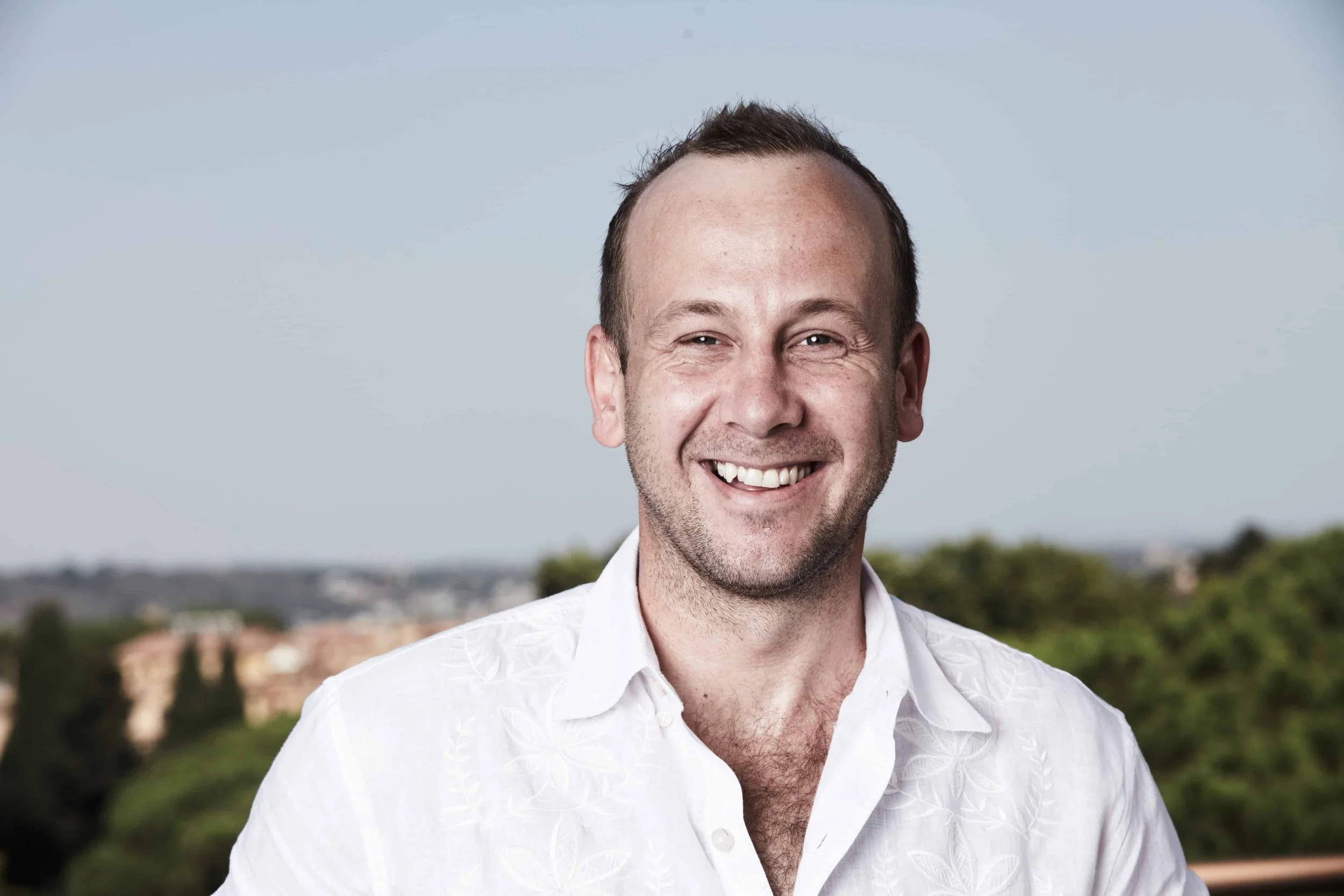
Brendon Watt shares how childhood trauma, addiction, people pleasing, and fear of judgment slowly disconnected him from himself and what changed when he stopped hiding.
Long before social media intensified the pressure to perform identity, many people were already learning how to survive by hiding parts of themselves.
For Brendon Watt, that started early. Growing up feeling deeply sensitive and different, he learned how to shape himself around other people’s expectations in order to belong. Over time, that pressure to fit in turned into people pleasing, self-judgment, secrecy, and eventually addiction.
Brendon reflects on the emotional exhaustion of performing versions of yourself for acceptance, the fear of vulnerability that keeps so many people hiding, and what began to shift when he stopped protecting his image and started being honest about what he was actually struggling with.
We move through trauma, authenticity, belonging, emotional healing, and the strange loneliness that can come from spending years trying to become who the world wants you to be instead of who you really are.
Listen to Brendon Watt’s Interview
Watch Brendon Watt’s Interview
The Search for Belonging and the Pressure to Be Normal
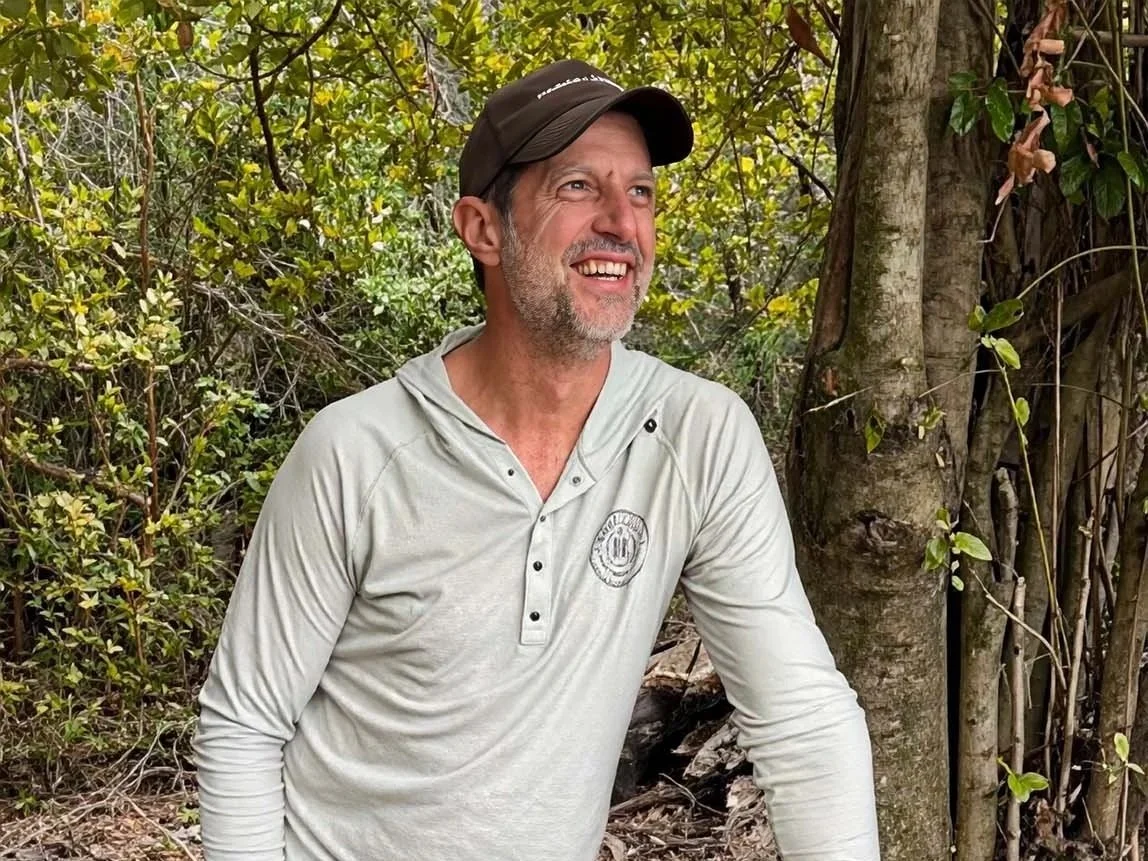
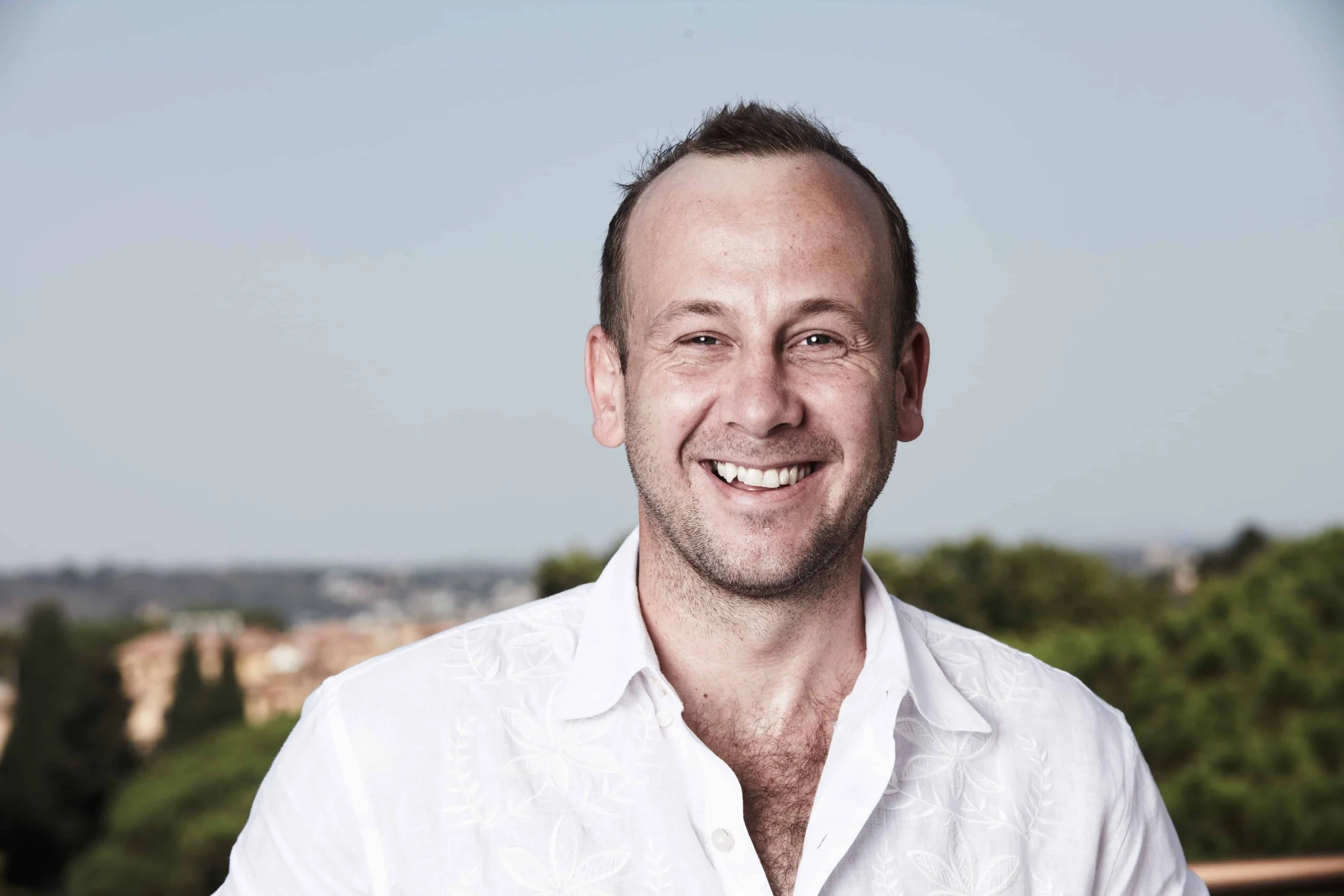
Brendon Watt: Hi, my name is Brendon Watt, and I'm based in Houston, Texas.
You try and find somewhere where you fit. You try and find somewhere where you belong. So you're constantly thinking and judging yourself, making sure that you're doing the same thing that everybody else is doing.
Take away the judgment, and underneath all of that wrongness, there's actually a lot of strength. The only person on this planet that knows what's true for you is you. You can change with each choice you make. You don't have to suffer your past.
Brandi Fleck: Last week on the show, we spent time with Washington state-based intuitive life coach and grunge rocker Carrie Okrie, where we learned all about self-compassion through the lens of shadow work, using your intuition, and making decisions that are good for you even if they result in hard emotions coming from others.
One of Kerry's main ways of helping others is by not abandoning herself and by suspending judgment, and we're really big on taking care of ourselves and suspending judgment here at Human Amplified. So it's only fitting that this week we highlight Brendon Watt, who has spent his life strengthening his ability to suspend judgment of himself so he can embrace who he really is without giving up any parts of himself regardless of external influences and projections.
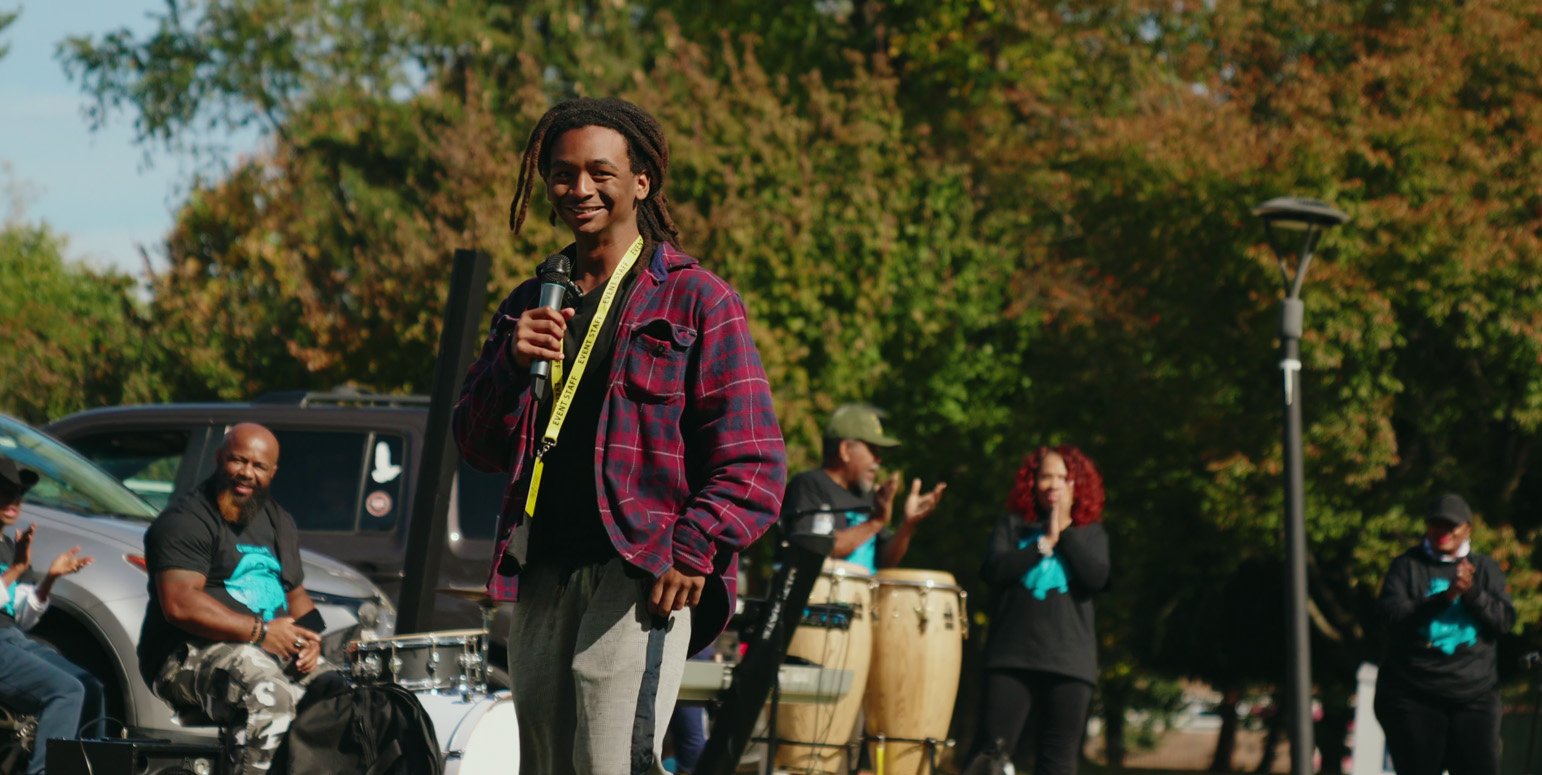
Brendon is an author, internationally acclaimed speaker, and relationships and change expert who says he used to be an outcast always trying to fit in. In today's episode, we dig deep into that feeling that so many of us have, that need for belonging, and how Brendon was able to embrace his differences and stop trying to be what everyone else wanted him to be.
He describes his childhood for us, gets real and transparent about struggling with addiction and the outpouring of support that has come with being raw and real, and also realizing the power that we all have from surviving traumatic pasts.
We also spend some time thinking about how to deal with the power dynamic and struggles that come with trying to influence or control others into being what you think they should be, or vice versa.
The bottom line is you'll leave today's episode with empowerment. You'll know that you have the power to fully embrace who you are in all your differences that may not be considered the norm. You'll have the power to know your own truth, make decisions to change things you don't like about your life, recognize judgment from others for what it is, recognize judgment in yourself and what it feels like to take yourself away from being you so that you can stop doing that, and you'll have the power to embrace vulnerability.
You'll also come away from this episode knowing how to apply Brendon's advice to big life issues. For example, maybe coming out as LGBTQ+ and complicated family situations, or masking versus not masking, or vaccinating versus not vaccinating.
As Brendon puts it, the world is changing. The future you want will not be based on the past version of you.
Welcome to the show. I'm excited to have you here today.
Brendon Watt: Me too.
Brandi Fleck: That's awesome. So I know you mentioned before we started recording you're about to do a seminar. What are some things you have going on? And please introduce yourself to our listeners. Tell them who you are, what you do, all of those things.
Brendon Watt: Well, I'm a facilitator for Access Consciousness, so I used to travel the world a lot doing seminars around the world on a lot of different things. But one of the main seminars I do is one called Choice of Possibilities, so basically talking to people about choice and the way that their choices create their lives and showing them a whole different—basically showing them a whole lot more of them.
But that's been the last four years. Before that, 11 years ago now, I found Access Consciousness. But before that, I grew up in Australia and did the normal life, tried to fit in a lot. So I did that, and then I just got to a point in my life where I was so unhappy and got to a point where basically one day I'd given up so much of me that I just didn't want to be around anymore. I would call it rock bottom, okay?
And that's when I found Access Consciousness, and since then my life has just been turning around. Yeah, it's a lot different now.
Why So Many People Spend Their Lives Trying to Fit In
Brandi Fleck: Okay, well let's dive right into that topic of fitting in. Why do people do it, and why do people think it's important to do?
Brendon Watt: Well, I think it's just something that we grow up with. You try and find somewhere where you fit. You try and find somewhere where you belong, and you try and find how you're similar to others.
I did it from a really young age. I remember when I first started school and I was six years old, and I knew I was different. Everything just, I would look around and go, "Why aren't people happier?" and I was always confused.
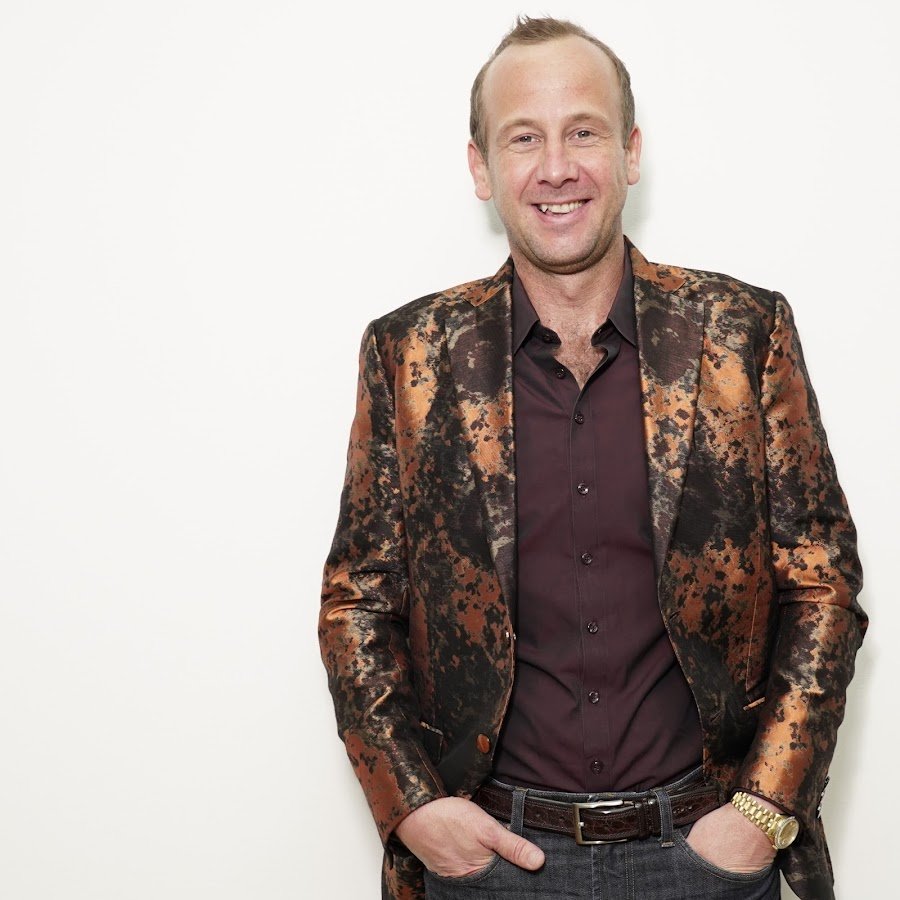
I remember starting school and going, "Oh, okay, so being different." Man, I didn't have any friends, and it meant I got picked on a lot. I got bullied, and no one really got me. I just was a misfit, an outcast, an outsider.
I remember thinking at that young age, okay, I need to start learning how to fit in. And I see a lot of us do that wherever it is in our lives, to go, "Where do I fit in this?" rather than look for, "How am I different?"
What I've learned with coming out of the box a lot, so to speak, is that the difference of all of us is the gift that we are.
For me, I did it basically from that age of six until I was 30 years old. Once I got to 30 and had done normal, I did it all. I got as normal as I could. I got good at it, really good at it.
From the outside, you would have looked at me and gone, "Oh, you know, he's got a job, he's got a family, he's got all these different aspects that you should have that make you normal or make you fit or make you belong."
And I was dying inside. That was when I got to a point of going, "Where did I go? Where's me?" And then starting there and really have been on a journey since of exploring who I am.
Brandi Fleck: Yeah, which is really important work to do, I think, for every person. How are you different? What's normal and what's different?
Brendon Watt: Good question. I think normal is where we basically take ourselves out of questioning what's true for us and look around as a whole and go, "Okay, so what works for everybody else, and that should be what's true for me," and making sure that you're always fitting into the status quo.
What's the status quo here, and how am I acting that I shouldn't be acting? So you're constantly thinking and judging yourself, making sure that you're doing the same thing that everybody else is doing.
Or if you're a little bit, like I was a little bit of an extremist, you would do the same thing that everybody else is doing, just a little bit outside of it, and you kind of see how abnormal you could get a little bit, but still not willing to be different.
The difference comes with looking for, "Okay, what's actually true for me here?"
I was fortunate enough, through starting Access Consciousness, to meet some dear friends that I have now that were just willing to be them under any circumstance. It wasn't all basically showing up every day and putting on a face and, "This is who I have to be," and putting my image out there. It was, "You know what? I'm having a shitty day, and this is what's going on for me too."
That was, for me, such an invitation to go, "Wow, I don't have to pretend. I can actually be real.” And I know when I'm around people like that, and that's the different part, when I'm around people like that, I just want to be more of me.
Brandi Fleck: Give us an example of how you're different from the norm, or maybe how you were different when you were younger that caused issues.
Brendon Watt: How I was different when I was younger was, well, I've told this story many times, but when I started school, I remember I was sitting under a tree one day and I was just crying, and I didn't know why. I didn't even know why I used to cry, but I just was this sensitive kid.
And I remember sitting there thinking, "I don't remember a day in my life when I haven't cried." For me, it wasn't from sadness. It was just from beauty or it was from. I mean, I remember when kids would bully me and I would be aware of, like, I would sense the pain that they had going on in their world. They were having a hard time at home or their parents weren't getting along or whatever was going on at home for them, and I just wanted to take care of them.
I see that for me, the difference was I was so interested in always wanting more for people. And I see that is so true for a lot of us.
Yet this thing of creating our image is we go, "Okay, must protect me," and we stop doing that. So for me, that was the difference, and the difference was I didn't see myself in anybody else.
Brandi Fleck: Sensitive is traumatic in some sort of way. I've talked to other people who are very sensitive, and it just produces this trauma response. I don't know what it is. The people you're different from aren't as sensitive, but there's some kind of cultural conditioning or maybe everybody's different, so projecting an image that is socially acceptable is complex when you think about it.
Can you describe some of the internal human processes that go into creating an image? Specifically, some people who do this lie to themselves and they don't know they're doing it. And other people know they're doing it and they're lying to the world. What goes into that?
The Emotional Toll of Pretending to Fit In
Brendon Watt: Well, I would say we have a lot of stuff projected at us growing up. It's, you know, "You should..." whatever that is, because we're all different and it's different for all of us, and it's different depending on the environment that you grow up in.
For me, it was basically growing up in Australia, and I grew up with a lot of abuse and different things like that, and my father was really abusive. His projection upon me was, to be a man you have to be rough and tough. You have to go and get a trade. You definitely have to be heterosexual. Definitely get a relationship and have a child to prove that.
There were so many things projected upon me of how I needed to live my life, and you want to please people. Even if you don't realize it as a kid, you want to be like, "Well, I want my dad to love me. I want my mum to love me. I want to do what they want me to do." It's not even a cognitive awareness that that's what you're choosing, but eventually you're creating your life like that.
So the thing of lying to ourselves is you get to a point in your life where you think that's who you are. For me, I thought that was what I was supposed to choose, and I did it, and I kept doing it. But every time I would choose based on what I was projected I should be, I was giving up a part of me.
That's what I see a lot of us do. In order to create these images of ourselves and this what we should put out there in the world, and I get it, I truly get it, especially these days with social media. You should look a certain way. This is how you should present yourself to the world.
I've been dealing with this a whole lot more lately because as I stepped into bigger roles as a speaker, I went, "Okay, now I definitely have to get it right. Now I definitely have to be the right image. Now the whole world sees me. I'm in the spotlight, so now I have to look a certain way and act a certain way and talk a certain way."
But even in that, I notice how much of me I was giving up.
It's only been a lot more recently for me that I went, "I'm actually speaking about people being more of them, and I desire to be the energy of, 'Hey, this is me.'"
That's the part of being really honest with yourself. It's not just showing up for all the things that you've judged as good about yourself. It's looking at all the other things as well and going, "Oh wow, I have all of these judgments of me."
All of the wrongness that we hide from ourselves, thinking that they're the terrible things about us. Make sure we keep them away from the world or keep them away from us.
What I've learned is, take away the judgment, and underneath all of that wrongness there's actually a lot of strength.
I talk to people about that. What if every wrongness of you was actually a beautiful difference?
Brandi Fleck: Yeah, I really love that you brought up that you have to stop judging yourself. That's a really big thing.
And you mentioned the projection of other people's thoughts and beliefs onto you when you're malleable, and that sort of shapes the path you take. What role do you think modern society has played in that projection and why it's necessary for some of us to have that external image? I mean, is it because of fear of judgment? Does that play into that?
Brendon Watt: Yeah, I would say because none of us want to be judged. But we have this thing of, like, the judgment is real. The judgment is going to destroy me, or the judgment is going to hurt me, or the judgment is going to do whatever.
But the judgment doesn't actually do anything. It doesn't create anything.
I could judge myself for not being enough, not being enough, not being enough, not being enough, but it would never create me being more. It would always create me being less.
So I think for a lot of us, we've learned that judgment is a source for the creation of our lives of, "Well, this is the box that I need to put myself in." So anything that doesn't match, anything that's outside of that box, basically I have to judge or I can't be or I can't choose.
With society, it's basically, "How do I fit into it?"
What I like to look at is, "How do I be more of a leader? How do I be somebody who's willing to make those choices and have the courage to be outside of that box so that other people see that it's actually possible?"
Because it inspires me. Like I said, when somebody chooses something different, I'm like, "Wow, that is awesome." And I get the courage it takes to be different because it does.
And the thing with judgment, like I said, none of us want to be judged. But when you see judgment for what it is, that it's nothing but what people use to control you, then you can go, "Okay, you're judging me. Yeah, okay, cool, and that's okay too. It's okay for you to have that choice to judge, but it's also okay for me to have the choice to not change who I am in order to avoid your judgment."
Brandi Fleck: Yeah. That is really powerful. I love everything you just said.
And I wanted to talk about power dynamics, so I'm glad that you brought up judgment is what people use to control you, because I think it boils it all down to what it really is.
Power dynamics have been on my mind a lot lately because where I'm from there's a local church. We're talking about fitting in a box and creating an image. So the Remnant Fellowship Church, which has just recently been featured on HBO, is right around the corner from here, and I'm wondering how our need to fit in allows an organization such as that to have power over us.
Brendon Watt: Any way that you're looking for an answer outside of you, you're always looking to who has a greater awareness of what's true for you. So you're always looking for somebody outside of you to show you the way.
And the only person on this planet that truly knows what's true for you is you. The only person on this planet who has enough power to stop you is you. The only person on this planet who can create you is you.
When you get that awareness, it's looking for, "Okay, does this actually contribute to me getting more of me?"
That's what I look for. If there's something in my life that doesn't contribute to me having more of who I am and being more of a question of what's true for me here and actually empowering myself to know what's true for me so that I can empower others to know what's true for them, then it's not something that I'm going to choose.
One of the tools we have in Access Consciousness is what makes you light, what makes you lighter in your life, gives you that sense of lightness in your world, is what's true for you. Anything that's heavy is a lie.
Using that as a way to navigate your choices is such a different reality to create your life with than judgment.
My navigation system for a long time was, "How do I find the right judgment? How do I get it right? How do I not be wrong?" So I was navigating my life and choosing my life and creating myself based on that.
When I got this tool, I went, "Oh, okay, does this lighten my world up?" and started making choices that actually created that energy in my life of going, "Oh wow, I just get more of a sense of me when I choose that."
It's given me a whole lot more space and a lot of other people more of them.
I would say with anything in your life, if it gives you more of you, you're on the right path. If it doesn't, then maybe look at, "Okay, what am I actually choosing this for, and what's a different choice that I have available here that I'm not choosing?"
Brandi Fleck: Yeah. And do you think it's possible to make a decision and something feels like it gives you more of you, and then later that changes because you change?
Brendon Watt: Yep, definitely. Okay. And that's why I look at my life as our choices basically are good for 10 seconds, apart from the bigger ones where you have a child or something, because I have one of those. He's almost 17. That wasn't just good for 10 seconds.
But if you look at that, then anything in your life that you have in your life, you're still choosing to have it in your life.
What stopped me for a long time was, "Okay, well I've made that choice, now I have to live with it."
You make a choice and in the moment, like you said, we change constantly. We're always changing based on the choices that we make and based on just us as a being.
You might make a choice and then, I don't know, a week, six months, a year later, that's just not you anymore. That's when it's okay. So making a different choice and recognizing that you can change with each choice you make. You don't have to suffer your past.
Brandi Fleck: You like to say that not fitting in or unhiding you is the key to life satisfaction. Why is that?
Brendon Watt: For me, I don't have to protect myself from the world anymore.
Like I said, I grew up like that. It was always like I would create all of these walls and barriers around me to keep myself protected and keep me in.
What I've found is the more that I'm just willing to expose me, the more I don't have to walk around in this constant state of thinking, going, "Oh, but what if people think of this part? What do people think of this part? What do people think of this part?"
Because that's all in our heads. You might go, "Well, if I act like this or if I show up like this as me, this person's not gonna like me. Well, this person's gonna judge me."
But you've already decided that.
There's been so many times where I've done that and then I went, "You know what? I'm just going to show up as me," and the person is completely different.
We're always looking for the results to our choices before we choose them rather than just going, "You know what? I'm going to show up as me."
For me, it's just I don't have to pretend anymore. I don't have to pretend who I am.
Like I said, I live my life a lot in the spotlight, and one of the things recently, I've been dealing with addiction with alcohol. I've been working on that and have now been sober for quite a while, but been doing it in the spotlight.
I tried doing it from, "Well, now I'm this speaker. I don't want people to know about this because then it makes me," and I went, "You know what? I'm actually here to give people more choice to be them."
It was interesting. As I started just going, "You know what? This is where I'm having a hard time in my life," people went, "Wow, he's real."
So I started showing up on social media and different things like that. I was like, "Hey guys, this is where I've had things that I've been looking at in my life," and the response that I've gotten from people has been like, "Wow, if he can do that, I can do it too."
That's awesome, to have people showing up like that to be able to go, "You know what? This is going on for me too. I've been hiding all of this abuse in my life since I was a kid, and now I get that I can actually just get free of it."
There's so much of that stuff that stops us in our lives that doesn't have to.
Brandi Fleck: And do you think it all goes back to judgment, or is there something else that plays into that stopping of it? Why are we so afraid to be free?
Brendon Watt: Well, I think it's the judgment and it's the belonging and it's basically the conditioning of how you need to show up, what you need to be seen as.
I see even for the younger generations these days with looking at social media and stuff like that, it's like here's the perfect body image, here's the way you should interact with people, and it's basically all fake.
For an example, you'll be looking and you're like, "Wow, those people have an amazing relationship." And I know people like this. You would see a post on social media and go, "Wow, they have an amazing relationship." I know the people. That was a beautiful photo and a beautiful post, but they also have stuff going on.
We're always looking for the right thing.
Brandi Fleck: So saying that we should strive for authenticity implies that authenticity is good. So the opposite of authenticity is fakeness, so that implies fakeness is bad.
I want to talk about that saying, "Fake it till you make it." So let's dive into that phrase. What's bad about it?
Brendon Watt: I don't think anything is bad about it. I've actually had this question a few times, and I'm like, "I never said it was bad."
Because for me, that's what we do once again, and you just said it perfectly. Authenticity is good, faking it is bad. Once again, we're in that same trap of judgment.
Notice with that, because now I've lived like that, so I know all about it. It's now I'm looking at, "Okay, am I faking it or am I being authentic?" So once again, I'm stuck in judgment.
Rather than, "What can I do right now?"
For a lot of the things that I've chosen in my life, I've always had this ability to just choose things that other people wouldn't. I just go, "You know, I'm just going for it. I don't know how I'm going to do it. I don't even know if I can do it."
I did that when I began to be a speaker for Access Consciousness. I basically went from having no idea how I was going to do it to just stepping on the stage. I didn't plan it. I didn't do any of that.
To a degree, that was fake it till you make it. I just went, "I'm going to show up. Worst thing that happens is I'll get booed off stage or I'll be judged or I'll be hopeless or I'll turn into a mess." Whatever.

So I just did it. For me, it's not so much the don't fake it or try and be authentic. It's to be more of who you are instead of trying to figure out what the result is going to be of those choices.
You can never predict what a choice is going to create. You only know that it's going to create something. So it's making the choices and then in your life choosing and then course correcting along the way.
I used to be one of those people who would go, "Okay, let me sit here and wait until all of the lights go green and then I'll go."
But what I've found is it's that first step and then I go, "Okay, so that took me in that direction. Now I can make a different choice."
Course correcting your life as you go, like I said, based on that lightness and heaviness, not based on am I being authentic or am I being fake, because that's only going to keep you, once again, judging yourself.
Brandi Fleck: Okay, that makes a lot of sense. It's awesome that you are making this intentional choice to be yourself, but there is some vulnerability in that, yeah. For those who struggle with vulnerability, what would you say to them?
What Vulnerability Actually Looks Like in Real Life
Brendon Watt: For me, I struggled with it a lot too and had an easier time being behind closed doors. I could kind of go on the exploration of me as long as it wasn't in front of people.
But for me growing up, vulnerable was always seen as a weakness, and we think that if we're vulnerable we're going to be destroyed. You're going to be judged, you're going to be made wrong, you're going to be destroyed, you're going to be made less than.
But what I've found for me and seen in so many other people is it is such a strength. The vulnerability from the space of having no walls and barriers up to you or anyone or anything and allowing everything in, but also allowing you to be present in your life and allowing you to show up as you.
What I've seen is the strength in that and the courage. All of the things that we've brought about what it is to be vulnerable are, once again, those judgments that people use to control us.
But having that vulnerability with yourself, like I said, for me talking about the addiction, what I've seen is when I just showed up and go, "Hey guys, this is what's going on," people go, "Oh, so I don't have to hide that from me either."
I would have seen that in the past as such a weakness, but I had the judgment of that, so that was what I was using to basically think I was protecting myself. But actually it wasn't protection. I was destroying myself with it.
It's not what we think it is either.
A lot of people have the idea that vulnerability is, okay, you have to show emotion or you have to show no. True vulnerability is just your ability to show up with no walls and barriers and just show up as you.
First of all, it takes a choice in your life, but also a willingness to be present and just go, "You know what? I'm here."
Because we know when we put those walls and barriers up too. You know when you can feel yourself, like you're like, "Well, I don't want to deal with this." You can feel that kind of separation start in your world.
That's when the choice to go, "You know what? I'm actually going to be present with this energy in my life also. I'm going to be here with it."
Usually I would run away. Usually I would put walls up and whatever that is. That could be with a relationship, could be with your finances, could be with your family, whatever that is, and go, "You know what? This time I'm going to actually have some vulnerability here and I'm going to be present with this."
What I've seen is the more I do that, the more I recognize, "Oh wow, this is not what I thought it was. This is not going to destroy me. This is not going to stop me in my life. This is just something that's showing up now, and it's showing up now because I can actually change it."
Brandi Fleck: Yeah, that's a really good point. It's not going to destroy you. So often we think that it's going to be the end of the world or it is going to destroy us, but more often than not it ends up okay.
Brendon Watt: Yeah, I would say definitely more often than not.
Usually that would come up and I had that point of view that this would destroy me, so I would run backwards.
What I've learned is the more I've taken a step into it, it's actually been the gift. It's been a gift that's given me more of me. It's just the judgment that I've had of it that it was going to destroy me.
In truth, nothing can actually destroy who we are.
Brandi Fleck: Tell me a little bit more about that.
Why Your Past Doesn’t Have to Define Your Future
Brendon Watt: Okay. Example would be for me as a kid, I had a lot of abuse in my life. There was physical abuse and sexual abuse and basically every abuse you could think of, but it never destroyed me.
For many, many, many, many years, I thought it did. It wasn't until I actually looked at it and went, "Okay, did I actually have more power than that?"
I thought it was going to destroy me, but it actually didn't. When I look at it like that, I go, "Wow, I must have a lot of power to be able to be in a situation like that and not be destroyed."
So what I did was with this idea that it did destroy me, I'd created a lot of my life being the victim, going, "Well, I can't be happy because... I can't create money because... I can't create a relationship that works because..." and it was all because of my past and because of all of these things that occurred.
But when I looked at it and I went, "Well, I'm not actually a victim to that. I actually survived all of it, and I must have had a lot of power to actually be able to do that."
When I looked at it from that and changing that one point of view that that can't destroy me and I'm not a victim to it, I'm here right now, my whole life started changing because that was the thing that finally started allowing me to be free of it.
There's many things that go on in our lives and that go on in this world that shouldn't, and I get that. For a lot of us, we've been in certain situations that, yeah, that shouldn't have happened to you.
But when you get to a point of going, "Okay, it did, and I was more powerful than that because I'm still here right now, and if I have that much power to get through that, how much power am I actually hiding that I could actually use right now to create my life?"
That is an empowerment of you and your being of, "Wow, there must be a whole lot more to me than I've ever been acknowledging."
That's when you really start going, "Oh, that's the gift of you."
Brandi Fleck: Okay, well thank you for sharing that.I would just love to know, what's it like to be you today? Describe what it feels like to be you.
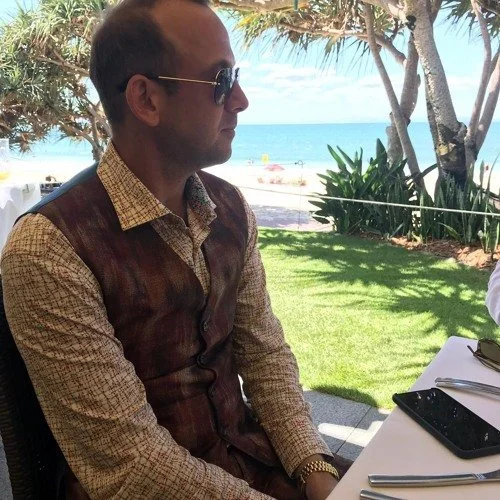
Brendon Watt: For me now, to be me is to have a sense of joy in my world and space because I still have moments where I can depress it or when I judge myself, but now that joy and that space is so much more valuable to me, so I know the difference.
Now I can go into, "I feel terrible or wrong," but not for very long because now I go, "Well, I much more value that space."
For me, like I said with that thing of light and heavy, I know when I'm taking myself away now from being me.
I've started to get enough of a sense of who I am just through the choices that I've made, and every time I choose more of what's true for me, I get more of me.
For me, being me is just knowing that I'm going to choose that which is going to give me more of me.
What gives me such a gift in my life is to be able to talk to people and facilitate other people and see where they get more of them. That's what lights my life up. That's where I'm like, "Oh yes, now I know I'm on the right path," when I get to see other people get more of them. That's what gives me more joy.
Brandi Fleck: Okay, well we were talking about vulnerability and sort of fear of judgment. There are some extreme cases even to this day, and this is the example that just came to mind, is that say if someone comes out to their family as gay, they would be treated differently or would even become estranged.
How would you recommend dealing with choosing your authenticity over your family in a situation where it doesn't destroy you but there are going to be real consequences that could be painful?
Choosing Yourself Even When Other People Don’t Understand
Brendon Watt: I would say look at it and which one's going to give you more freedom in your life.
I know for me, that's a big secret to keep, and I get it where a lot of people growing up in different cultures, being gay for example in certain cultures is not acceptable, and it's who you are. There's nothing wrong with that.
That's a big secret to keep in your life.
It's looking at it and going, "Okay, so if I'm going to be all of me, these are the things that may show up, but which one is going to give you more of the life that you'd like to live?"
For a lot of us, we try and hold on to the people in our lives that we've decided we need or that we've decided make us who we are, and we have to give so much of ourselves up.
A lot of the times they're not even asking us to be that.
There are certain situations where, yeah, your family is not going to like that. There's also certain situations where we come to the point of view that these people are going to hate me for this, and then you actually choose it and then they're like, "Oh my God, thank you for actually telling me that. I've known there was something there."
Being honest enough with yourself to look at it and go, "Okay, what's going to give me the most freedom in the life that I truly desire to start living?"
I know for me, 10, 11 years ago now, when I went, "You know what? I need to go on a different path," everybody in my life that I had at that point apart from some family members left. They were like, "Uh, you're weird. You're not the person that I can control anymore. You're not the person that I can make less than me anymore so that I can feel like more of me."
I got to a point where I had to choose that. It was basically if I don't choose to start being me right now, I won't be around much longer.
That's where this honesty with yourself comes into, "Okay, what's the life I truly want to desire here?" and be willing to be that leader for you.
Recognize that, yeah, a lot of people aren't going to be happy with a lot of choices that you make, and a lot of people aren't happy with a lot of the choices that you make because they don't have the courage to make those choices in their own life.
How Shame and Addiction Keep People Stuck
Brandi Fleck: Yeah. Okay, are you finding that as you're going through recovering from addiction and things like that, that people are falling away there too?
Brendon Watt: No, I actually find they're getting closer. For me, I grew up with a lot of alcoholism, so it was terrible. I was like, "I never want to be like that. That's a terrible thing."
It just kind of felt like it was the card that I'd been dealt, so it was like I had no choice over it, but I did, and that was one of the things that was stopping me.
What I found was it was a huge secret in my life. I was hiding it from me dynamically. "I don't want to look at this. I don't want to look at it. Addiction's bad, and I definitely don't want to expose that to the world.
But what I found was, first of all, it wasn't about exposing it to the world. It was about exposing it to me.
When I got honest with myself and looked at it, the amount of energy that it freed up in my world to be more available for everything else and to be more creative and to basically be more of me was like, "Oh my God, I just feel like the weight of the world has been taken off my shoulders."
Because this is the thing, those secrets that we have in our lives, today's secret is tomorrow's lie. You're always thinking, trying to find the next lie to keep the secret, and then you've got to lie about that lie to keep the secret and then that lie.
In the world today, it really doesn't give you any space to create you. We have a saying, "Just for me, just for fun, never tell anyone."
It's not about going, "Okay, exposing me and showing up as me is about airing my dirty laundry to the world." That's not going to work either.
You've got to look at what's going to create your life. If you like running down the street naked, I get it, but it might not be your best choice. You might want to look at, "Okay, what's running down the street naked gonna create?"
Not creating unnecessary projections and judgments or outcomes, but being brutally honest with yourself and starting with you.
Brandi Fleck: Okay, I do want to go back for just a second into choosing authenticity and choosing you in a hard situation.
You said make the choice that will give you more freedom in your life. Today we have a massive political divide with maskers, anti-maskers, vaxxers, anti-vaxxers, and it's hard to know what the right choice is sometimes.
Does that same advice apply to that type of situation?
Brendon Watt: Well yeah, and basically what's being created on our planet right now is a lot of control, but also a lot of separation.
You've either been vaccinated or you've not been vaccinated, so you're either one or the other. Once again we've been put into a category of who am I and which one's right and which one's wrong. So once again, judgment.
But also with masks, it's, "Should I wear a mask? Should I wear two masks? Should I wear three masks? Oh my God, I sneezed on an airplane when I had my mask on. Now everyone's gonna think."
It's basically been designed to put us into panic once again, to take us out of being us and see where it is we belong.
Big topic.
Look at what's true for you and what's going to create more ease in your life.
I've got my son who's almost 17, and he's coming for Christmas this year to the U.S., and the only way he can get out of Australia right now and get back in is to be double vaccinated.
I talked to him the other day and he's like, "Well Dad, I'll just do it. I don't really care. I'll just get vaccinated."
I realized where I had a point of view about it, and I got to the point for me where I went, "Okay son, it's your life, it's your body. What's gonna work for you?"
We all have choice still.
I get where a lot of us have to. You have to get vaccinated to keep your job or whatever that is, but do it for you is what I would say.
Don't do it because you're told you have to because otherwise you're going to fight against it. You're going to go, "Oh well, they made me do it, so that's why I did it."
No. If you're going to do it, recognize that you're choosing to do it.
This will probably stir up a lot of stuff because it's such a thing. Even I can be in a seminar now and I can mention the word COVID and you can feel the whole room just go, "Please don't talk about that."
Or, "Please don't talk about vaccination."
But it's the elephant in the room in our world right now. It's something that we need to look at.
Choose what's true for you and recognize that you have choice, even if they're tough choices.
Brandi Fleck: Yeah. Okay, definitely.
So how can you strike a balance between being truly authentic to yourself and doing what's right for you, but then doing what might be considered right for the greater good of the collective?
This might be related to the vaccines we were talking about or whatever, but there are other times when you do something because it's not necessarily the best for you, but it will be better for more people than not.
Brendon Watt: Well, you know what I've found in my life is when I truly choose what's true for me, so it gives me more of me, it includes everyone and everything.
What I learned for many years was choosing me was all about just excluding everybody else and fighting against what was true for everybody else so that I could find out who I am.
What I've realized is that just creates more separation.
When you're truly choosing what gives you more of you, you're already going to include everybody else in it. You're already going to be looking at what it's going to create not only for you but for the world.
It's kind of that thing of we talk about consciousness and we talk about oneness, and it's one of the topics that people talk about on the planet right now.
Our definition of consciousness is consciousness includes everyone and everything and judges no one and nothing.
It is being that, recognizing that we're all connected. You might be thinking about your mother and then she calls. We're all connected in this world.
Knowing that what you choose doesn't just affect your life.
This for me was a big one to get because it actually made me step into more of, "Okay, I'm actually not just little old me. I'm actually a part of this world."
When I got that, I was like, "Okay, so if my choices affect the world and not just me, what am I going to choose?"
That's when we all include each other and we all look at what's going to create more, not just for ourselves but for our world.
Brandi Fleck: On that note, is there anything that I didn't ask you that you think is important to say?
Brendon Watt: I would just say the world is changing.
The idea that we can try and live from our past and the way that we used to choose in the past is going to create the future that we desire doesn't work anymore.
I know for me that when I've tried to use who I am in the past as a reference to what I can create as my future, my life stops.
I would say now more than ever, be in question in your life.
Look at everywhere that you've come to a conclusion of, "This is the way it is," to, "Okay, I wonder what else is possible here that I haven't considered?"
Start allowing yourself to ponder a future that you could actually start creating possibilities as your life and have that wonder again.
That wonder we had when we were kids that we all gave up on. When you're like, "Oh, where's all the magic and where's all the fun and where's all the joy? I wonder how much fun this could be?"
I would say the more that you're willing to live from that space now, the more ease you're going to have in your life and the more ease you're going to have creating you and the more fun you're going to have creating your future.
Brandi Fleck: Okay, so where can people find you and your work?
Brendon Watt: You can find me atbrendonwatt.com, but also I would say check outAccess Consciousness.
We have thousands and thousands of free videos. We have so many tools, so many resources, everything that I've used and hundreds and hundreds of thousands of other people have used to change their lives.
I'm talking any area of it. We've got something for any area of your life that you're not having ease with right now.
What would it be like if your life could be a lot more ease?
Brandi Fleck: Great. Well guys, all of that will be in the show notes, so be sure to go there and check out those links.
And Brendon, thank you for coming on the show. It's been awesome chatting with you today.
Brendon Watt: Thank you, Brandi. Thank you so much. Thank you for having me.
Join the conversation!
Feel free to share your own experience and let me know if you have any questions in the comments.
Related Posts
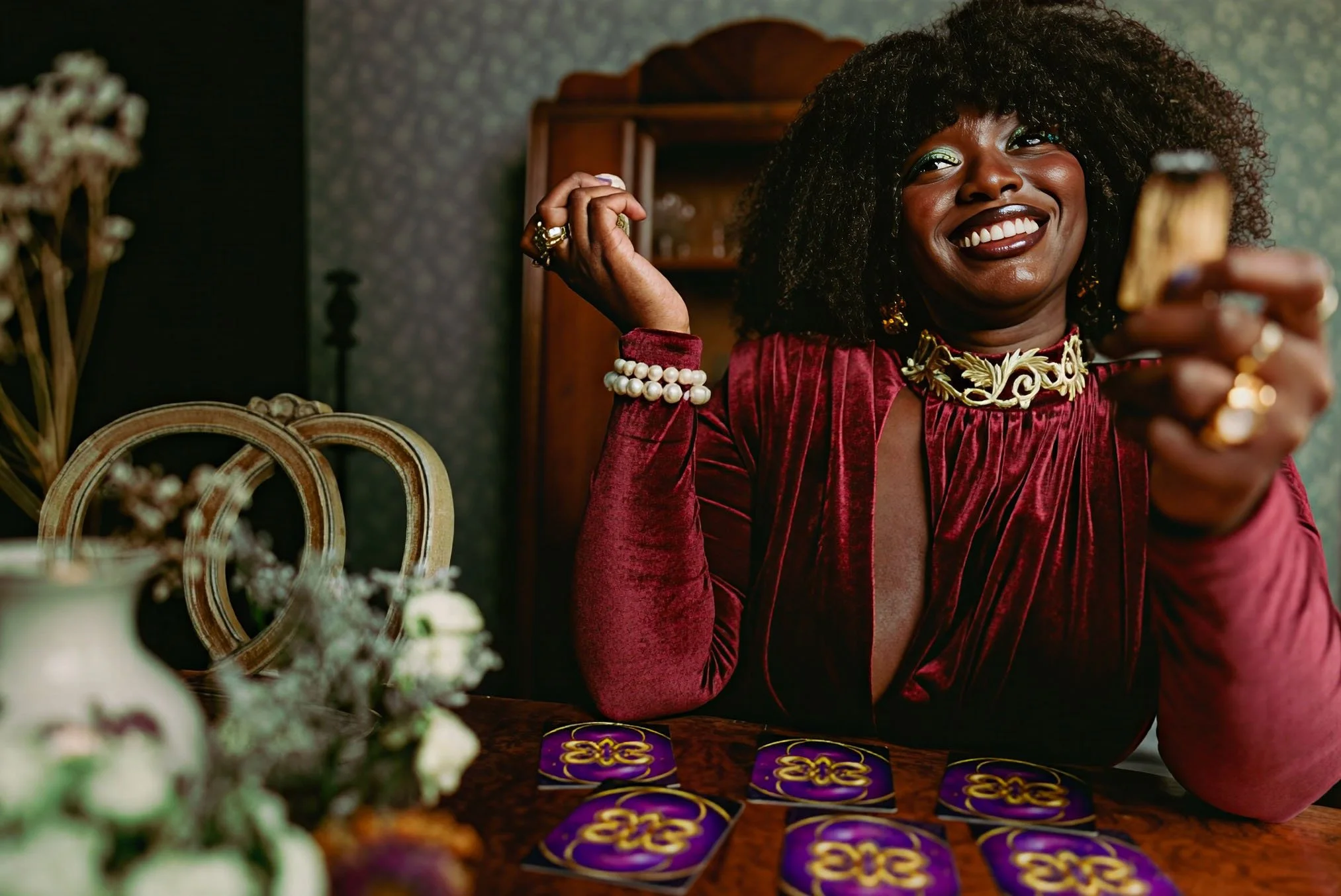

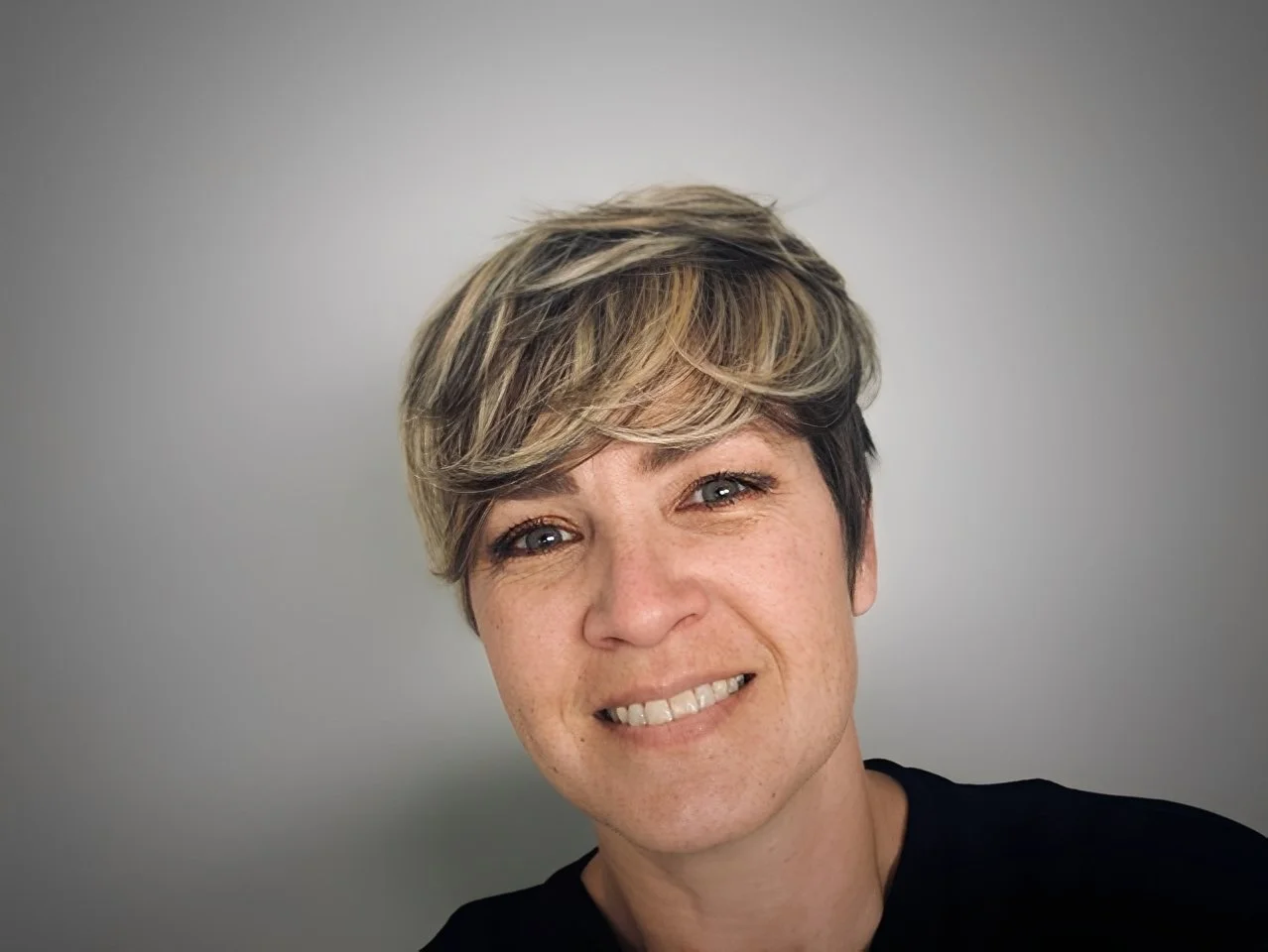



Hi, I’m the founder of Human Amplified. I’m Brandi Fleck, a recognized communications and interviewing expert, a writer, an artist, and a private practice, certified trauma-informed life coach and Reiki healer. No matter how you interact with me, I help you tell and change your story so you can feel more like yourself. So welcome!
Find More on the Blog
Topic
- ADHD
- AI
- Atlanta
- Black and BIPOC
- DIY
- FAQ
- LGBTQIA plus
- Los Angeles
- Nashville
- Seattle
- St Louis
- St. Louis
- UFOS/UAPs/ETs
- abuse
- accountability
- addiction and recovery
- adoption
- affirmations
- afterlife
- altered state
- angels
- animals
- anxiety management
- art
- astrology
- atlanta
- attachment
- awakening
- beauty
- behind the scenes
- being human
- body image
- body work
- boundaries
- brandi fleck
- breathwork
- bullying
- burn out
- burnout
- cancer
- career
- caretaking
- chakras
- channeled
- clarity-dive
- clarity-practice
- clarity-primer
- clean products
- coach
- codependency
Recent Blog Posts
Visit the Full Podcast Audio Archive

Affiliate


Psychology specialist Corey Hatfield explains character strengths, anxiety, mindfulness, and why two people can experience the same situation in completely different ways.