
Interview By Brandi Fleck
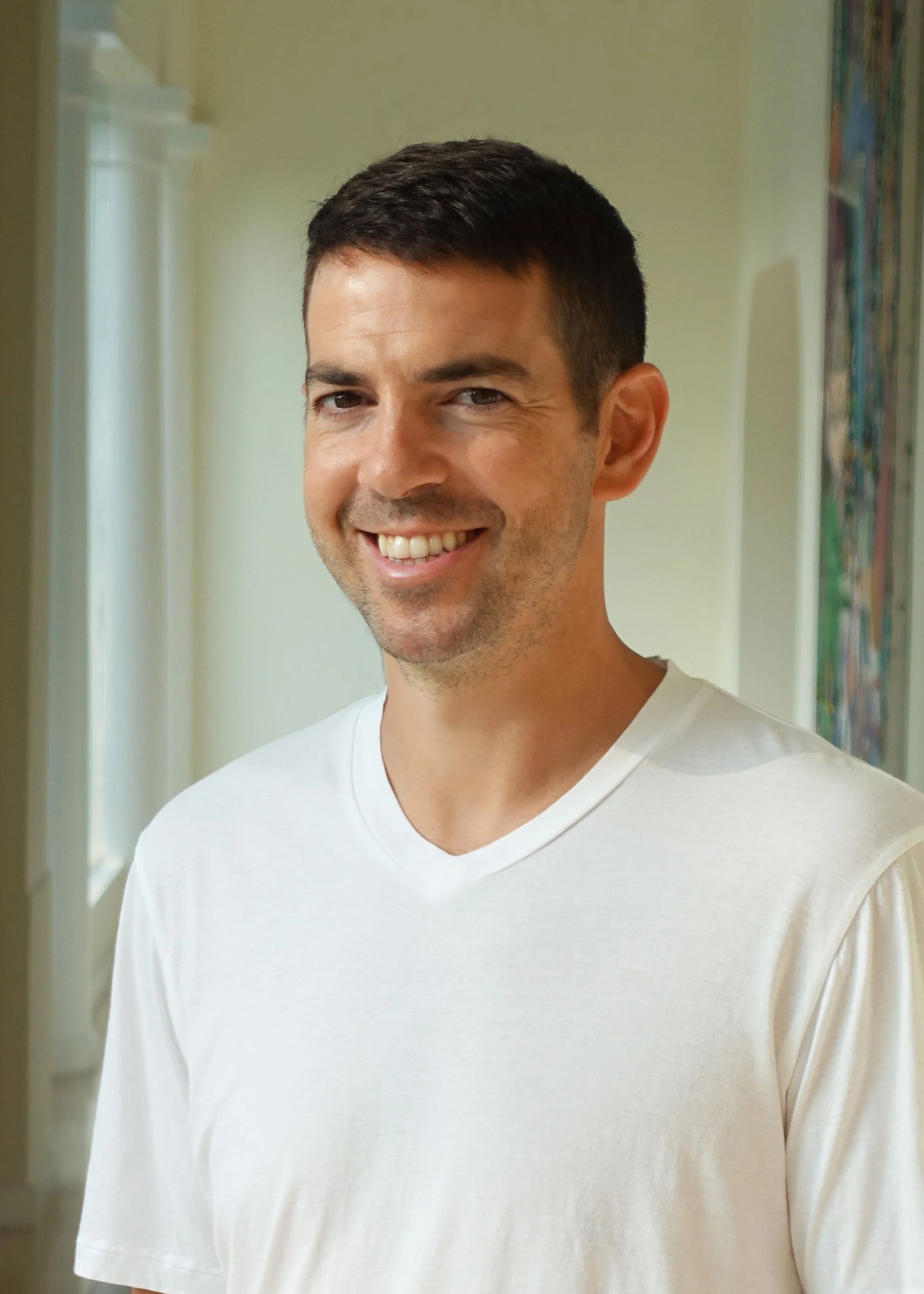
Professional basketball player Taylor Rochestie shares how gratitude, mindset, accountability, and small daily habits can help you build resilience and choose happiness even during uncertain seasons of life.
Taylor Rochestie has spent years living with uncertainty. Between international basketball contracts, constant travel, unexpected setbacks, and raising a family across different countries, he’s had to learn how to stay grounded even when life refuses to feel stable.
Now, Taylor explains why he believes happiness is less about circumstances and more about daily perspective. He shares the habits that help him stay optimistic during difficult seasons, how gratitude reshapes the way he experiences challenges, and what matters more than chasing perfect outcomes.
We also explore fear, healthy risk-taking, mindset shifts, and the importance of surrounding yourself with people who keep you honest. Instead of offering surface-level positivity, Taylor breaks down what it actually looks like to choose happiness every day while still living through stress, uncertainty, and change.
Listen to Taylor Rochestie’s Interview
Watch Taylor Rochestie’s Interview
Choosing Happiness During Difficult Times
Taylor Rochestie: Hey there, I’m Taylor Rochestie. I think one of the biggest holes that people kind of get in is feeling like somebody else put them there, but at the end of the day, it is your choice. You can choose a moment to redirect, to pivot, to move on to something else. People that are experiencing happiness, their mind is just focused on that moment. My last win or my last loss might help me in the future become better. Fear is in the looking, not believing.
Brandi Fleck: Happy April, listeners. This month on the podcast, we’re shifting from a theme of self-care and body to the power of choice, and we have several guests lined up on this topic all month, first of which I’m incredibly excited to introduce you to Taylor Rochestie. He’s a professional basketball player, husband, dad, world traveler, best-selling author of the book A New 2020 Vision, and today he’s talking to us all about choosing happiness and trusting the process of your life.
He appeared on our blog this past summer with some other amazing insight, so if you’re interested in hearing more about authenticity, embracing being the underdog, and gratitude, read his blog article titled “Reprogramming Adversity.”
But in this episode, Taylor really dives deep into how happiness is a choice, what he personally does to choose happiness, and how you can incorporate some of those same practices into your own life.
From noticing the little details and finding the good to placing bets with your friends and family to add some excitement to a personal growth goal you may have, we begin the conversation by following up with what Taylor’s been up to since we last spoke. We move into a bit about Taylor’s book after that, and then he really gives you some actionable takeaways with tips around gratitude and creating habits to build confidence.
We finish up by talking about celebrating wins, the importance of accountability, and the roles of trust and even addiction when choosing a positive life path. You’ll come away from this episode empowered, inspired, and with next steps you can take to start choosing happiness more in your own life, even when bad things are happening in the world around you.
And quick note, we recorded this episode before the Winter Olympics took place and before Taylor started his latest basketball season in China, so this will make total sense after you listen. But just know Taylor did make it to China.
Welcome back. I’m so glad that you are back. What have you been up to since the last time we talked?
Taylor Rochestie: I was scared that you were gonna ask that because I don’t think there’s enough time on the podcast.
Well, I’m a professional basketball player. I’m about to play my 13th season. I have a contract to go play in China, and these last couple months have been absolutely crazy trying to get a visa to go out to China. They’re hosting the Winter Olympics in February, so it kind of threw a wrench in everything. There’s COVID still happening, and so they shut down most visas.
It’s taken me months to finally, as of two days ago, get my special talent visa to get over to China. And what would you know, I got my visa here in France, and now there’s no flights from France to China. You have to fly direct, but nobody’s flying.
So I’ve been hustling the last day and a half trying to figure out if I can even go play with my contract, with my visa in China, because I’ve gotta fly to a different country, but will they let me go from that country to China?
So it’s been a whirlwind. At the same time, I brought my amazing wife that’s supported me through this craziness and my two kids out to France, where they’re going to live for the year, and my kids are going to school. Getting everybody settled here is where my wife is from, and so there’s just so much going on.
Part of being human is experiencing this kind of craziness, and this is the life that I chose many years ago, and I’m still happy that I’m here.
Brandi Fleck: Well, I’m glad you’re still happy that you’re here because I know it’s come up with some other people I’ve talked to lately about how it’s good to reevaluate. So have you thought about that? Have you reevaluated and said, “Yeah, this is still intentionally what I want to do”?
Taylor Rochestie: Yeah. I think one of the biggest holes that people kind of get in is feeling like somebody else put them there or they’re in a position that they can’t get out of. That’s a big, big block toward optimism, toward excitement, toward realizing the power of choices and the power that we have every day and the opportunities that we have every day.
So I’m definitely aware of who got myself into this situation. I learned from my parents that whenever things are going on, I’m the common denominator that’s in the room. I take full responsibility for everything, and this craziness is part of my job.
I’m definitely thankful for it every day because I’m thankful that I have this as an opportunity. I joke around with a lot of my teams and the coaches. The teams will break down after practice or after a game, and they’ll say, “Okay, practice is tomorrow at 4 p.m.,” and I’ll always kind of say something like, “Optional,” or, “Up to you,” because at the end of the day, you’ve got to be there, but at the end of the day, it is your choice.
You can choose at any moment to redirect, to pivot, to move on to something else, and I have a passion for basketball, so I’m still letting it roll.
Brandi Fleck: Okay, great. So what happens if you can’t get over to China with the contract? How does that work?
Taylor Rochestie: Yeah, so it’s kind of on them to try to figure out how to get me over there. I’m doing as much as I can on my end. I’m talking to some specialists that hopefully will give me some great answers tomorrow.
I might have to fly from France to Los Angeles, and then in Los Angeles try to get a couple tests done so I can get back on a plane, and then I can fly to China. So I’m trying to figure out how that works.
If it doesn’t work, I just told my wife today that I’m flying up to Norway. There’s a place called Preacher’s Pulpit. It’s on my bucket list. I said if I have to wait a couple more days, I’m flying to Norway. I’m gonna go stand on this giant rock and just look out at the world and meditate or pray or do whatever I need to do to get myself right because this process has been crazy.
I’m like, hey, instead of waiting, I’m going to take action, and I’m just gonna go check something off my bucket list and live an exciting life because life is short.
Brandi Fleck: There’s not a chance it’ll be canceled, will it? Or that you would have to sign another contract to go somewhere else? Or is it just delays?
Taylor Rochestie: Without getting too much into my history with contracts or China or whatever it might be, anything is possible.
I woke up a little over a year ago ready to go to China, and I got news that foreign players aren’t coming to China. Then I got news that this is happening or that’s happening. So I can wake up tomorrow and the whole world might shift, and I’m prepared for that. So anything’s possible.
Brandi Fleck: Well, that is a lot. I really hope it all works out, and if you end up going to Norway and checking that off your bucket list, I’m there for the pictures. I totally want to see what you get into, so I’ll be looking.
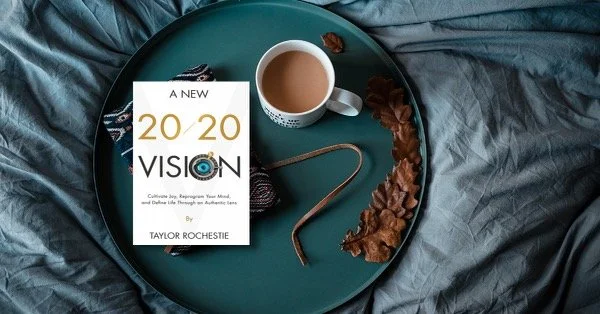
So I have been reading your book, A New 2020 Vision, and we scratched the surface of it when you first came on the blog to talk about that underdog mentality, so I won’t give it all away, of course. But your book covers everything from authenticity, communication, mindset, inspiration, but the main topic that comes up the most, I think, and the theme throughout is happiness. Do you agree with that? Is that what you were trying to do there?
Taylor Rochestie: Happiness is definitely something that’s rooted in all of it. I think a lot that’s rooted in it is authenticity. I think a lot that’s rooted in it is choices. A lot that’s rooted in it is having a positive filter and realizing the power of your mind.
So I think when it all kind of loops together and you realize that you can positively filter the world, that can be a roadmap to your happiness. At the same time, my happiness is not the same happiness as somebody else’s.
I’m giving a word, I’m giving a sentence, I’m giving a paragraph that might reach one person. Something else might reach somebody else. So it covers a lot of ground, but ultimately my goal is for the person reading it to get something out of it that helps them individually on their journey, on their path.
I originally wrote this for my daughter, and so now I have a daughter and a son. For them to be able to read it and to gain more happiness and more understanding of the world through my eyes and help them in their life.
Trusting the Process and Enjoying the Journey
Brandi Fleck: Yeah, that’s great. It sort of gives me chills to think about it. I love how it came together, but I think another thing that ties everything together in the book is sort of the theme of enjoying and trusting the process of our lives, sort of something you were just talking about, and that’s part of embracing being human. Did you mean to communicate that, or did that just sort of come out and you realized it after the fact?
Taylor Rochestie: I definitely meant to communicate it because, as you know in the book, I talk about trying to live from 95% of your life and not trying to live for the 5%, and that’s the process.
A lot of people are looking at the outcomes. They’re looking at something down the road. They’re looking at a graduation or they’re looking at something that’s really exciting in their future, and that’s great to have that optimism and to have that excitement about what’s going on, but then we can’t forget about what gets us there because that’s the meat and potatoes. That’s the journey. That’s everything that’s happening.
It becomes so right in your face when you have kids because you start thinking, man, I’m excited for this, I’m excited for that, and some of the day-to-day is tough. But then all of a sudden I’m looking at pictures and I’m like, oh, my kids are getting older, and I don’t want them to grow up so fast. I don’t want to miss out on anything. I want to appreciate every single moment.
As a basketball player, I have game days and I have travel days and I have practice days, and I need to realize that a practice day might end up being one of the best days of my life and better than a game day instead of just looking forward to the game days.
I might have to travel to go to China, and if I go to China, I have to quarantine for two weeks in a government facility. For a lot of people, they’re going to be like, hey, you’re going to be in a room and you can’t do this or can’t do that. I’m just like, okay, what can I get out of those two weeks? It could be two of the best weeks of my life. I could have self-actualization while I’m there. I’m gonna try to take a guitar and learn how to play guitar, and I can end up teaching my kids how to play music.
So I think that process is realizing that each day has potential and that we can’t just kind of skip past some days because we have things we’re looking forward to in the future.
Brandi Fleck: That really brings us to that saying that’s sort of cliché, I guess. I don’t know if it’s cliché, but “life’s a journey, not a destination.” Does that resonate with you? I’m assuming it does. Do you think it’s cliché to say that?
Taylor Rochestie: I think it can be cliché. Like I said, everybody has their own journey and has their own way of looking at life.
In another way I look at it, it depends on if you’re looking at it spiritually. It depends on if you’re looking at it in a whole bunch of different ways. If you’re looking at it spiritually, some people might think, hey, the destination is incredible, so I’m going to enjoy this journey, and that helps them enjoy the journey.
Brandi Fleck: That’s a good point.
Taylor Rochestie: You might look at it and say, hey, I have this great job, so I’m gonna enjoy the journey, and so your big thing happened in the past, and then you’re gonna appreciate it moving forward.
Everybody can kind of create that journey for themselves and create that inspiration for themselves, but it is important to realize your authentic path and realize what makes you happy because a lot of times we’re looking external and we’re looking outward, especially with social media and things like that. We’re saying, hey, that works for this person.
Even in the book, this guy is writing this book and he’s talking about this and that, and that works for him. Well, you need to be able to incorporate that into your life and figure out how that works for you.
Brandi Fleck: For sure. So I love this story that you tell about your wife in Chapter Five, “Finding Daily Happiness,” and it’s my favorite chapter of the whole book. Like I said, I promise I won’t give it all away, but the story is about her making crepes and what the process entails.
Similarly, I would love to hear what’s the specific process in your life where you work to enjoy and notice the details, and what are some of those details?
Daily Gratitude Practices and Positive Mindset Shifts
Taylor Rochestie: I think it’s everything. I think the details are in every moment.
I try to look for moments. I talk to some people that are dealing with hard times, and I say, hey, even in your hard times, there are moments of good that you can hold on to, that you can find inspiration from. In the good times, you can hold on to those moments.
A lot of times I talk about if you’re in a dark room with no windows, no doors, and somebody turns on a light, it’s going to make a big impact. If you’re in a room that already has some light, it’s not going to make as much of an impact.
So I always look for moments, little things, that even in my darkest times I can still find something. I can try to find some type of light, and then that affects the way I attack my day.
So during my day, I’m thankful. First thing I do, I wake up, I say thank you, and then I have to go around and attack the day and look for reasons to be thankful. Those are those daily applications. Those are those daily things that you can find.
I’m happy that you like this chapter because in a lot of books, a lot of people read some inspiring stuff and they say, okay, well then what? What can I do? How do I start? How do I get going?
I wanted to make that a big part of the book that says, hey, try this, try this, try this. These are actually some applications that you can use moving on.
Taylor Rochestie: In your day, you can figure out how that works for you. So for me, it’s saying thank you and then going out in my day and trying to find all the reasons that I’m thankful.
Brandi Fleck: Okay. If we’re having trouble enjoying the process, like say we are going through some hardship and we’re having trouble being grateful or finding the light in that, what are some tips for how to go about enjoying it more?
Taylor Rochestie: Absolutely. I think one thing that’s interesting is people that are experiencing happiness, they’re not experiencing happiness because there’s nothing bad going on in the world or nothing bad going on in their life. Their mind is just focused on that moment and that happier time, that happier situation, focused on something that they’re smiling about or that they’re feeling courageous about or whatever it might be.
When things are going bad, it’s not because nothing good is happening in the world. So it’s not without the other one. I think once we realize that, it can be part of our daily mantras in the morning. It can be part of our daily understanding of life where you can wake up and realize, hey, bad is not just all bad, good is not just all good, and there’s always things happening.
Once we realize that it’s more of a choice, that it is in our mindset, and we have these daily applications, we surround ourselves with happiness. I call it “highlight happiness.” So highlight happiness all around your life where you can make it almost impossible to go through a day and not find inspiration on something that you write on the wall or some music that you play in your car or whatever it might be.
Realizing that even in my darkest time, it doesn’t mean that good is not around me. I just need to shift my mind and refocus on that good that’s happening.
Brandi Fleck: Okay, so some tangible action steps I’m hearing you say is realizing that you have a choice, look for and focus on the good. Highlight happiness is looking for and focusing on the good or surrounding yourself with things that inspire you. Then you mentioned daily mantras in the morning and sort of starting your day right. Does that sum it up?
Taylor Rochestie: Yeah, I think that’s pretty good. The big thing for me, that’s my biggest motivator, which I already mentioned, is that I wake up and the first two words are thank you.
If you’re going out and attacking your day and going into your day and you’re finding reasons to be thankful, then you’re finding less reasons to be frustrated. You’re finding less reasons to be stressed or whatever it might be because there’s so many reasons to be thankful.
We’re on this Zoom call right now, and I’m thankful that I own a computer. I’m thankful that I had a chance to write a book. I’m thankful for this relationship that we have. I’m thankful that you’re wanting to have this conversation. I’m thankful that you have listeners that are open-minded to this, listening to positive messages, to great energy, to creating something for their life.
I’m thankful that I can speak internationally because soon I’ll be flying somewhere else and I can still talk to my family. I can go off for an hour just talking about how thankful I am right now sitting here in this chair while nothing good is necessarily happening to me, and I might have had a really bad day.
But there’s so many things going on around me that I’m just excited about and thankful for.
Brandi Fleck: Thank you for sharing that. I think that’s really helpful to demonstrate how someone can do that.
How to Build Confidence Through Small Habits
I also want to ask you about incremental steps and small changes, and this is something that I often teach my mentees and talk to my readers about, is incremental progress is the key to big changes. I know you have a similar stance. Why do you think starting small is important?
Taylor Rochestie: I’m a big believer in building the right habits. I’m a big believer in building confidence in yourself.
As a basketball player, some games the hoop feels enormous, and some games it feels really small and you just can’t make a shot. That’s straight confidence. That’s straight, you know, I made my last two or three shots so the next one’s for sure going in, and everything looks good, feels good, body feels great.
Confidence is key. So when you start small, you can check things off your list. You can accomplish small goals, accomplish a lot of little things that you’re going after, which is a great way to feel resilient, to feel courageous as a person.
I definitely believe in building the right habits. The big thing with these small incremental stages is it becomes who you are instead of just becoming a byproduct of who you are. It becomes who you are.

I’m not a hard worker because in this specific situation I’m going to work hard. I’m a hard worker because I’m a hard worker. That’s who I am. So no matter what comes my way, I’m gonna work hard because I’ve built those habits. I do it day in and day out.
The best part about that is if I succeed or if I fail, which I should be the one defining anyway, either way I’m waking up the next day and I’m working just as hard because that’s who I am.
I don’t feel stress about needing to be perfect or else I’m going to work less hard because I’m a kind person. I’m not kind because someone’s kind to me. I’m thankful because I’m a thankful person, not because there’s things to be thankful for.
It just translates, and then you build that each day with your habits.
The Power of Perspective and Mental Resilience
Brandi Fleck: Okay, awesome. So once you build those habits and you’re taking these steps, eventually time passes and you look back and you’re like wow, all these steps really led to some huge changes or some huge wins or maybe losses, but like you said, you should be defining what that is. So how do you take stock of your wins and celebrate?
Taylor Rochestie: I keep looking forward. I think everything relates to sports if you’re an athlete, so excuse me for keeping going back.
My last win or my last loss might help me in the future become better, might help me today work harder, might help me understand why did I win? Let me keep doing stuff that puts me at my best. Why did I lose? How can I learn from that and move forward?
My past games won’t help me win my future games in basketball. So as far as how do I equate it, I don’t even necessarily have the time to look back and feel proud of myself or happy for myself because I’m just thankful regardless, and I’m just moving forward and looking for the next wins.
I’m looking forward to the next things I can be optimistic about or look forward to or be thankful for, or if things are not going my way, I look around me and try to figure out people that I can inspire and hope things are going their way.
Fear, Trust, and Taking Risks in Life
Brandi Fleck: Okay, so a lot of forward motion there, and I want to shift gears a little bit. I want to talk about trust because when you’re enjoying a process as opposed to the destination or the outcome, I feel like there’s a lot of trust that has to be involved in that. What does trusting a process mean to you?
Taylor Rochestie: First, I like to think about the clichés. I’m trying not to sound too cliché as I just try to think about the beauty of life. I just try to think about what are the chances that I’m here alive right now even having this conversation.
Trying to make sense of everything just makes me feel in awe and gratitude of just being present. As far as trusting the process, if you don’t trust the process, it’s like how are we even here right now?
It makes me happy just to think about it. It makes me happy to just breathe and realize that truth.
I trust the process because I choose to trust the process. I choose to angle my mind toward a path of opportunity, toward a path of optimism.
I believe there’s only so much room in your mind for certain thoughts, and the more positive thoughts that I fill my mind with, the less room I have for negative thoughts or doubt or insecurity.
Again, with those daily applications, with those daily habits, everything I’m building, I’m building that confidence and building that trust in myself, in the process, in my life.
Then just growing older, realizing that life goes fast and I want to be experiencing all that I can, and realizing that I’ve dealt with a bunch of highs and a bunch of lows and I’m still sitting right here talking.
So I trust that things won’t be perfect. I trust that things might be great, might not, but at the end of the day I could still be sitting here and still be positive and choose to look at my outlook the way I want to.
Brandi Fleck: Yeah, so it sounds like trust comes pretty easily for you. What would you say to someone who might have a hard time stepping out in trust, or another word could be faith, or just to know that it’s gonna be okay?
Taylor Rochestie: The first thing is fear is in the looking, not the leaping. I’m a big believer in this, where a lot of trust and a lot of confidence comes in trial and error. It doesn’t come in thinking about it.
There’s a lot of fear and there’s a lot of anxiety that can come into thinking about things. Every year I’m trying to figure out which country I’m going to live in and all this kind of stuff, but once I get there and once I make a decision, it’s just like, hey, this is different than I thought or better than I thought or worse than I thought.
I talk to a lot of people about a ropes course that a lot of kids go to when they’re younger, and they’re climbing through the trees and they’re doing their things and they’re connected to a rope. Some of them are scared and some of them are not, and either way, scared or not, you’re not gonna fall because you’re harnessed in.
At the end, you have to do a trust jump and jump and try to grab the bar. People stand up on there, it doesn’t matter what age, and they’re shaking and very scared. Once they realize they’re in the air, it doesn’t matter if you catch the bar or not. You rappel down nice and easy, and you’re brought down by somebody else.
All the fear was just in thinking about it and the looking and not the leaping.
So people that don’t trust the process need to just actually go out there and do more because with more failures, you’ll realize how resilient you are and realize that it doesn’t matter how many times you get knocked down, you’re still right there.
Brandi Fleck: Yeah, that’s a really good point, and I haven’t quite heard it put exactly like that before, but I like that.
Healthy vs Unhealthy Addiction Patterns
Then I have to ask, in your book, specifically Chapter Five, which we have been talking about earlier, you use words like addiction and gambler, and I’m a word person, so I sort of latched onto those.
You say there are healthy versions of addiction and gambling, and then you describe healthy things you’re addicted to and ways to take risks that motivate rather than consume. So I have a couple of questions around these words.
First off, why those word choices, addiction and gambler?
Taylor Rochestie: I’m a big fan of stand-up comedians. I’m a big fan of stand-up comedy, and what I’ve realized is that they’re extremely controversial because they talk about a lot of subjects that make some people feel uneasy, make some people laugh. Yeah, a lot of them might even be truths, but truths that people aren’t ready to hear or truths that might hit home differently to some people than others.
What I’ve realized through going to a lot of stand-up comedy shows and listening to a lot of stand-up comics and reading comments about them and figuring out they got kicked off a show or something like that because of something they said, I just realized that I love being open-minded.
I love the idea of looking at something that’s stereotyped as negative or stereotyped as something that people don’t want to be associated with and realizing there’s more than one way to look at it. There’s more than one way to look at failure. There’s more than one way to look at a word like addiction. There’s more than one way to look at a lot of different things.
Although they are hot topics and hot-button words, those words specifically kind of hit home because I like to gamble, but I’m a very healthy gambler. I have addictions as far as wanting to make people happy, but as long as it’s rooted in the right thing, as long as it’s rooted in positivity, both internal and external, as long as it’s rooted in kindness, as long as it’s bringing positive things to me instead of negative things, I think that that can be great.
Again, the biggest thing about addictions or saying words like that or trying to say anything like that is I never want to give a blanket statement toward anybody. I’m not talking about the word addiction because I’m talking to all addicts. I’m not talking about something like this because I’m speaking to everybody.
I think everybody’s different, and I can’t use a blanket statement for anybody. So this is another one of those moments where some people might get something from this and another person might not want to use it because they might realize that it might be more dangerous for them.
Brandi Fleck: Okay. Something that was really interesting in what you were just saying is, and you didn’t put it exactly this way, but the self-awareness that you have to say, well, I am addicted to some things, and this is how I’m going to harness that in a healthy way, whereas some people who aren’t self-aware of certain things might go down a completely different path. That’s just a little side thought there.
But I do want to say too, say if someone was an addict or a gambler or had some unhealthy issues in these realms and they were reading your book, would you give them the same advice? Or how would they know, oh well, this part’s true for me, but maybe this part doesn’t resonate so much, so I’m going to leave that? How would they know to do that?
Taylor Rochestie: I think normally when I give advice, I have to get to know the person. So to just give, like I said, a blanket statement advice is definitely difficult for me because to get to know the person and their specific needs is a little bit different than just saying, hey, you’re struggling, this works.
What are you struggling with and why, and how can we harness that into something good?
Something that comes with addiction specifically is people say, “I have an addictive personality,” so if it’s not this, it’s that. That’s an interesting thing to play on because, okay, so let’s use that for the good. How can we use that for the good?
It could be just counting numbers all day in your mind because you have to do that instead of doing something that’s negative. That’s something simple and something I never thought about before, but it’s just there. Let’s try to do something neutral instead of something negative, and after neutral let’s try to push it and make it positive.
Let’s be addicted to self-improvement, but with an underlying self-awareness that says, okay, I do have this situation or I do have this problem going on in my life, and how can I make things better?
Like I said, it all comes with a little give and take, and it all comes with knowing the person that you’re talking to.
Creating a Positive Life Through Intentional Choices
Brandi Fleck: Yeah, and this is sort of related. When you do funnel that into healthier choices and you’re like, how do I make this healthy for me, how do you personally find the balance between choosing a healthy lifestyle and becoming addicted to these healthy things but not becoming obsessed in a way that hinders relationships and connection?
Because I think the healthy part is where you still get to have balance and connection and relationships, and the unhealthy part comes with disconnection.
Taylor Rochestie: Absolutely. I think a lot of it deals with humility. Self-awareness is a huge thing. Being able to surround yourself with incredible people, incredible people that will talk to you and keep it real with you, tell you how you’re doing.
Having a partner, two people, three people that you can count on to help you through different processes, especially if you’re dealing with something that is tough in your life or dealing with some adversity.
Having people hold you accountable. One of the biggest things I’ve learned when it comes to love and happiness from other people’s studies is you have to be held accountable from other people, and you’ve got to hold people accountable.
You have to have people around you that are looking for you to do the right thing, to act a certain way, and you have to be there for other people in that way.
That’s a huge thing. I think there are so many different things I can touch on with that, but I think that that’s definitely a good start.
Brandi Fleck: Yeah, I think that boils down to how important it is to have a good support system, if I could add that. What are some ways that you hold people accountable who you care about, and how do they hold you accountable?
Taylor Rochestie: I think I’m lucky because I have friends that will just call me out. I have a wife that will call me out. I have a brother that will call me out, which is absolutely great.
I like to think that if I said something that’s out of character... and keep in mind, I think every day you should be able to change. That’s another thing from the last question that you asked, is you have to be able to evolve.
Even with an addictive personality, you have to be addicted to evolution and realize that every day you have an opportunity to grow and get new information and new knowledge. If things aren’t working, be able to have people around you that say, hey, let’s pivot to this other way.
That support system can say, okay, here’s where we’re going. It doesn’t need to always be like that. Let’s continue, let’s evolve, let’s change because this is what’s working for you.
So I have people that will definitely call me out. I like to be a... what’s the right quote? A great quote is, “Be the light that helps others see,” and so I like to try to be that with other people, especially the people that are close to me.
If people say a comment that might be really rude toward somebody else, they’ll be able to see in my face. I won’t necessarily even need to call them out or make anything of it, but they’ll see in my face that, hey, probably could have used a different way to go about that.
Or someone said to me, “Hey, this guy’s this, what do you think about that?” I’m like, I don’t really have a comment about that because first of all, I don’t really like talking negatively about somebody else.
Just being able to be real. Because if that’s who you are, if you’re a kind person, you can look somebody in the eyes and in a very polite and kind way be able to explain to them, hey, there’s more than one way to do it, and let’s choose the positive way.
Brandi Fleck: Yeah. All right, well now I just have to ask you because curious minds, I’m sure, want to know. You said you like to gamble in a healthy way. What’s your favorite game or way to gamble or anything like that?
Taylor Rochestie: Oh, the biggest thing, it’s with my wife. We’ll say it could be anything, one favor. So if you’re with a friend or a best friend or somebody at work or whatever, I talk about it a little bit in the book where it’s like you have to gamble.
You know who sings karaoke? Then you put yourself out there and learn to do stuff like that.
If I think I’m right about something and somebody thinks they’re right about something, I’ll just say, okay, let’s bet on it. Let’s bet a favor or a dare or truth or whatever it might be. You can go back to the kid game and just have that excitement because, again, gambling comes with excitement. That’s why some people get addicted to it.
So you can create that excitement but create it in a healthy way, and I definitely like to do that with my friends.
I do little guy things, or not guy things, but things like playing fantasy football, and I’ll say, okay, I’m playing against you this week, so let’s personally have a little side bet on it. It doesn’t need to be money, and it doesn’t need to make me sell my house. It can just be something fun where they have to post something that embarrasses them on social media or something.
You just try to get creative with it. It brings out your creative part of your mind. It brings out some excitement and helps you plan for the future and be optimistic about having some fun in your day and in your week.
Brandi Fleck: Yeah, awesome. So bets are where it’s at for you then.
Taylor Rochestie: But you don’t want to bet with me because I usually bet if I know I’m right, which I hope most people do. But a lot of people are like, “Hey, you know I’m right, let’s bet on it.” I’m like, okay, here we go.
I was trying to teach my son that the other day. He’s like, “I’ll bet you this,” and I was like, no, you should not do that unless you know you’re gonna win.
Brandi Fleck: But anyway, well, this has been a great conversation. I just want to wrap up with letting us know where we can find your book and any other thing you would like for our listeners to check out. Just tell us where we can go.
Taylor Rochestie: Hopefully the link and my name will be in here.
Brandi Fleck: Oh yeah.
Taylor Rochestie: Because my last name is a little difficult. But it’s TaylorRochestie.com. I think I’m @TRochestie on most social media or Taylor Rochestie on Twitter.
I’m trying to get more involved. I’ll be going out to China hopefully soon, and so I’ll have a lot of time on my hands to get more active on social media.
I love communicating with people. One of the best parts of writing this book is having a lot of people write to me and ask questions about the book, talking about some adversity that they’re going through, and I’ve been able to help some people with that.
So I’m very open to that. I’m very excited to do podcasts like this. I hope your listeners listen to a lot more of your podcast and get some great messages.
Yeah, and I’m playing basketball, so if you Google me, you can find the videos and you can probably see where I’m playing and what’s going on and how many shots I’m missing. So it’s all out there.
Brandi Fleck: Awesome. Well, Taylor, thank you so much for your time today. It’s been an absolute pleasure, and I hope everything works out with your contract and getting over there.
Taylor Rochestie: Thank you so much. I’ve been looking forward to this for a little while, getting back and talking with you again, so I’m very appreciative to have me on the show. Like I said before, I hope your listeners are hearing this and listening to a lot more of your stuff.
Join the conversation!
Feel free to share your own experience and let me know if you have any questions in the comments.
Related Posts



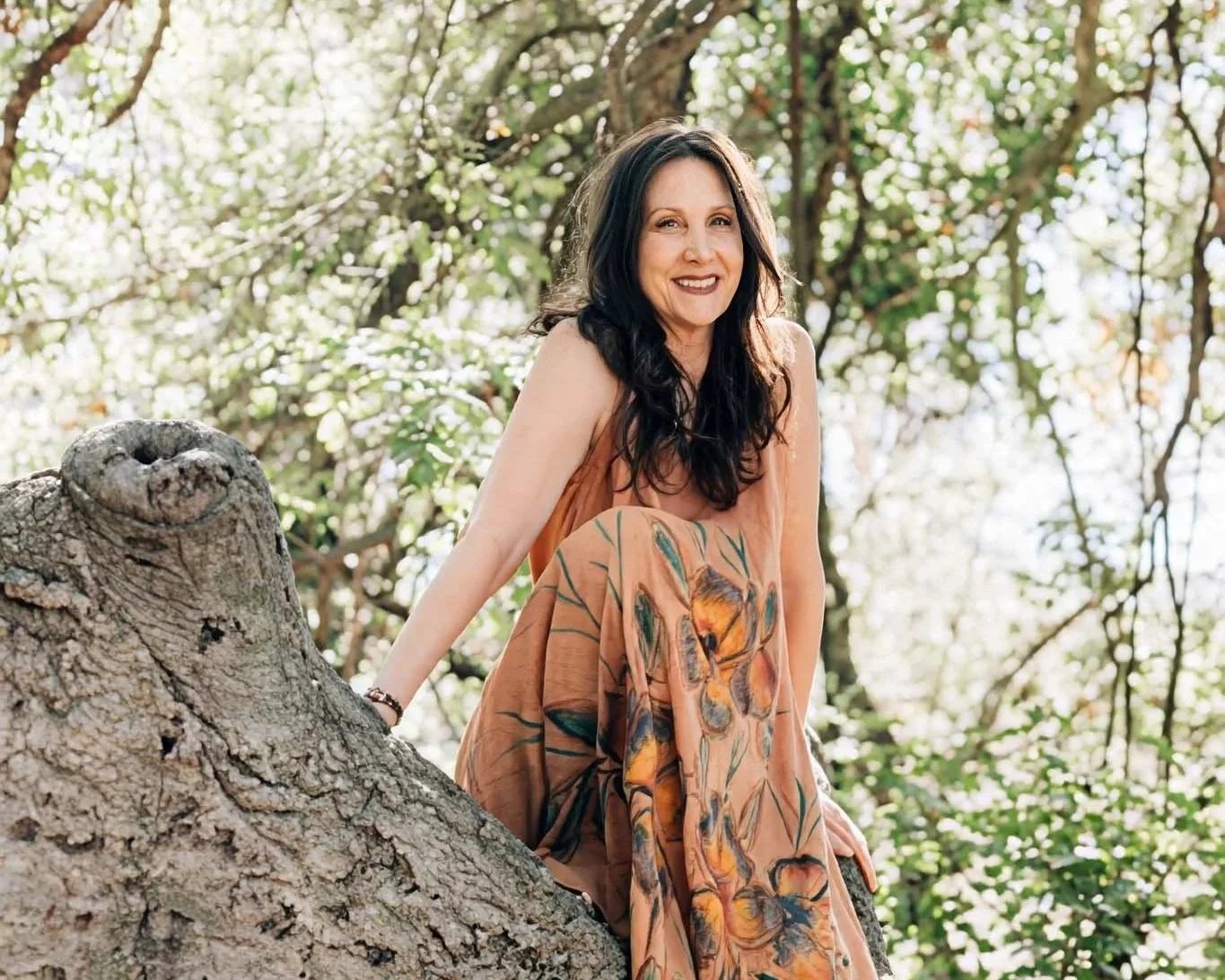

Hi, I’m the founder of Human Amplified. I’m Brandi Fleck, a recognized communications and interviewing expert, a writer, an artist, and a private practice, certified trauma-informed life coach and Reiki healer. No matter how you interact with me, I help you tell and change your story so you can feel more like yourself. So welcome!
Find More on the Blog
Topic
- ADHD
- AI
- Atlanta
- Black and BIPOC
- DIY
- FAQ
- LGBTQIA plus
- Los Angeles
- Nashville
- Seattle
- St Louis
- St. Louis
- UFOS/UAPs/ETs
- abuse
- accountability
- addiction and recovery
- adoption
- affirmations
- afterlife
- altered state
- angels
- animals
- anxiety management
- art
- astrology
- atlanta
- attachment
- awakening
- beauty
- behind the scenes
- being human
- body image
- body work
- boundaries
- brandi fleck
- breathwork
- bullying
- burn out
- burnout
- cancer
- career
- caretaking
- chakras
- channeled
- clarity-dive
- clarity-practice
- clarity-primer
- clean products
- coach
- codependency
Recent Blog Posts
Visit the Full Podcast Audio Archive

Affiliate


Psychology specialist Corey Hatfield explains character strengths, anxiety, mindfulness, and why two people can experience the same situation in completely different ways.