
How to Trust Your Intuition and Heal Your Nervous System
Interview By Brandi Fleck
Ashley B. Jones explores how intuition actually works, why it often gets confused with fear, and how to build self-trust when navigating decisions, identity, and change.
We often think of intuition as something abstract. It’s something you either have or you don’t, or something that only shows up in big, defining moments.
But in reality, it’s much more constant than that.
In this episode, Ashley B. Jones (transformation coach, intuitive healer, and neuroscience graduate) breaks down how intuition is actually working all the time. Through your body, your past experiences, and the way you interpret what you’re sensing in the moment.
We explore how intuition overlaps with the nervous system, why it can get distorted by fear or trauma, and what makes it so difficult to trust. Especially for people who lean more logical or analytical.
If you’ve ever questioned whether what you’re feeling is “real,” struggled to separate intuition from fear, or felt stuck trying to make the right decision, this conversation offers a more grounded way to understand what’s actually happening, and how to work with it.
Listen to Ashley B. Jones’ Interview
Watch Ashley B. Jones’ Interview
Giving Yourself Permission to Live Imperfectly
Brandi Fleck: What does being human mean to you?
Ashley B. Jones: This is so interesting that you ask this because I've been thinking about this a lot lately. Being human, to me, means accepting the imperfection of our lived experience and finding the perfection and freedom within it.
So being able to really give the self. Who you are, wherever you are. The permission to experience all that you want to experience in life, and then giving yourself permission to do it super imperfectly, and finding the way that feels right to you.
Which is, when I say perfect, the one that feels authentic and right and aligned. We'll get more into that later, but finding that place of alignment and then just having fun with it—type two fun and type one fun.
Brandi Fleck: Are you referring to personality types?
Ashley B. Jones: So type one fun is fun that is fun in the moment and fun afterwards. And type two fun is not fun in the moment, but is fun afterwards upon reflection.
So I often think that a lot of, I live in Colorado, type two fun is like hiking a mountain, or you get stuck in a rainstorm and you're miserable and worried you're not going to get out. But in reflection, you're like, wow, that was a great time, would do that again.
Versus type one fun is like getting some ice cream or seeing a movie you really like. The other type of fun is that in the moment you're like, I don't like this at all, but on reflection you're like, that was kind of a cool experience, might do it again.
Brandi Fleck: That's awesome that you brought that up, because that happens all the time. Type two fun.
So yeah, Ashley, I'd love to welcome you to the show. Thank you so much for being here today.
Ashley B. Jones: I'm glad to be here. Thank you for inviting me.
Brandi Fleck: I was just saying it's been so long since you and I met in our trauma-informed training program, what, two years ago? So I'm just grateful to be able to have people like you who I get to connect with, share some of my story, and hear more of your story.
We were just talking about how fast time has been passing, and I don't know if any of the listeners have experienced that, but it does seem like time is just changing.
So before we dive in, can you please tell our listeners a little bit about who you are and what you do?
Ashley B. Jones: Yeah, so I am a transformation coach and healer, and I help people navigate big life transitions or cultivate transitions in their life in a way that is empowering, freeing, and feels right to them.
In doing that, you can basically harness the ability to transform your life, your experience within it, and yourself to be one that feels more like what you want it to. So harnessing those life transitions to be moments of transformation.
Brandi Fleck: I love that. That is my jam too. I love it because we're so there in the coaching world.
And one of the things that really stood out to me about you when we were in that training together was your use of intuition and how it just informs your entire practice. Would that be an accurate statement?
Ashley B. Jones: 100%. And within the umbrella of being a transformation coach and healer, I infuse Reiki, which is an energy healing modality that comes from Japan.
Where Science and Spirituality Actually Meet
Ashley B. Jones: Intuitive work, like you mentioned. Which to me is all of it. So body being Reiki, somatic work. I infuse mindset work and then beautifully readings, spirituality. So it's really this mind-body-spirit experience where you're able to look at where you're at in your mind, really drop in deeper, and then experience this sensation of being held by something greater and this faith in something that goes beyond the literal and the physical with the spirituality.
So we merge that together with these really cool guided meditations and different experiences where you get to witness for yourself something greater, or tapping in through readings, like this knowing that goes beyond the literal or the material world that we live in.
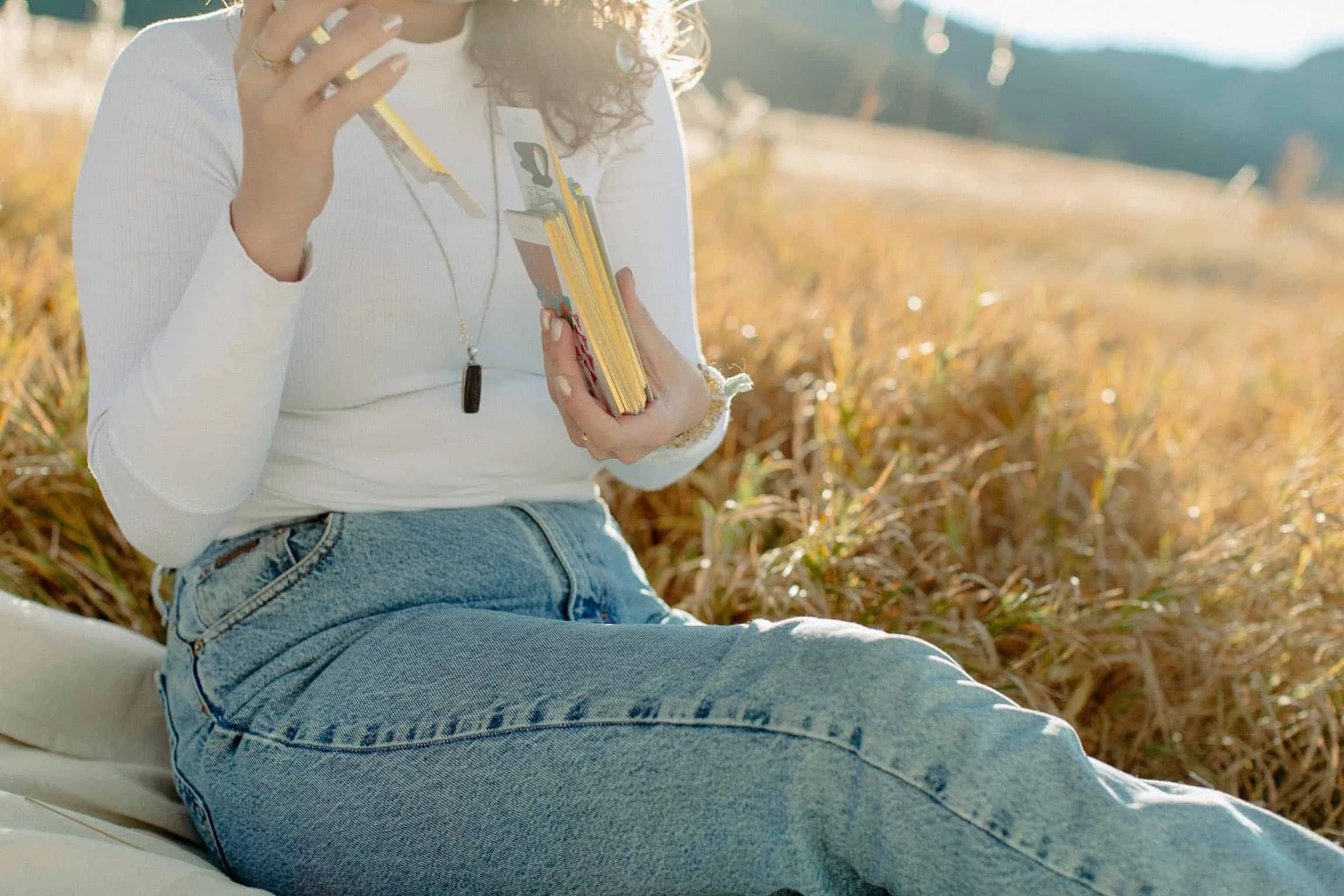
Brandi Fleck: And guys, if you're watching the video—or if you're not watching the video—Ashley just held up her deck of tarot cards, which you're in for a treat because I think she's going to do a little reading at the end of this episode.
Awesome. So hang in there. Real quick though, you also have a degree in behavioral neuroscience. Is that correct?
Ashley B. Jones: Yes, I do. Yeah, that's actually what kind of—during while I was in school—that was really a catalyst for me. We can dive into more of this later, but the feeling of being steeped in the hard science of how the brain works and why we are the way we are, how the body works, how our brain informs our behaviors and our interactions, some of these bigger life experiences—why we are the way we are and the way we behave.
At the same time, I had gotten a reading for the first time and was diving into doing readings for myself and my friends, and had this weird, mind-bending experience where my logical, scientific brain was like, this shouldn't be working. And yet I seem to be able to do it every single time.
To the point in which I would say something, and then I'd flip over a card that would say the exact thing that I just said to my friend. And so the statistical significance. I was like, you can't make it up. This is just repeating, repeating, repeating. There must be something here.
And so that was really a big catalyst for me to go into where I am now, trying to understand how do you take spirituality and make it really practical and implementable for people in their lives to be a tool that they can use—which is, to me, what intuition is. It's one of the greatest tools that we have as humans.
Brandi Fleck: Okay, so science and spirituality sort of meet in your life. Have you been able to make sense of it?
Ashley B. Jones: I'm in the process of it. I think that it's interesting for me because, to me, modern science is the modern understanding of all these things, it's just a different lens.
And then you have all these ancient spiritual practices that are thousands, if not tens of thousands of years old. I would actually argue. And I don't have the proof yet, but hypothesis. That intuition and this type of spiritual work is happening at the very same time humans were developing. It goes hand in hand.
So this has always been something we've been doing, and we've used different lenses throughout history, whether it's philosophy, spirituality, religion, science, chemistry, alchemy. Whatever it looks like to try and understand how it is that we can find freedom within our lives.
And so for me, it's looking at spiritual, which I look at as ancient practices, and then modern science as a modern understanding of the practice, and looking at the way they match up and merge.
Brandi Fleck: Okay, okay. And so I think we're going to get into that a little bit. To lay the foundation, how do you define intuition? And then also, can you tell us what is neuroscience?
Understanding the Nervous System, Neuroscience, and Energy
Ashley B. Jones: Yes. So to me, intuition is the language of the soul, and it's interpreted by the self.
When I say this word “self,” what I mean is self is the connection between the soul and the body. It's where we, in our identity and our ego, sit. Typically, within more holistic or metaphysical practices, that's going to be considered the heart center (our heart) which is why typically that's where we feel so deeply. It sits right in the intersection between heaven and earth.
And our soul is the energy body. It is the thing that gives us life. It is this spiritual essence that's immaterial. And the body is the physical container in which the soul sits.
So the self is sitting in between, running interference, listening to the soul, listening to the body, and then interpreting it.
Neuroscience is the scientific study of the nervous system. So that is the central nervous system, which is the brain and the spine, and the peripheral nervous system, which is the extra sensory perception that we have.
So if you're touching your hands, when you move your legs, that's your brain telling your body's nervous system to do something. So that's kind of where neuroscience really intersects.
It's the literal scientific study of the cells, of the electrical impulses in the body, of the different hormones, of the different neurotransmitters—like dopamine or serotonin, ones people are super familiar with—oxytocin, epinephrine, norepinephrine, all these different types of experiences.
The way our body is able to communicate with itself. So literally, it's the science of the nervous system.
Brandi Fleck: Okay, yeah. So it's about the container.
Ashley B. Jones: Yes.
Brandi Fleck: Okay. And I loved your definition of the self and the soul and that explanation. I've never heard it like that. It's going to take me a minute to process it. I'm going to be thinking about that.
Can you explain for us where neuroscience and intuition intersect? Or do they?
Ashley B. Jones: They do. And I think it's interesting because everyone who's listening to this, every single human, is intuitive, so I just want to start there. I think sometimes it can be like, well, I'm not intuitive. I'm not picking up on this. I'm not reading cards and picking up information extra peripherally, or I don't have a sixth sense.
When in reality, it is actually built into every single human. And within neuroscience, a lot of how they explain it is that intuition is the way in which our unconscious is picking up on sensations and experiences and the way that's mixing with our past experiences.
So things that we're not consciously aware of, like I see a yellow background behind Brandi. Yellow is that. But you might have a certain response to the yellow based on something that's living in your past or your unconscious, or belief systems that you have, and the way that then perceives it.
So to me, what our intuition is, is picking up on information. Information in your surroundings, whether that's your inner self, like your body, or someone else who's coming into you. Someone comes to you and you're like, that person has a weird vibe. I don't know why, but I just get this weird no feeling, intuitive knowing.

You walk into a space and you're like, I don't know, this is weird, hard no for me, pivot. Intuition.
People talk all the time about doctors and nurses who just have this knowing of, I need to go to this room, and the minute they get there, their patient codes. There's a lot of really interesting research that's starting to be done to understand intuition and extrasensory perception. It's still considered very taboo in the scientific community, which is unfortunate because it is something that is so prevalent and so literal.
I think part of that is that it is both a very personal internal experience, so it's hard to account for all of the different confounding variables—things that you can't control for. So you could have bias, you could have influenced the environment. Trying to study something to that extent around intuitive knowing can be really difficult.
And at the same time, this is something that really informs how humans interact with life and also what makes us so human. It is our perception, it is our feeling, it is what we know to be true, even if that knowing doesn't literally make sense. Even if you're like, logically this should be fine, but I'm picking up on something that goes beyond my logic.
And that's where, for neuroscience, what they've said is you're picking up and experiencing something that is in your unconscious or is not in your present awareness of what you are seeing and witnessing—that goes beyond the literal facts, if that makes sense.
Brandi Fleck: Yeah, so I've got a basic understanding of the nervous system, but the word “neuroception” keeps coming to my mind. Is that related in some way? Is it some kind of your nervous system doing something?
Ashley B. Jones: I guess it depends on what you mean by doing something. I think it is something that we, and this is where there's not necessarily that understanding yet. Because to me, when we talk about the soul and you're picking up on information from the soul, or someone else's energy body, or your own energy body and the different layers, you're able to actually access that information that goes beyond what we in modern science understand.
We don't necessarily have the tools. The research hasn't been done. We're still working on it.
But it is really, to me. One of my teachers, my Reiki teacher, once called the brain “middle management,” and I really liked that perception. So it's kind of like your brain, or that middle ground, is picking up on all this energy.
Your personal soul, which is who you are at your core, all that you're capable of, is connected into your unique identity outside of the human experience. This essence, the presence of information that you come into this life having—like when a soul emerges with a little baby child—and then your nervous system is picking up on that information.
Like who I am, what I desire, my dreams, what I'm here to do in the world, my purpose. Picking up on information. And we can get into this, but like of other beings, of spirit guides, or other versions of self, or your higher self, or your shadow self.
And then it is merging into the body, which stores experiences we've had. So the nervous system is then picking up on lived experiences. Anything you've experienced in your life, whether that's capital-T trauma or little-t trauma. And making sense of what feels right and safe to you, what feels good.
So really, it's like your intuition is this beautiful, very simple but also very complex language of negotiating based on what my dreams are, what my soul brings in. How does that merge into my physical body, and what feels right? And how does that then inform the way I'm experiencing the world?
And also, what I really love about intuition is it's you. Because it's your language of yourself, it gives you insight into what do I want to do, what is right for me that's maybe not the 2.5 kids and the white picket fence. It might not be the traditional route of living life.
But it's this invaluable truth tool to be able to navigate life in a way that feels right to you. And when I say right, I mean that deep feeling of, I don't know how to explain this, this is my purpose. This is what I want to do. This just feels really good in my body.
It feels grounded, it feels stable, I feel calm but also really excited. I feel like this is expansive. To me, it's that energy of rightness. And that's where, to me, intuition is able to help us align and attune to what is right for me.
And how do I then listen to myself and follow that, even if it goes beyond other people's lived experiences or collective conscious experience—whether that's the society you live in or the community group you live in, of what you should be doing based on group lived experience.
So to me, intuition again is my personal language that is the way I can listen to what feels right and good for me, and that checks with values. And there's so much that goes into that.
That's kind of negotiated against what someone else's belief system is going to be for me. And that's why I think it's just so important to have that relationship to it and really build that sense of self-trust of, I know what I'm feeling, and how do I follow that? What does it mean to follow through on that? What does it mean to build that for myself?
Brandi Fleck: And I think it's really something that you mentioned about trauma, and our experiences are stored in our body, and our intuition is sort of negotiating with our body. I believe that's what you said.
That makes me think that things that we've experienced in this lifetime could actually distort or hinder our intuition from coming in. So what are your thoughts there?
Fear vs Intuition: How to Tell the Difference
Ashley B. Jones: Yeah, I think this gets talked about a lot with the difference between fear and intuition. And I read somewhere once, I'm not sure who said it, that fear shouts and intuition whispers.
And a lot of times what will happen. And this is why developing that sense of quietness, of what does yes feel like in my body, what does no feel like in my body, how can I start to decipher that language very simply and then let it develop from there. Because even as someone who does this professionally, I still have moments where I will get activated.
Or something from my past that I've experienced puts me into a state of fight or flight, which then, in your brain, you're tapping into that more primal, more reptilian brain that's literally like, I need to survive right now. Which turns off the higher levels of cortical functioning, which is where some of that really developed intuitive knowing comes in.
And it's hard in those moments to know what is right and wrong because you're in a state of threat.
So a lot of times when we have experienced something in the past that was traumatic, whether that was big-T trauma, little-t trauma, single-point trauma, complex trauma. Where we have had an experience where we're like, I don't feel safe in that, and that has then informed what do I actually want to build now.
So when we talk about negotiating, what I mean is, I want to feel freedom. I think that's really the core of every human's purpose in the world, is to find freedom.
And then it's like, what does freedom actually mean to me? And it can be in very small moments. It can be in these different layers. But finding that feeling of freedom for the self and for the community and collective as a whole, and then noticing where my body doesn't feel free. Is this something that I need to push on? Is this something that I actually don't want to push on?
And it becomes, again, that questioning, that relationship of developing, like, is this something that needs to be changed? Is this not something that needs to be changed? And then the intuition comes in of what feels right. How do I want to navigate this? What is the way I feel empowered to navigate this?
Maybe it's not logical, but I feel like I'm really called to go to this one place to do this healing work. And it just becomes kind of this inner compass, is what I like to call it—being able to find north, even if your brain in these moments can be really activated.
Or your body can hit a signal up into your brain and be like, whoa, I don't know why that just activated this threat response within me. How can I calm my body back down so I can hear what's going on? What do I feel is right, versus being in that full response state that we can get into?
Does that answer your question?
Brandi Fleck: I think it does. And I want to ask you about your healing journey too, because I know you alluded to it a little bit with saying you still get activated at times, even though this is your work.
How to Trust Your Intuition (Even If You’re Skeptical)
But what would you say to somebody who is super logical and they don't really believe that their intuition is a thing, or that it would guide them in the right direction?
Ashley B. Jones: I would ask what their relationship with themselves is like. Because oftentimes, I feel like logic and the beautiful way that it operates, is so tied to the mind and our left brain, trying to organize and create structure and create understanding.
A lot of times, for me, it comes from this place of wanting to control and create safety. Like, I'm the logic—this, this, this—let me follow it. Some people lean more feeling and intuitive in the way that they operate. There are so many personality tests that talk about this.
So people who lean more logical, your intuition can feel logical to you. It is, again, your unique language. So you might not have the same type of intuitive experience as someone who sees or is interpreting sensations in their body.
There are six different types of intuitive sensing that we have. They're called the clairs. The most common one people know is clairvoyance, which is considered clear sight, being able to see beyond your literal eyes.
There is also claircognizance, which is intuitive knowing. There is clairsentience, which is intuitive feeling—people who pick up on information and feel it in their body. Oftentimes, that is very similar to empathy or people who identify as empaths.
There is clairalience, which is clear smell, people who might smell something. Clairgustance, which is clear taste. And then clairaudience, which is hearing, people who might hear.
And oftentimes, for me as someone who is clairaudient, I don't literally hear someone talking to me in a different voice or tone. That would be kind of wild, but there are thoughts in my brain that I know are not my mind speaking.
So really, I think someone that leans more logical might relate to something that is more knowing-based. I would say, like, I just know this to be true. And maybe it's illogical in the sense of A plus A equals B, and you're throwing in a completely new variable.
But I think it's deciding to develop what your relationship to intuition looks like and how you can let this be a piece of information for you, rather than it being something completely different that doesn't make sense.
And I think it's also giving yourself permission to start to listen to when you pick up on something that maybe doesn't feel like it makes sense. Like, I go into a club, why do I feel weird today? Is something off about the club? I'm just sensing something.
Starting to listen to those subtle cues and acknowledging that you have been intuitive your entire life in the sense that you have picked up on things.
And the more that you can listen, the more you can really just see this as a tool to help you—another piece of information to factor into your mind for it to work with.
Brandi Fleck: Awesome. Thank you for that. Yeah, I think that'll be really helpful.
And whatever you feel comfortable sharing with us would be great, but I would love to know a little bit about what healing you've personally been through.
Ashley B. Jones: Yeah. This is where I'm like, where to start, which I feel like a lot of people who have any type of experience with healing work feel.
So I grew up with two siblings who have a pretty intense brain malformation that's very rare. And so I grew up in a high-stress environment, just by the nature of them having seizures and having higher needs.
And then my mom had cancer, and then my parents' marriage started to crumble. So there was just a lot of stress that I was around. And I am a very big feeler. I am someone who has always deeply felt my emotions, has felt very called to the spiritual aspects of life, and has been very creative as a kid.
So when I got to high school, it was just teenage years, you're really going through it. And that, compounded with a lot of my home experience and things I was going through within my own mental health journey, I started to feel very lost.
And my mom, at the time, I had gotten a concussion playing soccer. And she took me to go see an energy healer that one of her friends had referred her to.
She is a nurse and did research at Stanford, so she's very in the hard sciences but has always been curious about this other world.
And I had this very profound moment where I went in and the energy healer put a piece of my skull back into place. And I remember going in feeling one way and leaving being like, oh, I can physically feel a difference in my body.
And then me being the 15- or 16-year-old that I was, she's talking about spirit animals, and I want to know what my spirit animal is. And she's like, okay, before you go to bed tonight, ask that your spirit animal come to you in your dream.
And I swear to God, I woke up that night and the entire animal kingdom was in my bedroom, and it freaked me out. I was like, and we're done. That was too much. I don't know what just happened. That was kind of crazy.
And I kind of disconnected from it for a while, but again was really trying to find what it meant to belong and trying to figure out who I was. I was really struggling with depression and anxiety and neurodivergence and all of the stuff, and the chaos of being human.
And I went to college and was really trying to figure out, I want to be different. I want to be confident. I want to be popular. I want to like myself.
And then just again really went through it socially and was still struggling with my own mental health.
And at a very dark time in college, I had just been introduced to a reading for the first time, and I had this profound reading with this woman who I'd never met. She was on the phone, she didn't see me, and yet she knew more about me than I knew about myself.
And I felt so seen and so loved and so held at a time that I felt so disconnected from myself, so unaccepted, so lost.
And that was really the beginning, something I'd always been really curious about. But it was this very profound moment for me where I needed someone to hold a torch or to see the light in me when I felt truly like I was drowning in darkness and did not know how to get out.
There were a lot of physical nervous system responses, a lot of depression and anxiety, just not knowing.
And it became this really slow journey of being in therapy and working with intuitives and working with healers to find my way back to myself.
And when I say back to myself, I mean back into connection. Because we are always going to feel moments where we stray or feel lost, and then we come back.
But really knowing that I have this level of relationship with myself that is loving and caring and based in this place of true faith in what I'm able to get through and what I'm able to go through.
And so as I was healing through a lot of different things that had come up and happened, some that I will keep private for the sake of everyone's story, I learned Reiki.
And that was also this massive, profound experience for me, where I could feel, and I felt like my senses were opened. I was continuously just coming more and more and more back to life. More capacity to feel my emotions, more capacity to experience my life, more of a relationship in the way that I always kind of knew I knew how to operate.
Versus feeling like I was too much, or I was feeling too much, or completely stimulated most of the time, and I think that's where the healing work for me has come in—like very different stages of tapping into something greater and tapping into this healing experience that goes beyond maybe what science knows, and merging the two together to be these really beautiful aids.
For me, Reiki is a beautiful way to tap into the nervous system and to work with the body—the way that the body keeps the score, the way that the body holds trauma, and the physical muscles that experience it. When you're in the moment, your body's not processing what you're going through.
So it was this invitation to start to release and let go, and it was this new tool that I had. And it's been, since then, this really interesting experience for me of meeting myself where I am, and then meeting the past versions of myself who have experienced these things that still live in my body, with new levels of compassion.
To be able to continue to create more freedom and more autonomy, and an ability to live a life and to be in relationship and to be in community in a way that I've always wanted to be in.
And I truly believe a huge part of that was me listening to myself and me trusting myself and me standing by myself, and the self-possession that comes from working really deeply on perfectionism or people-pleasing, and feeling like I knew who I was in the world.
So to me, healing is such an interesting word because I think a lot of times we relate it to being healed, or being perfect, or not having problems, or not experiencing any discomfort in our life.
And the unfortunate truth that I had to realize on my own journey was that this is not something I can check off. This is not a point that I ever arrive at. I'm never going to be a “healed” human. No one is.
Now, there are people who are able to have a relationship with themselves and what the body has gone through, and what they have gone through, that gives you permission to navigate through healing in a gentle and softer way. Because they have built that relationship, restored that level of trust, and restored that level of connection within.
And feel like they have a relationship to something greater where they can have faith that things are working out for them, even if it doesn't look like it, even if they're not sure how it's going to look.
At least for me, I have this ability now to know that I can navigate through anything because of all of the tools that I have. And spirituality, to me, is one of the biggest tools that we as humans have in our pocket.
And I will say, if you're interested in the neuroscience of all of it, there's this incredible book that was recently written by a woman named Dr. Lisa Miller, who did research on the effects of spirituality on the brain.
And crazy enough, they realized that people who have high levels of spiritual connection, or consider themselves highly spiritual, have an actual thickening of the cortex that atrophies during depression. It creates resilience to depression.
Which I was like, I knew that, because I had seen it happen in my own life. The idea of feeling completely underwater, completely lost, no energy, can't get out of bed, cannot even function as myself. I still experience moments of it, but now I'm able to come back very quickly or reconnect.
And I have all these tools in my toolkit. So I just think that is one of the most interesting new pieces of science. That spirituality actually can create a thickening, create resilience, a healthier brain, and our ability to experience life. And you can see it, literally.
Brandi Fleck: That's awesome. I get chills when you say that, and that resonates personally. I feel like I've experienced that too.
And man, there's so much there to unpack. I know, where do I want to go from here?
The Five Versions of Self: Past, Present, Future, Higher, and Shadow
You mentioned your past self sort of meeting your present self through this healing process. And then recently, in one of your newsletters that I'm following, you did this meditation where you met your future self. I would love for you to tell us more about that.
Ashley B. Jones: Yeah. The practice that I work with works with five different versions of self pretty formally now.
You can think of them as groups of versions of self. There is the past self, which is literally any version of you that has come before this moment—inner children, inner teenagers. This could be you in high school, this could be you however old you are, it could be you five days ago, six months ago, or at the very beginning of your life.
So these are different versions that have these emotional imprints from our past that hold onto them. Typically, one past self is going to have one type of information from your past that is informative to your present.
So I really like looking at the past self because when we have limiting beliefs, or things that we've forgotten and want to reclaim, or energy that we feel like was taken from us, that's typically where it lives, in some type of past version.
Now we have the future versions, which are everyone that can come in the future—possibilities. I love working with the future self because oftentimes our brain is going to continue to operate with confirmation bias.
So everything that I've previously experienced is how I'm going to experience all of life coming forward. You're operating with the information that you have.
So your nervous system, your body, your brain. Everything that you have learned up until this point, you will continue to look for to get that confirmation based on what has already existed in your body and brain.
And that's sort of where the distortion comes in—why I was thinking about that when we were talking about distortions.
Sometimes it's like, I want to believe something different, but my body has no information or proof that that's possible.
So I love working with the future because that is a version of you that has what you want. She is the one, or he is the one, or they are the one that has it. It has already happened. They are living in the reality that has not yet existed.
And in a mind-bendy way, you in this moment are actually a past version of future you, right in the present.
So it becomes this really cool way to take all of the experiences we have and put them into these categories of how you can use different versions of you to find the way to go forward.
What's holding me back from the past? Where do I want to go? What information and guidance does that future version have, as someone who's already experienced this?
Tapping into that wisdom that lives within you in this moment, and then understanding how past you is experiencing that.
So: past you, future you. We have the inner self, which is you right here, right now, listening at this exact moment, whenever you are listening to this podcast.
The inner self literally lives in our bodies, in our heart, and that's where she is the connection point between every version of you. Because she is you right now, in this present moment, in this fixed state.
So she is sitting between the future, sitting between the past, starting to listen to what do these mean to me, and what does that mean for my body in this moment.
There is a higher version of you. Your soul, your highest expression, your potential. The higher self is this unembodied energy of capacity, potential, and lightness.
And then there is the shadow self, which is something that we really don't love to work with at all, because there is fear and shame that lives within the shadows.
It is the parts of us that we don't like to admit, because they're not perfect and not how we want to be perceived. Typically, the shadow self develops from these parts that we shove into the unconscious because there's some part of it that's not acceptable to our present understanding of the self.
This could be lust, jealousy, envy. If you think of the seven deadly sins, it's a lot of that shame. We shove those into the unconscious.
It's anything that feels like it's sitting in the unconscious that we don't have control over because we really don't like looking at that part of who we are, that part of our consciousness and existence that is not in that “light” state.
And I want to be very clear that I love the shadow self. Part of the greatest healing you can do is creating a relationship with your shadows where you're not afraid of them.
You listen to them and say, hey, I hear what you're saying and I see you. What do you need right now? Where do you need love, acceptance, and capacity to understand what you're actually trying to say to me, and where you didn't have your needs met?
So shadow work is super fun and also fundamental. And that's where the higher self can come in and be like, I have all this, how can I work with the shadows to merge?
So those are the five different versions of self that become this kind of pyramid or compass: center is the inner self, higher self sits up, shadow sits lower, future sits ahead, and the past sits behind.
Brandi Fleck: Okay. So I noticed that you said the shadows are in the unconscious. You were also talking earlier about intuition being in the unconscious. Is that correct?
Ashley B. Jones: It's picking up on information that we're not necessarily aware of. So when I talk about unconscious for intuition, it's sensing something beyond.
That's really just what neuroscience has talked about. Our shadows are also some of the biggest pieces of information, and because we often don't want to look at them, when we don't, we're missing out on an entire piece of information.
So you can think about the unconscious from a psychological perspective. Jung did a lot of research on this, like the collective consciousness.
The shadow is everything we don't want to see.
Now intuition, when I say unconscious in that way, is like the lower levels of brain perception. There are so many things that we're unconsciously doing in our body. You're not consciously breathing right now, maybe now you are because I said it, but you're not consciously digesting food or sending neural signals.
So when I say unconscious around intuition, it's something happening without you consciously deciding, “I am going to do this.”
The unconscious of energy is something that you are choosing not to look at. So it's unconscious within our psyche versus unconscious within the biological processes in our body.
Brandi Fleck: Okay, that makes sense. Thank you for that description of the differences there.
How to Use Visualization and Imagination to Access Inner Guidance
So if someone wanted to visit a version of themselves, whether it's past, present, future, higher, shadow. How would they go about doing that to get assistance in how to move forward?
Ashley B. Jones: So I do it through the specific style that I work with clients in a deeper sense of meditative state. This isn't just meditating in the state of like I'm sitting, I'm just observing and listening and creating quietness in my mind. It's doing that and then adding in a visualization, or a journey as I like to call them, to be able to go somewhere beyond the literal and physical.
Now, I have a lot of theories from a neuroscience perspective on how that works, but being someone that loves science, I'm like, this has not been proven, so I don't want to say this is why this happens.
But when you're able to turn off a little bit of that overthinking, very logical mind, and tap into the deeper senses of the body, tap into a deep sense of safety and groundedness, there is this sense where our inner self is able to open that door to connect with different versions of you.
So if we want to connect with a past version of you, I typically do them in meditation, where I will sit and ask a past version—I can literally visualize myself going somewhere, or maybe I'll just sit and say, please come be present with me, speak to me.
And then I love to journal, because journaling offers this opportunity to externalize what you're perceiving onto physical paper and let it out of you. Literally just channel it out of your body.
So I will either sit and journal, have my inner child say something, and then I will respond to it, ask questions, and let them quote-unquote speak through me. Or just noticing when I'm connected to that energy of my past self—this is what they're saying—and letting it go out so it's not just sitting in your body.
So meditation is a great way. Somatic work, like I can feel the parts of my body that still feel tied to that old version and just give it some nourishment.
I do this also. If you're a Reiki practitioner, it's a great way to work on that. If you're not, doing any type of energy work can be really beautiful.
But specifically, if you're sitting here like, I want to connect with my inner child, sitting down, calling them to come forward, or finding a meditation to do that, or working with a practitioner who specializes in it.
I think the one that I shared with you about the future self. When I quit my job in New York City, pre-COVID, when I was still working corporate and I had just started this journey for myself, I was losing it.
Because I had just left structure. I had left a job. I didn't have a new job. I didn't know what I was doing with my life. Truly, my mom was like, I don't know how to help you make a list of a hundred things you're grateful for.
And when I got to the end of the list, I was like, that's interesting, this is what I'm grateful for now. I wonder what future me, on her deathbed, will think of her life. What she'll have been grateful for, what she experienced.
And that was my first experience ever connecting with a future version of me, where I literally was like, okay, I imagine that I am that future version looking back.
And you really start to connect to that energy, where you're able to move into this different level of perception in your mind, this pseudo-meditative state.
And I remember journaling out this whole thing of, this is what is important, this is what I was really grateful for. I’m grateful I took risks and went on adventure. And then I came back to my body and I was like, okay, cool. So that's what I'm meant to do now.
So even though I left corporate and I have no idea what I'm doing with my life, I need to seek adventure, I need to seek experience, I need to find community and connection and love in the ways in which I want to engage with life.
So it became this way in which I now had a roadmap forward, even though I was no longer climbing a corporate ladder or following societal structure and what I was supposed to do with my life.
So that was another way that I would recommend doing it. Imagining that you are that version of you, or imagining you are that past version of you.
Brandi Fleck: So the word imagination comes up. I immediately think of like, I love my husband, I love him so much. But when I talk to him about things like this and I'm like, oh well, you just know, and it's your imagination and you do this, he's like, but how do you trust it?
How is it real if it's your imagination? What would you say to those types of questions?
Ashley B. Jones: What would it mean in this moment to suspend disbelief? And I will sit here and be the first one to say it, discernment is the greatest tool in life. Your ability to discern what is good for you, what is right for you, what feels appropriate.
I'm never going to be someone, I actually think blind faith is super unhealthy, because you're giving all of your power to someone else and you're just choosing to believe them without deciding if that's actually something that you want to believe.
So for someone who's skeptical, I would say, okay, you can be skeptical. But why not? What if? Do you want to see what it's like? What if you just tried? What if you dipped your toe in?
You don't have to like it, but what if you just thought about it? What if you didn't have to be convinced of something? What if you chose to look at this with curiosity and just say, I'm exploring something new. And then you see what you think?
Brandi Fleck: Yeah, and I think a lot of times people have that kind of reaction because either people have tried to convince them their whole life and they're like stubborn. Like that's a load of horseshit, pardon my French. That's some woo stuff, I'm not like that.
Ashley B. Jones: Exactly. And it doesn't have to be your thing, but do you have moments where you have a feeling that isn't explainable?
Do you have moments where you want to sit and just dream—what if it worked? What's the harm in trying it?
And sitting down and being like, okay, a future version of me that feels this way and this way and this way, this is what they said.
What if it doesn't work? I mean, I'm going to sit here and tell you, I do this for a living, and I am 99% sure it's right. But there is 1% of me that's like, this could all just be an illusion. There's no proof that this is happening, right?
But it's helpful. And there's literal science that has shown right now that it works. And I am living proof that this is helping me.
So if it's not harming me, if it's working in service of me being able to be kind and compassionate and healthy, and experience conflict and experience negativity, and navigate life in a way that feels good and expansive and freeing to me—if I'm working to build a greater world—is there harm being done?
Brandi Fleck: What if something comes in that is harmful?
Ashley B. Jones: What do you mean by harmful?
Brandi Fleck: I'm not sure in that moment. Well, do you mean like in life, or in a session for yourself that feels uncomfortable? Or are you talking about like in a reading?
Well, so like the other day, I'll give you an example. We were having a conversation where I was like, I'm making this decision to move forward in this way in my business because it's based on my intuition, it's just a knowing that I have, and that's what I'm going to do.
And he's like, but where is the line between, okay, you're listening to this voice you heard or this knowing you have. What if it tells you to go steal from all these people over here, steal from the rich to feed the poor, and then you have to go to jail? How is that good?
Ashley B. Jones: This is a fun can of worms. I'm so glad that you just opened this. We talk about this stuff all the time.
And I would say, I want to start off this conversation by saying there are certain ethics to this work. Foundational human structures that we have to abide by. Do not hurt people. Do not hurt yourself. Do not go out and do things to cause crime.
I want to start with that, do no harm is so important. There's a reason why religion and government exist, to have certain commandments and structures that say do not hurt other people intentionally.
Now, that being said, life is painful and uncomfortable. And I believe that it is so important to be able to define and discern what goodness means to you, and be in a place where you can check your ego.
Why do I want this? What is my purpose? What is my reasoning behind this? Where is my power? Why am I choosing this?
And does that align with my values? And that's where alignment comes in—does this feel right and good to me? Does this show up in a way that is of service and the greatest good that I want to create for the collective and for freedom?
Am I able to sit with my shadows that might want to steal or harm because they've been harmed, and they're angry, and they're vindictive?
Are you able to hold that energy and recognize where it's coming from, because you have aligned yourself with what your actual values are, what your definition of goodness is?
And I'm very careful about how I have this conversation, because sometimes that goodness can get merged into, well, this is what I believe is good for the world.
Versus this humility and surrendering of energy that comes in of what does it really mean for everyone to be free?
And am I willing to sacrifice the pieces of myself that want power, connection, agency, control. All of those shadow energies, in order to create freedom for everyone?
What is the negotiation there? And so again, as you said, your husband is saying, if you have this feeling to do something, should you follow it?
There's a moment of pause that I always do in readings and with myself of, why am I having this feeling? Where is this feeling coming from? What is the actual desire of this feeling?
And is there a way to meet this need and desire in a way that is actually good for everyone?
On the flip side of that, there is also the way in which we are influenced by others in our life, and the trauma and underlying belief of I don't have autonomy, and now I need to break free, even if it is uncomfortable for someone else.
So that's setting a boundary. For example, someone wants to rob a bank because they want power and greed, and they feel this urge. Question is, is that actually aligned with who you are at your core?
Is it aligned with your highest version of self? The person you want to be, the person you know you have the potential to be? Where is that coming from?
Now again, I'm not saying go rob a store if you feel like that is alignment, that is your choice. You have the ability to create the life path and experience that you want.
And that is where discernment comes in. What do I want, and who am I? Does that connect into freedom, compassion, and accountability for other people's emotions? How am I taking that into consideration with love, compassion, empathy, and a grounded sense of freedom for everyone?
On the flip side, you might be someone who grew up in a really toxic family who's told you that you are the source of all their pain and trauma, and that by you setting boundaries or leaving to go on your own healing journey is going to cause them pain.
Are you sacrificing what you want and intuitively feel is right because you're worried your actions will cause someone else distress?
So that's where I think this question becomes so nuanced. And I talk about it in this high-level way because everyone's experience is so unique and different.
Where you are in that balance of negotiating what is good for the collective and what is good for you becomes a personal relationship that you need to develop.
And that is why, for me, the work that I do with clients. Building that relationship with goodness, building that relationship with their favorite self, gaining that autonomy, gaining that empowerment and that freedom—becomes this place of how can I check and qualify and discern and know and negotiate what is coming up for me and align it in a way that actually is what I want in life.
And when I say want, I mean what my soul wants to express.
And so much of what I do, at the very foundation for every reading and every healing that I do, I always say, I ask that this reading or healing, whatever it is, be in the highest and greatest good of this individual, myself, the community, and the collective as a whole.
Because it is important that we align what we're pulling on and where that intuitive knowing is coming from in a very certain energy.
Because you can say, I hope this isn't the worst, not saying this, this is a joke. But who's in the worst interest? That's going to be a very different energy that's going to come out because of the intention.
And so when we talk about good or bad, oftentimes I think about those judgments in the moment of what do you define as good? What is good to you? What is your soul?
And that becomes something that is deeply personal to each person—what do you find to be good? What does good mean?
And can you sit with that energy and do that kind of self-reflection that comes from heart work, that comes from intuitive work, that comes from experience, that comes from learning and philosophy and science?
Can you sink into that human experience and also that spiritual experience of yourself and decide what good really feels like and what bad feels like?
Because those are so deeply personal and so philosophical that knowing what is good or bad is truly a philosophical debate at the end of the day.
And we as humans have been debating it since the beginning of time.
Brandi Fleck: Absolutely. And I love how you keep using the word negotiation, because we are all connected, and everything we choose is some kind of negotiation.
And I feel like, to your point of being aligned with your values and maybe choosing what your soul really wants, means that you have to believe that you're worthy of having what you want.
And so there is so much there to unpack and to work on, and that influences your negotiation and what you choose.
Why Self-Worth and Worthiness Drive Your Decisions
Ashley B. Jones: And I think worth is something. A friend of mine was voicing this last week, and she said it's heartbreaking to think about how many of us struggle with worthiness and the idea of being enough.
And I think that is where, for me, that spiritual component comes in of I am worthy because I exist.
Regardless of what has happened in my past, or the ways that I have messed up, or the things that I have done wrong, I am still worthy of goodness, of love, of acceptance, of a home of the very foundational needs of being a human.
These are truly the bottom of Maslow’s hierarchy of needs. Just safety, functioning. I am worthy of that.
And when I think about that idea of worth, what is it that I'm desiring that I'm not getting? Can I decide, just because I want to, even if I have no proof, that I am enough for that in this moment?
Because you're always going to be growing and expanding. There's always ways to improve. But in this moment, as a soul being, as a human, I am enough. I am worthy because I decide that I am worthy.
Because it is the foundation of my being. And then it's like, what part of me doesn't believe that? Where does that come from? Is that a shadow? Is that a past self?
How can I sit in that place and give them what they did not get? Hold that level of self-acceptance and love, hold that sense of presence, and decide I'm still worthy of it.
And it's a choice. This is where negotiation, choice, discernment, it is an active participation in your life.
Brandi Fleck: Yeah. Well, good stuff. All good stuff.
And I definitely want to give you some time to do a reading. Is there anything that I didn't ask you that you feel is important to share?
Ashley B. Jones: No, I think that it's interesting to me, because so much of what I do and the reason why I love it is that we spend so much time looking for the answers outside of ourselves.
When in reality, everything outside of ourselves is a piece of information that we then get to figure out how that fits with ourselves.
And the more that we can sink into our center of self, create that relationship that we are so deeply craving within ourselves, the life outside of us starts to become a reflection of that.
And that's not to say the bad things that have happened to you in your life are because you were not in connection with yourself.
Bad things happen because we're human. Bad things happen because life is life-ing. That is the nature of being human in this world—horror, terror, atrocity—things that should not happen, but happen.
How we shift the world is by letting ourselves be that truest expression, giving ourselves permission to be that version, and connecting into all the ways in which we can expand into that freest version of ourselves.
And that, to me, is the most important thing. Because then you become the deciding agent. You take the reins of your life and say, this is where I want to go.
Life stops happening to you, and you start engaging back with life. And then it becomes a partnership and a dance, a negotiation.
You can get into divine timing, manifestation, how you start to play with energy, the power of your mind, the power of your being and your soul to make things happen that you want.
But it all starts with discernment and curiosity and building that relationship with yourself to know that it's possible.
How to Use Tarot and Intuition as Practical Tools for Decision Making
Brandi Fleck: All right, so Ashley, tell us a little bit about what you're doing here with the cards and how you're going to do this.
Ashley B. Jones: So I'm going to set an intention that this reading be for the collective, in the highest and greatest good. That it be a place of freedom, connection, introspection, and enjoyment.
And that it finds you, the listener, wherever you are, and offers you the insight you might be seeking.
I like to think of readings as metaphors. So I might say something, and as you're hearing that, notice how you're responding to the message, notice what it brings up for you.
And recognize too that so much of spirituality is metaphor. It's kind of like art, or like the poem you had to read in eighth grade. What does the blue mean to you? What does it feel like?
That is what this work is. So the way you can see this as a work of art is noticing what you're seeing or what is being reflected to you in the reading, in the cards, or the messages—to give you that space of self-reflection and insight.
And knowing that whatever you're interpreting from this is what you're meant to interpret from this.
I always say, take what you need and leave the rest, but just listen and notice what comes up for you.
Okay, I like to ask questions. So the way that I like to work with cards is by setting an intention or asking a question. How is something showing up in life? Where is it coming from? Where is there lack of alignment?
I ask questions like, where is the energy stuck right now? And then I'll ask, given what's coming up, where do we go from here?
Okay, so I pulled the first card. I asked where is goodness flowing in, and then I asked where is the energy stuck and how do we move forward from that.
And what's really interesting. Tarot specifically, why I love it so much, is it's split up into five different sections. There are two major sections: one called the Major Arcana, which follows big spiritual life themes, very hero’s journey, archetypal. Something we're being asked to engage with on a spiritual level.
And then the Minor Arcana, which is split into four different suits, and each suit has a different element.
Wands represent fire. Passion, vitality, life force, how we drive in the world, where we create energy, where we find purpose and inspiration.
Cups, which is water. The emotional aspect of life: relationships, connection, motion, love, feeling.
Swords, which is air. Our mindset, perception, and how we communicate.
And Pentacles, which is earth. Foundations, building, creating life, abundance, nourishment, the material, the body.
So the first card that I pulled, that being said, is the Four of Wands. And the Four of Wands speaks to celebration.
So when I ask where is goodness showing up in life right now, there is this feeling of really acknowledging where things are working out for you, and where there is so much joy in what you are existing with in this moment.
There is a call to really acknowledge where you are right now, and where maybe past versions of you or future versions of you are like, God, she's doing it, she's really, really doing it. Sitting in that energy of you are currently succeeding, even if it doesn't feel like it in this moment.
There is this sense that goodness is flowing in when you choose to feel and be inspired, and acknowledge the way in which you are a success story.
And noticing in that moment where you might not believe that, and what does it mean to actively celebrate yourself in that.
What actions can you take? How can you literally fill up your cup as a person by choosing to celebrate and tap into the idea that I am worthy of celebration?
That word worth again. I'm worthy of celebration because I'm existing, because I am alive in this moment. What does it mean for me to give myself a sense of goodness and really choose to celebrate that?
And I think there are people listening to this who have a milestone that they're hitting, and they're like, I'm going to go out and do something as an act of service to myself.
It can be sitting down and acknowledging something you're really proud of.
Any way that feels like a way for you to celebrate yourself. These celebrations are a flood of goodness, these acknowledgments of what's happening, but it's also a reinforcement of the idea of I am worthy, things are good, I am on the right trajectory.
We need that filling of the cup in that way, acknowledging that within our body. It's almost like we need that energy boost in order to keep going where we want to be going.
And it's really important to celebrate. Part of where things don't feel totally in alignment is the need to have it right.
I pulled the King of Wands and the Knight of Wands reversed. The King and the Knight. The King is what I would call undeveloped or younger masculine energy.
And when I say masculine energy, I mean material, structured, action-oriented. The way we assert and create structures in the world, the way we give and do.
Feminine is more receptive, fluid, immaterial, perceptive. We all have equal parts feminine and masculine in our body and energy. Sometimes I like to use the words yin and yang because feminine and Masculine can bring up all these archetypes and gender norms, but when I talk about masculine, I mean literally the action, structured, assertion energies in the way we show up.
And the king is the developed. So it feels like there is this need to be right. There is this need to force, and there is this need to prove that it's coming through, and to be recognized and seen as an authority, or perceived as being right, or perceived as being powerful, or perceived as being recognized that way.
And part of it doesn't feel totally like what you're wanting with that celebration. It's needing that proof and needing to make it happen, versus acknowledging whatever moment I'm at right now.
Like I'm very much in the point of celebration and a point of being able to be connected to my being, and realizing too that you are a leader in your life because you are living your life.
Because no one has lived your life before. You are automatically the narrator and the main character and the one who's designing the story.
Oftentimes, the feeling of needing it to come from someone else comes from this need to prove again, or to be recognized, and in that recognition feel worthy with the Four of Wands—to celebrate and to be good.
And I think that's where, I'm going to pull another card. Part of what I think is this healing point for you, and a healing point that's coming up, is getting really curious about where do I want to be, and what is keeping me stuck from being in that place.
And where am I feeling like I can't. Like I am actually, in the way in which I feel like I need to prove and force right now. When in reality I'm just really, really tired.
The Ten of Wands reversed, I'm burnt out. I'm exhausted. I actually don't want to be doing this anymore.
Am I putting on a facade, or am I trying to live out something that is not actually working for me because of the way it's perceived, or the way in which I want to be recognized, or I want to be right, or want to be in power, or need power to feel good about myself?
And I think part of what's coming in as this healing point is not only introducing a new perspective for yourself and a sense of compassion and insight.
I pulled the Ace of Wands, which is the very beginning of the Wands journey. So it's like a new “aha” moment. It's a point of clarity.
But I also pulled the Wheel of Fortune. The Wheel of Fortune is one of those major arcana cards, and it speaks to good things happening in a completely unexpected way. It is like one of those—luck, truly.
It's like you spin the feeling of the Wheel of Fortune, you have no idea where it's going to land, but there is this overarching feeling of, can I choose to embrace that something good is happening, even if I have no idea how it's going to happen or how it's going to flow into my life.
I choose to believe in prosperity and there being some type of goodness that is coming to me, even if I have no idea what that's going to look like.
It's surprise. It is being shown something that, again, goes beyond the literal or the material. It is literally working with the idea of fortune favors. Fortune favors those who celebrate. Fortune favors those who are bold in the way they choose to believe in themselves.
They choose to recognize that they are worthy and deserving of good things because they exist. Fortune comes regardless of that, but oftentimes we can recognize fortune more when we are able to sink into that place of, I choose to believe that something good is coming.
And can I introduce that new perspective in?
And I think it's really interesting in the way that merges with the idea of feeling like I have to keep forcing something that's not working, and I'm exhausted by it, and I'm also not able to actually recognize to myself that I'm burnt out because I'm like, if I just try harder, if I just do more, if I just keep going and going and going, it's going to work out.
And realizing that part of that's coming from this desire to control and do and force, because I'm wanting to be in that power, versus how can I flip it into a more balanced state of really sinking into that place of, I choose to believe because I choose to believe.
And I choose to suspend disbelief for a moment, and I choose to, in that moment of suspension. Which often happens when we're enjoying ourselves, notice what type of clarity or type of insight comes in.
And then how can I choose to build that, and how can I choose to play into that, and what ways can I choose to grow that energy in my life.
And when I say that, I mean do literal things that follow that up. Whether that's journaling, whether that's habit tracking, whether that is shifting mindset and belief patterns, whether that is going out and working with a coach or finding a therapist, or maybe it's choosing to move.
There are literal ways we can bring that to life of what ways do I want to celebrate, and how can I not just decide, like yeah, woo, I'm going to celebrate because I'm feeling it—I'm actually going to act upon it.
And I'm going to notice the different ways that I'm meant to act upon it and choose to do things in a very expansive way.
And I say that because I just pulled the Three of Coins, which represents very much when we have three different energies, and the way when you bring those energies together, they create more abundance.
It's like the perfect team. Someone who's really good at their skill set, you bring in another person who's really good at their skill set, you bring in another person who's really good at their skill set, and now you have the perfect expansion because you're using different parts of you.
So the way in which you're really creating that opening for that goodness and that opening for that fortune, that opening for that insight, and using that insight to notice where can I start to do things differently, and how can I introduce new energy and literally bring that to life.
I'm looking at your face and you're like, “ta-da.” So with that, and I know that that can feel a little high level—it's not necessarily like the TikTok reading of your ex is going to drop into your DMs, someone is thinking about you, can you feel it.
That is not how I choose to read at all. And because this is a collective reading, it's going to be super overarching like that.
And that's where it's like, see what you want from this. Notice what that brings up for you and where you're being called into insight and reflection. And I think journaling is a great way to write down and reflect.
And if you're wanting more specific insight, that's where I would recommend booking an individual reading or going and finding a reader who you feel like you trust or feel called to, and is working ethically and is very much here to support you in your desires.
I always say I'm not here to tell you your future, I'm here to help you create it. Before readings, I'm not like, this is what's going to happen. Now, I sometimes get imprints, but at the end of the day, it's like, how does it feel to you?
So take from that what you need and resonates, leave what doesn't. Yeah, what's coming up for you, Brandi? I'm curious.
Brandi Fleck: For me, well, one, I want to thank you for doing that reading.
It's funny because the whole first half of the reading, I thought, oh, this actually feels very pertinent to a lot of my clients. I hope they listen. I hope they listen to this reading, because I feel like it would be really helpful.
And it wasn't until the end, when you were talking about the threes, that it really started to resonate with my own personal where I'm at right now.
Because, talking about symbolism, I've got three different projects going on at the moment, and I'm trying to figure out how they're all going to converge or fit together or work together.
And I'm just like, you know what, I don't know at this minute how they're going to fit together, but I'm going to keep putting them out into the world, and I'm just going to see how it evolves, and I'm going to go with the flow.
And so far, doors are opening in all three avenues, and I know they're all related, but we'll just see how it unfolds and have that trust.
And I was walking around a track the other day at my son's soccer practice, and it was so interesting because three shadows appeared of me in my peripheral vision.
I looked over and I was like, oh, that's fun. And as I kept walking, they would get closer together or further apart, and then another one showed up, so there were four.
And I was like, oh, what part of me is that? And I was just sort of looking at the symbolism, how are these going to converge?
And I took it to mean it's okay that they don't right now, but they're all still valid, they're all still there, and eventually it'll come together, because they're all pieces of you. And so that was so I was like, whoa, blown away.
Ashley B. Jones: No, 100%. Can I share an insight that's coming through based on the reading we did?
Brandi Fleck: Sure.
Embracing Multidimensional Identity and Creative Expansion
Ashley B. Jones: How comfortable are you with multidimensionality?
And what I mean by that. I think that as I'm looking at these cards, it's very interesting in the way I see it kind of mirroring what you just shared, of do I need to just own one part of myself?
Do I need to be only seen as one part of myself? Do I need to be convincing as one part of myself and the way that's being perceived?
Or do I give myself permission to be imperfect and not know where this is going, or what this is building, or what I'm growing from this?
And lean into the idea that when I give myself permission to be multifaceted and multidimensional as a person, that actually creates more abundance in my life.
Because I am able to put eggs in different baskets. And when we are able to spread out and not need to necessarily be. You know, I think about when you look at leaders in our government, or celebrities, or people that we see as these beings. That they often have a lot of issue in the fact that this is now my identity, this is who I am, and I don't know who I am beyond that.
When we give ourselves permission to lean into so many different aspects, you're actually creating more space for possibility and more abundance to flow into your life, in whatever way that looks like.
Brandi Fleck: Yeah, that's really interesting. I think that being comfortable with giving myself permission to be multifaceted, or multidimensional is something that I think is new for me.
I've been working on it, I've been allowing it to happen and trying to embrace it, and to not be afraid for any person I come across to see all aspects of me. I don't want to hide any part of me anymore, but because I've compartmentalized in the past because of my trauma responses and things like that, I haven't always allowed that to be.
Letting Go of Control, Perfectionism, and the Need to Be Right
Ashley B. Jones: Yeah, I tell you, it's interesting that you're talking about this because it's something I'm also personally going through in my own life.
I was really so in my work for so long that I realized I felt like there was only one version of myself I could be, and that was really hard for me because I felt like I was over-living into one version or one archetype of the healer and the intuitive.
And I don't like to be put in a box. And at the same time, the boxes often make me feel safe because I am controlling the way someone is perceiving me.
And I see a lot of similarity in what you're sharing right now, just from the sense of I am noticing what it feels like to be able to be goofy and silly and enjoy playing Sims, and loving to read my smut books and my hockey romances and my fairy novels, and being witnessed in that, and witnessed as a person versus as a coach or a healer or a sister or whatever definitions or labels or identity labels come into my life.
And noticing when I start to just exist beyond them a little bit, how I actually start to feel, and how I actually feel more trusting of life because I'm not hyper-focused or trying to control one aspect of it.
And when I give myself permission to externalize it and lean into all these different parts of me, I'm actually becoming more me.
So I love that that's similar to, in a mirrored way, what's coming up for you too. Of like I'm actually able to, when I accept something, something comes in, and I'm like, yeah, wow, that was unexpected. Versus being like, well, I was expecting that, that was on my list.
It creates more room for possibility because I'm not only focused on one thing.
Brandi Fleck: Yeah, but there's a fear around not focusing on one thing because it's like, oh, how am I going to logistically manage all of these different parts and pieces?
And I keep thinking, oh, just keep it simple, keep it simple. But I don't know how to keep it simple and manage all of these parts.
It's a thing that I've been thinking about for sure.
Overcoming Fear of Failure and Taking Imperfect Action
Ashley B. Jones: Yeah. Does this sense of fear of failure come up for you?
For me, when I do something, it's because I'm afraid it's going to not work out and it's going to be bad, and then I'm going to be perceived in that way.
This is now becoming a thing where I really want to do. I have a couple creative projects I'm working on. But I'm like, if I'm going to do it, I want to be really invested, and I want to show up in a certain way versus just doing it for the sake of doing it and letting it be messy and letting there be a journey and not having it all perfect before it goes to launch or goes to being seen.
Actually just beginning. And I think for me, creating that space to be like, it's good, you can just do it. It's not so serious, it's not a big deal, you can just notice maybe it is complex and messy, but is that human?
Even if people are witnessing it, it's okay for people to witness it and it be messy.
Brandi Fleck: I've definitely been going through working through that. I feel like I've really grappled with fear of failure. I've been going through a spiritual journey, my first spiritual awakening happened in 2017, so I've just really been diving deep into it on and off, but lately, in the last couple of years, really hardcore.
And yeah, I feel like I've hit several levels and sort of passed the test, and now I'm just trying to integrate it all and make it happen in real life.
So yeah like I launched a website today, actually, for an art project, but it's not perfect.
And I was like, oh, I wanted all these things to be this way. But no, it's minimum viable product, and it's okay, and it's going to evolve. It's going to look different in a year than it does from now, and we'll see how it goes.
And I want to, I think it's interesting, I want to sit down and be like, okay, Four of Wands, celebrate yourself.
It's huge. You did it. What if it's just, can I just celebrate this thing that I did and be excited for myself that I did something differently for the first time, and I didn't have to be perfect, and it didn't have to be established?
It didn't have to be that way. And does that give you permission to be like, well, I have no idea where this is going to go, and I'm going to ride with it and just let it evolve?
Ashley B. Jones: And I think there is this, at least I know for me, I think a lot of times the fear of failure comes from it is a fear of being bad.
Or it is a fear that in doing the wrong thing, I have gone the wrong way, and I'm then not connected to myself, or have done something wrong.
And then it's that fear of punishment that comes in—if I do something wrong, I'm going to be punished for doing something wrong.
So I know where that comes from, and we don't have to go into that, but I also think a lot of times that desire to then have perfection is the desire to control outcome, to protect the self from experiencing negativity or discomfort.
And that's where I'm like, okay, I can't control any of this. So how do I sit within myself and be like, let's just see what happens, and let's take it at a pace that feels good to me, and not put pressure on myself, or not be like you're bad because you had a typo in your email, or you didn't speak the right way, or you just mumbled or stumbled your words.
Where can I actually, again for myself, looking at these cards, invite in a new perspective and trust in the divine unfolding and the goodness that's always prevalent?
And that I am super multi-talented and very skilled at what I do, and there are a lot of different versions of me that are really good at building things.
And I don't have to be perfect and right and be seen that way—and that's okay.
So you see, isn't this fun now that we're taking that reading and then applying it into both of our lives?
Brandi Fleck: It really is. And now I'm like, oh, maybe it applied way more than I thought it did. Honestly, I'm glad we talked through it.
Ashley B. Jones: Yeah, and I think for people who are listening, that's kind of the process typically I'll do within a reading, more formally.
I'm saying all this stuff, but it's like, what are you relating to? What is that bringing up for you? What is that sparking for you? What does this make you think of?
And I like to say too, I don't get PDF handouts of this person was born on this day and they are in three relationships. Sometimes I can pick up on energies, but I don't have a literal definition.
And so I really love when readings are very conversational, because it feels more like a relationship that you're building, and we're going deeper into the insight of what is this bringing up for you?
Where do you feel resistant to it? Where do you feel a desire to control? Where do you not want to be seen in the imperfection?
And what does that mean? Are you forcing something you don't actually want to do? Or are you putting so much pressure on it that you're actually exhausted and you want to give it a beat and it's going to unfold?
There's no rush. I want to leave too with this. I like to create, as a way to harness energy, mood boards on Canva, digital ones, and I'll use them as my phone background screens.
And I created one back in October, and I like to leave them for as long as I feel like they're needed in my life as the energy. And there's a quote in the middle of it, I have no idea who said it, but it says:
Why so much fight against what is? You are more powerful in your surrender than you could ever be in your resistance. Still meditating on that one six months later.
Brandi Fleck: So Ashley, if our listeners want to find you and your work, where do they go?
Ashley B. Jones: Well, very conveniently, my website is ashleybjones.com. My Instagram handle is ashley.b.jones, or you can email me at Ashley@ashleybjones.com.
Any of those ways really work. I offer one-on-one readings that I call The Transformation, which is one part reading, one part energy healing to help you integrate all the information and goodness we just went through.
I offer one-on-one coaching containers that I call The Cocoon, to be your place of personal metamorphosis and transformation, to meet all these different versions of self, to figure out where you're stuck and how you want to get there.
They're very personalized. I have a group program that I call Metamorphosis, which is a 12-week experience where you get to meet all five different versions of yourself, along with your spirit guides, to be this resourcing between heaven and earth so you can really transform your life.
So yeah, that's kind of where I work with people one-on-one.
And I sometimes do events or workshops, and I do weekly readings on my Instagram story if you just want to pop in and get something more present.
And if you have questions about any of this, or you're like, DM me—we'll voice note back and forth. I love chatting and connecting.
Brandi Fleck: Awesome. And guys, Ashley's Instagram feed is beautiful, by the way. I love it.
And yeah, your newsletters are great. Thank you so much for coming on the show. It's been a really great conversation.
Ashley B. Jones: Thank you for having me. Truly, it brings me so much joy.
Brandi Fleck: Thanks for tuning in. Check out more of our episodes here and at Human Amplified. Remember to subscribe.
Join the conversation!
Feel free to share your own experience and let me know if you have any questions in the comments.
Related Posts
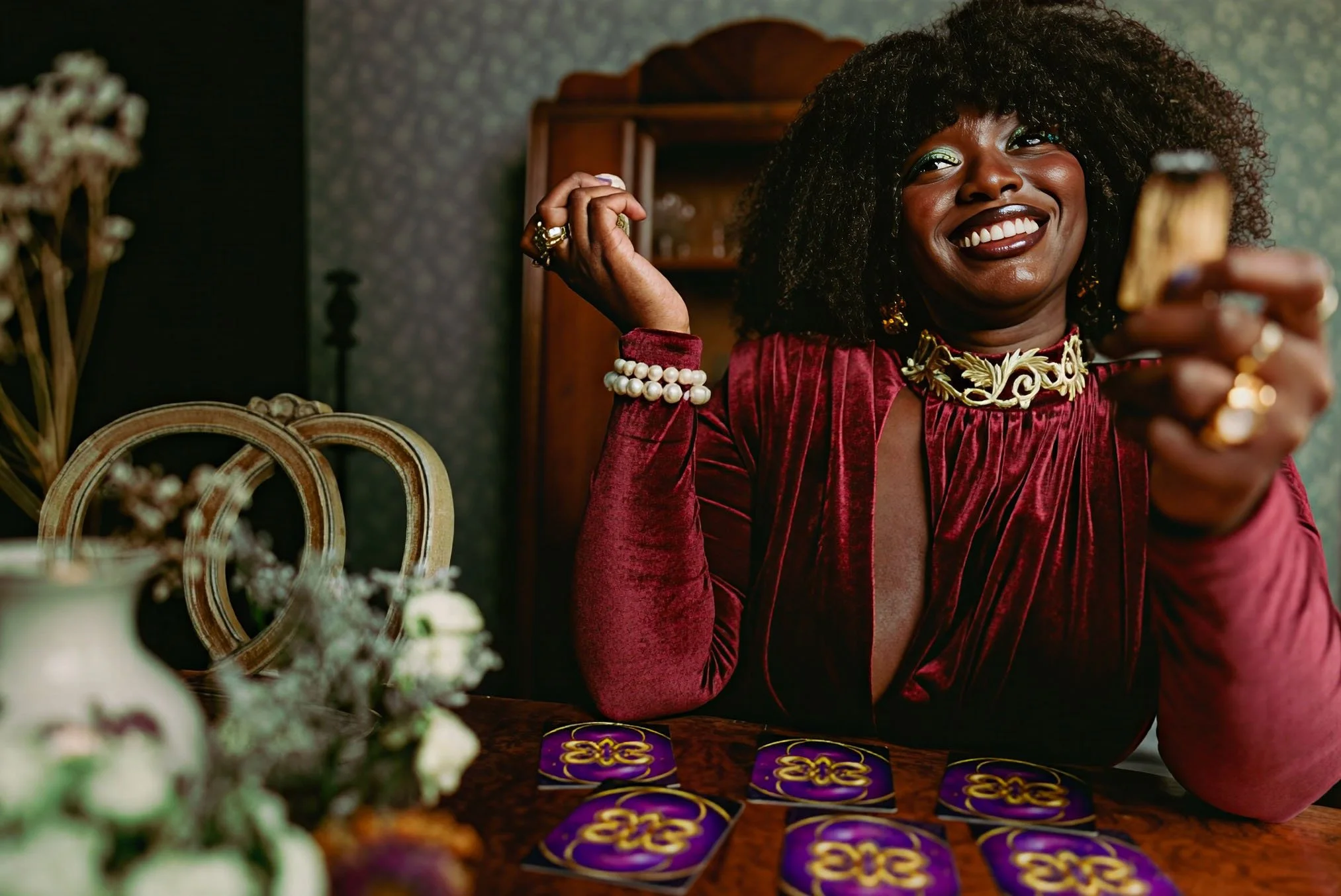


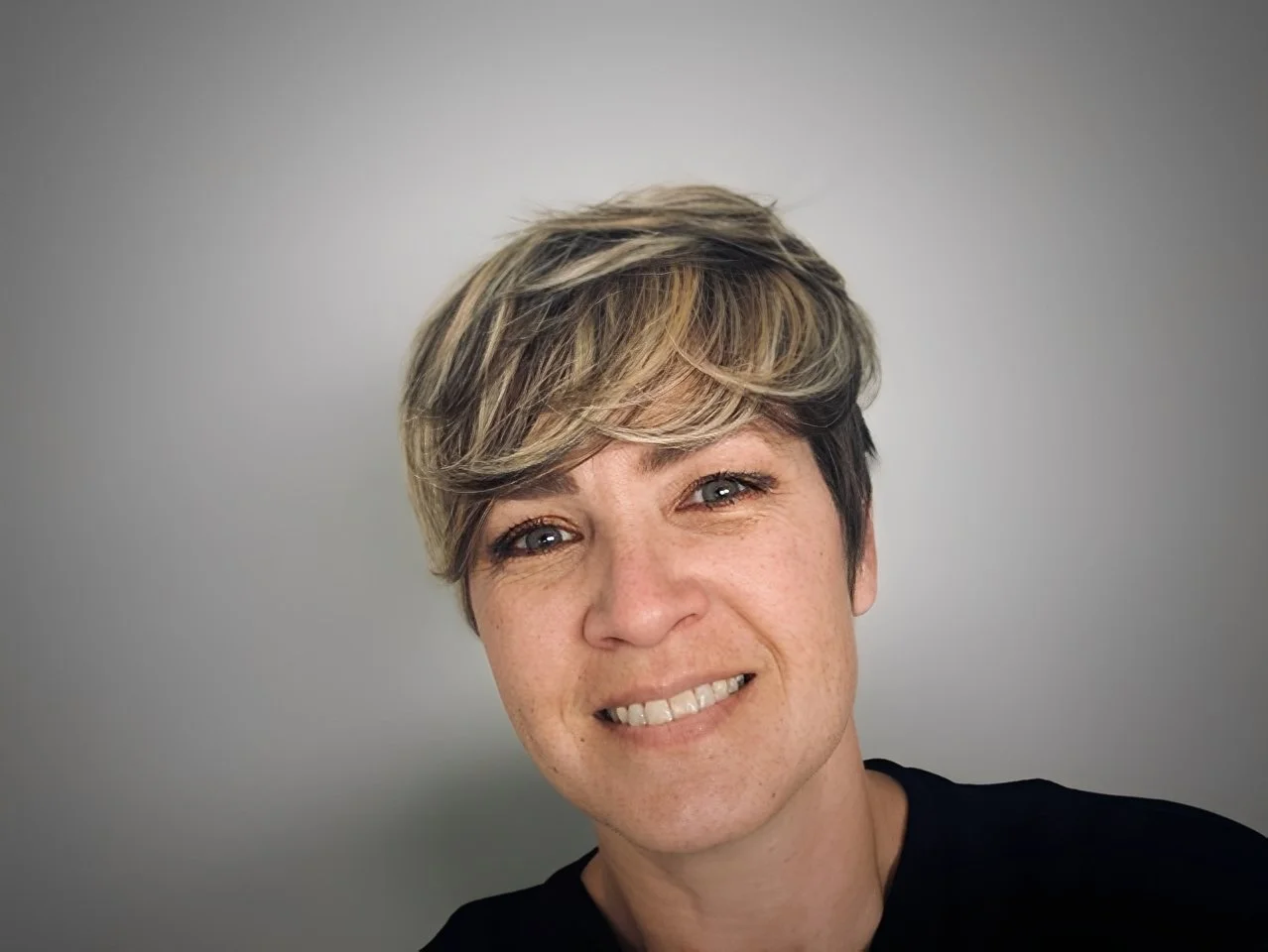
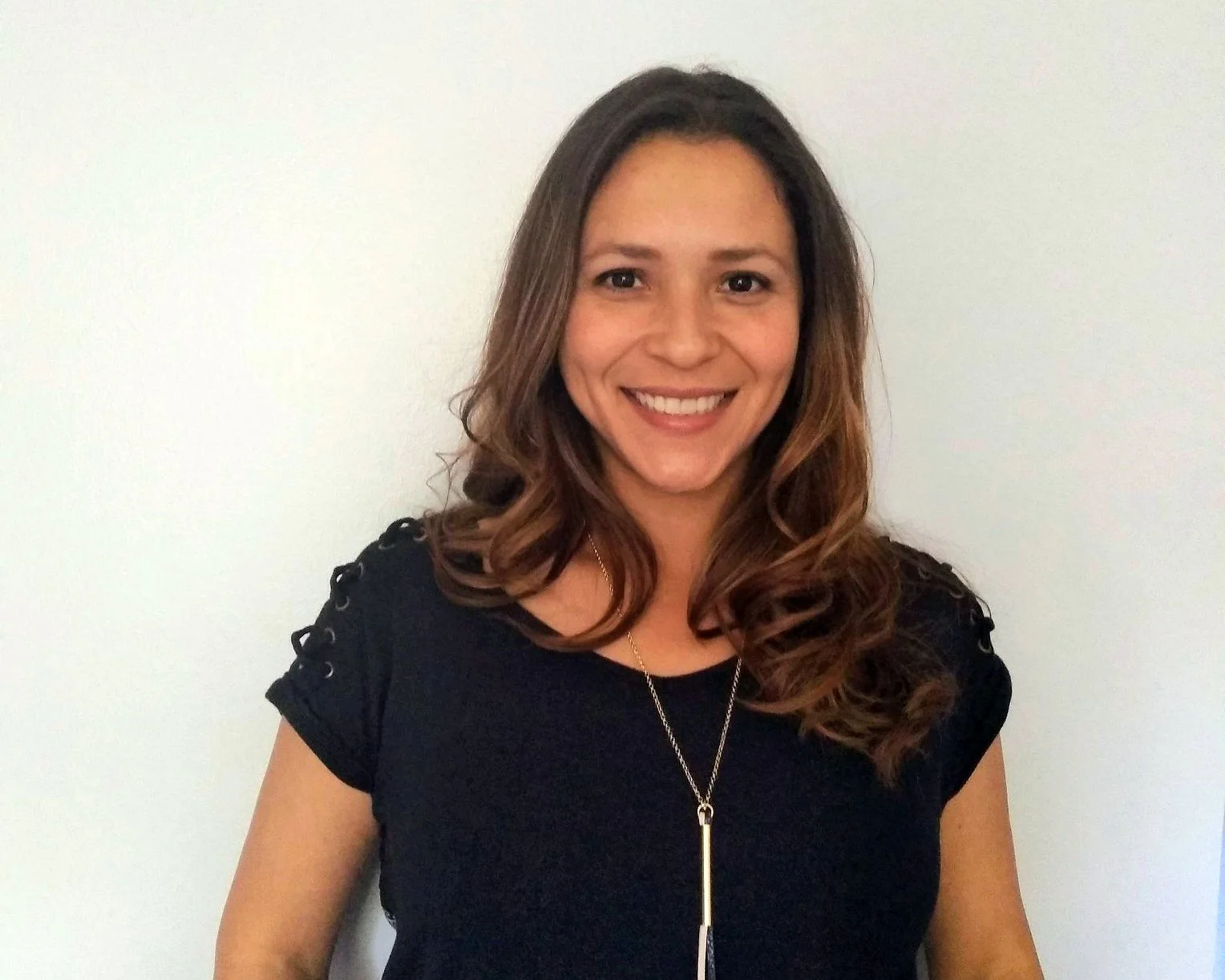
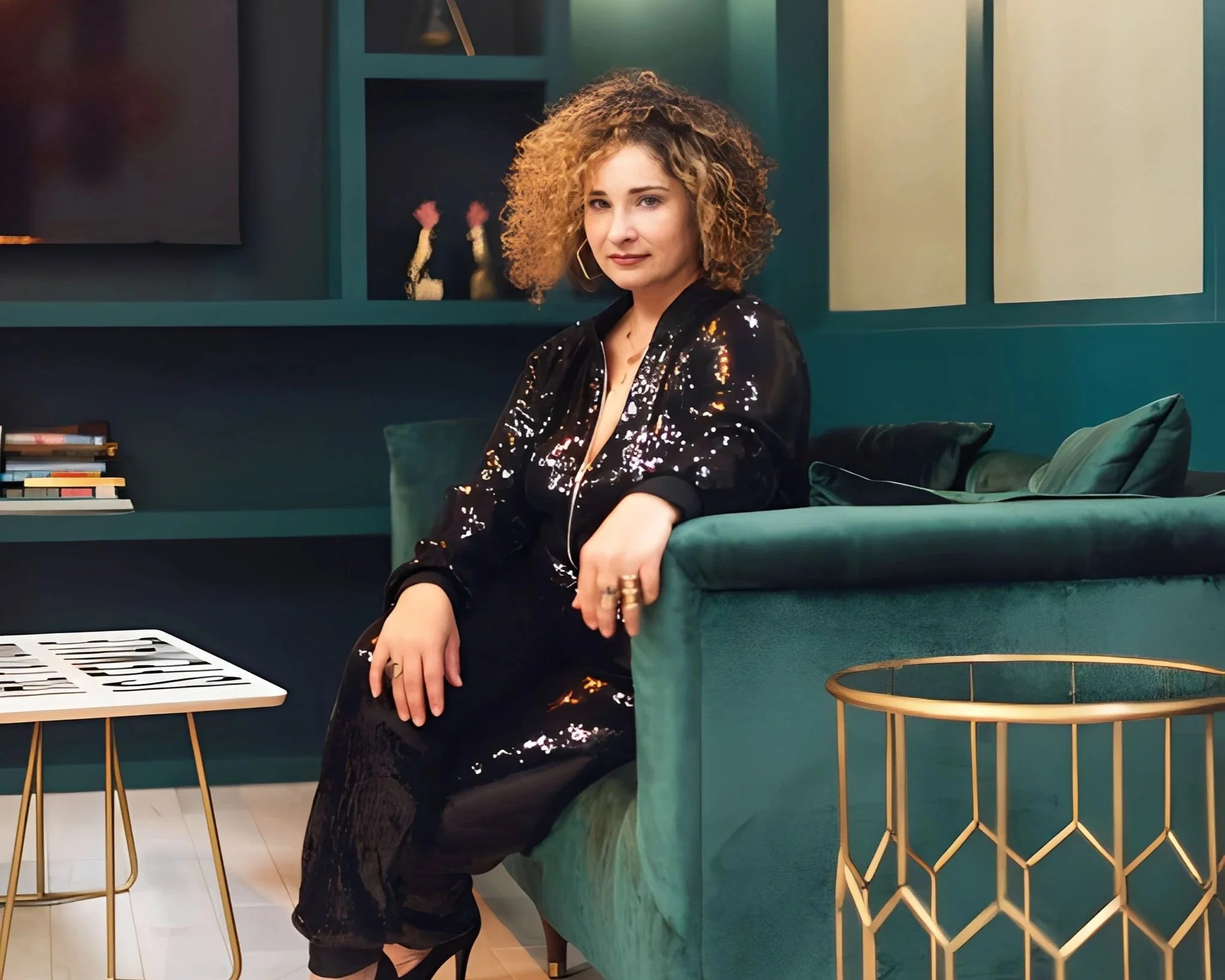


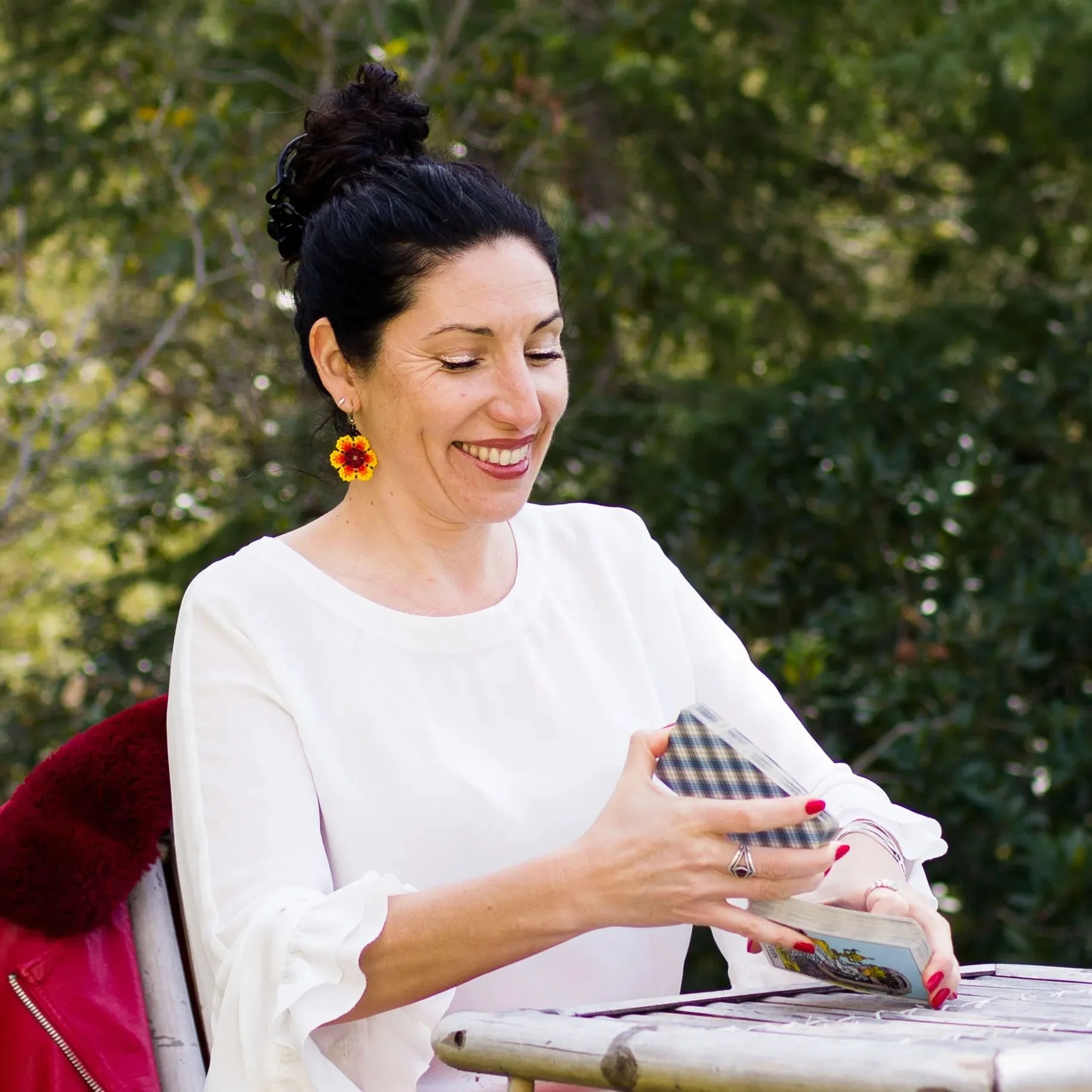
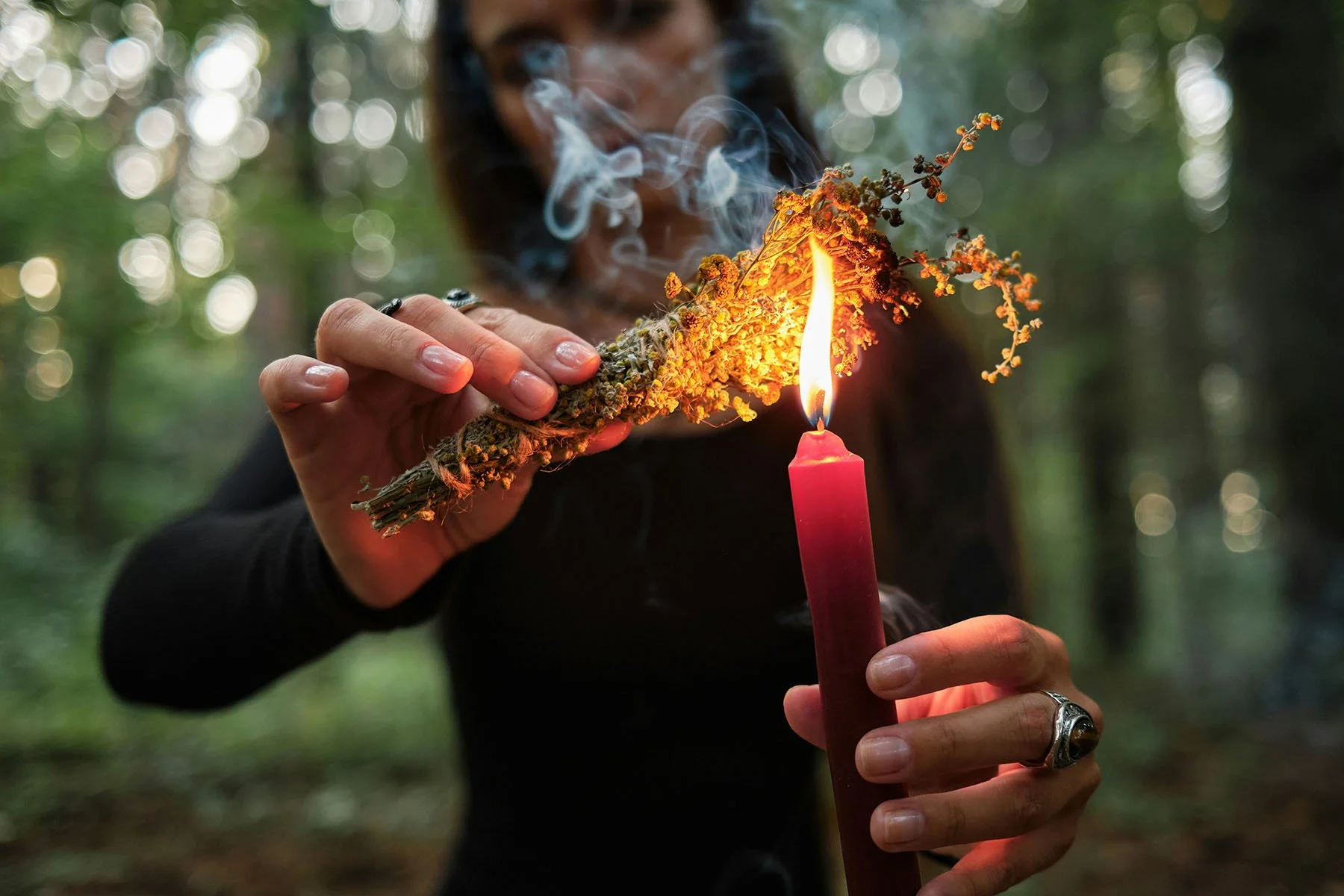

Hi, I’m the founder of Human Amplified. I’m Brandi Fleck, a recognized communications and interviewing expert, a writer, an artist, and a private practice, certified trauma-informed life coach and Reiki healer. No matter how you interact with me, I help you tell and change your story so you can feel more like yourself. So welcome!
Find More on the Blog
Topic
- ADHD
- AI
- Atlanta
- Black and BIPOC
- DIY
- FAQ
- LGBTQIA plus
- Los Angeles
- Nashville
- Seattle
- St Louis
- St. Louis
- UFOS/UAPs/ETs
- abuse
- accountability
- addiction and recovery
- adoption
- affirmations
- afterlife
- altered state
- angels
- animals
- anxiety management
- art
- astrology
- atlanta
- attachment
- awakening
- beauty
- behind the scenes
- being human
- body image
- body work
- boundaries
- brandi fleck
- breathwork
- bullying
- burn out
- burnout
- cancer
- career
- caretaking
- chakras
- channeled
- clarity-dive
- clarity-practice
- clarity-primer
- clean products
- coach
- codependency
Recent Blog Posts
Visit the Full Podcast Audio Archive

Affiliate


What if remembering you’re a starseed isn’t about escaping your humanity, but embracing it more deeply? As you explore where your soul may have come from, there are a few important truths that can keep you grounded, embodied, connected, and fully present for the human life you’re here to experience.