Finding Common Ground in a Politically Divided America
Interview By Brandi Fleck
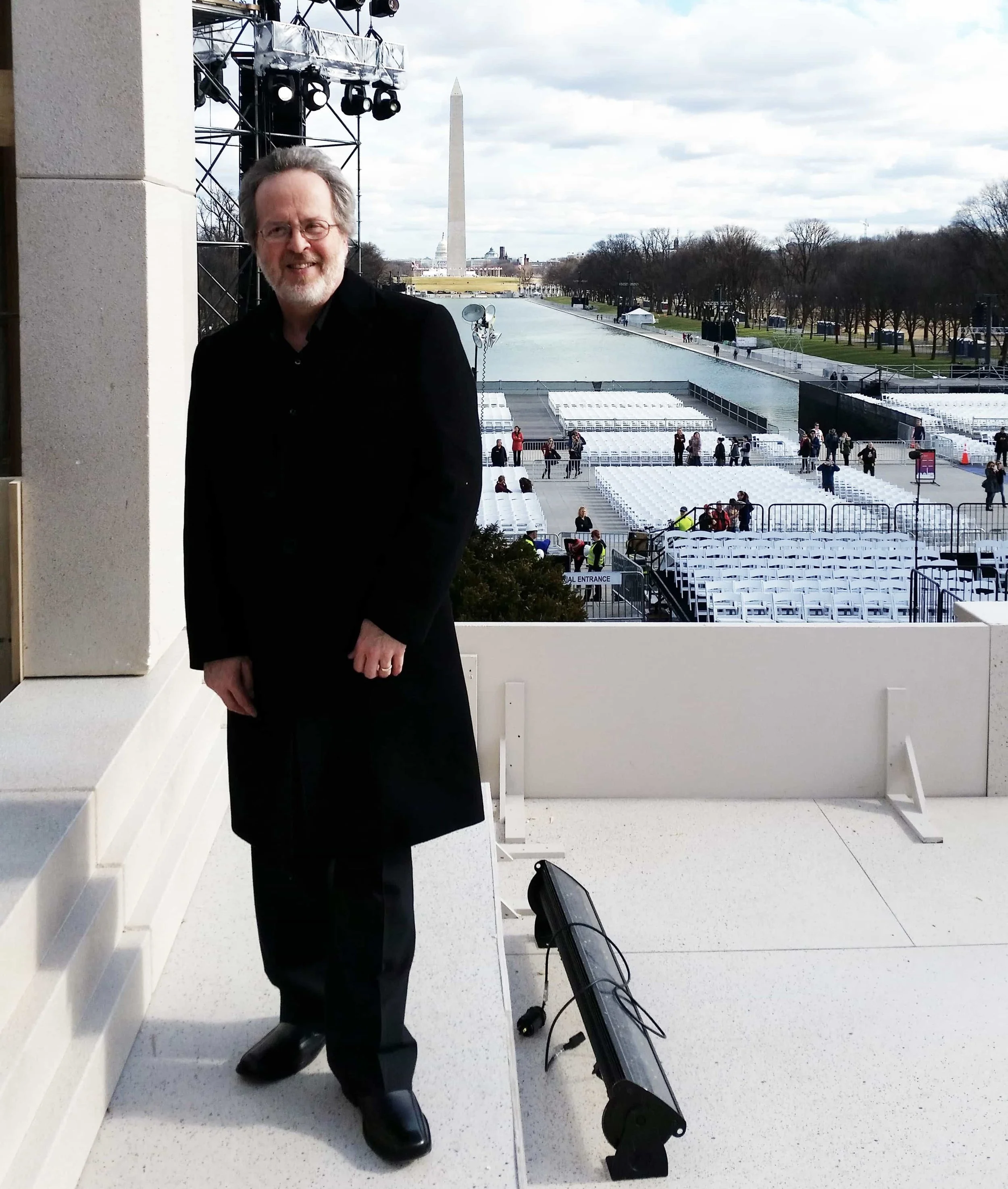
Music industry veteran Clif Doyal reflects on political polarization, race relations, social media conflict, and the search for common ground across decades of cultural change in America.
Clif Doyal has spent most of his life in rooms where people weren’t supposed to mix.
He played in integrated rock bands in the 1970s when racial tension still divided crowds inside clubs. He worked alongside Muslim crews in Saudi Arabia as a teenager. He tour managed artists during Donald Trump’s inauguration, then joined the Women’s March the next day.
Clif reflects on political polarization, race relations, social media conflict, cancel culture, systemic racism, and what happens when disagreement becomes strong enough to fracture families and friendships.
We talk about why music can create connection where politics often fails, how curiosity changes the way people relate to each other, and why common ground becomes harder to find when identity starts replacing empathy.
If you’ve felt emotionally worn down by political division, confused by the breakdown of relationships over ideology, or frustrated by how impossible real conversation can feel online, this episode offers a more grounded way to think about human connection in a polarized world.
Listen to Clif Doyal’s Interview
Watch Clif Doyal’s Interview
Music, Fashion, and Finding Creative Identity
Brandi Fleck: Want the world to change? Let’s go back to basics so you can have a strong foundation for being part of the change. I’m your host, Brandi Fleck, and this is Human Amplified. We’re on a mission to revamp society by amplifying your humanity.
This week on the show:
Clif Doyal: My name is Clif Doyal, and I’m based in Nashville, Tennessee. I wake up every day on fire, thinking this could be the day that changes the rest of my life. I got to become friends with people that were different than me. War now is a foreign concept to a lot of people, even though we have a lot of people still serving in foreign lands. I won’t compromise my ethics to support your hate because we cannot continue under this, the way things are going currently.
Brandi Fleck: So as friends and family members are falling away from your life, triggered by a heated social media interaction or a toxic holiday gathering, what can you do? That’s been the question for a while now in the age of political divide.
Today, we’re talking to Clif Doyal because lessons from his impressive life experience can apply to how we handle the discomfort, the sadness, the anger, and the grief that comes with the territory.
Our guest today, Clif Doyal, is a music industry veteran here in Nashville, Tennessee, with over 50 years of experience. He does publicity for and manages recording and performance artists with his companies CDA Publicity and Marketing and The Clif Doyal Agency. He also represents fashion brands in his new boutique agency, Clif X Fashions.
Clif is uniquely qualified to share his experience on the topic because his curiosity and love for music have taken him through seemingly contradictory experiences where he’s relied on shared humanity and common ground to connect.
We’re talking experiences like performing at Nixon’s inauguration as a young teenager while Vietnam War protests were raging beside him, joining a racially diverse band in the late ’70s and playing in rock and roll clubs where racial tension was palpable, managing artists at Trump’s welcome party in 2017, and then marching in the Women’s March during the same trip.
We dive into the foundation his parents built that set him up to have these types of experiences, why he’d want to interact with people on both political sides — and I say “sides” in air quotes — how his life is enriched from the experiences, but also what he does to deal with the social fallout through it all. He doesn’t compromise his ethics.
Aside from Clif’s engaging storytelling, if you take away anything from this episode, let it be these points:
A strong understanding of shared humanity helps you be a compassionate and kind person.
You’re not alone in these experiences of relationships changing or dissipating over a disagreement about human rights.
Misinformation, toxic politics, and cancel culture do exist and impact our relationships through social media and news outlets.
Music is a unifier. You can use it as such in your life. Common ground is the basis for relating to other humans, and that’s how we start to heal the divide.
Clif, I am so excited to have you on Human Amplified. And I mean this when I say it is really good to actually talk to you in person because we’ve had a lot of interaction online. This is exciting, so welcome to the show.
Clif Doyal: Thank you. Happy to be here, Brandi. Thank you very much.
Brandi Fleck: Can you introduce yourself to our listeners? Who you are and what you do?
Clif Doyal: My name is Clif Doyal, and I’m a lifelong music industry professional based in Nashville, Tennessee.
I’m a bit of a jack-of-all-trades in the industry, but at this moment I’m largely focused on artist management, publicity for artists and performance artists, and I also have just recently launched a fashion brand management company. So I’m a little bit all over the map.
Brandi Fleck: That’s really awesome. How did you make the leap from music to fashion? I know they’re intertwined, but can you tell us about it?
Clif Doyal: Well, they are intertwined. My mother was a seamstress who made all of my clothes until I was probably about 17.
I’m a child of the ’60s and the ’70s, so fashion was a big part of music in that era, and still is. I grew up watching Jimi Hendrix and The Who and The Beatles and Janis Joplin, and I wanted to dress like them.
A lot of their styles came from Carnaby Street in London and that kind of style. Guys in general don’t get to be quite as fashion-forward as women, and I wanted to be that.
I grew up in a small rural area, and I would just show my mother a picture of the latest bell-bottoms or scarves or whatever my rock star icons were wearing, and I wanted to be like them. She would whip it out.
I grew up around fashion. I’ve always loved fashion, especially women’s fashion. I represent — well, she’s the world’s preeminent underwater model and mermaid — Hannah Fraser, who you had on your program recently.
Through Hannah, I became familiar with a couple of different designers that she works with, and so I began following them.
I work in Nashville in predominantly Americana and country music, and as we move forward, the women in those genres are becoming much more fashion-forward and looking for unique, one-of-a-kind, custom-made pieces.
I saw a need and a niche in the marketplace that I could help with, and it just seemed like a natural fit to add to my portfolio of companies.
Brandi Fleck: Yeah, like I don’t already have enough to do. So you represent singer-songwriters, musicians, performers. You also have this fashion startup, basically, but you’re a musician yourself, isn’t that right?
Clif Doyal: I am. I started playing professionally in church and in nightclubs when I was about 12.
Again, I lived in a very rural area, so there weren’t a lot of opportunities for performers, but I found them.
My mother, God rest her soul, was my biggest cheerleader. She would haul me to gigs in these really knife-and-gun-style nightclubs. She was young and pretty and short and blonde, so she would sit there all night long while guys would hit on her so her son could pursue his dream.
I really owe my career to her. I began playing professionally at a very early age. I’m a drummer and a percussionist and an aspiring songwriter. I have written songs in my life. I wouldn’t call myself a songwriter, but yeah, I’ve been doing this a long time.
Brandi Fleck: Yeah, I think it’s amazing that you’re doing things that you’re passionate about, and I can tell that your mom’s influence is sort of carrying through your career as it evolves.
You’ve given us a really great insight into your personality, but if you could sum up what your personality is like, how would you describe it?
Clif Doyal: I look at myself as a connector. I’m a glass-half-full guy. I’ve got a saying: I wake up every day on fire, thinking this could be the day that changes the rest of my life.
I try to be outgoing, and I try to be a positive influence on those around me. We live in a sometimes dark world, and I just try to be a light and spread love.
I think the Beatles said it best: “All You Need Is Love.” I believe that’s so true, that love and everything that surrounds goodness makes it a much better world for everybody.
A lot of people call me a bright light, and I take that as a high compliment because that’s what I aspire to be.
Brandi Fleck: Okay, I would love to highlight some examples of your personality that you’ve told me before we started recording.
You mentioned that you have done things throughout your life like performing in racially diverse bands when it wasn’t necessarily acceptable or the thing people were doing in society.
You performed at Richard Nixon’s inaugural parade in 1973. You performed at the welcome celebration for President Donald Trump in 2017, and then the very next day you marched in the Women’s March.
This is sort of related, I think, to you being a connector, but why do these seem to be conflicting events but aren’t for you?
Growing Up During the Civil Rights Era
Clif Doyal: I think for me it really comes down to, I was always an old soul, so I’m going to have to tell you a little bit of a story here.
Growing up in the era that I grew up in, my earliest memories are of the assassination of John Kennedy and the civil rights movement of the ’60s.
I lived in a rural town. There weren’t any people of color in my area where I grew up. If you went to the city, you saw people of color, but I didn’t have any friends that were.
I was always very interested in the world at large, and when I was in the second grade, I was the kid that was always the class clown. I’d get my work done and be bored, so the teacher would set me off in the corner with World Books and say, “Do a report on Egypt. Do a report on Thailand. I want a report on my desk tomorrow about Bangladesh or Pakistan.”
For me, I traveled the world in those pages and dreamed about a life that would be beyond the small rural area that I lived in and the farm where we milked cows and raised beef.
I was always a curious soul about other humans and how they lived, and I was into archaeology and anthropology.
The thought of all of us coming from the same place. In Olduvai Gorge in Africa, or since then they’ve made other discoveries about where early man — we all come from the same place.
Learning About Humanity Through Different Cultures
For me, it really started when I was 16. My father moved to Saudi Arabia to build highways and city streets, and my mother and I joined him there. I went to work for his company.
Everyone on our crew was either Arabic, they largely were the men that drove the trucks that had the asphalt in them. I worked on an asphalt paving crew.
The laborers and the people who worked around me were all from Yemen, and most of the foremen were from Somalia, and I was the only white guy on the whole crew.
My father was over a number of projects, so during that time I would sit while we were waiting on a truck and speak with the Somali foreman. I’m like, “Can you teach me some Arabic and some Somalian because I want to be able to communicate better with these folks that are around me?”
The same with the Yemenis. Again, totally racially diverse. You’ve got Black Muslims and Arab Muslims all mixed together there.
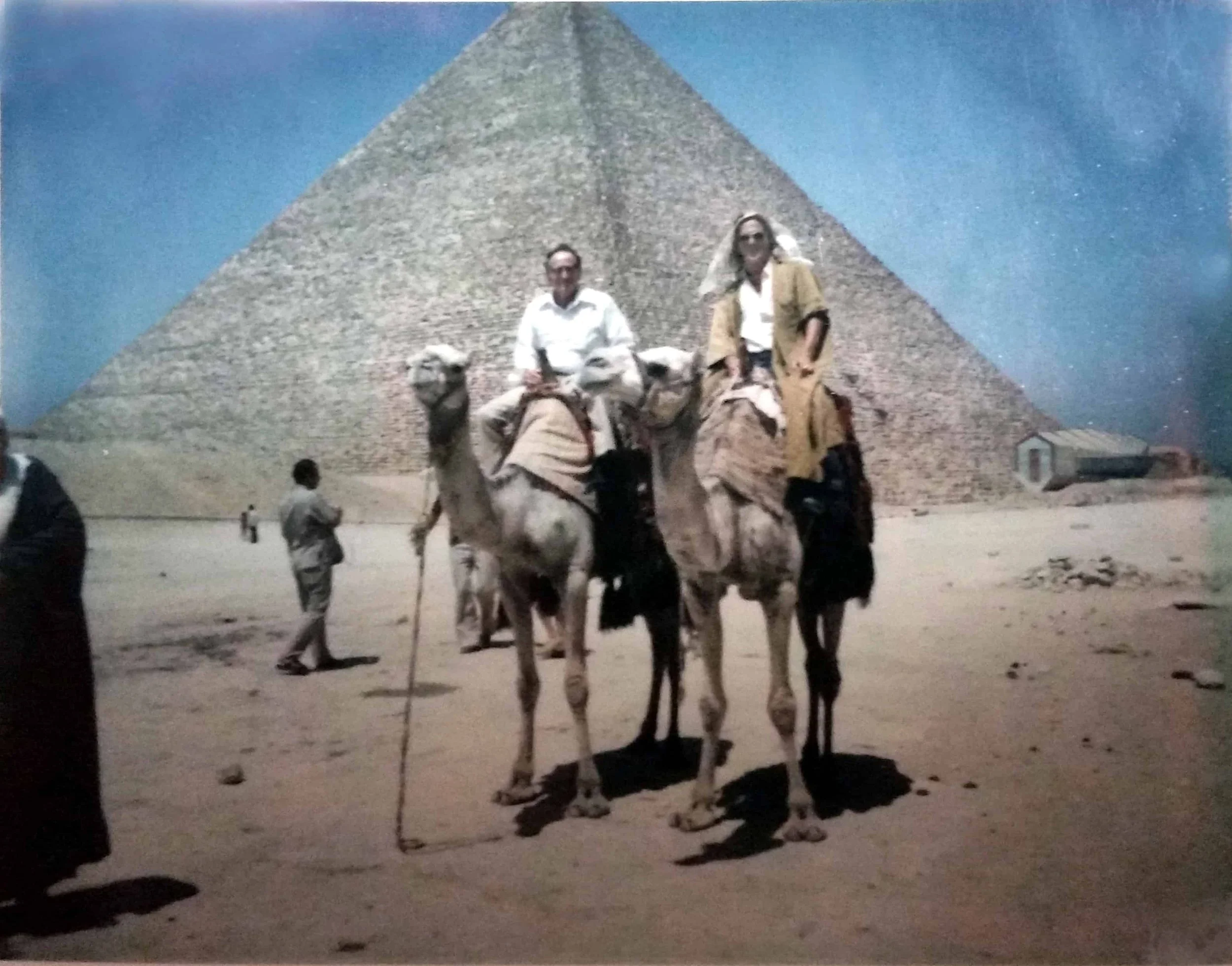
Those men were fiercely loyal to me. I was a hippie kid in the ’70s, and I had shoulder-length blonde hair. In Saudi Arabia at that point in time—well, still is—long hair on men is not acceptable, and they actually have what’s called religious police that will literally come onto the street and cut your hair.
I had a couple confrontations with some young boys who would come up and say, “Matawa, matawa.” Well, that’s the word for religious police. They were threatening to call the police on me.
These men would surround me, and I couldn’t tell what all they were saying, but I could tell that they were taking up for me and threatening these young men to leave me alone.
They were fiercely loyal to me, and they made a very strong impact on me that here I am, I’m completely different than you are, but we’re able to work together and you care about me.
Then when I moved back to America, I actually worked days and went to school at night in downtown Dallas at a night school called O.C. Tech and graduated from there.
Probably half the people in my class were Black people, people of color, Latinos.
Again, I got to become friends with people that were different than me, that looked different than me, and I welcomed that. Right about the time I graduated, I was trying to sort out what I was going to do. I always knew music was going to be part of my life, but I hadn’t really tapped into the Dallas music scene.
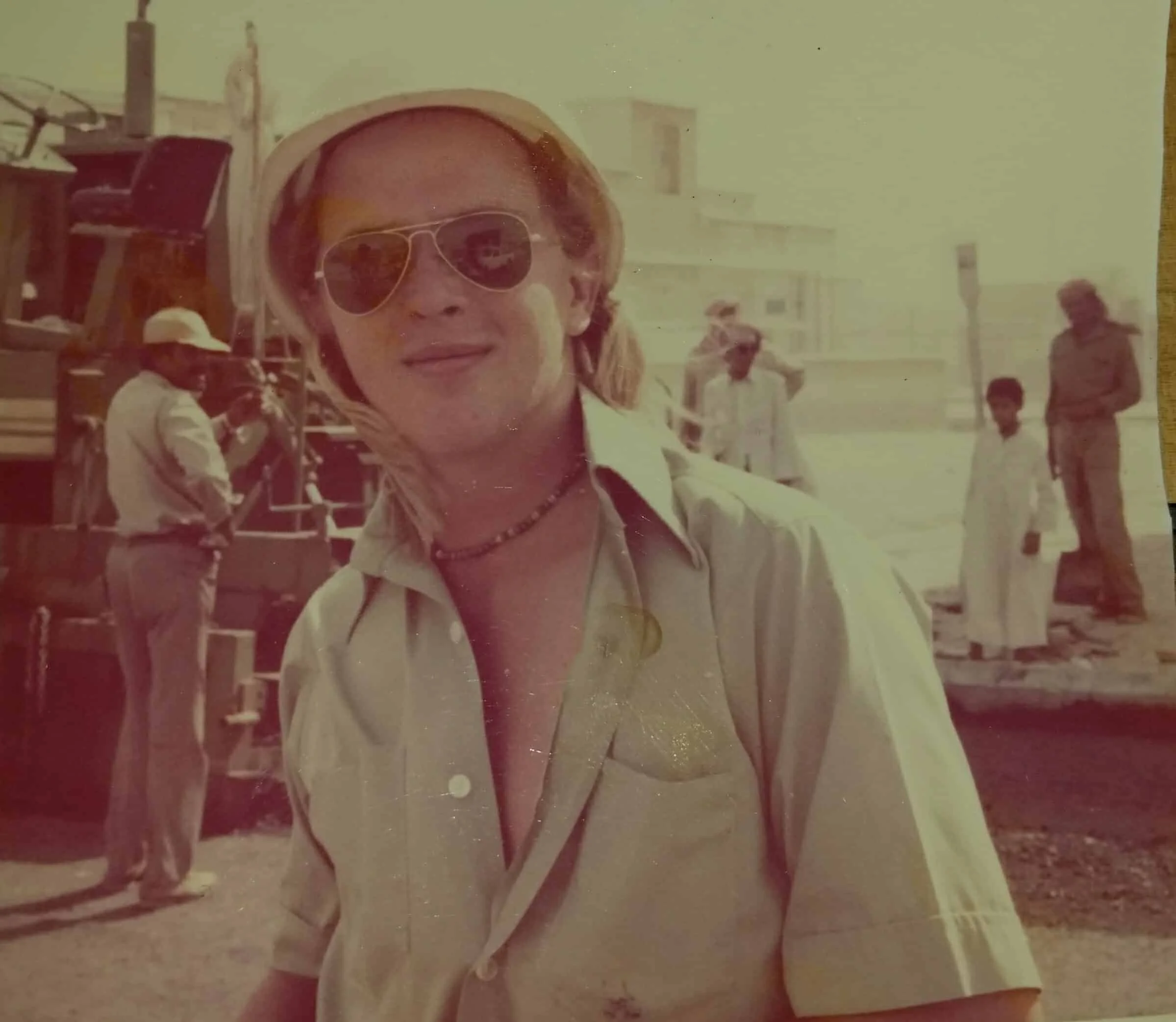
I applied and got a job with a construction crew again, an asphalt construction crew. This time they were all Latinos, all people from Mexico and Central America.
Once again, I’m the only white guy on the crew.
I became friends with many of them, and one was my next-door neighbor. He and I would ride to work together, and his mother always sent us tamales that were wrapped up in aluminum foil.
I remember putting them on part of my engine where they would not fall off so they would stay warm on the way to work. I’d turn the car off, and by lunchtime they were still warm. I learned that little trick from the guys that I worked with.
Again, they would look out for me. I remember one day going into heat stroke, and I kept wanting to drink water. Of course, they gave you salt pills. This is in Texas. It’s very hot. Not as hot as Saudi Arabia, but hot in a different way with maybe more humidity. I wasn’t used to that.
I remember they just kept shaking their heads like, “No, no.” They were all trying to tell me, “No, don’t drink any more water,” because they knew that I was going into heat stroke.
They took me and got some hay bales and stuff and spread them out so I could lay down and again took care of me.
You see that humanity, that shared humanity of caring for each other, and that really resonated with me. These guys have really no reason to care about me, no reason to try to help me, but that’s what they’re doing.
Race Relations and Integrated Music Scenes in the 1970s
Clif Doyal: When I left Dallas, I came back to Missouri where I had grown up and went to college at Missouri Southern State.
While I was attending college, I had gotten back into the local music scene there because I knew a lot of people from my past and was playing in country bars.
One day I was playing tennis at the college tennis court, and there was a guy who came on the court and I recognized him immediately. Big tall Black man with an afro with a white dot on it. You couldn’t miss him.
I knew who he was. I knew he was a local entertainer, and I said, “You’re Andre Burks. You’re in the group Dice. That’s your band.”
He said, “Yes, I am.”
I said, “My friend Darryl McWhorter plays drums for you.”
We laughed, and he said, “Well, let’s play a game of tennis.” So we played and became friends.
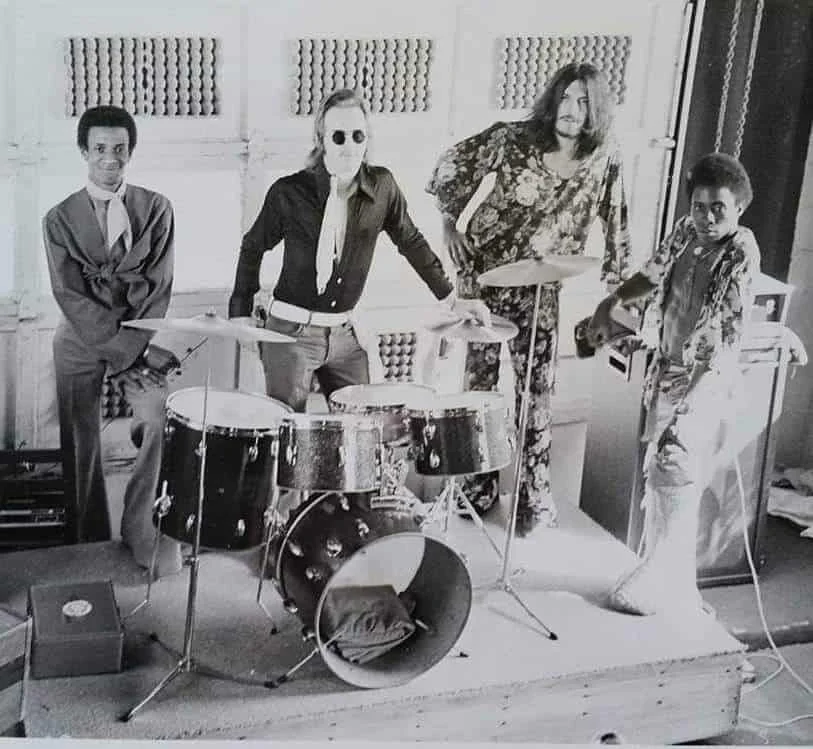
A couple of weeks later, he called me and said, “Look, Darryl is going to leave the band, and we’re going to be auditioning. I know you told me that you’re a drummer, and Darryl’s told me you’re really good, and I’d love to audition you.”
So I went and auditioned. It was him and another Black man, a guitar player. They were both from St. Louis. His name was Kevin Grant. Then the keyboard player was a white guy like me from Joplin.
His name was Bill Harris. So, two white guys, two Black guys. The name was Dice, so we had the branding of the black and white.
Very much a hard rock, progressive art rock band. Maybe if you mix Led Zeppelin with Styx and Kansas and Queen. Very dynamic.
We were scouted by record labels. Were it not for internal problems within the band, we would have probably ended up with a record deal.
Andre, the lead singer, and I moved in together, and he introduced me to all of his friends in the Joplin community, which were mostly Black.
I got to hang out with them and eat barbecue and whatever they were having at the moment. They’d make fun of me sometimes about the way I ate a rib or something like that, but it was all in good fun.
We played in some places where you could kind of feel the tension in the room. Maybe everybody that’s white is sitting on one side of the room and everybody Black is sitting on the other.
Our whole thing was, “Why don’t we all get together?” By the end of the second or third song, everybody’s up dancing together and having fun.
Andre married a white woman who came from a very religious background, and racially mixed couples were not necessarily socially acceptable in rural southwestern Missouri in the late 1970s.
We ultimately moved to St. Louis, which proved to be disastrous from a creative and career standpoint because the disco boom was just hitting and rock clubs were closing.
It wasn’t a great move, but it did allow me to live in very racially diverse communities like Ferguson and Berkeley, which of course were in the news around 2014 with the killing of Black people.
I think that was really kind of the touchstone for the modern-day Black Lives Matter movement, the beginning of the reckoning of what’s happened in America throughout the course of our history with racial tensions and racial inequalities.
I’m an advocate for that. I think we’re all beautiful. We’re all created in the eyes of God. We’re all humans. We’re all here just doing our best to get by and make a living for ourselves and our family, and the color of your skin doesn’t have any impact, or shouldn’t have any impact, on that.
What I found a lot in my travels overseas is that it really didn’t have the impact. It just didn’t carry the same weight that it does in America.
Brandi Fleck: Yeah. Did you experience racism when you were doing these things in the ’70s? Like you said, you were in the clubs and white people were on one side and Black people were on the other side. Did you experience any, I don’t know what the word is, not naysayers, but people who tried to get you to not be that way?
Clif Doyal: Yes. Oh yes. There were words I probably can’t repeat now that I was called.
Because I was so flamboyant back in those days in the way that I dressed, I would often be verbally attacked about that.
But yes, absolutely. Called names, threatened. I’m a heterosexual male. I have many, many gay friends, but I’m not gay. I have just always been very, I guess, in touch with my feminine side, but also in touch with my humanity.
Brandi Fleck: You touched on something earlier about the different historical events that you’ve been a part of, but would you like to talk about that?
Let’s definitely touch on those events and focus on what drives your curiosity because I think your curiosity is related to the different types of events you’ve chosen to be a part of.
Clif Doyal: Yes. We’re going way back in the case of Richard Nixon’s 1973 inaugural.
We had moved from the small rural community where we lived into a city of about 5,000 population, so still a fairly small town, but we had one of the top-rated marching bands in America called the Aurora Houn’ Dawg Marching Band.
Vietnam War Protests and Political Division in America
Before I came to school there, they had marched in the Rose Bowl Parade. During my time there, we marched in the Cotton Bowl Parade. We marched in Arrowhead Stadium for major games.
We backed up an entertainer at that time named Bill Chase, who was a trumpeter, and there was a whole field full of people accompanying him. He was up on a big screen, and all of these bands were playing along with him.
We were a top-rated band, and we were invited to the inaugural. Nixon had just been elected by the largest landslide in the history of American elections in 1972 that November.
The Vietnam War was still raging, and I was conflicted because I had older friends. Even in the small community that I grew up in, we had had a young man die. We had many that served. I knew older friends of mine who had served or their family members had served.
At that point in time, even at my young age, I was very aware that the Vietnam War was definitely a lost cause and someplace we should not be.
Of course, I’m a kid. I think I’m 14 at that time. We go, and I considered it to be a great honor, regardless of who’s president, to be in our nation’s capital. I had never been, and it had always been a bucket list trip for me.
My mother ended up getting to go and be one of our chaperones. I remember the morning of the inaugural. We’re standing in parade formation on the street adjacent to the Lincoln Memorial, and forgive me that I don’t recall the name of that street.
We’re standing there. It’s probably 18 degrees, really cold weather, and we’re standing in formation, so we can’t move. We’re there for probably an hour just standing at attention.
Meanwhile, just across the way on the Mall, there are probably a quarter million, 300,000 protesters. I remember very vividly flags being lowered down from the poles and coming back up upside down, which of course is a distress signal.
I remember seeing some flags going back up on fire, burning. I remember Capitol Police mounted on horses beating protesters with billy clubs.
It was all very concerning and disconcerting at the same time to see all this happening and know that I was really just a small cog in the wheel and not able to do anything.
I remember marchers coming into our band. I remember one guy coming up and screaming in my face and saying, “Aurora, where do you stand? Why are you here? Why are you supporting this man, this regime?”
I remember looking at him and saying, “I’m on your side. I’m just here providing entertainment. I’m here because we got a call to come perform. Music is a unifier, so we’re here to unify.”
I was really almost lost for words because he was so passionate about not understanding why we were there.
Brandi Fleck: But you were like 14 and having to explain this to someone like that. Wow.
Clif Doyal: Yes, and probably numerous people. He stands out in my mind because he was really right here in my face and really in a very threatening manner, hollering and screaming at me.
I think maybe that crystallized for me that there is a way that you can communicate with people without screaming because I wasn’t screaming at him, but I was trying to make him understand that I was there to help try to bring people together, not necessarily to celebrate the inauguration of Richard Nixon, although he had been duly elected president.
I came away from that experience very enlightened and probably became more, at least inwardly if not outwardly, an opponent of the Vietnam War.
People don’t realize now, when I was a kid, you’d sit down to the dinner table, turn on the television, and here’s Walter Cronkite or Dan Rather on the battlefield and people are dying right in front of your eyes.
People now don’t understand that. War now is a foreign concept to a lot of people, even though we have a lot of people still serving in foreign lands. It no longer comes to us in the way that it did then, in a kind of unfiltered way.
Of course, as time wore on, when Americans began to see what’s happening in Vietnam, the tide turned against the war, and a lot of that had to do with Walter Cronkite being there and saying to the American people, “I don’t think this war is winnable.”
Brandi Fleck: Okay, so how does your experience at the Richard Nixon inauguration parallel your performance at the welcome celebration for President Donald Trump?
Donald Trump’s First Inauguration and the Women’s March
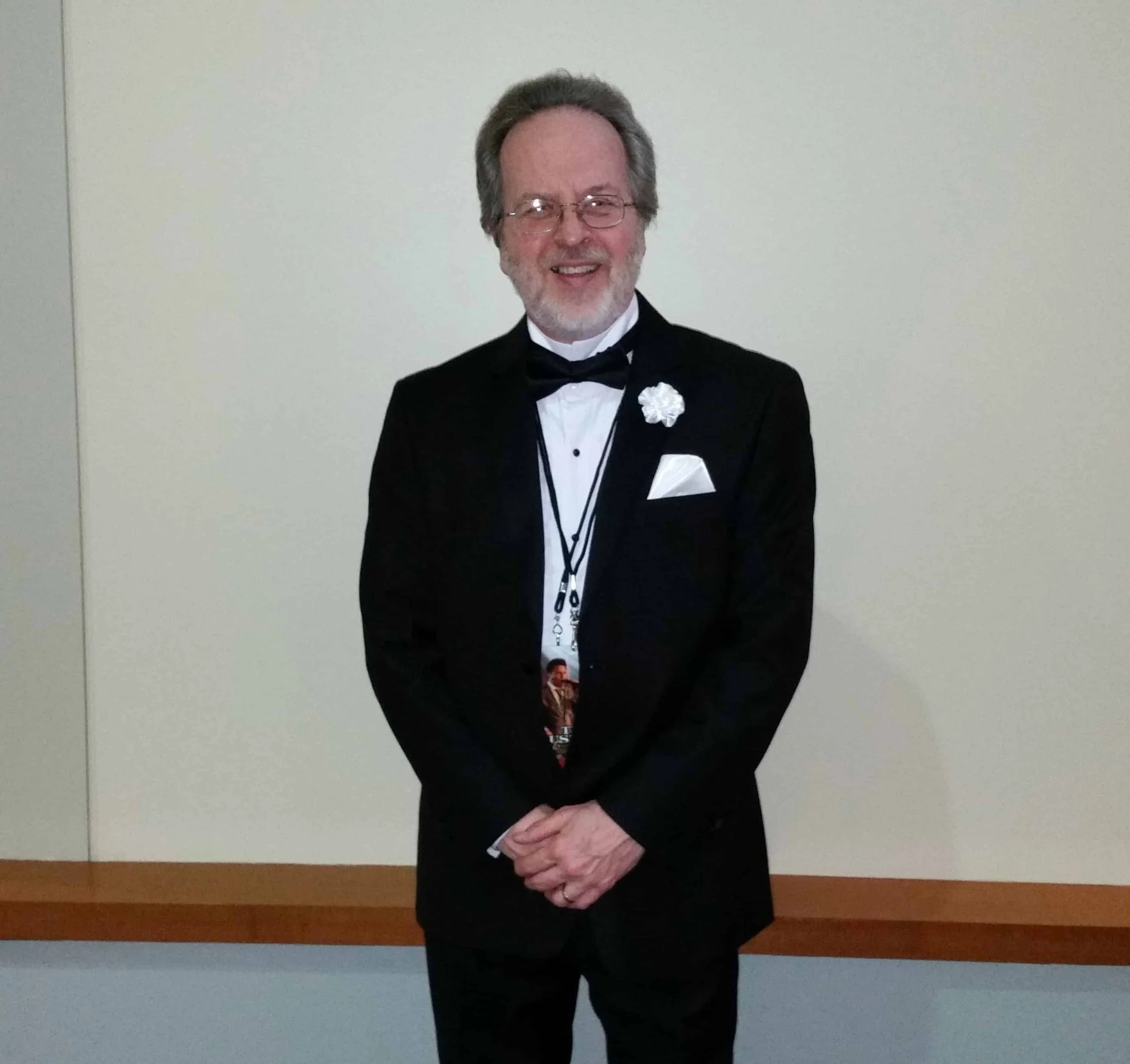
Clif Doyal: Let me back up just a second. I did not actually perform at the inaugural for Donald Trump. I actually tour managed two different groups who did perform.
Basically, I was in charge of everything. All the advance work, all the legal contracts, all the Secret Service clearances for 40 people: entertainers, musicians. We had two Secret Service gentlemen on board with us and a special ops person. I’m actually in charge of bringing people from all across America to Washington, D.C.
One of the groups was called The Frontmen of Country, who I managed and booked at the time. They actually performed at the Lincoln Memorial for the welcome celebration, which was the day before the inaugural.
The day we were there for rehearsal, I was feeling a bit conflicted at that point because my client Tim Rushlow — at that time I managed Tim and his big band — someone from the inaugural committee had seen a video of Tim’s big band and reached out to us about the possibility of the big band performing for the actual inaugural ball.
I’m a bit of a political and news junkie. I knew at that point in time it was a very divided election process. It was a very toxic political environment.
That’s when I began noticing a difference in my own social media thread because I would have people come on and attack me or agree with me or whatever, and I began to see these lines in the sand become sharper and sharper.
I remember having a conversation with Tim, and I said, “Tim, I’m going to ask you some questions because if we’re going to undertake this, you’re going to be interviewed by every major media outlet in the world, and they’re all going to have some questions for you.”
The first one would be: “Would you be going to perform at the inaugural had Hillary Clinton won the election?”
Tim said yes. I said, “Why?”
He said, “Because I feel like I received a call from my country.”
He said, “I have been on battleships. I have been at the most forward bases in Afghanistan and Iraq to perform for our troops. I’m an American first and foremost, and I received a call from my country.”
I said, “That’s a good answer.”
Second question: “Who did you vote for?”
He said, “That’s between me and God. Once I pull the curtain, that’s my business.”
He said, “I am an entertainer. I’m not a politician. My job is to use music to spread hope and joy, and possibly through my music there can be a common connection that can transcend the politics of the day.”
I said, “Good answer.”
We ran through some other things, including, I said, “You understand you’re going to be loved by many and hated by many.”
He said, “Yes, I understand.”
I said, “You’re going to lose part of your fan base over this.”
He said, “Yes, I understand.”
I said, “You’re also probably going to gain fans over this. This is a very divided situation that we’re prepared to put ourselves in the middle of. Are you prepared for everything that comes with this?”
He said yes. We took great steps to make sure that we were protected on the trip by being surrounded by security of our own, but we also took great steps to make sure that he could never be backed into a corner, whether he was on Fox & Friends or CNN or being interviewed by The Washington Post or Variety magazine.
Basically, he’s Switzerland. There is no side. There’s only the fact that I’m here to perform and, again, serve my nation the way that I know how through music.
For me, through the six days that we were there, I really grasped onto the opportunity to not only be with The Frontmen at the Lincoln Memorial — we’re standing on the steps of the Lincoln Memorial — and as Donald Trump is coming down the steps of one of our most hallowed pieces of real estate in America, a Rolling Stones song came on called “You Can’t Always Get What You Want.”
That was my late wife’s favorite song. She would always say, “You can’t always get what you want, but you get what you need.”
In that moment, I felt her with me as I’m standing behind a light wall, a video wall, and I’m literally 10 feet from the president of the United States and his entourage.
That night of the inaugural, Tim performed for a global audience and performed the first dance for Melania and President Trump.
I’m in the room with 20,000 die-hard Republicans, and we’re talking and visiting, and they’ve learned that I’m tour managing the artist, and they’re telling me how much they loved him and they love his music.
There was that experience. I wanted to experience that whole trip, number one, again because like Tim, I felt like I’d gotten a call from my country.
It’s a once-in-a-lifetime experience. When all of it was finished, I figured if I could do that as a touring professional and manage everything and have largely everything go smoothly and move that many people from point A to point B, working with two different inaugural committees, one in one ear and one on the other, that I could probably do about anything when it comes to tour management.
Again, I wanted to be there because I wanted to know what they were thinking, what the pulse of the Republican Party was at that point.
Leaning more liberal, and I started voting in 1976. I first voted for Jimmy Carter. During that time, I have voted for presidents and representatives on both sides of the aisle. I vote for the person, not the party.
I think part of the problem in America is we’ve gotten too much about a party. It’s like the cult of personality, and it’s, “If you don’t vote for the party line, then you’re not a good person.”
My thing is, at that point in time, I was trying to speak to my friends on social media and my personal friends to try to bring some unity.
We can all be here together, and we can all believe differently as long as it does not become threatening, as long as it does not boil over and the tensions don’t become so overwrought that people start losing their minds.
That’s what we see happening now, even more so than then. I wanted to experience that. I wanted to know what they were thinking.
Brandi Fleck: Yeah.
Finding Common Ground Across Political Differences
Clif Doyal: The following day, I had already planned to attend what at the time was called the Million Woman March. They later named it the Women’s March because it was actually way more than a million women, not only in Washington, D.C., but in major cities across America and across the world.
I wanted to be there. I’ve always been a very strong advocate for women. I was raised by the most powerful woman in the world.
She farmed, she cooked, she raised a family, she knitted, she crocheted, she wrote a cookbook, she taught women how to drive when women didn’t drive in the ’60s.
To me, I never saw a difference between men and women. Some of the most powerful figures in my life had many times been women, starting with my mother.
I’ve always been very passionate about women, close to women. I have many women friends that have been lifetime friends. Some I see, some I only see on social media.
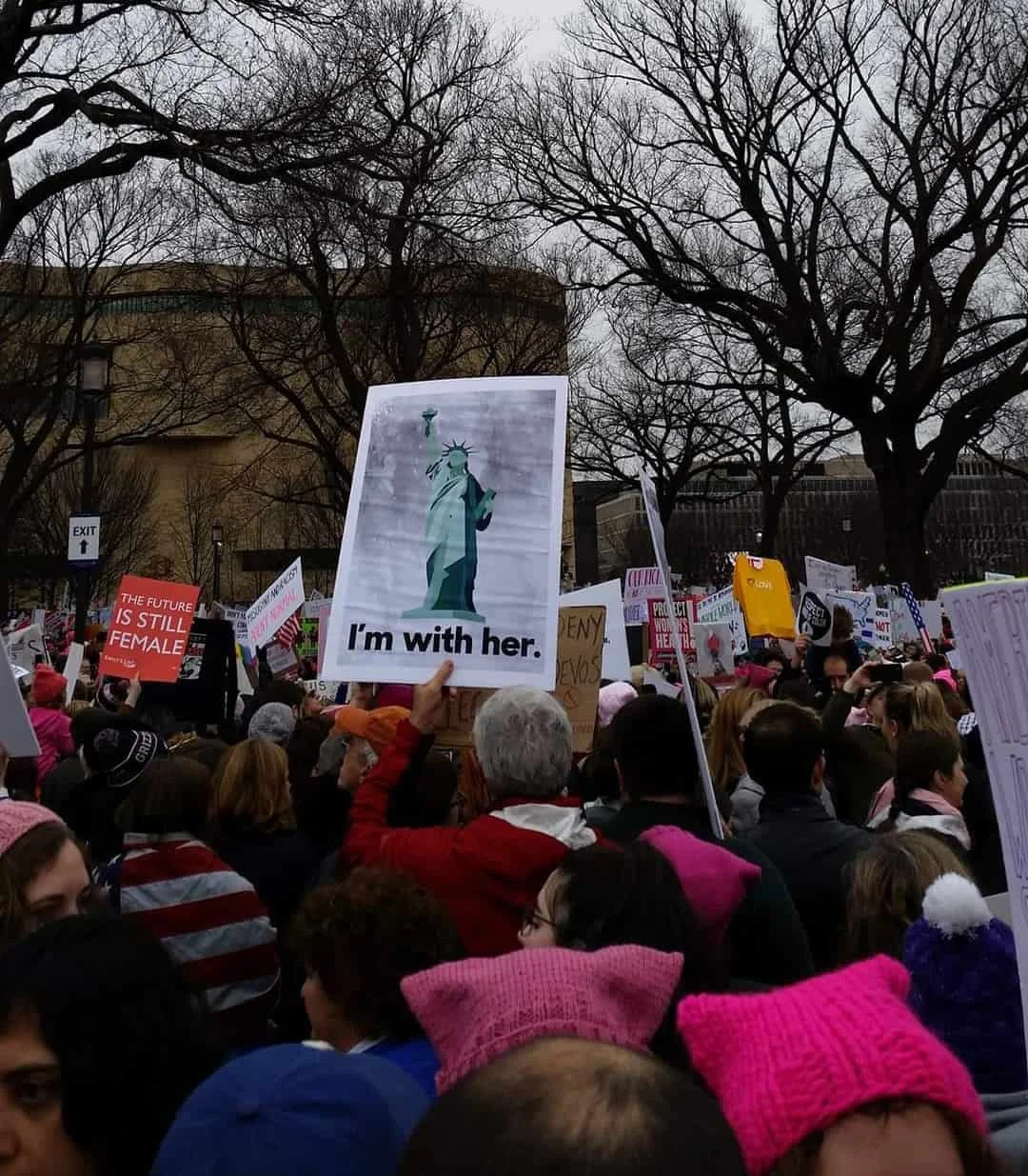
It was very important to me that I was there at the Women’s March because I wanted to also know where they were coming from and also if there was anything that I could do to bring some understanding to what was being called in advance very polarizing.
I had several women friends of mine going, “We don’t understand what the problem is.”
Well, the problem is they’re concerned about women’s healthcare. They’re concerned about the rights of women in general, and they’re not happy with what they’re seeing coming from the new administration, from talks that President Trump had had and members in his administration had had regarding certain rights for women’s health issues.
That alarmed women, and rightfully so. I got up from the hotel that morning. I was planning to go to the march by myself. I got downstairs, and there’s this group of women and they all have signs and they’re resting.
I knew they were going to the march, and I walked over and I said, “Point me in the direction of the best place to go to the Women’s March.”
They’re like, “Why are you interested in going to the Women’s March?” I told them the story of my mother, and I told them the story of my late wife Kathy, who I lost to breast cancer in 2004, and her struggles and her battle, and my current wife Patty, who has MS, and how women’s rights and women’s healthcare are very important to me.
It turns out that they were a group of women from a Planned Parenthood group in Kansas.
They just adopted me. They said, “Well, you need to come with us, and we’ll march today for Evelyn,” that was my mother. “We’ll march today for Kathy, who’s shining down on us, and we’ll march for Patty. You come be with us.”
I went to the march with a group of just amazing women from Planned Parenthood from a little branch in Kansas. I would have people say, “Why are you in town? Did you come to town specifically for the march?”
I said, “No, I was actually in town to provide entertainment and tour manage entertainment for Donald Trump’s inaugural.”
They would just recoil, like, “Why? Why would you want to do that?” I said, “Because then I can speak to friends of mine and I can speak to a larger population about what I witnessed in those few days in Washington, D.C.
It was a lot of different sides of completely polar opposite views, but then finding people in the process at both the Women’s March and in association with the inauguration that had common ground.”
I think that’s what we’re lacking more than anything, especially now more than ever, is common ground. I don’t regret being a part of either event.
I think it helped the curious part of Clif Doyal to enlighten me, to help me understand there’s people of different mindsets, different political affiliations, different sexes, different sexual persuasions, different colors, but again, we’re all human.
The only way we get to make this a better world for all of us on this little blue marble that we call Earth is if we can all work toward common ground. It just comes through understanding, not just listening to the media saying, “Well, this person is evil. That person’s evil. They’re evil because they believe this, and they’re bad because they’re liberals, and they’re bad because they’re conservatives.”
What I find is yes, there are extremes on all sides of the political coin, but what I find is if you get off social media and you’re just sitting in a coffee shop. Me, in this case, leaning more liberal and visiting with conservative friends. We tend to find more common ground than we do ground that we’re not common in.
Social Media, Cancel Culture, and Political Conflict
Clif Doyal: There’s no screaming match going on and nobody’s getting threatened.
I think social media is at once the greatest thing that’s ever happened to us and possibly the worst thing that’s ever happened to us because it allows people to kind of hide behind a shroud of anonymity and spread hate.
I’m not sure where that leads. I know it doesn’t lead to a good place, and I don’t know how to get to a better place between cable news. You have the far extreme right and you have the far extreme left and then you have somewhere in the middle.
You have a lot of people screaming at each other and calling each other names and threatening each other, and we cannot continue as a society and certainly not as a United States of America. We cannot continue under this the way that things are going currently.
I’m a very optimistic person, but I also recognize we’re at a dangerous point in our democratic experiment.
We have to get back to a place of unity, and I’m not real sure how we get there, but I believe it starts with one. If it starts with me, then so be it.
I hold up my hand and I’ll talk to you. I don’t care what you believe. I’m not here to judge anybody. I’m here to try to be a unifier, someone that can maybe convey what the other side is thinking or maybe convey what this side is thinking and really try to break down the sides.
We’re all Americans. There is no side, and sides are imaginary divisions that are created, unfortunately, by politicians who sadly no longer lead. It’s all about identity politics, and it’s a very dangerous place to be in.

Brandi Fleck: Going back to your management experience and coaching of your client, I thought that was really interesting how you coached in order for him to be neutral.
Well, I mean, he came up with great answers on his own, but what do you think of the current situation where lots of artists are coming out and saying they’re on one side or the other?
Clif Doyal: Again, as a child of the ’60s, I really don’t have an issue with entertainers taking a political stance through their music or through their words.
I think now, though, what I advise my clients is you have to be ready for the blowback that comes with that and the loss of fans and the canceling that is now, people are ready with daggers to come at you if you believe differently than them.
I do try to advise my clients to try to take a neutral stance in regard to politics and maybe express it through their music as opposed to an interview situation.
I have friends in the country music industry and in the non-country music industry who are very vocal either one way or the other.
I always say we’re in a different time now than we were in the ’60s. There wasn’t the immediate response. There wasn’t the immediate trending across social media where you become vilified for what your belief is.
I’m not as outspoken as I was for quite a few years on social media because I found that not to be necessarily the best productive use of my time.
I still post about things that are passionate to me. Social injustice issues, social issues of the day. But I think everybody should be able to speak their mind.
We live in the United States of America. We do have freedom of speech. I feel as long as you’re not threatening anybody and, again, you’re willing to suffer the blowback that comes with it, I don’t have a problem with it.
I do, though, strongly advise my clients to stop and think about whether it’s really worth the risk or the hit you’re going to take on your career because you’ve taken a particular political stance.
If you feel like it is, then you have my support. I don’t try to muzzle any of my clients, but I do try to counsel them on the upsides and the downsides of it.
Brandi Fleck: Okay. My last question for you before we get into all the details about where our listeners can find you and see all of your work and follow you and all of those things.
Your stories have just sort of illustrated the types of political divide that you’ve lived through and experienced during your life, and it seems like we’re in a time right now where there’s a ton of political divide, especially surrounding the pandemic right now.
Have you lost people in your life because of your stance or way of trying to be a unifier? And if you have, how do you deal with that?
Losing Relationships Over Politics and the Pandemic
Clif Doyal: To answer your question, yes, I have. Probably starting about the time of the lead-up to the election of 2016 and then during the George Floyd era of 2020, with all that was going on with that and then going straight into the pandemic, yes, I have lost many close personal friends and many acquaintances who may not have unfriended me but have said harsh words to me or stopped following me, stopped communicating with me because of my stance.
First of all, when the pandemic was declared and COVID began to be discussed, it was immediately politicized. I have been unfriended or shunned, as we could call it, by many friends of mine, especially conservative friends, who either believe the pandemic is a hoax, that the virus is a hoax, or that they’re against vaccinations.
When it comes to that, I really try to take a neutral stance. It’s not for me to tell you what to do with your health.
But yeah, I’ve lost not only personal friends but immediate family friends who have shunned me or alienated me or just kind of put me out of their lives because of either my political beliefs or my stance on the pandemic and the situation we find ourselves in with the virus.
Brandi Fleck: Yeah, I think a lot of people are going through similar experiences, so I would love to hear how it makes you feel and then how you deal with those emotions, that loss, any part of it that you have to deal with.
Clif Doyal: Well, it makes me sad, really, because you don’t have to love me.
I mean, I’ve got love for everybody. You don’t have to love me. That’s fine if you choose not to love me. And you have a problem with me or any way that I believe, that’s really your problem. That’s not my problem.
It’s taken me a while to arrive at that mindset because it does hurt when you realize that people you’ve done business with for 20 or 30 years no longer communicate with you, don’t reach out, or family members who don’t reach out to celebrate your successes, to mourn with you in the times of your loss, to support you in your times of happiness or sadness.
I’m human like everybody else. I have good days and bad days.
It really bothered me for a while, and then I just had to come to grips with, I can’t really do anything about it because at the end of the day I’m only responsible for me.
I can only act in a loving, giving manner toward people and be nonjudgmental and not attack anybody. That’s all I can do.
I can’t change the way that you feel about me because of my political beliefs and my beliefs about vaccines or the pandemic. I can’t change that.
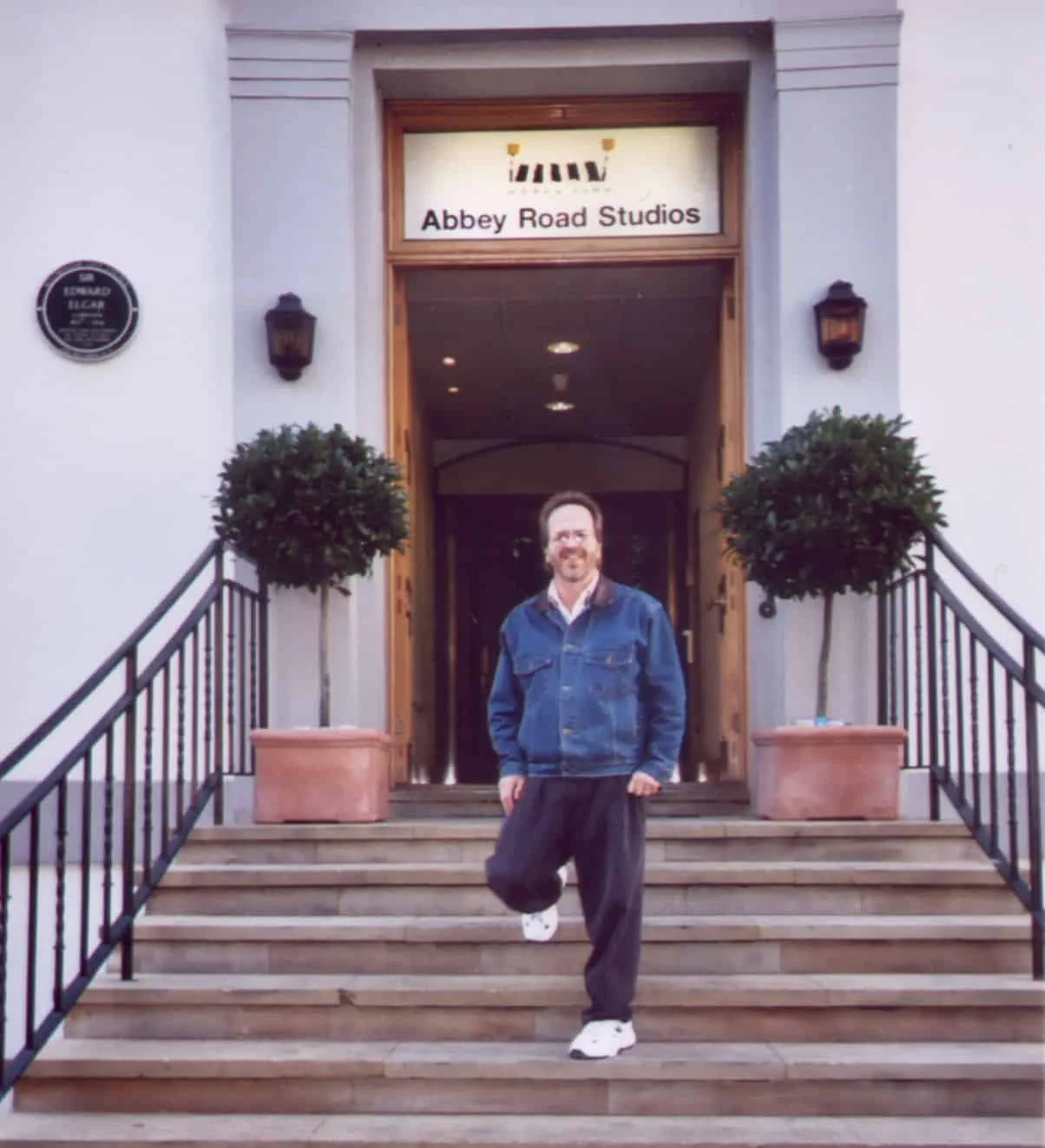
What I try to remind people every day is we can let these petty differences continue to divide us in our families, in our friendships, in our country, in our world, but we’re only going to live so long here.
Tomorrow’s not guaranteed. Is it really worth sacrificing your relationship with me for some short-term issue that is going to be gone eventually?
There won’t be the pandemic. It will come under control. Presidents come and go. There will be a different president.
I’m not totally in line with everything that the current administration is doing when it comes to any particular given thing, so I’m really trying to find more middle ground.
Again, it’s very sad. How do I deal with it? I’ve largely had to decide that that’s your decision, and if that’s your decision, then I can’t do anything about it. I’m not here to win any popularity contests. I don’t have a fan club. I’m just me.
I just get up every day and put my pants on one leg at a time and do the best I can and hope at the end of the day that I’ve brightened your day, that I’ve somehow helped you with your career, with your life, or with the problem you’re having, and just be a good person.
If that doesn’t suit you, then I can’t help that.
Brandi Fleck: So yeah, it sounds like you’re not compromising who you are to please other people, and you’re not trying to control their reaction to who you are.
Clif Doyal: No, no, no. I’ve never compromised who I am. That’s why I’m still in the entertainment business 51 years now because I was really on a mission from God after I saw The Beatles on Ed Sullivan. I was not going to do anything else with my life.
I’ve never compromised that. I’ve never compromised myself with money. I don’t care how much money you have. If you don’t have the talent that I believe I can help, I don’t need your money.
I’ve never compromised my values for money or for career gains. I’m who I am, warts and all. Take me or leave me.
I’ll accept you for who you are, and as long as you’re not threatening my way of life, you can go off and believe whatever stuff you want to believe, whatever crazy political conspiracies or conspiracy theories.
As long as it’s not stepping on my toes or impacting my world, knock yourself out. You do you. I’ll do me.
Brandi Fleck: Okay. How do you do that? How do you not compromise who you are while accepting other people?
I guess what I’m specifically thinking about is systemic racism or something like that that’s ingrained into some of our policies and government and things like that.
If you’re accepting of other people, how do you also change the world?
Systemic Racism, Confederate Monuments, and Social Change
Clif Doyal: I’m accepting of other people to a point. If you’re projecting hate into the world and you’re projecting racism into the world, I don’t accept that.
When I say you can be whoever you are, as long as it’s not impacting my world—and you hit on a point—if you are a politician or a person of political influence and you’re pushing a racist agenda that is attacking my Black brothers and sisters or people of color, no, I’m not going to stand with you. I’m not going to agree with you.
I can’t change you. I can just speak out and tell other people I don’t support this person.
When I say I’m accepting of other people, I’m not accepting, I don’t like bullies. I don’t like seeing people being bullied.
I will come out against people who are bullies, and I will also come out against people who spread conspiracy theories that are damaging to our country.
When it starts infringing on our way of life, that’s when I draw the line.
I will not compromise my ethics to go, “Oh yeah, what you’re doing over there is fine.” I will call them out.
I’m a peacemaker and a unifier to a point, but if you support something that is endangering our life, whether it’s politically or through the continuance of systemic racism within our society that affects every facet of our society, then no, I do not support that. I do not stand with it, and I don’t want to be your friend if that’s what you truly stand for.
I do believe people are capable of change, though. I will say that.
I have seen people who were racist who didn’t understand it, who changed.
I saw people who were taught toxic beliefs — pick a subject.
I believe I have helped change people.
I’ve had many people reach out to me and say, “I never thought about the Confederate monument issue until you explained most of those monuments went up 100 years after the Civil War.”
They were put up as a reminder to people in the South that Jim Crow is very much alive, and here’s a daily affirmation right in your face that you’re still under our thumbs.
I think monuments are meant for museums.
If you want to put up a monument, let’s build one for Mother Teresa. If you want to build a monument, let’s build one for George Washington Carver. Let’s build one for Jonas Salk. Let’s build one for someone who changed the world, not someone who helped divide the United States of America.
It’s time to put that issue to bed. The Civil War is over.
There is no South and North. There’s a United States of America.
I’ve had people reach out to me about that. I’ve had people reach out to me about the George Floyd incident. I’ve had people reach out to me about Donald Trump or Biden or whatever, fill in the blank, and say, “You made me think about it in a different way.”
I think that’s what I try to do as a person.
I’m here to love everybody, but again, I won’t compromise my ethics to support your hate.
Brandi Fleck: Gotcha. Well, I think that’s a good summary of it. So Clif, where can people find you and all of your amazing things that you’re doing?
Clif Doyal: Well, my personal Facebook is just Clif Doyal. I’m also on Instagram at the same handle @clifdoyal. My publicity company can be found at cdapublicity.com, and that’s where all my PR work happens for the artists and performers I represent.
You can go there, take a look, and see where my artists are at, whether it’s People magazine or CMT or DittyTV, wherever they’re getting coverage.
People can find me on LinkedIn, same name, Clif Doyal. There’s a lot of information about my history there.
They can also find my new fashion brand management company at Clif X Fashions on Facebook and then the same on Instagram, Clif X Fashions.
That’s probably the best places you can find me to kind of see all the stuff I’m up to these days.
Brandi Fleck: Well, that’s amazing, and guys, go check out the show notes because it will all be linked there. Clif, thank you so much for coming on the show today. It’s been awesome.
Clif Doyal: Well, I appreciate you having me very much, Brandi. Thank you very much.
Join the conversation!
Feel free to share your own experience and let me know if you have any questions in the comments.
Related Posts
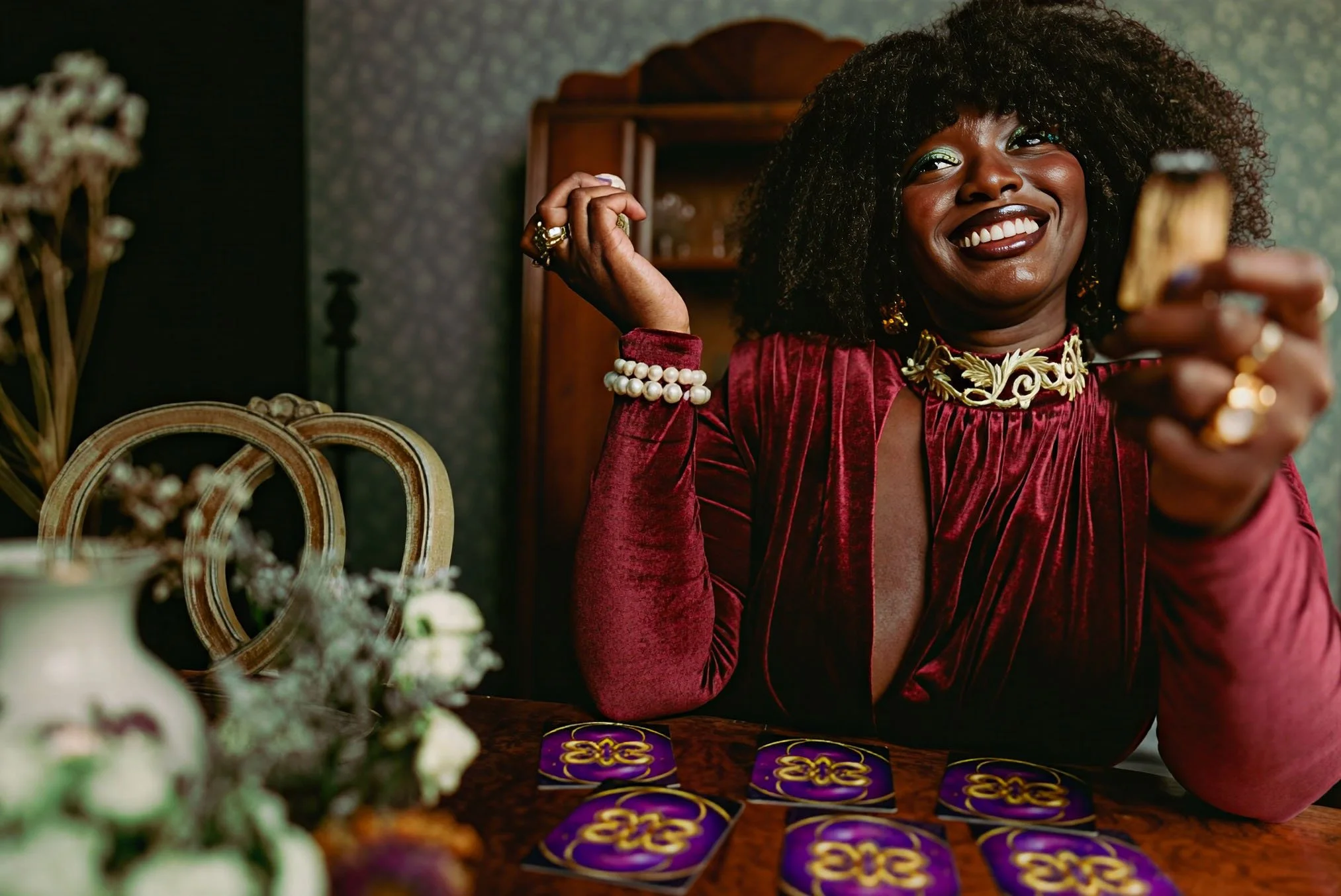






Hi, I’m the founder of Human Amplified. I’m Brandi Fleck, a recognized communications and interviewing expert, a writer, an artist, and a private practice, certified trauma-informed life coach and Reiki healer. No matter how you interact with me, I help you tell and change your story so you can feel more like yourself. So welcome!
Find More on the Blog
Topic
- ADHD
- AI
- Atlanta
- Black and BIPOC
- DIY
- FAQ
- LGBTQIA plus
- Los Angeles
- Nashville
- Seattle
- St Louis
- St. Louis
- UFOS/UAPs/ETs
- abuse
- accountability
- addiction and recovery
- adoption
- affirmations
- afterlife
- altered state
- angels
- animals
- anxiety management
- art
- astrology
- atlanta
- attachment
- awakening
- beauty
- behind the scenes
- being human
- body image
- body work
- boundaries
- brandi fleck
- breathwork
- bullying
- burn out
- burnout
- cancer
- career
- caretaking
- chakras
- channeled
- clarity-dive
- clarity-practice
- clarity-primer
- clean products
- coach
- codependency
Recent Blog Posts
Visit the Full Podcast Audio Archive

Affiliate