What a Former Cop Learned About Systemic Racism in America
Interview By Brandi Fleck
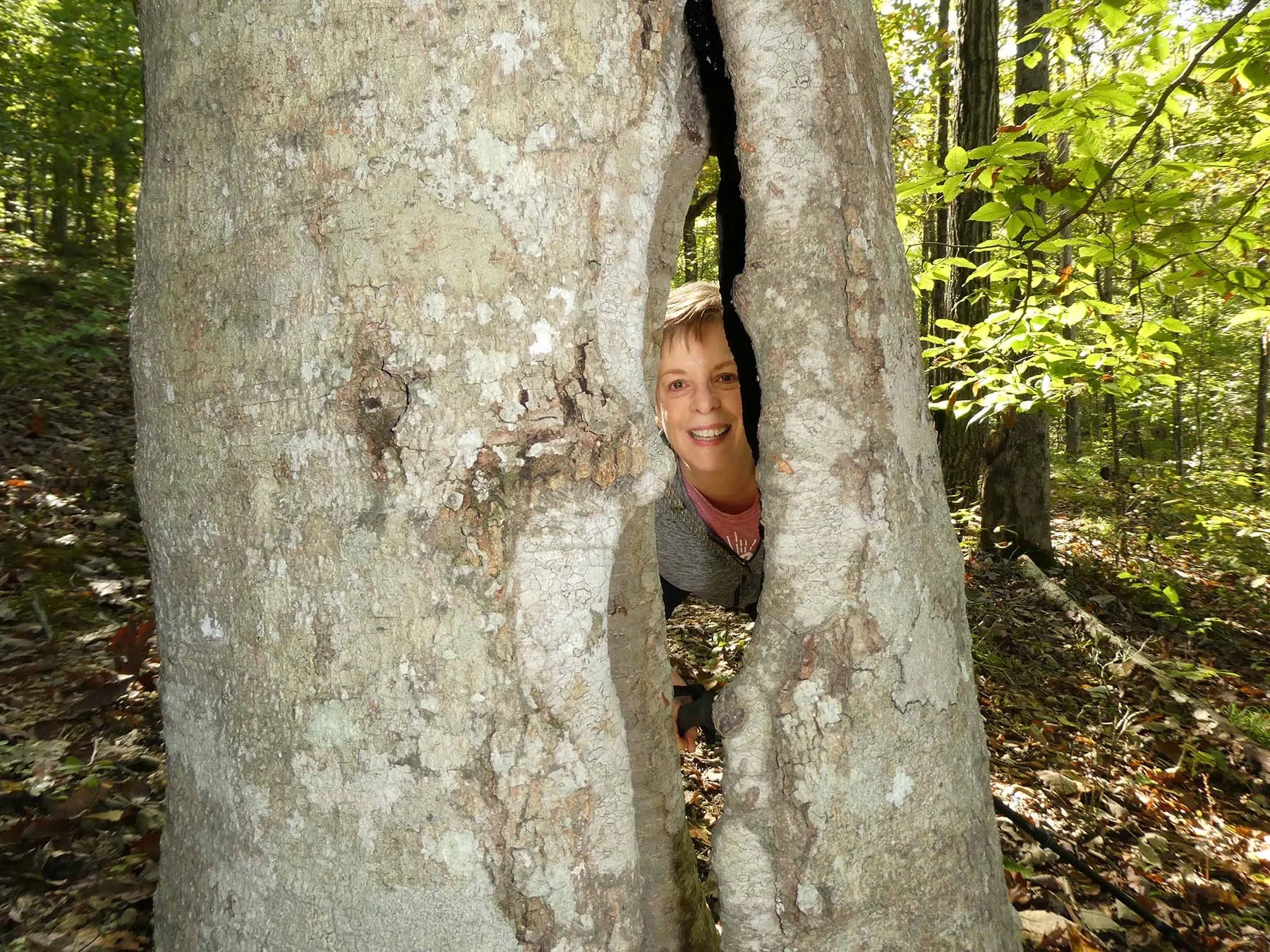
Former police officer Peggy Kingsbury shares how growing up white in the Jim Crow South shaped her understanding of systemic racism in America, policing, trauma, privilege, and opportunity.
What does systemic racism in America actually look like in real life?
Former police officer and criminal justice expert Peggy Kingsbury opens up about growing up white in the Jim Crow South, surviving childhood trauma, and realizing decades later that white privilege changed the course of her life.
She shares how racism shaped schools, policing, foster care, opportunity, and the assumptions she carried as a young cop. We explore implicit bias, systemic racism in policing, childhood trauma, poverty, domestic violence, and the connection between unstable homes and the criminal justice system.
Peggy also reflects on what changed her perspective, why she believes policing in America needs a more human-centered approach, and what it means to move from being “not racist” to actively anti-racist.
Listen to Peggy Kingsbury’s Interview
Watch Peggy Kingsbury’s Interview
Growing Up White in the Jim Crow South
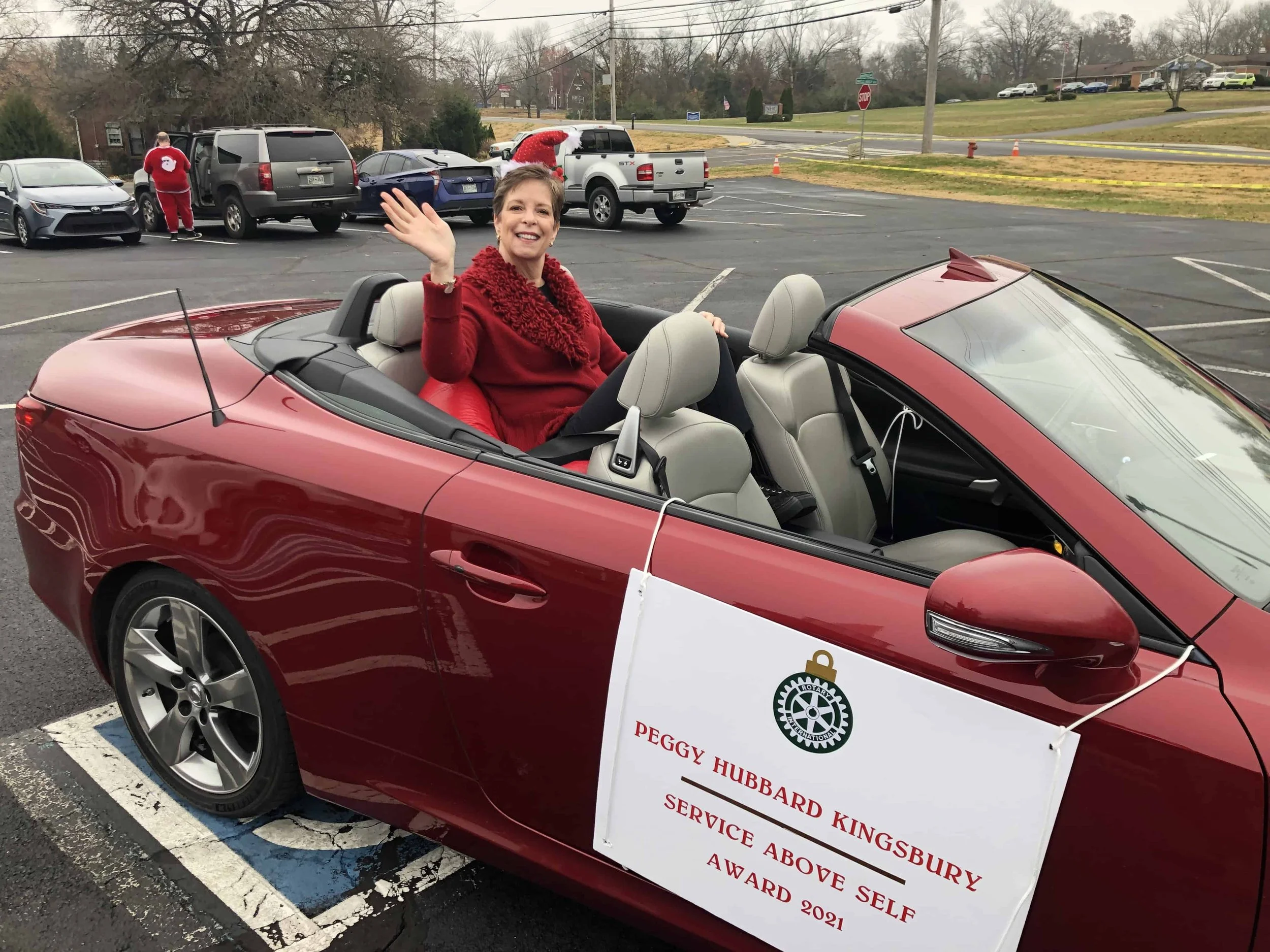
Peggy Kingsbury: My name is Peggy Kingsbury. I live in a beautiful little town in Middle Tennessee. But I think once I tell this story and then the reckoning, it will become clear why I know that I have been privileged only because of my skin color.
And the gun went off. It’s hard to say what we have in our hearts and to move from being a non-racist to an anti-racist. When the door is open because of the color of your skin, you can’t claim that that’s anything you did.
Brandi Fleck: Last week on the show, we learned how to be a better human with award-winning entrepreneur and community engagement expert Kia Jarmon. As Kia put it, part of being a better human involves Black people healing from racism and white people doing the work.
So today on the show, we have an example of someone who’s doing the work: Peggy Kingsbury. She’s a criminal justice expert and ex-cop, among many other things, such as a successful entrepreneur and award-winning pillar of her community who focuses her volunteer efforts on social justice.
In this powerful episode, Peggy starts out by very intimately and openly detailing a traumatic childhood event that ties into her realization of and reckoning with white privilege and how it’s touched every aspect of her journey.
Then we dive into how white privilege kept her out of the foster care system and changed the trajectory of her life, implicit bias and how it plays out in the justice system, how learning real history would have changed the way she policed as a young street cop in Georgia, and her thoughts for how to reform the justice system.
If you’re white, you’ll leave this episode with proof that you can evolve, the knowledge that it’s okay to admit that you’ve had a leg up even in hard times, and inspiration to grow your strength when you need it most in the face of racism and injustices. You’ll also have a better idea of what white privilege is and how you can start addressing it in your own life.
If you’re Black, I’m not sure what you’ll take away from this episode. Perhaps validation if you need it for healing. Perhaps hope for change if you’re running low on that. But maybe there are no takeaways.
This episode does come with a trigger warning, especially for our Black, Indigenous, and people of color listeners. We discuss in detail the topics of what it was like living in the Jim Crow South as a little white girl, a normal atmosphere of overt racism and covert racism, the integration of public schools, domestic violence, gun violence, abuse, alcoholism, and resulting trauma. Listener discretion is advised.
Brandi Fleck: Welcome to the show, Peggy. Please introduce yourself to our listeners. A little bit about who you are and what you do.
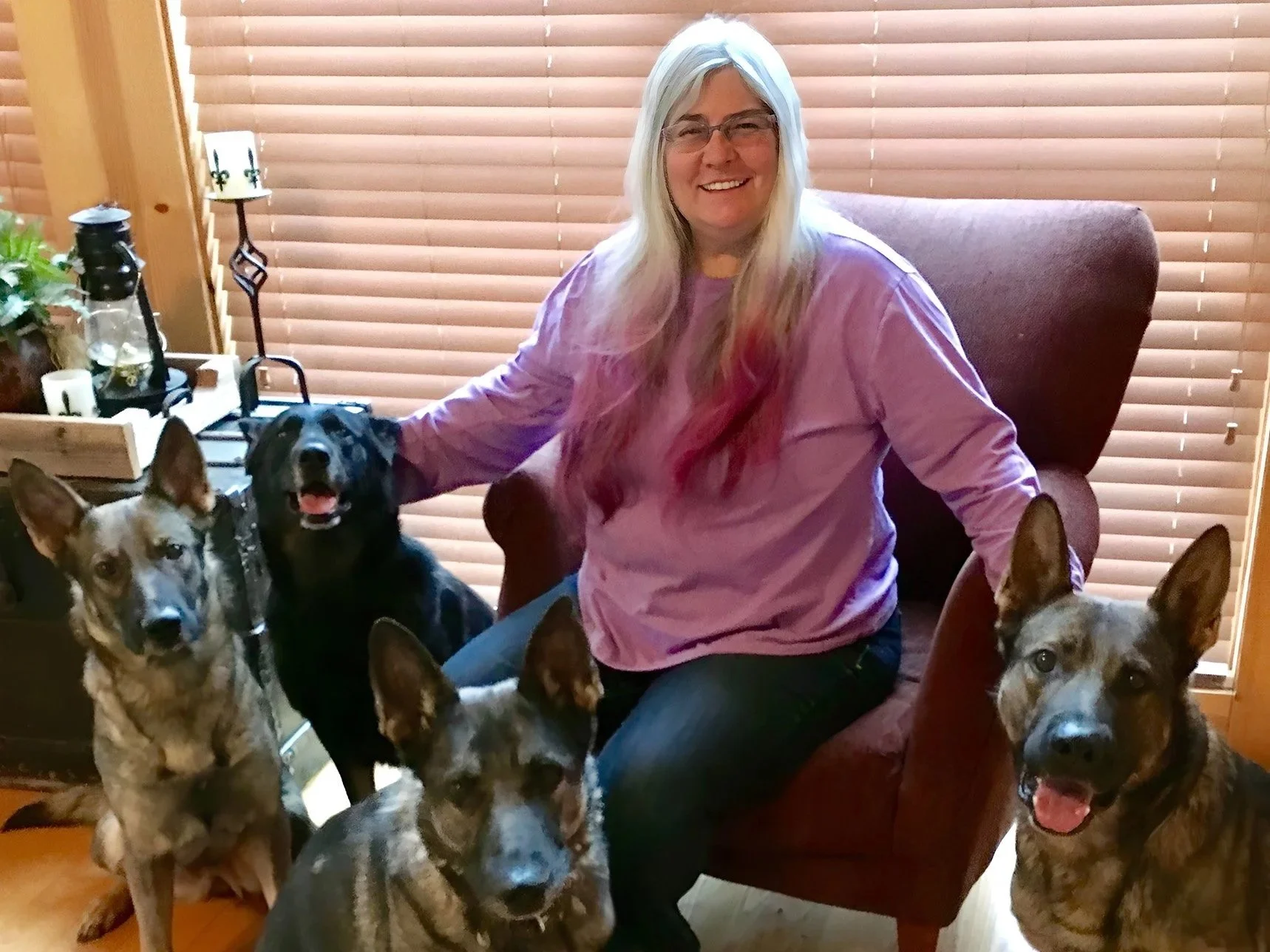
Peggy Kingsbury: Well, all right. My name is Peggy Kingsbury, and I live in a beautiful little town in Middle Tennessee, Franklin. I own a couple of businesses. I own an insurance agency, and I also own a mortgage brokerage.
I love to read. I love to be outside and hike. My husband and I hike and ride our bikes and do all kinds of things because we enjoy being outside, and we like to try to stay reasonably fit. And that’s me.
Brandi Fleck: Okay. Taking as long as you need to, how did you really start to understand, deep within yourself, what white privilege is?
Peggy Kingsbury: So I was raised in North Georgia. I was born in 1959, so I’m a baby boomer. That means that I vaguely remember a time in the South when there were signs that said “Whites Only” over water fountains and entrances to doctors’ offices and that sort of thing.
But as I got into adolescence, those sorts of overt signs of racism had faded away. I grew up in a small town north of Atlanta, and it was a town of mostly white folks.
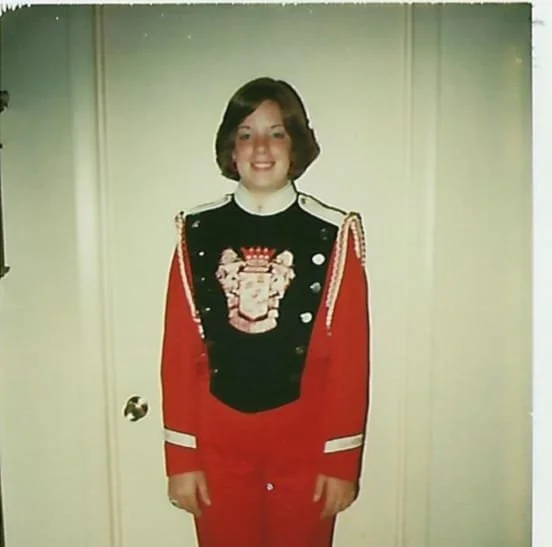
As far as that goes, we were not exactly in the upper-middle-class part of town. We were, I would say, lower middle class. My parents had some issues. My father was an alcoholic, and my mother had mental illness. Her mental illness was untreated most of her life. She was bipolar, and we had to ride the highs and live through the lows with her.
I have one brother. He’s 10 years older. When I was eight, he went to Vietnam, so that left me alone with my parents. My brother returned from Vietnam, and he’s still living, so that’s a good part of the story.
But at age eight, I was left alone with those two to try to survive the situation.
I went to a small elementary school in this little town and was a member of the Camp Fire Girls troupe, which is what we had instead of Girl Scouts. Occasionally, I went to church with my friends. Their parents would take me. I got invited to birthday parties, all the things that a little girl in the late ’60s and early ’70s wants to do. I was able to do most of that stuff.
Often, it was because someone else’s parent had surreptitiously given me the ability to do those things and paid a fee here or there, made sure I was included in something. I spent the night at my friends’ houses. No one ever came to my apartment, very, very rarely, because things were just in such disarray.
I had a lot of situations as a little girl that were dangerous for me and very unhealthy for me.
What White Privilege Actually Looks Like
One particular situation that really has stuck with me all these years is a situation that was part of me understanding the role white privilege had played in my life.
And yes, I understand that some people may say, “How can you see yourself as privileged when you sometimes didn’t have food and oftentimes didn’t have shoes that fit,” and on and on and on. But I think once I tell this story and then the reckoning, the personal reckoning that I had with this, I think it will become clear why I know that I have been privileged only because of my skin color.
So I was about 11 years old, and my parents would fight a lot. We lived in an apartment complex, and they would fight a lot. They were like prizefighters. They would get in the living room, and they would fight it out, and then they would go cool off in their corners. My father would sit in his wingback chair, and my mother had her own bedroom. She would go there.
They would sort of regroup, and then they’d come back out in the middle and start fighting again. Sometimes these fights were just yelling and screaming, and sometimes there was hitting involved.
I stayed in my own room and tried to stay out of the fray. However, when they would go to their corners to sort of resuscitate and think about what to do next to make somebody mad, sometimes I would venture out and go to the kitchen and get myself something to eat or drink.
On this particular night, they were in their respective corners, and I came out for a glass of milk. As I rounded the corner to the kitchen, I thought, “Oh good, he looks like he’s passed out in the chair there.” My mother was in her room with her door shut, which is where she stayed unless she was fighting in the middle of the living room floor.
So I poured myself a glass of milk, and I heard my father get up. I thought, “Oh no, he’s up. He’s awake.” And he opened up a door to a closet that I knew, as it was a coat closet, but it also had a gun in it. He began saying that he was going to kill my mother and end the whole thing.
Now, he was swearing and all that, which I won’t do here, but he was going to kill her. He made sure that I understood that’s what was about to happen.
So as I came around the corner with a glass of milk in my hand, I stood in front of my father as he headed down the hallway to my mother’s room, and I said, “You’re not going anywhere. Just go sit back down. Let me have that gun.”
And he told me he was gonna go down there and kill her. Again, I said no, and I tried to push him back. He raised the gun up and pointed it towards me, right at my chest, and said, “Well, I’ll just end it for all of us here right now.”
And just in a split second, I took my left hand and deflected the gun and threw a glass of milk in his face with my right hand, and the gun went off. It blew a hole in our apartment floor, and my father went staggering back from the recoil and fell on the floor, couldn’t get up. I took the gun and threw it to the side and called the police.
My mother never came out of her bedroom. I’m pretty sure she heard a shotgun going off in our small apartment.
The police came, and now imagine the scene. The police in this small town arrive, and they are coming to an all-white apartment complex. Now, there were no signs that said people of color couldn’t live there, but people of color didn’t live there.
It was one of the newer complexes in town. Not fancy or nice really by any means, but adequate. A lot of people who lived there were living there while they were building a home somewhere, sort of a transient kind of place for white families.
We moved there when I was in the fourth grade and lived there until I went to college.
And so they arrive at this apartment. To make the scene even more vivid, manic depressives will sometimes spend a lot of money when they’re manic, and my mother would put a lot of stuff on credit cards, money that we didn’t have. One of the things that she liked to do was buy new furniture for the living room. Nothing else had great stuff in it, but that living room was absolutely gorgeous in this apartment.
So when I opened up the door, they see a little white girl standing there, and they see a beautifully decorated living room. Now, of course, the one thing that didn’t fit was my drunken father laying on the floor, but the rest looked pretty nice.
One of my coping mechanisms as a kid, and actually still to this day, is I love things to be neat and clean. I’m a little bit OCD that way. So when I got home from school every day, I would clean this living room. It just made me feel good, and I could sit there and watch TV, and I almost would envision that I lived in a normal house with normal people.
So they come in, and they see a beautifully furnished room and a little girl, and they asked me what had happened, and I told them.
One of the officers said, “Is there another adult in the home?”
And I said, “Yes, my mother’s back there in her bedroom.”
He went back and knocked on the door of her room, and she said, “I’m fine. You can go away.” She wouldn’t even come out, never opened the door.
The police officers came back to the living room. They asked me to give them the gun. I did. They said, “We’re going to take the gun. We’ll help you put your father to bed.” So they helped me pick him up and get him in bed, and they said, “Just tell him he can come pick his gun up the next day when he sobers up.”
So there you go. That was not the first time the police had been in our apartment, but it was the first time there had been a gun involved, and it wouldn’t be the last time they were in my apartment.
That situation was traumatic for me as an 11-year-old girl, but I didn’t really understand what it meant as far as how the course of my life evolved until I got much older. I mean, a lot older. Lots and lots older.
So about two years ago, which would put me in my late 50s, I went to California for a seminar about public speaking. We were listening to various people help us with our public speaking skills.
I wanted to speak about my childhood and how my childhood had affected the course of my life and how people had stood in the gap for me along the way and how I had used personal strength to overcome many things that had happened in my childhood.
One of the people that stood in the gap for me was my brother. There were other people: teachers, parents of friends along the way, mentors at my various jobs.
And so this little talk I was to give was going to be about some of those things, and the lesson was, you have to stand in the gap for people to help them achieve things.
But something came over me when the speaker at this event said to those of us taking the course, “If you had to come up with a title for your speech off the top of your head, let’s talk about that. What would that be?” Because the title for your speech is very important, and the whole quest of this symposium I was at was to develop a TED Talk.
So she talked about how important the title was, and she said, “Without really thinking, I want you to stand up and tell us what the title of your speech would be.”
She pointed to me first, and I stood up and I said, “White privilege saved my life.”
And it’s like someone sucked all the air out of the room, which was a room full of people of all colors and shapes and sizes and sexes and genders, I guess I should say.
And so she said, “What do you mean by that?”
There was a lot of racial unrest in the country at the time. I had been reading a lot about it. It just all of a sudden occurred to me that being white kept me out of a juvenile justice system and a foster care system.
Now, why I knew that was so important is because after I lived through my childhood, I was able to get myself in college and would pat myself on the back because one of the ways I paid for college was selling my blood. There again, I was thinking I was kind of self-made.
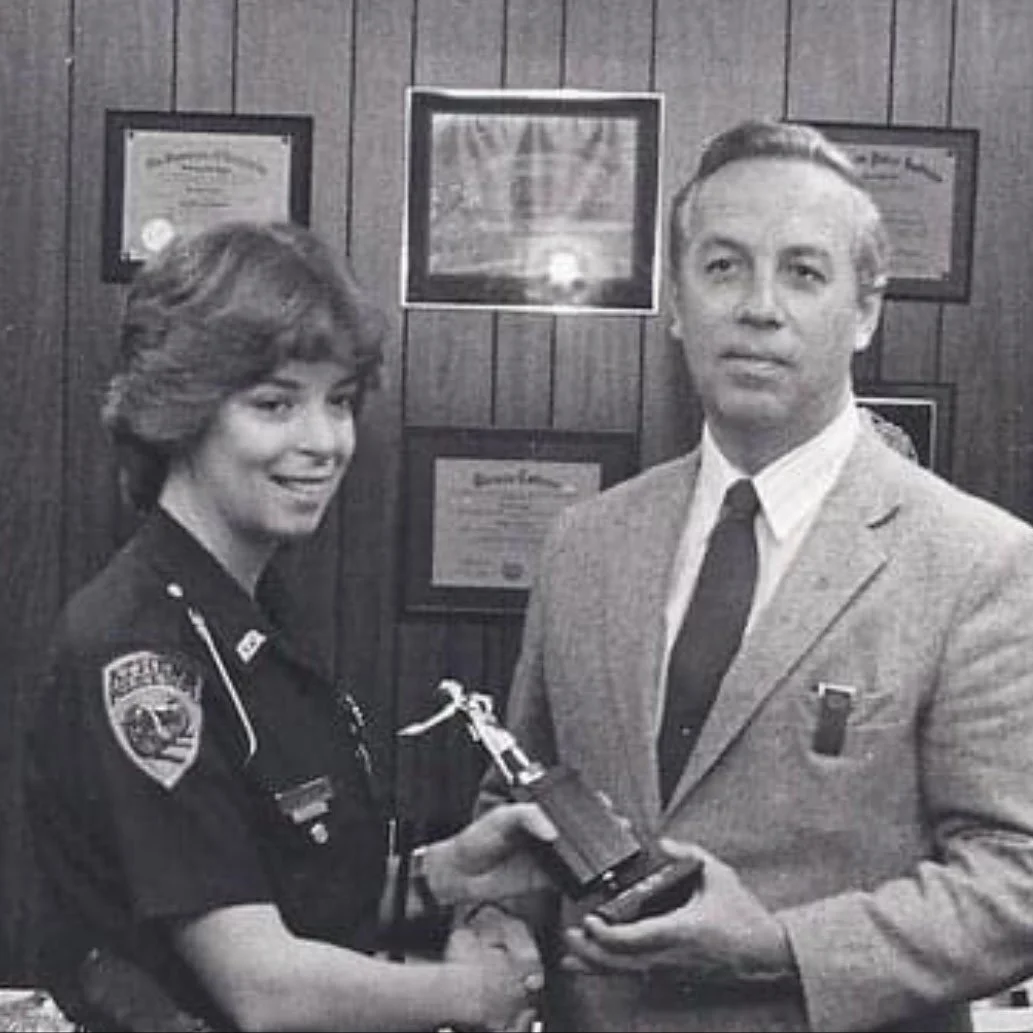
I got a degree in criminal justice from University of Georgia, and I became a police officer out of college. I loved being a police officer, and I was promoted to detective. I loved being a detective.
After a few years, I wanted to not have to work shift work, and someone lured me away to a corporate job investigating fraudulent insurance claims. So that’s what I did for a number of years, and I’m still affiliated with the same company. I’m now in a sales role.
But along the way, I also decided I’d like to get a master’s in criminal justice. I love to teach, and I thought it would be great fun to teach at the college level. So I did that.
In studying for this master’s and preparing lectures for my class, I began to look at a lot of statistics. You hear about the cradle-to-prison pipeline. Well, there’s also a foster care-to-prison pipeline, and a lot of children who wind up in foster care, the chances are great that they can end up in the juvenile justice system, particularly if they’re in more than one foster home placement.
I think the statistic is if they’re in more than five placements as a child, there’s a 90 percent chance they’ll wind up in the justice system, which I actually call the injustice system now.
And it had occurred to me that I was always just one breath away from being in that system myself. I know full well that if those officers had arrived to that apartment when I was 11 years old and it had been an apartment on the other side of the tracks, as we called it.
Childhood Trauma, Foster Care, and the Justice System
And we were a Black family, they would have removed me from the home. They would have locked my father up. They probably would have drugged my mother out, and they would have taken me to some sort of foster care or temporary placement service, and there I would have been. The course of my life would have been completely different.
I just know from being an officer and from living through what I lived through, there is no way that they would have not removed me from the home. They were there too many times, and there were too many things that were harmful for me. I truly believe that my teachers would have been reporting things that they had seen as well.
But none of that happened because it was a small Southern town. I was one of the town’s little girls. My mother had grown up in that town, and her maiden name was a last name people recognized. Her brothers were very well thought of. They were still in town, and so they were given a pass, and it gave me a pass. But it was only because of the color of my skin.
For some reason in California, when I was asked to come up with that title, all of that flashed into me almost instantaneously. I could even see the statistics rolling through my head, the studies that I had done getting my master’s and the preparation I had done for lectures for my classes.
It just became so clear to me that there wasn’t anything about me that was self-made. Yes, I’ve worked hard, blah, blah, all of that, but all of the opportunities that I’ve had have been because I’m white.
In fact, my father was a veteran, and being a white veteran, he was given some things when he returned from the war. He was in the end of World War II and the beginning of the Korean War. I think a lot of people are aware of the fact that African American soldiers didn’t get the same things that white soldiers got.
One of the things that my father got were some benefits to be used for his children to go to school. So even that very beginning, my education was another sign of privilege. It was just everywhere. Everything that I was allowed to do.
When I was in the fifth grade, our schools integrated, and it was not because they wanted to. It was because the federal government came to town and said, “You will do this.” They did a soft integration, they called it. So there were just a few children of color who came into the school.
In my fifth grade class, her name was Stephanie, and she had the most beautiful handwriting I’ve ever seen. She made these big, puffy cursive letters that were just gorgeous.
I remember one time it was a birthday party for a little girl in my class, and I found out Stephanie was not invited and everyone else was. I have no idea why. I always had this sense of justice, but I refused to go to the party because Stephanie was not invited. Her desk was right next to mine, and my mother was just livid. She couldn’t believe that I would not go to this party.
But that’s how things were. Stephanie wasn’t invited. I invited Stephanie to Camp Fire Girls and was told that wasn’t going to happen.
So there were instances like that, but for some reason in Palm Springs, California, in a hotel ballroom, it all came up and it all became clear to me. Wow. All right.
Brandi Fleck: Well, thank you for sharing that.
Peggy Kingsbury: Well, you’re welcome.
Brandi Fleck: So is it safe to say that you’ve always lived in the South?
Peggy Kingsbury: No, I have not always lived in the South. Actually, after college, I was a police officer in Athens, but then I went to work for a corporation doing some investigations for them.
My first stop was metro Atlanta, and then I moved to New York. I lived in a little village called Washingtonville, which is just over the river from Poughkeepsie. I managed some offices in Poughkeepsie and White Plains and Suffern.
So I lived in New York for a few years, and then I went to Minnesota, lived in the western part of the state in Marshall, which is about two hours from Sioux Falls. Lived there a couple of years, then I moved to the Minneapolis area, lived there for a couple of years, and then I went to Winter Haven and then to Tennessee.
So yeah, if you add them all up, most of the years have been in the South, but I did make some rounds.
Brandi Fleck: Okay. Well, being from the South myself, and I’ve also not always lived in the South, but being from around here, I feel like our values are different than the majority of the people around us. What do you have to say about that? Are the values different than your values?
Peggy Kingsbury: Well, that’s a good question. I don’t really think so.
Having lived in other places, I know that when I moved to New York, I was aware of what people thought of me because of my accent. I was immediately aware of that.
In fact, I received a promotion to go there and to manage a group of guys, all men, who worked in sort of a body shop atmosphere. So here I was, a female, and then as soon as I opened up my mouth, it was pretty obvious that I was not from around there.
I was surprised because I just assumed that when I moved to New York that I would encounter a completely different life where it was just a huge old melting pot and everybody was the same. Well, it didn’t take long for me to figure out that was not the case at all.
In fact, sort of an interesting story, sad but interesting. In this office that I managed in Poughkeepsie, there were probably 40 people, and my secretary, that’s what we had at the time, my secretary was Puerto Rican, and she dated an African American young man.
One of the other gals in the office was getting married, and I did learn that up north at the time weddings were huge events. Down here in the South, you still got married in the church and had mints and punch and cake in the fellowship hall, and that was that. But up north, they were already doing the big parties with dinners and all of that. So I was fascinated by that.
So this young woman who worked for me, one of my employees in this office, was getting married, and everyone in the office was invited except my secretary.
I just couldn’t believe it. I wasn’t invited because I had just come on board, and I think the wedding was in a couple of weeks. I was certainly fine with that, but I asked my secretary, “Why aren’t you invited to the wedding?”
And she said, “Well, because I’m Puerto Rican and I date a Black guy.”
And I thought, “Oh. Well, it’s not that different than where I came from.”

And so when you ask me if I feel our values are different, sadly, probably not.
I think that self-preservation is a value no matter where you are, and how people live out self-preservation can be done in lots of different ways. I haven’t found, as I’ve lived around the country, that those ways are really all that different.
Are we more friendly in the South? Yes. Is it probably because we’re nosy? Yes, that’s probably what it’s about.
Do we move a little slower? Well, it depends. You put me in Nashville traffic, and I can tell you absolutely not. Put me in Atlanta traffic, you know, yeah.
There probably is an easiness in the South that we tend to value, but it’s not as prevalent as it used to be. I’ve been around a long time, and I do remember.
I’ve had instances living in other places, for example in Minnesota, where I’d be in the line at the grocery store wanting to chat it up with the person next to me. It was pretty obvious they didn’t want to be bothered, and that’s different than in the South.
But is that a value or just a way of being? I don’t know that it’s a value. It’s just we just can’t keep our mouths shut.
Brandi Fleck: Okay. Well, that’s a really interesting point you make there, and that you’ve sort of made the connection of that exclusion to self-preservation. I definitely want to explore that more based on the different parts of the country that you’ve lived in, but also based on the atmosphere you grew up in specifically as a white person in the Jim Crow South and its immediate aftermath.
Brandi Fleck: Do you think every white person has some form of racism to overcome? And let me be clear, I don’t mean is every white person a white supremacist, but more like, has programmed conditioning or implicit bias. What are your thoughts on that?
Peggy Kingsbury: I definitely believe that everyone has bias.
Brandi Fleck: Okay. Racism, probably?
Peggy Kingsbury: Okay, probably, yeah.
Brandi Fleck: Why do you think that is?
Peggy Kingsbury: Of course, this is just speculation, but I think it’s sort of self-preservation. We all want to feel special.
Particularly in the South, we talk about God like He lives next door, and Christians will tell you, well, He lives everywhere. We think that God has given us special things, and that sort of filters into many things.
So I would like to think that there are people, even myself included, who definitely don’t have racism in us, but I don’t really know if that’s true.
I’d have to think about the definition of racism. You hear it defined in so many different ways. I definitely believe we all have bias, for sure. That comes from years and years of the slow drip of seeing things around us and absorbing all of that. That’s not an excuse for it, but I believe that is in us.
It’s hard to say what we have in our hearts. I don’t think everyone has overt racism. I can say I know a lot of people who don’t do and act in ways that make me immediately say, “Well, you’re a racist.” But in our hearts, maybe. That’s a hard question. It really is.
Racism in Policing and Implicit Bias
Brandi Fleck: Have you recognized any form of racism within yourself at any point?
Peggy Kingsbury: Oh yeah. Yeah.
I can tell you, as a police officer, it’s interesting, I’ve talked to a lot of my students about profiling, and I’ve really delved into all of that and tried to go back in my own history as a cop and figure some of that out.
I can tell you that absolutely there were many times when I would see a young man of color on the street and just assume that he was up to no good. Absolutely.
Now, why was that? Well, it seemed that most of the times when we dealt with difficult situations, they involved people of color. I now know that systemically there are lots of reasons for that, but as a young street cop, I didn’t know that. I just knew that that kid was probably up to no good, and that wasn’t always the case.
But yes, those were racist thoughts. Absolutely.
Brandi Fleck: Okay. Do you think it would have helped your career had you been taught the truth about the systemic issues that made that bias so prevalent?
Peggy Kingsbury: Oh, absolutely.
If I had learned in college, or even in high school, the ways in which people of color were never given a level playing field in our country, that would have changed a lot about my policing.
I was never violent against people of color. I didn’t do those sorts of things, but I did make a lot of assumptions.
I do remember one time, when I was a cop, we had the gas shortage, which meant that for a while, and I know you wouldn’t remember this at all, you weren’t even born, but the gas prices just went sky high. So we were asked not to drive much, and as police officers, we had to ride two to a car.
I was riding with an older officer, a white guy, and we were driving through one of the government housing complexes. Of course, we called them the projects. Don’t know exactly what the project was, but it didn’t work out that well.
We were driving through the projects on patrol, and there was a shiny Cadillac that came through. One of the drug dealers was driving it, and all the little kids ran up to this car, and they just idolized this guy. We knew his name, knew who he was. We’d watched him for years. Not a violent guy, just sold a lot of drugs and did pretty well. He had a fancy car.
All the little kids ran up to his car, and my partner said, “Just look at that. Just look. That’s what’s going to happen to them. They’re going to be just like him.”
And I said, “Well, yeah, but we can only become what we dream and see, and that’s all they see. It’s not like the lady next door is a registered nurse and they see her and want to be her.”
And he looked at me like I was just crazy.
But had I been taught more about how the very foundation was not there for people of color to succeed, I would have had a much greater understanding of these systemic issues, and I believe I would have been a different kind of police officer.
Brandi Fleck: How? In what ways would you have been different?
Peggy Kingsbury: I wouldn’t have made assumptions about things, and I believe I would have dealt with domestic situations that involved children in a much different way.
It is true that at the time, even way back then, we were trying to figure out a way to get children in more stable situations, but I believe I would have spent more time talking with a family in a domestic situation about the child and what we could do to help the child be in a safer environment instead of trying to figure out who are we going to lock up, and how many of us is it going to take to cuff this guy, and who’s going to put him in their car, and who’s got to book him in.
I would have spent more time looking at the situation and realizing that there’s a young life affected by all of this standing here looking at me, and why don’t I pay attention to that child?
That’s one way I would have acted differently, for sure.
And it’s hard to say because I have to tell you, I think I was a great police officer, but I know there are times when I automatically assumed the person of color was the one who had done something.
I would love to go back and do it again with the wisdom that I have now. I would face things differently and approach things differently.
Brandi Fleck: I’ve got a follow-up question to this, and then I sort of want to go into the evolution that you’ve experienced within yourself.
Saying that and believing that you would have policed differently, with the current atmosphere around policing in our country today, what do you think could change that? What do you think could bridge the gap or make things more peaceful, help officers to be more humanizing? I don’t know, just what are your thoughts?
What Police Reform Should Actually Look Like
Peggy Kingsbury: Well, I think over the years, policing has become just a completely different thing.
When I teach my students, we talk about introduction to law enforcement, so we talk about the very beginning of policing and how it was mirrored on what was in England. Basically, these night watchmen, their job was to sort of just watch the storefronts.
When you really study criminal justice and you look at the history of criminality and all of that and how it’s dealt with, it’s interesting all the things that have gone on in the country. Many, many years ago, there was the idea that people were criminals because of the size of their head. There were actually studies about that.
So there’s been a lot of evolution there. When you ask me what would make policing better, I think that the whole foundation on which it’s built was never intended to be what it has become today.
Police officers don’t need to be, most of the calls they get now are domestic related. People fight, they call the cops. Married couples fight, they call the cops. That’s just absurd.
But I believe, for example, if the police have been to a particular home four or five times, it’s time for social services to come in and work with that family to see why are we having these explosive arguments that sometimes involve weapons and fists.
Is there a substance abuse problem? That’s almost always the case.
Is there a mental illness problem? Usually that’s involved as well.
Is there a poverty problem causing a lot of extra stress and tension? That’s usually true too.
The police can’t do anything about those things. Nothing. All they can do is take somebody to jail. They can’t do anything about mental illness. They can’t do anything about substance abuse. They can’t do anything about poverty and the stress that comes with that.
And that’s where we leave it in our country. We just keep locking the same people up, and that’s the definition of insanity. You keep doing the same thing at the same time. Why are we doing this?
Everyone knows we have more people in prison per capita than any country in the world.
So I believe that we need to make it a more holistic system. No, I don’t think that we need to defund the police. I think we need to right-fund the police and put the money where it needs to be and have social workers on board, people who can give some financial counseling, make sure the family’s getting all the benefits they should get, job counseling, whatever it takes to get people back on a path where they are not under so much stress and not abusing substances and that sort of thing.
I think that would change policing in our country more really than anything else, is to deal with these domestic situations and try to work with families to solve them.
I can tell you this, and a lot of police officers and teachers would tell you this is true, there are so many factors that go into what creates criminals in our country.
Childhood Trauma and the Cradle-to-Prison Pipeline
One of the biggest indicators of future criminality is what we call impulsivity. So a child who’s extremely impulsive, many studies have shown that that child could, more likely than not, become a criminal.
Why is that? Well, impulsivity is that thing you do and you don’t even care about the consequences.
If you know any teachers, ask a first or second grade teacher, can they point to the children in the class and, completely off the record, tell me what you think their future will be? They’re almost always spot on because impulsivity is so obvious in the classroom.
What happens is you have an impulsive child who’s misbehaving, and the teacher has to spend extra time with this child. Word gets around that this is a bad kid, and then this kid is not invited to parties with the other children. The other mothers and dads say, “You can’t play with Timmy. He’s a bad kid.”
Before you know it, Timmy doesn’t have anybody to play with but other bad kids, and all the teachers in school say, “Oh no, I don’t want Timmy in my class. Oh no.”
Before you know it, Timmy’s path has been set for him, and no one has intervened to help him. I think we do that because we’re afraid, for some reason, to really dive in and offer real help to families.
Other European countries do that. They go into the home, they have visits that make sure the nutrition is good and the children are getting outside. There are just so many things that we can do to change that.
But I think all of that really is part of a system where the police play a role, but not the central role. We’ve messed that whole formula up in our country.
We have too many police officers, and we have far fewer social workers and educators than we need. That’s just my opinion.
Brandi Fleck: Sure. Do you think that white privilege plays a role in who has impulsivity or who gets better treatment because of impulsivity or as a result of their impulsivity?
Peggy Kingsbury: Yes, I do, in a couple of ways.
So there’s a theory out there called biosocial criminology, and that deals with the biology of the criminal mind and the sociological factors that affect that.
Now, I do not believe that anyone is born to be a criminal because good socialization can override that very easily. However, when a mother who hasn’t given birth yet is under a lot of stress, she’s getting bad nutrition, those things affect the brain formation.
Without getting too technical, there are parts of the brain that develop to being more impulsive, to have a child who’s more impulsive than the next child.
Now, let’s say that the mother is under some stress and she’s maybe abusing alcohol, so she has a baby who may have this tendency for impulsivity, but the child is born into an upper-middle-class white family. The interventions are great.
For example, the child has better daycare, perhaps a nanny who knows all of these opportunities, and has more opportunity for wonderful socialization, so that tendency to impulsivity actually plays out in later life.
You’ll find that those children develop into extremely high-achieving adults oftentimes because impulsivity is also kind of like courage.
So when the child learns to deal with the impulsivity and has the nurturing and the nutrition and the sense of peace and well-being that helps the child feel safe and develop in a better way, go to a better school, receive all of those extra things, extracurricular activities, involvement in sports where you have to learn rules and you have to play by the rules, all of these things really help a child develop in a much better way.
And we know all of those things are much easier for white children to get than children of color. It’s just how it is.
Brandi Fleck: I am so grateful that you laid all of that out. I think that will be eye-opening for some of the people listening because when you say, “Oh, we have systemic racism, we have systemic racism,” not everybody knows, well, what’s an example of that? But this is a perfect example of how that would play out.
And the ability to feel safe, I think, is the foundation for being well-adjusted, well-accepted. It’s just not there for everybody.
Peggy Kingsbury: That’s right. Yeah, that’s right.
It wasn’t until Rodney King that it really struck home with me how messed up our system is. Certainly when George Floyd was murdered, I was in a Facebook group with a bunch of ex-police officers from the police department that I had been in in Athens.
So we had this Facebook group, and we would keep up with each other. Some of them were getting older and sick and, you know, what you do on Facebook, all that business.
When this situation happened and I shared some of my opinion, I was very quickly removed from the group and blocked. I was no longer one of them because I didn’t agree at all with what happened to him and called it what it was.
That made me resolve to grow and learn even more and to move from being a non-racist to an anti-racist.
That’s the quest I’m on today. I don’t want to be just an ally. That’s great, but I want to be someone who fights against it.
Brandi Fleck: Do you think this will be something that you work on your whole life?
Peggy Kingsbury: Oh, absolutely. And I can tell you why.
Unlearning Racism as a White Southerner
As I said, I’m in my early 60s, so I can remember when I was really, really young, we had a Black lady who would come to our house, and there was a time when I was a very, very young child and my parents were somewhat stable. So my family sort of went through a high and then a really deep low, and they were somewhat stable.
Like everyone else on the street, my mother had a maid, and Dorothy was her name. Dorothy taught me to read.
Okay, Dorothy drove a Cadillac, and my mother would laugh with her friends and say, “The maid has a better car than I do.” This was supposed to be funny.
I can remember one time later, when I was probably 12 or 13, maybe 14, my mother came home from work one day and she said, “Well, we have a new girl at the office, and she’s a little Black girl.”
And I said, “Okay.”
And she said, “But she’s just as neat and clean as she can be.”
I did call my mother out on it. I said, “Mama, why would you say that? Of course that doesn’t make any sense.”
And she just said, “Oh, you just wouldn’t understand.”
So I tell you that to let you know that yes, it’s been a lifelong thing because in the time that I grew up, those situations that I described to you, those were just normal everyday situations.
We didn’t play with Black children. We didn’t have them at our birthday parties. They weren’t in our Girl Scout troops. We didn’t date them.
I went to high school with, in fact interestingly, my high school was about half white, half Black, but man, there was a very obvious dividing line.
So it takes a lifetime to work through that. It’s like a slow drip of things that get in your soul, and you have to really flush that out with truth and understanding and vulnerability.
Really overcoming that is, if you’re not vulnerable to that, you’re not going to make it.
So it’s a lifelong thing, and I’ll never stop working at it.
Brandi Fleck: Awesome. Okay.
White Privilege and the Myth of Self-Made Success
For someone who might be struggling and who is saying, “Well, I’m not racist. I don’t see how my whiteness has anything to do with the successes I’ve had in life,” what would you say to them to make them think about how maybe it has?
And I just want to say, we’re not attacking, and we’re not saying that you have to apologize for being white, but what’s another way to think of it?
Peggy Kingsbury: Well, that’s a very good question and a good point, and I do hear that a lot.
People say, “Well, I’ve worked hard for everything I have. I grew up poor, and I’ve worked hard for everything I have.”
I will say that I’ve taken the opportunity to people who will listen, it might be why my friend group is getting smaller and smaller, to people who will listen, and I will say, “Well gosh, have you ever thought about the ways that you were given opportunities because of the color of your skin?”
I like to look at it as this: we’ve always been part of the ruling class, and that’s given a certain privilege. Even if we were on the lower end of the ruling class, we’ve always been part of the ruling class, which means that we automatically get a pass for a lot of things.
That’s my cat’s tail, by the way.
So if you can accept the fact that you’re part of the ruling class, then you have to see. It’s hard for me to convince someone, but you just have to see how you’ve been given opportunities others weren’t given.
Sometimes I will even go through a little history lesson with someone and say, “Well, let’s talk about what happened after World War II and what your grandfather might have been given and what the guy who was in the bunker with him who had dark skin didn’t get.”
In many towns in Tennessee, we still have the old schools that were for the Black kids, and we can talk about that.
I will point out to people the opportunities that they’ve been given. When the door is open because of the color of your skin, you can’t claim that that’s anything you did. And if you do, you just got your head in the sand.
The door was opened because someone white opened the door for you because you’re one of them. You’re the same.
Whether it’s education, a preschool, it’s a job interview.
We still live in a society where I have friends of color who name their children things like Blair and Whitney, and they’ve openly told me, “I don’t want them to be held back because someone can tell the color of their skin by the name that’s on their job application.”
We still live in that place.
Brandi Fleck: Yeah. So how can we live in that place and then someone who’s white say, “I have everything I have because of my own hard work”?
Peggy Kingsbury: Yeah. Even if they did work hard. Even if they did work hard.
I worked hard. Yeah, I did good things. I took risks.
But here’s the thing with taking risks. A white kid almost always can afford to take a risk because if he or she completely fails, they have a place to go back to.
And they have a place to go back to that has heat, electricity, food in the fridge, and somebody there to say, “Well, it’s all right. You can just try again.”
Imagine living in a world where if you take a chance and fail, your only option is a cardboard box under a bridge. It makes you not want to take a chance.
And so that’s why you take the safe job cleaning hotel rooms instead of doing the thing your heart might be leading you to do, because you can’t afford to fail.
We can afford to fail.
Brandi Fleck: Okay. Well, Peggy, where can listeners find you, your businesses? Do you have a website, socials, anything like that?
Peggy Kingsbury: Well, I had to make my Facebook page private because when George Floyd happened, I got a lot of death threats because I said “Black Lives Matter.” That’s a true story.
Even some of my friends who agreed with me got threatened as well, so that was kind of fun.
But I own a State Farm agency in Louisburg, and that’s under my first married name, which is Hubbard. Peggy Hubbard State Farm.
Then I also own Kingsbury Mortgage, so you can find me there. I have a website for Kingsbury Mortgage, and soon I hope to have a website, I sort of have in the background going, for public speaking. The pandemic kind of put a hiatus on that for a little while, but I’ll get that back going.
Brandi Fleck: Oh yeah. Did you ever get to give a speech or anything like that?
Peggy Kingsbury: Well, I’ve done some speaking, but I didn’t get to do a TED Talk because those all sort of went virtual. But those are my goals.
Brandi Fleck: Yeah, still can have goals at my age.
Peggy Kingsbury: Yeah, of course.
Brandi Fleck: All right. Well, thank you so much for sharing today. Your story is amazing to listen to, and I love all your perspectives.
Peggy Kingsbury: Well, thank you for having me. I appreciate it very much.
Join the conversation!
Feel free to share your own experience and let me know if you have any questions in the comments.
Related Posts







Hi, I’m the founder of Human Amplified. I’m Brandi Fleck, a recognized communications and interviewing expert, a writer, an artist, and a private practice, certified trauma-informed life coach and Reiki healer. No matter how you interact with me, I help you tell and change your story so you can feel more like yourself. So welcome!
Find More on the Blog
Topic
- ADHD
- AI
- Atlanta
- Black and BIPOC
- DIY
- FAQ
- LGBTQIA plus
- Los Angeles
- Nashville
- Seattle
- St Louis
- St. Louis
- UFOS/UAPs/ETs
- abuse
- accountability
- addiction and recovery
- adoption
- affirmations
- afterlife
- altered state
- angels
- animals
- anxiety management
- art
- astrology
- atlanta
- attachment
- awakening
- beauty
- behind the scenes
- being human
- body image
- body work
- boundaries
- brandi fleck
- breathwork
- bullying
- burn out
- burnout
- cancer
- career
- caretaking
- chakras
- channeled
- clarity-dive
- clarity-practice
- clarity-primer
- clean products
- coach
- codependency
Recent Blog Posts
Visit the Full Podcast Audio Archive

Affiliate