How One Couple Rebuilt Their Marriage After Trauma
Interview By Brandi Fleck
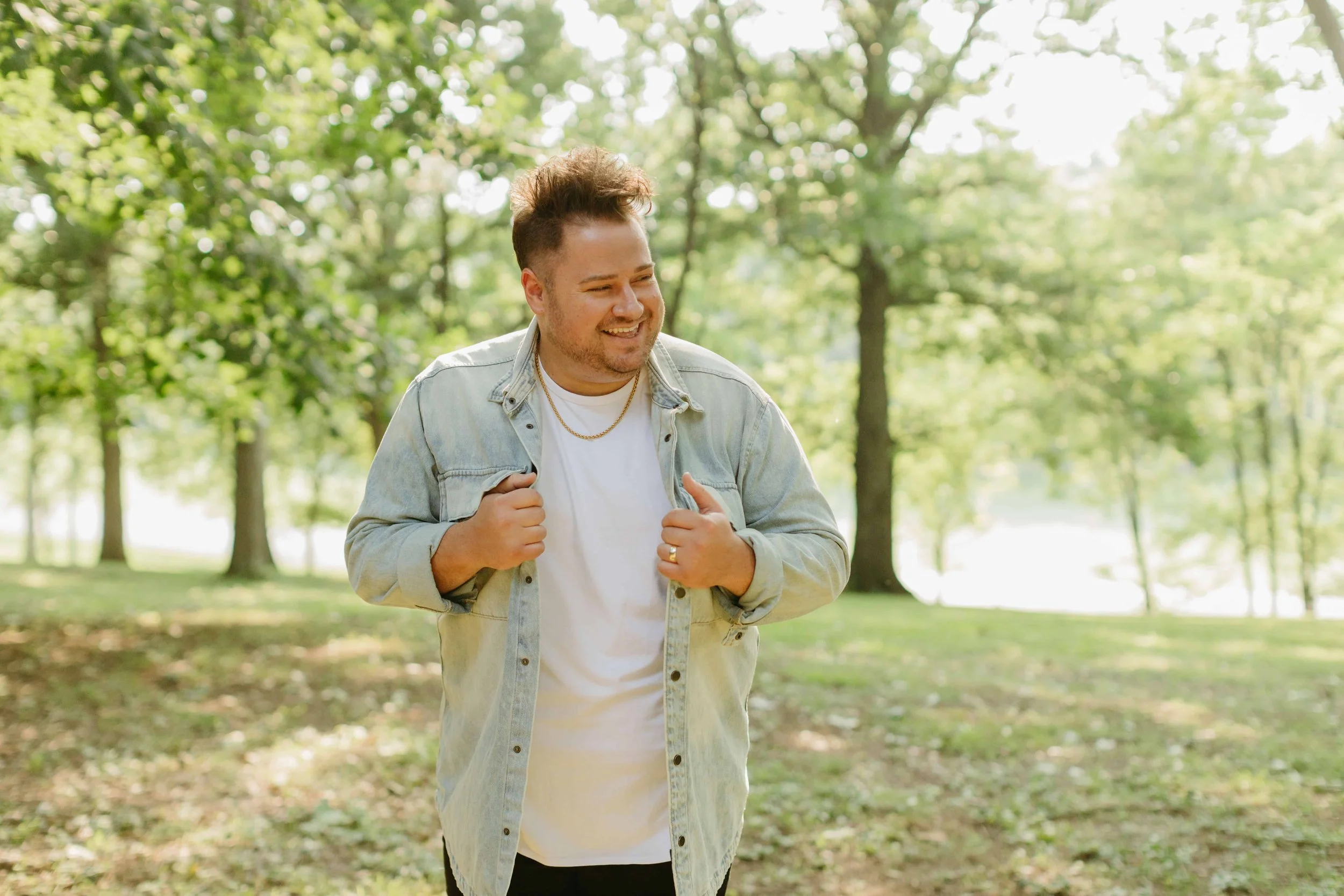
Singer-songwriter Jon Mullins shares how music helped him and his wife survive trauma, rebuild communication, and transform pain into purpose.
When Jon Mullins sat down to write “Better Man,” he wasn’t trying to create a viral song. He was trying to survive one of the hardest seasons of his marriage.
The Nashville singer-songwriter and former The Voice contestant opens up about his wife Whitney’s traumatic brain injury, the emotional toll it took on their relationship, and how music became both therapy and a lifeline.
From relearning how to communicate to writing songs rooted in real pain, Jon shares what it means to love someone through uncertainty and why vulnerability became the foundation of his artistry.
Listen to Jon Mullins’ Interview
Watch Jon Mullins’ Interview
Nashville Singer-Songwriter Jon Mullins on Love, Music, and Healing
Jon Mullins: Hi, my name is Jon Mullins, and I live in Nashville, Tennessee. I sing, I write songs, I travel, I play. I play the songs I write. But most importantly, I love Jesus and I love my wife. I believe music heals, and I believe music is the only universal medicine for certain things. If you're going through the hardest time in your life, in your marriage, in whatever, in your relationship, you're not alone. One of your purposes is to let your story be known. To be human is to be vulnerable.
Brandi Fleck: Today's guest is Nashville singer-songwriter and pop artist Jon Mullins, who is also a 2020 alum of the hit TV show, The Voice. In the last couple of years up till now, he's put out quite a few singles, including “Better Man,” “Get to You,” “Survive,” “Hot Like Summer,” and some amazing Christmas songs.
Speaking of Jon's music, later in the episode we dive into the emotion and vulnerability that went into creating the song “Better Man,” which he describes as the beginning of telling a story through his own artistry. With his wife Whitney as an inspiration and support, not only does he sing just a bit for us, but Jon really opens up about how he initially was afraid to release the song. Doors just kept opening, though, and “Better Man” became a life-changing experience.
Before that, we talk all about how Jon met and fell in love with Whitney, an accident she had early in their marriage, and how after the accident, their emotions and healing evolved as a couple, with music as therapy and a healer. Jon takes us through how music went from being a healer to how it's now the goal that he and Whitney have their eyes and hearts on together.
On a personal note, this has been one of the funnest conversations I've gotten to have. Jon is such a down-to-earth, genuinely nice guy who just shines his light wherever he goes. If you haven't heard his music, be sure to check it out. If you have heard his music, listening to him talk about his life, his creative process, his love for his wife, and how they support each other will only make you love it even more.
Welcome to the show. I'm so excited to have you here with Human Amplified. How are you doing?
Jon Mullins: I am doing well, thank you. My wife and I actually just celebrated our anniversary.
Brandi Fleck: I heard, yeah.
Jon Mullins: We were actually down in Florida for about four days, came home to Nashville for about four hours, and then left and went to Dollywood for the first time. We got back last night around 10, and I had a deadline for something, so I stayed up till about 3 o'clock recording vocals for a Christmas song.
Oh my gosh. So it's been crazy. I'm doing well, and I'm super thankful for being able to stay busy, but being able to step away from it and spend time with Whitney. Yeah, so thank you for asking. How are you doing? That's the good question.
Brandi Fleck: Yeah, I'm doing pretty good. Things are going well in the family, here at the show. Yeah, I don't really have a lot of complaints, honestly.
Jon Mullins: Yeah, yeah.
Brandi Fleck: Well, happy anniversary. I guess it was this week?
Jon Mullins: It's very recent, yeah.
Brandi Fleck: Did you guys love Dollywood?
Jon Mullins: Yeah, it was great. We didn't quite know what to expect because when we were in Florida a few days ago, we were at Islands of Adventure, I think. So it's part of that whole whatever. You get to see the super crowded lines, you get to see all of these beautiful things, but it's almost like it's hurry up and wait.
At Dollywood, it's a very different story. They've really got their act together. I will tell you what. You buy something in a store, and they're like, “You can pick it up front whenever you leave.” And because we stayed at the Dollywood resort, you kind of get some super cool perks when you go to Dollywood.
So I will tell you, it was a great first experience for us, and we will definitely be going back. So I'm excited for that.
Brandi Fleck: Yeah, awesome. Okay, well before we jump in, I feel like you probably don't need an intro, especially here in Nashville, but for our listeners, can you just give them some info about who you are, what you do? Who is Jon Mullins?
Jon Mullins: Sure. In my Instagram bio, Jon Mullins is a husband, singer-songwriter, overthinker.
Brandi Fleck: Ah, okay.
Jon Mullins: So it tells you what I love the most, what I love doing, and then my biggest weakness.
Brandi Fleck: There you go.
Jon Mullins: I am here in Nashville. I sing, I write songs, I travel, I play. I play the songs I write. I'm a pop soul artist here in Nashville. But most importantly, I love Jesus and I love my wife.
Brandi Fleck: Awesome. Yeah, and I want to talk to you about sort of your journey that you've been through with your wife in the last couple of years. I know it's been sort of a roller coaster because there was an accident, and you've sort of navigated your musical career while going through the emotions of that accident.
So before we go there, I do want to ask you, can you tell us your love story? How did you guys fall in love?
How Jon Mullins and Whitney Met and Fell in Love
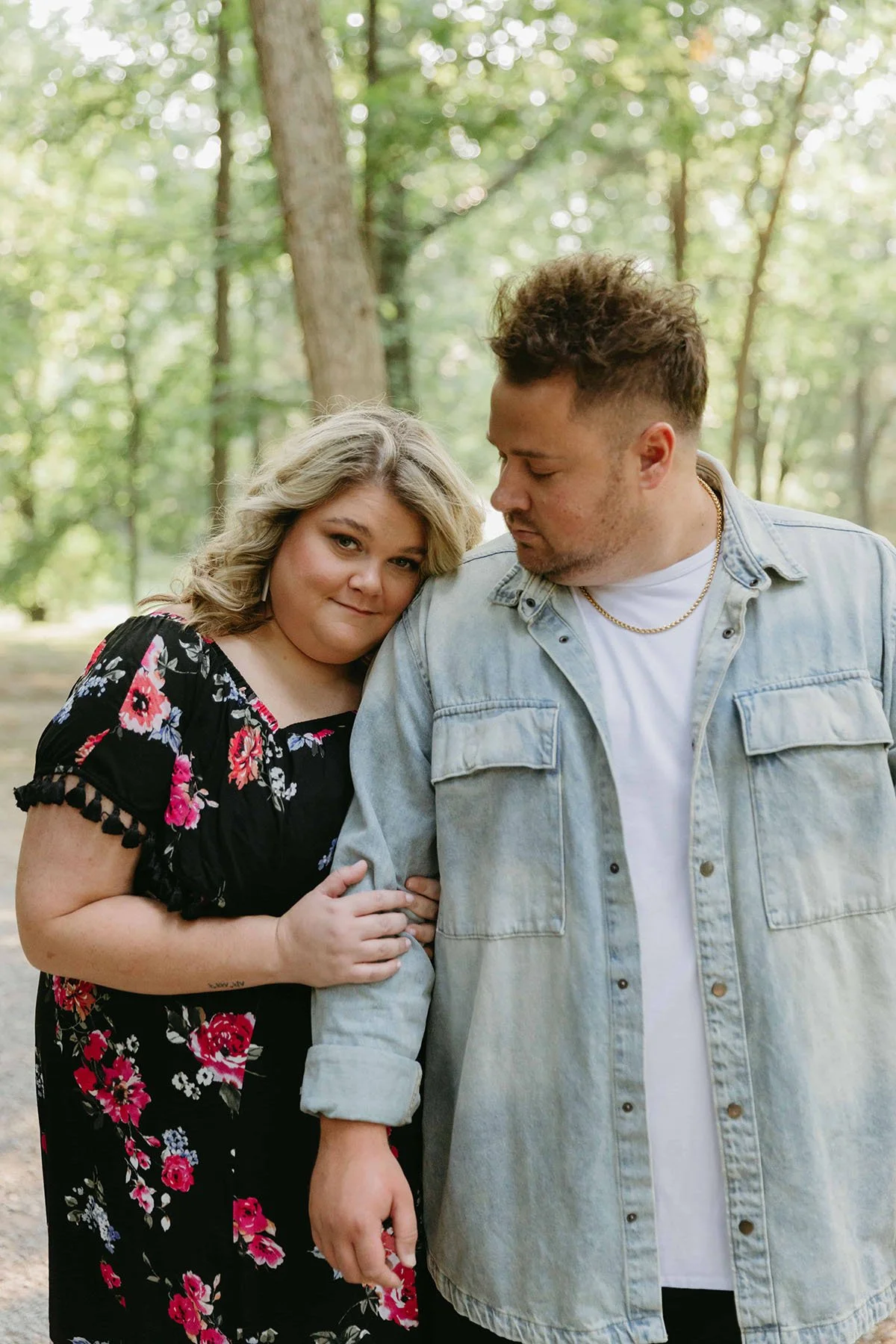
Jon Mullins: Sure. Whitney is one of my favorite things to talk about, so I am definitely glad to do that.
Whitney and I lived in three of the same cities at the same time and finally met in the third city. We lived in Lynchburg, Virginia, in Sarasota, Florida, and Chattanooga, Tennessee, and finally met in Chattanooga, Tennessee at our small college that we went to.
It was just really interesting. When we first met, we were in the business office at my school, and that's where you pay your bills, all the things you don't want to do. So it's a pretty negative experience every time you walk in there.
I was sitting down in one of the chairs, and she walks in, and I'm like, “Oh my gosh, that girl is beautiful.” She starts asking for directions to Walmart, and this is before, it's not before there was GPS on cell phones, but people weren't using it as much.
Brandi Fleck: Yeah.
Jon Mullins: So I jumped up and I was like, “I'll tell you directions,” and I gave her incorrect directions.
So the whole time she's driving to Walmart later that day, she's on the phone with her father like, “I hate this guy who blah blah blah, who gave me wrong directions.”
Then that next day, we're in the cafeteria, and it just so happened she was kind of in my group of friends and we were all talking at the table. We were like, “Oh yeah, I love when blah blah texts me, blah blah.” Then Whitney all of a sudden is like, “You know, nobody texts me.”
And I'm like, “I will.” I asked her for her phone number because I am just an overzealous weirdo, and I was like, “What's your phone number? I'll text you.”
I don't know if we've gone a day without talking since. Maybe we have, I don't know, but I feel like it was definitely the start of something incredibly special.
My parents had just been through a divorce when we first met, so I was really, really, really afraid of any type of commitment. I was afraid to call her my girlfriend. I was afraid for all these things because I was just afraid of the same thing happening.
But two and a half years later, I was like, “Will you be my girlfriend?” And she's like, “I already am.” And I was like, “Okay, cool.”
We got engaged a couple years after that, and after an 18-month engagement, we got married.
Brandi Fleck: Awesome. Okay, so how long have you guys been married now?
Jon Mullins: Seven years.
Brandi Fleck: Seven years, awesome.
Jon Mullins: It sounds insane, but yes, seven years.
Brandi Fleck: Okay, well we're going to seemingly switch gears, but we're not really. The question is, do you think music heals?
Music as Emotional Healing and Therapy
Jon Mullins: That is an incredible question. I feel like apart from Jesus, I feel like music is the universal healer. I feel like music allows us to be able to grieve through things we can't explain or things that we don't have the strength to explain.
For me, music gives me the avenue to say things that I'm afraid to say.
I also feel like music has probably one of the most therapeutic tendencies ever because when it comes down to being in a tough spot in your life, or even Whitney with her injury, which we might touch on, I'm not sure, but music seemed to be the constant that was always able to bring peace or heal whatever kind of emotional damage was happening.
Man, I could talk about music all the time, but yes, I believe music heals, and I believe music is the only universal medicine for certain things.
Brandi Fleck: Wow, that's really powerful. I tend to agree with you, and I'm so glad that we're going to talk about this. I want to sort of apply it to what you guys have been through in life.
We did mention at the beginning of this episode that your wife had been in an accident. I know that you sort of talked to People.com about some of the things you went through, and you first announced this on The Voice, which we'll get into in a little bit.
But can you give us an overview of what happened and what changed your lives?
Traumatic Brain Injury Recovery and Life After a Concussion
Jon Mullins: Yeah. Almost six years ago, Whitney fell forward on concrete at work. She slipped on some liquid, fell forward on concrete, hit her head, knocked herself out, and she came to. Her adrenaline was pumping, and she called me at work and she was like, “Listen, something happened. I need you to come here.”
Luckily, her parents were in town, took her to the hospital, and they said she had a slight concussion. We're like, “Okay, that's something we can definitely deal with. We can take care of this, and it's something we can get through.”
But that next day, she started having regression with her speech, with her motor functions, with her short-term memory. She couldn't put sentences together. She couldn't get up. She couldn't remember something we had said earlier that day. Everything was just regressing.
When it got to, I think, the deepest point of it, she had lost about 60 percent of her speech and motor functions and short-term memory.
Going through the hardest time in your life, being scared that your body's going through these changes and you're afraid that you'll never get your vocabulary back, you'll never be able to even put a sentence together, and you can't even tell the person that you love the most what's actually happening is probably one of the scariest times in our life.
Brandi Fleck: Yeah.
Jon Mullins: I worked really close to home, so thankfully I would go to work, I would go home on breaks, make sure we have the medicine that we need, make sure the doctors, because they would come to the house. She couldn't drive. The doctors were coming to the house and everything was getting taken care of.
We had to completely relearn how to communicate. I was not supposed to finish her sentences, but all I wanted to do was help.
Brandi Fleck: Yeah.
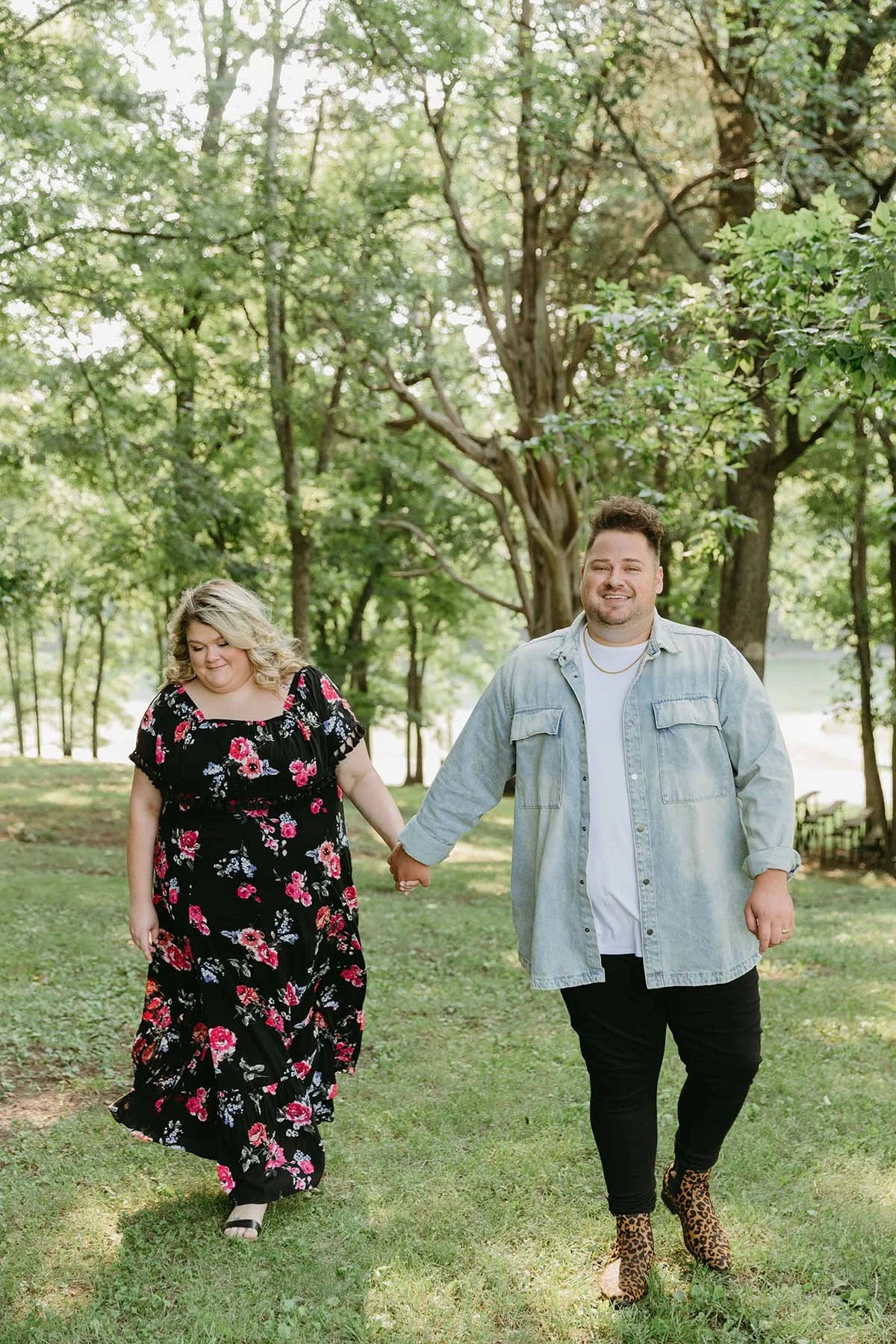
Jon Mullins: So when she was sitting there struggling, I wanted to help and I wanted to finish her sentences, but that would be frustrating. Feeling like you should be able to do something so simple by yourself, but you can't, man, it was just probably one of the hardest times in our marriage and a huge struggle.
We would just sit and cry because Whitney would say, “Am I ever going to be who I was before? Am I ever going to get myself back?”
Brandi Fleck: Yeah. And you guys were newlyweds when that happened pretty much too.
Jon Mullins: Yeah.
Brandi Fleck: Okay, wow. Are you guys at a point now, well is she at a point now where she has herself back?
Jon Mullins: Yeah, that's a great question. I think Whitney has her new self.
Brandi Fleck: Okay.
Jon Mullins: We say she's 85 percent recovered. Speech and motor functions are back. Short-term memory is back mostly.
We say the thing that has stuck around the most is her anxiety and panic, and those again are things we did not deal with before the fall. Those are things that were caused from the fall.
I have seen her come out on the other side of this as a stronger, more vibrant, more independent, more boss babe woman than I saw before, and I know that when you go through life, you naturally progress, but it's almost like you're made stronger through fire.
When you want to make a blade stronger, when you're forging a blade, if you want to make it stronger, you throw it into the forge and then you hammer it. I feel like that should happen to us. We were thrown into that fire. We were brought out and just hammered for years. Oh my God.
Since then, she has become this entrepreneurial wonder that I never thought we would be in the place that we are now, and I'm super thankful for the things that she's doing, the company that she has formed, and the hard work that she's put into it. It has helped her heal.
Music during that time did take the back burner, which I would not have had any other way because that is a husband's responsibility. When your wife is hurt, broken, anything, you drop everything, you take care of that, and that is kind of what happened. Yeah, man, what an insane time in our lives.
Brandi Fleck: Yeah. Okay, so music took the back burner. Fast forward to 2020, so I guess you're about five years out from the accident at that point, and like we mentioned, you are an alum from the show The Voice, and you made it pretty far.
When you first auditioned for that show, what did it represent for you in that healing journey together, or did it at all?
Jon Mullins on The Voice and Telling His Story Through Music
Jon Mullins: Yeah, that's a really, man, you have such great questions. I'm loving this so much. Thank you. Thank you for putting thought into all these questions. This is incredible.
First of all, I didn't want to audition for the show. The show had reached out about an audition, and this is the second time this had happened. This is the second time that I was expecting not to get through.
They reached out, we had the bio filled out, we had all the things filled out that you have to have. I traveled two and a half hours with one of my very best friends in Nashville, and he was auditioning as well.
I get into the room, and I wanted this whole experience to outline not only me as an artist, but I wanted to outline a certain story because when you're an artist, even as a human, because Human Amplified, let's talk about it, even as a human, one of your purposes is to let your story be known and to let your story affect others.

Hopefully, when you go through such an insane struggle like 2016, you want people to maybe also feel like they're not so alone when they're going through it.
Whitney and I wanted to make a bigger statement. We didn't want to keep it under the covers. We didn't want to keep it under wraps.
Brandi Fleck: Yeah.
Jon Mullins: So we put her fall in the bio, and then I sang a couple songs, a couple things that I think would outline our love for each other and then kind of the struggle that it's gone through.
There are multiple auditions in the audition process before you actually get to the stage.
In that first audition, I did not want to do it, but Whitney was like, “Listen, God doesn't open a door this big and this easily without Him maybe saying, just go ahead and walk through and see what happens. Let me see what I have to teach you.”
So we did it. I auditioned. I made it.
Usually the first time that I had done it, I made it through maybe 30 seconds of the song. She was like, “Thank you so much. Nice to meet you. No need for this season, but you're great. Thank you.”
I was expecting that, and I made it through the whole first song and was like, “Oh man, what's happening?” Made it through the whole second song that we prepared, like, “Oh my Atlanta, what's happening?” Third song, went to an interview, all these steps that happened, things that I was unaware actually happened.
Finally, after multiple auditions and multiple trips to different destinations, we finally got to that point where we were able to do the blind audition.
The statement that we wanted to make when we finally knew, “Listen, we're going to be on television and we're going to be able to say something,” we were sitting in a Walmart parking lot the night before I was going to leave at 2 a.m., and we're like, “What do we want to say? What do we want to say? What do we want to say?”
Finally, Whitney pulls up a song by Andy Grammer. She's like, “I've got it.” We listened to the song in the Walmart parking lot at 2 a.m. and just both cried.
The first line says, “I'll fight for you, I always do, until my heart is black and blue. And I will stay, I will stay with you. We'll make it to the other side like lovers do.”
I was like, “I'm crying. This has to be the song.”
We wanted people to know you're not alone if you're going through this type of hard time. If you're going through the hardest time in your life, in your marriage, in whatever, in your relationship, that you're not alone, and that with work and with perseverance and with true love, you can make it through it.
We really wanted to share that message, and we wanted to share the story so that people know that you can come out on the other side.
Brandi Fleck: Yeah.
Jon Mullins: So that was the purpose of that song specifically for The Voice.
Brandi Fleck: Was that important to you because you had people there for you during this journey that let you know you weren't alone, or did you not and you thought that it was important?
Jon Mullins: We had a lot of people who reached out and said, “I've been through this before.”
Yeah, we had a pretty horrible thing happen at the beginning of this year, and as many people that have reached out, it doesn't quite feel the same yet. That's why I said music is the healer.
That's why I wanted to put a part of our journey, like “Better Man,” “Get to You,” “Survive,” I wanted to put those into songs because I wanted people to be able to listen to it and hear it and get what they need at the time.
Sometimes it was difficult for me to hear from other people that they had been through it because it almost felt like, “Join the club. Oh, we were there too,” just in the way that it was said.
Brandi Fleck: Yeah.
Jon Mullins: So I think what we needed at that time was just to know we weren't alone, and not to be told that we weren't alone.
But there were some incredible people who were there for us along the entire journey. Of course, our parents, our loved ones, our friends here in Nashville. Without saying, “We've been through this before,” they were just there, and they just let us have a shoulder to cry on.
It really felt like it was probably one of the most difficult journeys at that time in our marriage, and I think at this time we're able to see the people that had helped bring us through that time.
So I think I wanted to give people what we were getting.
Brandi Fleck: Okay.
Jon Mullins: But again, I think it's really effective through music. I wanted to put something that was a really hard truth and a really hard story to tell into something that people can just go and click, and they don't have to have the obligation of talking through it.
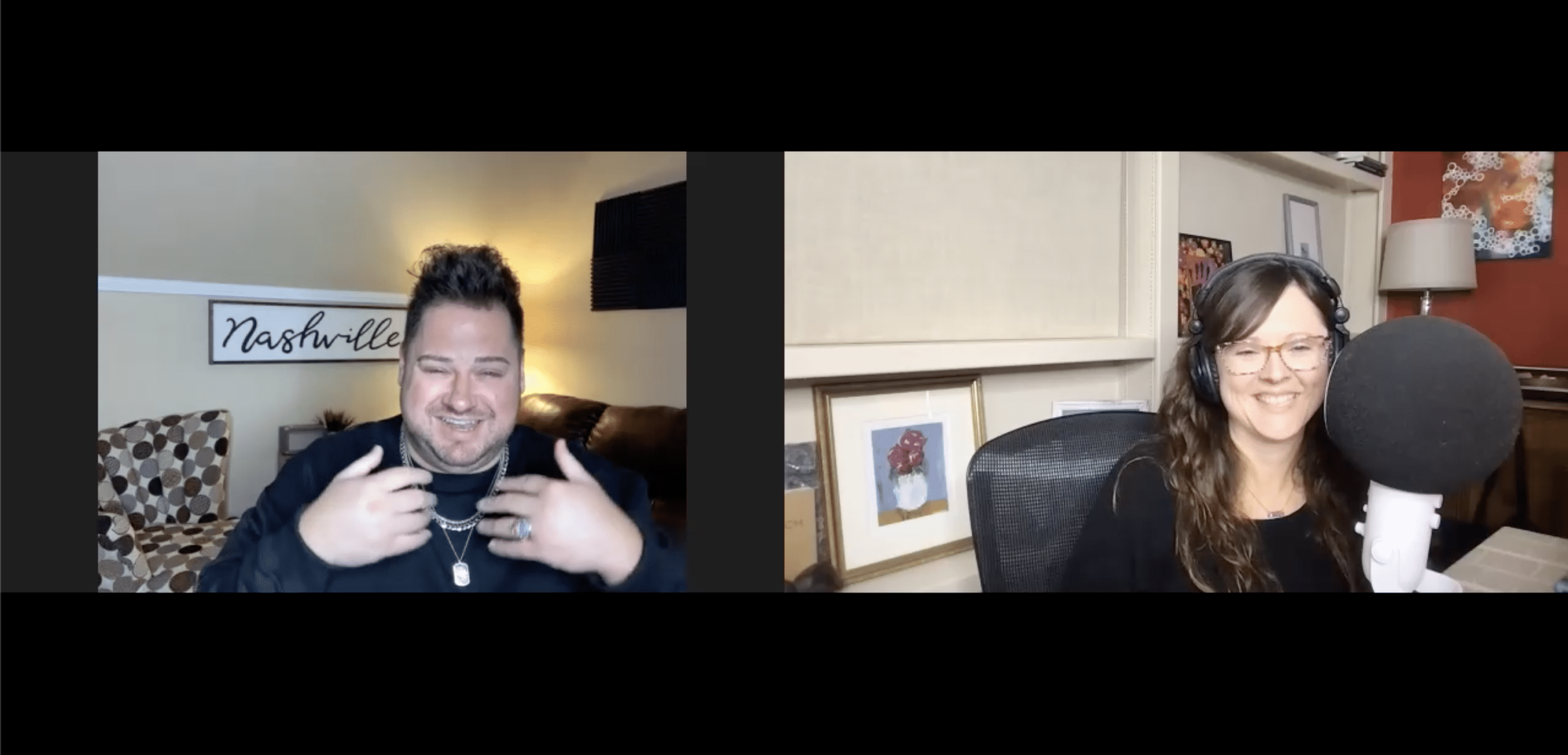
Jon Mullins: Yeah, they can just listen and understand and feel the feelings without having an awkward conversation or having to relive that moment by saying it because when you say something, it almost makes it more real.
So I wanted to be the one to say it for people so that they could feel that. Hopefully that'll be something that can make a difference in the future, those songs.
Brandi Fleck: Yeah, I think it's something really important that you hit on there, is being able to feel the emotions and process them. There's sort of a time and place in your healing where talking about it is okay, but sometimes you do just need to feel it, and music is your vehicle for that.
This might be sort of hard to describe, but can you describe for us how music got you through those hard years? What did it do for you?
Using Music Therapy to Process Fear and Uncertainty
Jon Mullins: Yeah, that's an awesome question. Through that time, a lot of my friends here in Nashville are musicians, and so we get together under the guise of writing a song, but we would just end up hanging out and talking about emotions.
I hadn't written a song by myself in about two and a half years, but there would be times where I'd just get my guitar out. We'd be laying on the bed, couldn't sleep, full of emotions. We were so nervous about the future and what it held and whether things would ever go back to being the way they were.
I would just pull my guitar out and I would just sit there and pick. I would just play, and then we would fall asleep. Then for six to eight hours, everything was okay.
I feel like at that time, music was more of a therapy than it was my job.
Brandi Fleck: Okay.
Jon Mullins: I think that's when I really started to learn the true healing power of music, not just emotionally.
Brandi Fleck: Okay, because it was your therapy, would you say it was allowing you guys to be present and process the emotions? Is that how it was your therapy?
Jon Mullins: Yeah, I think it was almost like, you see these emotions. People talk about emotions as an emotional roller coaster, right?
Brandi Fleck: Yeah.
Jon Mullins: So you're visualizing all these ups and downs and twists and turns, and I feel like music for us took those peaks, those highest parts, and it almost smoothed them out.
Brandi Fleck: Oh.
Jon Mullins: So I don't think music allowed us to completely process it until I started writing about it.
At that time, when we were in the thick of it, I think music took those most difficult times, the parts that just felt like they weren't going to end, and again, it smoothed them out and it made us feel like what we were going to do or what we were going to achieve in the future was able to be accomplished.
But I don't think it quite allowed us to be there and process it until I started writing about it.
Brandi Fleck: I love that visual you gave us. I think that's really helpful.
Jon Mullins: Thank you.
Brandi Fleck: To put it into words like that, yeah.
So now I'm going to put you on the spot just a little bit, and we might get into the technicalities here and the processing when you started writing, but can you dissect a song of your choice for us and give us maybe examples of what you were feeling when you wrote it? Like a few different pieces of it, map them to what you were feeling or how they helped.
Jon Mullins: Yeah, I think that's incredible. I love this.
The Inspiration Behind “Better Man”
Okay, “Better Man” is what I'm going to choose because that's the song that came from, that was almost like the beginning. You put the key in the ignition and you turn, and I feel like that was just the start to really telling the story through my artistry, not through singing covers on national television, not through singing covers on social media, through actually my artistry and saying exactly what I wanted to say with my words, with my melody.
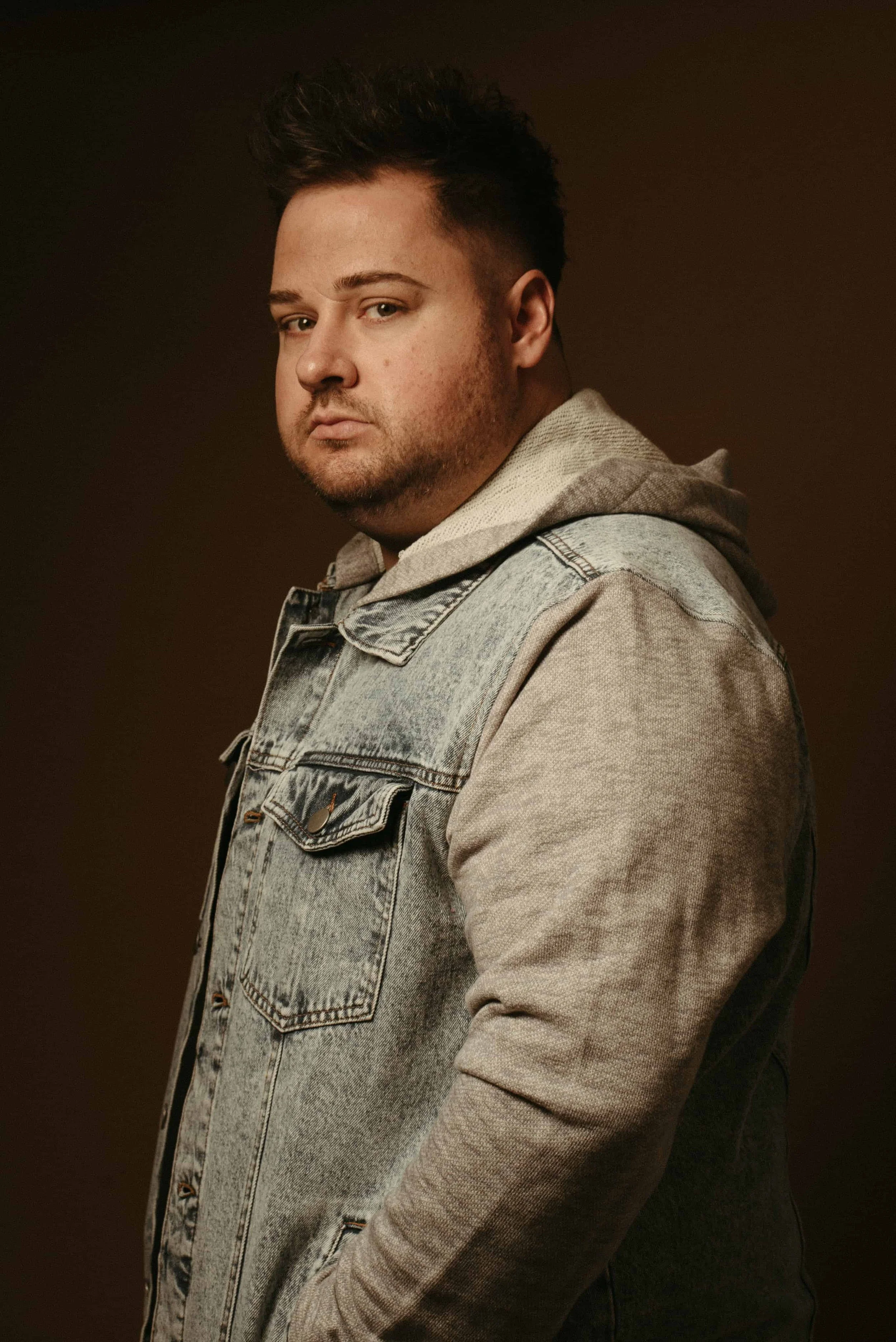
“Better Man” is that first song I released after The Voice and the first song that I released after the accident.
Whitney and I had been going through an incredibly, incredibly difficult time when we were trying to relearn how to communicate, and it had been about two and a half, three years since I'd written a song by myself. I have co-written many songs.
We had a really rough night one night with communication, and Whitney I think was out of town, and I just came up to my studio and I was like, “Man, this is horrible. This is crazy. What am I going to do? What's in our future?”
Never thought about giving up, but it was always just this, “How are we going to take this next step? How are we going to get past this?”
So I sat down and I started playing four chords on the piano over and over and over for about 20 minutes, and then all of a sudden this phrase comes in my mouth that goes, “It's only human nature just to give up on somebody that you don't understand.”
I was like, “I think I have something. I think I have something.”
That's it because us as humans, like I had said in the first question, to be human is to be vulnerable, it's to be imperfect, but it is also to be able to express yourself through words and through music and through creativity.
I wanted to write a song that was so potent, that hit home, and I think that “Better Man” did that.
So I'll walk you through it. The first verse of “Better Man”:
“It’s only human nature just to give up on somebody that you don't understand. I know you've got a million reasons to let me go, but now I'm asking for another chance. We can make this work. I would do anything for you. Oh, we can make this work. I would do anything for you. I didn't know I was wrong. Whatever I need to keep you.”
That whole entire verse talks about just the struggle and feeling like maybe there's something that you're doing that's causing this problem and maybe you feel the weight of the responsibility of the problem that's happening on your shoulders.
But there is that turnaround where it says, “I will do anything for you. Whatever I need to keep you.” That whole entire thing is the desperation of saying, “I'll do whatever I can to make this work.”
The whole chorus says, “I will learn to be a better man for you. I will learn to be a better man for you.”
The moment I started writing that chorus, which was shortly after I had started writing that verse, the line “I will learn to be a better man for you” came out, and I was just like, “What is happening right now?”
It felt like the floodgates of emotions had opened up from the past however many years, and I felt like I was finally able to say what I was thinking the whole time.
Sometimes as a songwriter you have writer's block, right? It's like you've got this tube of water and water's just rushing through it all the time, and all of a sudden somebody puts a kink in it. You've got that writer's block.
It's like that break in the line had been there for so long. It was building up for so long. Finally the line straightened out, and I was able to just let this song flow.
The second verse talks about:
“First we're yelling, then we're screaming, and we're getting in the moment. Then you tell me to get out the room.”
It says, “I know you're afraid. That's why you pushed me away, but I will always come back to you and tell you that we can make this work. I would do anything for you. I didn't know I was wrong. Whatever I need to keep you.”
That described a lot of what had been happening. It described part of what had been happening that night.
That song was the first embarrassingly real song that I had written.
Brandi Fleck: Okay.
Jon Mullins: So it's hard to let people know the truth of what's happening behind the scenes, and so I was afraid to release it. I was afraid for other people to hear it. I was afraid for Whitney to hear it.
I hadn't written the bridge yet for a while, but I wanted, again, to be able to express something so insanely personal.
That song was not meant to be released. I'm glad it was, but when I first wrote it, I was like, “I'm just keeping this for myself because this is really truthful.”
Brandi Fleck: Yeah.
Jon Mullins: Since then, I think it's opened the floodgates to writing very, very hard truth songs, which I'm just so thankful opened up the floodgates.
The last part of the song is the bridge. It says:
“Just because we're going through some hard times doesn't mean we need to give up. I don't want to give up. Just because it isn't exactly what we thought doesn't mean we need to give up. Please don't give up.”
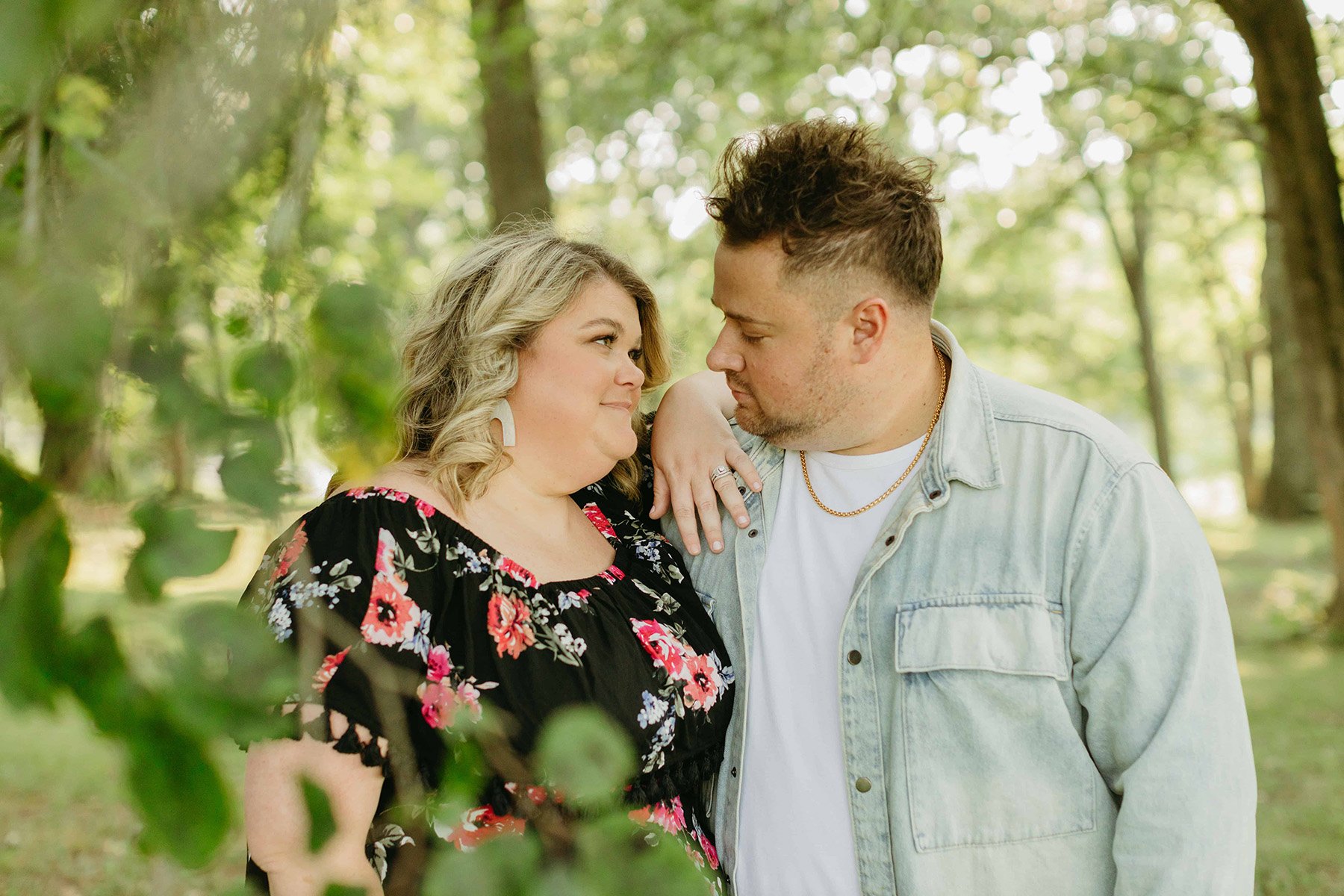
That's saying, “I don't want to give up. Please don't give up. Let's do this together, and I will do whatever I can to be a better version of myself for me and for us.”
Man, writing that song changed my life. Releasing that song changed my life.
Brandi Fleck: Yeah. There's a lot of stuff floating around in my head that I want to follow up on, but what made you release it if you just wanted to keep it for yourself? What happened?
Jon Mullins: Yeah. So it had been about a year, year and a half from when I wrote it to when we actually started recording it.
I posted a small snippet of it on Instagram, and I had so many people reaching out asking what that song was, who wrote the song, when are you going to release that?
Every time I post something on my story about it, every time I post anything on Instagram or Facebook about it, it's almost like something lit up and people were like, “Listen, what's happening with this song? We really connect with it. You need to release that song.”
A lot of record companies or production companies will test out a song on an audience before they release something just to make sure it's going to go over well, and that song was testing well.
Okay, so I had met with an incredibly great guy named Dustin Olean. We worked together on this song. He produced the crud out of the song, and he helped bring that to life with me by providing the avenue for me to express what I was wanting for instrumentation and production. He almost just was able to take what I was looking for, he just ran with it.
He was like, “Listen, this is the production side of it,” and he said, “We'll work together on this,” and he just absolutely blew it out of the water. I'm so thankful that he was on board for that song.
Brandi Fleck: Awesome.
Jon Mullins: So I really wanted to keep it to myself, but it was almost like the song was meant to be released. Something clicked when people kept relating to it. They wanted to hear it again and again, and I feel like maybe this was something that shouldn't be held back from the world.
Brandi Fleck: Another door sounds like it just opened.
Jon Mullins: Another door that opens so easily.
Brandi Fleck: Yeah. I do want to circle back to one of the very first lyrics you mentioned, that human nature is to give up on what you don't understand. I think that transparency and that realness that you put out there helps people understand in a way that they don't, so I really like that.
Jon Mullins: Thank you.
Brandi Fleck: Yeah. What role does music play in your relationship with your wife today at 85 percent recovered?
Turning Music Into a Career and Creative Purpose
Jon Mullins: After The Voice, The Voice is a little bit of a turning point, I will say. Getting off of The Voice lit the fire. Okay, and this feels unrelated, but I promise it is.
Brandi Fleck: Sure.
Jon Mullins: Since then, music has gone from more of a leisure activity or “let me write a song twice a week” to the ability for me to call it my job.
So, one to two songs a day, writing music and writing with some of my most favorite writers in the entire world.
It has changed in the way that mine and Whitney's, I feel like music was almost the avenue to help us get us where we needed to be, but the end goal was always to make that message bigger and not just for Whitney and now to keep it to ourselves.
The best thing about Whitney, she's the most supportive wife I could have ever hoped for.
Brandi Fleck: That's great.
Jon Mullins: She wants it to go from, “Let's keep this to ourselves,” or “Jon, come home and play guitar for me,” or whatever. That doesn't have to happen anymore.
Whitney has blossomed. She wasn't unblossomed, I don't know how to explain it. Whitney has become such a strong, incredible, boss is the only word I can think about it, she's become this strong boss woman. We don't have to have that constant therapy anymore.
Brandi Fleck: Yeah.
Jon Mullins: That constant music therapy. For me, I get my therapy writing music. Anything that goes wrong or any problems we're facing, it's awesome because I don't hold it all in like I used to.
So I can just go and write a song about it, and that might be part of our therapy. I don't hold everything in. We're able to just write a song about it and get it over with. She'll hear it and she'll love it.
But right now, the role that music plays in our relationship is a light for the future. That is the role that it plays. It is actually the thing that we have our eyes fixed on, our eyes set on. Music has gone from the healer, and it's transformed into the goal.
Brandi Fleck: Okay.
Jon Mullins: I love where music is for us, and I feel like if music ever had to be that healer for us again, if music ever had to be that for us again, it could be and it would be.
In a small way, again, it still is a part of the healing part of our relationship.
Brandi Fleck: Okay. Since it's become the goal, I'm sure that it can reach so many more people and help in their healing process too. Do you ever hear from fans or listeners that it has helped with their healing journey or supported in that?
Jon Mullins: Yes, and that's probably my favorite part. I released a trio of songs, so it's “Better Man,” “Get to You,” and “Survive,” and all three of those, in a very broad way, they outline what we had gone through and how we came out on the other side.
Going Viral on TikTok With “Better Man”
I have heard from so many incredible people telling me their stories of heartbreak, their stories of triumph, stories of coming out on the other side, or their stories of heartbreak and making it through because of those songs.
I posted that song, “Better Man,” on TikTok, and it went viral, and I feel like that is where I've seen the most outpouring.
Brandi Fleck: Okay.
Jon Mullins: I saw a huge outpouring of love the day it was released from some of my closest friends and family and fans. I call them my family because fans, whatever, but they're a part of this journey that's so much deeper than just saying they're fans of me or my music. They're not.
They're part of what I'm experiencing, and so if I'm telling them the story and they're sitting and listening and they're connecting with it with me, they're part of this.
So yeah, I experienced a huge outpouring, and then a couple days later “Better Man” did go viral, and that was where I was able to hear those stories. People were just unabashedly posting long comments with their heart-wrenching stories and posting duets, that's what they call them on TikTok, videos of things that had happened.
I just cannot begin to fathom how words that came out of such a tough time could touch so many lives. All I can hope for is that it continues to do that and that it can continue to grow and the songs that I write can continually make a difference.
But also, some of the newer things I'm writing can be a little bit more playful and let people see different parts of love, different parts of life itself.
Brandi Fleck: Yeah. Well, Jon, is there anything that I did not ask you that you think is important to say?
Jon Mullins: I think the only thing to really know, and I think if somebody made it this far, then I want to tell them what's next because maybe they connect with the story.
Brandi Fleck: Yeah.
Jon Mullins: For 2022, we are working on booking dates for performances, and then we also have about three to four songs that are slated for release before summer, lined up throughout the beginning of the year into summer.
So it's going to be an insanely busy next few months. It's already been crazy busy, but I'm super excited about it. I'm thankful again to be able to call this my job.
There's a thing that says if you love what you're doing, you don't work a day in your life. I think the negative connotation of work, maybe like the negative “Oh, I have to go to work,” but work is work. You put in hard work, right?
Brandi Fleck: Yeah.
Jon Mullins: So if you love what you do, you will work harder than anything in your entire life to make it work.
So I'm thankful to call this my work, and I'm thankful to call this what I do for a living, and I'm thankful to stay up till 3:30 a.m. recording vocals and to wake up and hang out and talk with one of the most thoughtful interviewers I've ever met, so thank you.
Brandi Fleck: That's really nice, thank you. This has been absolutely incredible. Thank you so much for having me.
Jon Mullins: Awesome. Yeah.
Brandi Fleck: Jon, this was great. Where can our listeners find you?
Jon Mullins: Yeah, so there's always this little hub that you can go to and you can find all the things. It's jonmullins.com. Or you can find me on socials, Jon Mullins Official on most of the social medias.
Brandi Fleck: Okay, that's it guys. Those links will be in the show notes, so definitely go check those out, and just thank you for coming on the show.
Jon Mullins: Thank you for having me.
Join the conversation!
Feel free to share your own experience and let me know if you have any questions in the comments.
Related Posts





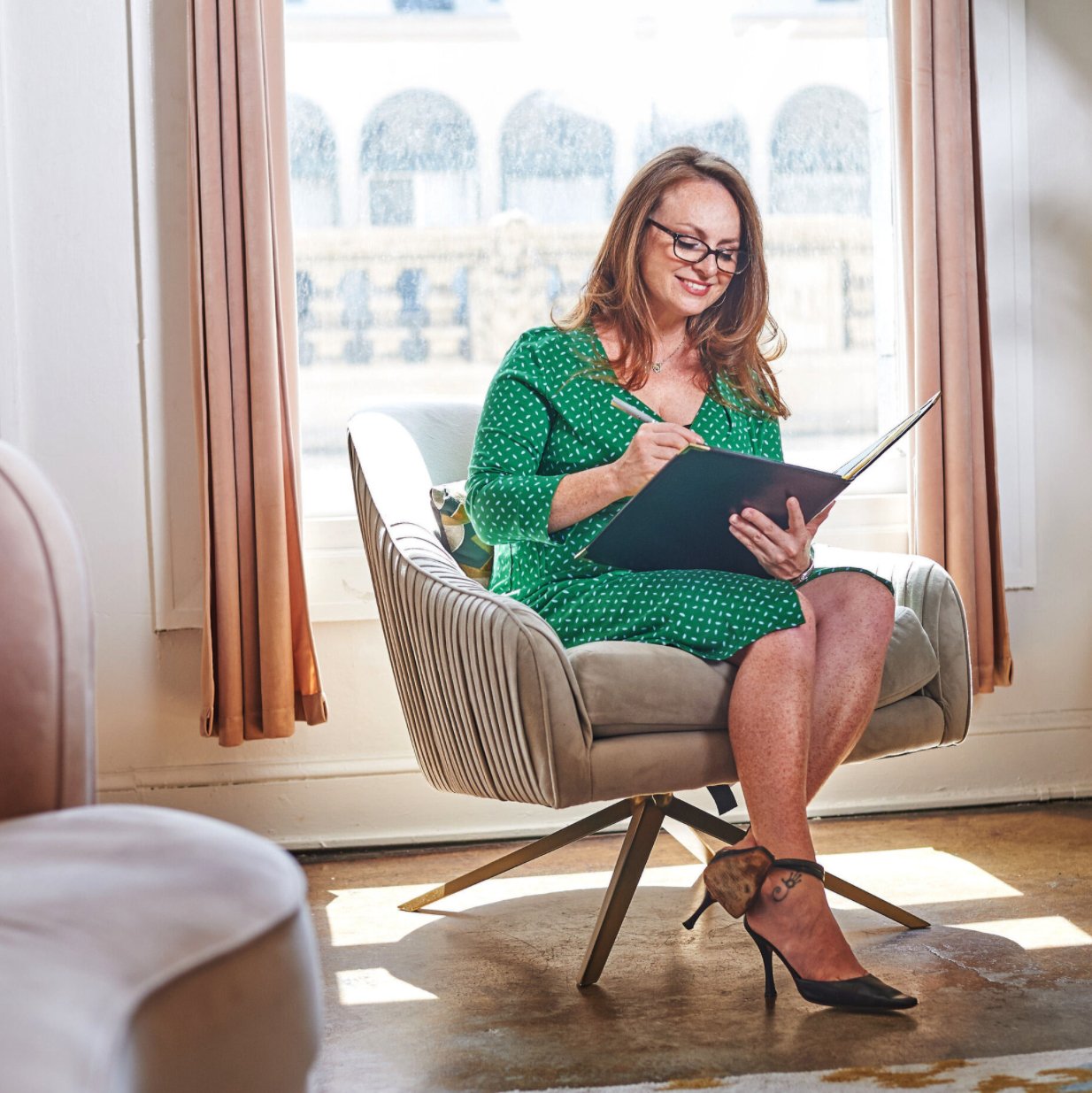

Hi, I’m the founder of Human Amplified. I’m Brandi Fleck, a recognized communications and interviewing expert, a writer, an artist, and a private practice, certified trauma-informed life coach and Reiki healer. No matter how you interact with me, I help you tell and change your story so you can feel more like yourself. So welcome!
Find More on the Blog
Topic
- ADHD
- AI
- Atlanta
- Black and BIPOC
- DIY
- FAQ
- LGBTQIA plus
- Los Angeles
- Nashville
- Seattle
- St Louis
- St. Louis
- UFOS/UAPs/ETs
- abuse
- accountability
- addiction and recovery
- adoption
- affirmations
- afterlife
- altered state
- angels
- animals
- anxiety management
- art
- astrology
- atlanta
- attachment
- awakening
- beauty
- behind the scenes
- being human
- body image
- body work
- boundaries
- brandi fleck
- breathwork
- bullying
- burn out
- burnout
- cancer
- career
- caretaking
- chakras
- channeled
- clarity-dive
- clarity-practice
- clarity-primer
- clean products
- coach
- codependency
Recent Blog Posts
Visit the Full Podcast Audio Archive

Affiliate