
CBD Myths, Facts, and the Science Behind Cannabis
Interview By Brandi Fleck
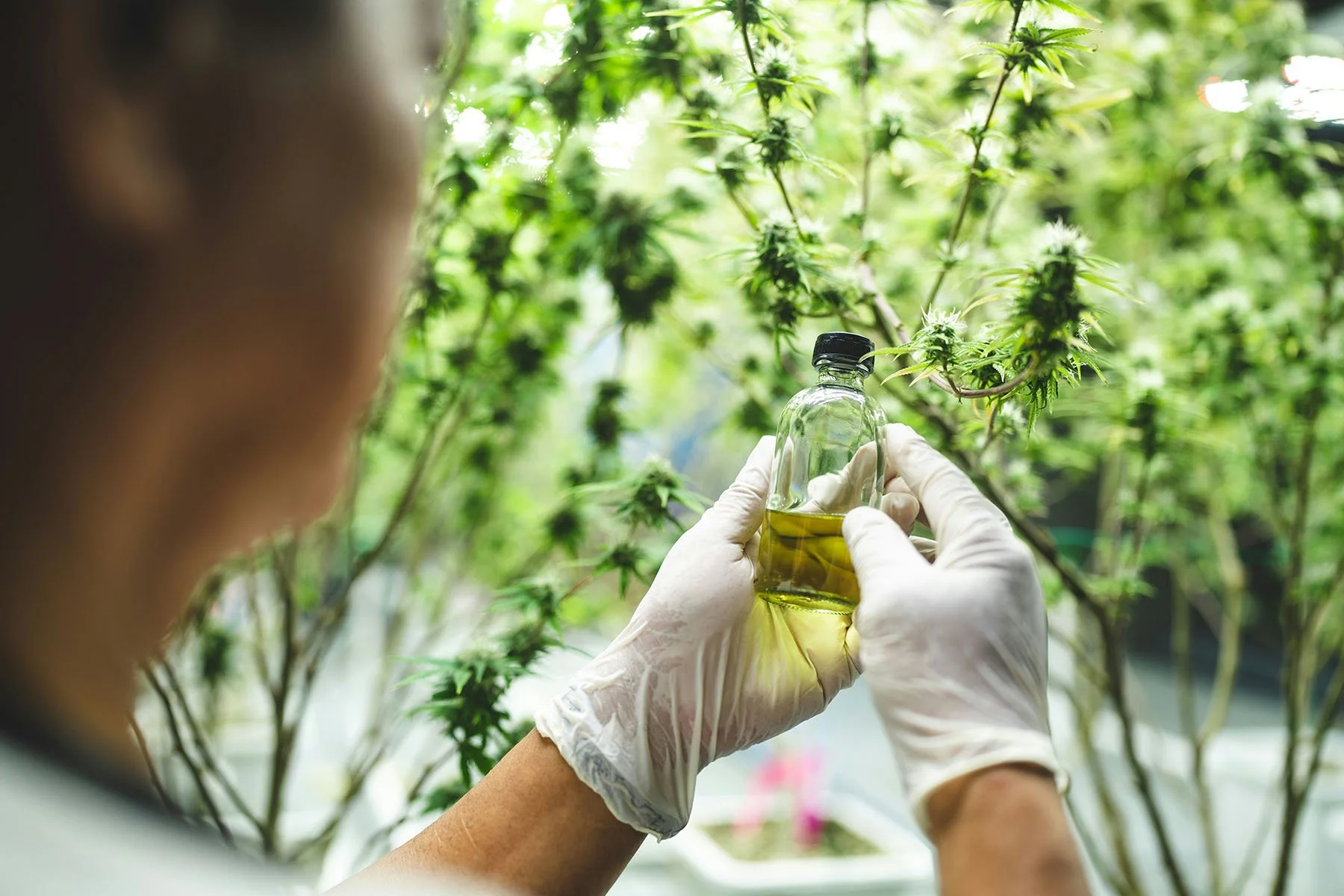
CBD educator Neal Thompson explains how CBD works, separates fact from fiction, and shares what consumers should know about cannabis, safety, and choosing reputable products.
Cannabis has long been one of the most misunderstood plants in modern healthcare. While CBD has become increasingly mainstream, confusion about how it works, whether it's legal, and what it can actually do continues to shape public perception.
CBD educator Neal Thompson shares how a career in the cannabis industry led him to become passionate about helping people separate myths from facts. Learn about the science behind CBD, the differences between CBD and THC, why stigma still exists, and how to identify trustworthy products in an unregulated market.
Whether you're curious about natural wellness or simply trying to make sense of the growing interest around cannabis, this episode offers a balanced look at the research, the misconceptions, and how to make informed decisions.
Listen to Neal Thompson’s Interview
Watch Neal Thompson’s Interview
A Personal Journey Into CBD and Natural Health
Neal Thompson: Being human, to me, is God designed me and put me on this Earth and made everything in my system to operate the way He meant it to operate. So being human is utilizing what God has given me to my best ability and taking care of what He's given to me.
Brandi Fleck: Welcome back this week to the On Being Human podcast. I'm your host, Brandi Fleck.
Neal Thompson of Franklin, Tennessee, is a family man who loves God. He's a CBD enthusiast who runs CBD Discipline, an educational Facebook page. He has professional and personal experience with CBD and researches it regularly.
In this episode, you'll learn what CBD is, how it works, and the benefits of it. We explore the societal stigma of cannabis so you can learn why you should move past any stigma to receive the amazing healing properties of CBD.
Neal also tells you how to select CBD from reputable labs, ensuring you choose the highest-quality CBD and avoid being taken advantage of since it's in an unregulated industry.
Neal really emphasizes the importance of taking care of yourself, and that's what it's all about.
Now let's hear from Neal.
Brandi Fleck: Hi, everybody. Today we have Neal Thompson with us to talk about CBD through the lens of what it means to be human. So, Neal, welcome to the show. I'm so excited to have you here today.
Neal Thompson: Well, thank you. I'm so excited to be here as well because any chance I get to talk about CBD... I'm an amateur at it, but being able to talk about it, I love that opportunity.
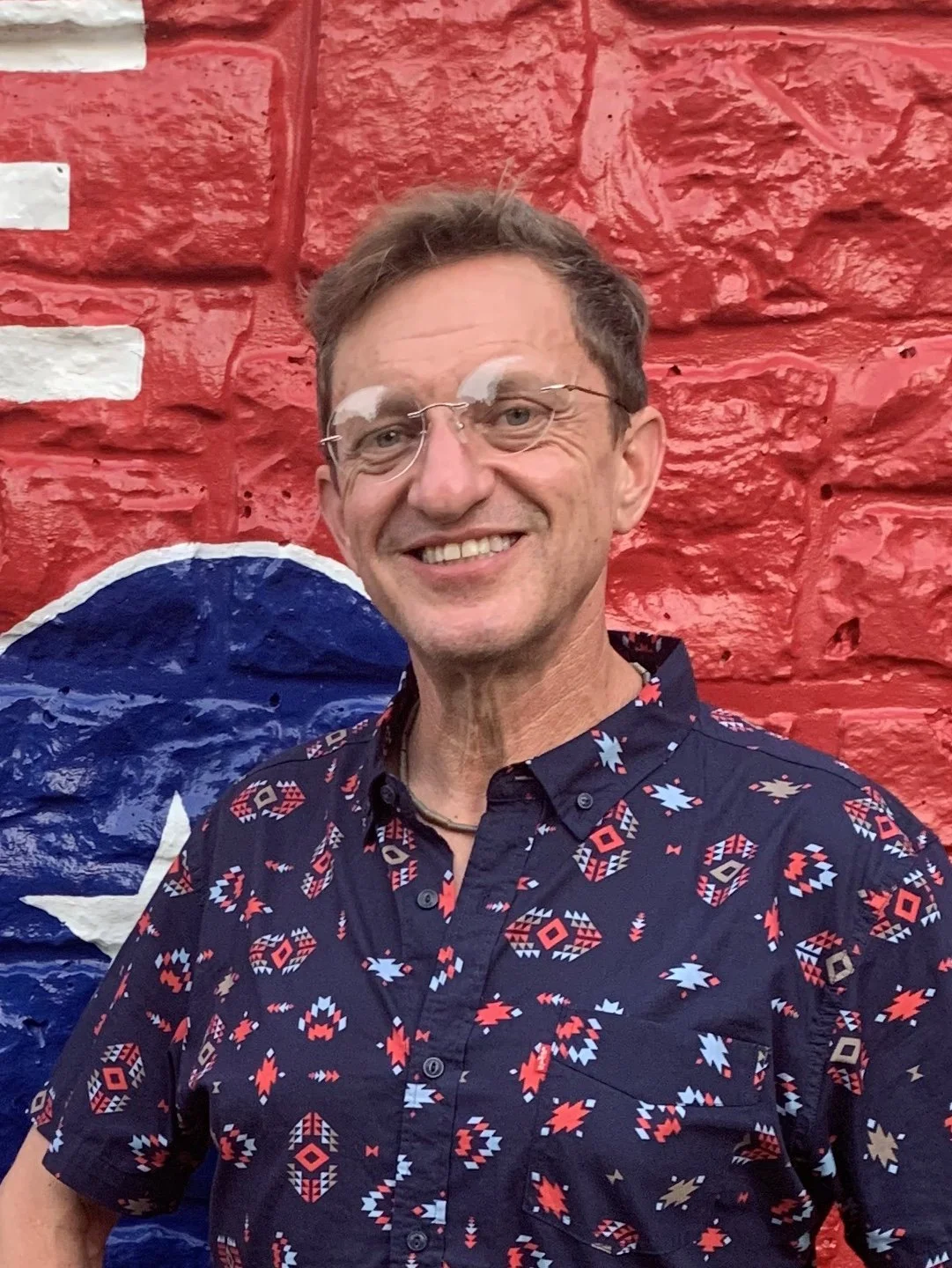
Brandi Fleck: Awesome. Well, you say you're an amateur, but you seem to have a lot of knowledge about it. Can you introduce yourself to our listeners today and give them a little background about who you are and what you do?
Neal Thompson: Yes. What I do now currently is I'm in the restaurant industry, and I work in marketing and training, designing training and designing marketing programs.
Previously, in a career, I was in the cannabis industry. The company that I was with made a product that is utilized with cannabis. You've got to keep in mind, when I say cannabis, I'm talking about marijuana, if you will, as well as hemp.
This product was a supplement in the growth process. On the hemp side of it, it would be utilized to strengthen the plant, to keep mold from developing in the plant, as well as increase the CBD in hemp.
I developed a real interest in this, and through going to trade shows and workshops and stuff, I was like, this is something really amazing. So I just started continuing to research it.
Even though I'm no longer with that company, I read up on CBD every day. What I really turned to start doing was just... I wanted to educate people on it because it is so misunderstood, and people can be taken such advantage of that I was like, you know, I can help.
Brandi Fleck: Awesome. So let's back up a little bit and get to know you a little bit more. Can you tell us what your life was like growing up and also what your life is like today?
Neal Thompson: Sure. I grew up in northwest Georgia in a small town called Dalton, Georgia. It's about 30 miles south of Chattanooga, Tennessee. My mom and dad still live there. My sister and her husband and daughter still live there.
My parents have been married like 60 years, and so it was a family of four growing up. I always say it was a little bit of a Leave It to Beaver-type family, and there's good and bad to a Leave It to Beaver family, I'll tell you that.
Graduated from high school in Dalton, went to the University of Georgia, and graduated from the University of Georgia with a degree in marketing.
Today, fast forward, I'm married and I have two kids. My daughter is 21, and she is a senior, soon to graduate from the University of Tennessee at Chattanooga. My son is 18, and he is a senior in high school, so he'll be graduating in May as well. So May is going to be a big month.
Brandi Fleck: Awesome. And so, my wife and I, in October, will be married 25 years. Now, do you guys have a Leave It to Beaver lifestyle?
Neal Thompson: I'll tell you this. I choose not to have that Leave It to Beaver lifestyle because, to me, I learned over the years after watching so much of Leave It to Beaver that they swept everything under the rug. They always looked good. Never once, when they walked out the door of their house, did they ever show that there were any problems.
I realized that over the years growing up, we were that Leave It to Beaver household. Now, my mom did not wear pearls and clean the house, and my dad didn't wear a tie when he was mowing the yard, but it seemed like we hid anytime that we were upset.
One thing that was big about these 25 years that I've been married is that I think I started out a little bit that way, but understanding it over the years, it's just like, you know, you've got to be who you are, and you've got to be vulnerable. You need to be willing to ask questions and willing to seek help if you ever need help.
So yes, in a certain way, maybe there's four in our family, kind of Leave It to Beaver-like, and we live in a house, but we don't sweep things under the rug.
Brandi Fleck: That sounds really, really nice. So what is the most important thing in life to you?
Neal Thompson: The most important thing in life to me, I would say, is living my best life and trusting God.
I heard this once, and I'm going to repeat this. A friend told me one day, he said, "God doesn't wake up in the morning wanting to be Neal Thompson or going to be Neal Thompson, so why do you wake up in the morning wanting to be God?"
I was like, wow. I've never forgotten that because I thought, you know, that's true. Trust God.
So the most important thing in life for me is trusting God and following His lead, as hard as that may be at times. But what's important is doing that and taking care of myself.
Brandi Fleck: Absolutely. One important thing that I think has already come up is the point that you don't have to sweep things under the rug to trust God.
Understanding CBD and How It Works
So let's pivot a little bit into CBD some more. In short, can you just give us an overview of what CBD is?
Neal Thompson: Yes. CBD is short for cannabidiol. That's a big word, so that's not keeping it short.
CBD is a natural compound that's found in cannabis, which has a real rich history in medicine. There are therapeutic properties in CBD that are being tested and confirmed every day.
In short, I guess I could say that CBD is what's known as a cannabinoid that's found in the cannabis plant, and there are over 100 cannabinoids in that plant. So CBD is just one of them.
Brandi Fleck: Okay. And why is it important?
Neal Thompson: Back in the '60s, it was discovered that the human body has an endocannabinoid system, which, in essence, means it's the part of our body that balances everything. It detects when things are going out of line.
CBD is one of those cannabinoids that has been tested and proven to help our body and our endocannabinoid system in regulating it and making it more, if you will, like the Goldilocks type thing, making things right and balanced.
So CBD is one of those things that can help regulate things in your system.
Brandi Fleck: Gotcha. Now, how did you get involved with CBD professionally?
Neal Thompson: With the previous company that I was with, and doing a lot of research and working actually with hemp growers as well as the other cannabis growers, I just developed a real interest in it. Finding and hearing it from them... One guy was telling me one day, he said, "If you have a real muscle pain or something, you could just rub the CBD on it, and it'll be a cooling effect, and it'll remove that pain."
I was like, "Really?"
So I tried it, and he was absolutely right.
Then I was trying other methods of it, and we can talk about the other methods in a bit if you will. If I got a headache, this guy told me, he said, "If you get a headache, if you'll take CBD, your headache will go away, and you won't have to take any medication."
So that's where I got so interested in it. That's where I started doing all the research and talking to the hemp growers and labs and just everybody involved with it.
Brandi Fleck: Gotcha. So being involved professionally sort of led to you personally getting involved with it.
Neal Thompson: It did.
Brandi Fleck: Do you want to go ahead and tell us about the ways to use it that you had mentioned?
Neal Thompson: I'll start with the endocannabinoid system and what I was talking about. That's also called homeostasis, which means balancing.
There are different ways of consuming CBD, but you've got to back up a little bit and understand there's extraction. They have to extract the CBD from the hemp.
One of the most misunderstood things is a lot of people think CBD is illegal, and it is legal in all 50 states thanks to the Farm Bill of 2018.
With the growing of hemp... Hemp grows outside. Marijuana can grow outside in certain climates, but it typically grows inside. They're cousins, if you will.
The big difference is hemp is a male plant and marijuana is a female plant.
The hemp has so many different uses. It can replace plastic. It can be used in clothing, all that stuff. But the big thing is getting that CBD from that plant.
There are so many different ways or different methods where they can put CBD, be it lotion or a rub, through gummies, so edibles, through tinctures, which are drops that you would put under your tongue.
Through all my research, I was finding out how it works. How should you use the tincture? What are the expectations?
But the biggest thing that I've learned is the FDA does not regulate it, not yet. They're still doing all their research.
You've got to make sure you're getting CBD because it's an unregulated industry. People are really kind of taken as fools in this market because CBD is such a buzz that people go, "Oh, I've got to buy that CBD. Here, I can get it."
You may not even be taking any CBD. There may not be any CBD even in that product.
Brandi Fleck: Okay. We'll definitely talk a little bit more about how people can do their research and not get taken advantage of or use something that's not actually CBD.
The Endocannabinoid System and Why It Matters
So how does CBD work?
Neal Thompson: We have this endocannabinoid system in our body, which has receptors. There are two primary receptors, like receptor A and receptor B.
Receptor A is typically in the nervous system and kind of housed in the brain. The B receptors are more in the immune system, the digestive system, and on the skin.
When CBD hits these receptors, then it signals to the endocannabinoid system. It's like the endocannabinoid system is sitting there in your body, and it starts hearing, let's just say, the digestive system get very loud and complain about something.
It wants to balance it. The endocannabinoid system wants to balance your whole body, but there's inflammation in there. There's something creating chaos.
The typical way, really since 1937, that things have been treated in the body is through medication. Prior to 1937, medication really contained THC and CBD.
When I say THC, that is the psychoactive cannabinoid that makes you high.
To me, it's very interesting because in your system, if you'll think about this, you have those receptors. If you take CBD as a tincture, so you put the drops under your tongue, you really want to let it sit there for 30 to 60 seconds before you swallow it because you want it to absorb into the lymph nodes and go through the system.
Typically, you're going to see, if you have a headache, that headache's going to go away, like with me, maybe in two minutes.
Brandi Fleck: Wow.
Neal Thompson: Okay. It's amazing.
The majority of people use CBD for anxiety. If they're feeling anxious or anything, then they can take CBD either as a gummy, as an edible, or a tincture.
That CBD gets into the body, and the A receptor in the brain triggers. It basically goes in there and takes care of the problem.
Once that headache is gone, the endocannabinoid system can get rid of that cannabinoid then, and it exits the system. It's only in there to repair and bring it back to balance. Once it's back at balance, then it leaves the system.
If you think about marijuana and THC and the psychoactive piece of it, it stays in your system. The endocannabinoid system doesn't really get rid of it right then as it will with CBD, where it sees everything's okay. We're back to that Goldilocks or homeostasis balance system, and then it basically gets rid of it out of the system.
Brandi Fleck: Okay. So just to clarify, CBD in no way is psychoactive?
Neal Thompson: In no way is CBD psychoactive.
The Farm Act of 2018 says it allows CBD products, the tinctures, the gummies, the rubs. You can get it in several different ways.
You can get it full spectrum, which will contain THC, but it's only allowed to have 0.3% THC, and 0.3% THC will not get you high.
Brandi Fleck: Okay. Is it allowed to contain that because it's just hard to extract the two from each other?
Neal Thompson: No, because the THC has so many healing properties of its own.
Brandi Fleck: Oh, gotcha. Okay.
Neal Thompson: You can buy CBD products that are isolate products, meaning that there's no THC in it.
I would say this. The only reason that you would want to take a CBD product that is isolate, where it does not contain THC, would be if you were concerned that your job is going to do a drug test because, in that case, THC would show up in your system.
What we're seeing across the country is states are regulating companies' drug tests so that they're allowing more THC to show up. Even that 0.3% is being allowed in so many states now.
Brandi Fleck: So THC has many benefits of its own too, other than just getting people high?
Neal Thompson: Yeah.
The Real Benefits of CBD
Brandi Fleck: Yeah. You had mentioned that CBD has gotten rid of headaches for you. I think you told me that you've used tinctures for that?
Neal Thompson: Yes.
Brandi Fleck: Okay. What are other benefits you found, and what impact has it had in your life overall?
Neal Thompson: The impact that I have seen is primarily... I just wanted to try it. I wanted to try it to see what I was hearing was true.
You've got to understand that I can't say to you, "You do this tincture, and it'll get rid of your headache."
What I can say is it gets rid of my headaches, and it's proven to get rid of headaches, but I would never be able to say, "You can take this tincture, your headache will go," or, "You can rub this on your sore arm, and the soreness will go away," because since it's not FDA regulated, nobody can say that.
In many cases, what you want to say is if you're on any kind of medication, you'd want to check with your physician before you did a tincture or you started eating the edibles just to make sure that it's not going to be countereffective with whatever you're treating.
I do know through a lot of research that CBD can have an adverse effect on the liver if you're on any kind of medication for your liver.
Brandi Fleck: Okay. That's good to know.
Neal Thompson: Yeah. So if you're on any kind of medication, you'd want to check with a physician before you started, and hope that that physician, pretty much this day and time, knows about CBD. They know the benefits.
Why Cannabis Still Carries a Stigma
Brandi Fleck: Gotcha. So that brings me to the question. There are still negative viewpoints around the cannabis family, and in certain areas, it seems like healthcare professionals aren't talking about it, and maybe...
Brandi Fleck: Negative viewpoints would be different for geographical regions or maybe for culture. So I do have a two-part question for you. Why is there still a stigma? Then the second part of that is, what are some of these viewpoints, and what are you doing to try to change them?
Neal Thompson: There's still a stigma because people hear the word cannabis and they'll go, "Oh, that's illegal."
Cannabis, THC, CBD, everything was legal up until 1937, and then CBD did not become legal again until 2018.
When you think about that, during those years people were like, "Oh, it's bad. It's a bad thing." That has just stuck with people.
I don't think a lot of people realize the FDA does not regulate it. They just still have in their mind, "Well, I can't take CBD because it's bad. It's illegal."
I have a friend that said to me once, "Oh, I'm not taking that stuff."
I said, "Why?"
He said, "Well, that's bad, and if I get drug tested, it'll show up."
I was explaining about the isolate and the full spectrum, and I said, "No, that won't show up if you take an isolate."
Then I was talking to him one day about how his leg was hurting him. I said, "You could rub a full-spectrum CBD on your leg."
He was like, "No, there's THC in it. It could show up in a drug test."
I was like, "No, it's not because it's going onto your skin. Unless you have a cut there that you're rubbing it into, it's not getting into the bloodstream."
So you can see where that stigma comes from and why it still exists.
When I talk about CBD to some people, or THC, sometimes they'll look at me like, "Oh, you're one of them."
When I'm talking about CBD, some people think I'm a stoner then.
To answer the second part of the question, I just saw that there needed to be education. People need to be taught.
I thought, if I could help spread this message of the benefits of it, what it's proving to help, how you should take it, what you should do, then I'm going to help change that stigma.
As we see nationwide, there are like 34 states now where medicinal marijuana is legal. Then you've got mainly those West Coast states and some in the Northeast where it's legal for recreational use.
All the research that's going into medicinal marijuana, and when you hear things like even on the CBD side, CBD helps with epilepsy and seizures, and it's proving that it works there, I want to help educate people.
To me, there's so much focus on medication, medication, medication, and the costs are just huge for this. You can get addicted to some medications.
But let me say this. You cannot get addicted to CBD, and THC is also non-addictive.
Brandi Fleck: Gotcha.
Neal Thompson: People think that, "Oh, it is. I'll get hooked on it."
I had a friend tell me, "I don't want to get hooked on CBD."
I was like, "You're not. You can't even overdose on CBD."
The most that would happen with CBD if you took too much is you might get a little sleepy. Some people, if they're having trouble going to sleep at night, will do a CBD tincture to help them fall asleep.
Think about it. As I said, the endocannabinoid system is now balanced.
Brandi Fleck: Right. I imagine if you have too much in your system, since it just gets rid of it if you're not in that homeostasis state, then there you go. That seems like why you wouldn't be able to overdose on it.
Neal Thompson: That is exactly it. That's why I was saying we have those enzymes that will get rid of that CBD after it fixes what it's in there to fix.
Brandi Fleck: Sure.
Neal Thompson: It leaves the system.
You can even see the lawmakers in the state of Tennessee. There are lawmakers that are introducing it more into the General Assembly, but there are some that are like, "Oh, absolutely not. No. This is the devil's work."
It's like, read up. Do your research.
That's what I feel like my purpose is, to help people understand.
Brandi Fleck: Gotcha. How do you educate people? Just talking to people you run into who have questions, or do you have formal speaking engagements?
Neal Thompson: I've developed some material to be able to go out and do some speaking engagements, and I'm talking to one organization right now about going to speak to senior citizens about the benefits of CBD because the senior population is getting taken advantage of in many ways, but especially with this.
I'm looking to do that, and I would love, love, love to go out and speak to groups. I would speak to groups every day and talk about it because I would just love to have the interaction of who's tried it, what did you see from it.
I was so interested that I developed a Facebook page called CBD Discipline, and the whole purpose of CBD Discipline is to educate people.
Brandi Fleck: Gotcha. Perfect. We'll definitely put that in the show notes so our listeners can go over there and check that out.
Neal Thompson: Yes.
One of the biggest things that I've seen CBD do for me... I had, on my face, what the doctor referred to as a liver spot. These spots can come on your skin as you age.
He said, "You can just live with it. It's not cancerous. It's all okay. If you want to get it removed, you can."
It was just a little bit raised, so I went to a dermatologist. They said, "We're going to remove it for you, and everything should be fine."
Well, it came back. It came back bigger and darker. My option was to spend more money and go back to the dermatologist or, you know what, I've got this CBD cream here. I'm going to start putting it on there.

I had read about how CBD has been proven to get rid of scars. I was reading about it, and it said that people would rub it on their skin twice a day.
So I started doing that. Do you know it completely went away? There are no scars on my face. There's nothing there.
It was interesting. My wife was taking pictures of it every night. She's looking at this going, "This is amazing."
Brandi Fleck: That's awesome.
Neal Thompson: Even though it's gone, I still rub it on there twice a day.
She asked me one day, "Why do you do that?"
I said, "Because I don't want it to come back."
I have no idea if it would, but I keep putting it on there. Years and years ago, I had a sledding accident and hit some rocks. I scraped up my forehead and had a scar there.
Well, it's no longer there. CBD got rid of it.
Brandi Fleck: Well, there you go.
You've mentioned the benefits and why you're passionate about wanting to educate people on this, but are there any ill side effects or bad things about CBD other than it could interact with liver treatment?
Neal Thompson: No, there is nothing.
The only thing that I was saying earlier that could happen from taking too much CBD is you might get sleepy.
But we always back up to that part where I was saying the endocannabinoid system will get rid of that cannabinoid after it has brought the system back to balance.
The other thing that we really haven't touched on is that CBD comes in different milligram strengths, anywhere from 250 milligrams up to 2,500 milligrams.
I always have to say to anybody, when you start taking CBD, if you're going to try it, start low and slow.
What I mean by that is, start with a low milligram dose, try it, and see if that works. You can always increase it over time. I hear people taking 2,500 milligrams of CBD, and that's on the upper end of the spectrum.
The only reason that I would be going to a 2,500 milligram dose would be because anything less than that didn't work as well.
I find, with myself, that a 500-milligram tincture is ideal. You've got to make sure that it's tested. You've got to make sure it's gone to laboratories, that there are no heavy metals in it, and that there's actually CBD in it.
There's so much confusion out there with what hemp is. You'll see hemp seed oil. Well, that means you're getting it from the seed.
Guess what's not in the seed?
CBD. CBD is in the stalks and the leaves. When you're reading the product, read the label and make sure you know what you're getting. Make sure you're getting CBD, and look to see how much is in there.
That is the biggest issue that people are facing. Are they truly getting CBD? Because the FDA doesn't regulate it.
How to Choose a High-Quality CBD Product
Brandi Fleck: Sure. Let's talk about that a little bit more.
You mentioned it needs to be tested for heavy metals, and you've told me before we got on the air that it's important to make sure a product is free of mold and volatile organic compounds, known as VOCs.
How can a person be sure they're not being misled? If they want to try CBD, how can they make sure the product they're getting is high quality?
Neal Thompson: I always say this. You need to do research on the companies that are producing it.
You want to make sure that the products have documentation that shows that they have been tested and what lab tested them. You want to see the lab.
You should also be able to see on the label where you can go and read about the process and what actually is in it.
So many times people will buy it, and they won't look to see, "Really, is there CBD in this or not?"
Companies will do a guarantee for consumers. They'll stand behind their product. They'll say, "We'll give a 30-day money-back guarantee, 100% refund if the product doesn't work."
That's what you want. Third-party tested. That's what you're looking for.
Brandi Fleck: Third-party tested.
Neal Thompson: Yeah, because that's a big thing.
I could be the company producing the CBD product, and I could also be testing it. I could excuse those results.
You want to know how it's extracted. Is it all natural? Non-GMO is big now too.
What kind of facility is it made in? I know to some people that might sound like a lot of research that you need to do, but just be careful.
Read. You've got to read.
Brandi Fleck: Do you think that CBD can help end the opioid crisis?
Neal Thompson: I think a combination of CBD and THC is proving to work, and also CBD...
Neal Thompson: ...and THC are proving to help people that are alcoholic and get them off of alcohol.
Brandi Fleck: Wow.
Neal Thompson: There's a lot of research being done.
I do know from research, in the opioid situation, opioid companies, those pharmaceutical companies, do not want THC on the market.
Brandi Fleck: Exactly.
Neal Thompson: Because it's going to shut them down because this is a natural product.
We go back to the very, very beginning of our conversation about talking about what being human means to me.
I look at it this way. It's not man-made. God gave us that plant.
If everything that we read and we're taught through life is that God provides this to us, and He's made us and everything, well, why are we saying these things are bad?
Brandi Fleck: Right.
Neal Thompson: I see the stigma going away in places, especially with all the traveling that I was doing to California and Oregon and Washington and Colorado.
It's no big deal. People realize this works.
Even in those states, doctors are prescribing medicinal marijuana, and there are pharmacies to fulfill that prescription.
Brandi Fleck: Wonderful.
So we're seeing this whole change.
Neal Thompson: I'd say definitely in my lifetime we'll see it legalized nationwide.
Brandi Fleck: The reason I had asked if you think it will help in the opioid crisis is because that is enough motivation for me, and the fact that it's natural, to think the research is worth it. So it's all sort of connected there.
Neal Thompson: Yes, it is. It is.
You could probably tell from my voice, I truly love learning about this.
Brandi Fleck: Yeah. You're super passionate.
Neal Thompson: For example, last year we were down in Georgia for Easter. I was telling my dad, who's now 89, and my mother-in-law, who's now 83, about it.
My dad started doing the tincture because he had arthritis so badly.
My dad does not take any medication for arthritis now. He does this tincture. He's out working in the yard. He's doing stuff all the time.
The arthritis went away. If he feels a little bit in his hand or something, he'll rub some on there, and it'll take the pain away.
My mother-in-law, the same thing. She was having to get shots in her back, and she started using CBD and doesn't have to do that anymore.
Brandi Fleck: That's awesome.
So, Neal, if people were hesitant to try CBD, what would you tell them?
Neal Thompson: If they were hesitant, I would say don't be afraid of it.
It's perfectly legal. You can buy it in stores. There are CBD stores, as well as you can buy it from companies, and it can be shipped. It's perfectly legal for them to ship CBD products to you.
There's one in Colorado. I think the world of their products.
There's also a store here in my town. A great guy runs it. It's very reputable.
There's also a company in Nashville. They grow all their hemp in Kentucky. Great products as well.
Brandi Fleck: Awesome.
I'd like to shift a little bit to a more societal perspective.
Can you express for us why it would be important for society as a whole to shift its view to this more natural product, this more natural solution?
Educating Consumers About CBD
Neal Thompson: Yes.
I think the big thing is we've been so accustomed to pharmaceutical companies developing pharmaceuticals for everything. There's a medicine for everything.
Over the years we've just allowed ourselves to be absorbed with that. The only way to treat anything is to take medicine. You hear these people that are on so many different medications.
If you just open your mind up and think about it, so many medications you can get addicted to, and that's what this country is facing right now, as we've talked about with opioid addiction.
If a natural plant contains these cannabinoids that treat people and can eliminate these things, then if you have an open mind, you're going to want to try it because you're thinking, "I might not have to take medication. I might not need this."
My advice to everybody is just open your mind up and think about it. Is medication the end-all?
I've got a friend that is a pediatrician, and we were talking one day. He said, "I like your CBD Discipline site on Facebook. I watch what other people write, and I like to read what you put on there."
He said, "I'm a full believer in it. I know it works."
His comment to me was, "I know the benefits of THC as well for medicinal purposes."
He said, "I'm just telling you, the day's coming when it's going to be legal everywhere, and we're not going to have so much medication that we're going to have to take. We're going to go back to the way it once was."
It's going to go full circle. When you see bottles from the '20s and the '30s that were medicine and they contained THC and CBD, I think we're going back to that.
We're learning that this really did work.
Brandi Fleck: Gotcha. With far less side effects, I would say.
Neal Thompson: With far less side effects.
Brandi Fleck: Right.
Speaking of healthcare professionals, how do we get our healthcare professionals on board who aren't?
Neal Thompson: Again, I think that's where they need to have an open mind as well. I think the more people ask their physicians about it, then they're being educated on it.
Physicians are educated on CBD and THC. It's just going to take a matter of time. I think the problem comes down to, it's the way it's always been, so why change it?
Brandi Fleck: You had mentioned going full circle, back to how we treated illness or symptoms back in the '30s and a long time ago.
Some people would say that's regressing, but what would you argue the advancements are there?
We're going back to move forward, almost. What does that represent for the human condition?
Neal Thompson: To me, we're progressing back to the way it's supposed to be.
I think we learn so much from our past, and we have to be open-minded to embrace that and say, "Hey, if it worked then, we should try it now."
That stigma is just, for some people, "Oh, it's the devil's flower. This is not good."
The more research you do about natural remedies... You can open up the Bible and read that stuff.
It says something. Again, we need to go back, but it's going to take open-minded consumers and open-minded physicians.
A lot of people won't do it, won't even try anything, until they see that THC is approved for medicinal purposes throughout the whole United States.
The problem is they've missed this whole CBD piece.
Brandi Fleck: Right. It is legal.
Neal Thompson: Yeah. So why aren't you trying it?
Brandi Fleck: Yeah. That all makes a lot of sense.
I was thinking too that even though we're going back to use older types of remedies, we have so much more technology now to advance it and improve on it. Why not do that?
Neal Thompson: Right. That's right.
Brandi Fleck: So, Neal, where can people find you and your information if they want to learn more?
You mentioned your Facebook page. What is that address?
Neal Thompson: Yes. It's CBD Discipline. That's the Facebook page name.
I named it that because discipline is education and learning, and I thought, well, let's have a little play on the acronym there, CBD Discipline.
I post on there once or twice a week. I don't bombard people with anything, but everything that I put on there is for education purposes.
I'm not on there promoting products, per se.
I'll link my URL to different ones like Kannaway just so people can go, because I believe in those companies. I know their products work, and they're credible.
By going to CBD Discipline and liking that page, you're going to see my posts on the benefits of it for personal reasons, and you'll see other people comment on what they've used it for and how it's worked for them.
Brandi Fleck: Awesome.
So you're not selling anything, and you're not affiliated with any of these companies?
This is just a passion project?
Neal Thompson: It's a passion project.
Brandi Fleck: Well, this is the last question for you.
What is some parting wisdom that you can leave for our listeners?
Neal Thompson: Keep an open mind. Understand that what God has given us is for us.
He's given us things for us as humans because He's made us as well. Don't close your mind off because you heard Nancy Reagan say, "Just say no to drugs," and now you think CBD is a drug when it's no longer even on the illegal substances list.
Keep an open mind and research. Don't be afraid to ask, but don't be taken for a fool with this product.
Brandi Fleck: Well, that's a great way to sum it up, and you have given us a lot to think about and process. I really appreciate it.
Thank you so much for coming on the show.
Neal Thompson: Well, great. I love helping people understand.
Brandi Fleck: Awesome. Well, thank you.
Neal Thompson: Thanks for having me. I appreciate it.
Join the conversation!
Feel free to share your own experience and let me know if you have any questions in the comments.
Related Posts




Hi, I’m the founder of Human Amplified. I’m Brandi Fleck, a recognized communications and interviewing expert, a writer, an artist, and a private practice, certified trauma-informed life coach and Reiki healer. No matter how you interact with me, I help you tell and change your story so you can feel more like yourself. So welcome!
Find More on the Blog
Topic
- ADHD
- AI
- Atlanta
- Black and BIPOC
- DIY
- FAQ
- LGBTQIA plus
- Los Angeles
- Nashville
- Seattle
- St Louis
- St. Louis
- UFOS/UAPs/ETs
- abuse
- accountability
- addiction and recovery
- adoption
- affirmations
- afterlife
- altered state
- angels
- animals
- anxiety management
- art
- astrology
- atlanta
- attachment
- awakening
- beauty
- behind the scenes
- being human
- body image
- body work
- boundaries
- brandi fleck
- breathwork
- bullying
- burn out
- burnout
- cancer
- career
- caretaking
- chakras
- channeled
- clarity-dive
- clarity-practice
- clarity-primer
- clean products
- coach
- codependency
Recent Blog Posts
Visit the Full Podcast Audio Archive

Affiliate

From specific mindfulness practices to enhance mind-body connection to affordable and accessible products, find recommendations here for DIY ways you can help yourself heal chronic stress- and anxiety-related tension in your body to get relief.