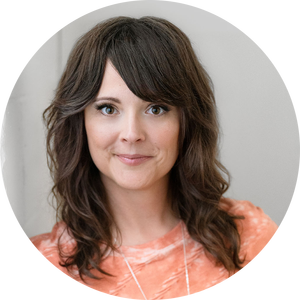
Feeling Seen in a World That Wasn’t Built for You
Interview By Brandi Fleck
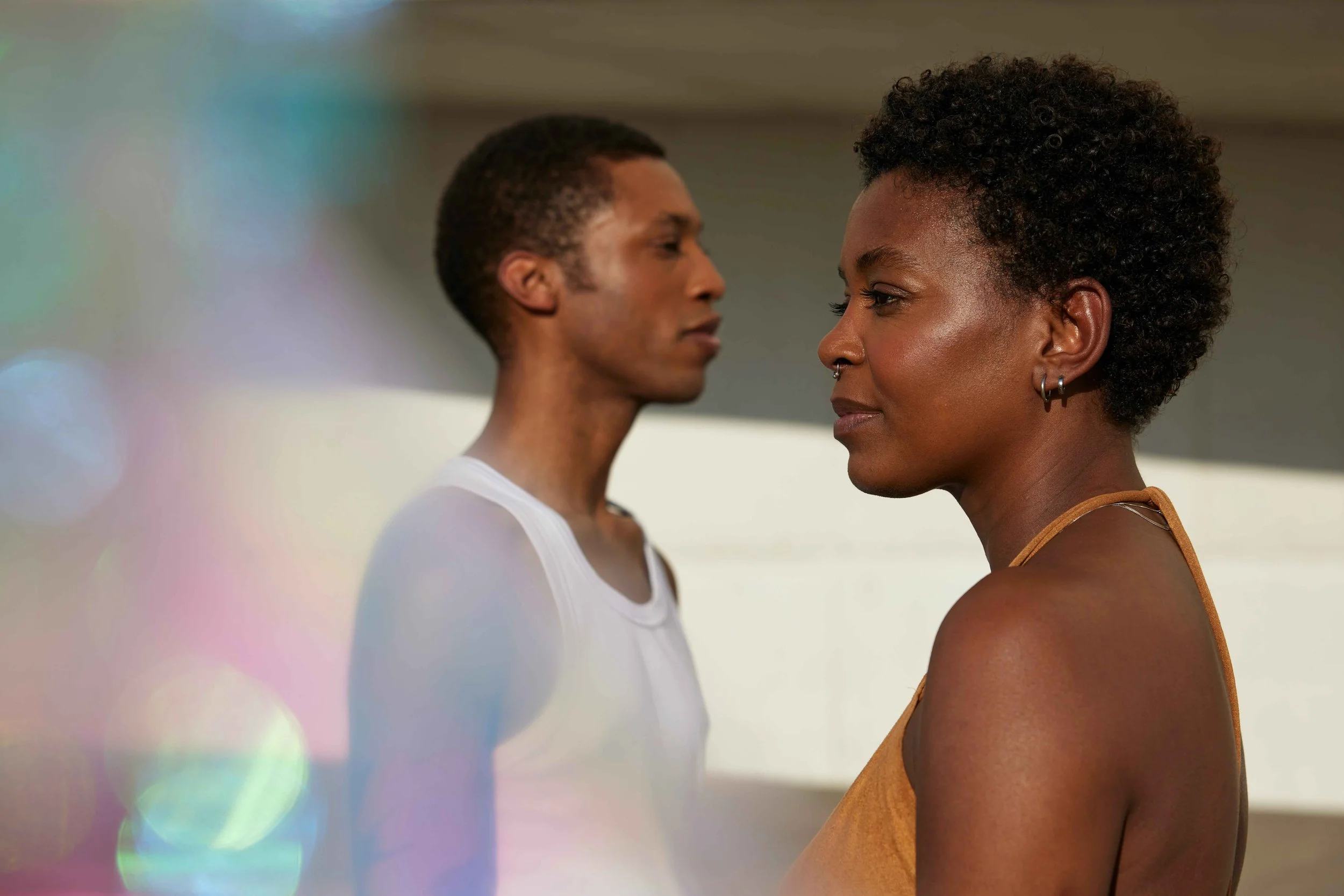
Amiee Sadler shares how identity and lived experience shape our ability to feel seen, and why that experience can be complicated, conditional, and at times, unsafe.
Before conversations about confidence or authenticity, there is something more foundational that shapes how we move through the world.
We want to feel seen. But for many people, especially those navigating multiple identities, being seen has never been simple. It is shaped by safety, by context, and by whether the spaces around you were ever designed to hold your full reality.
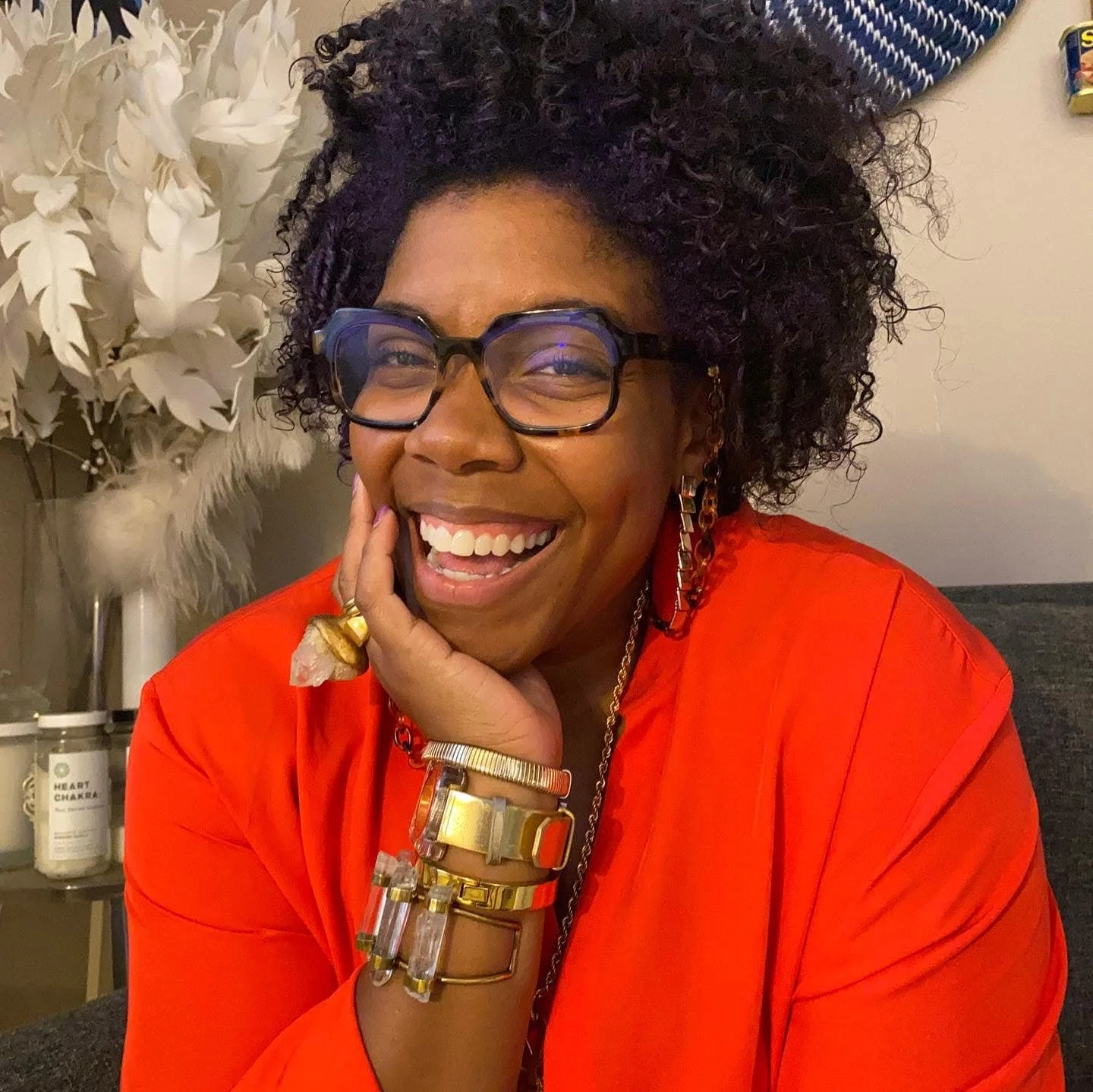
In this episode, Amiee Sadler therapist and nonprofit leader, shares how her lived experience as a Black, queer woman shaped her understanding of visibility and belonging. From navigating rooms where she was the only one like her to experiencing a period of being unhoused, her story brings clarity to what it actually means to feel seen when the world around you does not reflect you back.
We explore why feeling seen can feel complicated or even risky, how people learn to hide parts of themselves to stay safe, and what it looks like to slowly reclaim the ability to show up fully.
Listen to Amiee Sadler’s Interview
Watch Amiee Sadler’s Interview
Being Human is Embracing Messiness
Brandi Fleck: Before I welcome you, the question that I ask everyone who comes on the show is: what does being human mean to you?
Amiee Sadler: To me, being human means being messy. I think that’s one of the things about humanity that people tend to forget. We have higher-level, higher-order thinking, but that goes out the window when there are moments of emotion, joy, or sadness. We will often make decisions that go against our best interest, and I think that’s one of the signs of humanity, just the messiness of it all.
Brandi Fleck: I like that. Thank you.
Amiee Sadler: Absolutely.
Brandi Fleck: Okay everyone, today we are welcoming Aimee Sadler to the show, and I’m so excited to have you here. How are you doing today?
Amiee Sadler: I am very human today. My partner literally just got released from the hospital. We spent most of last night and all of today in the emergency room, and then she was admitted for a little while. She’s back home. I’m catching up on things, doing homework, all the things. So I’m good now because she’s about to walk in the door, so I’m excited for that.
Brandi Fleck: Okay, good. I’m sorry to hear that she had to be in the ER, and I’m glad everything’s okay.
Amiee Sadler: Yeah.
Brandi Fleck: Would you like to tell our listeners a little bit about who you are and what you do before we dive deep?
Amiee Sadler: I would love to. As previously mentioned, my name is Aimee Sadler. I recently graduated with my master’s in social work. I currently work as the manager of community and collective impact at the Center of Nonprofit Management here in Nashville, Tennessee. I’m also a private practice clinician, so I do therapy specifically focused on women of color and members of the LGBTQIA+ community.
I’m also a mother to an 18-year-old who will be leaving me in two months to start college. I am a second-time-around grad student at Lipscomb University getting my second master’s in conflict management. I’m also a daughter, a partner, just all the things, and definitely a Disney adult. That is definitely high on my list of things that are important to me. I love all things Disney.
Why Feeling Seen Matters and What It Really Means
Brandi Fleck: Awesome, awesome. You’ve got a lot of stuff going on, and you do a lot of important work. I was reading over your Psychology Today profile that you had sent me, and I want to read a line that really stood out to me. It says, “I have a passion for working with LGBTQIA+ individuals and their families who often struggle with being seen in a world that wasn’t designed with them in mind.” That is so huge. Can you tell us a little bit more about that statement?
Amiee Sadler: One thing I realized very early in life is that while there might be people who tolerate me, there are very few people who accept me completely. I founded the Gay-Straight Alliance at my high school. I had an issue with someone doing things that were completely inappropriate. I went to administration, and their response was, “We’ll take care of it,” and their taking care of it did not actually take care of anything. I realized at that point my lifestyle was considered counter to what was the norm and the accepted thing. I wanted to create a space where other people like me could be seen, could be accepted, didn’t have to mask all the time. That has propelled me through spaces.
Being the only person of color in organizations or in rooms was hard. Being the only person of color, being someone who was fat, being someone who was queer, all of these things at once meant I never could just be me. I had to fit something. When I moved into the space of therapy and counseling, it was how hard it is to connect with a therapist who has no idea what the day-to-day life is for someone who is queer, for someone who can’t just walk down the street holding hands with their partner without fear of retribution.
I was asked to not return to the church I grew up in when I came out, and that was hard for me. That was part of my faith journey. I did an article for The Washington Post not too long ago talking about that journey. All of these spaces that exist, that I exist in, were not created with me in mind, were not created to accommodate me or to accept me. I wanted to be intentional about creating a space where you can come as you are, especially if you have to be someone else or hide parts of yourself all the other times.
It was important to me that I said that in my profile. I got a little pushback from some people close to me saying, “You’re going to limit your audience, and you’re going to have a hard time getting clients because everyone doesn’t accept that.” I’m like, but that’s the point. That’s the entire point. If you are not accepted anywhere else, you’re accepted here. Honestly, I don’t really care if other people accept me, and that means I have a smaller caseload, then I have a smaller caseload, and that’s fine because I have a caseload that will be reflective of the people who need me and who I honestly need too.
Brandi Fleck: I’d be really interested to read your Washington Post article and learn more about that. Can we include that link in the show notes?
Amiee Sadler: Absolutely. I will send it over.
Brandi Fleck: Okay, awesome. Guys, that’ll be there. Definitely go check that out. Aimee, what does it mean to actually be seen?
Amiee Sadler: I think people talk a lot about “I see you,” not just the physical manifestation of who you are, but the things that we don’t talk about. I don’t think anyone is any one thing all the time. I’m never just a woman. I’m always a Black woman or a queer woman, all of these things at once. If someone sees me, they see all of these things.
If you’re truly seen, it’s the things I say and the things I don’t say. If I respond to your question and it’s maybe a shorter answer, what am I not saying? What part of the answer am I keeping to myself? Being seen is having someone who understands that nuance, so you can come as your whole self. Just the acknowledgment, like, “Hey, I feel like there’s something else there. If you’re not comfortable talking about it right now, that’s cool, but just know that this is the space where you can do those things.”
Not just in therapy, but in friendships, even when you meet strangers, right? I do a lot of work with the unhoused community. I was unhoused at one point, and I was part of a conversation with classmates at the time, and they were saying really negative things about the unhoused community, and they didn’t know that part of my story.
For me to have been seen in that moment would be acknowledging that it’s not just this monolithic idea of what someone who is unhoused is or what someone who is anything is. It’s all of those pieces and acknowledging that it might not be my position now, but this is somewhere that I spent time. This is part of what formed me, and being seen as all of those things, just being acknowledged.
Unhoused Experience, Domestic Violence, and Survival Story
Brandi Fleck: Okay. We hadn’t planned this, but if you don’t mind me asking, do you mind sharing a little bit of your story when you were unhoused?
Amiee Sadler: No problem at all. I was involved in a relationship that turned pretty sour pretty quickly. I did not see it in the beginning as moving toward what would be considered a domestic violence situation, but it very quickly did. I was isolated from friends and from family.
I was about an hour and a half from where my birth family of origin was, and I had quit my job because my partner at the time said, “No, you don’t need to work. I’ll take care of you,” which of course sounded amazing at the time, but very quickly turned into being in a situation where I did not have control. I didn’t have autonomy over myself, over my life.
There were some very scary moments where I was physically threatened. At one point, they pulled a gun on me. It was a lot of different things, but I stayed because I felt trapped. Then I got a once-in-a-lifetime opportunity to travel to India to study social problems, and I was given the ultimatum of either you go to India and you move, or you stay here and you don’t go. I couldn’t not go. Part of that is I had less than 24 hours to remove all of my items and get out of the house.
I called some family members who were not open to me coming to stay with them. I did not have friends who I trusted because I had been isolated from them. I moved all of my things out of the house and stayed in my car. It was definitely really hard to think about the fact that at that time I had gotten a job, so I was working. I was a full-time student, but I was unhoused. I let some people on my campus know what was happening, and they arranged for me to be able to use facilities on campus so I could shower. It was before the TBR system had homeless navigators, so it was kind of we’re all building the plane as we’re flying it. There weren’t a lot of resources, but everyone did what they could.
I remember taking one of my final exams in the McDonald’s parking lot because they had Wi-Fi and my hotspot on my phone wasn’t working. It was definitely challenging. It was definitely scary, but I couldn’t dwell on that piece of it because, just like I don’t like using the term homeless because that feels very permanent, unhoused or temporarily unhoused means this is not a forever condition. This is maybe a stop on my journey. I would always joke that when I finally write my book, that would be an amazing chapter, but that was the idea of you survive until you have better.
Now that I’m on the other side of it, when I sit and think about it, if I think about it too much, I get really emotional, but at the time it was I don’t have time to think. I just have to survive. I know there are a lot of people who don’t have the benefit of having a car they can sleep in, who don’t have the benefit of a job and some income. I was lucky, as much as you can be if you’re unhoused, but I was safe.
I was physically safe, and I had the opportunity to become more mentally and emotionally safe too because it wasn’t the constant threat. The worst thing has happened, and I survived it. It was definitely an experience, but I think that it’s part of the reason why I work with Launchpad now because they are the only nonprofit in Middle Tennessee within about 200 miles that is supportive of LGBTQIA+ young people. At the time, I would have been qualified for Launchpad services if I had known they existed.
Brandi Fleck: Thank you for sharing that part of your story. I know that’s really personal. If there was one thing that you would want people to know about the unhoused population, what would it be?
Amiee Sadler: That we, slash they, deserve the same respect anyone else does. When you see someone unhoused on the corner begging, I hear a lot of times, “Well, they’re just going to use it for alcohol,” or “they’re just going to use it for this.” Okay, and? Because if you stop and buy a bottle of wine on the way home or a bottle of liquor, no one’s going to say anything to you about it. If that’s what they’re using it for, why is that not okay?
Just respect the unhoused community the same way you would expect someone to respect you. Of course, be mindful of safety and all the other things, but you do that with anybody. Don’t hold the unhoused community to a different standard is probably the takeaway from that thought process.
Brandi Fleck: That’s an important takeaway, and I think it ties in nicely to where we’re going with being seen because why is it important for people to be seen?
Amiee Sadler: There are so many things that you can’t see that people are going through or dealing with or struggling with, and when you are committed to seeing someone, to someone actually being seen in your presence, it’s taking all of those things into account. If you see someone who’s unhoused, that’s only a fraction of their story.
What is the rest of it? When you are intentional about seeing people, you tend to give space for the unknown, which means you can be more empathetic. You can have more compassion. You can see somebody beyond what is in front of you in that moment, and I think that’s the important piece. People are never just one part of their story.
Why People Struggle to Be Seen and Accepted
Brandi Fleck: I want to ask you, why do people struggle to be seen?
Amiee Sadler: Because I think at the end of the day, people just want to be accepted, and there are so many pieces of our histories and our identities that are just not digestible for others. I’ve been lucky, blessed, put in the work, however you want to phrase it, to be at a point where I try to be all of me whenever I can, but it took work to get there. It’s hard to be different. It’s hard to be an outcast. It’s hard to know that there are pieces of you that are, for lack of a better word, repulsive to other people.
Like I mentioned earlier, I have a daughter, and when she was younger, like in pre-K, I was very publicly out, and she used to talk about having two moms. She was very young, and we had a birthday party, and no one in her class came to her party. Parents were messaging me saying that they did not want their kids around, you know the slur for lesbians. For a very long time, I wanted to be very quiet about that part of my identity because I didn’t want it to change my daughter’s ability to have friends, to be accepted.
Being seen as a Black woman with natural hair, it took a very long time for me to feel comfortable not having extensions or not straightening my hair and not doing all of these things because of what the perceptions are behind that. It’s hard to allow yourself to be seen because it’s hard to know who or what you can trust, and there are so many forces at play and people who are eroding that trust.
Brandi Fleck: That must have been really difficult.
Amiee Sadler: So many. When you phrase it that way, it made me think about all the times that I currently consider myself more agnostic, but at one point I was truly an atheist, and being an atheist in the Deep South is asking for trouble. It’s not “Do you go to church?” it’s “Where do you go to church?”

Not just personally, but professionally, if I am open about my religious beliefs, First Amendment be damned, I can lose my job for that, and it can be for any reason, but we know what the base reason is. It is hard navigating all of these pieces and taking the risk of losing something because you let that piece of you be.
Brandi Fleck: Yeah. So how did you, you had mentioned that it’s taken a while to let yourself fully be seen. How did you go about doing that?
Amiee Sadler: Again, I think that I’m very blessed and very lucky in a lot of ways. One of the other things that I do, I didn’t say this in the beginning, but I do a lot of nonprofit consulting and DEI, cultural competency, cultural humility, cultural understanding training. One of the exercises that I learned in the very beginning of my training career, I call it unpacking your bag, and it’s these different categories of identity that are going to be defined by the person giving the answer, but talking about those things.
It’s pulled from another psychological study about identity, talking about what parts of your identity come forward the most, what parts you are most nervous about, what parts you share openly, but really digging in and doing that work to talk about who you are because a lot of us don’t think about it all the time. That’s the whole idea of privilege. It’s not necessarily this big, scary word. It’s just things you don’t have to think about.
The point is, considered college educated, I don’t necessarily think about educational attainment when I’m having conversations because I don’t have to, because I know I have those minimum qualifications. Before, I had to work so much harder to be seen in spaces because I didn’t have a degree.
Being able to name and acknowledge the fear and the feeling behind these different pieces of my identity got me to a point where I’m like, I’m okay with this. I know what my strengths are. I know what my talents are. I know what my limitations are. I know what my opportunities are, and I’m okay with all of those things. When I’m not okay, I’m okay with not being okay with them.
It takes a lot of personal introspection and time being uncomfortable, and most people just don’t like being uncomfortable. That makes it that much harder because once you acknowledge something, it makes it real, and once it’s real, you have to deal with it, and not everybody wants to do that.
Brandi Fleck: When you see people who are going through what we’ve been talking about, what advice do you give them?
Amiee Sadler: It depends on the person and where they are, but generally my big advice is a phrase that I have on sticky notes, I have written inside of notebooks, I keep everywhere, and it’s FTP. I don’t know if I can say this, but F those people. It’s F the people who say you can’t do something, F the people who say that you’re not qualified, you’re not capable. F those people, because how do they know? What do they know?
It’s one of those fake-it-till-you-make-it things. You pretend like you don’t care until you really don’t care. The other thing is to do it scared. One of my dreams a couple years ago was to be named one of Nashville’s 40 Under 40, and when I got the award, I was like, this really happened. This is a thing. They were like, what’s your advice to people coming up behind you? I said, do it scared. It’s those two: do it scared and FTP, because it is scary. It is very scary, and it’s that fear of what if I do it and I fail. It’s the cliché, but what if you fly? You fail, that’s your opportunity to know, okay, this way didn’t work. Let’s do it again. Let’s try something else.
Of course, sit with yourself, do the journaling, do the work, but at the end of the day, all of that doesn’t matter if you’re not willing to take the risk to make the jump. Be scared, do it anyway, and if someone has something to say about it, forget them, or the other F word depending on what kind of mood you’re in.
Brandi Fleck: Yeah, well that’s awesome, and I definitely want to dive into the fear part of it more because I know it’s such a big thing to tackle. Real quick, when you were saying F those people, FTP, I was thinking most of the time when people are telling you you can’t do something, they’re projecting their own insecurities on you anyway.
Amiee Sadler: One hundred percent. Most people who tell you you can’t do something don’t know you enough to know if you can or can’t do it. It’s their own limitations, their own fear, their own all the things. When someone tells me I can’t do something, what I hear is them saying I’m afraid to do it, and I don’t want you to do it.
Because if you do it and you’re successful, that means that I could have done it, and now I have to deal with the ramifications of not doing it. Or if you do it and fail, that confirms that I couldn’t do it in the first place. It’s all of these things, and very rarely has anything to do with you.
Brandi Fleck: That’s really a lot. That’s a lot.
Amiee Sadler: Yeah.
How to Deal With Fear and Take Action Anyway
Brandi Fleck: I think that’s a great takeaway for people to remember when they’re going through it. Going back to the fear, what can we do with it?
Amiee Sadler: I’ve always said that some of my best decisions and best things in life were done out of spite, and when I really think back now with some time and distance, I think some of the best decisions I’ve made were done out of fear. Acknowledging the fear, and the only way for me to overcome the fear is to do the thing. Doing the thing, right? Fear is important. It’s part of our body’s natural response. It’s to keep us safe, but going back to something I said at the beginning, humans are great at ignoring the things that are supposed to keep us safe.
If we can do that for other little things, why can’t we think about that for big things? Failure is not going to physically harm you. It might be a mental blow, it might be emotional, but you can bounce back from that. What is it that you’re actually afraid of?
One of the things that has stuck with me from church for years was that for a while there were shirts that said fear: false evidence appearing real. It was so cliché when I read it as a teenager, but as an adult it has really resonated with me a lot more because a lot of fear is just that, false evidence.
I do a thing with my clients that talks about your feelings are valid because they’re yours, but just because something feels real does not mean that it’s true. If something is scary, the fear is very real. That is your body’s response. You have the panic, the shortened breaths, the heat. All of those things are real, but is the thing that you think you’re afraid of actually a threat?
Regardless of which way it goes, if it goes bad, if you don’t get the thing, if the thing that you’re afraid of happens, will it matter in a week? Will it matter in a month? Will it matter in a year if it doesn’t work? For most people, after the week, it doesn’t matter anymore. But if you’re successful in the thing that you said you were afraid of, it absolutely makes a difference in a week, a month, and a year.
What’s the evidence? What evidence supports the fear? If there’s nothing that really supports it, instead of FTP, F the fear. Okay, cool, I acknowledge you, you’re here, that’s great, you stay there, I’m going to go do the thing that you said I can’t do. Same idea. Fear is important, but also fear to me is a yield sign, not a stop sign.
Let me think about what I’m afraid of. Why am I afraid of it? If it’s going to put me in physical harm or danger, then we need to spend some more time thinking about it. If it just makes me feel slightly psychologically unsafe for a minute, be uncomfortable and move within the discomfort and move out of this discomfort. Don’t let fear be the roadblock. Let it be the yield sign to think it through a little bit more.
Brandi Fleck: Why do you think so many people allow fear to be the roadblock?
Amiee Sadler: Because we’re told to. That is what we are instructed to from youth. When we think about the hierarchy of needs, safety versus unsafety, and when things are unsafe, we are told to fear them. If you see the stovetop, the old wire eyes on the stove being red, red is a scary color. We’re supposed to be afraid of things that are red. We are taught that very, very early, and that doesn’t go away until there’s something to replace that thought. If nothing ever replaces it, that’s what happens.
I think our parents or trusted adults in our lives that help us grow instill fear to keep us safe, but they don’t instill intuition to determine what’s scary and what’s scary in the moment. We’re told not to touch the stove, but how many years later is it that we’re told that the stove will be this color to let you know that it’s time to put the pan on, do all these other things? People stop with the scary part and don’t explain the rest of it.
I’m a why person. I’ve always been a why person. If you tell me to do something or not to do it, I’m not going to just do it or not do it because you said so. I need to understand the why behind it so I can process where your fear is coming from or where your hesitation is coming from. If you tell me not to go outside, well why not?
Well, it’s hot. I don’t care about it being hot. I’ll put on a tank top and some shorts and work it out. If you tell me not to go outside because we have an invasion of cicadas and they’re going to touch me and I’m going to fall down the steps, whole different conversation. It’s the why part, and I think that’s the part that gets left out of so many conversations.
You’re taught to be afraid. You’re not taught why you should be afraid or not, the full answer why you should be afraid.
Brandi Fleck: Or how to navigate the different levels of risk.
Amiee Sadler: Right. Risk mitigation is a huge thing, but we don’t talk about it. It’s don’t touch the stove, not if the eye is yellow or orange and it’s not supposed to be. Can you approach it at an angle to cut off the stove so it’s not going to be dangerous? No, we just say don’t touch it. We don’t understand why we’re not touching it, and that’s why kids end up with the ring burns on their hands because they touch it because they don’t know why they’re not supposed to.
You tell me to be afraid. You don’t tell me what to be afraid of.
How to Strengthen Intuition and Trust Yourself
Brandi Fleck: I’m really glad you brought up the topic of intuition because it sort of interacts with all this and helps with the risk mitigation. Do you have any examples or thoughts around strengthening intuition or using it in that way? I feel like as a society that’s tamped down as well. If you try to use it, it’s like, no, don’t do that.
Amiee Sadler: So many. It’s funny, one of the conversations I’ve had with some of the young people in my life was that they are or have been trained to be comfortable in what should be uncomfortable situations to lessen that intuition. She’s an adult now, but at the time she was maybe 14 or 15, and she was very uncomfortable about her mother’s partner at the time, and she was just very uncomfortable around him.
Mom, wanting to maintain the relationship, was like, “He doesn’t have anything to be afraid of. You don’t have anything to be concerned about,” and the kid was just not comfortable and could not be comfortable. Mom was insistent on, “No, it’s okay.” They came to me. I’m like, no, if you feel that, there’s a reason you feel that, and it might just be because they’re a stranger, but that’s a good thing.
You should not be comfortable being uncomfortable in that type of situation. If your intuition is telling you to run, you don’t have to take off like Sha’Carri Richardson, but I’m going to need you to quickly stroll away from the situation. You can take a step back and assess.
In that particular situation, the person who they were so uncomfortable about ended up being someone who was a predator. The parent at the time didn’t know, had no idea of the background, but the daughter felt it. I said, I need you to listen to that voice.
Sometimes it’s really simple, like should I go left or right today? You end up in the same spot, and if your intuition is like go left and then you go right and you run into a car accident, it’s like I should have listened to that. That quiet voice is not just Jiminy Cricket hanging out on your shoulder. There’s a reason we as humans are built to have intuition about things, because our brain likes to make connections. Our brain can make connections quicker than we can.
We get all of these pieces of information. We get millions of pieces of information, and our minds can deal with what, like a thousand of them. Those unconscious things are based on prior knowledge, things we’ve read, things we’ve seen on the internet, all of these things. Our brains are designed to keep us safe, so why are we not listening to our brains?
It doesn’t have to be this huge thing that we start off with. My brain said to do it, so I’ve got to do it. It’s okay, this is what I hear. What do I feel? Where in my head, my heart, and literally my stomach are connecting? What feels more comfortable? What makes me have hesitation? What is this ringing bell of no, no, no? To take the moment, that yield, that fear, that pause. What do we do in that pause? We listen to ourselves. We listen to our intuition.
Intersectionality Explained: Identity, Bias, and Social Perception
Brandi Fleck: Yeah, okay. It all sort of fits together in that way. When you mentioned earlier being in multiple groups that are unseen, like Black, LGBTQIA+, woman, all of these things, is there any other insight you can give us into those intersections?
Amiee Sadler: In my work, I talk a lot about intersectionality, and personally I think a lot about intersectionality. When I come into a situation, it’s almost like my brain is in 15 different places at once, so what is our meeting point? That’s where I have to stand.
On top of being a Black woman, on top of being queer, on top of being a mother, on top of being a woman, I’m also neurodivergent, which makes processing things very different than it is for other people. I’m looking at each of these identities from four or five different lenses at a time.
The other pieces of me are normally very easily seen. When I meet someone for the first time, normally they’re assessing, okay, so she’s Black, so should I change the way I talk? Should I use different language? Should I use different phrasing or speed of speech? She’s heavier, plus-size, so do I need to change the path we’re going to walk so it’s more accessible, or is she going to walk too slow for us to get to where we need to go because of her weight?
It’s the same way other people are taking in all of you in the visible things. You are taking in the visible and invisible things, and then all the baggage that comes with that.
For me, the thing is to give space for grace and growth, because you are all of these things at once. The other person is all of their things at once. You’re trying to figure out their things. They’re trying to figure out your things, and this has to happen within seconds for us to fit within the social contract of how we interact with one another.
It’s moving through all of those things at once. It’s prioritizing what feels most important to you in the moment. Sometimes, in the moment, me being a mother trumps everything else, because everything else about me can go into the background until I’m sure my kid is good. Other times, for the purpose of my physical safety, I have to prioritize how are people responding to me as a Black woman, how are people responding to me as a lesbian if I’m with my partner, how are people responding to me as whatever takes priority in that moment.
Nothing else goes away. It just shifts back for a second. It’s still there. I think that’s the thing that has made it easier for me to navigate some of these things, the idea that me prioritizing one piece of me doesn’t erase the rest of me.
That was hard for me, especially growing up. I felt like I couldn’t be all of these things, but you are always all of the things. It’s just what comes up first.
Other people have to, a lot of times it’s unconscious, but other people are making the same decisions at the same time. I have the benefit of doing the work, doing the research, knowing how our brain works in these things, so that gives me a greater capacity to let other people have the space that they need.
It’s still hard to navigate. It’s still a little confusing, but I’ve had enough practice, and that’s the thing. You practice, and you practice with safe people. Going back to the importance of creating spaces and being seen, if you have someone you can be your full self with and pull forward and lean back as necessary, you develop those skills. It’s not innate. It’s a skill. It’s a muscle like anything else that we do. That goes back to the importance of the safe spaces.
Multidimensional Identity and Navigating Social Expectations
Brandi Fleck: Gotcha. That’s really helpful and really interesting. The thing that comes up for me while you were talking is that part of being human is multidimensionality, so having to just focus on one track of our existence or our identity seems a little imposed on us. Do you think it’s society or culture, or why is it like that?
Amiee Sadler: Yes, it’s all those things. We’re socialized to fit into these norms. We could talk for hours about the fact that race is a social construct, gender is a social construct, but those are the constructs that unfortunately we are born into.
Contract is abiding by those things, and so someone who is non-binary, for example, does not fit the social construct of what we like to determine as gender, so it challenges it. Most people don’t like the challenge. The cognitive dissonance required to handle some of these conversations blows my mind. Out of all the options, that’s the one you went with, being completely opposed to the evidence in front of you. Okay, that was a choice.
Our parents, because I think it goes back to the idea of wanting to keep us safe, tend to try to fit us into these predetermined molds, and it might not even be because they believe them, but they’ve had enough time in the world to know that other people believe them, and part of that safety is making sure you fit that.
If you want to get into the theology of it, we’re told from birth that we are imperfect, and we should spend our whole lives in atonement for that imperfection. To be perfect is to be the best, the most like God that you can be.
If you are a religious person, especially if you’re someone who grew up in the South, you were told from the beginning everything you think about yourself is wrong. You were born in sin. You will die in sin, and your whole goal in life is to be as blameless as possible. How do we become blameless? We follow the rules. How do we follow the rules? We fit in the social constructs. What if the box doesn’t fit? Well, shrink yourself, make yourself smaller to fit in the box.
All churches aren’t like that, so it’s not a universal dig at religion, but for a lot of us, especially who grew up in the South in Southern churches, the fire and brimstone stories are the scary ones. How do we avoid that? We fit into the box.
Authenticity, Taking Risks, and Living as Your True Self
Brandi Fleck: If we want those social constructs to change, it seems like doing things scared anyway and using your intuition and that risk mitigation would be crucial to taking steps.
Amiee Sadler: One hundred percent. It is scary to show up as your authentic self in a space that you know, as long as you can remember, was not designed for you to be there. When you show up being loud or show up being quiet or show up being whoever that is that is not the social norm, that’s following your intuition to know that I can do this safely. I’m not going to put myself in physical harm to do this. Psychological, maybe. Emotional, a little bit, but it’s something that I can bounce back from.
You have to be afraid and work through the fear. Again, yield, not stop. Think about it. Process it. What do I feel? Is it safe for me to do this? Because I think at the end of the day, that’s the other piece of it. You have to do things safely, and sometimes the safety is that calculated risk.
Of course, it’s complicated and messy, but it all goes together. It’s not always going to be fun. It’s not always going to be easy, but it’s always going to be worth it.
Brandi Fleck: Well, Aimee, thank you so much for all the information that you’ve given us today and for sharing parts of yourself with us. Is there anything that I didn’t ask you that you think is important to share?
Amiee Sadler: If it’s your thing, reading is so important. People always say go vote, go do this, go do that. My thing will always be go read, whether it’s fiction, nonfiction, self-help, the Bible, whatever. Read, because reading just gives you so much of a lens. You can explore worlds that you’ve never been to.
If you can’t travel physically, you can definitely travel mentally. If I don’t know anything else about how we grow as people and expand what’s acceptable and not acceptable, it’s travel. If you can’t physically travel, travel with a book, because some of the things that you think are just set in stone are very limited to maybe even your small community, forget our country, just your little enclosed neighborhood. The more you read, the more you expand your knowledge, the more opportunities you have for growth, for learning, and for brilliance.
Brandi Fleck: Awesome. Where can our listeners and viewers find you and your work?
Amiee Sadler: For workshops that I offer, I would say go to cnm.org. All my workshops are listed there. I’m on social media at Ami Sadler for Instagram and Facebook. It’s A-I-M-E-E S-A-D-L-E-R. My Instagram is a mix of inspirational quotes, food pictures, and probably pictures of my kid and my dog, but also I say some fun things here and there.
I’m still on Facebook. I love to have new Facebook friends and followers and engage in conversation. I know that is definitely aging me as a millennial, but Facebook is where it’s at. I’m working on building my personal website for more access, and if people are looking for affirming therapeutic services, I have a profile on Psychology Today and also a profile on New Emotional Wellness, PLLC, and I’ll send you the link so you can post that as well.
Brandi Fleck: Awesome. Guys, all of that will be in the show notes. Be sure to go check it out. Aimee, thank you so much for coming on the show today. It’s been awesome.
Amiee Sadler: Absolutely. Thank you so much for having me. This has been fantastic.
Brandi Fleck: Thanks for tuning in. Check out more of our episodes here and at humanamplified.com. Remember to subscribe.
Join the conversation!
Feel free to share your own experience and let me know if you have any questions in the comments.
Related Posts
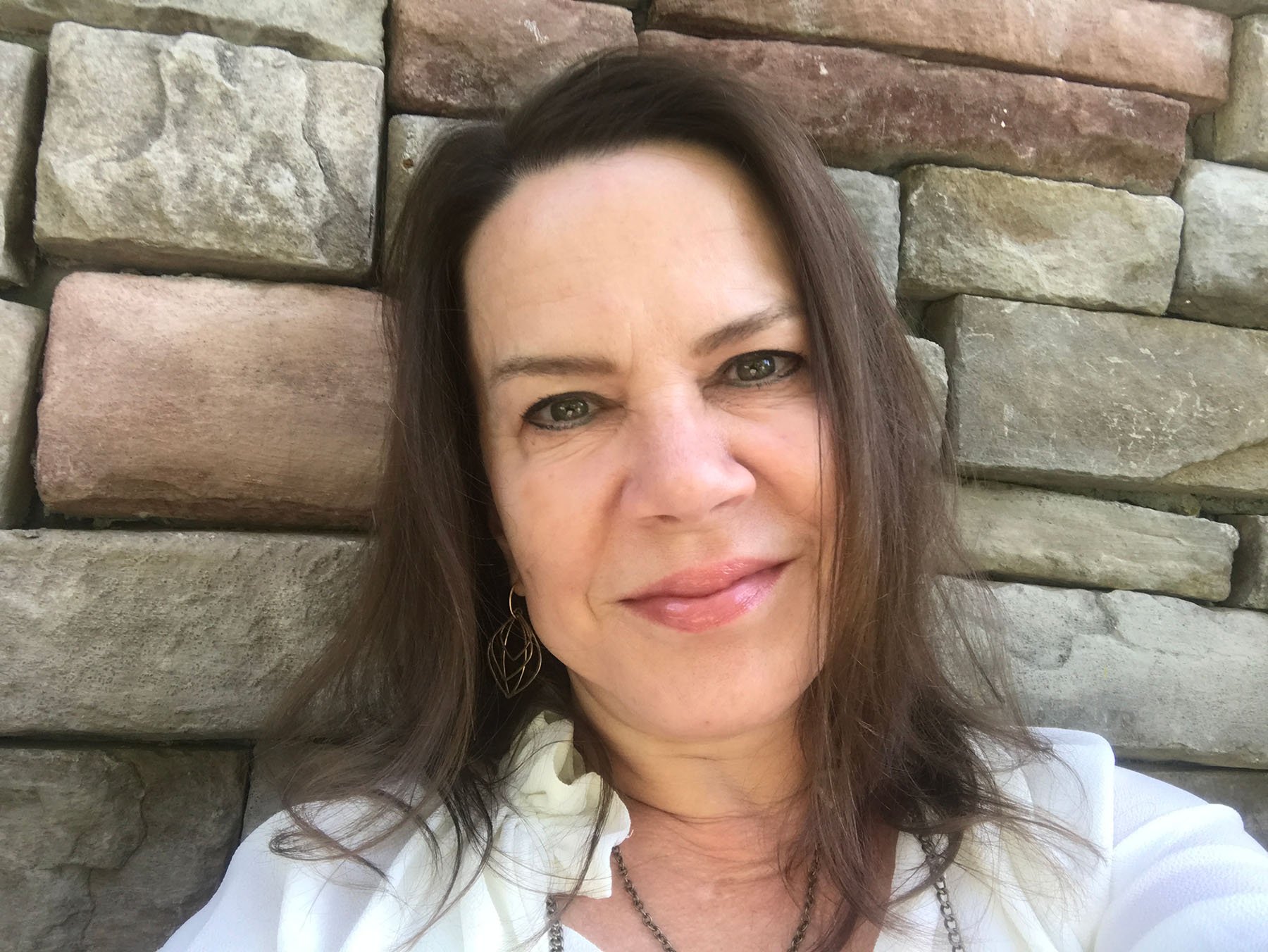

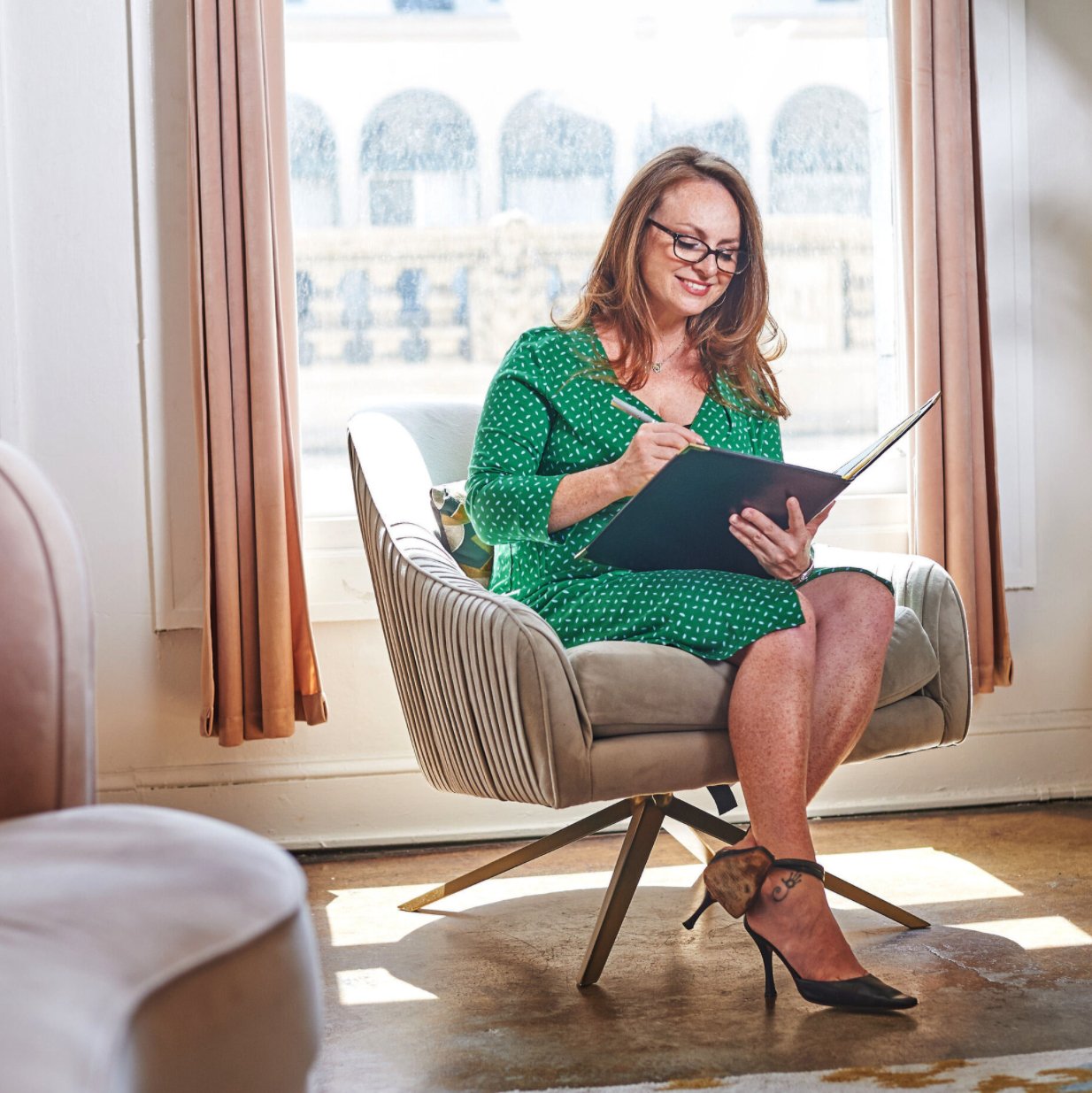


Hi, I’m the founder of Human Amplified. I’m Brandi Fleck, a recognized communications and interviewing expert, a writer, an artist, and a private practice, certified trauma-informed life coach and Reiki healer. No matter how you interact with me, I help you tell and change your story so you can feel more like yourself. So welcome!
Find More on the Blog
Topic
- ADHD
- AI
- Atlanta
- Black and BIPOC
- DIY
- FAQ
- LGBTQIA plus
- Los Angeles
- Nashville
- Seattle
- St Louis
- St. Louis
- UFOS/UAPs/ETs
- abuse
- accountability
- addiction and recovery
- adoption
- affirmations
- afterlife
- altered state
- angels
- animals
- anxiety management
- art
- astrology
- atlanta
- attachment
- awakening
- beauty
- behind the scenes
- being human
- body image
- body work
- boundaries
- brandi fleck
- breathwork
- bullying
- burn out
- burnout
- cancer
- career
- caretaking
- chakras
- channeled
- clarity-dive
- clarity-practice
- clarity-primer
- clean products
- coach
- codependency
Recent Blog Posts
Visit the Full Podcast Audio Archive

Affiliate