Social Justice Movements and How We Can Show Up
Interview By Brandi Fleck
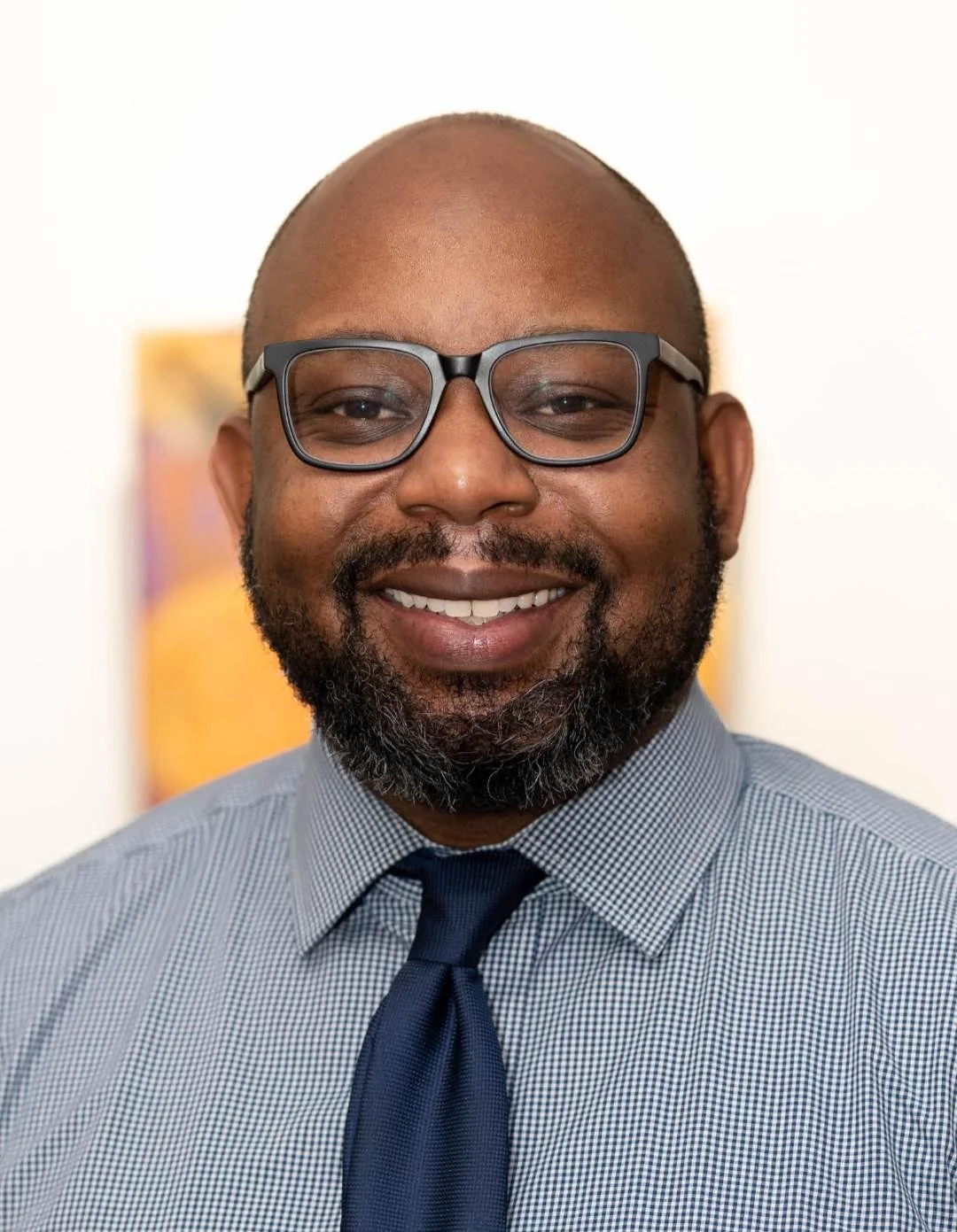
Timothy Hughes explores how social justice movements connect to history, empathy, and the everyday choices that shape how we show up.
Long before today’s headlines, social justice movements were shaped in local communities, in conversations, in classrooms, and in everyday decisions people made about what they would accept and what they would challenge.
In this episode, Timothy Hughes, activist, civic educator, and community organizer, shares how history continues to shape the present and why the stories we tell about that history matter more than we often realize.
We explore how political tension, systemic inequality, and cultural division don’t emerge out of nowhere, but follow patterns that have repeated across generations. Timothy breaks down how those patterns show up today and what it looks like to respond to them in ways that are grounded, informed, and intentional.
If you’ve ever wondered what your role is in moments like this, this conversation offers a clearer way to think about participation, responsibility, and what it actually means to show up in your daily life.
Listen to Timothy Hughes’ Interview
Watch Timothy Hughes’ Interview
What It Means to Be Human Beyond Productivity
Brandi Fleck: Okay, what does being human mean to you?
Timothy Hughes: I love this question, and I've been watching several of the episodes, so I thought a little bit about the ways in which I feel human, the experience of being human. What came to mind was that we are humans being and not humans doing.
To me, to be human is to be. It's to exist. It's to have value that is intrinsic, to be expressive of creativity and genius and struggle and conflict, the complexity and nuance of having and living and experiencing human life.
It also is about empathy. It's about connecting to our broader experience, our shared experience as other humans being. For me, being human is a daily experience. It's about how we relate to ourselves and to one another, and it's about seeking out an opportunity to be our full selves every day.
Brandi Fleck: I love that. Thank you.
Public Policy and Social Justice Explained
Everybody, today I would like to welcome Timothy Hughes to the show. I'm excited to have him here. You're coming to us from Nashville, is that correct?
Timothy Hughes: That's correct. I'm originally from Baton Rouge, Louisiana. I was born and raised there. I lived there for many years before coming to Nashville as a student at Fisk University.
So yes, I am here in Nashville. We are expecting some triple-digit temperatures today, and so I am excited to see the sun out and to see some clouds intermingling in the sky from my window. But also, my thoughts are with the folks who are out making their way and living today, some of them in these elements, in this heat, which can be very oppressive.
Of course, also being from Baton Rouge, Louisiana, my heart and my thoughts are with the folks of the Gulf Coast who just recently experienced Hurricane Beryl. I'm very familiar with the ways in which communities experience these environmental phenomena and how difficult it can be for so many in this moment.
While I'm very grateful for the sunlight and for the wonderful temperatures and experiences here in my local context, my thoughts are with those, particularly in places like Houston, who are without power in triple-digit temperatures and are now entering a week without many of the resources that they need to feel safe. We're hoping that things will turn around for them soon.
Brandi Fleck: Yeah, yeah. Thank you for bringing that up and acknowledging that.
Lots going on, and yes, many, many different things happening and multiple experiences simultaneously.
Yeah, well, Timothy, before we jump into the meat of this episode, will you give our listeners an idea of who you are and what you do?
Timothy Hughes: Thank you. I mentioned earlier that I'm originally from Baton Rouge, Louisiana. I generally start any introduction with where I was brought up, what roots me in the experience of being human, and it gives insight into why it is that I choose to do this work.
I was born and raised in Baton Rouge, Louisiana. My mother was a school teacher, and my father was in the military, later retired, and became a member of law enforcement. I grew up in an environment around simple folks. Baton Rouge is a capital city, but my family has roots in a place called New Roads, Louisiana, which is a very small town. Even today, it only has about 4,000 residents.
I would spend a lot of time in New Roads with my cousins and extended family. My uncles, aunts, and other relatives lived there. My grandmother had a property there. In some ways, New Roads is called New Roads because it was the place in rural Louisiana that got all the new roads, so it was like a fancy small town.
Think of four-way stops, houses, sugarcane plantations, pecan groves as far as the eye can see, but also very simple, hardworking, dedicated people.
My grandmother was 4'11", had two shotguns, and had six children, and took care of her children and her family as best as she could as a Black woman growing up in the deep rural South, living in a context in the 1940s, '50s, and '60s when there was all of this tumult happening all over the country and around the world.
She made her way as a woman with only an eighth-grade education, and she put her kids through military service, and many of her children became first responders and school teachers and educators. Education as a value, as a virtue, was something that was inculcated in me as a child.
She also was a dedicated member of the Pointe Coupee Parish NAACP, where she served for many years. Her work in civic engagement and voting rights, her dedication to her faith tradition in the church, all of those were examples that I saw growing up as a kid.
In many ways, while my pathway to social justice was different because of the experiences that I had both as a youth and later as an adult, much of what rooted me in having a heart for social justice, a commitment to poor and rural and working people, a desire to make the most of educational opportunities, all really began with the lessons that I learned growing up in my family in Louisiana, and particularly the example of my grandmother.
Brandi Fleck: I love that. Grandmothers can be so powerful.
And so your focus is social justice, is that correct? You're an activist, you do things in the community. Is there any more you'd want to share about that?
Timothy Hughes: I tell people that much of my work is at the intersection of public policy and social justice. A lot of the local decisions that are made in the school board, in the city council, state legislature. A lot of that focus and how it impacts the lives of minoritized and marginalized communities, working-class folks, LGBTQIA folks, people who are from the BIPOC community, Black and Brown and Indigenous folks.
How Policy Impacts Marginalized Communities
All of that intersects with the ways in which policy is decided in those bodies of power and influence, but also is rooted in making sure that the folks who are most impacted by those policies have a seat at the table in making decisions around how those policies affect their lives.
That looks like working in conjunction with groups like Community Oversight Now to create a local community oversight board of law enforcement that brings together various members of the community to make sure that their voices are reflected in how rules and regulations around public policy and public safety are made in local context.
It also looks like making sure that individuals who are impacted by the criminal legal system, who are often not able to vote. We're in election season right now, many of those folks can't register to vote, some 500,000 of them in the state of Tennessee. So making sure that their voices are still included in discussions and conversations around public safety, around how we set priorities and values in our community, where we allocate our tax dollars, because many of those folks are taxpayers, but they often don't have the ability to have their voices reflected in public policy through voting.
But they can organize, and they do have the ability to tell their stories and amplify their stories. So it's about bringing together diverse perspectives and making sure that all of those perspectives have a platform to be shared with community members who are making decisions about how we all live bigger and better lives.
Brandi Fleck: Awesome. Okay. Really important work. And I don't know, would you say hard work?
Timothy Hughes: I would say challenging work from this perspective. I think that there are often people who have the best intentions, who are really well-intentioned in how it is that they craft narratives, how they tell stories, the stories they choose to amplify, but we often don't realize where our areas of complexity and nuance may not be.
So I ask myself a series of questions whenever I'm convening a coalition or trying to build a campaign in preparation for an issue-based advocacy conversation.
Who's in the room? What are our resources? Who are the folks who are already at the table, be they members of the faith community or members of communities that represent constituencies, like elected officials or community constituents who are concerned about a particular issue or have a particular hot button? Are they involved in the conversation as we're discussing where the priorities need to be?
Then, of course, the second question is who's not in the room? What folks are not centered in this conversation who really need to be here? Because we shouldn't be making things about folks without folks. So who are the folks who are not in the room making those decisions? How do we get them involved? How can we have their perspectives reflected?
And then finally, are we being guided by our best intentions and our desire to make things better, or are there other factors that are influencing this decision-making that we need to be aware of?
Why Historical Context Matters in Modern Politics
I think that that third question is what comes up most often because it's those areas where we have the least information or education that are critically important right now in this moment when we're talking about what's happening in Nashville, where the city seems to be a destination location for white supremacists.
Two weeks in a row, we've had folks marching on the Capitol, marching downtown with Confederate flags and swastikas and chanting different things. We ourselves tell a story about what it means to be Nashvillian, what it means to be a Tennessean, but that information needs to be informed by our history.
How it is that we got to this moment is not by accident, and we need to be very honest and forthright both about the voices that we're centering in this moment, voices that are calling both for truth and reconciliation, but also understanding that what is happening in Nashville in 2024 is often rooted in what happened in previous years, like the 1960s when we had the civil rights movement.
There were similar fissures in the community where folks were demanding civil rights, but others were trying to silence those voices and push those voices to the margins. We saw a similar moment in the 1800s after the Emancipation Proclamation was signed in 1865, and we see the rise here in Tennessee both of Reconstruction and tremendous growth that was happening with historically Black colleges and universities like Fisk University being founded in 1866.
But not far from Nashville, in Pulaski, Tennessee, we see the emergence of the Ku Klux Klan.
So there are these opposing forces that are always there in the ether. There's always this struggle for power to see whose voices will ultimately win the day, and what the soul of our country, and indeed our state and our city, are all in the balance in many of these struggles.
It's important that we remember the historical context in which we get to these moments. It will help us to figure out the way forward when we look at some of these stories, these narratives, these discussions, these heroes and heroines, and also, in some instances, villains of the past and how they inform our current lived experience.
Brandi Fleck: Okay. There is a lot there So let's just go into the fact that it does seem like we're in a modern-day civil rights movement, and I want to ask you: what is the state of that movement now in 2024?
You sort of alluded to it. You've talked about the power struggle, you've talked about the people marching in Nashville, and it's a white supremacist sort of destination. What is going on?
Timothy Hughes: I appreciate that question, both because it centers the discussion about the importance of history and how history informs our present, but it also gives us an understanding that in many ways, the struggles that we've had in the past are not just past. In many ways, they are present struggles.
We see the emergence of this white supremacist action and activity that's happening in our capital, a city that historically has been an incubator of struggle. We talked about the 1800s and the civil rights movement that happened then, and then Reconstruction, and then the backlash with the Ku Klux Klan and many of those forces that were attempting to stifle freedom of speech and liberative movement for Black and Brown people specifically, all people generally.
Then we saw a similar moment in the 1960s with the emergence of this backlash from the Civil Rights Movement, where folks like Dr. Martin Luther King Jr., Diane Nash, John Lewis, and James Lawson, who recently passed away in his 90s, were still fighting for liberation and to talk about the importance of us coming together collectively as a human family to be able to change the outcomes and to change the trajectory of what is happening both in our country and the way that it treats oppressed peoples, but also to save the soul of our democracy, which is also in a very tenuous moment.
While we have these white supremacists who are marching on the Capitol, we also have emergences of these inward fights, internal fights that are happening even within political and ideological environments. Just this weekend, we had an attempted assassination on a former president, a current candidate for president, Donald Trump, who has in many ways.
I tried to describe it in an analogy that I've seen online, that many people are referring to Donald Trump, in part because he has survived this attack on his life at a public rally, as sort of this hero figure. There's a photograph that's been circulating on social media and in many websites. Many media outlets have highlighted the photo of him raising his fist in resistance, with blood on his face and on his ear from the attack of this assassin's bullet.
In many ways, there's almost an iconic image of him standing with the blue sky behind him and an American flag floating over his shoulder, almost as if it's anointing him as this heroic figure in American history. But we've got to remember that the imagery of that moment was brought about in some way, and in many ways people like Donald Trump and his ilk are complicit in helping to stoke the fires of racial tension and us-versus-them ideology.
At many of the rallies, we go back in history, we listen to some of the rhetoric that's been used, calling individuals who are immigrants to the country dangerous, violent thugs and animals and criminals, referring to individuals in the LGBTQ community by slurs that I won't even repeat on your podcast, referencing individuals based on their income and the kind of work that they do as typifying either “Black jobs” or not American jobs, or questioning the integrity and the dedication and commitment of certain people to the project of the country related to democracy.
That didn't happen in a vacuum. It happened in front of cameras, in front of throngs of people, and many of those people hearing those messages heard that rhetoric and then showed up on January 6th at the Capitol, which should have been a peaceful transition of power from one party to another party, from one candidate to another candidate, from one institutional group to another institutional group.
That resulted in violence. People lost their lives. The Capitol itself was attacked. Even the former vice president, Mike Pence, who was the vice president under Donald Trump in his first term, was ceremonially targeted in the public square.
There's a history here that we've got to grapple with around political speech, around political violence, around the ways in which violent rhetoric, and even the settler colonial project that is the American experience for this past 250-some-odd years.
When this country was founded, it was founded on land that was occupied by Indigenous people. There were people who constructed the buildings, constructed its history, contributed to its legacy, who were imported through the transatlantic enslavement trade and were brought to this country to work the land but were not treated as full human beings, let alone full citizens.
There were people who were brought into this country who constructed railroads and built the infrastructure. So much of this history is being blotted out, is being made even illegal to teach in Tennessee by the legislature.
We’ve got to be able to fill in the blanks about how it is that we get to these moments so that we can put them in the appropriate context and be able to talk about them in a way that is informed.
I'll answer you shortly, what is going on with the civil rights movement in 2024? I think it's what has been happening over many years, decades, and even centuries in this country, where we try to reconcile the heart that we have as Americans—believing in a representative democracy, believing in institutions, and believing that votes and participating in democracy is what helps to make our country unique and special and it does.
Also dealing with this history of political violence, the ways in which poverty, the ways in which ignorance, the ways in which antisemitism and anti-Black rhetoric and anti-immigrant rhetoric are also deeply woven in the stitching of the flag that is America's history.
What we do with that, how we tell that story, who gets to have their voices amplified at various moments, is so critically important.
Yes, we have freedom of speech, and we have the ability to have certain liberties in this country that are often denied in other countries that are not representative democracies. But that also does not mean that our country is perfect, and that criticism of institutions, criticism even of individuals or of particular historic moments, is un-American.
It is very American to call out the ways in which we need to be addressing the settler colonial project that is the American experience, but also true that we can have a measure of patriotism and believe that good things are possible because there are examples of those moments in history where historic figures, historic movements, and social justice activity has happened.
We need to tell those stories alongside the many challenging stories that make up the American story.
The Role of White Nationalism in American History
Brandi Fleck: Okay. So I wanted to talk a little bit about the involvement of white Christian nationalism in this sort of culmination of events that's happened lately, but you mentioned one thing about how we need to fill in the blanks with the history, and so I want to make sure we cover that.
How do you fill in the blanks?

Timothy Hughes: I think that there are many examples of ways in which we tell a fuller, more comprehensive narrative about our American experience. I think that we do that by diversifying and including voices that historically have not been included in the ways that they should have.
In some ways, they've been reimagined. There's a mythology that we tell about the story of America's history, particularly about the story of the American South, that I think has to be reconciled with fact and with validity.
I'll give an example of what that looks like. We tell the story of how Tennessee got its founding. We talk about the many heroic figures who were responsible for telling the story and creating the story of Tennessee. Two hundred and some-odd years later, we talk about how these great Tennesseans.
Davy Crockett, historical singular figures like Andrew Jackson, we tell these stories of these great figures, but we often don't tell the story of the oppressed folks who were around at the same time, who participated in the same legacy and aren't centered in the story and the conversation about democracy in an effort to try to make it seem like these things were inevitable.
I mentioned the example of in the 1860s the emergence of institutions like Fisk University, where I attended. We talk a little bit about the story and the legacy of enslaved people, which is a critical and important story.
One of my good friends has referred to the period of enslavement and says, in many ways, enslavement is white history. The ways in which Black people and Brown people and those who were impacted by enslavement survived is Black history.
We've got to tell both of those stories together so that we can really construct the American history of that moment.
We should share the stories about how the Emancipation Proclamation was signed. We just came through the month of June, so we talk about Juneteenth in this historical context and how individuals in Texas received word that they were freed, and we tell that as if that's a line of demarcation in the story that ends a particular narrative.
In some ways it does, but we don't tell the story of continued exploitation, segregation. A lot of what happened after the Emancipation Proclamation was signed is that now legally certain individuals have the right to vote. We have the 13th, 14th, 15th Amendments signed, which enfranchised millions of Black citizens who are now able to have the ability to vote, or at the very least are legally granted by the Supreme Court the right to vote.
But we also have the emergence of the Klan, which is using violence as a way to threaten individuals who might exercise that right.
The juxtaposition of those multiple figures and instances happening simultaneously is why we need to have, in the 1960s, a civil rights movement that then has the signing of the Civil Rights Acts of ’64 and ’65.
If you don't tell that fuller story about the struggle and the fight for independence and liberation and civil rights, and how white folks and Black folks and all folks were fighting to make America a fairer country, then we miss out on telling the story of how it is that we get to a moment where some individuals who live in North Nashville, for example, feel like there's no reason for us to participate in processes, to vote.
Involved in systems that have been historically oppressive. It's how we get to a moment when we're telling stories about history where the state legislature and other community groups like Moms for Liberty, for example, are trying to rewrite the way in which we tell the story about enslavement and civil rights to make a narrative that suggests that individuals who were a part of that process were somehow unwilling to engage and didn't really care about freedom, and everything is fine now.
So us having discussions about why white nationalists are marching down at the Capitol in 2024, that's a distraction. We shouldn't talk about that. There's no reason for us to discuss that. These people are strange, they're fringe figures.
No. They're following a tradition of their parents and grandparents and great-grandparents who, in many ways, feel that the American project is a project that should be a white nationalist Christian project, and anyone who is not in agreement with that is a threat to their way of life.
So it's important for us to put those things into historic context, not just for folks who are marginalized and minoritized, who are victims in some instances of the policies and procedures that are pushed as a result of that narrative, but also because we ignore the contributions of the white folks who are also allies and co-conspirators in that struggle for liberation when we don't tell the story about how that history is contextualized.
We ignore figures like John Brown, for example, who was a white man from Virginia who fought to liberate enslaved people and was considered to be mentally insane because of his unwillingness to be complicit in white supremacy in the 1800s.
So we have these figures, these historic figures, who fought for liberation and freedom, who are good white folks, and we don't tell their story either.
So the prospect of white supremacist ideology, particularly white Christian nationalism. The ways in which we tell the story of what Christianity is and how it is being lived out as a project in America, the ways in which individuals who were Indigenous or African folks or other folks from different countries who were brought to this nation and who were forced through violence to convert to Christianity.
Or in some instances are subjected to what was considered to be a Christian project through the Ku Klux Klan, which was domestic terrorism that used the language of scripture and Christianity to justify oppression and violence against people that they considered to be undesirable.
If we don't tell that fuller story, we miss an opportunity to tell the true history of our country and also to tell the true history of ourselves. We've got to tell that fuller, more complete story to put into context what we are experiencing today.
Brandi Fleck: Some of the things that I just took out of what you said, and let me think about this a little bit, but I think it's that what I'm hearing is that critical race theory and diversity, equity, and inclusion are ways that we have been telling the full story and trying to contextualize that history, but white Christian nationalism groups that are deep in that history of trying to change the narrative are coming in and still trying to change the narrative, and that is how we've gotten to where we are today.
Timothy Hughes: I think in many ways, yes, that's true. I think that it's important also to contextualize how things like critical race theory, which is a project of legal scholarship where individuals in law school are trying to historically contextualize what I was just describing earlier about white Christian nationalism and the various figures and powers that are involved in helping to shape narratives about our history.
Things like critical race theory, CRT, are ways in which academicians are trying to help provide that contextualization.
I think it's important, though, that when we're having this discussion about things like diversity, equity, and inclusion, those are ideas and perspectives that are the result of efforts to try to tell a narrative or tell a story that is not diverse, doesn't include diverse voices, that is not particularly inclusive of queer ideologies or perspectives, the perspectives of women, the perspectives of individuals who have not been centered in the narrative.
In part because if we were telling those stories more fully, there would not necessarily be a need for things like DEI or CRT or many of these acronyms. There could just be history.
As a result of the fact that there has not been a fuller telling of those stories, there are efforts being made by academicians and others to try to create programs and projects to get at some of that more complicated, more nuanced history.
When I was growing up in Louisiana, much of the history that was told about African folks in the Americas or the process of Black people coming to America or being a part of America was through the lens of oppression and slavery, chattel slavery specifically, and then there was a skip into the modern Civil Rights Movement.
There were maybe two or three figures, Dr. King, Rosa Parks. Every now and again there was a reference to the sit-ins in Nashville or a reference to other kinds of struggles for civil rights, and then we fast forward to the modern time where everything is fine, the world is great, all these projects are over, there's not any reason for us to really continue to center these struggles over civil rights and history. All of those battles have been won. We're fine.
That's not really a, it's a very narrow kind of telling of history, but often that is what we were given as young students. So as adults, to learn later that not only are those stories incomplete, but that they also minimize the contributions of so many people whose names we don't know, whose stories are not told.
We don't have the benefit of the deep reservoir of struggle and liberation and context that helps us to be able to cope with the difficult moments that we are experiencing presently and will likely experience in the future.
We're doing ourselves a disservice by not really knowing and understanding that history, and it also makes it much more difficult to confront the current moment as it relates to things like the actions of these white supremacists, because often they cannot be combated with just verbal jousting or silencing of their ideas and perspectives.
Silence is not a strategy. Them just saying, “Okay, you're right,” is not going to happen. But if there's a fuller understanding of why it is that they feel threatened by the prospect of greater diversity or greater inclusion or a deeper understanding of belonging that includes other perspectives, it's important for us to put that into context for ourselves and for them as well.
Otherwise, we can't maintain this democracy that we are trying to create and to build. It's a threat not only to our ability to be able to maintain our way of life and to support a fuller understanding of humanity for all people, but it also foments and is complicit in the kinds of political violence and social violence that allow people to continue suffering.
Many of these white supremacists come from rural environments and from spaces that have also historically been deprived of resources. We're talking about educational resources, infrastructure, food insecurity, and the kinds of things that they have been subjected to are also violence.
So the adage about hurt people hurting people comes into context when we consider the fact that many of the rural white Tennesseans who may show up at a rally and be persuaded by some of the rhetoric there are also victims of the same kinds of oppressive systems that are facing people of color, that are facing LGBTQIA folks, that are facing other marginalized groups.
Their suffering is being amplified, and the exploitation of that suffering is being weaponized by individuals, political ideologies, political perspectives, candidates, and others who are trying to drive wedges between us as a society, and they benefit from those divisions being amplified.
Everyday Actions to Support Social Justice
It's critically important that we hear both with our ears and with our hearts even the voices of people whose perspectives are deeply problematic and often painful, and we need to understand through a sense of empathy and a historical understanding of how these fires have been stoked historically what our responsibility is today.
So I'm going to give an assignment for folks who are looking at this moment and saying, “Oh my God, those people who are marching at the Capitol, who are holding up those Confederate flags and those swastikas and are saying those hurtful and disgusting things, I wish there was something that I could do to stop that from happening or to change those minds.”
Here's a responsibility that we all have in making sure that the society that we're allowing ourselves to exist in and experience is one that is fairer and more just and less violent and more humane to everyone.
Those people who are coming to the Capitol arrived, in some instances, in moving vans. They were supplied materials. People printed those T-shirts and printed those flags.
I understand that not everybody's going to be a social justice person from the standpoint of doing this as lived work on a daily basis, but somebody had to make those shirts.
You can be a person who says, “You know what? I'm not going to be complicit in that. I'm not going to allow my business to manufacture materials that are going to be exploitative and dehumanizing and are going to be used as a way to disrespect the humanity of other people. I'm just not going to be involved in that.”
They rented those vans to get downtown. And in some instances they were working with major corporations that were participating and complicit in helping to make sure that they could get down there to participate in that kind of domestic terrorism.
The next time you see and are connected to someone who you know could potentially be involved in something like that, just having a resistance, saying, “You know what? I'm not going to be involved in that. I won't be complicit in that. I'm going to use my understanding of nonviolent resistance to not comply with and be participatory in that kind of supremacist violence. I'm not going to be involved in that, and I refuse to get involved.”
Not only that, I'm going to speak out to my family members. I'm going to get involved and make sure that folks are aware of what is happening in this white nationalist project and make sure that the friends that I have and the folks that I'm connected to are aware of what's happening and know that it's not okay.
It's not just saying, when you hear words or phrases or see images that you are turned off by them and refuse to see them or don't want to believe that it's possible that that's happening. It's happening. What are you doing?
How are you participating, either by being complicit in what is happening in those actions or resisting being complicit in those actions to make this project and this experience that we're having, and the lived environment for all people, how are you participating in making that better?
We all have a role to play. While it may not be your role to be on the front lines confronting those white supremacists, you can certainly be involved in the prospect of making sure that they're not going to have the oxygen that they need in order to continue to be and to push this white settler colonialist violence in public or to hold those attitudes without consequences.
It's important that we all are a part of making sure that that happens.
Brandi Fleck: Absolutely. I really appreciate that homework assignment and a really practical, hands-on way to get involved when you're not on the front lines.
I know when we first started talking about this episode, we were like, “Okay, the main topic will be infusing social justice into everyday life,” and so that's a huge example of how to do that.
What's coming up as you've been giving this homework assignment is that in order for someone to do that, they would have to value human life more than they value money, or to do that, to value human life more than money, they would probably have to face a fear of scarcity and lack.
So there might be some deep work going on here for some people who want to make these changes and do these things. What do you think about that?
Mutual Aid, Community Care, and Collective Responsibility
Timothy Hughes: I think that that's absolutely true. I think that what we have to do is imagine a kind of capital and also an approach to understanding how it is that we have, I think Dr. King would describe it as a sense of mutuality.
We are all sitting together in a communal quilt of mutuality, and so our neighbors may have lack in areas where we have abundance, and they may have abundance in areas where we have lack, which is why it's so important that we see this not in isolation but in cooperation.
We need to have an ideology or perspective that's really not centered in a sense that we have very little, but instead that we together have very much.
I know growing up in Louisiana, one of the examples that I gave when I gave a talk—I was honored to be one of the Black Tennessee Voices a couple of years ago and had the opportunity to talk about the things that I learned from my grandmother.
One of the things that she did in her very rural town in southeast Louisiana is that because so many of our neighbors had so little, she would host these gumbo suppers. She would make gumbo during the holiday season for everybody in the neighborhood to come and eat.
Some of the folks would contribute a little, some vegetables to the gumbo, and others would contribute some chickens, and others would contribute time to be able to package the gumbo and share them out.
I was in the kitchen with her as her kitchen assistant, and so I had the opportunity—in some instances, I didn't really see it as an opportunity, I saw it more as an obligation, but we'll get back to that.
As a young child, we're putting together hundreds of these bowls to make sure that they got to people who oftentimes only had very small farms or, in some instances, didn't even have indoor plumbing. We're talking in the ’80s and ’90s, some instances where we were still very, very poor.
Making sure that everybody in her community had a safe and healthy meal for Thanksgiving and for Christmas, and that they were taken care of and felt seen and valued and loved. And even those who could not make a contribution received a bowl.
Having an understanding of shared mutuality. That what's best for our community is not just about what's best for me but also what's best for my neighbors, endeared her in ways to the community and helped her to live out her Christian value of sharing with the least of these in a way that I never would necessarily have learned in a church house, but I absolutely learned at our kitchen table.
So it's about understanding that we are quite literally in this together, and we have a responsibility both for ourselves and for our neighbors to bring folks along in their understanding of what actually is a value.
When we talk about these things like political violence, we think about that in a very small lens. We think about that as assassination or attempted assassination of political figures or efforts to try to create policies that would be aggressive or violent or encourage violence in one physical manifestation or another to other people.
But poverty is violence. Allowing people to suffer is violence. Seeing institutions or individuals who have so much be granted even more while those at the bottom of the hierarchy in our society are given so little, criminalizing homelessness but not criminalizing the idea that people are homeless, is violence.
We've got to really change our understanding of what we think it means to be violent, but also what it means to heal.
When we talk about the many decades, centuries even, of epigenetic trauma that have been inflicted upon individuals because of their skin color, because of their cultural identity, because of their gender expression, we've got to think about the ways in which that rests within our bodies today and how we can be more proactive in helping to heal that very centered, violent experience within ourselves and within our society so that the tapestry of our community can remain whole.
We can truly do what many are calling for today, which is coming together in spite of our differences. We can't have reconciliation without telling the truth. We've got to be able to tell the truth about our history and our stories and also be able to heal together.
Sometimes that healing is uneven. Sometimes those experiences can be difficult and challenging. Not everyone is going to be able to express the feelings that they're having in ways that are always palatable and very soft and gentle.
Sometimes, because of the experience that they've had of violence, the way in which they express their pain is also violent. But what we have to do with one another, and I think with ourselves, is to have a measure of grace.
I think grace is something that we think about in theoretical terms, but living a life of grace, recognizing that our neighbors are our neighbors and not our enemies. Recognizing that at times, while we may have different perspectives and different tactics, we are all pulling together in a direction that we hope will be better for our society.
Dr. King, I reference a lot of his phrases and Beatitudes in a lot of my talks—and one that is a favorite, that is a go-to for me, is that the arc of the moral universe is long, but that it bends toward justice.
If I could make an addendum to that, I would recognize that it is not bending spontaneously. It does not bend without us. We are the ones who are bending that arc of justice in our direction every single day.
It's with little things. It's with making sure that we're showing up for ourselves, that we are doing the work of healing internally, and that we are recognizing the many ways where we miss the mark, but we are trying to do our best to improve and make different mistakes.
I say all the time, I try to make new mistakes, not no mistakes. If we can give ourselves that grace, I think it's important.
Finally, the last thing I'll say about how we deal with folks who are suffering and are dealing with lack, we've got to understand that we are all at various places in this journey.
The place that I am now as an adult, having had some lived experiences, having been in social justice work now for over a decade, having made some missteps and had some challenges but also having learned some lessons. I recognize that no one individual has all of the answers.
We collectively are building the answers, building the society, building the community together, but we all have a responsibility and a role to play.
What our goal is, our objective should be, I believe, is that we pick up the torch or the baton and we run that race as best we can, while we can, for as long as we can, in the best way that we can.
Then we have a responsibility to pass off that baton to the next generation and to equip them with the information and the tools that they need to make their journey and their race better and easier, and at the very least to help advance that baton further before we take our leave.
My hope and my goal and my ambition and objective by the end of my life experience and the experiences with those around me is to have made a positive contribution to that race I run my leg.
We're not going to get this done in just a generation, or maybe even many generations. Much of what we need to imagine is a 100-year, a 200-year, a 500-year legacy project.
We want to put ourselves into the context of being able to tell our children and grandchildren and great-grandchildren what we did with the time that we were entrusted with.
That's a very significant responsibility, but also we are contributing to a larger legacy, and we have inherited a tremendous inheritance from those who came before us.
We do ourselves a service by remembering their story, acknowledging their contribution, and doing the absolute best with what we are being entrusted with going forward.
Brandi Fleck: Okay, yeah. So I guess if I would sum it up, and please correct me if I'm wrong, but to get to a place of infusing social justice into everyday life, we need the whole truth.
We need to be able to tell the whole truth. We need to listen to the whole truth. We need grace and space for healing. We need shared mutuality and community. Am I missing anything there?
Timothy Hughes: I think that that's right, and I think that often when we're doing these conversations about how it is that we need these things, we should remind ourselves that we often have what it is that we need when we look beyond ourselves.
Understanding that while we may be living our lives as individuals and we have individual actions that we take, we are all tied in that tapestry of mutuality. We are connected to one another in ways that we often don't expect.
There are moments that we should definitely remind ourselves that we are not alone, that we should not silo ourselves, that while we're having individual lived experiences from our own perspectives, those perspectives are not the only perspectives.
Reminding ourselves of that fact is a critical part of that growth and that development, and it also helps us to have an understanding and even a value and an appreciation for those who think very differently than we do.
Oftentimes, those who consider themselves to be our opposition or even our enemy, because of that tapestry being tied to us in mutuality, they are often harming themselves, not realizing that they're seeking to harm others, but they are also harming themselves as well.
The “hurt people hurting people” is a real lived experience, and it's important that we recognize that.
I think, in just a practical sense, we've got to make sure that we are doing what is necessary to provide ourselves with what it is that we need most of all. We only get this one planet. There's not a planet B, so we’ve got to do what we can to make sure that we're taking care of ourselves, taking care of the environment in which we're living, and doing what we can to reduce harm and to promote healing.
Get outside and get some sunlight. Sometimes it's as simple as making sure that the sun is on your face to ground you. As much as possible, I try to get the grass underneath my feet and ground myself in the earth and recognize that I'm here, I'm in this moment, and I'm present.
Get some deep breaths in. Get some oxygen into you, because doctors have said that we think more clearly when we have oxygenated our blood and oxygenated our lungs, because it helps us to be more conscious and more aware of what it is that we're doing.
Often we need to be more aware and more cognizant of how it is that we're saying things, doing things, and being in the world so that we can reduce the likelihood of harming ourselves but also promote that healing that I was talking about.
That is something that everyone can do for themselves, whatever our resources, to make sure that we are taking care of and providing for ourselves, and then to make sure that we are doing what we can, if not to help our neighbor, then certainly not to harm them.
That looks like making sure that we recognize the value and the importance of other perspectives. Conversation is critical.
When we were going through the COVID-19 pandemic, and we are in many ways still grappling with some of the moments of these COVID surges that are happening this summer all over the country. We were encouraged to be socially distant, but I think in some ways we had to be careful not to become socially disconnected.
We still are connected in that web of mutuality, and so it's important that we don't allow ourselves to be in these silos and separate ourselves from one another, because that kind of separation can create an environment that leads to depression, that leads to isolation.
So much of that is also as important as the physical attributes of how we take care of our bodies. Making sure that we have close-knit relationships and that we're building those relationships, we often build those relationships at the speed of trust.
It takes time to build that level of trust, so making sure that we are giving ourselves the opportunity to build those relationships helps to break down those assumptions about stereotypes and the kinds of things that will keep us distant and separated.
It's a process, and that process is daily and ongoing. We give ourselves an opportunity to get it right every day, and sometimes we do, and sometimes we struggle, but the fact that we're making the attempt. That is the goal that I would definitely want to leave with the audience.
Make sure you're doing what you can to make that attempt, participate in the ways that you can, take care of yourself and one another.
Finally, the work, I believe, for all of us, whether we are social justice practitioners in our professional work or whether we are simply living a social justice-minded and cognizant life, is that we make sure that the actions that we take are intentional.
One of the quotes that sticks with me, from Teddy Roosevelt, which I think is, an underrated president, a really, really impressive individual who overcame many of his own personal struggles. He says, I believe it's in the speech that he gave in Paris, he talks about what we should do at moments of challenge and struggle.
He says that the very best thing that we can do in those moments of struggle and conflict and turmoil is that we can do the right thing. The next best thing we can do is the wrong thing. The absolute worst thing that we can do is nothing.
Don't allow yourself to be prescribed to the paralysis of analysis so much that you refuse to take action. At some point, you've got to do something.
You want to do the right thing. You don't want to do the wrong thing. But don't allow yourself to simply exist and do nothing.
How to Take Action and Get Involved Locally
Brandi Fleck: So I guess depriving the hate actions of oxygen is one thing you can actually do. Building relationships is another thing that you can actually do. Do you have any other examples of actions that people can take?
Timothy Hughes: Yes. I think that it's important, as I mentioned earlier, not to do this in isolation. So find your people.
I would be remiss if I did not give an opportunity and extend an invitation for folks to join our coalition work. I'm doing work in a few different organizations, among them groups like the NAACP Nashville branch.
We're doing work to educate community members about how it is that they can become civically engaged, registering voters, mobilizing people to the polls, but also educating them about history, both of our organization and about the ways in which we can contribute and work together.
Please join our work, either participating by joining a committee through the Nashville branch or supporting us with your financial resources or with your time, amplifying the stories that we're sharing out. I would definitely be grateful and appreciative of that.
In addition to the work that we're doing organizationally, make sure that you're involved in your local community. Get involved in your local school board. Follow what's happening in the school board races. Follow what's happening with these local elections, because they're critically important.
Some of them are being decided by very narrow margins, particularly in the school board and the city council races. They're being decided by a relative handful of votes. City council races are being decided by less than 25 votes.
At present in Tennessee, we are 50th in the country in voter participation. If you have the ability to register to vote and to be involved in the process, please get registered. Please go out and vote your interests.
For those who are impacted by the criminal legal system or who may be undocumented or who may be on the margins of that process in voting and participating in that way, encourage and urge your friends and family members and loved ones to go out and vote as if they were voting on your behalf, because so much of what is going to be happening will likely impact you in terms of policy and will likely impact someone that you love and that you care about.
Mental Health, Media Literacy, and Building Community
Make sure that you are voting with your friends and family and community in mind. Finally, what I will say: do what you can to educate yourself about the ways in which you can be a better person, a better citizen, a better contributor to society.
That looks like making sure that we are following information services and sources that are credible, making sure that we're not operating in silos and only receiving curated content, social media on the internet, because often what happens is many of our biases and our perspectives will be reinforced because we simply look at the same information over and over again. That's how the algorithm works.
So making sure that we break outside of those paradigms and actually get an opportunity to connect with living, breathing human beings so that we're not being manipulated by propaganda or being exploited or taken advantage of because we're simply in a silo and don't realize it.
Making sure that we are doing what we can to both understand how it is that we've arrived at this historic moment, processing the traumas and various challenges, and celebrating the wonderful opportunities that we have to get to know ourselves and one another.
I am a firm believer in making sure that I encourage folks, particularly as we are emerging from this COVID-19 moment and had to be socially disconnected or socially distant, to reconnect.
I encourage people to get therapy, particularly those who have historically seen therapy and had stigmas associated with it pushed upon us. I think it's so important that everyone have the ability to express themselves fully and contextualize their emotions, and I think that therapy is a very good way to do that.
On a personal level, I definitely think that that's something that I would urge folks to do in order to be able to process and do that work.
Also get involved, get active, get connected with the larger world around you by providing ways in which to positively impact your community. That might look like providing mutual aid for folks who are in need of resources.
Those who are in transitional housing or maybe experiencing homelessness, those who are in marginalized communities, minoritized communities, our queer brothers and sisters who often are being targeted by policy violence in state legislatures and in city councils and other governmental spaces.
They are seeking opportunities to feel healing and feel connectedness, so showing love and kindness and generosity to people is another way to be helpful.
There's so much negative news and content and a lot of different things that are happening in our world, and people are having their own individual lived experiences, so being intentional about making sure that you're showing kindness and giving generously to others is a critically important thing to remember.
The last thing I'll share is making sure that we are not pouring from empty vessels. In doing this work of social justice, there are many challenging days, so I think it's important for us to recognize that we can only give to others from the abundance that we are pouring into ourselves.
It is not selfish to do self-care. It's important and necessary. Our bodies need oxygen. Our bodies need sunlight. Our bodies need water and sustenance. Our bodies, our lives, are more enriched through relationships.
It's critical that we do that for ourselves because it's when we show up for ourselves in meaningful ways that we can truly be positive contributors to our society, to our community, to our government through civic engagement, to everyone beyond ourselves.
We can show up better for them when we show up for ourselves. I would leave that with the audience. Make sure that you're doing some self-care today, looking out for yourselves.
We often ask ourselves what we would be doing in these historical moments, right? What would we be doing if we were alive in the 1920s or 1960s or the 1800s? We are doing that now. We are living in that kind of moment now.
We need to make sure that we are caring for ourselves and one another, and we also need to make sure that we are being very intentional with how it is that we negotiate these lived experiences that we're all having together.
As we're doing that, that we give ourselves grace. So yeah, that's what I would share with the audience. Make sure you're showing up for yourself, and that's how you best show up for other people.
Brandi Fleck: And Timothy, how can our listeners and viewers find you and the work that you're doing?
Timothy Hughes: Yes. Thank you once again for the opportunity to be a part of this conversation and to contribute just a little bit to the healing that I hope is going to be happening in our community.
Folks can find me on socials. Everything at Timothy Hughes, on Instagram, on Facebook, on YouTube. I've also done a couple of talks in the community, so if you search my name and search talks, you'll be able to find some of the work that I've been doing both in community and with other organizations.
You'll also see me out on the battlefield, fighting these fights and trying to get into good trouble.
So thank you all so much for your hard work, your dedication, your community-centered desire, and your willingness to be a part of what we're all trying to do together, which is to make the world a better place.
Brandi Fleck: Yeah, absolutely. And thank you for sharing today.
Everybody, those links and how to find Timothy will be in the show notes, so be sure to go get those.
Timothy, is there anything that I did not ask you that you think is important to share before we sign off today?
Timothy Hughes: First of all, you've done a really great job facilitating this conversation. I really appreciate the intentionality behind your questions, and I really appreciate the opportunity to be a part of your platform. You're really building something special here, so thank you.
I think that more than anything else, I would just want to share with those folks who are in this moment, who are feeling a sense of anxiety, who are feeling a little bit disconcerted about what it is that we find ourselves in in this moment.
Whether you are looking at what's happening with the white supremacists marching downtown in Nashville, or you're seeing the political violence that's happening with candidates and feeling a little bit tense about what can potentially happen in the election, or maybe you're just in the margins of society and so much of what is happening is just whizzing past you as you're trying to cope with your daily struggles in life.
Understand that you are not alone, that we are all in this together, that we are all going through and are connected in that tapestry of mutuality, and that you can take comfort and solace in knowing that we are contributing all that we can contribute in this moment together.
As long as you are showing up for yourselves, you're showing up for your neighbors, you're supporting in as many ways as you possibly can, you are doing what you need to be doing.
Because remember, we are humans being, not just humans doing. So take the time to be today, and understand that this is a protracted struggle that we're all a part of.
We make our contribution for as long as we can, when we can, while we can, in the best ways that we can, and then we take our leave. There are those of us who are doing everything that we know to do, so understand that you're not alone and that we're all trying to do our best every single moment together.
So thank you for showing up as your full self, being the best you that you can be in this moment, and we'll do our best every single day to do the same.
Brandi Fleck: Okay. And on that note, thank you so much for coming on the show today.
Timothy Hughes: Thank you for having me.
Brandi Fleck: Thanks for tuning in. Check out more of our episodes here and at humanamplified.com. Remember to subscribe.
Join the conversation!
Feel free to share your own experience and let me know if you have any questions in the comments.
Related Posts





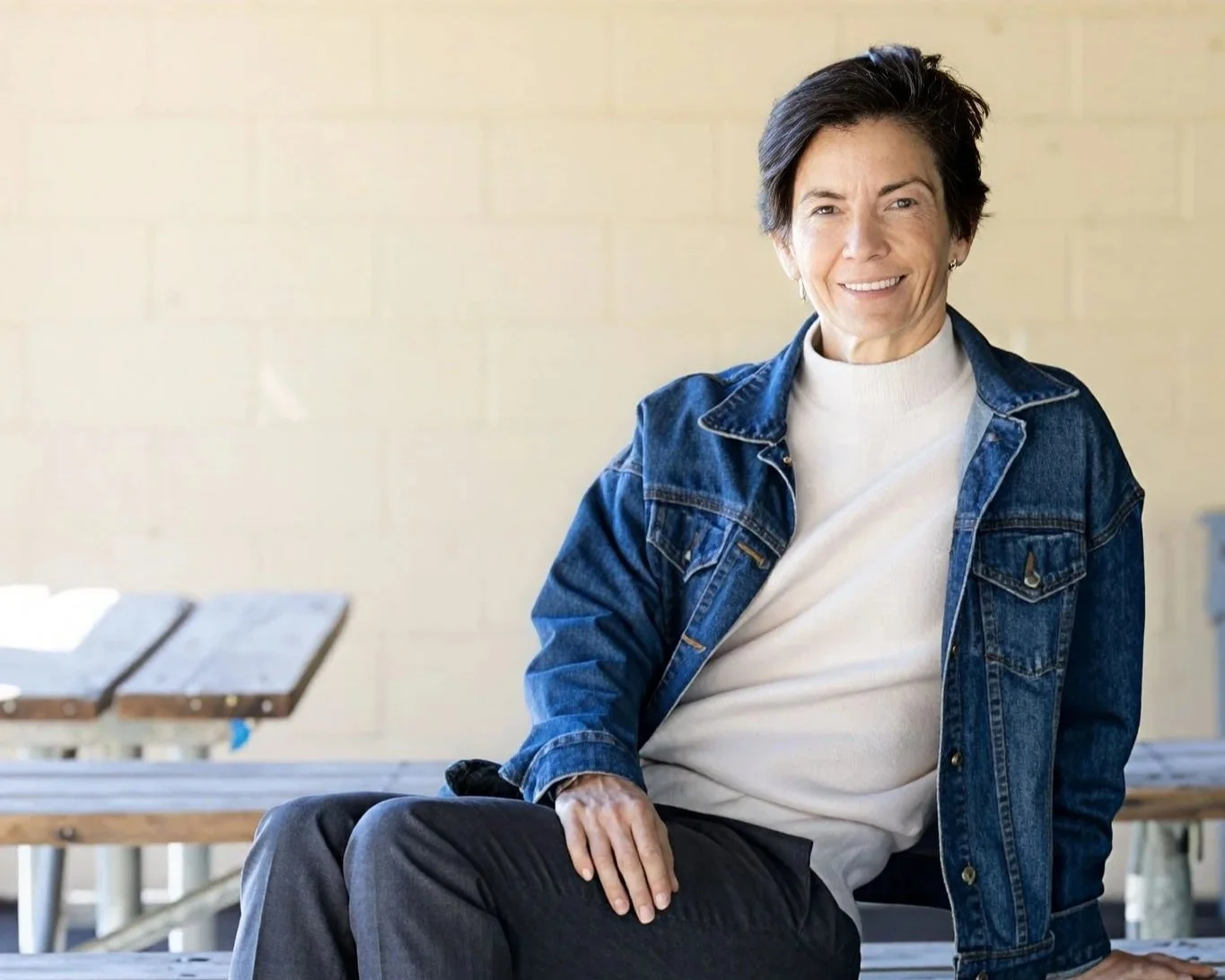
Hi, I’m the founder of Human Amplified. I’m Brandi Fleck, a recognized communications and interviewing expert, a writer, an artist, and a private practice, certified trauma-informed life coach and Reiki healer. No matter how you interact with me, I help you tell and change your story so you can feel more like yourself. So welcome!
Find More on the Blog
Topic
- ADHD
- AI
- Atlanta
- Black and BIPOC
- DIY
- FAQ
- LGBTQIA plus
- Los Angeles
- Nashville
- Seattle
- St Louis
- St. Louis
- UFOS/UAPs/ETs
- abuse
- accountability
- addiction and recovery
- adoption
- affirmations
- afterlife
- altered state
- angels
- animals
- anxiety management
- art
- astrology
- atlanta
- attachment
- awakening
- beauty
- behind the scenes
- being human
- body image
- body work
- boundaries
- brandi fleck
- breathwork
- bullying
- burn out
- burnout
- cancer
- career
- caretaking
- chakras
- channeled
- clarity-dive
- clarity-practice
- clarity-primer
- clean products
- coach
- codependency
Recent Blog Posts

Visit the Full Podcast Audio Archive

Affiliate