
The Truth About Plant-Based Living
Interview By Brandi Fleck
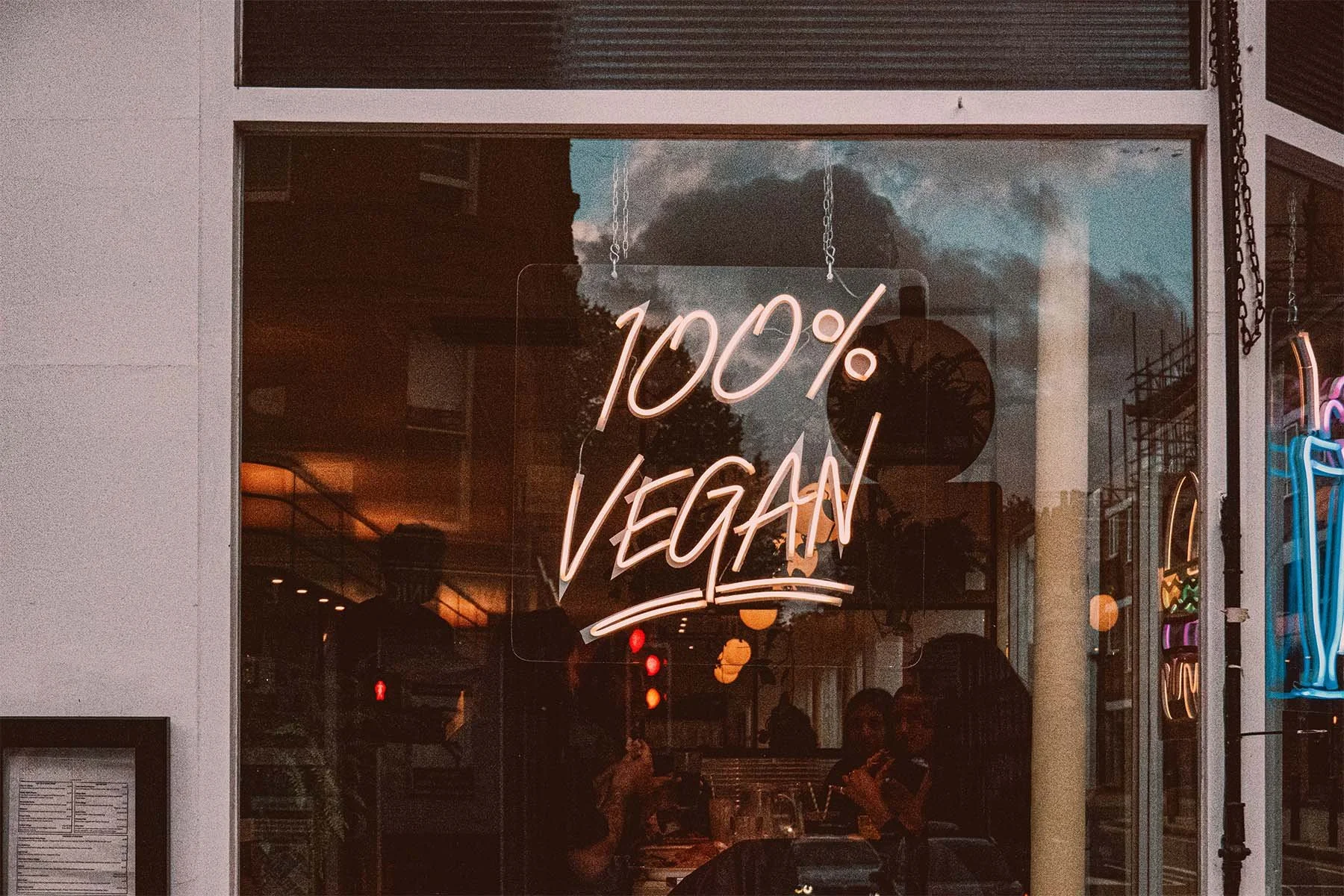
Denise Brown shares how choosing a plant-based lifestyle transformed her health, values, career, and perspective on compassion.
What if one everyday choice had the power to affect your health, the environment, and the lives of other living beings?
That realization didn't happen overnight for Denise Brown. She grew up eating meat, became a vegetarian in college, and years later transitioned to a fully plant-based lifestyle after questioning beliefs she had long accepted without thinking.
Denise shares the experiences that shaped her perspective, from growing up in an abusive home to leaving a successful corporate career in search of a life that better reflected her values.
She explores the differences between vegetarianism, veganism, and plant-based eating while tackling common nutrition myths and the social realities of living differently.
Listen to Denise Brown’s Interview
Watch Denise Brown’s Interview
Why Plant-Based Living Is About More Than Food
Brandi Fleck: Welcome back to another soul-exposing exploration of what it means to be human.
This week's guest is Denise Brown, a public speaker who spreads the word about plant-based diets, also known as veganism.
Now, I know that the food we eat seems to be a very personal choice, but what I want you and me to both think about today, to expand our worldview and consciousness, is that our diets are not personal choices. Our food choices have an impact on lives beyond our own individual selves in a huge way.
While I eat meat and junk food in addition to fruits, veggies, and grains, there's merit to making modifications because it's the right thing to do, even if we don't go completely vegetarian or vegan. Modifications are possible.
The right thing to do is not always easy, and it's not always comfortable. But what's so important about this episode is that Denise explains the impact of some of our diet choices. Once you know the impact, it's hard to ignore.
There is life outside of our own lives, and as humans, we care about that life, but we don't always act like it. We're not perfect, but we can start small and improve from there.
Denise is a great inspiration for our starting point, and here's why. She wasn't always a vegetarian. She details in this episode the evolution of her mindset that started her journey through vegetarianism that evolved into veganism.
She raises her teenage son with the same compassion that sparked her plant-based journey, and he is vegan as well. Throughout this episode, she mentions that he is 12, and he was at the time of recording, but has since turned 13.
So happy belated birthday. Denise and her son both excel at sports without eating meat. She's actively involved in the Nashville Roller Derby, and her son plays varsity basketball for his school.
Denise goes in depth about the difficulties she and her son have faced while following a plant-based diet, including social isolation, and also talks about the benefits to animals, our health, and our environment.
Denise also left the corporate world after 10 years to pursue a more compassionate lifestyle that is more fulfilling to her, something we all think about, and she tells us how she did it. That's a huge leap.
She works for the Music Kitty Cafe, where you can have a coffee or a sweet treat, relax, and pet some kitties that are up for adoption. If you love cats, she tells you how to go check it out.
Right now, we are in the middle of several weeks' worth of an Human Amplified exploration of the impact the arts, the humanities, food, and education have on our human condition and how interacting with those areas shapes our human lives.
We're thinking about what is our nature once mere survival is taken care of. Not only do we create, build, live, and try to find joy in our daily activities to elevate our existence, but we have the ability to choose what we do and consume.
I was watching an original Netflix documentary the other day about monogamy and polyamory because these are systems we put in place for ourselves in society, and we're going to have some really fun upcoming episodes on these topics.
One of the people in the documentary said that what's interesting about humans is that we can choose to live in a way that is not our nature. We can choose to do what is unnatural.
This is related to today's episode about our diets because I would argue that it's our nature to choose how we want to live, but what we choose becomes what is "natural" over time. What's natural to humans changes. We can change it.
For now, and without further ado, let's hear from the compassionate, brilliant, and beautiful Denise Brown.
Hi, Denise. Welcome to the show. I am so excited to have you here today because not only are you an expert on plant-based diets and how they can add to our health and the planet's health, but you're also in the Nashville Roller Derby, and you work at the Music Kitty Cafe. I just want to hear all about it. I think it's so interesting. So how are you doing today?
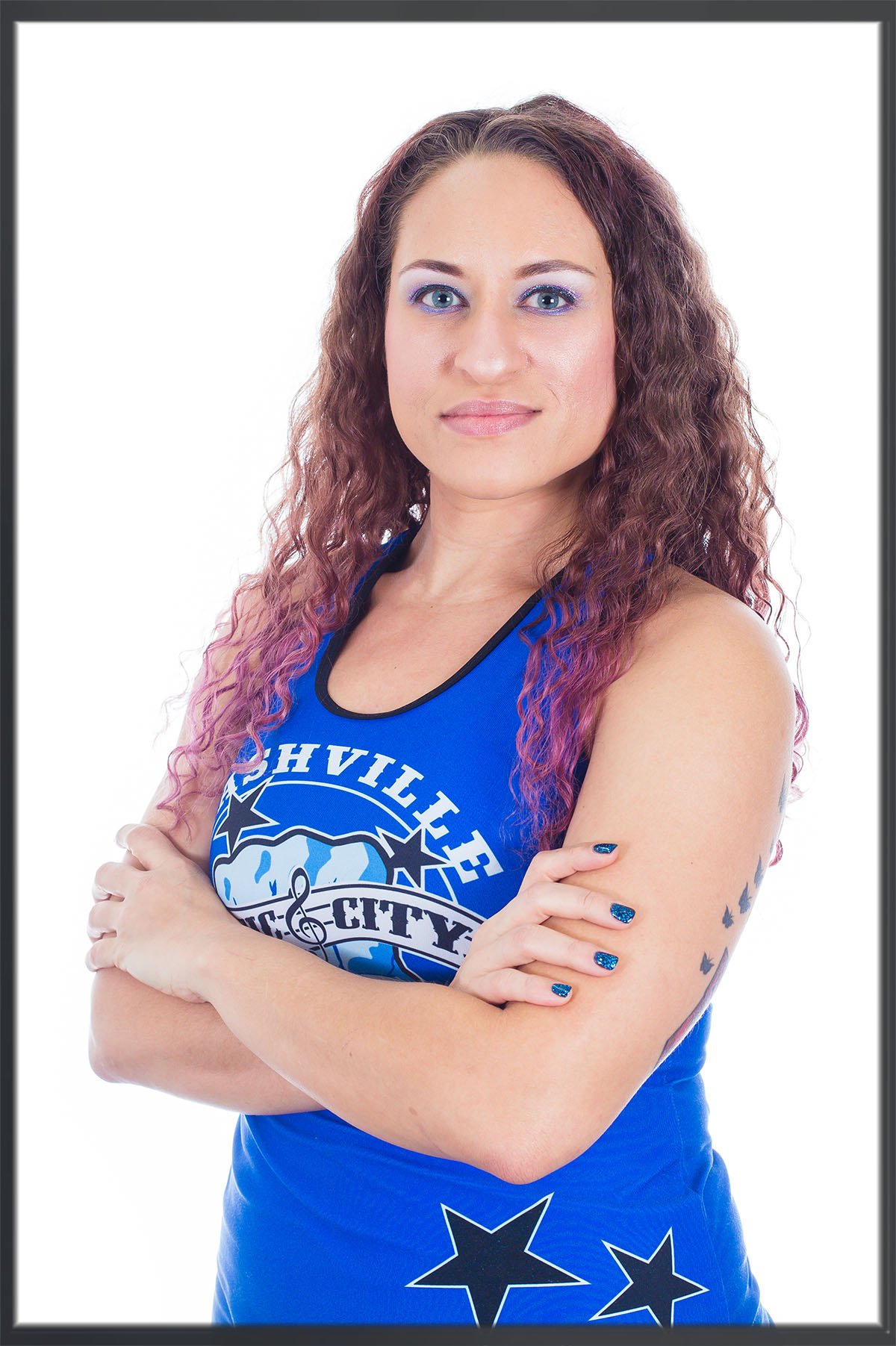
Denise Brown: I'm good. I'm so excited to be here. Thank you so much for having me. I'm really excited about this, so thank you.
Brandi Fleck: Great. Well, let's start with, what does being human mean to you?
Denise Brown: Oh gosh. I've been thinking about that for a while because it's a loaded question. But I think, for me, being human, if you want to boil it down, comes back to just being authentic and being your true self, which I know sounds kind of easy, but I think that in today's world it's actually very hard. We're constantly comparing ourselves to other people.
So for me, being human is being as real as I can be and being true to who I am. I feel that way because I think the more authentic people are, the happier they are and the better, more positive things they can do in the world.
Taking all the details away, if I had to define it, I would definitely say being authentic is what being human means to me.
Brandi Fleck: That's awesome. I like it. I do.
What is the most important thing to you, and how do you approach life?
Denise Brown: Oh gosh. That's another hard one. There are so many things that are important. It's life, and things are always changing. But again, if I had to define it, I would definitely say the most important thing to me is love.
I don't mean romantic love or anything like that. I say love because that applies to so many different things, like self-love, love for others, love for humanity, this world, your hobbies, all of that stuff.
Throughout my life, when I find myself in a difficult situation or if I have a decision, I always try to approach it in the most loving way possible, whether that means I need to put myself first or put myself in someone else's shoes.
That's how I typically try to approach most things in my life, especially if I have to make a difficult decision or something like that.
Brandi Fleck: Absolutely. Yeah, that makes a lot of sense. I agree very wholeheartedly. I try to do the same type of thing.
Growing Up with an Abusive Parent
That brings me to, and this is a big one, but can you just tell us your life story? I want people to really get to know you. What was life like growing up, and how did you become the person you are today?
Denise Brown: Okay. Well, yes, that is a very big question.
I think, like most people, I had a pretty difficult life growing up. I was born in California, but I moved all over the place, and not for any real valid reason. My parents just constantly moved around.
When I was young, they went through a very horrible divorce, so I kind of bounced back and forth between my mom and my dad. My dad was a pretty abusive guy, lots of anger issues and trauma from that.
We moved around a lot as a family. I even lived overseas at one point in the Middle East with my mom.
Brandi Fleck: Oh, cool.
Denise Brown: Yeah, which was a great life experience. It really put a lot of things into perspective for me. I got to meet a bunch of people from all over the world, so it was kind of a cool time in my life.
Then, I would say sophomore year of high school, I moved back with my dad and my brother, who's about five years younger than me.
It was a really hard time in my life, from sophomore year all the way until I graduated because, like I said, my dad was very abusive, and you never knew what would trigger him. We were constantly walking on eggshells.
I was an older sister, so I had to look out for my brother, which definitely defined who I am today. I'm very much a caregiver and want to take care of others, so that was kind of my high school experience.
When it came time to pick out a college, of course I wanted to get far away, so I moved to the farthest school I could in Florida, which was Florida State in Tallahassee.
I ended up having my son very young. He's 12 years old now. I did graduate college, thankfully, and had him shortly after that, but I kind of just fell into the typical rat race from there. I wanted to get the best job that I could to provide for him, and that kind of led me into the corporate world for a really long time, where I was with the same company for about 10 or 11 years. That was also in Florida.
Then, just recently, I kind of gave all that up and decided to move to Tennessee, where I'm at now in Nashville, so that I could live closer to my mom's side of the family, which has been a great support system that I have here.
We've been here now about two years and just living life. That's kind of a big summary, I know, but that kind of sums it up, I think, when it comes to my life.
Brandi Fleck: Okay. Well, I've definitely had some similar experiences with having to walk on eggshells, and I can sort of relate to what you're saying there.
How do you think that has informed your prioritization of love and approaching life in a loving way like you described?
Denise Brown: It's definitely shaped who I am as a parent and even as a partner because, even though my dad was abusive, I knew that he loved us. It was him not being able to manage his anger and not having good examples for himself.
With my family and my son, I try very hard, not to overdo it, but at least let him know that the love is always there, even if I'm angry or if I'm disappointed or whatever. We'll have that conversation, but then I explain to him, "I feel this way because I love you, and I want what's best for you."
I try very hard to, I wouldn't say overcompensate, but I do try to keep what I say in mind because I remember my past and how I was brought up and walking on eggshells. That's not fun for any kid or anyone.
I try really hard to make wherever I'm at a comfortable environment and a loving environment where we can be mad at each other, we can make mistakes, but at the end of the day we all still love each other. That's really how I approach a lot of different things, but especially in my own home.
Plant-Based Diet vs. Vegan Lifestyle
Brandi Fleck: As part of setting the example that you want to set, and I know that you're an expert on plant-based diets and you also choose that lifestyle for yourself, is that sort of an example that you set for your son? Is that part of that?
Denise Brown: Yeah. I know we're going to talk about it, but all of this stuff ties back into a plant-based diet because, however you want to call it, whether you want to call it a plant-based diet or a vegan lifestyle, it's really a lifestyle where you're committed to being compassionate and not harming others, which I think is the biggest reason for me why I've gone down this path.
Yeah, it's a huge factor in the way that I live and the way that I parent because it just makes the most sense to me. Even when it comes to our food, why cause harm if we don't have to?
Absolutely, it even comes out in my diet that I really want to live a life of compassion and not harming others, which goes back to a plant-based diet.
With my son, that's something that he's been raised with his whole life as a vegetarian, but I constantly am checking in with him, like, "How do you feel about this? Do you feel like you want to keep doing this?" Because I want him to make that decision one day on his own.
If he ever wanted to change his diet, I want him to know that he could do that and I wouldn't be mad at him. I want it to be his decision, whereas when I was growing up, everyone just ate meat because that's what everyone else knew, and no one ever really challenged it.
Knowing what I know, it just makes sense for me to raise my son in this compassionate life that we have. So far it's been working, and he's on board. He's never expressed any interest in wanting to change it, so I think we're all doing the right thing for us right now, at least.
Brandi Fleck: Awesome.
You touched on something that I'm sort of curious about. I know that when we've talked before this episode, we've called it a plant-based diet, but then you mentioned a vegan lifestyle.
I'm interested in the semantics. Why refer to it one way as opposed to the other, and what's behind that?
Denise Brown: I love that. I love that question because it's something I struggled with as well.
My main job is that I go and present to a lot of different audiences about the benefits of plant-based dieting as it pertains to our health, the environment, and animals. I talk about a lot of different things related to that.
One of the struggles I had was that the company I work for told us to emphasize plant-based diets because there are a lot of reasons why.
One of the biggest misconceptions is that a lot of people think vegans are healthy, and that's not always the case. There is a ton of vegan junk food that you can eat, like ice cream, Oreos, even certain Doritos.
Just because someone is vegan doesn't necessarily mean that they're healthy or that they're doing the best they can for their health.
A plant-based diet is more centered around not only excluding animal products but also eliminating processed food, which is very, very common. More whole plant foods are what a plant-based diet is.
Whereas veganism is more about cutting out animal products but still eating junk food and things like that.
Veganism is more of a lifestyle because it not only pertains to food but also not buying clothing that might have animal products or buying products at the store that are cruelty-free.
It's a lot more than just a diet, and that's really the key difference between the two.
I try to identify with both. I'm actually trying to shift more. I'm trying to clean up my diet as well because, even though I would identify as a vegan, I'm trying to eat healthier and more plant-based foods so I can have better health for myself.
Brandi Fleck: Well, that's all very interesting to me. I never knew the difference, so thank you for explaining that.
How Denise Brown Became Vegetarian and Then Vegan
You had mentioned that you just grew up eating meat. How was a plant-based diet introduced to you?
Denise Brown: You know, it's weird for me, and I don't know how most kids are, but I know that when I was younger, I loved animals. I used to want to be a vet. I would volunteer at animal shelters and at vet clinics. I knew that I wanted to do something with animals.
I used to volunteer at a vet clinic, and I got to watch a dog get spayed. I nearly threw up everywhere. I was like, "I cannot be a vet or do anything with blood."
But I still always really loved animals.
When I was about middle school age, I started to question why I loved my cat, but we would eat a chicken or eat a cow. I started questioning that when I was in elementary school or middle school. It was always a question in the back of my head.
I made several attempts to go vegetarian on my own, just eating everything else but the meat part of whatever my mom or my family made. I didn't have a job. I was a middle schooler, so it didn't stick very well or for very long.
It was always something that I questioned on my own. No one ever really taught me that or talked to me about it. It just made sense to me.
It wasn't until I actually went to college that I made the decision that I was not going to eat any more meat, and that's when I became a full vegetarian.
Back then, it wasn't very hard. Being a vegetarian was very easy for me because I was barely eating meat anyway, so it was really just cutting out the things that I really liked. That was a decision I didn't fully make until college, though.
Brandi Fleck: Okay. Before that, it just kind of made sense to you.
You said it was sort of easy, but when you cut out the things that you liked, were there emotions that came up? Were there physical changes that occurred?
Denise Brown: I definitely noticed a change when I switched to a completely vegan or plant-based diet. I definitely noticed a big change then, physically as well as emotionally. It was a deeper connection when I made that transition.
Brandi Fleck: When was that transition?
Denise Brown: That was actually only a couple years ago. I'm approaching about two years.
One of the biggest regrets I have is not doing it sooner, honestly, which I think is where the emotions come in. But yeah, it's only been a couple years.
Brandi Fleck: Okay. What were those changes that you just mentioned? You said a deeper connection, but could you expand a little bit on that?
Denise Brown: Definitely.
When I decided to completely cut out any animal products, I mean, when I was a vegetarian, I used to make fun of vegans.
I remember I used to work with a guy who was vegan, and he had these PETA signs around his desk. I would be like, "I'm never going to be like that guy. He's so judgmental. He thinks he's better than all of us," kind of that stereotypical vegan.
Looking back, I feel awful. I can't believe that I ever judged somebody for not wanting to hurt animals.
I think the biggest difference for me has been the emotional one because I look back, and I used to make excuses like, "Oh, I'm vegetarian. I'm not hurting anyone. I'm not killing any animals. The animals are still alive."
Now that I know what I know now, I look back and I feel so ignorant. I feel embarrassed. I feel almost ashamed of having those thoughts.
Now it's like I feel it's all around me. Everywhere you go, you see commercials for animal-based products or billboards advertising all sorts of meat items, and I just see it everywhere.
It's almost overwhelming how sad it is that we, or the majority of Americans at least, get a big portion of their diet from killing other animals.
To know that I was a part of that, or not helping as much as I could, when I first transitioned I was really, really sad for a long time.
My partner can vouch for that. I would get really depressed and cry sometimes because I couldn't believe how ignorant I was. You want to share this information with everybody, but people are so set on their diets. It's really hard.
It was a big emotional struggle. Now I feel like I'm lucky to have a job where I can advocate for this lifestyle, so that kind of gives me an outlet. But when I first transitioned, I didn't have that outlet, and it was really hard emotionally, for sure.
Brandi Fleck: Gotcha. Well, I think it's really brave of you to say those things and share those things, and really sort of introspective, too. That's awesome.

Benefits of a Plant-Based Diet for Health
Now I would love to pivot into some of the benefits. What are all of the benefits of a plant-based diet?
Denise Brown: Oh my gosh. I could go on and on and on about the benefits of plant-based dieting.
It can impact anything you can think of, from our health to the environment, and also animal welfare.
There's a lot that people don't realize. Their food is causing a lot of health-related diseases, plus impacting the environment in more ways than a lot of us know.
I could go on and on about it, but the top diseases that we have in our country go back to the foods that a lot of Americans eat.
If you think about it, most of the foods that make up the standard American diet are high in saturated fat and high in cholesterol. Those two things alone clog up our arteries, which causes a ton of different problems like heart disease, strokes, and even Alzheimer's disease.
Health-wise, there are a lot of reasons to switch to a plant-based diet.
Environmentally, animal agriculture is by far the biggest contributor to some of the most serious threats that we're facing, like climate change, ocean pollution, and a whole slew of different problems come from the modern farming that we have.
I think that's one of the biggest misconceptions that a lot of people have. When they think about farming, they still picture big open fields and big red barns, and that's simply not the case anymore.
We have these huge farms that have popped up that will easily have up to a million animals on site.
Brandi Fleck: Oh my goodness.
Denise Brown: Yeah. When you have that many animals on site, think about how much waste piles up, all the water needed, all the natural resources needed.
Not to mention, on top of all of this, most of the grain that we grow on our planet goes to feeding livestock, which is very, very inefficient when you think about how many people on our planet are facing hunger and starvation.
I really wish more people would look into this and research this because just by changing up your diet, we can address a whole ton of different issues, from our health to the environment, as well as animal welfare.
A lot of people are also starting to realize how these animals are treated on these farms, where they're often in really horrible conditions. They're confined and often born with a lot of deformities, and they have very short lifespans.
When you take all of that into consideration, the biggest answer that we have just goes back to diet, which I think a lot of people don't realize.
I think that's kind of powerful in a way. You can control a lot of things just by the food that you eat.
Brandi Fleck: Yeah.
Denise Brown: I know that's kind of a long answer, but there's just so much that goes into it that a lot of people don't realize.
It's something I didn't realize either until very recently because I was a vegetarian because I love animals, and I kind of made that connection.
It wasn't until the past couple of years that I also realized how much animal agriculture is damaging our environment, and that's also really scary.
Brandi Fleck: Yeah. That's a lot to think about.
Denise Brown: It is a lot, and I can go on and on about it.
There's so much information out there where people can look it up and read these facts, but people have to want to look that information up and really take it in.
Brandi Fleck: Change can be a little difficult. One of the big things that I want to focus on in life is starting to change the systems that no longer serve us.
And it seems like this is one of those areas where, like you said, if people just took the time to look into it and realize what was happening, we could so easily change something by just setting our minds to it.
Denise Brown: Oh, yeah. Just because something's been a certain way for so long doesn't mean it has to stay that way.
Brandi Fleck: Right.
Denise Brown: Absolutely. Even when I was a vegetarian, there weren't as many options as there are today. Now you can go to almost any restaurant or any grocery store, and there are tons and tons of plant-based options.
I always say that if you really like something that's animal-based, like ice cream, there are a ton of non-dairy ice creams out right now. You can go to any store and still get the food that you like. It just requires kind of retraining your brain in a way, or being aware of other things that are out there.
Just keep your eyes open. It's a lot easier today than it used to be, even just five years ago.
Brandi Fleck: Sure.
To go back a little bit on some of the things you said about how, just by changing our diet, we can sort of change problems that are going on with our planet, thinking in terms of healing our bodies through a plant-based diet, how does that relate to healing the planet? What are some concrete examples of how it's connected?
Denise Brown: When people are healthier and more aware of what they're putting into their body, they also start to care more about the world around them, if that makes sense.
That's what happened for me. Even when I was a vegetarian and still eating ice cream and eggs, I was very much concerned about me. I was like, "I need to eat this. I love that. Ice cream is my happy food."
It wasn't until I decided to cut that stuff out and started researching more that I realized, "Oh my gosh, we have all these problems on our planet. What can I do about that?"
Being more aware of the foods that I was putting into my body, I started to become more concerned about our planet and the environment as well.
Even if you didn't care about that stuff, if you just cut back on your animal product intake, you would still be helping out our planet because there are so many statistics and so many facts that show or prove that animal agriculture is really the single biggest contributor to a ton of environmental problems, especially climate change, which is a really, really big hot topic right now.
A lot of people don't realize that animal agriculture is contributing more greenhouse gases than any other industry out there.
If we want a future on our planet, even a change in climate by two degrees can have a ton of huge effects. If we don't want that stuff to happen, we have to start thinking about the food that we're eating.
I think when we start thinking about those things, not only will our health improve overall, but we can also feel better knowing that we are helping the environment and helping our planet so it doesn't have to keep going in this horrible direction that we're going.
It's starting to get scary. Scientists and experts are starting to give us very real timelines, and it's within our lifetime.
Just knowing all of that, by shifting our diet, it helps so many things. It's really unquantifiable how much it can help.
Brandi Fleck: There are so many complex things that go into it.
I want to get into a little bit of the social impact of going against what's mainstream right now.
Social Challenges of Being Vegan
You mentioned that your son has been a vegetarian for his whole life and that he has recently gone plant-based. How do you help him maintain that lifestyle in our society, which is largely the opposite?
Denise Brown: Him being a vegetarian was so much easier than it is for him to be plant-based because there are a lot of things he does.
Inside our home, no problem. But when he's out with friends or family, he plays basketball at his middle school, so they have a ton of team events.
There are a lot of social things that he does where people have no idea what a plant-based diet is. It's just normal for them to have pizza, hamburgers, hot dogs, and tons of food that my son can't eat.
I would say that we do our best here at home to make sure that if he has a big event or a basketball game, we go out of our way to make sure that he has something he can eat.
Even if he's not bonding with the team in that moment, he'll just say. My son is very shy, so he doesn't like a lot of attention on himself. We've worked on different things he can say, like, "Oh, that upsets my stomach," or, "I don't want to eat that before a game."
He has things that he can say that don't come across as being rude or announce to everyone that he's a vegan.
Really just giving him those tools, and then also making sure he has plenty of food he can eat, has been some of the challenges we're still working through.
It's not always easy. Sometimes he eats junk food when he's out because that's all there is.
It's still something that he wants to stick with. I hesitate with him because he's only 12, and I want him to one day be confident enough to say, "This is who I am, and I choose to do this."
At the point he's at right now, it's very hard. Kids want to fit in. He doesn't want to stand out. He wants to be part of the crowd.
It's been a bit of a struggle with that, but I think just checking in with him, talking about it, and working through different situations so he knows what to say if it ever happens has been a big game changer for sure.
Brandi Fleck: Great. A lot of great takeaways there for our listeners, and we'll list all those out in the show notes for sure.
I want to ask, too, it sounds like it could be lonely. Do you find that it's lonely for him? Do you get lonely in this lifestyle?
Denise Brown: I would say that I definitely do experience loneliness because of this lifestyle.
With my son, I don't really get that impression. He has a lot of friends. He's been doing basketball, so he has those connections and friends in the neighborhood. He's still very active, and he has his friends all over the place. He plays video games and all that, so he has a pretty active social life.
If I had to guess, I would say that he doesn't experience that loneliness. I think with him it's more not wanting to appear different when he's with his friends.
Whereas with me, I'm very vocal about it. I'm like, "This is me. I'm plant-based. I'm vegan."
It does cause me to sometimes feel very isolated because most of our planet are not vegans. A lot of people, I think, and I try very hard not to come across as judgmental or condescending or anything. But I think a lot of people, just knowing that I'm vegan, are scared to eat around me or scared to say something.
It's come up a few times in different conversations where people will tell me they're scared to order what they normally order if we're out to eat.
Brandi Fleck: Yeah.
Denise Brown: I always tell them, "Please do whatever you want."
It can be a challenge in social settings.
Not only that, if I'm being a little selfish here, it is hard being a vegan sometimes, especially because you care about animals.
I think that's one of the biggest concerns or issues that I have when it comes to connecting with other people.
Everybody loves animals, right? Everybody loves animals. Everybody will typically have a cat at home or a dog at home or have had a pet at some point in their life.
When you ask people if they love animals, they'll say, "Of course I do. Who doesn't love animals?"
But then you see them eating a burger, and as a vegan, I'm like, "Why can't these people make that connection?"
That's where I isolate myself.
Brandi Fleck: This is one of those areas where, like you said, if people just took the time to look into it and realize what was happening, we could so easily change something by just setting our minds to it.
Denise Brown: Oh, yeah. Just because something has been a certain way for so long doesn't mean it has to stay that way.
Absolutely. Even when I was a vegetarian, there weren't as many options as there are today. Now you can go to almost any restaurant or grocery store, and there are tons and tons of plant-based options.
I always say that if you really like something that's animal-based, like ice cream, there are a ton of non-dairy ice creams out right now. You can just go to any store and still get the food that you like. It just requires kind of retraining your brain in a way, or being aware of other things that are out there.
Just keep your eyes open. It's a lot easier now than it used to be, even just five years ago.
Brandi Fleck: Sure.
To go back a little bit on some of the things you said about how, just by changing our diet, we can sort of change problems that are going on with our planet, thinking in terms of healing our bodies through a plant-based diet, how does that relate to healing the planet? What are some concrete examples of how it's connected?
Denise Brown: When people are healthier and more aware of what they're putting into their body, they also start to care more about the world around them, if that makes sense.
That's what happened for me. Even when I was a vegetarian and still eating ice cream and eggs, I was very much concerned about me. I was like, "I need to eat this. I love that. Ice cream is my happy food."
It wasn't until I decided to cut that stuff out and started researching more things that I realized, "Oh my gosh. We have all these problems on our planet, and what can I do about that?"
Being more aware of the foods that I was putting into my body, I started to become more concerned about our planet and the environment as well.
Even if you didn't care about that stuff, if you just cut back on your animal product intake, you would still be helping out our planet because there are so many statistics and so many facts that show or prove that animal agriculture is really the single biggest contributor to a ton of environmental problems, especially climate change, which is a really, really big hot topic right now.
A lot of people don't realize that animal agriculture is contributing more greenhouse gases than any other industry out there.
If we want a future on our planet, even a change in climate by two degrees can have a ton of huge effects. If we don't want that stuff to happen, we have to start thinking about the food that we're eating.
I think when we start thinking about those things, not only will our health improve overall, but we can also feel better knowing that we are helping the environment and helping our planet so it doesn't have to keep going in this horrible direction that we're going.
It's starting to get scary. Scientists and experts are starting to give us very real timelines, and it's within our lifetime.
Just knowing all of that, by shifting our diet, it helps so many things. It's really unquantifiable how much it can help.
Brandi Fleck: There are so many complex things that go into it.
I want to get into a little bit of the social impact of going against what's mainstream right now.
You mentioned that your son has been a vegetarian for his whole life and that he has recently gone plant-based. How do you help him maintain that lifestyle in our society, which is largely the opposite?
Denise Brown: Him being a vegetarian was so much easier than it is for him to be plant-based because there are a lot of things he does.
Inside our home, no problem. But when he's out with friends or family, he plays basketball at his middle school, so they have a ton of team events.
There are a lot of social things that he does where people have no idea what a plant-based diet is. It's just normal for them to have pizza, hamburgers, hot dogs, and tons of food that my son can't eat.
I would say that we do our best here at home to make sure that if he has a big event or a basketball game, we go out of our way to make sure that he has something he can eat.
Even if he's not bonding with the team in that moment, he'll just say...
My son is very shy, so he doesn't like a lot of attention on himself. We've worked on different things he can say, like, "Oh, that upsets my stomach," or, "I don't want to eat that before a game."
He has things that he can say that don't come across as being rude or announce to everyone that he's vegan.
Really just giving him those tools, and then also making sure he has plenty of food he can eat, have been some of the challenges we're still working through.
It's not always easy. Sometimes he eats junk food when he's out because that's all there is.
It's still something that he wants to stick with. I hesitate with him because he's only 12, and I want him to one day be confident enough to say, "This is who I am, and I choose to do this."
At the point he's at right now, it's very hard. Kids want to fit in. He doesn't want to stand out. He wants to be part of the crowd.
It's been a bit of a struggle with that, but I think just checking in with him, talking about it, and working through different situations so he knows what to say if it ever happens has been a big game changer for sure.
Brandi Fleck: Great. A lot of great takeaways there for our listeners, and we'll list all those out in the show notes for sure.
I want to ask, too. It sounds like it could be lonely. Do you find that it's lonely for him? Do you get lonely in this lifestyle?
Denise Brown: I would say that I definitely do experience loneliness because of this lifestyle.
With my son, I don't really get that impression. He has a lot of friends. He's been doing basketball, so he has those connections and friends in the neighborhood. He's still very active, and he has his friends all over the place. He plays video games and all that, so he has a pretty active social life.
If I had to guess, I would say that he doesn't experience that loneliness. I think with him it's more not wanting to appear different when he's with his friends.
Whereas with me, I'm very vocal about it. I'm like, "This is me. I'm plant-based. I'm vegan."
It does cause me to sometimes feel very isolated because most of our planet are not vegans.
A lot of people, and I try very hard not to come across as judgmental or condescending or anything, but I think a lot of people, just knowing that I'm vegan, are scared to eat around me or scared to say something.
It's come up a few times in different conversations where people will tell me they're scared to order what they normally order if we're out to eat.
Brandi Fleck: Yeah.
Denise Brown: I always tell them, "Please do whatever you want."
It can be a challenge in social settings.
If I'm being a little selfish here, it is hard being a vegan sometimes, especially because you care about animals.
I think that's one of the biggest concerns or issues that I have when it comes to connecting with other people.
Everybody loves animals, right? Everybody loves animals. Everybody will typically have a cat at home or a dog at home or have had a pet at some point in their life.
When you ask people if they love animals, they'll say, "Of course I do. Who doesn't love animals?"
But then you see them eating a burger, and as a vegan, I'm like, "Why can't these people make that connection?"
That's where I isolate myself because you want people to see the truth, and you want people to make that connection. But at the end of the day, there's only so much you can say or do. Everyone has to make their own choice.
So it can be a little isolating, for sure.
Brandi Fleck: Sure, sure. So how would you recommend combating that to someone who is new to a plant-based diet or is not sure how to navigate that experience?
Denise Brown: I'm part of a lot of different vegan groups on Facebook, which is a great resource. There are tons of groups out there if you're interested in this lifestyle or diet. Facebook is a great community to plug into.
I think that's a common question. A lot of people are new to the diet or the transition, and maybe their partner's not on board, or their family's not on board, or even their family gives them a hard time about it.
That's a very common situation for a lot of people who are transitioning.
My advice would be, if you're going to go to a social setting, either eat beforehand or look at the menu ahead of time so you know what options you have.
If someone's not open to hearing about it or they're giving you a hard time, I think the best thing that you can do is just stay in your lane, do what's best for you, and avoid that confrontation because, in my experience, people get very defensive about their diets and they don't want to change.
I think the best thing that you can do is don't engage in those conversations unless they come to you.
I think that's where a lot of families or individuals have conflict, when they try to talk about why they're vegan or why people need to change. Unless someone's willing to hear it, it's just going to cause an argument or some issue.
I say try to avoid those things if possible, and just be as prepared as you can be for any social situation you might be going into.
Brandi Fleck: Well, that is definitely good advice.
Plant-Based Protein for Athletes and Kids
I'm going to ask you for a little bit more advice here. For people who are concerned about protein intake and being athletic, as a member of the Roller Derby here in Nashville and with your son being active in basketball at school, what do you have to say about that?
Denise Brown: Oh gosh. That's kind of a joke with vegans. Everyone will ask where we get our protein, and it's kind of just a running joke in the community because we get it from the same place animals get their protein.
Animals eat grass. They eat grain. They get all their protein from plants, and I think a lot of people miss that or kind of skip over it.
The protein they're getting from an animal is simply recycled protein in a way.
Everything we eat from any plant source, even pasta, almost everything contains protein. You don't have to get it from an animal.
As long as you're eating a well-balanced diet, obviously if you just eat French fries all day, yes, those are potatoes and they're plant-based, but they're not going to have a lot of nutrients.
If you're eating something from every food group and getting enough calories for your intake level, then you're easily going to get the right amount of protein for your body.
It's interesting because, in America, we tend to get too much protein, almost double the amount that we need, because we have very meat-heavy diets.
A lot of people think you need a bunch of protein to build muscle and all that stuff, and it's simply not true. The daily recommended amounts are actually pretty low.
If you're trying to build muscle, you might need to bump that up a little bit, but again, as long as you're eating a well-balanced diet, you're easily going to get whatever amount you need.
It's also interesting because, cup for cup, a cup of black beans will typically have more protein than a serving of steak.
You can still get these high-quality amounts of protein in other foods, but we've just been conditioned or trained to think that the only way to get protein is from meat, which really isn't the case.
My son is 12 years old, and I love to throw him out as an example because he's taller than me now. I'm 5'7", so he's probably about 5'9" or 5'10".
Brandi Fleck: Wow.
Denise Brown: Yeah, he's really tall for his age. He's never had any health problems, knock on wood. He's always been super healthy. We only go to the doctor for his wellness visits or something like that.
He's a kid who's never had meat, and he's athletic and all that stuff.
I even say kids don't have to worry about that either. They're definitely going to get the nutrients they need as long as you're not just giving them junk food, which any diet should avoid.
Brandi Fleck: Yeah. That makes a lot of sense. Let's pivot to this huge topic of following your dreams.
Following this diet seems like a part of who you truly are as a person. It supports what you really stand for in your life.
It seems like you also believe in creating change, and it takes a lot of bravery to do that and to go against the mainstream to create that change you so strongly believe in.
Leaving Corporate Life to Find Meaningful Work
Part of that, that you mentioned earlier, was leaving the corporate world to have more of a lifestyle that supports your true self.
Can you tell us how you left the corporate world and made that leap?
Denise Brown: Basically, yeah. It's something I love to talk about because I think, like most people, I graduated college and had a couple of entry-level jobs. Then I landed the one that I was in for 10 or 11 years with a great company.
I loved my coworkers and working there. There were tons of great benefits. It was a really great company to work for.
But at the end of the day, especially my last few years there, I would leave feeling very unfulfilled. I would dread going to work the next day. I had no motivation. My energy levels were so low.
The only thing I liked about going to work was seeing my coworkers.
There was a lot of stuff going on in my life at the time, but my son was in elementary school and was going to have to go to middle school, which in Florida meant changing schools.
I was thinking, "Now's the time. If I'm going to move, I need to move."
Something just told me that I needed to move closer to my mom's side of the family. They live near here, and it was something I always wanted to do because we were so isolated. We were the only part of the family that was in Florida.
For me, being around family is important. I always had this nagging feeling that I was going to do it.
I didn't really have a plan or a job lined up, but I decided to take the plunge.
We came up here, and I did have a job when we got here, just another desk job. I was like, "Oh God, I don't want to be doing this again. This is not why I moved."
One day I just had it. I was at this job for a couple of months, and I quit. I walked out.
It probably wasn't the best move of my life, but I was completely done with the corporate world. I was like, "I did not move from Florida to come up here and just have another desk job."
I kind of took a leap of faith, and thankfully I had some savings to get me by, but it took me a while.
During this whole time is also when I had kind of started to fully transition to being completely plant-based, or vegan.
I was reading all this stuff about it, and I don't know if it's the way the internet works or what, but I came across the job posting for the job I have now.
As soon as I read about it, I was like, "I have to apply. This has to be for me."
I went through the interview process and all that, and when they offered me the job, it was amazing. It felt like everything was falling into place.
Even now, I still feel that way. I'm so excited to do what I do and to talk about things that I'm passionate about with other people. I can't even tell you how much that means to me.
It's something I wish more people did.
I meet so many people who are so unhappy. They go to a job because it's financially secure or because it fits their life, but they're not happy.
That's definitely where I was, and I'm just so grateful to not be there anymore, if that makes sense.
Brandi Fleck: Oh yeah, absolutely.
I think that's true. It's just a normal thing for people to dread going to work every day.
I love that you're an example that you don't have to be that way.
I believe that if people took more leaps of faith and demanded that we all have fulfilling lives, eventually things would change.
We don't have to settle for lives that don't serve us. Maybe they do serve us in ways of stability and the paycheck is there, but there are other ways to make those things happen.
Nashville Cat Cafe and Roller Derby Life
Thanks. Can you tell us a little bit about the Music Kitty Cafe here in town? What can folks do there?
Denise Brown: Oh yes.
I have my main job where I talk about plant-based diets and stuff, but on the weekends I also work as a shift supervisor for Music Kitty Cafe, which is exciting.
It's the very first cat cafe in the state of Tennessee.
Brandi Fleck: That's awesome.
Denise Brown: They're opening a few more, but they're the first ones to officially open. They're approaching one year this April, so it's exciting.
Basically, it's a cafe where people can come in and have coffee, hot tea, and we also sell pastries from local companies. They have to drop them off because we're not allowed to prepare anything in the actual area because there are cats there.
We try to keep about 18 cats at a time, and they're all adoptable.
We work with a local nonprofit, Nashville Cat Rescue, and they're amazing to work with. They bring us cats, and if somebody falls in love with one, they can adopt them right there and take them home.
We actually just reached our 100th adoption recently, so that's kind of exciting.
It's a really, really great way for cats to find their home. It's another really rewarding job.
Brandi Fleck: That's awesome. I love Nashville Cat Rescue, too. I follow them on Facebook and love it.
Denise Brown: Oh, cool.
Shout out to them. They're a foster-based nonprofit, so they don't have a physical location.
Before Music Kitty Cafe started, their cats would be listed online through Petfinder, and if you wanted to meet one, you would have to go to the foster's house. Or they would be at PetSmart, where they do a rotation with the cats.
Music Kitty Cafe is their first permanent space where the cats have a home until they get adopted.
It's nice that the cats have this temporary space they can call their own until, hopefully, someone falls in love with them and takes them home.
Brandi Fleck: Yeah, it's really cool. It sounds really cool.
Also, the Roller Derby is just awesome. Can you tell us a little bit…
Brandi Fleck: About how long have you been in roller derby, and what are the bouts like? What do you love about it?
Denise Brown: Gosh, that's a whole other subject that I could go on forever about as well, but I love roller derby.
I'm in my fifth season this year, so it's actually my second season with Nashville Roller Derby. I started in Florida, and then I transferred to them when I moved up here.
I can't even... Roller derby absolutely is right up there with veganism and plant-based diets. It's completely changed my life.
Before I started roller derby, I was always kind of outspoken and confident in a way about things that I care about, but roller derby really brought that out more for me. It's very empowering because it's a very challenging sport.
For anyone who doesn't know, you have a team where we skate on roller skates, not roller blades like back in the day, but actual roller skates. You're on a track, and you go against another team trying to score the most points possible.
It's a very physical game. It requires a lot of teamwork. It's very physically challenging.
I'm working on getting back into shape, but roller derby has definitely made me step up my game when it comes to my physical activity and wanting to work out so that I can get better at roller derby.
It's pushed me physically as well as mentally because it is very challenging. There are a lot of moving parts, and it takes a while for people to really get the hang of it.
They say it takes a couple of years before you really start to understand the game and learn all the skills that you need.
For anyone who hasn't seen a game, I definitely recommend going. In Nashville, we have our games at the fairgrounds, but most cities have a roller derby team where you can go and check it out, which I always encourage people to do.
Most roller derby leagues are also nonprofit, so they're skater-run and volunteer-run. Everything has to be put on by the actual members of the team, so any support that you give them is always welcome.
It's a lot of fun. They're family-friendly games. My son comes to all of them and gets to see his mom play sports, which has also helped our relationship because he plays basketball and I do this, so we have a lot to talk about when it comes to sports and stuff like that.
Roller derby is just an amazing sport, and I really wish more people would go and check it out because I think after seeing a couple of games, you kind of get hooked. It's a lot of fun.
Brandi Fleck: Awesome.
How to Start a Plant-Based Diet
I have two more questions for you. To go full circle with the plant-based diet, for anyone interested in going more plant-based, what are some quick, actionable steps that you recommend they start taking?
Denise Brown: Oh, absolutely. That's a great question.
When I talk to other people, when I present and things like that, I always stress that it doesn't have to be all or nothing. Little changes can really add up.
Even if you're curious about it or you want to take it slow, do whatever you need to do to get more comfortable with it and get it under your belt.
Even if it's something simple like having a meat-free breakfast or maybe just one day a week without any meat, the more you can get used to the idea and then build on it, I think that's always a great start.
I think when people go cold turkey, it can be overwhelming. You don't know what to do, and you might be missing certain nutrients that you need.
I recommend taking it slow, going at your own pace, and being comfortable with that.
As far as information, there's just information everywhere.
I always recommend that anyone who's curious start with documentaries on Netflix. They're free, or you can even look them up on YouTube.
What the Health is a great one. There's also Cowspiracy. I recommend either one of those. They're both available on Netflix.
You can also search on YouTube for vegan documentaries, and a ton of things will pop up if you're interested in finding out more information.
I recommend just starting there, starting slow, researching things, getting more information, and then adapting it to whatever works for you.
I always say that it does not have to be all or nothing. Any changes that people make, even if it's just one day a week with no meat, can help with a lot of things as well.
Brandi Fleck: Great advice.
Guys, all of those steps will be in the show notes, so make sure to go over there.
Last but not least, where can people go to find you and the organizations you support?
Denise Brown: Absolutely.
If anyone wanted to reach out to me, I would gladly answer any questions. My name is kind of common, but you can look me up on Facebook, Denise Brown. That's the easiest way to get a hold of me if you have any questions. I'd love to hear from you and answer them.
As far as the Music Kitty Cafe, you can look that up online at musickittycafe.com.
Also, nashvillerollerderby.com has information about my local team here in Nashville. If you're in the area and want to come check us out, we have home games all the time, so that's where you can get the most current information.
Brandi Fleck: All right. Well, Denise, it has been an absolute pleasure. Thank you so much for coming on the show today. I really appreciate it.
Denise Brown: This was a lot of fun.
Brandi Fleck: You guys, isn't Denise just so awesome?
She's really helped me think about how choices I make in my diet, which may seem small, actually impact the larger world and ripple out to impact other life.
Join the conversation!
Feel free to share your own experience and let me know if you have any questions in the comments.
Related Posts



Hi, I’m the founder of Human Amplified. I’m Brandi Fleck, a recognized communications and interviewing expert, a writer, an artist, and a private practice, certified trauma-informed life coach and Reiki healer. No matter how you interact with me, I help you tell and change your story so you can feel more like yourself. So welcome!
Find More on the Blog
Topic
- ADHD
- AI
- Atlanta
- Black and BIPOC
- DIY
- FAQ
- LGBTQIA plus
- Los Angeles
- Nashville
- Seattle
- St Louis
- St. Louis
- UFOS/UAPs/ETs
- abuse
- accountability
- addiction and recovery
- adoption
- affirmations
- afterlife
- altered state
- angels
- animals
- anxiety management
- art
- astrology
- atlanta
- attachment
- awakening
- beauty
- behind the scenes
- being human
- body image
- body work
- boundaries
- brandi fleck
- breathwork
- bullying
- burn out
- burnout
- cancer
- career
- caretaking
- chakras
- channeled
- clarity-dive
- clarity-practice
- clarity-primer
- clean products
- coach
- codependency
Recent Blog Posts
Visit the Full Podcast Audio Archive

Affiliate


Spiritual practice can bring calm, clarity, and self-awareness, but it can also become a polished way to avoid what still hurts. In this guest article, Pat Crilley explores spiritual bypassing, emotional suppression, and how to tell the difference between true healing and performing peace.