
How Childhood Abuse Shapes Addiction and the Slow Work of Healing
By Brandi Fleck

Brandi Fleck traces her own path through childhood abuse and an abrupt move across states to safety, all in service of what childhood trauma healing actually takes.
Trigger Warning: This episode discusses childhood abuse, domestic violence, underage smoking and addiction, and brief references to suicidal ideation. Listener discretion is advised.
For Brandi Fleck, it wasn't a plan. It was a duffel bag, a borrowed shirt, and a mother who became a door.
She started smoking at 12, in a friend's trailer, long before she understood why she reached for it. At 14, she and her mother fled the man responsible for both, and started over in a different state with almost nothing.
From her perspective in 2018, Brandi shares what it actually took to get safe, why quitting smoking years later taught her as much about healing as it did about willpower, and how she came to believe that breaking a cycle of abuse is less about one big moment than about years of small, uneven work.
Listen to Brandi Fleck’s Story
Watch Brandi Fleck’s Story
How Childhood Abuse Can Lead to Addiction
Brandi Fleck: You're listening to episode one of the On Being Human podcast. Heads up, this episode contains graphic language. Also, this episode is dedicated in loving memory to Steven Alton, November 23rd, 1984 to October 27th, 2018.
They say cigarettes are more addictive than heroin. I've heard heroin feels like an orgasm exploding in every single pore of your body simultaneously.
Cigarettes don't feel so good to be so addictive. I think smokers are getting gypped in some ways. I mean, if you're going to be addicted to a substance, why not get orgasms out of it?
But I suppose heroin has its downfalls too.
Annalie handed Jenny the Marlboro pack while we were sitting inside a trailer that belonged to her older, grown sister. We were 12 years old.
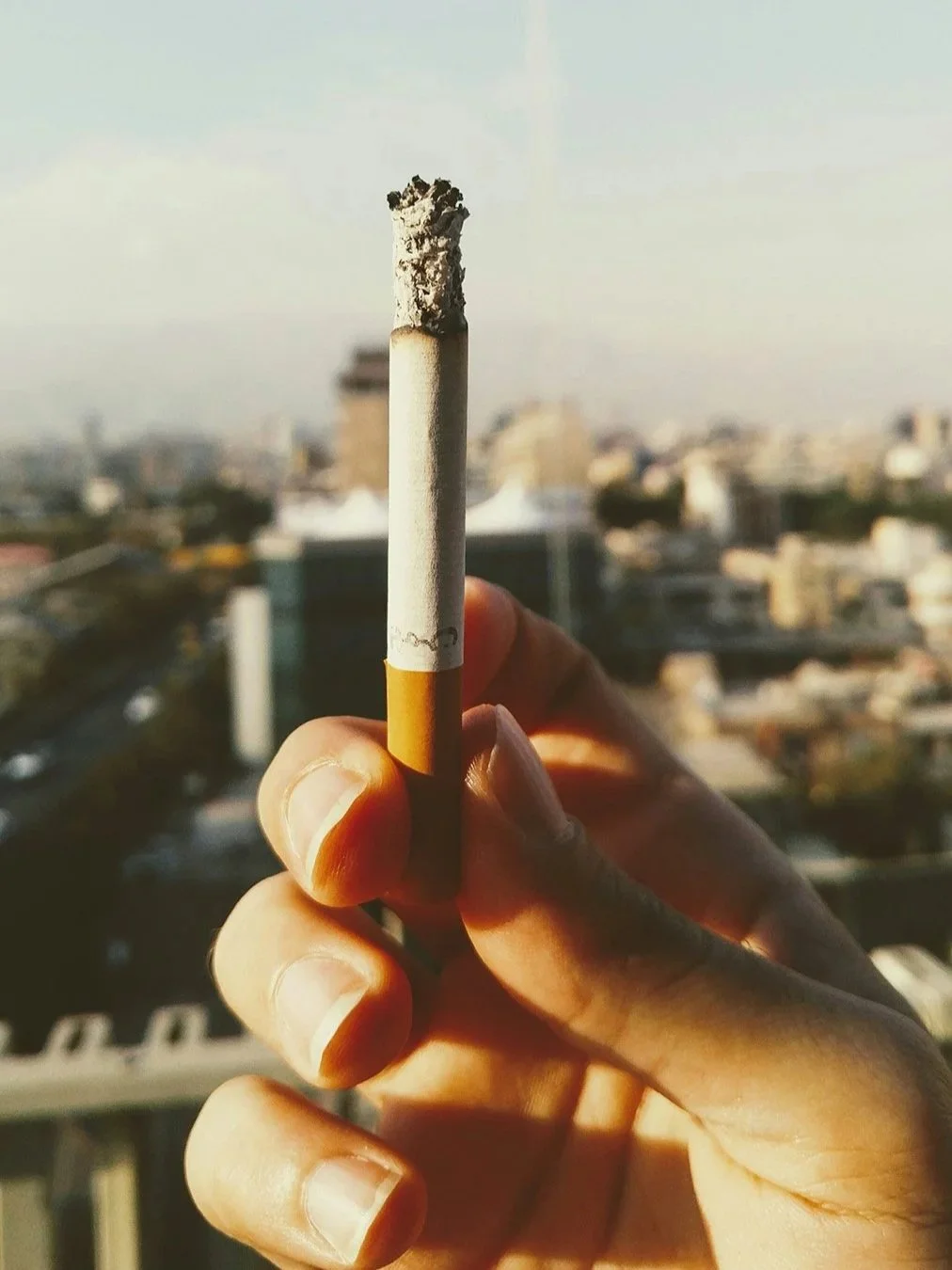
At that moment, an internal dialogue began in my head that would last for years. Smoking is bad. I hate living in a house that is always full of smoke. I should not smoke.
Hey, Annalie, I said, can I try it? Of course, she said, as she stuck it between my lips and held up a lit lighter. Now you'll want to suck in while the flame is at the end of the cigarette.
Jenny already had the hang of it, but Annalie had to light it for me. Once I had the forbidden fruit between my fingers, Annalie and Jenny started instructing me on how to inhale.
“I don't usually inhale,” Jenny said. “I only inhale sometimes,” Annalie said.
I drew the smoke into my mouth and held it there for a few seconds, then blew it out into the dim light. The second time I drew smoke into my mouth, I decided to breathe in.
Annalie said not to worry, everybody coughs the first time. “Won't your sister notice that these are gone?” I asked.
“Nah, she won't miss them at all. In fact, she knows I smoke them sometimes,” Annalie said.
I stubbed the cigarette out after a few minutes because we decided to go skinny dipping, with t-shirts on of course, in the above ground pool next door at Annalie's mom's house.
I finished stripping and putting on a t-shirt before the other girls finished getting ready. Giggles filled the living room as stories of boys prevailed in an effort to stifle laughter. I focused on the box on the side table by the ashtray we'd used.
The box said, surgeon general's warning, cigarette smoke contains carbon monoxide.
When you see the warnings on cigarette packs about carbon monoxide, it's because carbon monoxide is a byproduct of incomplete combustion. Combustion occurs when an object bursts into flames.
Combustion is what's happening when you see flames and feel heat, and oxygen fuels the fire. Cigarettes burn slowly though, and incomplete combustion happens when not enough oxygen exists to fuel the burn, similar to a slow and painful death caused by smoking.
Effects of Growing Up in an Emotionally Abusive Household

Hello, I'm your host, Brandi Fleck. I'm an artist, writer, graphic designer, boy and cat mom, daughter, sister, aunt, girlfriend, and cis Southern woman. And what you just heard is a recount of the first time I smoked a cigarette at 12 years old.
Names of my friends changed for privacy, of course, but the details of how I remember it, even if editorialized, are true. Cigarettes and heroin are bad, and of course I do not condone anyone, let alone a 12-year-old, doing either substance.
The point is, at the time, what should have been a time of innocence and nurturing, I was living in an emotionally and mentally abusive environment in which the thought of something hurting me or slowly killing me wasn't enough motivation to not do it.
Think about that. My stepdad's example of behavior in answer to neighbors' unleashed dogs coming into our yard was not talking to the neighbors, but putting out bowls of antifreeze. And if y'all don't know, antifreeze kills animals.
So at 12 years old, I was used to being regularly called a whore and a bitch, among other things, proving my worthlessness, and I imagined what it would be like to jump off the roof of our little blue house in small town South Carolina.
So my story is vast, and I'm sharing one small part today.
But I'm going to stop for a minute and tell you, I'm recording this first episode of the On Being Human podcast after having interviewed about eight other people for the episodes you'll hear over the next two months, and that fact changed what I was going to say in this first episode.
How to Turn Personal Trauma Into Purpose and Healing
I originally intended to talk about mass shootings, particularly the one in Las Vegas over a year ago, the one that happened the day before Tom Petty died, on October 2nd, 2017.
That specific mass shooting prompted me to decide I needed to do something, anything, to help change society. I already wanted to be more philanthropic and dedicate my life to serving humanity, but hadn't been sure how to do so.
So that was the day a seed was planted that became this podcast.
Now, because it prompted weeks worth of self-reflection on which my own abilities and talents could even begin to help with massive systemic societal issues like mass shootings, not to mention systemic issues among others like accidental overdoses because of the opioid epidemic in our midst.
I decided to harness my education in mass communications, journalism, and English, and my God-given gift of art and creativity, to pull together a platform, and a community, the On Being Human community, so people who live as shining examples of how to heal and harness hard experiences for a positive life path. Rather than a negative and dark life path can spread the word about the possibilities of finding joy in life regardless of what they've been through.
Meaning regardless of what you've been through, you can find the joy in life too, and follow a positive life path. I really believe that.
So a general theme throughout my conversations with these brave folks is that they wouldn't change their lives, and you know what, I wouldn't either.
Ultimately, the tough topics they tell us about have delivered them to places in life that are better than they ever could have imagined, and isn't that amazing. It's the personification of good triumphing over evil, really.
This podcast is a vehicle to paint portraits of people through storytelling. Now, when I paint, I typically choose to paint portraits, as a student of life and humanity.
And I love studying every detail of a person to help them come to life on canvas, how the light and shadow interplay to form a nose, or where creases are showing, if a person is typically happy or sad. And a person's eyes tell you a lot too.
Are they bright and shining? Are they dull and dimmed? Are they dilated? I even like to do abstract things to show different sides of personalities and emotion.
Like recently I painted a man in shades of blue, beige, and silver, and it was called Death Brings New Life, and the background is red. So why not extend portrait painting to podcast audio? So here we are.
These portraits help humanize the brave folks on each episode, showing how different personalities forge ahead against the odds, as well as other people you know who may be similar.
So, what's the point of humanizing one another then? Once we realize we're all human, and I mean realize deep within our souls, that shared understanding can then change how we react to others.
We can start to empathize with one another more and better and react with grace when put in difficult situations. And that empathy, promoting grace and being rooted in love, can breed compassion and giving.
Empathy, love, compassion, and giving are all part of what can provide more community and connection, and we are meant to be connected to one another. We are a human race as a whole.
Each of us are small pieces of an organism larger than ourselves. And when evil and hard things happen to us as individuals, it can impact our ability to connect to the larger form of humanity, setting back our society and setting back progress.
Signs of Domestic Violence and When It's Time to Leave
Case in point. Band camp had been over for about a week. It was a Thursday, it was a muggy summer evening, it was 1998. I don't remember if it was my first week of high school or my second week, but it really, it was ninth grade.
It was my first year, I had just transitioned to high school. I do know it was the last week of a homeroom class for the school year.
Anyways, my stepdad yelled from the garage into the house that he and my mom had built. He was in the garage because that's where he kept his beer keg, and we'd only been there for about seven months.
And we'd moved from our little blue house in small town South Carolina to a bigger white house in a slightly bigger town twenty minutes down the road.
So he yelled the typical expletives at me, basically saying to clean a small red lunch cooler that he'd asked me to clean the week before, which I admittedly neglected.
It had a half-eaten rotten bologna sandwich in it from my last day at band camp, and it stunk because the cooler had been in the hot garage for a week. And it gets really hot in South Carolina in August.
There was definitely black and green stuff growing on it for sure. So I threw the rot in the trash, took the cooler to the driveway in front of the house, sprayed the cooler with a hose, and then poured bleach in it.
Bleach was the only thing I could think of that would stop the smell. So I began pouring water into it with a cup. I don't remember why I decided to use a cup to pour water into the cooler, but knowing myself it was probably because I thought the hose spray would be too forceful and splash the bleach out on me, or whatever.
So my intention was to let the cooler soak with the bleach water for some time. And I don't remember how long I had in mind, but soaking it was my solution.
As I was pouring the last cup of water into the cooler, I looked up and saw my stepdad charging toward me from the garage, eyes ablaze. I remember his eyes looking wild. I mean, it's been 20 years now, but I remember him asking what I was doing.
I explained my thought process and he was enraged and wanted me to do it a different way. So I started moving the cooler full of bleach water, which was heavy for a 14-year-old small girl, and a few drops of it spilled onto the driveway.
And he yelled at me, you're going to scrub the driveway now like a white person, whatever that is supposed to mean.
And by the way, he flew a Confederate flag on our front porch to intimidate the African-American neighbors across the street too, if that gives you any indication of who he was.
So I, of course, being a teenager, decided it was a good time to argue. Because I had my limits, and I was not going to clean the driveway when bleach and water was the offending culprit on the driveway. Right.
Oh no, what was I thinking? He had gotten a few steps away but turned around and started charging again, screaming, “I'm going to knock your shitfaced teeth down the back of your goddamn throat.”
Again, with the wild eyes. Anytime you see wild eyes, take caution, because there's no self-control left, in my experience.
I ran as fast as I could, which was faster than the drunken stepdad, and I ran inside, and he was following me.
I grabbed the cordless phone, fled out the back door, and hid in a shadow in a corner where the house jutted out some and blocked the back porch light. And he actually stuck his head out, looked around a little bit, and then, I assumed, left.
I guess he went out front. So when I thought it was safe, I called my mom, who was up the street at the neighbor's house, and I was hysterical on the phone, screaming, “Mom, come home, come home, he's going to hurt me.”
“Where are you?” she said. I told her I was hiding in the backyard, and we hung up.
Seconds later, I hear my mom's voice in the distance coming down the street out front, and she's yelling, and I hear him yelling, and she comes around the corner to the back and tells me to get inside quick and get my clothes.
So I run upstairs, grab a red duffel bag, and grab a handful of wet clothes from the washer and throw them in.
As I hear a scuffle, I look down the stairs and see my stepdad and Mom are in an actual physical altercation, because she's trying to keep him from coming up the stairs to hurt me. And he screams, “I'm going to kill that little bitch.” He gets past her, and Mom screams to me, run.
I get across the hall to my bedroom, and as I'm trying to shut the door behind me, Mom close on my heels and he right after her, he reaches around her and stops me from closing the door.
My mom became superhuman in that moment. She became the door, with arms stretched and legs firmly planted, even though his arms and legs were wrapped around hers, trying to dislodge her resolve and strength. And he's pushing and yelling, and he hisses again, “I'm going to kill that little bitch.”
“Over my dead body,” Mom growls. He stops, he says, “Get that bitch out of here,” and walks down the stairs and out.
My mom drove a little teal Mercury Tracer station wagon with beige interior back then, and we went straight to it with my red duffel bag, and I was weeping, and she was still full of adrenaline.
We started driving. She took me to a friend's house in the adjoining neighborhood, and while she was talking to my friend's parents, I noticed the blue shirt I'd been wearing had already started turning orange where bleach had splashed an hour earlier.
The next day was not the first time I'd gone to school with swollen eyes from crying for hours, but it was the last time I had to worry about being abused, and my mom too. I didn't know that right away though.
I arrived at the last session of homeroom the next day, Friday, wearing my own pants, shoes, underwear, but in a borrowed shirt and makeup.
I used my friend's toiletries, brush, and makeup that morning because I hadn't packed everything I needed in the red duffel to have a day's worth of clothing or supplies. What angels her and her family were to me during that time, you guys, I'm just saying.
So exercising my strengthened skill of compartmentalizing, the last night's death threats were on the back burner, and I was completely thrilled about the first marching band exhibition of the season.
The color guard at this school was the largest one I'd ever been a part of. We also had these black velvet halter pantsuits, y'all, with flared legs, and we were being coached by one of the best in the circuit, whom I later ran into as part of Wintergarden, Tennessee, and that was also thrilling.
But anyways, so we knew most of the show, we'd put so much work into it, and I'd already made friends over the summer at band camp, even having just moved.
So right before the bell was to ring for first period, the teacher says, “Brandi, can you please go to the principal's office?”

Yes, that's where she sent me. I was a good kid, I made good grades, studied hard, really wanted to do well. I had dreams of going to Harvard, you guys, one day, or you know, some kind of Ivy League school.
Anyways, I was really academically focused, and I didn't think I was in trouble, but really had no clue what was happening.
So through the door, Mom was sitting at a round table with the guidance counselor, and they had paperwork scattered in front of them.
“Hi Brandi,” Mom said, “I'm withdrawing you from school and we're moving to Tennessee right now.” The world stopped turning, and instead the only thing that was turning was my head, and vision just spinning, tears, tears, and more tears.
Mom walked me out through this big area in front of the lunchroom while people were changing classes, and I saw one of my color guard friends who looked at my face and had immediate concern.
She said, “What's going on?”
“I'm moving. Oh my God, I'm leaving, I won't be at the show tonight, please tell everyone, I said, bye.”
We exchanged this information as we were both walking in different directions, and the next thing I knew I'm in my uncle's black full-size Chevy with nothing but my friend's shirt on my back and a book bag with a few papers in it, heading to the interstate in silence, except for the roaring dual exhaust of course.
So since we didn't really have mainstream internet and definitely no cell phones back then, I didn't get to tell anyone where I was going or what was happening.
I only said bye to my one new color guard friend. Mom was riding in a vehicle with my grandma and my aunt, and the night before, after Mom dropped me off at my friend's house, my friend's stepdad had gathered a group and went on a manhunt for my stepdad.
How Families Rebuild Their Lives After Leaving an Abusive Home
They couldn't find him, and unbeknownst to me, Mom had gone to a hotel instead of going back home. She called her mom, brother, and sister, and they hit the road to South Carolina immediately.
They were coming to get us and take us to safety, about 350 miles away. Turns out the first competition that marching band went to the next week, they won grand champion of the whole thing, it was amazing, even with my hole in the guard line, and I was devastated to have missed it.
I mean, simply devastated. My whole life was gone at 14.
The next day, Saturday, Mom said she had to go back to South Carolina for a few months and I'd stay with my grandparents for a while, but first she was going to enroll me into the local high school in Smyrna, Tennessee the coming Monday.
I said, “Mom, school is already started, band camp is over, how am I going to be in the marching band? If I can't be in the marching band I cannot stay here.”
“Okay Brandi,” she said, “We'll take care of it.”
And she did. That Monday I was enrolled in classes. We talked to the band director and he said I could march as an alternate and learn the show.
That evening I went to my first practice and shadowed the guard captain. That Friday I went to the first football game with the SHS band and laid out and picked up equipment before and after the show.
Within a couple weeks I was already needed to fill a spot, and by the end of the season I was marching the show full time at football games and competitions.
If it weren't for color guard as a creative outlet, and teachers dedicated to the band and guard the way they were to provide discipline, I really don't know what would have happened, but it really helped save me from the trauma at the time.
So, as you might have deduced, I smoked through all of middle school but quit in high school, because once in Tennessee I had no access to cigarettes, no of-age friends who could buy them.
I did have access to my grandma's, but absolutely refused to steal.
I also prioritized color guard so high, I wanted to be in peak physical fitness to excel at it, so that was an easy choice. My life was getting better.
I started back smoking in college, just because it's an easy thing to do, and I continued smoking up through my late twenties.
I finally quit because I wanted to have my son, and his life and health is precious. Not only did smoking take many tries and years to quit, but the type of cycle you go through when trying to quit an addiction is similar to the difficulty level, or cycle, of emotionally and mentally healing after an abusive situation.
I think quitting smoking, and not only physically healing but emotionally and mentally healing, it took many years, and sometimes issues still come up that I'm not even aware of.
You think you're healed, and then are put in a situation that makes you realize there's more work to do, and perhaps that will be true for the rest of my life, or anyone's life who has been through trauma, I'm not sure yet.
But I can say, after you quit smoking a new, different cycle begins physically.
A Timeline of Recovery from Quitting Smoking
So I did some research, and the literature says after about 20 minutes your pulse rate returns to normal after you quit.
After 8 hours, the nicotine and carbon monoxide levels leave your blood, they're reduced. Within a couple of days the carbon monoxide is completely gone, and your lungs really start to clear the bad things that were built up, and your smell and taste start to improve. After about 3 or 4 days your energy increases and you can breathe easier, and breathing easy is so taken for granted, right. So after about 2 to 12 weeks your circulation improves.
After 3 to 9 months your lung function increases. After one year your risk of heart disease is cut almost in half compared to an active smoker. After 10 years your risk of lung cancer decreases to about half that of an active smoker.
And after 15 years, 15 years, your risk of a heart attack is finally back to the same as someone who has never smoked.
That blows me away, no pun intended. It takes a long time to get back to normal, right, and regardless of your progress, if you never pick up a cigarette again, you have scars. I have scars. And even if a large amount of time passes, waves of the urge to smoke still occur.
The waves are fast at first. Now, after 6 and a half years smoke free, I get a wave maybe once a year, and the fact that I watched my grandmother die from smoking related illnesses probably helped decrease the waves too, but that's a story for another day.
Similarly to the struggle of trying to quit smoking, it took 9 years of boundary pushing and escalation in the form of domestic violence before it was clear we should leave.
So think about that, it's not always clear if you should leave when you're the person in the thick of it.
After you finally leave, a new, different cycle begins, where hurt and anger, anxiety, and other negative consequences come in waves, and it takes a long time to heal.
The scars that form last for years, but you can choose to regress or progress. It takes introspection, strength, and lots of mistakes to get your life back and find your true self after you get out of a toxic situation.
And the abuse affects you in ways that bleed into personal relationships, like parenting, being a spouse, being a daughter or son, sister or brother, and even an employee, or a child of God.
How to Break the Cycle of Abuse and Negative Self Talk
I could tell you, for example, one of the long lasting scars I was left with include a negative internal dialogue and script that I didn't realize was harming me and my relationships. It didn't just harm me y'all.
It harmed people I cared about, in ways of pushing them away and not being as connected as we could have been, and not receiving love from people who dearly love me.
And if you believe that the universe mirrors back to you what you put out into it, as I do, and as the life coach guest you'll hear on episode three of this podcast does, then it's evident that a negative internal script really needs to be flipped in order to have a positive life path and to attract the things to you that are good in this world. It's damaging, well after the abuse has stopped, because you abuse yourself.
So one of the many things I've done to heal is consciously turn around negative phrases in my head.
For instance, I used to tell myself I was so disgusting, and I felt like other people in my life thought I was disgusting too. How did I not realize that was the scars of abuse talking?
Honestly, to make that realization I had to start questioning how I was feeling about myself and compared it to what I felt and things I thought about in my most innocent times before I'd ever been abused.
I really had to get back to the little happy girl who found wonder in pine cones, and you know what my granny used to call creek flowers, and they were really tiger lilies, but you know, creek flowers were beautiful and I loved them.
But when I'd mistreat myself I started catching it and then would tell myself I'm beautiful, even if I was skeptical of what I was saying.
And now, you guys, I know I'm beautiful, regardless if I have dimples in my thighs and like a black hair on my chin, hello, like anyways.
When I reframed how I talked to myself in a loving way, I started to recognize the love from others too, and I finally became ready to receive love.
Giving love wasn't really a problem, but receiving it, I realized, was difficult because of all the years I was told I was unworthy of love, and all the years love was withheld from me for what I perceived was me just being me.
And in reality, love was withheld because of my stepdad's own issues, it had nothing to do with me just being me.
This is the key that ties everything together in this episode. Earlier I said, when evil and hard things happen to us as individuals it can impact our ability to connect to the larger form of humanity, setting back our society and setting back progress.
Hurting people hurt people. The challenge for us to evolve consciousness to a higher level is to recognize when we're being hurt because someone else is hurting, and instead of lashing back, just give love.
Love is really the ultimate shield and protector and healer, and this is definitely a challenge, it's not always easy, and you do have to distance yourself at times, but distance does not mean love doesn't exist.
If we go further, to ask why are people hurting and try to understand their situation, we're then starting to empathize with them, and can see in many situations that they're not hurting us because anything is wrong with us, they're hurting us because they've been hurt by someone else and couldn't stop the cycle.
So as far as I'm concerned, the cycle stops with me.
So far I've talked about cycles of addiction, cycles of abuse, cycles of healing. I've talked about smoking and the climax that ended the domestic violence in my own family growing up, and how are they all related.
There are undeniably repeating patterns in the universe, just look up fractals, or the spiral pattern that we see in nature so often.
So it stands to reason that you can take a lesson from one scenario, apply it to another, as long as the same underlying repeating pattern shares similar characteristics.
Therefore it stands to reason that if incomplete combustion has unhealthy, toxic byproducts due to a lack of oxygen to fuel the burn, it also stands to reason that if a person is not fueling their life with enough love and the things they need to be fulfilled and happy, unhealthy, toxic byproducts are a result.
We all operate in a state of incomplete combustion from time to time and have to heal from the resulting consequences.
But we can recognize that there's more to life than settling into a system that doesn't serve us, and we can operate at full capacity, with full oxygen to fuel our flames, regardless of what has happened to us in the past.
We know that breathing carbon monoxide causes all kinds of physical diseases, so it stands to reason that taking in toxins emotionally causes all kinds of mental diseases.
So I urge you to think about your own humanity, and what your existence means. Can you make it more meaningful? What would it take? And really, now that you've identified what it would take, why not do it?
I asked these questions to myself, and here I am with all of you guys, and I really appreciate you listening, I really do.
So here's what being human means to me. Being human means being perfectly imperfect, making mistakes to learn lessons that help us evolve, not only as individuals, but evolutions that contribute to the elevation of a larger collective consciousness.
We are stronger in numbers. We are conscious of ourselves but also exist as part of a larger organism. We are connected. We are emotional, we are logical too. We are flawed, we are fragile, but we are strong and resilient at the same time.
We love and we hate, we are contradictory in nature, but we can choose to be consistent. We can heal, we can do better, and we can transform ourselves. We can transform the system we put in place for ourselves. Our systems, aka society, can transform with us.
So there you have it. I hope you enjoyed this episode.
Join the conversation!
Feel free to share your own experience and let me know if you have any questions in the comments.
Related Posts


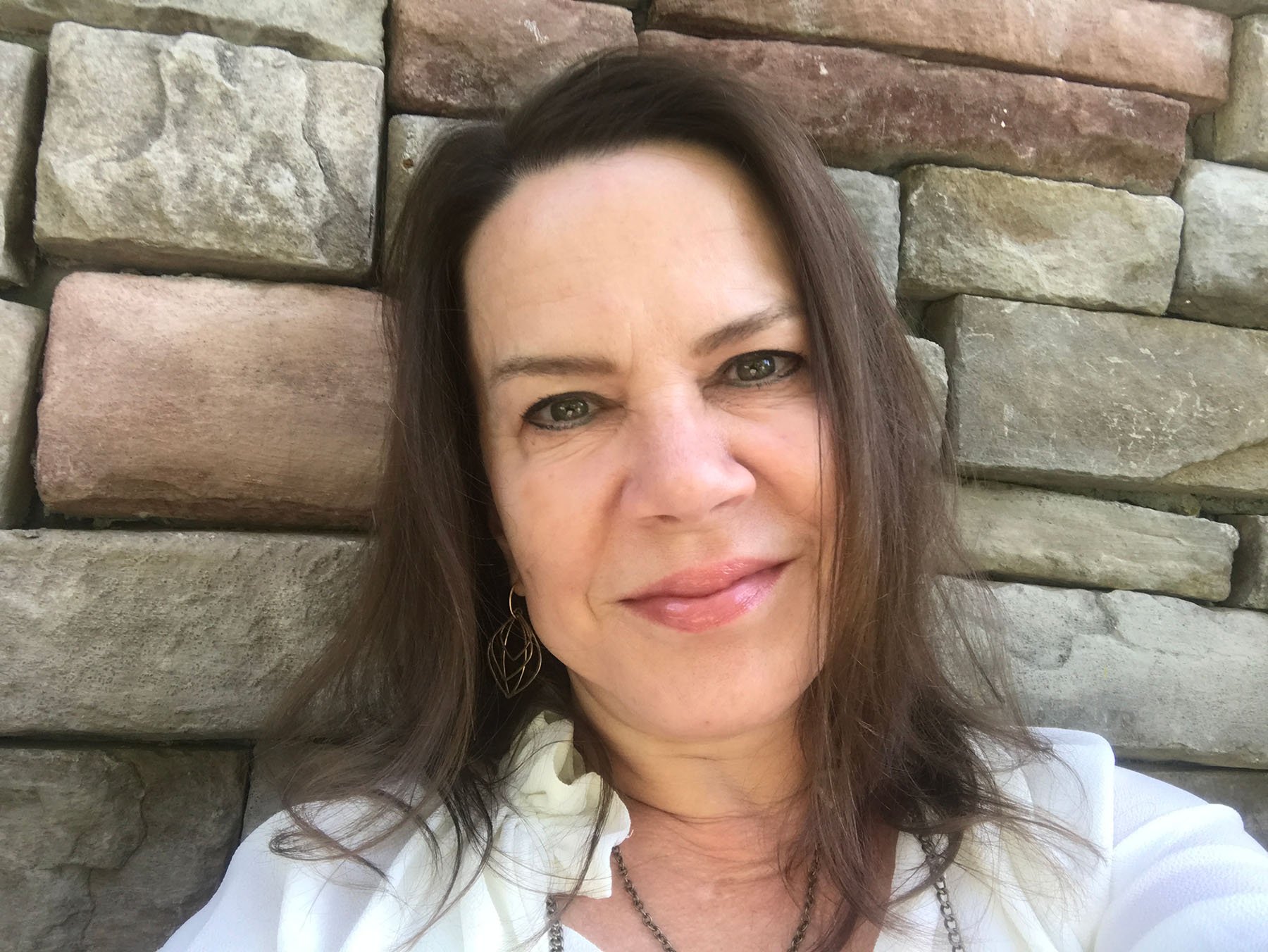

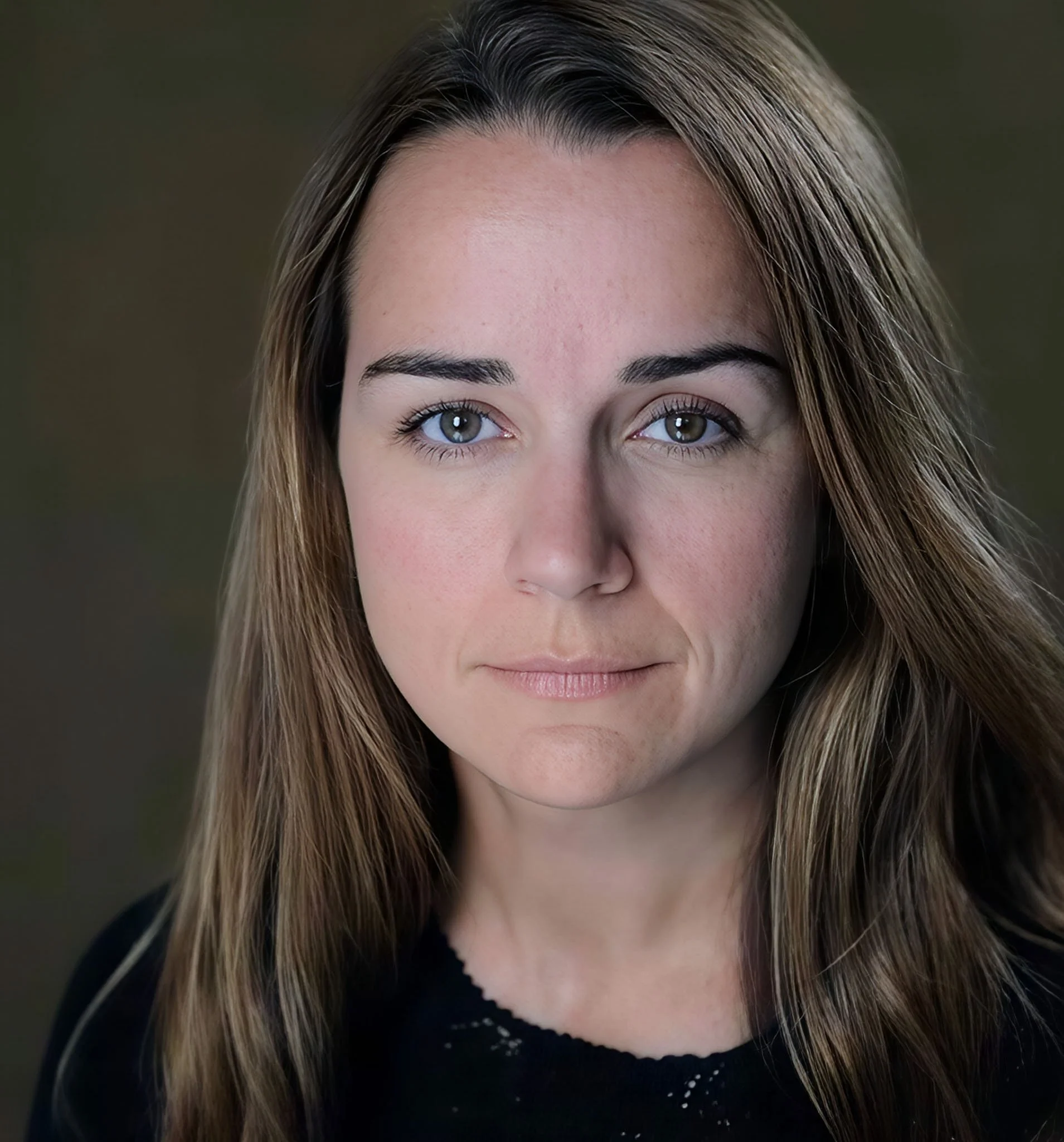

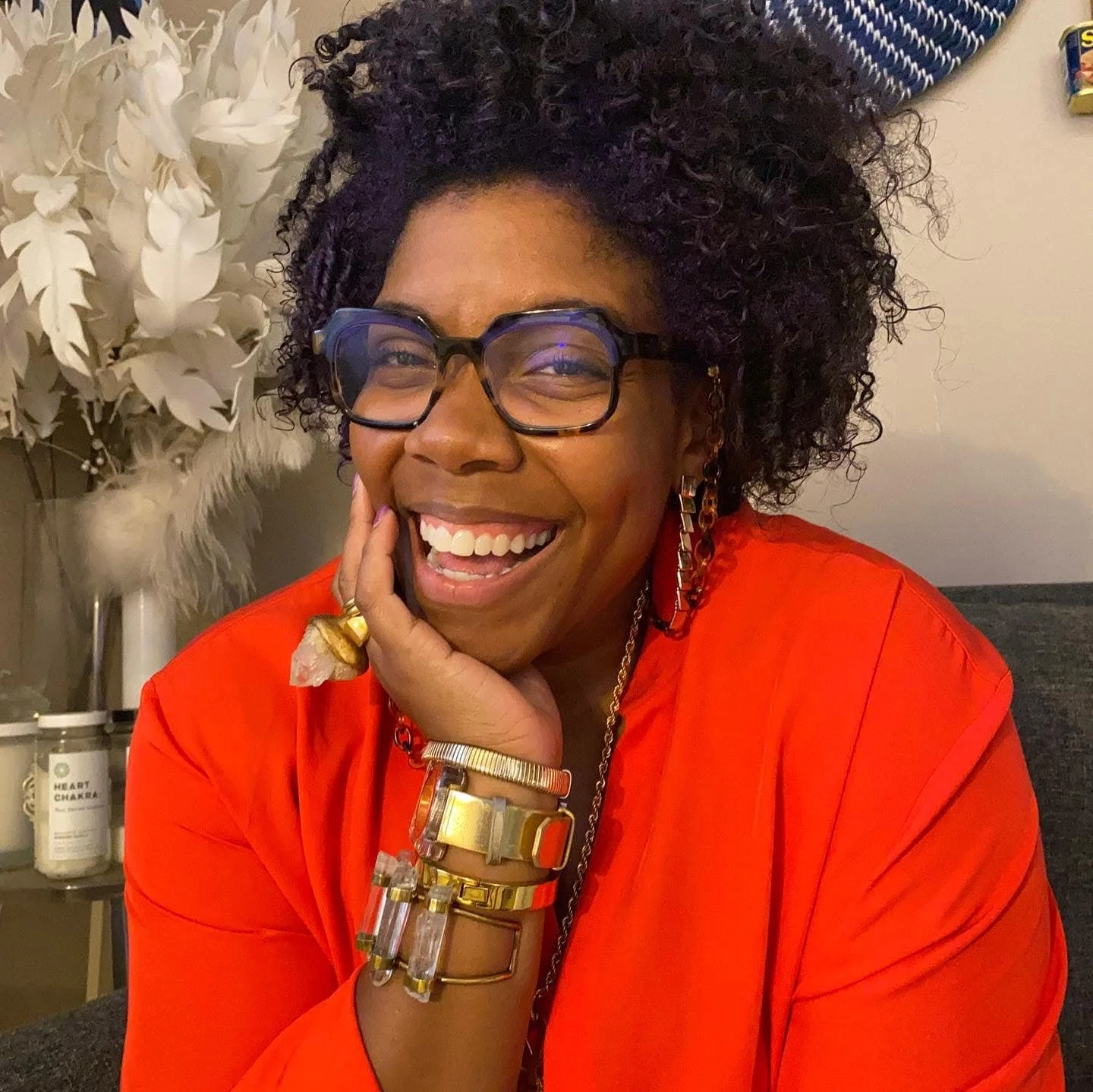

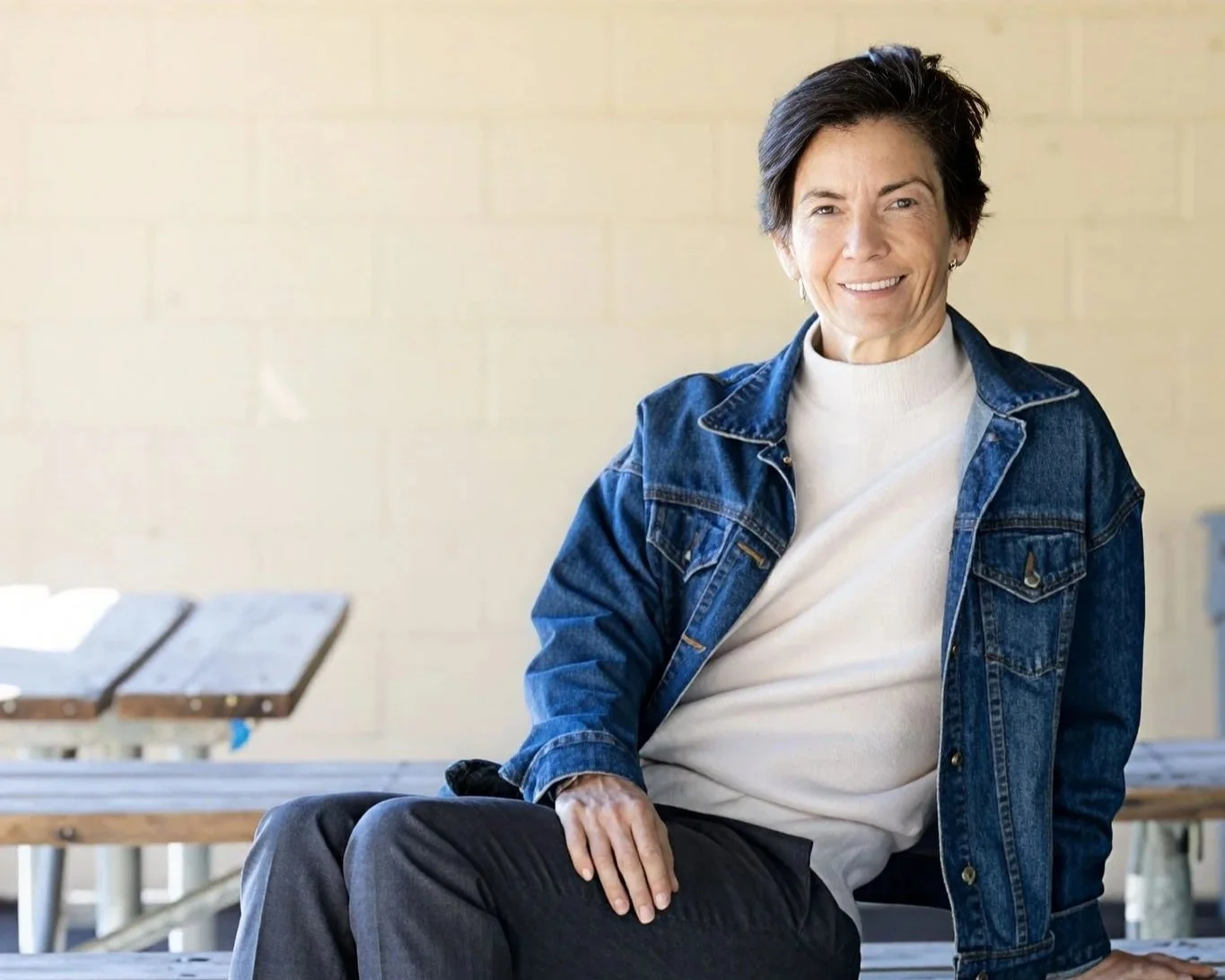
Hi, I’m the founder of Human Amplified. I’m Brandi Fleck, a recognized communications and interviewing expert, a writer, an artist, and a private practice, certified trauma-informed life coach and Reiki healer. No matter how you interact with me, I help you tell and change your story so you can feel more like yourself. So welcome!
Find More on the Blog
Topic
- ADHD
- AI
- Atlanta
- Black and BIPOC
- DIY
- FAQ
- LGBTQIA plus
- Los Angeles
- Nashville
- Seattle
- St Louis
- St. Louis
- UFOS/UAPs/ETs
- abuse
- accountability
- addiction and recovery
- adoption
- affirmations
- afterlife
- altered state
- angels
- animals
- anxiety management
- art
- astrology
- atlanta
- attachment
- awakening
- beauty
- behind the scenes
- being human
- body image
- body work
- boundaries
- brandi fleck
- breathwork
- bullying
- burn out
- burnout
- cancer
- career
- caretaking
- chakras
- channeled
- clarity-dive
- clarity-practice
- clarity-primer
- clean products
- coach
- codependency
Recent Blog Posts
Visit the Full Podcast Audio Archive

Affiliate


Spiritual practice can bring calm, clarity, and self-awareness, but it can also become a polished way to avoid what still hurts. In this guest article, Pat Crilley explores spiritual bypassing, emotional suppression, and how to tell the difference between true healing and performing peace.