
Character Strengths and the Stories We Tell Ourselves
Interview By Brandi Fleck
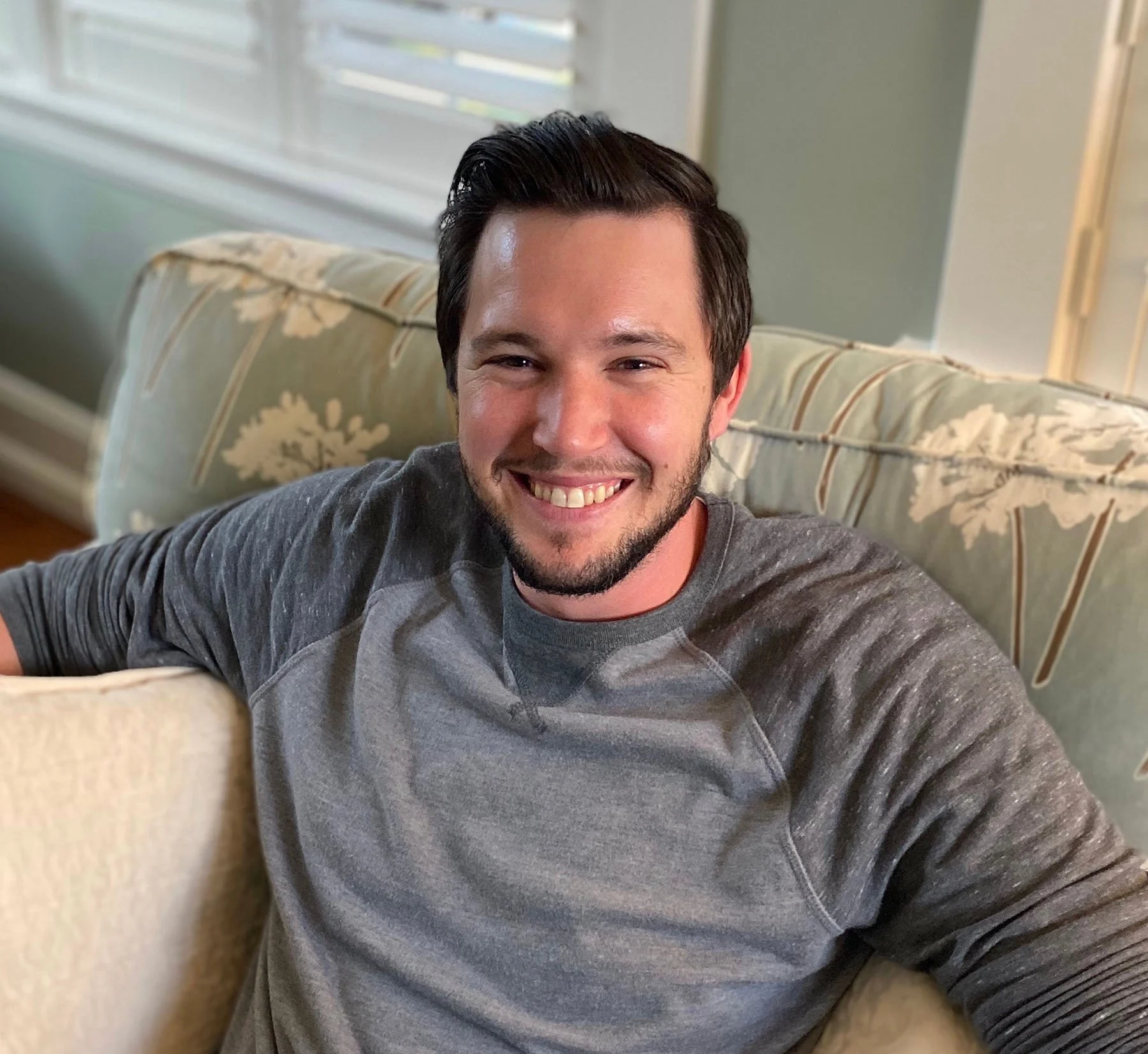
Psychology specialist Corey Hatfield explores character strengths, anxiety, mindfulness, and self-awareness to reveal what helps people build more meaningful and resilient lives.
It's easy to assume the way we see the world is the way it really is. What if we're actually seeing it through a lens shaped by our strengths, fears, experiences, and unconscious habits?
In this conversation, Corey Hatfield explains how character strengths influence the way we think, connect with others, and make sense of the world.
We discuss anxiety, cognitive dissonance, mindfulness, and the challenge of recognizing both our own blind spots and the strengths we overlook in ourselves and other people.
Listen to Corey Hatfield’s Interview
Watch Corey Hatfield’s Interview
The Search for a Meaningful Life
Corey Hatfield: We all have 24 strengths in us. Your brain has the power to shape the world around you. What's the good life? Cognitive dissonance. Have you ever heard of it?
I remember realizing what my environment had been growing up and how that probably shaped my worldview.
Brandi Fleck: On the surface, this episode is all about realizing your strengths and using them to their fullest potential. Underneath, it's all about a foundational self-awareness so you can have relationships, even with people who look different and talk different than you, and connect and interact with the world in a productive, fulfilling way.
You get expert insight into using positive psychology to minimize the effects of negativity and keep a realistic perspective of your life in the grand scheme of things.
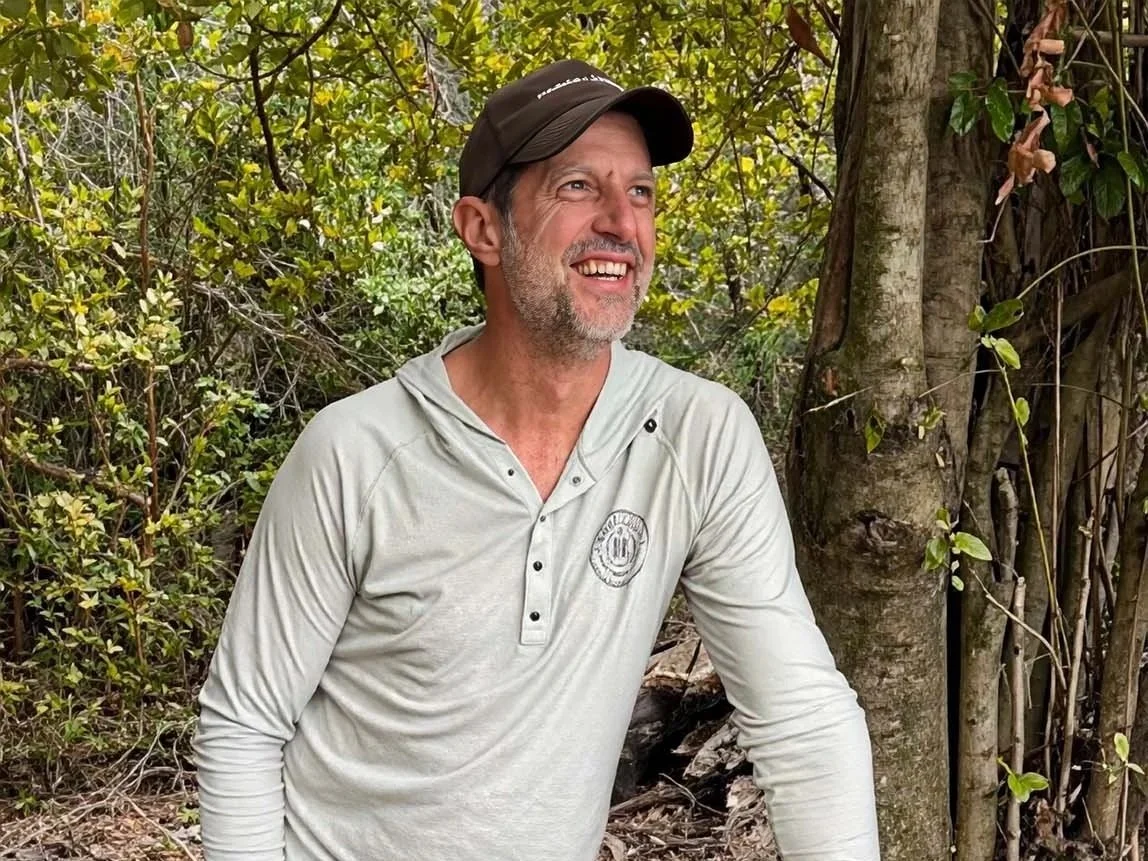
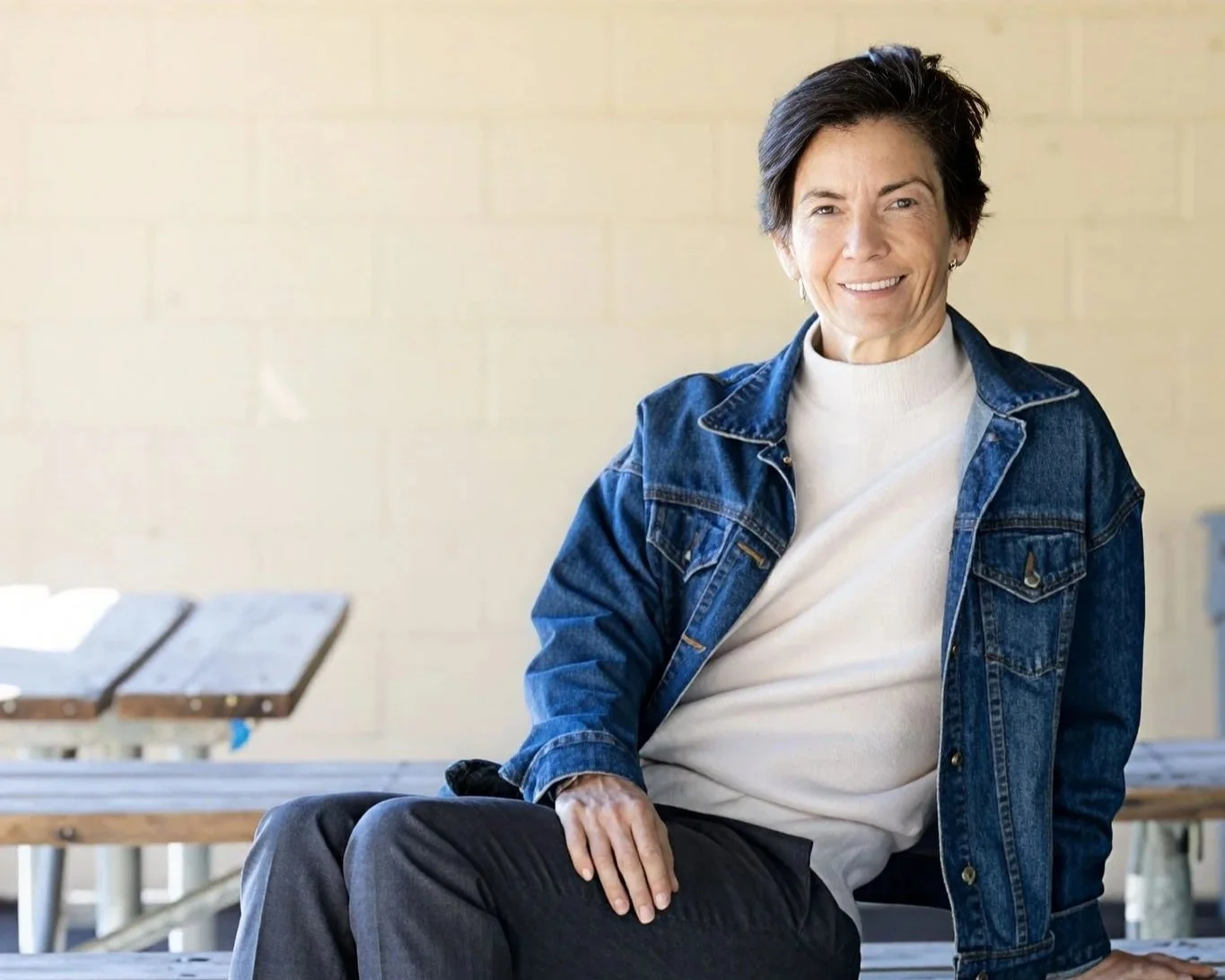
Corey Hatfield is a psychology specialist known for fostering powerful change in education and communities. He's an expert at helping others apply strength mindsets, resiliency, Choice Theory, and full-capacity living.
Currently, Corey coaches teachers and administrators on how to implement an evidence-based social and emotional program focused on character strengths. He's a certified K–12 Kentucky school counselor with a master's in counseling. He's also a public speaker, having participated at more than 15 conferences, including one keynote appearance.
Corey speaks on topics such as personal potential, positive parenting, effective leadership through awareness and application of personal strengths, the implications of positive psychology on mindset and choice, and living in the present moment.
Corey is the creator of the Corey's Got Questions podcast. On his podcast, guests bring a topic they're passionate about, and Corey facilitates the discussion through the lens of psychology. Topics have ranged from metal music to street art to misdiagnoses in health and dad goals. One of Corey's top character strengths is curiosity, so his podcast is only fitting.
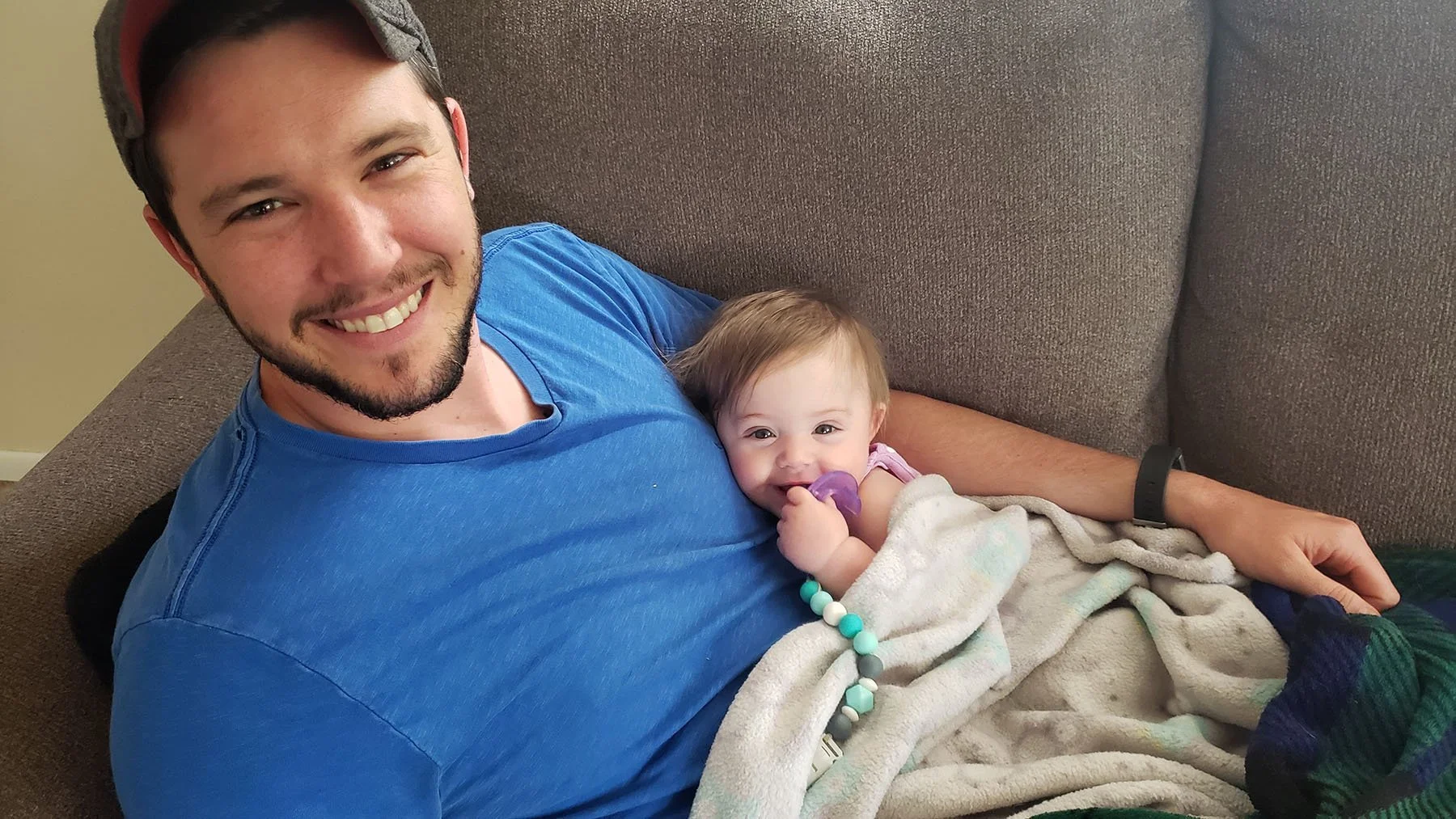
Corey is also a husband and dad, now living in Cincinnati, Ohio.

Corey Hatfield: Hello, listeners. My name is Corey Hatfield. For the past three, going on four years now, I have been a team lead for a social-emotional learning program.
What that is, is bringing the human side to education. I train teachers to bring in some elements of psychology and some other constructs to do the human side of teaching, if that makes sense.
Before that, I was a career coach for a year and a half, and I'm also a certified K–12 school counselor.
Brandi Fleck: So what you do, is it considered? I don't really guess that's considered school counseling anymore, but can you give us an example of some of the things you teach the teachers?
Corey Hatfield: Yeah. Obviously, with school counseling, you'd be working more directly with the students, but the whole objective of a school counselor, I always like to think of it as raising the floor up for everybody, just trying to make the whole climate better across the whole school.
My job now is similar to that, except instead of working directly with students, I work directly with teachers. I start with teachers, seeing what things they're needing to support their own wellness and also equipping them with tools so that they can build powerful relationships with their students in a fast and efficient way.
Brandi Fleck: Gotcha. So why did you get into psychology and this line of work with schools? What is it about the human mind that fascinates you?
Corey Hatfield: That's a good question.
I always like to say when I was an undergrad that I didn't really choose the major. It kind of chose me. When I was taking my general ed classes, my psychology course is really the one that spoke directly to my heart and to my mind, and it just kind of clicked. It all just made sense.
I think that's what originally got me into psychology.
One of my favorite things that fascinates me about the mind is its ability to—it's actually a psychological phenomenon called cognitive dissonance. Have you ever heard of it?
Brandi Fleck: Absolutely. It's my favorite one. When I first learned about it, I was like, that's amazing. It explains so many things.
Corey Hatfield: Yeah. It's almost like you shape the world. Your brain has the power to shape the world around you internally.
Cognitive dissonance, what it basically means is that if something's out of balance in your life, your brain doesn't like that, so it makes it in balance.
The classic example is a fox is walking along. He sees some grapes up in a tree. He tries to get the grapes, realizes that the grapes are way too high, he's not going to be able to reach them with his height, so he leaves and decides that he never wanted the grapes in the first place.
You can see that imbalance there. I want grapes. I can't get the grapes. Imbalance.
Either we change our circumstance or we change our minds. That's cognitive dissonance, and we all do it every day, all day. It's really fascinating.
Brandi Fleck: Yeah. It really is.
I've talked about cognitive dissonance in my life with religion and relationships with parents and how it all sort of shakes out, but we don't have to get into that huge topic now. Maybe we can talk more on cognitive dissonance a little later.
Corey Hatfield: Oh yeah. Relationships is a fun one.
Brandi Fleck: Yes. I don't want to be alone, and I don't want to be in this relationship. What do you do with that?
Corey Hatfield: Yeah. This isn't a good relationship, and I don't want to be alone.
Brandi Fleck: Yep.
Well, okay. We just talked about how humans sort of shape or balance what's going on in our minds. This is sort of related. Do you think every single human has unlimited potential?
Corey Hatfield: I saw that in the list of questions that you had for me, and I was like, ooh, this is a deep one.
I think this is something that actually divides the field.
You've got one half of people that are like, you can do whatever you want, whatever you set your mind to. That's growth mindset, the idea that if you have a goal and you work towards it, you can achieve it.
Then there's this other half of the field that believes things are more fixed, and there's more of that genetic code. You just are what you are, and there's not much you can really do about it.
Personally, I kind of combine the two, and I make something that I call Bubble Theory.
Brandi Fleck: Okay.
Corey Hatfield: If you think on a continuum, use IQ for an example. You can take a very low IQ all the way up to a very high IQ.
The people that say things are fixed, they're like, you've got your IQ, you're stuck with it, you can't really move it up.
Someone with the growth mindset says that you can develop your brain. Your brain's a muscle, and you could probably move your IQ up. Let's not even worry about IQ because it's not even a big deal.
I believe if you're looking at that continuum, there'd be a bubble, and you exist in one of those bubbles. You have potential to reach the top of your bubble, and you also have potential to fall to the back of your bubble, or anywhere between.
We all have the potential to grow, but unlimited? I think it's a nice thing to say to someone, that you can do anything you want.
At the same time, if you really think of it as something that's so outside of a realistic goal for them, it can almost be cruel.
Brandi Fleck: Gotcha.
Corey Hatfield: If someone's 5-foot-2, for me to be like, you can do whatever you want. You can be 6 feet one day if you really want to be.
Brandi Fleck: Yeah.
Corey Hatfield: And if I was truly believing that, I'm like, if you do these stretches or if you eat this food, you really will be 6 feet one day. You can almost see that it's kind of cruel on my side to do that to somebody if that's not in the cards for them.
Brandi Fleck: That makes sense.
Yeah, so we definitely have physical limitations. But say if a person gets to the front side of their bubble, can they then expand it once they get there?
Corey Hatfield: This is all me making this up. There's no science behind any of this.
I don't know. I don't know what would happen at the edge of your bubble.
Not talking physical, but talking brain stuff, your brain is a muscle too.
I keep wanting to say typing or something like that, but I do think there is potential to push the edge of your bubble a little bit.
Again, going back to IQ, I don't think you're going to be able to take someone from an IQ of 80 and get them all the way up to an IQ of 150. I don't think that's really possible.
Now, someone with an IQ of 80 might be able to get up to a 90 and be a very productive 90 and be doing all the things that someone at a 90 is capable of.
Brandi Fleck: Yeah. Okay. What are character strengths?
Corey Hatfield: One time, someone asked me at a party because he had a tattoo of a guitar or something. I'm like, oh, it's cool that you have a guitar.
He's like, oh, do you play?
I'm like, no, I can't really carry a tune.
He's like, oh, you should try it. You should get into it.
I was like, here's the thing. I could give a whole bunch of effort. I could try really hard, and I could probably get pretty decent at the guitar.
However, I would still only be decent at it, even after hours and hours and hours of practice.
Why wouldn't I instead take that energy and place it somewhere on something that I have a natural gift in. If I have a natural potential and a gift for it, why would I instead do that?
If you want to think of it in a physical way, I'm a tall, skinny guy. Your listeners probably won't be able to see me, but I'm tall and skinny, so I was a runner growing up.
I could have put a lot of energy and focus on being something that requires someone to be much more broad, like football, wrestling, something like that. I probably could have gotten pretty decent and played a position. However, by focusing on running, I had a lot more success there. I was one of the best runners in my state. I got college scholarships, all kinds of stuff doing that.
So character strengths are kind of like that same idea.
We all have 24 strengths in us.
Well, do you want some backstory and the whole strengths, where they come from, positive psychology, all that?
Brandi Fleck: Sure. Yeah.
Corey Hatfield: I talk about this stuff a lot in my day-to-day job.
The field of positive psychology—Martin Seligman was the president of the APA, the American Psychological Association, in the '90s. Up until that point, the field had done a really good job of understanding what can go wrong in human beings and how mental illness can set in and what are some things that we can do to help people heal. They had done a really good job at that.
However, as Martin noticed, we had missed this whole other side of what it means to be a human being and the psychology of a human being.
Brandi Fleck:Shaking her head, nodding knowingly.
Corey Hatfield: Which is, what makes for the good things? What's the good life? What is the meaningful life? What makes us all connected? Those things.
He partnered with Chris Peterson and 55 scientists, and they looked throughout all of the world, all cultures, and throughout history. They were trying to answer the question: What makes for a meaningful and purposeful life?
Through those series of research studies, they discovered the 24 character strengths.
Brandi Fleck: Okay.
Discovering What Makes You Strong
Corey Hatfield: Now, the first thing we say with the character strengths is that everyone has all 24 of them. You have the capability to do any of them.
Some examples are things like leadership, bravery, humor, zest, social intelligence, love, kindness, and the list goes on.
However, each of us will have a unique combination of those strengths. You'll have your one through 24. I have my one through 24, and they're ranked.
The whole idea of being strength-based, or really playing to character strengths, is to focus on your top four to six strengths and shift more and more of your energy and focus to those top strengths.
If something's a top strength, it is typically easy for you to do. It's energizing when you use it. That's a big piece: is it energizing or not? And you probably do it often. It's almost every day you're doing this.
Just the opposite, if something's a bottom strength, which everyone's always curious about, those are typically not easy to do. They're difficult to do. They're not energizing. They're emotionally draining to do them, and you probably don't do them every day. It's probably more rare that you do this.
Brandi Fleck: But they're not weaknesses?
Corey Hatfield: No. They're not weaknesses. They're just lower strengths.
Brandi Fleck: Okay.
Corey Hatfield: That's where people will get with character strengths.
Why We Notice the Bad More Than the Good
There's a phenomenon that we all do, which is called the negativity bias.
The negativity bias is our brain's pattern of looking for problems rather than good things.
Our brains, over the past 200,000 years, have evolved to keep us alive, not to keep us happy. So we're really good at looking and finding things that are wrong and trying to fix them or alleviate them.
You can think of this as if you're at your job and you get a performance review and you're doing 99 things excellent, and you get one area that's an opportunity for growth.
What's the one thing you can't get your mind off of? The one thing you talk about later at dinner, and the thing that drives you nuts and makes you bitter about your work is that one thing.
But you did 99 things excellent, and we focus on the one.
In fact, the negativity bias is so pervasive that they actually say if you want to have just a normal, balanced relationship, you have to have five positive interactions to one negative interaction.
Brandi Fleck: Oh.
Corey Hatfield: And that's just to keep it neutral.
Brandi Fleck: Yeah. Not even to make it a good relationship.
Corey Hatfield: So one of the things with strength-based work is to intentionally shift more and more of your focus to the good in your life.
The reason why is because when you do that, you can have a more realistic view of what your life is actually like.
A lot of people, when they hear strength-based approaches or positive psychology, think, "Oh, so now we're just going to be happy all the time and ignore all the problems."
I say no, because we don't have to worry about you forgetting what the problems were. You're going to know the problems. You're going to ruminate about them over and over.
However, we intentionally focus on the good so, again, we can remember the good things.
Another fun thing about the negativity bias is that the science shows that a bad experience, an uncomfortable experience, or an emotionally hard experience is solidified in your hippocampus, which is your emotional memory part of your brain. It takes about five seconds for it to be solidified in your permanent memory.
Brandi Fleck: Oh wow.
Corey Hatfield: Just the opposite, a positive experience requires about 60 seconds, so a whole minute before it becomes solidified.
We can be having these wonderful experiences and we forget them all. We forget all of them.
But those bad experiences, we remember quickly.
Then a year goes by. You look back on that past year and it's, "Oh my gosh, it's only been bad things."
We can think of 2020 so far. It's very easy for us all to remember all these bad things that have happened. But all the good things, they slip our memory and they slip our brains because, again, we haven't evolved to be happy and to be realistic about our lives. We've evolved to survive.
Brandi Fleck: Gotcha.
So what's the difference between positive psychology and positive thinking?
Corey Hatfield: I like to summarize and chunk together pessimism, positive thinking, and positive psychology.
For pessimistic thinking, the statement would be: "This will never happen."
Positive thinking is: "This is going to happen no matter what."
Then the positive psychology statement is: "This could happen."
Brandi Fleck: Okay.
Corey Hatfield: That's a good way to think of those three.
You can really see that the first two are very extreme in thought, and they are very certain. They know for sure it's either not going to happen or it's going to happen.
Positive psychology has a lot more mystery and excitement behind it. Like, "Oh, this could happen. We could try it. Let's see what happens."
Positive thinking was something that came about—it actually originated from the book The Secret. Do you remember that from the '90s?
Brandi Fleck: I don't remember that book.
Corey Hatfield: It was all the craze. It was all the craze in the '90s in the business world.
There was a book that came out called The Secret, and it was talking about the secret to success. The whole philosophy was positive thinking.
If you wanted to make more money, just start envisioning checks coming in the mail. That's what it was famous for. That sentiment. Just start envisioning money and checks coming in the mail, and then it will start happening because you will start doing things to make it happen.
Brandi Fleck: Oh yeah. I've heard that a lot, especially in the circles where people talk about manifestation and the law of attraction and all these things.
Corey Hatfield: Law of attraction. Yeah. All those things are related to positive thinking, and it still lingers on. It's doing its thing. It's living its existence, and people still really endorse it a lot.
If you have the choice between positive thinking and pessimistic thinking, positive thinking is probably better. It's going to move you in a place where it's probably better than just giving up.
However, the big problem with positive thinking is what happens when it doesn't happen?
I'm going to get this job. Done deal. I'm going to get the job.
Then you don't get the job.
Now all of these beliefs that you were just building yourself up for come crashing down, and you're right back where you were at the beginning. Now you're a failure, and what have I done wrong?
There's no room for growth or learning or opportunity.
Positive psychology is, "Oh, I think I could get this job. I think I could get it. I'm going to try really hard. I'm going to do all the things I need to do."
Then if you don't get it, there's lessons in resiliency, grit, and growth, which is, okay, so what did I learn from this experience? What can I take away to move forward?
That's kind of the difference between the three there.
Positive thinking can be a little dangerous sometimes, depending on who you're dealing with, especially if you're dealing with someone that has had a history of depression.
Brandi Fleck: Gotcha. That makes a lot of sense.
Bringing Out the Best in Ourselves and Others
Then circling back to character strengths and relationships, what if somebody thinks that another person doesn't have any character strengths? What then?
Sometimes people get into these toxic dynamics where they just think another person has no worth. What do you say to that?
Corey Hatfield: This is something that is common, and I actually see it in my work.
Sadly, sometimes we have kids that have had lots of negative experiences in their life, and it's really hard.
Even from my perspective, sometimes it can be hard to spot the strength in them because so much of their behavior is problematic behavior, negative behavior. They're intentionally doing things to get in trouble, so on and so forth.
Brandi Fleck: Yeah.
Corey Hatfield: The idea would be to see the strength that is behind that behavior.
A great way to think about strengths is that we all have them, and we're going to use them. They're natural. They're innate. Think of them as superpowers.
Spider-Man has his superpowers of super strength, and he can swing on the web and all that. He's going to use them.
The question isn't whether or not he has the powers. The question is, how is he using them?
Even a student where it's really hard to spot the strength, I would actually argue that it's probably easy to spot the strength because you're just looking for that energy and you're looking for them using it.
They're just using it in the wrong way.
They're probably using that strength for, instead of using it for good, they're using it for evil currently.
Brandi Fleck: Okay.
Corey Hatfield: A lot of times we'll say things like, "Oh, that person's just so nosy. Why don't they just leave me alone? They're always asking all these questions or getting into stuff."
If you look at the strength behind that, maybe they are misusing it at the moment, but actually they're curious. They're just a curious person.
That's actually something that's strong in them that is a huge benefit and will help them in having a meaningful and impactful life for those that are in their life.
We just need to have a conversation on how they're using that curiosity. Sometimes maybe they need to rein it in a little bit. Maybe they can play to another strength in that moment.
Brandi Fleck: I love that. That's awesome.
Corey Hatfield: Yeah.
Brandi Fleck: So if I'm aggravating you, you can just be like, "Corey, I appreciate your humor because you're being so playful."
Corey Hatfield: Because humor is one of my strengths, and sometimes I can be a little bit overly playful because humor is all about living life with a sense of lightness and joy.
Brandi Fleck: So do you sometimes joke in a serious situation where you shouldn't joke?
Corey Hatfield: When I was growing up, that was a problem. That was me using what I call shadow strengths.
That was me using my humor as a shadow strength. I would be making jokes when it's a sad time or we're grieving because I didn't know what else to do. I'm going to use my strength.
So I'm just like, "Ha!" and I make a joke to try to lighten the mood.
Now, with my intentionality and being more mindfully aware of my strengths and using them in a way that is more intentional and, I like to say, parallel with the direction I'd like to go in my life, I know when it's appropriate to pull that humor out.
Maybe I'll use one of my other strengths. My top strength is perspective, so I will use that in those moments.
Brandi Fleck: Okay. Yeah, awesome.
Corey, my bottom strength is bravery, if you want to know, too.
Corey Hatfield: Oh, okay.
Brandi Fleck: How do you know what your strengths are? Is there a test?
Corey Hatfield: Oh yeah.
We should let everyone know, and you can actually put the link in the show notes if you'd like.
You just go to viacharacter.org. What that actually stands for is Virtue in Action, and it's the VIA Institute on Character. They're actually located in Cincinnati, Ohio.

There are some other strength-based assessments you can do. There's StrengthsFinder. A lot of people know about the Myers-Briggs, those different personality assessments.
What sets the VIA Character Strengths apart is that it's really based in science and not in theory. It's really based on what I talked about earlier, about them going through and putting it through scientific rigor.
Most others, there's a theory that someone develops, and then they just find signs to prove their theory, if that makes sense.
Brandi Fleck: Okay, yeah.
Corey Hatfield: Almost 10 million people have taken the survey so far. It's free. You just go on there and take it, and then it'll pop your results right back, one through 24.
Brandi Fleck: Awesome. I'm going to take it before your episode airs. We'll see what happens.
Corey Hatfield: Cool, yeah.
When you do, I'd be curious to hear what your results are. I can help walk you through each of them.
Brandi Fleck: That would be so cool. Then we'll post it in the show notes.
Corey Hatfield: The big thing you have to fight is the temptation of scrolling to the bottom and focusing on the bottom five.
I like saying, just pretend like the bottom five aren't even there. Just ignore them like they're not even real.

People look at the bottom five. They see honesty in the last one, and they're like, "This thing just called me a liar."
I'm like, no, it didn't say you're a liar. It just said honesty is your lowest strength, which means it's the hardest for you to do. It's the most emotionally draining.
Honesty, the strength, goes way beyond telling the truth.
It's not saying you're dishonest. It's really talking about living truthfully to who you are. Someone who has a strength of honesty, their catchphrase is typically, "With me, what you see is what you get."
It doesn't matter where I'm at. If they believe something or have a certain thought, it doesn't matter where they are or what the circumstance is. The rest of us are like, "Oh God, please don't do this right now."
But they're going to do it because they've got that honesty, and by God, we're talking about it right now. That's honesty.
Brandi Fleck: Okay. Gotcha, gotcha. I think this is a good time to shift into talking about your mind for a little bit, just to get to know your mind.
Can you describe your thoughts and inner dialogue? When you're not actively focusing on your thoughts, how does it go?
Corey Hatfield: This is a very good question.
For my training as a school counselor, this sounds almost like a narrative therapy-based question. That may have just alienated all your listeners and they'll be like, "What is he talking about?"
But this idea of really thinking about what is the baseline behavior of your brain.
Brandi Fleck: Yeah.
Corey Hatfield: I would say mine—again, I have strengths of humor and curiosity, so I'm going to tie it back to that.
My mind, when it's unchecked, normally I am engaging in some sort of inner dialogue about making jokes constantly, or I'm in an inner dialogue of, "I wonder what this is. What's over there? What's going on up there?"
I do know that can be quite exhausting to the people that are in my life because I'll ask lots of questions.
My grandfather was an engineer, so I think I inherited that level of just asking questions that no one else asks.
Brandi Fleck: Yeah.
Corey Hatfield: I'll be driving along the highway and I'll see a shed over in a field. I'm like, "I wonder who built that shed. What did they make it for?"
The person in the car with me is like, "I don't know, Corey. I have no idea why they built that. Why are we asking this?"
And I'm just like, "Ah, it's bothering me now. I need to know who built that. Let's pull over."
Brandi Fleck: Yeah. Talk to the owner.
Corey Hatfield: Yeah. My brain is constantly just whirling around, and then again, I'm like, "Yeah, let's pull over. Let's have some fun and chitchat with somebody."
Brandi Fleck: Okay.
When Anxiety Becomes Overwhelming
I know you told me a little bit before this interview that you have suffered with anxiety before. How does that fit into your unchecked mind? Then when it starts to creep in, what do you do?
Corey Hatfield: I was fortunate to have a battle with anxiety that lasted for about a year in total. I'd say maybe a year, maybe pushing a year and a half before I fully felt like it was behind me.
The peak of it was about six months. I had some personal things that were happening at that time with different relationships, work pressure, all that. My mind was just going, going, going with worry, worry, worry.
Up until that point, I thought I was invincible. This happened about two, two and a half years ago.
My mind was going, going, going, and I don't think I could even recognize what worry was, which kind of sounds strange to me now.
I think for a lot of people that have emotional intelligence, they're like, "You don't even know what worry is in your own brain?"
But I didn't. I just thought I was thinking. I thought I was thinking about work or thinking about a family member that was sick. I just thought I was thinking about it.
It wasn't until later, when I really did some reflection, that I was like, holy crap, that was worry. That was me just worrying constantly. It crept in, and eventually the pressure of that rumination kind of cracked a little bit.
I like to think it's like the glass floor can only take so much, and it cracked and I kind of fell through. Now I have this cloud that follows me around, which is these feelings of nervousness, anxiousness, constantly.
At one point it got so bad, I remember I was online just trying to find a therapist, and I couldn't read the screen on my laptop because I couldn't focus. I couldn't read the words. That was scary.
It's a vicious cycle because you're worried about this, and then that makes you scared, which makes you even more scared.
Brandi Fleck: Yeah.
Corey Hatfield: At the very peak, I was also experiencing something called depersonalization. Have you ever heard of that?
Brandi Fleck: I sort of have. I don't think I could explain it to you, but let's let you do it.
Corey Hatfield: This is something that soldiers will experience during wartime, during battles.
I'm like, "Oh my gosh, Corey, you experiencing this is ridiculous," but I have to give myself grace to allow myself to have had that experience.
Depersonalization is pretty much your brain checking out. It's like, "This is too much. I'm going to tap out. I'm leaving. See ya."
Your mind really does this weird thing. I didn't know if, I felt like I was on a drug or something. It seemed like my vision went flat. I had no depth perception. I would be dizzy and just really out of it.
What was the scariest thing was that what I was experiencing in that moment didn't feel real. It's almost like I was watching a movie screen and nothing in the world was real. Not even I was real.
For someone who hasn't experienced it, they're probably like, "What in the world are you talking about?"
But for those who have experienced it, you can look online and people are like, "Yes, that's exactly it. It was like watching a movie," or, "It was like even I wasn't real."
That was the scariest part because it felt like I was going somewhere else. Pretty much all it was, was my brain being like, "Okay, I can't take anymore. I'm going to tap out."
All that was left was just what's coming in my eyes, the basic sensory stuff.
Brandi Fleck: Yeah, that whole sense of self was gone. So how did you stop it? What did you do to come out of that?
Corey Hatfield: I was experiencing panic attacks. I was very fortunate that I had a master's degree and an undergraduate degree in psychology. Once I put my finger on it, I was like, that's what's going on.
Then that was a whole other thing where I freaked out about having it. Once I knew what was going on, I was like, oh, I know exactly what to do. I started attacking it from every angle possible.
I increased my mindfulness practice. I was doing more strength-based stuff, so playing to my strengths intentionally. I was doing more relaxing. I was becoming more aware of my worried thoughts. I started journaling.
I was doing six or seven different strategies that if you went to see a therapist, they might suggest that you start and try one.
But I didn't do that. I was like, no, I'm doing them all because I don't need to be convinced that they'll work. I know that they'll work, so I just did them all.
The thing that was most beneficial, and the book that I recommend to anyone who is struggling with anxiety, is called Dare.
It's by Barry McDonagh, I think is how you say his last name. I've got it up here on my shelf, so I'm looking at it. It's an acronym. Dare: The New Way to End Anxiety and Stop Panic Attacks. An acronym.
D stands for diffuse. A stands for allow and accept. R stands for run toward. E stands for engage. It's an extreme, aggressive way of combating your anxiety. For someone like me, again, I was fortunate to know that it was something that I could deal with.
A lot of people that don't have degrees in this stuff, they first have to go through that journey of understanding that it is something that we can help you with. When you're really struggling with it, you can feel completely helpless.
But me, I was like, oh no, I knew there was a light at the end of the tunnel. I didn't need to be convinced of the light at the end of the tunnel.
The DARE model probably wouldn't be something I'd recommend to someone who is right at the beginning. This is for someone who's fed up with it and they're like, okay, I'm ready to be done with this.
Because it takes a level of bravery. You're going to have to face your anxiety head-on. You're going to have to really get comfortable with being uncomfortable.
You have to re-evaluate what it is and get very comfortable with it, then realize that it's just a small part and a normal part of your life and change your relationship with it.
It's kind of misleading because it's like, "End anxiety." You're never going to end anxiety. You just change your relationship with it.
Brandi Fleck: Yeah. That's a really interesting statement, change your relationship with it.
The Practice of Knowing Yourself
I have a question for you. Does your relationship with yourself become the foundation for all other relationships?
If you're looking at this like you have a relationship to anxiety or just other people or whatever, I don't know. It's interesting how that would play out.
Is that a true statement, that your relationship with yourself becomes the foundation for all other relationships?
Corey Hatfield: I believe so.
I believe it starts with a level of self-awareness.
You have to know who you are and how you interact and interface with the world before you can. I mean, I think you can have relationships. They're going to be mindless relationships where maybe you're not being reflective and thinking about, is this relationship something you want? Is it beneficial? What's its impact on you?
You can think of teenagers in school that are friends with people, and if you were to ask them, "Why are you friends with these people?" they don't even know. It just kind of happens.
To be intentional about who you are and who you want to be in this world, it takes a level of befriending yourself first and fully understanding what is this vehicle, this capsule that I'm in.
That's why I loved your question about what is your default brain status? What's it normally do?
Because I think a lot of us can get sucked into the idea that everyone's brain, we all have the same thoughts or we're all having the same experience.
You and I could be in the same exact place, experience the same thing, and recall it completely differently.
Brandi Fleck: Yes.
Corey Hatfield: You and I can both go to the Grand Canyon and have a completely different experience.
I might be completely awestruck and like, this has changed everything.
You could be, "Oh, I grew up at the Grand Canyon. I've seen it all before."
Nothing's really happening.
Brandi Fleck: Yeah.
Corey Hatfield: Or anywhere in between those two extremes.
Brandi Fleck: Yeah.
How did your relationship with anxiety change?
Corey Hatfield: I learned to appreciate it.
Brandi Fleck: Interesting.
Corey Hatfield: I learned to appreciate it and learned to see it as something that didn't make me weak and made me strong.
Brandi Fleck: That's really cool.
Corey Hatfield: Because at first I was like, I'm going to get rid of it. But I realized anxiety, when it's placed appropriately and when your stress response system is kicked in appropriately, is a powerful moment.
A panic attack is just when you are having a full-blown stress response system, but there's no stimulus to have it make any sense.
For example, if a bear busted into your room right now, you would have panic attack symptoms. You would get tunnel vision, your heart would start racing, you'd get sweaty palms, and your body would prepare itself in an instant for fight, flight, or freeze.
A panic attack is the exact same process. It's just that there is no stimulus, or the stimulus is just your own brain. It's your own thoughts that are making you have this reaction.
Then you've got this cognitive dissonance in your head where you're like, "Oh, I'm freaking out, but rationally it doesn't make sense that I'm freaking out. But I am freaking out."
Then you get sucked down into this spiral.
Definitely befriending it, learning to appreciate it, that it's something that's natural and something that keeps me safe and it keeps me strong.
Brandi Fleck: Awesome.
Okay, so you mentioned mindfulness earlier. Can you tell us a little bit about what mindfulness is and then also what are some misconceptions about it?
Corey Hatfield: I love this question.
Mindfulness, the buzzword in our society with psychology. Everyone is hearing about mindfulness, and I love it because it's such a great practice.
Mindfulness, unfortunately, as you talk about misconceptions, I do believe has been marketed inappropriately here in the West.
A lot of people probably know it does originally come from Buddhist practice.
Jon Kabat-Zinn, who is known as the guy who took that practice and secularized it through scientific scrutiny, pulled it out from the spiritual belief part of it and just said the practice in and of itself is beneficial for your mental well-being.
He defines it as paying attention in a particular way, on purpose, non-judgmentally, in the present moment.
The misconception I was speaking to earlier about how it's been marketed in the West is that it's been marketed as being relaxing, calm, serenity, raindrops and wind blowing, and you're sitting next to a lake and everything is so fantastic all the time.
That stuff is great, and it definitely happens if you get more involved with the practice. However, it's not the objective. It's a byproduct, really.
The objective of mindfulness is just to live here and now and move into the present moment, embrace the present moment, whatever it is.
The reason why relaxing and calm and sitting by a lake happens in marketing is because 99% of the time things in the present moment are calm and relaxed.
If you can let go of ruminating about the past or worrying about the future or planning for the future and just be here now, things are usually pretty chill and pretty relaxed.
But if you're going into mindfulness because you're trying to be relaxed, then you've got it backwards.
Brandi Fleck: Gotcha.
Corey Hatfield: You need to go into mindfulness because you want to exist in the present moment.
Brandi Fleck: That makes a lot of sense.
Building Empathy in a Divided World
How can something like mindfulness help in a time of uncertainty, like right now with the pandemic or with societal unrest, with systemic racism, or things like that, where you're immersing yourself in these present moments?
Corey Hatfield: That's a great question.
Another quick note about the nature of the mind: we have about 68,000 thoughts per day.
Most of those are budgeted out on thinking about the past or planning for the future, and very few of them naturally are dedicated to what's happening here now.
I think living in the here and now is important for what we're going through right now because one thing that mindfulness does, and it's more of an advanced topic, but the more you practice, the closer you get, is this idea of interconnectedness.
Dan Siegel calls it the "MWe" of mindfulness, which is kind of hippie-dippie, but it's this idea of there's me, there's we, and it's all connected.
What we know from mindfulness practice and what the science shows is that it increases empathy and loving kindness for one another.
I think that is something that we all could use a little bit more of during these times when things are so segregated and people are getting so entrenched in their opinions and their beliefs about what is going on.
Brandi Fleck: Yeah.
Corey Hatfield: That increased empathy.
When I speak particularly to my fellas, because I'm a white guy, it can also increase your ability to realize how little it is that you actually know.
You become very aware of, "Oh, I don't know the answer to everything. I actually know very little about the world and what should be happening."
It can be a very humbling experience to be connected with everything on that level.
Brandi Fleck: All good stuff, though. Definitely.
A lot of people think that mindfulness and meditation are connected. Can you tell us what role meditation plays in your life and how someone can be good at it? Is it connected?
Corey Hatfield: I would argue it's connected.
Mindfulness is more of trying to intentionally bring your brain here and now more often. We do that through the practice of meditation.
Brandi Fleck: Okay.
Corey Hatfield: I break down meditation into two different groups: informal and formal.
A formal meditation is where you're sitting down. You've got that 30-minute, 20-minute, 5-minute, whatever it is. You've downloaded your app, and you have a teacher that's guiding you through this meditation.
That's formal meditation. Informal meditation is where the rubber meets the road.

That's when you're kind of out and about and you realize, "Hey, my mind is off somewhere. I'm going to go ahead and take a deep breath right now and bring it back to the present moment and start living here and now."
How many times have you been driving down the street and you don't realize how you got to where you are?
You're like where did the last three minutes, five minutes—oh my gosh?
You're driving a car down the street, which is extremely dangerous, to not fully be present.
It's actually a phenomenon that we call autopilot.
If you're living in autopilot, when you kind of snap out of it, you can be like, oh, that's a moment where you can bring yourself back to the present moment.
It's not even a moment to get angry with yourself because it's actually a moment of celebration. The moment you realize that you were gone, you're already back, and you're already being mindful again because that awareness is there.
Brandi Fleck: Yeah. I like that. The moment you realize you were gone, you're already back.
Corey Hatfield: Mm-hmm.
Brandi Fleck: All right. Circling back to who you are and what you do, you told me that you grew up in rural Kentucky and then you went on to get your master's in counseling, which you talked a little bit about.
You've also worked at an inner-city school. Can you tell us just a little more about that journey overall? What it was like, what you went through, what the kids were going through?
Corey Hatfield: Yeah. It's an ongoing journey too. In no way am I at the finish line looking back saying, "Oh, look at all this wisdom I've gathered."
One of my favorite pieces of advice that I ever got was from a professor of mine. He said the farthest and most difficult journey any person will ever take is going from their brain down to their heart and then back up to their brain again.
Being in Kentucky with that lived experience, I was in a small town. In a lot of ways, there were very conservative thoughts there about different race groups and all that.
One time, actually, when I was in my counseling program, I remember I went to this panel discussion that was called Living Black in Modern America.
I'm the only white guy in the audience, but I was there. They were talking about systemic racism and how we just got the rebel flags taken down because this is back when that was happening and a lot of the rebel flags were being taken down from government buildings and stuff.
Brandi Fleck: Yeah.
Corey Hatfield: I remember sitting there thinking, wow, these are the things that are happening here.
Where I'm from, the rebel flags aren't down. They're flying higher and more proud than they ever have before.
I remember that thought crossing through my head, and it really was kind of an "oh snap" moment, realizing what my environment had been growing up and how that probably shaped my worldview.
During my degree experience, obviously I had some cultural competency courses and all that. That's great and it's nice in theory. I had a few experiences. I went to New York City and did a week there of cultural immersion, so I got to see a plethora of different cultures here living in America.
But as you said, when I really went to work in the inner-city school, that's when a lot of the stuff started clicking and making sense, and when I think a big change in me was happening.
The first time I went into an inner-city school, I remember I was nervous. I think that was one area I was excited about two or three months later. I was like, hey, I'm no longer nervous.
I was proud of myself. I remember a couple of colleagues, two of my African American colleagues, I was like, "I'm not nervous going in there anymore."
I remember the culture and the atmosphere was a little different than what I was used to, so it made me nervous.
Specifically, what I noticed was the noise level was higher, if that makes sense. People talked more. They were talking more impassionately to one another.
Where I'm from, a lot of the guys, you can get the vision of everyone standing around the truck with a piece of hay in their mouth, mumbling about corn or tobacco and all that stuff.
Everything's just that way. Coming to an inner city where the culture was much more vibrant, I was like, whoa. Where I'm from, if something gets loud, that's when you get nervous.
For example, when I moved to the city, I remember people were honking at me all the time.
I was like, people are honking at me constantly. I remember asking my colleagues because I'm like, is this normal? They're like, yeah, I get honked at almost every day.
I was like, where I'm from, if someone honks at you, them's fighting words. I've seen people pull over to the side of the road and pull each other out of their cars and beat each other up because they honked at each other.
That's actually one way that I can share my cultural competency with others.
I'm like, if you're out in the country and someone does something you don't like, don't lay on your horn because that's dangerous.
Brandi Fleck: Yeah.
Corey Hatfield: You give them a little toot-toot. That's about all you can do.
Anything beyond that, it's like, what was that?
But yeah.
I think the cure to any type of ignorance about another culture is experience.
Getting in there and making positive relationships with people that were different than me, people that looked different, talked different, liked different things.
What I really appreciate about what they did for me is that they allowed me to be me too, and they got to be them.
We got to be in a friendship, a professional friendship and professional relationship together.
I felt like I didn't have to change. It was okay that I had no idea what they were talking about. I got to play to my strength of curiosity, to ask lots and lots of questions. Meeting with the kids was fantastic. They were all just super fun.
One thing that's always hard when you work in school counseling or anything where you work with children. And this isn't an inner-city school thing, this is really an everywhere thing, is you do get those kids that are craving adult interaction and compassion.
It always pulls on my heartstrings when I hear a kid say things like they wish that they could live with me.
You do get that when you work in there, and that's a killer. Especially when you've only known them for a couple weeks, if even that. But to get to that level with some of the kids, yeah, it was awesome.
Brandi Fleck: What do you do when they say that to you? How do you react?
Corey Hatfield: Great example of a shadow strength. The first time that happened, when I was still in my training, I think I made a joke.
Something like, "You wouldn't want to live with me. It's not very fun," or something like that.
I tried to play it off and make a joke about it, which wasn't helpful. What I do now is, when you're a therapist, you always try to put it back on them. When they say, "I wish I could live with you," they're putting the ball in my court.
Okay, so what are you going to do with that? I just put the ball right back in their court. It could be as simple as asking, "What makes you say that?"
Or, "Tell me a little bit more about that."
That's an easy way to keep the focus on them without making any hurt feelings or saying something dumb like I have done in the past.
Brandi Fleck: Is there anything that I didn't ask you that you think is important to say?
Corey Hatfield: You didn't ask me if we could be best friends.
I've been sitting over here just like, hmm, she didn't ask if we'd be best friends. But all right.
Brandi Fleck: All right. That's your humor strength coming out.
Recognizing Strengths You Never Knew You Had
Corey Hatfield: I would be excited for you to go and discover your own strengths. Then we can do a deep dive into it and talk more about what each one means.
You can think about how you can intentionally start using them in new and exciting ways. You can start exploring how you've used them in the past and be like, "Oh, when have I used them as a shadow strength?"
There's also a phenomenon called a hot-button strength.
Brandi Fleck: Oh.
Corey Hatfield: A hot-button strength, if you're curious, is when you have a top strength and someone else doesn't have it, and that bothers you. A classic example is if you have the strength of bravery and someone else doesn't.
You're excited. You're passionate about fighting for justice and you're passionate about fighting for what you believe. Someone else, that could be a lot more difficult for them.
You could get upset, and it's a hot-button strength because they're not chomping at the bit, jumping up and down, ready to go out and march in the streets with you right off the bat.
Brandi Fleck: Gotcha.
Corey Hatfield: That's something you can do. Strength blindness is an interesting one too. A lot of people will have strength blindness when they first take the results because it's defined by a feeling of apathy.
You get results and you just go, "Oh yeah. No surprises here." Okay, that's strength blindness.
That's defined as having a strength, but you don't think that there's anything special or unique about it. You just think it's normal and it's just what everyone does.
The strength that's most associated with strength blindness is kindness because it's actually the one that is most likely to be someone's top strength.
On average, it's the highest strength. Most people who have kindness think, "Well yeah, that's just what we do. That's what you're supposed to do."
But the fact is not everyone has it, and that's something that's unique about you.
How you uniquely express it is what's really cool. With strength blindness, you're really failing to recognize the power of your strengths.
Brandi Fleck: Yeah.
Well, that's really encouraging to hear that kindness is the most common strength. That's awesome.
Corey Hatfield: The least common strength, so kindness is the most common, the least common strength is self-control. Hopefully that's reassuring too.
Brandi Fleck: Yes.
All right. That's us humans in a nutshell, I would say.
Corey Hatfield: Yeah. We're kind and unable to control ourselves.
Brandi Fleck: Exactly.
Corey Hatfield: Doesn't that just explain the whole human condition there?
They're very nice, but they ain't got a clue what they're doing.
Brandi Fleck: Yeah.
That's awesome.
Okay, Corey, where can people find you to learn more?
Corey Hatfield: Okay, everybody.
If you'd like to hear more from me, I have a podcast called Corey's Got Questions.
On my podcast, the guest brings the topic and the host brings the psychology.
We've had some episodes on metal enthusiasts. I had an episode, Nine Things Your Therapist Wants You to Know. I've even had one on online dating. I had an online dating coach come on, and I ask questions based in psychology on whatever niche they have.
Season one is available now, and look forward to season two coming out later this year. You can also find me at facebook.com/coreysgotquestions. That's Corey with an E.
Then Instagram, @coreysgotquestions. That's where you can find me.
Brandi Fleck: Yeah. Well, we'll have all that listed in the show notes and those links that you mentioned throughout this episode.
Corey, thanks so much for coming on the show, and it has been an absolute pleasure.
Corey Hatfield: It has been.
Brandi, you're going to have to come on my show now.
Brandi Fleck: Yeah. I'm going to think of something good.
Corey Hatfield: My rule is if someone heard it at a house party and they would want to know more.
Brandi Fleck: Oh God.
It's been so long since I've been to a house party, I don't even know. How do we even talk to one another?
Corey Hatfield: One episode I'm really excited about is I have a girl who is an amateur boxer in Chicago that I recorded an episode with.
She's known as the girl that got mugged and beat the guy up.
Brandi Fleck: That'll be fun. Well, thanks so much.
Corey Hatfield: Thank you.
Join the conversation!
Feel free to share your own experience and let me know if you have any questions in the comments.
Related Posts



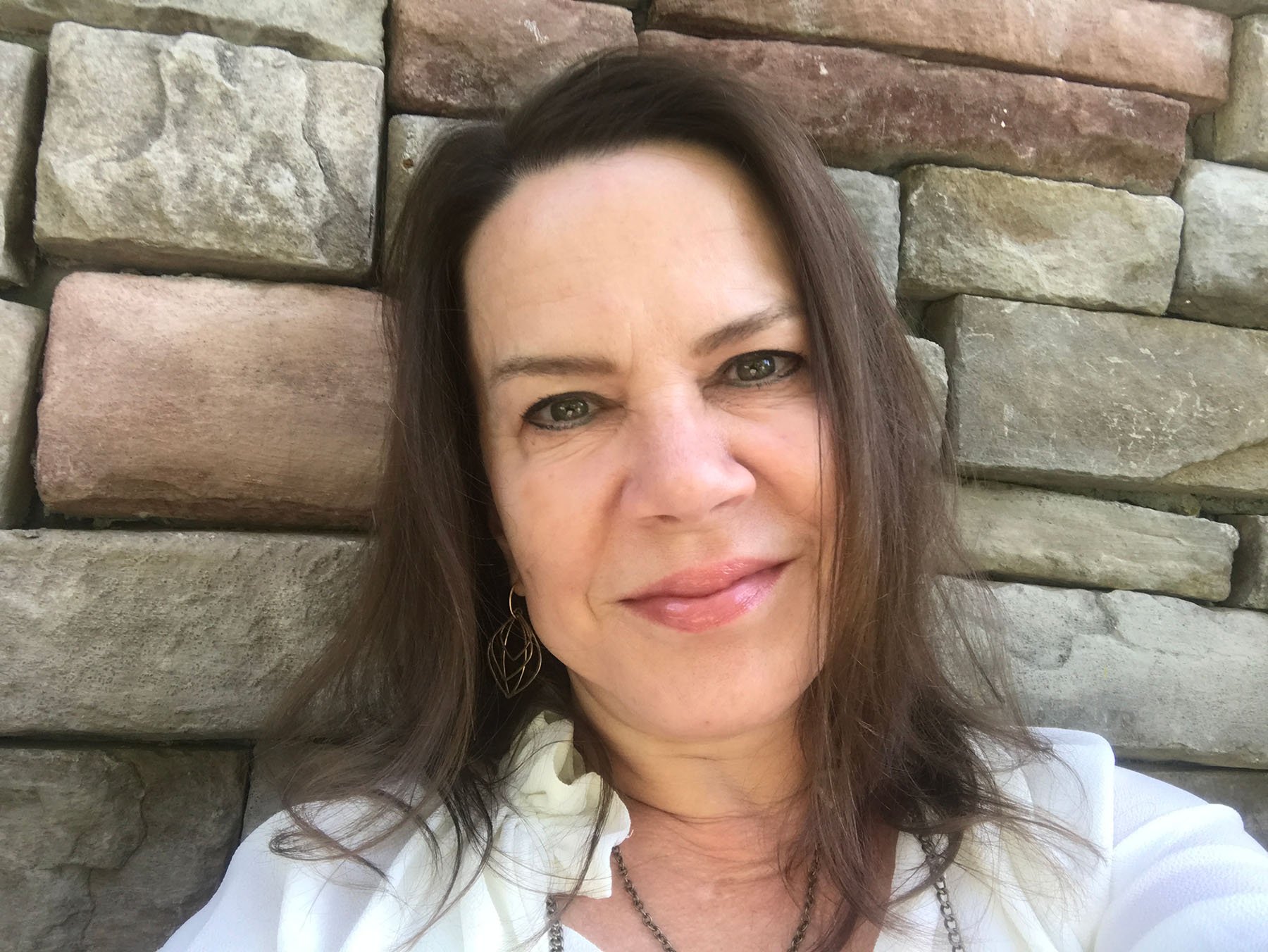














Hi, I’m the founder of Human Amplified. I’m Brandi Fleck, a recognized communications and interviewing expert, a writer, an artist, and a private practice, certified trauma-informed life coach and Reiki healer. No matter how you interact with me, I help you tell and change your story so you can feel more like yourself. So welcome!
Find More on the Blog
Topic
- ADHD
- AI
- Atlanta
- Black and BIPOC
- DIY
- FAQ
- LGBTQIA plus
- Los Angeles
- Nashville
- Seattle
- St Louis
- St. Louis
- UFOS/UAPs/ETs
- abuse
- accountability
- addiction and recovery
- adoption
- affirmations
- afterlife
- altered state
- angels
- animals
- anxiety management
- art
- astrology
- atlanta
- attachment
- awakening
- beauty
- behind the scenes
- being human
- body image
- body work
- boundaries
- brandi fleck
- breathwork
- bullying
- burn out
- burnout
- cancer
- career
- caretaking
- chakras
- channeled
- clarity-dive
- clarity-practice
- clarity-primer
- clean products
- coach
- codependency
Recent Blog Posts

Visit the Full Podcast Audio Archive

Affiliate


Psychology specialist Corey Hatfield explains character strengths, anxiety, mindfulness, and why two people can experience the same situation in completely different ways.