
How to Create Emotional Safety in Relationships
Interview By Brandi Fleck
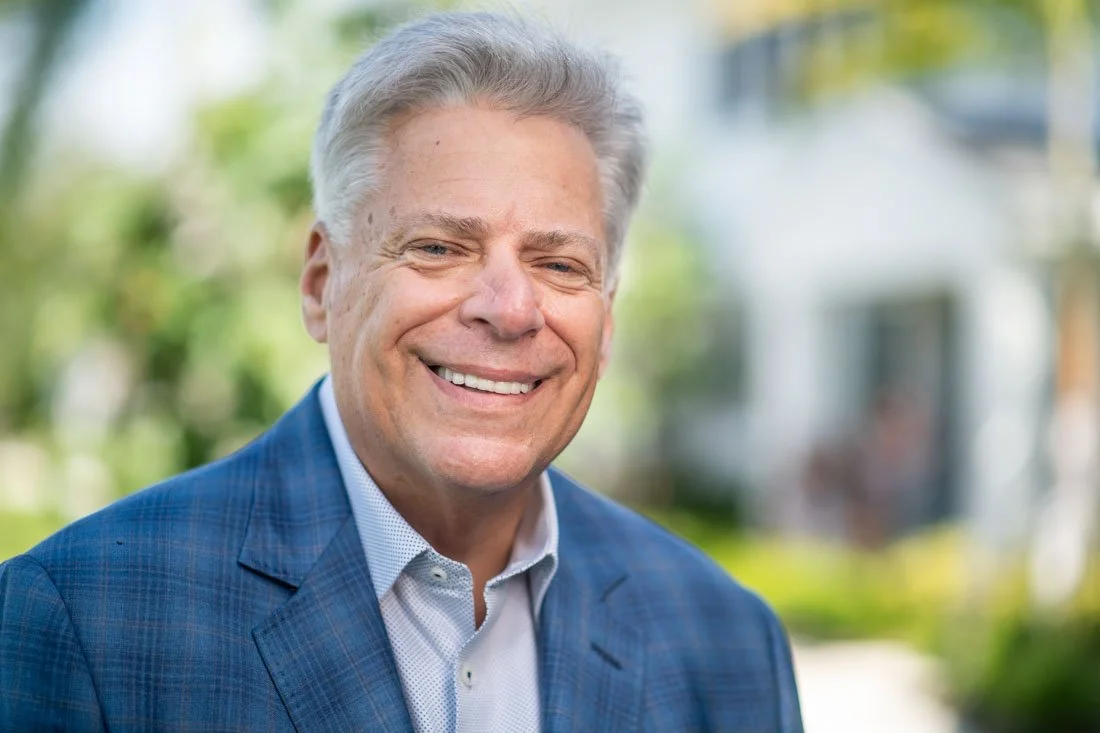
Ron Karr explores how trauma, trust, communication patterns, and emotional triggers shape relationships and why changing your reactions can completely change the conversation.
Ron Karr spent much of his childhood learning how to read a room before anything exploded.
Growing up as the son of a Holocaust survivor meant living around unpredictability, hypervigilance, and chronic stress. Those early experiences shaped the way he approached trust, conflict, communication, and emotional safety in relationships for decades afterward.
Ron shares how trauma and stress eventually showed up physically through years of debilitating back pain, why people become emotionally reactive in conversations, and how creating emotional safety can completely change the way someone responds to you.
We also explore victim mentality, emotional triggers, empathy, leadership, and the neuroscience of trust, including why people shut down, become defensive, or feel safe enough to open up.
If you’ve ever found yourself stuck in repetitive arguments, frustrated by conversations that go nowhere, or wondering why certain relationships feel emotionally exhausting, this episode offers a practical framework for changing the dynamic without trying to control the other person.
Listen to Ron Karr’s Interview
Watch Ron Karr’s Interview
Trauma, Trust, and the Velocity Mindset
Ron Karr: Hi, my name is Ron Karr. I’m the son of a father who was escaping the Holocaust. I survived it with my optimism because I knew that there had to be a better day tomorrow. It’s the only thing you live for. We all live for hope.
I’m talking about authentically sharing your story. It doesn’t take two to change a relationship or a conversation. It only takes one. If you don’t like the reaction, change the action. What are you going to do differently?
Sometimes, to gain velocity, you need to pause.
Brandi Fleck: February is here, and it’s time to start thinking about relationships with ourselves and others. When we get right down to it, honing the interpersonal skills needed to grow any type of relationship involves intentional focus. Just how much and what type oftentimes depends on what we’ve been through in our lives.
Last week on the show, we learned all about spiritual awakening and how it’s so highly intertwined with healing trauma. So today on the show, we’ll be looking at how one man’s trauma healing has led not only to a highly successful career in helping others be successful in theirs, but also has led to insight into creating safe spaces and better conversations in personal relationships.
We’re talking with Ron Karr, a highly sought-after public speaker, former president of the National Speakers Association, sales and leadership success consultant, and author of five books. His newest book is called The Velocity Mindset, where he teaches us how to combine speed with direction to change our lives.
Living in Florida by way of New Jersey, Ron is also a doting dad and loves to play golf. Ron not only knows what it takes to improve sales and guide CEOs and large business groups, but his unique vantage point is so interesting because the root of sales success is relationships.
In this episode, Ron combines his professional expertise with lessons learned from his personal history of being the son of a Holocaust survivor and navigating that relational and generational trauma to help us improve our relationships through trust, dependability, transparency, communication, and service.
Whether you’re interested in growing in your career or your personal relationships, from this episode you’ll learn how the mind and body are connected, the importance of honoring your word, actionable steps for what to do when something comes up and you can’t honor your word, the hormones of trust that lead to productive engagement, how to know if you have a victim mentality, how to get out of a victim mentality, and how to be the bigger person that is the leader to start changing outcomes in your life, especially when other people are involved.
Welcome to the show. I’m so glad to have you here today.
Ron Karr: Thank you, Brandi. How are you doing today?
Brandi Fleck: I’m good. Very, very good. So can you please introduce yourself to our listeners? Just who you are, what you do?

Ron Karr: So my name is Ron Karr. I’m a professional speaker, consultant, and expert in the area of sales and leadership. I’ve written five books. My last book is called The Velocity Mindset, and I’ve been doing this for about 35 years.
I’m past president of the National Speakers Association, and when I’m not doing this, I have a 27-year-old daughter who’s the light of my life, and I play golf, although badly at times, and I keep myself busy.
Brandi Fleck: Okay, well tell us a little bit about your time at the National Speakers Association. That sounds really interesting.
Ron Karr: Yes, I’ve been a member since 1991, so I guess that’s about 30 years. No, 30-plus years. Anyway, it’s been great. I started in the New York chapter. I was past president of New York in ‘94–’95. I was elected vice president, which is a four-year gig to get to president and immediate past president, and that was in 2011. I gave up the gavel in 2014 in June.
It’s not my involvement that was the only benefit of NSA. I was involved because I wanted to be, but it was what I got out of being involved.
Brandi Fleck: Okay.
Ron Karr: When you’re not looking for anything, people get to know you. They get to know what you do, what you stand for, how well you do it, and then they refer you sometimes to other people. But it’s what I learned in the association that’s the most valuable.
It is the ideas I got and how to tackle certain situations and make me a better speaker, learn how to market, and at the end of the day, basically just make me a better human being and learn how to be of value to my clients.
Brandi Fleck: Does being a better speaker help you be a better human being?
Ron Karr: Not necessarily.
Brandi Fleck: Okay.
Ron Karr: There are people that speak that do wonderful, wonderful performances on stage, but then when you see them live their lives, it’s a contradiction to what they would tell you on stage. To me, that’s not an appropriate way of handling your life. You should be on stage where you are in real life.
Brandi Fleck: Yeah. We’re going to scratch the surface of some deep topics in this episode, and we’re going to talk about building trust and ditching victim mentalities. I know that you have a little experience or expertise in those areas, but before we dive into that, I want to get really personal, and I just want to start from the beginning and learn about your life story. I know that’s big, but can you just take us through your life and let us know who Ron Karr is?
How Childhood Trauma Shapes Adult Relationships
Ron Karr: Well, I guess if anybody had a right to talk about being part of a victim mentality and getting over it, it’s me because I’m not the only one who’s lived through this, but I’m the son of a father who was escaping the Holocaust and wound up in a camp in Siberia with the Russians for two years.
Between getting shot at and being threatened with death on a daily basis and a horrible way to exist, it’s been documented that children of Holocaust survivors tend to live in abused childhoods. The reason, to make it simple, is it’s not that people who were in the Holocaust don’t care or love the kids. My father loved me deeply. I know that for a fact.
It’s just that they’re so damaged emotionally, and they want to do whatever it will take to ensure that you do not live the life that they had. They overcompensate by being very restrictive, being very demanding, and if you do something wrong, just a little something, their reactions can be rather harsh, whether it’s verbally or physically. Not sexually, but throwing things at you or whatever.
So when you have a good moment, then all of a sudden it’s destroyed because something stupid happens, and then my father would fly into a rage and throw things and say things he never should say to a kid. That’s PTSD right there, plain and simple. You’re living, and then you never know when the bomb is going to drop, and then you are looking for bombs to drop.
But what it also did was hone my skill that makes me extremely valuable to my clients today because one of my skills is I can think five steps ahead because I was five steps ahead of my father trying to avoid getting the crap beaten out of me. How’s he going to respond to this? What’s going to be the response? And so forth.
Brandi Fleck: Yeah.
Ron Karr: So that became, like anything else, a strength. But if it’s overused, it becomes a weakness. For me, it was a strength for my clients, but in my life it became overused, a weakness, because that led to not the victim mentality at that moment, but it led to me always being on guard and never being able to relax or take people for who they are because I always was waiting for that shoe to drop.
Brandi Fleck: Yeah. Is that making sense? Oh, it totally makes sense.
Ron Karr: So when I got out of the house and went to college, I was the most unconfident person you’ll ever meet, and it took me a few years after college to start getting my confidence wings, if you will.
It took me a few years to work through this stuff, and I had a few physical ailments that I know came from the stress of what I lived through and what I was living through.
Now, how did I survive it? I survived with my optimism because I knew that there had to be a better day tomorrow. It’s the only thing you live for. We all live for hope. Everybody, no matter how good your life is, how bad your life is, we all live for hope that tomorrow’s a better day.
That’s what keeps us going. As a matter of fact, any speaker that goes on stage, if you’re really honest about what your role is, your role is to provide hope for everybody in that audience that they can do something better, that they can overcome a situation or get to where they want to be. We sell hope.
Brandi Fleck: Yeah.
Ron Karr: Now when I say “sell,” some people have a bad connotation, so I’m talking about authentically sharing your story that leads people to realizing, “Hey, I can do that. There’s a better way of doing it. I want to do it.”
Brandi Fleck: Yeah, wow. I just want to let our audience know that I didn’t know that was your story, and thank you for sharing that with us. I think it’s really helpful.
One of the things you said that really resonated was that you can think five steps ahead, and also that a strength, if overused, becomes a weakness. Can you expand on that just a little bit?
Ron Karr: Yeah. So when you’re thinking five steps ahead, you’re thinking about what could go wrong, how can the person respond, and that’s a very good thing to do in strategic thinking and looking at a new initiative for compliance or whatever, or for a salesperson preparing for a sales call.
But if it’s overused and you keep thinking over and over, then you’re overthinking it and you tend to complicate things. That’s what I mean.
Chronic Pain, Stress, and the Mind-Body Connection
Brandi Fleck: So I do know that you went through a series of nine back surgeries. What happened, and what was that experience like for you?
Ron Karr: Well, number one, I think my back surgeries came as a result of what I went through as a young child.
Brandi Fleck: Okay.
Ron Karr: The stress.
Brandi Fleck: From physical—
Ron Karr: Well, it’s a little deeper than that. I write about it because in The Velocity Mindset I address it. Just to let your audience know simply, Tiger Woods has one level fused. I have nine levels fused. That’s what all those back surgeries were about.
A friend of mine said after the third back surgery, “Read this book called Healing Back Pain,” by John Sarno. He was the pain med doctor at NYU in the ’80s, and he couldn’t understand, “Why am I giving Vicodin and these people aren’t getting better?”
Well, he started researching the brain, and what he found out was that when we get close to the subconscious and there’s things in our subconscious that all of us don’t want to get to, our brain will create pain in the body as a diversion.
To make it a simple thing, up to the 1980s, the number one malady was ulcers. But then they came out with a pill that basically solved it. So then the back became the major pain malady in the body, and it became a thing that many millions of people have been dealing with.
So he developed this TMS program where he helped people just realize that, and walking through a couple of exercises, when they recognized what was happening and how it was happening, for many of them the pain went away because they were now addressing it.
In the book, he writes that there’s certain things that can lead to that. They found that a couple of them were everybody’s need for perfectionism, and you can’t live up to standards of perfectionism. But perfectionism is really hiding something else that’s bothering you.
Another thing he called was “goodism.” I’ll give you an example. When I was not getting a lot of love or appreciation for what I was doing at home, my mother was tremendous. She was my rock. She was my mentor. She was a woman ahead of her time. She fought in the War of Independence for Israel, commanded a battalion of 2,000 women, world-renowned economist, but basically she was traveling her whole life, so she wasn’t there during the pain.
But when they were together, I would practice goodism because I’d do whatever I can to get the atta boys. Starving for it. So I’d wash the dishes every night, I’d do this. That’s goodism.
And I still have it to this day, but it doesn’t serve me well sometimes. Sometimes it does. So I’m more cognizant of it so that I can let it serve me the best it can and do well for people. But people with goodism, at the end of the day, they do too much for others and disregard themselves. They’re not in a good position.
Brandi Fleck: Gotcha. Okay. Did the back surgeries contribute to your healing process from, I guess, the pain that was there?
Ron Karr: Yeah. So I didn’t, you know, because when you do MRIs, a back surgeon would say, “Well, these are not that great, but I’ve seen people who are worse with no pain.” That’s what he’s talking about. He’s saying, “Why is it so different?”
So at the end of the day, the back surgeries did help me, yes. I got my life back and I was able to walk, but I think I may not have needed them if I was onto John Sarno’s work earlier in life.
Building Trust in Relationships and Business
Brandi Fleck: Okay. Let’s shift a little bit. When I say the word “trust,” what comes up for you?
Ron Karr: So trust to me is earned, and trust is the gold standard to me.
So the way I explain it to people is, God forbid, if you lose your husband or wife, if you lose your kids. I’m not talking about death, if something happens, there’s no talking to them or whatever, they’re gone living someplace else, the relationship’s gone. You lose your house, you lose all your money, those are not good things necessarily.
But you know one thing you can always come back from all that, assuming you didn’t lose one thing? Your word.
Your word is the gold standard. If you say you’re going to call someone the next day, call them. Even if you don’t have an answer, call them. When you stop honoring your word, then every time you make a promise, people will think about all the times you didn’t honor it, and they don’t believe you, or they go, “Yeah, yeah, yeah.”
You cannot start a new venture and succeed. You cannot start a new initiative and succeed if you don’t have your word intact. But you can lose everything else and try and start over, but with your word intact, a banker may say, “You know what? We trust in you. We believe in you.”
Let’s put it this way. If you watch Shark Tank, the first thing they have to say is, “Is that an item or service that interests us? Do we see possibility?” That’s just to get into the game, to get those judges to want to invest in you.
But now if you get there, then the next thing and the most important thing they look at is, “Do we believe in you? The owner, the person behind the deal. Do we believe you have what it takes?”
If you do anything in that presentation that automatically creates an issue of trust, they’re not investing in you. How can they? Because when the trust is not there, they don’t believe in you. That’s how important trust is.
Brandi Fleck: Okay, so this is interesting. I’m really glad you brought that up. Something that has come up lately, I guess even with other guests I’ve been talking to and just people in my life, is that it’s also okay, when you’re taking care of yourself, if you say you’re going to do something, it’s okay to change your mind sometimes if you need to take care of yourself.
How would you reconcile taking care of yourself with still being dependable and keeping your word?
Ron Karr: Well, number one, things get in the way. We know that. It’s not that something got in the way that irks people. It’s the fact you didn’t let them know in advance.
Brandi Fleck: Got it. Yep.
Ron Karr: So that they can make changes.
For example, salespeople, especially now with the supply chain shortage, they’re notorious. They are always reluctant to call a customer when they have bad news. They’re afraid to lose the order, the customer yelling, and all that.
If a customer’s yelling at you, number one, it’s just their aggravation, what they have to go through. But think about it this way. When you promise a customer something, or anybody, they in turn take that promise, assume it’s going to happen, and then they make their promises based on your promise.
So if you’re selling a product, a raw material to a company, then they put it into their production cycle. They say, “Okay, it’s going to be here. We’ve got the other products coming. This goes online on Tuesday.” Then all of a sudden you’re delayed, and all those things can’t happen. That’s when you have a problem, and that’s when that person you promised to now loses their trust with their people because they can’t keep it going.
So if you’ve got bad news or something comes in your way from honoring your commitment, you need to do two things. Number one, let people know as soon as possible because what it does is it allows them then to plan for it and make changes.
But if you let them know after the fact or never even call them, forget it. It’s too late then, and they probably only want to talk to you.

So let them know in advance, number one, and then number two, give them a reason why.
That leads me to when I say to the audiences when I speak, “What’s the most powerful word in the English language?” The word “because.” That’s the reason.
A quick story. If you left your dog in the car by accident, or you thought you weren’t going to be in the store for more than a minute and you had no clue there’s a big line, and you’re getting one thing, and then all of a sudden you get the big line, your dog’s getting a little hot in the car, you don’t want to be one of those people arrested for killing your dog.
All of a sudden you go to the front of the line. You ask somebody, “Hey, my dog’s in the car. I’m really sorry. Would you let me in?” They may begrudgingly give you a face or whatever, but nine out of 10 times they’ll let you in. Why? Because they can all relate and you gave them the reason.
But you go to the front of the line and just cut in with no reason? Well, there’s no chance you might be alive after that.
Brandi Fleck: Yeah, that makes a lot of sense.
Ron Karr: And the third thing is, you warn them, you tell them the reason why so they understand, and then you help them creatively solve the issue. Try and give them ideas that can help them get through this so that they can go back to their company or whatever and help them do this.
Ron Karr: Everybody. It’s not just for a salesperson. It’s for anybody. When you made a promise to someone, you can’t—
I got a guy who’s thinking of bringing me in as a senior executive. His wife’s a CEO, and it’s a big company. This guy on his voicemail says, “I’ll call you back within 24 hours. If I don’t, send the police after me.”
But he doesn’t call you back.
Brandi Fleck: Oh no.
Ron Karr: So he’s breaking a promise right then. To him, I know why he does it, because he really cares. He wants to be good to people. He wants to show he cares. But you’re not caring then. It’s better off if you don’t even say it, and then if you can’t call them back, well, you didn’t call them back in two days. You’re not breaking a trust then.
The Neuroscience of Trust and Emotional Safety
Brandi Fleck: Yeah. Something that you hit on a little bit is that we’re all just people, whether it’s sales or whether it’s just in your personal life. There’s still this transparency that’s needed so people can relate.
But when we’re talking about, from a scientific standpoint, can you tell us a little bit about the neuroscience of trust and what goes on inside of humans when trust exists versus when it erodes?
Ron Karr: So we talk about three hormones on stage when we talk about how to engage people so you can get them engaged and tracking with you so eventually, hopefully, they’ll accept your ideas.
The first hormone we talk about is cortisol. Cortisol is a fight-or-flight hormone.
So let’s just do a little enactment, Brandi. How’s that? Just a little bit engaged.
Brandi Fleck: Okay, yeah.
Ron Karr: So, Brandi, if I’m calling you up, let’s say to sell myself as a guest on your show, and you have a lot of people calling you up to be a guest on your show, I know that.

So let me just call you up and say, “Brandi, it’s going to be the best interview you’ve ever had.” First of all, I’m setting myself up for failure right then because you’re putting expectations that are not realistic for anybody.
But if you say, “This could be the best interview I’ve had, and let’s do it,” you’re a little suspicious down in there. Is that a fair statement?
Brandi Fleck: Sure, yeah.
Ron Karr: So if you look at cortisol from one to 10, now cortisol you’re going to have in you, all right? But the question is, is it low enough but high enough to where you engage and it’s not pushing you away?
If one to 10, one’s a low end. If you’re one and two, you’re not really being pushed away, but you have no reason to listen because you’re not really engaged. Three to five is where you want people to be. They’re engaged, they’re talking to you, and they’re like, “We’re ready to go. How can we do this?”
Six, something gets in the way. They’re still agitated. Seven, they’re agitated. Eight, they want to get the heck out of there. They start checking out mentally or physically. Nine and 10, they can get abusive, upset with you.
So all of a sudden, if I’m sitting there saying, “Yeah, I can do this,” and I’m giving you the “it’s going to be the best thing you’ve ever had,” a couple things happen. Number one, you start the interview and you’re going, “Oh my God, he’s the best one here.” Your expectation is so high, and this is the worst interview I’ve ever had. Your cortisol is all shooting up.
Now let’s suppose we made an appointment like we did today to be interviewed, and I don’t show up. Well, first of all, your cortisol’s probably still at six or seven at the beginning of the interview, wondering how is it going to go? Is it going to be good for your listeners and all that? You probably do that at the beginning of every show. Is that a fair statement?
Brandi Fleck: Oh yeah. I get nervous.
Ron Karr: Because it’s your brand at stake. It’s your show, and you care about your listeners.
Then all of a sudden they don’t show up. Where does your cortisol go? Does it go up?
Brandi Fleck: Oh, it definitely shoots up. Yeah, this has happened before, and I try to calm down, but it shows up.
Ron Karr: So now I make you another promise: “I’ll be there next week.” You may not give me the opportunity, or if you do, your cortisol is still going to be up because I already left you at the altar, if you know what I mean.
Now there’s a shot I’m going to do it, so you’re going to be stressed out to make sure I show up. Then if I do show up, you’re still going to be overly stressed to see if it’s a good interview. The bottom line is, if you go into an interview feeling that stress, no matter how good you are, it still comes out somehow.
That’s the one hormone we link to the concept of trust.
Brandi Fleck: Okay.
Ron Karr: And then the other hormone is this. There’s two others: oxytocin and dopamine.
Oxytocin is a loving trust hormone. So when we’re bringing two people on stage and we show them how one question can change the whole dynamic of a cell in the brain and how the brain can switch immediately and become engaged, the question we’ll ask the person who’s playing the salesperson is just, “Hey, what are the three biggest challenges you’re having?”
That one question automatically changes the whole hormone makeup in someone’s brain because it takes the emphasis off now to stop worrying about what you’re trying to sell them. Their fear goes down, and now they think about what they want to do, which is really important to them, and they’re engaged.
So now all of a sudden you ask, “What are the three biggest challenges?” or “What are the three things they want to accomplish?” Now they may start giving you those three things. Well, they wouldn’t have given it to you if they didn’t start trusting you.
They started trusting you because you started making the conversation about them, not about you. So then the oxytocin gets released just a little bit because trust is earned. They give you those three things, and then they start feeling better about the conversation because it’s about them, not about you.
So their dopamine is released. Dopamine means to feel good, but dopamine only rises with oxytocin. If they don’t trust you, they’re not feeling good.
This is really interesting, and it makes sense. It seems like sometimes you don’t always know who you’re talking to or trying to engage with, even if you’re creating new relationships and whatever interaction. If that person has had a traumatic past or has PTSD or something like that, it seems like the hormones would be different. Would they not react with more cortisol in certain things?
Ron Karr: They may react if it triggers them, and it triggers them to where they were when they were younger and saying, “Oh my God.” Like, I get triggered if someone blows up on me unexpectedly.
They could have just said, “Hey, why’d he do this?” or whatever. That could trigger me to go back. But after many years of therapy, I’ve learned how to deal with that.
But yes, we could be triggered, and we all trigger. In your relationship with somebody, you’re doing nothing but triggering each other because you get used to the same conversation. You don’t even need to be there. Just hit the play button on the tape recorder. I’m dating myself when I say tape recorder.
But we trigger each other, and the moment we say something, especially if we’ve been with somebody for a long time, it triggers them about something you don’t like about that person or whatever.
Creating Better Conversations Through Empathy
The relationship will always stay fresh if you’re always acting empathetic and thinking ahead. Am I triggering somebody? Am I creating an environment that’s safe for them to want to talk?
I’ll give you an example. My ex-wife and I, we’re good friends today. Marriage just didn’t work, okay? But we’re great friends and we support our daughter and all that, and we celebrate some holidays together.
When I’d be traveling, I’m on the road for two weeks or whatever. I’m not a talkative guy when I get home. I’m talked out.
Brandi Fleck: Yeah.
Ron Karr: Well, my ex-wife loves to talk, and she would talk about everything that happened for the last two weeks, and I’m exhausted. I’d look at her and go, “Seriously? What about me?” Obviously that conversation didn’t go well because she took it as me rejecting her, which I was not doing.
So I’m flying home one day, and I’m saying, “Well, you teach this stuff. You teach that it doesn’t take two to change a relationship or a conversation. It only takes one. If you don’t like the reaction, change the action. What are you going to do differently?”
That’s the premise of The Velocity Mindset, which came out in May, is what would the world look like if everybody acted like a leader, meaning in control of their destiny and not as a victim of circumstance?
So I decided that I was not going to reject her because I’m planning ahead. I have to create the right environment. I know how she can feel rejected, be triggered.
Ron Karr: So I’m not going to interrupt her. I get home and sit down for dinner, and she goes, and I felt like I was sitting on my hands, you know, sitting on my hands. I put in a couple little “Oh yeah.” I can’t say I’m listening 100%, but I’m listening a little bit.
But miraculously, what seemed like 10 minutes later, but it was only like 30 seconds, she was no longer rejected, and it allowed her to have empathy for me. She looked at me and she goes, “You’re really tired.”
I go, “Yeah.”
“You know what? We can talk about this later.”
So what changed? Me. Me recognizing that if I’m going to be an influencer, I’ve got to have some empathy. I’ve got to create a safe environment for her to want to talk. When I did that, she in turn had empathy for me.
Brandi Fleck: Yeah, that’s great. Thank you. That was really helpful.
How to Break Out of a Victim Mentality
I think you mentioned the victim mentality or being a victim. How can someone know if they have a victim mentality?
Ron Karr: The first thing you’re thinking about is, “Why is this always happening to me?” Or someone says, “Only the 1% get this complication. I’m the 1% guy.” Which I’ve said. That’s a victim mentality.
If you’re always saying, “If anything can go wrong, it’s me,” or something does go wrong, something happens, and all you think about is how it’s hurting you, but you’re not understanding why it happened.
One of the premises in the book we say is, when something goes wrong, stop blaming other people. That’s what victim mentalities do. They blame others or they blame certain situations.
Real leaders—and I’m not talking about whether you have a manager’s position or you’re an owner or whatever. It’s anybody in life—real leaders, when something doesn’t go right, the first thing they do is they don’t blame anybody. They don’t blame circumstances. The first thing they do is ask themselves, “What could I do differently?” Just like I did when I was coming home for that second time. What could I do differently?
So I’ll give you an example how it works.
My first sales job in 1980—what, am I dating myself?—was selling copiers. 1980 was a revolution in the copier industry because that’s when they were going from the wet liquid toner that got all over your clothes to a dry bond toner. Simple, clean, switch it out.
They seduced me with the crispness of the copies, 80 beautiful copies a minute.
“Where’s the collator?”
“Oh, don’t worry about it. It’ll be here in six months.”
“Where’s the duplicator?”
“Six months.”
They never came.
So for the first four months, I couldn’t sell a copier to save my life. I’d be going in the doors and I’d say, “Hey, I sell copiers.”
“Okay, does it do what the Xerox does on the third floor? Duplicate? Collate?”
“No.”
“Well, you can come back to me.”
Well, after the door hit me in the butt so many times and my butt was a little sore and I didn’t make a dime, I decided something has to happen. So I took a pause.
Think about this, Brandi. Sometimes to gain velocity, you need to pause. Stop. Because what you’re doing, it’s not working.
Brandi Fleck: That makes sense.
Ron Karr: So for me, the pause was a board meeting with myself. It was taking me, myself, and I to the diner in New Jersey. That’s where you go.
I said, “Okay, what’s wrong? I’m not selling anything. What’s the conversation you’re having?”
And “copiers” is what happens. That compares me to Xerox.
Now, in my previous book, Lead, Sell or Get Out of the Way, the one distinction we made is: don’t compete, create.
What I mean by that is, if you really want to sell an idea, anything to a customer or to a family member, whoever, don’t compete with anybody else or any other product because that’s a zero-sum game. That’s when you go into price discounts and everything.
Find out the gaps that they’re having and fill those gaps, and they’ll come to you because they don’t have a solution for those right now.
Brandi Fleck: Yeah, right.
Ron Karr: So when I asked myself in the diner, “What am I really selling?” I said, “Communication vehicle.”
So let me have a conversation on that.
The next call I went in, I said to the office manager, “Would you agree with me that a copier is nothing more than communication for your goal?”
She goes, “Absolutely.”
I said, “Well, when it comes to that, what do you think your biggest challenge is?”
Brandi, it was like she was all of a sudden in a therapist’s office laying on a couch. She was letting me tell you, “Joe or Sally has to make one copy on the first floor. They get up, talk to everybody, go up the staircase to the third floor, then they have to wait in line behind all these big jobs to make their one copy. Then they make it, come back, chitchat with everybody else. By the time they’re done, it could take two hours.”
“Oh amazing. Wow, that’s a lot of time. How often does that happen?”
She goes, “Try the equivalent of two full-time employees.”
I said, “Well, you want them back? Here’s how you’re going to get them back. For me it’s simple. I’m not competing with the Xerox machine on the third floor. It’s a great machine. Keep it. But I’m here to fill your gaps. Put one of my machines on every floor. They’re inexpensive enough. They’ll take care of all your one- and two-copy jobs, and you’ll get back those two full-time employees.”
I sold three copiers that day.
Brandi Fleck: Wow. Okay.
Ron Karr: And I started selling multiple copiers after that on each deal when I realized I was having the wrong conversation.
So I could have easily said, “Hey, I blame my company. They promised me in six months. It’s not happening.” I could have easily blamed the customers because they don’t know what the hell they’re doing.
But at the end of the day, I went to, “What could I do differently? If I don’t like the reaction, how can I create a different action?”
Brandi Fleck: Yeah.
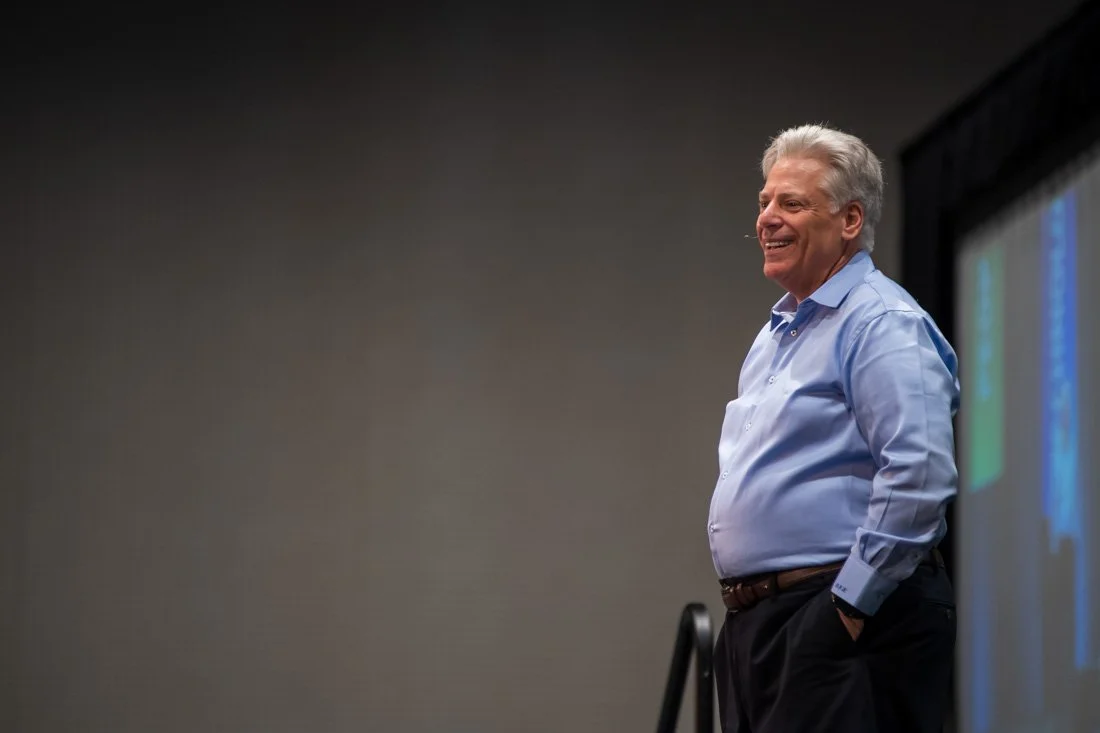
Ron Karr: That’s why you take a pause. That’s why you stop to gain velocity. That’s how you act not in a victim mentality. It’s, “What could I do differently?”
And Brandi, what would the whole world look like if everybody lived their lives that way?
Brandi Fleck: I think it would be pretty amazing.
Yeah, I like that you said you realized you were having the wrong conversation, so you changed the conversation.
When a person realizes that they’re in a victim mentality and they’ve got these scripts playing through their head like, “Why does this always happen to me?” how do they change that conversation? How do they intentionally go about doing it?
Ron Karr: That’s a good question. I guess there’s a few ways you can do it.
The way that I always do it is the thing we talk about in the book is stories. We create stories. Something happens to us, somebody says something to us, we create a story.
So I can create the victim story. But stories are fueled by emotion. Now, if the story is fueling you and it’s pushing you forward, great. Keep doing it. But if it’s not serving you well, then you have to realize that at the end of the day only you can stop that.
And here’s the good news, Brandi. You ready? You wrote that story, which means you can change it. It’s your story. That’s all it is. It’s a story.
Brandi Fleck: Okay. I like that. I can see somebody who’s stuck there being like, “I can’t change it. I don’t know how to change it. This is reality. There’s no getting out of this.”
Ron Karr: So let’s take that statement. “I can’t change it. I can’t get out of it.” That’s a story you just told yourself.
Now if you allow it to keep going, you’re going to believe it, and you won’t get out of it.
Brandi Fleck: Yeah.
Ron Karr: Well, you won’t because you’re not looking to do anything different. You’re already owning it. It’s the fait accompli. So you’re acting as a victim.
But instead of saying, “I can’t get out of it,” I want you to say, “What can I do differently?” You’ll be amazed at how energized you’ll become because when you’re sitting there saying, “I can’t get out of it,” you deplete yourself of all energy.
Being a victim takes a lot. It robs you of your energy.
But when you sit there and say, “Okay, every action creates a reaction.” It’s neutral. I’m not making a story, but it’s just the world. It’s physics. Every action creates a reaction.
If you don’t like the reaction, change the action.
So when you remove the negative emotion around what’s going on, it immediately frees you to say, “Okay, what could I do differently?” When you are freed like that, it’s amazing what you come up with.
Brandi Fleck: Yeah. Do you have an example of a time when you have been in that victim mentality?
Ron Karr: That’s what I did with my ex-wife. That was a victim mentality. I’m coming home, all of a sudden she’s yelling at me. She wasn’t yelling at me. She was doing it because I rejected her.
When I was able to take the emotion away from that and see what it was, I said, “Okay, what could I do differently? Let her talk. Don’t reject her. Don’t do anything.” She can perceive and create her own story of being rejected.
See, we all create stories.
Brandi Fleck: Yeah.
Ron Karr: But that’s what a leader does. They think ahead to create a safe environment.
Let me give you an example. I’m in the CEO’s office at this company. A production supervisor comes storming in.
“Damn person’s on a cell phone.”
“So what did you do?”
“I said, ‘Get off the damn cell phone.’”
“What did he do?”
“He said, ‘Why? Everybody else is on a cell phone.’”
“What’d you do?”
“I yelled at him to get off the damn cell phone. He stormed away.”
I said, “How well did that serve you?”
So along the lines of “if you don’t like the reaction, change the action,” what do we know about this person? He wants to be a master welder. What do you need? Great quality and timeliness.
“How’s his quality?”
“Perfect. We love him.”
“How’s his timeliness?”
“He’s 20 minutes late on his jobs and it’s delaying everybody else.”
“Why don’t you go back there and have a different conversation saying, ‘Hey, you want to be a master welder?’”
“He goes, ‘Yeah.’”
“Well, you know you need quality, and your quality is phenomenal. That’s why we love you. Your timeliness, though, you’re 20 minutes behind on this job. What do you think we can do to get you back on track so at the end of the day you don’t lose any time in getting to be a master welder?’”
Miraculously, the person started coming up with his own ideas and what he can do to get back in time.
And Brandi, the concept of the cell phone never even came up.
So let’s replay the first time he did it. Attacking the person on the cell phone. This goes, “Are you winning the battle or the war?” He created the battle into the war: cell phone. When that wasn’t the issue.
He wanted to win the war, so they make the guy more productive, and he wasn’t having a conversation on that.
Ron Karr: So all of a sudden he comes storming up to that person, and anytime someone sees a boss coming over, if it’s not a really good thing, which usually doesn’t happen, it’s really bad. His cortisol’s smoking. What’s that employee going to do? They already told themselves the story. It’s gaining emotional energy. They start protecting themselves, and then all of a sudden you’ve got two people just going at it.
Instead, the person who wants to influence, the second time, acted like a leader. Anticipated what the person is likely to respond to, like I did with my ex-wife. Creates a safe environment for that person to want to talk. How? By taking the issue off the cell phone and onto what was important for that person, what they wanted to achieve.
When that happened, they got into a great conversation.
It doesn’t take two people to do that, Brandi. That’s the secret. It only takes one. The question for your listeners is: Are you the one? Are you acting like a leader?
The Velocity Mindset: Speed With Direction
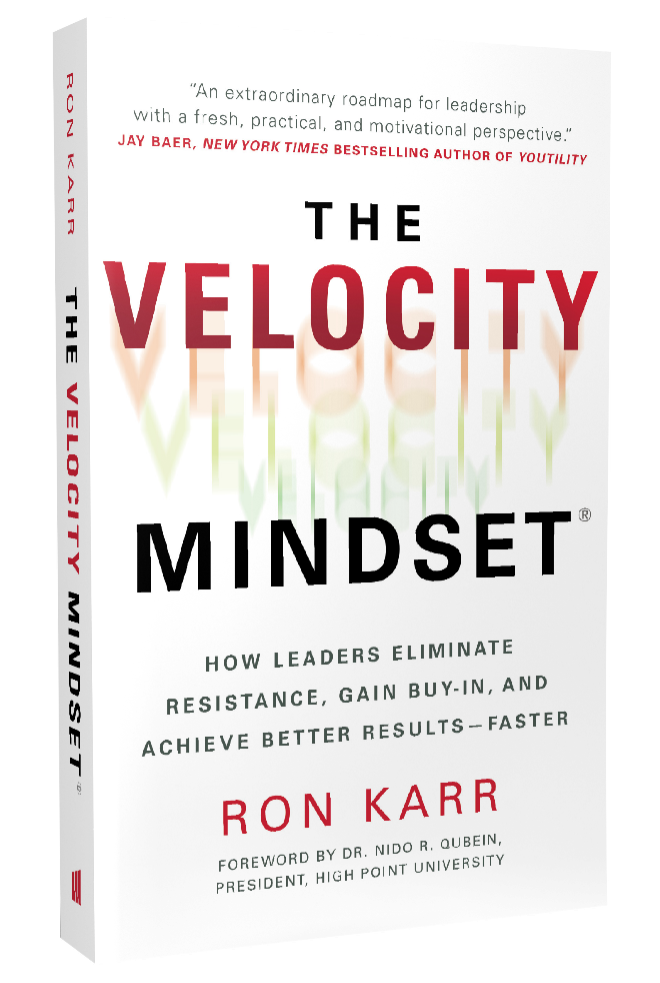
Brandi Fleck: Yeah. Okay, you have mentioned The Velocity Mindset. That is your latest book that came out in May. What is The Velocity Mindset? Can you give us a little overview?
Ron Karr: Well, everything we talked about is part of The Velocity Mindset, but if I ask you, when you hear the word “velocity,” Brandi, what is the first word that comes to your mind?
Brandi Fleck: I guess motion.
Ron Karr: Yeah. A lot of people say speed, momentum, motion. Absolutely. But if that’s all you’re thinking about, you’re going to have burnout.
I moved to Florida, and I thought I had a new cleaning lady. Nice lady, did a great job the first time. She was in my house. She knows what it looks like.
There’s a house down the street similar to mine with a similar address. My friends have gone to that house by accident.
I was expecting her to be here yesterday. I’m planning it in between my Zoom interviews and everything, and she doesn’t call, she doesn’t show up. Finally, at four o’clock she calls me and she goes, “I was at your house. You weren’t home, so I cleaned it.”
I said, “You weren’t here.”
She goes, “I just cleaned it.”
I said, “Ma’am, you were not here.”
She cleaned somebody else’s house.
Brandi Fleck: Oh no.
Ron Karr: Who left the door open by accident and wasn’t expecting them. I wonder what happened when they came home and their house was clean.
So in the book we call that “task versus purpose.”
She didn’t care where she was. The purpose was to clean the right house, but because she was so task-driven, any house would do. You follow me?
Brandi Fleck: Mm-hmm.
Ron Karr: What we’re saying in The Velocity Mindset is you need one thing besides speed to have velocity. You need direction. The end result.
Versus task. Doing a task for a task. All she was doing was the task of cleaning a house. She didn’t care if she was at the right house. She didn’t think about, “Why is he not home? I know he’s home. His office is here. Why is this happening?”
So at the end of the day, because she was so task-driven, she was oblivious to everything else. Now she spent a lot of time, but was it worth it to her?
So when we’re task-driven, we’re doing a lot of things and we don’t have time for ourselves. But at the end of the day, how many times do we say to ourselves, “What did I really do? How did I move the needle forward?”
Velocity is about keeping you on track. Velocity is making sure that you’re only doing a task that makes sense to where you want to go.
So the definition of velocity is speed with direction.
Brandi Fleck: Okay.
Ron Karr: If you don’t have that end result in mind to make sure you’re making the right decisions and doing the right actions, then any road will get there, and you might be cleaning someone else’s house metaphorically and not cleaning the right house.
Then at the end of the day, you ask yourself, “Well, how come I didn’t get to where I wanted to be?”
Brandi Fleck: Yeah. So speed and direction.
Say you’re moving along in a direction and then all of a sudden an obstacle comes up, a wall comes up. How do you handle that? I sort of feel like this is related to changing the conversation, but how is that connected?
Ron Karr: Well, the end result has to be the right result that you’re after, and you have to be passionate. You really want it.
So let’s talk about a salesperson. A salesperson would say to me, “Yep, I’m going to meet this new prospect I’ve been asking for a long time.”
I say, “Great. What’s your goal for the call?”
“I want to close the deal.”
I said, “Well, wait a second. What’s your sales cycle?”
“Well, it usually takes five calls.”
“What call is this?”
“It’s the first call.”
“So is that really the right result you’re going after? Because if all you’re doing is going to that first call to close the deal, you’re not even asking any questions. You’re telling them all the reasons why they should buy from you, and you’re probably not going to see them again.”
That’s what we’re talking about.
So what should be the right goal? The right goal, if it’s the first call in a five-call sales cycle, the first call should be to qualify them as the ideal customer. Is it worth your time? Then to identify with that person what the path forward is.
That’s going to dictate your actions.
If you’re going to identify if they’re the right person for you and the right account, you’ve got to ask them questions, not talk to them. You’ve got to ask them questions about what they’re trying to achieve and what they’re trying to prevent and all that good stuff.
You have to see if that’s in your sweet spot, if that’s what you want to do. If it is, then together create a path forward. That’s velocity.
Sales Psychology and Human Connection
Brandi Fleck: Okay. I know a lot of times when we’re talking about sales, and you mentioned this earlier, that sometimes people have a negative connotation of that.
So I would just like to talk a little bit about how do acceptance and gentleness fit into this process versus force and persistence? Not just the process of sales, but how does that fit into accomplishing your dreams and keeping that forward motion?
Ron Karr: Couple things. When I’m on stage I say, “How many of you can’t wait to meet that next salesperson who is going to puke on you?”
People who have all the knowledge about everything, that’s puke. Who’s going to puke all the 20 reasons why you should buy from them, of which 18 do not speak to you at all.
I mean, you can’t wait for that. Not one hand goes up.
But then when I ask, “If you have to make an important decision, how many of you would value the assistance of someone who’s going to help you make the right decision for you?” all the hands go up.
So at the end of the day, it’s about the customer, not about you.
If you want to reduce resistance, have them talk about where they’re going. Have them talk about what’s stopping them from getting there. Have them identify the gaps. Then only talk about the one, two, or three things you and your product can do for them that’s going to help them fill in the gaps they just talked to you about.
If you don’t, you’re going to be wasting a lot of time, and you probably won’t get the business.
Brandi Fleck: Does this translate into personal relationships at all?
Ron Karr: Yeah. It’s the same thing. We all have ideas. We all want people to do what we want to do.
Well, what’s your best pitch? Why should someone want to do it in your family?
Brandi Fleck: Yeah. What’s in it for them?
Ron Karr: Yeah. You want to understand the best way to gain velocity and influence. Always ask yourself the WIIFM: “What’s in it for them?”
Brandi Fleck: I’ve really enjoyed this. I do want to ask you, is there anything that I haven’t asked you that you think is important to say?
Ron Karr: My whole thing with clients was always helping them get to where they want to be in the fastest way possible.
But as I was down for those three years with back surgeries and I couldn’t move, those four back surgeries and a couple others, I was 57 at that time. You review your life when you’re like that, and you look at your successes, and I’ve had some really great successes, but I’ve also had situations where I didn’t get to what was on my bucket list.
When I asked myself why, it was the stories that held me back. Everything we just talked about, Brandi.
But I was 57 and I’m going, “My God.” I’ve always talked about velocity, but now it’s hitting me right in the eyes because I’m on the back nine in my life. If I really want to accomplish those things, I’ve got to change those stories so I can really get there.
So it gave me renewed passion and energy for what I want to do on stage. It was always about sales and leadership. I still do that, because this affects that. But now I’m on a renewed mission that gave me renewed life in my career, which is to help people get to where they want so at the end of the period, whatever it is, no one is ever looking back in their lives and saying, “I failed because I didn’t get to where I wanted to be.”
I want people to have fulfillment at the end of a given period of time so they can go out feeling good about themselves. That’s what I live for, and that renewed passion on stage.
Brandi Fleck: Well, that is absolutely amazing. Ron, I love it. Thank you for coming on the show. It’s been a pleasure talking to you, and thank you. I think you’ve given your listeners something they can really do.
Ron Karr: Oh, absolutely.
Brandi Fleck: I do want to make sure that all of your website, your book, all of that stuff goes into the show notes for them to check out. Give us those.
Ron Karr: So they go to velocitymindset.com. Velocitymindset.com has a free leadership assessment. Remember, leadership is everybody in life, not just people with a title.
Take that. It’s a short five-question survey, the five most important things you need to think of for the velocity mindset to lead your life with it, and you make your own grade. But then it also comes with tips and best practices and how you can move forward in all those areas.
That’s free of charge. We also ask for your email address only for one reason. We come out with videos every Friday on velocity, so we want to keep you in the conversation. So you just sign up for your charts back, and then there’s a link to go to Amazon to get the book The Velocity Mindset in any format that you want.
So the link’s there, and you can get it all right there on one page: velocitymindset.com.
Brandi Fleck: Ron, thank you.
Ron Karr: My pleasure. Thank you.
Join the conversation!
Feel free to share your own experience and let me know if you have any questions in the comments.
Related Posts




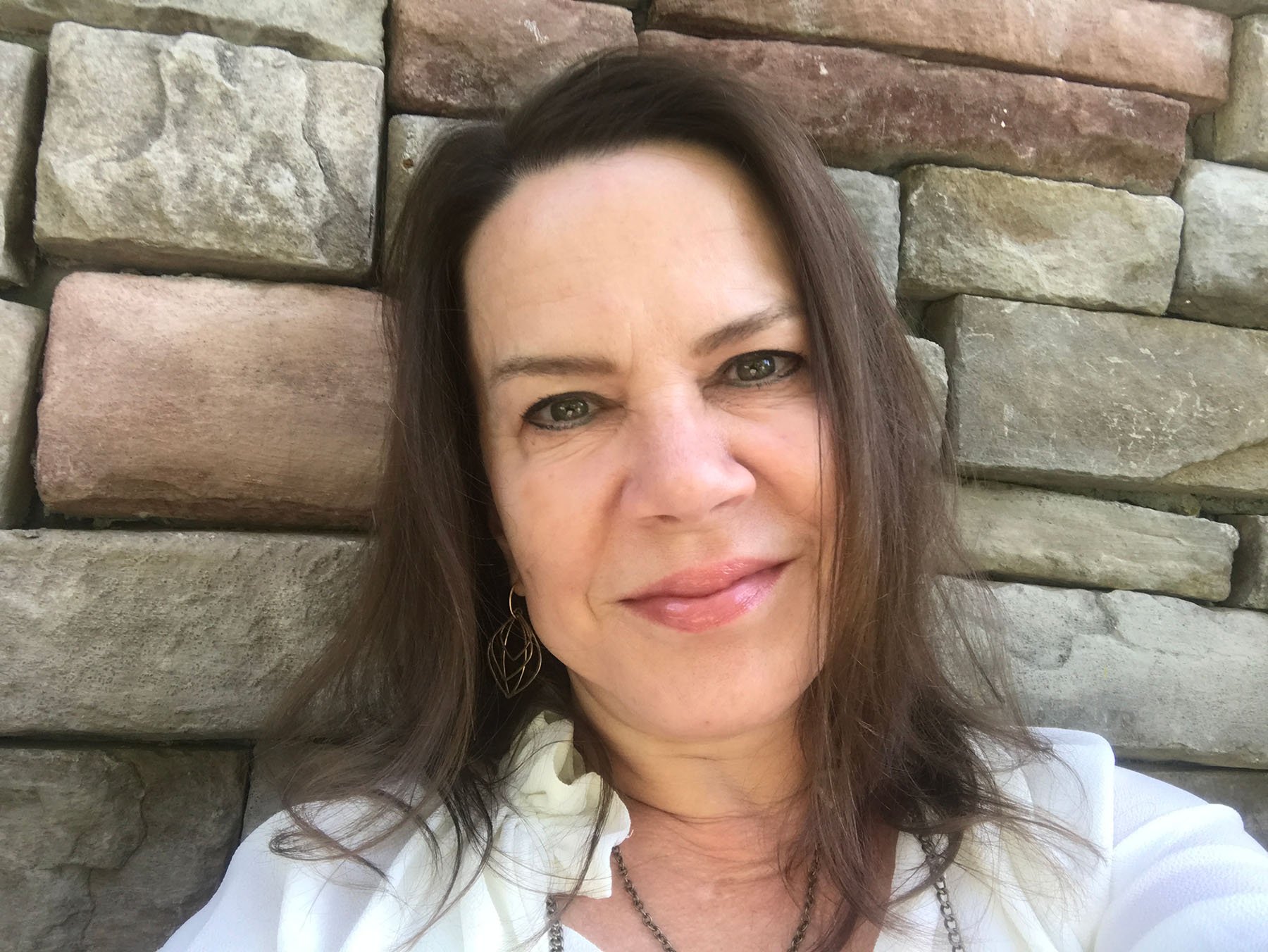













Hi, I’m the founder of Human Amplified. I’m Brandi Fleck, a recognized communications and interviewing expert, a writer, an artist, and a private practice, certified trauma-informed life coach and Reiki healer. No matter how you interact with me, I help you tell and change your story so you can feel more like yourself. So welcome!
Find More on the Blog
Topic
- ADHD
- AI
- Atlanta
- Black and BIPOC
- DIY
- FAQ
- LGBTQIA plus
- Los Angeles
- Nashville
- Seattle
- St Louis
- St. Louis
- UFOS/UAPs/ETs
- abuse
- accountability
- addiction and recovery
- adoption
- affirmations
- afterlife
- altered state
- angels
- animals
- anxiety management
- art
- astrology
- atlanta
- attachment
- awakening
- beauty
- behind the scenes
- being human
- body image
- body work
- boundaries
- brandi fleck
- breathwork
- bullying
- burn out
- burnout
- cancer
- career
- caretaking
- chakras
- channeled
- clarity-dive
- clarity-practice
- clarity-primer
- clean products
- coach
- codependency
Recent Blog Posts

Visit the Full Podcast Audio Archive

Affiliate


Psychology specialist Corey Hatfield explains character strengths, anxiety, mindfulness, and why two people can experience the same situation in completely different ways.