
Why Clutter Happens and How to Create Life Order
Interview By Brandi Fleck
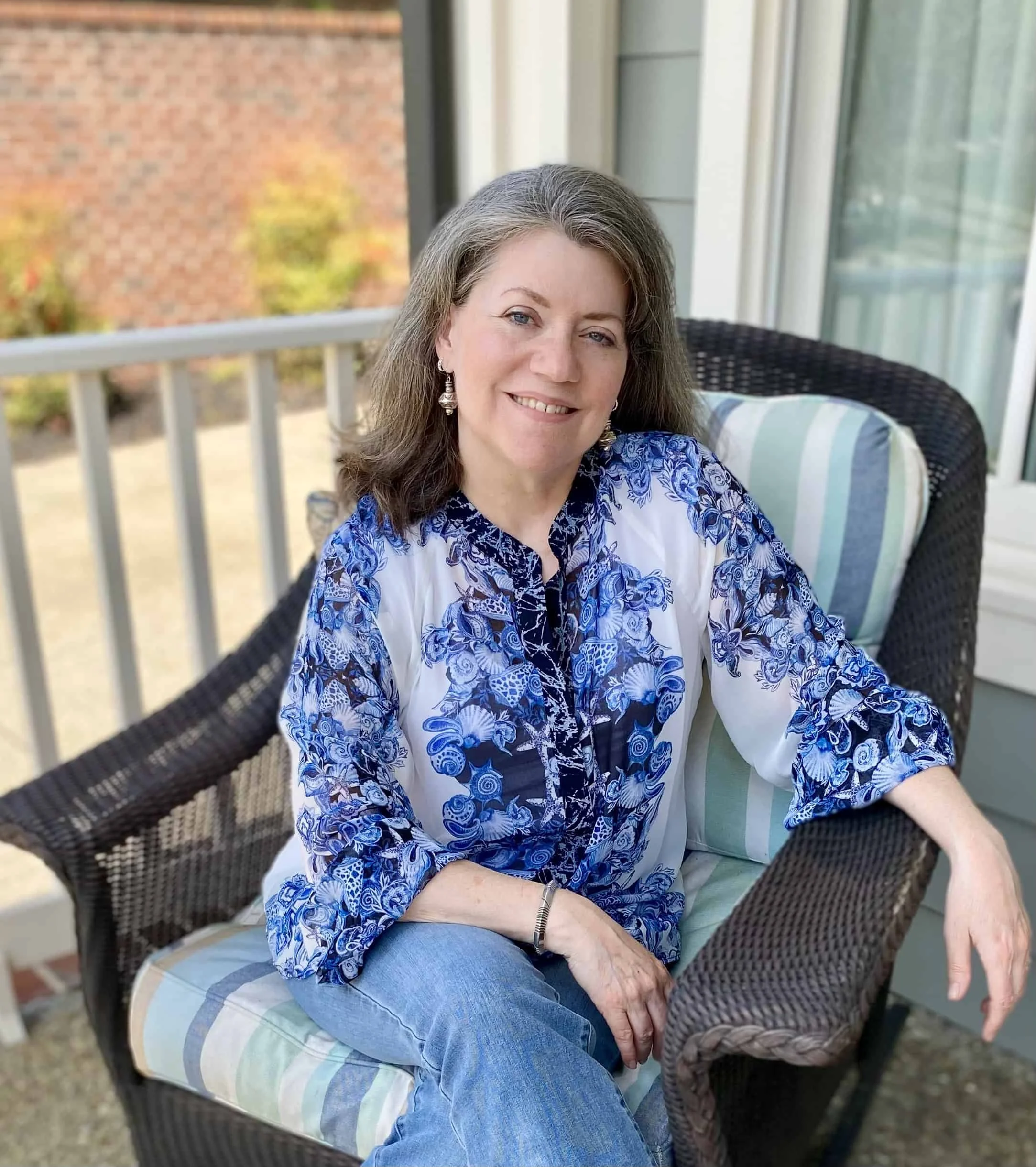
Sara Skillen explains why clutter builds up, why most organizing systems fail, and how learning to trust your decisions can create lasting life order.
Clutter usually gets framed as a discipline problem. You just need a better system, more motivation, or a weekend to finally get it together.
But what if clutter isn’t about effort at all?
In this conversation, organizer coach Sara Skillen reframes clutter as something much deeper. Not a failure to clean up, but a pattern tied to postponed decisions, overwhelm, and systems that were never built for how your brain actually works.
From ADHD to family dynamics to the quiet pressure of “doing it right,” this is a conversation about what happens when organization stops being about control and starts becoming support.
Listen to Sara Skillen’s Interview
Watch Sara Skillen’s Interview
The Ripple Effect of Organization on Time, Stress, and Daily Life
Brandi Fleck: Today we're talking to Sara Skillen. She's a certified organizer coach, certified professional organizer, and is the founder of Skill Set Coaching and Organizing based in Nashville, Tennessee. You might remember Sara from her Human Amplified blog post that came out right before season four of the podcast started. It's called Embracing Life Order: Past, Present, and Future. Definitely check that out as she takes you through a fun little exercise for cleaning out your junk drawer.
In today's episode, we dive deep into how setting up your space to work for you ripples out into how your time flows. We learn a bit about how Sara found her calling in organizing in the first place, which is an interesting, winding journey through music, the legal field, and then into coaching, where the need to create safe spaces for those diagnosed with ADHD became clear.
That's where ditching conventional methods of organization came in for Sara, and she leaves us with some tangible tips for how to take the first steps in organizing your space without becoming overwhelmed. We discuss how to facilitate action even when it's tricky, and dealing with clearing clutter in families or groups where individuals each have their own needs.
Spirituality and intuition is a big part of who Sara is, so we end by exploring how that ties into the structure of life order.
How are you doing today?
Sara Skillen: I'm doing great, Brandi. Thank you so much for having me. I'm thrilled to be here.
Brandi Fleck: No problem. I'm super excited to talk to you today. I know that you wrote a guest blog for us when we kicked off season four, and your episode is going to air at the end of season four, so I feel like it's just the perfect bow on the package of this season.
Before we introduce who you are to our listeners, I think the biggest question I want to go ahead and get out there is: when I say “the ripple is real,” what does that bring up or mean for you?
Sara Skillen: When you said that to me originally, when we were talking about doing this, I thought, wow, that is just the perfect way of describing how I think about what I do.
When we create spaces, when we organize spaces that support us, it naturally ripples into how our time flows. If you have a supportive, organized space, you're moving around in it more easily. You're saving yourself time as you try to get out the door for the day or whatever it is you're trying to accomplish.
When we clear out our head clutter, it opens up the opportunity to think differently about how we arrange our spaces and organize our whole lives. Sometimes the smallest shift can make such a difference.
Whether you want to compare that to the butterfly effect or ripples spreading out, however you want to think about that ripple, I just like to think that what I do in a small way is a ripple. Hopefully, I'm helping my clients to lead calmer, easier, and more efficient lives, which for them hopefully ripples out into what they want to do in the world and how it empowers them to create and do the things they're meant to do.
Brandi Fleck: Yeah. Oh my gosh. And then if they're doing the things they're meant to do, can you imagine the inspiration? You don't even know how it touches other people who are seeing what they're doing or being positively impacted by them. I feel like it's infinite possibility.
Sara Skillen: Absolutely. I hope it is. I like to think that if we get a small system put into place and people feel successful with that, they're going to be able to touch so many other people in so many amazing ways.
Brandi Fleck: Okay, well, I think people may have been able to gather a little bit about what you do, but can you please go ahead and introduce yourself? Tell them all about who you are and what you do.
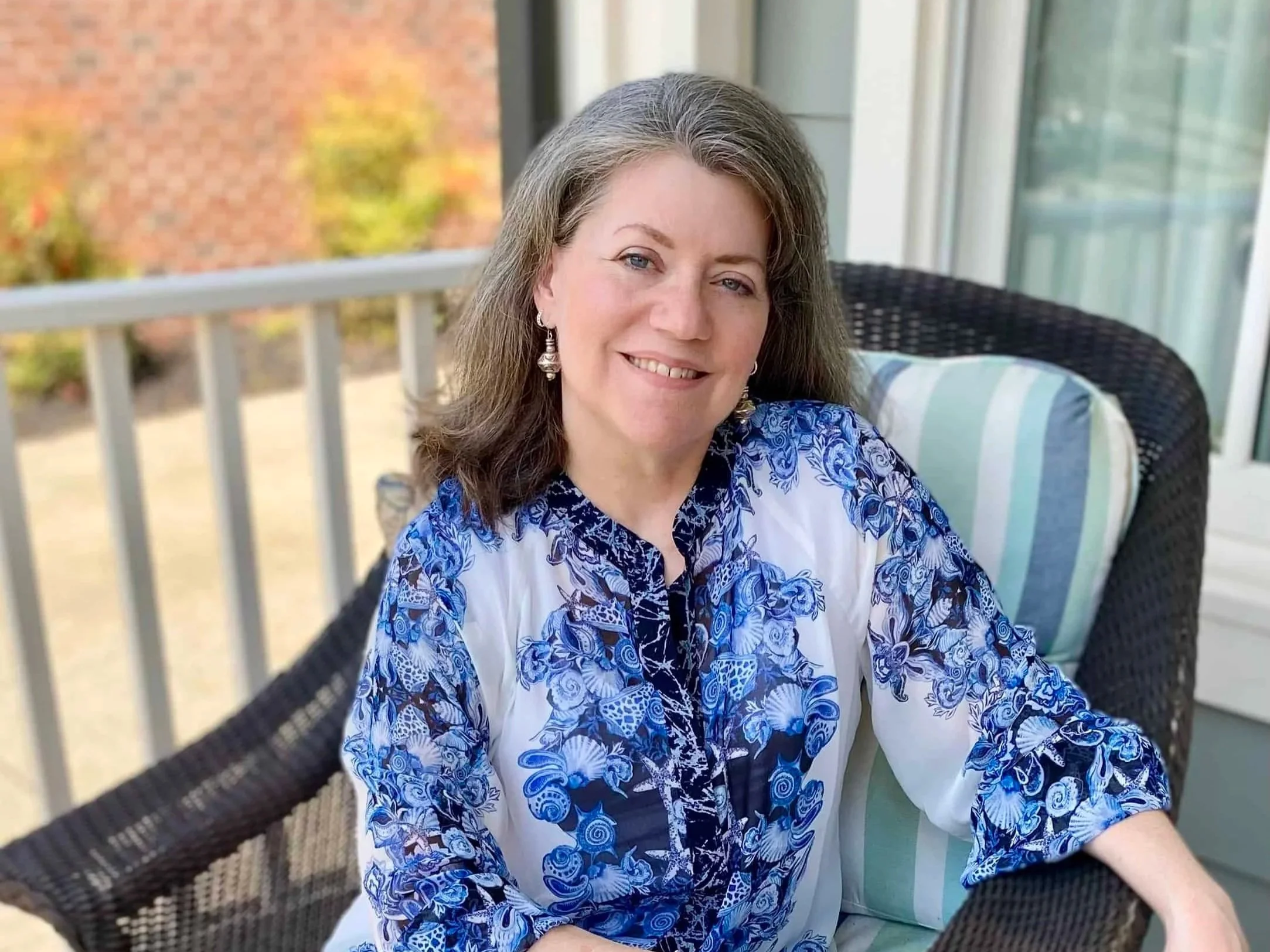
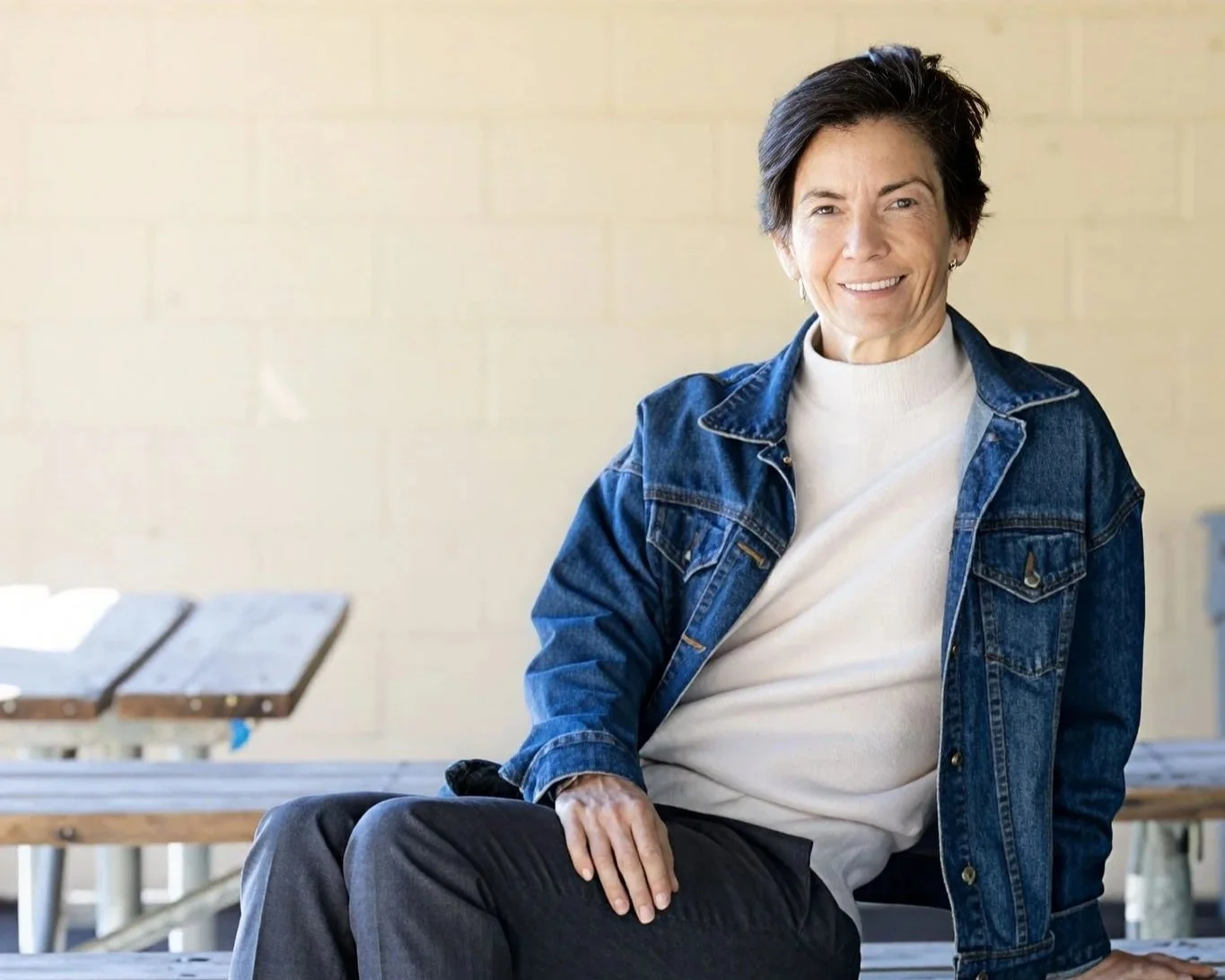
Sara Skillen: Sure. I'm Sara Skillen, and I'm a certified organizer coach and a certified professional organizer. I coach people and help people with their spaces, their time, and their tasks, what I like to call life order.
I love helping people create their own best life order, not necessarily how I would do it, but how they need to be able to do it to be their own best selves.
Brandi Fleck: Okay, so can you go a little deeper for us into, and I think this is a calling for you, but can you go a little bit deeper into why life order is a calling for you, and what is it about it that you really love?
Sara Skillen: I love to see how much peace and relief people feel when they slip into the right gear with their organizing, or with their time management or productivity. Those are terms I don't often use, but they're terms other people understand.
I think we all know what we're talking about when we say time management. For me, it's a lot more holistic. I think those things blend into each other, as I've already alluded to.
I love it because I know how much it also resonates for me. I know how much organization and being on top of things has meant for me in my life.
I just love to see that aha moment on someone's face when they recognize, “Oh, this is how I can do this. I can maintain this. I don't have to do it the way anybody else says to do it, or how the book says to do it, or what they see on Instagram or a TV show.” They can do it for themselves, and that's just really big fun for me.
What It Actually Feels Like When Clutter Lifts
Brandi Fleck: So one word that you mentioned that stands out to me a lot is relief. I've oftentimes felt like relief is just one of the best feelings in the world. Can you describe, and I know everybody's probably felt relief, but maybe not thought about it in such a deep way. But can you really dig into what that emotion feels like?
Sara Skillen: I think it's different for everyone. For me, when I think about relief, it's a letting go. It's taking off the weight so that you can move freely. I don't necessarily just mean moving physically freely, but being freer to have confidence in your own decision-making.
When we create space in a physical space or in a time space, when we resolve some issues that have been troubling us or gnawing at us or getting in our way, and then there's that opening, it's like the sun cracking through a cloud. Then you can start to see, oh, I don't have to worry about that anymore. I don't have to worry about my garage being a nightmare, or I don't have to worry about being overcommitted and having too many balls in the air that I'm about to drop all of them.
When we can start to create that space, and that worry and that stress and all that stuff lifts—even for a short period of time, because we're not always going to get rid of our stress, there's always going to be things that come back in and crowd our brain, but even for a moment, then you can start to see those possibilities.
Okay, that's settled. Now what can I do? How can I move forward?
Did that answer your question?
Brandi Fleck: Absolutely. And thank you for putting that into words for us, because I think it's something we all feel but we don't always talk about, so that's really interesting.
Where Our Relationship with Order Really Begins
I want to dive a little bit into your personal story before we go into some more technical things about organizing, but what in your life pointed you to this? Growing up, did you recognize a need for it, or how did it all come about?
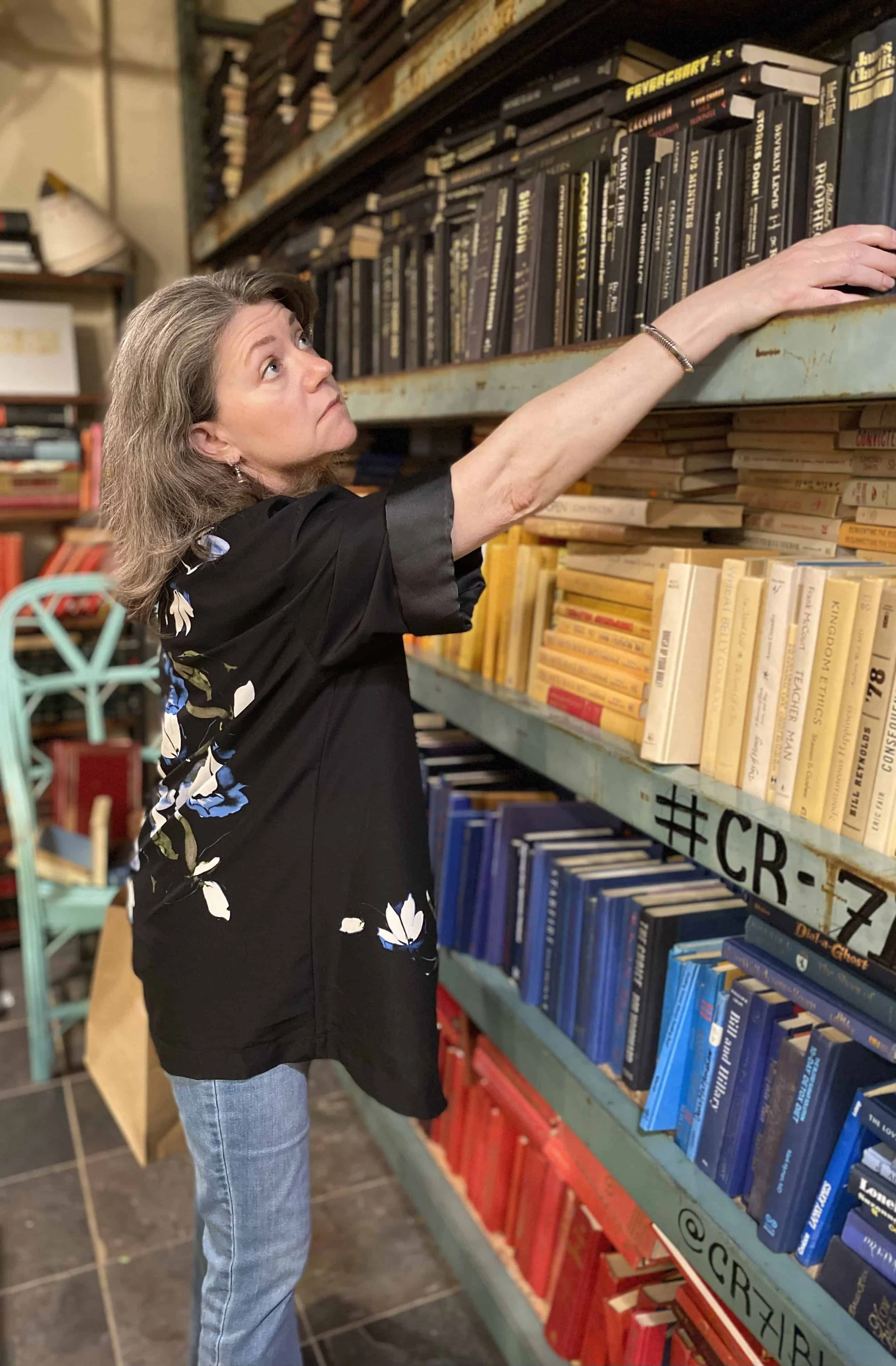
Sara Skillen: As a child, I was not that kid who organized everything. I was not a super neat, tidy child. I think lots of times you will hear professional organizers talk and they'll say, and I'm sure it's accurate. “Oh, I was the child that always color-coded my books, or I organized my doll clothes, or I organized my friends’ rooms growing up.” I was definitely not that kid.
But what I did have, I had parents who, in their own unique ways, were both very successful with creating order.
So my dad was career military. By the time I came along, I came along kind of late in their lives, but he was already retired. But he still retained that. And I actually think he went into the military already having a real strong sense of wanting order, not wasting things, not over-accumulating things. He just set an amazing example in that regard with everything that he did.
My mom, conversely, she wasn't disorganized, but she was far more a creative person. She always had projects going. She was very artistic. She was always into landscaping and any kind of crafting, sewing, anything you could think of. So she always had those projects going on.
But also, she was very committed to the concept of time. What I mean by that is she really impressed upon me the importance of not being late. I know that could be a hot-button issue for a lot of people around me, but that was my experience. She was very much, you want to make sure that you plan things so that you get to places on time.
My whole childhood, she had this calendar right next to the phone, back when phones were on the wall and calendars were paper calendars. It was a fairly big kind where you could write in the little squares. She was always working that calendar, always planning ahead, always thinking things through, always making lists. There was always a notepad with all of her lists.
As soon as I was old enough and started engaging in extracurricular activities, she immediately had me putting those on the calendar for her, her managing my schedule all the time. If I came home and said, “Oh, I've got a Girl Scout thing this weekend,” it was, “Go put it on the calendar.” That was just a ritual for her.
Interestingly, they didn't really pester me a whole lot about being super neat. I don't recall being harassed about the state of my room, other than the normal, “I've got to vacuum in there, Sara, I need you to pick up your stuff.”
I think that gave me two great examples, first of all, and then it also allowed me to figure out how I wanted to organize my space.
By the time I was in high school, I wanted to be neat. I don't really know what the shift was. Maybe it was because I was having friends over and I didn't want my room to be messy. I don't know what it was, but I started seeing the value.
I became very busy in high school. I was involved in the band, deeply involved in music. I was teaching lessons, actually. I was pretty good, so I was teaching younger students. That was my job all through high school, teaching private music lessons.
Brandi Fleck: That's really cool.
Sara Skillen: It was cool. I look back on it. I sort of took it for granted at the time, but I had friends who were working at fast food restaurants making minimum wage, and I was making ten bucks an hour teaching middle schoolers how to play their scales, which was pretty cool.
But I had to stay on top of all of that. If I wasn't at band practice. We had a very intense band program when I was in high school. If I wasn't involved with that, I was teaching lessons. I couldn't drop those balls.
I think I learned through that process how to manage myself in the way I moved through all of that. Then I went on to college. I wanted to be a performing musician originally, but my parents had other ideas, and they were concerned about that. So I ended up getting a music education degree.
When I started teaching, I came out basically suited to be a band director. So, you know, let's give that a try, let's see how that goes. I was 21, I was five foot four, and I looked like I was 14. Classroom management could present challenges when you look like one of the students.
I didn't want to scream. I did not want to be up on the podium yelling at the students to keep things under control. So what I turned to was organization.

What I turned to was, how much can I make this space organized? No question. The kids could walk in the room, they could see exactly where they were supposed to sit. They could see exactly what the rehearsal order was for the day, because I always had that on the board. They could know exactly what the routines were. They could know exactly where to find their stuff, where to put their stuff away. They could learn the value of making sure the room was set up for the next group to come in.
It was all about keeping that order so that I wouldn't be peppered with a bunch of questions at the beginning and distracted by that. The expectations were crystal clear.
I think when things are not clear in your mind and you get muddled, that shows up externally. So that was my way of managing. That was my way of handling all of that with the students.
I think it worked pretty well overall. It's not like I never had any issues with discipline or classroom management. You have 100 kids in a room holding things that make noise, you're going to have some challenges. But I really think it supported me, and that's where the value of it took hold.
Following the Thread That Kept Showing Up
And then, you know my career changed a couple of times after that. Ultimately, being a band director was not clearly the thing I ended up finding as my calling, but those lessons that I learned of the value of providing organization and creating order for people certainly carried through to what I do now.
Brandi Fleck: Yeah, that's really interesting that you approached it that way and that you basically just inherently knew that if you removed the potential for chaos, it would be a calmer environment. You wouldn't have to yell, things like that. So that's really interesting.
So how did you make the transition from band director to going full-time into organization and coaching and those things?
Sara Skillen: After the five years of teaching band, I went back to school to get an advanced performance degree. I did perform for a while, played with different orchestras, chamber ensembles, things of that nature, but also had to teach lessons and do a fair amount of traveling.
By this point in time, I had met and married my husband, and we were settled in Middle Tennessee. I was driving all over the place teaching and playing and doing all this stuff. I guess the short version is I felt like I took that as far as I could take it. There's more to it, but for the sake of getting to the point here, I ended up shifting gears and switching careers entirely.
I had a friend who had become a paralegal. She had been a vocal teacher, and she was sharing with me how much that helped her and how much it meant to her. It was intriguing to me. I have a brother who's a lawyer and several relatives who are in the legal field, so I started looking into paralegal school and found it fascinating.
What I found fascinating was, oh, you can organize things for people, and you can make lists, and you can follow timelines. There was all this organizational work that went into it. I wanted to learn something about the law as well. For a while, I seriously considered going to law school.
About that time, once I got through the paralegal program and started working in that world, my husband's career started moving us around the country. It was good that I had those skills because it really helped me transition career-wise. It was a lot easier to go to a new city and get a job as a paralegal than to try to break into the music world in, say, Santa Fe, New Mexico, where we lived for a while, or LA. It was just useful skills, fascinating.
Ultimately, I decided I did not want to go to law school. We had moved back to the Nashville area, had two children by this point, and I wanted to start my own business. I wanted something that would give me flexibility and really help me lean into who I wanted to be.
I started recognizing that through line of organization. How organization and order and managing timelines and things of that nature had played into all of the different jobs I had. I had a lot of different jobs as a paralegal. So I literally Googled, “What can you do if you're organized?”
I had not heard of professional organizing at that point, and I was astounded. The first hit that came up on my search was the National Association of Productivity and Organizing Professionals. I thought, oh my gosh, there are others. There are people in the world who do this for a living.
I was hooked. I joined the organization, joined the local chapter, started asking questions, started taking classes. Unbelievably, that's been ten years since I did that. This is my tenth year in business, and I am still just shocked that the time has gone by so quickly.
But then how I came to the particular mix of what I do now, very early in my organizing work, I had clients who were sharing with me that they had a diagnosis of ADHD. A little light bulb went off.
I knew from teaching. I unfortunately, when I started teaching, we won't say how long ago that was. But ADHD was kind of new on the scene, or new-ish, and people didn't know a lot about it. There were a lot of harmful stereotypes and just a lot of difficult stuff. I had some students who were diagnosed.
When I had an adult first mention it to me, I thought, oh my gosh, of course children with ADHD grow up and become adults with ADHD. That was a real wake-up call for me to start digging into learning as much about it as I could, because they were really my favorite clients.
What I've always done with my organizing is try to teach the skills to my clients, not just go in and make a beautiful pantry or straighten up a closet, but to really empower them and teach them how they can do it for themselves. Of course, that diagnosis had an impact on how they might be able to manage that for themselves.
That eventually led me into the coach training program designed specifically for organizers. That was the game changer, to learn the coaching skills and to really hold the space for the client to figure out their own best solutions, to believe in them that they can do that.
It's just been this amazing unfolding, and every step along the way has made so much sense for me. There's been no question. This is the next step, and yes, absolutely, this is the next thing I need to be doing here to help my clients.
Brandi Fleck: So it just sort of unfolded naturally as you progressed, I guess is a fair statement?
Sara Skillen: Absolutely. A lot of us who organize specialize in one way or another, and often it's around the kind of space. We have people who specialize in business organizing, residential organizing, photo organizing, organizing for seniors, moves. There are all of these types of organizing.
I realized that I was more into the who kind of organizing, who do I want to organize for. I was a little nervous about stepping into specifically working with people who are neurodivergent, and I kind of put my toe in the water. Then I got some serious affirmation around that in terms of responses from clients.
When I finally put it out there, then the coach training just came up in a really organic and appropriate way that fit right in with where I was at the time.
I think back about the pandemic and how fortunate I was to have that training, because I would say before the pandemic I was about 50/50 in-person organizing and standalone coaching. Then everything shut down, and many of us didn't feel like we could go into people's homes. We all kind of thought, what do we need to do here?
I thought, okay, I'm just going to have to kind of hunker down and wait this out. But then the coaching just grew. I was so fortunate that the coaching grew, and I continued to learn and take classes and do all my continuing education.
Now I do go back to seeing people in person, but my coaching distribution is now about 10% organizing and about 90% coaching. I find that even people who come to me with a specific organizing challenge, frequently we're able to work through that mostly through a coaching lens, and then they're able to go and implement.
I even did a little virtual organizing where people set up their computers in their space, and that's kind of cool too because I'm not putting my hands on their stuff at all. They're the ones doing it, and I'm just there to help support them in the process.
Why “One-Size-Fits-All” Organization Breaks Down
This is really interesting. I'm really curious how you account for neurodiversity in your coaching and organizing, and what types of considerations or skills would be different for anybody with, I’m not even sure how to phrase the question, because all of our brains can be different. So how do you account for that?
Sara Skillen: Weirdly, I find this to be one of your toughest questions. I've had people ask me those sorts of things before. I think it's tough because, also, what you just said about we all fall along a continuum of neurodiversity, right? It's hard to pin down.
But I also wonder why we have to have a world where it's so hard to be accepting of neurological differences that I even have to make a distinction. I often say I wish I could organize or coach myself out of a job. I wish that my clients, who have frankly amazing brains and incredible talent. I hate that it even has to be a thing.
All that aside, how do I do this differently? First of all, I throw out the book. The standard, conventional “here’s how you organize” kinds of how-to stuff. I let that go completely, because conventional organizing methods, whatever those might be, don't typically work, or they don't work in the way that they might be prescribed.
If you want to take some of the organizing gurus or time management gurus, they have good ideas. They all have solid methods, ways of laying things out for people so that they can make their decisions and work through things. But I think sometimes they also do harm, because someone who thinks differently. If they could follow those prescribed methods, they wouldn't be reaching out to me in the first place. They would just follow the method.
So you have to throw out all of these “here's step one, pull everything out of the closet,” because for some people, pulling everything out of the closet is so overwhelming. It might work for some people. That's the challenging thing about this, ADHD shows up so differently from person to person.
Yes, there are commonalities. Yes, there are traits. But the stereotypical stuff about hyperactivity may or may not be true. The stereotypical stuff about being scattered or forgetful or distractible. It comes into play in such different ways for people.
Some of that depends on how they've been brought up. Some of that depends on when they were diagnosed. Some of that depends on what kind of work they do. A lot of folks with ADHD, if they find the right vocation, the right calling, they're golden. They're doing what they want to do, expressing themselves in the way they need to express, and they've happened onto the supports that help them do that.
But a lot of people haven't. So to say, “This is how you organize for ADHD,” or “This is how you organize for someone on the autism spectrum,” or “This is how you organize for someone with OCD.” I don't know.
Where I come down on it is I need all the training. I need to know what's going on chemically. I need to understand that, but that's just the baseline. Then really where I approach it is, first of all, from acceptance and patience. Letting the person know, hey, it's okay to describe these things to me. You are safe to show me this part of your life that feels shameful or embarrassing.
We're going to look at this as a puzzle, and we're going to do it together. We're going to partner on this. That's really where the coaching piece comes in. Not me barging in as some sort of drill sergeant expert, because that can do a lot of damage. But me coming in as a partner and saying, okay, here are some best practices with organization. Here are some ways you can approach it. What do you think about that? How do you move through this space? How do you want this space to be? What do you need to be able to do in here?
And really doing a lot of deep listening about that. Again, coming back to the different kinds of organizers. Not everybody wants to work that way, and that's okay. There are a lot of organizers out there who do come in and do the space for someone, and sometimes that can work out really well. Or they come in and have a very specific prescribed method. For some people, that's okay.
But that just doesn't feel appropriate for the way that I want to work with my client. I want to go back to humanity, what it means to be human. I want to go back to the client's own way of being human in the world. Then those structures should only support them. The structure shouldn't be the thing.
It's like a skeleton, or some kind of framework. That's the basis. Then what can they hang on top of that that is going to be uniquely their own?
Brandi Fleck: For our listeners' sake, if someone’s listening with ADHD or something like that, this is what I think I hear as a takeaway from what you just said: if you want to organize your space, it's okay. There's no shame in how it is when you start out. When you haven't gotten life order, it's okay.
Then when you do decide you want life order, you can come get help. When you do, ask yourself questions like: how does the space work for me? How do I want to live? What is it about my humanity that I can support through these structures I'm going to create?
Sara Skillen: Yeah, absolutely. Because I say all the time, you don't live to organize. You organize so you can live.
It doesn't matter if your organizational system looks just like the book or the Instagram photo or whatever. Maybe that works, maybe it doesn't. We want to look at what you ultimately want to get out of this.
I had this conversation the other day with someone who had been feeling very guilty about not folding and putting away all their folded laundry. Part of that was because they couldn't see it. It was out of sight, out of mind.
So why not hang up everything? Who cares? If you file-fold your t-shirts, that's a cool thing. I like seeing those kinds of pictures, it’s kind of fun, but what are you looking for here? You want to get dressed. You want to walk in your closet, grab your stuff quickly, get dressed, and get out the door. Who cares if it's file-folded t-shirts or t-shirts that you hang?
What works? That's the only thing we need to be concerned about.
The Real Reason Clutter Builds Up
Brandi Fleck: Yeah, absolutely. I want to ask you two follow-up questions to this. I'll start with: if there's one piece of advice you could give to anyone listening, with ADHD or not, who wants to get started with more life order, what would that be?
Sara Skillen: It's about making decisions. It's about trusting yourself or learning to trust yourself to make decisions. There's a phrase out there, I didn't coin it, but it's something along the lines of all clutter is the result of postponed decisions.
I think that applies to physical clutter, schedule clutter, and brain clutter. Most people that I work with haven't learned how to decide, to trust their decision-making process.
I think to get started, try making a decision. It can be a small one. You can open up a drawer and say, you know what, I don't need that anymore. Or you could look at your email inbox and say, I don't need to be getting all these newsletters. Or look at your calendar and say, I want to make space for this in my life, on my calendar, and this is now a priority.
What do I have to do? What other decisions do I have to make to get this on my calendar and make it a priority? That's oversimplified, but I think that's a starting point.
Brandi Fleck: Good. Yeah, it really does make a lot of sense. Learn to trust your decision-making process, and then when you make a decision, that implies that there's action involved, right? When you make that decision, if you don't follow through with it, you've actually made a different decision. Would you say that's true?
Sara Skillen: Yeah, spot on.
Brandi Fleck: Okay. Not doing something is a decision in itself.
Sara Skillen: And that is speaking directly to certainly a trait that a lot of my clients struggle with, is being able to take action and trying to figure out how to get from that decision to moving forward.
Why Getting Started Feels So Hard
Brandi Fleck: Yeah. How would you advise to facilitate action?
Sara Skillen: I like the word facilitate. In coaching, we ask a lot of questions about what could make bridging that gap easier. What could you put in place that would make starting easier?
A lot of times, there are so many other things floating around in the brain. It's hard to get zeroed in on. I don't have to do the whole thing all at the same time. I call it horizontal thinking. Everything's important all at the same time. It's hard to distinguish.
So asking a lot of questions about what would maybe be the easiest first thing, what would be the easiest first step, how could I make that step easier, what do I know about myself that makes things easier, how would I like to feel if I start that first step, could I get curious about that, what would it be like to start, what would it be like to go against my grain and do it a little bit differently.
There's all these layers of working through some of those negative messages they might have received or feeling like they can't do anything. There's a lot of harshness sometimes, a lot of self-judgment. If they can trade some of that for curiosity and a willingness to experiment, that can get the ball rolling.
Frequently, I can't tell you how many times I've had somebody say, once I got started, I was fine. It was that first little step that was a challenge.
Brandi Fleck: Yeah, yeah.
Okay, so I think that our listeners have some real takeaways that they could immediately take action on if they wanted to after listening to this episode. But I've got one more question for you about organizing, and then I want to tie this into spirituality, because I know you've been doing some work there.
When Everyone Organizes Differently
My last question about organizing is, what happens when you have someone or several people in a family who are wildly neurodifferent or neurodiverse? How do you make something work for everyone?
Sara Skillen: Yes, this is the big question.
I have never encountered a family or a couple or a group like that where everybody handled everything the same way, including my own family. We all have different ways of managing our stuff. I do have a child diagnosed with ADHD who handles his stuff very differently than I handle mine. We've talked about that.
So there's a couple of things. First of all, picking your battles about what's really important. I think I got that from my parents. I was talking about how they were pretty easygoing about the state of my spaces, as long as it wasn't something that was going to burn the house down or cause some sort of big problem.
I try to be that way with my own kids and look at what is really important. Is it really important to have the bed made every morning, or is it more important that you're making a difference in the world and being a good human, being polite, getting good grades if it's concerns about the kids?
I think I have irritated some parents in the past when I've spoken to groups and I get a question about how can I get my kid to be organized. I think harassing them is not ever going to work.
This shows up with couples too. Usually one is really organized, one is not, or one hangs on to lots and lots of things and one does not. So true in my family.
To harass them or criticize them or keep pushing or needling, it just backfires.
There are a couple of ways that I think I have seen work. One is if someone in the family is concerned about organization, they need to start with themselves and their own spaces. There are families where neurodiversity runs in families, so if one person is starting to make some changes and the other person may be really resistant, we just work on you. Get your spaces the way you want them. Manage your time the way you want to manage it.
Frequently, it can be contagious. If you're not harassing the other person, if you're not needling your child, if you're not putting all of that negative energy, well-meaning, but if you're not pushing that all the time and you're sticking with yourself and setting an example, that is very powerful. Our kids are watching us.
If you pay attention to how you keep your own stuff, I do think, not in all instances, but I do think it's much more powerful than forcing someone to get their spaces under control.
That's one thing. Then the other is around acceptance and having some open and calm conversations.
If you have a family member who is struggling, and I should make the distinction that when we cross over into hoarding disorder, that's a whole different situation, and I'm not an expert on that. I think that's important to state. What I'm talking about is more typical clutter and chronic disorganization, which means a person has made repeated attempts to try to become more organized and they haven't been successful. We're setting hoarding aside.
Having some conversations. Hey, I'm noticing this. I'm noticing that you're having trouble finding your stuff, or you're having trouble getting your backpack together before you get out the door, or I notice that you're really stressed out because you can't find what you need in your office. Would it be okay for us to talk about that a little bit, because I'd like to help you with that.
Coming at it from I want you to live a better life, not your space is trashed and what's wrong with you and get all that stuff out from under your bed.
Like I said, when I've talked about this and focused on pick your battles, a lot of people have a hard time hearing that, but acceptance goes a long way.
Brandi Fleck: Yeah, I think one of the key ingredients to being successful, and I'm only guessing here, would be patience. If you want to set an example, that takes a lot longer than saying, hey, go clean up your room. That might be difficult for people.
Letting Order Be Something You Listen For
So let's transition into spirituality really quick. I know you've been doing some work there. How does that all tie in with your calling around life order?
Sara Skillen: The short answer is I'm not entirely sure just yet.
That's awesome.
For me, that's an unusual place to be. I'm the kind of person that wants answers and wants things tied up neatly, and this spiritual journey doesn't work that way. I think inherently maybe there's some value in that I'm learning to sit with ambiguity, which is valuable for me.
My spiritual life has always been incredibly important. Briefly, I grew up in a pretty straightforward, mainline Protestant kind of church experience, as most people in the South do, one type or another. In the past 15 years, it's really grown and expanded through some exposure to things I was fortunate to have, in terms of working with dreams, looking at other ways of working with spirituality, and meditation, which is really important to me.
In all of that exploration and inner work, I came across the Haden Institute, which is an organization that offers training in both spiritual direction, interfaith spiritual direction, and also dream work. Because I've done dream work for years, I was really intrigued with the spiritual direction program. I looked into it, had some friends who had been through it, and I felt this really strong pull, going back to trusting my intuition, that this is really important for me to dig into and explore.
I don't know where it's going just yet. I do know that when I am listening to clients, this is one of those things that can be so divisive. Many people have a belief system, whether it's Christian-based or Jewish or something else. They have a belief system, whether they practice it externally or not, but we don't want to go there because there's all the tension around it.
I think what this has been doing for me so far is giving me a bigger ear, so that when I hear a client start to bring some of their spiritual journey into our conversation, I can be really open to that and help them feel safe.
I do think it colors our language. It colors our perspectives. It colors the way we think about different things. I've had some clients carefully say, is it okay if I talk about this, because this impacts the way my day goes or the way I consider a certain word.
If I can be open to it, regardless of what kind of religious or spiritual background they have, and be able to sit with that, it really opens things up. I'm speaking a little vaguely about it because of client confidentiality, but if someone wants to develop their spiritual practice and they recognize that something like centering prayer really changes how their day starts, we need to be able to talk about that.
I need to have enough spiritual grounding myself to be able to sit with them and let them open it up.
One of the things in the spiritual direction program that really struck me in one of the first books I had to read, the author called it midwifery of the soul. Like being a midwife. A midwife doesn't give birth. The midwife waits while the person is giving birth.
That may seem far afield from life order, but I think there are connections to be made there. I haven't figured them all out yet, but I'm really enjoying the journey.
Brandi Fleck: I've been wanting to ask you this question since we started talking, and I wanted to save it. You've mentioned the phrase creating order a couple of times, and I was going to ask you a question about what you've learned about the universe through your spiritual work and how it all ties in.
What comes up for me is that there is already order in the universe, even if it seems chaotic. When we are creating order in our life, is it something that you think we are creating ourselves, or are we accessing order that's already there?
Sara Skillen: Wow. I think it's both.
I think that however you want to label it, whatever word you want to use, God, universe, creator, I think it's co-creation. I think there is an order in the universe. I think the universe responds to our order. I think we can work on that together.
Brandi Fleck: I like that.
Sara Skillen: Thank you for asking that. You may have just given me my first little puzzle piece.
Brandi Fleck: I got chills.
Sara Skillen: Thank you. That was a great question. I'm glad we're getting this recorded because now I'm going to go listen to myself and think about that some more.
Brandi Fleck: As you uncover these puzzle pieces, I would love to hear about the connections you make as you figure it out, if that's possible.
Sara Skillen: I'd love to come back. I'm so honored that you asked me to do this. You were talking earlier about bookending with the blog post and this episode. I've been listening to some of your episodes and just blown away by the stories of so many of the guests. It's an honor to be on the front end and the back end of all of that.
Brandi Fleck: Thank you so much. It's really been great having you. I would love for you to let our listeners know where they can find you and what resources you have out there for them.
Sara Skillen: Absolutely. The easiest place to find me is at my website, skillsetorganizing.com. You can go there, and on my homepage you can sign up for my newsletter. You'll get an automatic download of a printable worksheet you can use to work with some of those more challenging objects you might run across in your organizing.
You can also find my book there. My book is Organizing and Big Scary Goals: Working with Discomfort and Doubt to Create Real Life Order. That came out in early 2020. You can find it in paperback, ebook, and audiobook wherever books are sold, or at the Nashville Public Library. You can ask for it at your libraries. I'm a big fan of libraries.
I'm also on Instagram, Twitter, and Facebook. On Instagram and Twitter, it's @saraorganizes, and on Facebook it's Skill Set Organizing.
Brandi Fleck: Awesome. All of that will be in the show notes, so be sure to check that out. Sara, it's been absolutely amazing. Thank you so much.
Sara Skillen: Thank you, Brandi. I've had so much fun talking to you today.
Join the conversation!
Feel free to share your own experience and let me know if you have any questions in the comments.
Related Posts
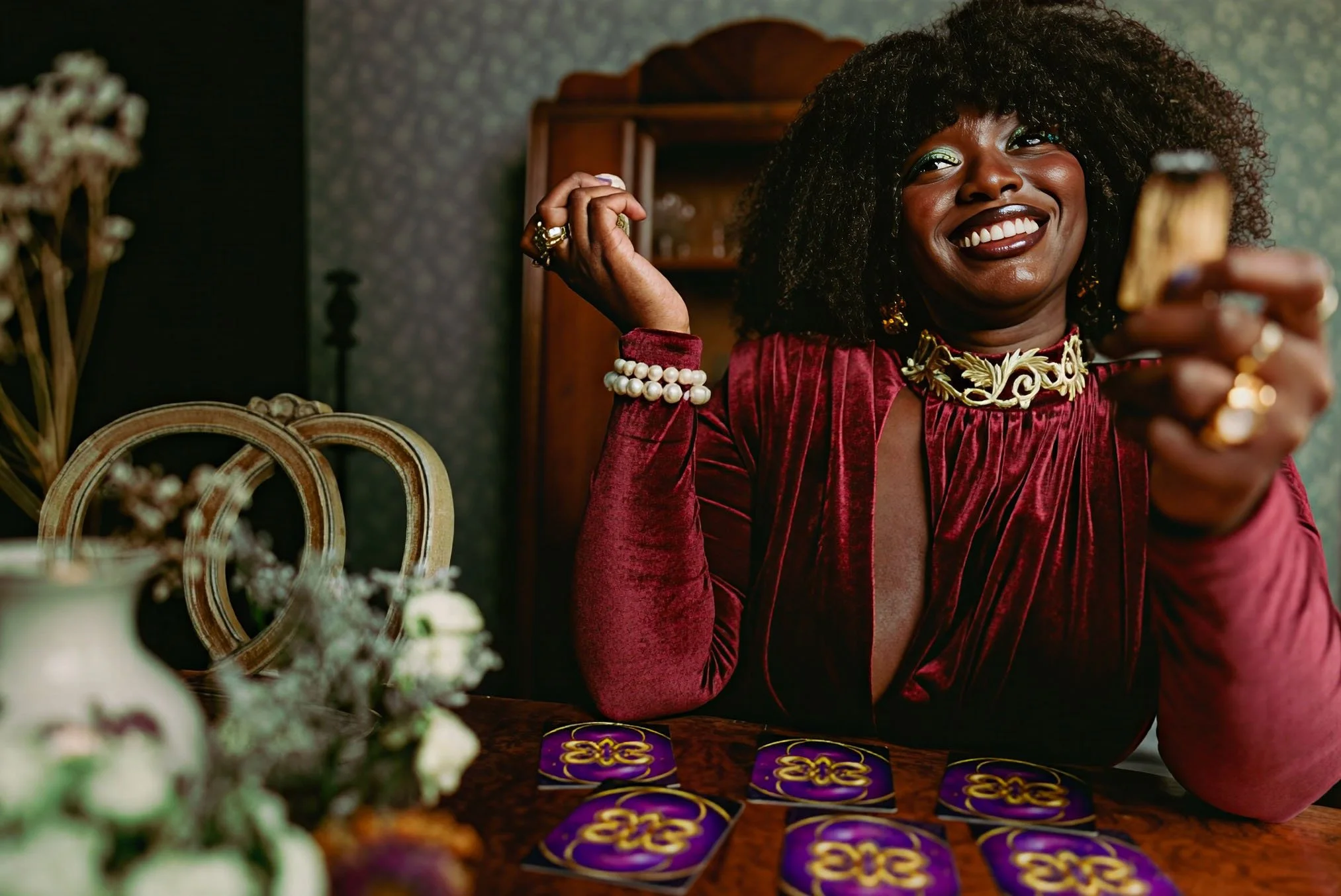











Hi, I’m the founder of Human Amplified. I’m Brandi Fleck, a recognized communications and interviewing expert, a writer, an artist, and a private practice, certified trauma-informed life coach and Reiki healer. No matter how you interact with me, I help you tell and change your story so you can feel more like yourself. So welcome!
Find More on the Blog
Topic
- ADHD
- AI
- Atlanta
- Black and BIPOC
- DIY
- FAQ
- LGBTQIA plus
- Los Angeles
- Nashville
- Seattle
- St Louis
- St. Louis
- UFOS/UAPs/ETs
- abuse
- accountability
- addiction and recovery
- adoption
- affirmations
- afterlife
- altered state
- angels
- animals
- anxiety management
- art
- astrology
- atlanta
- attachment
- awakening
- beauty
- behind the scenes
- being human
- body image
- body work
- boundaries
- brandi fleck
- breathwork
- bullying
- burn out
- burnout
- cancer
- career
- caretaking
- chakras
- channeled
- clarity-dive
- clarity-practice
- clarity-primer
- clean products
- coach
- codependency
Recent Blog Posts
Visit the Full Podcast Audio Archive

Affiliate

Psychology specialist Corey Hatfield explains character strengths, anxiety, mindfulness, and why two people can experience the same situation in completely different ways.